

9 Onsen in Kanagawa worth your time
Japan Gems
9 Onsen in Kanagawa, with what to see and how to get there.
Kanagawa has 9 onsen on Japan Gems. Below are the 9 we can tell you the most about — each one written up in English from Japanese sources, with what to see and how to get there. See all onsen in Kanagawa.
01
Kabutoyu Onsen
KANAGAWA · PLACE かぶと湯温泉
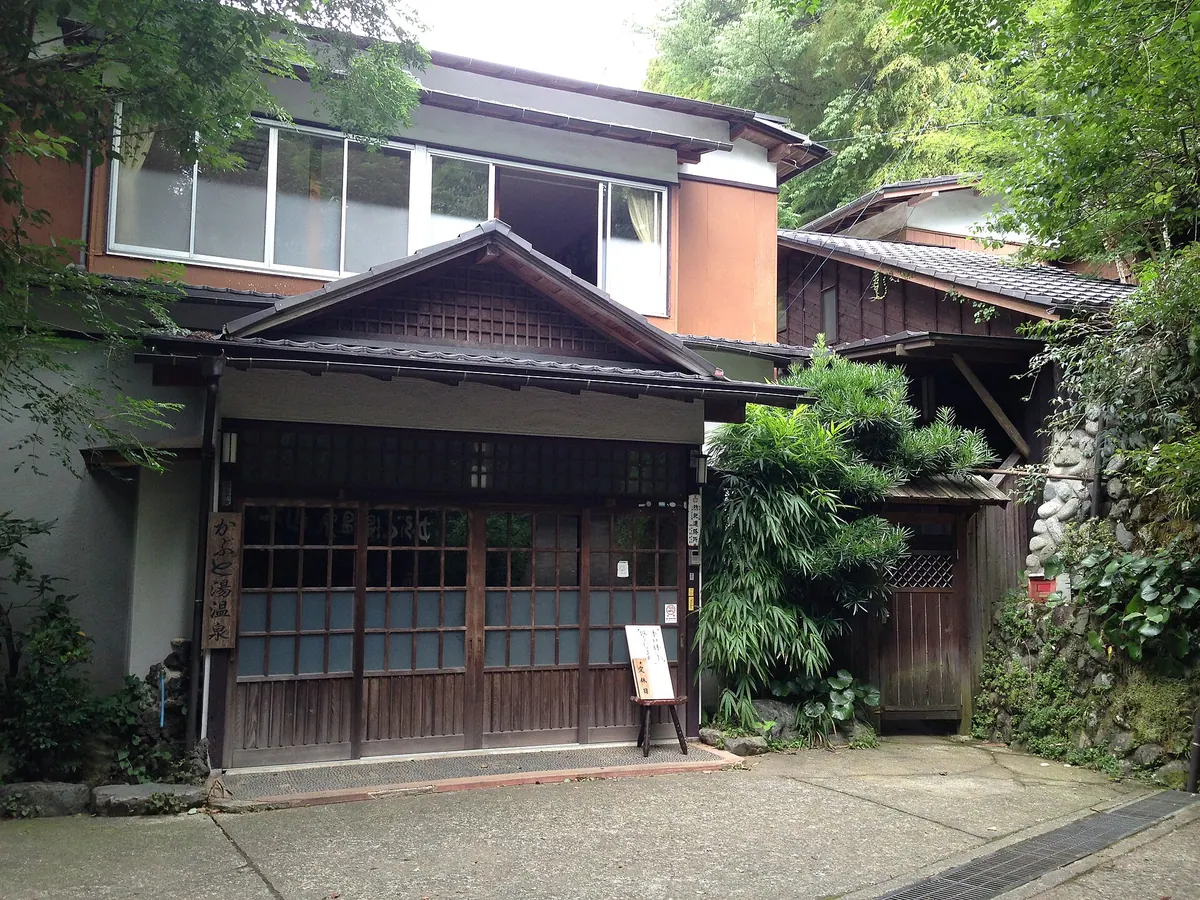
A secluded hot spring inn featuring highly alkaline water discovered after the 1923 Great Kanto Earthquake.
What it is
- A hot spring source discovered following the 1923 Great Kanto Earthquake.
- The name comes from a helmet-shaped rock that collapsed during the earthquake.
- Sansuiro is the only operating inn at this specific hot spring location.
- The facility features natural alkaline spring water with a high pH value of 10.1.
What to see
- Natural spring water flowing at a temperature of twenty-three degrees Celsius.
- A traditional inn setting located within the Nanasawa Onsen district.
- A parking lot available for visitors with space for twenty vehicles.
When to go
- Day-use bathing is open to visitors from 11:00 until 17:00.
- The facility is closed every week on Tuesdays and Wednesdays.
Getting there
- Buses from Hon-Atsugi Station reach the hot spring area in forty-five minutes.
02
Yugawara Onsen
KANAGAWA · PLACE 湯河原温泉
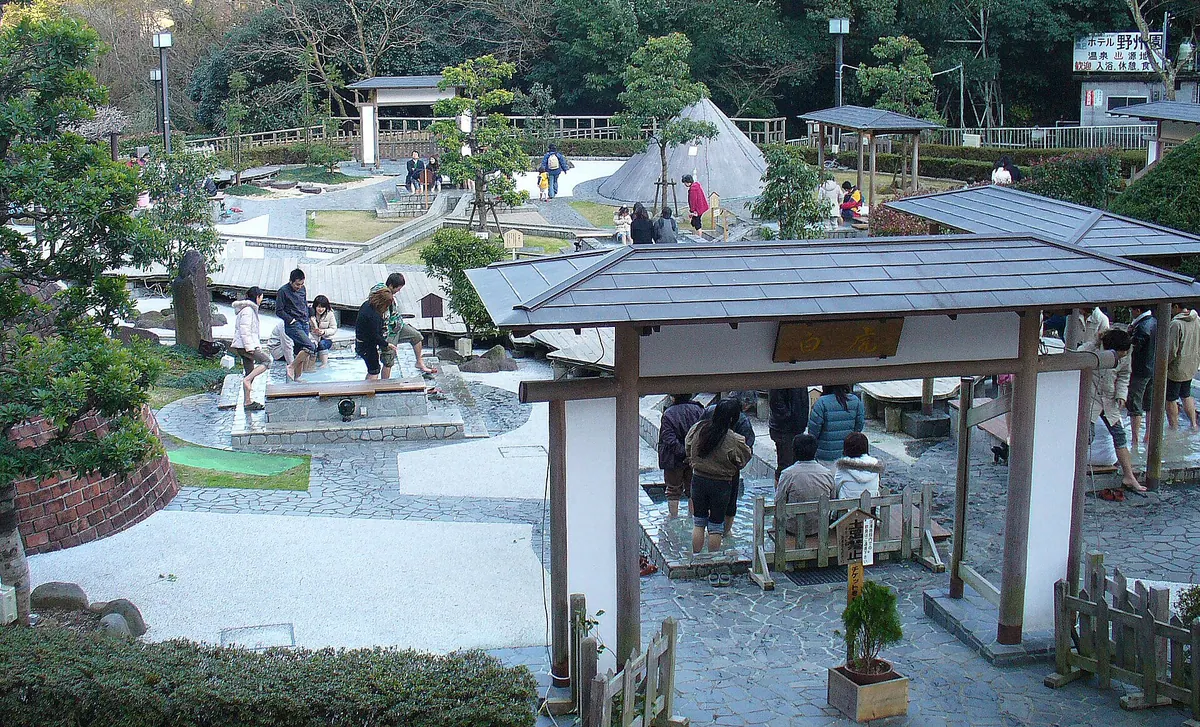
A historic hot spring town in a volcanic caldera, famously mentioned in ancient poetry and favored by Japan's greatest literary figures.
What it is
- A hot spring resort located within the eroded caldera of the Yugawara Volcano.
- The only hot spring area mentioned in the ancient Manyoshu poetry collection.
- A literary retreat where authors Natsume Soseki and Akutagawa Ryunosuke stayed and wrote.
- A collection of five day-trip bathing facilities and numerous inns along the Chitose River.
What to see
- A monument dedicated to the Manyoshu poem located inside Manyo Park.
- The Doppo no Yu large footbath facility situated within the park grounds.
- Natural hot spring waters ranging from 30 to 88 degrees Celsius.
- Traditional architecture and scenery following the path of the Chitose River valley.
Getting there
- Take the JR Tokaido Main Line to Yugawara Station.
- Buses run from Yugawara Station directly to the central hot spring district.
- Official site
- yugawara-resort.com
03
Inamuragasaki Onsen
KANAGAWA · PLACE 稲村ヶ崎温泉
A day-use hot spring facility in Kamakura featuring rare dark brown moor water and views of the coastline.
What it is
- A day-use bathing facility opened in 2005 along the Kamakura coast.
- The site features a sodium bicarbonate cold mineral spring discovered in 2000.
- The water is classified as a moor spring and has a distinct dark brown color.
- The facility is restricted to adults and children aged thirteen and older.
What to see
- Indoor and open-air baths that switch between men and women weekly.
- A sauna facility available for use during standard operating hours.
- The dark brown mineral-rich water characteristic of this specific spring.
When to go
- The facility is open daily from 9:00 to 21:00.
Getting there
- The facility is a five-minute walk from Inamuragasaki Station.
- A parking lot with space for thirty-eight vehicles is available on-site.
04
Koutakuji Onsen
KANAGAWA · PLACE 広沢寺温泉
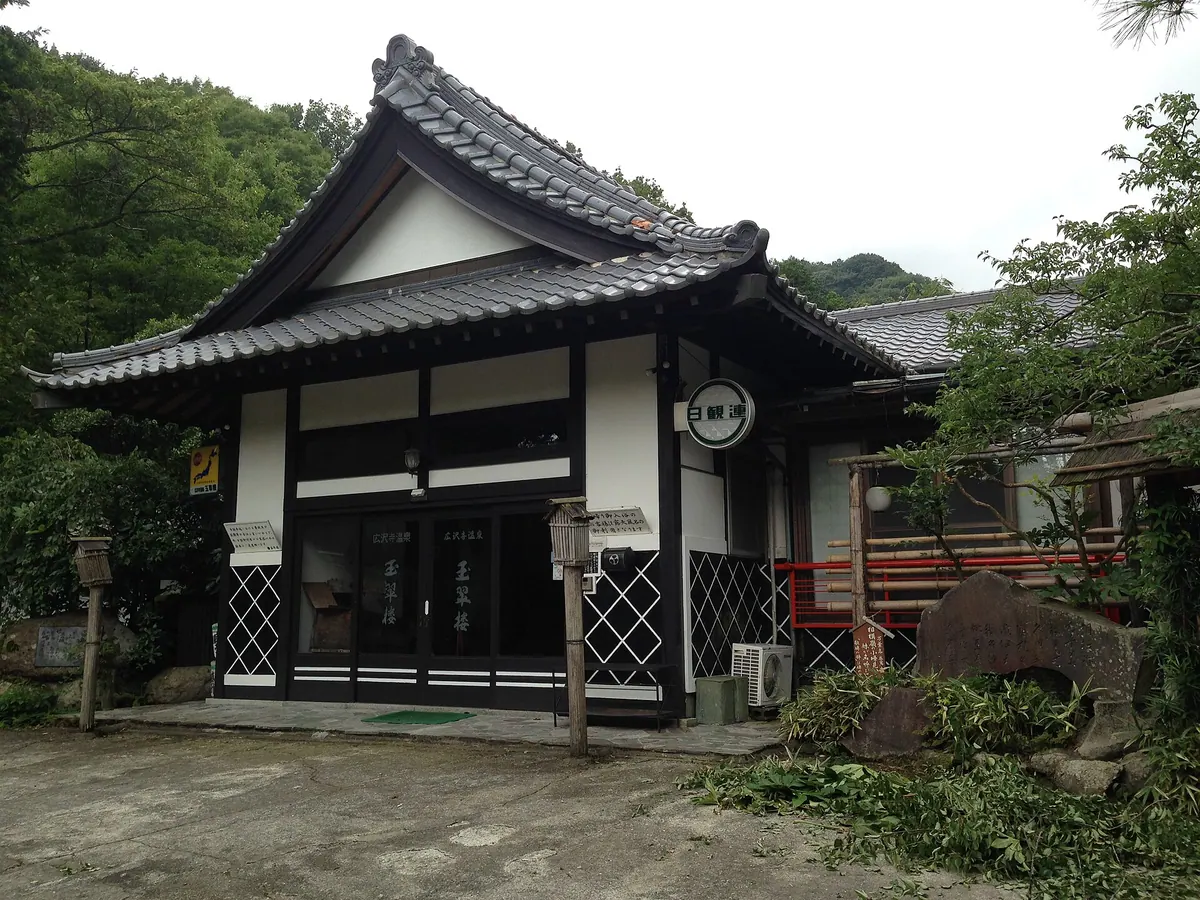
A quiet hot spring inn in Atsugi featuring highly alkaline waters and a historic designation as a scenic site.
What it is
- A hot spring facility in the Nanasawa area founded during the early Showa period.
- The site consists of a single inn called Gyokusuiro near Koutakuji Temple.
- It was officially selected as a scenic site of Kanagawa in 1935.
- The facility offers both overnight stays and day-use bathing for visitors.
What to see
- Spring water pumped from one hundred meters underground with a pH of 10.3.
- Natural hot spring water maintained at a temperature of twenty-four degrees Celsius.
- The surrounding scenic landscape of the Nanasawa Onsen area in Atsugi City.
When to go
- Free parking is available daily from 8:00 AM until sunset.
Getting there
- Take a bus from Hon-Atsugi Station for a journey of about forty minutes.
05
Hakone Onsen
KANAGAWA · PLACE 箱根温泉
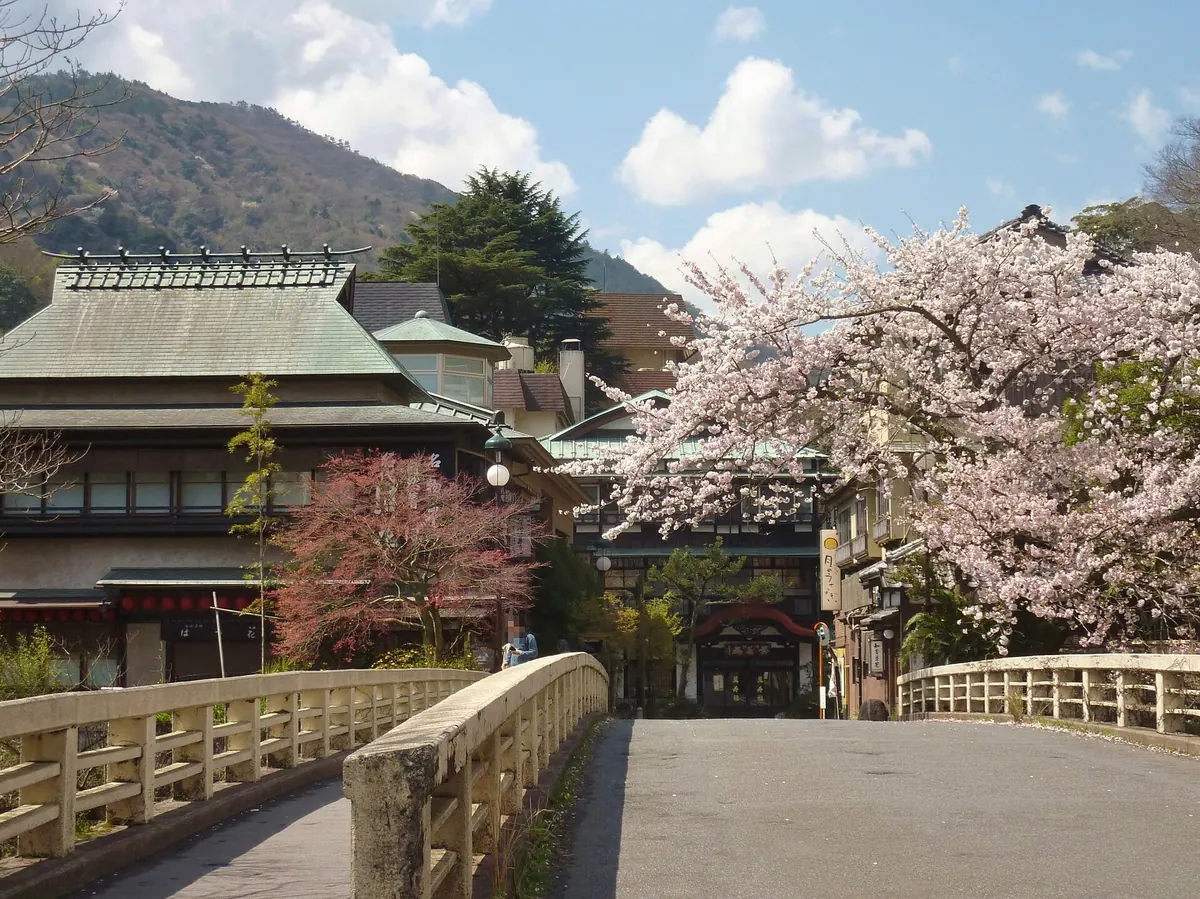
A historic hot spring region within a national park featuring seventeen distinct spa areas and volcanic landscapes.
What it is
- A collective term for hot springs located within the Fuji-Hakone-Izu National Park.
- Reportedly discovered in 738 by a monk named Shakujodo-bo.
- Used by Toyotomi Hideyoshi during the Siege of Odawara in the sixteenth century.
- Expanded from seven original springs to seventeen recognized spa areas over time.
What to see
- Hakone Yumoto which serves as the largest hot spring town in the region.
- The historic Fujiya Hotel located in the Miyanoshita Onsen district.
- Ashinoyu Onsen which sits at the highest elevation of the original seven springs.
- Owaku-dani where volcanic steam and groundwater produce artificial hot spring water.
- The Hakone Tozan Railway which has climbed these mountains since 1919.
06
Nakagawa Onsen
KANAGAWA · PLACE 中川温泉
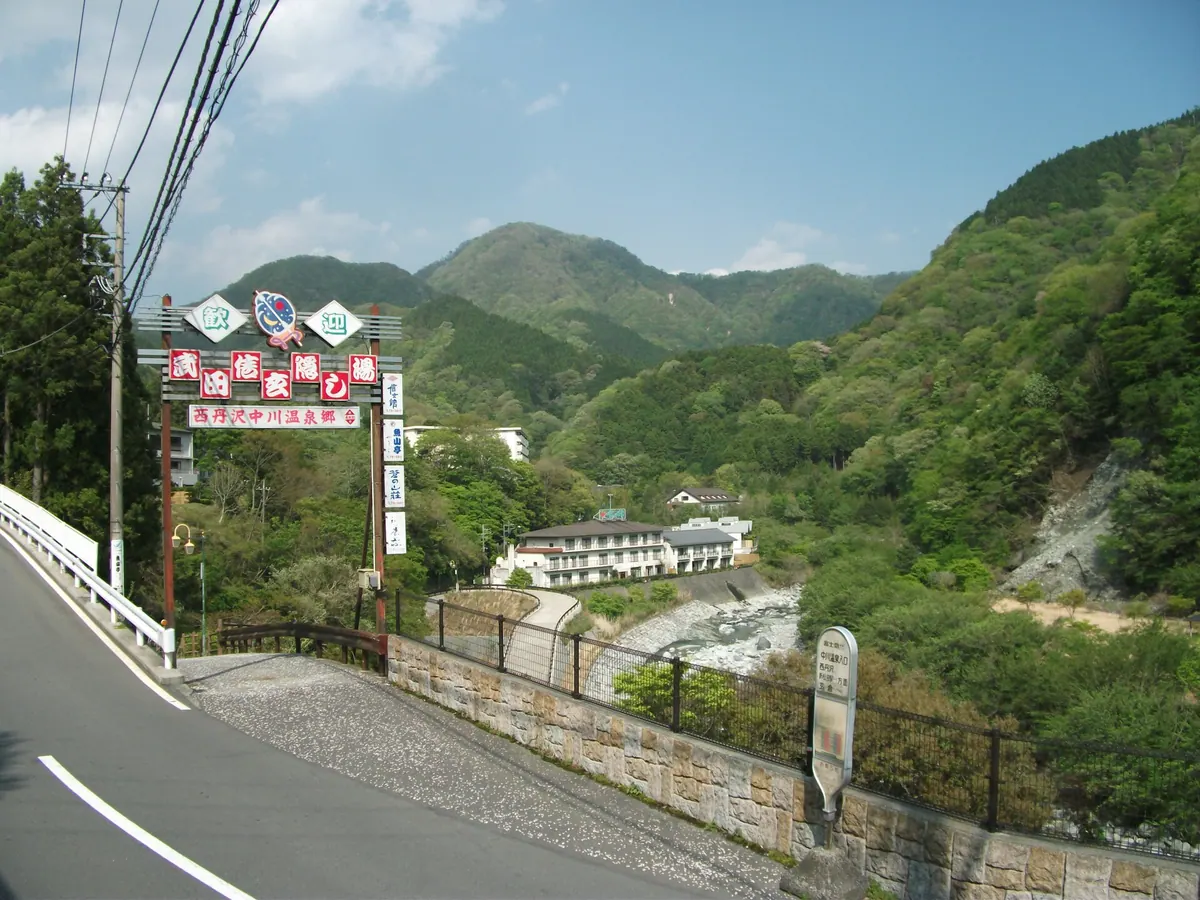
A high-alkaline hot spring north of Lake Tanzawa where legendary samurai once healed their battle wounds.
What it is
- A hot spring area located along the Nakagawa River in Yamakita Town.
- Known as a hidden bath used by the famous warlord Takeda Shingen.
- Features alkaline simple spring water with a high pH level of approximately 10.
- Historical site where soldiers reportedly healed wounds after battling Hojo Ujiyasu.
What to see
- The town-operated day-trip bath facility called Buna no Yu.
- Local traditional accommodations including Shingenkan and Gyosantei Yamabuki.
- Natural scenery surrounding the hot spring north of Lake Tanzawa.
Getting there
- Take a bus from Shin-Matsuda Station for a sixty minute journey.
- Take a bus from Yaga Station for a thirty minute journey.
07
Miura Mahoroba Onsen
KANAGAWA · PLACE 三浦マホロバ温泉
A deep-drilled salt spring inside a hotel near the Miura Coast, ideal for treating fatigue and skin conditions.
What it is
- A hot spring facility located inside the Maholova Minds Miura hotel.
- Founded in June 1992 after drilling 1,500 meters deep into the earth.
- The water is a neutral, hypertonic sodium chloride strong salt spring.
- The spring water reaches a natural temperature of 36.2 degrees Celsius.
What to see
- Natural hot spring waters used to treat skin diseases and physical fatigue.
- The surrounding coastal scenery of the Miura Coast area.
Getting there
- A seven-minute walk from Miura-kaigan Station to the hotel site.
- A free shuttle bus operates between the station and the hotel.
- A fifteen-minute drive from the Sahara Interchange for those traveling by car.
08
Tsunashima Onsen
KANAGAWA · PLACE 綱島温泉
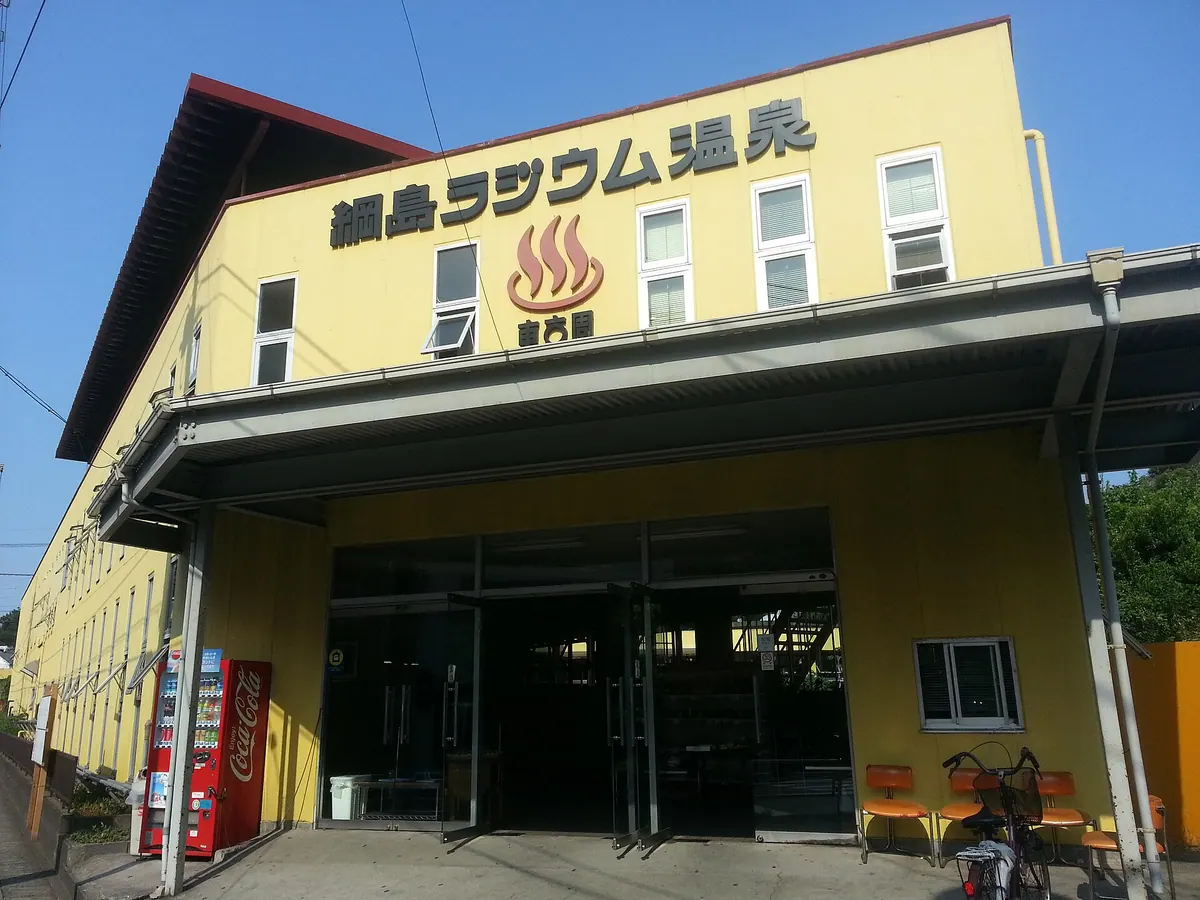
A historic hot spring district in Yokohama featuring unique black mineral water and modern day-trip bathing facilities.
What it is
- A hot spring area in Yokohama known for black sodium-bicarbonate cold mineral springs.
- The first hot spring inn opened in 1916 after radium was discovered in the water.
- The district peaked in 1960 with eighty different hot spring inns operating.
- Modern day-trip facilities now provide access to the local mineral waters.
What to see
- The Yukemuri-no-sho day-trip facility which is currently operating for visitors.
- The site of the former Tokyo-en facility where a new station now stands.
- Black mineral spring water with a natural source temperature of eighteen degrees Celsius.
09
Ashinoyu Onsen
KANAGAWA · PLACE 芦之湯温泉
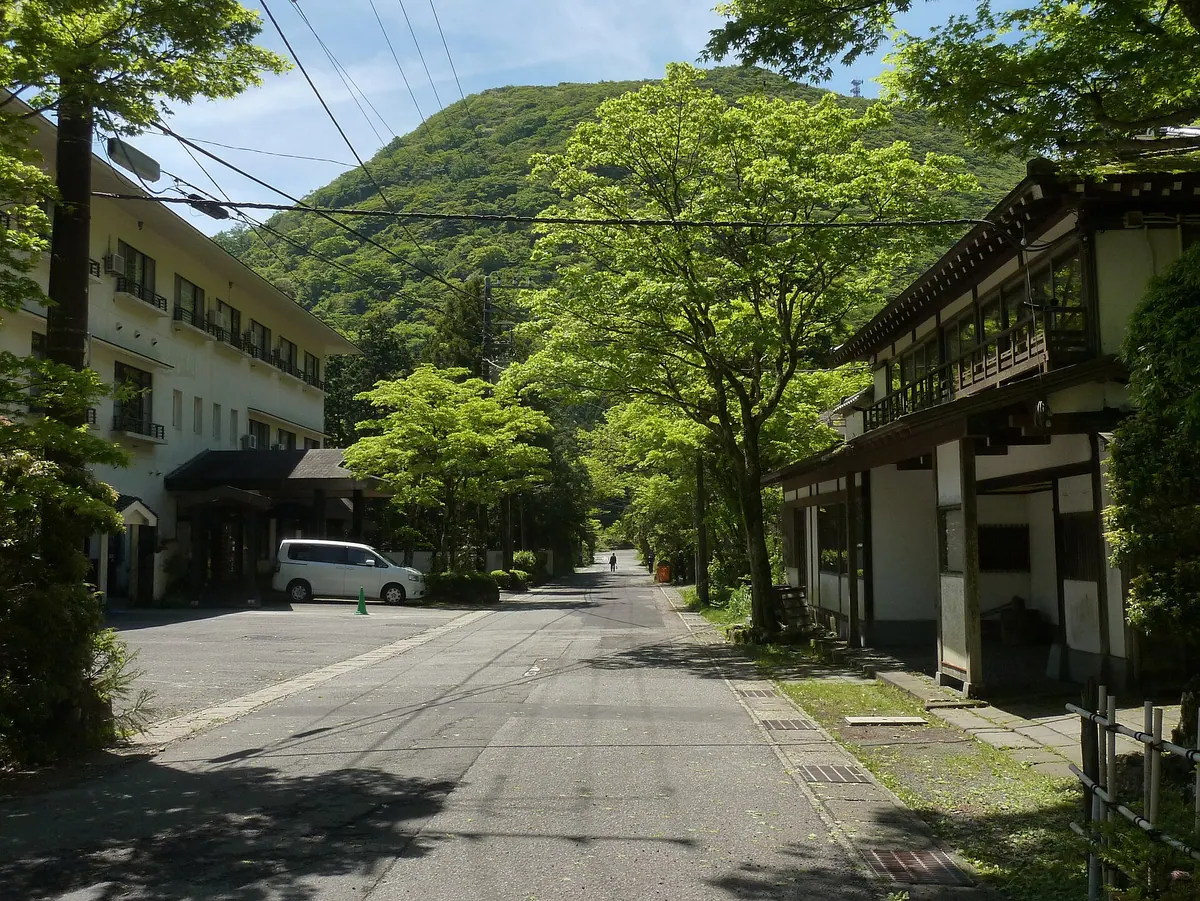
A historic high-altitude sulfur hot spring resort in Hakone once ranked among the best in the Edo period.
What it is
- One of the seven historic hot spring resorts located in the Hakone area
- Founded by Dainan Hanzaemon during the Tenna era at an elevation of 870 meters
- Designated as a National Recreation Hot Spring Resort by the government in 2015
- Known for sulfur and sulfate mineral waters used for neuralgia and skin diseases
What to see
- The Ajigaike pond which was dug by German soldiers during World War II
- The Tokoan building which served as a salon for literary figures like Motoori Norinaga
- The Ajigaike Benzaiten shrine which was rebuilt in the year 1744
- Official site
- hakone-ashinoyu.com