

17 Onsen in Gunma worth your time
Japan Gems
17 Onsen in Gunma, with what to see and how to get there.
Gunma has 17 onsen on Japan Gems. Below are the 17 we can tell you the most about — each one written up in English from Japanese sources, with what to see and how to get there. See all onsen in Gunma.
01
Ikaho Onsen
GUNMA · PLACE 伊香保温泉
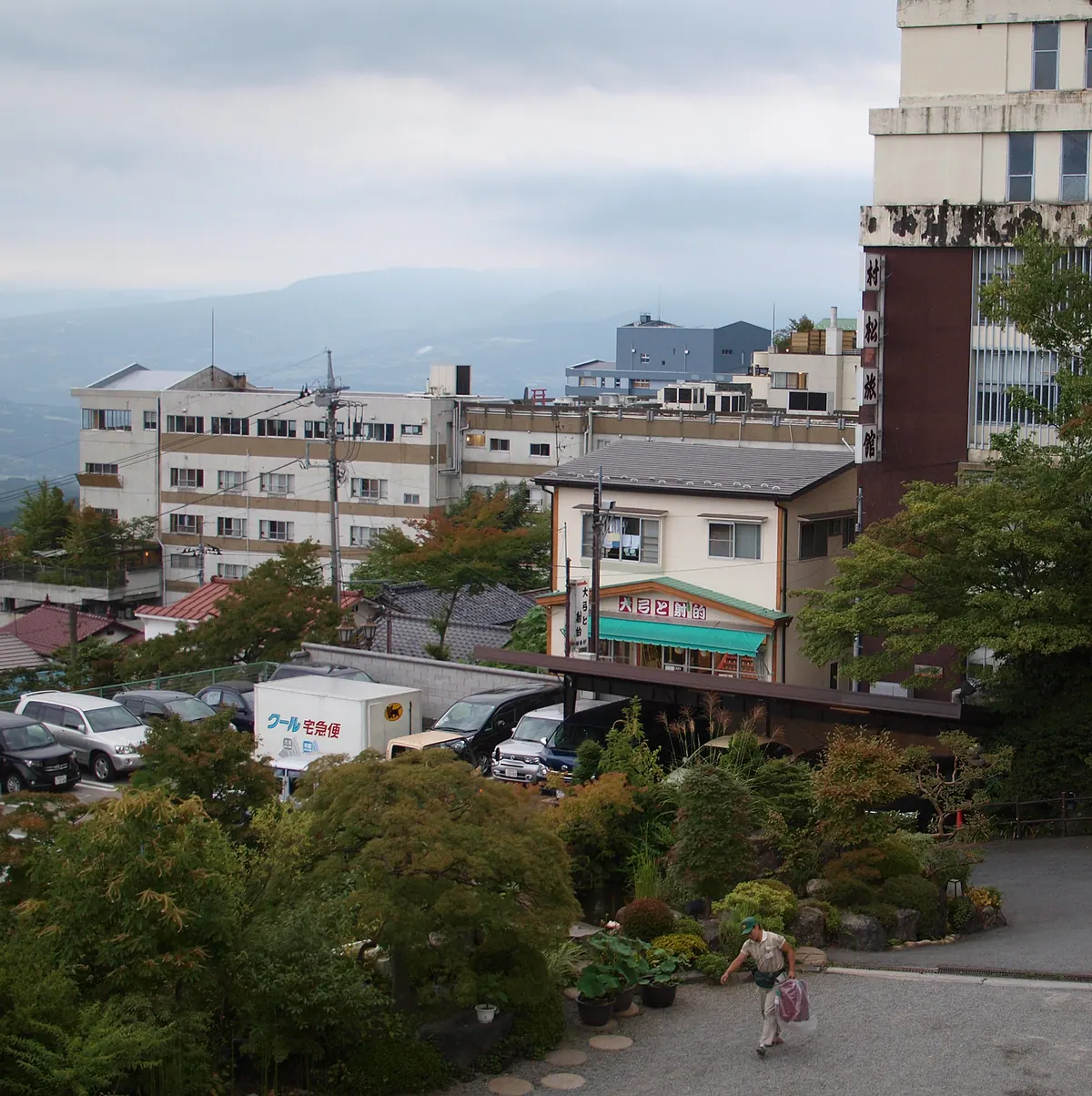
A historic hot spring town famous for its 365-step stone staircase and unique golden and silver mineral waters.
What it is
- A historic hot spring resort located in Shibukawa City within Gunma Prefecture.
- The town name appears in nine poems within the ancient Manyoshu poetry collection.
- Sanada Masayuki developed the central stone steps under orders from Takeda Katsuyori.
- This resort is considered the original birthplace of brown onsen manju buns.
What to see
- A central 365-step stone staircase that serves as the symbol of the town.
- Ikaho Shrine situated at the very top of the stone staircase.
- The Hawaii Kingdom Minister's Villa which is a designated city historic site.
- Registered national tangible cultural properties including the Yokotekan and Ikaho Kanko Hotel.
- Uenoyama Park on Mount Monokiki accessible via a local ropeway.
- Two distinct types of hot spring water known as Golden and Silver springs.
Getting there
- Direct highway buses depart from Shinjuku and Tokyo Station to the resort.
- Local buses provide access to the town from JR Shibukawa Station.
- Official site
- www.ikaho-kankou.com
02
Oigami Onsen
GUNMA · PLACE 老神温泉
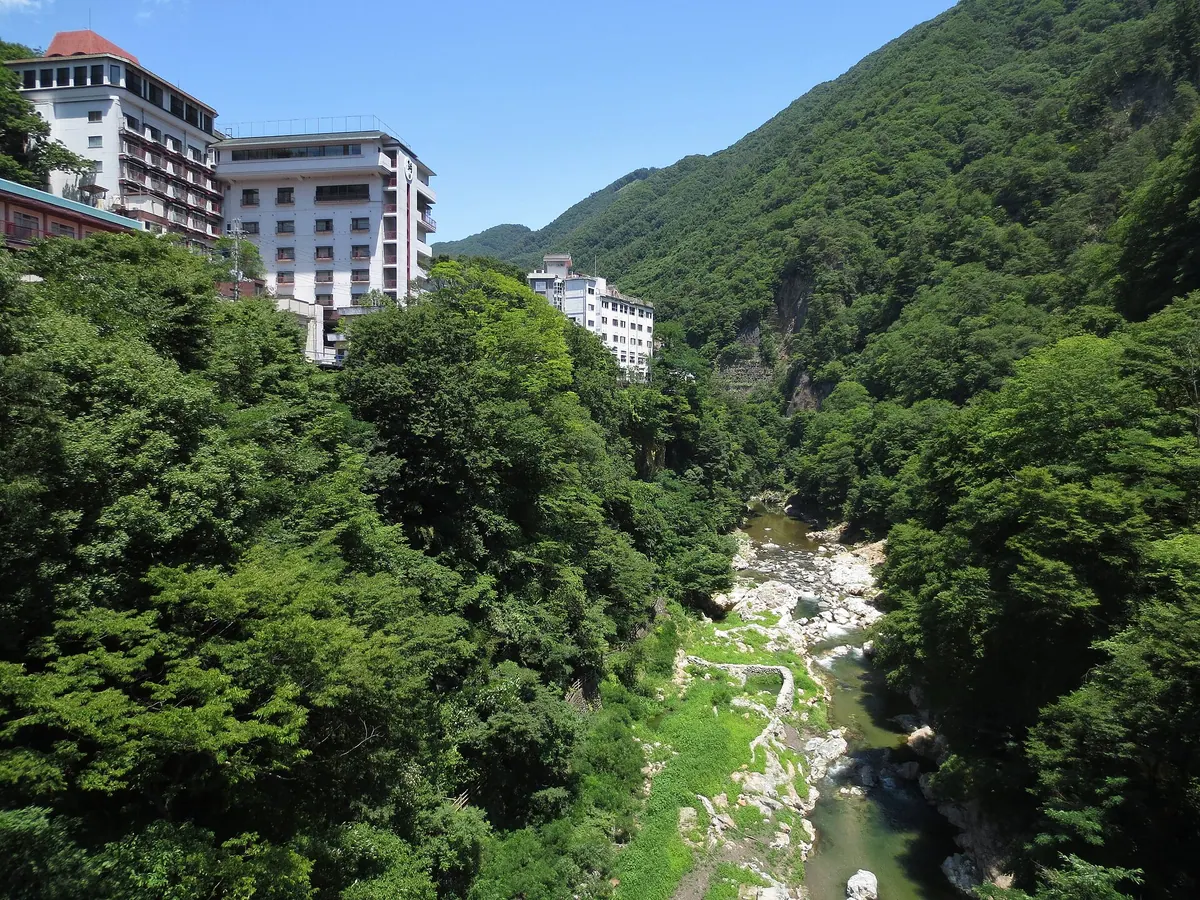
A riverside hot spring resort in Gunma featuring eight water sources and serving as a gateway to Oze and Nikko.
What it is
- A hot spring resort located along the Katashina River canyon in Numata City.
- A traditional destination with thirteen active inns and eight distinct water sources.
- Legend says the god of Mount Akagi discovered these springs.
- The local ryokan association has managed the area since 1935.
What to see
- A massive display of 7,000 dolls during the Hinamatsuri event at Tone Kanko Kaikan.
- The scenic views of the surrounding Katashina River canyon.
- A local morning market featuring regional goods and produce.
When to go
- Visit in May to witness the Great Snake Festival.
- The morning market runs daily from April through November.
- The Hinamatsuri doll display is held during the spring season.
Getting there
- Take a local bus directly from Numata Station to reach the resort.
- The area is a thirty minute drive from the Numata Interchange.
- Official site
- www.oigami.net
03
Manza Onsen
GUNMA · PLACE 万座温泉
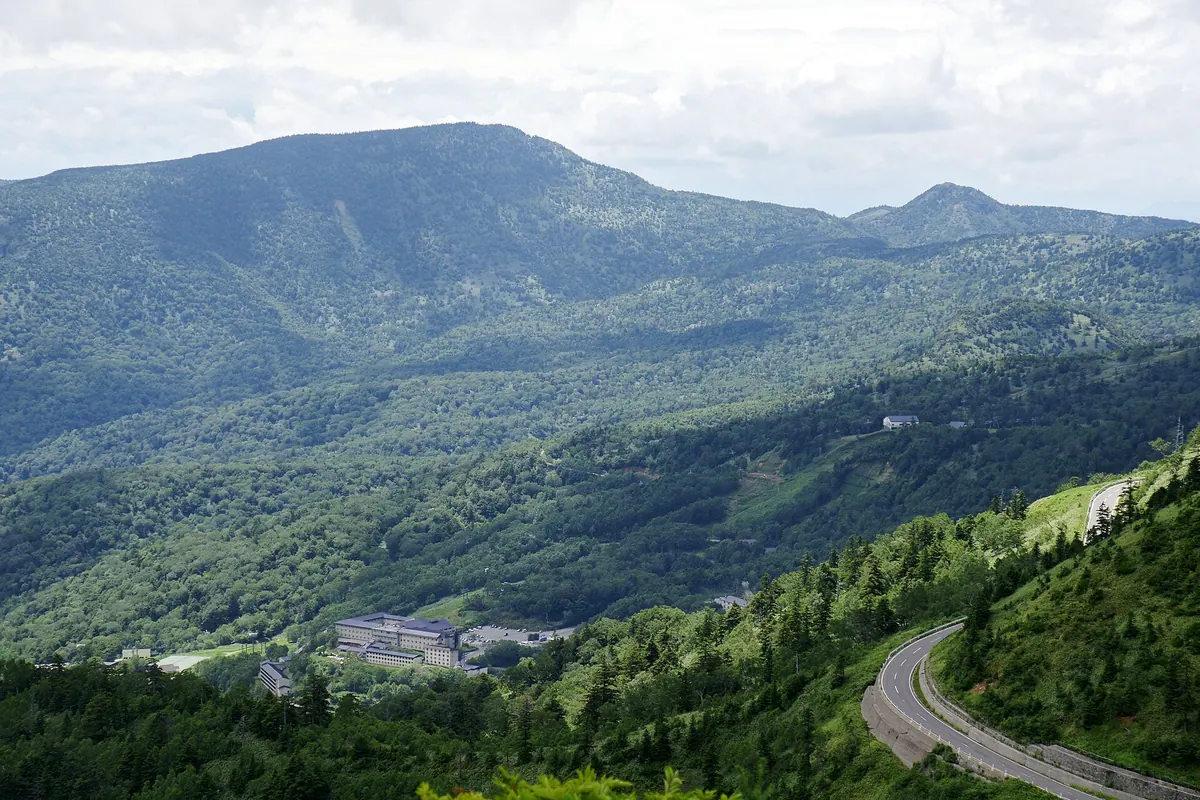
A high-altitude hot spring resort in a national park featuring Japan's most concentrated sulfur waters and year-round mountain access.
What it is
- A hot spring resort located at 1,800 meters within Joshin'etsu-kogen National Park.
- Seven hotels currently operate for guests in this high-altitude volcanic area.
- The site features acidic sulfur spring water with the highest sulfur content in Japan.
- The area includes a ski resort and has a history dating back to the Yayoi period.
What to see
- Hot springs discharging 3,750 liters of mineral-rich water every minute.
- Three volcanic crater lakes located in the immediate vicinity of the resort.
- Mountain landscapes and ski slopes surrounding the various hotel facilities.
When to go
- Winter for skiing and outdoor hot springs accessible via the year-round highway.
Getting there
- Buses run to the resort from Manza-Kazawaguchi Station and Karuizawa Station.
- The Manza Highway provides vehicle access to the village throughout the year.
- Official site
- www.manzaonsen.gr.jp
04
Hana-no-eki Katashina Hanasaku-no-yu Onsen
GUNMA · PLACE 花の駅・片品 花咲の湯
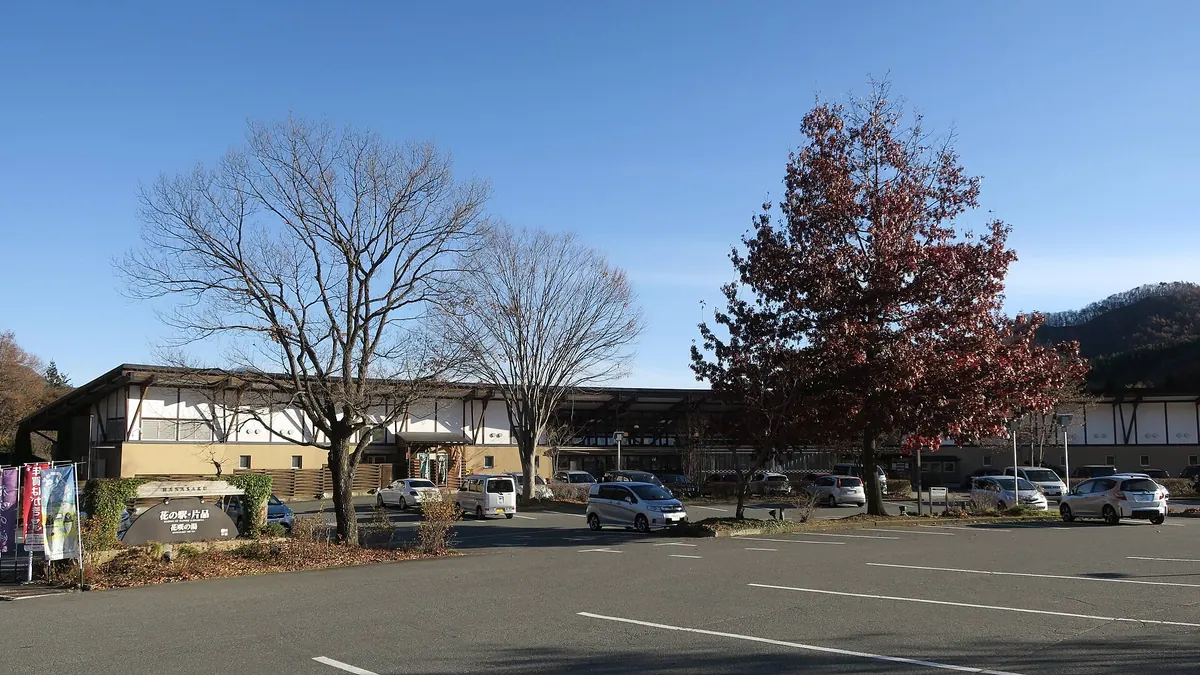
A public hot spring facility in Gunma featuring gender-alternating baths, a local farmers market, and an art gallery.
What it is
- A public day-trip hot spring facility established by Katashina Village in 1998.
- The site includes a restaurant and a market selling local farm produce.
- Bath areas alternate between men and women based on odd or even calendar dates.
- The facility is operated by the Katashina Village Promotion Public Corporation.
What to see
- An outdoor rock garden bath known as Kaze-no-yu.
- A gallery displaying approximately twenty prints by the artist Shinmo Kogure.
- A farmers market featuring local goods from late April to mid-November.
When to go
- The facility is open daily from 10:00 AM to 8:00 PM.
- The site closes every Friday except when it falls on a holiday.
- Visit between late April and mid-November to access the seasonal farmers market.
Getting there
- Access from Numata Station is available only by taking a taxi.
05
Kawarayu Onsen
GUNMA · PLACE 川原湯温泉
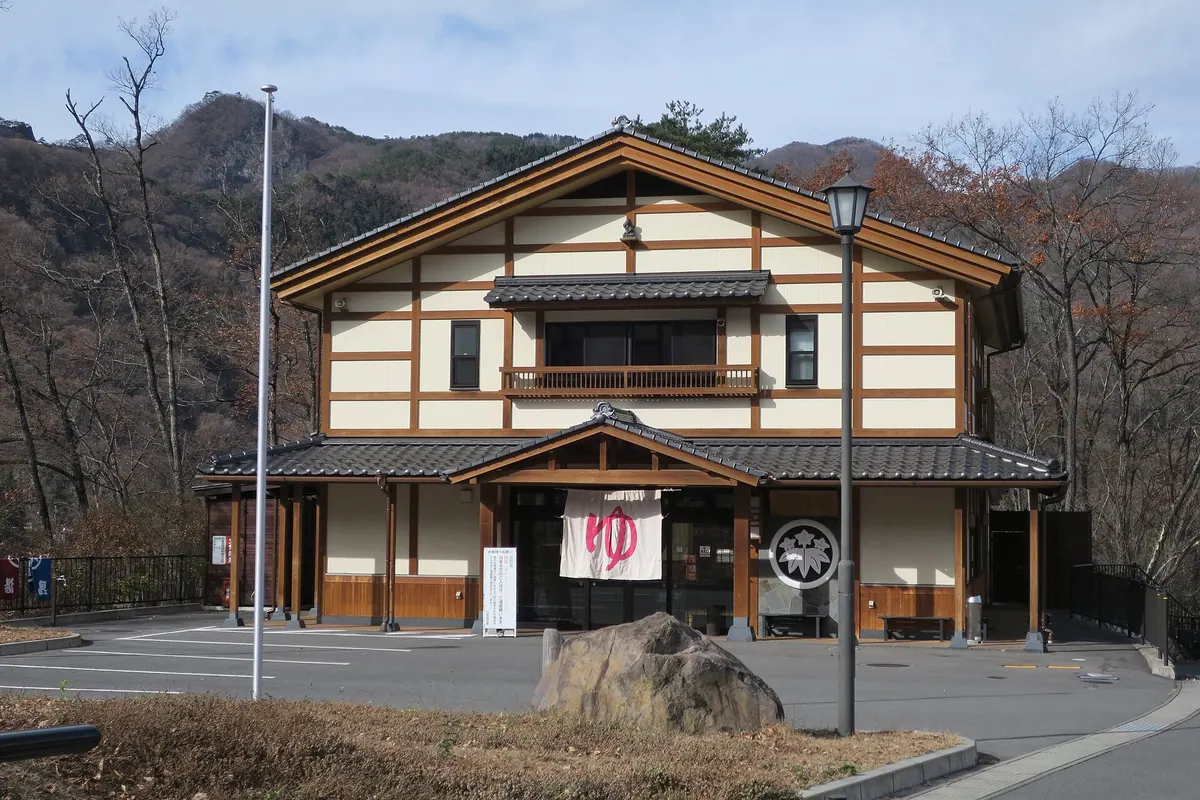
A relocated hot spring town in Gunma featuring historic communal baths and a unique winter water-throwing festival.
What it is
- A hot spring town relocated to higher ground after the original site was submerged by a dam.
- Legend says the spring was discovered by Minamoto no Yoritomo in 1193.
- The resort area currently contains six inns and three restaurants for visitors.
- The spring water contains a mix of salt, gypsum, and hydrogen sulfide.
What to see
- The Ou-yu communal bathhouse which features the historic Minamoto clan crest.
- A modern town layout built to replace the submerged original village.
- Communal bathing facilities that utilize both natural springs and drilled wells.
When to go
- January 20th for the annual Yukake Festival featuring water-throwing rituals.
- Winter to see participants in loincloths perform traditional festival rites.
Getting there
- The town is a 15-minute walk from Kawarayu-Onsen Station.
- Official site
- www.kawarayu.jp
06
Shirasawa Kōgen Onsen
GUNMA · PLACE 白沢高原温泉
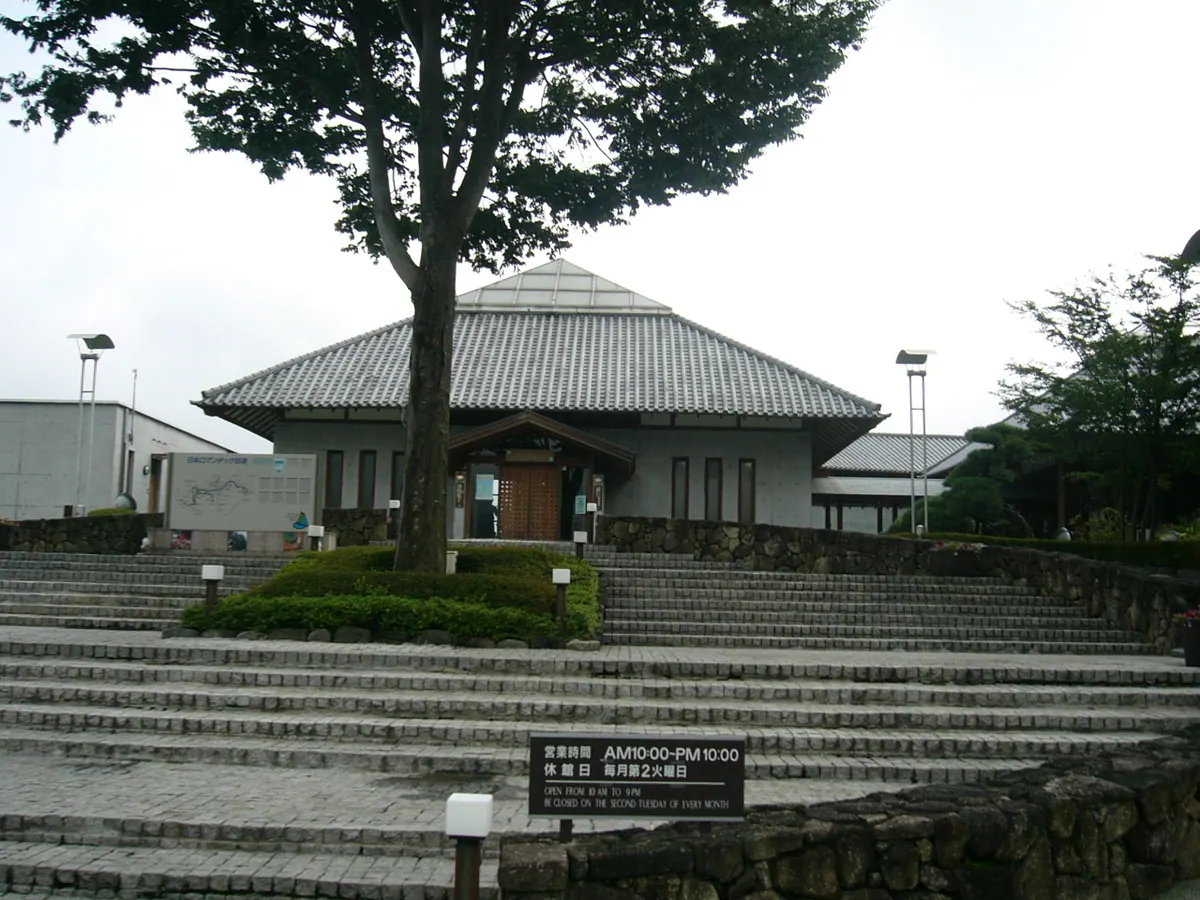
A high-temperature alkaline hot spring area in Numata featuring public baths and facilities located within a golf country club.
What it is
- A collection of alkaline simple hot spring facilities located in Numata City.
- The natural source water reaches a high temperature of 57 degrees Celsius.
- Hatsuho no Yu serves as a bathing facility within the Hatsuho Country Club.
- Bokyo no Yu is a public hot spring located at the Shirasawa roadside station.
What to see
- Day-use hot spring baths available for visitors at the local country club.
- Public bathing facilities situated along National Route 120.
- The surrounding landscape of the Shirasawa highland area in Gunma Prefecture.
When to go
- Day visitors can access the Hatsuho no Yu facility during specific operating hours.
Getting there
- The hot spring area is located four kilometers from the Numata Interchange.
- Access the location via the Kan-etsu Expressway to National Route 120.
07
Hōshi Onsen
GUNMA · PLACE 法師温泉
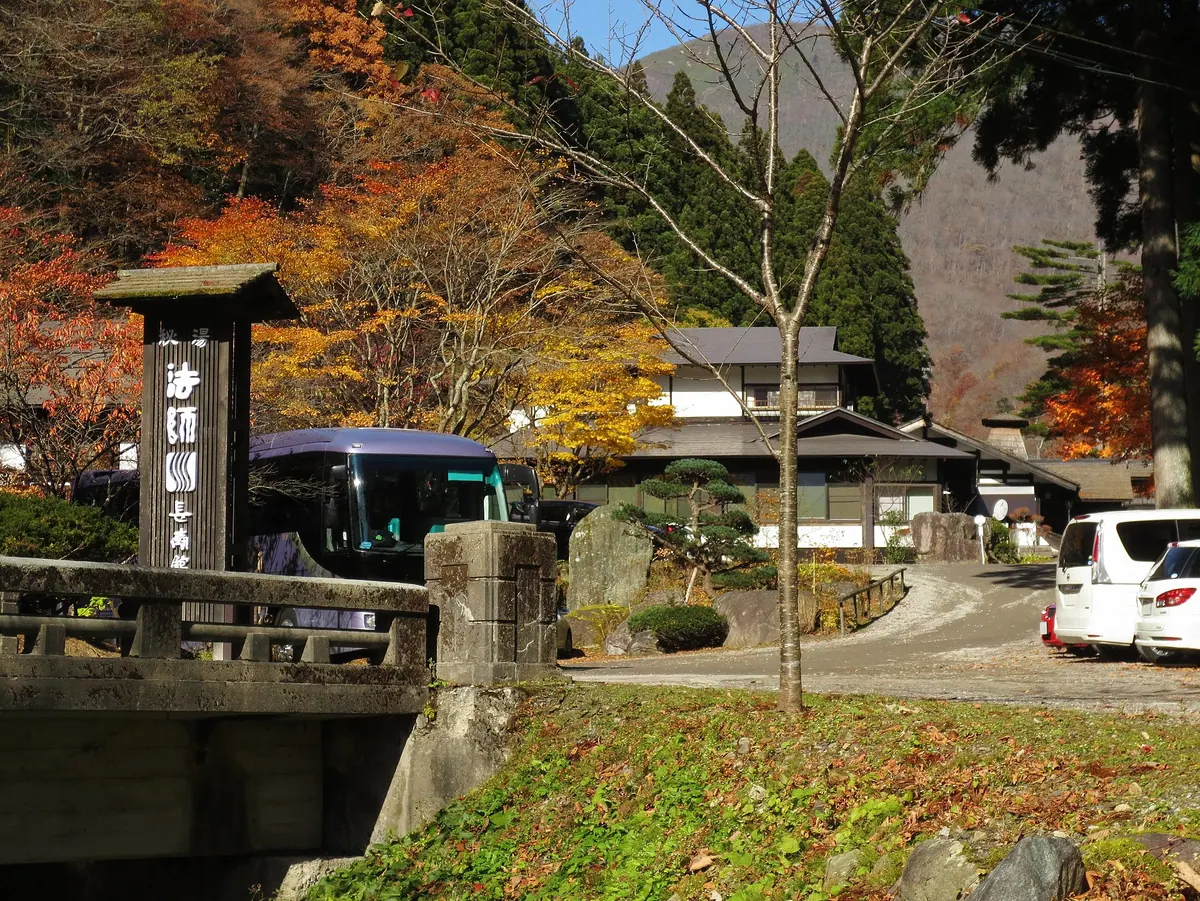
A historic hot spring inn featuring a traditional wooden bathhouse where water bubbles up naturally through pebble floors.
What it is
- A traditional hot spring inn and National Health Resort founded in 1875.
- The facility is situated at an altitude of 800 meters in Minakami Town.
- The main and annex buildings are officially designated as Registered Tangible Cultural Properties.
- The spring water consists of colorless calcium and sodium sulfate at 43 degrees Celsius.
What to see
- The Hoshi-no-yu bathhouse which was originally constructed in 1895.
- A mixed-gender bathing area where water rises naturally through pebbles on the floor.
- Historic wooden architecture preserved within the main building and annex.
When to go
- Day-trip bathing is available to visitors every day except for Wednesdays.
Getting there
- The facility is accessible by taking a bus from Jomo-Kogen Station.
- Official site
- hoshi-onsen.com
08
Minakami Onsen
GUNMA · PLACE 水上温泉
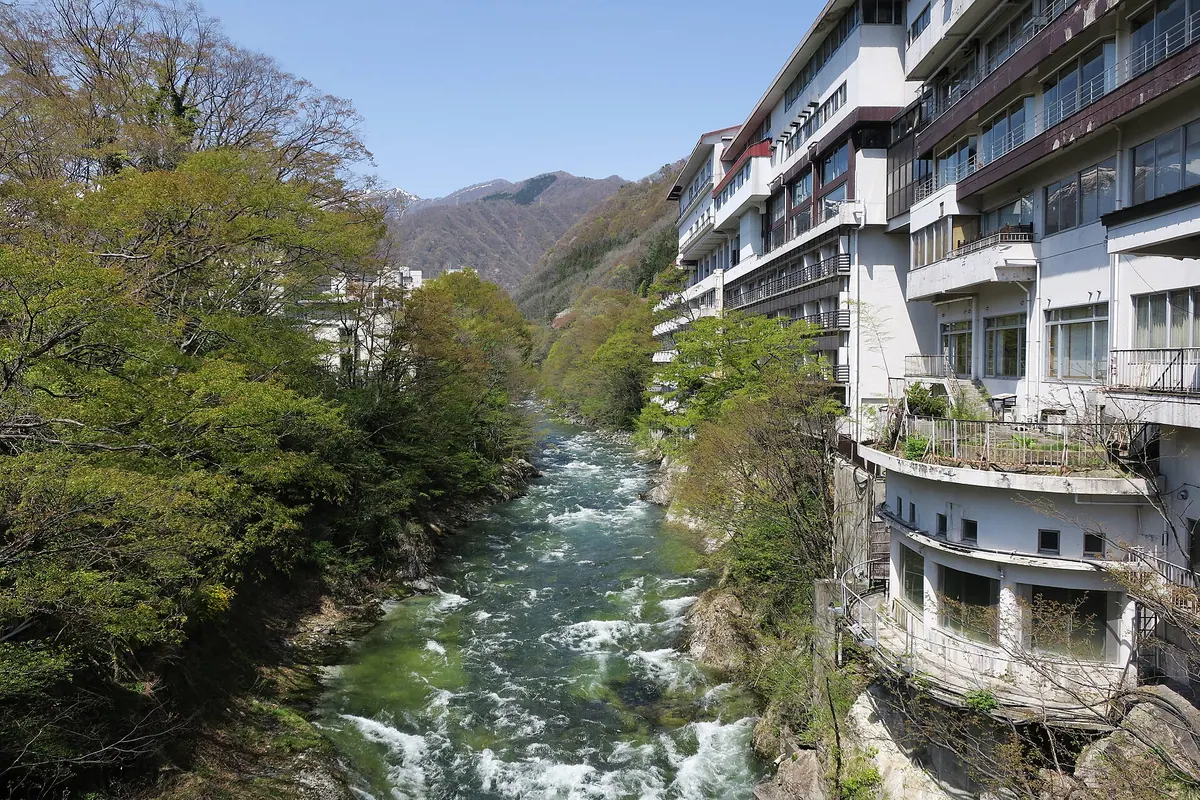
A riverside hot spring resort at Mount Tanigawa offering calcium-sulfate baths and year-round outdoor sports like skiing and rafting.
What it is
- A hot spring resort area originally known as Yubara Onsen at the foot of Mount Tanigawa.
- The town features calcium-sulfate springs with accommodations built along the cliffs of the Tone River.
- A popular destination for outdoor activities including skiing in winter and rafting in summer.
- Public bathing facilities such as Yu-Terme Tanigawa are available for visitors.
What to see
- Hot spring hotels and ryokan lining the steep cliffs along the upper Tone River.
- Natural scenery at the southern foot of the prominent Mount Tanigawa.
- The Tone River which serves as a hub for local water sports.
Getting there
- The hot spring area is a five-minute walk from Minakami Station.
- Accessible by car via the Minakami Interchange on the Kan-etsu Expressway.
- Official site
- minakamionsen.com
09
Sarugakyō Onsen
GUNMA · PLACE 猿ヶ京温泉
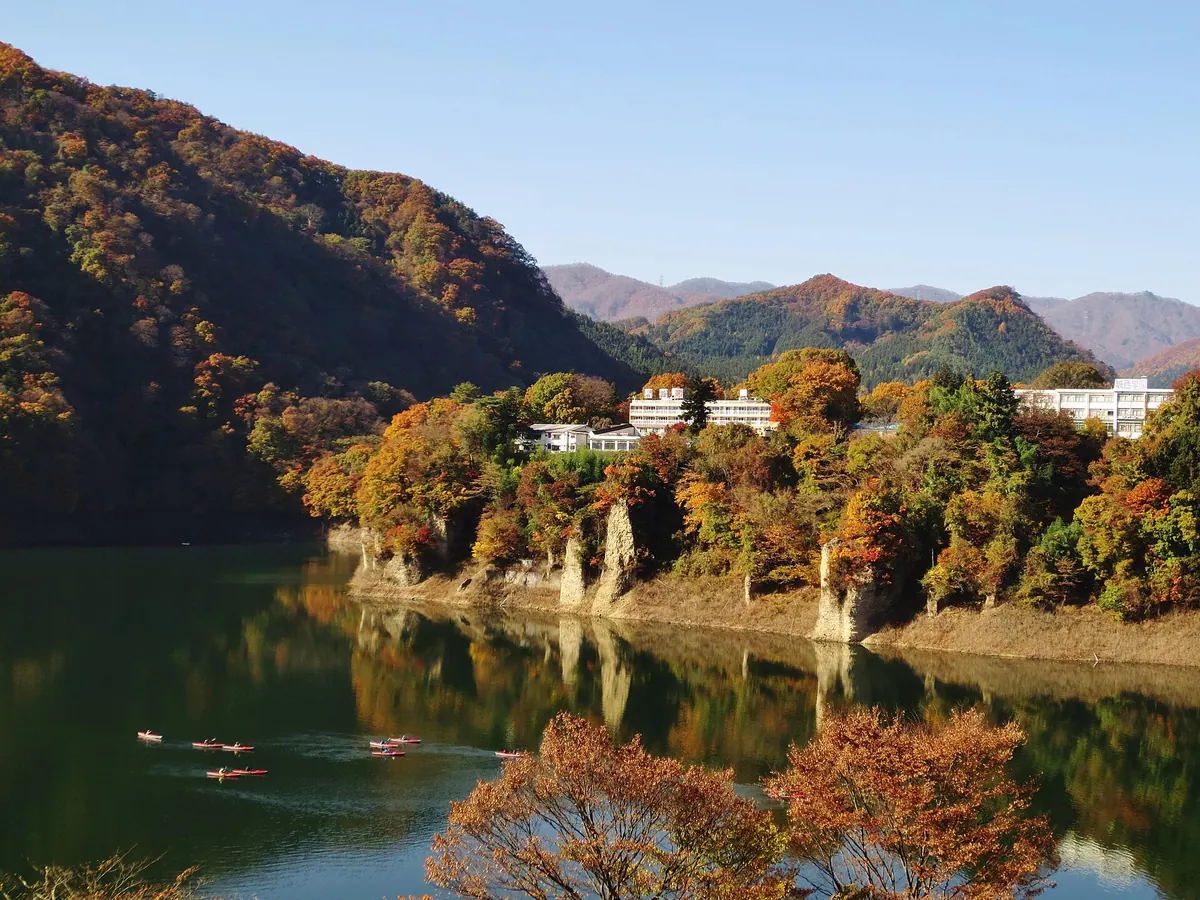
A scenic lakeside hot spring resort in Gunma featuring mineral-rich waters and historical ties to the Edo period.
What it is
- A hot spring resort area located on the shore of Lake Akaya in Minakami Town.
- Part of the Minakami National Health Resort Hot Spring Area with sodium and calcium sulfate waters.
- The area was reportedly named by Uesugi Kenshin in 1560.
- The original hot spring moved in 1956 following the construction of a dam.
What to see
- Approximately forty different accommodation facilities operating throughout the resort area.
- Mantenboshi no Yu, a facility specifically designed for day-trip bathing visitors.
- The site of the Sarugakyo Checkpoint which was established during the Edo period.
- Views of Lake Akaya from the various hot spring baths and facilities.
Getting there
- Buses reach the resort area from Jomo-Kogen Station in thirty minutes.
- Official site
- sarugakyo-navi.jp
10
Kamimoku Onsen
GUNMA · PLACE 上牧温泉
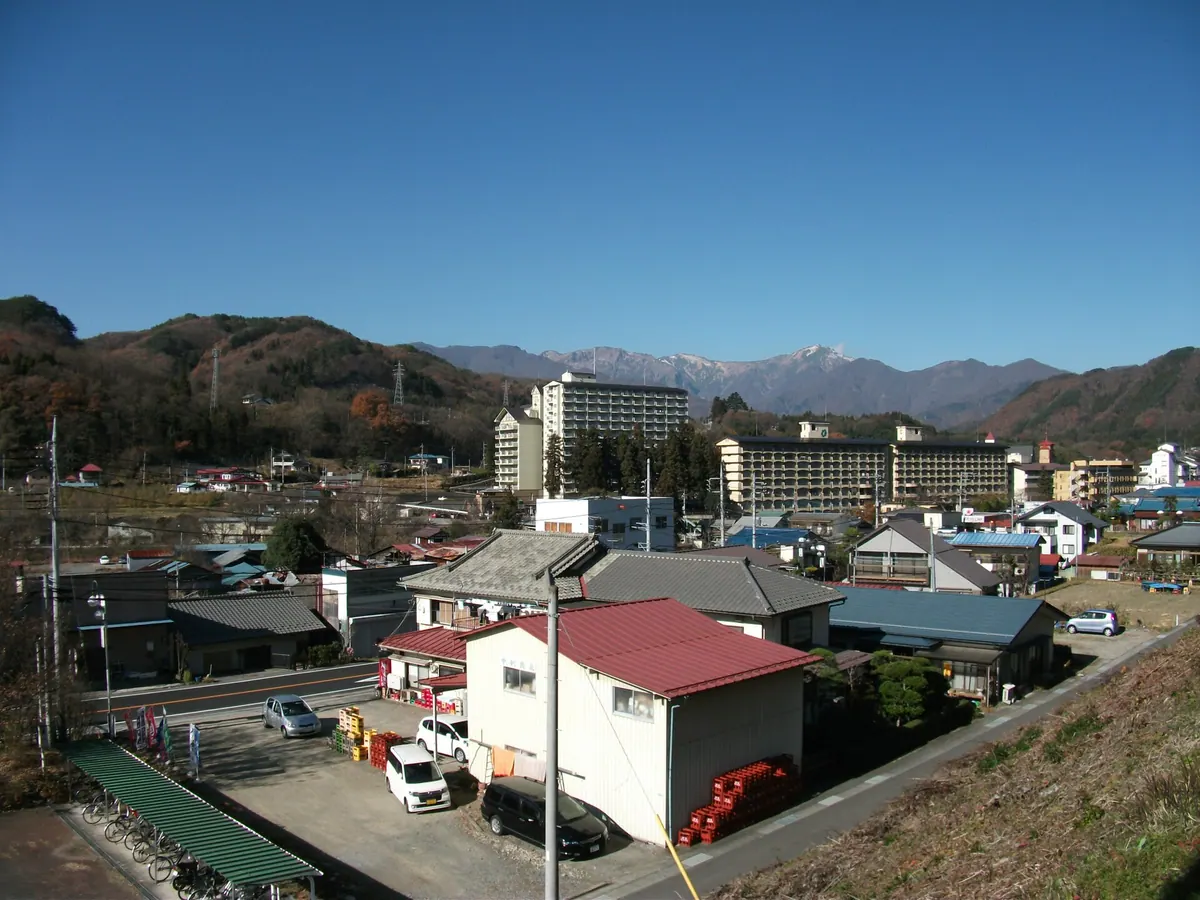
A quiet hot spring resort along the Tone River, designated as a National Health Resort for its therapeutic mineral waters.
What it is
- A non-volcanic thermal spring resort established in 1924 along the Tone River.
- Designated as a National Health Resort by the government in 1979.
- A collection of five hotels and ryokans sometimes grouped with Minakami Onsenkyo.
- A former retreat for the famous Japanese artist Kiyoshi Yamashita.
What to see
- The public bathhouse Fuwa no Yu which has been operating since 2002.
- Thermal waters containing calcium, sodium, sulfate, and chloride at 42 degrees Celsius.
- Traditional riverside accommodations situated directly along the banks of the Tone River.
Getting there
- A six-minute walk from Kamimoku Station to reach the hot spring area.
- A ten-minute bus or taxi ride from Jomo-Kogen Station.
11
Kusatsu Onsen
GUNMA · PLACE 草津温泉
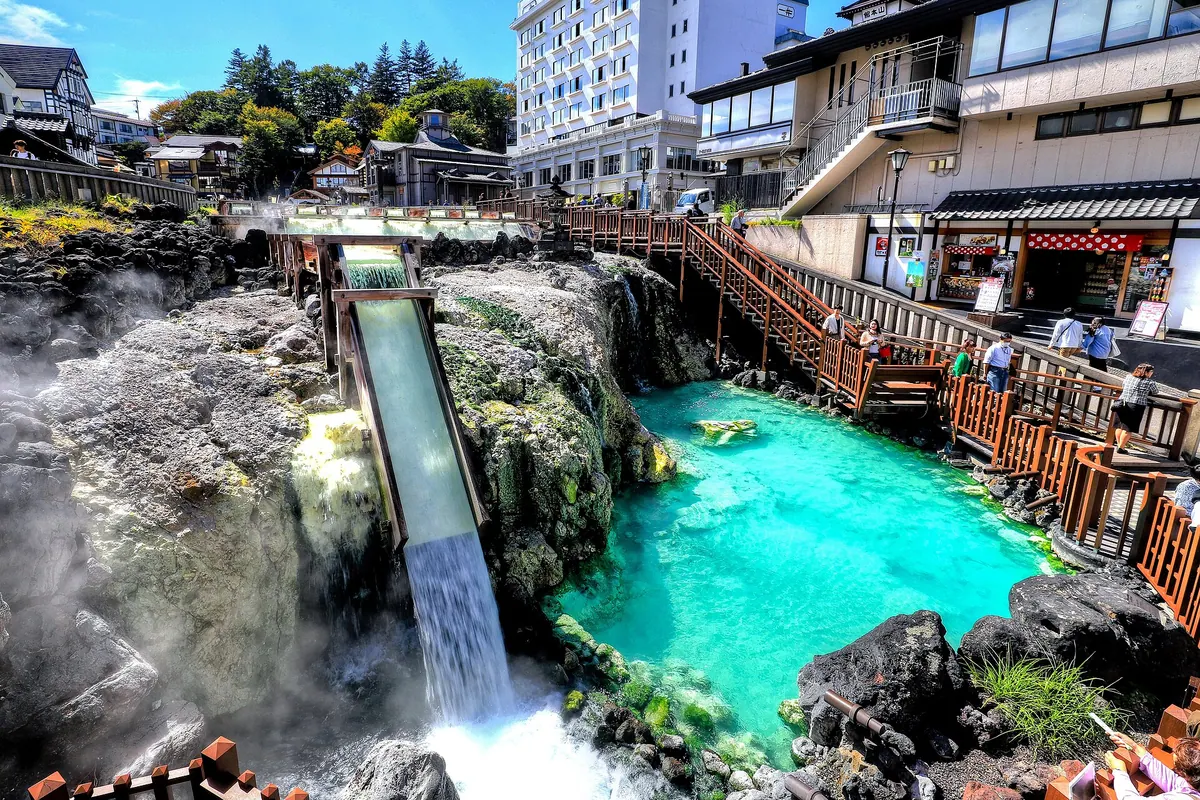
One of Japan's top three hot spring resorts, famous for its high water volume and traditional cooling methods.
What it is
- A historic hot spring resort located at the foot of Mount Kusatsu-Shirane.
- One of Japan's Three Famous Springs with the highest natural water discharge rate.
- A high-altitude town sitting between 1,100 and 1,200 meters above sea level.
- A destination historically ranked as a top-tier Ozeki in hot spring rankings.
What to see
- The Yubatake field, a central landmark designed by artist Taro Okamoto.
- Six major springs managed by the public administration for visitor use.
- Nineteen public baths available for free use throughout the town.
- Traditional Yumomi performances demonstrating how to cool hot water with wooden paddles.
- Acidic waters with a pH of 2.0 flowing through wooden cooling channels.
- Official site
- www.kusatsu-onsen.ne.jp
12
Kazawa Onsen
GUNMA · PLACE 鹿沢温泉
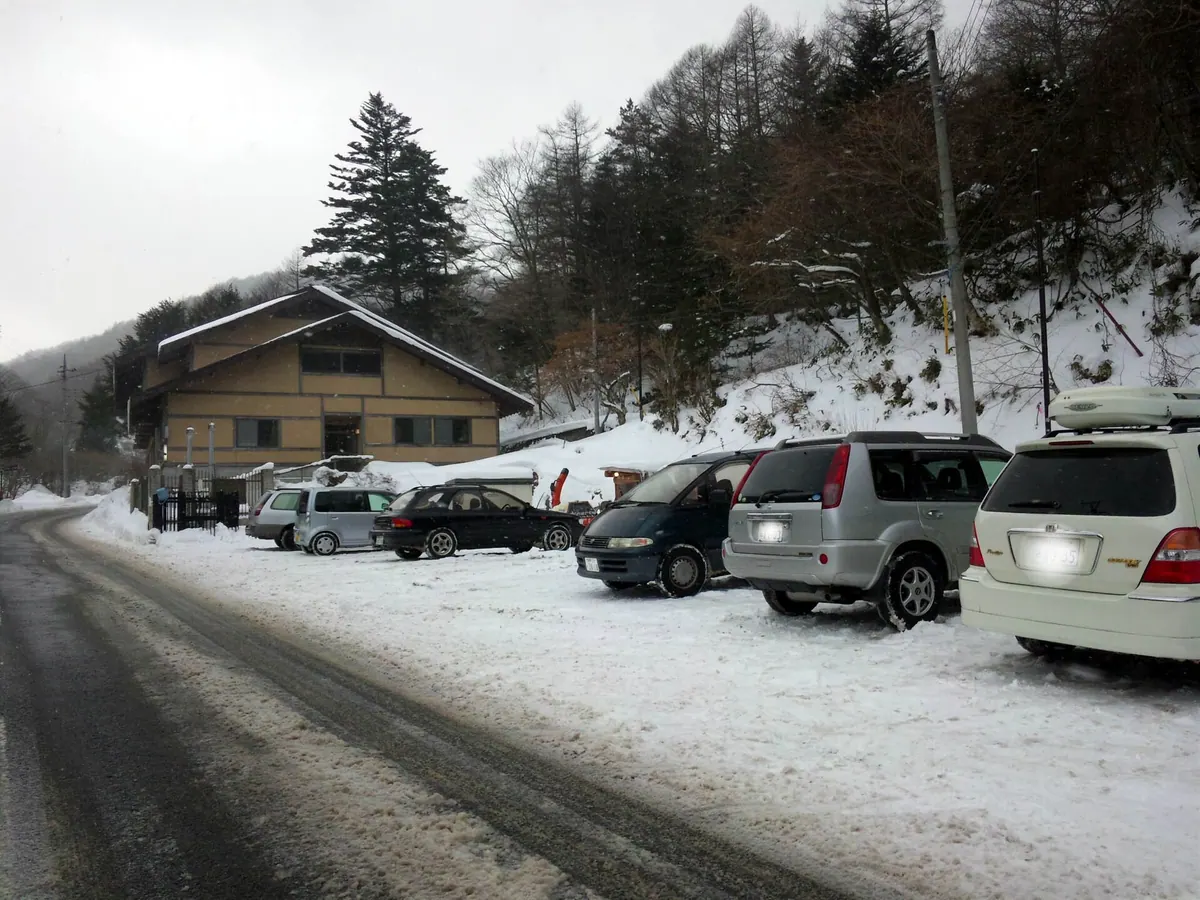
A high-altitude national health resort in Joshin'etsu-kogen National Park known as the birthplace of the song Yukiyama Sanka.
What it is
- A hot spring resort located 1500 meters above sea level in Tsumagoi Village.
- Designated as a National Health Resort by the government in 1968.
- Part of the protected landscape within Joshin'etsu-kogen National Park.
- The original site of a hot spring town destroyed by fire in 1918.
What to see
- Natural springs containing magnesium, sodium, and hydrogen carbonate minerals.
- The nearby Yunomaru Azalea Community which is a designated natural monument.
- New Kazawa Onsen where most inns relocated at a lower altitude of 1300 meters.
Getting there
- Accessible by taxi from Manza-Kazawaguchi Station.
- Located forty minutes by car from the Tobu-Yunomaru Interchange.
- Official site
- www.tsumagoi-kankou.jp
13
Shima Onsen
GUNMA · PLACE 四万温泉
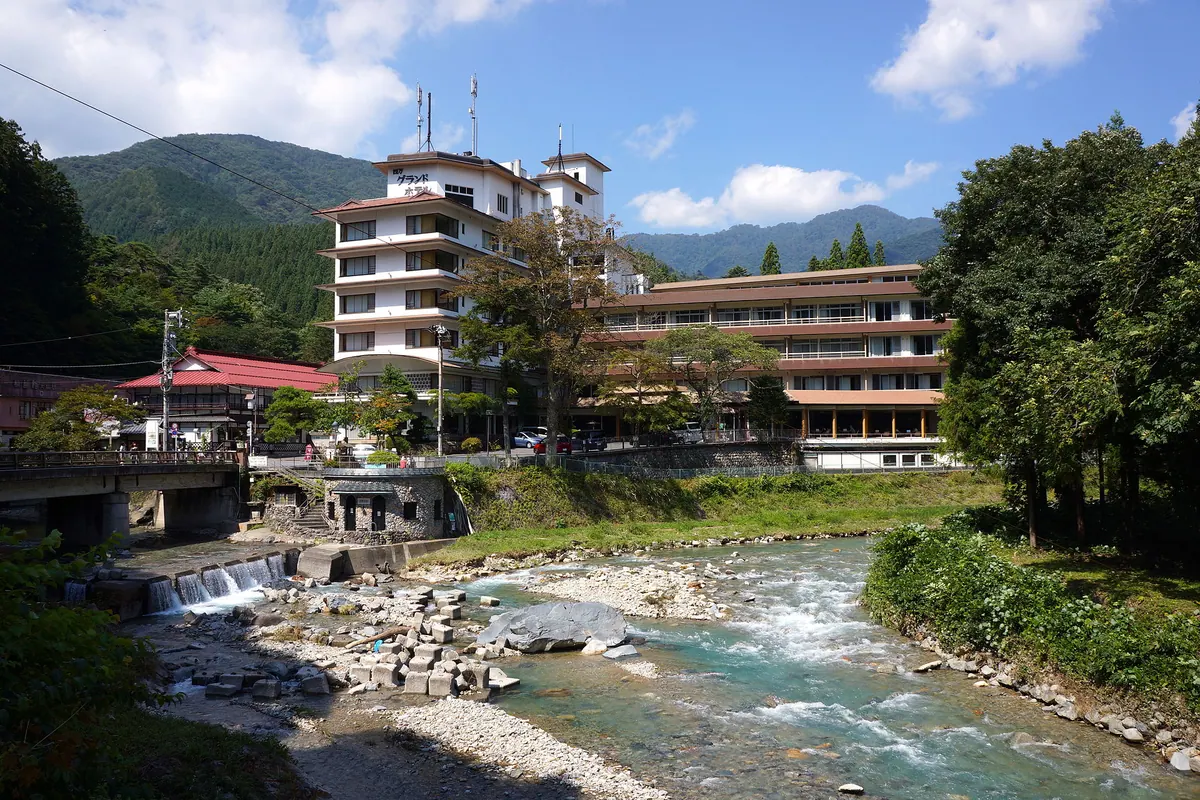
A historic hot spring resort in Gunma featuring therapeutic waters and the oldest wooden inn building in Japan.
What it is
- A hot spring resort located along the upper Shima River in Nakanojo.
- The first inn at this location was established in 1563.
- Designated as a National Health Resort in 1954 for its therapeutic waters.
- The resort is situated within the boundaries of Joshin'etsu-kogen National Park.
What to see
- Sekizenkan is the oldest existing inn, dating back to 1691.
- Hinatamiyakushi-do is a temple building designated as a National Important Cultural Property.
- Five distinct districts spread throughout the resort area.
- Chloride and sulfate springs with a total discharge of 3,500 liters per minute.
Getting there
- Direct highway buses operate from Tokyo to the resort.
- Official site
- nakanojo-kanko.jp
14
Yabuzuka Onsen
GUNMA · PLACE 藪塚温泉
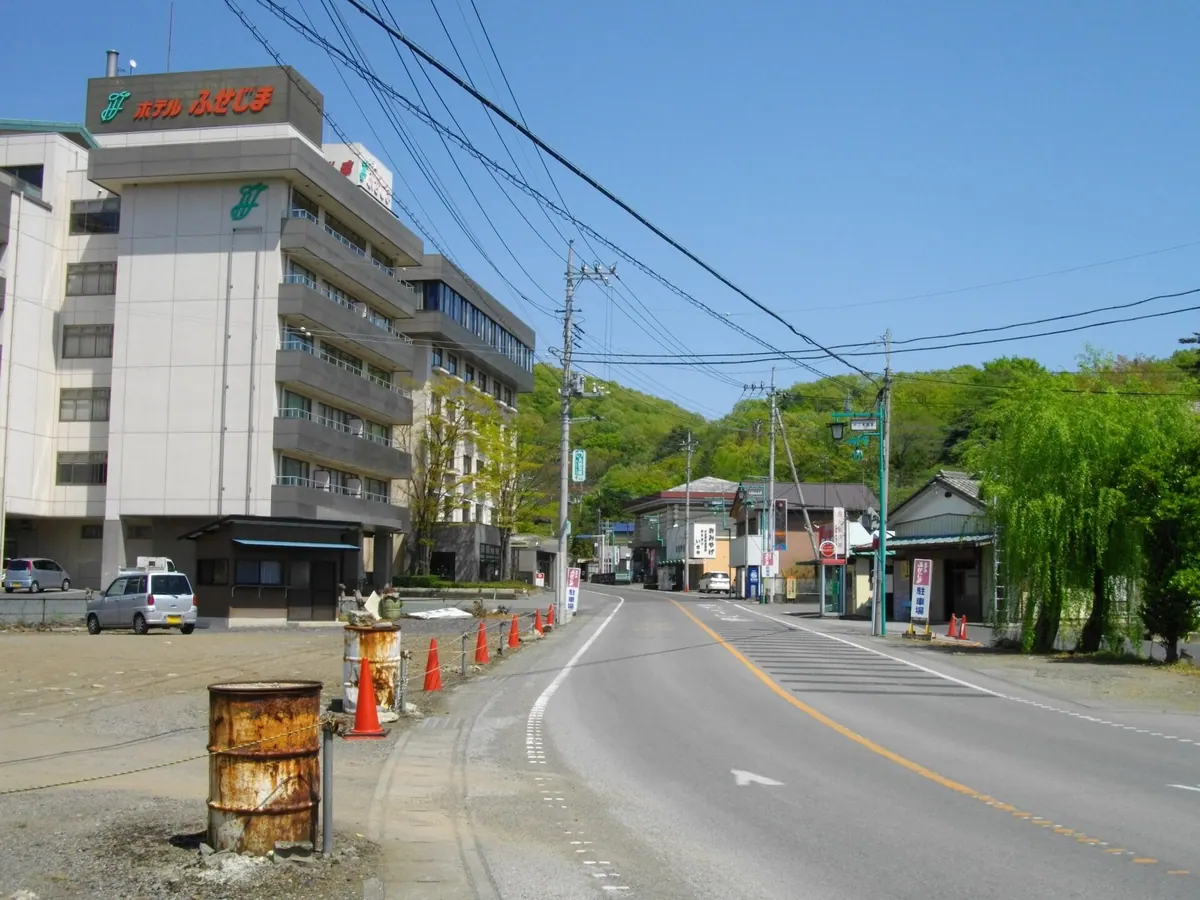
A historic hot spring town in Gunma featuring mineral-rich waters and a legacy as a hidden retreat for samurai.
What it is
- A hot spring resort located in Ota City within Gunma Prefecture.
- Known historically as the hidden bath of the warrior Nitta Yoshisada.
- Official business operations began in the 1730s by Kawachi Rokurobei.
- The area currently maintains three active inns for visitors.
What to see
- The Onsen Shrine which houses a statue of Yakushi Nyorai.
- Nearby stone quarries that served as a filming location for Kamen Rider Gaim.
- The Japan Snake Center located in the immediate vicinity.
- Three distinct water sources including Yunoiri and Takinoiri.
Getting there
- A fifteen minute walk from Yabuzuka Station.
- Ten minutes by car from the Ota Yabuzuka Interchange.
- Official site
- www.city.ota.gunma.jp
15
Namezawa Onsen
GUNMA · PLACE 奈女沢温泉
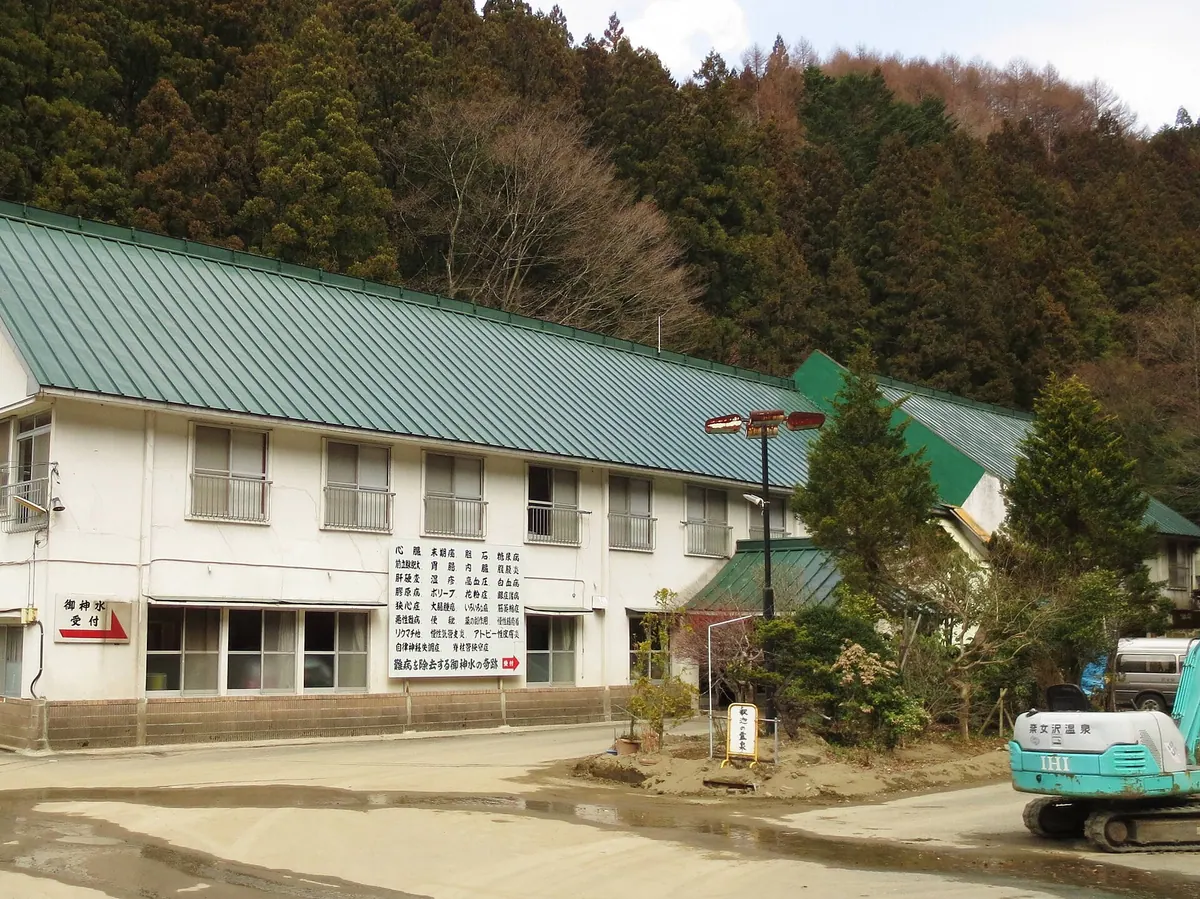
A high-altitude hot spring resort in Gunma known for its mineral-rich waters and historical connection to the warlord Uesugi Kenshin.
What it is
- One of the eighteen hot spring sites located within Minakami Town.
- Designated as a National Health Resort Hot Spring at an altitude of 780 meters.
- Traditionally known as the hidden bath of the warlord Uesugi Kenshin.
- The first hut was built at the source by Uesugi Tadashi during the early Meiji era.
What to see
- A single accommodation facility offering overnight stays and day-trip bathing.
- Spring water containing germanium and radium at a temperature of 25 degrees Celsius.
- Facilities where the mineral water is used for both bathing and drinking.
Getting there
- Located four kilometers northeast of Kamimoku Station.
16
Kawafuru Onsen
GUNMA · PLACE 川古温泉
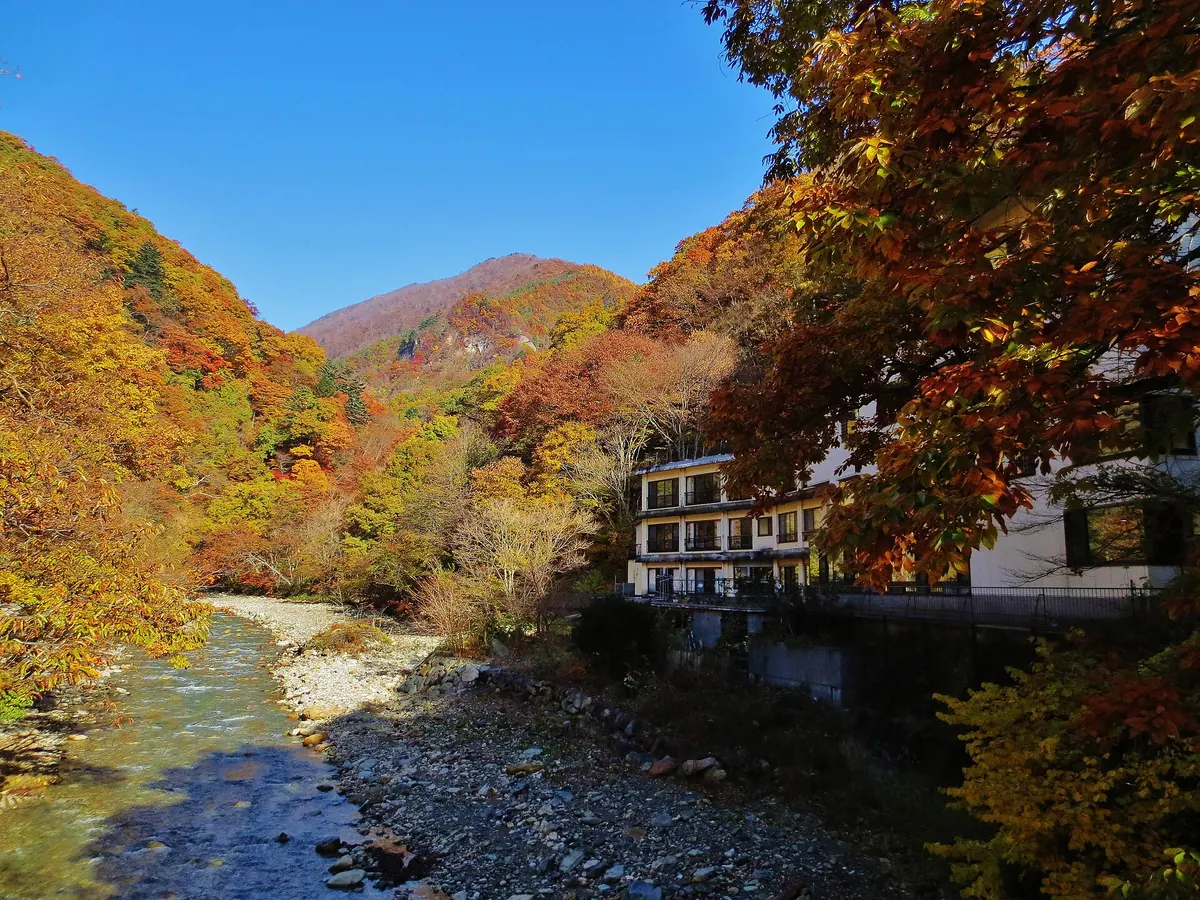
A secluded National Health Resort hot spring in Gunma known for its naturally flowing, therapeutic sulfate waters and historic literary connections.
What it is
- A historic hot spring destination discovered during the late Edo period.
- Designated as a National Health Resort Hot Spring in 1999.
- Features calcium and sodium sulfate water used for medicinal treatment.
- Home to a single inn, Hamaya Ryokan, managed since the early Showa era.
What to see
- The current concrete inn building which was rebuilt in 1966.
- Natural spring water that flows directly from the ground at 39.9 degrees Celsius.
- A location once visited by the famous poet Kotaro Takamura in 1929.
Getting there
- A 20-minute taxi ride from Minakami Station.
- A 30-minute drive from the Tsukiyono Interchange.
- Official site
- www.kawafuru.com
17
Yujuku Onsen
GUNMA · PLACE 湯宿温泉
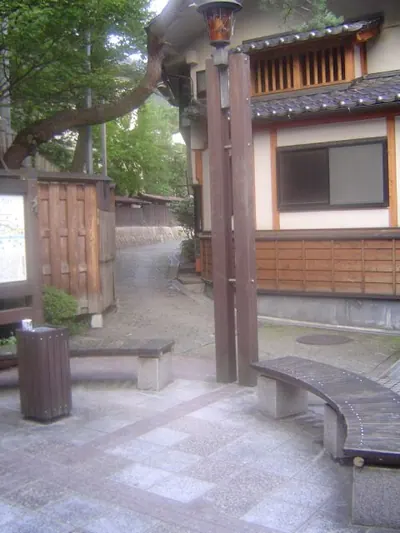
A historic hot spring town founded in 852, offering traditional public bathhouses and a setting that inspired famous manga art.
What it is
- A hot spring resort discovered in 852 located within the Minakami Onsenkyo group.
- Designated as a National Health Resort by the government in 1999.
- The setting for the manga Gensenkan Shujin by artist Yoshiharu Tsuge.
- Features sodium calcium sulfate spring water with a source temperature of 63 degrees Celsius.
What to see
- Three public bathhouses that are open for use by visiting tourists.
- The Otakiya Ryokan which served as inspiration for famous manga works.
Getting there
- Take a bus from Jomo-Kogen Station directly to the hot spring area.
- The bus journey from the station takes approximately 20 minutes.