

16 Onsen in Yamagata worth your time
Japan Gems
16 Onsen in Yamagata, with what to see and how to get there.
Yamagata has 16 onsen on Japan Gems. Below are the 16 we can tell you the most about — each one written up in English from Japanese sources, with what to see and how to get there. See all onsen in Yamagata.
01
Ginzan Onsen
YAMAGATA · PLACE 銀山温泉
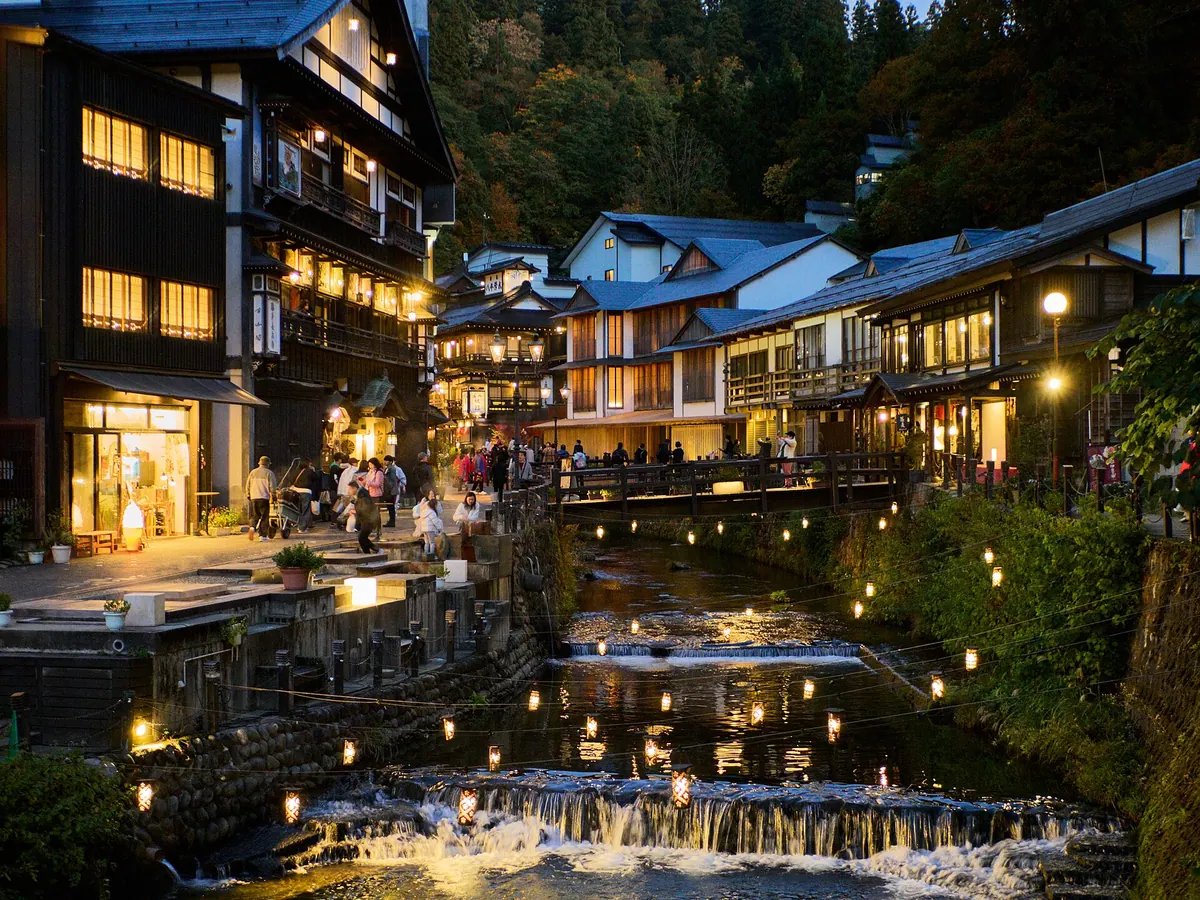
A historic hot spring town featuring multi-story wooden architecture and gas-lit streets that evoke early 20th-century Japan.
What it is
- A hot spring resort discovered by silver miners during the 17th century.
- A designated National Recreation Hot Spring Resort in Yamagata Prefecture.
- The filming location for the famous NHK television drama Oshinn.
- A pedestrian-only town center where general vehicles are prohibited from entering.
What to see
- Wooden multi-story buildings from the Taisho and Showa eras lining the river.
- Traditional gas lamps installed along the stone-paved pedestrian paths.
- The Shiroganeyu public bath and Fujiya inn designed by architect Kengo Kuma.
- Shirogane Falls located within the Ginzan Shirogane Park area.
- The Nobesawa Silver Mine caves designated as a national historic site.
When to go
- May to October to see Hanagasa dances performed on the town bridges.
Getting there
- Buses run directly to the hot spring area from Oishida Station.
02
Ōsawa Onsen
YAMAGATA · PLACE 大沢温泉 (岩手県)
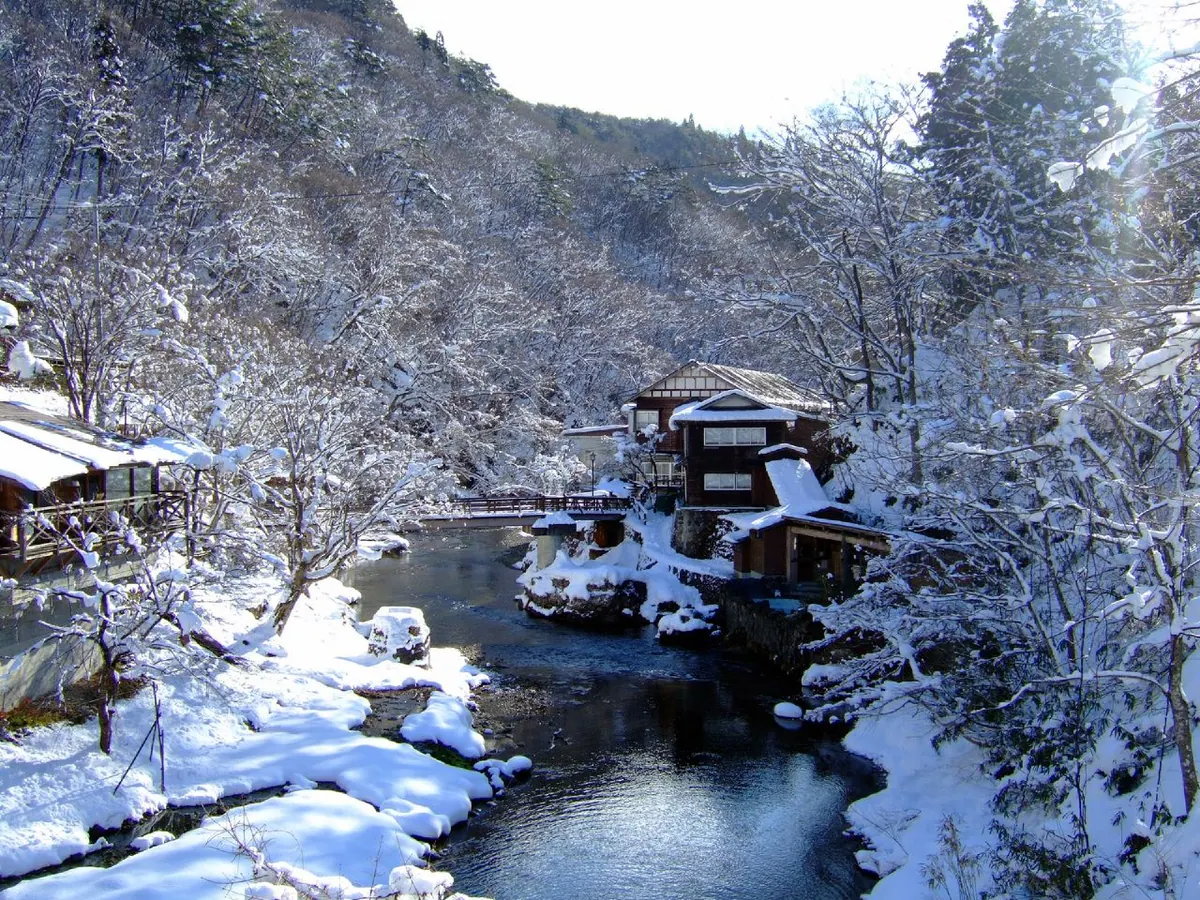
A historic riverside hot spring resort featuring traditional thatched architecture and a unique annual festival involving a wooden deity.
What it is
- A hot spring resort in Hanamaki City featuring weak alkaline simple spring water.
- The site consists of three main buildings including a traditional thatched hall.
- Reportedly discovered by Sakanoue no Tamuramaro during the Heian period.
- A historic retreat for Nanbu clan lords and famous literary figures like Kenji Miyazawa.
What to see
- Five different bathing locations including a famous mixed-gender open-air bath.
- The Kikusui-kan building where Edo period lords once stayed.
- A four-story wing at the Sansuikaku building added in 1986.
- A 150-kilogram wooden phallus deity kept at the Konsei shrine.
- Views of the Toyosawa River from the outdoor bathing area.
When to go
- The Konsei Festival is held annually at the end of April.
- Watch women bathe the wooden deity in the hot spring during the festival.
03
Iwate Morioka Tsunagi Hot Spring
YAMAGATA · PLACE 盛岡つなぎ温泉
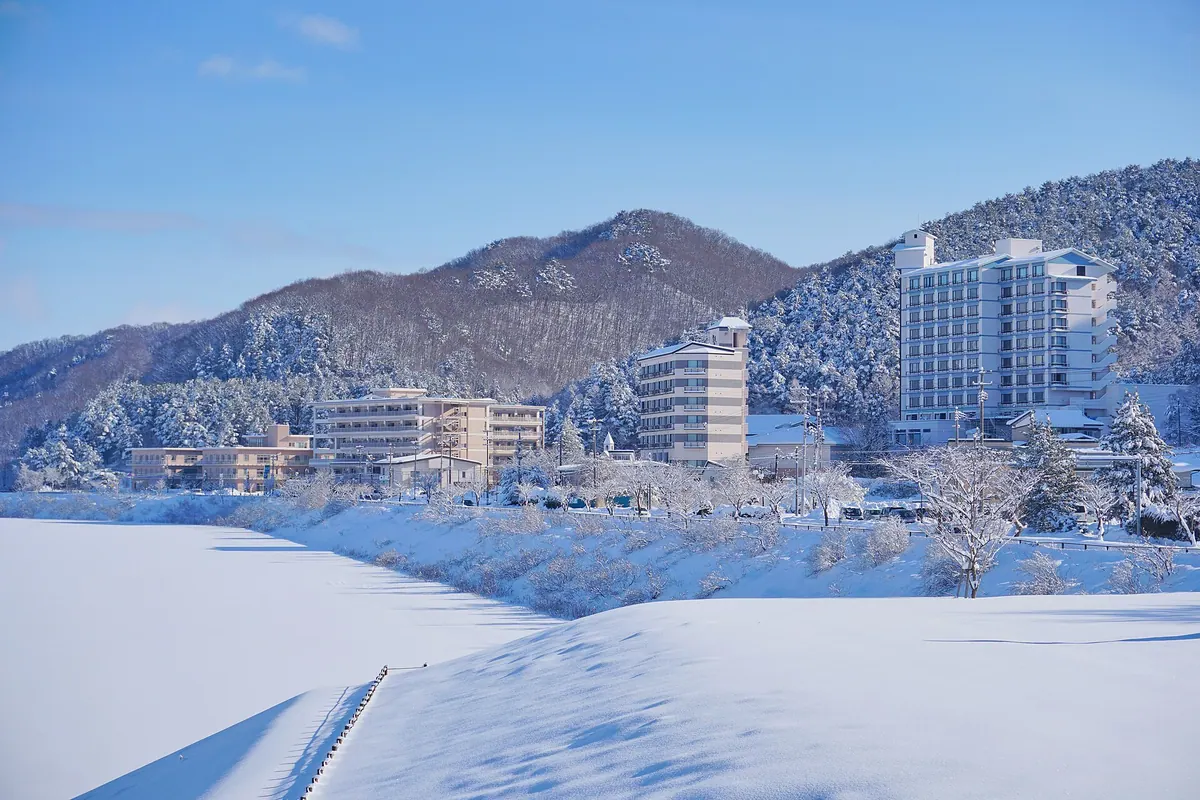
A historic sulfur hot spring resort on Lake Gosho featuring high-alkalinity waters and views of the surrounding mountains.
What it is
- A hot spring resort located on the scenic shores of Lake Gosho in Morioka City.
- Reportedly discovered by Minamoto no Yoshiie and named after a stone used to tie horses.
- Six source springs provide two thousand liters of simple sulfur water every minute.
- The water features a high alkalinity with pH levels ranging from 8.7 to 9.5.
What to see
- The Tsunagi Onsen Shrine which serves as a central spiritual site for the area.
- Public bathing spots including the Yamaichi hand bath and the Nekoishi foot bath.
- Views of Lake Gosho and nearby attractions like Morioka Handi-Works Square.
- The historic stone that gives the hot spring its name.
When to go
- September 8th for the annual festival held at the Tsunagi Onsen Shrine.
- May through November to visit the local Ichinoichi market.
04
Kawatabi Onsen
YAMAGATA · PLACE 川渡温泉
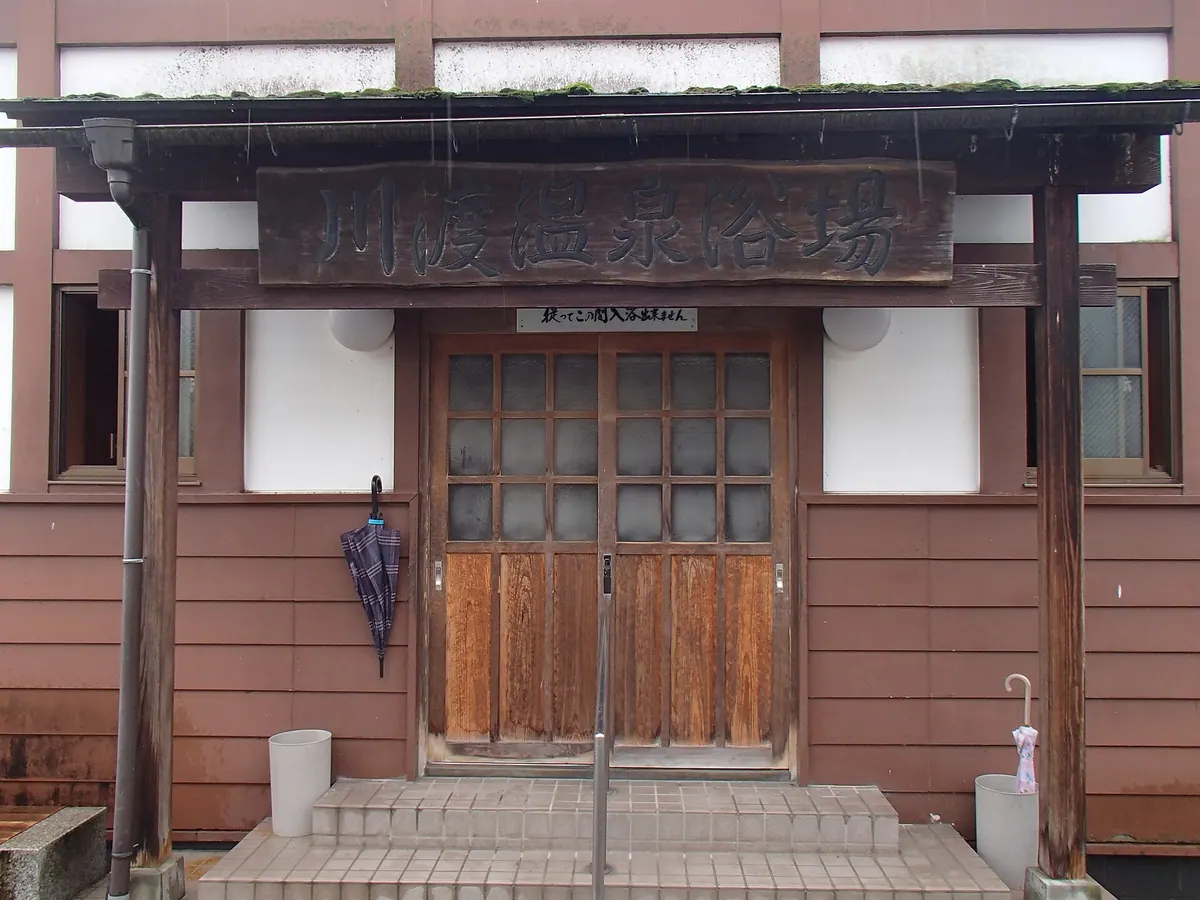
A historic riverside hot spring resort dating back to 837, famous for sulfur-rich healing waters and traditional inns.
What it is
- A riverside hot spring resort in Osaki City first recorded in the year 837
- Designated as a National Health Resort for its medicinal sulfur and sodium bicarbonate waters
- Historical healing site where Lord Date Narikuni once sought treatment for beriberi
- Scenic location along the Arao River mentioned by the poet Matsuo Basho
What to see
- Seven traditional hot spring inns and one public bathhouse for visitors
- Onsenishi Shrine where local dedication ceremonies are held
- Natural riverside landscapes along the banks of the Arao River
- Local specialty foods including shisomaki and walnut tofu
When to go
- September for the annual dedication ceremony at Onsenishi Shrine
Getting there
- Access the area via the JR Rikuu East Line at Kawatabi-Onsen Station
05
Nyuto Spa Resort
YAMAGATA · PLACE 乳頭温泉郷
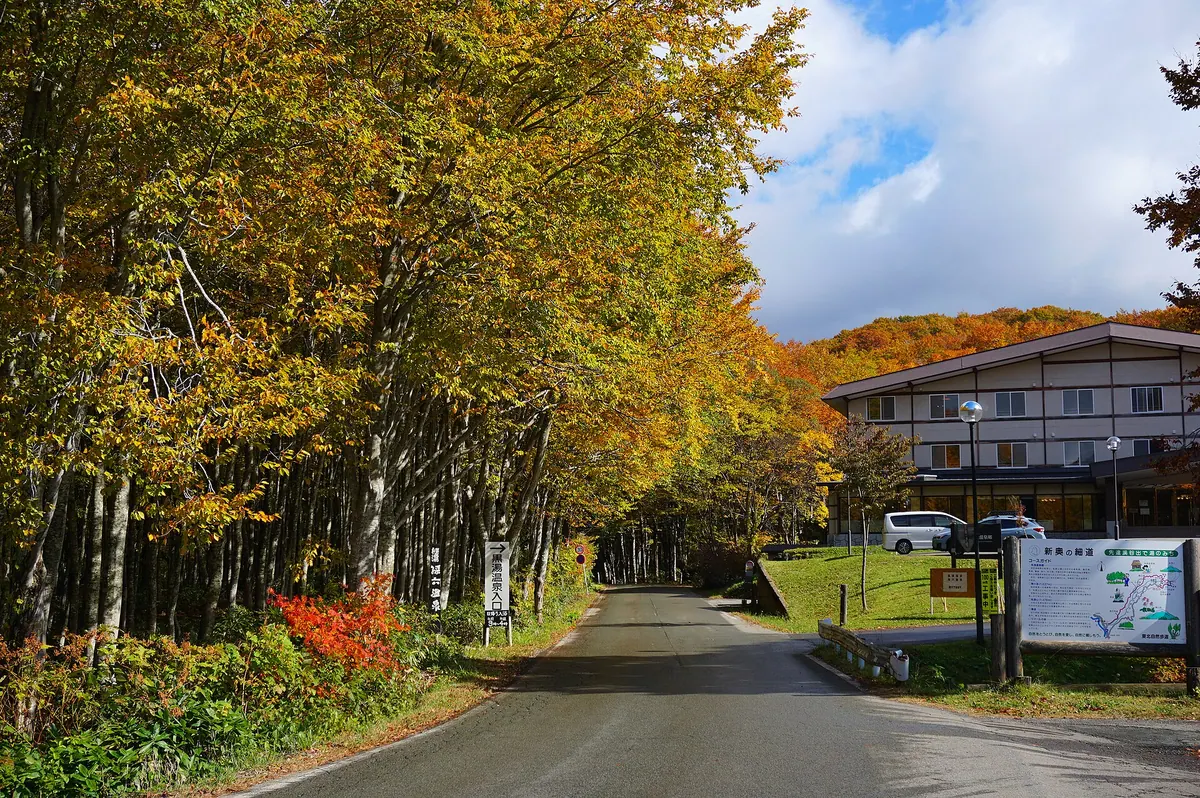
A historic collection of seven hot spring inns at the foot of Mount Nyuto within a scenic national park.
What it is
- A collection of seven distinct hot spring lodging facilities at the foot of Mount Nyuto.
- Designated as a National Recreation Hot Spring Resort in 1967.
- Located within the Towada-Hachimantai National Park between 600 and 800 meters elevation.
- Recognized as one of the Top 100 Hidden Scenic Spots in Japan.
What to see
- Seven unique hot spring inns offering different bathing experiences.
- Ipponmatsu Onsen which is a wild hot spring located on a mountain trail.
- Mountain scenery surrounding the resort at the base of Mount Nyuto.
When to go
- Note that Kuroyu Onsen closes during the winter season.
Getting there
- Buses run from Tazawako Station to the resort in 55 minutes.
- Shuttle access is available via the Akita Airport Liner.
06
Onikōbe Onsen
YAMAGATA · PLACE 鬼首温泉
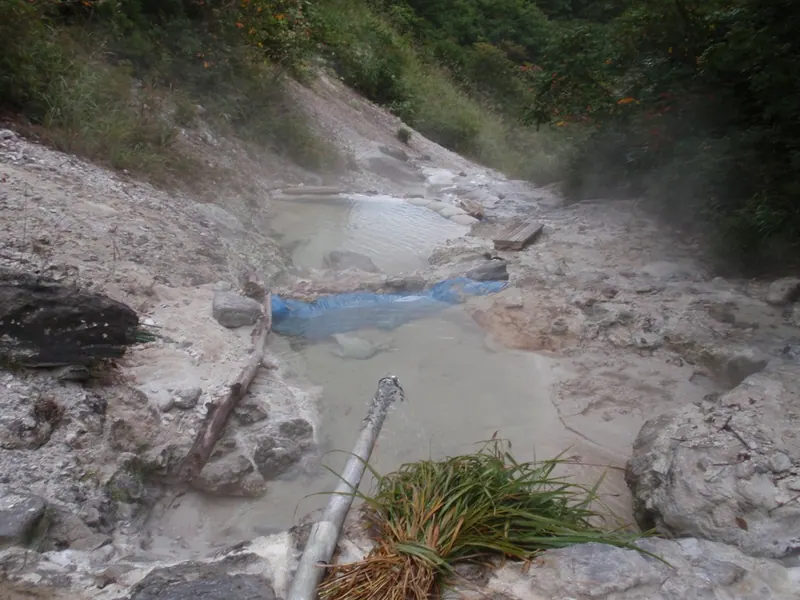
A historic hot spring village in a national park featuring a frequent geyser and diverse therapeutic alkaline and saline waters.
What it is
- A hot spring area in Osaki City within the Kurikoma Quasi-National Park.
- Part of the Naruko Onsen Village group with simple alkaline and saline springs.
- Legendary discovery dates back to the year 270 with 12th-century development.
- Designated as an official People's Recreation Onsen by the government in 1959.
What to see
- The Fukiage Onsen geyser which erupts every ten to fifteen minutes.
- The Katayama Jigoku area featuring a local geothermal power plant.
- Arayu springs originally opened by the Fujiwara clan in the 12th century.
- Official bathhouse sites once designated for use by the Date clan.
Getting there
- Buses run from Naruko-Onsen Station to the hot spring area.
- The bus journey from the station takes approximately thirty minutes.
07
Namari Onsen
YAMAGATA · PLACE 鉛温泉
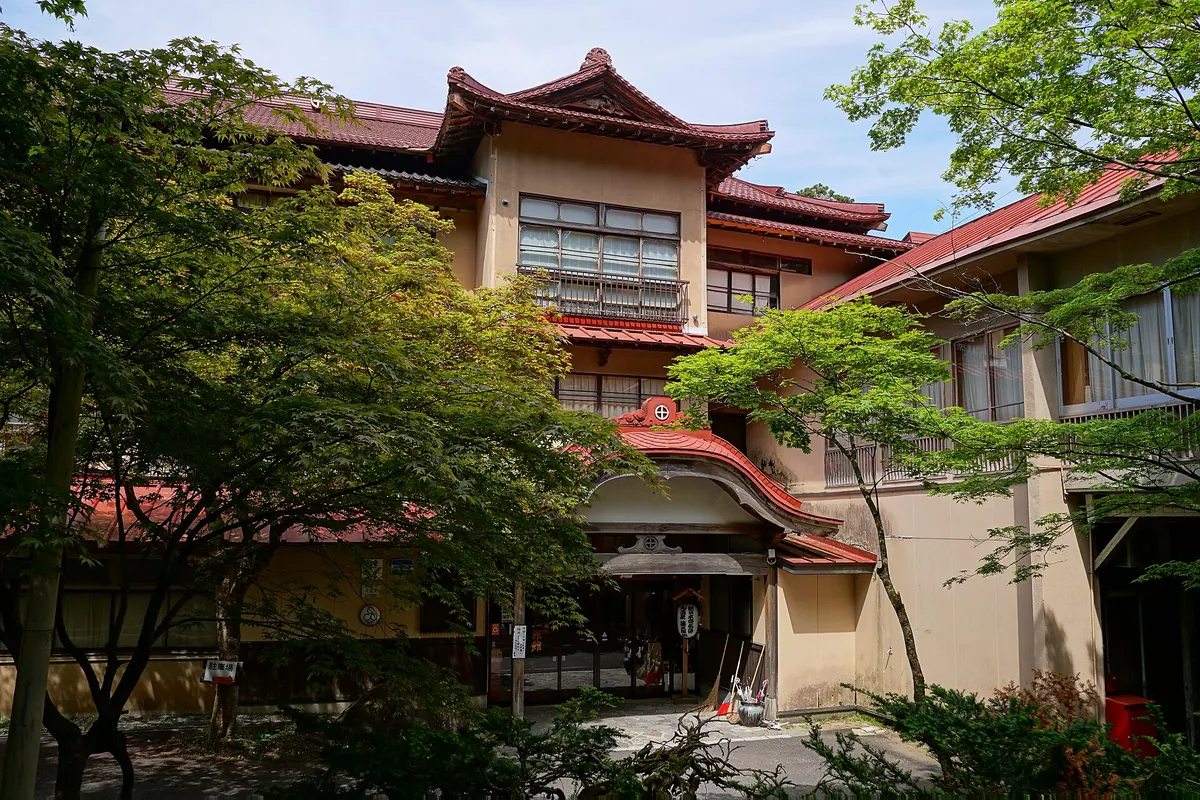
A historic hot spring in Hanamaki featuring a unique deep bath and connections to famous Japanese literature.
What it is
- A hot spring site in Hanamaki City discovered six hundred years ago.
- Features five alkaline simple hot spring sources used for bathing.
- Home to Fujisan Ryokan, an inn that opened for business in eighteen forty-one.
- Setting for the story Nametoko Mountain Bears by author Kenji Miyazawa.
What to see
- The Shirazaru no Yu bath which measures one point twenty-five meters deep.
- Natural spring water bubbling up directly from the floor of the bath.
- The inn where novelist Tamiya Torahiko wrote his work Gin Shinju.
- Nearby ski resort located in close proximity to the hot spring.
Getting there
- Take a thirty minute bus ride from Hanamaki Station to reach the site.
- Drive twenty minutes from the Hanamaki Minami Interchange to the location.
08
Takayu Onsen
YAMAGATA · PLACE 高湯温泉
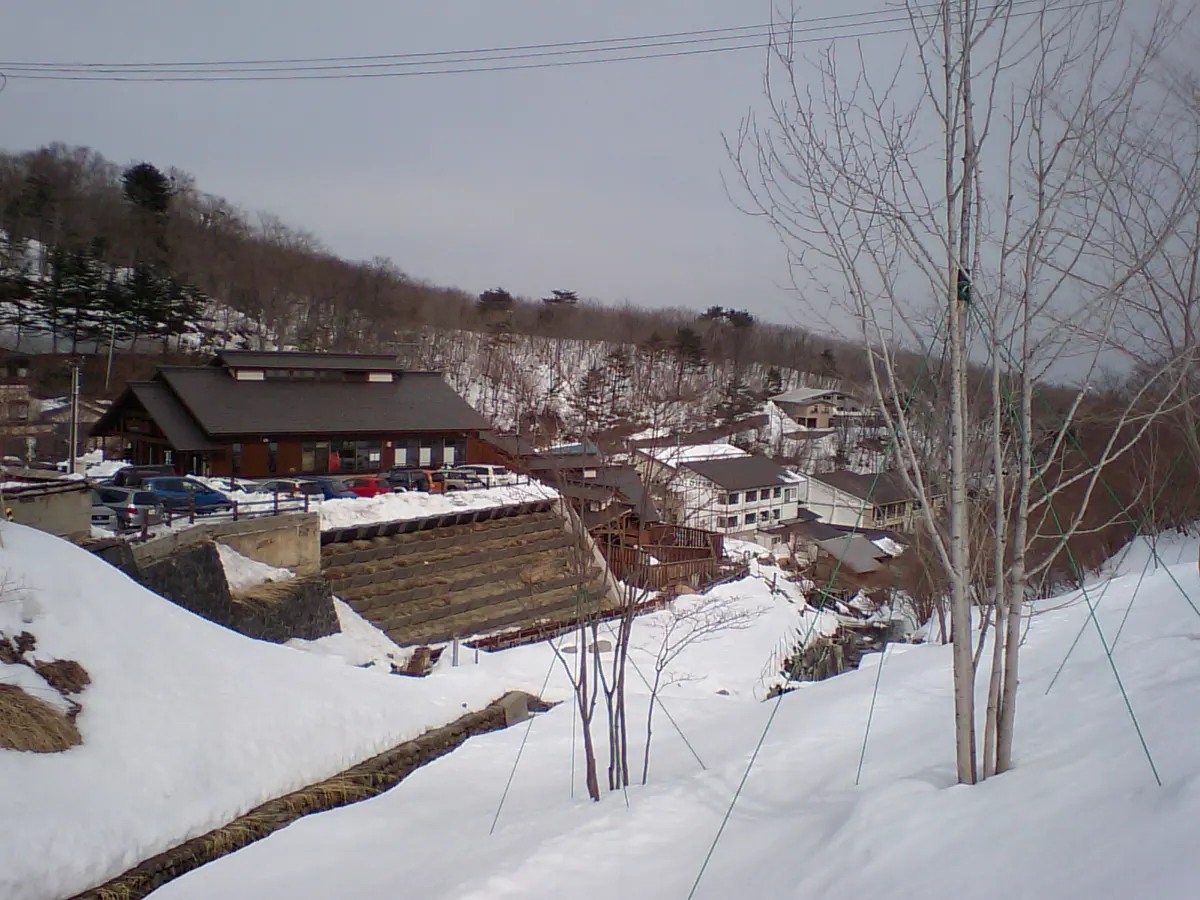
A high-altitude sulfur hot spring resort in a national park, famous for its medicinal waters and natural gravity-fed baths.
What it is
- A hot spring resort located 750 meters above sea level in Bandai-Asahi National Park.
- Founded between 1532 and 1555 and designated as a National Health Resort in 1999.
- One of the three famous Takayu springs of the historical Ou region.
- A collection of six inns and one public bath using nine distinct spring sources.
What to see
- Natural hot spring water flowing directly from the source using the terrain's elevation.
- High concentrations of sulfur in the milky white spring water.
- Mountainous landscapes surrounding the resort within the national park boundaries.
Getting there
- Take a bus from JR Fukushima Station for a journey of approximately 40 minutes.
- The resort is situated 18 kilometers west of the main Fukushima Station.
09
Sakunami Onsen
YAMAGATA · PLACE 作並温泉
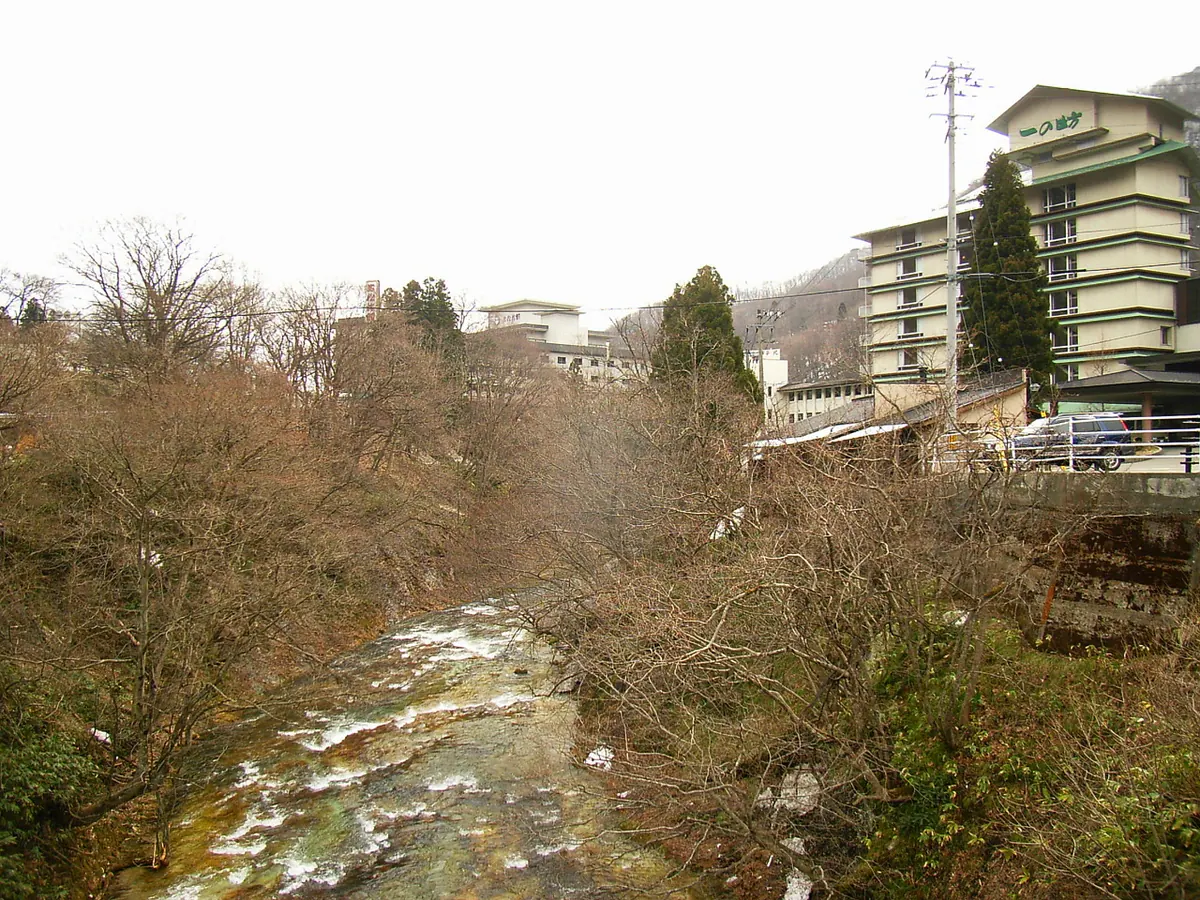
A historic riverside hot spring resort founded in 1796, offering therapeutic mineral baths and proximity to a famous whisky distillery.
What it is
- A hot spring district located along the Hirose River in Sendai City.
- Legend says the monk Gyoki discovered the spring in the year 721.
- Formal development of the resort began in 1796 by Iwamatsu Kisozi.
- The waters contain sodium, calcium, sulfate, and chloride at high temperatures.
What to see
- Natural hot spring baths situated along the banks of the Hirose River.
- The Miyako no Yu facility which offers bathing for day-use visitors.
- The nearby Nikka Whisky Miyagikyo Distillery located a short distance away.
- Scenic views of the river valley from the hot spring district.
Getting there
- Access the area via the JR Senzan Line to Sakunami Station.
- Sendai City buses run directly from Sendai Station to the hot spring district.
10
Higashiyama Onsen
YAMAGATA · PLACE 東山温泉(福島県)
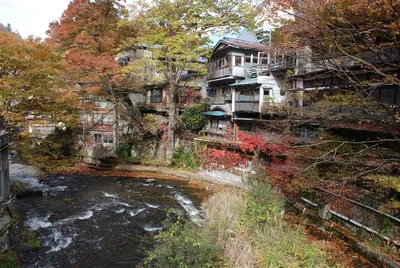
A historic hot spring resort near Aizuwakamatsu featuring therapeutic sulfate waters and a legacy of serving the Aizu Domain.
What it is
- A hot spring resort reportedly discovered by the monk Gyoki.
- One of the three great recreation areas of the Ou region.
- A former resort for the Aizu Domain producing fifteen hundred liters of water per minute.
- A collection of over twenty hotels and inns operating along the Yugawa River.
What to see
- Four major waterfalls including the Rainmaking Waterfall.
- Fudotaki waterfall where Hijikata Toshizo of the Shinsengumi treated his wounds.
- Traditional inns and hotels situated along the banks of the Yugawa River.
When to go
- August for the annual Bon Odori dance festival.
Getting there
- Fifteen minutes by bus from Aizuwakamatsu Station.
- Located three kilometers southeast of Tsuruga Castle.
11
Tsuchiyu Onsen
YAMAGATA · PLACE 土湯温泉
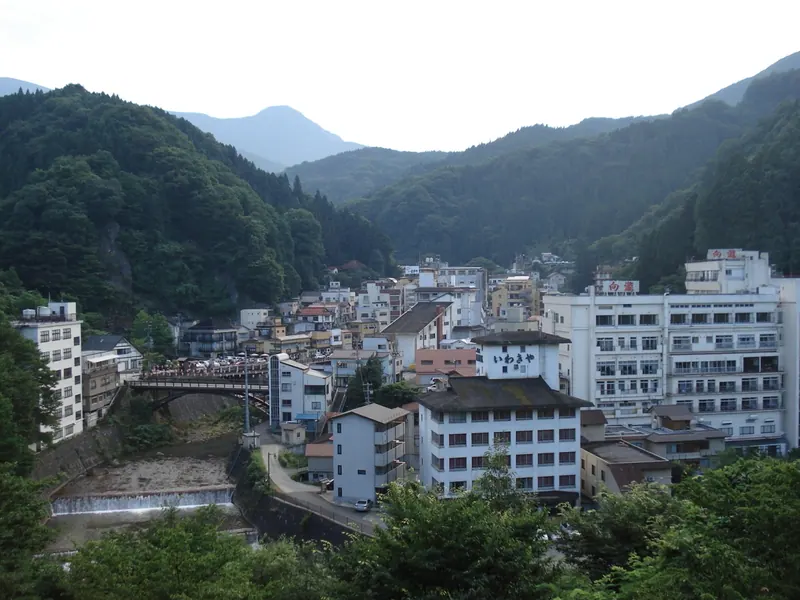
A historic hot spring town in a national park famous for diverse mineral waters and traditional kokeshi doll craftsmanship.
What it is
- A hot spring resort with over 1400 years of history located in Bandai-Asahi National Park.
- One of the three major production centers for traditional Japanese kokeshi dolls.
- A designated National Health Resort featuring more than ten different types of spring water.
- A former post station on the Aizu Highway situated at an altitude of 450 meters.
What to see
- Traditional kokeshi dolls handcrafted from local dogwood or maple trees.
- Modern geothermal and small-scale hydroelectric power generation facilities established in 2015.
- Natural hot spring sources discovered according to legend by the deity Oomunachi-no-mikoto.
Getting there
- Take a bus from Fukushima Station for a journey of approximately 45 minutes.
12
Ōfuka Onsen
YAMAGATA · PLACE 大深温泉
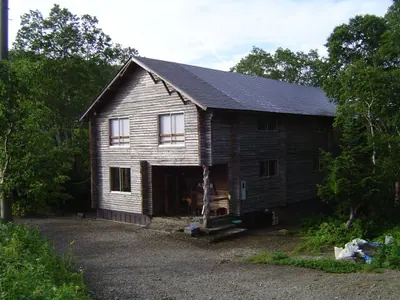
A historic sulfur hot spring in Towada-Hachimantai National Park featuring traditional ondol heated floor huts for overnight stays.
What it is
- A single hot spring lodge located within Towada-Hachimantai National Park.
- Designated by the government as a National Recreation Hot Spring Resort.
- The facility first began business operations in 1956.
- A sulfur-type spring with a source water temperature of 94 degrees Celsius.
What to see
- Traditional accommodation huts featuring ondol heated floors.
- Natural scenery within the Hachimantai Onsen Resort area.
When to go
- The facility operates seasonally from early May until mid-October.
Getting there
- Accessible by car via the Hachimantai Aspite Line road.
- Located forty minutes from the Matsuo-Hachimantai Interchange by car.
13
Nurukawa Onsen
YAMAGATA · PLACE 温川温泉 (青森県)
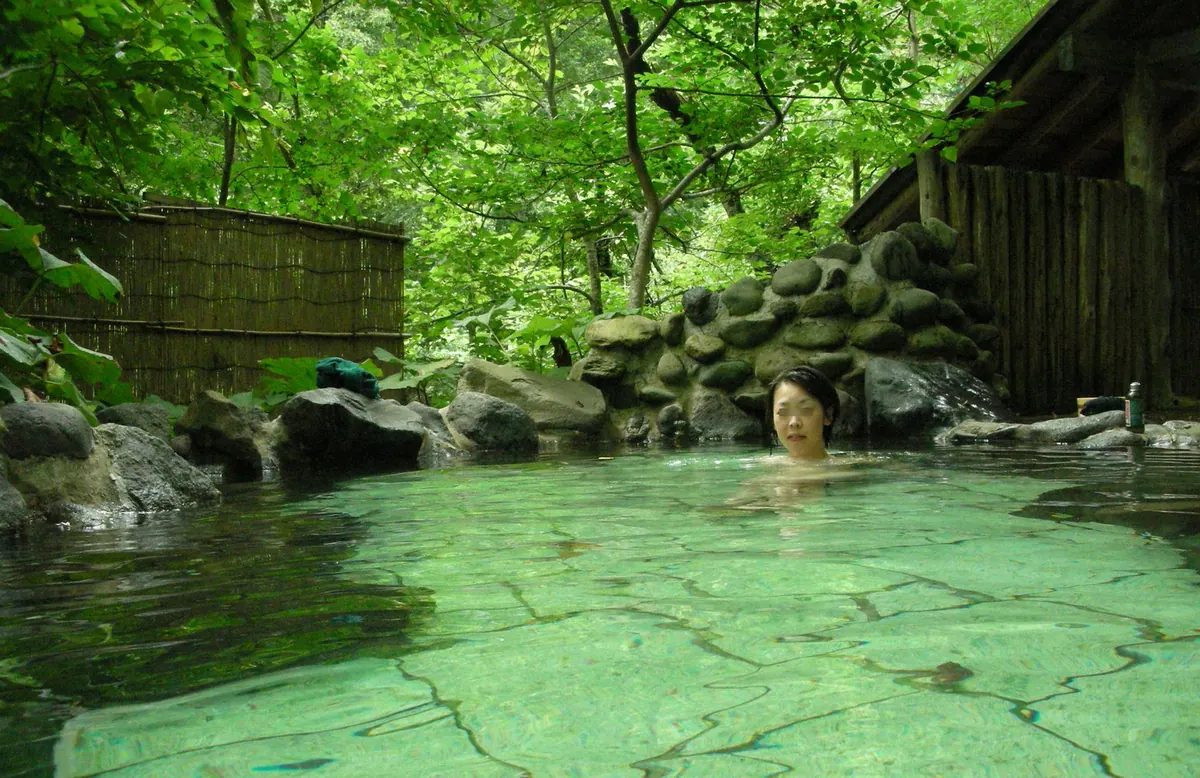
A secluded hot spring in Aomori featuring a chloride spring source and a literary monument dedicated to author Eiji Yoshikawa.
What it is
- A hot spring area located along the upper Asaseishi River in Hirakawa City.
- The site features a chloride spring with a source temperature of 58 degrees Celsius.
- Home to Nurukawa Sanso, a member of the Japan Association of Secluded Hot Springs.
- Part of the Kuroishi Onsenkyo Prefectural Natural Park along National Route 102.
What to see
- The Nurukawa Sanso accommodation facility situated in a secluded mountain setting.
- A literary monument featuring a haiku written by author Eiji Yoshikawa.
- Natural scenery of the upper Asaseishi River and surrounding prefectural park.
When to go
- The Nurukawa Sanso facility closes to visitors during the winter season.
14
Oga Onsen
YAMAGATA · PLACE 男鹿温泉郷
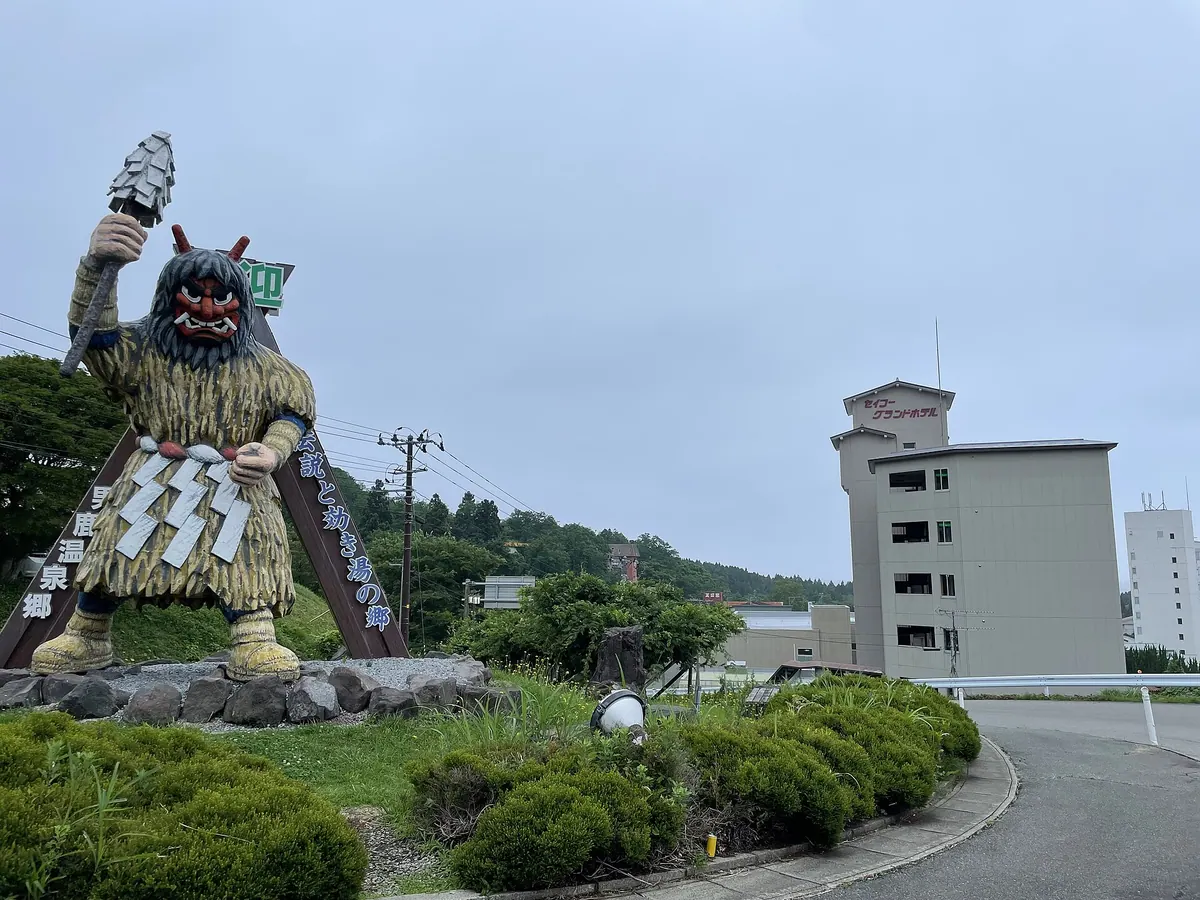
A historic hot spring resort on the Oga Peninsula famous for its unique stone-cooked fish stew and traditional drum performances.
What it is
- A hot spring resort area consisting of Yumoto Onsen and Ishiyama Onsen.
- Yumoto Onsen has a history dating back before the Edo period.
- Ishiyama Onsen originated from water gushing during limestone mining operations.
- The Oga Onsenkyo Ryokan Cooperative was established in 1961 to manage the area.
What to see
- Limestone travertine deposits found around the hot spring town.
- Namahage Fureai Taiko drum performances held within the town.
- The Oga Onsen Exchange Center Gofu which opened in 2007.
- Local restaurants serving Ishiyaki fish stew cooked with hot stones.
Getting there
- Buses run to the hot spring area from Oga and Hadachi Stations.
15
Tendō Onsen
YAMAGATA · PLACE 天童温泉
A hot spring resort in Yamagata known for its mineral-rich waters and deep connection to professional shogi culture.
What it is
- A hot spring resort featuring sodium, calcium, and sulfate mineral waters.
- Hot water was first discovered here in 1911 during well digging.
- The site was originally named Kamada Onsen before changing names in 1924.
- Local inns are famous for hosting professional shogi title matches.
What to see
- Public foot baths and hand baths located throughout the resort area.
- Drinking fountains where visitors can sample the local spring water.
- Numerous hotels and traditional inns situated east of the station.
Getting there
- The resort is located one kilometer east of Tendo Station.
- The site is a seven minute drive from the Tendo Interchange.
- Official site
- www.tendoonsen.or.jp
16
Oku-oku Hachikuro Onsen
YAMAGATA · PLACE 奥奥八九郎温泉
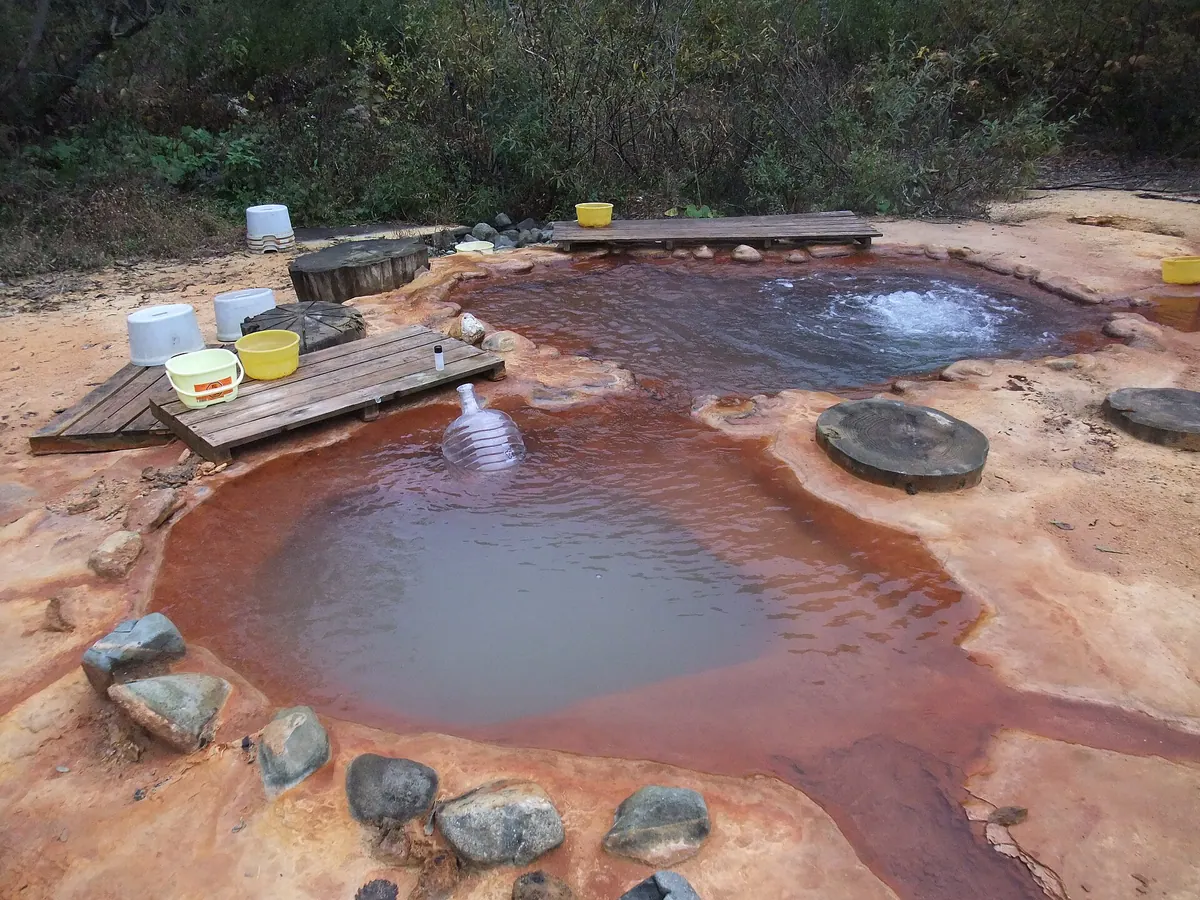
A wild open-air hot spring in Akita featuring rare aragonite mineral deposits and naturally carbonated water from deep underground.
What it is
- A wild open-air hot spring located within a national forest in Kosaka.
- Discovered during a mineral survey in 1974 at a depth of 350 meters.
- A self-responsibility area managed as part of the Hachikuro hot spring group.
- A research site for scientists studying carbon dioxide geological storage.
What to see
- Calcium carbonate deposits that have formed a layer one meter thick.
- Carbon dioxide gas erupting directly from the hot spring source.
- Rare aragonite mineral formations created by the flowing spring water.
- Natural hot water at forty-four degrees Celsius containing iron particles.
- White mineral terraces surrounding the open-air bathing area.