

5 Lakes in Shiga worth your time
Japan Gems
5 Lakes in Shiga, with what to see and how to get there.
Shiga has 5 lakes on Japan Gems. Below are the 5 we can tell you the most about — each one written up in English from Japanese sources, with what to see and how to get there. See all lakes in Shiga.
01
Inner Lake
SHIGA · PLACE 西の湖
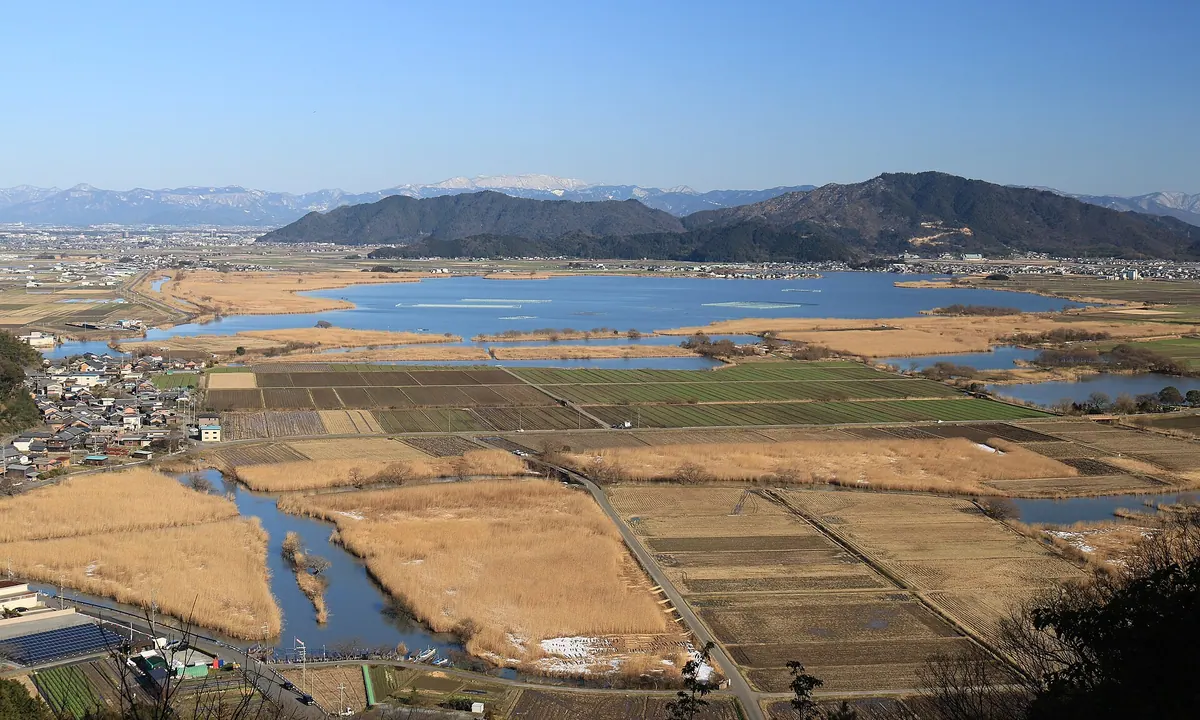
The largest remaining inner lake of Lake Biwa, offering a protected wetland environment famous for traditional reed production and historical ruins.
What it is
- The largest remaining inner lake connected to Lake Biwa in Shiga Prefecture.
- A designated wildlife protection zone and registered Ramsar Convention wetland.
- A primary source for traditional reed production and local crafts.
- A site where four rivers, including the Azuchi River, flow into the basin.
What to see
- Stone walls dating back to the Azuchi Castle era discovered in 2024.
- A 2.5 hectare island named Gonza used for growing sake rice.
- Extensive reed beds that are harvested and managed by the local community.
- Sightseeing boats operated by the local water district for visitors.
When to go
- December to March to witness the traditional harvesting of the reeds.
- March and April to see the seasonal burning of the reed beds.
Getting there
- A fifteen minute walk from Azuchi Station to reach the lake area.
02
Lake Yogo
SHIGA · PLACE 余呉湖
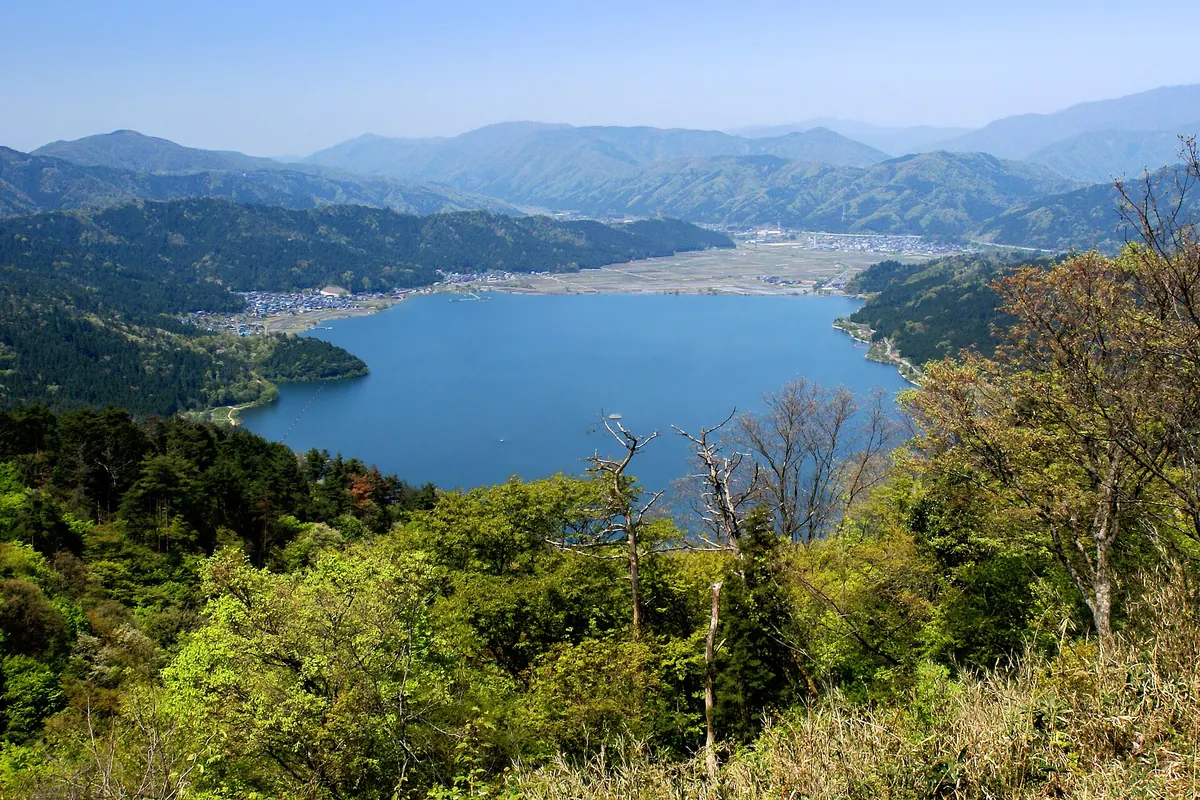
A calm fault lake north of Lake Biwa known for its mirror-like reflections, winter fishing, and ancient celestial maiden legends.
What it is
- A fault lake formed approximately one million years ago in Nagahama City.
- Nicknamed Mirror Lake because the calm surface reflects the surrounding scenery.
- Site of the historic Battle of Shizugatake which took place in 1583.
- Associated with the oldest celestial maiden legend in Japanese folklore.
What to see
- The lake surface situated one hundred and thirty-three meters above sea level.
- Mount Shizugatake which stands between this body of water and Lake Biwa.
- A water tunnel that connects the lake directly to Lake Biwa.
- The six point four kilometer shoreline surrounding the quiet water.
When to go
- Visit during the winter season to observe or participate in Wakasagi fishing.
Getting there
- The lake is a five-minute walk from Yogo Station.
03
Lake Mishima
SHIGA · PLACE 三島池
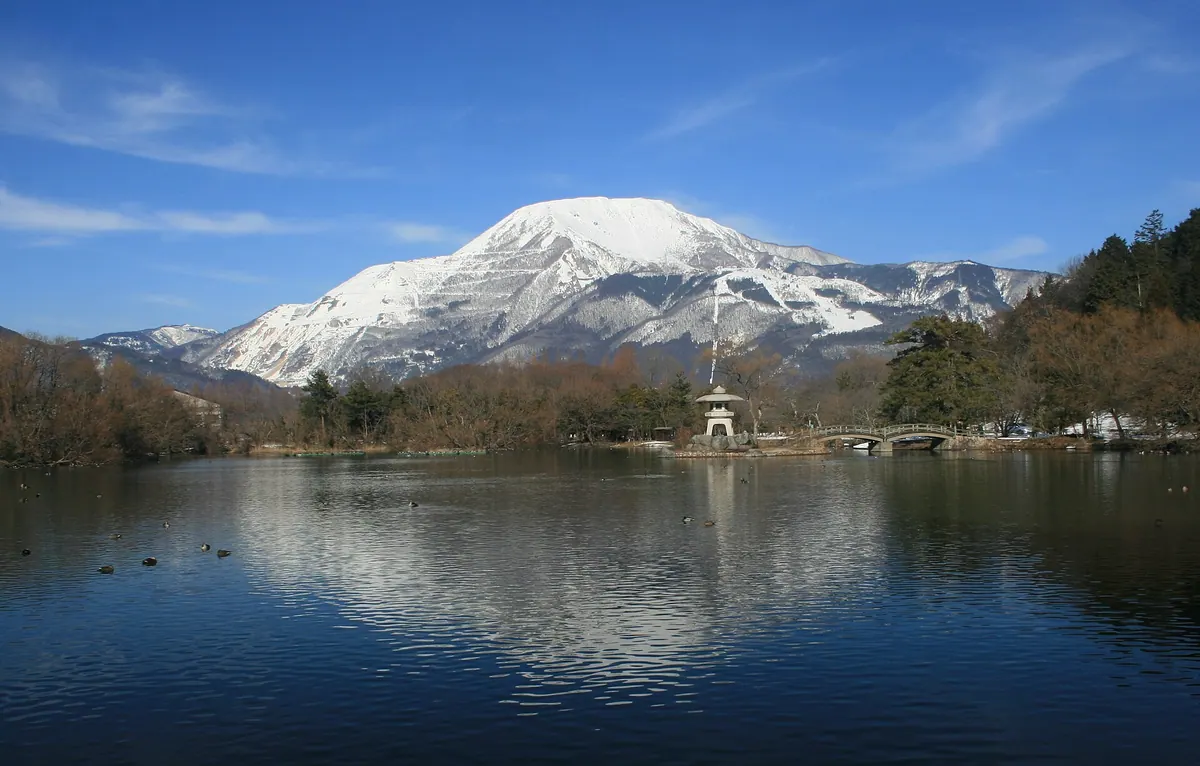
A historic 13th-century irrigation reservoir in Shiga known for its diverse wildlife, fireflies, and scenic mountain views.
What it is
- A reservoir in Maibara City constructed around the year 1200 for irrigation.
- Also known as Hiyasha Pond, it uses underground water from the Ane River.
- Designated as a wildlife protection zone and a top 100 pond in Japan.
- The site serves as the southern limit for natural mallard duck breeding.
What to see
- A tomb for Hiyasha-jo located directly beside the pond.
- Various fish species including carp, loach, crucian carp, and catfish.
- Green Park Santo featuring a campground and athletic facilities nearby.
- Wild mallard ducks breeding in their natural habitat.
When to go
- Visit in early June to see fireflies near the water.
- Winter months are ideal for observing migratory mallard ducks.
04
Lake Biwa
SHIGA · PLACE 琵琶湖
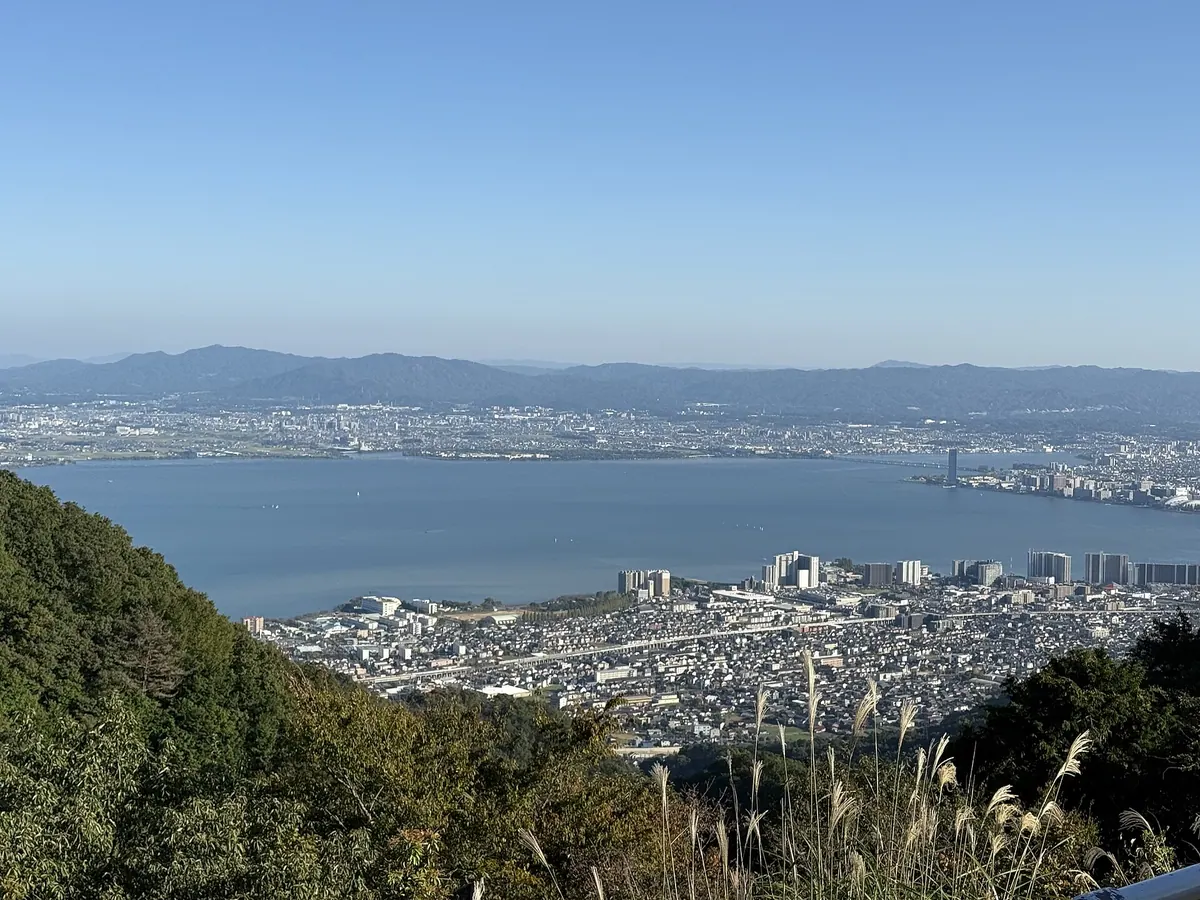
Japan's largest and oldest freshwater lake offers ancient history, unique inhabited islands, and protected wetland ecosystems for nature lovers.
What it is
- Japan's largest lake by area and volume, located in the Omi Basin of Shiga Prefecture.
- An ancient lake formed approximately 4.4 million years ago with a maximum depth of 104.1 meters.
- A registered wetland under the Ramsar Convention and classified as a first-class river.
- A massive water source fed by about 450 rivers flowing from the surrounding mountains.
What to see
- Okishima, which is the only inhabited island found in a Japanese freshwater lake.
- The three main islands of the lake: Okishima, Chikubushima, and Takegashima.
- The Seta River, which serves as the only natural outlet for the lake's water.
- A vast surface area covering over 669 square kilometers of the Shiga landscape.
05
Ohara Reservoir
SHIGA · PLACE 大原貯水池
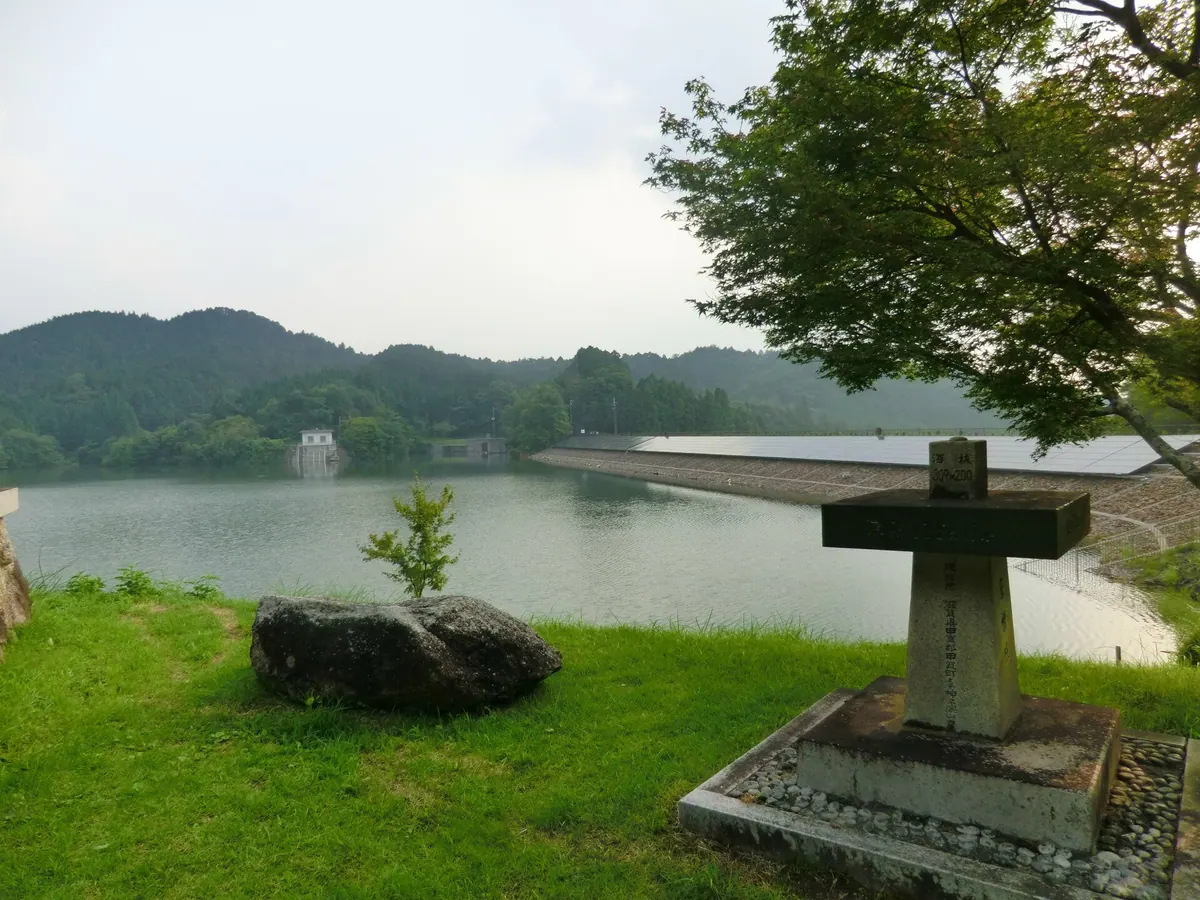
An earth dam and reservoir in Koka City providing irrigation to rice fields since its completion in 1958.
What it is
- An earth dam built on the Ohara River for agricultural irrigation.
- Construction began in 1943 as a project to prevent local droughts.
- The facility supplies water to over six hundred hectares of downstream rice fields.
- The site formerly hosted a campsite that opened in 1972 but later closed.
What to see
- A large dam structure standing over twenty-seven meters high.
- The reservoir water system that serves the Yodogawa river network.
- Renovated irrigation facilities and infrastructure updated starting in 2007.