

20 Lakes in Hokkaidō worth your time
Japan Gems
33 Lakes in Hokkaidō, with what to see and how to get there.
Hokkaidō has 33 lakes on Japan Gems. Below are the 20 we can tell you the most about — each one written up in English from Japanese sources, with what to see and how to get there. See all lakes in Hokkaidō.
01
Lake Shikaribetsu
HOKKAIDō · PLACE 然別湖
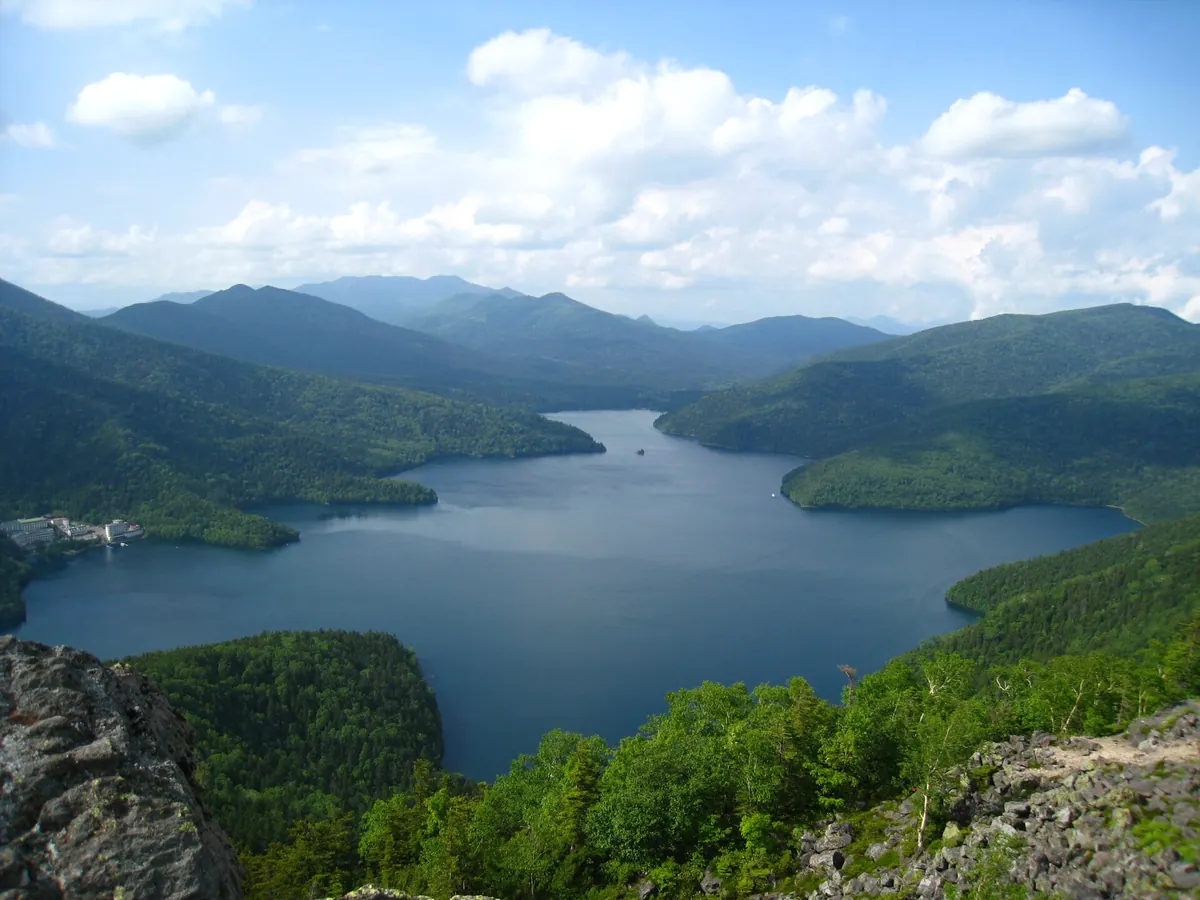
A high-altitude volcanic lake in Daisetsuzan National Park famous for its winter ice village and endemic trout species.
What it is
- A dammed lake formed by volcanic activity within Daisetsuzan National Park.
- The highest lake in Hokkaido sitting at an elevation of 810 meters.
- A protected habitat for the endemic Miyabe char subspecies of trout.
- A source of water used for local hydroelectric power generation.
What to see
- Benten Island located within the lake featuring a traditional torii gate.
- Panoramic views of the surrounding Mount Hakuun and Mount Tenbo.
- A shoreline spanning 13.8 kilometers across Shikaoi and Kamishihoro towns.
- Seasonal fishing areas for the rare Dolly Varden trout subspecies.
When to go
- Winter for the Shikaribetsu-ko Kotan festival held directly on the frozen ice.
- Designated fishing periods for visitors following strict daily catch limits.
Getting there
- Buses run directly to the lake from Shintoku and Obihiro stations.
02
Lake Kuttara
HOKKAIDō · PLACE 倶多楽湖
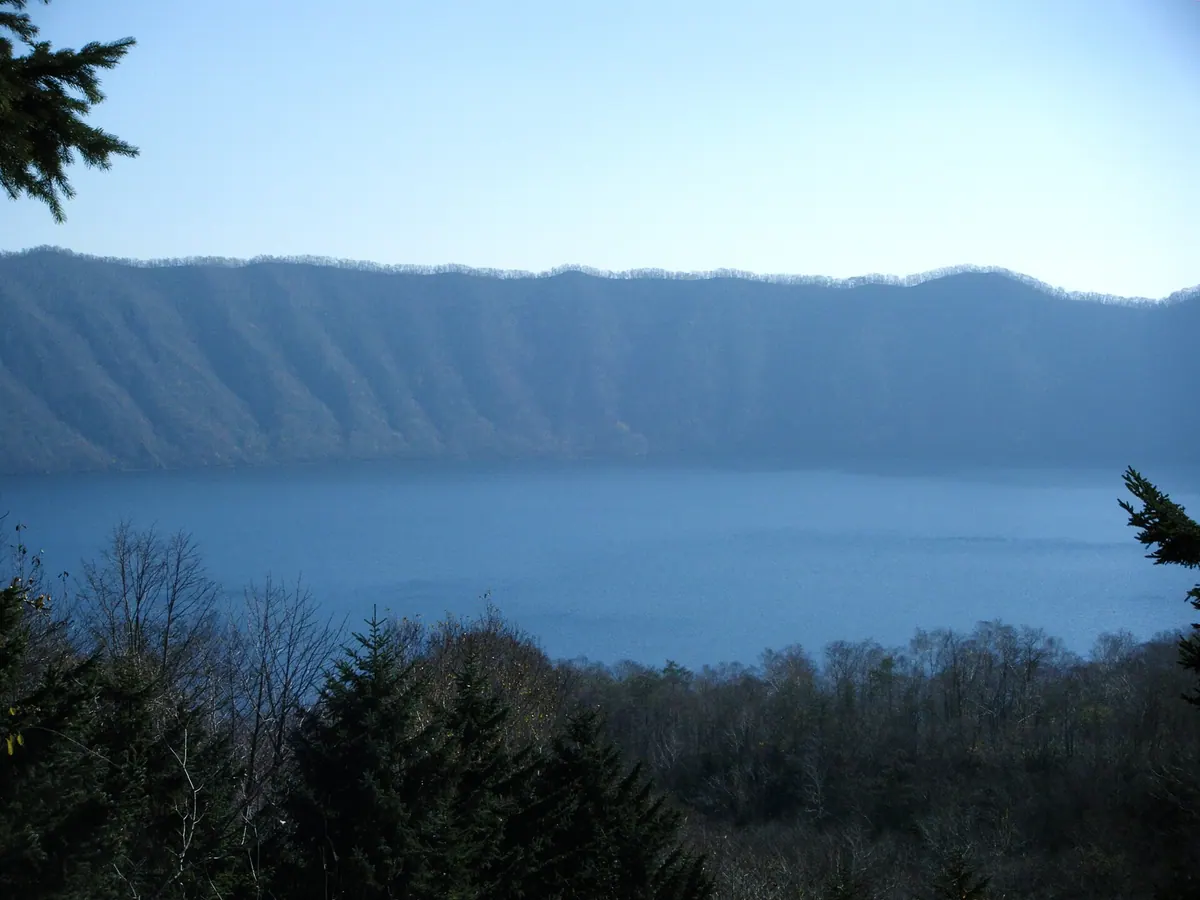
A perfectly circular caldera lake in Hokkaido known for having the second clearest water in all of Japan.
What it is
- A circular caldera lake located within the Shikotsu-Toya National Park.
- Part of the active Kuttara volcano with an eight kilometer circumference.
- A closed water system with no rivers flowing in or out of the lake.
- Ranked as the second clearest lake in Japan for water transparency.
What to see
- The surrounding crater rim reaching a height of 534 meters.
- Kokanee salmon which were first introduced to these waters in 1910.
- A frozen lake surface during the month of March.
- Rental boats used for kokanee fishing on the clear water.
When to go
- Mid-March to late March to see the water surface typically freeze over.
- Early May when boats become available for seasonal fishing.
Getting there
- Located two kilometers east of the Noboribetsu Onsen area.
- Accessible via a single road leading from Noboribetsu.
03
Lake Onnetō
HOKKAIDō · PLACE オンネトー
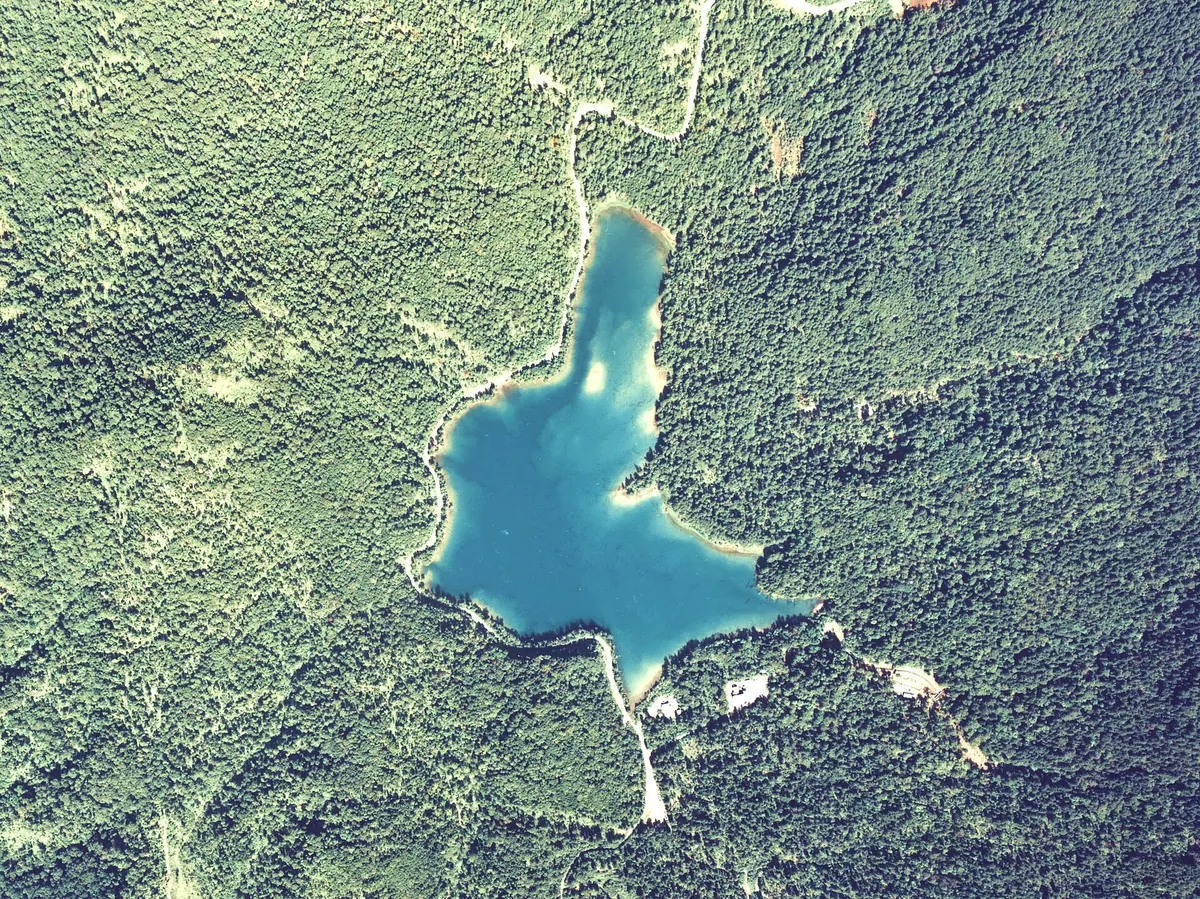
A volcanic lake in Akan-Mashu National Park known for changing colors and rare mineral-producing waterfalls.
What it is
- A volcanic lake formed by the eruption of Mount Meakan in Ashoro Town.
- One of the three major hidden lakes located within Hokkaido.
- A natural habitat for Ezo salamanders and crayfish.
- Known as Five Color Pond because the water color changes frequently.
What to see
- Onneto Yunotaki waterfalls where microorganisms produce rare manganese minerals.
- Ice bubbles and frost flowers visible on the frozen surface.
- A national campsite and various hiking trails near the lakeshore.
- A national natural monument site featuring unique terrestrial mineral formations.
When to go
- Summer months when bus services are operational from Lake Akan.
- Winter season to observe frost flowers and ice bubbles on the frozen water.
Getting there
- Buses run from Lake Akan to the area during the summer season.
04
Lake Tōfutsu
HOKKAIDō · PLACE 濤沸湖
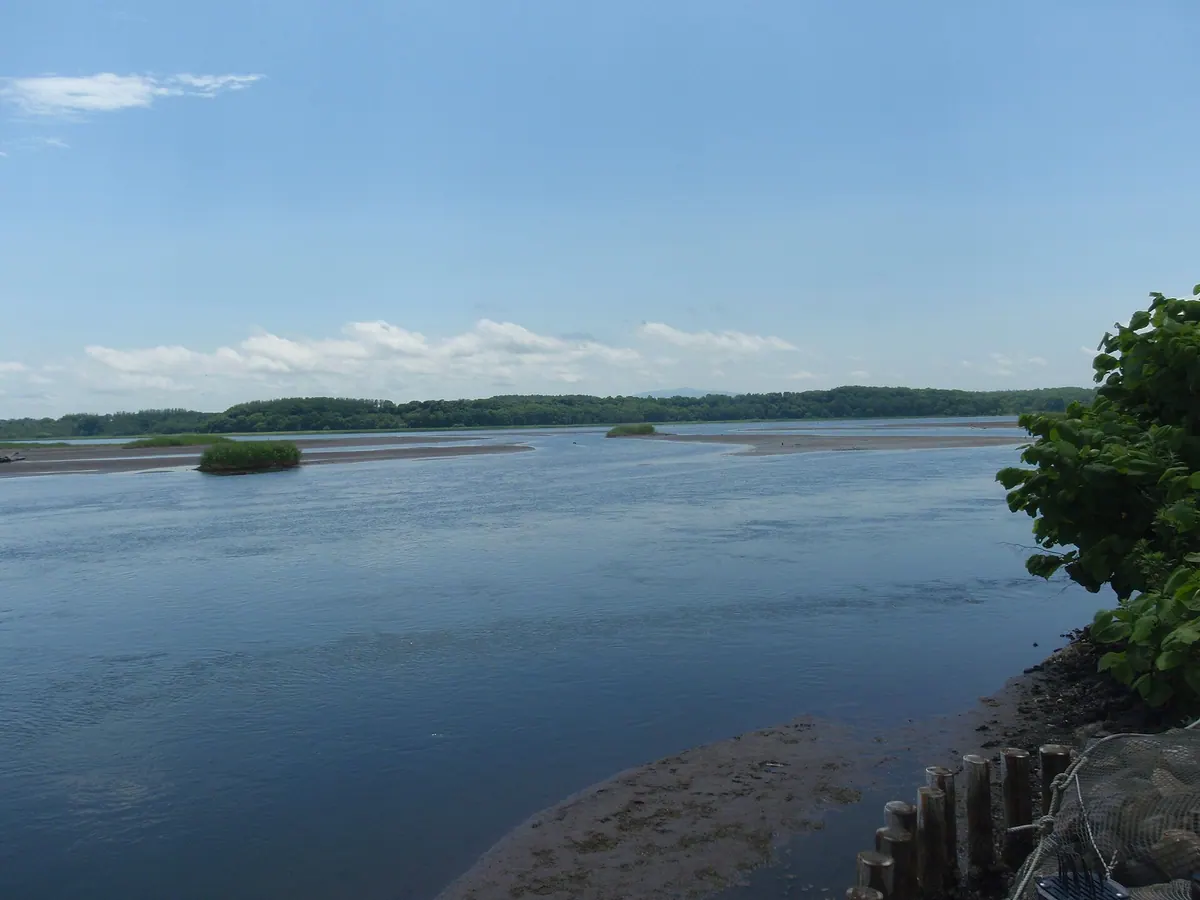
A protected brackish lake in Hokkaido famous for migratory birds and vibrant glasswort marshes along the Sea of Okhotsk.
What it is
- A 900-hectare brackish lake located within the Abashiri Quasi-National Park.
- A protected wetland site registered under the Ramsar Convention since 2005.
- The name originates from the native Ainu word meaning lake mouth.
- A sand spit separates the lake waters from the Sea of Okhotsk.
What to see
- Over 60,000 migratory geese and ducks that visit the lake annually.
- Yellow-breasted buntings that use the area as a breeding ground.
- Red glasswort plants growing in the salt marshes along the shore.
- Local fisheries harvesting oysters, Corbicula clams, and short-neck clams.
When to go
- Winter months offer sightings of migratory birds, though feeding them is prohibited.
Getting there
- The lake is accessible via the Kitahama and Hama-Koshimizu railway stations.
05
Lake Takkobu
HOKKAIDō · PLACE 達古武湖
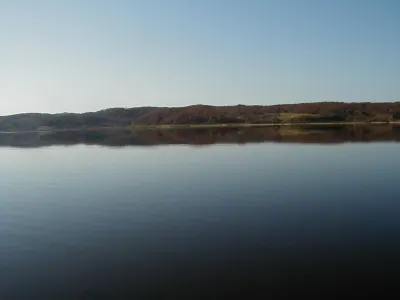
A freshwater lagoon in Kushiro Shitsugen National Park offering outdoor activities like canoeing and winter pond smelt fishing.
What it is
- A freshwater lagoon formed by the receding sea in eastern Hokkaido.
- Part of the protected Kushiro Shitsugen National Park ecosystem.
- A designated site for ongoing wetland restoration projects.
- A former ranch site established in 1946 now used as an auto campground.
What to see
- Endangered Marimo algae inhabiting the lake waters.
- The Takkobu River flowing into the lake from the southeast.
- Invasive signal crayfish which have been confirmed in the area.
- Views of the Kushiro River where the lake drains to the northwest.
When to go
- Winter for pond smelt fishing on the frozen lake surface.
- Warm months for canoeing and staying at the auto campground.
Getting there
- Accessible from Hosooka Station on the JR Senmo Line.
06
Panke-numa
HOKKAIDō · PLACE パンケ沼
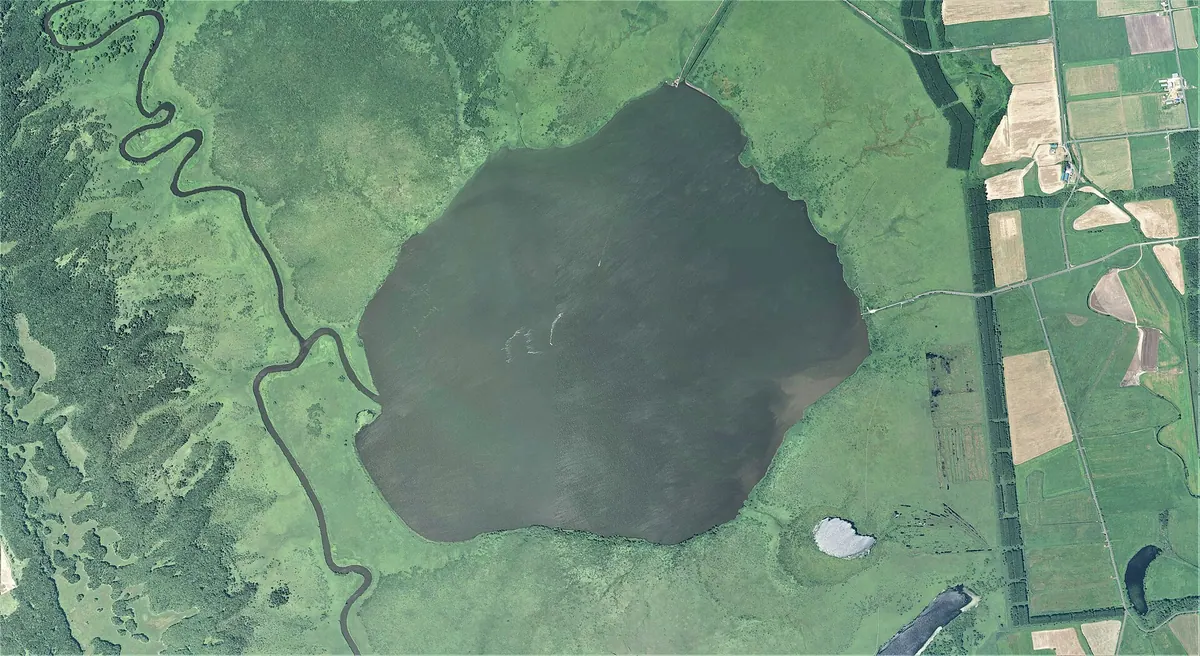
A circular brackish lake in Hokkaido's Sarobetsu Plain, offering bird watching and views of a protected wetland ecosystem.
What it is
- A circular brackish lake located within the Sarobetsu Plain in Horonobe, Hokkaido.
- Designated as an important wetland by the Ministry of the Environment.
- The name originates from the Ainu word meaning downstream lake.
- It serves as the northern limit for Corbicula japonica brackish water clams.
What to see
- Migratory birds such as swans that visit the lake seasonally.
- A dedicated bird watching hut for observing local wildlife.
- An observation deck providing views of the 3.55 square kilometer lake.
- The connection point where the Sarobetsu River meets the lake.
When to go
- Visit during migration seasons to see swans and other migratory birds.
Getting there
- The site is a 30 minute walk from Shimonuma Station.
07
Lake Akan
HOKKAIDō · PLACE 阿寒湖
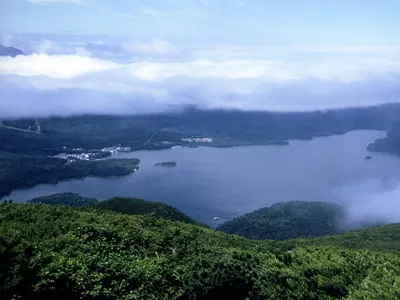
A scenic freshwater lake in Hokkaido known for rare marimo algae, hot springs, and the region's largest indigenous Ainu village.
What it is
- The fifth largest freshwater lake in Hokkaido, located within Akan Mashu National Park.
- A designated Ramsar Convention wetland supporting kokanee salmon and pond smelt populations.
- The natural habitat of rare marimo algae, which are protected as a special natural monument.
- A destination featuring a hot spring resort and the largest Ainu village in Hokkaido.
What to see
- Four distinct islands named Oshima, Kojima, Churui, and Yaitai within the lake waters.
- The Marimo Exhibition and Observation Center located on Churui Island.
- Akan Lake Hot Spring situated along the southern shore of the lake.
- Traditional culture and crafts at the large Ainu village by the water.
When to go
- Winter season when the lake surface freezes over completely.
08
Lake Shikotsu
HOKKAIDō · PLACE 支笏湖
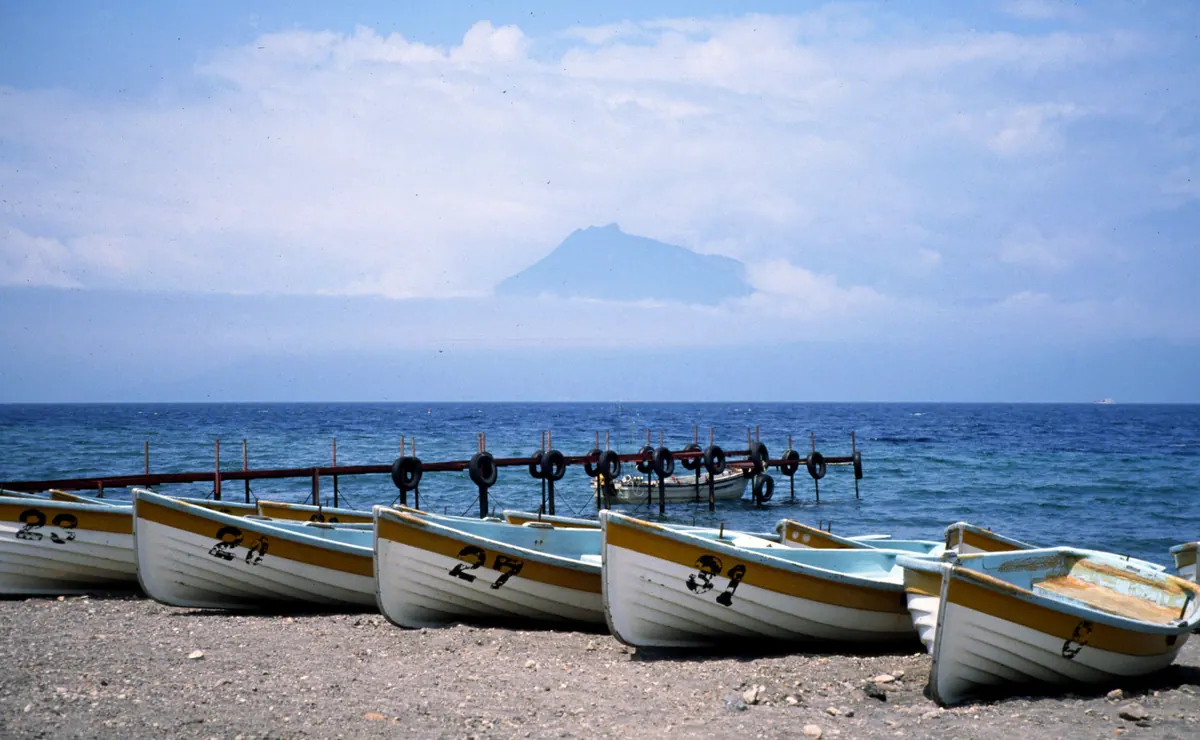
A deep caldera lake in Hokkaido known for its exceptional water clarity and surrounding active volcanic peaks.
What it is
- A freshwater caldera lake located within the Shikotsu-Toya National Park in Hokkaido.
- The northernmost ice-free lake in Japan, formed approximately 44,000 years ago.
- Japan's second largest lake by water volume with a maximum depth of 363 meters.
- A natural habitat for Kokanee salmon which were first introduced to the waters in 1894.
What to see
- Active volcanoes including Mount Eniwa surrounding the perimeter of the lake.
- The Chitose River which serves as the only river flowing out of the basin.
- Marukoma Onsen, a hot spring facility operating on the lakeshore since 1915.
- Highly transparent waters that remain clear throughout the year.
When to go
- Visit during the annual Shikotsu-ko Ice Festival which has been held since 1977.
09
Lake Rausu
HOKKAIDō · PLACE 羅臼湖
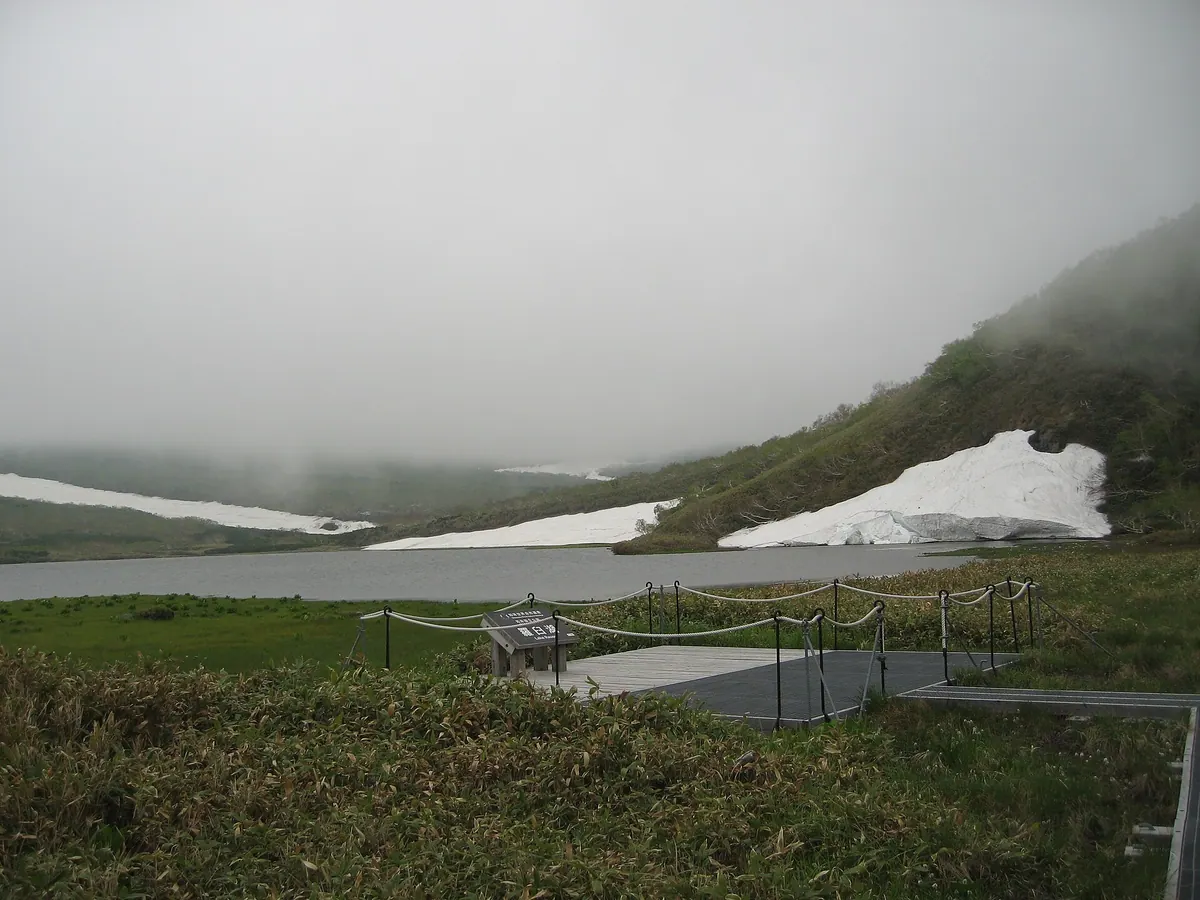
The largest lake in Shiretoko National Park, offering a remote wetland hike through a protected World Natural Heritage site.
What it is
- The largest lake located within the Shiretoko National Park in Hokkaido.
- A designated important wetland situated at the eastern foot of Mount Chishibetsu.
- Part of the Shiretoko World Natural Heritage area and a habitat for Ezo brown bears.
What to see
- A three kilometer trail leading through diverse wetlands and seasonal snowfields.
- Expansive views of the largest lake in the national park region.
- Natural landscapes that are home to the local Ezo brown bear population.
Getting there
- The trail entrance is located at a bus stop three kilometers from Shiretoko Pass.
- A three kilometer hike with an eighty meter elevation gain reaches the lake.
- No parking spaces are available for private vehicles near the trail entrance bus stop.
10
Lake Mokoto
HOKKAIDō · PLACE 藻琴湖
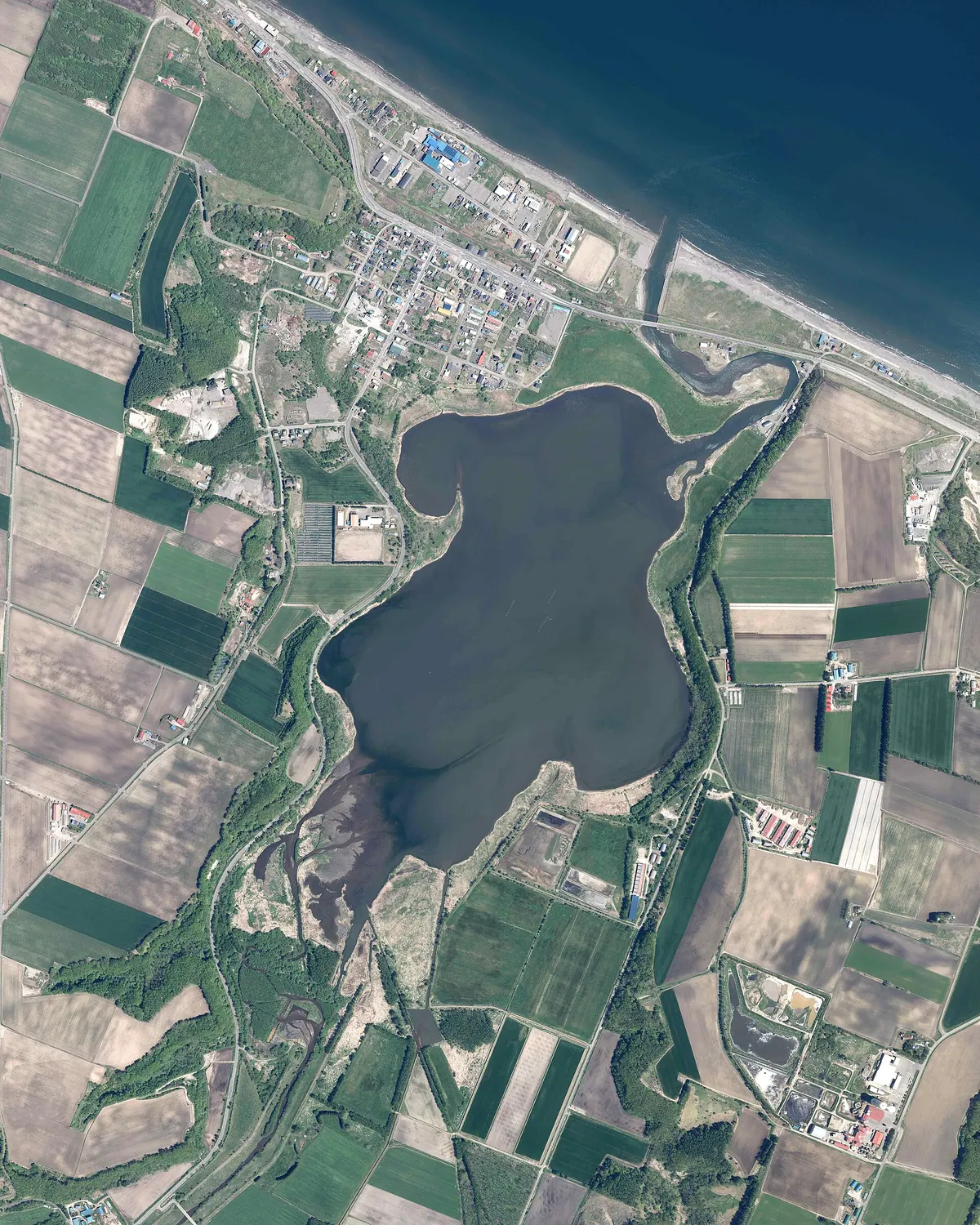
A brackish lagoon in Abashiri Quasi-National Park known for migratory birds, winter ice, and traditional local fishing.
What it is
- A brackish lagoon located within the Abashiri Quasi-National Park in Hokkaido
- A significant wetland designated by the Ministry of the Environment
- The name originates from several theories in the native Ainu language
- A productive fishing site for Corbicula clams, oysters, and pond smelt
What to see
- Migratory birds including whooper swans that visit the water
- Red-crowned cranes that use the area as a breeding ground
- The Mokoto River flowing into the lake and out to the Okhotsk Sea
- Livestock grazing on the northern flatlands of the lakeshore
- A frozen lake surface during the cold winter season
Getting there
- Located near Mokoto Station on the Senmo Line
- Accessible by road via National Route 244 and Hokkaido Route 102
11
Lake Ōnuma
HOKKAIDō · PLACE 大沼
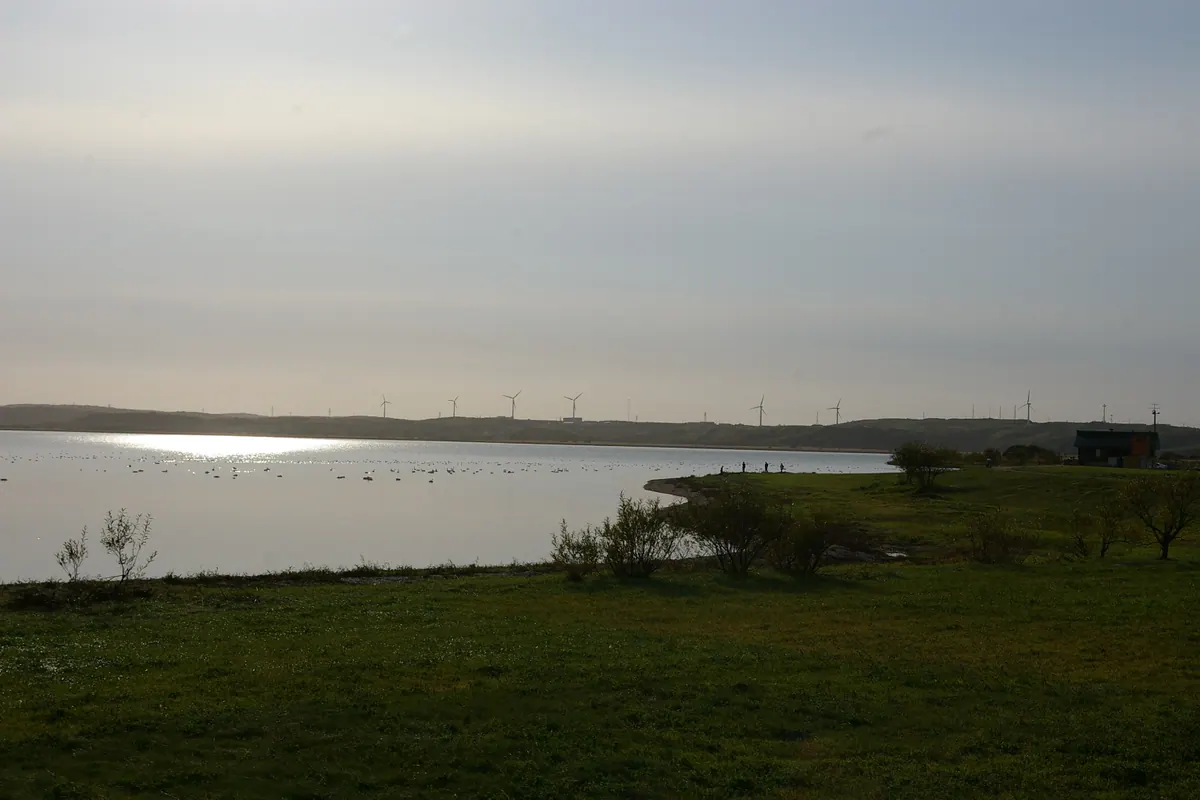
A coastal lagoon in northern Hokkaido serving as a major migration stop for tundra swans and a winter racing site.
What it is
- A lagoon in northern Wakkanai City separated from the sea by a sandbar.
- A major migration site for tundra swans also known as Shupunto Lake.
- The former site of an Imperial Japanese Navy base during World War II.
- A natural area connected to Soya Bay by the Koetoi River.
What to see
- Large colonies of skunk cabbage growing around the lake perimeter.
- The Wakkanai City Onuma Bird Observatory located on the north shore.
- Migrating tundra swans resting on the water during their seasonal journey.
- Automobile time trials held on the frozen surface of the lake.
Getting there
- Accessible by bus from JR Wakkanai Station heading east of downtown.
- Located six kilometers from the center of Wakkanai near the local airport.
12
Lake Kussharo
HOKKAIDō · PLACE 屈斜路湖
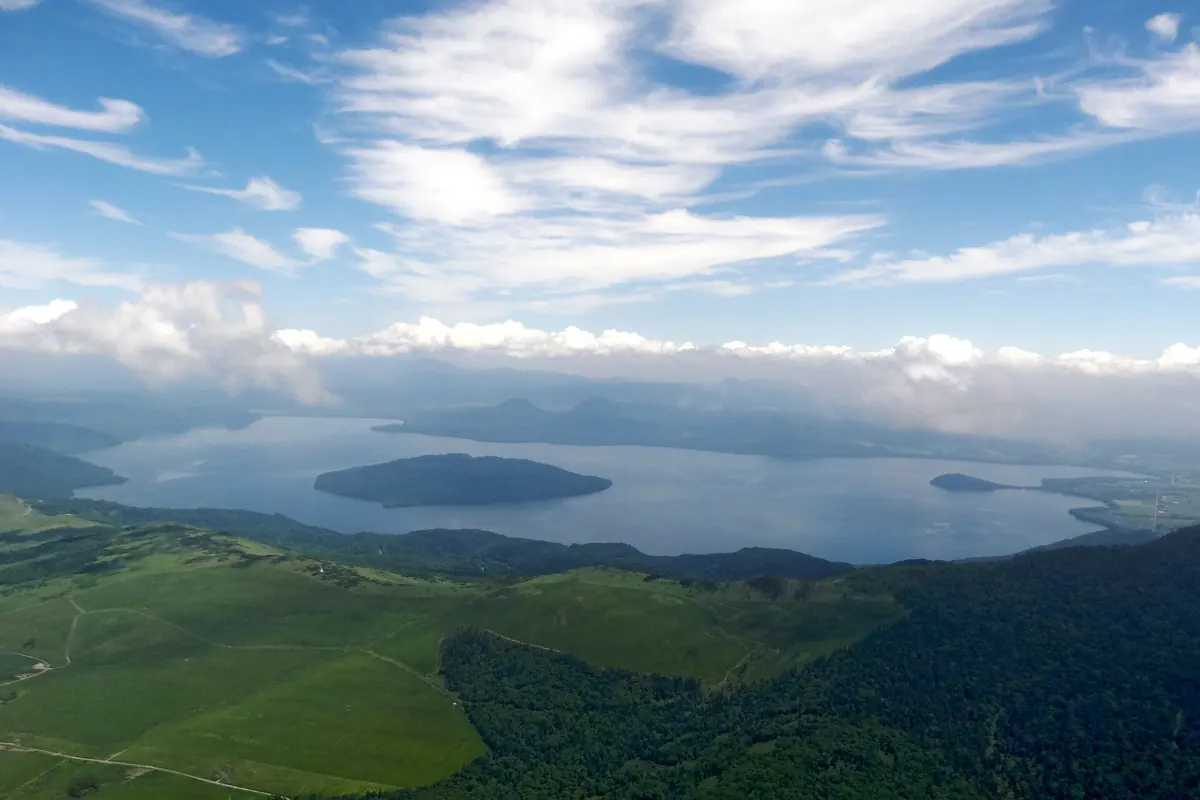
Japan's largest caldera lake offers natural hot springs and wintering whooper swans within the scenic Akan-Mashu National Park.
What it is
- The largest caldera lake in Japan, located in eastern Hokkaido.
- A major feature of Akan-Mashu National Park formed within the Kussharo Caldera.
- The largest freshwater lake in Japan that freezes completely during winter.
- A body of acidic water with a pH level around five.
What to see
- Nakajima, which is the largest lake island in Japan.
- Sunayu beach where hot water emerges when digging into the sand.
- The Kushiro River flowing out from the southern end of the lake.
- Wakoto Peninsula, the northernmost habitat of the Oncotympana maculaticollis cicada.
- Migrating whooper swans that gather at the lake during the winter months.
When to go
- Winter to see the lake surface freeze and observe migrating whooper swans.
13
Lake Shirarutoro
HOKKAIDō · PLACE シラルトロ沼
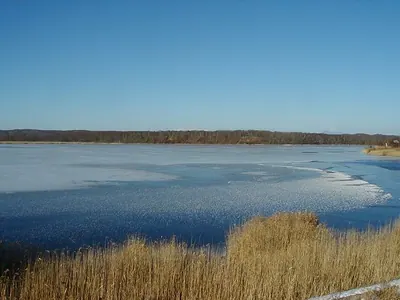
A freshwater lagoon in Kushiro Shitsugen National Park known for rare marimo algae, hot springs, and lakeside camping facilities.
What it is
- A freshwater lagoon located in eastern Hokkaido within Kushiro Shitsugen National Park.
- A natural body of water formed by the receding sea with an Ainu-origin name.
- A habitat for endangered marimo algae and invasive signal crayfish.
- A site used by Nissan for testing anti-lock brake systems on its frozen surface.
What to see
- The waterway where the lake drains into the Kushiro River.
- Natural hot springs and cold springs located in the surrounding area.
- An auto campground situated directly on the lakeshore.
- Views of the expansive wetlands protected by the national park.
Getting there
- Accessible via a short distance from JR Kayanuma Station.
- Located near Hokkaido Route 959 for those traveling by car.
14
Lake Mashū
HOKKAIDō · PLACE 摩周湖
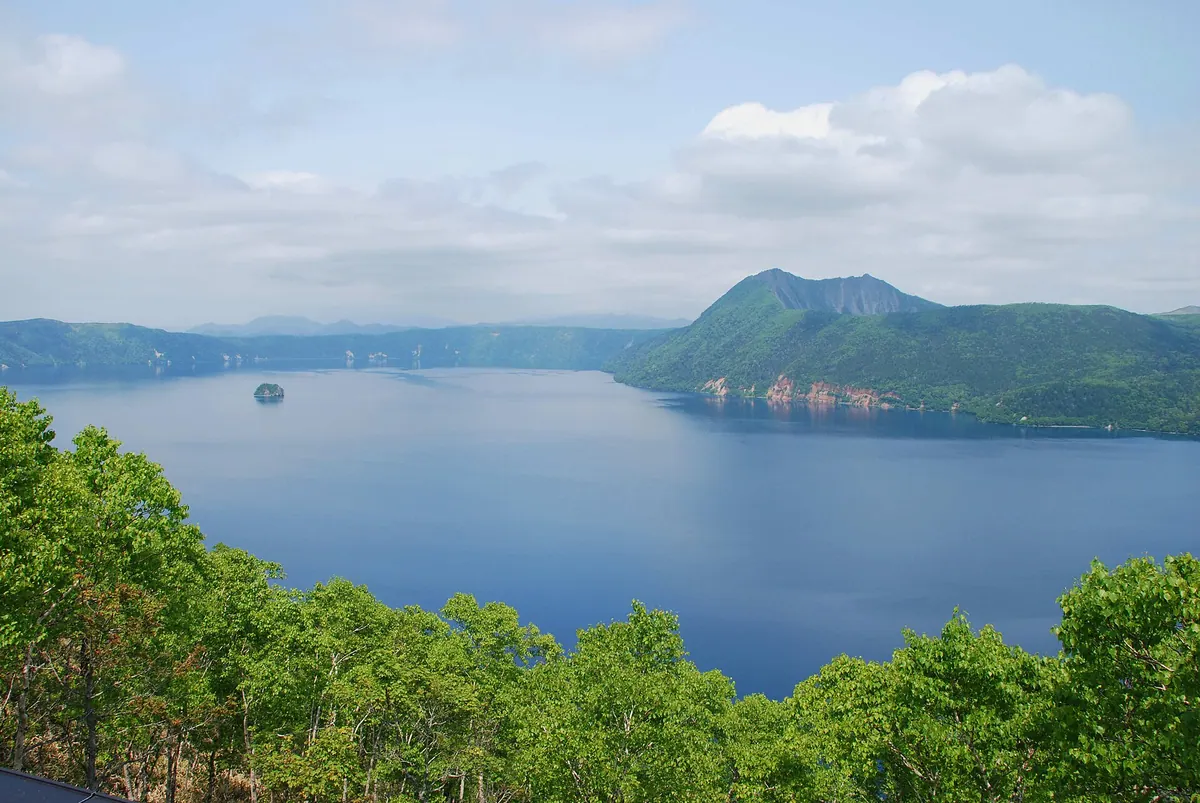
A deep caldera lake in Hokkaido famous for its extreme water clarity, frequent fog, and dramatic volcanic scenery.
What it is
- A caldera lake formed by a massive eruption located in Teshikaga Town.
- Part of the Akan-Mashu National Park and designated as a Hokkaido Heritage site.
- A unique body of water with no inflowing or outflowing rivers.
- A government-managed monitoring site for global environmental changes.
What to see
- Three observation decks providing different vantage points of the water.
- Kamuishu Island, a small lava dome situated in the center of the lake.
- Extremely clear water that once recorded a world-record transparency of 41.6 meters.
- Introduced populations of rainbow trout and sockeye salmon within the lake.
When to go
- Visit during periods of heavy fog to see the lake's most famous atmospheric condition.
15
Lake Saroma
HOKKAIDō · PLACE サロマ湖
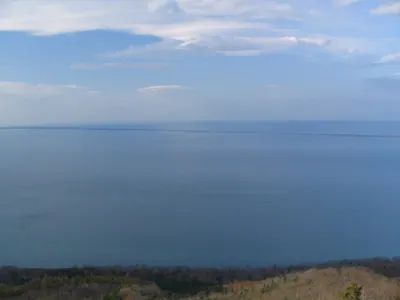
Japan's largest brackish lake offers vast coastal views, unique seasonal flora, and famous local scallop and oyster farming.
What it is
- The largest brackish lake in Japan and the third largest overall
- A coastal body of water protected as part of Abashiri Quasi-National Park
- A major production site for local scallop and oyster farming
- A 152 square kilometer lake separated from the sea by a long sandbar
What to see
- A 26-kilometer sandbar that divides the lake from the Okhotsk Sea
- The Wakka Primeval Flower Garden, a designated Hokkaido Heritage site
- An observation deck on Mount Horoiwa providing views over the entire area
- Two artificial openings where the lake water connects to the sea
- Glasswort colonies at Cape Kimuaneppu that change color seasonally
When to go
- Autumn to see the glasswort colonies turn a deep red color
16
Lake Tōro
HOKKAIDō · PLACE 塘路湖
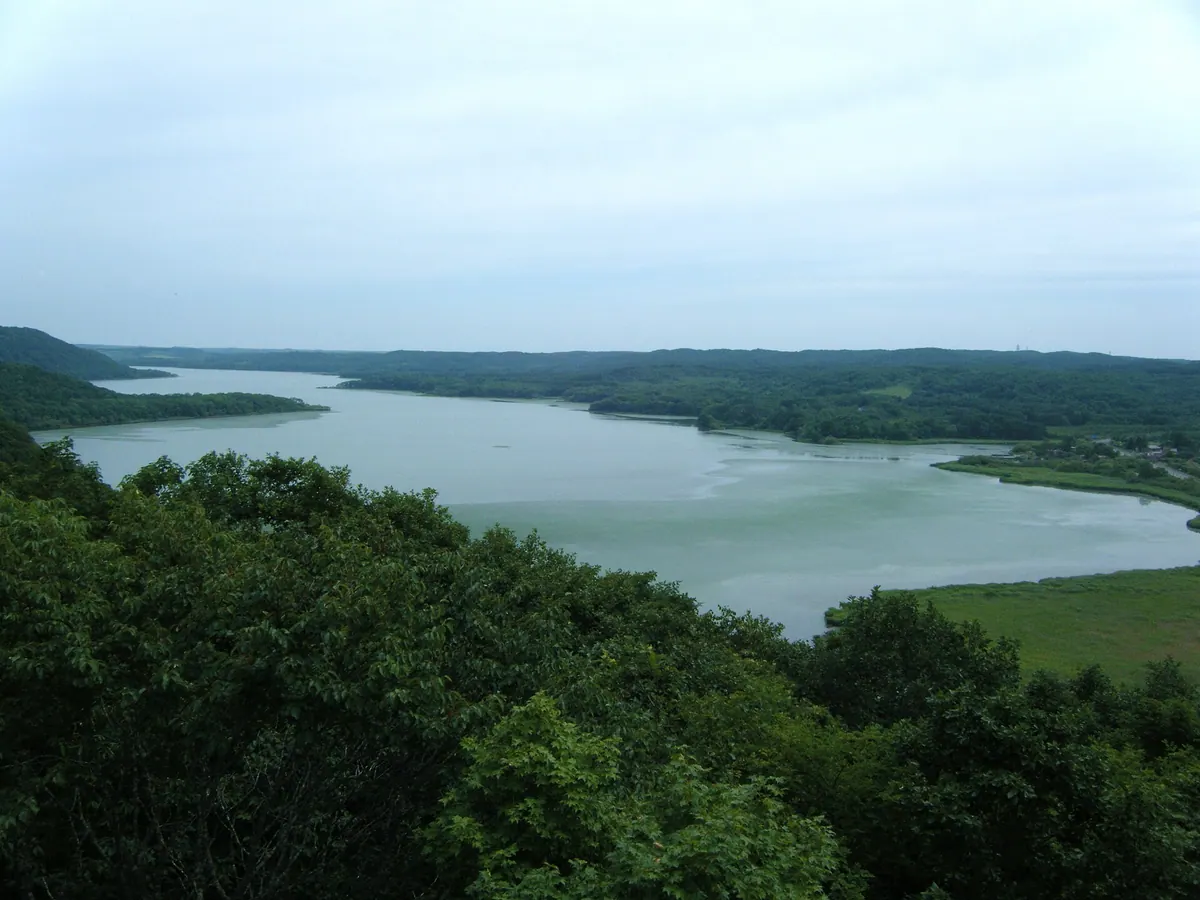
The largest freshwater lake in Kushiro Shitsugen National Park, famous for its rare marimo algae and winter smelt fishing.
What it is
- The largest freshwater lake located within the Kushiro Wetland in eastern Hokkaido.
- A former lagoon that formed after the sea receded from the area.
- Part of the Kushiro Shitsugen National Park, measuring 6.5 kilometers wide.
- Named after the Ainu word for a place of marshes.
What to see
- Endangered marimo algae living within the freshwater lake waters.
- The Toro Lake Eco Museum Center and nearby campground facilities.
- Water flowing from the lake into the Kushiro River.
- Views of the surrounding protected wetland landscape.
When to go
- Winter season for popular smelt fishing activities on the ice.
Getting there
- Accessible via Toro Station on the Senmo Main Line.
17
Lake Toyoni
HOKKAIDō · PLACE 豊似湖
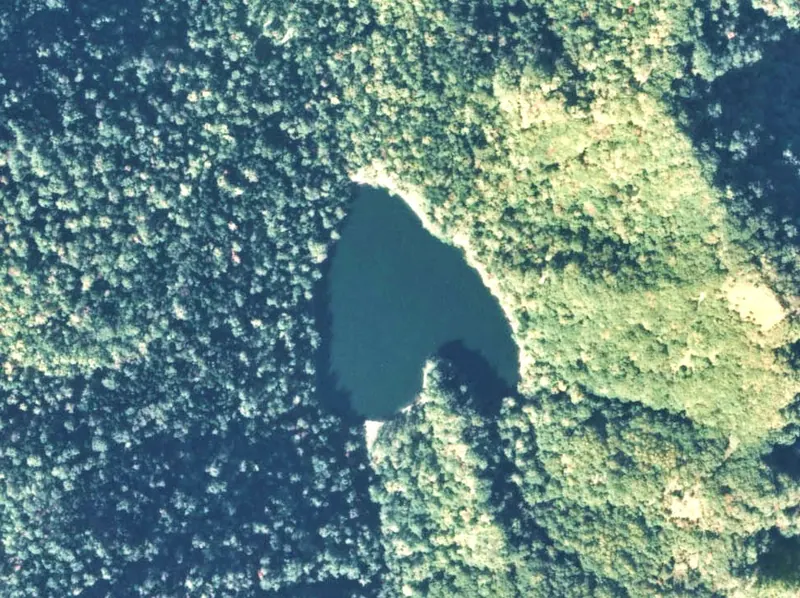
A natural heart-shaped lake in a Hokkaido national park, famous for its unique shape and surrounding Ezo pika habitat.
What it is
- A natural lake located within the Hidaka Sanmyaku-Erimo-Tokachi National Park.
- The only natural lake in the Hidaka Subprefecture, sitting at 260 meters elevation.
- Known by the Ainu name Kamuito and commonly referred to as Heart Lake.
- A small body of water with a one kilometer circumference and no connecting rivers.
What to see
- The distinct heart shape of the lake when viewed from above.
- Native Ezo pikas that inhabit the surrounding mountainous area.
- Dense forests surrounding the water within the protected national park grounds.
Getting there
- Accessible by driving along a forest road branching off from Route 336.
- Requires submitting an entry form at the designated parking lot area.
18
Lake Harutori
HOKKAIDō · PLACE 春採湖
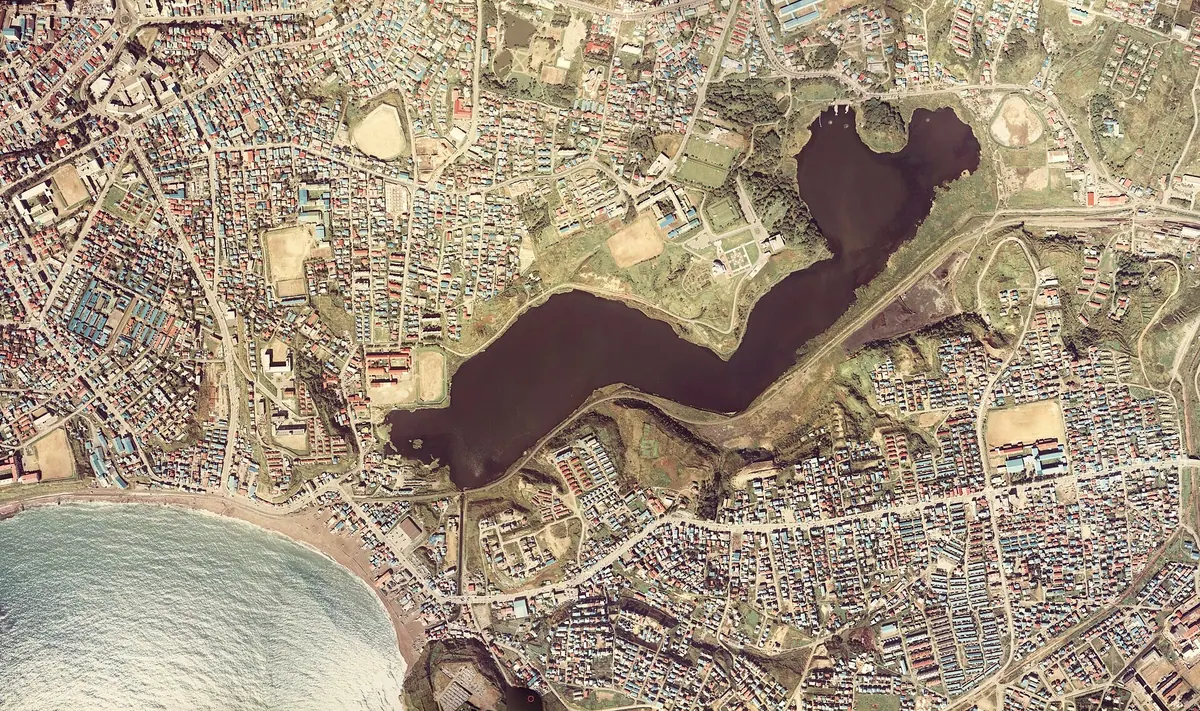
A brackish lagoon in Kushiro featuring a natural monument fish species, a city museum, and historical Ainu fort ruins.
What it is
- A brackish lagoon in Kushiro with a name originating from the Ainu language.
- Home to the Hibuna, a red crucian carp designated as a national natural monument.
- A designated wildlife protection area since 2000 with a circumference of 4.7 kilometers.
- The Harutori River flows into and out of this 5.2 meter deep lake.
What to see
- The Kushiro City Museum located on the northern shore of the lake.
- Charanke Fort, a national historic site situated on the north bank.
- A tide-prevention weir installed to control the inflow of seawater.
- Invasive signal crayfish which inhabit the entire shoreline of the lake.
When to go
- Visit between December and April to see the lake surface completely frozen.
19
Ōnuma
HOKKAIDō · PLACE 大沼
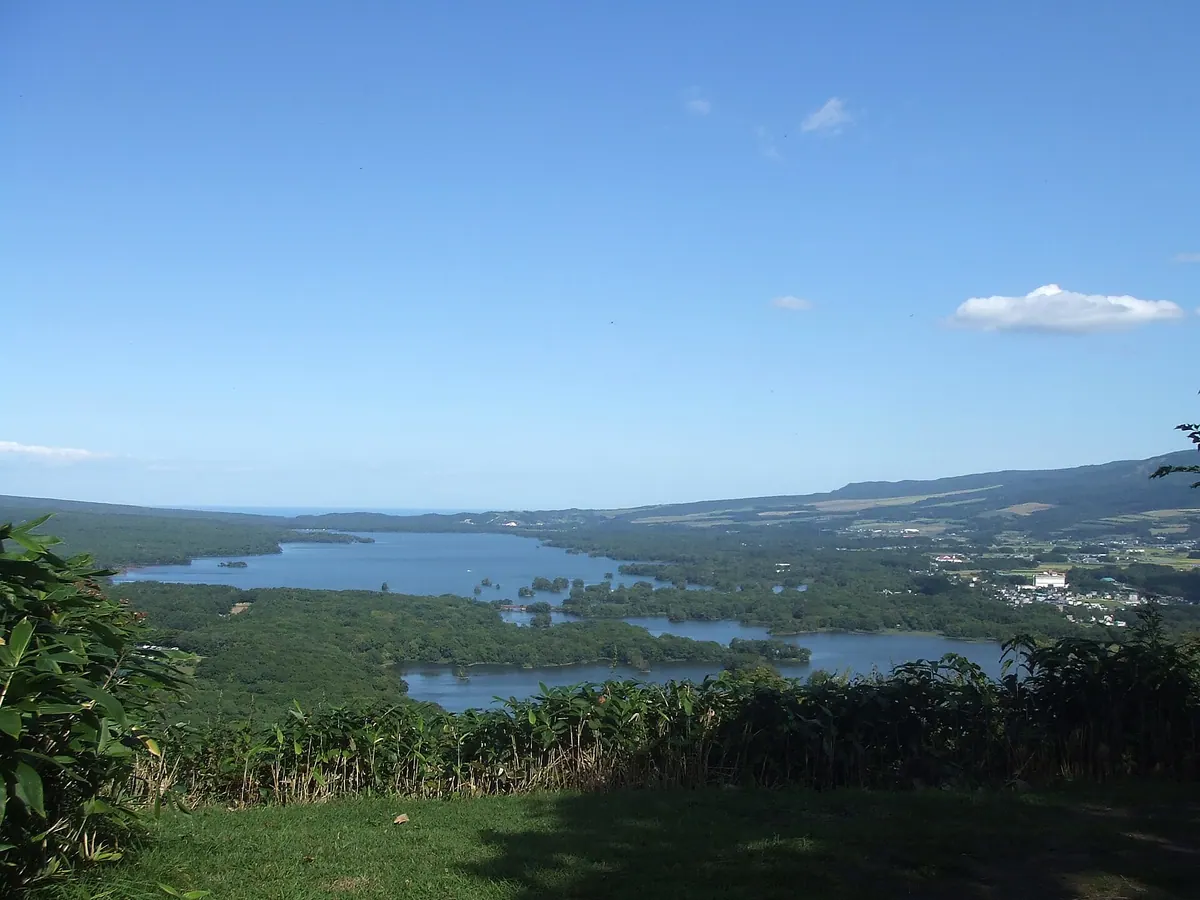
A scenic quasi-national park featuring a large dammed lake with 120 islands formed by volcanic eruptions of Mount Komagatake.
What it is
- The largest dammed lake in Hokkaido, designated as a Quasi-National Park.
- Formed by the volcanic eruptions of Mount Hokkaido Komagatake.
- A registered Ramsar Site recognized as one of the New Three Views of Japan.
- The name originates from the Ainu word Poro-to, meaning large lake.
What to see
- Approximately 120 small islands called Nagareyama scattered throughout the water.
- A narrow isthmus called Sebatto that connects Onuma and Konuma lakes.
- A monument dedicated to the song Thousand Winds located on the lakeshore.
- Migratory birds including whooper swans resting in the Sebatto area.
Getting there
- Approximately 15 minutes by car from Shin-Hakodate-Hokuto Station.
20
Lake Abashiri
HOKKAIDō · PLACE 網走湖
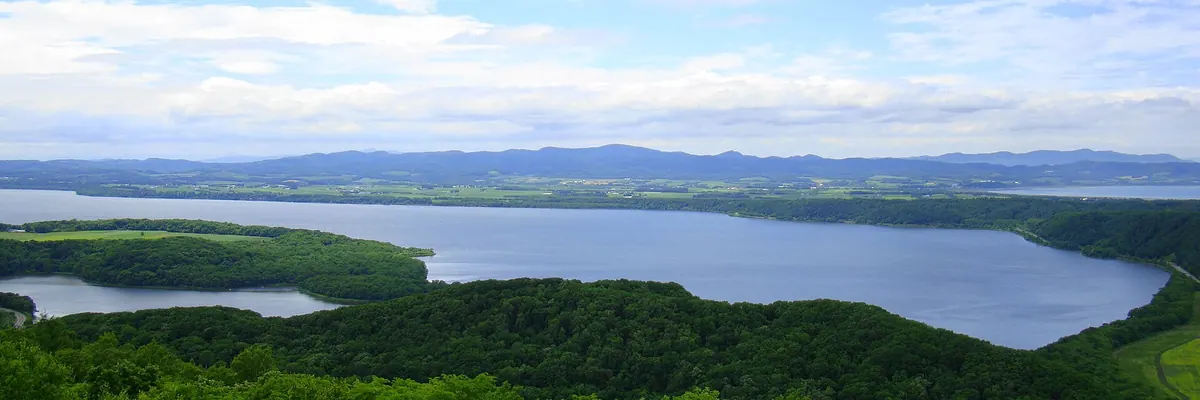
A coastal lake in Hokkaido offering winter ice fishing, professional rowing courses, and protected wetland plant communities.
What it is
- A brackish lake located within the Abashiri Quasi-National Park in Hokkaido.
- A designated important wetland that was once a bay of the Okhotsk Sea.
- A hub for commercial fishing of Japanese basket clams, carp, and pond smelt.
- A site featuring a rowing course officially recognized by the Japan Rowing Association.
What to see
- The Memanbetsu wetland plant community, which is a national natural monument.
- Fishermen cultivating clams and fish across the water surface.
- Views of the lake sitting at exactly zero meters above sea level.
- The surrounding landscape of Abashiri City and Ozora Town.
When to go
- Winter for ice fishing for pond smelt on the frozen surface.