

6 Lakes in Ibaraki worth your time
Japan Gems
6 Lakes in Ibaraki, with what to see and how to get there.
Ibaraki has 6 lakes on Japan Gems. Below are the 6 we can tell you the most about — each one written up in English from Japanese sources, with what to see and how to get there. See all lakes in Ibaraki.
01
Sanuma Lake
IBARAKI · PLACE 砂沼
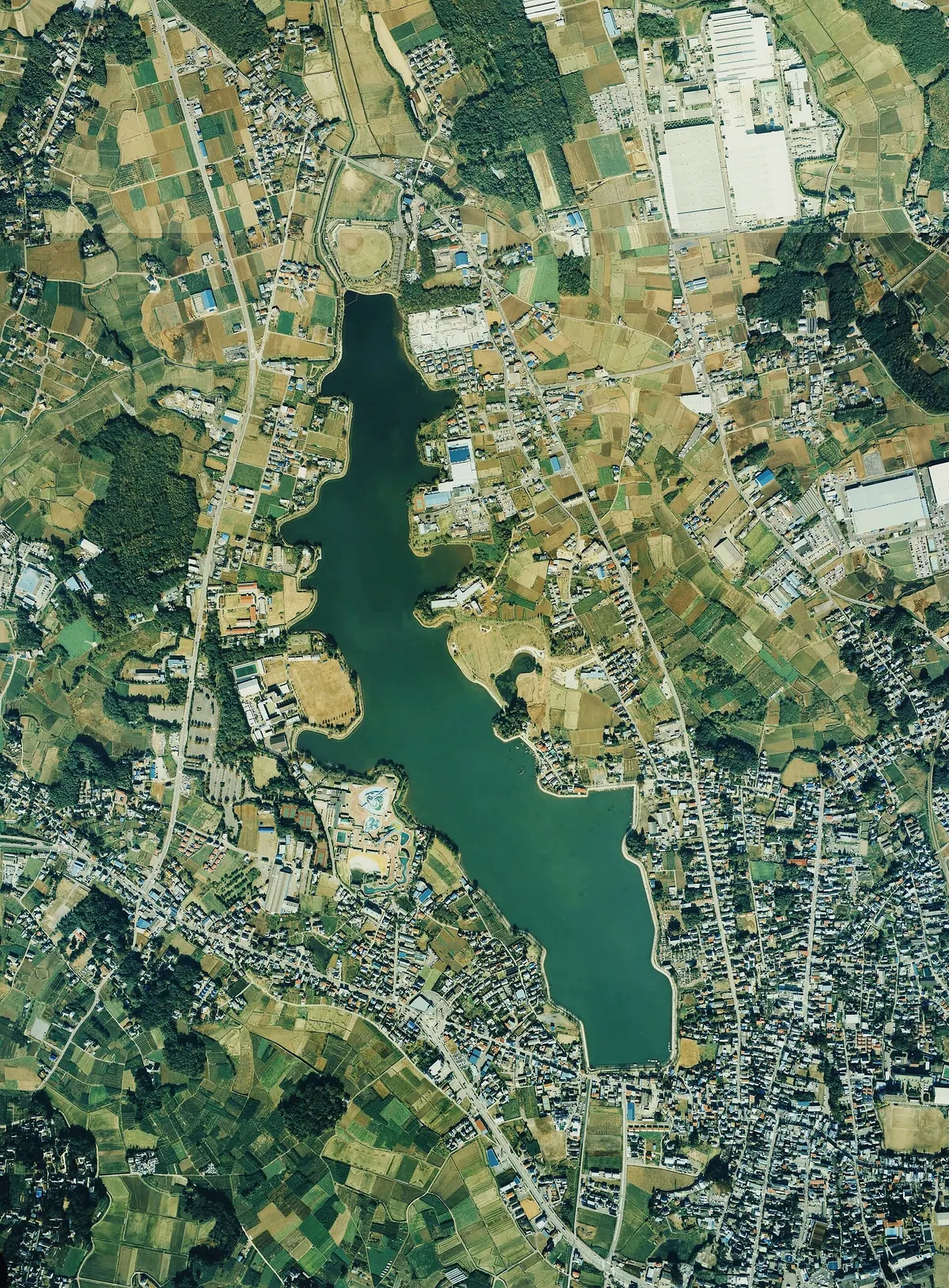
A scenic agricultural reservoir and park in Ibaraki featuring seasonal flowers and a unique Y-shaped pedestrian bridge.
What it is
- An agricultural reservoir in Shimotsuma City irrigating 1800 hectares of rice paddies.
- A designated top 100 reservoir and one of the 100 Landscapes of Ibaraki.
- A 55-hectare body of water surrounded by the Sanuma Wide Area Park.
- A recreational site featuring a tourist exchange center on the south shore.
What to see
- The Sanuma Ohashi, a unique Y-shaped bridge connecting the east and west shores.
- Approximately 350 cherry trees representing 50 different varieties.
- A large garden containing about 29,000 Japanese irises.
- A six-kilometer walking path around the circumference of the lake.
When to go
- Visit in spring to see the cherry blossoms in bloom.
- Go during June to see the Japanese irises at their peak.
Getting there
- Take the Kanto Railway Joso Line to Shimotsuma Station.
- The site is accessible by car via National Route 125.
02
Lake Ushiku
IBARAKI · PLACE 牛久沼
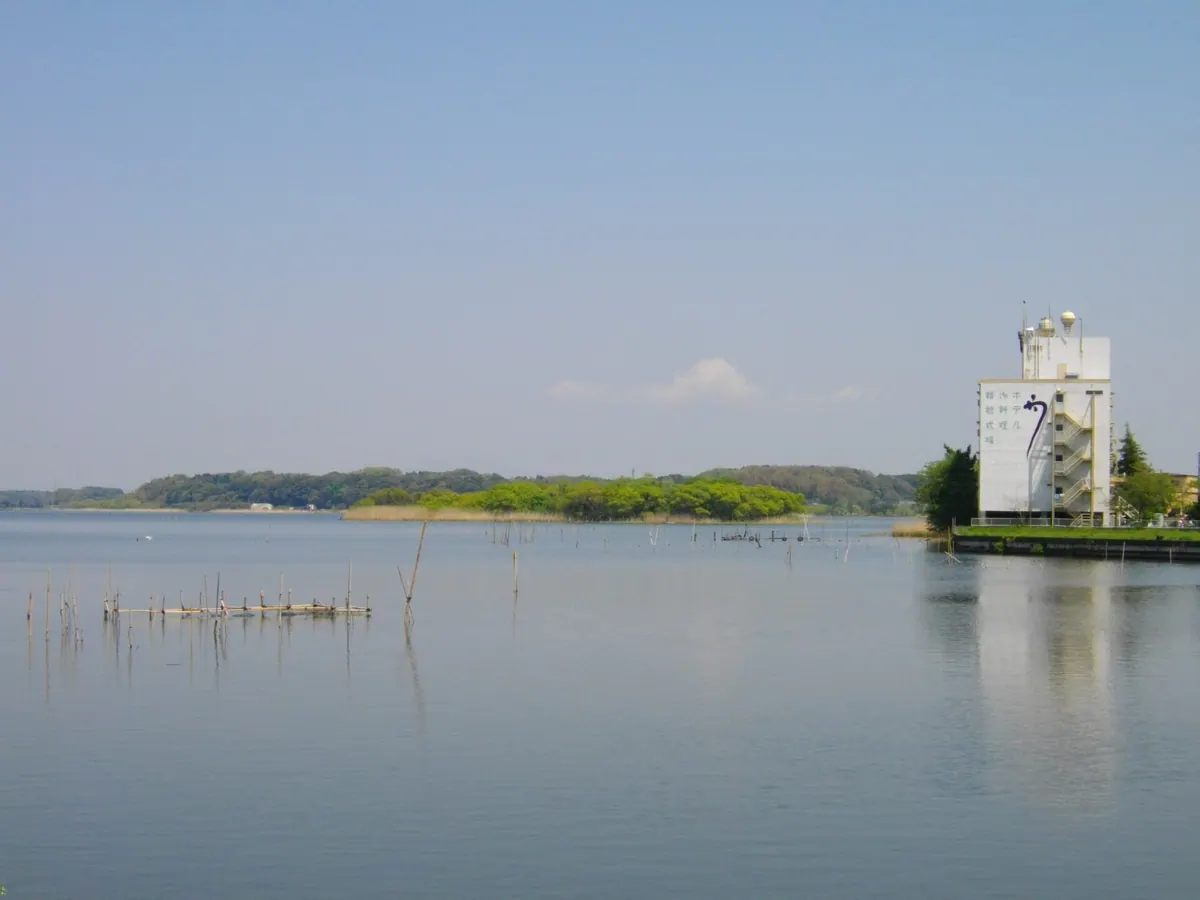
A shallow lake in Ibaraki known as the birthplace of unadon, featuring migratory swans and a scenic lakeside road.
What it is
- A shallow lake in Ryugasaki City belonging to the Kokai River tributary system
- The historical birthplace of the popular Japanese eel dish known as unadon
- A scenic area that served as a filming location for the film series Otoko wa Tsurai yo
- The former home of painter Ogawa Usen who lived on the northern shore
What to see
- A large body of water with a circumference of approximately twenty-five kilometers
- The Unagi Kaido road along the eastern shore lined with eel restaurants
- Migratory swans that gather on the water during the colder months
- Views of the shoreline from the JR Joban Line and Route 6
When to go
- Winter is the best time to see the group of forty migrating swans
Getting there
- The lake is located near Ryugasaki-shi Station and Sanuki Station on the JR Joban Line
03
Hinuma
IBARAKI · PLACE 涸沼
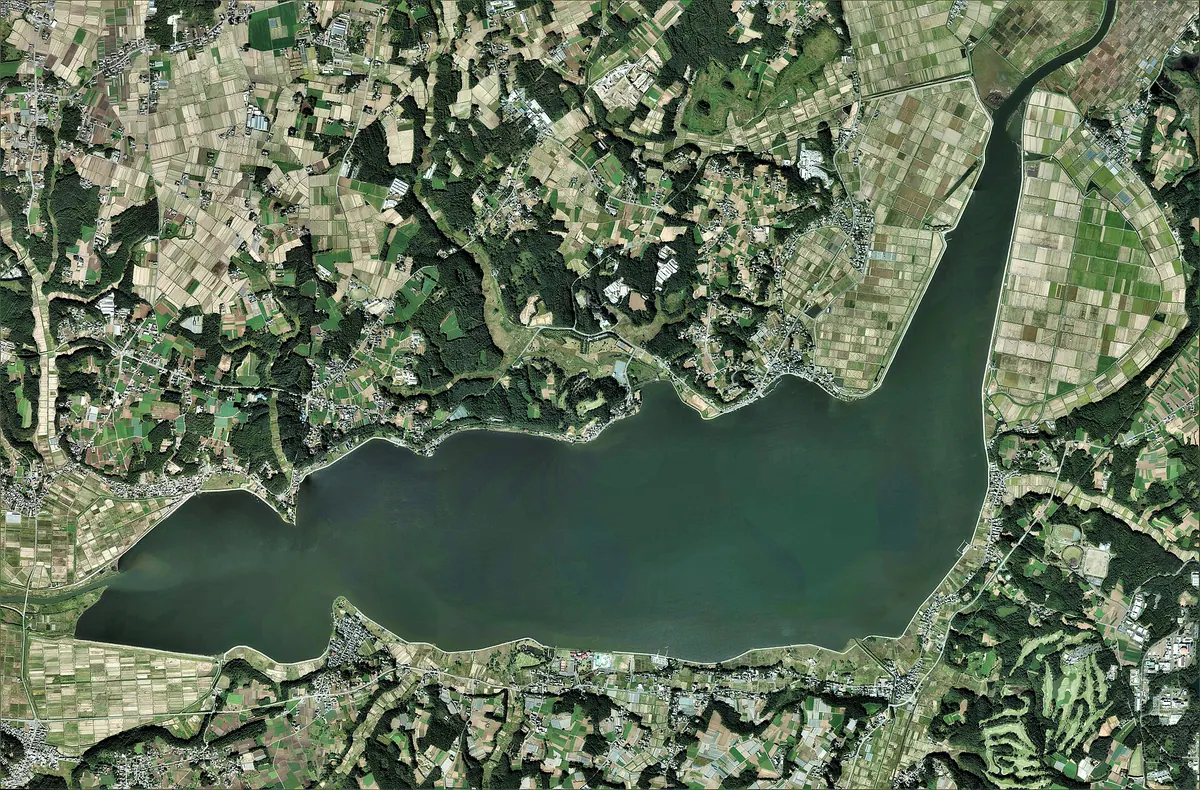
A Ramsar-protected brackish lake in Ibaraki known for its diverse birdlife, rare damselflies, and recreational outdoor activities.
What it is
- A large brackish lake spanning Ibaraki Town, Hokota City, and Oarai Town.
- A registered Ramsar Convention wetland since 2015 for its ecological importance.
- A major production site for Yamato shijimi clams and a natural retarding basin.
- A habitat for over 100 fish species and the endangered Hinuma damselfly.
What to see
- Hinuma Nature Park located on the northern shore of the lake.
- White-tailed eagles that use the area as a wintering ground.
- Local fishermen harvesting Yamato shijimi clams from the water.
- Active areas for windsurfing, camping, and recreational fishing.
When to go
- Winter months to observe visiting white-tailed eagles.
- Summer for camping and windsurfing on the lake surface.
04
Lake Senba
IBARAKI · PLACE 千波湖
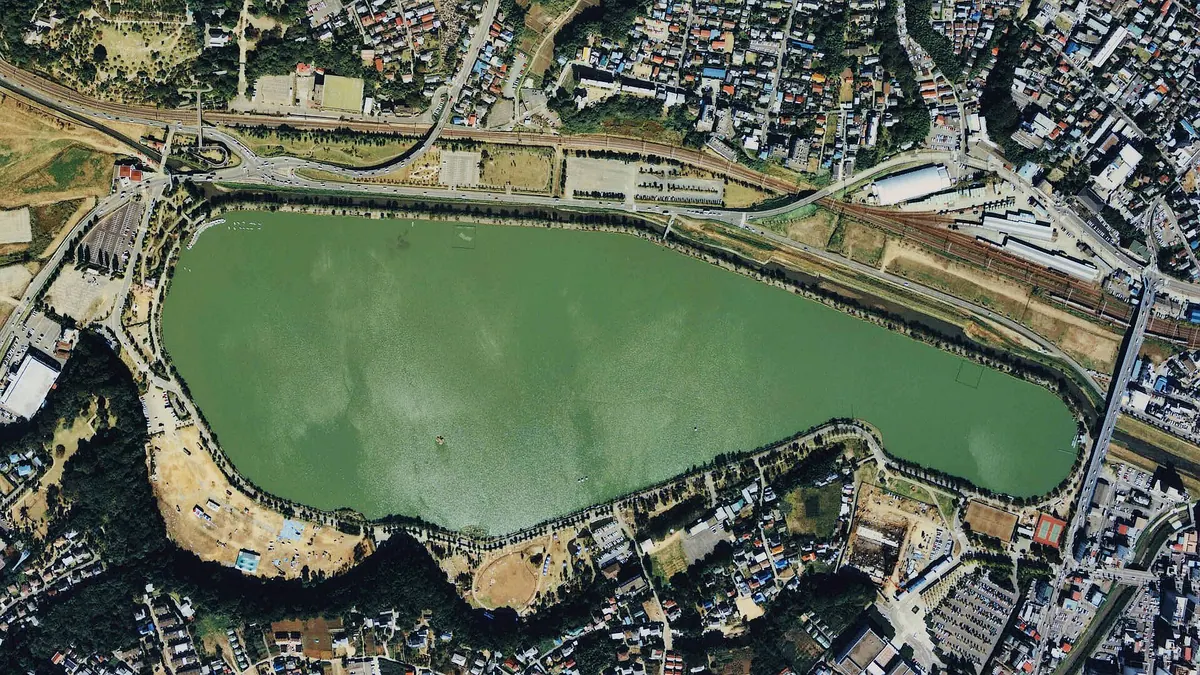
A gourd-shaped freshwater lake in Mito serving as a scenic wetland habitat and a historic moat for Mito Castle.
What it is
- A freshwater dammed lake formed by sediment from the old Sakura River.
- A natural moat once used by the Mito Domain to fortify Mito Castle.
- An important wetland habitat designated by the Ministry of the Environment.
- A central feature of the Kairakuen Park landscape in Ibaraki Prefecture.
What to see
- A three-kilometer walking path surrounding the gourd-shaped perimeter.
- Three large fountains and one artificial floating island within the water.
- Wintering waterfowl including various species of ducks and swans.
- Views of the shallow lake which maintains an average depth of one meter.
When to go
- Winter months to observe the migratory birds and resident swans.
- Official site
- www.city.mito.lg.jp
05
Lake Sotonasakaura
IBARAKI · PLACE 外浪逆浦
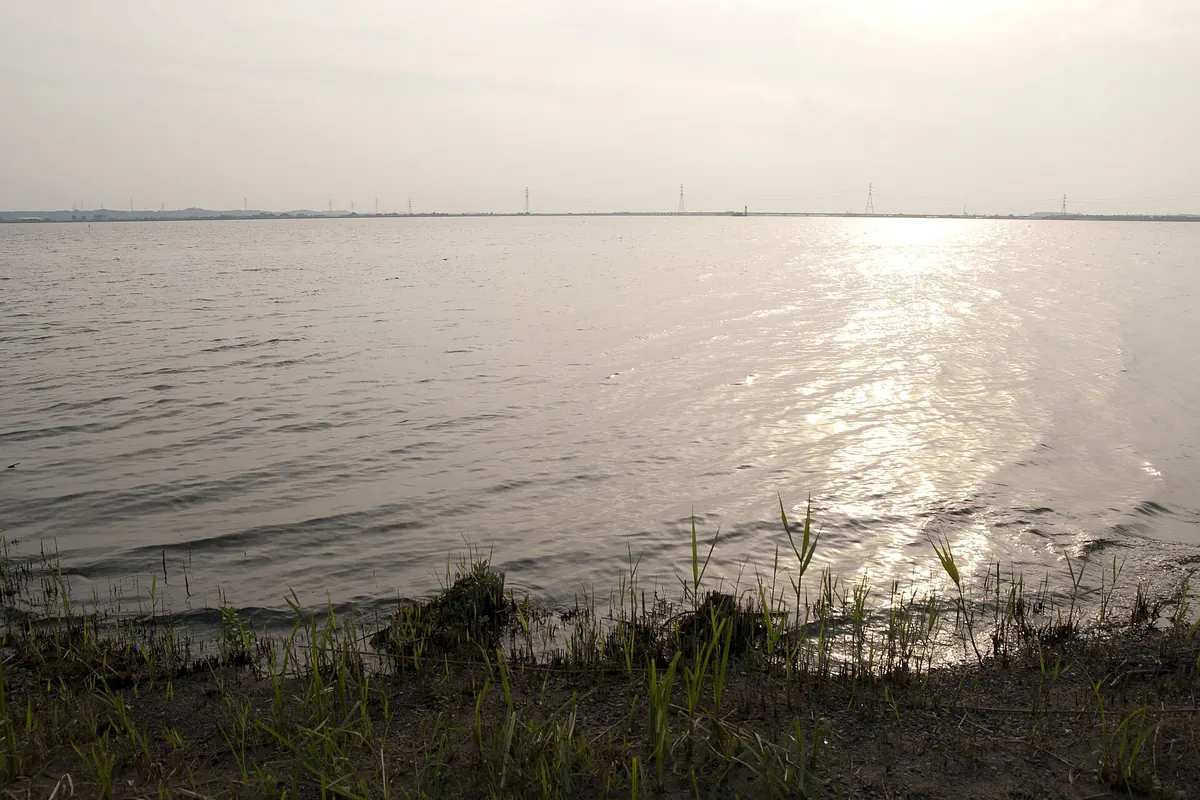
A six square kilometer freshwater lake in Ibaraki Prefecture offering traditional sightseeing boat trips within a quasi-national park.
What it is
- A freshwater lake in southeastern Ibaraki Prefecture covering six square kilometers.
- Part of the Suigo-Tsukuba Quasi-National Park and the Kasumigaura water system.
- Historically known as Nagareumi and officially classified as a Class A river.
- Separated from the neighboring Uchinasakaura by a levee built in 1893.
What to see
- Traditional sightseeing sail boats operating on the open water.
- The Hitachi River Watergate which maintains the lake's freshwater status.
- Local wildlife including wakasagi, icefish, carp, and eels.
- Expansive views of the water reaching depths of nine meters.
When to go
- Summer and autumn to ride the seasonal sightseeing sail boats.
06
Lake Kasumigaura
IBARAKI · PLACE 霞ヶ浦
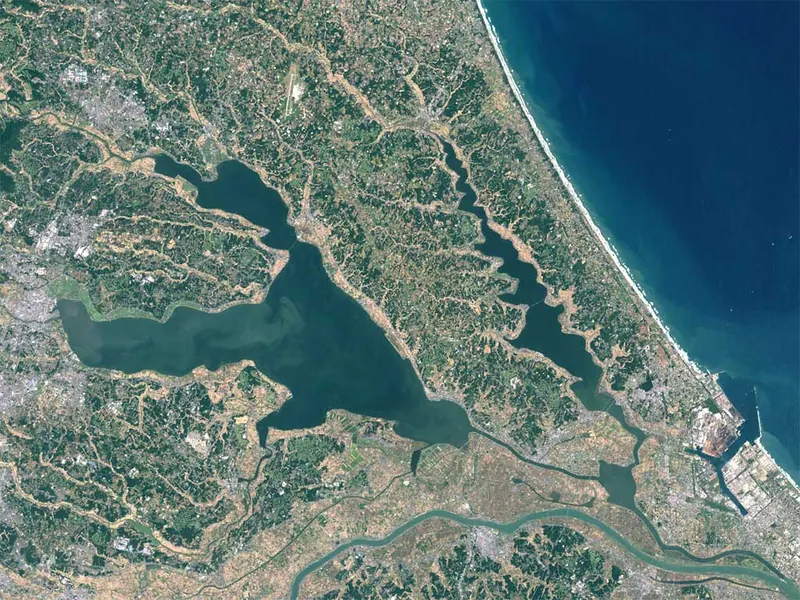
Japan's second largest lake offers traditional sail fishing boats and a designated national cycle route through a scenic quasi-national park.
What it is
- The second largest lake in Japan, located in southeastern Ibaraki Prefecture.
- A designated Quasi-National Park consisting of five main water bodies including Nishiura and Kitaura.
- A freshwater lake since 1963 that serves as a source for agriculture and industry.
- A major fishery producing smelt, icefish, carp, and freshwater prawns.
What to see
- Traditional sail fishing boats operating on the open water.
- Sightseeing boats that take visitors across the 220 square kilometer surface.
- A designated National Cycle Route that follows the perimeter of the lake.
- Fifty-six different rivers flowing into the lake system.