

15 Lakes in Nagano worth your time
Japan Gems
15 Lakes in Nagano, with what to see and how to get there.
Nagano has 15 lakes on Japan Gems. Below are the 15 we can tell you the most about — each one written up in English from Japanese sources, with what to see and how to get there. See all lakes in Nagano.
01
Lake Megami
NAGANO · PLACE 女神湖
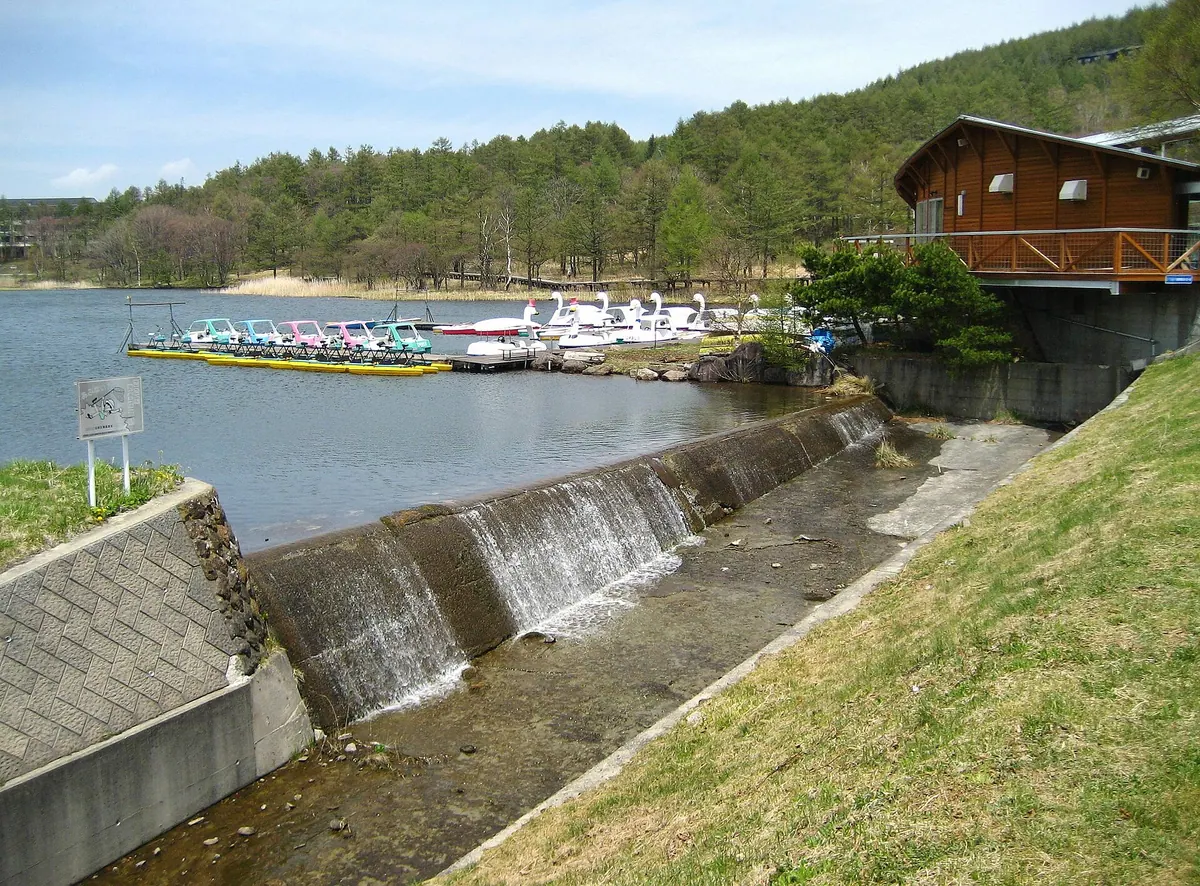
A high-altitude reservoir in Nagano offering scenic views, a summer fireworks festival, and a unique winter driving circuit on ice.
What it is
- An artificial warm water reservoir completed in 1966 for local farmland irrigation
- Part of the Yatsugatake-Chushin Kogen Quasi-National Park at 1,540 meters elevation
- Named after Mount Megami, which is an alias for the nearby Mount Tateshina
- A 1.5 kilometer circumference lake that supplies the historic Shiozawa Weir irrigation system
What to see
- The Kagibiki-ishi megalith, which is designated as a town cultural property
- Views of the surrounding mountains from the 1.5 kilometer shoreline path
- The Shiozawa Weir, selected as one of the top 100 canals in Japan
- A frozen lake surface used as a winter driving circuit during the coldest months
When to go
- August 11 to see the Shirakaba Kogen Fireworks Display over the water
- Winter months to witness or participate in driving activities on the frozen surface
Getting there
- Accessible by bus departing from Sakudaira Station
- Accessible by bus departing from Chino Station
02
Lake Suwa
NAGANO · PLACE 諏訪湖
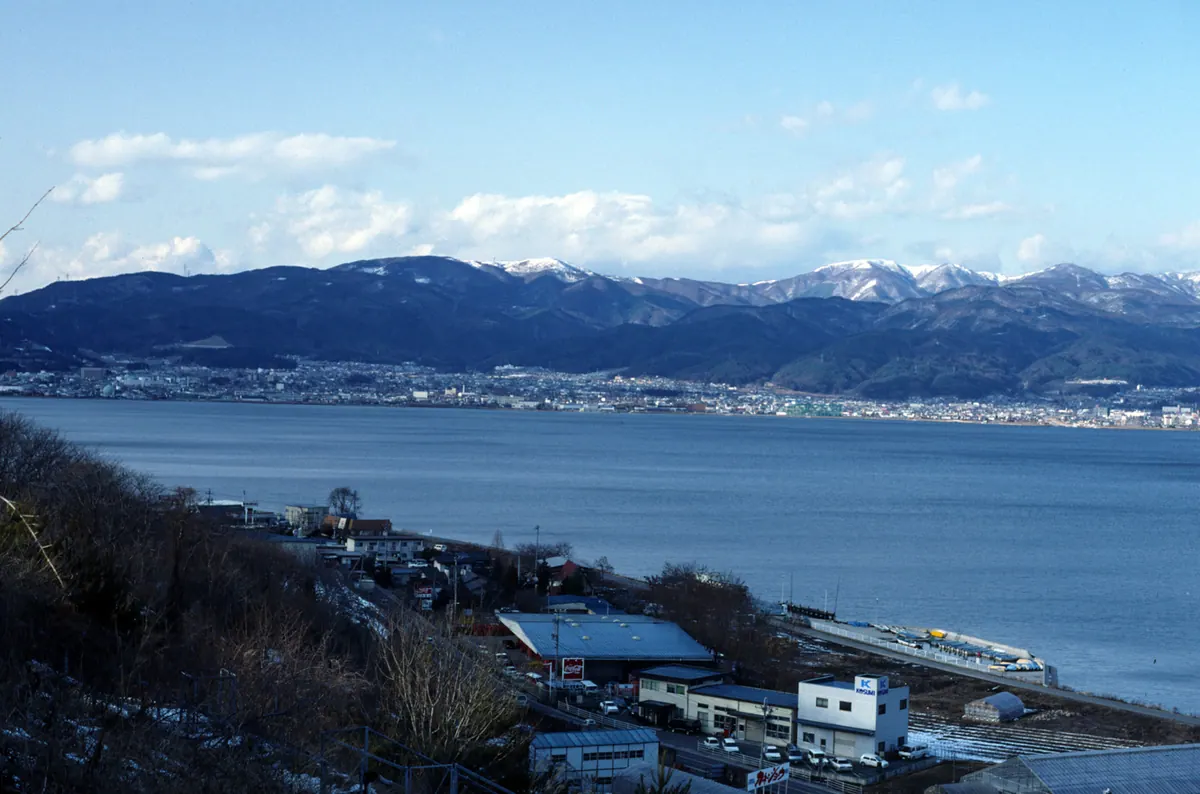
Nagano's largest lake offers a historic tectonic landscape famous for winter ice ridges, summer fireworks, and ancient underwater ruins.
What it is
- The largest tectonic lake in Nagano Prefecture, formed by ancient fault movements.
- A historic site where the Sone Ruins lie preserved on the lake bed.
- The legendary final resting place of the famous warlord Shingen Takeda.
- The location of Japan's first official figure skating competition held in 1922.
What to see
- The Tenryu River, which serves as the only natural outlet for the lake waters.
- Hatsushima, an artificial island constructed specifically for launching large-scale fireworks displays.
- Wakasagi smelt fish, a species successfully introduced to these waters in 1915.
- A vast surface area spanning twelve point eight one square kilometers across three municipalities.
When to go
- August 15th to witness the massive Suwa Lake Fireworks Festival.
- Winter months to see Omiwatari ice ridges form across the frozen surface.
03
Lake Matsubara
NAGANO · PLACE 松原湖
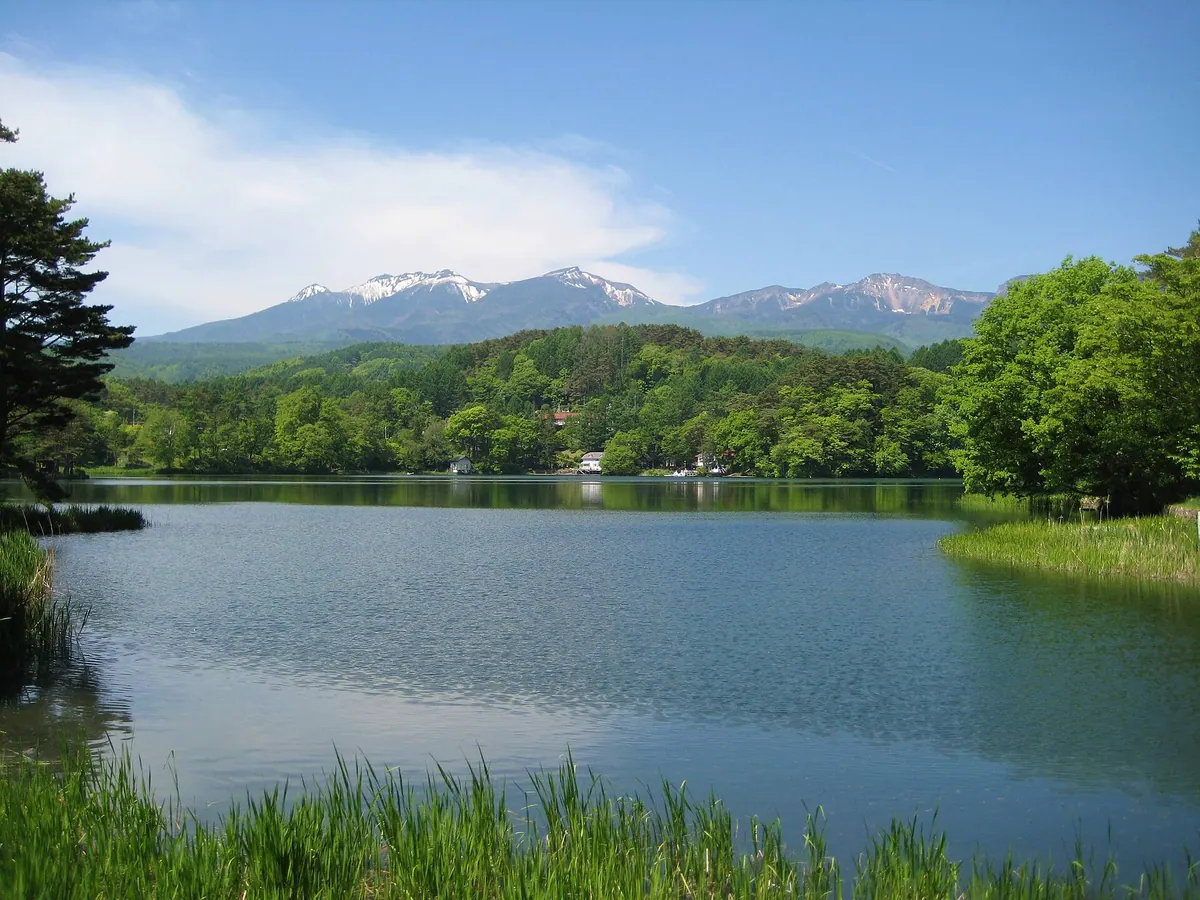
A collection of three natural lakes in Nagano offering ice fishing, historic shrines, and scenic views of the surrounding highlands.
What it is
- A group of three lakes consisting of Lake Ina, Lake Cho, and Lake Otsuki.
- Formed naturally following the Ninwa earthquake in the year 887.
- The water currently powers two hydroelectric stations operated by Chubu Electric Power.
- The landscape served as the inspiration for the song Kitakaze Kozo no Kantaro.
What to see
- Lake Ina, which is the largest of the three water bodies.
- A lakeside shrine housing a bell designated as a National Important Cultural Property.
- The Koumi Machi Kogen Museum situated on a nearby hill.
- Waters reaching a maximum depth of 7.7 meters surrounded by mountain scenery.
When to go
- Winter months when the lake freezes over for ice fishing.
Getting there
- Take a bus from Koumi Station for a twenty minute journey to the lake.
04
Taishō-ike
NAGANO · PLACE 大正池
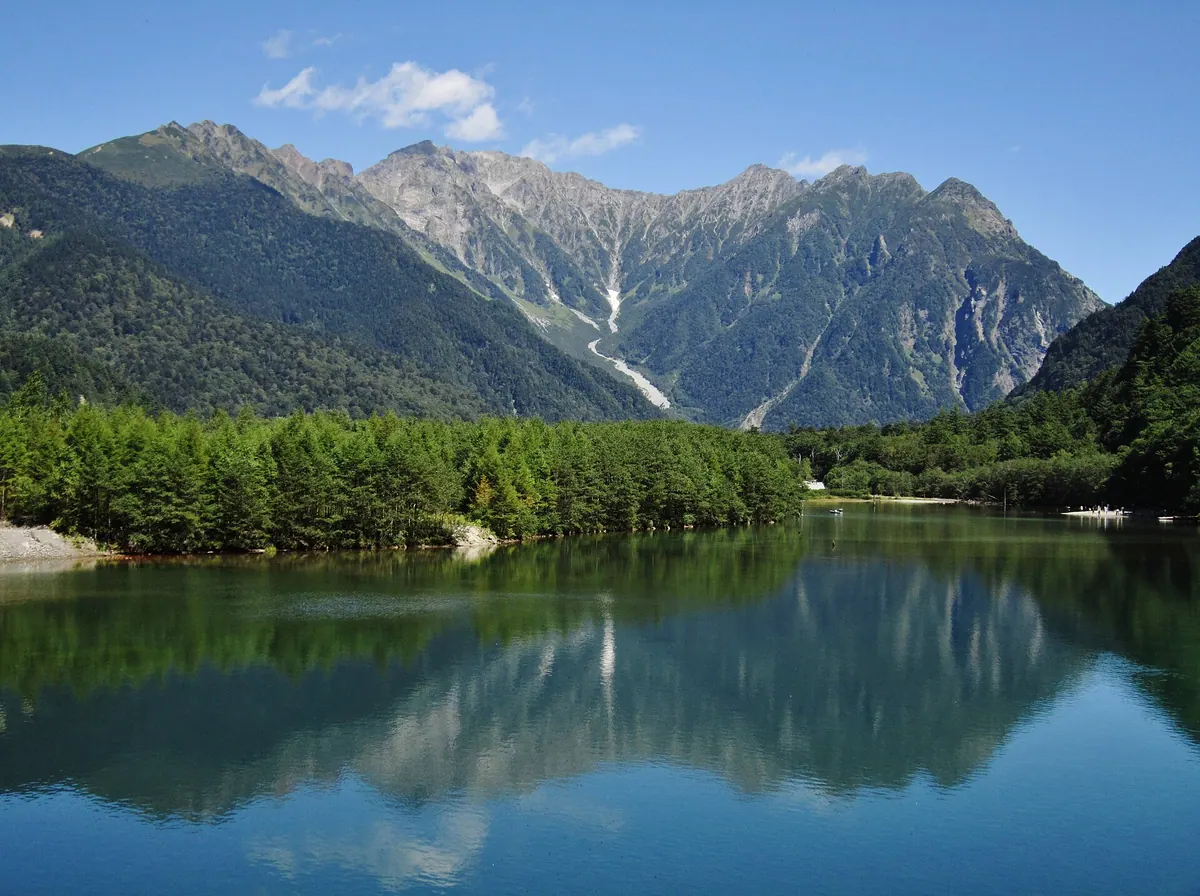
A scenic mountain pond formed by a 1915 volcanic eruption, featuring standing dead trees and views of the Azusa River.
What it is
- A pond formed in 1915 after mudflows from Mount Yakedake dammed the Azusa River.
- A Special National Scenic Spot and Natural Monument located at 1,500 meters elevation.
- A reservoir currently used by Tokyo Electric Power for hydroelectric power generation.
- A habitat for brook trout and brown trout in the Kamikochi area.
What to see
- Dead trees standing within the pond waters create a distinct landscape.
- Views of the surrounding mountains and the dammed Azusa River.
- Sediment dredging operations that take place during the winter months.
Getting there
- Take a 60-minute bus ride from Shin-shimashima Station to reach the area.
- The pond is located immediately near the Taisho-ike bus stop.
- A walking trail leads from the pond to Kappa Bridge in approximately one hour.
05
Lake Misuzu
NAGANO · PLACE 美鈴湖
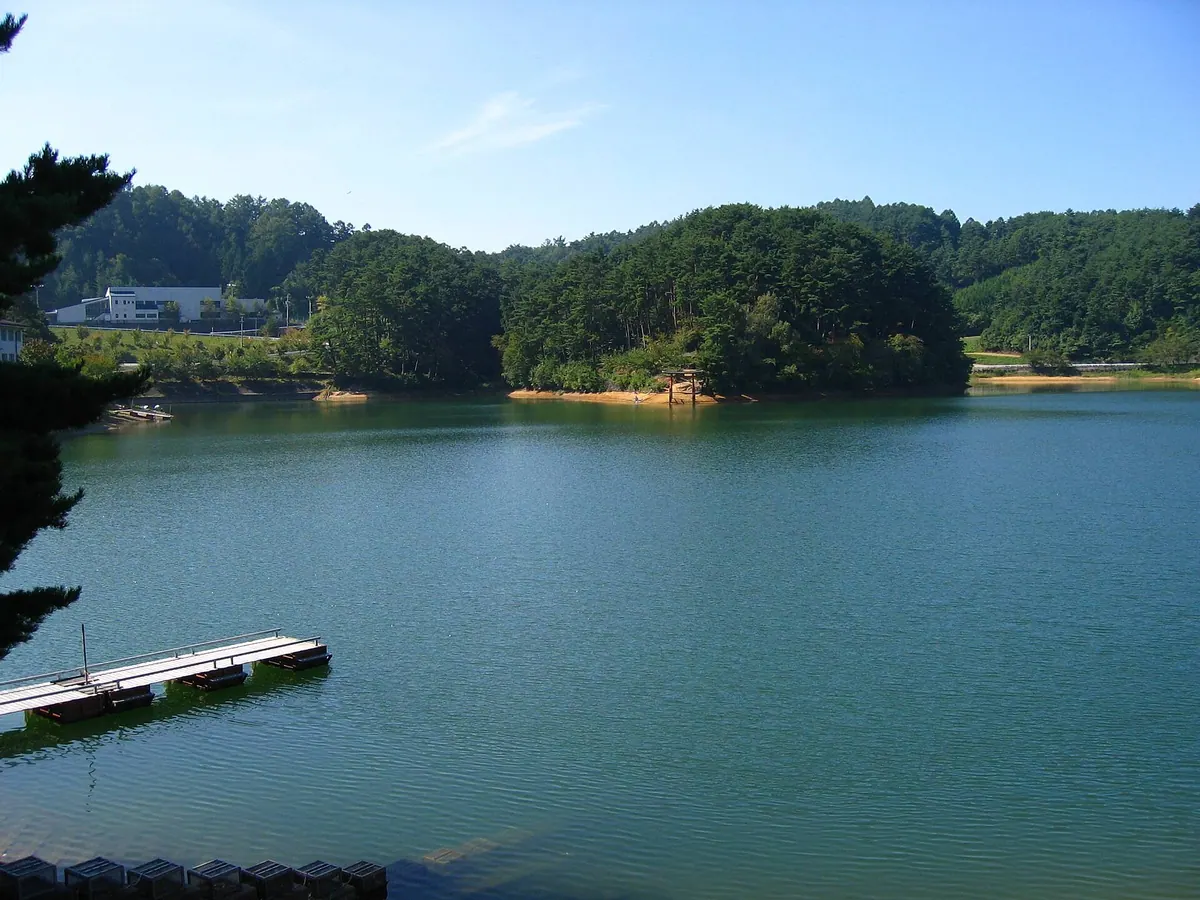
A historic man-made reservoir in Matsumoto offering scenic walking trails, fishing, and a professional cycling velodrome.
What it is
- A man-made irrigation reservoir in Matsumoto City originally named Ashinotai Pond
- Construction began during the late Azuchi-Momoyama period around 1597
- The lake serves as the primary source of the Metoba River
- Renamed Lake Misuzu in 1953 following a major renovation project
What to see
- Walking trails circling the water in two and four kilometer loops
- The Misuzuko Velodrome located on the former site of a skating center
- Crucian carp, carp, pond smelt, and black bass within the lake
- The surrounding landscape located 3.5 kilometers from the Asama Onsen district
When to go
- Visit in June to see the Tour de Utsukushigahara bicycle race
Getting there
- Accessible by bus departing from the Matsumoto Bus Terminal
06
Lake Nojiri
NAGANO · PLACE 野尻湖
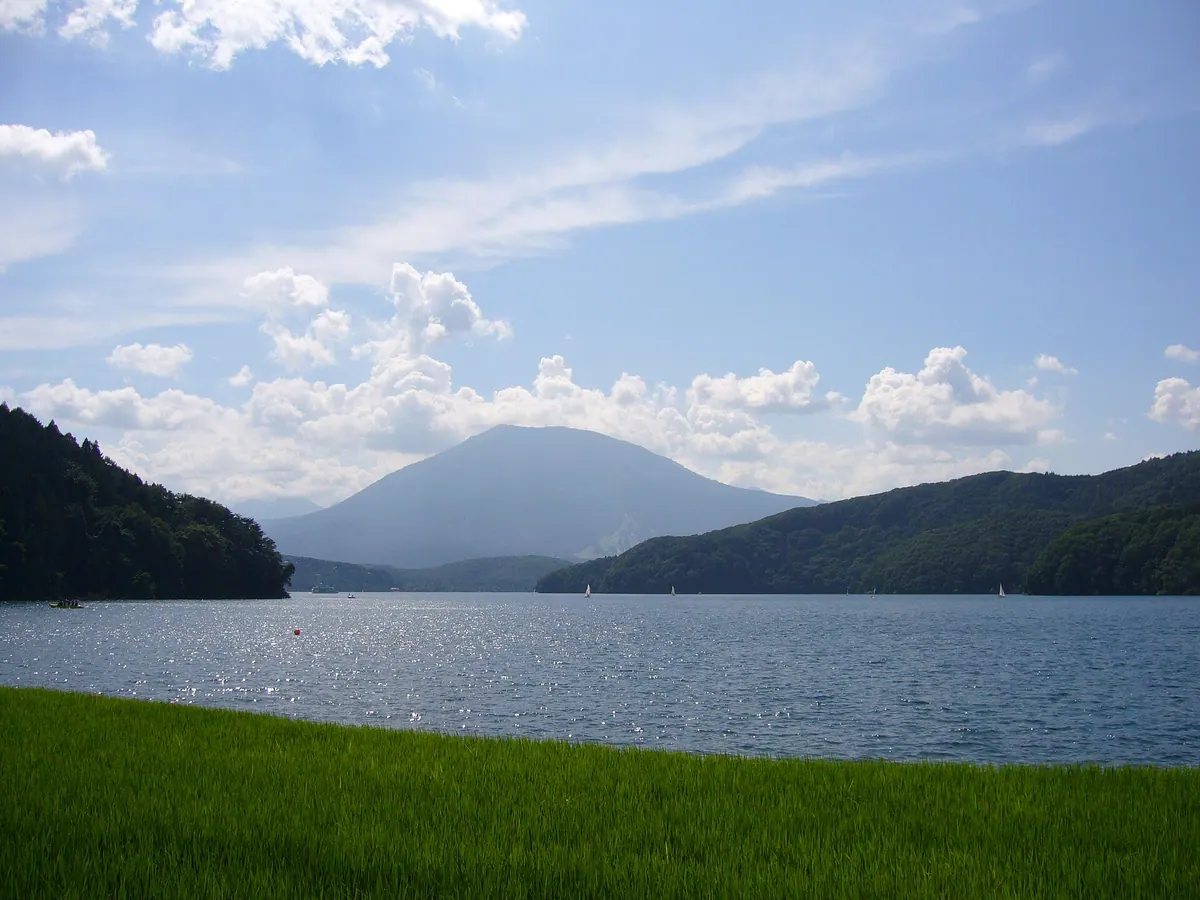
Nagano's second largest natural lake offers ancient fossil history, a shrine island, and unique winter fishing in a national park.
What it is
- A natural lake in Nagano Prefecture sitting 654 meters above sea level
- Part of the Myoko-Togakushi Renzan National Park covering 4.56 square kilometers
- Site of significant Naumann elephant fossil and Paleolithic artifact discoveries
- Location of Japan's first pumped-storage hydroelectric plant completed in 1934
What to see
- Biwa Island located within the lake waters
- Uga Shrine situated on the central island
- The Kamiyama International Village managed by the local association
- Dome boats used for specialized winter fishing activities
When to go
- Winter months for smelt fishing from heated dome boats
Getting there
- Take a bus from Kurohime Station directly to the lake
07
Hakuba Ōike
NAGANO · PLACE 白馬大池
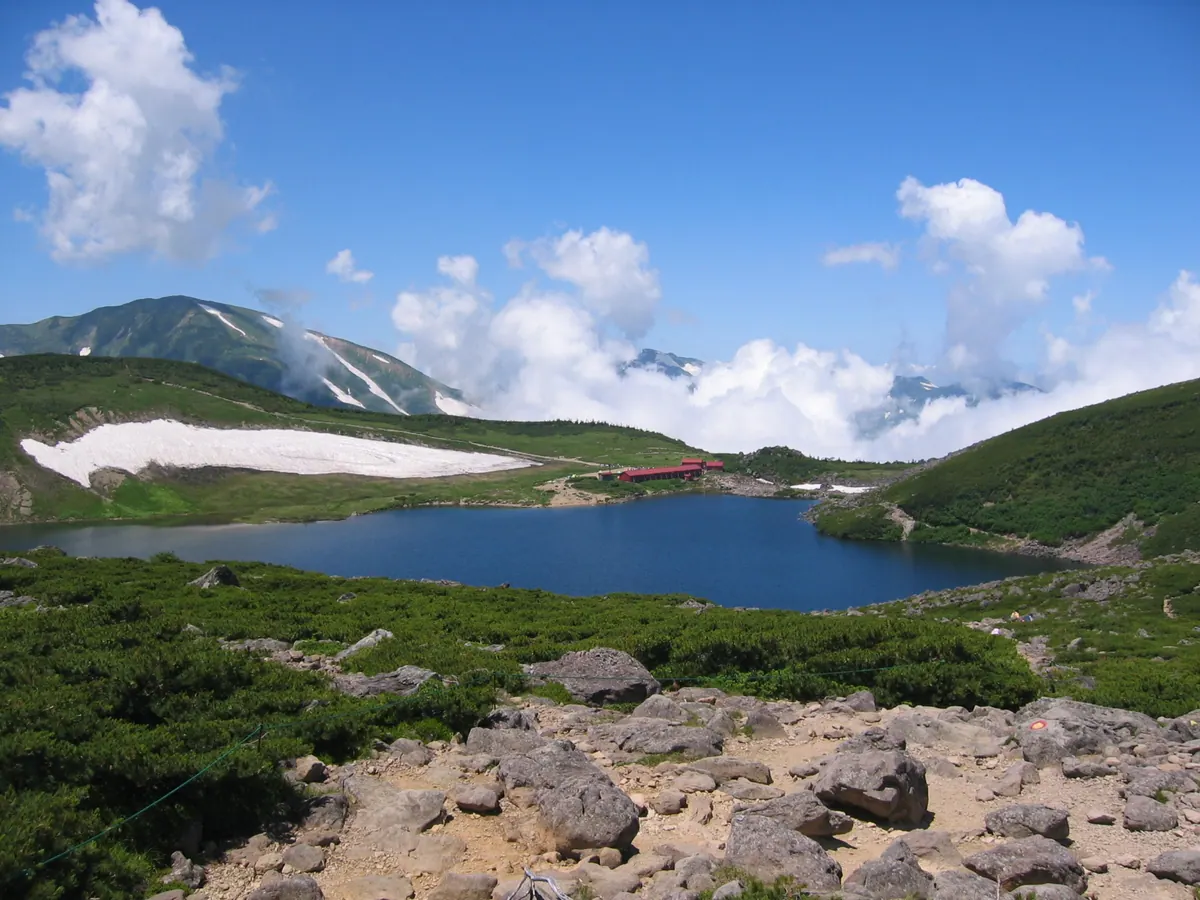
A high-altitude volcanic lake in the Northern Alps known for its clear waters, alpine flora, and rare black salamanders.
What it is
- A volcanic freshwater lake located at an elevation of 2,379 meters in Otari Village.
- The second largest lake found within the Northern Alps mountain range.
- Formed by volcanic eruptions during the Quaternary period and fed by snowmelt and rainwater.
- A high-altitude habitat for black salamanders, though no fish live in the water.
What to see
- Alpine plants such as Dicentra peregrina growing around the lake's edge.
- The Hakuba Oike Mountain Hut which provides facilities for hikers.
- Clear waters surrounded by the rocky landscape of the Northern Alps.
- Hiking trails connecting the site to Tsugaike and Renge Onsen.
When to go
- Visit between July and October when the mountain hut is in operation.
08
Lake Kizaki
NAGANO · PLACE 木崎湖
A deep fault lake in Nagano offering hot springs, unique endemic species, and locations featured in popular anime and film.
What it is
- One of the Nishina Three Lakes located in Omachi City, Nagano Prefecture
- A fault lake formed along the Itoigawa-Shizuoka Tectonic Line reaching twenty-nine meters deep
- Setting for the anime series Please Teacher and the movie The Inugami Family
- Home to the endemic Kizaki trout and a protected species of snail
What to see
- The Kizakiko Onsen hot spring resort located near the water
- The Nougu and Inaozawa rivers flowing into the lake
- Natural scenery surrounding the deep waters of the tectonic fault
When to go
- August for the annual fireworks display held at the lake
Getting there
- Accessible via the nearby Shinano-Kizaki, Inao, and Uminokuchi train stations
09
Lake Shirakaba
NAGANO · PLACE 白樺湖
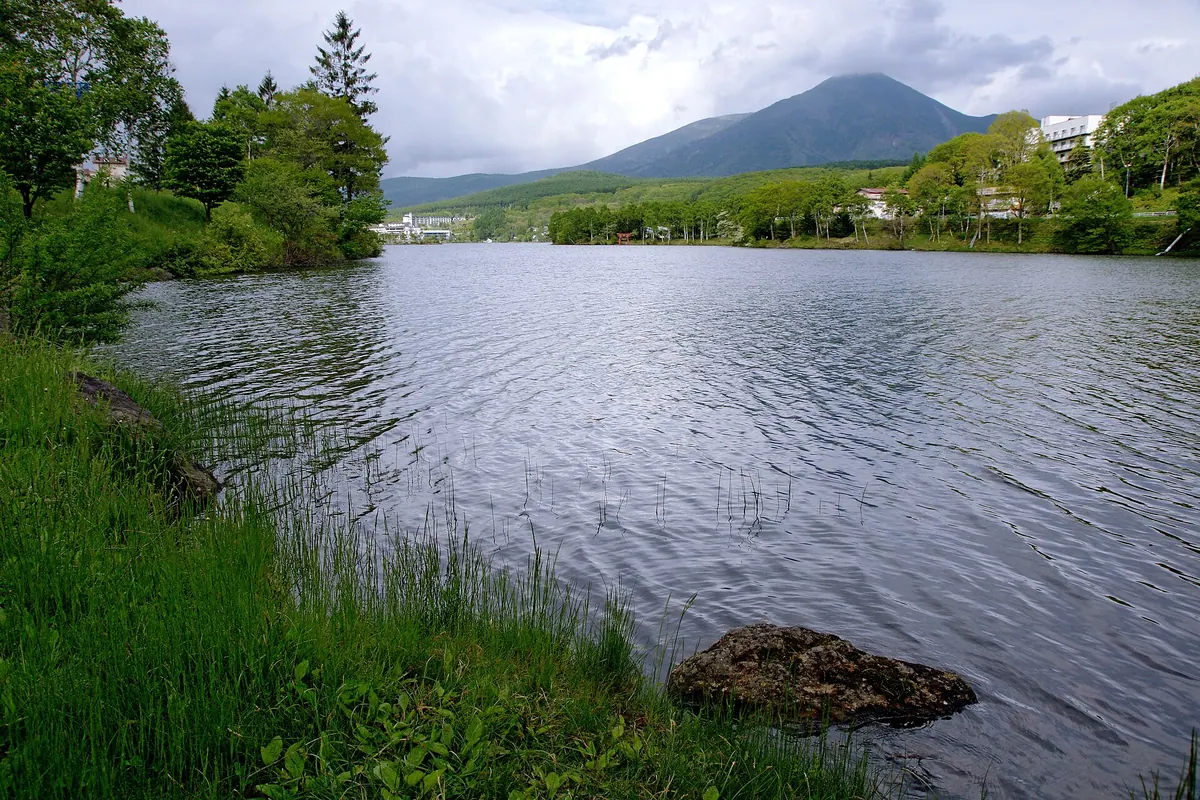
A high-altitude artificial reservoir in Nagano offering year-round outdoor recreation, from boating and kayaking to nearby skiing and amusement parks.
What it is
- An artificial reservoir located within the Yatsugatake-Chushin Kogen Quasi-National Park.
- Completed in 1946 to provide irrigation water for five hundred hectares of rice fields.
- A high-altitude body of water sitting at an elevation of 1,416 meters.
- A recreation hub officially named Lake Shirakaba in 1953 with a four kilometer circumference.
What to see
- Scenic views from the shore along National Route 152 and the Venus Line.
- Active recreational areas featuring hotels, ski resorts, and a local amusement park.
- Water activities including recreational boating, canoeing, and kayaking on the lake.
- A sewage treatment center built in 1981 to maintain the local water quality.
- Official site
- www.shirakabako.com
10
Lake Senroku
NAGANO · PLACE 仙禄湖
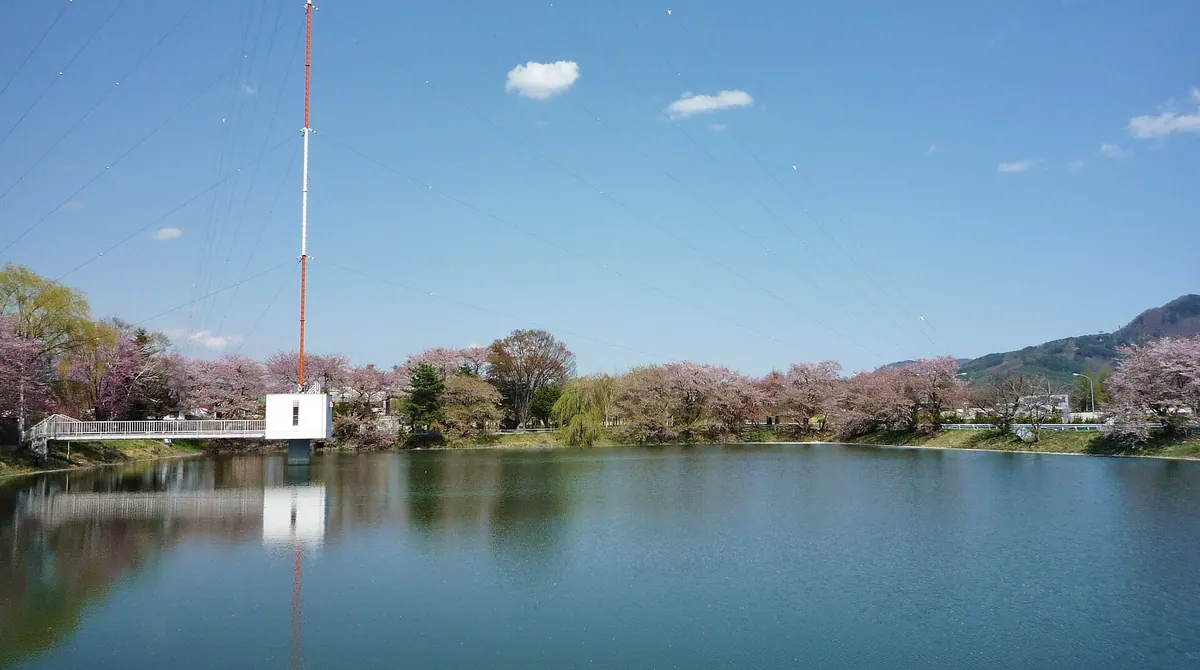
A man-made reservoir in Saku City featuring literary monuments, a mallet golf course, and a distinctive radio broadcasting antenna.
What it is
- A man-made reservoir constructed between 1954 and 1956 to warm irrigation water.
- A small lake with a circumference of 480 meters and a depth of 3.4 meters.
- A public park named by the writer Haruo Sato.
- A recreational site featuring a mallet golf course and a plaza.
What to see
- Literary monuments dedicated to several Japanese authors located within the park.
- An SBC radio broadcasting antenna standing 91 meters high by the water.
- The southeastern shore where the Hokuriku Shinkansen line passes underground nearby.
Getting there
- A two-minute taxi ride from Sakudaira Station.
- Located near the Saku Interchange on the Joshinetsu Expressway.
11
Lake Suzuran
NAGANO · PLACE すずらん湖
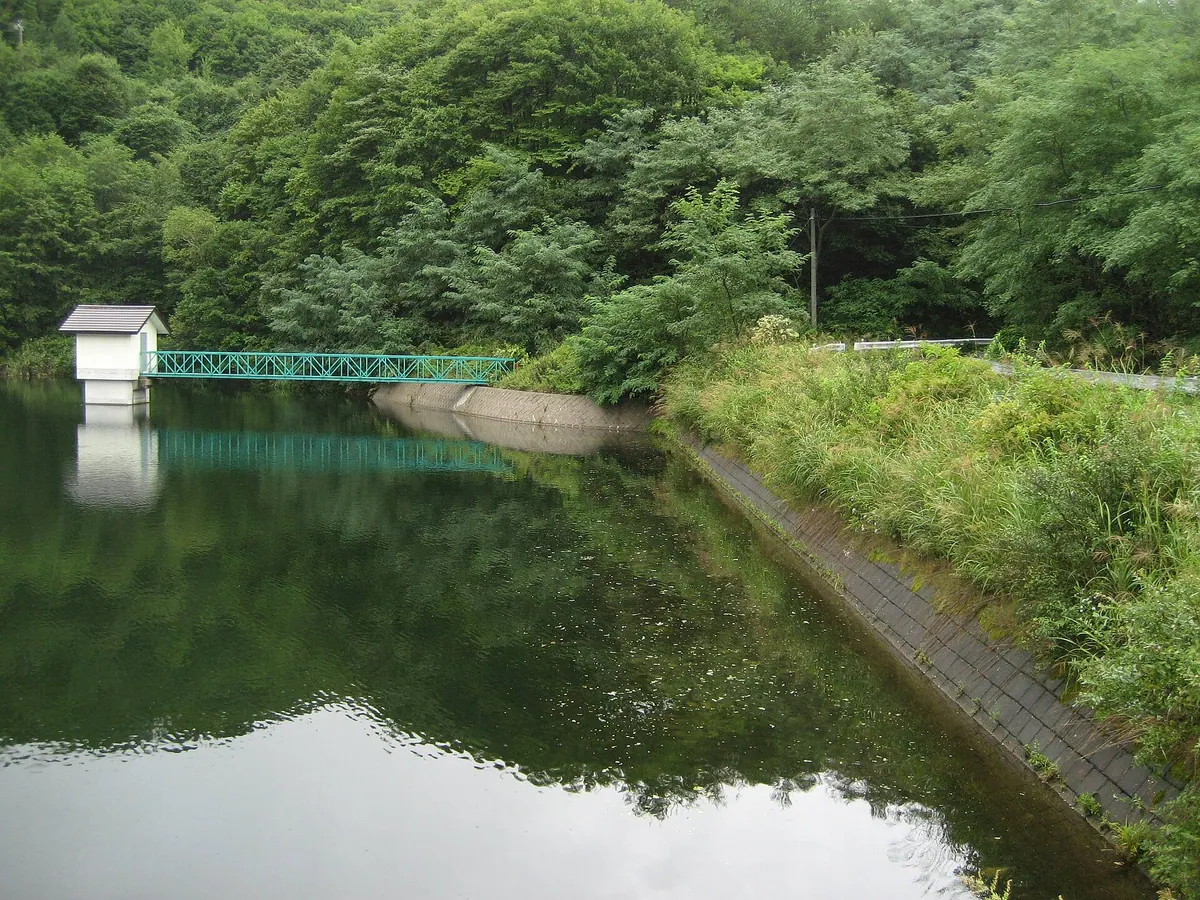
An artificial lake and dam in Nagano offering scenic views within Hijiriyama Kogen Prefectural Park and a nearby botanical garden.
What it is
- An artificial lake in Omi Village formed by the construction of Onuma Dam.
- Located within the scenic boundaries of Hijiriyama Kogen Prefectural Park.
- The dam was completed in 1964 to provide irrigation and public water supply.
- A seventeen meter tall fill dam that holds the reservoir waters.
What to see
- The Onuma Dam structure standing seventeen meters high.
- A paved road for vehicles that runs across the crest of the dam.
- The Okuhijiri Mizubasho Garden located in the immediate vicinity of the lake.
- Views of the surrounding prefectural park from the lakeside.
Getting there
- The lake is accessible to visitors via National Route 403.
12
Lake Aoki
NAGANO · PLACE 青木湖
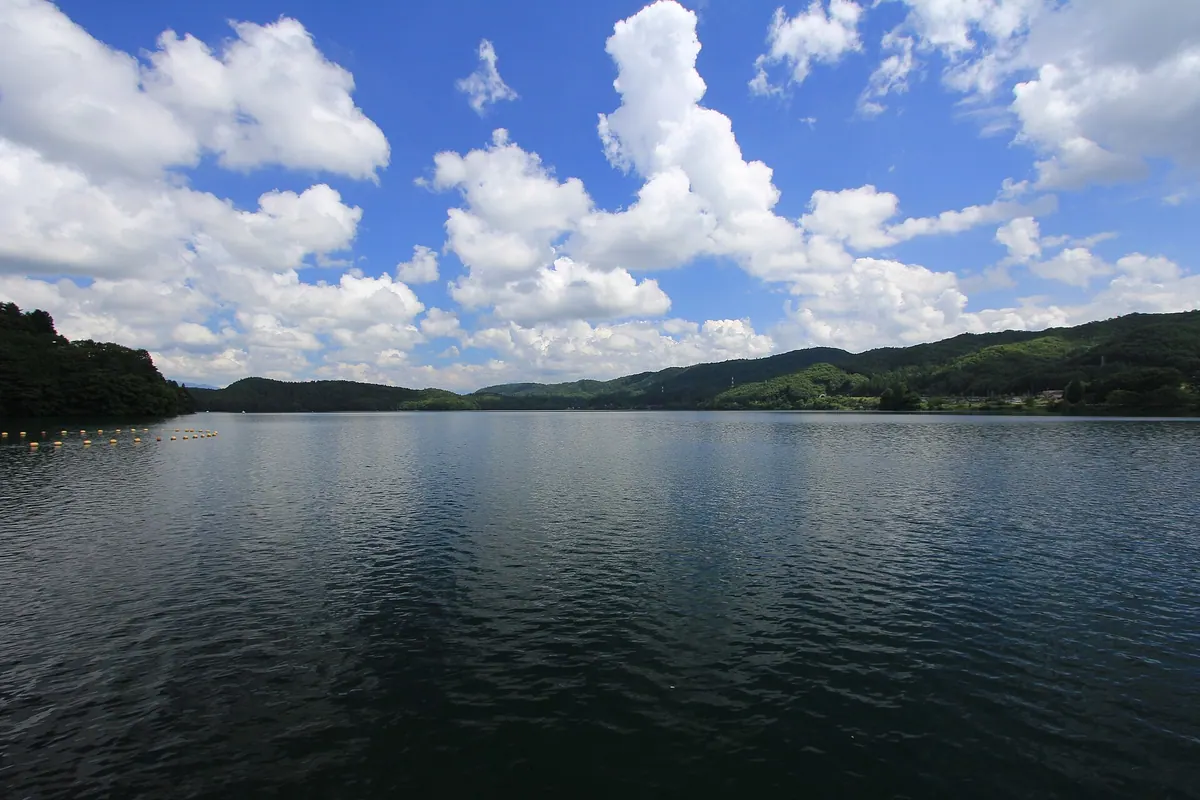
A deep, high-altitude lake in Nagano formed by a landslide, known for its clear water and cinematic history.
What it is
- The third largest lake in Nagano Prefecture, located in northern Omachi City.
- One of the Nishina Three Lakes, formed by a landslide approximately 30,000 years ago.
- A deep body of water reaching 58 meters at its lowest point.
- A resource used for local irrigation and hydroelectric power generation.
What to see
- Surrounding forests composed of oak and mountain ash trees.
- The filming location for the movie The Inugami Family.
- A high-altitude lake surface sitting at 822 meters above sea level.
Getting there
- Yanaba Station is the closest railway station to the lake.
- National Route 148 runs directly near the lake for road access.
13
Lake Nakatsuna
NAGANO · PLACE 中綱湖
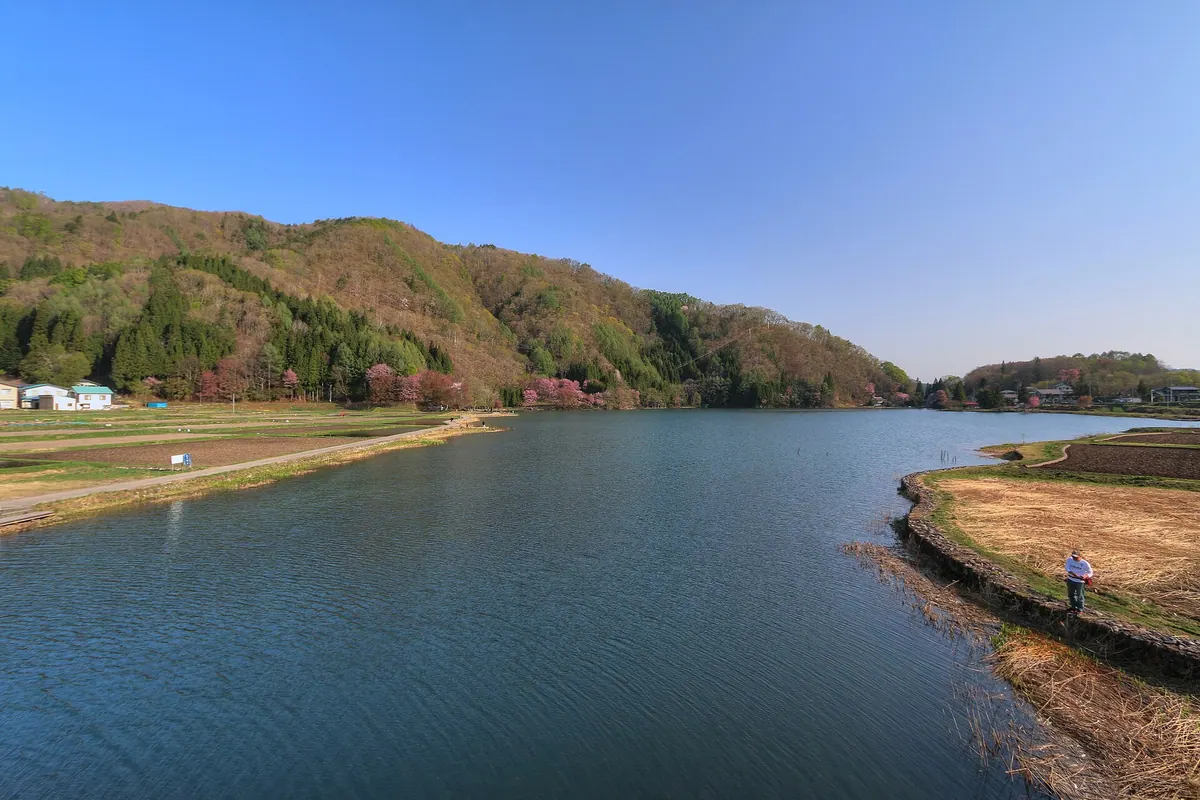
The smallest of the Nishina Three Lakes, offering a quiet mountain setting famous for seasonal fishing and tectonic geology.
What it is
- The smallest of the Nishina Three Lakes in northern Omachi City.
- A tectonic lake formed along the Itoigawa-Shizuoka Tectonic Line.
- A destination known for crucian carp and smelt fishing.
- A water body connected to Lake Aoki by the Nogawa River.
What to see
- A mountain lake with a surface area of 0.14 square kilometers.
- Waters reaching a maximum depth of 12 meters.
- The nearby Sun Alpina Kashimayari Ski Resort landscape.
- Views of the surrounding Nagano Prefecture mountain scenery.
Getting there
- Located near Yanaba Station on the Oito Line.
- Accessible via National Route 148 which runs near the water.
14
Lake Tateshina
NAGANO · PLACE 蓼科湖
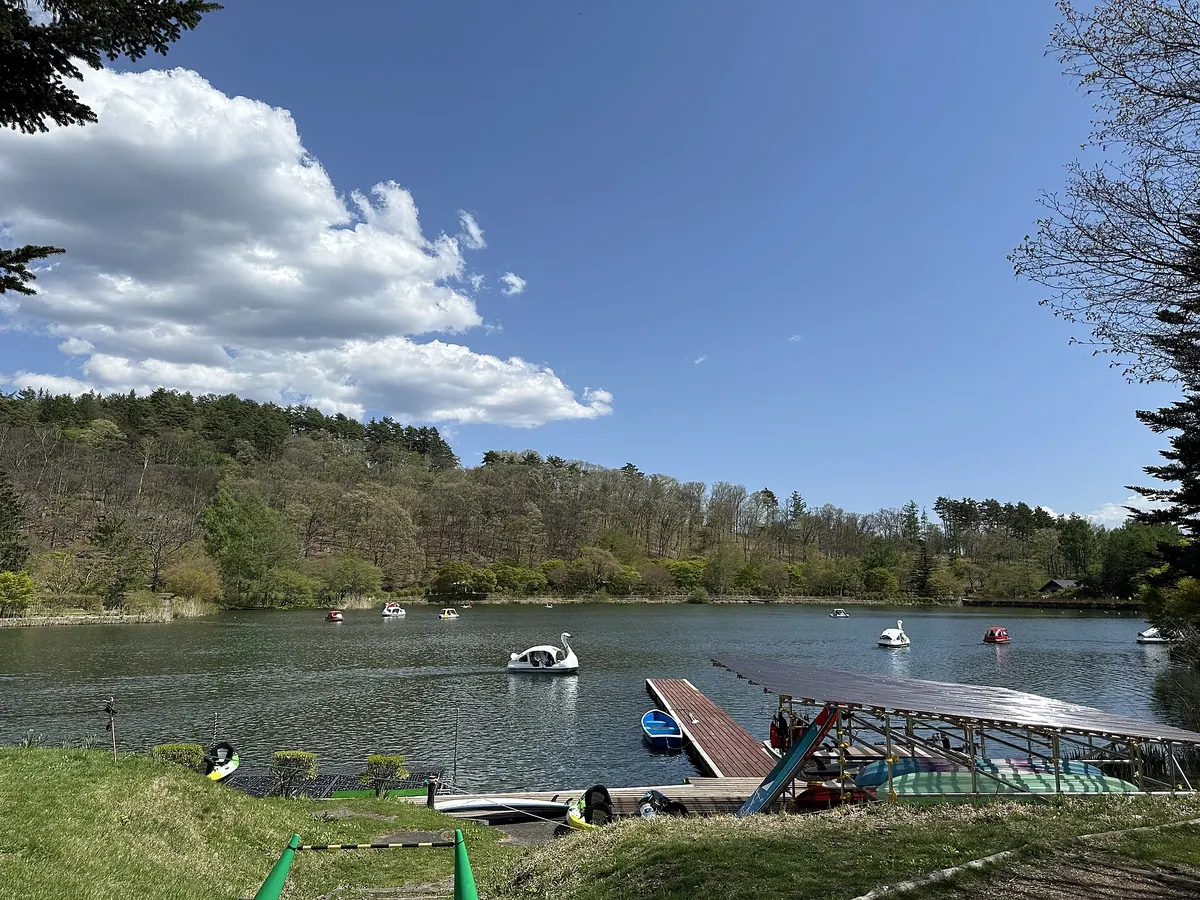
A high-altitude artificial lake in Chino City offering scenic forest views, boat rentals, and a lakeside sculpture park.
What it is
- An artificial irrigation pond completed in 1952 in Chino City.
- A warm water reservoir situated at an altitude of 1,250 meters.
- A small body of water with a circumference of approximately one kilometer.
- A functional site featuring a seven meter wide circular diversion works.
What to see
- Surrounding forests of larch and white birch trees.
- Swan boats and beetle shaped boats available for use on the water.
- The Tateshina Highlands Museum of Art Sculpture Park located lakeside.
Getting there
- Located along Nagano Prefectural Road 40.
- A fifty minute drive from the Suwa-Minami Interchange.
15
Lake Reisenji
NAGANO · PLACE 霊仙寺湖
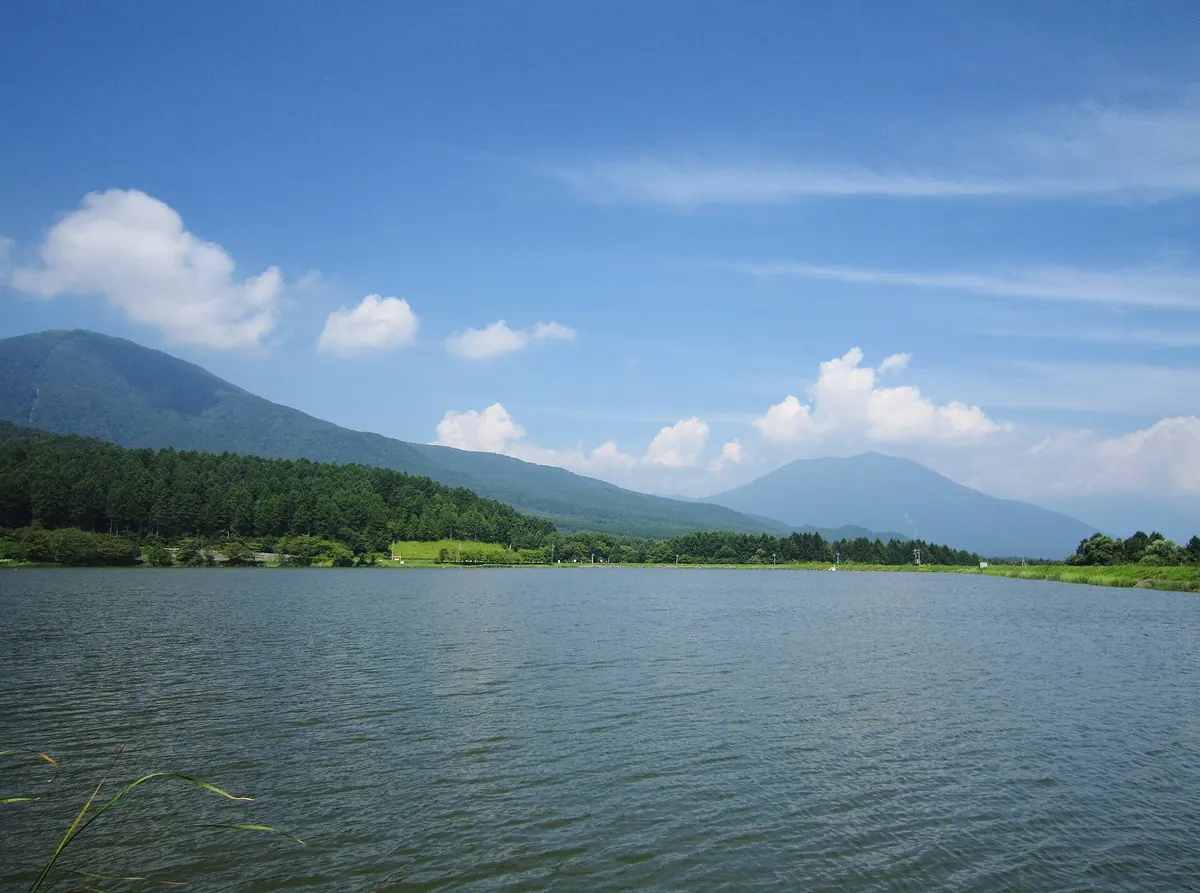
An artificial lake in Nagano offering year-round recreation including winter ice fishing and a long floating bridge.
What it is
- An artificial agricultural reservoir for the Sobu River completed in 1972.
- A sedimentation basin designed to remove iron from the local water supply.
- An earth-fill dam structure constructed primarily from clay soil.
- A habitat for rare endangered algae species discovered in 2001.
What to see
- A floating bridge spanning 273 meters across the water.
- Recreational facilities including campgrounds, golf courses, and a ski resort.
- Local fish species such as carp, crucian carp, and black bass.
When to go
- Winter for pond smelt fishing on the frozen surface of the lake.