

6 Lakes in Aomori worth your time
Japan Gems
6 Lakes in Aomori, with what to see and how to get there.
Aomori has 6 lakes on Japan Gems. Below are the 6 we can tell you the most about — each one written up in English from Japanese sources, with what to see and how to get there. See all lakes in Aomori.
01
Tsugaru Fujimi Lake
AOMORI · PLACE 津軽富士見湖
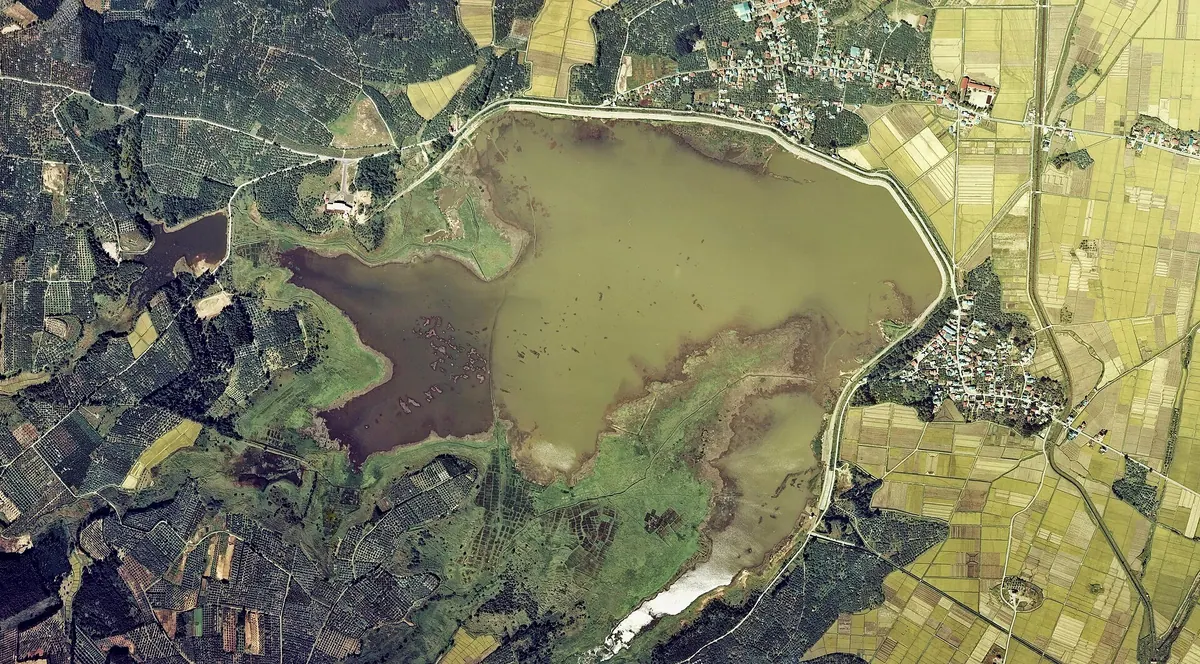
A historic reservoir in Aomori featuring Japan's longest embankment and a stunning 300-meter wooden triple-arched bridge.
What it is
- The largest man-made reservoir in Aomori Prefecture, officially named Mawarizeki Otameike.
- Commissioned by Tsugaru Nobumasa in 1660 to provide irrigation for the region.
- A designated wildlife protection zone that serves as a habitat for local birds.
- A top-rated reservoir featuring a 4.2 kilometer embankment, the longest in Japan.
What to see
- Tsuru no Maihashi, a 300-meter triple-arched bridge made from Aomori Hiba cypress.
- A park on the lakeshore where red-crowned cranes are raised and protected.
- Views of the expansive water surface from the record-breaking 4.2 kilometer embankment.
When to go
- May 5th to watch or participate in the annual marathon event around the lake.
Getting there
- Take a taxi from Mutsu-Tsuruta Station to reach the lakeshore.
02
Lake Ogawara
AOMORI · PLACE 小川原湖
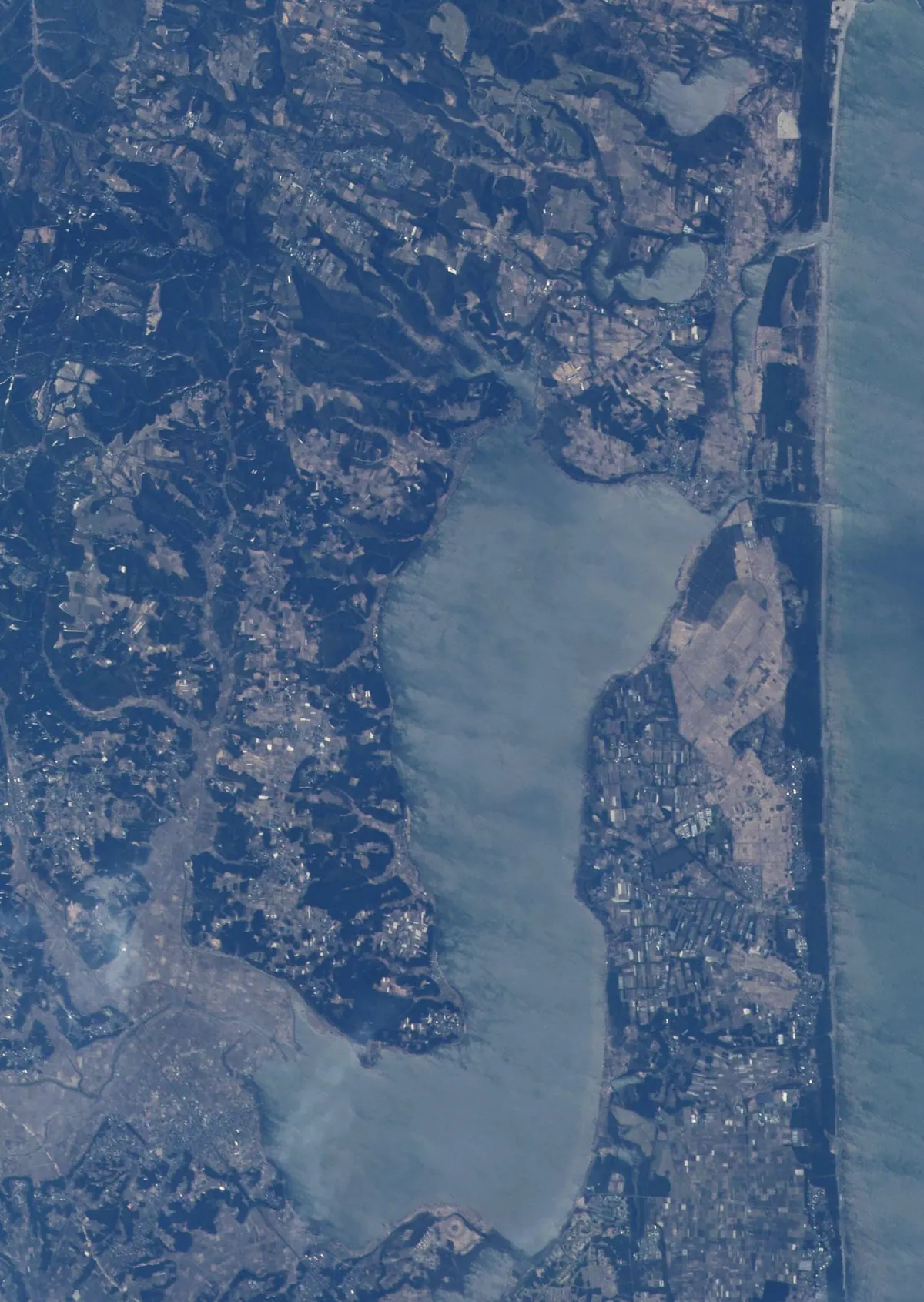
Japan's eleventh largest lake is a protected wetland in Aomori famous for its abundant fisheries and wintering migratory swans.
What it is
- A brackish lake located in Tohoku Town within Aomori Prefecture.
- The largest lake by surface area in Aomori and eleventh largest in Japan.
- A designated Japan Important Wetland recognized by the Ministry of the Environment.
- A major fishery hub ranking first in Japan for smelt and icefish catches.
What to see
- Migrating whooper and whistling swans that use the lake as a wintering site.
- The Takase River which serves as the primary outflowing river for the lake.
- Local shijimi clams protected under the national Geographical Indication system.
- The southern shore area which is partially occupied by Misawa Air Base.
When to go
- Winter months to observe the arrival of migratory swan populations.
- Winter season when the lake surface freezes over for ice fishing.
03
Fujieda Reservoir
AOMORI · PLACE 藤枝ため池
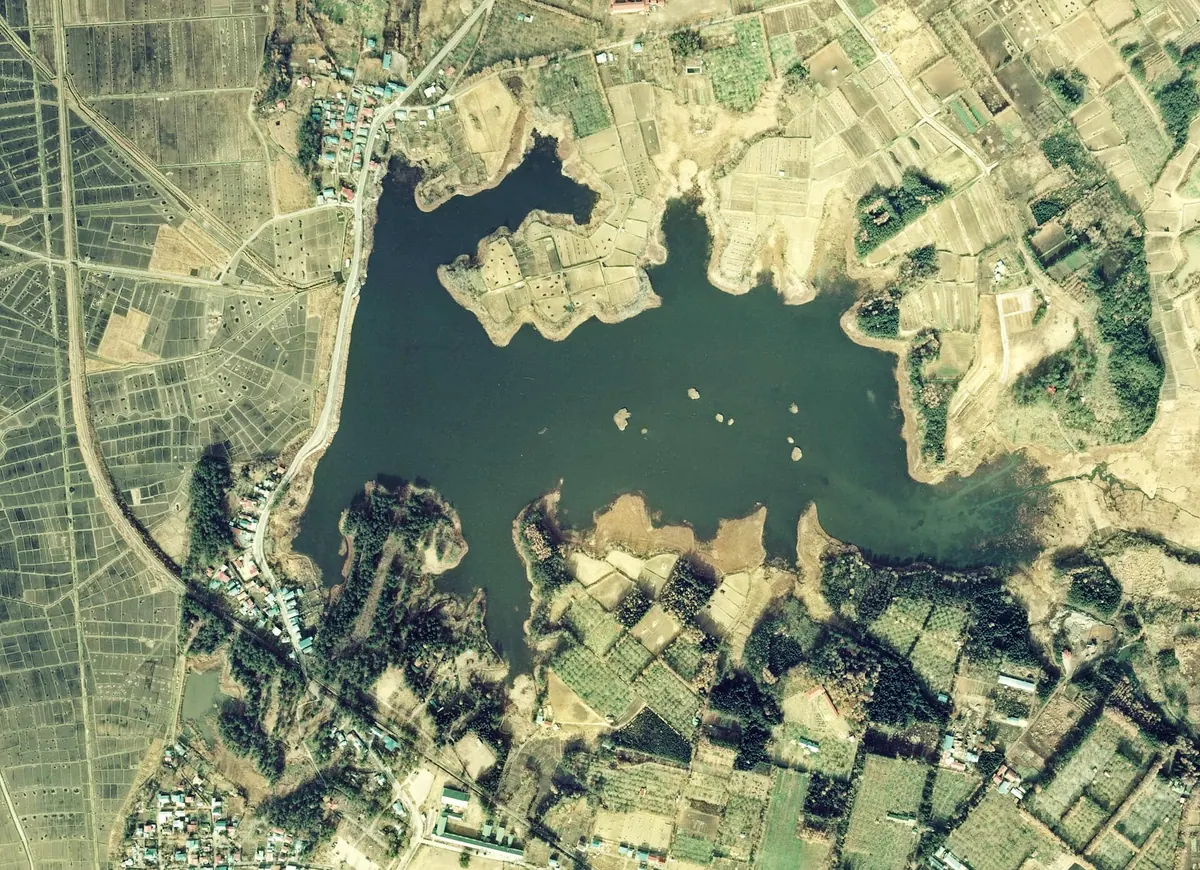
A historic Edo-period reservoir and park in Aomori famous for its floating bridge and thousands of seasonal cherry blossoms.
What it is
- A historic irrigation reservoir built by Lord Tsugaru Nobumasa between 1688 and 1704.
- Part of the Ashino Lake Group Prefectural Natural Park in Goshogawara City.
- Selected as one of the top one hundred reservoirs in Japan in 2010.
- A vital water source for irrigation and a wintering ground for migratory birds.
What to see
- Ashino Park located directly on the lakeshore featuring approximately 2,300 cherry trees.
- A floating bridge named Ashino Yume no Ukihashi that crosses the reservoir water.
- Scenic views of the surrounding natural park and local migratory bird populations.
Getting there
- Accessible via train at Ashino-Koen Station on the Tsugaru Railway line.
- Drivers can reach the reservoir and park area using National Route 339.
04
Lake Jūsan
AOMORI · PLACE 十三湖
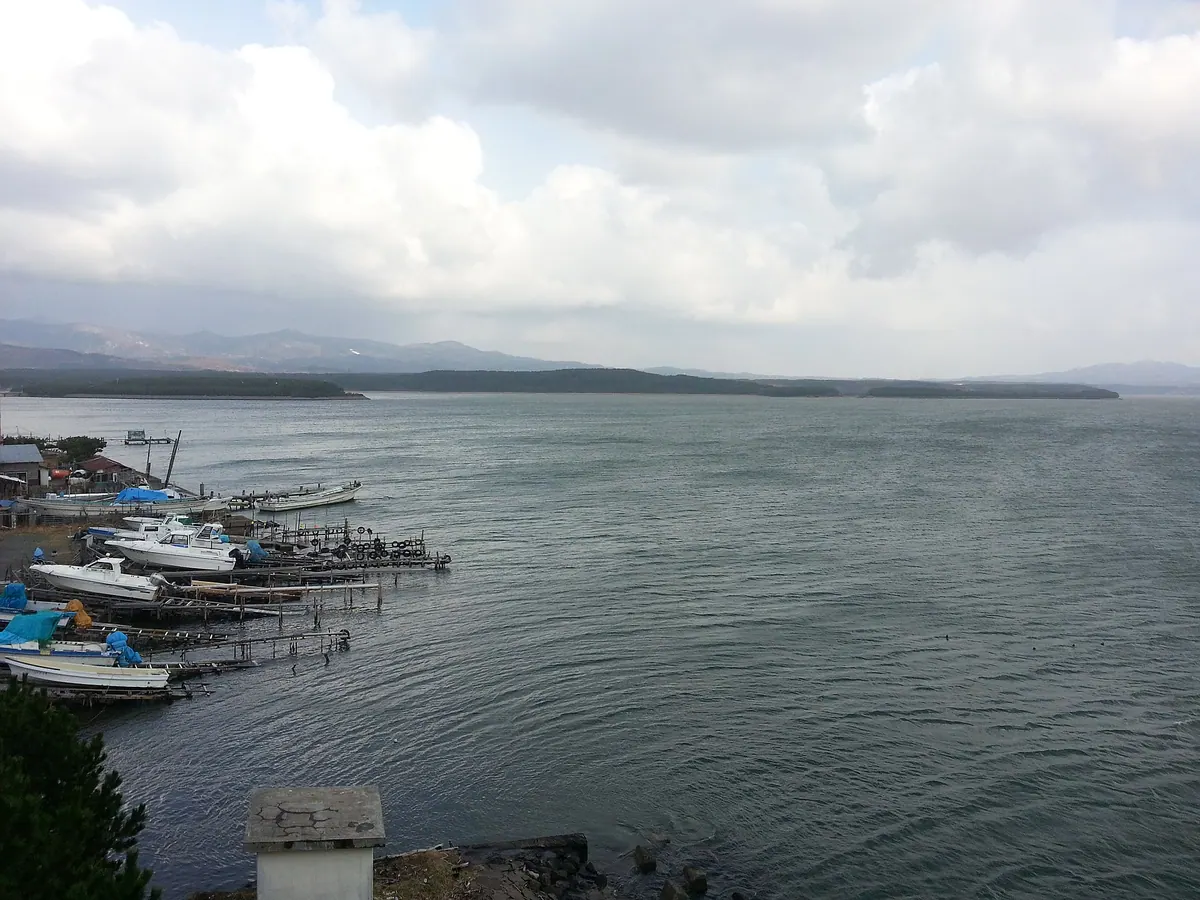
A shallow brackish lake on the Tsugaru Peninsula famous for its migratory swans, historic ruins, and local clam production.
What it is
- A shallow brackish lake located within the Tsugaru Quasi-National Park.
- A major production center for Yamato clams fed by the Iwaki River.
- A designated migration site for protected whooper and whistling swans.
- Home to the Tosamuminato ruins, a designated national historic site.
What to see
- Nakanoshima Bridge Park, an island accessible via a pedestrian footbridge.
- The Shiura History and Folklore Museum featuring local archaeological artifacts.
- Fukushima Castle ruins containing the remains of a medieval samurai residence.
- Migratory swans which are designated as a prefectural natural monument.
Getting there
- Buses run from Goshogawara Station to the Nakanoshima Park entrance.
05
Lake Usori
AOMORI · PLACE 宇曽利湖
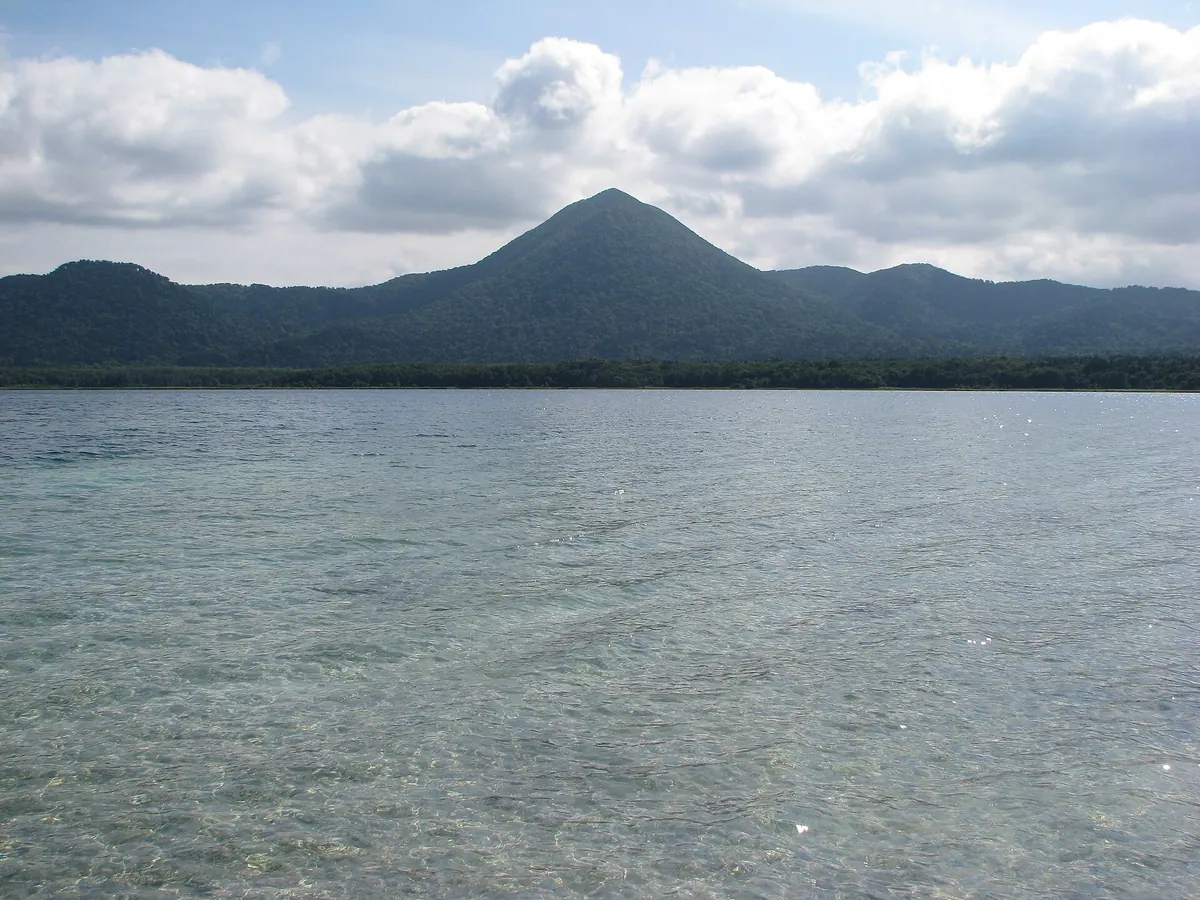
A volcanic caldera lake within a sacred mountain site, known for its acidic waters and unique species of dace fish.
What it is
- A caldera lake formed by the eruption of Mount Tsurugi on the Shimokita Peninsula.
- Part of the Shimokita Hanto Quasi-National Park and the Mount Osore sacred site.
- The official name registered by the Geospatial Information Authority of Japan is Lake Usoriyama.
- A highly acidic body of water with a pH level of approximately 3.5.
What to see
- Hydrogen sulfide gas erupting from the bottom of the lake bed.
- Hot springs and volcanic gases located on the northeastern shore.
- The Shozu River, which serves as the only river flowing out of the lake.
- A unique species of dace fish adapted to live in acidic water.
06
Sakainosawa Tameike
AOMORI · PLACE 境野沢ため池
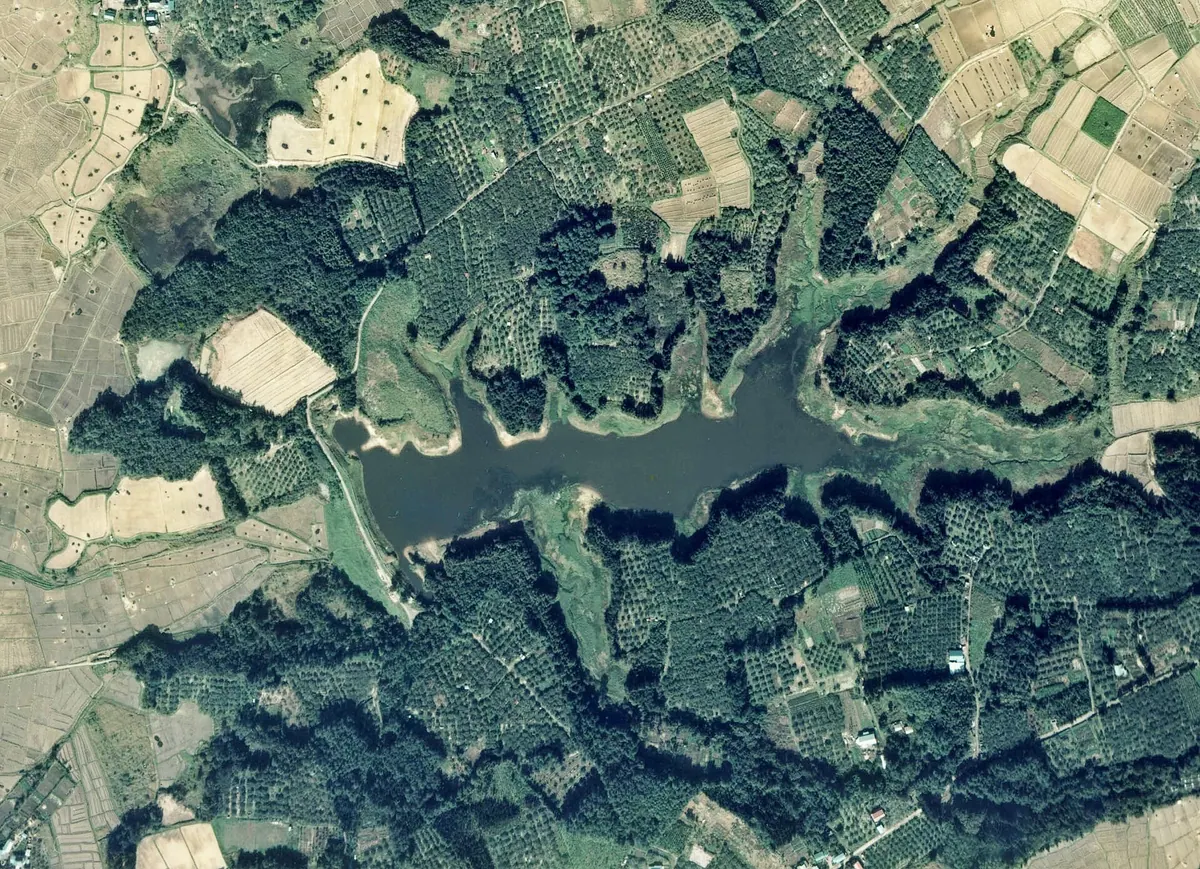
A historic irrigation pond in Goshogawara recognized by the government for its scenic walking paths and seasonal Japanese irises.
What it is
- A historic irrigation pond built by Tsugaru Nobumasa to provide water for local rice fields.
- The Ministry of Agriculture selected it as a top pond in 2010.
- The site is located in the eastern part of Goshogawara City.
What to see
- Walking paths and terraces built along the shoreline for visitors.
- Natural growth of reeds and Japanese irises around the water.
- Scenic views of the reservoir and surrounding agricultural landscape.
Getting there
- Five minutes from the Goshogawara Interchange by car.
- Accessible by taxi from Goshogawara Station.