

6 Lakes in Shizuoka worth your time
Japan Gems
6 Lakes in Shizuoka, with what to see and how to get there.
Shizuoka has 6 lakes on Japan Gems. Below are the 6 we can tell you the most about — each one written up in English from Japanese sources, with what to see and how to get there. See all lakes in Shizuoka.
01
Lake Tanuki
SHIZUOKA · PLACE 田貫湖
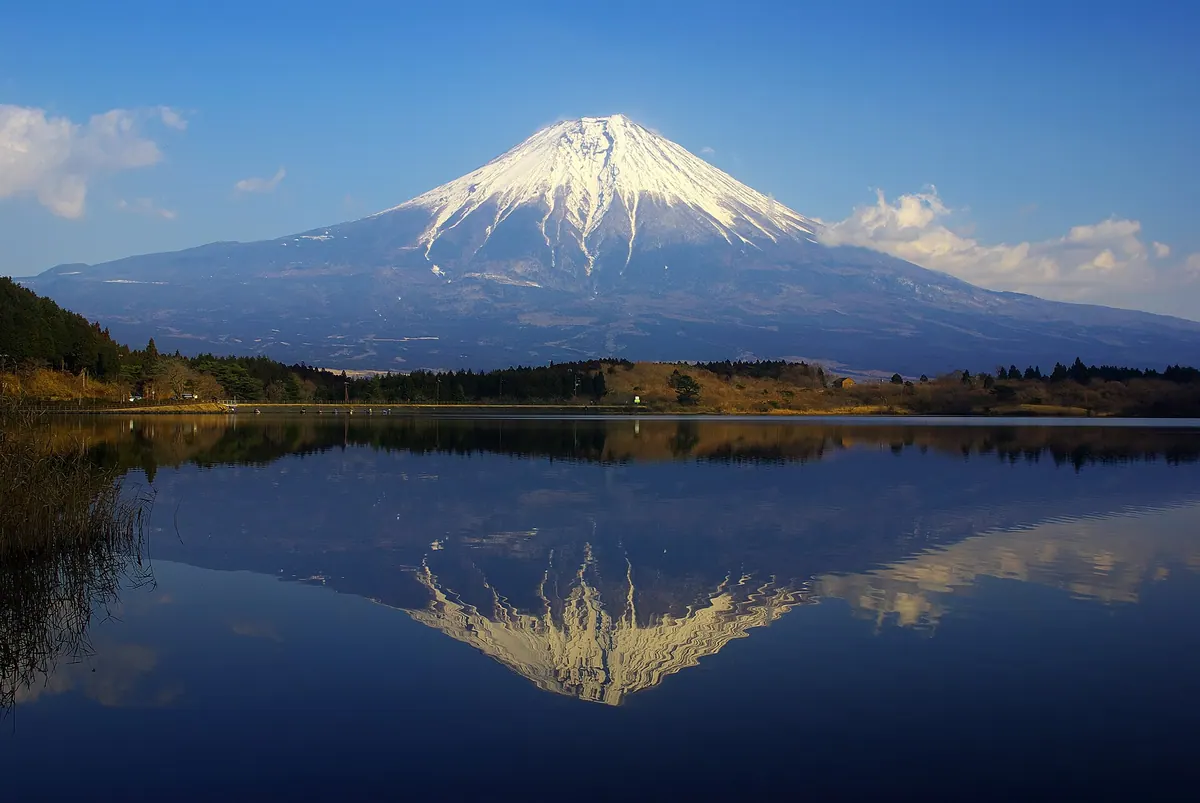
An artificial lake on Mount Fuji's western slope offering scenic views, camping, and the rare Diamond Fuji solar phenomenon.
What it is
- An artificial lake located on the western slope of Mount Fuji in Shizuoka Prefecture.
- Part of the Fuji-Hakone-Izu National Park with a circumference of 3.3 kilometers.
- Created by expanding an original marsh starting in 1935 for water storage.
- A recreational area featuring campsites, lodging, and a dedicated cycling road.
What to see
- Tanuki Shrine located directly on the lakeshore.
- Views of the Diamond Fuji phenomenon reflecting over the water.
- Local wildlife including various species of wild birds and seasonal fireflies.
- Anglers fishing for crucian carp along the water's edge.
When to go
- Visit around April 20th or August 20th to witness the Diamond Fuji event.
Getting there
- Take a bus from Fujinomiya Station for a forty-five minute journey to the lake.
02
Lake Sanaru
SHIZUOKA · PLACE 佐鳴湖
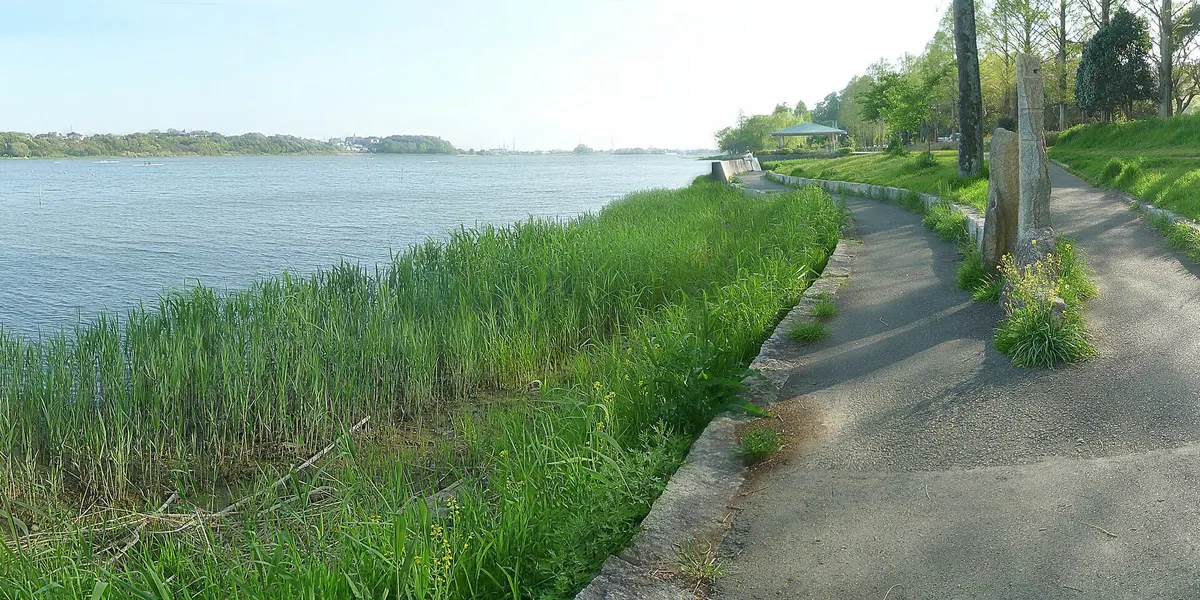
A natural lake and park in Hamamatsu offering scenic walking paths, seasonal cherry blossoms, and local rowing competitions.
What it is
- A natural lake formed approximately 2,000 years ago in Hamamatsu City.
- A body of water containing both freshwater and brackish water fish species.
- The site of ongoing efforts to restore the Japanese basket clam population.
- A venue used for local rowing competitions and summer fireworks displays.
What to see
- Sanaru Ko Park which surrounds the western and eastern shores of the water.
- Mount Negawa, recognized as the lowest mountain in Shizuoka Prefecture.
- The Shin River which connects this lake to the larger Lake Hamana.
- Cherry blossoms that bloom along the shore during the spring season.
When to go
- Springtime to view the famous cherry blossom displays around the park.
- Summer to attend the annual Sanaru Lake Fireworks Display.
03
Nakazato Warm Water Pond
SHIZUOKA · PLACE 中郷温水池
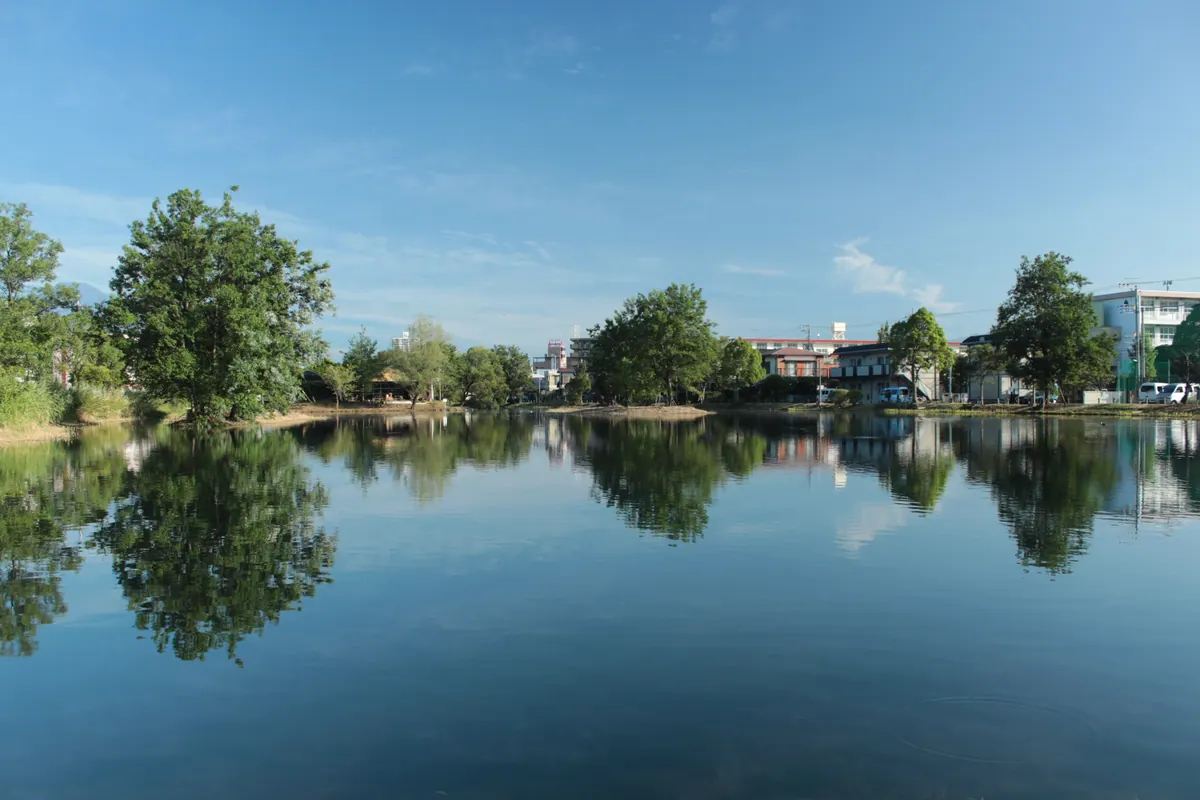
A scenic agricultural reservoir and Izu Peninsula Geopark site designed to warm spring water for local farmland irrigation.
What it is
- An agricultural reservoir constructed in 1953 to warm cold spring water for irrigation.
- A designated geosite of the Izu Peninsula Geopark located at the end of Genbe River.
- One of the Top 100 Reservoirs selected for its landscape and ecological importance.
- A water source for 216 hectares of farmland supplied by Kohama Pond in Rakujuen Park.
What to see
- A diverse ecosystem supporting over 100 species of animals and plants.
- Award-winning landscape views that earned the Shizuoka Prefecture Landscape Award in 2006.
Getting there
- Accessible via National Route 136 for those traveling by car.
- The nearest train access is through Mishima Station and Mishima-Tamachi Station.
04
Lake Hamana
SHIZUOKA · PLACE 浜名湖
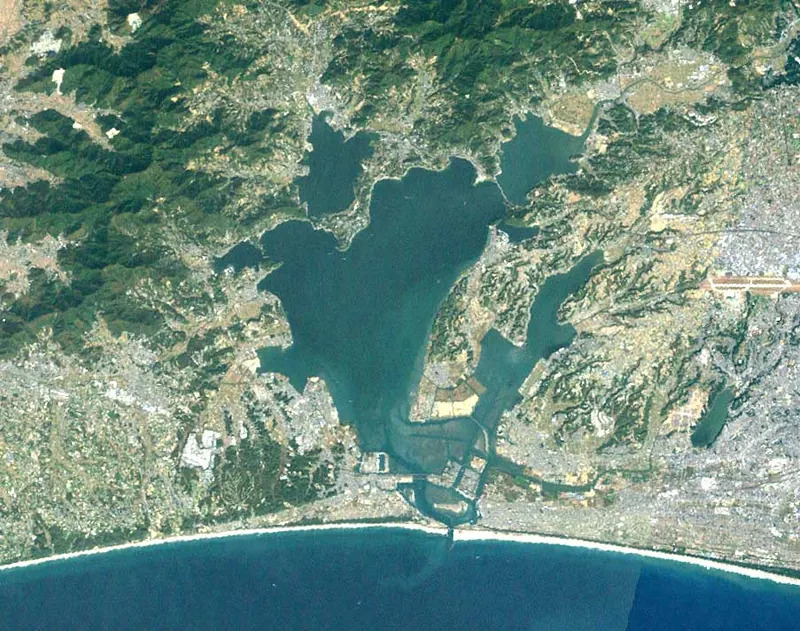
A vast brackish lake in Shizuoka famous for its unique history, eel farming, and scenic hot spring resorts.
What it is
- The tenth largest lake in Japan, spanning Hamamatsu and Kosai in Shizuoka.
- A brackish body of water connected to the Pacific Ocean via the Imagire inlet.
- A designated Prefectural Natural Park legally part of the Miyakoda River system.
- A historic site transformed from freshwater to saltwater by the 1498 Meio earthquake.
What to see
- The Kanzanji Onsen resort area located on the northern shore of the lake.
- Benten Island situated in the southern part of the water.
- Active eel, seaweed, and oyster farms throughout the lake's perimeter.
- Traditional Takiya fishing demonstrations using lights and spears to catch fish.
- The Imagire inlet formed by a tsunami over five hundred years ago.
05
Maruike
SHIZUOKA · PLACE 丸池
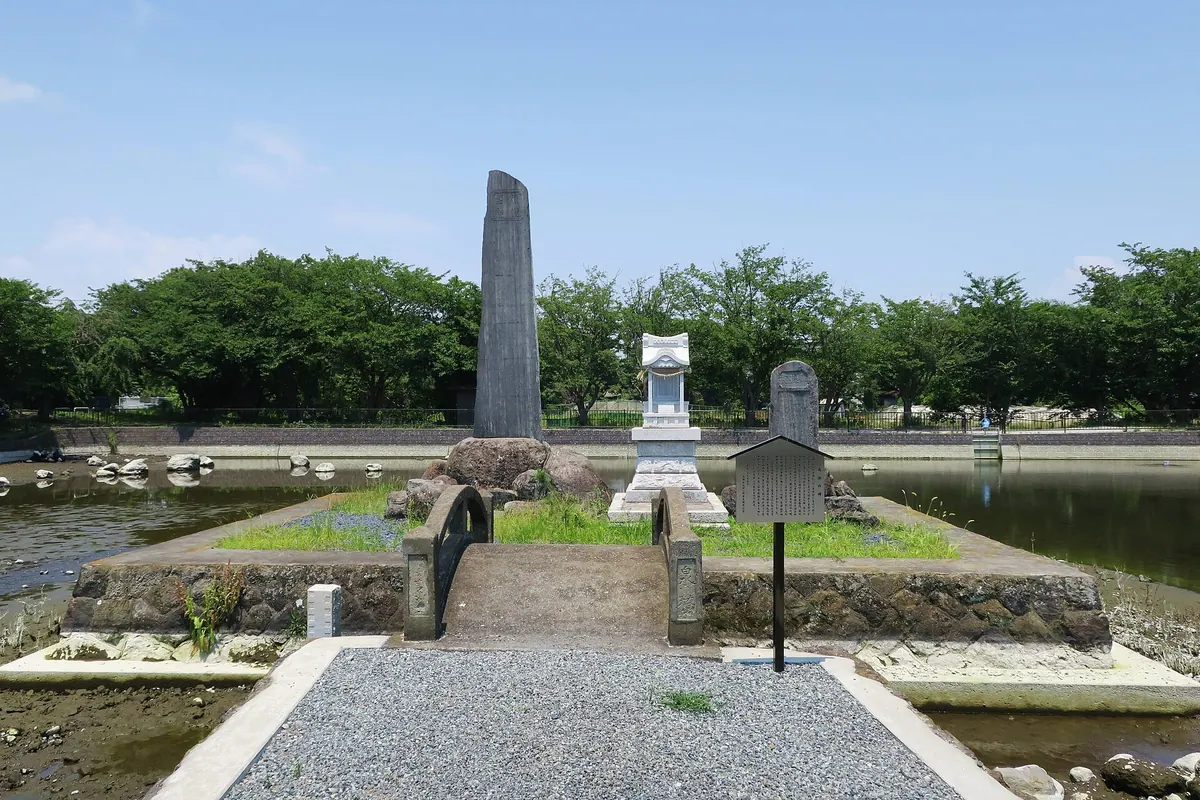
A historic 16th-century irrigation pond fed by spring water, offering views of Mount Fuji and rare aquatic plants.
What it is
- An artificial irrigation pond constructed in 1572 to supply water to seven local districts
- A designated part of the Izu Peninsula Geopark fed by the Sakaigawa West Bank spring group
- A 7,800 square meter body of water also known as Tamagawa Pond
What to see
- Seirei Shrine which stands directly on the shore of the pond
- Views of Mount Fuji visible from the surrounding walking paths
- Rare Mishima-baikamo water plants located in the nearby Kiyozumi Green Space
Getting there
- A three-minute walk from the Tamagawa bus stop
- A thirteen-minute drive from the Numazu Interchange
06
Lake Ippeki
SHIZUOKA · PLACE 一碧湖
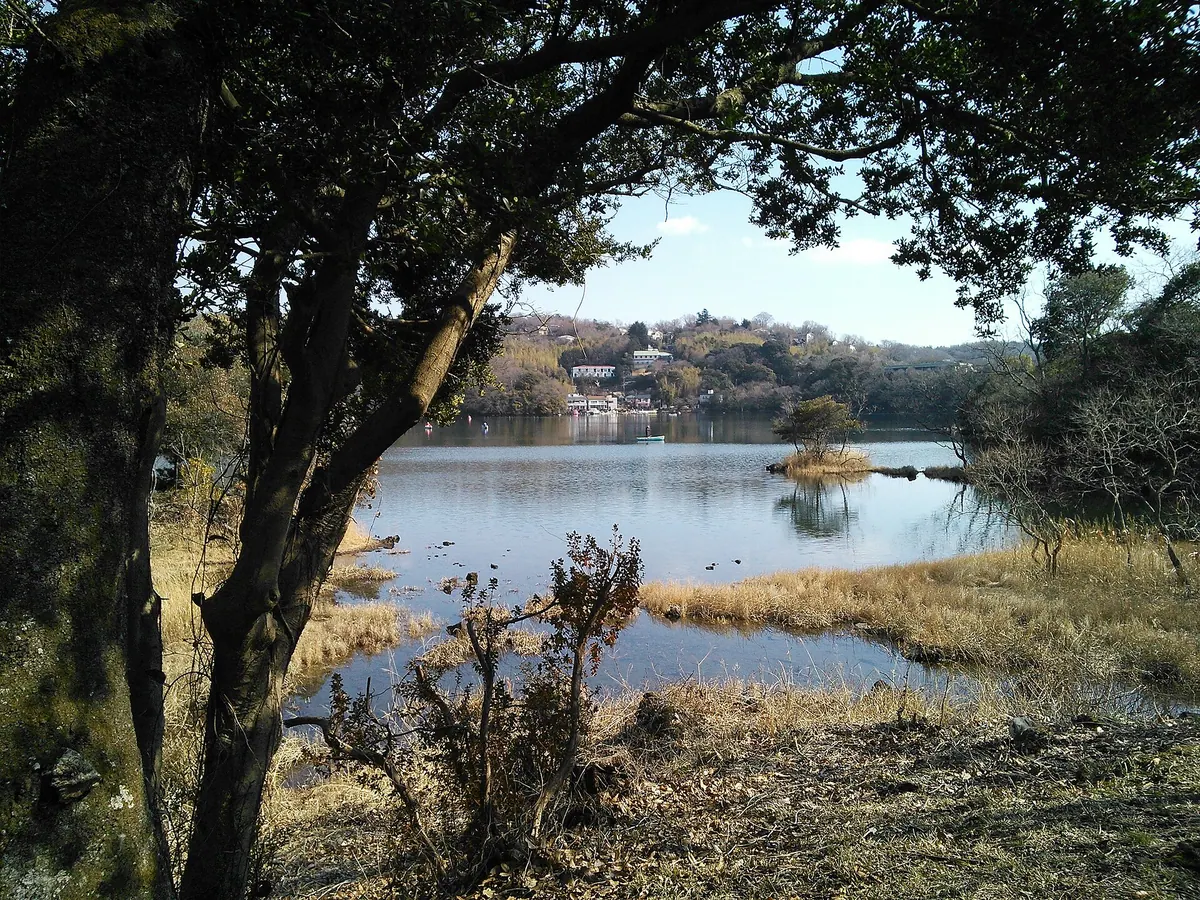
A gourd-shaped volcanic crater lake in Ito City known for its scenic islands, literary monuments, and diverse birdwatching opportunities.
What it is
- A lake formed in a volcanic crater approximately 103,500 years ago.
- Part of the Izu Eastern Volcano Group and shaped like a gourd.
- Selected as one of the 100 Landscapes of Japan for its natural beauty.
- The site where bluegill fish were first released into Japan.
What to see
- The northwestern section called Oike and the southeastern section called Numaike.
- A group of small islands called Jurenjima created by ancient lava flows.
- Monuments featuring poems written by Tekkan and Akiko Yosano.
- Various species of wild birds and people fishing for crucian carp.