

5 Lakes in Miyagi worth your time
Japan Gems
5 Lakes in Miyagi, with what to see and how to get there.
Miyagi has 5 lakes on Japan Gems. Below are the 5 we can tell you the most about — each one written up in English from Japanese sources, with what to see and how to get there. See all lakes in Miyagi.
01
Okama
MIYAGI · PLACE 御釜
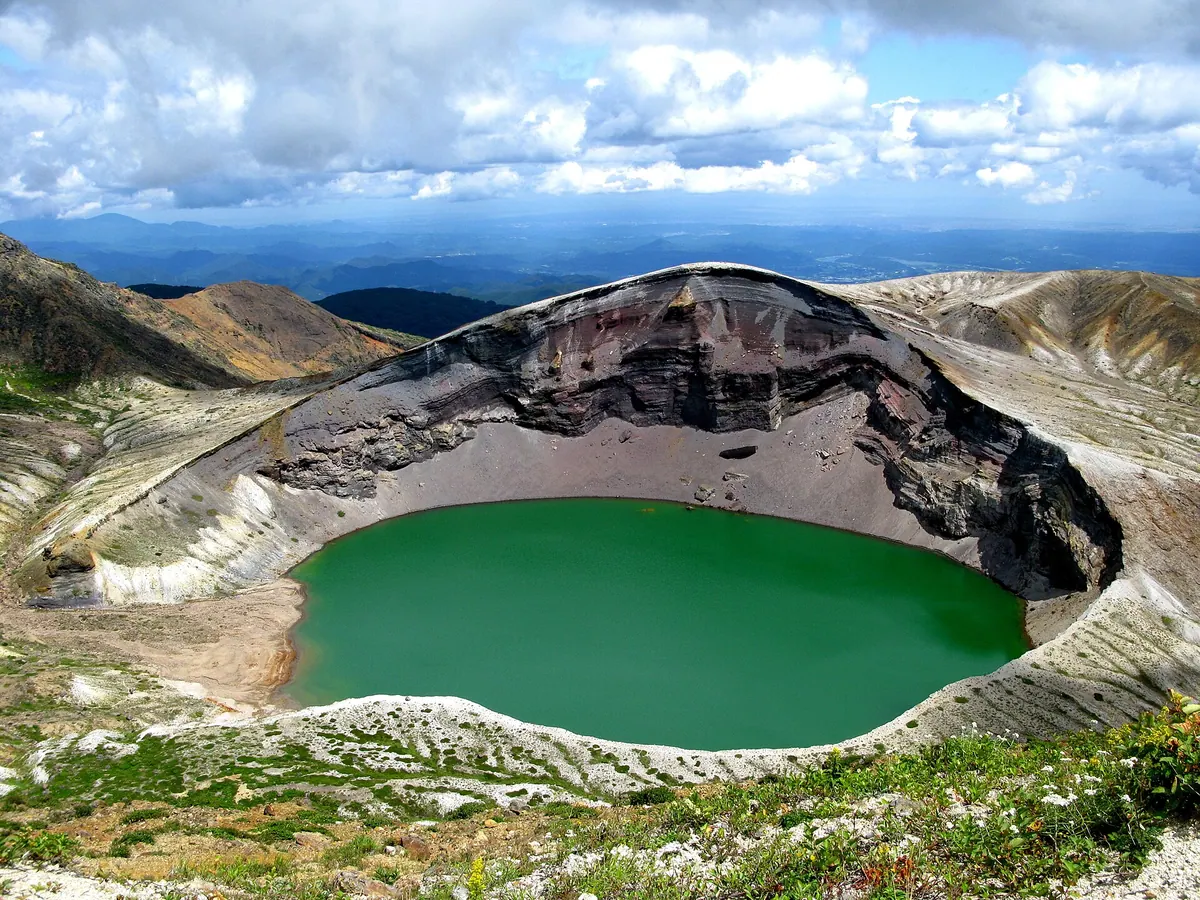
A vibrant volcanic crater lake on Mount Zao known for its shifting colors and dramatic high-altitude scenery.
What it is
- A volcanic crater lake located on Mount Zao near the Miyagi and Yamagata border.
- Also known as Goshikinuma, meaning five-colored pond, due to its changing appearance.
- The water is highly acidic with a pH of 3.5 and contains no living organisms.
- A popular natural landmark attracting approximately 300,000 visitors every year.
What to see
- Water colors that shift between different shades depending on volcanic activity.
- A deep crater reaching a maximum recorded depth of 63 meters.
- Views of the surrounding Goshikedake and Katta-dake mountain peaks.
- The rugged volcanic landscape of the Zao mountain range.
When to go
- Accessible via the Zao Echo Line road from April through November.
Getting there
- Public buses run to the site from Shiroishi-Zao and Yamagata stations.
- The Zao High Line road leads directly to a nearby parking area.
02
Izunuma
MIYAGI · PLACE 伊豆沼
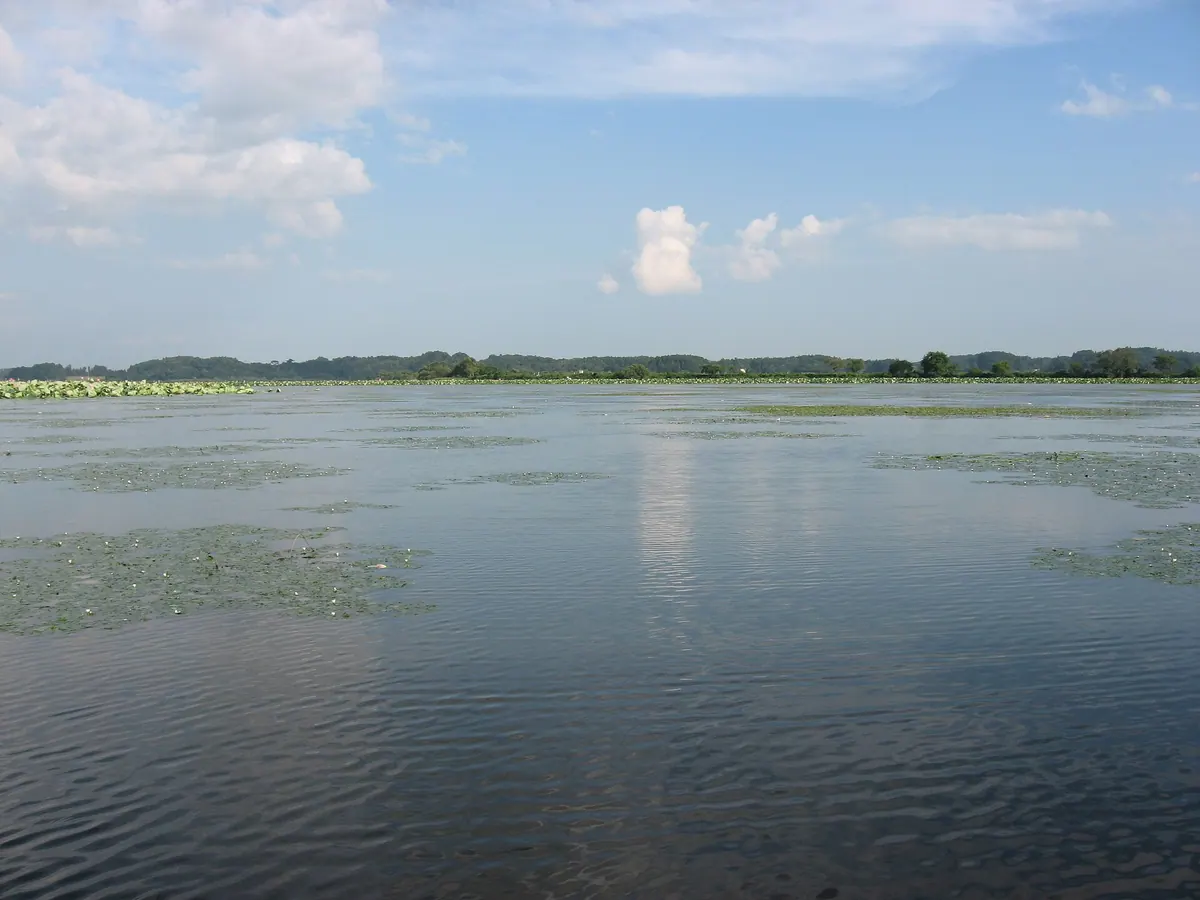
A protected Ramsar wetland in Miyagi famous for massive winter bird migrations and expansive summer lotus flower blooms.
What it is
- A 369-hectare marsh serving as a vital wintering ground for migratory birds
- The second site in Japan registered under the Ramsar Convention in 1985
- A national natural monument designated for its important bird habitat
- A shallow water source for local rice paddies with a maximum depth of 1.6 meters
What to see
- Large colonies of lotus flowers covering the water surface
- Thousands of migratory geese taking flight from the marsh
- Artificial spawning beds used to manage the invasive largemouth bass population
When to go
- July to August to see the lotus flowers in bloom
- Winter months to observe the migratory bird populations
- Early morning to hear the famous sound of geese taking flight
Getting there
- The marsh is a ten-minute walk from JR Nitta Station
03
Lake Kasenuma
MIYAGI · PLACE 加瀬沼
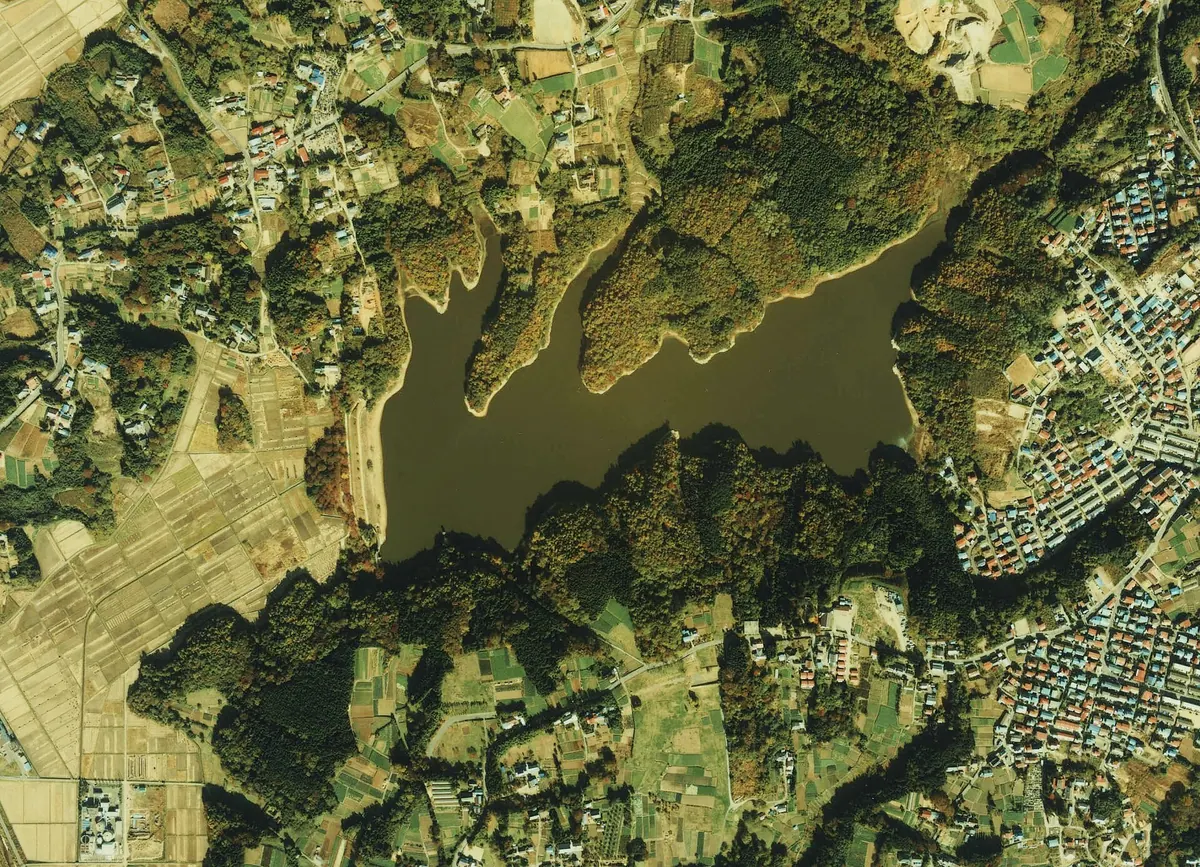
A historic irrigation pond and earth dam in Miyagi Prefecture recognized as one of Japan's top one hundred ponds.
What it is
- An irrigation pond and earth dam constructed approximately four hundred years ago
- A facility owned by Tagajo City with a storage capacity of 270,000 cubic meters
- A site that served as the primary water source for Shiogama City until 1963
- A designated green conservation area spanning sixty-five hectares across three different municipalities
What to see
- Kasenuma Park located on the west side of the water
- Migratory birds that visit the pond during the winter months
- Local wildlife including foxes, raccoon dogs, and squirrels in the conservation area
When to go
- Winter season to observe the arrival of migratory birds
04
Katanuma
MIYAGI · PLACE 潟沼
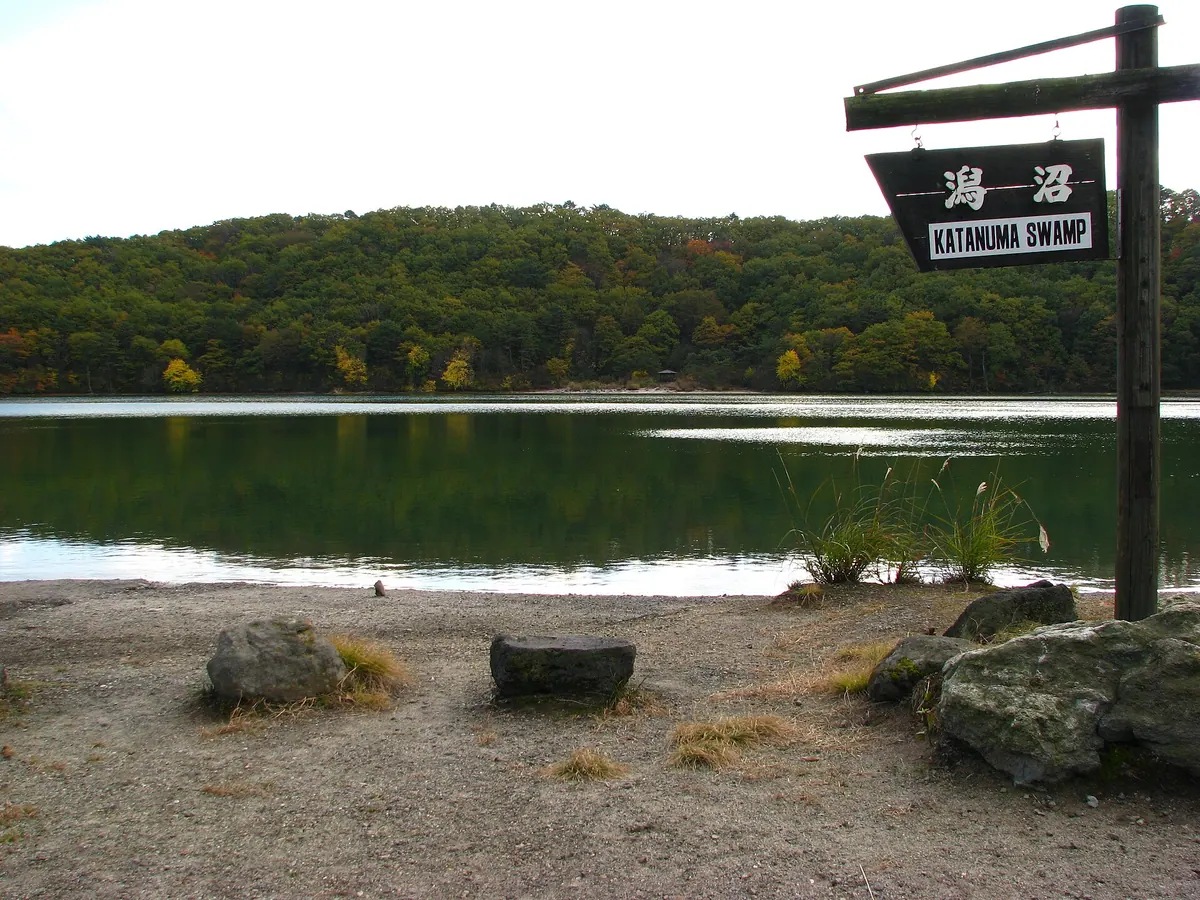
A highly acidic volcanic lake in Kurikoma Quasi-National Park known for its shifting emerald and blue water colors.
What it is
- A highly acidic volcanic lake located within Kurikoma Quasi-National Park
- A former sulfur mining site that operated until 1968
- A body of water with a pH level of approximately 2.4
- A natural habitat for acid-tolerant midges and diatoms rather than fish
What to see
- Water that changes between emerald and blue depending on the weather
- Fumaroles on the lakebed that emit volcanic gases like hydrogen sulfide
- A walking path that allows visitors to circle the entire lake
- A rest house and rental boats available for use on the water
Getting there
- The lake is located two kilometers from Naruko-Onsen Station
05
Lake Mangokuura
MIYAGI · PLACE 万石浦
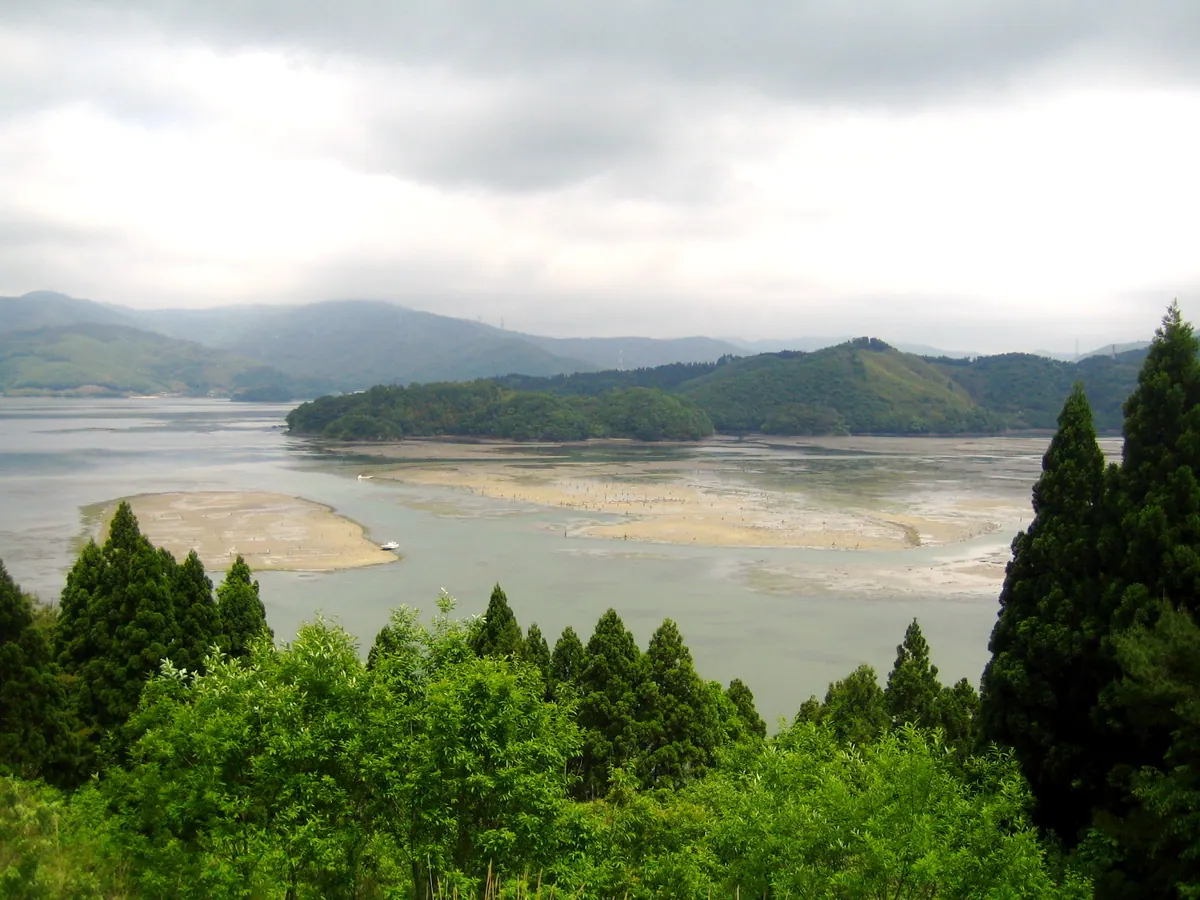
A scenic inland sea and protected wetland famous for oyster farming, Jomon period ruins, and a historic island shrine.
What it is
- An inland sea spanning Ishinomaki City and Onagawa Town covering 7.4 square kilometers.
- A designated important wetland and part of the Kenjousan Mangokuura Prefectural Natural Park.
- A center for local aquaculture specializing in seaweed and oyster farming.
- A historic site named after a quote by the daimyo Date Tadamune.
What to see
- Tsugaru Island which houses the Tsugaru Shrine and large holly trees.
- Kuroshima Island containing shell mounds dating back to the Jomon period.
- The Urashuku Bridge which opened to the public in March 2022.
- Active oyster and seaweed farms located throughout the inland sea.