

10 Mountains in Ishikawa worth your time
Japan Gems
10 Mountains in Ishikawa, with what to see and how to get there.
Ishikawa has 10 mountains on Japan Gems. Below are the 10 we can tell you the most about — each one written up in English from Japanese sources, with what to see and how to get there. See all mountains in Ishikawa.
01
Mount Tomuro
ISHIKAWA · PLACE 戸室山
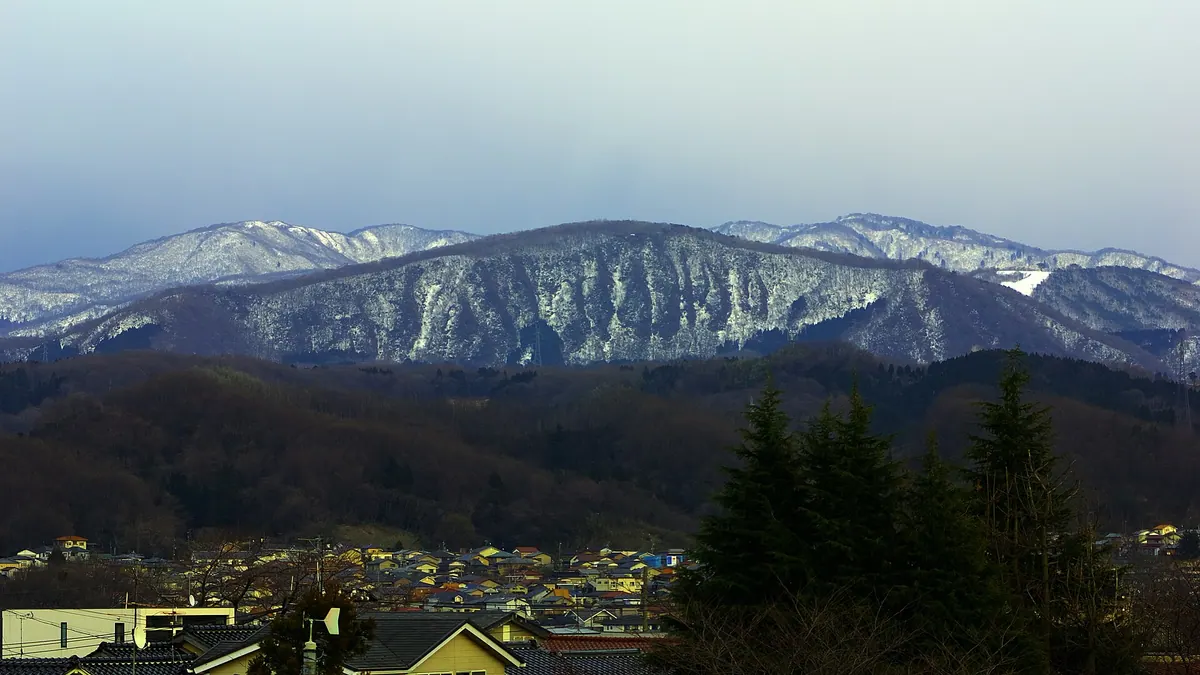
A 548-meter volcanic lava dome in Kanazawa famous for its historic stone quarries and a summit shrine with panoramic views.
What it is
- A quaternary volcano and lava dome located within the Iozen Prefectural Natural Park.
- The primary source of Tomuro stone used to build the walls of Kanazawa Castle.
- A natural site featuring over 700 confirmed historic quarry pits in the surrounding area.
- A mountain peak featuring a third-class triangulation point and the Tomuro Gongen shrine.
What to see
- The small Tomuro Gongen shrine located near the mountain summit.
- A stone monument engraved with poetry by Akiko Yosano on the mountainside.
- Distinct varieties of blue and red Tomuro stone shaped by ancient volcanic oxidation.
- Debris avalanche deposits on the western slope from a collapse 18,000 years ago.
Getting there
- Take a bus from Kanazawa Station for a fifty-minute journey to the area.
- Follow the Iozen-ji temple route for a twenty-minute hike to reach the summit.
02
Mount Nanakura
ISHIKAWA · PLACE 七倉山
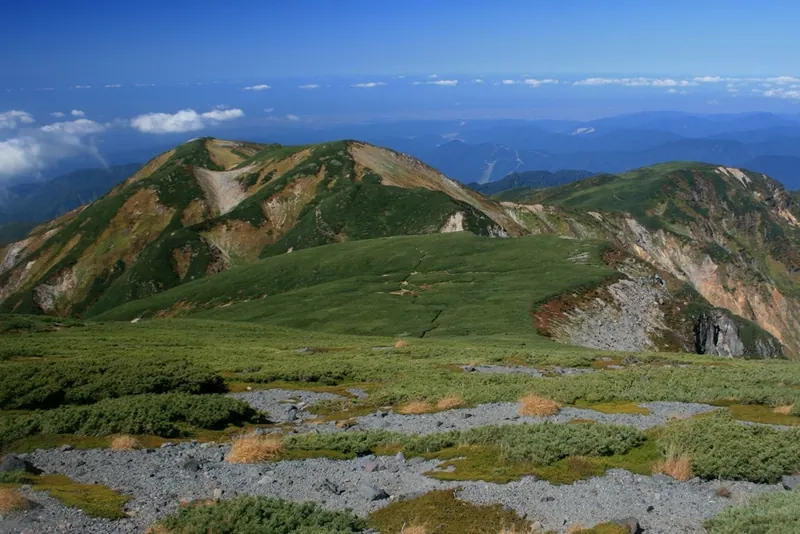
A 2,557-meter peak in Hakusan National Park offering alpine hiking trails, summer snow patches, and views of the Ryohaku range.
What it is
- A 2,557-meter mountain peak located within the Hakusan National Park in Ishikawa Prefecture.
- A major summit in the Ryohaku mountain range situated northwest of Mount Hakusan.
- The source of the Ozogawa and Ushikubigawa rivers flowing from the mountain mass.
- A central hiking hub where five different trails converge at the Nanakura-no-tsuji junction.
What to see
- Dwarf stone pines growing naturally around the mountain summit area.
- The Hyakuyojo Waterfall located on the northwestern slope of the mountain.
- Remaining snow patches visible on the western slopes even during the summer months.
- The Mitarashibachi site situated between the summit and the Onanjimine peak.
- Alpine scenery along the Rakuraku Shindo and Iwama hiking trails.
When to go
- Summer is the time to see remaining snow on the western slopes.
03
Mount Utatsu
ISHIKAWA · PLACE 卯辰山
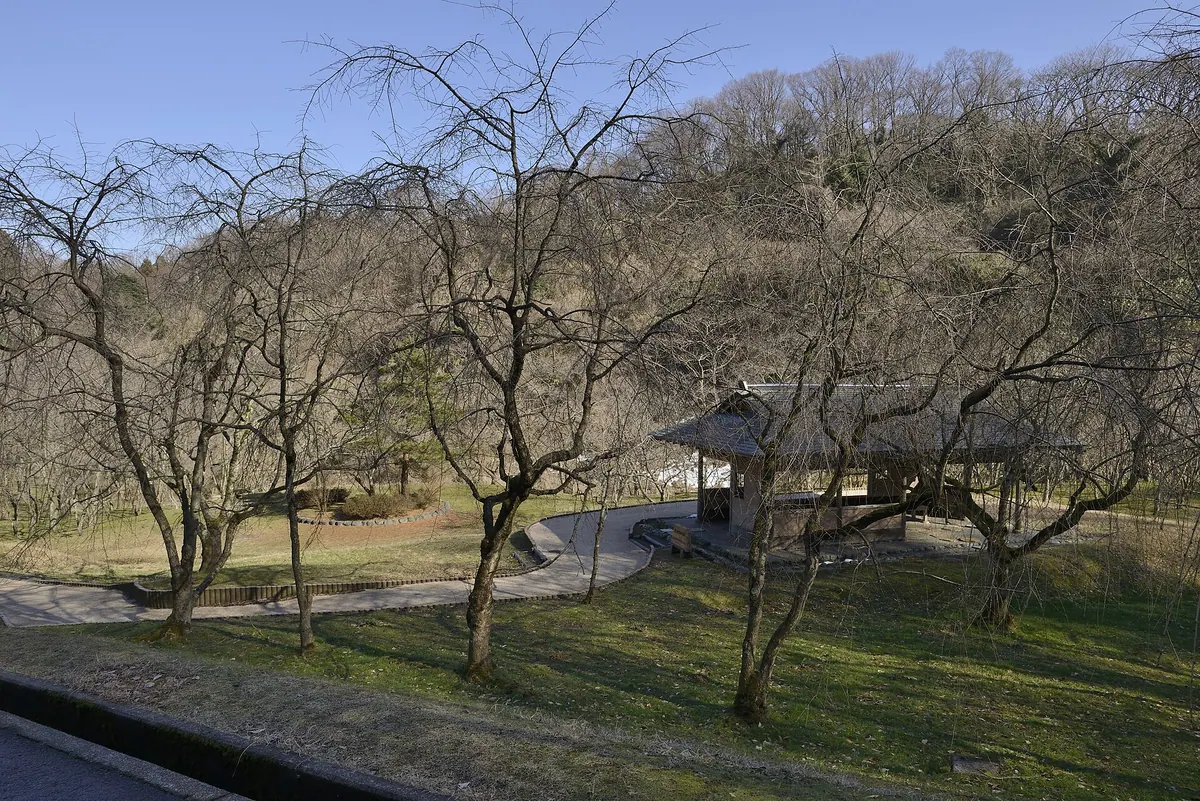
A historic hilltop park in Kanazawa featuring diverse monuments, traditional gardens, and a dedicated sumo stadium with city views.
What it is
- A public park recognized as one of Japan's Top 100 Historical Parks.
- A former restricted area where commoners were forbidden to climb during the Edo period.
- A developed mountain site opened by Lord Maeda Yoshiyasu in 1867.
- A location also known by the names Mukaiyama, Kasugayama, and Garyuzan.
What to see
- A second-class triangulation point marking the summit of the mountain.
- A monument dedicated to the famous writer Tokuda Shusei.
- An iris garden and a traditional pond shaped like a gourd.
- The Prefectural Mount Utatsu Sumo Stadium which opened in 1960.
- A monument commemorating Christian martyrs who were brought from Nagasaki.
When to go
- Visit during the annual High School Sumo Kanazawa Tournament held at the stadium.
04
Mount Sannomine
ISHIKAWA · PLACE 三ノ峰
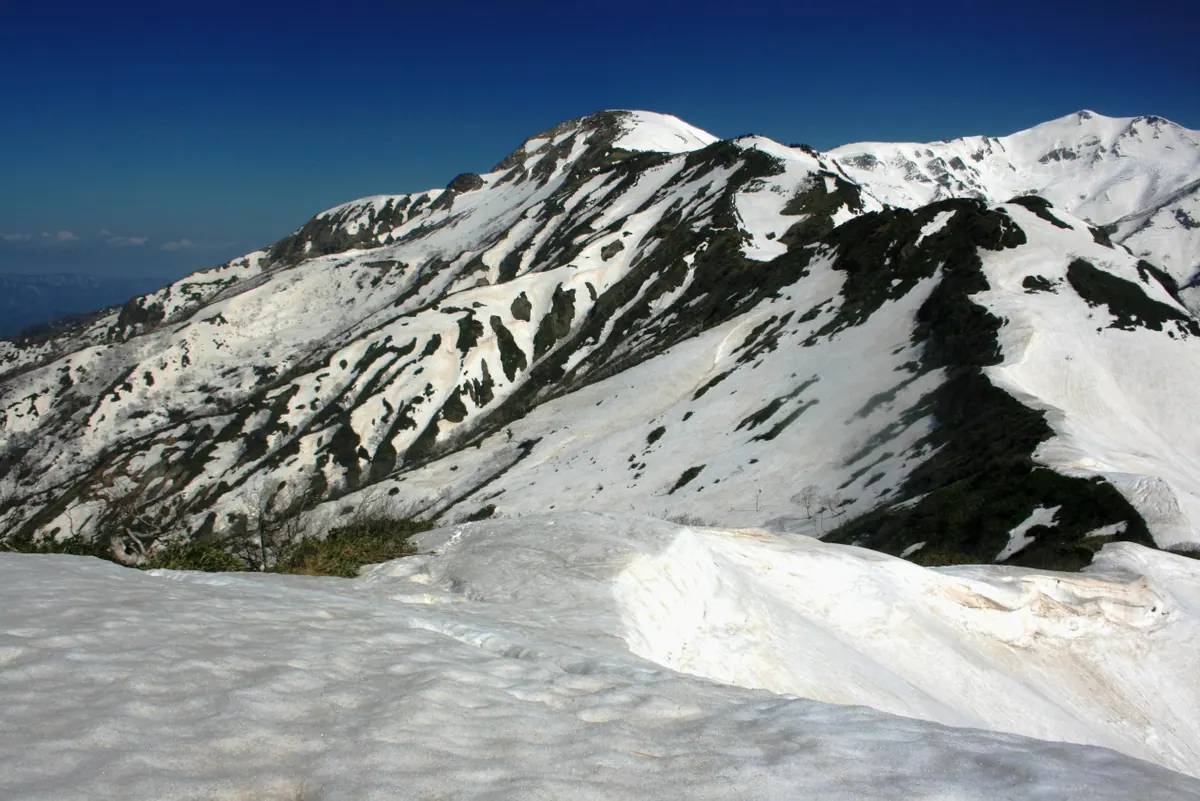
A 2,128-meter peak in Hakusan National Park offering alpine flowers and a historic pilgrimage route on the Gifu-Ishikawa border.
What it is
- A 2,128-meter mountain located within the boundaries of Hakusan National Park.
- Part of the Ryohaku Mountains situated on the border of Ishikawa and Gifu prefectures.
- A stop along the historic Mino Zenjo-do pilgrimage route.
- The highest point in Fukui Prefecture is located at a 2,095-meter peak nearby.
What to see
- Alpine plants including Primula cuneifolia blooming in the summit area.
- An unstaffed shelter hut located near the mountain summit.
- Views of rivers that flow from the slopes toward the Sea of Japan.
When to go
- Snow covers the mountain landscape for more than half of the year.
Getting there
- The shortest climbing route to the summit starts from Kamikoike in Fukui.
05
Mount Manganji
ISHIKAWA · PLACE 満願寺山
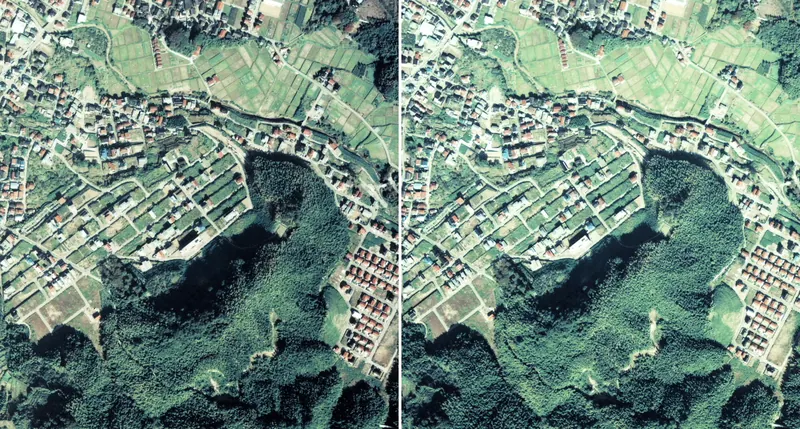
A mountain in Kanazawa featuring a challenging five-hundred-step stone staircase, ancient archaeological ruins, and a historic shrine entrance.
What it is
- A mountain in the Kubo district of Kanazawa featuring a fourth-class triangulation point.
- The summit serves as an archaeological site containing square plateau graves and fort remains.
- A historic location where Yayoi period pottery fragments were discovered during excavations.
- A training ground for local high school sports teams who climb the steep stairs.
What to see
- The Kumanbo Gongen shrine which marks the start of the climbing path.
- A stone staircase consisting of nearly five hundred steps leading to the summit.
- Archaeological remains of an ancient fort and square plateau graves at the peak.
- The Kanazawa Outer Loop Road which runs along the base of the mountain.
06
Mount Haku
ISHIKAWA · PLACE 白山
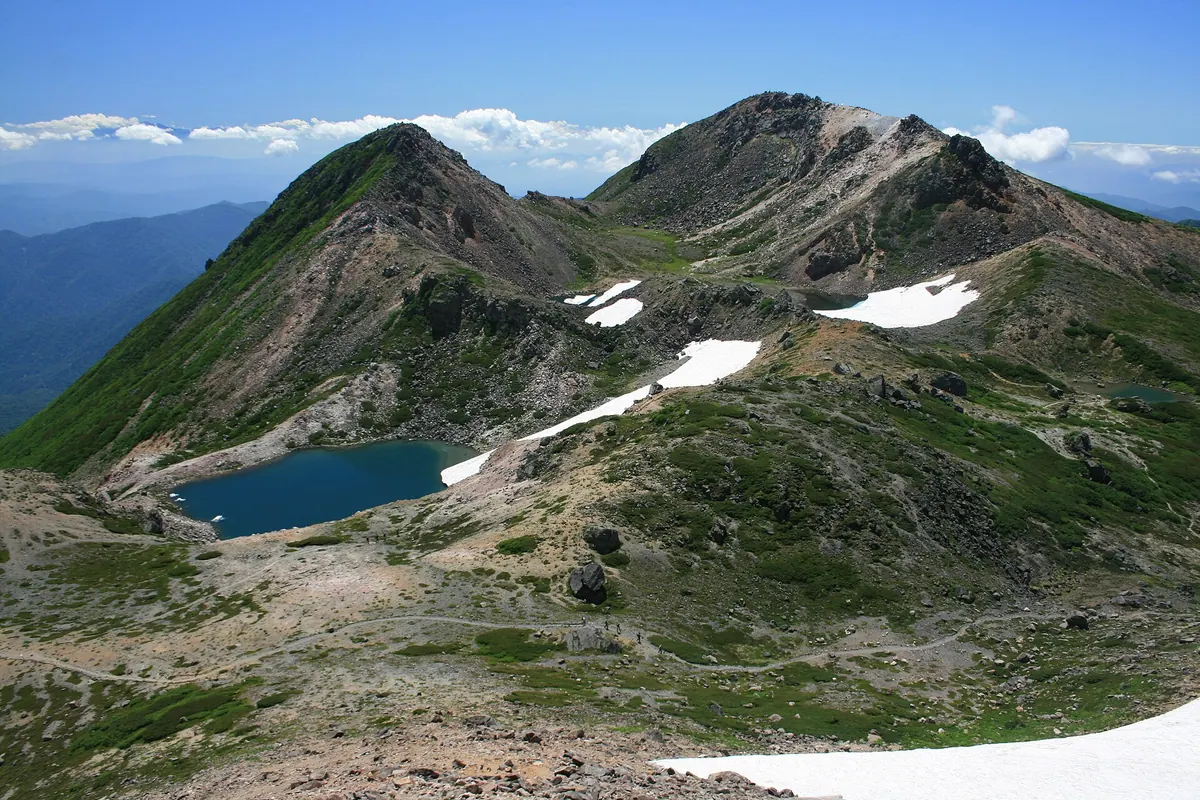
One of Japan's three holy mountains, this active volcano offers a sacred summit, crater lakes, and unique alpine flora.
What it is
- An active volcano standing 2,702 meters tall across four different prefectures
- One of Japan's Three Holy Mountains alongside Mount Fuji and Mount Tate
- A sacred site reportedly founded by the monk Taicho in the year 717
- A designated UNESCO Biosphere Reserve and National Park since 1962
What to see
- The highest peak known as Gozenmine reaching an elevation of 2,702 meters
- Seven distinct crater lakes located near the summit area
- The Shirayama Hime Shrine which owns the land at the mountain summit
- Over twenty species of alpine plants that include Hakusan in their names
- A major site for the discovery of various dinosaur fossils
07
Mount Bessan
ISHIKAWA · PLACE 別山
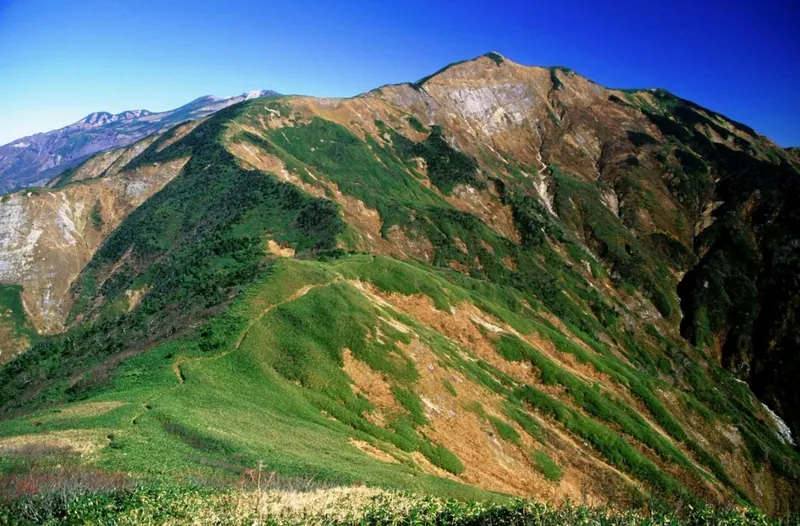
A 2,399-meter peak in Hakusan National Park featuring a historic shrine and significant pilgrimage routes through alpine terrain.
What it is
- A 2,399-meter mountain spanning the border of Ishikawa and Gifu prefectures.
- Part of the Hakusan National Park consisting of uplifted sedimentary rock.
- A stop on the historic Mino Zenjo-do pilgrimage route.
- The natural source of the Shogawa and Tedori rivers.
What to see
- Bessan Shrine located just west of the mountain summit.
- Mitarashi Pond situated on the Bessan-daira plateau.
- The Taiheiki rock wall located on the southern face of the mountain.
- Alpine landscapes above the forest limit at the summit area.
When to go
- Be aware that snow covers the area for over half the year.
08
Mount Takatsume
ISHIKAWA · PLACE 高爪山
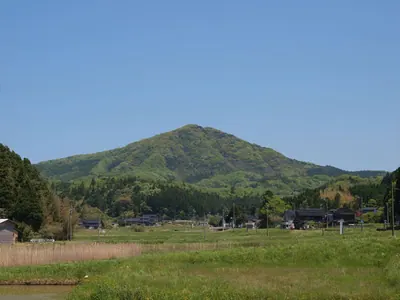
A scenic mountain known as Noto Fuji featuring a summit shrine with National Important Cultural Properties and Sea of Japan views.
What it is
- A mountain on the border of Shika and Wajima known locally as Noto Fuji.
- The summit area is a designated early modern archaeological site.
- The mountain terrain consists primarily of granitic rocks.
- Takatsume Shrine's main hall stands at the mountain summit.
What to see
- Six sacred hanging Buddhist images designated as National Important Cultural Properties.
- Remains of moats and earthworks located on the northeast ridge.
- A stone monument standing two meters west of the main hall.
- Panoramic views of the Sea of Japan from the summit.
- Broadleaf trees including zelkova and camphor growing on the slopes.
09
Mount Kōshū
ISHIKAWA · PLACE 高洲山
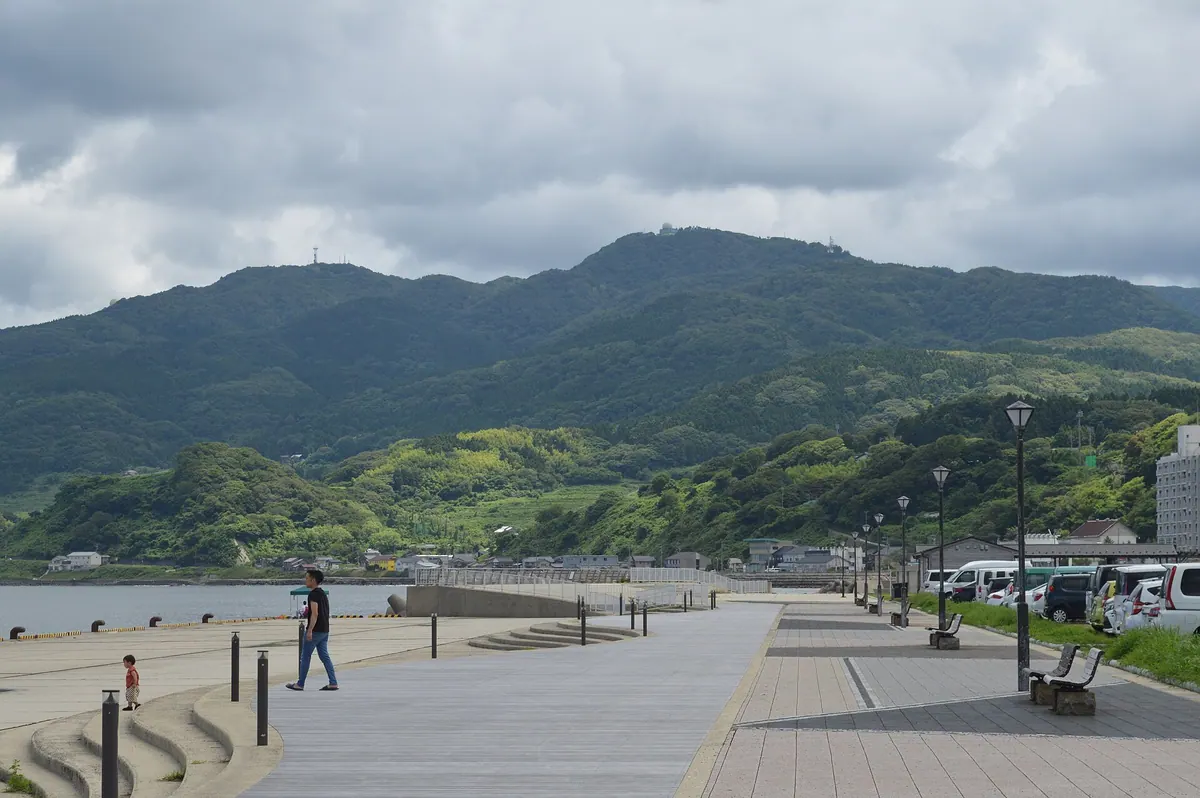
The highest peak in Oku-Noto featuring a summit shrine, a beech forest, and views of Toyama Bay.
What it is
- The highest mountain in the Oku-Noto region at 567 meters tall
- A peak in Wajima City historically known as Mount Dake
- Site of the Koshu Shrine and its inner sanctuary at the summit
- Location of a Japan Air Self-Defense Force radar installation
What to see
- The inner shrine of Koshu Shrine located at the mountain peak
- A natural beech forest growing near the top of the mountain
- Panoramic views of Noto Airport and Toyama Bay from the summit
- A paved road that leads visitors to the top in two hours
When to go
- The annual mountain opening ceremony held every May
10
Fujishaga-dake
ISHIKAWA · PLACE 富士写ヶ岳
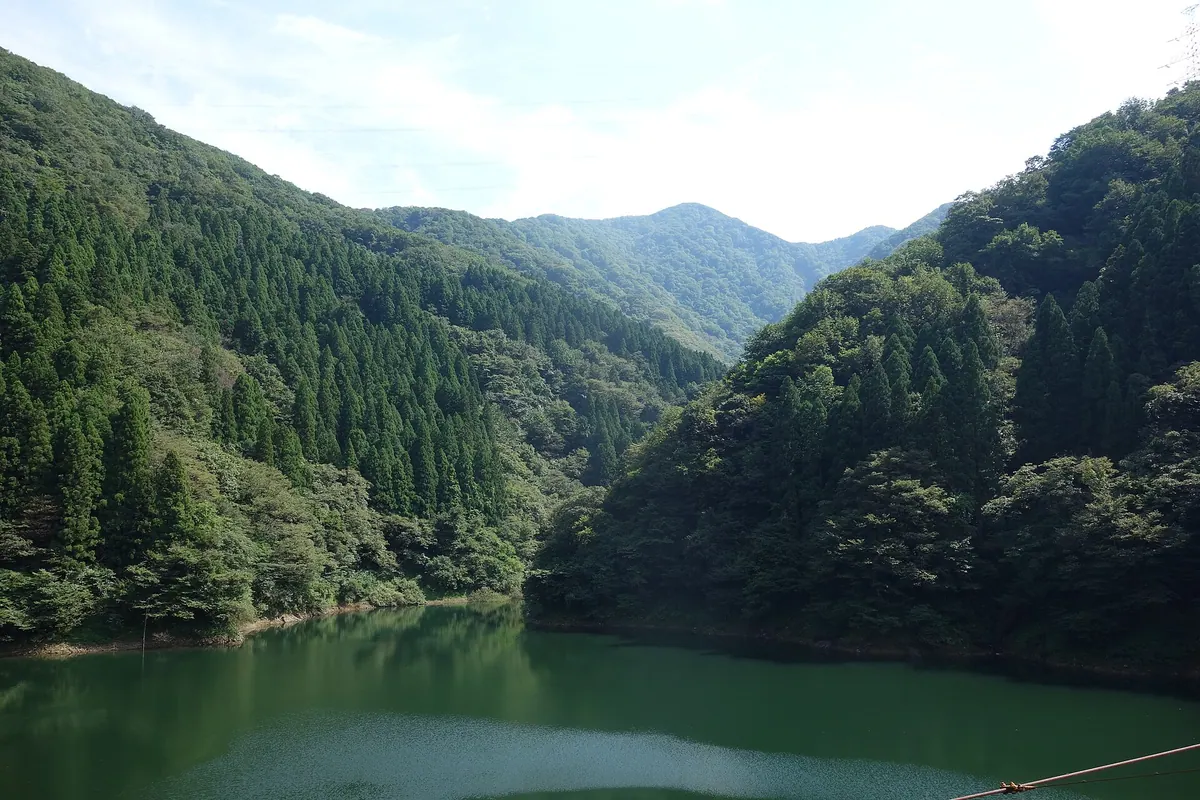
A 942-meter peak known as Enuma Fuji, famous as the first mountain climbed by renowned author Kyuya Fukada.
What it is
- A 942-meter mountain in Kaga City also known as Enuma Fuji
- Part of the Kanan Sanzan mountain group in Ishikawa Prefecture
- The first mountain climbed by famous mountaineer and author Kyuya Fukada
What to see
- The Ouchi, Wagatani, and Karebuchi climbing routes taking approximately two hours
- The Hitomosu-yama route which offers a longer four-hour hike to the summit
Getting there
- Located 16 kilometers away from Kaga-Onsen Station
- Accessible by car 18 kilometers from the Kaga Interchange