

9 Mountains in Wakayama worth your time
Japan Gems
9 Mountains in Wakayama, with what to see and how to get there.
Wakayama has 9 mountains on Japan Gems. Below are the 9 we can tell you the most about — each one written up in English from Japanese sources, with what to see and how to get there. See all mountains in Wakayama.
01
Mount Izumi Katsuragi
WAKAYAMA · PLACE 和泉葛城山
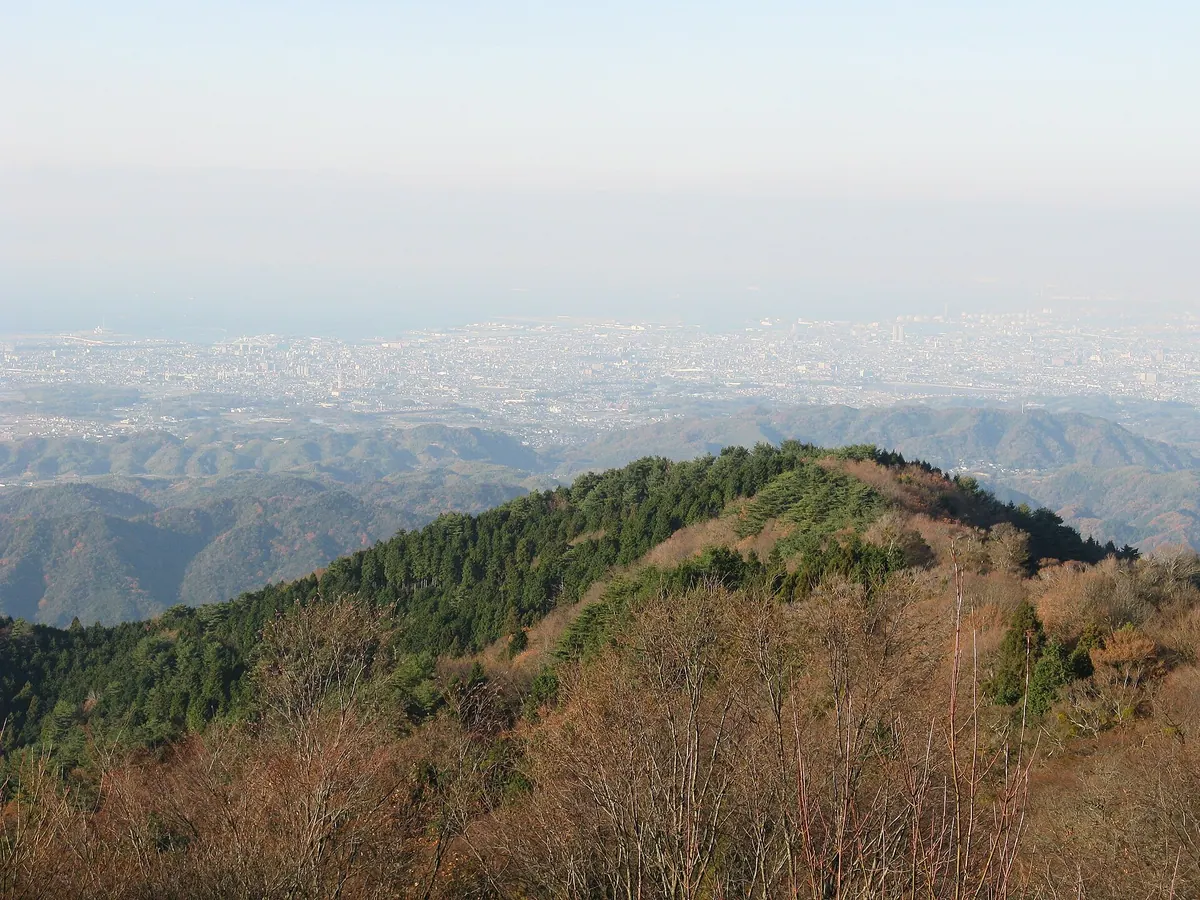
This 858-meter mountain on the Osaka-Wakayama border features a protected beech forest, historic shrines, and panoramic views of the Osaka Plain.
What it is
- A mountain standing 858 meters above sea level on the Osaka and Wakayama border.
- Part of the Kongo-Ikoma-Kisen Quasi-National Park since 1996.
- Home to two Hachidai Ryuo-sha shrines and the Takaogami Shrine at the summit.
- Site of a beech forest designated as a national natural monument in 1923.
What to see
- A stone sanctuary and torii gate donated by the Kishiwada feudal lord.
- A rare beech forest growing across the northern slope of the mountain.
- An observation deck at the summit providing views over the Osaka Plain.
- Two shrines dedicated to the deity Katsuragi Hitokotonushi.
Getting there
- Hiking trails lead to the summit from the cities of Kishiwada and Kaizuka.
- The summit is accessible by car via several forest roads.
- Parking and toilet facilities are located near the mountain top.
02
Mount Kōya
WAKAYAMA · PLACE 高野山
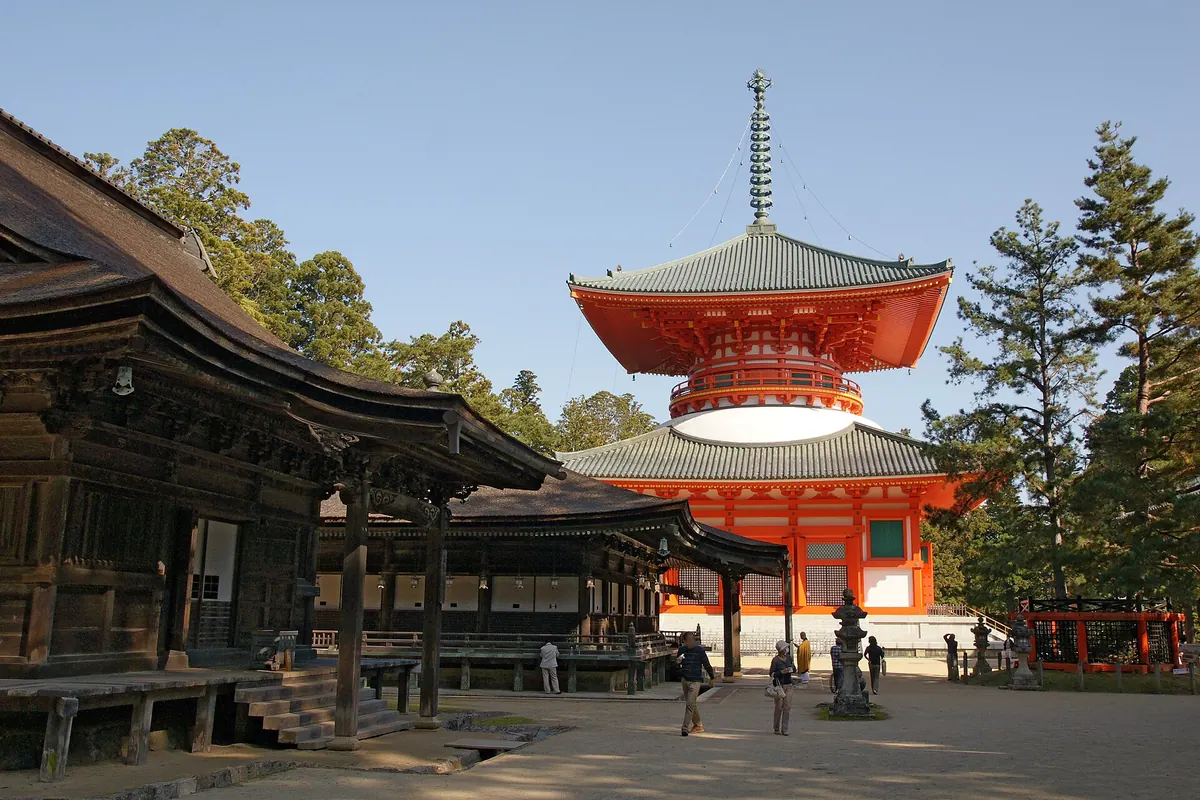
A UNESCO-listed Shingon Buddhist sanctuary founded in 816, offering historic temples, a massive forest cemetery, and unique temple lodgings.
What it is
- A Shingon Buddhist sanctuary founded by Kūkai in 816 within a high-altitude mountain basin.
- A UNESCO World Heritage site featuring 117 sub-temples and the head temple Kongōbu-ji.
- A major religious center where many temples provide overnight lodging for visitors.
- The central complex for secret Buddhist rituals known as the Danjō Garan.
What to see
- The Okunoin area featuring over 200,000 graves and the mausoleum of Kūkai.
- The Daimon gate which serves as the massive main entrance to the mountain complex.
- The Reihōkan Museum which houses and preserves two percent of Japan's national treasures.
- The Danjō Garan central complex containing various sacred buildings and structures.
Getting there
- Take the Nankai Cable Car to Kōyasan Station to reach the mountain top.
03
Mount Mikuni
WAKAYAMA · PLACE 三国山
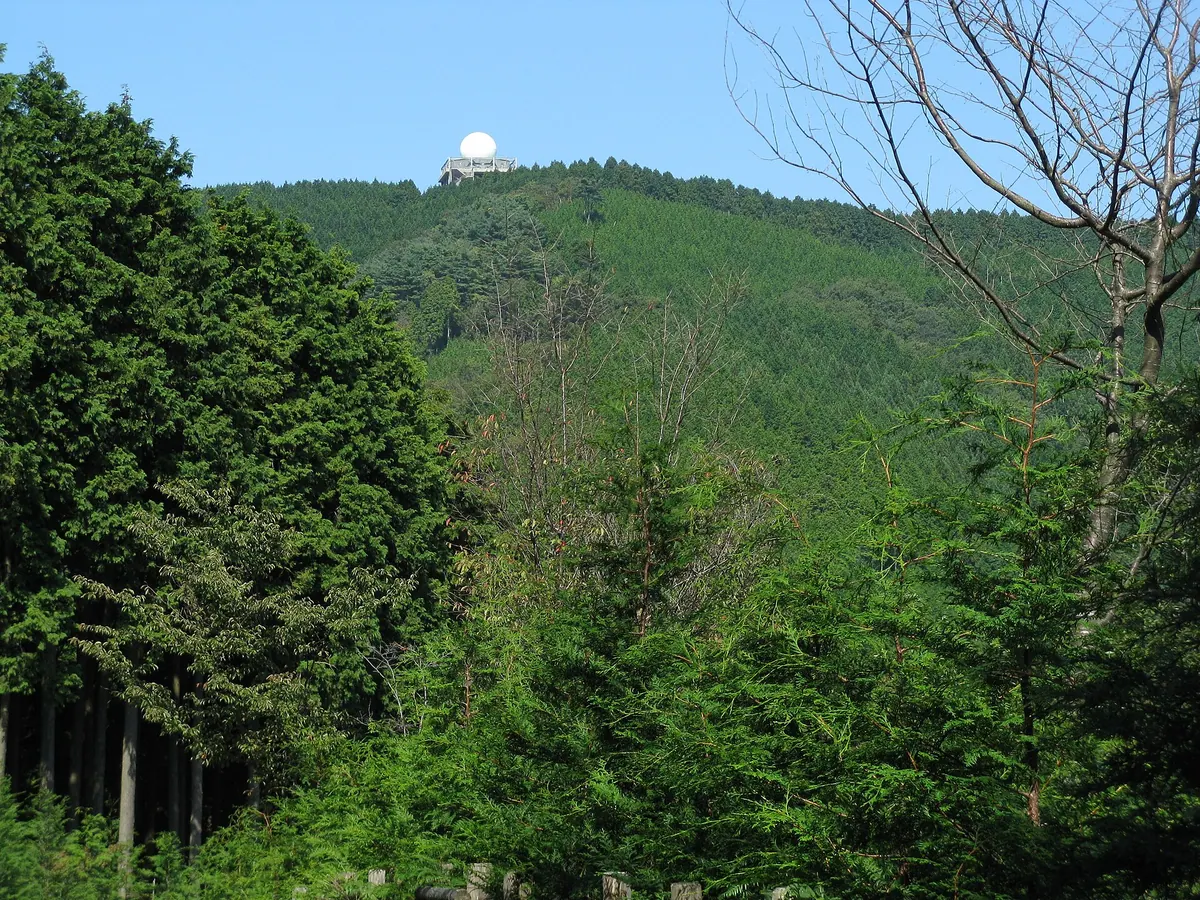
A mountain peak bordering Osaka and Wakayama featuring modern radar installations and views of the Izumi mountain range.
What it is
- A mountain peak standing 885.7 meters above sea level within the Izumi range.
- The name refers to the historical borders of three ancient provinces.
- The summit area serves as a hub for air route surveillance radar and broadcasting stations.
- The triangulation point sits between the cities of Izumi and Kawachinagano.
What to see
- Large air route surveillance radar installations located near the summit.
- Broadcasting relay stations including an FPU station operated by NHK Osaka.
- Shukuyama and the Nanagoshi Pass located to the west of the peak.
- A paved forest road that leads visitors close to the mountain top.
Getting there
- The mountain is accessible via National Route 480.
- Narrow road widths prevent large vehicles from passing through the area.
04
Oishi Highlands
WAKAYAMA · PLACE 生石高原
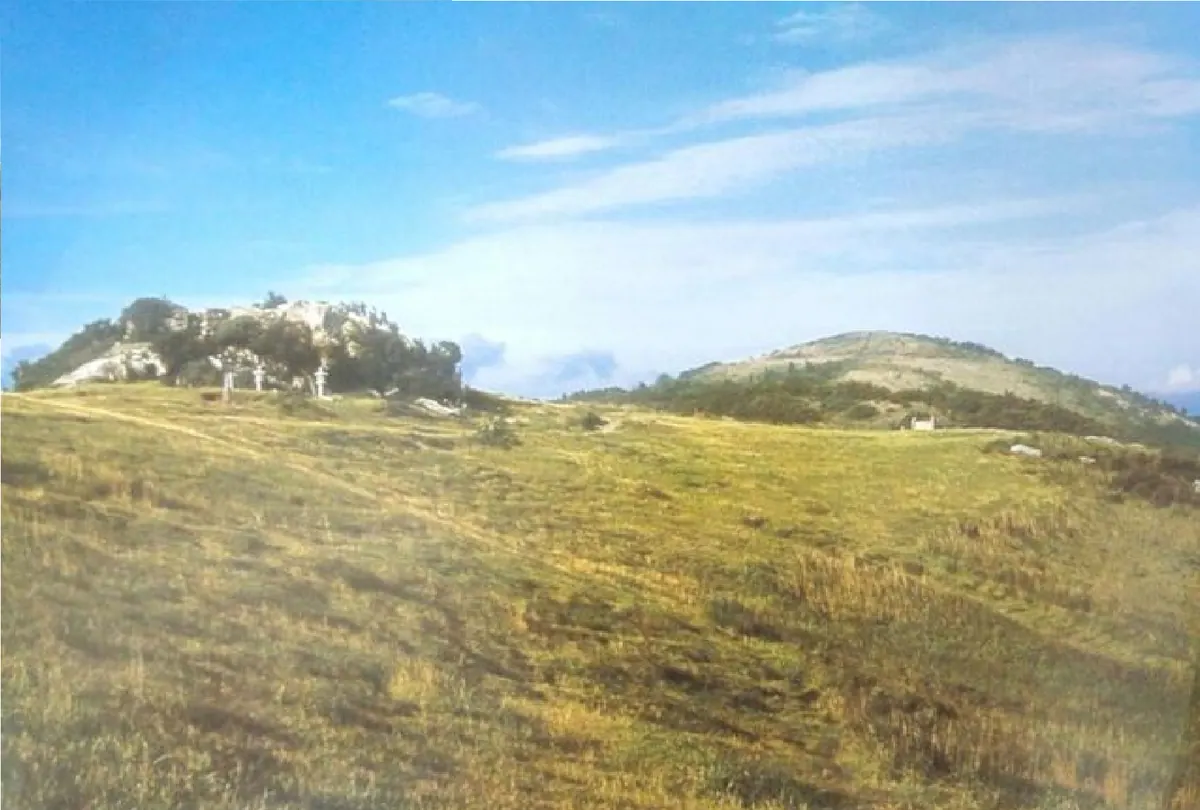
A scenic 870-meter mountain plateau featuring a massive 13-hectare silver grass field and panoramic views of Shikoku.
What it is
- A 13-hectare grassland located within the Oishi Kogen Prefectural Natural Park.
- The highest peak of the Nagamine mountain range reaching 870 meters.
- A plateau spanning the border of Kimino Town and Aridagawa Town.
- The name originates from a massive 50-meter rock located at Oishi Shrine.
What to see
- Expansive fields of silver grass covering the summit area.
- Panoramic views of the Izumi Mountains and the island of Shikoku.
- A first-class triangulation point marking the highest peak of Mount Oishigamine.
- Agricultural fields used for the cultivation of tomatoes and cucumbers.
- A vacation home development known as Sky Villa established in 1973.
When to go
- Spring for the annual controlled mountain burning performed by volunteers.
05
Mount Minami Katsuragi
WAKAYAMA · PLACE 南葛城山
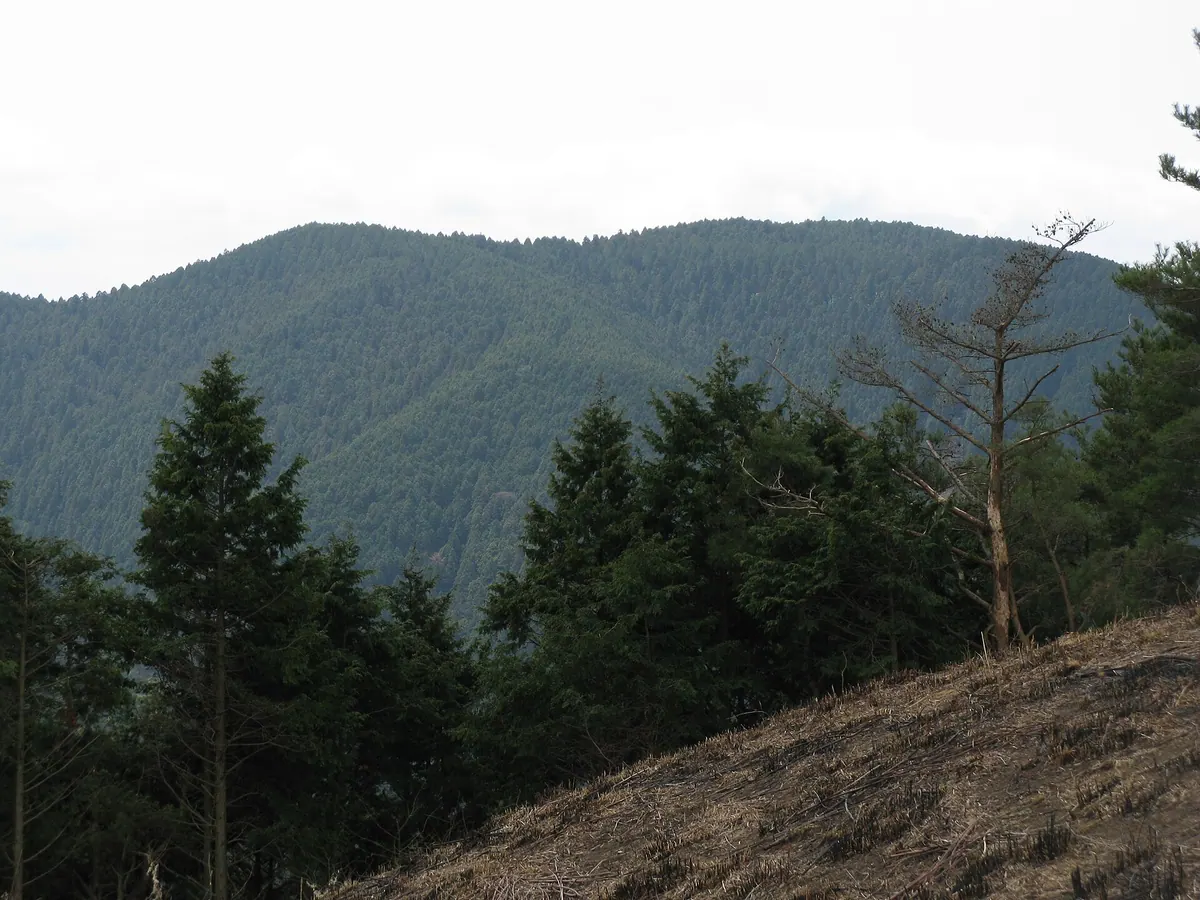
The highest peak in the Izumi Mountains, serving as a significant religious training site for Shugendo practitioners amidst dense cedar forests.
What it is
- The highest peak in the Izumi Mountains standing 922 meters above sea level.
- One of the Osaka 50 Mountains spanning Kawachinagano and Hashimoto cities.
- The fourteenth training station of the Katsuragi Shugendo religious path.
What to see
- The Kagami no Yuku religious shrine located near the mountain top.
- Dense cedar forests that surround the entire summit area.
- Wooden benches and chairs provided for hikers at the peak.
- Thick patches of bamboo grass growing near the highest point.
Getting there
- Hiking routes are accessible starting from the Takihata Dam area.
- Trailheads begin at Kimi Pass for those climbing the mountain.
- The summit can be reached via paths from Zao Pass.
06
Mount Ryūmon
WAKAYAMA · PLACE 龍門山
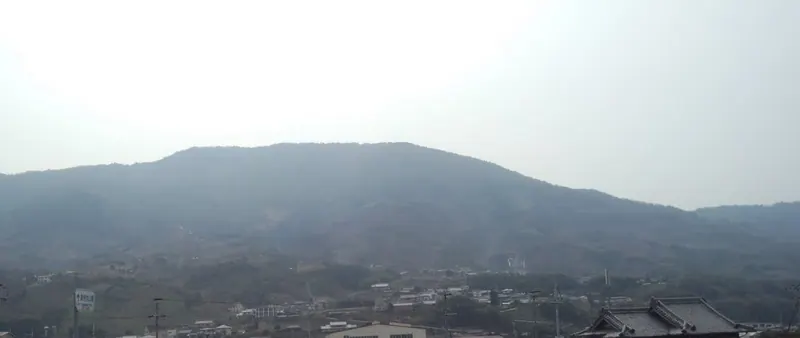
A 755-meter peak known as Kishu Fuji, offering rare magnetic rocks and unique flora within a designated prefectural natural park.
What it is
- The main peak of the Ryumon Mountains reaching an elevation of 755.9 meters.
- Commonly referred to as Kishu Fuji and selected as one of the Kansai 100 Famous Mountains.
- A designated prefectural natural park that served as a 1359 battlefield for Northern and Southern Courts.
- A protected area containing soil with high levels of nickel and magnesium.
What to see
- A magnetic rock located at the summit designated as a natural monument.
- Colonies of Spiraea ogawae flowers growing near the summit area.
- The southern limit for the Luehdorfia japonica butterfly species.
- A summit area designated as a first-class special zone for nature conservation.
07
Mount Akiba
WAKAYAMA · PLACE 秋葉山
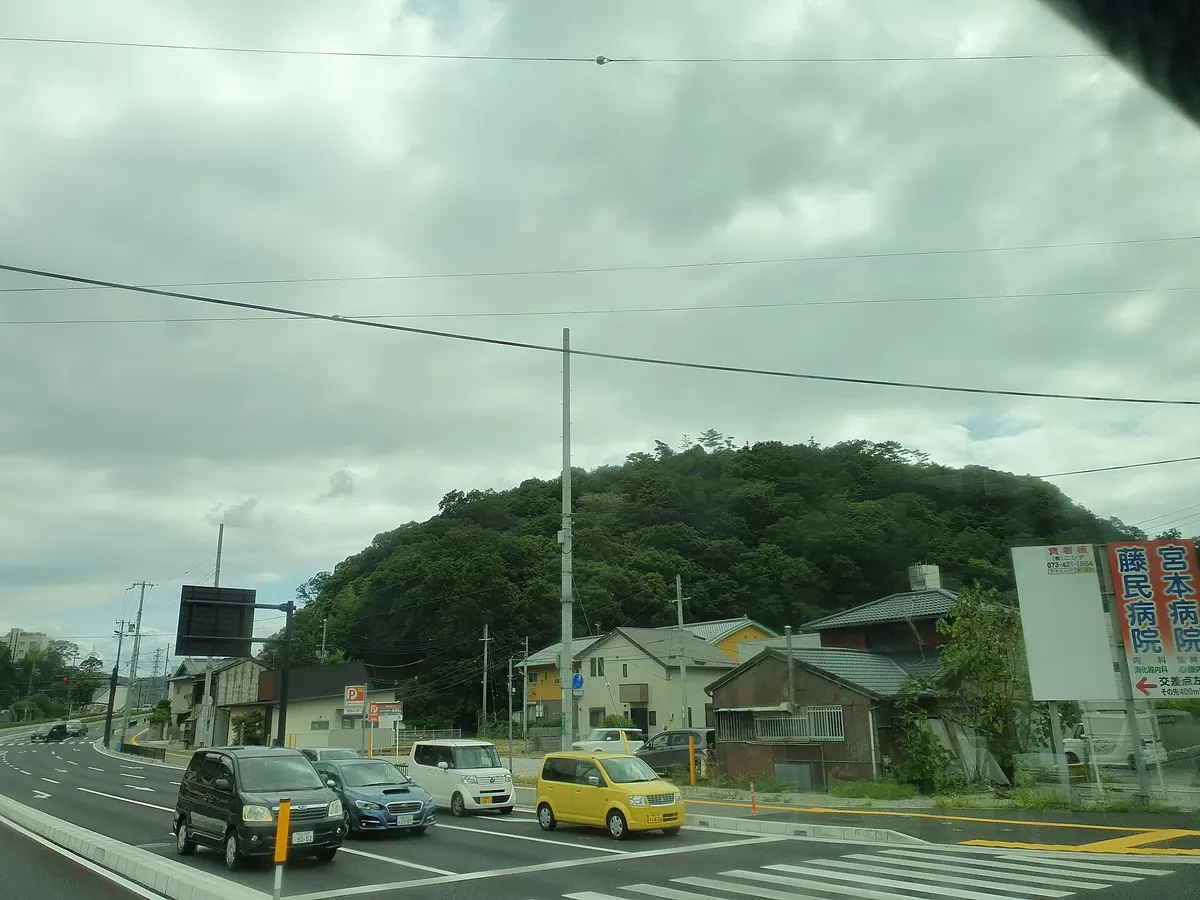
A 73-meter mountain in Wakayama City featuring historical monuments, a scenic plum garden, and a public swimming facility.
What it is
- A 73-meter mountain also known as Goboyama or Mirokujiyama.
- The former site of the Ikko-shu Mirokuji Temple and a castle built by Saika Magoichi.
- A designated scenic district that serves as a temporary evacuation site for disasters.
- The location of the Akiba Daigongen Hall established on the southwest side.
What to see
- A monument dedicated to Abbot Kennyo located at the summit.
- A plum garden donated by a local businessman in 1976.
- The Akibasan Park Prefectural Swimming Pool which opened in 1967.
- A 100-meter tunnel completed through the mountain in 1980.
08
Mount Chihogamine
WAKAYAMA · PLACE 千穂ヶ峯
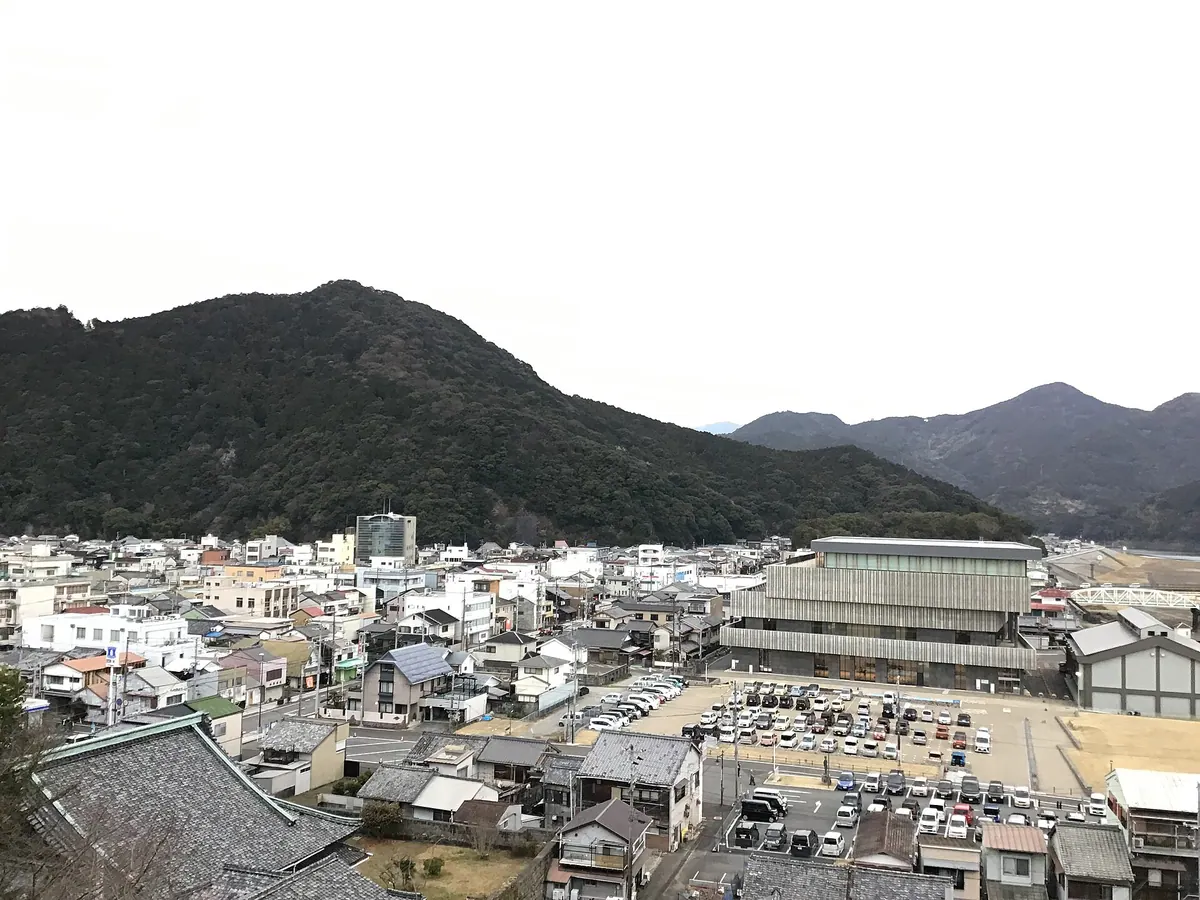
A 253-meter mountain in Shingu featuring ancient shrine sites and ridge paths within a UNESCO World Heritage forest.
What it is
- A mountain separating Shingu city center from the Kumano River.
- Part of the Kumano Hayatama Taisha World Heritage site.
- A national forest containing two distinct peaks known as Gongen and Kannokura.
- The site where ancient sutra mounds and containers were discovered.
What to see
- Kamikura Shrine located on the southern peak of the mountain.
- The ridge path which forms part of the Kinki Nature Trail.
- Steep cliffs on the western slope facing the Kumano River.
- Views from the highest point reaching an elevation of 253 meters.
09
Mount Tengu
WAKAYAMA · PLACE 奠供山
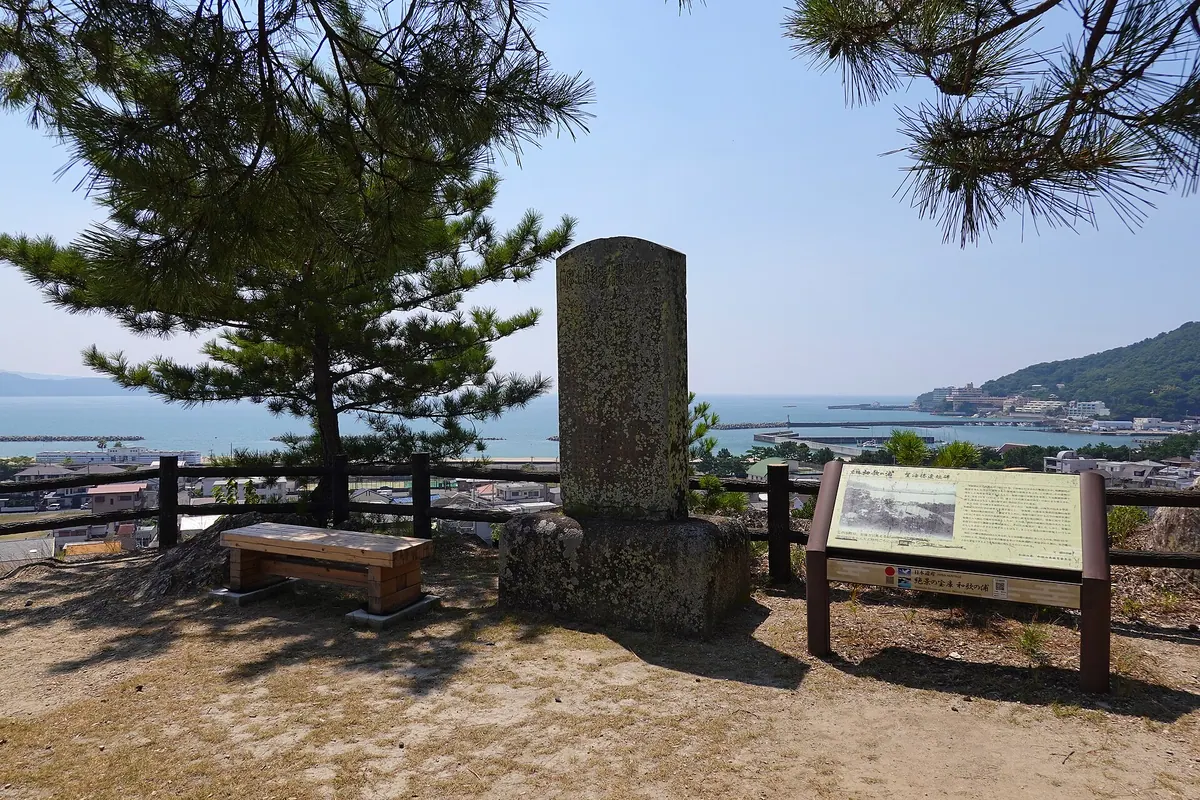
A historic peak in Wakayama City where emperors once visited, offering scenic coastal views and ancient monument ruins.
What it is
- A mountain located behind Tamatsushima Shrine also known as Mount Kyara.
- The site of an imperial decree issued by Emperor Shomu in 724.
- A location where Empress Shotoku stayed at the Bokaio pavilion in 765.
- Home to a prayer station originally constructed around 1831.
What to see
- The Bokaio Ruins Monument which is a designated city cultural property.
- Panoramic views of the surrounding sea and coastal landscape from the summit.
- The relocated monument marking the site of the former imperial pavilion.