
20 Islands in Hiroshima worth your time
Japan Gems
39 Islands in Hiroshima, with what to see and how to get there.
Hiroshima has 39 islands on Japan Gems. Below are the 20 we can tell you the most about — each one written up in English from Japanese sources, with what to see and how to get there. See all islands in Hiroshima.
01
Momo Island
HIROSHIMA · PLACE 百島
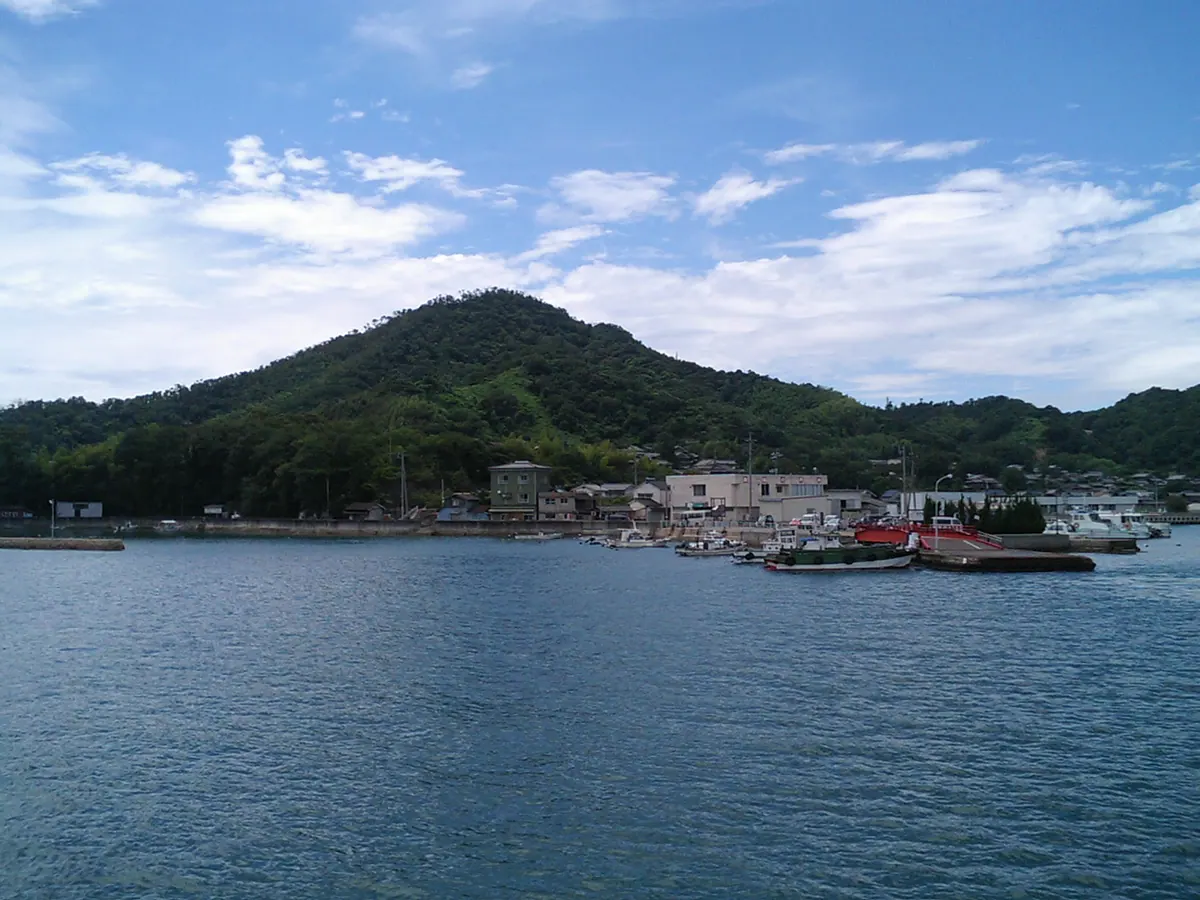
A quiet Inland Sea island featuring contemporary art in repurposed buildings, historic temples, and a traditional archery ritual.
What it is
- A small island located in the Geiyo archipelago within the Seto Inland Sea.
- Art Base Momoshima occupies the former building of the local junior high school.
- Sairinji Temple was established in 1579 by Murakami Kibei Takayoshi.
- The island is administratively part of Onomichi City in Hiroshima Prefecture.
What to see
- The former Momoshima Branch Office is a registered tangible cultural property.
- Momoshima Minna-no-Ie facility was designed by the architectural firm of Toyo Ito.
- The island coastline is a designated natural beach conservation area.
- Local agricultural landscapes feature fields of strawberries, onions, and citrus fruits.
- Ruins of Chausuyama Castle date back to its construction in 1504.
When to go
- The O-yumi Shinji archery ritual takes place annually on January 11.
Getting there
- Access the island by ferry departing from Onomichi Port.
- Regular ferry services also run from Tsuneishi Port to the island.
02
Sagijima
HIROSHIMA · PLACE 佐木島
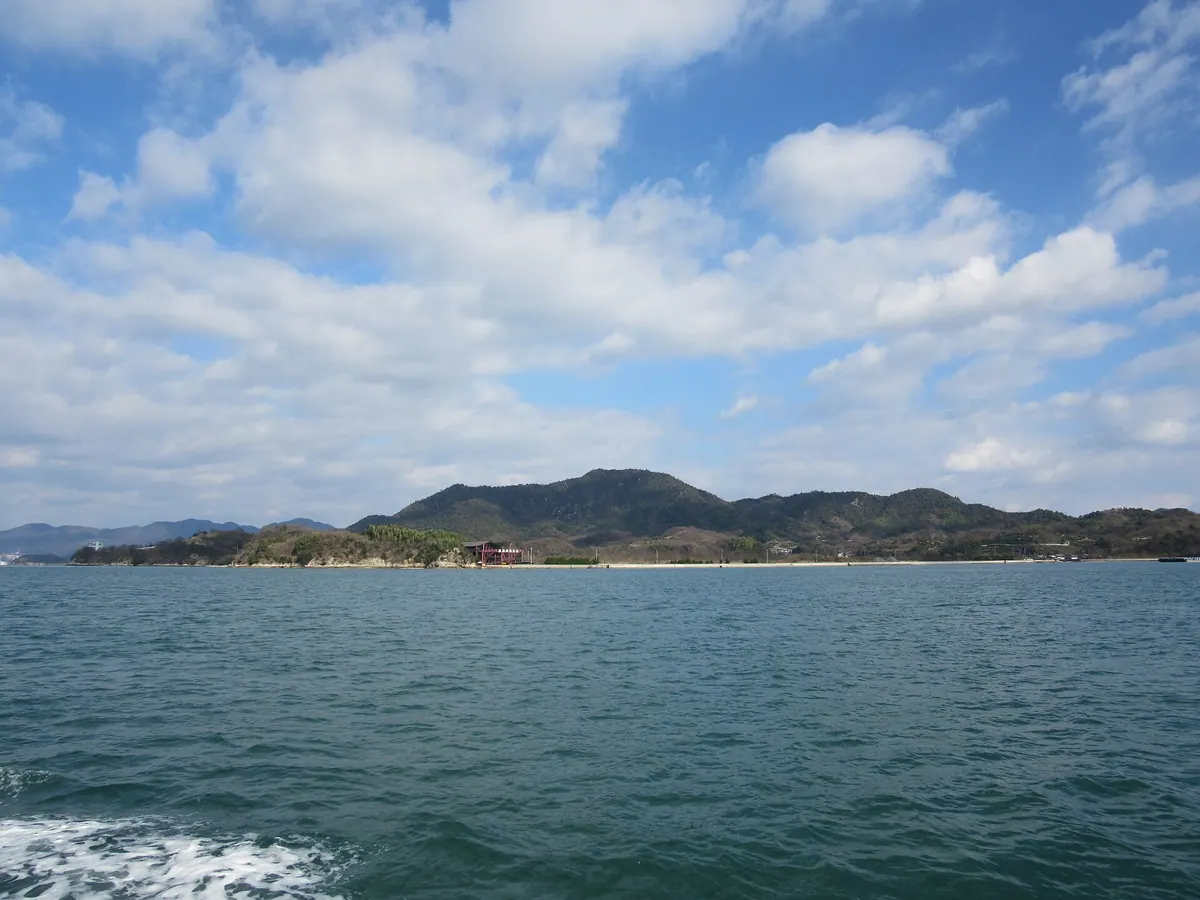
A scenic island in the Geiyo archipelago featuring historic shrines, ancient stone carvings, and over one thousand cherry trees.
What it is
- An island in the Geiyo archipelago within Mihara City covering 8.72 square kilometers.
- A rural community where agriculture is the primary industry with no local fishing.
- Home to Mount Taihei which reaches a height of 267.5 meters.
- A historic site merged into Mihara City in September 1956.
What to see
- The Magai Warei Ishi Jizo stone carving dating back to the year 1300.
- Mukouda Kameyama Hachiman Shrine which was established in 1124.
- The Anraku-ji Temple gate relocated from Mihara Castle in 1877.
- Over 1,400 cherry trees planted at the Tonofine Senbonzakura site.
- Hiroshima Prefectural Road 361 which runs through the island landscape.
When to go
- September for the annual Triathlon Sagijima event which began in 1990.
- Springtime to view the blossoms of the 1,400 cherry trees.
Getting there
- Regular ferry services connect the island to Mihara and Onomichi.
03
Etajima
HIROSHIMA · PLACE 江田島
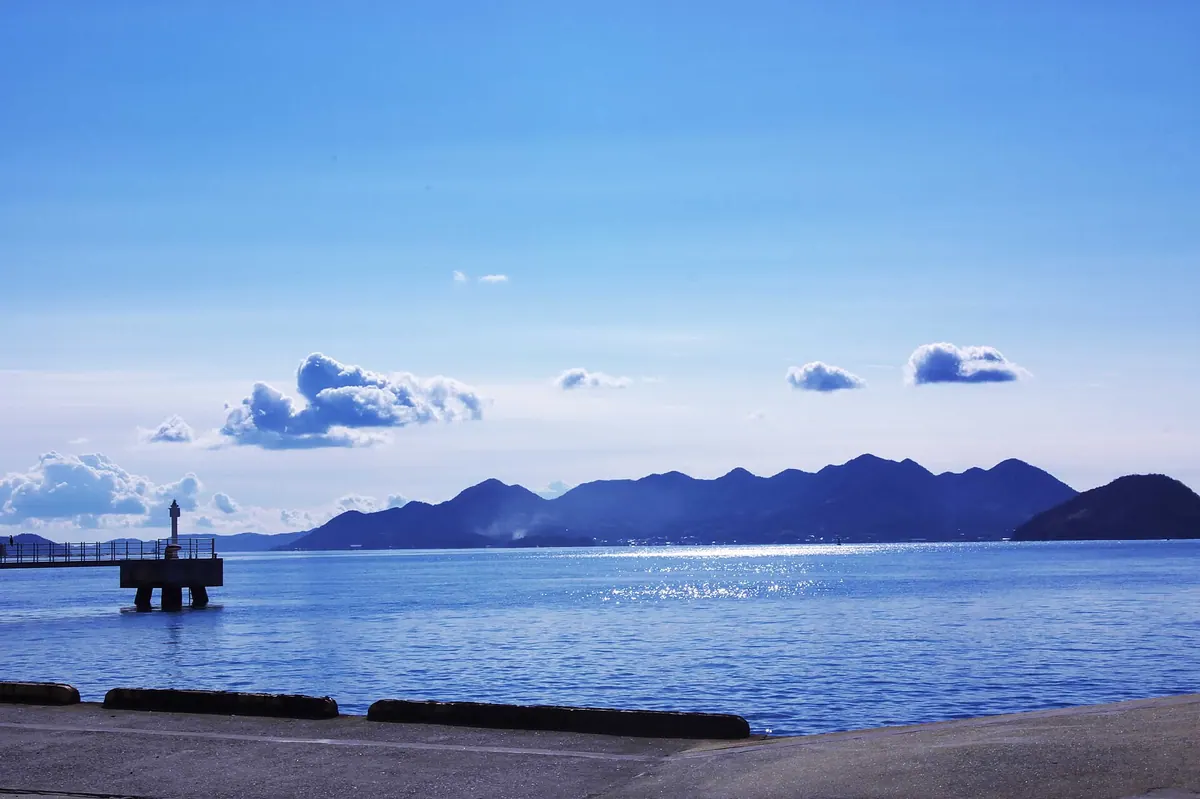
A historic naval island in Hiroshima Bay featuring military academies and diverse marine life including rare horseshoe crabs.
What it is
- An island in Hiroshima Bay that forms a Y-shaped landmass with Nomi Island.
- Home to the Imperial Japanese Naval Academy established on the site in 1888.
- Current location of the Maritime Self-Defense Force 1st Service School and Officer Candidate School.
- A natural habitat for eelgrass, horseshoe crabs, and diverse marine species.
What to see
- The historic buildings of the Maritime Self-Defense Force training facilities.
- Local tidal flats inhabited by rare species like the horseshoe crab.
- Marine life including the Pagurus etajimaensis hermit crab discovered in 2014.
- Coastal views along National Route 487 which runs through the island.
Getting there
- Ferries connect Kirikushi and Koyo ports to Hiroshima and Kure.
- Access is available via National Route 487 for those traveling by vehicle.
04
Mukaishima
HIROSHIMA · PLACE 向島
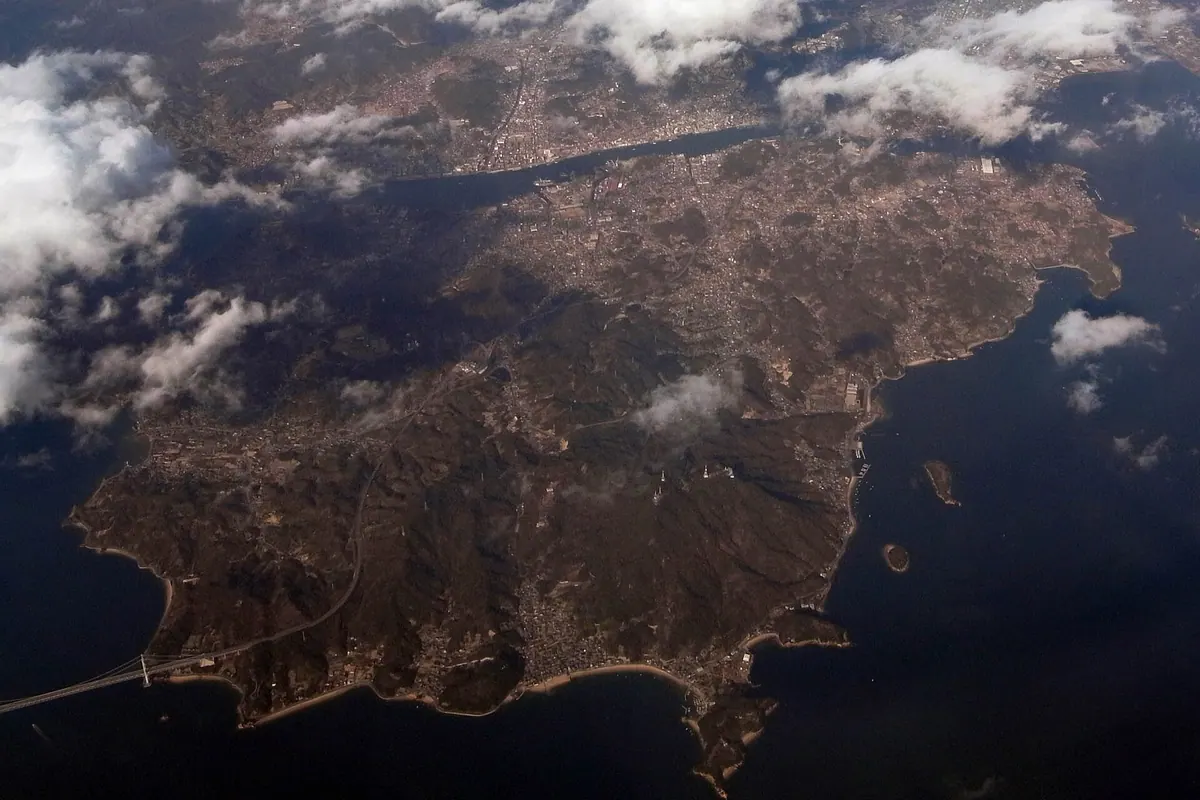
An island in the Seto Inland Sea known for shipbuilding, flower cultivation, and its role in the Shimanami Kaido route.
What it is
- An island in Onomichi City covering over twenty-two square kilometers.
- A major hub for shipbuilding and the cultivation of orchids and cyclamens.
- The first location in Japan to successfully cultivate pyrethrum flowers.
- A site recognized under two separate Japan Heritage designations.
What to see
- Mount Takami offers views from the island's highest peak at 283 meters.
- The Yoshiwara House is a designated National Important Cultural Property.
- Shipbuilding yards line the northern coast of the island.
- Bridges connect the island to Honshu, Innoshima, and Iwagijima.
- The Shimanami Kaido expressway runs through the center of the island.
Getting there
- Several ferry routes operate between central Onomichi and the island.
- The island is accessible via the Shimanami Kaido expressway bridges.
05
Toyoshima
HIROSHIMA · PLACE 豊島
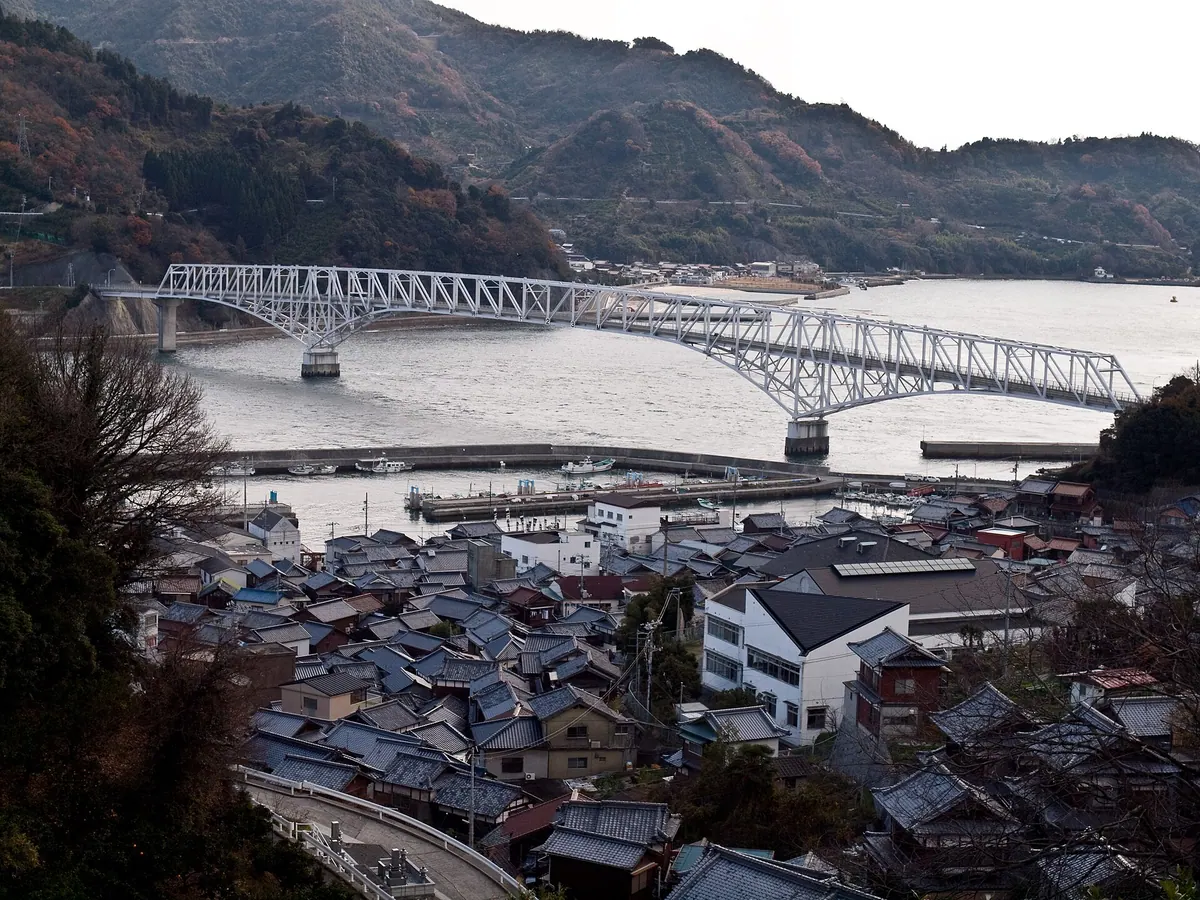
A scenic island in the Shimo-Osaki archipelago known for citrus farming, fishing, and panoramic views from Mount Takao.
What it is
- An island in the Shimo-Osaki archipelago located ten kilometers south of mainland Kure City.
- A rural community supported by local hairtail fishing and citrus farming industries.
- The filming location for a movie in the famous Tora-san series.
- A part of Kure City since its administrative merger in March 2005.
What to see
- Mount Takao which stands as the highest peak at 317 meters.
- The Kukai and Jumonji observation decks offering views of the surrounding sea.
- Toyohama Bridge connecting the island to neighboring Osaki-shimojima.
- Toyoshima Bridge providing a road link to Kamigagarijima.
Getting there
- Six bus stops are located across the island including the Toyohama Branch Office stop.
- Itsukushima Kisen operates ferry services connecting to nearby islands.
06
Hosojima
HIROSHIMA · PLACE 細島
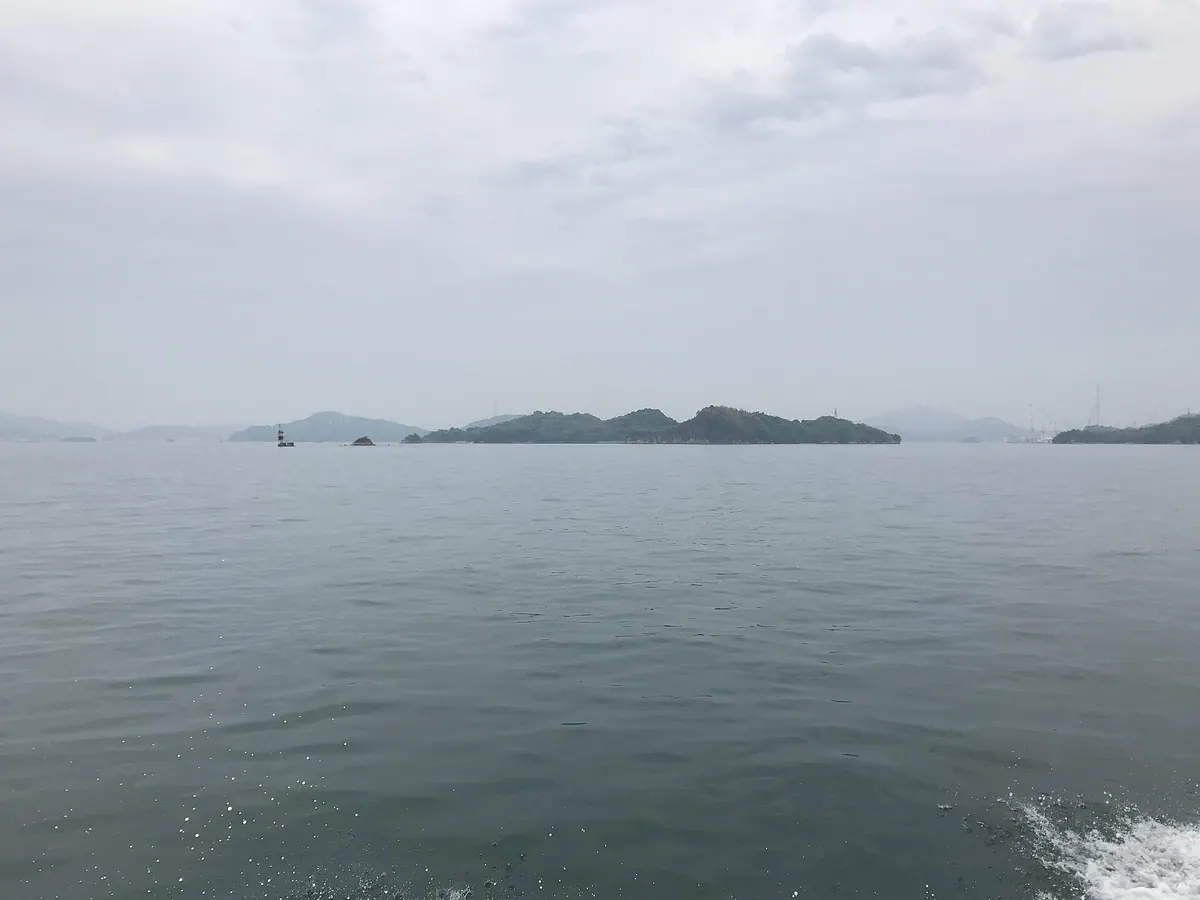
A small inhabited island in the Seto Inland Sea featuring ancient burial mounds, citrus groves, and a protected wetland sandbar.
What it is
- An inhabited island in the Geiyo chain within the Seto Inland Sea.
- A former territory of the historic Innoshima Murakami pirate clan.
- A rural community focused on the cultivation of citrus fruits and vegetables.
- A small landmass covering less than one square kilometer with a granite geological base.
What to see
- The No. 1 Tumulus dating back to the mid-Kofun period.
- Two ancient ruins and two burial mounds located across the island.
- The Hososu sandbar, recognized as one of the important wetlands in Japan.
- Agricultural landscapes featuring local citrus orchards and vegetable fields.
- Coastal views from the highest elevation of approximately sixty-three meters.
Getting there
- Take the municipal ferry from Innoshima Shigei West Port to Hosojima Port.
07
Ōkunoshima
HIROSHIMA · PLACE 大久野島
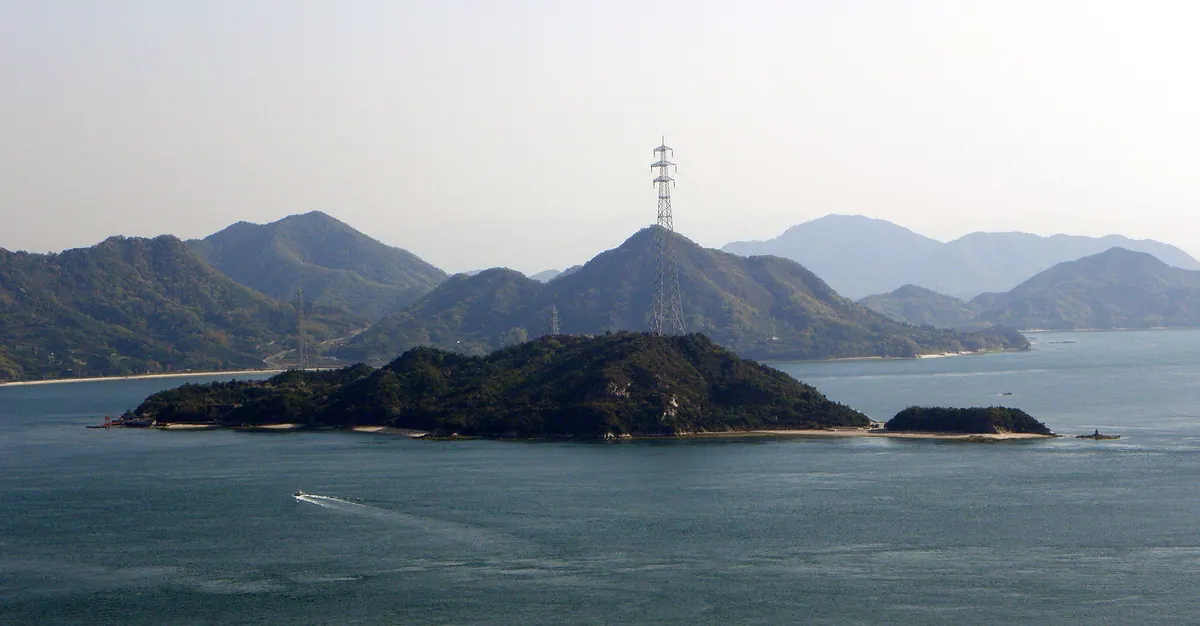
A small island in the Seto Inland Sea famous for hundreds of wild rabbits and a former poison gas factory.
What it is
- A 0.7 square kilometer island within the Setonaikai National Park managed by the Ministry of the Environment.
- Home to approximately 500 wild rabbits that roam freely across the island grounds.
- Site of a former Imperial Japanese Army poison gas factory that was once omitted from maps.
- A protected area where general vehicles are prohibited from traveling on the roads.
What to see
- Hundreds of wild rabbits inhabiting the island as of 2025.
- The Poison Gas Museum documenting the island's secret wartime history.
- A visitor center providing information about the local environment and history.
- Remnants of the factory infrastructure used for chemical weapon production.
Getting there
- Access is available only by taking a ferry or boat from the mainland.
- Official site
- rabbit-island.info
08
Nasakejima
HIROSHIMA · PLACE 情島
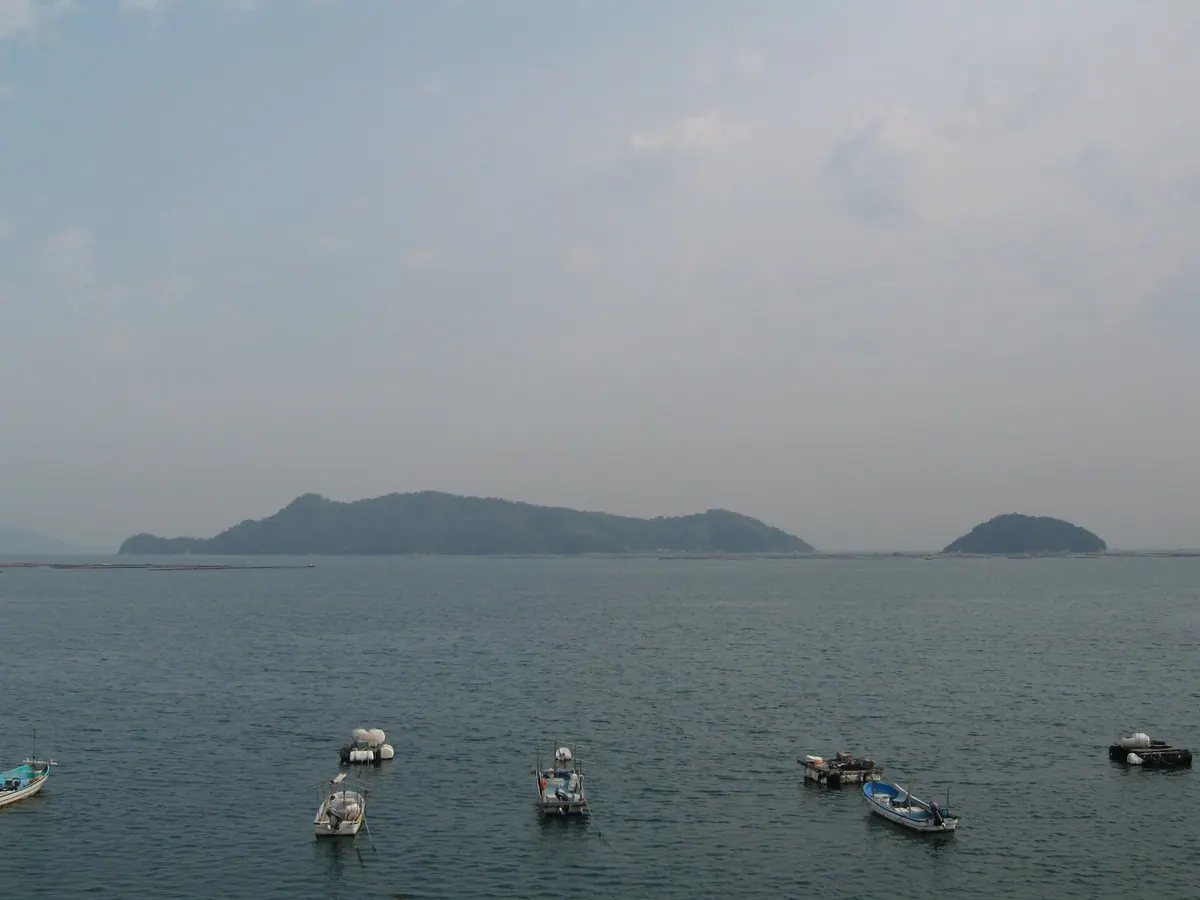
A tiny inhabited island in the Seto Inland Sea featuring naval memorials and a Kofun period burial mound.
What it is
- An inhabited island in the Seto Inland Sea spanning less than one square kilometer.
- A former secret training ground used by the Imperial Japanese Navy.
- A site once used as a pasture by the Hiroshima Domain during the Edo period.
- A small community where the remaining residents rely on private wells for water.
What to see
- Memorial monuments for the battleship Hyuga located on the northern side of the island.
- A burial mound dating back to the late Kofun period.
- Takayama peak which reaches an elevation of 126 meters.
- Views of the surrounding Seto Inland Sea from the island coastline.
Getting there
- Take a regular ferry from Aga Port for a twenty-five minute journey.
- The ferry service to the island operates three times daily.
09
Sensuijima
HIROSHIMA · PLACE 仙酔島
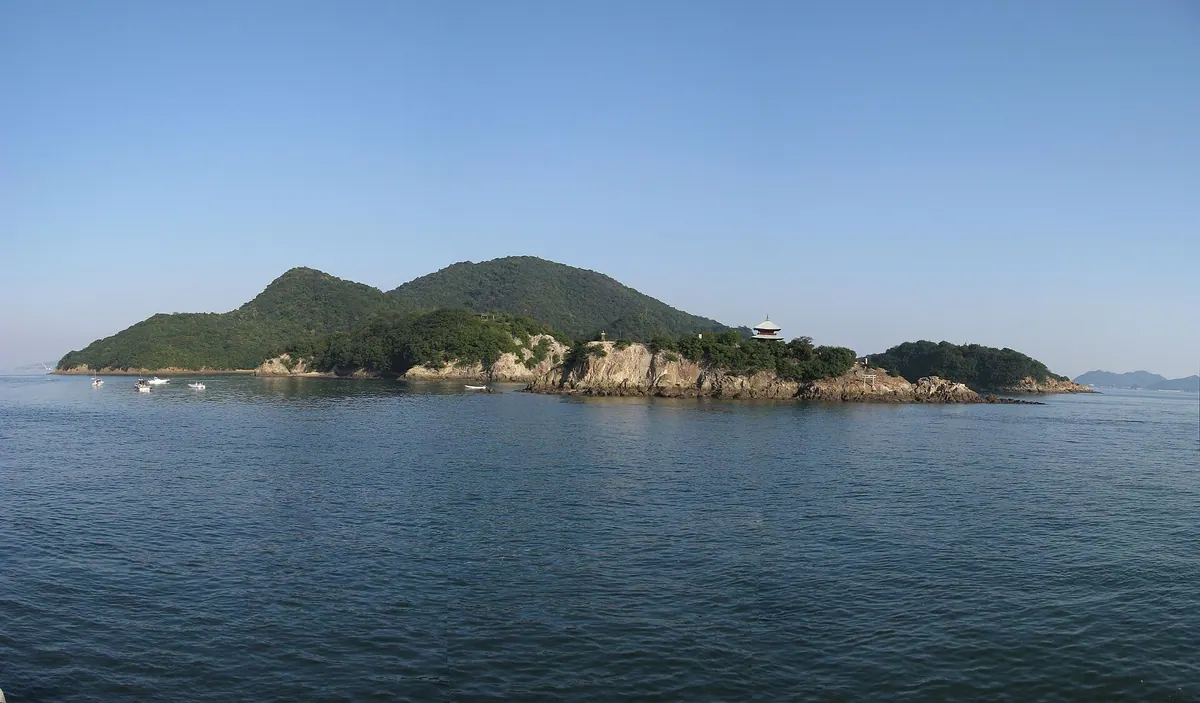
An uninhabited volcanic island in Setonaikai National Park featuring rare five-colored rocks and scenic coastal hiking trails.
What it is
- An uninhabited island within the Setonaikai National Park designated in 1934
- A volcanic landmass formed approximately 90 million years ago
- Part of the National Scenic Beauty spot known as Tomo Park
- A natural site with no permanent residents and a circumference of six kilometers
What to see
- Unique five-colored rocks that are the only examples of their kind in Japan
- Coastal scenery and landscapes preserved within a national park
- Outdoor camping facilities and a public swimming beach
- Overhead power lines and underwater pipelines supplying resources from the mainland
Getting there
- A municipal ferry departs from Tomonoura for the island
- The ferry crossing takes approximately five minutes to reach the shore
- Official site
- www.sensuijima.jp
10
Ikuchijima
HIROSHIMA · PLACE 生口島
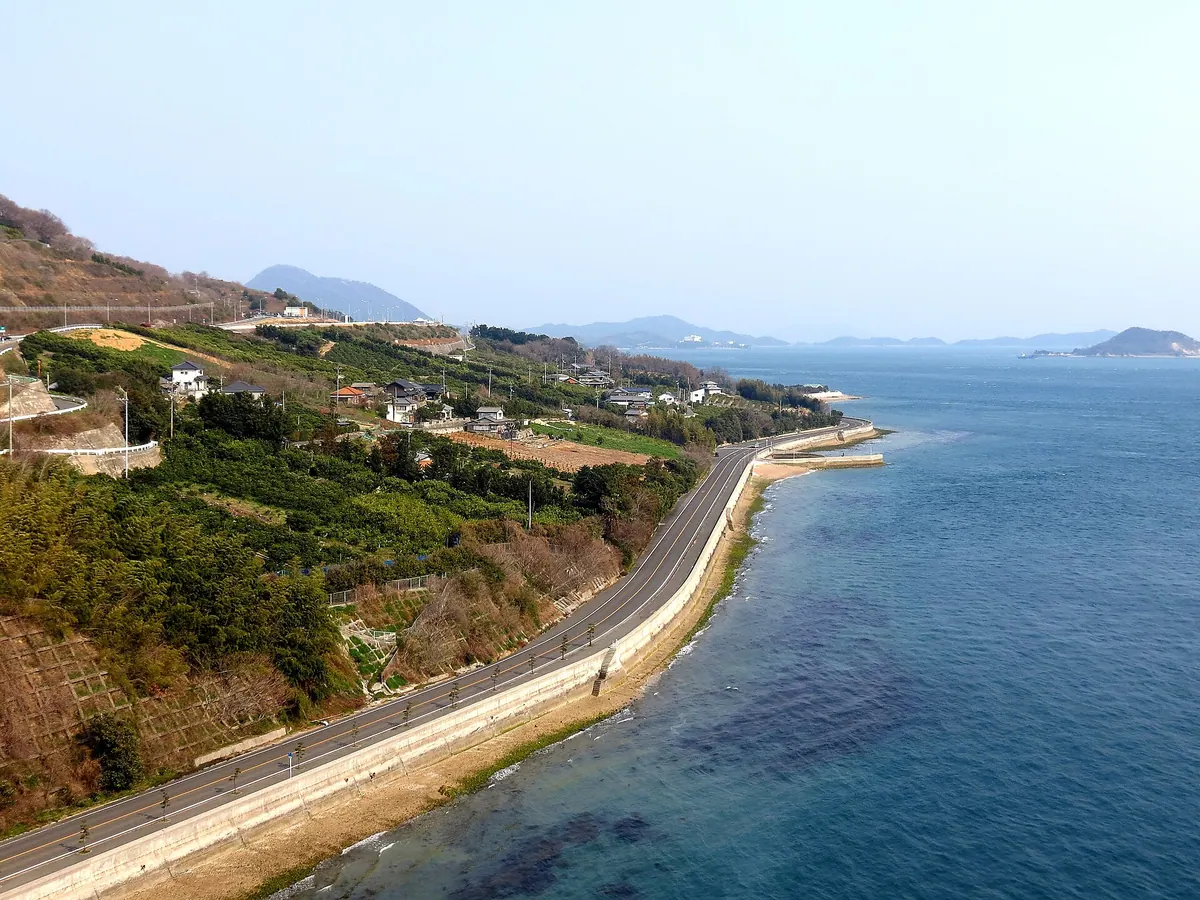
This island in the Seto Inland Sea features National Treasure temples, outdoor art installations, and Japan's top lemon groves.
What it is
- An island in the Geiyo Islands of the Seto Inland Sea within Onomichi City.
- A major center for citrus farming, shipbuilding, and tourism in Hiroshima Prefecture.
- Japan's leading producer of lemons with a landscape primarily composed of granite.
- Home to the Island-wide Art Museum project featuring various outdoor art installations.
What to see
- Kosanji Temple, a famous landmark often referred to as the Nikko of the West.
- A three-story pagoda at Kojoji Temple designated as a National Treasure.
- The Hirayama Ikuo Museum of Art showcasing works by the famous local painter.
- Mount Kannon, the highest peak on the island reaching 472.3 meters.
- The Shimanami Kaido expressway which connects the island to Honshu and Shikoku.
11
Ujinajima
HIROSHIMA · PLACE 宇品島
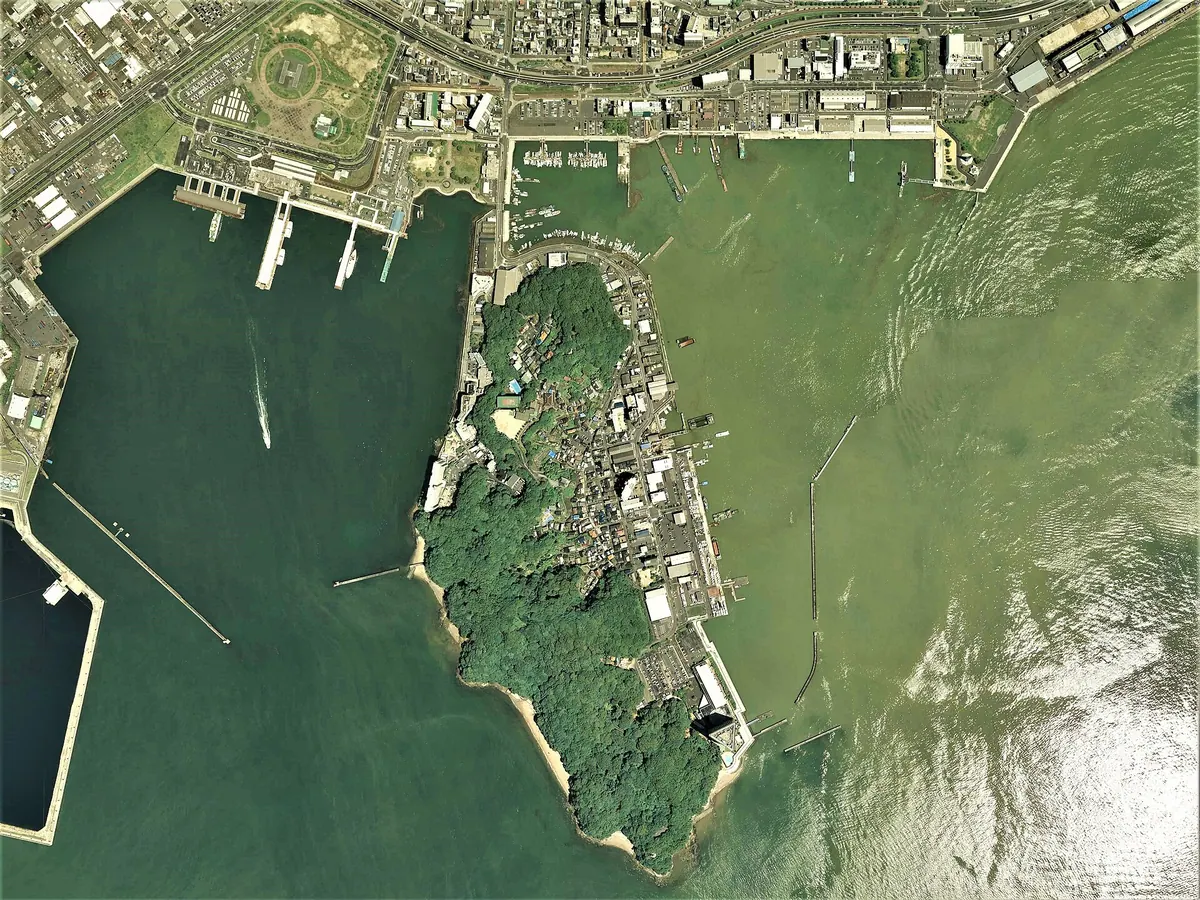
An inhabited island in Hiroshima featuring a national park, military ruins, and a luxury hotel that hosted the G7 summit.
What it is
- An inhabited island in Hiroshima City connected to the mainland by the Akatsuki Bridge.
- A former military base that was officially annexed into the city in 1904.
- The western half of the island is protected as part of Setonaikai National Park.
- A small landmass of 0.47 square kilometers with a population of over 1,400 people.
What to see
- An old-growth forest consisting of evergreen broad-leaved trees.
- The Grand Prince Hotel Hiroshima which served as the 49th G7 Summit venue.
- Historical remnants of anti-aircraft artillery batteries from the island's military era.
- The Ujinajima Lighthouse which originally functioned as an army signal tower.
- Natural views from the island's highest point at 57 meters above sea level.
12
Kanawajima
HIROSHIMA · PLACE 金輪島
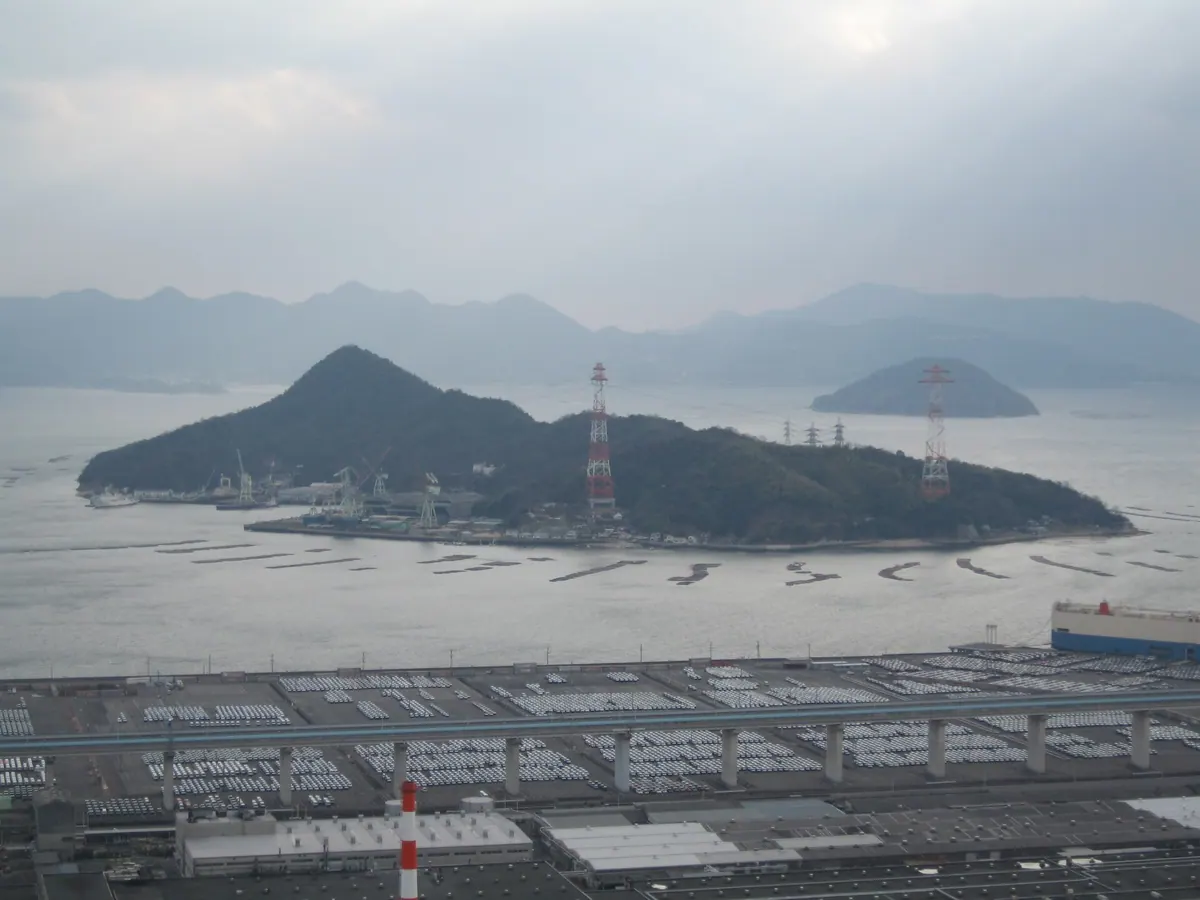
An industrial island in Hiroshima Bay featuring a historic shipyard, coastal flora, and a mountain peak with views.
What it is
- An island in Hiroshima Bay primarily dedicated to the shipbuilding industry.
- Site of a former Imperial Japanese Army shipyard established in 1894.
- A small residential community with a population of approximately sixty-six people.
- Home to the Shin Kurushima Ujina Dock shipyard and a local convenience store.
What to see
- Mount Kanawafuji which reaches a height of 158 meters.
- Active shipbuilding facilities and docks operated by Shin Kurushima Ujina.
- Coastal plants including Vitex rotundifolia growing along the island shores.
Getting there
- Ferries depart from Hiroshima Municipal Pier for the ten minute crossing.
- The island is located approximately one kilometer east of Hiroshima Port.
13
Atadajima
HIROSHIMA · PLACE 阿多田島
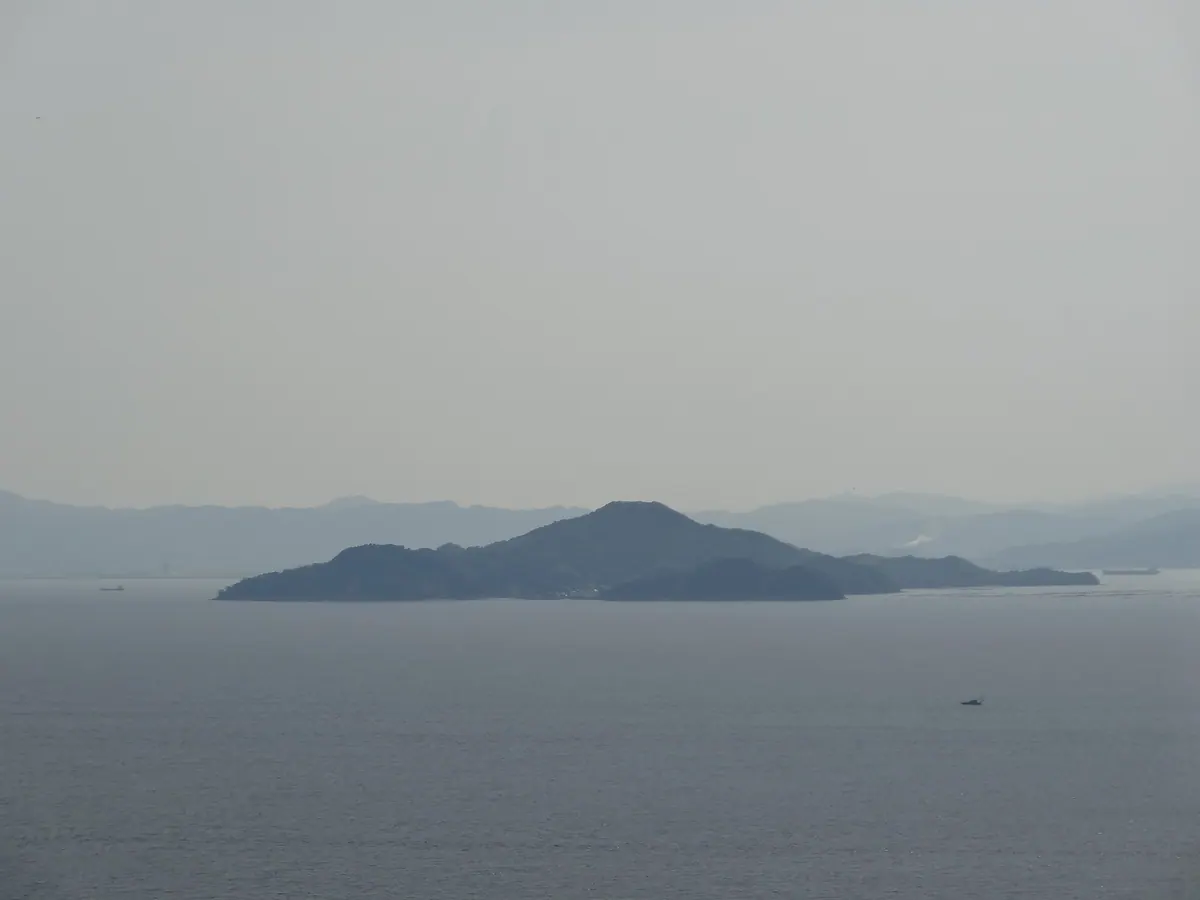
An inhabited island in the Seto Inland Sea known for its unique yellowtail aquaculture and historic Meiji-era lighthouse museum.
What it is
- An inhabited island in the Seto Inland Sea covering 2.41 square kilometers.
- The only location in Hiroshima Prefecture that farms yellowtail fish.
- A community supported primarily by fishing and aquaculture industries.
- An island connected to neighboring Inokojima by a bridge and breakwater.
What to see
- The Atadajima Lighthouse Museum established during the Meiji era.
- Nezumi Shrine which was built to pray for the eradication of rats.
- Takayama peak rising 204 meters above sea level.
- Active aquaculture facilities used for farming yellowtail.
Getting there
- Take a regular ferry from Ogata Port which runs five times daily.
- The island is located 8.5 kilometers southeast of Otake City.
14
Abashima
HIROSHIMA · PLACE 阿波島
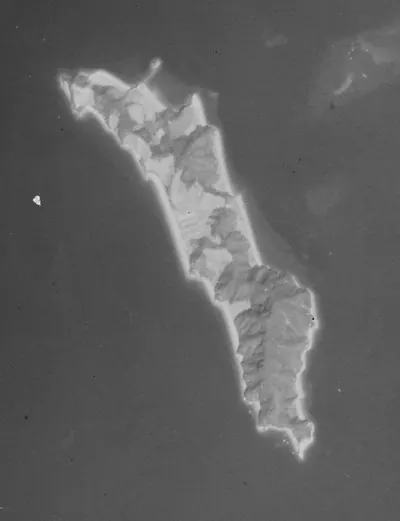
An uninhabited private island in Hiroshima featuring ancient ruins, a porpoise shrine, and remnants of a wartime poison gas facility.
What it is
- An uninhabited private island covering about half a square kilometer in Takehara City.
- A former storage site for cyanide munitions and sneezing agents during World War II.
- A location consisting of two distinct mountain systems reaching heights of one hundred meters.
- A potential future route for the Osakikamijima Bridge construction project.
What to see
- The Abashima Ruins located at the northern end of the island.
- A small shrine dedicated to finless porpoises standing at Shirahana Rock.
- A tunnel that connects the eastern and western sides of the island.
- Waters surrounding the island designated as a natural monument for finless porpoises.
- Former warehouse sites used for storing poison gas during the war.
15
Kōneshima
HIROSHIMA · PLACE 高根島
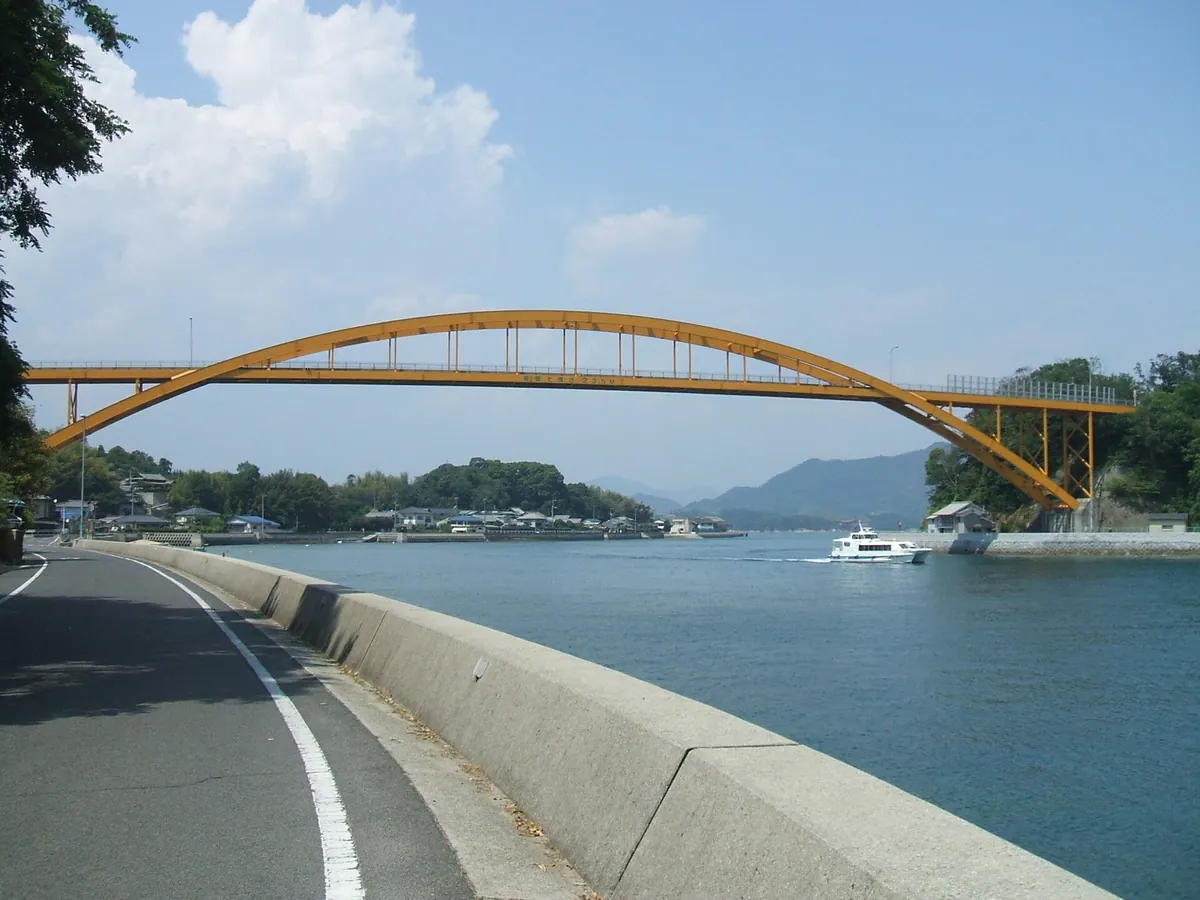
An inhabited citrus-growing island in Hiroshima featuring a famous lighthouse, mountain views, and a bright orange bridge connection.
What it is
- An inhabited island in the Geiyo Islands belonging to Onomichi City.
- A center for citrus fruit cultivation which serves as the primary local industry.
- A landmass featuring the 322-meter high Mount Unegaki as its highest peak.
- A community incorporated into Onomichi City in 2006.
What to see
- The Kōne Ohashi bridge which is painted a bright citrus orange.
- A lighthouse selected as one of the top 50 lighthouses in Japan.
- The Kōne Itsukushima Shrine which is locally referred to as Akamiya.
- The Uchinoura Tunnel which was originally opened as a hand-dug passage.
- A large valley known as Uchinoura-dani located on the island.
- Hiroshima Prefectural Road 370 which circles the entire island perimeter.
16
Ōshiba Island
HIROSHIMA · PLACE 大芝島
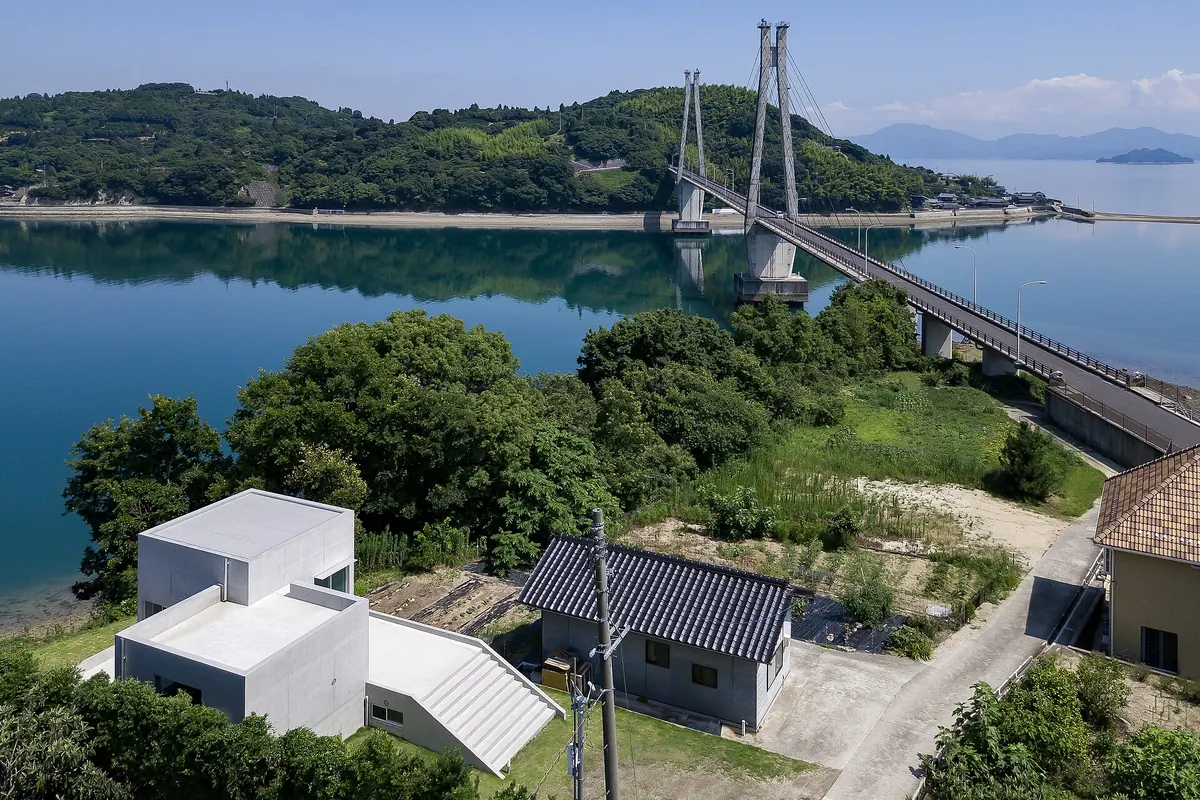
A peaceful agricultural island in Higashihiroshima known for its fruit orchards, oyster farming, and scenic coastal views.
What it is
- A rural island in Akitsu Town primarily dedicated to fruit cultivation and coastal fishing.
- A major production site for local loquats and mandarin oranges grown on mountain slopes.
- A community centered around four small harbors used for oyster farming and fishing boats.
What to see
- Extensive fruit orchards covering the mountain slopes across the island.
- Small fishing boats docked at the four local harbors.
- The Oshiba Bridge which connects the island to the mainland.
- Coastal views of the oyster farming operations in the surrounding waters.
Getting there
- Access the island by car via National Route 185.
- Cross the Oshiba Bridge to reach the island from the mainland.
17
Benten Island
HIROSHIMA · PLACE 弁天島
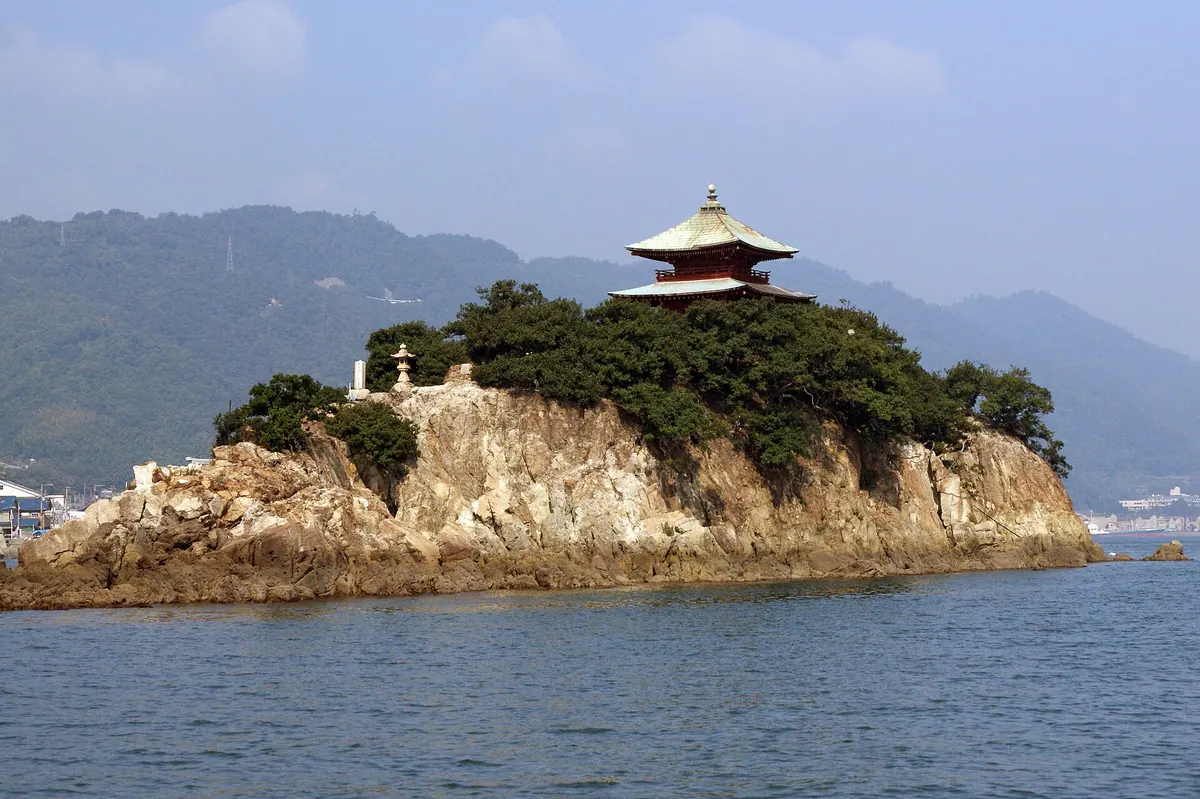
A scenic island in Tomo Port featuring a 13th-century stone pagoda and a vermillion shrine dedicated to Benzaiten.
What it is
- A small island located 300 meters offshore from Tomo Port in Fukuyama City.
- Home to the Fukujudo shrine dedicated to the goddess Benzaiten.
- Formerly known as Hyokkan Island before its current name.
- The current shrine building was rebuilt by Ogino Shigetomi in 1644.
What to see
- A nine-story granite pagoda standing 3.7 meters tall from the year 1271.
- The vermillion-painted Fukujudo shrine building which features night lighting.
- A designated Hiroshima Prefectural Important Cultural Property in the form of a stone monument.
When to go
- A fireworks display is held from the island every May.
- Evening is a good time to view the illuminated shrine from the mainland.
18
Yoko Island
HIROSHIMA · PLACE 横島
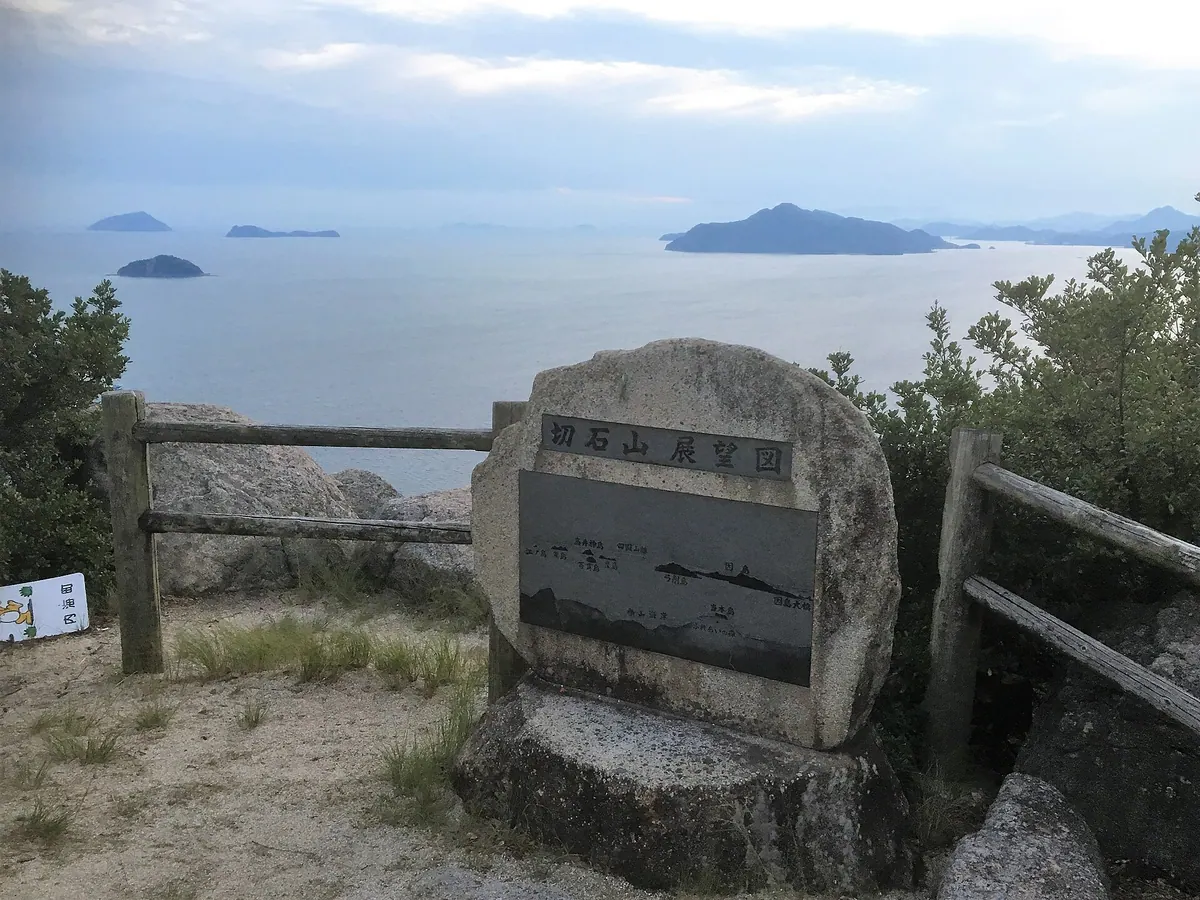
A small inhabited island in the Seto Inland Sea featuring ancient burial mounds, castle ruins, and historic religious sites.
What it is
- An inhabited island in the Seto Inland Sea connected to the mainland by bridges.
- A community of approximately 1,100 people primarily working in fishing and shipbuilding.
- A historic site containing ruins from the Kofun period and the medieval era.
- The location of Yokoshima Hachiman Shrine which was established in 1580.
What to see
- Concentrated Kofun period ruins located in the northeastern part of the island.
- The ruins of Yokoyama Castle situated in the center of the island.
- A wooden Amida Nyorai statue from the 15th century housed at Saionji Temple.
- Remains of a former Imperial Japanese Army fuel depot.
- The Mutsumi Bridge which connects the island to neighboring Tashima Island.
19
Shimokagarijima
HIROSHIMA · PLACE 下蒲刈島
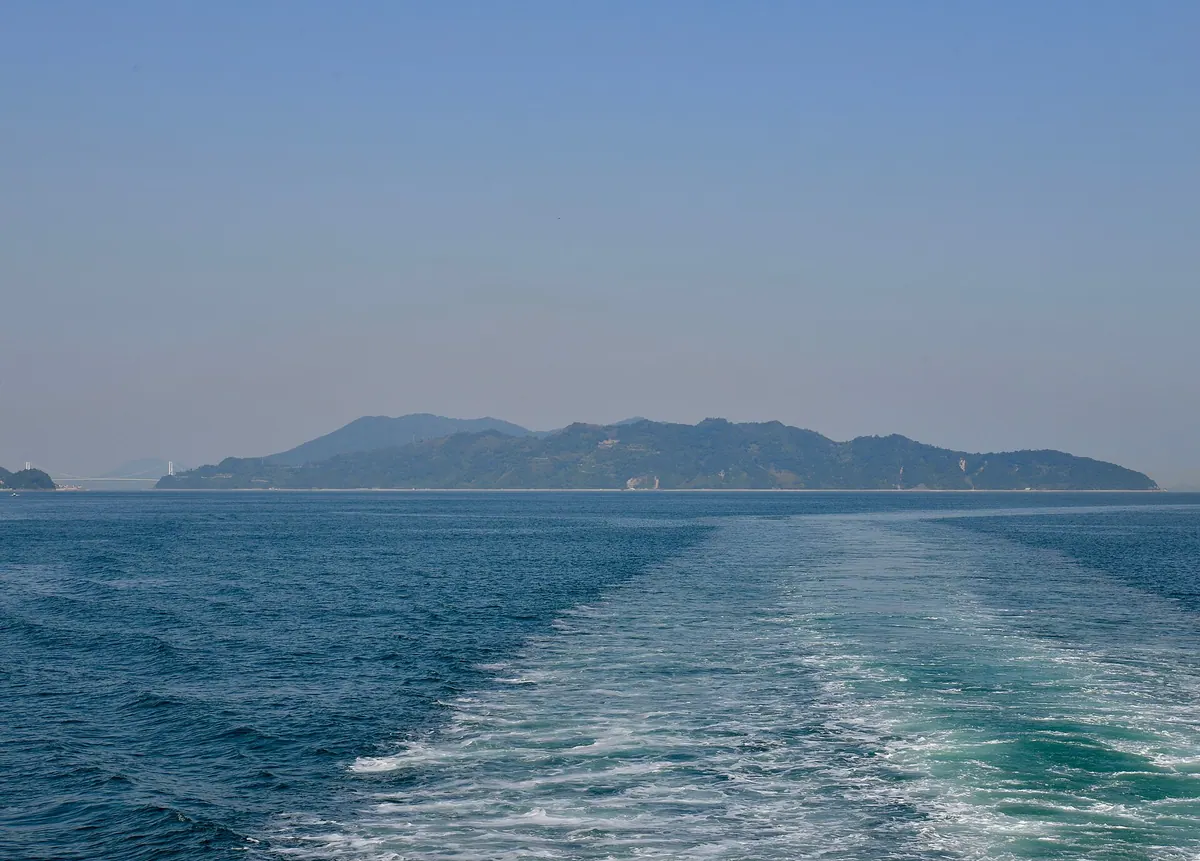
A historic island in the Seto Inland Sea known for its museums, Edo-period diplomatic history, and citrus farming.
What it is
- An island in the central Seto Inland Sea within Kure City.
- A former stop for Joseon missions during the Edo period.
- An agricultural area where farmers cultivate strawberries and mandarin oranges.
- A location featuring the highest peak of Mount Ohira.
What to see
- The Rantokaku Art Museum featuring various works.
- Shotoen and the Joseon Mission Museum.
- The Akinada Bridge connecting the island to mainland Honshu.
- The Kamagari Bridge which links to neighboring Kamagarijima.
- The two local ports named Mitoshiro and Sannose.
Getting there
- Buses run directly from Kure Station to the island.
- Access is available via the Akinada Bridge from the mainland.
20
Uryujima
HIROSHIMA · PLACE 有竜島
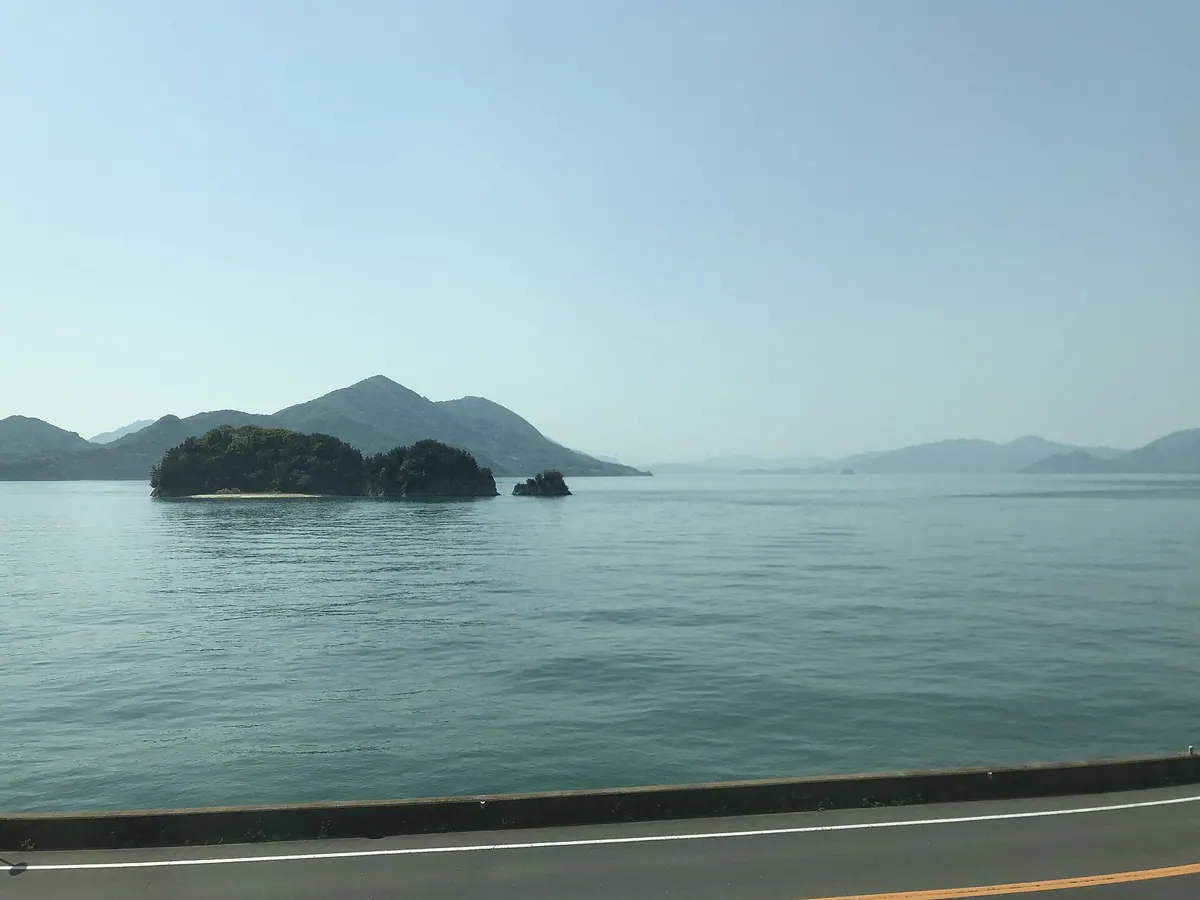
This island off Mihara features a four hundred meter sandbar appearing at low tide, home to rare protected lancelets.
What it is
- An island located off the coast of Mihara City in Hiroshima Prefecture.
- A habitat for the lancelet which is designated as a natural monument.
- A former filming location for a movie production.
- An area where submarine sand was previously extracted for concrete production.
What to see
- A four hundred meter sandbar known as Noji-tai that appears during low tide.
- The surrounding waters where rare lancelets live in their natural habitat.
- Coastal views from the island which was previously connected to the opposite shore.
When to go
- Low tide to see the four hundred meter Noji-tai sandbar emerge.
- Summer months when tourists visit the island for swimming.