
15 Islands in Kanagawa worth your time
Japan Gems
15 Islands in Kanagawa, with what to see and how to get there.
Kanagawa has 15 islands on Japan Gems. Below are the 15 we can tell you the most about — each one written up in English from Japanese sources, with what to see and how to get there. See all islands in Kanagawa.
01
Hakkeijima
KANAGAWA · PLACE 八景島
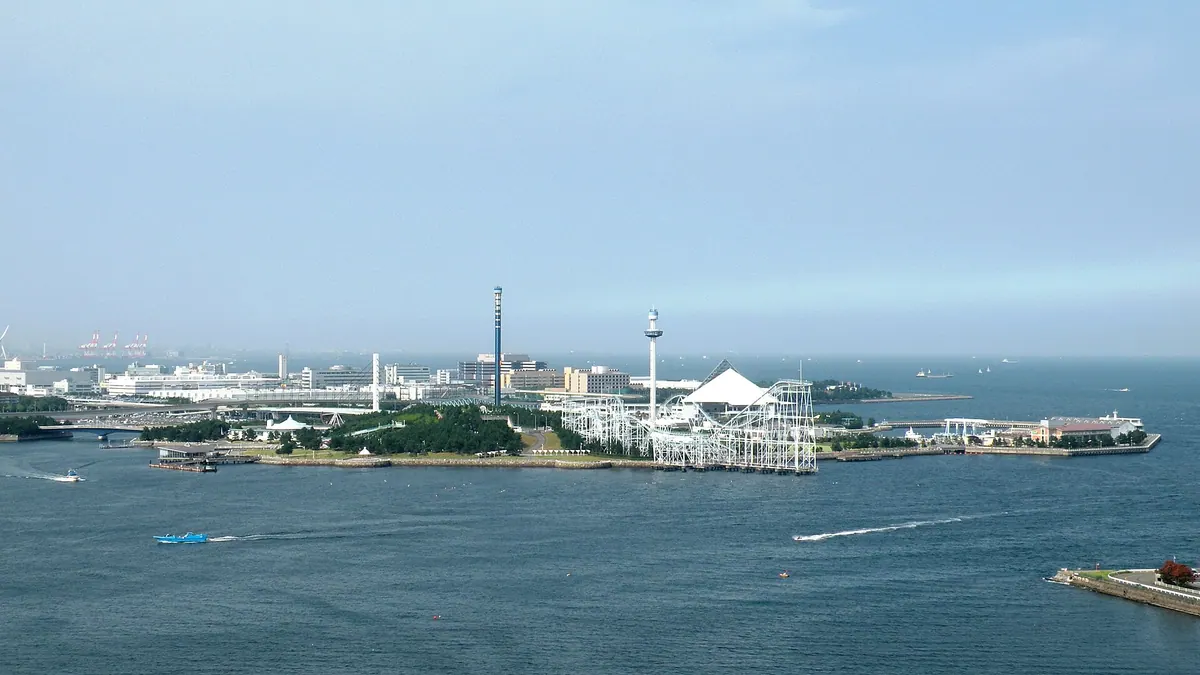
A 24-hectare artificial island in Yokohama featuring a major amusement park, yacht harbor, and scenic coastal views.
What it is
- An artificial island in Yokohama City covering approximately 24 hectares.
- The site of the Yokohama Hakkeijima Sea Paradise amusement park.
- A recreational area built as part of the Sea Park project.
- Land reclamation for the island was completed in April 1985.
What to see
- The Yokohama Hakkeijima Sea Paradise amusement park facilities.
- A yacht harbor and a passenger terminal for maritime activities.
- Three bridges that connect the island to the mainland.
- Scenic views inspired by the traditional Kanazawa Hakkei landscapes.
Getting there
- Access the island via Hakkeijima Station on the Kanazawa Seaside Line.
- Walk across one of the three bridges connecting to the mainland.
- National Route 357 connects the island to the Fukuura area.
- General vehicle access to the island is restricted for visitors.
02
Tenjinjima
KANAGAWA · PLACE 天神島
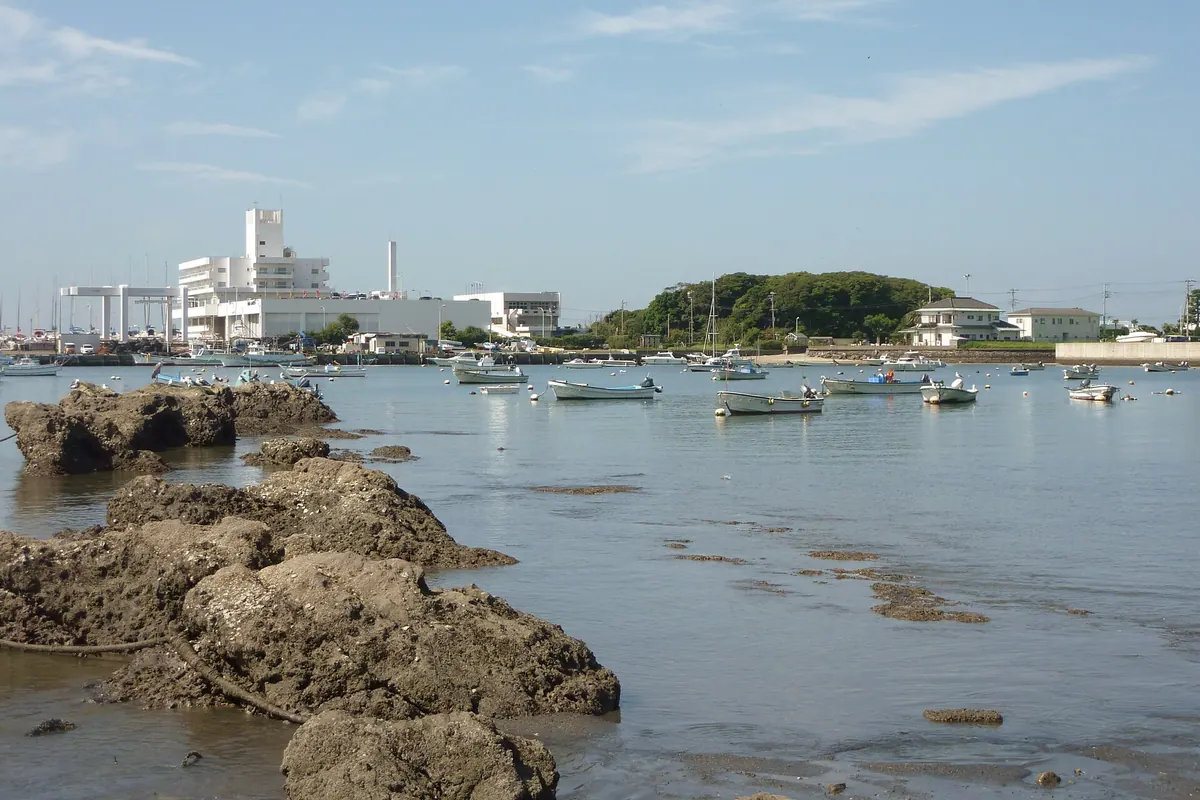
A scenic island on the Miura Peninsula featuring a Tenmangu shrine and protected coastal flora accessible by bridge.
What it is
- A small island with a one kilometer circumference at the entrance of Odawa Bay.
- A designated scenic spot managed by the Tenjinjima Marine Nature Education Garden.
- Home to a Tenmangu shrine and protected Hamayu plants.
- Located in the Sajima district on the west coast of the Miura Peninsula.
What to see
- The Tenmangu shrine located directly on the island grounds.
- Hamayu plants which are designated as a prefectural natural monument.
- Views of the surrounding Sajima Fishing Port and the bay.
- The Tenjin Bridge which connects the island to the mainland.
Getting there
- Buses run to the area from Zushi and Zushi-Hayama stations.
- The island is accessible by crossing the Tenjin Bridge on foot.
- Drivers can reach the site via Kanagawa Prefectural Route 213.
03
Mitsuishi
KANAGAWA · PLACE 三ツ石
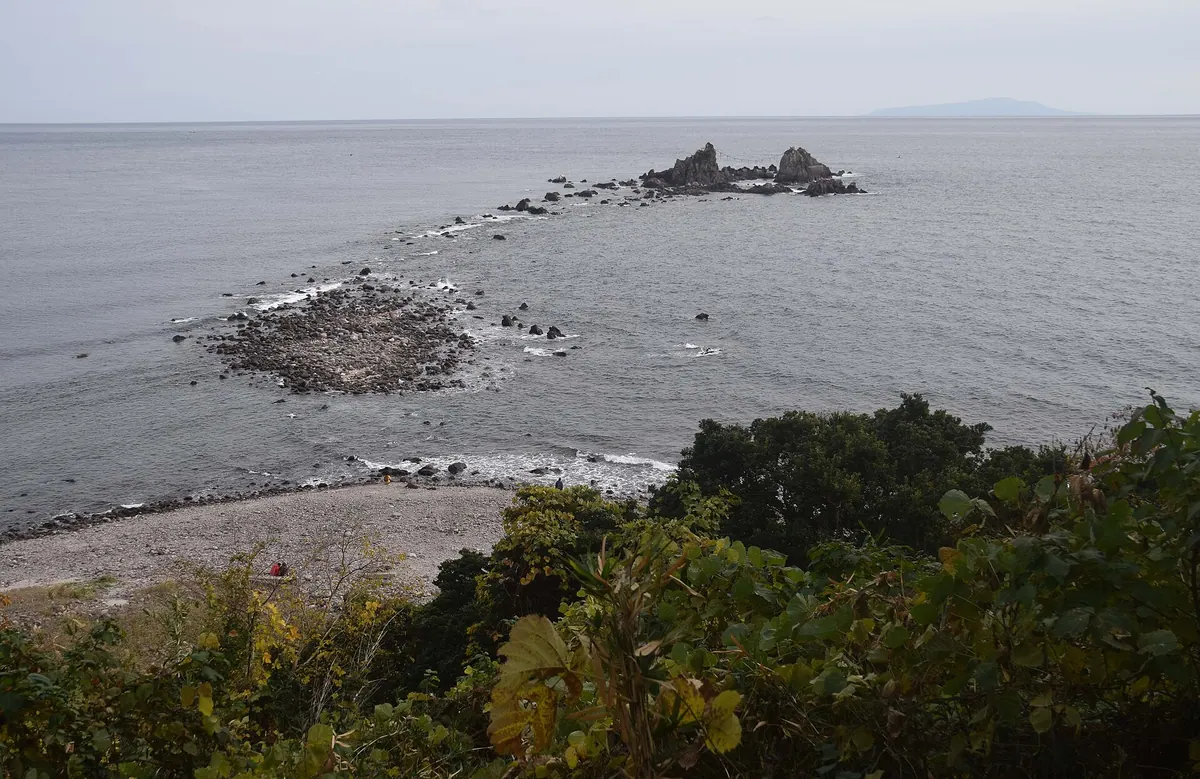
A scenic coastal reef featuring two sacred rocks connected by a rope, accessible by foot during low tide on Manazuru Peninsula.
What it is
- A reef located off the tip of the Manazuru Peninsula in Kanagawa Prefecture.
- Part of the Kanagawa Prefectural Manazuru Peninsula Nature Park and Hakone Geopark.
- Also known as Kasajima, the site features rocks connected by a sacred rope.
What to see
- Two large rocks joined together by a traditional sacred rope.
- A reef that appears as three distinct rocks depending on the viewing angle.
- The Shiosai Trail walking path which leads west along the coast.
When to go
- Visit during low tide to walk across the exposed seabed to the rocks.
- Famous location for viewing the first sunrise of the New Year.
Getting there
- Take a bus from Manazuru Station to the Cape Manazuru facility.
04
Enoshima
KANAGAWA · PLACE 江の島
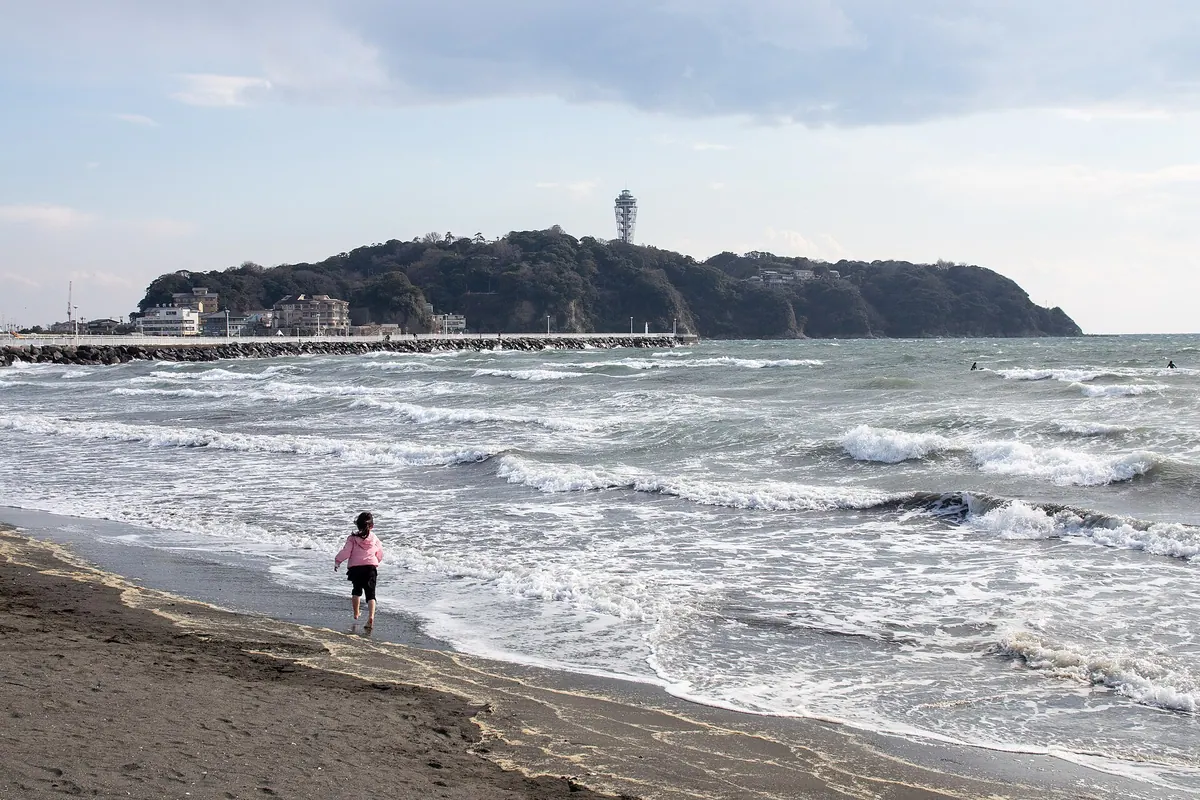
A scenic land-tied island featuring a historic shrine, botanical gardens, and unique outdoor escalators accessible from Tokyo.
What it is
- A land-tied island connected to the mainland by a 600-meter sandbar.
- Home to Enoshima Shrine, one of Japan's three major Benten shrines.
- A designated National Historic Site and Place of Scenic Beauty in Fujisawa.
- The site of sailing events for both the 1964 and 2020 Olympic Games.
What to see
- The Enoshima Escar, which is Japan's first outdoor public escalator system.
- A tropical botanical garden originally established by Samuel Cocking in 1885.
- A population of stray cats that has lived on the island since the 1980s.
- Coastal views from the highest elevation point of 60.4 meters.
Getting there
- Accessible via the Enoshima Line, Odakyu Line, and Shonan Monorail lines.
05
Jōgashima
KANAGAWA · PLACE 城ヶ島
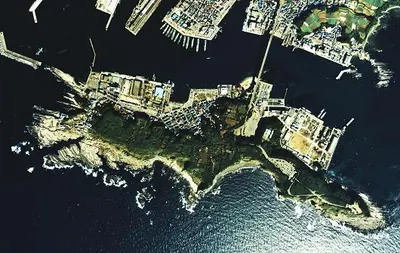
A natural island in Kanagawa featuring dramatic geological cliffs, two lighthouses, and a park dedicated to a famous poet.
What it is
- The largest natural island in Kanagawa Prefecture, covering nearly one square kilometer.
- A designated site among Japan's Top 100 Geological Sites for its unique rock formations.
- The former location of a coastal artillery battery that operated until 1945.
- A location famously associated with the Japanese poet Hakushū Kitahara.
What to see
- Jōgashima Lighthouse situated on the western cape of Nagatsurozaki.
- Awazaki Lighthouse located on the eastern cape of Awagasaki.
- Coastal cliffs on the south side that serve as a cormorant breeding ground.
- Jōgashima Park, which occupies the eastern part of the island.
- The Jōgashima Bridge that has connected the island to the mainland since 1960.
06
Wakae Island
KANAGAWA · PLACE 和賀江島
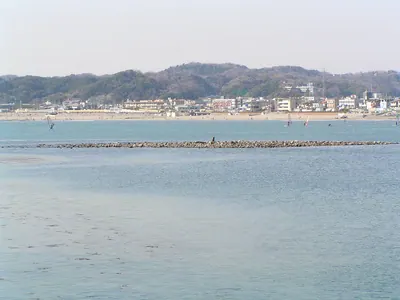
Japan's oldest existing harbor ruin, this 13th-century artificial island reveals ancient stone walls during low tide in Sagami Bay.
What it is
- The oldest existing artificial harbor ruin in Japan, constructed in 1232.
- A National Historic Site built to serve as a mooring for merchant ships.
- A project initiated by the monk Oamidabutsu on the border of Kamakura and Zushi.
- Managed by Gokuraku-ji Temple during the Kamakura period.
What to see
- Stone walls made from large rocks brought from western Sagami and Izu.
- Ancient harbor structures that extend 200 meters into the bay.
- Visible stone foundations that emerge from the water as the tide recedes.
When to go
- Visit during low tide when the submerged stone structures become visible.
- Most of the island remains hidden beneath the water during high tide.
07
Sarushima
KANAGAWA · PLACE 猿島
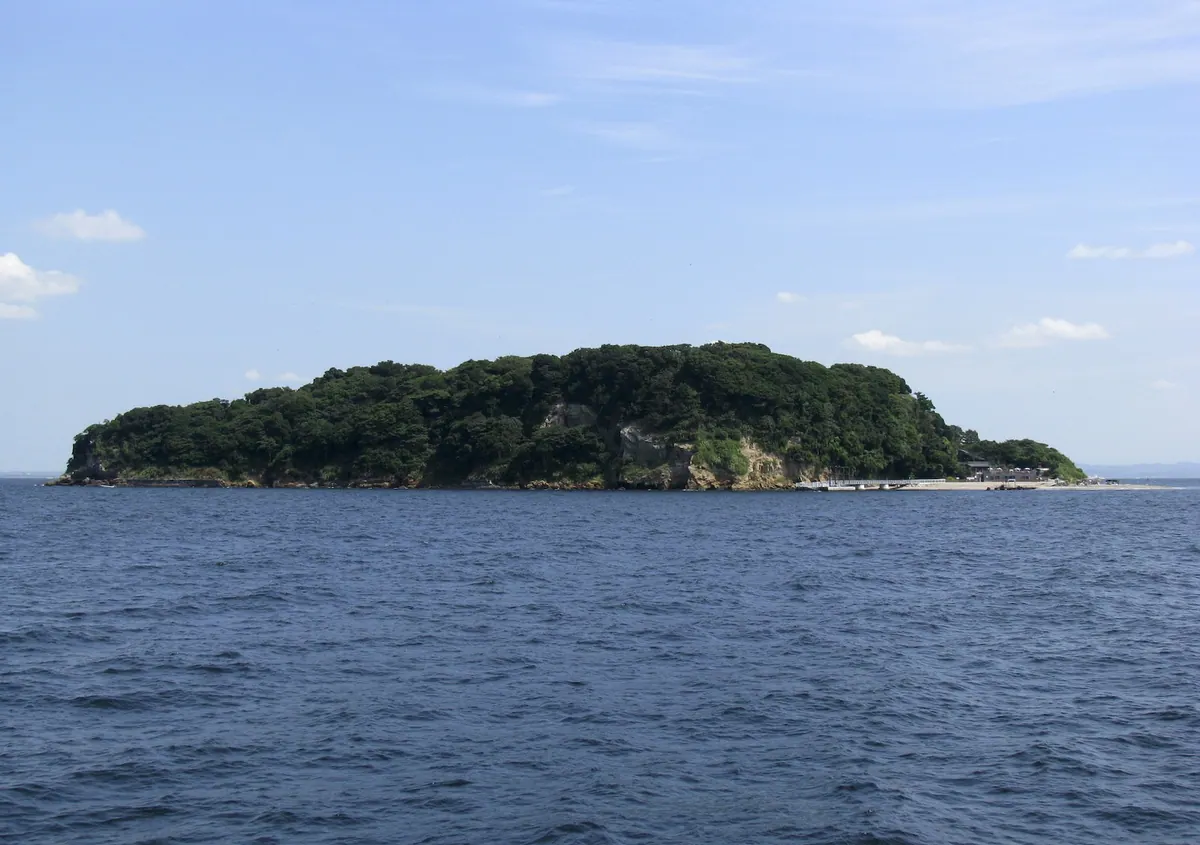
The largest natural island in Tokyo Bay, featuring historic brick fortress ruins and coastal defense batteries from the Edo period.
What it is
- An uninhabited island in Tokyo Bay managed as a public park by Yokosuka City.
- A National Historic Site that served as a coastal defense base for the Edo Shogunate.
- The site of ancient Jomon and Yayoi period archaeological discoveries including pottery and remains.
- A former military installation requisitioned by the United States until 1961.
What to see
- Brick fortress ruins featuring rare Flemish bond masonry construction.
- The remains of the first artillery battery built in 1847.
- Natural island landscapes that served as a filming location for the Kamen Rider series.
Getting there
- A ten minute ferry ride departs from the Mikasa Terminal to the island.
- Official site
- sarushima.jp
08
Ubashima
KANAGAWA · PLACE 姥島
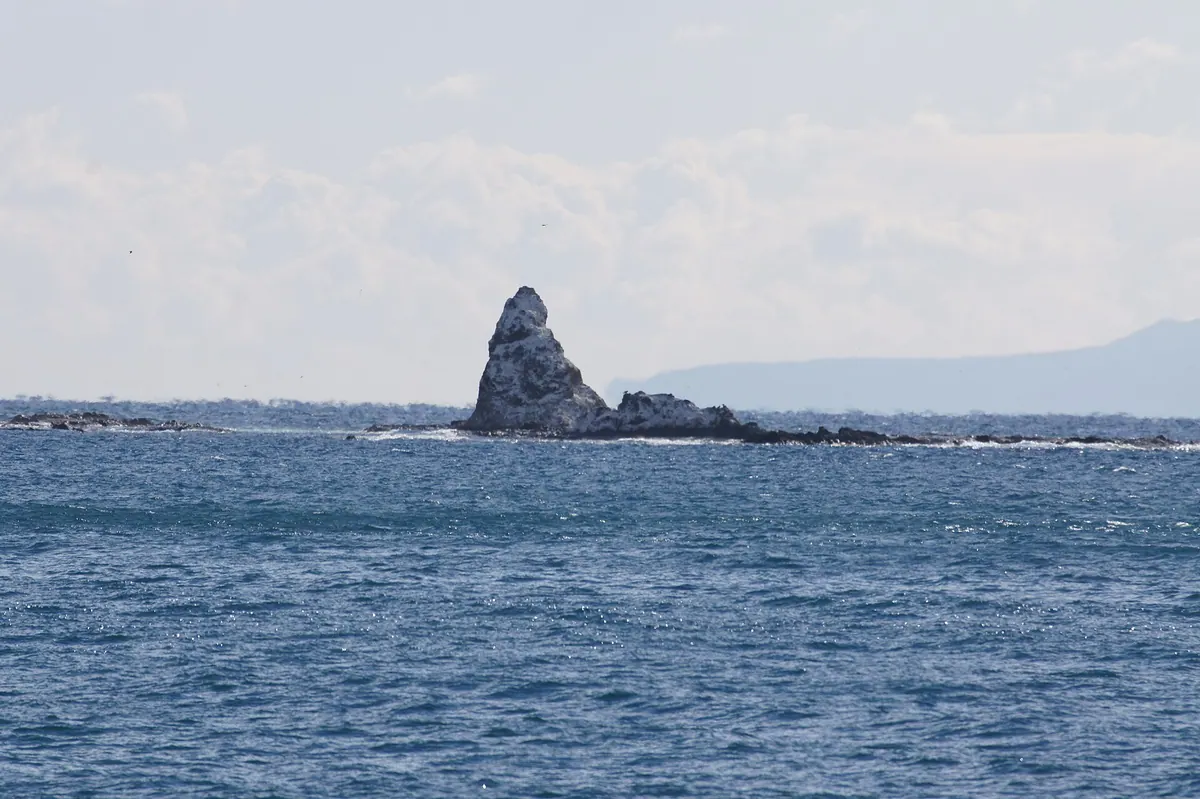
An uninhabited reef group off Chigasaki featuring the iconic Eboshi Iwa rock, famous for its history and cultural significance.
What it is
- A group of uninhabited reefs located approximately 1200 meters offshore from Chigasaki City.
- The largest rock in the formation is commonly known as Eboshi Iwa.
- The site served as a target for artillery practice during the Edo period.
- United States Navy shooting practice between 1952 and 1954 altered the shape of the rocks.
What to see
- The distinctive Eboshi Iwa rock formation made of Neogene tuffaceous sandstone.
- A reef area spanning 600 meters east-west and 400 meters north-south.
- Views of the landmark mentioned in lyrics by the popular band Southern All Stars.
Getting there
- Ferry boats operate from Chigasaki Fishing Port primarily for anglers.
09
Bentenjima
KANAGAWA · PLACE 弁天島
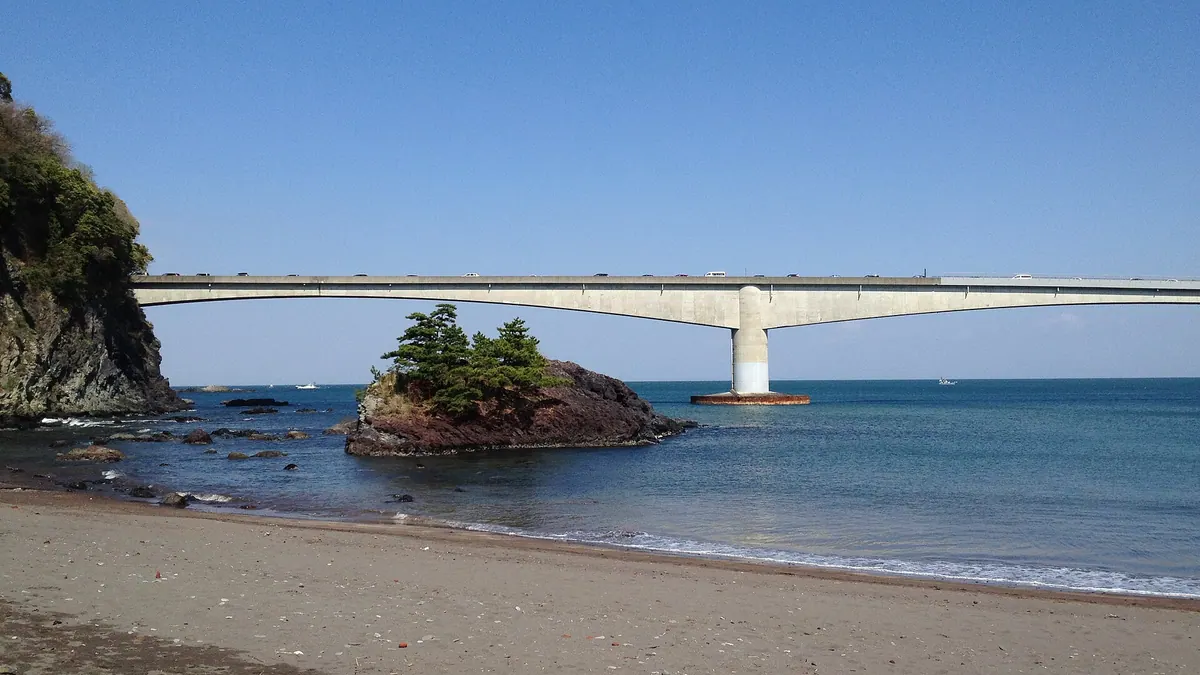
A small rocky reef featuring a torii gate and pine tree, set against a scenic bridge at Iwa Beach.
What it is
- A small reef approximately ten meters in diameter located at Iwa Beach.
- A scenic rock formation situated at thirty-five degrees north latitude.
- A coastal landmark featuring a traditional torii gate and a single pine tree.
What to see
- A red torii gate standing directly on the rocky island.
- A single pine tree growing from the reef surface.
- The Iwa Ohashi bridge, one of the top one hundred bridges in Kanagawa.
- Views of the island with the large bridge structure in the background.
Getting there
- Take a bus from Manazuru Station for a nine minute ride.
- The site is a zero minute walk from the Iwa Beach bus stop.
10
Shinkō
KANAGAWA · PLACE 新港
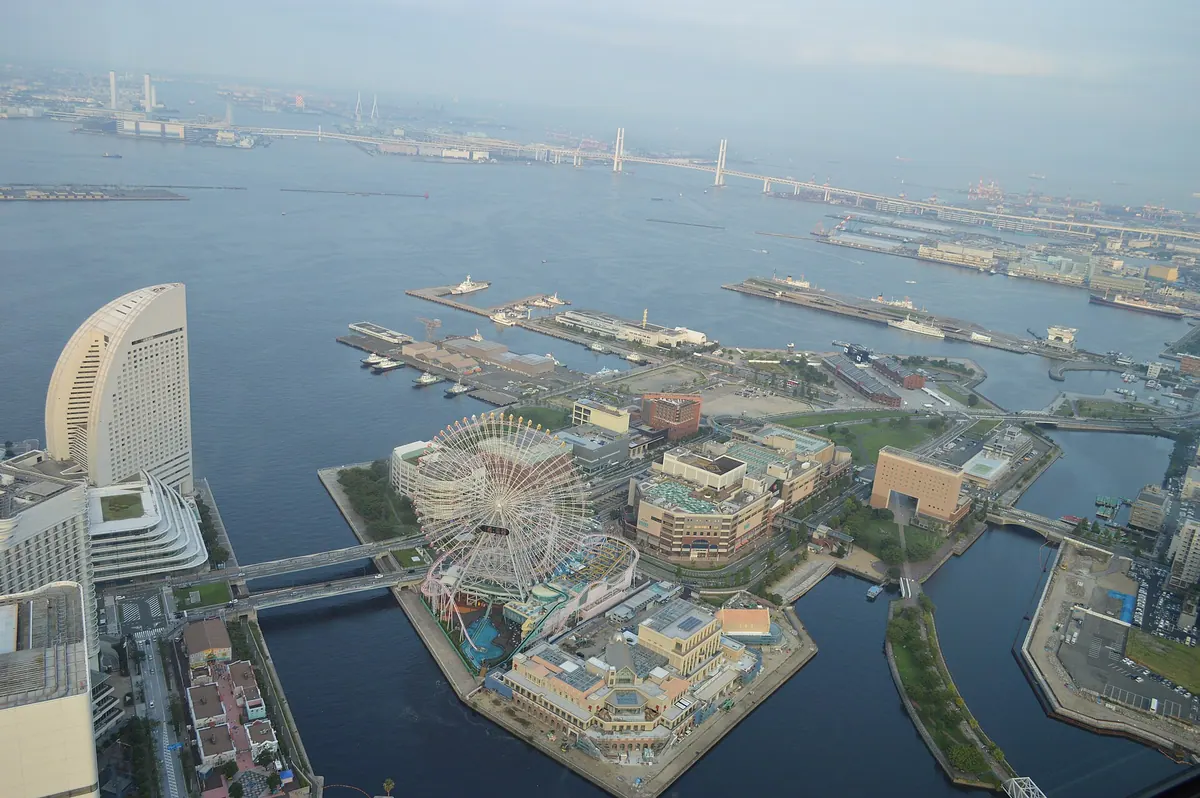
A vibrant waterfront district in Yokohama featuring historic warehouses, modern shopping malls, and unique museums on reclaimed land.
What it is
- A 37.4 hectare district on Shinko Pier in Yokohama Naka Ward.
- Part of the modern Minato Mirai 21 urban development project.
- A historic area with land reclamation dating back to 1905.
- A mixed-use zone divided into Shinko 1-chome and 2-chome.
What to see
- The historic Yokohama Red Brick Warehouse built between 1911 and 1913.
- The Cosmo Clock 21 Ferris wheel located within the district.
- The Cup Noodles Museum Yokohama situated in the 2-chome area.
- The Yokohama Hammerhead passenger terminal and lifestyle facility.
- The Yokohama Air Cabin ropeway which began operations in 2021.
- The Yokohama World Porters shopping and dining complex.
11
Kawasaki Artificial Island
KANAGAWA · PLACE 川崎人工島
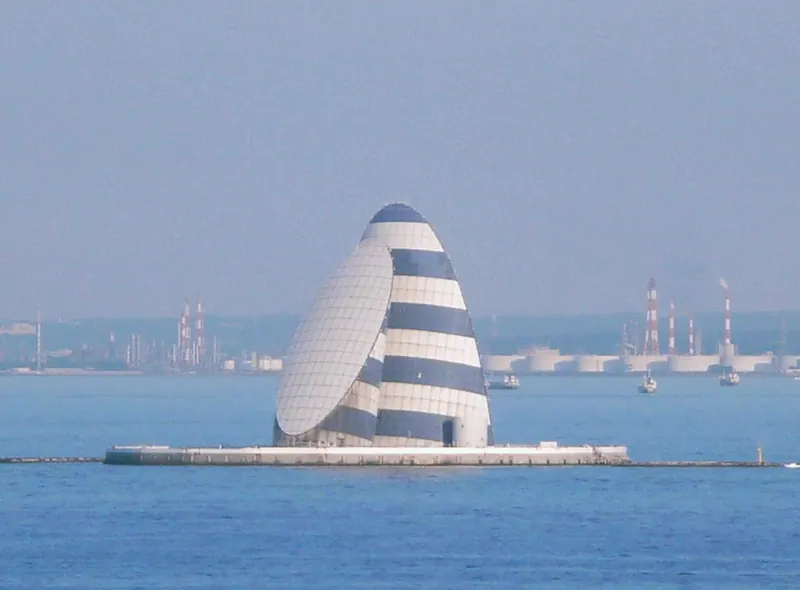
A massive circular ventilation tower in Tokyo Bay serving the Aqua-Line tunnel, known for its striking blue and white architecture.
What it is
- A circular artificial island with a 200-meter diameter located five kilometers off the coast.
- A ventilation facility for the Tokyo Wan Aqua-Line tunnel that opened in December 1997.
- A monitoring post used to track the water quality of Tokyo Bay.
- A restricted site featuring a helipad and a small ship berth for maintenance access.
What to see
- Two cylindrical ventilation towers featuring a distinct blue and white striped design.
- The taller ventilation tower which reaches a height of 90 meters.
- The shorter ventilation tower standing 75 meters above the water.
- A massive man-made island structure visible from the surrounding bay waters.
12
Higashi-Ōgishima
KANAGAWA · PLACE 東扇島
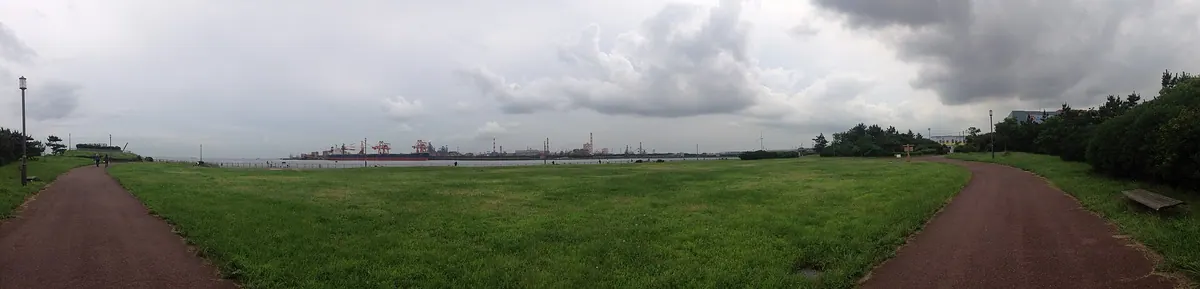
An artificial industrial island in Kawasaki featuring public parks, fishing spots, and a maritime community center with observation facilities.
What it is
- An artificial island in Kawasaki City created through land reclamation starting in 1972.
- A major logistics and food storage hub incorporated into the city in 1980.
- A functional industrial zone containing a thermal power station and expressway connections.
What to see
- The Kawasaki Marien building which serves as a community center for the port.
- Higashi-Ogishima East Park featuring an artificial beach for visitors.
- Higashi-Ogishima West Park where public fishing is permitted.
- The Shuto Expressway Bayshore Route and an undersea tunnel connecting to the mainland.
13
Biwajima, Yokohama
KANAGAWA · PLACE 琵琶島
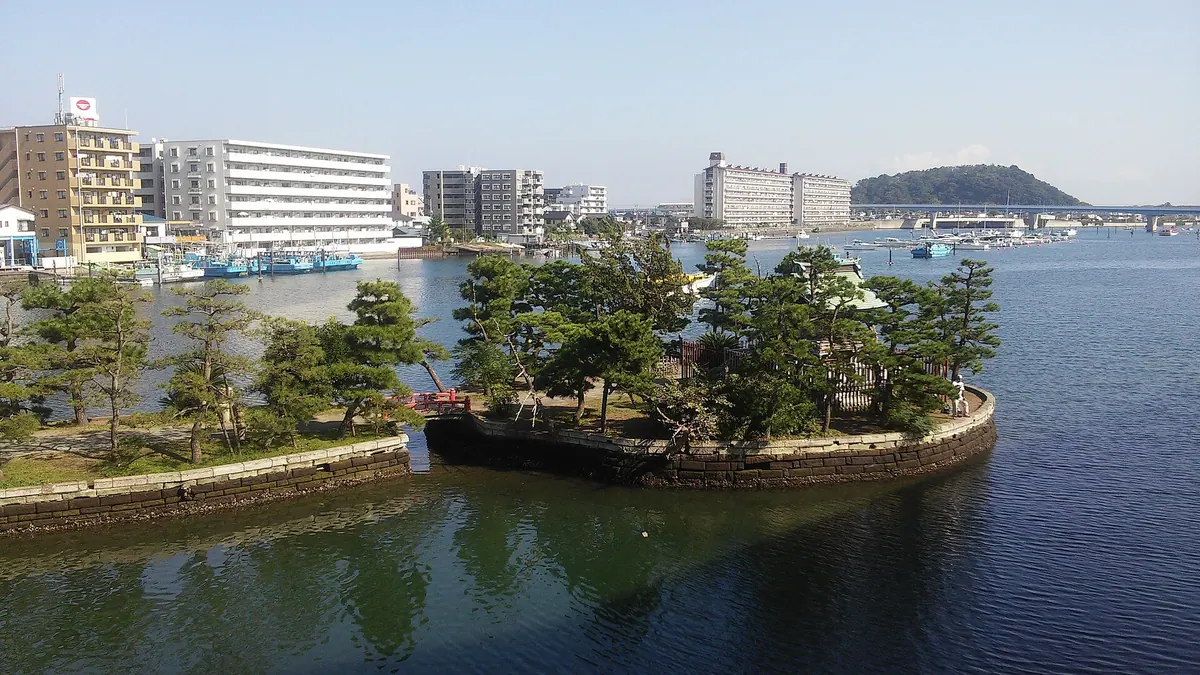
A historic island shrine in Hirakata Bay founded by Hojo Masako, offering scenic views and a connection to ancient traditions.
What it is
- A small island in Hirakata Bay measuring less than sixty meters in circumference.
- A local historic site housing a shrine dedicated to the deity Benzaiten.
- Founded by Hojo Masako as a precinct shrine of the nearby Seto Shrine.
- The deity was originally invited from Chikubushima in Shiga Prefecture.
What to see
- The Biwajima Shrine located on the small island grounds.
- A path and bridge connecting the island to the mainland.
- Scenic views that are part of the traditional Kanazawa Hakkei landscapes.
- An island landform historically shaped like a traditional lute.
14
Ōgishima
KANAGAWA · PLACE 扇島
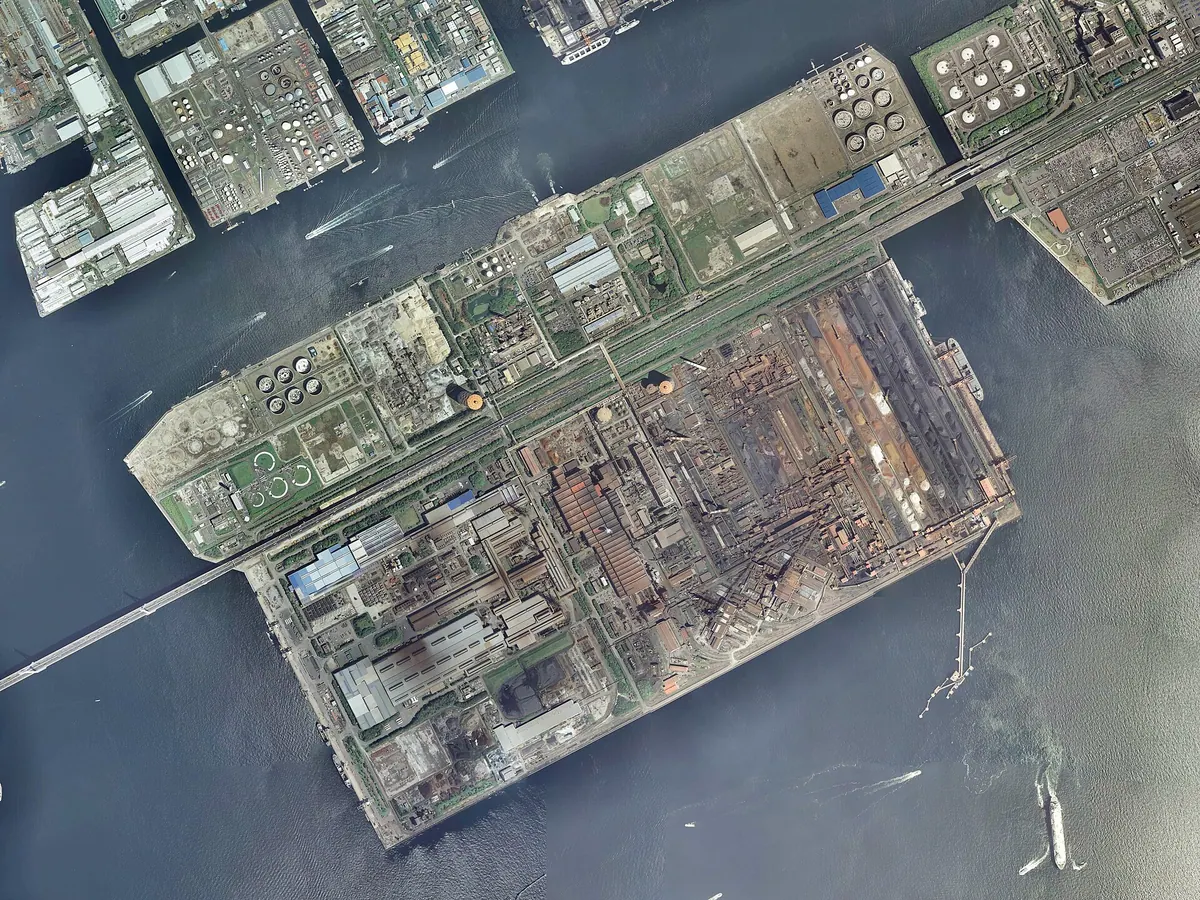
A restricted industrial man-made island in Tokyo Bay housing massive steel works, power plants, and an LNG base.
What it is
- A man-made island in Tokyo Bay divided between Kawasaki and Yokohama cities
- The site of the JFE Steel East Japan Works Keihin District
- Industrial land reclaimed using soil from Futtsu City in Chiba
- A restricted area under the SOLAS Treaty with no public access
What to see
- The Tsurumi Tsubasa Bridge connecting the island to Daikoku Pier
- Large scale industrial facilities including a thermal power plant and LNG base
- The Shuto Expressway Bayshore Route passing through the center of the island
- The private Ogishima Ohashi bridge connecting to Higashi-Ogishima
15
Azuma Island
KANAGAWA · PLACE 吾妻島
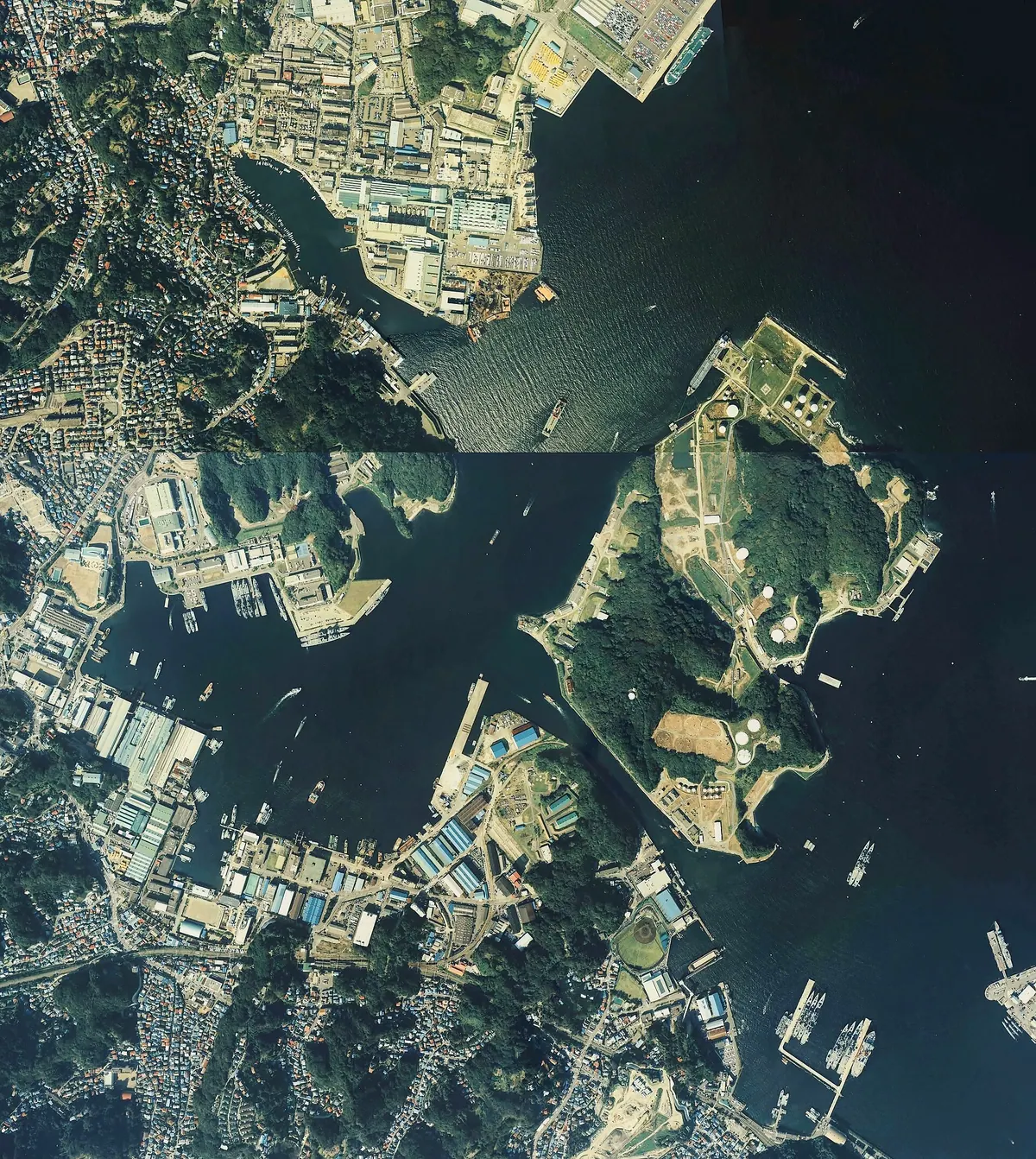
A man-made island used as a U.S. Navy storage area, best viewed from a naval port sightseeing cruise.
What it is
- A former peninsula converted into an island by the excavation of a canal in 1889.
- A restricted storage area currently managed by the United States Navy.
- A landmass that separates Nagaura Port from the Yokosuka Main Port.
- An area where public access is generally prohibited to visitors.
What to see
- The Arai Horiwari canal that separates the island from the mainland.
- Industrial and storage facilities belonging to the United States Navy Azuma Storage Area.
- Views of the island coastline from the Yokosuka Naval Port Cruise.