

20 Islands in Ehime worth your time
Japan Gems
28 Islands in Ehime, with what to see and how to get there.
Ehime has 28 islands on Japan Gems. Below are the 20 we can tell you the most about — each one written up in English from Japanese sources, with what to see and how to get there. See all islands in Ehime.
01
Ōge Island
EHIME · PLACE 大下島
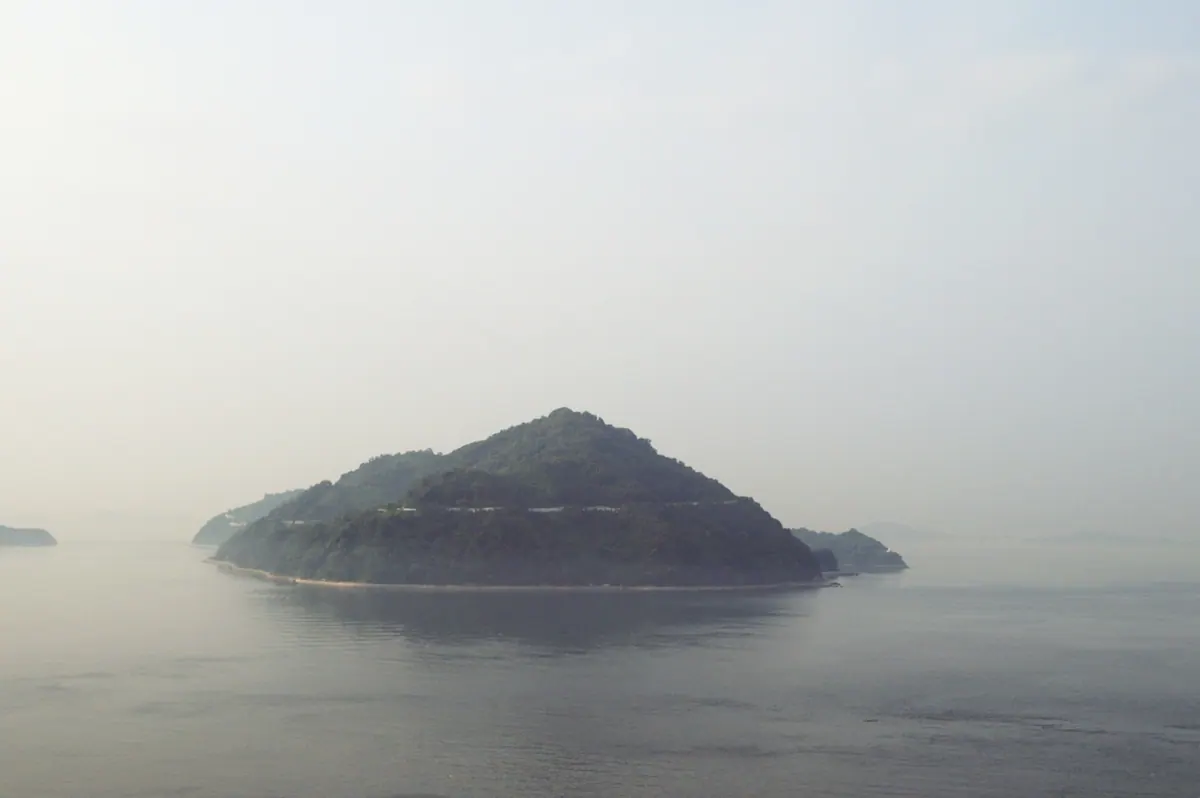
A quiet island in the Seto Inland Sea known for its historic lighthouse, granite peaks, and vast mandarin orange orchards.
What it is
- A small island in the Geiyo chain with a circumference of seven point two kilometers.
- The island is primarily composed of granite and reaches its highest point at Mount Ishi.
- Most of the land is dedicated to the cultivation of mandarin orange orchards.
- The island belongs to Imabari City and receives electricity from Chugoku Electric Power Company.
What to see
- The historic Oge Island Lighthouse which was established in eighteen ninety four.
- A monument featuring an inscribed poem by Hisaya Morishige.
- Expansive views of the Seto Inland Sea from the two hundred three meter Mount Ishi.
- Local mandarin orange orchards that cover the majority of the island landscape.
When to go
- The Yumi Kito ritual is held annually on January eleventh.
- Daytime visits are best to coincide with the Imabari City ferry schedule.
Getting there
- Imabari City ferries provide regular transportation to Oge Port from the mainland.
- Local students utilize a dedicated school boat to travel to neighboring islands.
02
Umashima
EHIME · PLACE 馬島
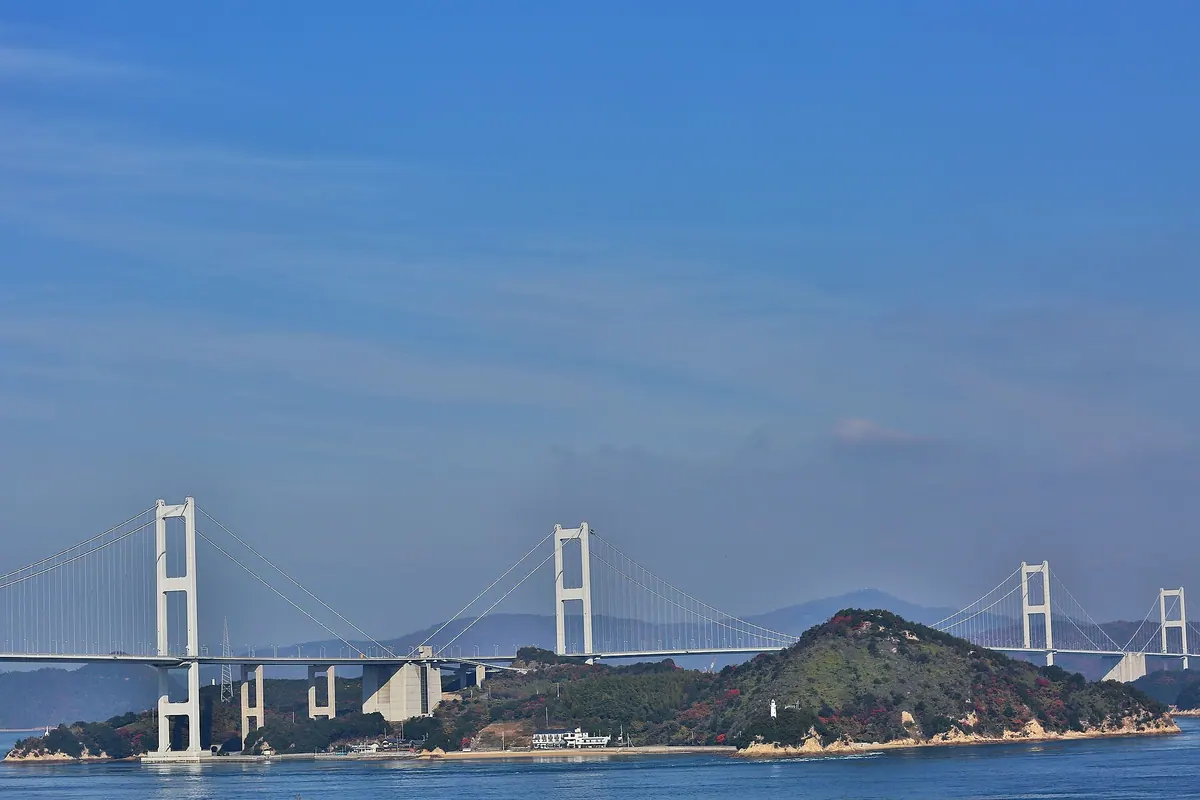
A quiet island in the Seto Inland Sea offering lighthouse views and shrine access via the Shimanami Kaido cycling route.
What it is
- A small inhabited island located within the Geiyo Islands of the Seto Inland Sea
- A former grazing ground for horses managed by the Imabari Domain during the Edo period
- Home to a tiny local population of approximately thirteen people as of 2021
- A stop along the Kurushima Kaikyo Bridges between Imabari and other islands
What to see
- The Kurushima Sunosaki Lighthouse located at the northern end of the island
- The Uzuhana Lighthouse which has been operational since February 1938
- Umashima Shrine which is dedicated to the deity Watatsumi no Mikoto
- Views of the Kurushima Kaikyo Second and Third Bridges from below
Getting there
- Cyclists and pedestrians can access the island using an elevator from the bridge above
- Regular ferry services connect the island to Hashihama Port
- Only authorized vehicles are permitted to use the island's highway interchange
03
Nii Ōshima
EHIME · PLACE 新居大島
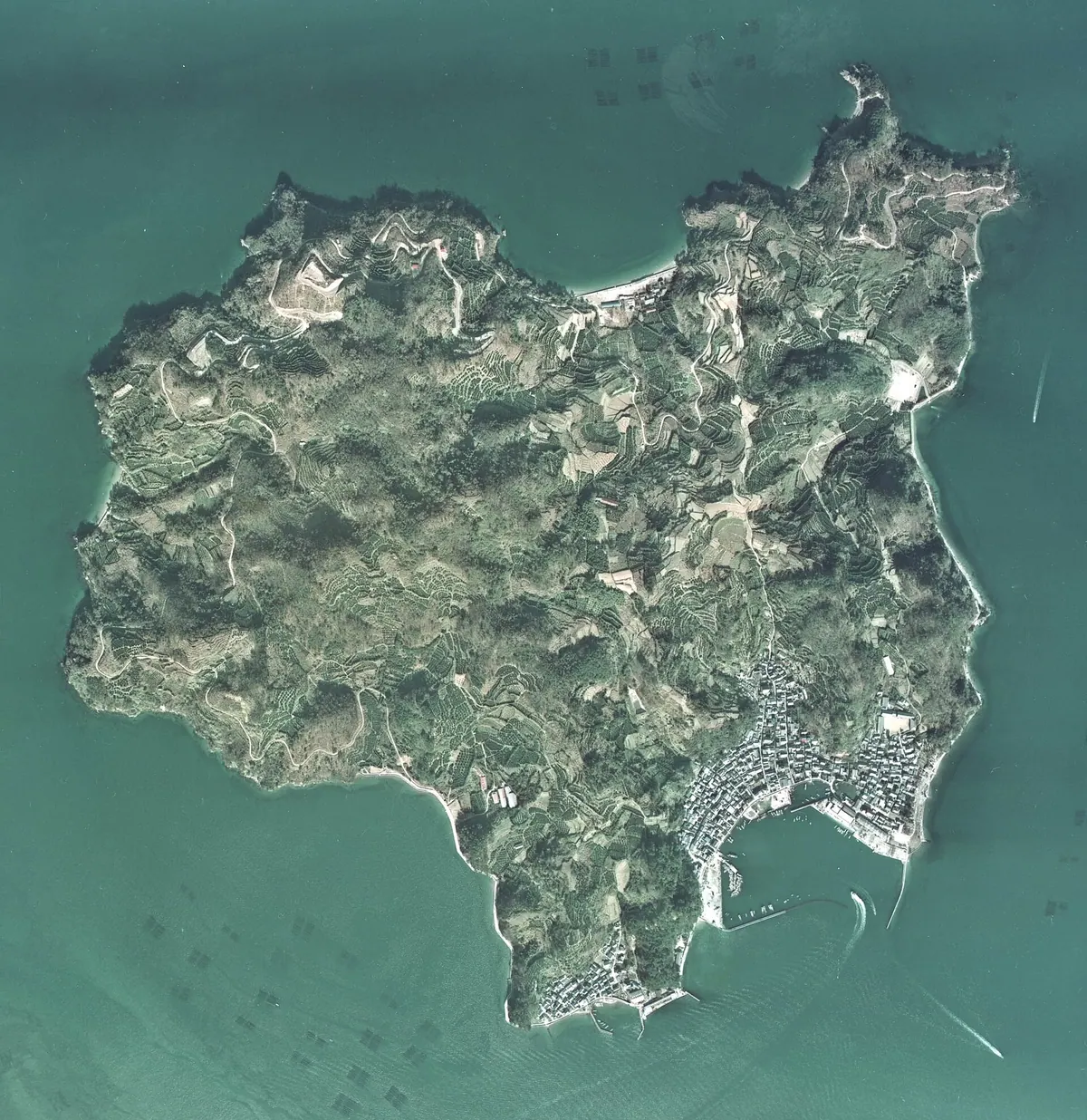
An inhabited island in Ehime known for its castle ruins, traditional fire festivals, and unique white sweet potato cultivation.
What it is
- An inhabited island in Niihama City with a circumference of approximately 9.8 kilometers.
- The reported birthplace of Murakami Yoshihiro located northeast of the mainland.
- A community focused on prawn farming and the cultivation of white sweet potatoes.
- An island incorporated into Niihama City in 1953 with a population of about 200.
What to see
- Ruins of Oshima Castle located on the southern part of the island.
- Oshima Hachiman Shrine which hosts local festivals with three floats.
- Two Buddhist temples on the island named Gangyo-ji and Kissho-ji.
When to go
- Coming-of-Age Day for the traditional Toudookuri fire festival.
- Autumn to witness the local festival at Oshima Hachiman Shrine.
Getting there
- Take a municipal ferry from Kuroshima Port for a 15-minute journey to the island.
04
Okamura Island
EHIME · PLACE 岡村島
A peaceful citrus-growing island in the Seto Inland Sea known for its scenic bridges and traditional ritual performances.
What it is
- A small island in the central Seto Inland Sea part of Imabari City.
- A rural community primarily focused on citrus fruit agriculture and fishing.
- Home to a population of approximately 280 people as of late 2021.
What to see
- Mount Konomine which stands as the highest peak on the island.
- The Kannonzaki area which is part of the Setonaikai National Park.
- Okamura Bridge connecting the island to Nakanoshima in Hiroshima Prefecture.
- Local citrus groves producing lemons and various types of oranges.
- The Shijimi butterfly which inhabits the island's natural environment.
- The Yumi Kito ritual which is a designated intangible cultural property.
Getting there
- Access the island from Kure City via the Tobishima Kaido road connection.
- Ferry services are available through the terminal at Okamura Port.
05
Kashima
EHIME · PLACE 鹿島
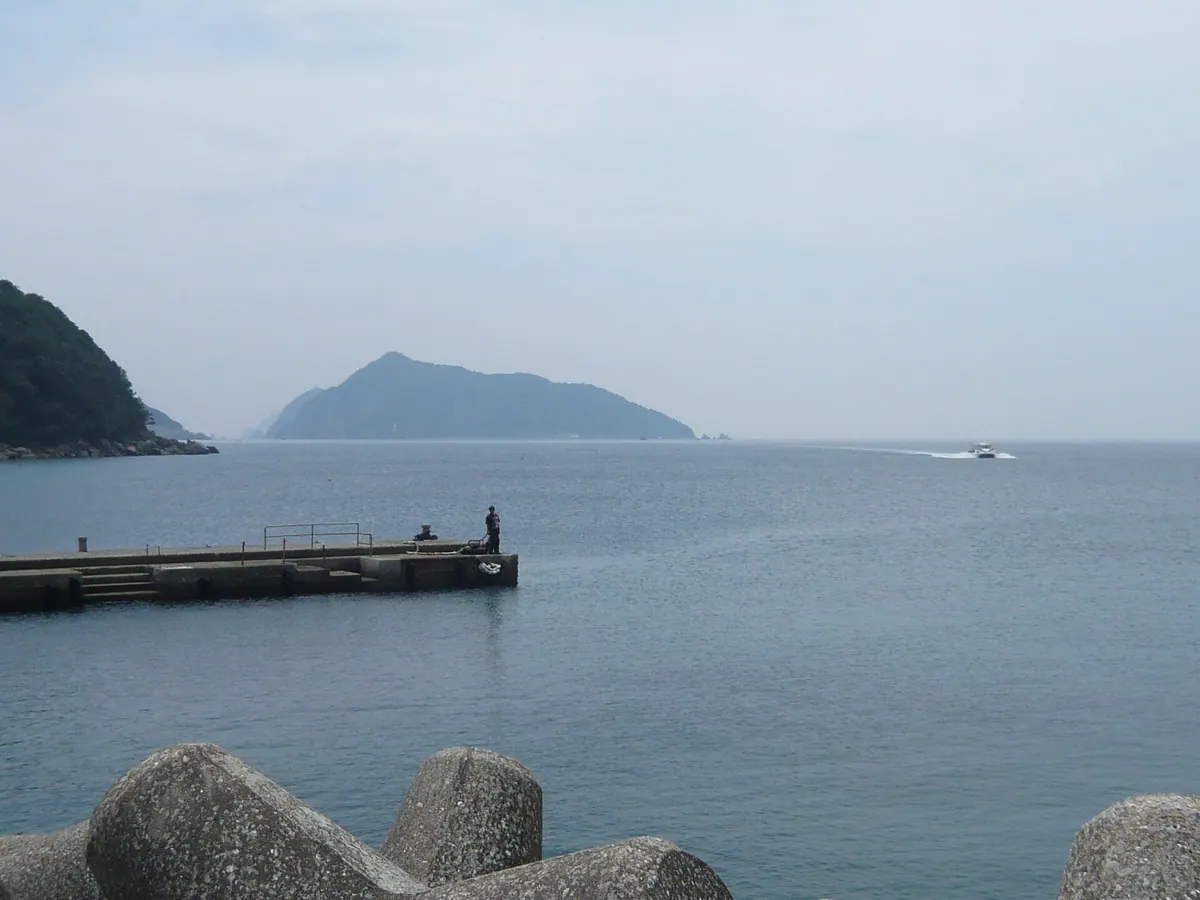
An island in Ashizuri-Uwakai National Park known for wild animals, sea caves, and vibrant coral reefs accessible by glass-bottom boats.
What it is
- An island in Ainan Town belonging to the Ashizuri-Uwakai National Park.
- Designated as a Prefectural Scenic Spot in 1955.
- A natural habitat where wild deer and monkeys are fed.
- A destination featuring a designated camping area and a summit observation deck.
What to see
- Kashima-udo, a sea cave reaching a depth of 120 meters.
- Surrounding waters filled with coral reefs and tropical fish.
- Panoramic views from the observation deck at the island summit.
- Marine life visible through the windows of glass-bottom boats.
When to go
- Mid-May for the firefly and sunset watching event.
- Summer season when ferry services to the island are operational.
- Any time of year for glass-bottom boat tours around the coast.
Getting there
- Accessible via the Uwajima Jidosha bus line.
06
Nogutsuna Island
EHIME · PLACE 野忽那島
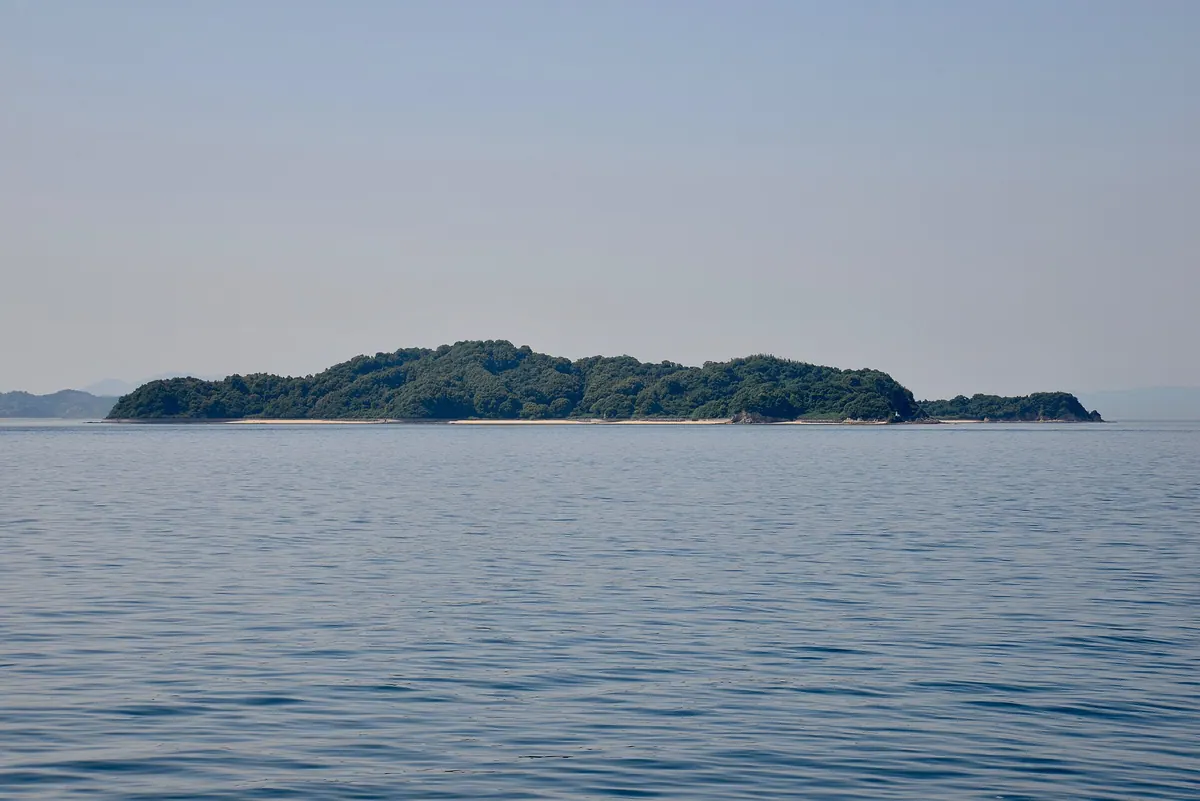
A quiet island in Matsuyama featuring a WWII surveillance tower, citrus groves, and a lighthouse accessible only at low tide.
What it is
- A small island in the Kutsuna archipelago within Ehime Prefecture.
- A former hub for cloth peddling during the Taisho era.
- A rural community focused on citrus farming and fishing for octopus and sea bream.
- The filming location for a Japanese movie with a population of under one hundred people.
What to see
- A World War II surveillance tower located on Sarayama hill.
- The Nogutsuna Lighthouse which is reachable by foot only during low tide.
- The former Nogutsuna Elementary School building which has been closed since 2008.
- Views from the highest point on the island at ninety-six meters above sea level.
When to go
- Visit during low tide to walk out to the island lighthouse.
Getting there
- Take a ferry or high-speed boat from Matsuyama to Nogutsuna Port.
07
Kushima
EHIME · PLACE 九島
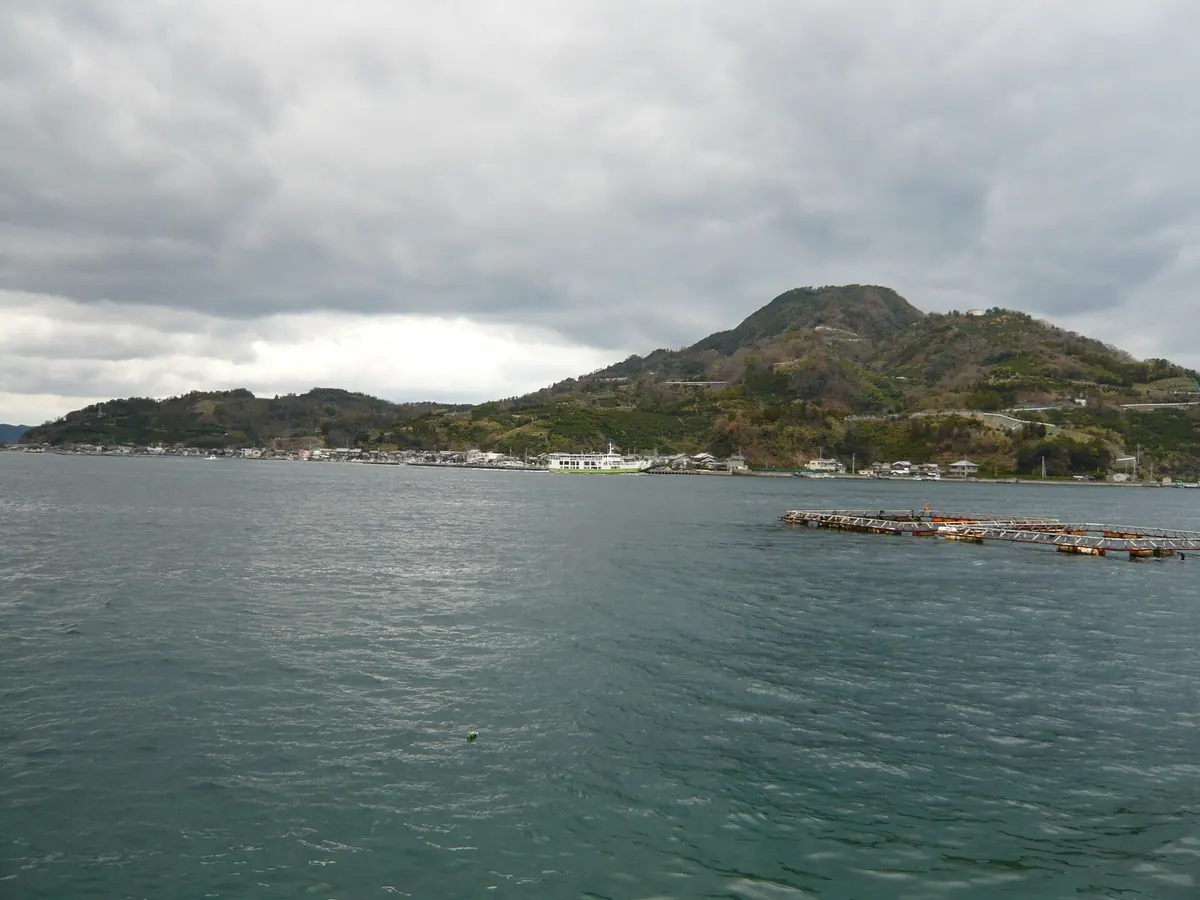
An inhabited island in Uwajima known for citrus farming, traditional folk dances, and views from its highest peak, Mount Toyagamori.
What it is
- Inhabited island located three kilometers west of Uwajima Port in Ehime Prefecture.
- Home to three main settlements named Honkushima, Hyakunoura, and Hamaguri.
- Local industries include citrus farming, sardine fishing, and aquaculture.
- Site of Ganseji Temple, which serves as an inner sanctuary for Kanz自在ji Temple.
What to see
- Mount Toyagamori, which is the highest peak on the island.
- The 468-meter Kushima Ohashi Bridge that connects the island to the mainland.
- Sensu Odori, a traditional dance designated as a municipal intangible folk cultural property.
- A local medical clinic located within the Hyakunoura settlement.
Getting there
- Access the island by crossing the Kushima Ohashi Bridge.
- Take a bus route onto the island operated by Uwajima Jidosha.
08
Nakashima
EHIME · PLACE 中島
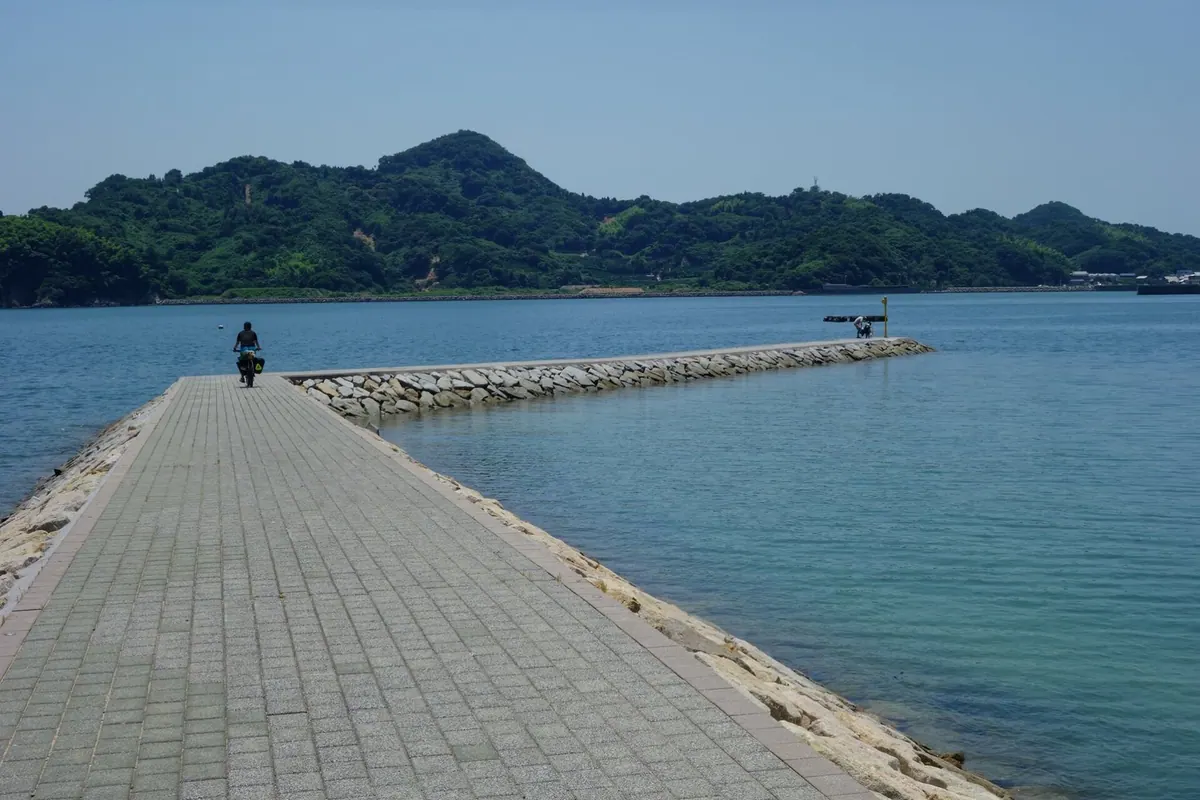
The largest island in the Kutsuna archipelago, offering scenic national park views, citrus groves, and a famous annual triathlon.
What it is
- The largest inhabited island within the Kutsuna archipelago in Matsuyama City.
- A protected area forming part of the Setonaikai National Park.
- An agricultural community famous for its citrus fruit production.
- A destination known for hosting competitive annual triathlon events.
What to see
- Himegahama Beach which serves as the starting point for local races.
- Mount Oori, the highest peak on the island at 296 meters.
- Tainoyama Castle ruins located at the top of Mount Tai.
- Oura, the largest settlement and central administrative district of the island.
When to go
- Late August to witness or participate in the annual Triathlon Nakashima.
Getting there
- Take Nakashima Kisen ferries or high-speed boats to reach the island.
09
Aoshima
EHIME · PLACE 青島
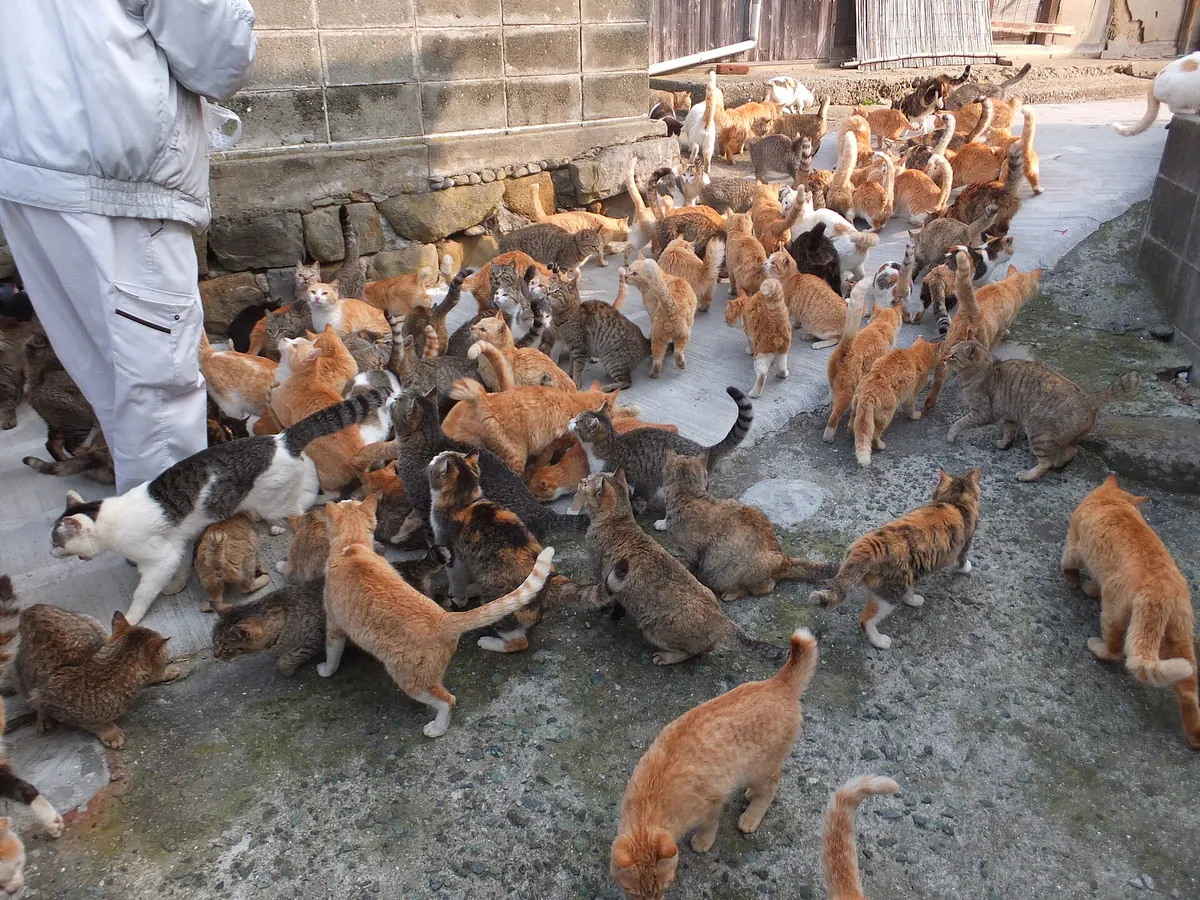
A remote fishing island in the Iyo-nada Sea famous for its population of over two hundred resident cats.
What it is
- A small fishing island originally settled by fishermen from Banshu Sakoshi in 1639.
- Known as a cat island where over two hundred cats outnumber the human residents.
- A quiet location with no cars, motorcycles, bicycles, or commercial shops.
- An island where drinking water must be transported by passenger ship from the mainland.
What to see
- A large population of cats that roam freely throughout the island.
- The Aoshima Bon Dance which is a Prefectural Intangible Folk Cultural Property.
- The buildings of the local elementary and junior high schools which are now closed.
Getting there
- A passenger ship operates two round trips daily from Nagahama Port.
- The island is located thirteen point five kilometers off the coast of Nagahama Port.
10
Muzuki Island
EHIME · PLACE 睦月島
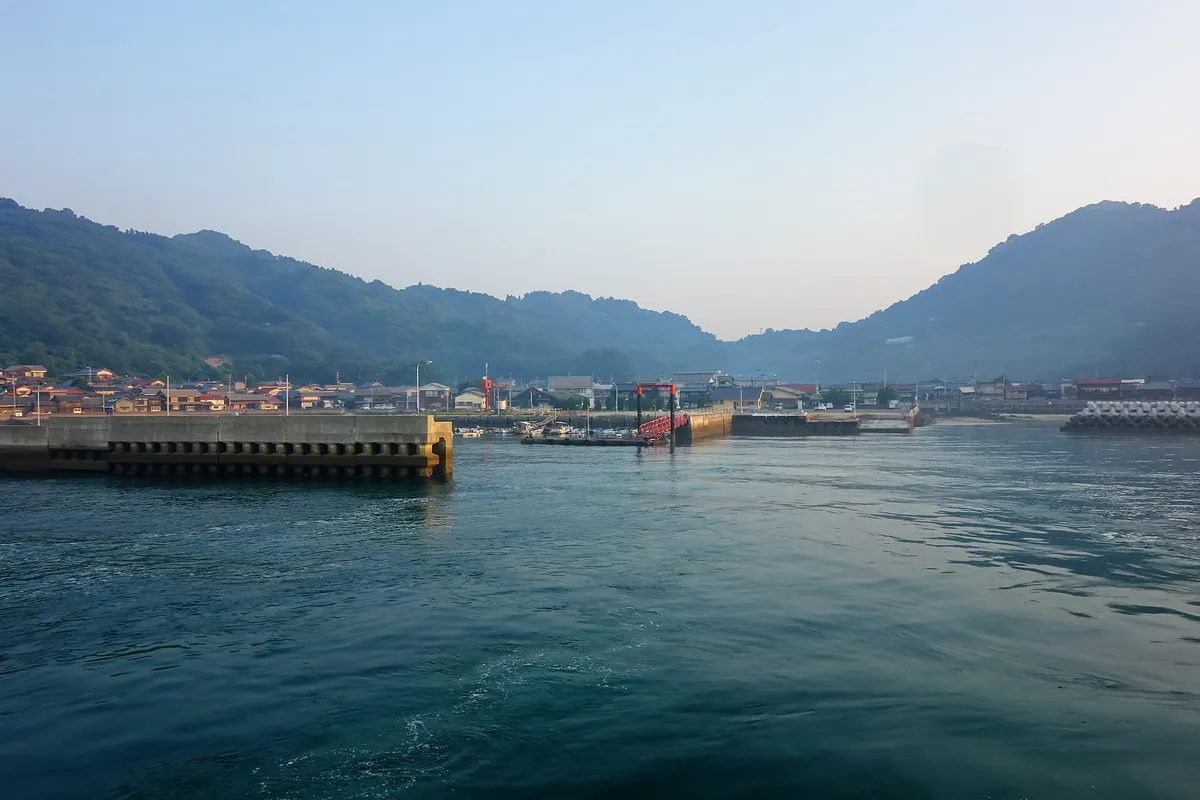
A quiet island in the Kutsuna chain known for citrus farming, historical fortress ruins, and traditional textile trade history.
What it is
- A small island in the Kutsuna chain within the Matsuyama City administrative district.
- A rural community primarily supported by citrus farming and local fishing industries.
- The former home of traveling merchants who once peddled traditional Iyo Kasuri textiles.
- A mountainous landscape featuring two peaks named Takamatsu and Noboritate.
What to see
- Designated historical sites containing the ruins of the Kutsuna clan fortresses.
- The local port area which serves as the primary gateway to the island.
- Terraced citrus groves that define the agricultural landscape of the hillsides.
- The building of the former elementary school which closed in April 2009.
Getting there
- Ferries and high-speed boats connect Matsuyama to the local port.
11
Gogo Island
EHIME · PLACE 興居島
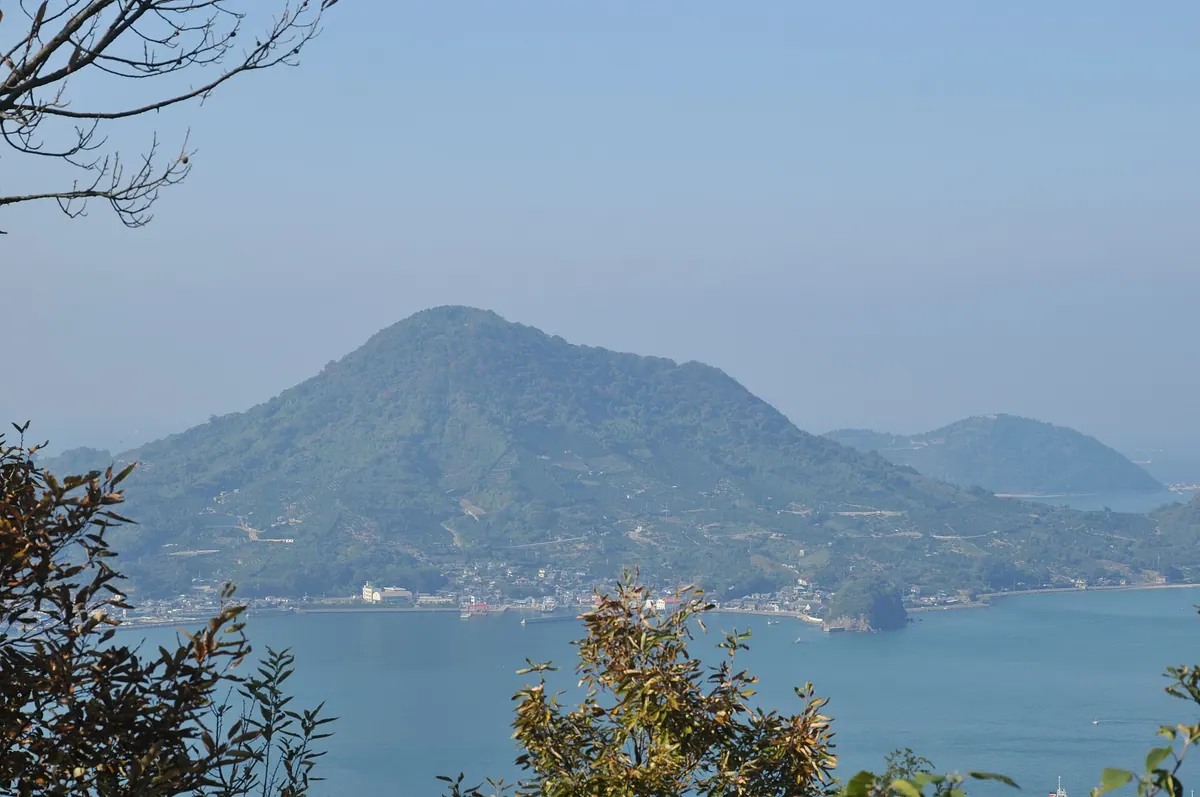
A large island in the Kutsuna archipelago known for its citrus orchards, mountain views, and traditional boat dances.
What it is
- The second largest island in the Kutsuna archipelago near Matsuyama City.
- A rural community dedicated to citrus cultivation and fruit production.
- The historical site where Daimyo Ouchi Norihiro died in 1465.
- An island territory that merged into Matsuyama City in 1954.
What to see
- Mount Iyo-kofuji standing 282.4 meters high in the southern region.
- Extensive citrus orchards covering the island landscape.
- The Funadori boat dance, a designated intangible folk cultural property.
- Geological formations consisting mainly of Late Cretaceous granodiorite.
- Two main island ports named Tomari and Yura.
Getting there
- Regular ferry services connect Takahama Port to the island.
- Ferries arrive at either Tomari Port or Yura Port.
12
Kashima
EHIME · PLACE 北条鹿島
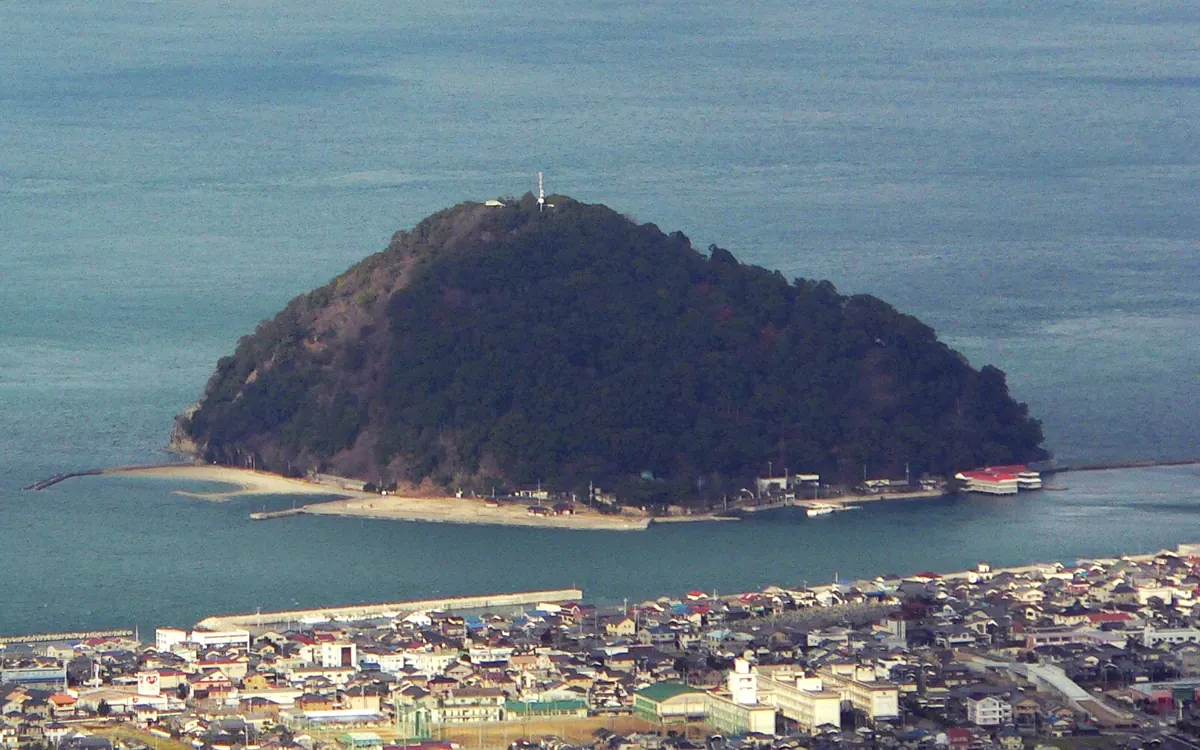
A small island near Matsuyama featuring wild deer, a historic shrine, and panoramic views of the Seto Inland Sea.
What it is
- An island in the Seto Inland Sea National Park with a 1.5 kilometer circumference.
- Home to wild Kyushu deer which are protected as natural monuments.
- Site of Kashima Shrine dedicated to Takemikazuchi-no-mikoto and other deities.
- A recreational spot featuring a free campsite and a swimming beach.
What to see
- Kashimaru museum displaying exhibits on local nature and culture.
- The ruins of Kashima Castle located on the mountainside.
- A summit observatory designated as a Lover's Sanctuary Satellite.
- Views from the highest point reaching 113.8 meters above sea level.
When to go
- May 3rd for the annual Kaineri ritual.
Getting there
- A three-minute ferry ride from Hojo Port reaches the island.
13
Tsubajima Island
EHIME · PLACE 津波島
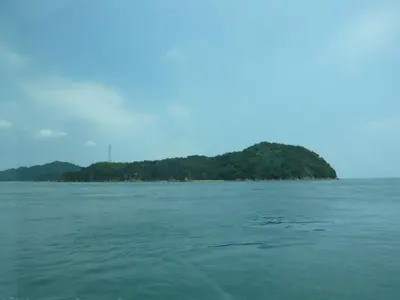
An uninhabited island in the Geiyo Islands featuring citrus groves, small sandy beaches, and a developed campground for nature lovers.
What it is
- An uninhabited island located in Kamijima Town within Ehime Prefecture.
- A cultivated landscape where farmers from Iwagi Island grow citrus fruits.
- A natural site with a highest point reaching eighty-seven meters.
- A recreational area featuring a campground and walking trails developed in 1986.
What to see
- Small sandy beaches located on both the eastern and western coasts.
- Power lines connecting the island to Akohone and Hakata islands.
- Surrounding waters frequently used for local sea bream fishing.
- Citrus fruit groves maintained by farmers from the neighboring island.
Getting there
- Access the island by ferry departing from Iwagi Island.
- Note that there are no scheduled regular ferry routes to this location.
14
Tsurushima
EHIME · PLACE 釣島
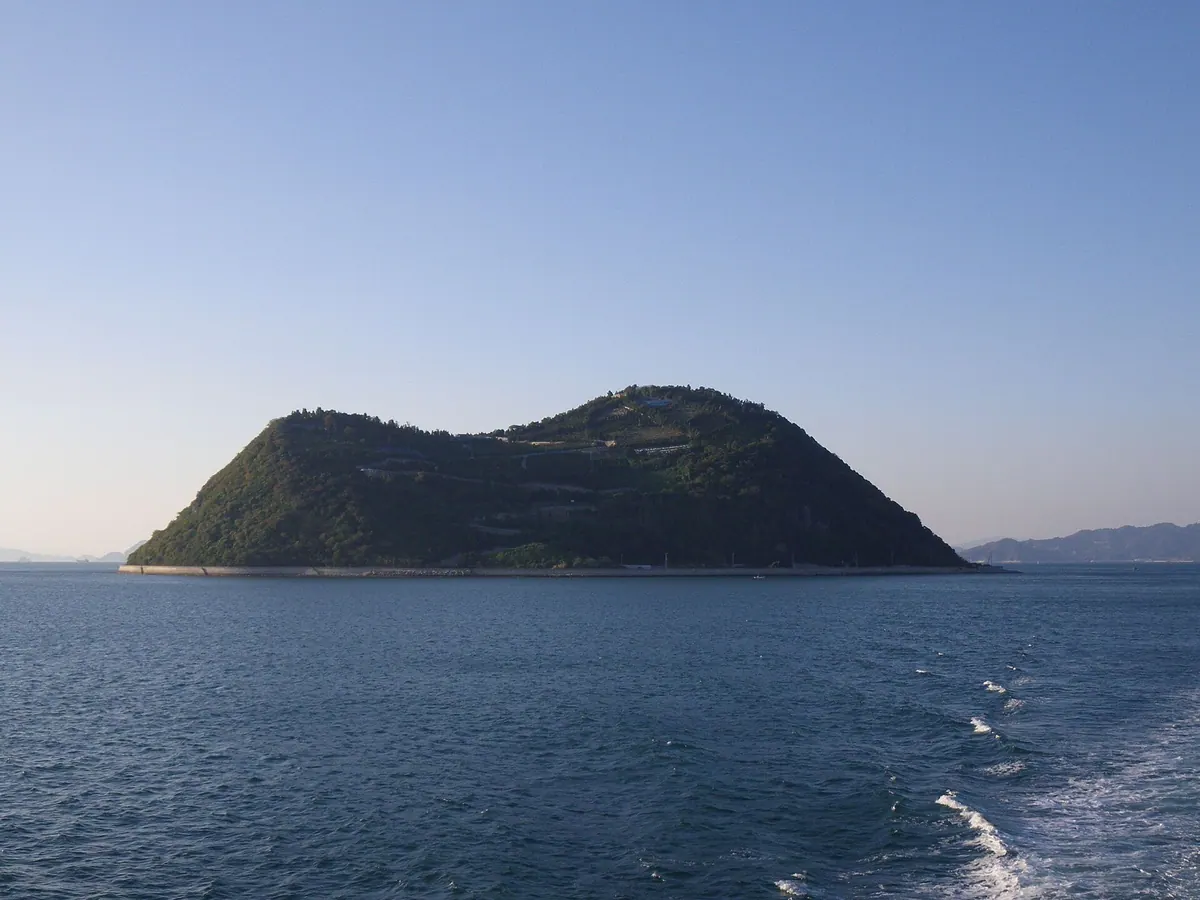
An inhabited island in Ehime featuring a historic 1873 lighthouse built by British engineers for the Meiji government.
What it is
- A small inhabited island in Matsuyama City with a circumference of 2.9 kilometers.
- Home to a historic lighthouse that began operating in June 1873.
- A community of approximately 80 people focused on citrus farming and octopus fishing.
- Site of a former elementary school branch that has been closed since 2012.
What to see
- The Tsurushima Lighthouse built by British engineers during the Meiji era.
- The lighthouse residence and warehouse preserved as municipal tangible cultural properties.
- A seawater desalination plant completed in March 2004.
- The local landscape featuring citrus farms and a single general store.
Getting there
- Nakajima Kizun ferries operate two round trips daily to the island.
15
Hakatajima
EHIME · PLACE 伯方島
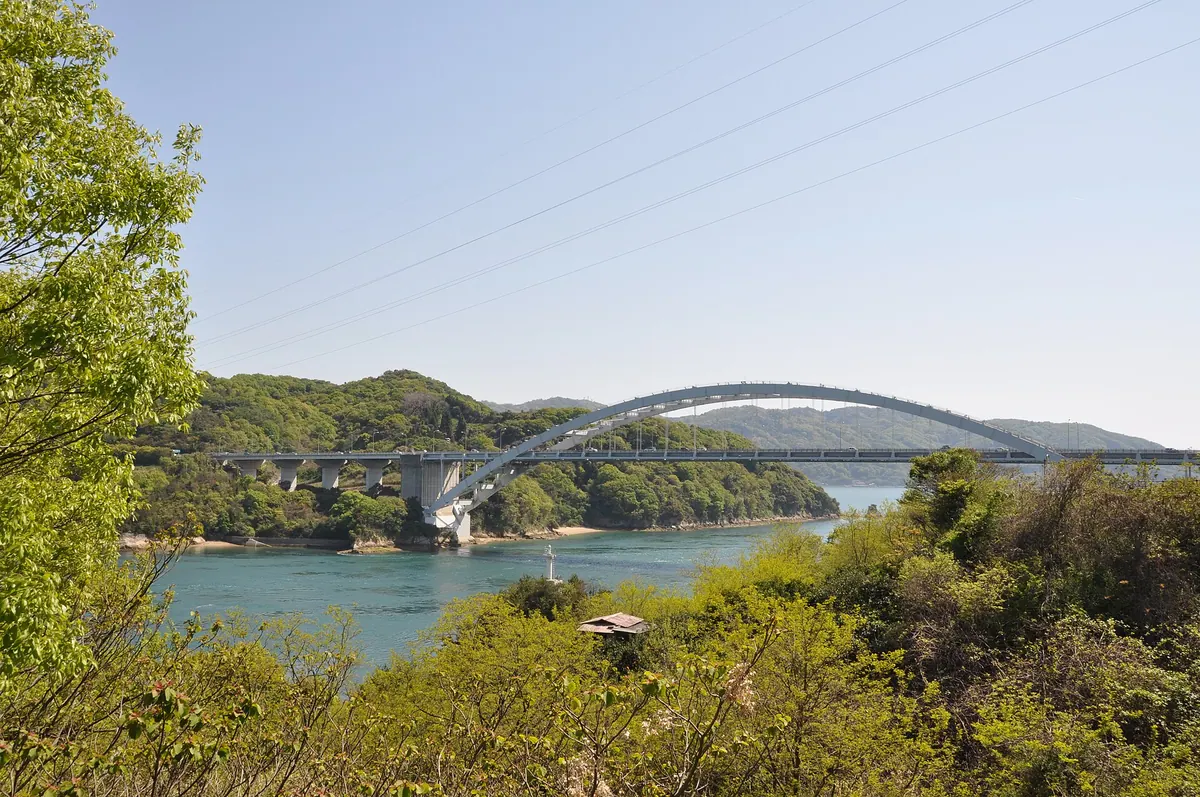
A scenic island in the Seto Inland Sea known for its historic salt production, shipbuilding industry, and seasonal cherry blossoms.
What it is
- An island in the Seto Inland Sea belonging to Imabari City.
- The historic origin of the famous Hakata no Shio salt brand.
- A hub for shipbuilding, coastal shipping, and citrus fruit agriculture.
- A stop along the Shimanami Kaido expressway connecting Honshu and Shikoku.
What to see
- Four active shipyards located across the island.
- Mount Hoko, the highest peak on the island at 303.7 meters.
- Hirakiyama, a popular location for viewing cherry blossoms.
- The Hakata S.C. Park roadside station.
When to go
- Springtime to view the cherry blossoms at Hirakiyama.
Getting there
- Access the island via the Hakatajima Interchange on the Shimanami Kaido expressway.
16
Ōshima
EHIME · PLACE 大島
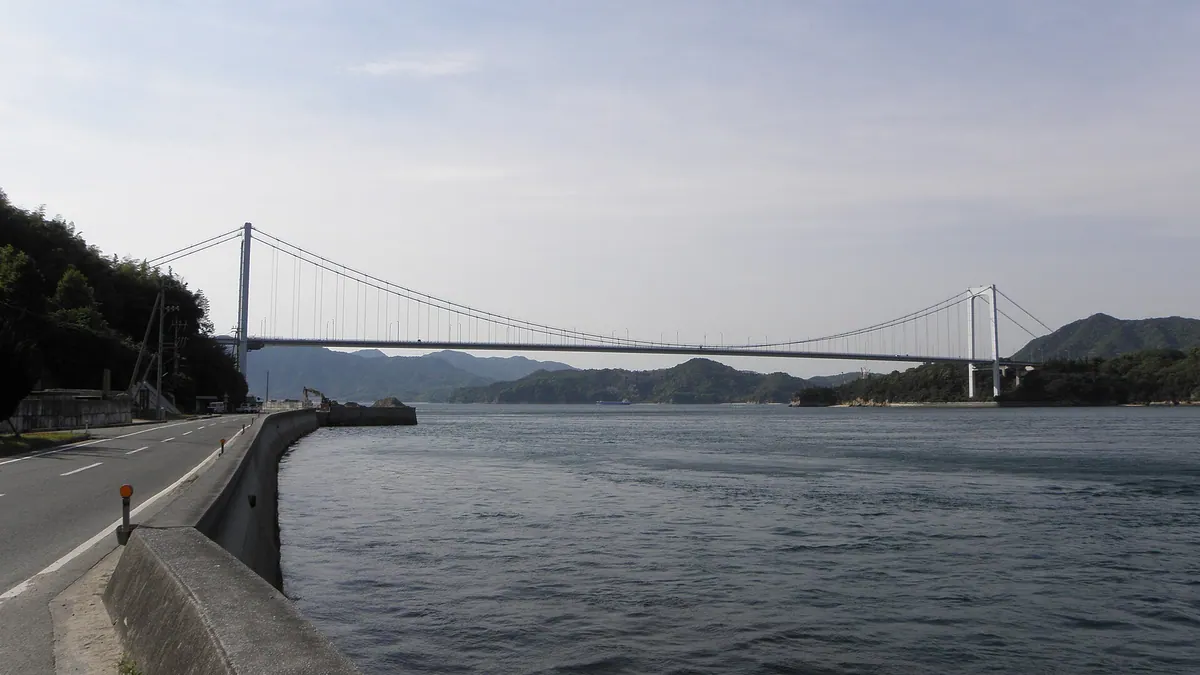
A large island on the Shimanami Kaido known for its pirate history, high-quality stone production, and scenic rose gardens.
What it is
- A 41.89 square kilometer island in Ehime Prefecture belonging to Imabari City
- The historical base of the Noshima Murakami Suigun pirates
- A major production site for high-quality Oshima stone
- A key stop along the Shimanami Kaido expressway route
What to see
- The Murakami Kaizoku Museum located in the northern Miyakubo area
- Yoshiumi Rose Park featuring approximately 6,500 roses from around the world
- Mount Nenbutsu which is the highest peak at 381.6 meters
- The Kurushima Kaikyo Bridge connecting the island to mainland Shikoku
- The Hakata-Oshima Bridge which links the island to Hakata Island
When to go
- An annual water navy race event held every July
17
Ushima island
EHIME · PLACE 鵜島
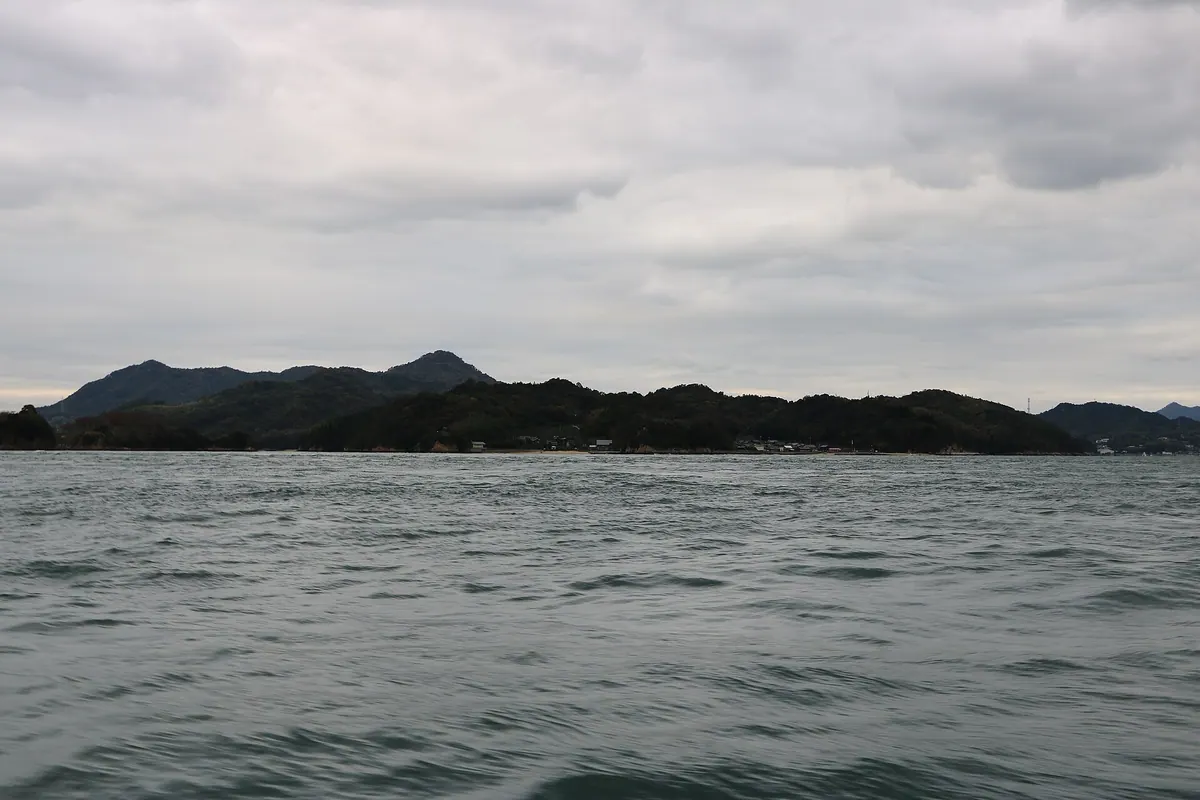
A small inhabited island in the Seto Inland Sea featuring pirate history and a historic temple hall.
What it is
- A small island in the Miyakubo Strait used as a Noshima Murakami pirate naval base.
- A residential community where all twenty-three inhabitants share only two different surnames.
- A former agricultural settlement established by migrants from Sajima during the Edo period.
- The ancestral home of the Oda family who served as island leaders for generations.
What to see
- Castle ruins located at the southern end of the island.
- A temple hall built by Oda Gonshiro dating back to seventeen seventy-two.
- The highest point of the island reaching eighty-four meters above sea level.
Getting there
- A ferry connects the island to nearby Oshima and Hakatajima.
18
Yurijima
EHIME · PLACE 由利島
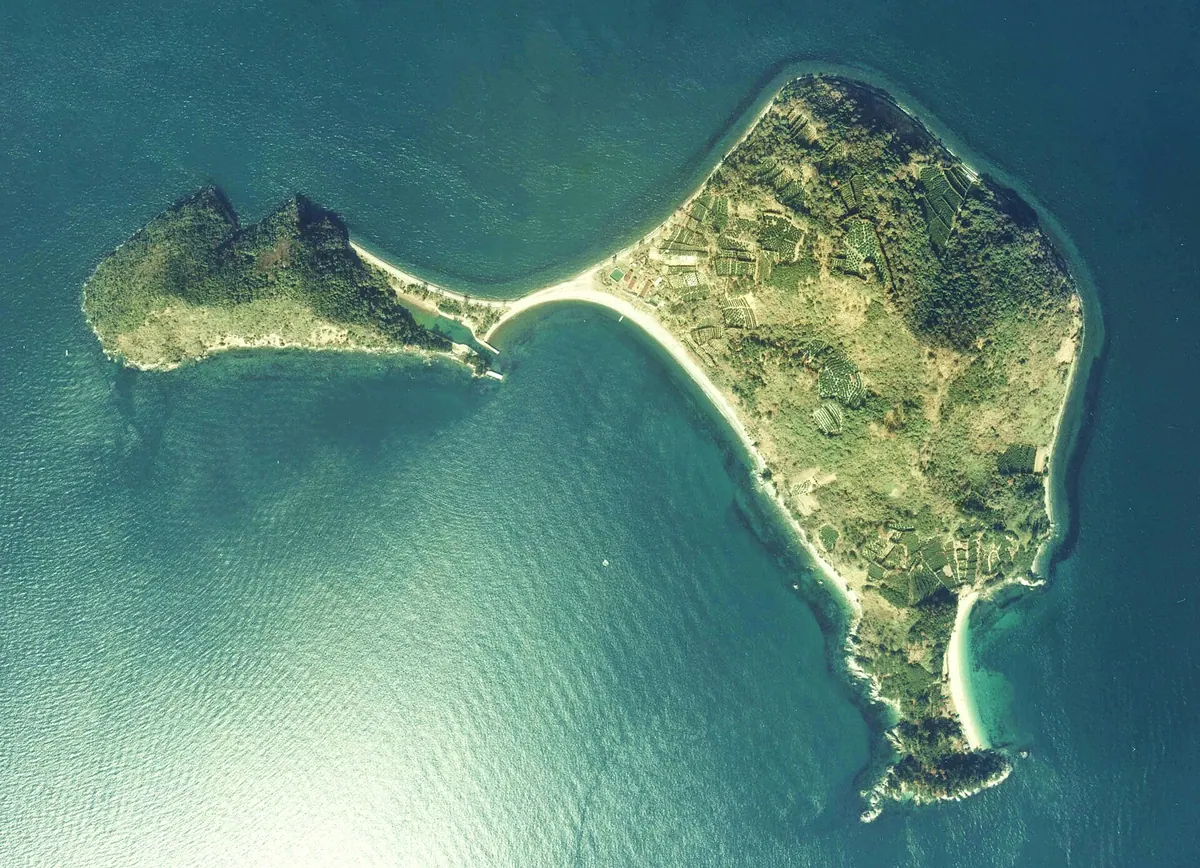
An uninhabited island in the Iyo-nada Sea featuring ancient ruins, a lighthouse, and wartime history on a unique sandbar landscape.
What it is
- An uninhabited island in the Iyo-nada Sea belonging to Matsuyama City.
- A site of ancient ruins where Yayoi period pottery was excavated.
- A former residential area that became completely uninhabited in 1965.
- The filming location for the popular Japanese television program DASH Island.
What to see
- Two distinct land masses connected by a natural sandbar.
- A lighthouse established in 1951 at the southernmost tip of the island.
- Anti-aircraft positions installed by the Japanese Navy during World War II.
- A designated fishing port known as Yuri Fishing Port.
- The highest point of the island reaching 174 meters above sea level.
19
Oshima
EHIME · PLACE 小島
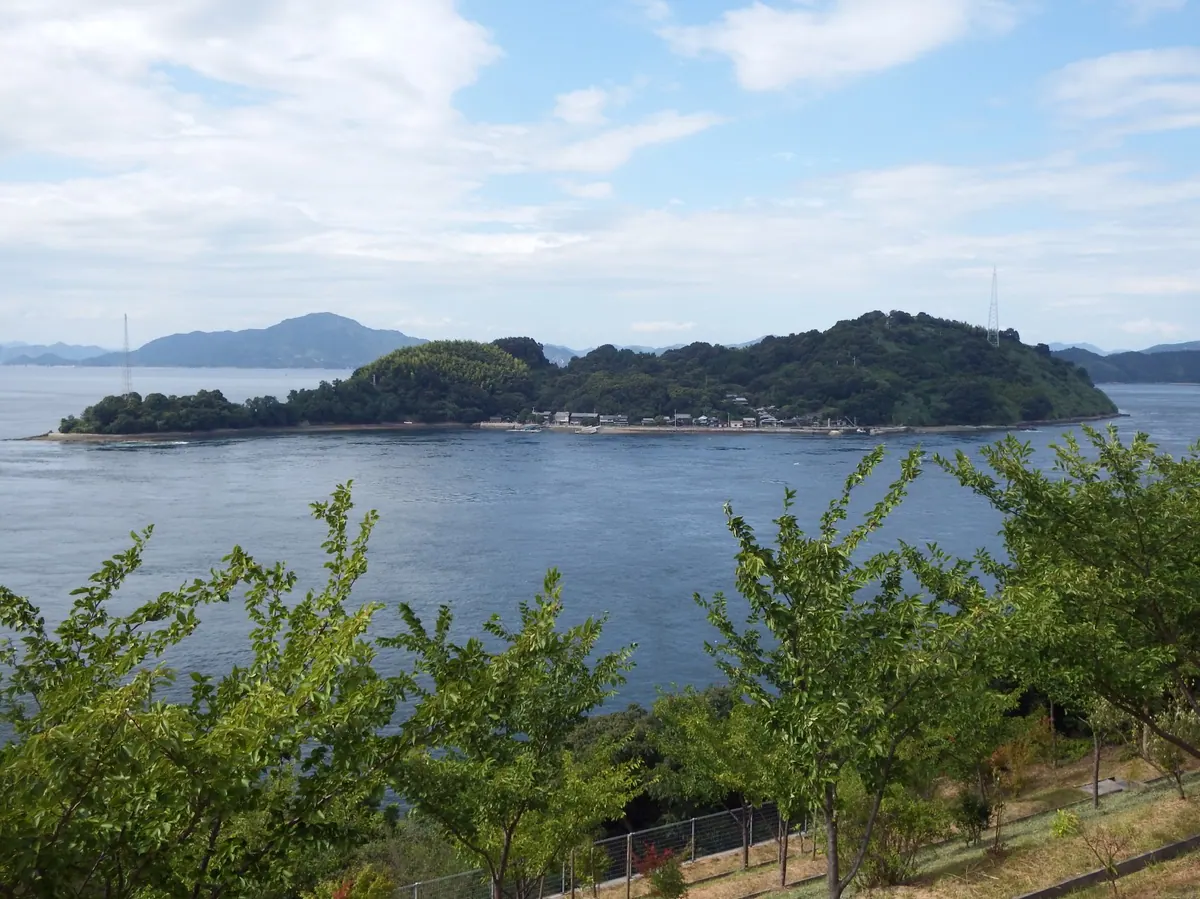
An inhabited island in the Kurushima Strait featuring preserved Meiji-era military ruins and designated civil engineering heritage sites.
What it is
- An inhabited island in the Kurushima Strait belonging to Imabari City.
- Site of the Geiyo Fortress built during the Meiji era starting in 1899.
- A small island settled by eight households during the Genroku era.
- Home to artillery batteries that were officially abolished in 1922.
What to see
- Ruins of the Geiyo Fortress designated as a Civil Engineering Heritage site.
- Remnants of military facilities and artillery batteries from the Russo-Japanese War era.
- A small local community with a population of approximately thirty-three people.
Getting there
- Accessible by boat departing from Hashihama.
20
Kurushima
EHIME · PLACE 来島
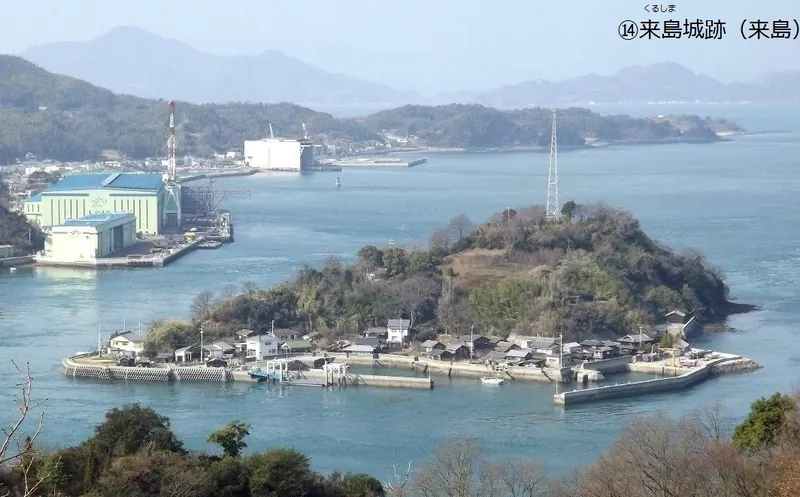
A small inhabited island and former naval base featuring a central hill and a history of maritime defense.
What it is
- An inhabited island located 240 meters off the coast of Shikoku.
- A former base for the Kurushima Murakami Navy.
- Site of Kurushima Castle for approximately 160 years.
- A small fishing community with a total surface area of 0.04 square kilometers.
What to see
- A 47-meter high hill standing in the center of the island.
- Fast and complex tidal currents surrounding the island coast.
- Local fishing industry operations and a small residential village.
Getting there
- A five-minute ferry ride connects Hashihama Port to Kurushima Port.
- The ferry service operates nine round trips per day.