

15 Islands in Mie worth your time
Japan Gems
15 Islands in Mie, with what to see and how to get there.
Mie has 15 islands on Japan Gems. Below are the 15 we can tell you the most about — each one written up in English from Japanese sources, with what to see and how to get there. See all islands in Mie.
01
Kami-shima
MIE · PLACE 神島
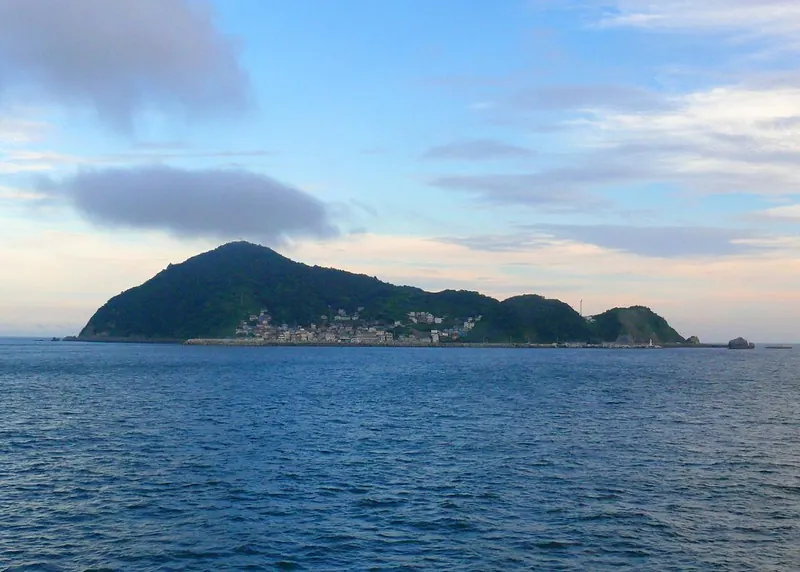
A small island in Ise Bay famous as the setting for Yukio Mishima's novel and known for its unique karst topography.
What it is
- A small island with a circumference of 3.9 kilometers located at the entrance of Ise Bay.
- The setting for the famous novel The Sound of Waves by author Yukio Mishima.
- A designated Lover's Sanctuary belonging to Toba City in Mie Prefecture.
- Home to Yatsushiro Shrine which enshrines the deity Hachidai Ryuo.
What to see
- A historic lighthouse selected as one of Japan's Top 50 Lighthouses.
- Over 100 treasures from the Kofun to Muromachi periods housed at the shrine.
- Unique karst topography featuring limestone formations on the southern part of the island.
- Migratory chestnut tiger butterflies and grey-faced buzzards passing through the area.
When to go
- The Geta Festival which is a designated prefectural intangible folk cultural property.
Getting there
- Regular boat services reach the island from Toba Port and Irago Port.
02
Sugashima
MIE · PLACE 菅島

An inhabited island in Ise-Shima National Park featuring a historic lighthouse and traditional female diver festivals.
What it is
- An island off the coast of Toba City within Ise-Shima National Park
- A historical provider of food offerings for the Ise Grand Shrine
- Home to a marine biological laboratory operated by Nagoya University
- Site of ancient Jomon and Yayoi period pottery discoveries at Fukuura
What to see
- The Sugashima Lighthouse rebuilt in 1873 by Richard Brunton
- Mount Oyama which serves as the highest point at 236 meters
- An active serpentine quarry operating on the southern part of the island
- Female divers competing for abalone during the Shirongo Festival
When to go
- During the Shirongo Festival to watch the traditional diving competitions
Getting there
- Take the Toba City municipal liners from the mainland to reach the island
03
Masaki Island
MIE · PLACE 間崎島

A quiet island in Ago Bay famous for its long history of pearl cultivation and the secluded Amanomanai Shrine.
What it is
- A small island in Ago Bay first settled by four farmers around 1532.
- A center for pearl cultivation and sardine fishing since the late nineteenth century.
- A remote community that reached its peak population of over six hundred people in 1955.
- Home to Amanomanai Shrine which enshrines seven deities including Susanoo-no-Mikoto.
What to see
- Active pearl cultivation rafts floating in the surrounding waters of the bay.
- Amanomanai Shrine where local deities are enshrined for the island community.
- The former site of Wagu Elementary School Masaki Branch which closed in 2006.
- A members-only sushi restaurant called Sushi Yutaka Zen located on the island.
Getting there
- A regular ferry service connects the island to Kashikojima and Wagu.
04
Sakatejima
MIE · PLACE 坂手島
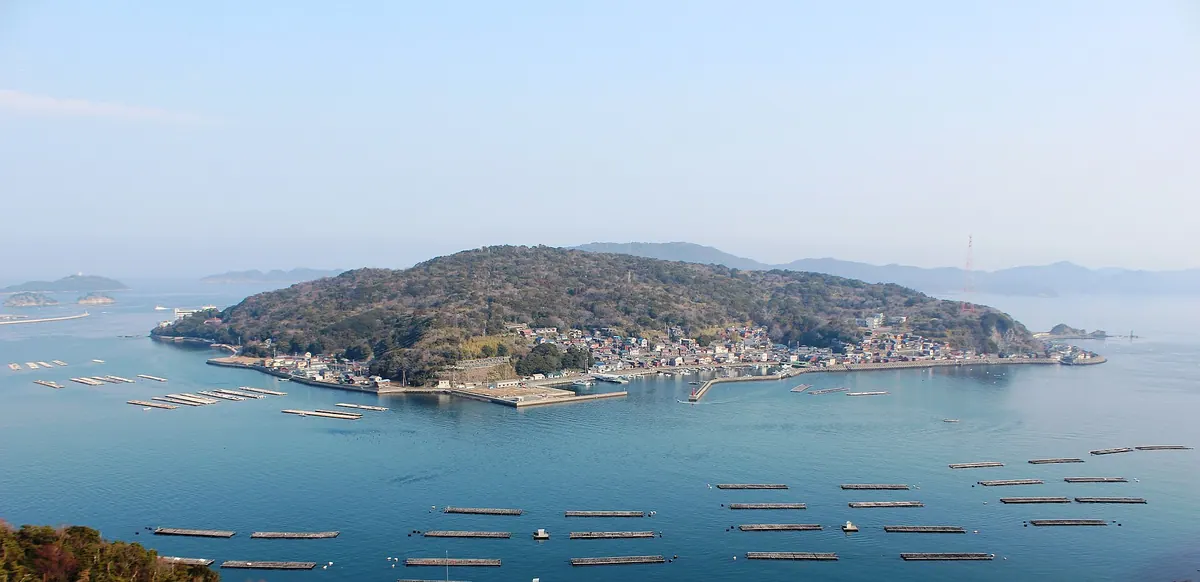
The smallest inhabited island in Toba Bay, offering a quiet escape with historic shrines, temples, and coastal views.
What it is
- The smallest of four inhabited islands in Toba Bay, Mie Prefecture.
- A small landmass covering 0.51 square kilometers located 600 meters offshore.
- Home to Wakamiya Shrine, which was founded in 1908 by merging four local shrines.
- The birthplace of Ryu Murayama, the wife of famous author Edogawa Ranpo.
What to see
- Rinsho-ji, a local temple belonging to the Soto Zen sect of Buddhism.
- The Sakate Village Battery Site, designated as a prefectural historic site.
- Mount Asama, which serves as the highest point on the island.
- Local coastal areas where a specific seaweed called Sakateme is harvested.
Getting there
- Municipal ferries run from Toba Port to Sakate Port.
- The ferry journey from the mainland takes approximately 12 minutes.
05
Tōshijima
MIE · PLACE 答志島

The largest island in Toba Bay, known for its historic naval history, unique local customs, and active fishing settlements.
What it is
- The largest island in Toba Bay, covering approximately seven square kilometers.
- A historic base for the Kuki Navy mentioned in the ancient Man'yoshu poetry collection.
- A community divided into the three settlements of Toshi, Wagu, and Momotori.
- An active fishing and aquaculture hub with a designated intangible folk cultural property system.
What to see
- Buildings marked with the Maruhachi symbol for protection from misfortune.
- The site where naval commander Kuki Yoshitaka committed suicide.
- Prefectural Road 759 which runs across the island landscape.
- Active fishing ports and traditional settlements in Toshi, Wagu, and Momotori.
Getting there
- Regular ferry service connects the island to the Toba Marine Terminal.
06
Kozukumi Island
MIE · PLACE 小築海島
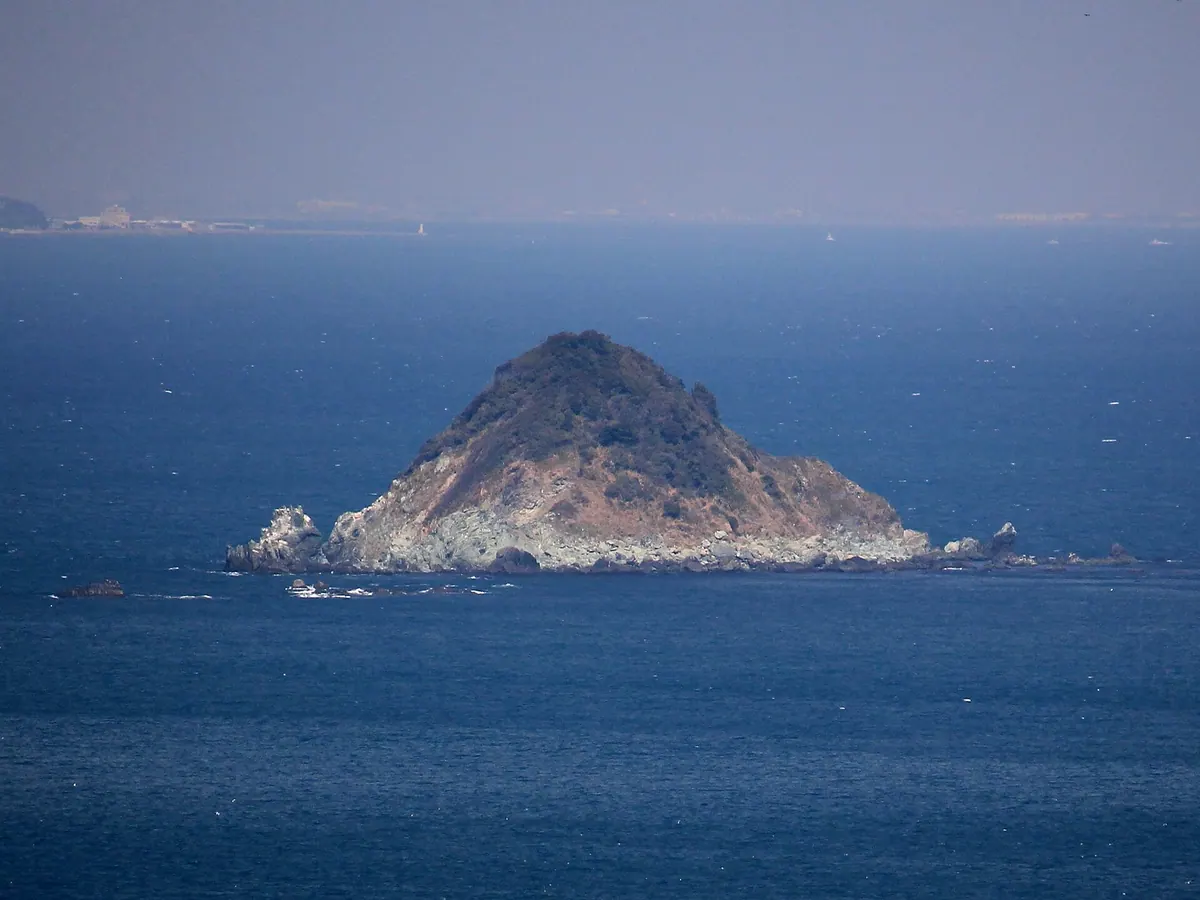
An uninhabited island in Ise-Shima National Park featuring a shrine and a cave with a history of shipwrecked sailors.
What it is
- An uninhabited island located north of Toshi Island in Mie Prefecture.
- A designated special area within the Ise-Shima National Park.
- A site featuring Hachiman Shrine and the Kyunin-boura cave.
- The surrounding waters are a restricted fishing zone for local residents.
What to see
- Hachiman Shrine, where local fishermen gather for an annual festival.
- Kyunin-boura cave, named after nine shipwreck victims found at the site.
- The island peak which reaches forty-one meters above sea level.
- Views of the nearby Onakayama Island and Ozukumi Island.
When to go
- An annual festival is held on the island every July 11.
- Sightseeing boats are the only permitted way to approach the island.
07
Ōzukumi-jima
MIE · PLACE 大築海島
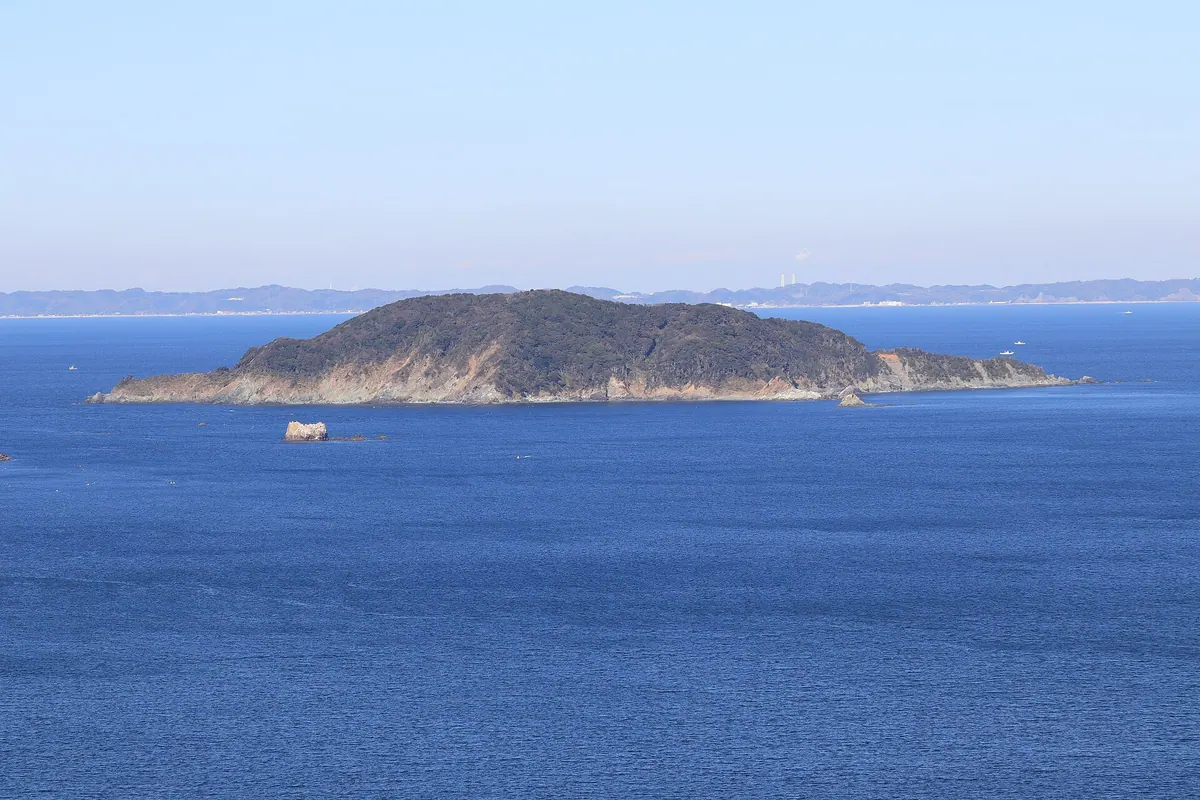
An uninhabited island in Ise-Shima National Park featuring ancient Yayoi period archaeological sites and a traditional July festival.
What it is
- An uninhabited island designated as a special area of Ise-Shima National Park.
- The site of a shell mound and pit dwelling remains from the middle Yayoi period.
- A location formerly known as Tsukumo-jima with a name originating from the bulrush plant.
- A center for local fishing and seaweed bed cultivation for abalone.
What to see
- Excavated remains of ancient pit dwellings from the Yayoi period.
- Archaeological sites where historical Yayoi pottery was unearthed.
- Natural landscapes protected within the Ise-Shima National Park boundaries.
- Active fishing waters used for catching local shrimp and octopus.
When to go
- A local festival is held on the island every July.
08
Watakanojima
MIE · PLACE 渡鹿野島
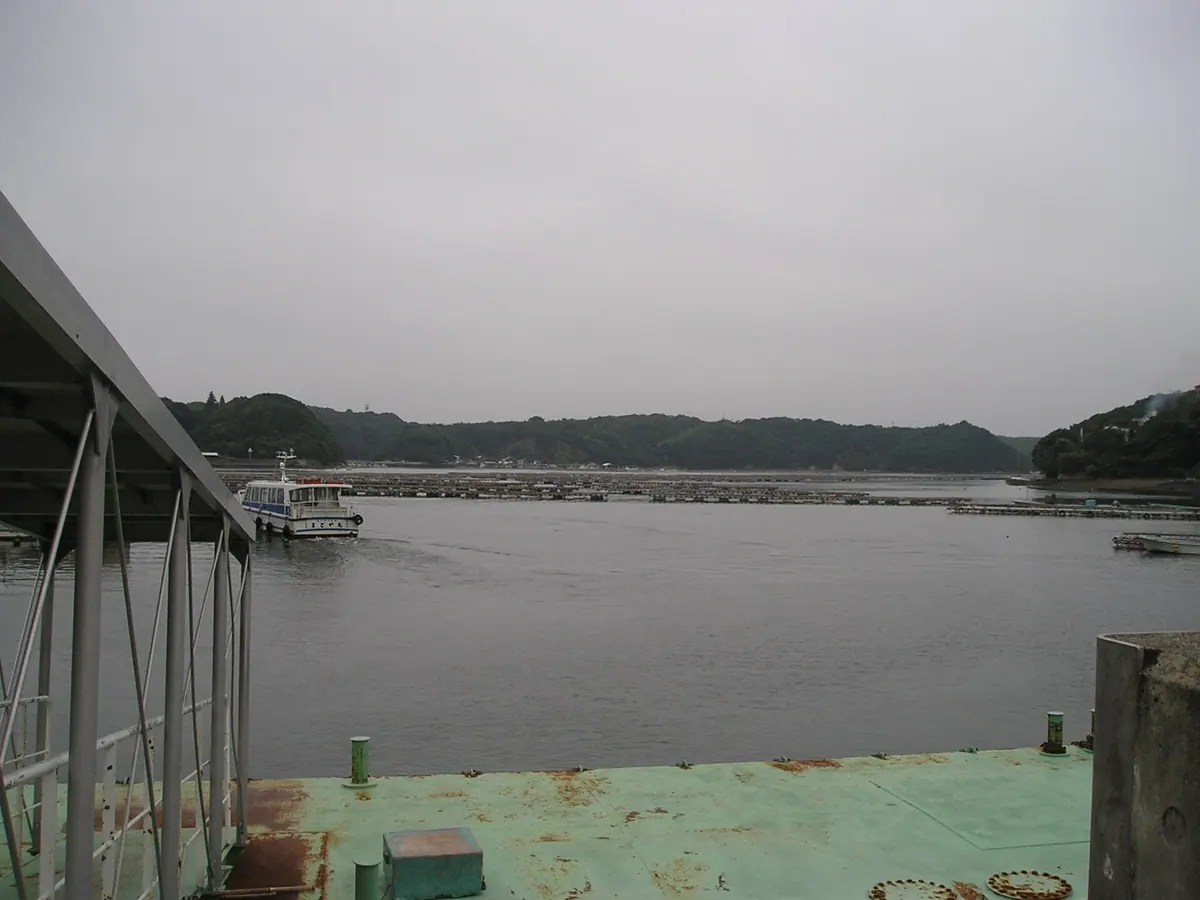
A small island in Matoya Bay known for its maritime history, pearl beach, and annual summer festival.
What it is
- A seven kilometer island located inside Matoya Bay within Ise-Shima National Park.
- Historically served as a port for ships awaiting favorable winds.
- Formerly a territory belonging to the Izawa-no-miya Shrine.
- A residential island with a primary industry focused on tourism.
What to see
- Watakano Pearl Beach is the only swimming area available on the island.
- Views of the surrounding Matoya Bay from the island coastline.
When to go
- The Tenno Festival takes place annually during late July.
Getting there
- Private ferries reach the island from the mainland in three minutes.
- Free ferry service is operated by Shima City on specific days.
- Official site
- watakano.net
09
Yadori Island
MIE · PLACE 矢取島
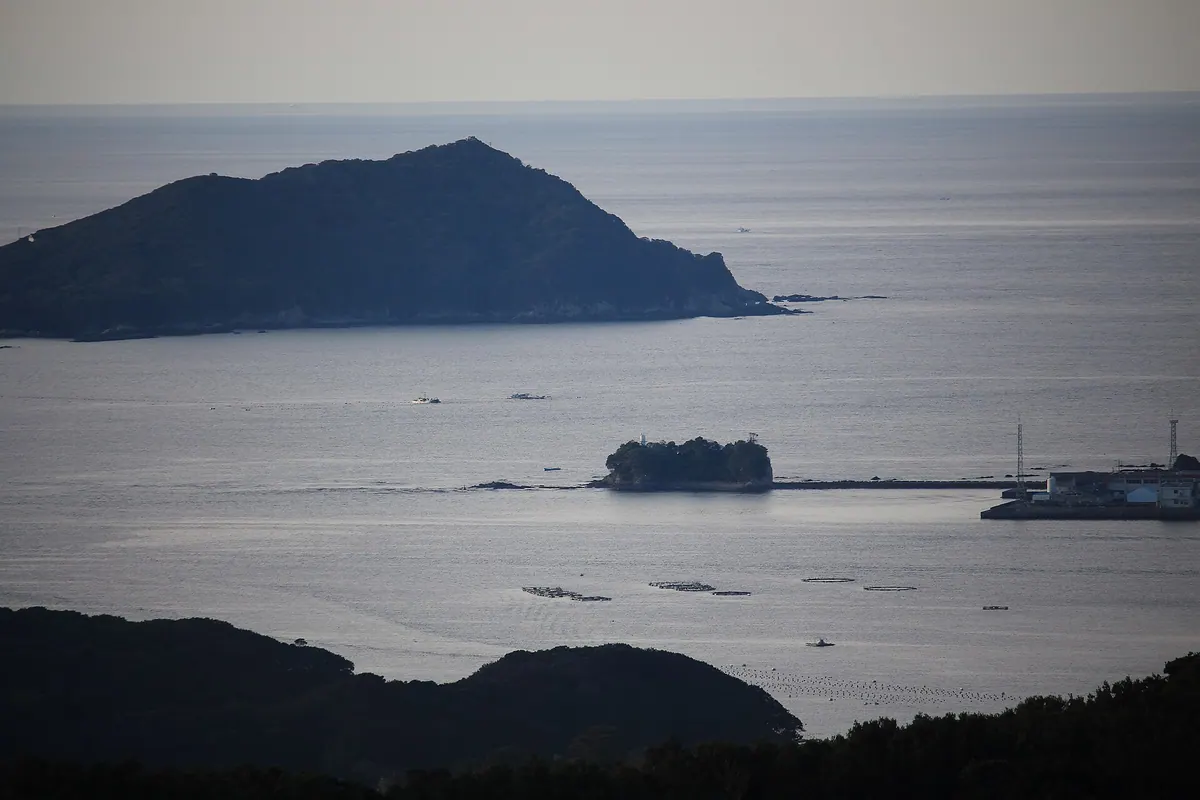
An uninhabited island in Mie Prefecture featuring unique geological formations and a decommissioned lighthouse accessible by a jetty.
What it is
- An uninhabited island in Shima City connected to the mainland by a jetty.
- A geological site belonging to the Mesozoic Matsuo formation.
- The former location of Natsukashi Shrine before its 1907 merger.
- The site of the decommissioned Hamajima Port Lighthouse.
What to see
- An 8.7 meter tall lighthouse tower first lit in 1955.
- Exposed terrain consisting of sandstone, conglomerate, and mudstone.
- An outcropping of manganese iron ore on Small Yadori Island.
- Rocky shores inhabited by local oysters and barnacles.
Getting there
- Take a bus from Ugata Station to reach the area.
- The island is accessible on foot from the Hamajima bus stop.
10
Mikimoto Pearl Island
MIE · PLACE ミキモト真珠島

The birthplace of cultured pearls where visitors can watch traditional divers and explore a museum dedicated to pearl jewelry.
What it is
- A leisure facility in Toba Bay where Kokichi Mikimoto first cultured pearls in 1893.
- The site features a museum, a memorial hall, and a pearl shop.
- The island is connected to the mainland by the Pearl Bridge.
- A memorial hall exhibits the life and personal belongings of Kokichi Mikimoto.
What to see
- Ama divers performing traditional diving demonstrations for visitors.
- The Pearl Museum displaying various pearl crafts and antique jewelry.
- A bronze statue of Kokichi Mikimoto located on the island.
- Exhibits detailing the history and process of pearl cultivation.
Getting there
- The island is a five-minute walk from Toba Station.
- Official site
- www.mikimoto-pearl-island.jp
11
Kashiko Island
MIE · PLACE 賢島

The largest inhabited island in Ago Bay, known for pearl cultivation and as the host of the 2016 G7 Summit.
What it is
- The largest inhabited island in Ago Bay, covering 0.68 square kilometers.
- A central part of the Ise-Shima National Park connected by bridges.
- A historic site where arrowheads from the Jomon period were discovered.
- A major center for materials used in local pearl cultivation.
What to see
- The Ise-Shima Summit Memorial Museum located inside the train station.
- Sightseeing boats and ferries operating from the local port.
- Cruise routes around the bay operated by Shima Marine Leisure.
- The venue that hosted the 42nd G7 Summit in 2016.
Getting there
- Kashiko Station serves as the terminus of the Kintetsu Shima Line.
12
Mifunejima
MIE · PLACE 御船島
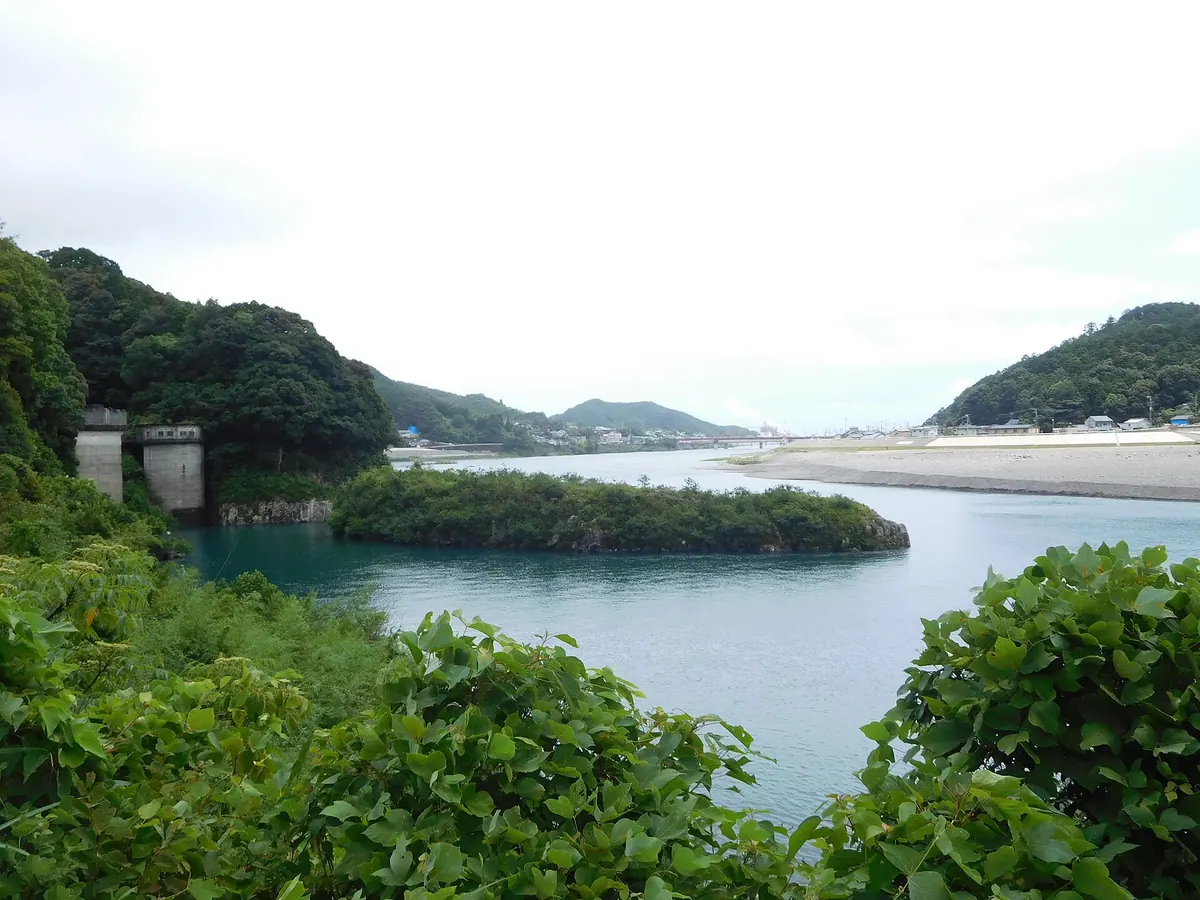
A UNESCO-listed uninhabited river island owned by Kumano Hayatama Taisha, serving as a sacred site for traditional boat racing festivals.
What it is
- An uninhabited river island made of sedimentary rock in the Kumano River
- A sacred site owned by Kumano Hayatama Taisha enshrining Mifune Myojin
- A component of the UNESCO World Heritage site and Kumano Sanzan National Historic Site
- A small natural landmark covering approximately 2,200 square meters
What to see
- The natural sedimentary rock formations of the island
- Recovered vegetation and trees that survived significant flooding in 2011
- Traditional boat races held on the surrounding river waters
When to go
- During the Mifune Festival to watch ceremonial boat races around the island
13
Hinata Island
MIE · PLACE 日向島

An uninhabited island in Toba Bay featuring a marine park with animal shows and scenic views from its summit.
What it is
- Uninhabited island in Toba Bay also known as Dolphin Island.
- Part of the Ise-Shima National Park covering zero point one one square kilometers.
- Home to the Dolphin Island Marine Park established in 1959.
- Site of the Hinata Inari Daimyojin shrine on the northern side.
What to see
- Dolphin and sea lion shows performed for visitors.
- Historical fish observation hut designated as a cultural property.
- Two sandy beaches available for swimming.
- Summit views reached by a single-passenger lift from the pier.
Getting there
- Sightseeing boats depart from Toba Marine Terminal to the island.
14
Mieshima
MIE · PLACE 見江島

An uninhabited island in Ise-Shima National Park known for its unique geology, lighthouse, and protected house martin habitats.
What it is
- An uninhabited island located in the Pacific Ocean near the Ugura Peninsula.
- Part of the Ise-Shima National Park in Minamiise Town, Mie Prefecture.
- A designated Mie Prefectural Natural Monument since 1963 for its bird habitats.
- A geological site featuring distinct layers of shale and sandstone.
What to see
- The Mieshima Lighthouse standing on the island.
- House martins that inhabit and sometimes overwinter in the island caves.
- Warm-region plants growing across the mountainous areas.
- Views of the surrounding rias coastline and numerous reefs.
- Four observation decks located in the nearby Ugura Park.
15
Seiganjima
MIE · PLACE 誓願島

An uninhabited island in Ise-Shima National Park featuring a historic lighthouse that guides ships through the narrow Kaburako Channel.
What it is
- An uninhabited island in Toba City also known as Senganjima or Ogurajima
- A former ship inspection station located in the narrowest part of the Kaburako Channel
- Part of the Ise-Shima National Park used for maritime safety prayers
- Site of a concrete lighthouse that first lit up on January 20, 1944
What to see
- A functional concrete lighthouse emitting a Morse code light signal
- Views of the surrounding waters containing many hidden reefs
- A lighthouse that flashes in synchronization with the nearby Maruyamasaki Lighthouse