

16 Mountains in Tottori worth your time
Japan Gems
16 Mountains in Tottori, with what to see and how to get there.
Tottori has 16 mountains on Japan Gems. Below are the 16 we can tell you the most about — each one written up in English from Japanese sources, with what to see and how to get there. See all mountains in Tottori.
01
Mount Sentsū
TOTTORI · PLACE 船通山
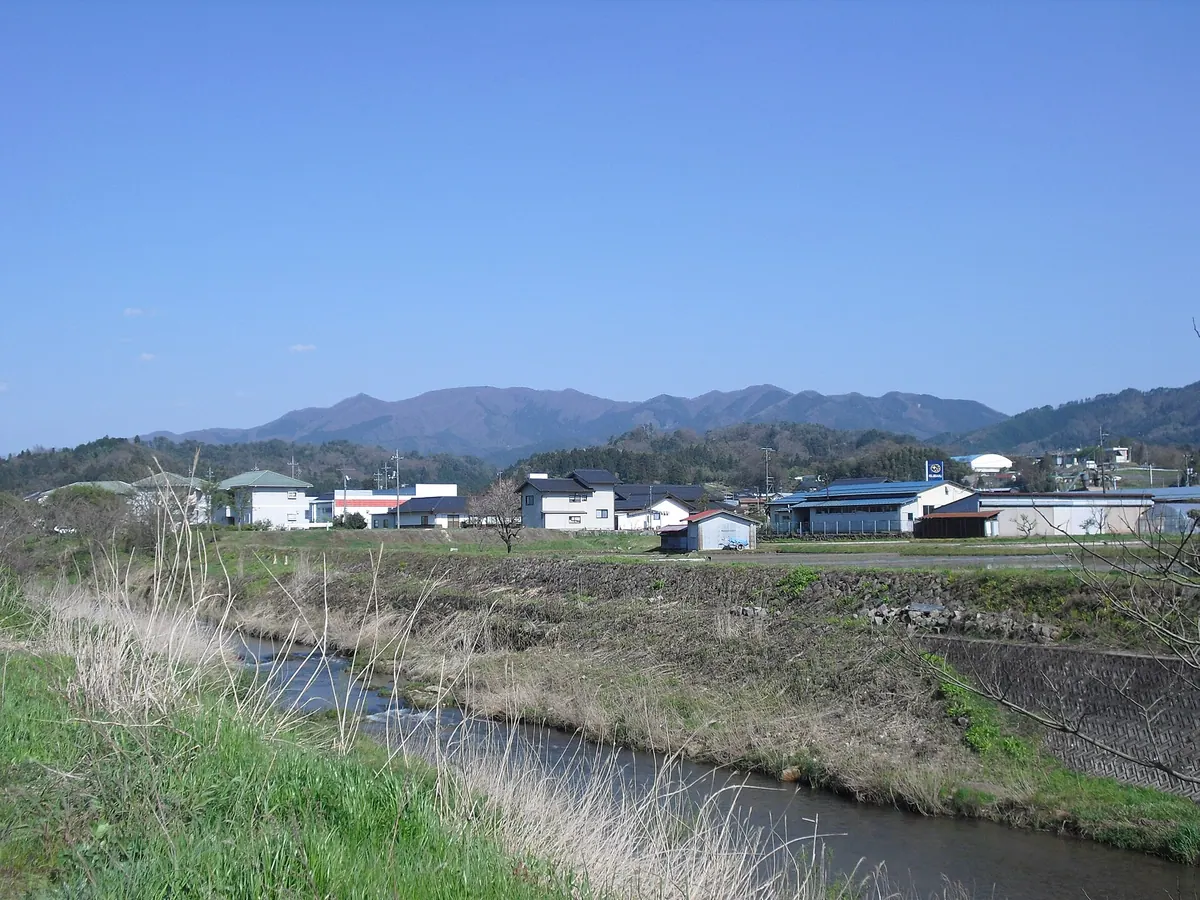
A 1,142-meter peak on the Tottori-Shimane border famous for its connection to the Susanoo myth and the Kusanagi sword.
What it is
- A 1,142-meter mountain located on the border of Tottori and Shimane prefectures.
- Part of the Hiba-Dogo-Taishaku Quasi-National Park and source of the Hii River.
- The mythological site where the deity Susanoo defeated the eight-headed serpent Yamata-no-Orochi.
What to see
- A stone monument marking the discovery site of the legendary Kusanagi sword.
- Torigami Falls situated near the sixth station of the mountain trail.
- A designated natural monument Japanese yew tree growing on the Tottori side.
- Dogtooth violets blooming across the summit area during the spring season.
When to go
- Mid-April to early May to see the dogtooth violets in bloom.
- July 28 for the annual Senyo-sai festival held since 1930.
- The festival date features a traditional sword dance performed in Susanoo costume.
02
Mount Jūbō
TOTTORI · PLACE 鷲峰山
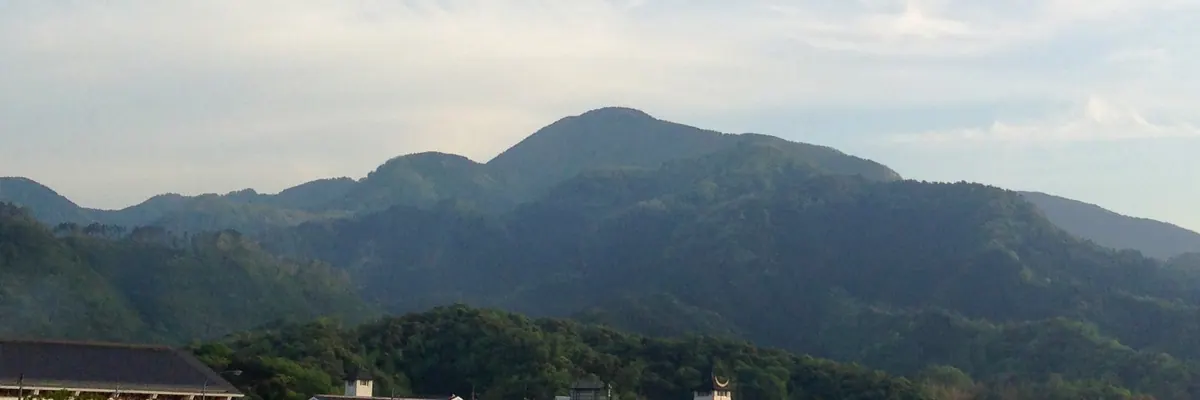
A 920-meter mountain in Tottori offering multiple hiking trails and a summit observatory with views of the surrounding landscape.
What it is
- A mountain standing 920.6 meters tall also known as Jubozan or Washimineyama.
- The name refers to an eagle spreading its wings and relates to a site in India.
- The peak is the subject of a height competition legend involving Mount Daisen.
What to see
- A gazebo at the summit that serves as an observatory for visitors.
- The Kobessho climbing route which takes approximately ninety minutes to ascend.
- The Kawachi route which requires about two hours to reach the top.
- The Kobutadani route which serves as the longest path to the summit.
- The Obata climbing course where bears have been reported in the area.
Getting there
- Climbing trails start from the Shikano Sports Park area.
- Access to the mountain paths is available from Azura Forest Park.
03
Mount Mimuro
TOTTORI · PLACE 三室山 (兵庫県・鳥取県)
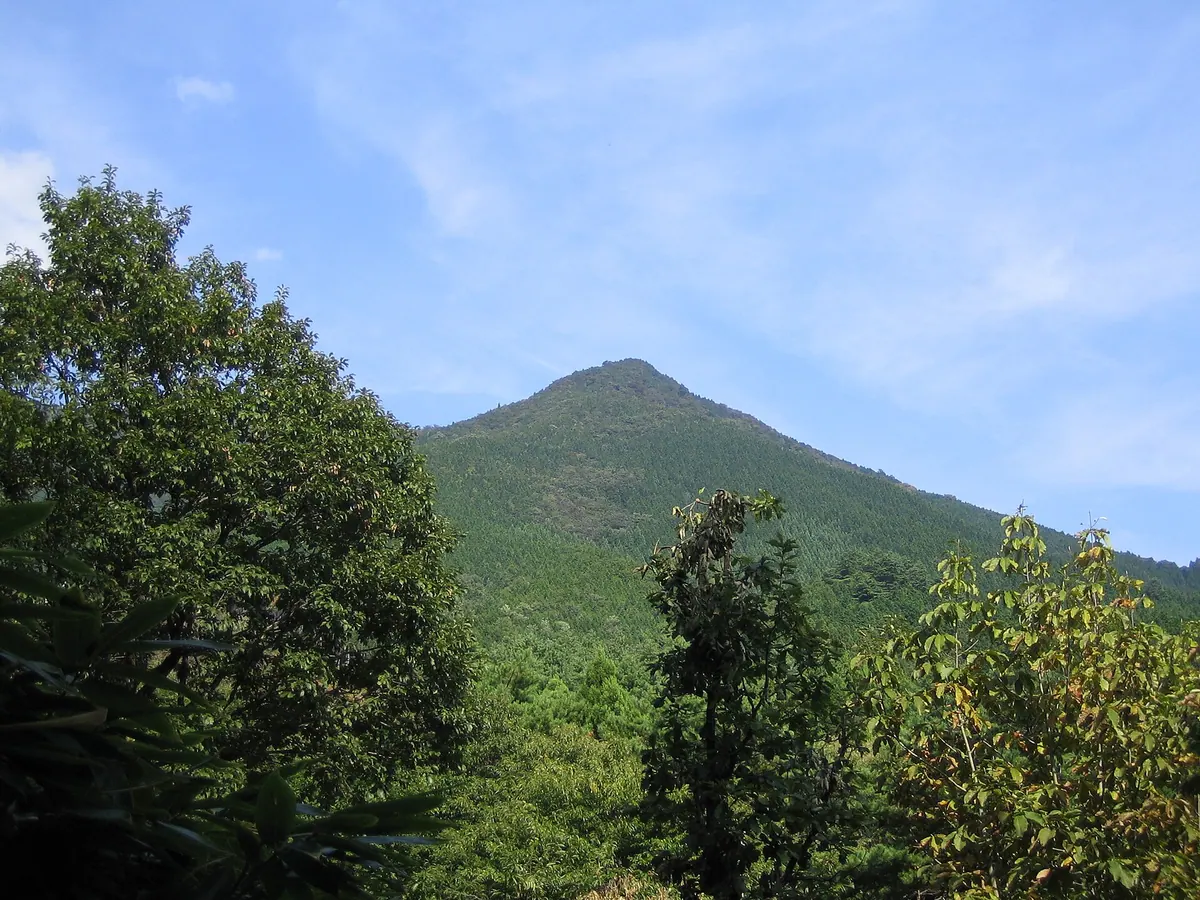
A 1,358-meter peak in the Chugoku Mountains offering hiking trails through a protected quasi-national park on the Hyogo border.
What it is
- The second highest peak in Hyogo Prefecture standing at 1,358 meters tall.
- A prominent summit within the Hyonosen-Ushironoyama-Nagisan Quasi-National Park.
- One of the 100 Famous Kinki Mountains and 100 Mountains of Hyogo.
- A peak spanning the border of Shiso City and Wakasa Town.
What to see
- Views of the surrounding Chugoku Mountains from the high summit.
- A ridge line connecting to Mount Ushironoyama and Mount Daruga.
- Natural landscapes protected within the designated quasi-national park area.
- Nearby peaks including Mount Komanonoyama visible from the trail.
Getting there
- The main trailhead starts from the former outdoor activity center.
- Common access to the mountain is through the Shiso City side.
04
Mount Nagi
TOTTORI · PLACE 那岐山
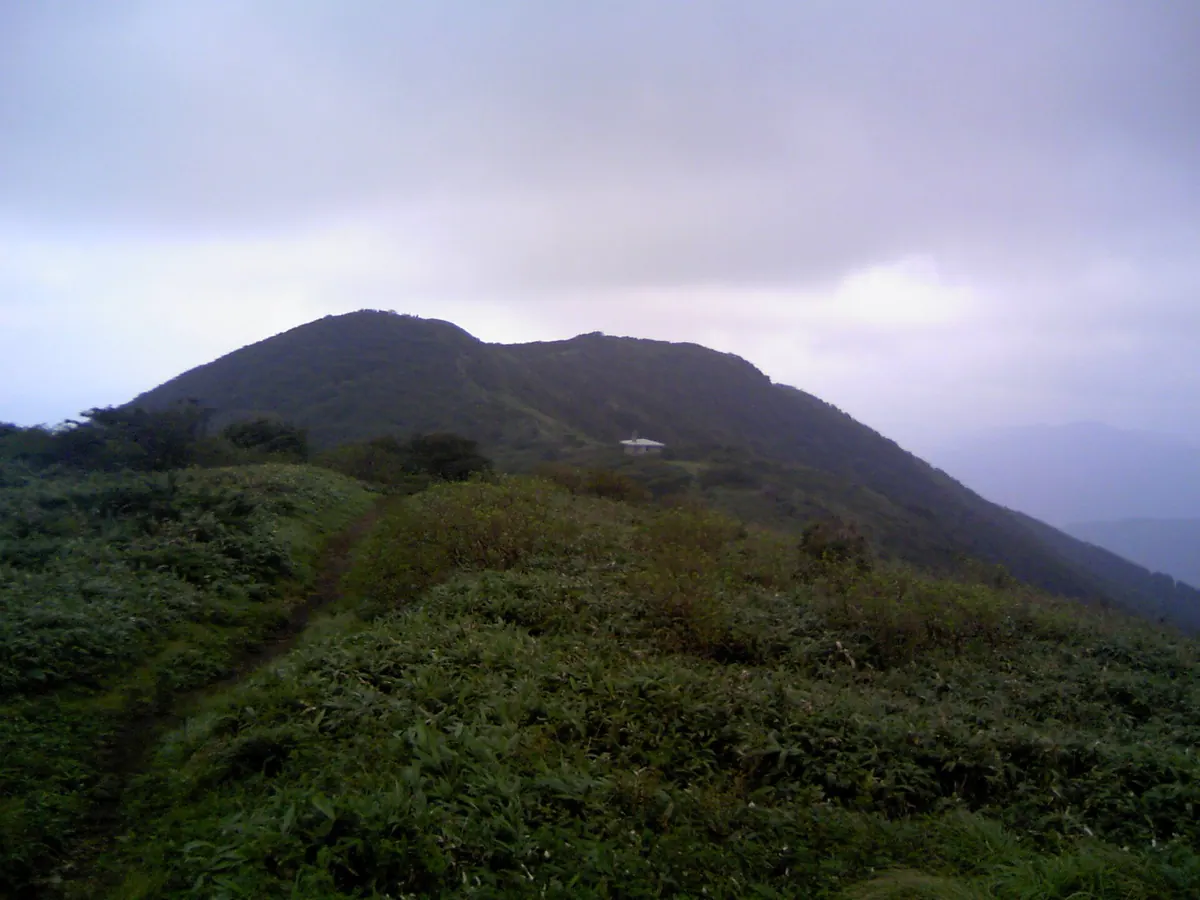
A 1,255-meter peak on the Tottori-Okayama border offering 360-degree views and rare alpine plant colonies within a protected national forest.
What it is
- A 1,255-meter mountain located on the border of Tottori and Okayama prefectures
- Part of the Hyonosen-Ushiroyama-Nagisan Quasi-National Park and a protected national forest
- Recognized as one of the 300 Famous Mountains in Japan
- A geological monadnock formation composed primarily of granite and rhyolite
What to see
- A summit providing a 360-degree panoramic view of the surrounding region
- Colonies of Enkianthus perulatus flowers growing naturally at the mountain peak
When to go
- Snow covers the mountain landscape from mid-November until early April
Getting there
- Accessible by a 25-minute drive from Chizu Station
- Public transportation access is available via the Koen bus stop
05
Mount Mitoku
TOTTORI · PLACE 三徳山
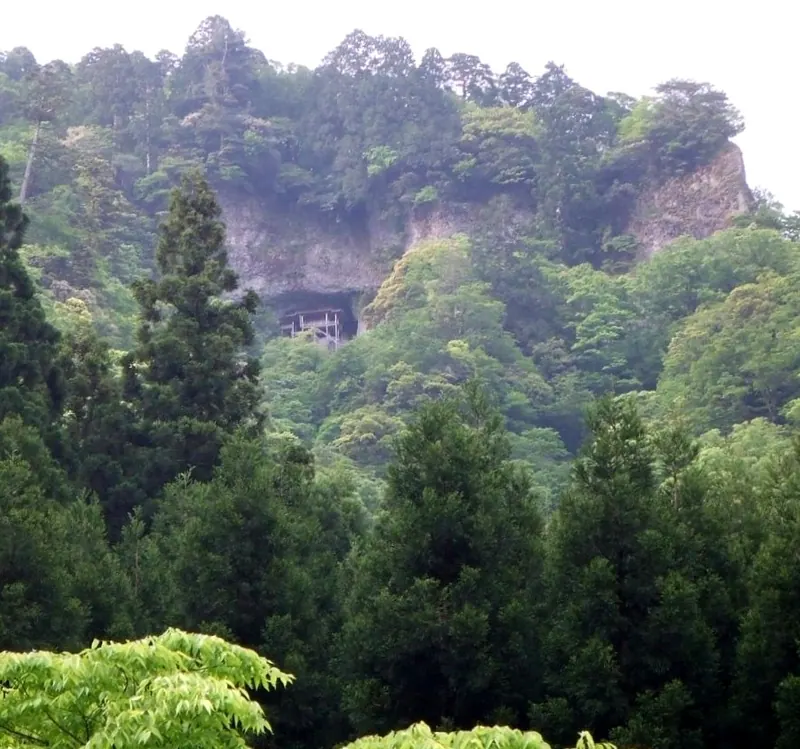
A sacred mountain and National Treasure temple built into a cliffside, offering a challenging climb for spiritual and scenic rewards.
What it is
- A sacred mountain standing 899.6 meters tall in Daisen-Oki National Park.
- Established as a site for ascetic training by En no Gyoja in 706.
- A designated National Scenic Spot and Historic Site featuring Sanbutsuji Temple.
- The mountain is composed of unique pyroxene andesite and tuff breccia rock formations.
What to see
- Nageiredo hall is a National Treasure built directly into a steep cliff face.
- Sanbutsuji Temple is located at the foot of the mountain for visitors to explore.
- Three distinct waterfalls named Fudo, Shinja, and Ryutokuin are located on the mountain.
- The endemic Mitoku Nadeshiko plant species grows within the mountain's ecosystem.
- A 900-meter climbing path leads visitors up the mountain to the Nageiredo hall.
06
Mount Ōgi
TOTTORI · PLACE 扇ノ山
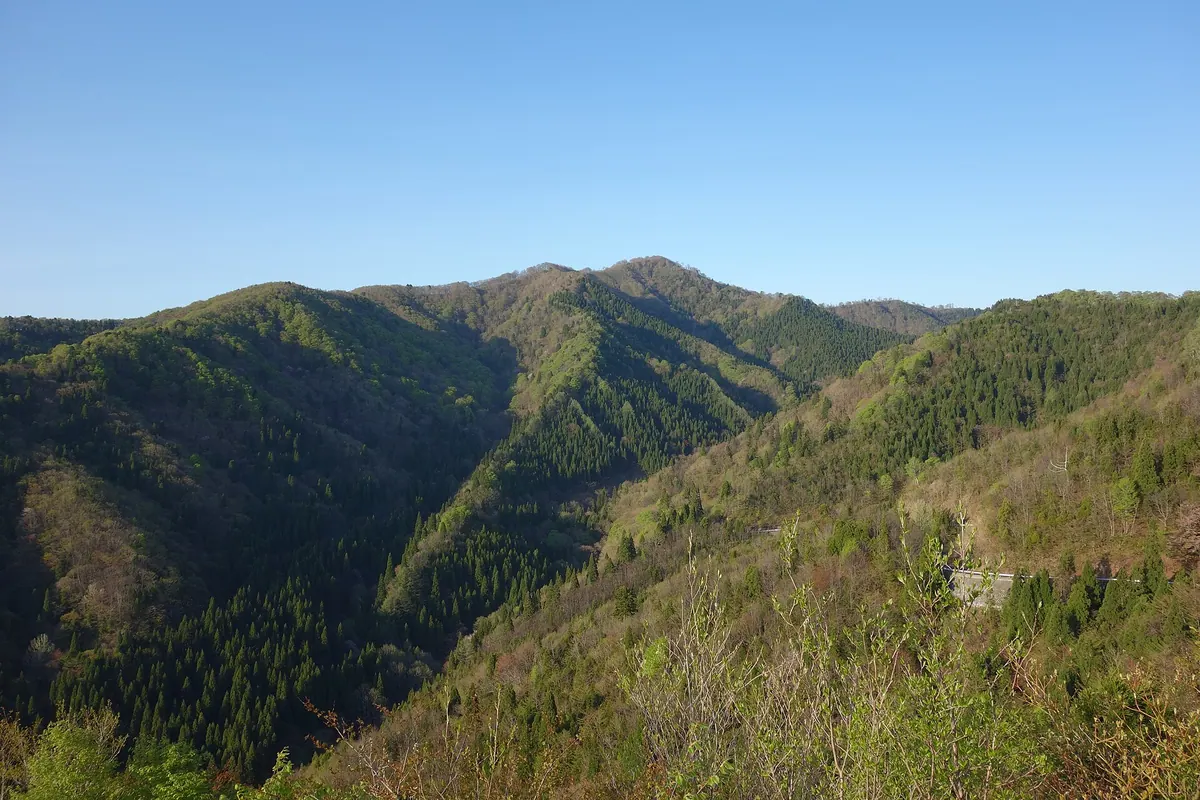
A 1,309-meter extinct volcano offering panoramic views of the Sea of Japan and prime backcountry skiing in western Japan.
What it is
- An extinct volcano standing on the border of Tottori and Hyogo prefectures.
- Part of the Hyonosen-Ushironoyama-Nagisan Quasi-National Park system.
- A natural habitat for rare species including Asian black bears and golden eagles.
- A popular destination for backcountry skiing and mountain hiking.
What to see
- Panoramic views of the Sea of Japan and Mount Daisen from the summit.
- A wooden two-story mountain hut located at the peak.
- The Amedaki Falls and the nearby Sugano Marsh area.
- A spindle-shaped volcanic bomb designated as a natural monument.
- A second-class triangulation point marking the 1,309.9-meter elevation.
Getting there
- The Kawai-dani Plateau serves as a major access point for hikers.
07
Mount Hyōno
TOTTORI · PLACE 氷ノ山
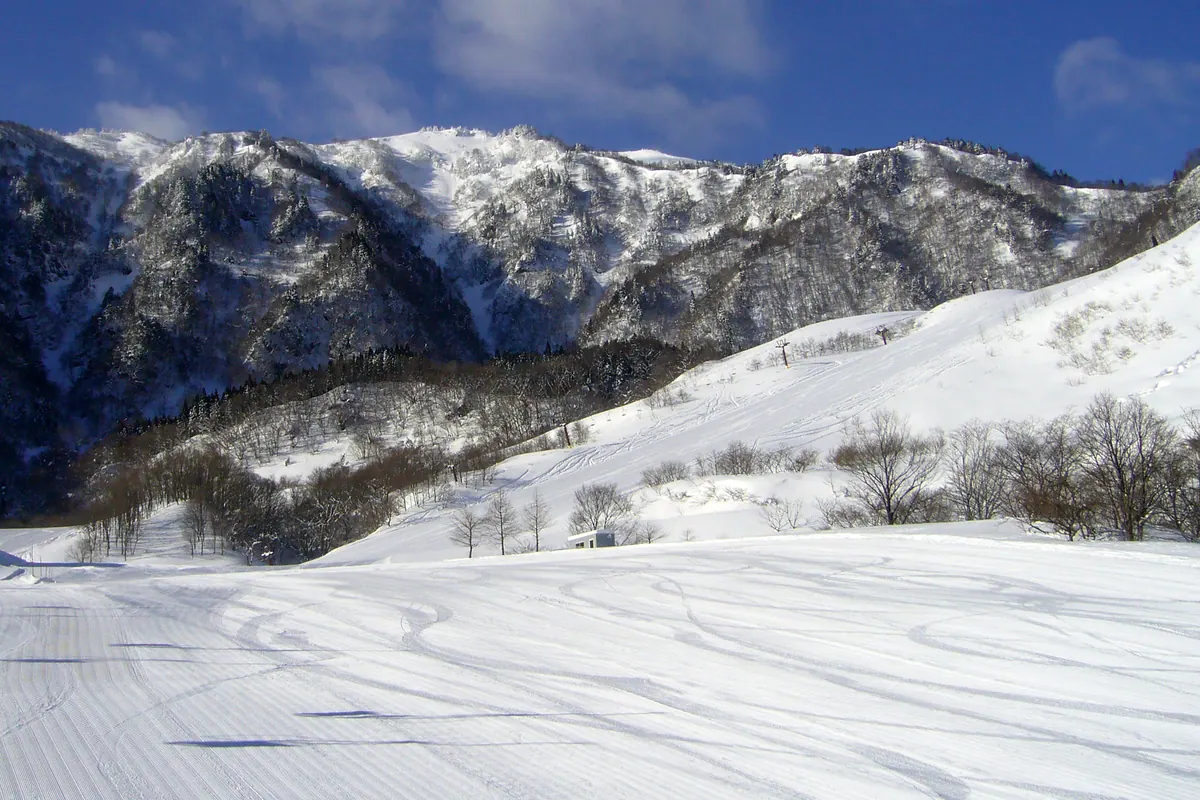
The highest peak in Hyogo Prefecture, offering ancient volcanic landscapes, diverse wildlife, and seasonal skiing within a quasi-national park.
What it is
- The highest mountain in Hyogo Prefecture reaching an elevation of 1,510 meters.
- A volcanic peak formed from andesitic lava approximately 2.5 million years ago.
- Part of the Hyono-sen Ushiro-yama Nagisan Quasi-National Park on the Tottori border.
- A protected habitat for Asiatic black bears and golden eagles.
What to see
- Extensive forests of beech and horse chestnut trees growing on the slopes.
- The summit view accessible via the Bunmawashi hiking course.
- Multiple ski resorts operating on the eastern and western mountain slopes.
Getting there
- Accessible via bus services departing from Yoka Station.
- Bus connections are available from Wakasa Station to reach the area.
08
Daisen
TOTTORI · PLACE 大山
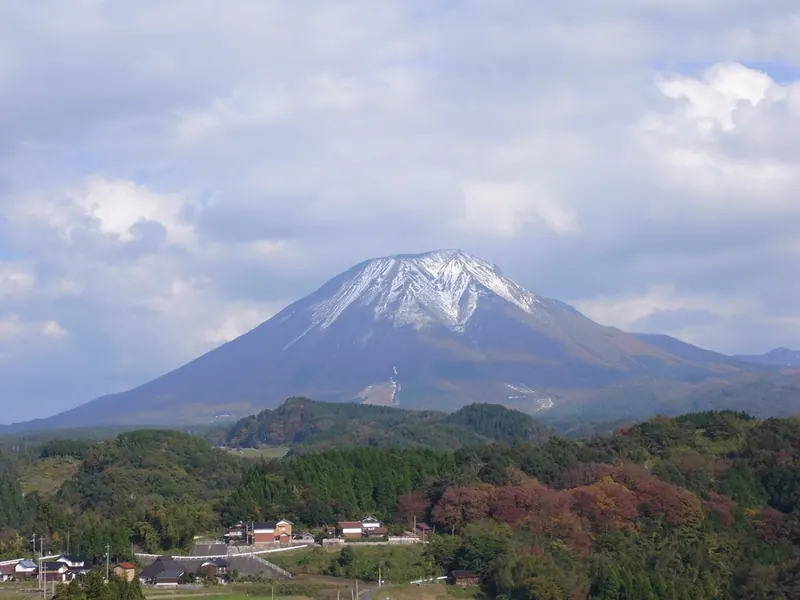
A 1,729-meter stratovolcano and ancient temple site offering the highest peaks and protected yew forests in the Chugoku region.
What it is
- A 1,729-meter stratovolcano located within the Daisen-Oki National Park
- The highest peak in the Chugoku region and one of 100 Famous Japanese Mountains
- Site of Daisen-ji Temple which was established on the mountainside in the 8th century
- A designated National Wildlife Protection Area also known as Hoki Fuji or Izumo Fuji
What to see
- The highest point of the mountain at the Kengamine peak
- The second-highest peak named Misen reaching 1,709 meters
- A protected Japanese Yew forest located around the summit area
- Ancient temple buildings belonging to the Daisen-ji complex
Getting there
- Buses run to the mountain trailhead from Yonago and Daishanguchi Stations
09
Mount Utsubuki
TOTTORI · PLACE 打吹山
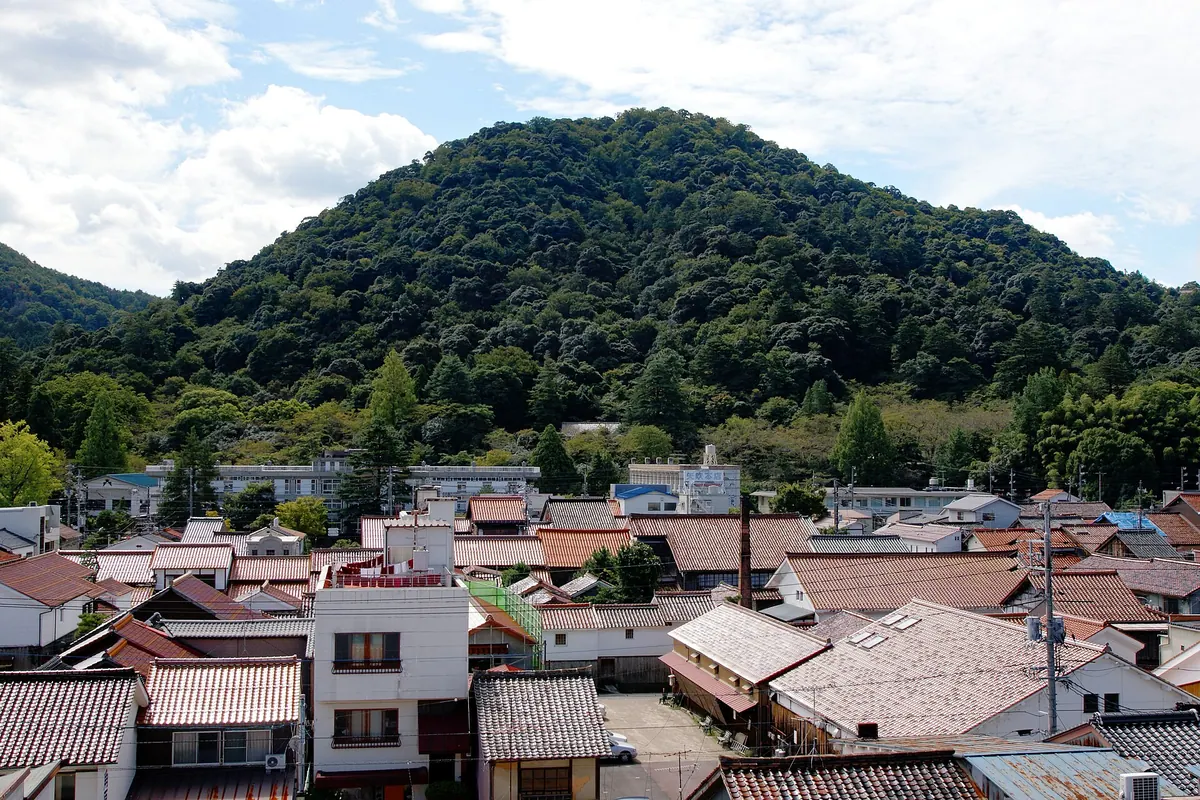
A 204-meter mountain featuring a historic park, diverse forest, and ancient temple sites on the former grounds of Utsubuki Castle.
What it is
- A 204-meter mountain also known as Hakoniwa Fuji or Hoki no Kofuji.
- Site of Utsubuki Castle which was originally built during the Muromachi period.
- Utsubuki Park was established at the former castle site in 1904.
- The mountain is a designated part of the Chugoku Nature Trail.
What to see
- Hase-dera Temple and Kurayoshi Shrine are located on the mountain slopes.
- The Hiryukaku building was constructed in 1904 for the Crown Prince.
- Over 220 species of trees including evergreen broad-leaved Castanopsis sieboldii.
- Local wildlife including the Rhacophorus arboreus frog species.
- Geological formations consisting primarily of rhyolite from the Cretaceous period.
10
Mount Misumi
TOTTORI · PLACE 三角山
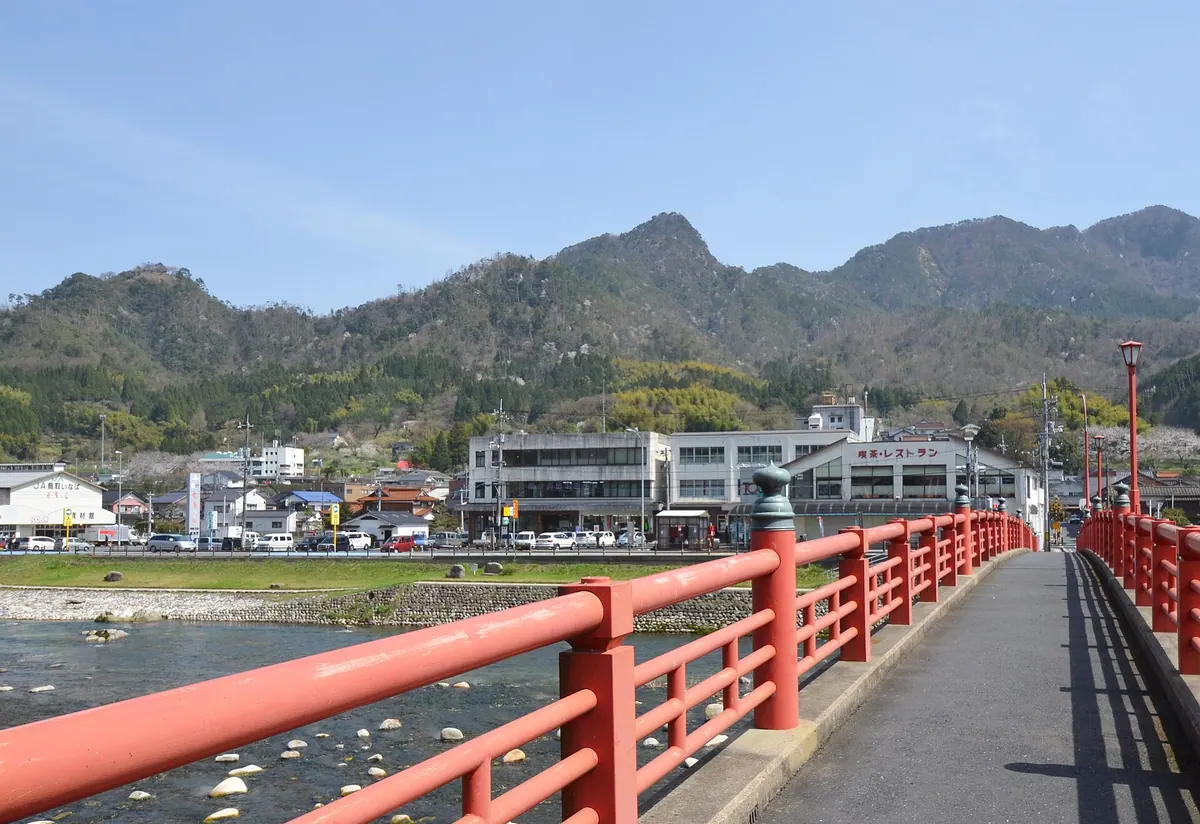
A 516-meter peak featuring a historic shrine and castle ruins, formerly used for Shugendo mountain worship practices.
What it is
- A 516-meter peak ranked among the 100 Famous Mountains of Chugoku.
- A historical site for Shugendo mountain worship that excluded women until World War II.
- Home to Misumi Shrine which is dedicated to the deity Sarutahiko-no-mikoto.
- Site of the Kageishi Castle ruins located on a northern ridge peak.
What to see
- The Misumi Shrine main hall which is a designated cultural property of Tottori.
- Kageishi Castle ruins recognized as a designated historical landmark of Tottori City.
- Panoramic views from the summit reached via a 40-minute hike from the trailhead.
When to go
- The annual mountain festival is held every year on July 23rd.
11
Karasugasen
TOTTORI · PLACE 烏ヶ山
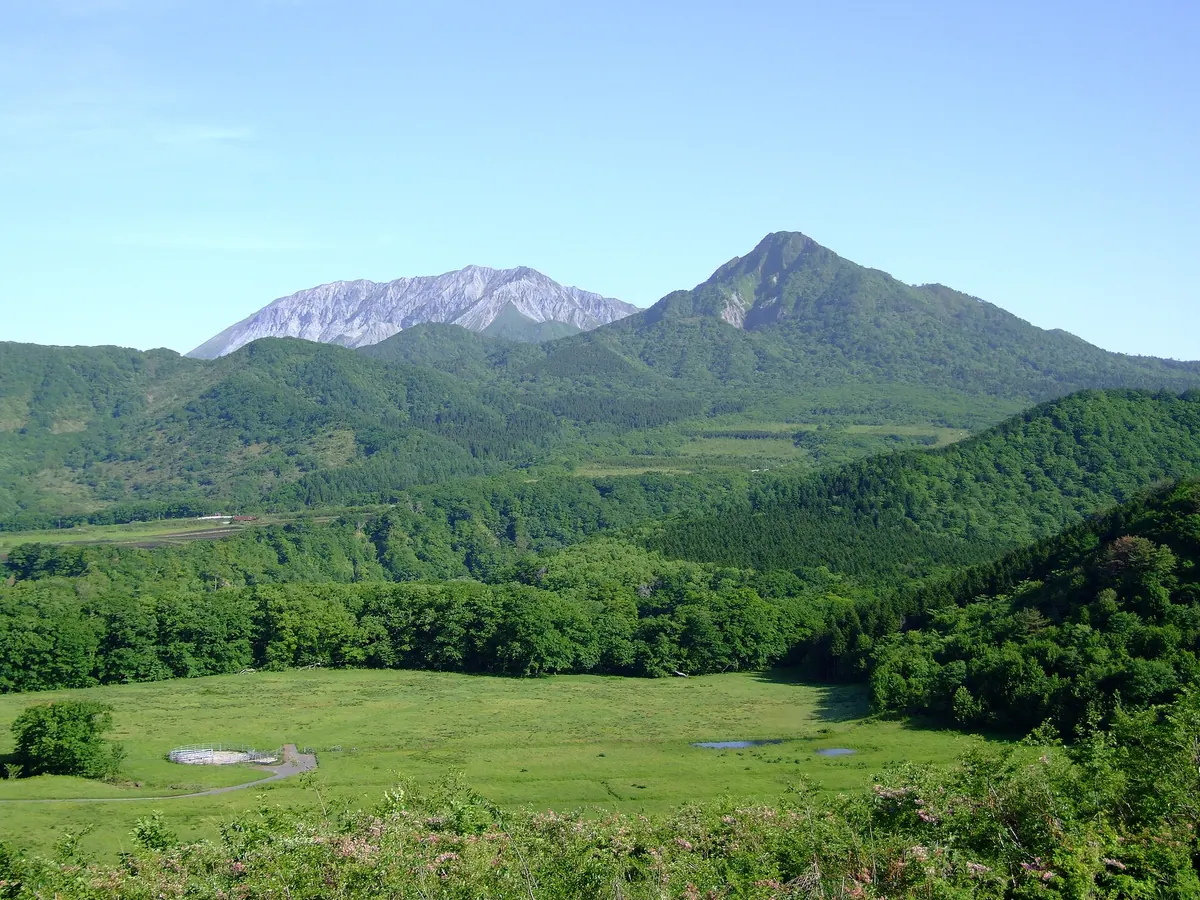
A 1,448-meter lava dome nicknamed the Matterhorn of Sanin, offering panoramic views of the Daisen mountain range from its summit.
What it is
- A lava dome formed approximately 20,000 years ago in the Daisen mountain range
- The peak stands at an elevation of 1,448 meters on the border of Kotoura and Kofu
- Local legend says Mount Daisen kicked the top off this mountain
- The mountain is nicknamed the Matterhorn of Sanin due to its distinct shape
What to see
- A 360-degree view of the surrounding mountain peaks from the summit
- Visible evidence of summit collapses caused by earthquakes in 2001 and 2016
- The Kagamiganaru area which serves as the base for mountain climbing
When to go
- The mountain is currently closed to climbers due to significant trail damage
12
Mount Dōgo
TOTTORI · PLACE 道後山
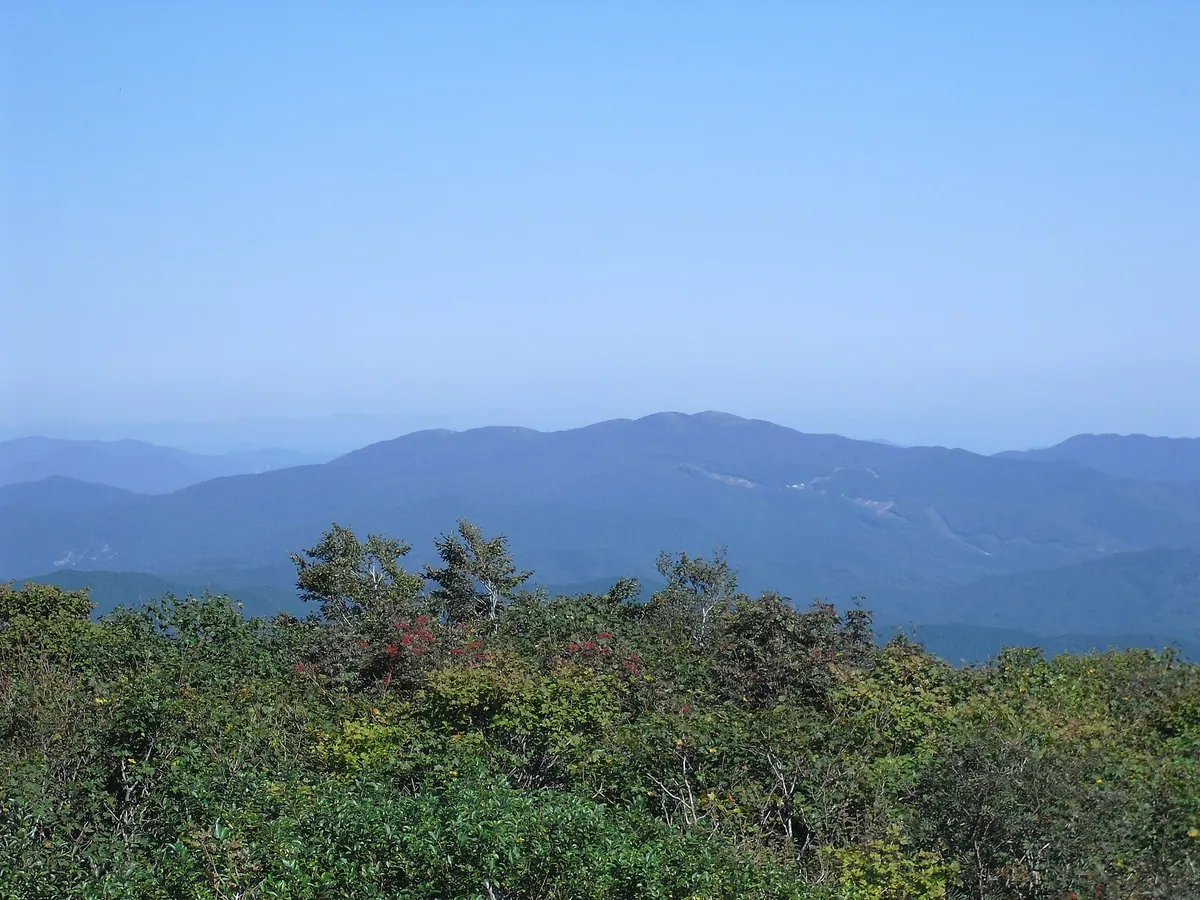
A 1,268-meter peak in the Chugoku Mountains featuring open grasslands, cattle grazing, and panoramic views of Mount Daisen.
What it is
- A peak in the central Chugoku Mountains standing 1,268 meters tall.
- One of the 300 Famous Japanese Mountains within a Quasi-National Park.
- A summit area featuring open grasslands traditionally used for cattle grazing.
- The location of the headwaters for the Nariwa River.
What to see
- Panoramic views of the Hiba Mountains and Mount Daisen from the peak.
- Colonies of Japanese azaleas and wild kousa dogwood trees.
- A first-class triangulation point located at the highest point of the summit.
- Forests containing wild chestnuts and various species of oak trees.
- The nearby Iwahi Mountain which stands at an elevation of 1,271 meters.
13
Mount Korei
TOTTORI · PLACE 孝霊山
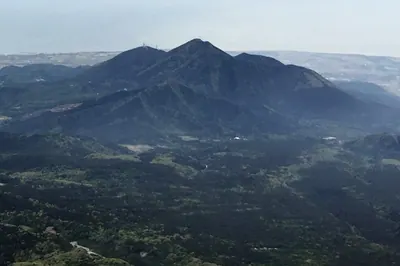
A 751-meter parasitic volcano of Mount Daisen featuring significant archaeological ruins and natural springs at its base.
What it is
- A parasitic volcano of the Mount Daisen system standing 751.4 meters tall
- The site of the Mukibanda Yayoi remains located at the base of the mountain
- A location for modern communication towers including radio repeaters and TV reception points
- Known locally by the alternative names Karayama and Karayama
What to see
- The Mukibanda Yayoi archaeological remains situated at the mountain base
- Houki Ancient Hill Park located at the foot of the mountain
- Natural springs including the Amanomanai spring at the base
- FM radio transmission facilities equipped with Yagi-Uda antennas
- A community radio tower used by the DARAZ station
14
Mount Hobutsu
TOTTORI · PLACE 宝仏山
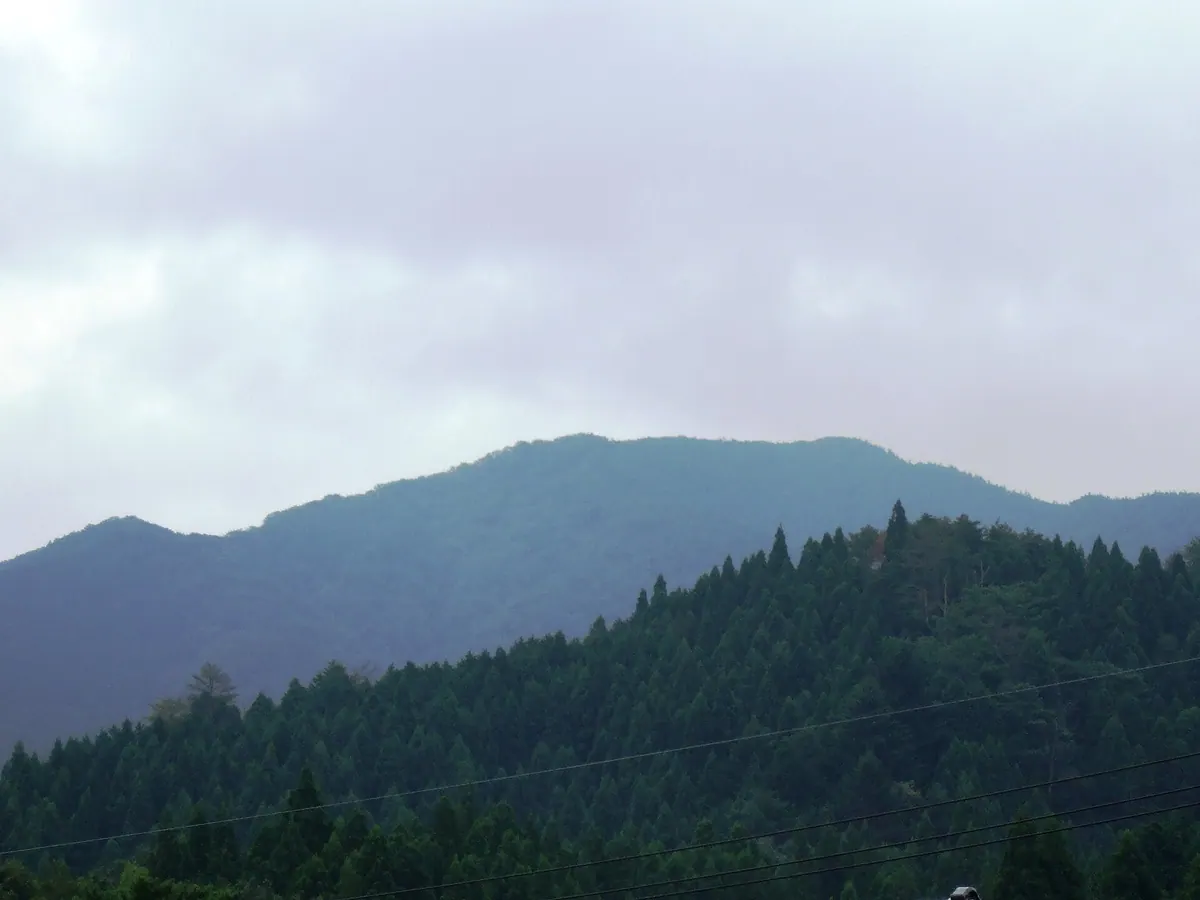
A 1005-meter peak in Daisen-Oki National Park offering panoramic views of Mount Daisen and the Sea of Japan.
What it is
- A 1005-meter mountain located within the Hino and Kofu towns.
- One of the selected Chugoku 100 Mountains.
- A protected landscape within the Daisen-Oki National Park.
- A hiking destination with both ordinary and designated special areas.
What to see
- Panoramic views of Mount Daisen from the mountain summit.
- Vistas of Miho Bay visible from the peak.
- Natural landscapes preserved within a national park setting.
Getting there
- The standard trailhead is located near Neu Station.
- The path begins near the History and Folklore Museum.
- The ascent to the summit takes two and a half to three hours.
15
Mount Shichi
TOTTORI · PLACE 駟馳山
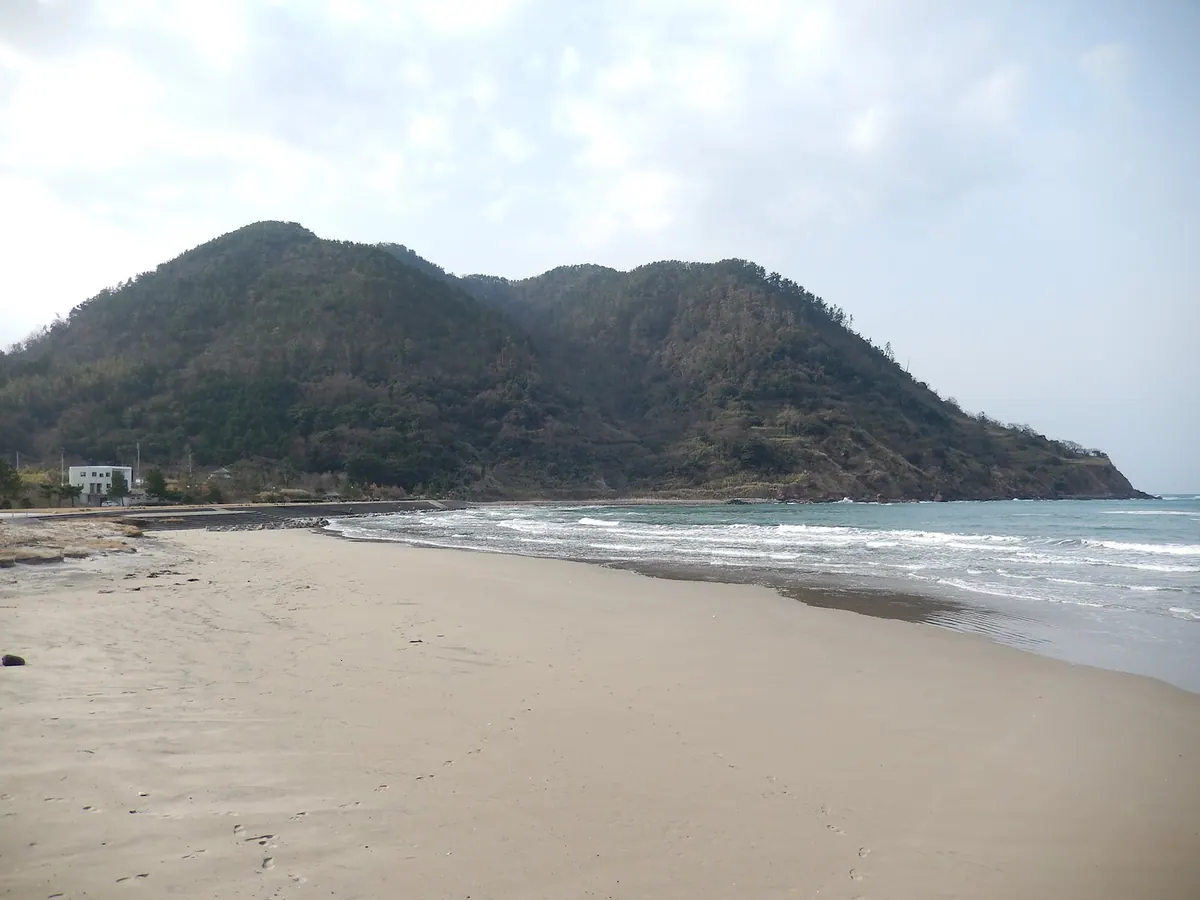
A coastal mountain in San'in Kaigan National Park featuring historic stone paths, sea cliffs, and a wartime observation post.
What it is
- A 314-meter mountain bordering Tottori City and Iwami Town.
- Part of the San'in Kaigan National Park at the eastern end of the Tottori Sand Dunes.
- A geological site composed of rhyolite, sandstone, and mudstone facing the Sea of Japan.
What to see
- A concrete air raid observation post located near the mountain summit.
- The Ana Kannon Burial Mound situated at the eastern foot of the mountain.
- A stone-paved path from 1811 at Shichiyama Pass recognized as a civil engineering heritage site.
- The Chugoku Nature Trail running along the northern mountainside.
- Dramatic sea cliffs overlooking the Sea of Japan.
16
Mount Kyūshō
TOTTORI · PLACE 久松山
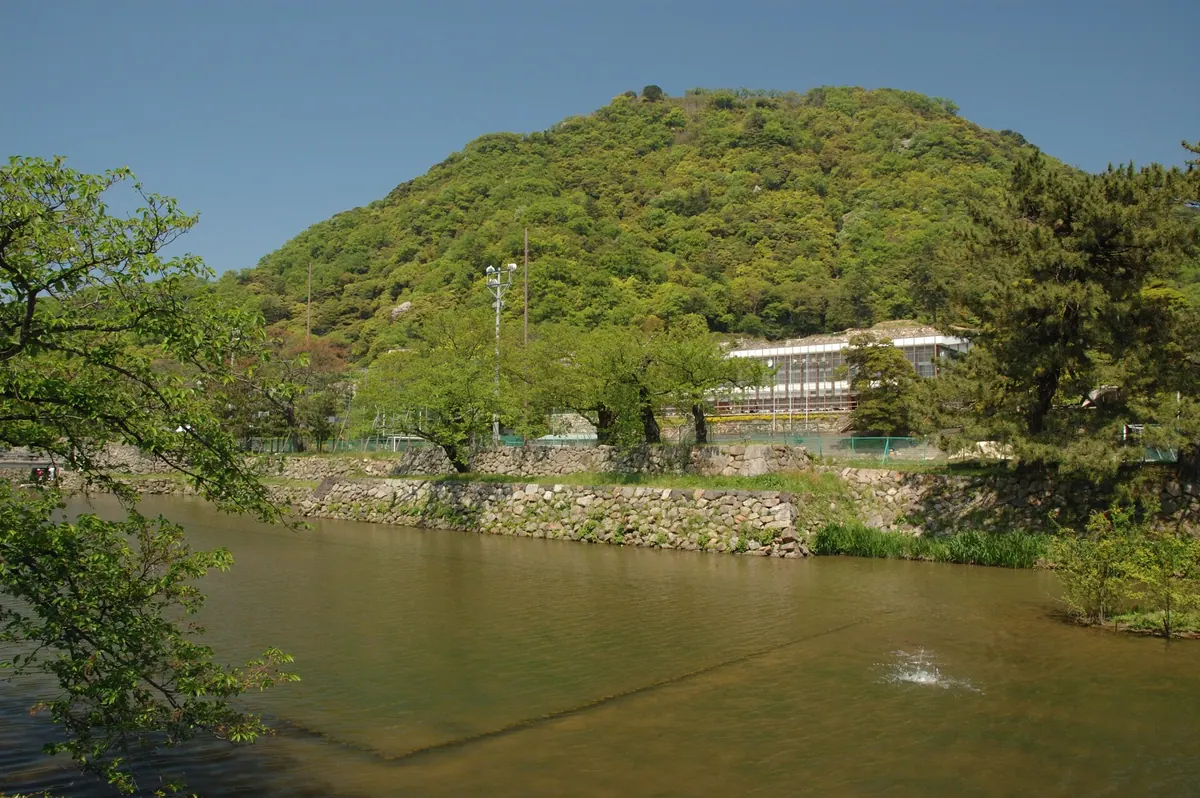
A historic 263-meter granite mountain featuring the ruins of Tottori Castle and diverse local wildlife for nature enthusiasts.
What it is
- A 263-meter granite mountain that served as the site for Tottori Castle.
- The castle was originally constructed here during the Muromachi period.
- The area was designated as a national historic site in 1957.
- A natural habitat for 120 bird species and over 170 types of mushrooms.
What to see
- Remaining stone walls from the former castle structures.
- Dense forests consisting of evergreen broad-leaved trees.
- The Hisamatsu hairstreak butterfly which was first discovered on this mountain.
When to go
- Visit in August to see the Buddhist Daimonji light display.