

14 Historic sites in Aomori worth your time
Japan Gems
Aomori Prefecture offers a rich collection of heritage sites, including the Kamegaoka Stone Age Site and Tosaminato. Visitors can explore a variety of historical periods and cultural legacies.
Aomori has 14 historic sites on Japan Gems. Below are the 14 we can tell you the most about — each one written up in English from Japanese sources, with what to see and how to get there. See all historic sites in Aomori.
01
Tagoyano Shell Mound
AOMORI · HISTORIC SITE 田小屋野貝塚
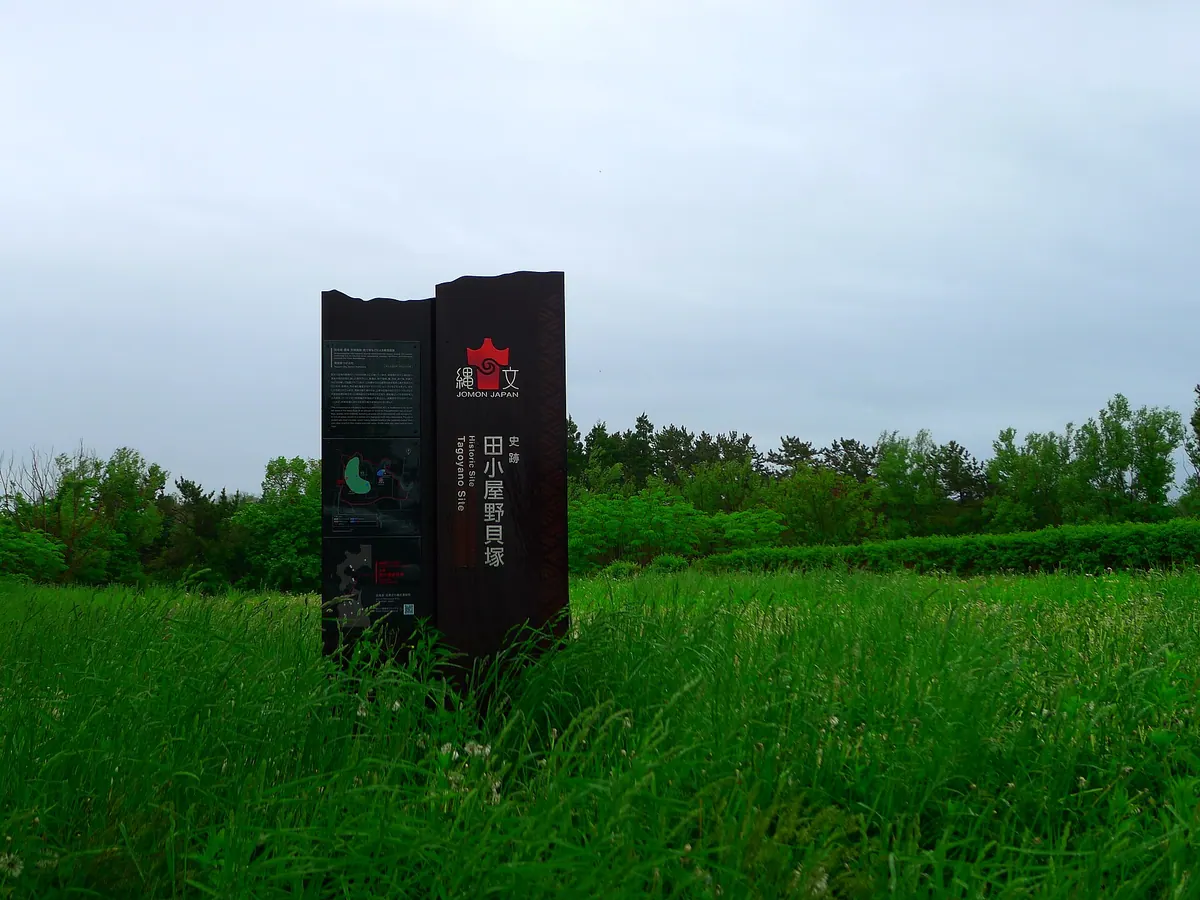
Explore a Jomon-era shell mound, a World Heritage site, revealing ancient life.
What it is
- A shell mound site from the Jomon period.
- Designated a National Historic Site in 1944.
- Registered as a World Cultural Heritage site in 2021.
- Covers an area of approximately 14,000 square meters.
What to see
- Site on a hill 10 to 15 meters above sea level.
- One pit dwelling site detected during excavations.
- Unearthed Jomon pottery, stone tools, and bone tools.
- Excavated shells of Yamato Shijimi and Ishigai.
- Bones of fish, birds, and mammals have been found.
- Artifacts displayed at Tsugaru City Jomon Dwelling Exhibition Museum Karuko.
02
Kamegaoka Stone Age Site
AOMORI · HISTORIC SITE 亀ヶ岡石器時代遺跡
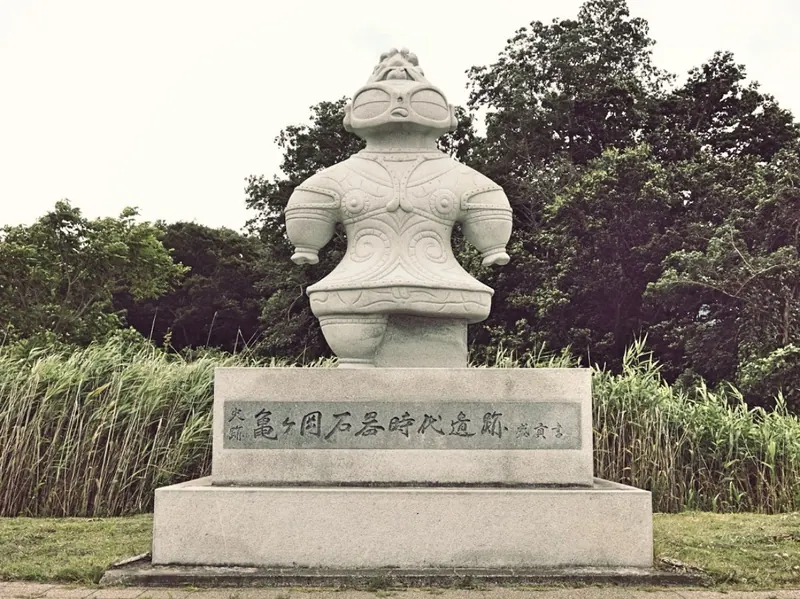
Explore a significant Jomon-period settlement, home to iconic clay figures and a World Heritage site.
What it is
- A Jomon period settlement, founded in prehistoric times.
- Designated as a National Historic Site.
- Registered as a World Cultural Heritage site in 2021.
- Part of the 'Jomon Prehistoric Sites in Northern Japan' group.
What to see
- A monument shaped like a Shakoki Dogu stands here.
- Excavated clay figures, masks, and pottery are Important Cultural Properties.
- Other excavated items are Aomori Prefecture Treasures.
- The Shakoki Dogu (goggle-eyed clay figure) was unearthed here.
- Many artifacts are displayed at the Tsugaru City Jomon Museum.
03
Akōbō Kofun Cluster
AOMORI · HISTORIC SITE 阿光坊古墳群
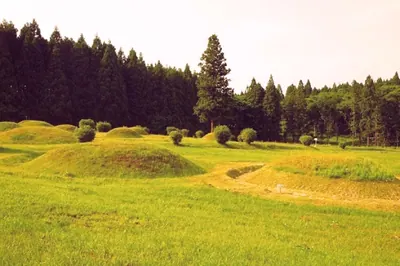
Explore ancient burial mounds, a National Historic Site, revealing early Japanese history and artifacts.
What it is
- A National Historic Site in Oirase Town, Aomori Prefecture.
- A cluster of 108 kofun (burial mounds) and 8 pit graves.
- Kofun date from the early 7th century to late 9th century.
- Designated a National Historic Site on July 26, 2007.
What to see
- See 108 late-period kofun, about 10 meters in diameter.
- View 8 pit graves within the cluster.
- Excavations unearthed swords, beads, and ornaments.
- Flat roof tiles were found here for the first time in Aomori.
04
Korekawa Site
AOMORI · HISTORIC SITE 是川遺跡

Explore a Jomon period settlement site, a World Heritage property with ancient artifacts.
What it is
- A Jomon period settlement site.
- Designated a National Historic Site in 1957.
- Registered as a World Cultural Heritage site in 2021.
What to see
- The Nakai, Oja, and Hotta ruins.
- Nakai ruins yielded pottery, stone tools, and lacquered artifacts.
- Oja ruins are the naming place for cylindrical pottery.
- Hotta ruins yielded pottery fragments and circular pit dwellings.
- Excavated artifacts are mainly housed at Korekawa Jomon Kan.
05
Kashimazawa Kofun Cluster
AOMORI · HISTORIC SITE 鹿島沢古墳群

Ancient burial mounds from the 8th-9th centuries, offering a glimpse into early Japanese history.
What it is
- A cluster of ancient burial mounds, also called Nejo Kofun Cluster.
- Dates from the late 8th to late 9th century.
- About 10 tumuli were confirmed in 1956.
What to see
- Three remaining circular tumuli, 10 to 12 meters in diameter.
- Remaining height of tumuli is 1.3 to 1.5 meters.
- Rectangular burial chambers contained gravel and charcoal.
Getting there
- About 3 minutes by car from Hachinohe IC.
06
Futatsumori Site
AOMORI · HISTORIC SITE 二ツ森貝塚
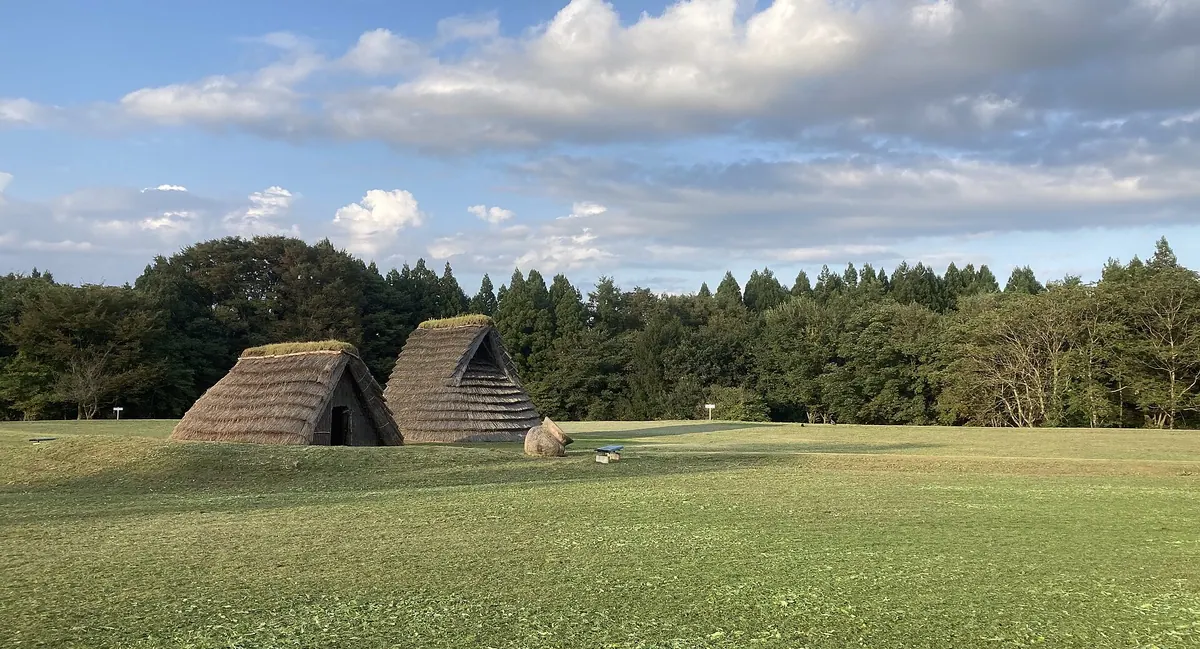
Explore a large Jomon period settlement, a World Heritage site with ancient tools and pottery.
What it is
- A Jomon period settlement site, 5,500 to 4,000 years old.
- Designated a National Historic Site in 1998 and 2015.
- Inscribed as a World Cultural Heritage site in 2021.
- One of the largest Jomon sites in the Tohoku region.
What to see
- The preserved historic park covers 30 hectares.
- See where bone and antler tools were made.
- Discover the origin of Enokibayashi pottery style.
- The site is on a 30-meter high plateau.
- Official site
- www.shichinohe-kankou.jp
07
Chōshichiyachi Shell Mound
AOMORI · HISTORIC SITE 長七谷地貝塚
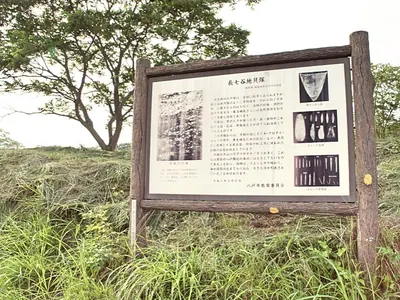
Explore a well-preserved Jomon-era shell mound and settlement, offering a glimpse into ancient life.
What it is
- A shell mound and settlement from the Early Jomon period.
- Designated a National Historic Site on May 25, 1981.
What to see
- Akamido-style pottery from the late Early Jomon period.
- Shell mounds, pottery, and pit dwellings were detected.
- Clams, surf clams, and mussels are common shells.
- Shell layers average 40-50 centimeters thick.
- Excavated items include pottery, stone tools, and bone tools.
08
Tareyanagi Site
AOMORI · HISTORIC SITE 垂柳遺跡
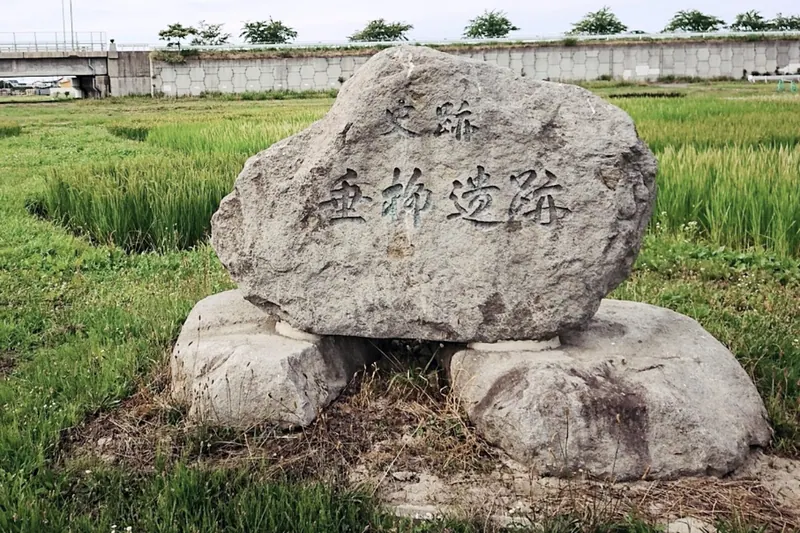
Explore an ancient site with Japan's oldest Yayoi period paddy fields, revealing early rice cultivation.
What it is
- A middle Yayoi period archaeological site.
- Designated as a National Historic Site since 2000.
- Proved rice farming existed in the middle Yayoi period.
What to see
- Site of 656 ancient paddy fields.
- Evidence of Yayoi culture in Tsugaru Plain.
Getting there
- 10-minute walk from Konan Railway Inakadate Station.
- Near Tanbo Art Station.
- 20-minute drive from Kuroishi IC.
09
Tosaminato
AOMORI · HISTORIC SITE 十三湊
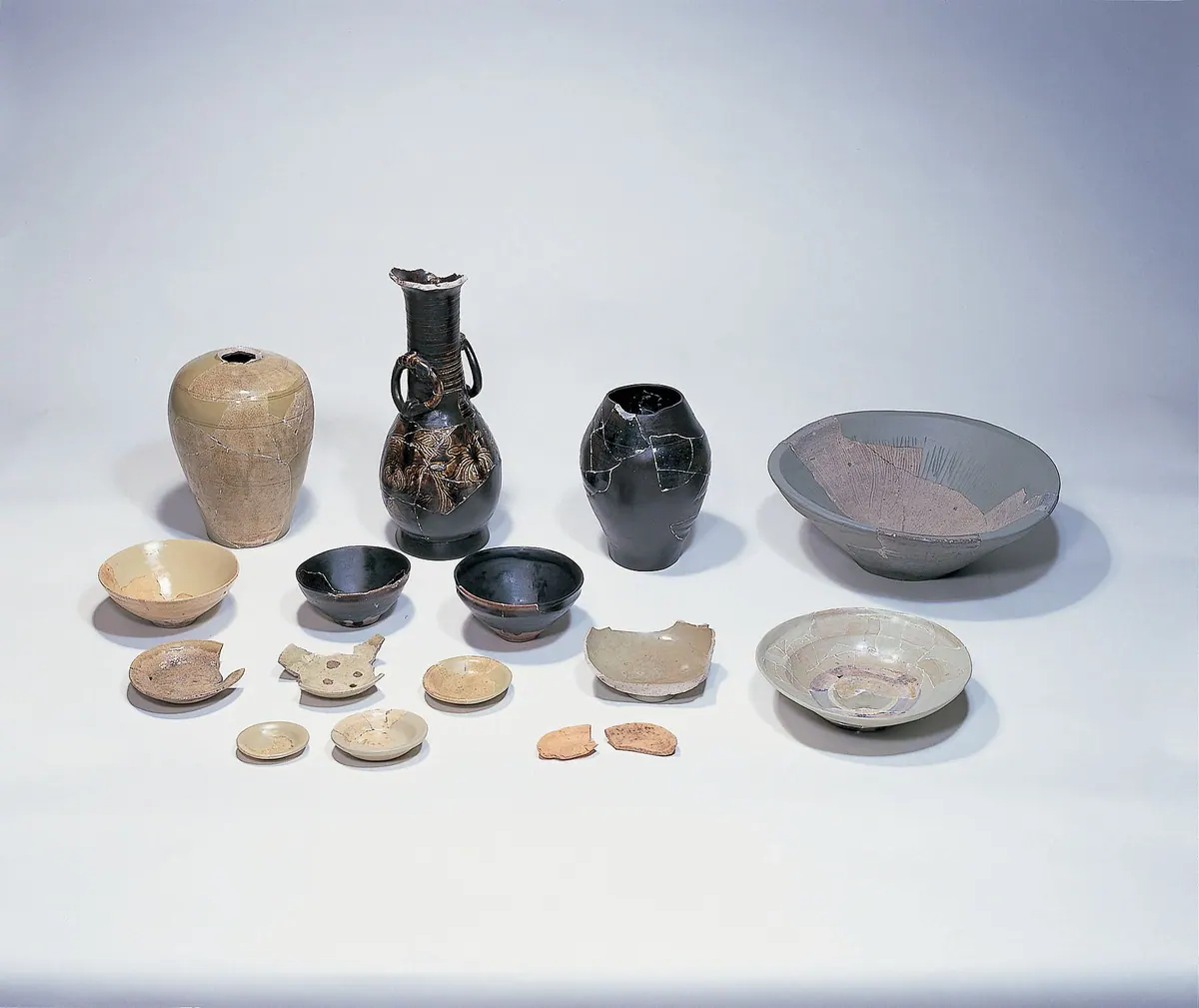
Explore Tosaminato, a National Historic Site, to uncover a medieval port's vibrant trade history.
What it is
- A historic port under the Ando clan.
- Flourished from early 13th to mid-15th centuries.
- Designated a National Historic Site in 2005.
- A northern hub for trade routes in Japan.
What to see
- Site of a medieval port on Lake Jusanko's west bank.
- Excavation traces of trade with Korea and China.
- Three distinct districts: port, town, and temple.
- Evidence of multiple past tsunami events.
10
Ōmori Katsuyama Site
AOMORI · HISTORIC SITE 大森勝山遺跡
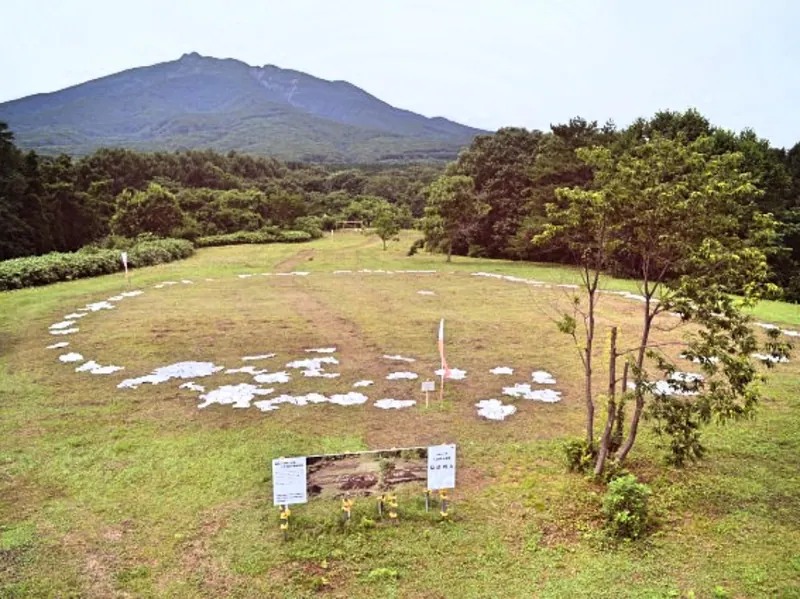
Explore an ancient Jomon settlement featuring a large stone circle and pit dwelling remains.
What it is
- A Jomon period settlement site.
- Designated a national historic site in 2012.
- Part of the Jomon Prehistoric Sites in Northern Japan.
- Registered as a World Cultural Heritage in 2021.
What to see
- A large stone circle, 48.5 by 39.1 meters.
- Remains of a large pit dwelling, 13.77 by 12.8 meters.
- Artifacts displayed at Susono Area Sports and Culture Exchange Center.
- Official site
- www.city.hirosaki.aomori.jp
11
Sannai-Maruyama Site
AOMORI · HISTORIC SITE 三内丸山遺跡
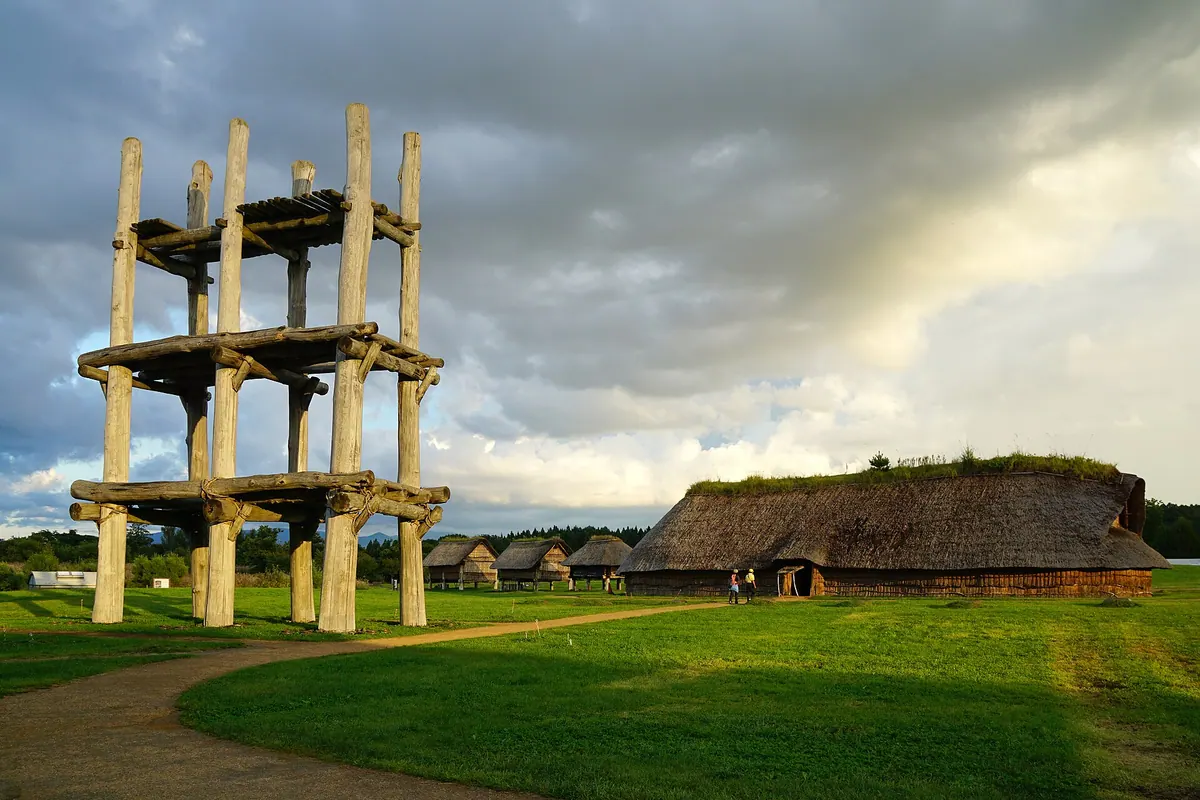
Explore a large Jomon-period settlement ruin with reconstructed buildings and ancient artifacts.
What it is
- A large settlement ruin from the Jomon period.
- Designated a National Special Historic Site in 1997.
- Registered as a World Cultural Heritage in 2021.
What to see
- Pit dwellings and raised-floor buildings.
- A reconstructed three-story pillar-supported building.
- Jomon Jiyukan exhibition facility for artifacts.
- Over 1,900 National Important Cultural Properties.
- Official site
- sannaimaruyama.pref.aomori.jp
12
Ōdai Yamamoto I Site
AOMORI · HISTORIC SITE 大平山元I遺跡
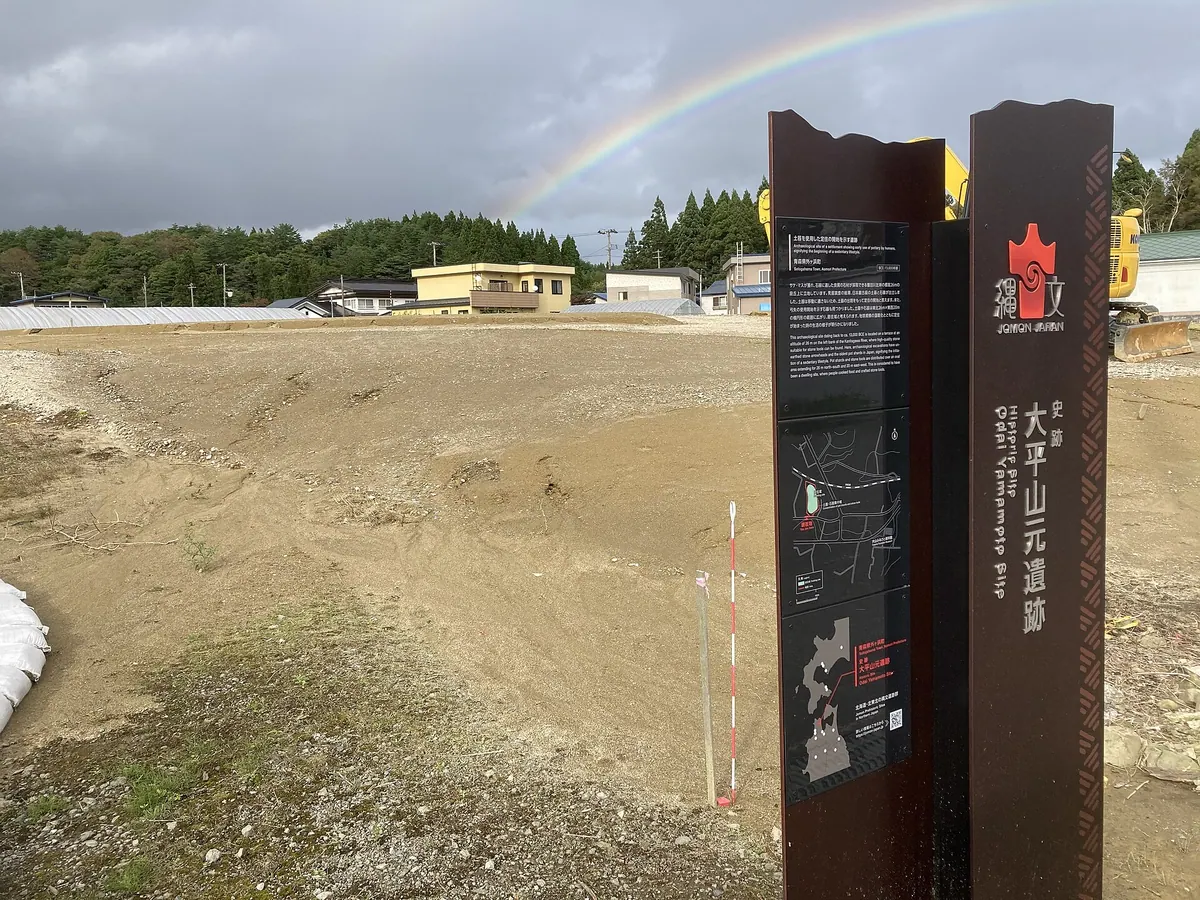
Explore the world's oldest pottery and evidence of bows and arrows at this ancient archaeological site.
What it is
- A Paleolithic to Jomon period archaeological site.
- Designated as a National Historic Site.
- Registered as a World Cultural Heritage site in 2021.
What to see
- Jomon pottery, among the world's oldest.
- Stone arrowheads, indicating early bow and arrow use.
- Excavated stone axes and cores.
- A guidance facility, Mu-monkan, opened in 2024.
- Official site
- www.town.sotogahama.lg.jp
13
grave of Jesus in Shingō
AOMORI · HISTORIC SITE キリストの墓
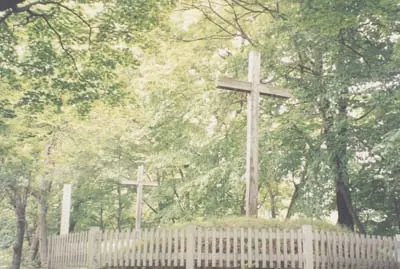
Visit this rural grave site to explore the unique Japanese legend of Jesus Christ's final resting place.
What it is
- Claimed burial site of Jesus Christ.
- Discovered in 1935 by Takeuchi Kyomaro.
- Theory states Jesus escaped to Japan and died here.
- Became a tourist attraction after the 1970s occult boom.
What to see
- An existing mound claimed to be Christ's grave.
When to go
- Christ Festival is held annually in June.
- Address
- 青森県三戸郡新郷村大字戸来字野月33-1 Map
- Official site
- www.vill.shingo.aomori.jp
14
Sannobō Site
AOMORI · HISTORIC SITE 山王坊遺跡
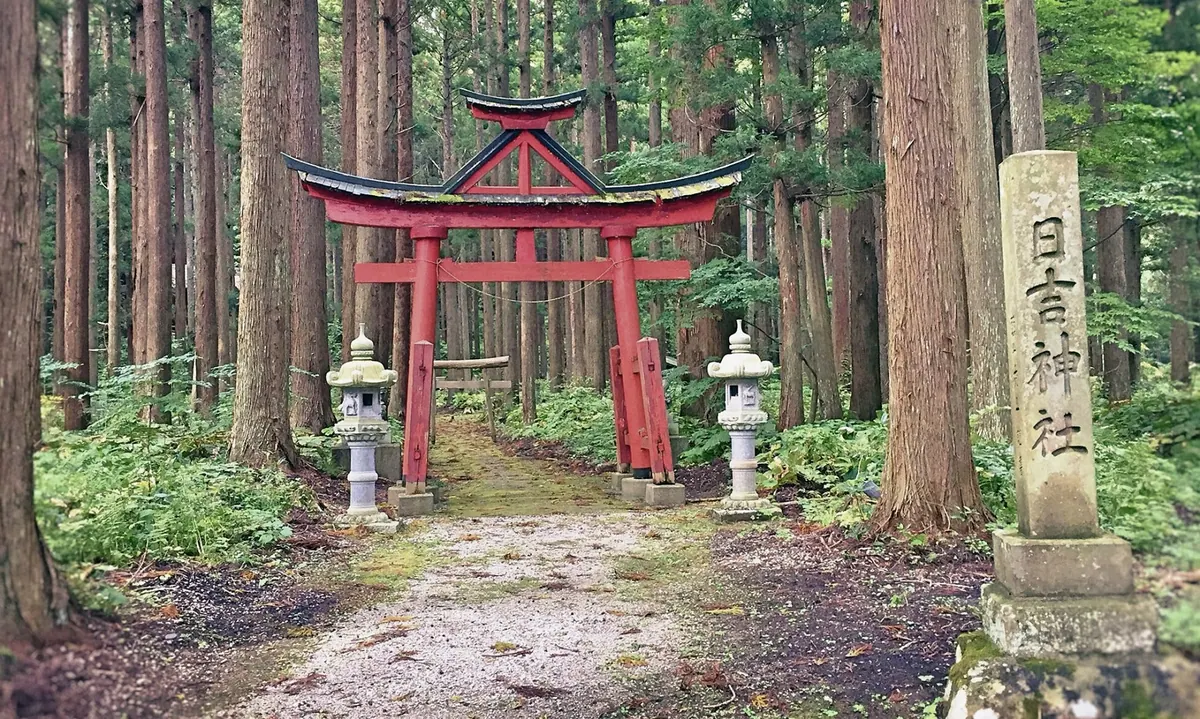
Sannobō Site is a medieval religious complex, offering a glimpse into Japan's spiritual past.
What it is
- A medieval religious site associated with the Andō clan.
- Designated a National Historic Site in 2017.
- Buildings date from the mid-14th to mid-15th century.
What to see
- Remains of a shrine in Area A.
- Remains of a main hall, stage, and other structures in Area B.
- Remains of a Buddhist temple in Area C.