

5 Islands in Aomori worth your time
Japan Gems
5 Islands in Aomori, with what to see and how to get there.
Aomori has 5 islands on Japan Gems. Below are the 5 we can tell you the most about — each one written up in English from Japanese sources, with what to see and how to get there. See all islands in Aomori.
01
Kabushima
AOMORI · PLACE 蕪島
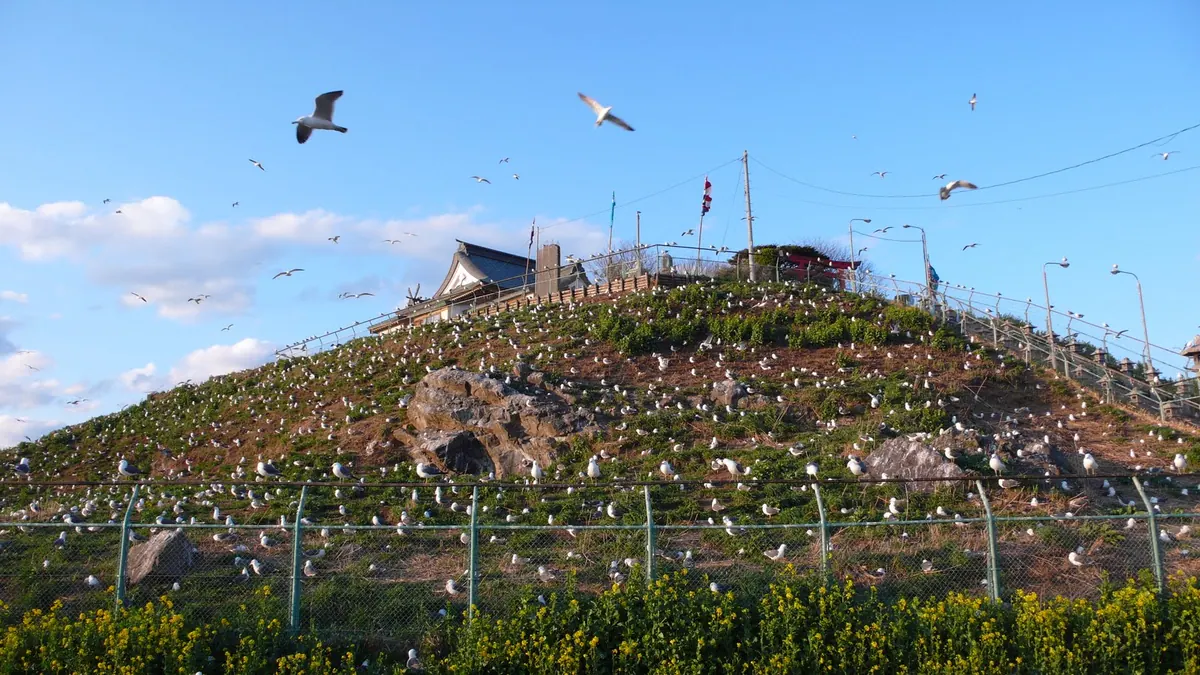
A coastal shrine and National Natural Monument where 40,000 black-tailed gulls breed on a former island connected to the mainland.
What it is
- A former island connected to the mainland in 1942 and designated as a National Natural Monument.
- The site of Kabushima Shrine, which was founded in 1269 to enshrine three goddesses.
- An annual breeding ground for approximately 40,000 black-tailed gulls within a national park.
- A 300-meter long landform featuring a shrine building recently rebuilt in 2020.
What to see
- Massive colonies of black-tailed gulls nesting across the 19-meter high island.
- The newly reconstructed shrine buildings situated at the top of the island.
- Views of the surrounding Sanriku Fukko National Park and the Hachinohe coastline.
When to go
- Late February to August to see the black-tailed gulls during their breeding season.
- The third Sunday of April for the annual Kabushima Festival.
Getting there
- A 15-minute walk from JR Same Station leads directly to the site.
02
Kyūroku-jima
AOMORI · PLACE 久六島
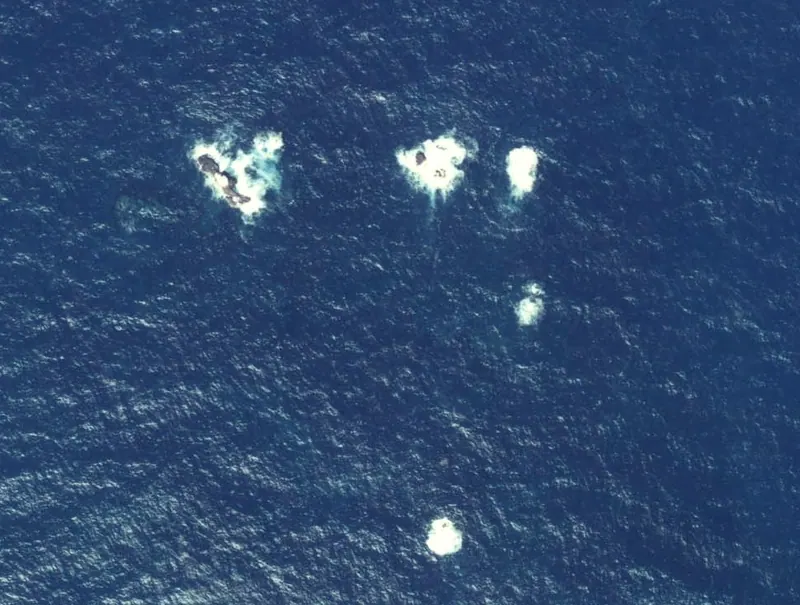
An uninhabited reef group in the Sea of Japan known for its lighthouse and rich fishing grounds for tuna.
What it is
- A group of three uninhabited reefs located thirty kilometers west of Fukaura.
- Consists of the reefs Kamino-shima, Shimono-shima, and Jibu-no-shima.
- Officially incorporated into Aomori Prefecture in 1953 with shared fishing rights.
- A habitat for bluefin tuna and abalone that once hosted Japanese sea lions.
What to see
- The Kyūroku-jima Lighthouse which has been operating since 1959.
- Kamino-shima reef which stands five meters above the sea level.
- Surrounding waters where the island partially sank after a 1983 earthquake.
Getting there
- Visitors must charter a fishing boat to reach the islands from the mainland.
03
Taijima
AOMORI · PLACE 鯛島
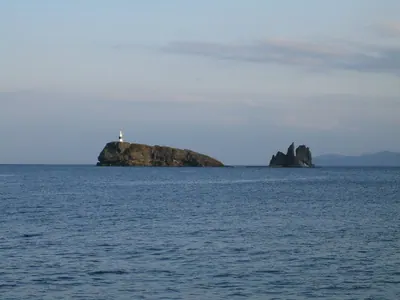
An uninhabited island in Mutsu Bay featuring a lighthouse and unique marine life where warm and cold currents meet.
What it is
- Uninhabited island in Mutsu Bay within Shimokita Hanto Quasi-National Park
- Designated as a marine park since December 1975
- Consists of two main parts known as Bentenjima and the Tateiwa rock
- Surrounding waters serve as a spawning ground for Pacific cod
What to see
- The Mutsu Bentenjima Lighthouse standing on the island
- The Tateiwa rock formation which underwent erosion prevention construction
- Diverse marine organisms from both warm and cold currents
- Views of the island located 800 meters off Ushino-kubi Cape
When to go
- Sightseeing boats operate annually from April 15 to October 14
04
Obijima
AOMORI · PLACE 帯島
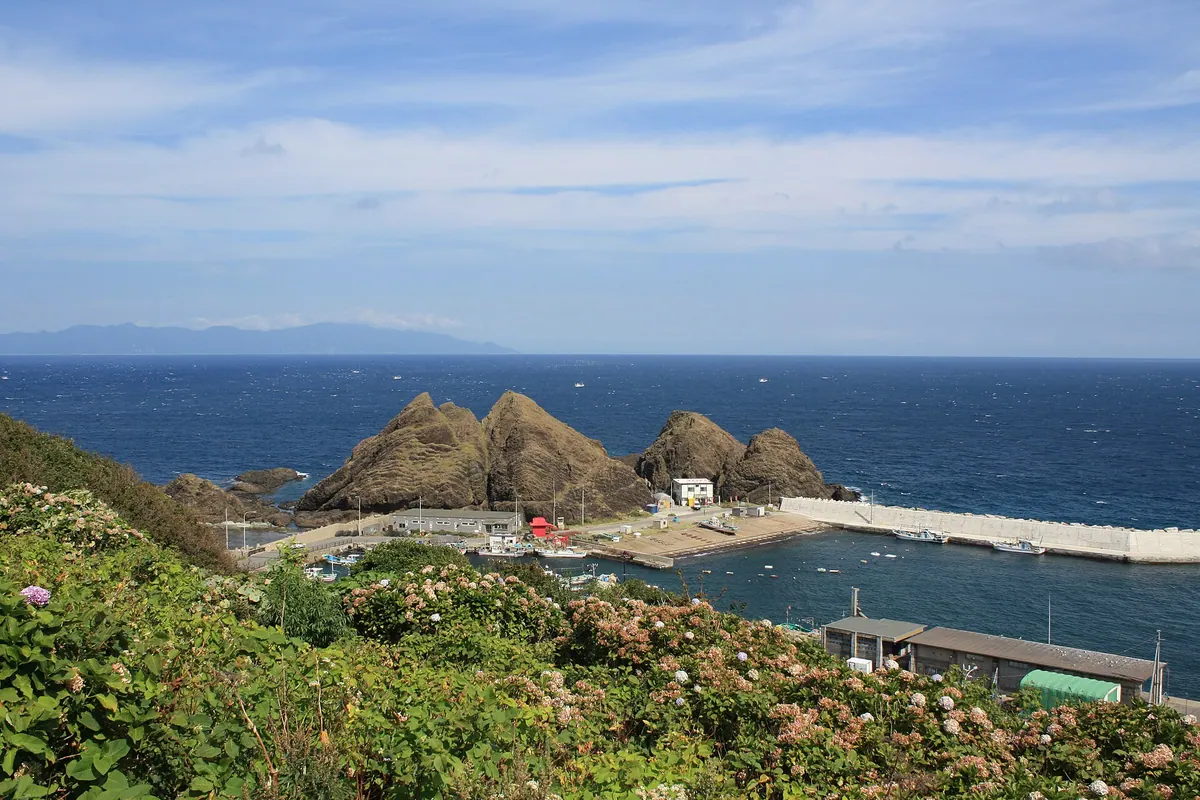
A small island at Cape Tappi featuring a shrine and legendary ties to the warrior Minamoto no Yoshitsune.
What it is
- A small island located at the tip of Cape Tappi in Sotogahama Town.
- The site is a setting for legends regarding the historical figure Minamoto no Yoshitsune.
- Most of the land on the island consists of reclaimed ground.
- A concrete bridge connects the island to the mainland for cars and pedestrians.
What to see
- The Tappi Bentengu shrine located on the island grounds.
- A television relay station that began digital broadcasting in 2010.
- Views of the surrounding Tsugaru Strait and the Sea of Japan.
- The nearby staircase section of National Highway 339.
05
Bentenjima
AOMORI · PLACE 弁天島
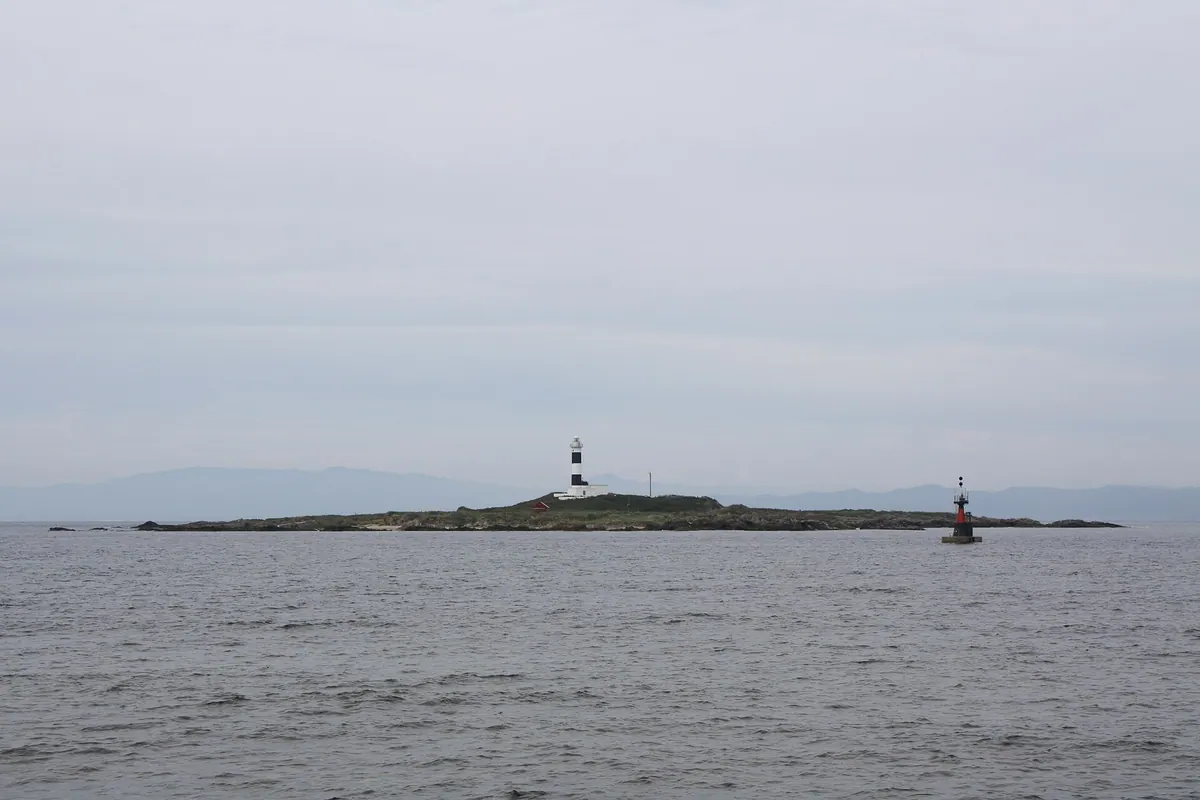
An uninhabited island sanctuary off Oma Cape featuring a historic lighthouse, a shrine, and unique cross-regional biological species.
What it is
- An uninhabited island located six hundred meters off the coast of Oma Cape.
- A sanctuary for wild birds formerly known as Toriijima.
- The site of a shrine dedicated to the deity Benzaiten.
- A unique location where both Honshu and Hokkaido biological species coexist.
What to see
- The Oma Cape Lighthouse established in nineteen twenty one.
- A shrine dedicated to Benzaiten located on the island.
- Diverse wild bird populations inhabiting the two point seven kilometer circumference.
- The Kukido Strait which separates the island from the mainland.