

6 Historic sites in Ehime worth your time
Japan Gems
6 Historic sites in Ehime, with what to see and how to get there.
Ehime has 6 historic sites on Japan Gems. Below are the 6 we can tell you the most about — each one written up in English from Japanese sources, with what to see and how to get there. See all historic sites in Ehime.
01
Umamukaiyama Kofun
EHIME · HISTORIC SITE 宇摩向山古墳
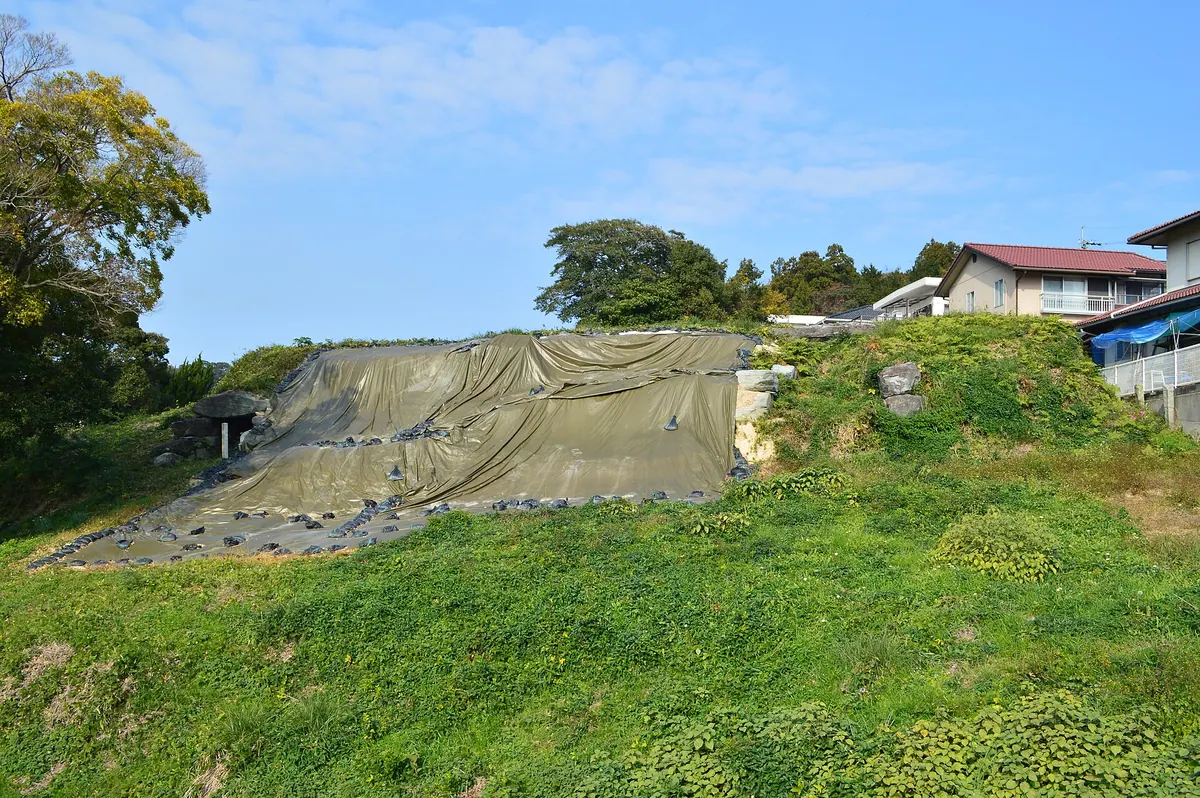
Explore Shikoku's largest rectangular burial mound, a National Historic Site with unique chambers and artifacts.
What it is
- A rectangular kofun, an ancient burial mound.
- Designated as a National Historic Site.
- Built around the first half of the 7th century.
- Largest rectangular kofun in the Shikoku region.
What to see
- The kofun measures 70 meters east-west, 46 meters north-south.
- A surrounding moat is 5 meters wide and 2 meters deep.
- Two burial chambers, Menzuka and Onzuka.
- The second stone chamber is 14.3 meters long, 3.8 meters high.
- Artifacts include gilded bronze rings and magatama beads.
02
Hasaike Kofun
EHIME · HISTORIC SITE 葉佐池古墳
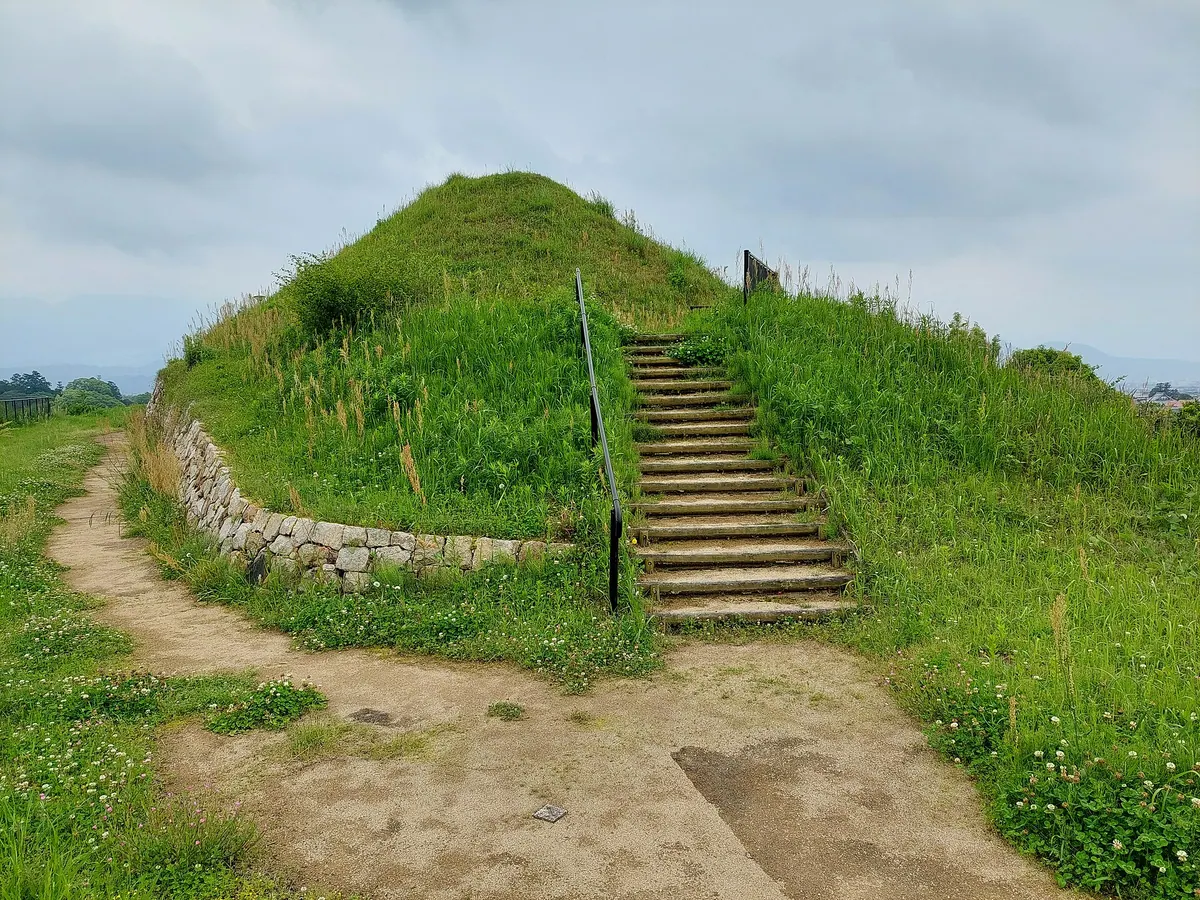
Explore this oval-shaped 6th-century burial mound, a National Historic Site with multiple stone chambers.
What it is
- A tumulus in Matsuyama City, Ehime Prefecture.
- Designated a National Historic Site in 2011.
- Built in the mid-6th century.
- Post-burials occurred until the early 7th century.
What to see
- Oval-shaped tumulus, 41 meters long, 23 meters wide.
- Located on Koyama hill, 121 meters above sea level.
- Five confirmed burial facilities.
- First stone chamber is 4 meters long.
- Second stone chamber is 7.1 meters long.
- Human remains of three individuals found in second chamber.
03
Kasagitōge Kofun
EHIME · HISTORIC SITE 笠置峠古墳
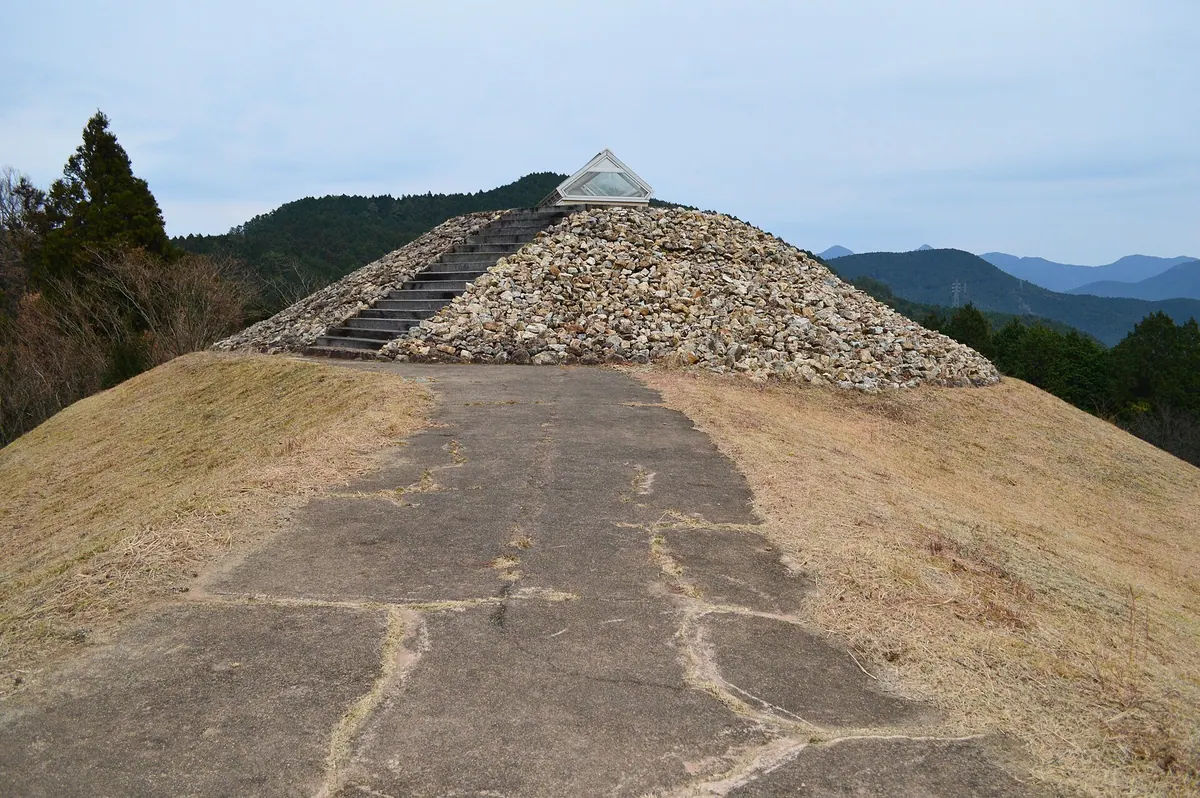
Explore Shikoku's westernmost keyhole-shaped tumulus, revealing ancient burial practices and artifacts.
What it is
- A tumulus in Ehime Prefecture, built in the early 4th century.
- It is the westernmost keyhole-shaped tumulus in Shikoku.
What to see
- A 45-meter long keyhole-shaped tumulus.
- A two-tiered structure on a 400-meter-high plateau.
- The posterior circular part is 30 meters long.
- A pit-style stone burial chamber, 4.6 meters long.
- Iron products unearthed from inside and outside the chamber.
04
Kodera Site
EHIME · HISTORIC SITE 古照遺跡
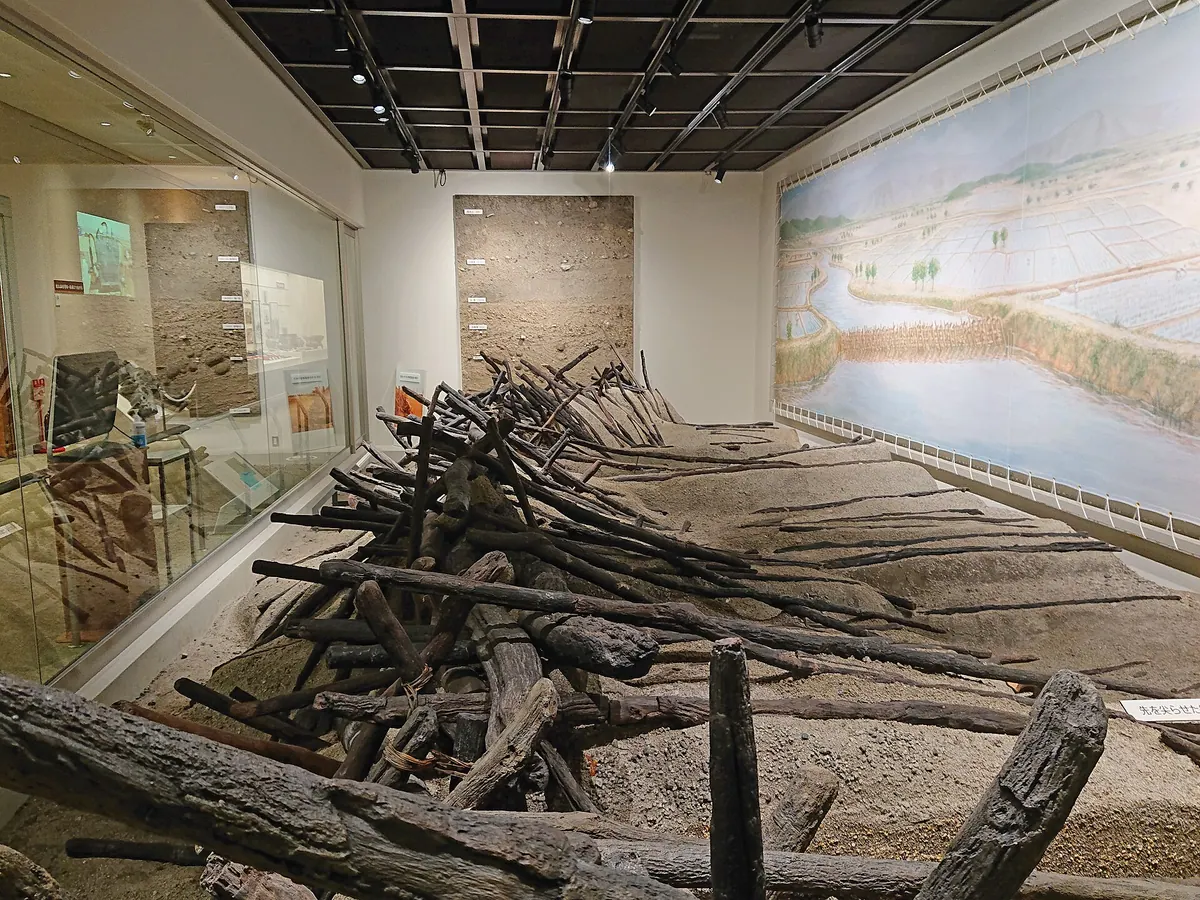
Explore Kodera Site, an ancient Kofun period ruin, to see early Japanese agricultural engineering.
What it is
- A Kofun period ruin, discovered in 1972.
- Part of a large-scale agricultural water intake facility.
What to see
- Excavated remains of wooden structures.
- A water intake weir made from construction waste.
- Three water intake weirs were identified.
- Reconstructed raised-floor building exhibited outdoors.
- The weir is on permanent display at Matsuyama Archaeological Museum.
05
Kyōgaoka Kofun
EHIME · HISTORIC SITE 経ヶ岡古墳
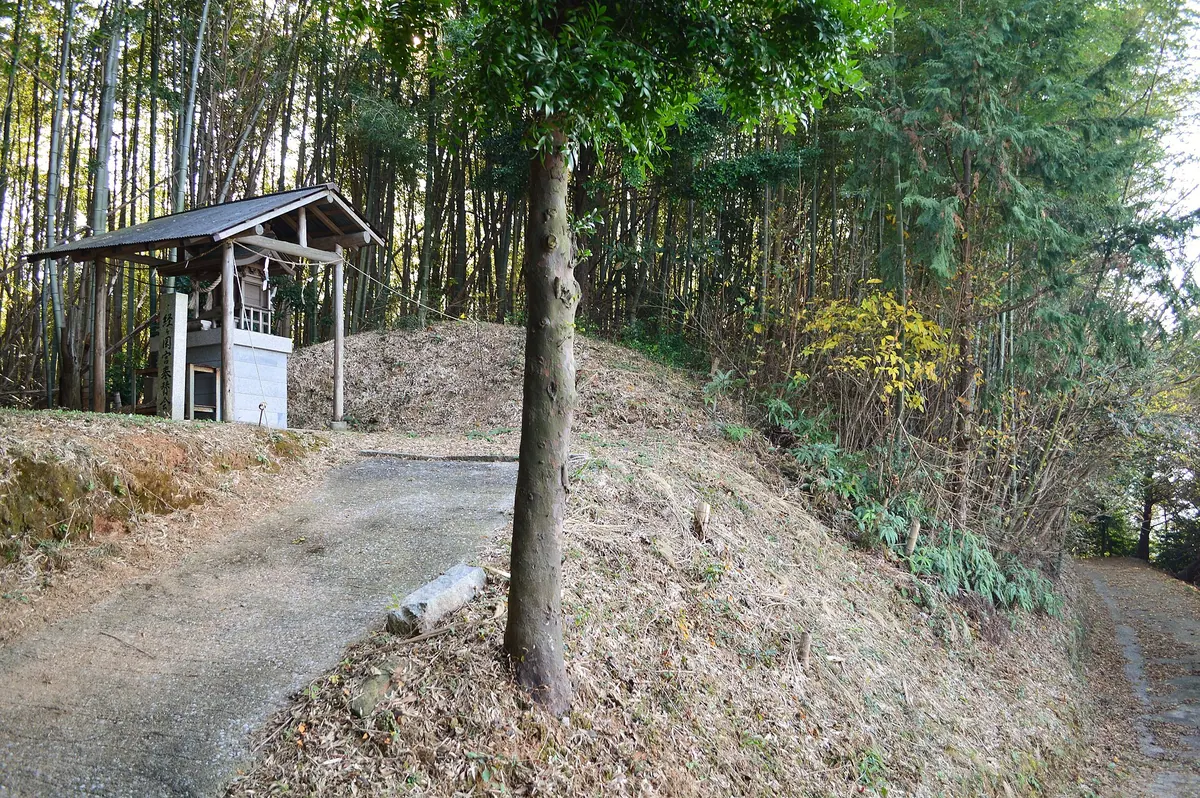
Explore a 6th-century keyhole-shaped kofun, the tomb of a powerful chieftain, overlooking Uma Plain.
What it is
- A keyhole-shaped kofun, an ancient burial mound.
- Designated historic site by Shikokuchūō City.
- Dates to the early 6th century.
- Considered the tomb of a powerful local chieftain.
What to see
- The 30-meter long keyhole-shaped tumulus.
- The rear circular part, 20 meters in diameter.
- A horizontal stone burial chamber.
- Views of the Uma Plain from an isolated hill.
06
Myōkensan Kofun
EHIME · HISTORIC SITE 妙見山古墳
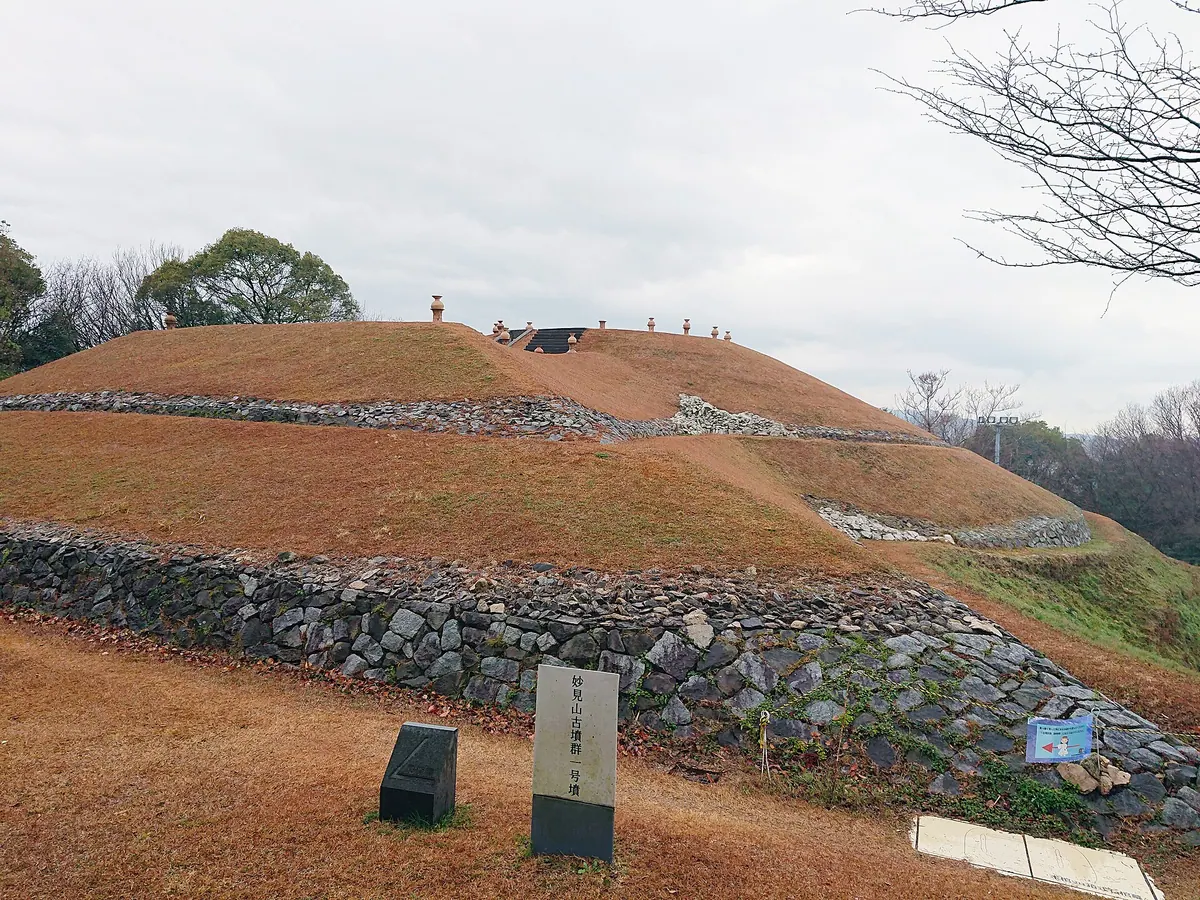
Ancient keyhole-shaped tomb overlooking the Seto Inland Sea, offering a glimpse into 4th-century Japan.
What it is
- A keyhole-shaped tumulus from the early 4th century.
- Part of the Myōkensan Kofun group.
- Designated a National Historic Site.
- Built on a hill overlooking the Seto Inland Sea.
What to see
- A 55 to 56 meter long keyhole-shaped tumulus.
- Two vertical stone cists used for burial.
- Views of the Seto Inland Sea from the hill.