

13 Historic sites in Fukui worth your time
Japan Gems
13 Historic sites in Fukui, with what to see and how to get there.
Fukui has 13 historic sites on Japan Gems. Below are the 13 we can tell you the most about — each one written up in English from Japanese sources, with what to see and how to get there. See all historic sites in Fukui.
01
Torihama shell mound
FUKUI · HISTORIC SITE 鳥浜貝塚
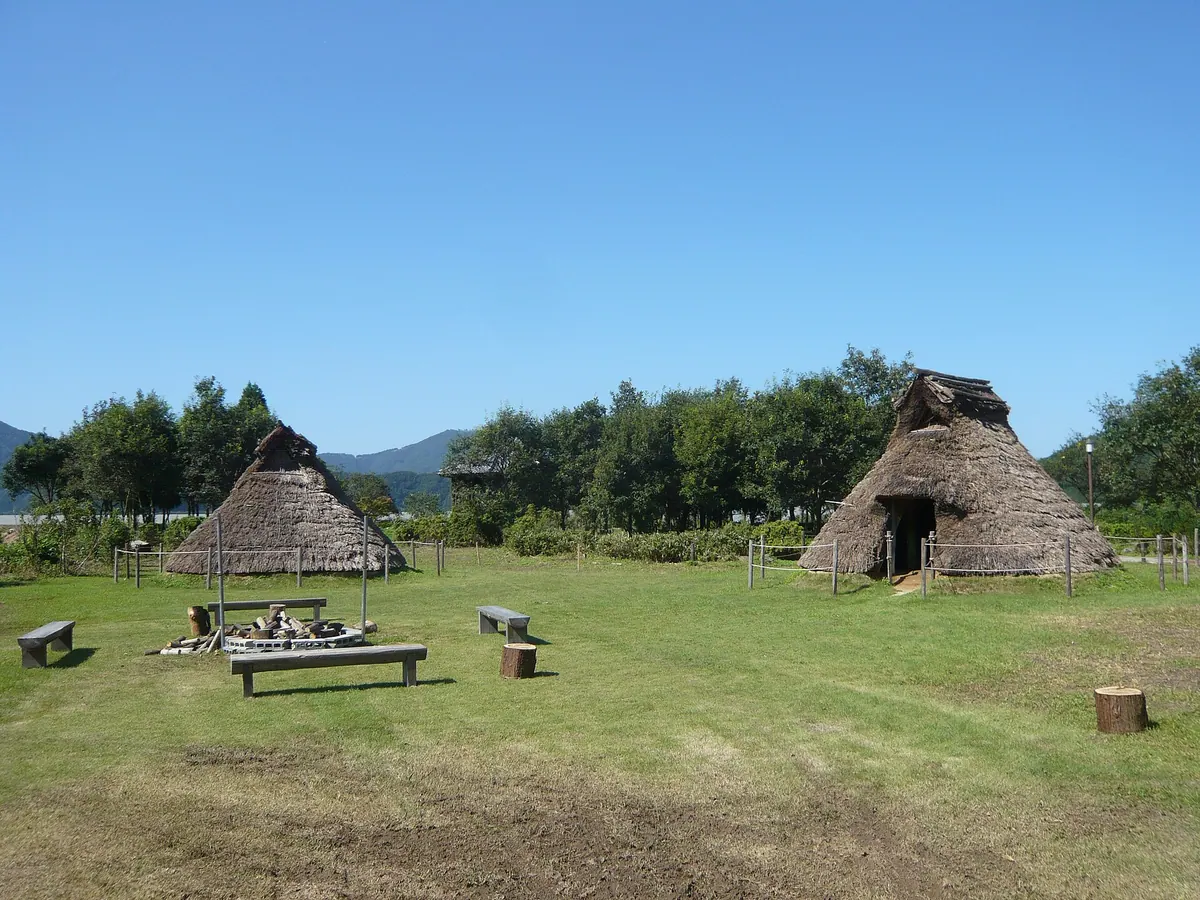
Ancient Jomon settlement with rare wooden artifacts, offering a glimpse into early Japanese life.
What it is
- A settlement site from the Incipient to Early Jomon period.
- Dates back 12,000 years by radiocarbon dating.
- Excavations began in 1962.
What to see
- 1,376 wooden artifacts are National Important Cultural Properties.
- Artifacts are displayed at the Wakasa Mikata Jomon Museum.
- Site covered 100 meters east-west and 60 meters north-south.
- Three pit dwellings found on Shihiyama Hill's southern slope.
- Shell mound is 3 to 7 meters deep underground.
- Two dugout canoes were unearthed in 1981 and 1982.
02
Ōzan Kofun Cluster
FUKUI · HISTORIC SITE 王山古墳群
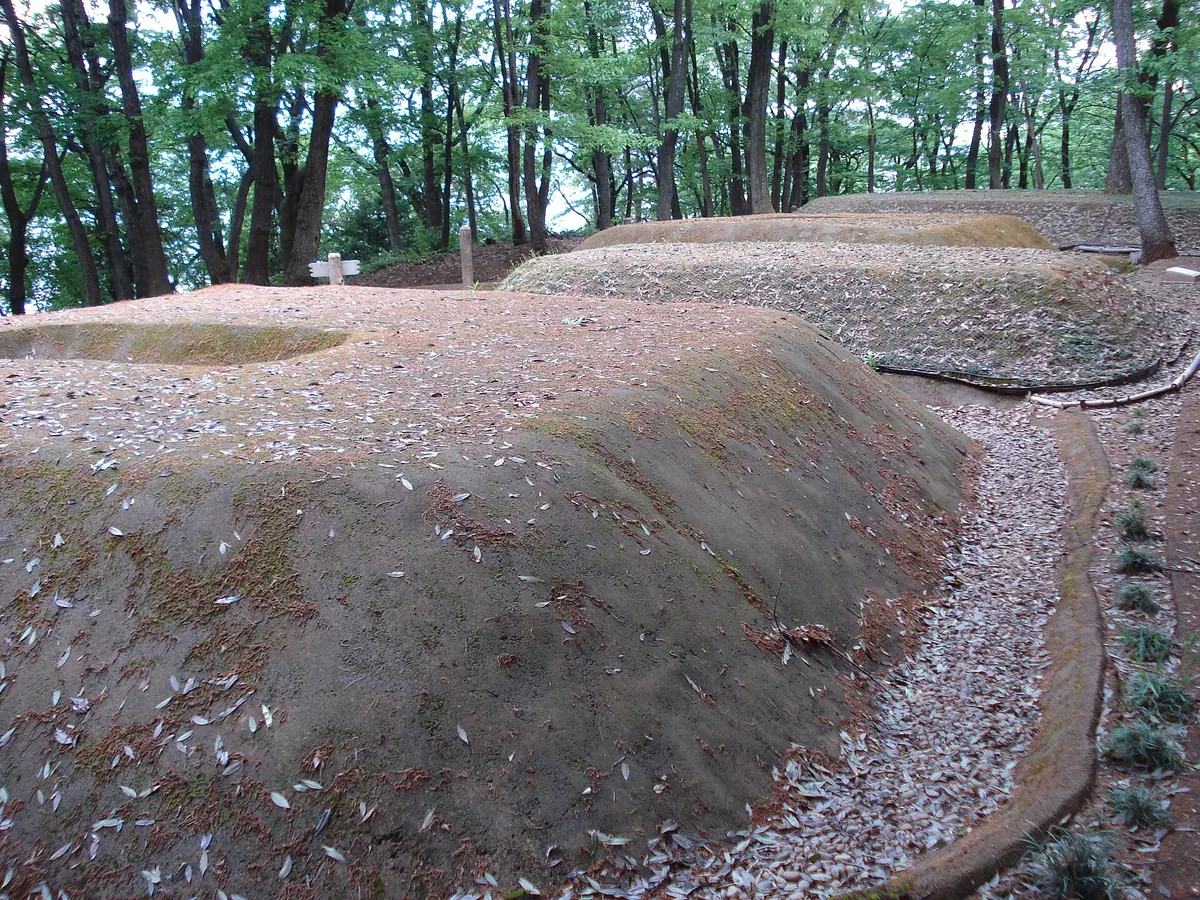
Explore ancient burial mounds on Mount Ōzan, a National Historic Site preserving tombs of early leaders.
What it is
- A cluster of 49 kofun, ancient burial mounds.
- Designated a National Historic Site in June 1967.
- Dates from late Yayoi to mid Kofun periods.
- Believed to be tombs of local leaders.
What to see
- The cluster of 49 kofun on a small hill.
- Late Yayoi period tumuli, including Kofun 1, 3, 4, 7.
- Early Kofun period square tumuli, like Kofun 5, 6, 9, 25.
- Early Kofun period circular tumulus, Kofun 31.
- Mid Kofun period circular tumulus, Kofun 32.
- Excavated iron swords and arrowheads from some kofun.
03
Mendorinagayama Kofun
FUKUI · HISTORIC SITE 免鳥長山古墳
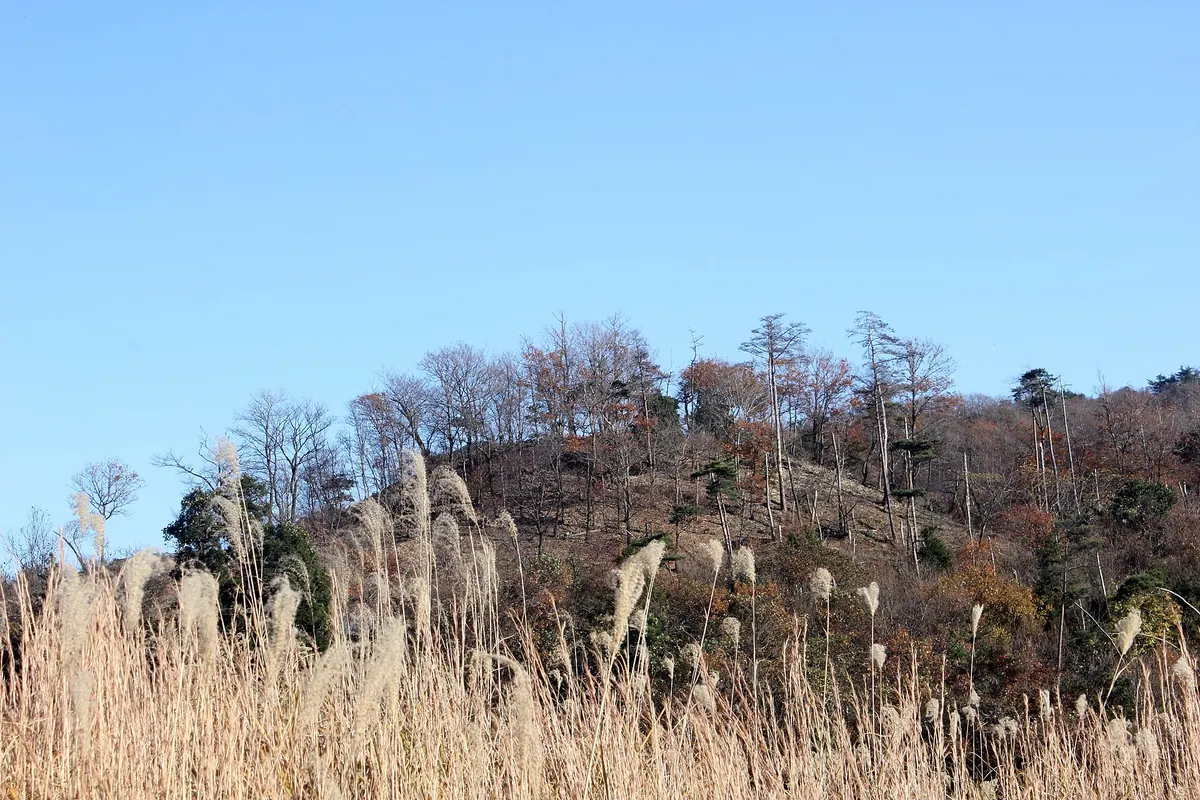
Explore the largest 5th-century kofun in Hokuriku, a unique scallop-shaped burial mound.
What it is
- A scallop-shaped kofun, also known as Mendori Kofun No. 5.
- Built in the first half of the 5th century.
- Designated a National Historic Site on March 28, 2008.
- The largest kofun in the Hokuriku region.
What to see
- A scallop-shaped burial mound with two platforms.
- The posterior circular part has a 78m diameter.
- The anterior rectangular part is 12m long.
- Total length of the kofun is 90m.
- Fragments of a boat-shaped stone coffin.
- Ring-headed and arrowhead-shaped stone products.
04
Nishizuka Kofun
FUKUI · HISTORIC SITE 西塚古墳
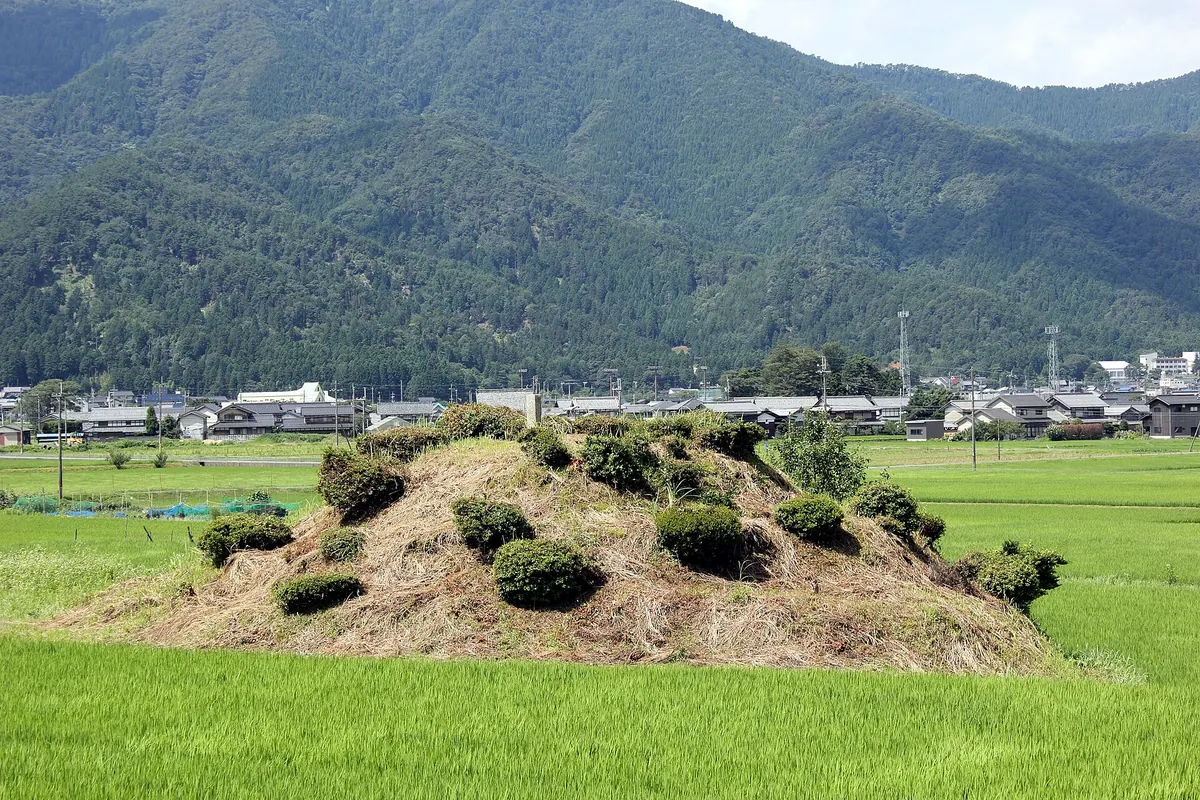
Explore a large, ancient keyhole-shaped burial mound from the 5th century.
What it is
- A keyhole-shaped tumulus, part of the Kami-Naka Kofun Group.
- Built in the late 5th century.
- Designated a National Historic Site.
What to see
- The mound is 74 meters long.
- Rear circular part has a diameter of about 39 meters.
- Front square part is about 47 meters long.
- Burial chamber is a pit-style stone chamber.
- Stone chamber measures 5.46 meters long and 1.27 meters wide.
- Haniwa are displayed at Wakasa Town Museum of History and Culture.
05
Matsuoka Kofun Cluster
FUKUI · HISTORIC SITE 松岡古墳群
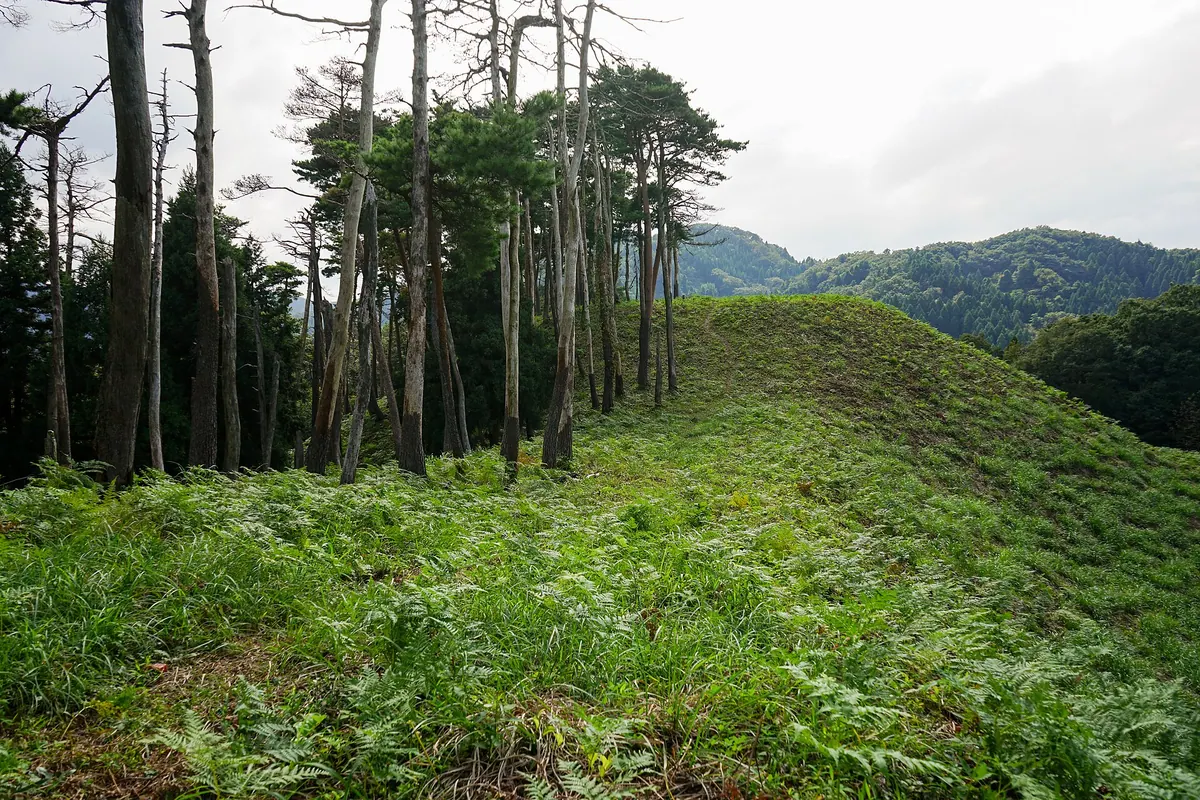
Explore ancient burial mounds of powerful chieftains, including a national historic site, in Fukui Prefecture.
What it is
- A cluster of ancient burial mounds (kofun).
- Believed to be the tombs of great chieftains.
- Designated a national historic site in 1977.
- Located in Eiheiji Town, Fukui Prefecture.
What to see
- Four keyhole-shaped kofun and three accompanying mounds.
- Taguri-ga-joyama Kofun, 129m long.
- Torikoshiyama Kofun, 53.7m long.
- Ishifuneyama Kofun, 79.1m long.
- Nihonmatsuyama Kofun, 89m long.
- Bronze mirror and iron swords from Nihonmatsuyama Kofun.
06
Rokuroseyama Kofun Cluster
FUKUI · HISTORIC SITE 六呂瀬山古墳群
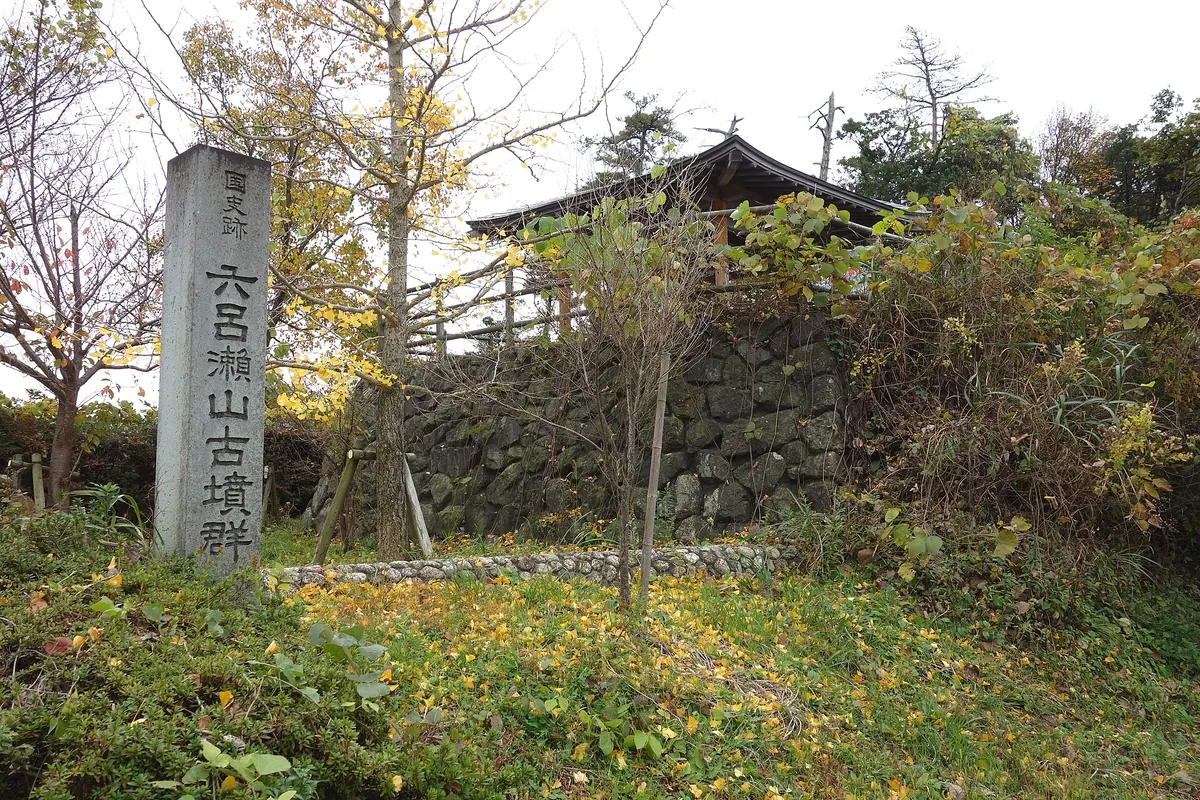
Ancient burial mounds, including the largest in the Hokuriku region, offer a glimpse into early Japanese history.
What it is
- A cluster of ancient burial mounds (kofun).
- Designated a national historic site in 1990.
- Part of the larger Maruoka Kofun Group.
- Dates from the late 4th to early 5th century.
What to see
- Two keyhole-shaped and two square-shaped tumuli.
- Kofun 1: a 140m long keyhole-shaped tumulus.
- Kofun 1 is the largest in the Hokuriku region.
- Kofun 3: an 85m long keyhole-shaped tumulus.
- Both Kofun 1 and 3 feature fukiishi and haniwa.
07
Kamifunazuka Kofun
FUKUI · HISTORIC SITE 上船塚古墳
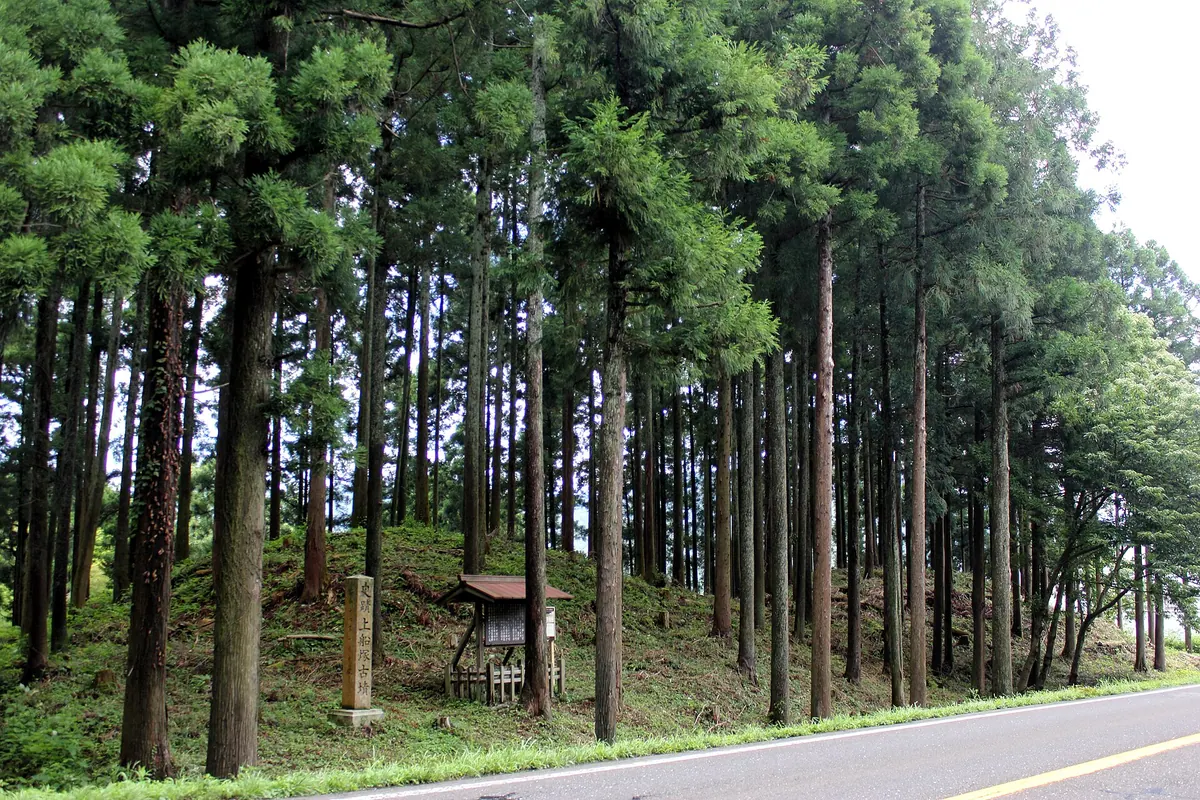
Explore a 6th-century keyhole-shaped burial mound, a National Historic Site with unique haniwa.
What it is
- A keyhole-shaped tumulus, part of the Kami-Naka Kofun Group.
- Designated a National Historic Site in 1935.
- Believed to have been constructed around the early 6th century.
What to see
- A tumulus approximately 70 meters long.
- Posterior circular part has a diameter of about 36 meters.
- Anterior square part has a width of about 50 meters.
- Haniwa have been collected from the tumulus surface.
- A moat surrounds the tumulus.
08
Jōnozuka Kofun
FUKUI · HISTORIC SITE 上ノ塚古墳
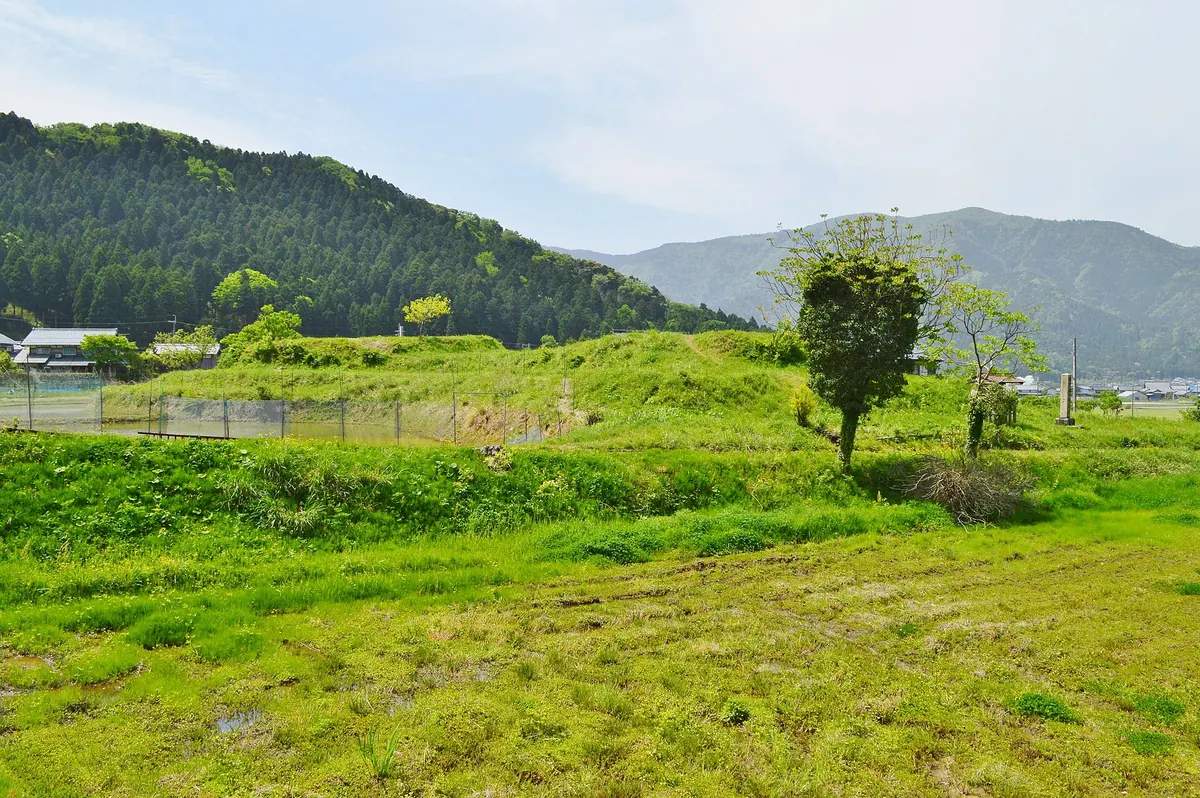
Explore Jōnozuka Kofun, the largest 5th-century keyhole tomb in Wakasa, a National Historic Site.
What it is
- A kofun, an ancient burial mound, in Wakasa Town.
- Part of the significant Wakibukuro Kofun Group.
- Designated as a National Historic Site.
- Constructed around the early 5th century.
What to see
- The largest keyhole-shaped kofun in the Wakasa region.
- A three-tiered mound, approximately 100 meters long.
- Fukiishi and haniwa, excavated from the exterior.
- A shield-shaped moat surrounding the mound.
09
Shimofunazuka Kofun
FUKUI · HISTORIC SITE 下船塚古墳
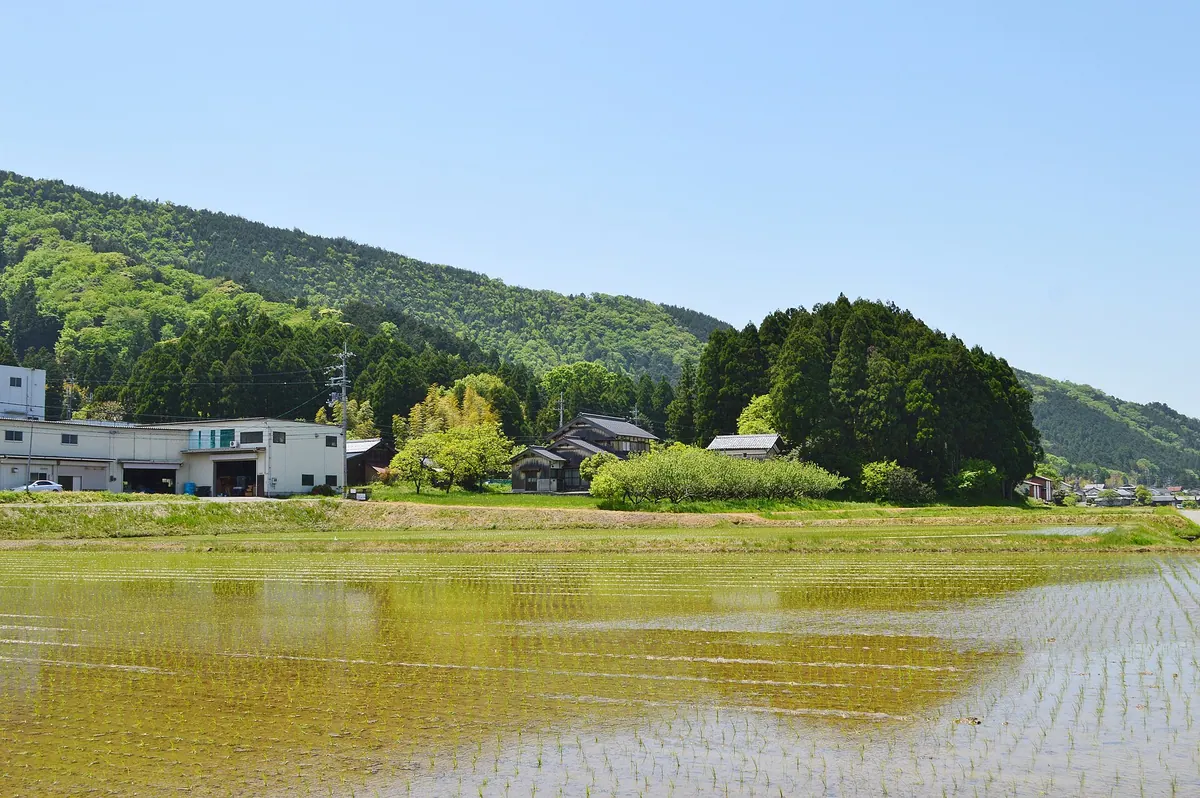
Explore Shimofunazuka Kofun, a rare keyhole-shaped burial mound from the 6th century.
What it is
- A keyhole-shaped tumulus from the mid-6th century.
- Part of the Kami-Naka Kofun group.
- Designated a National Historic Site in 1935.
- Known as a "married couple's tomb" with Kamifunazuka Kofun.
What to see
- The two-tiered construction of the mound.
- Haniwa collected from the mound's surface.
- The double moat surrounding the tumulus.
- The last keyhole-shaped tumulus in the Wakasa region.
10
Nakatsuka Kofun
FUKUI · HISTORIC SITE 中塚古墳
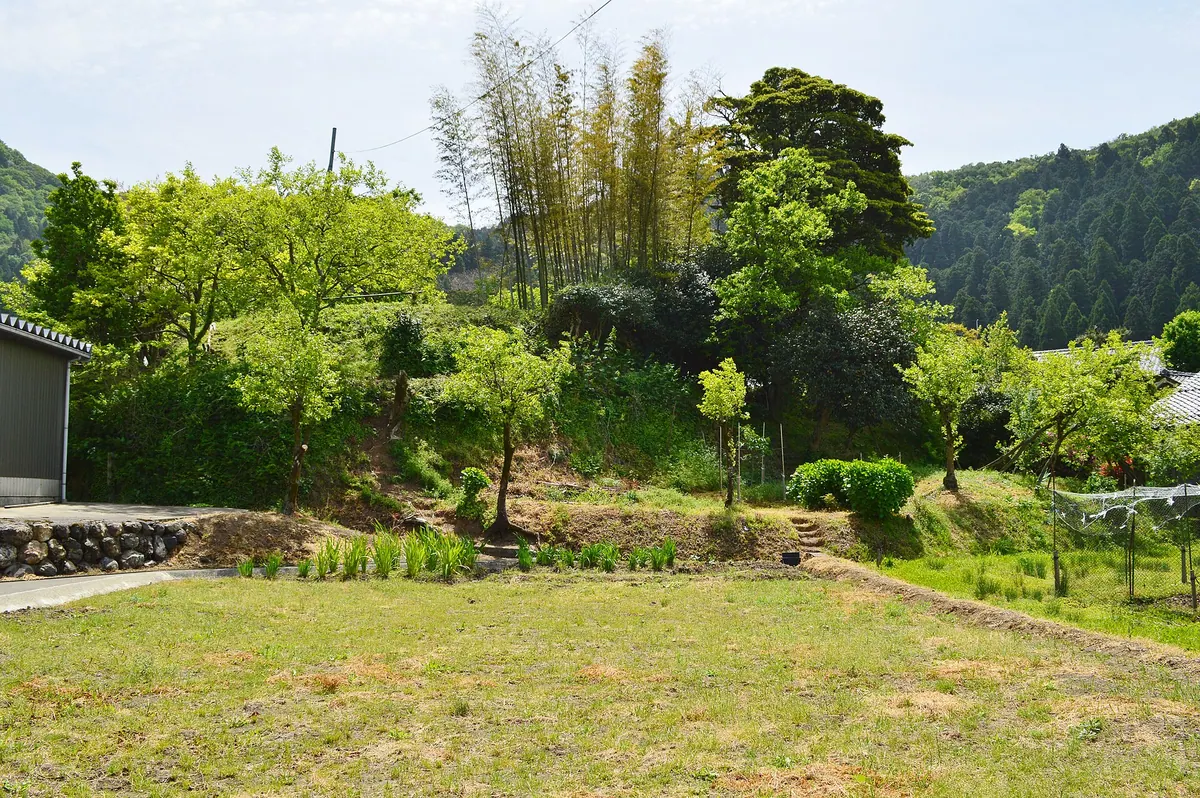
Explore a 5th-century keyhole-shaped burial mound, a National Historic Site with unique features.
What it is
- A keyhole-shaped tumulus from the late 5th century.
- Part of the Wakasabukuro Kofun Group.
- Designated a National Historic Site.
- Built at the western foot of Mt. Zembu.
What to see
- Observe the two-tiered mound structure.
- See fukiishi (revetment stones) on the mound surface.
- View the shield-shaped moat surrounding the tumulus.
- Imagine cylindrical haniwa unearthed from the moat.
11
Kabutoyama Kofun
FUKUI · HISTORIC SITE 兜山古墳
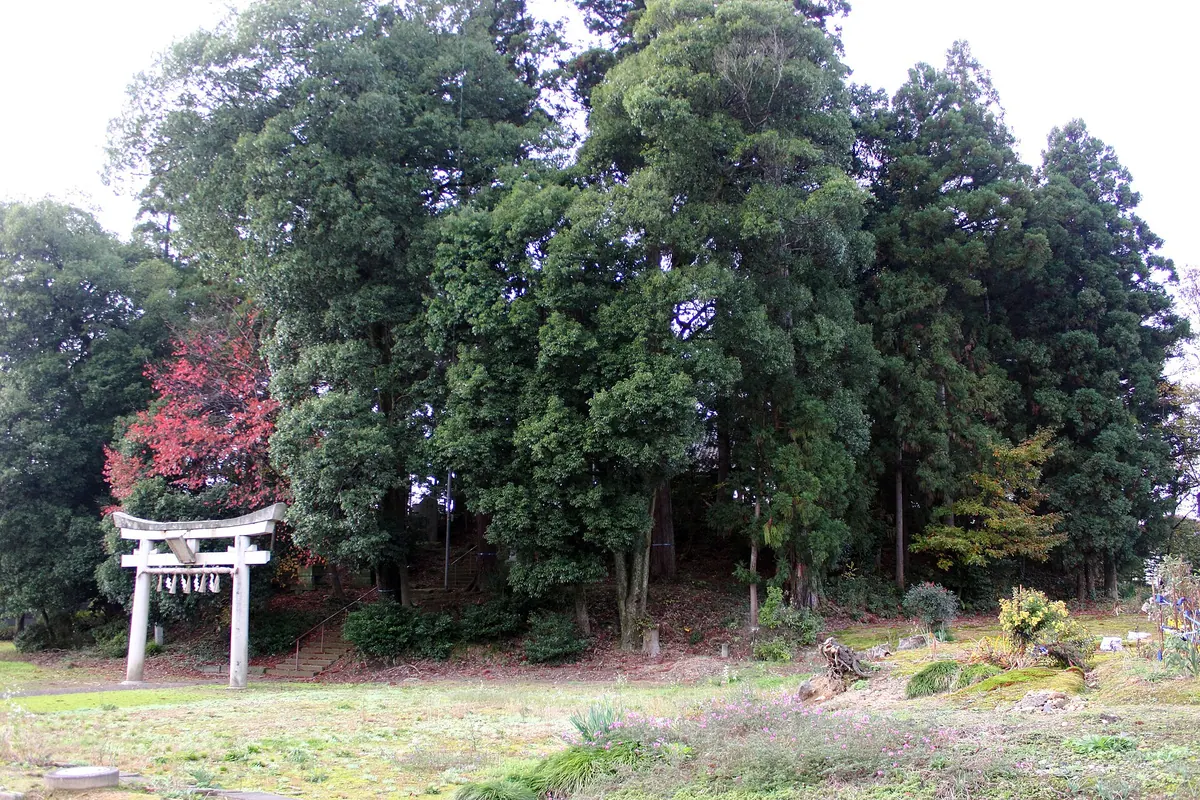
Explore Fukui's largest ancient burial mound, a chieftain's tomb with a shrine at its center.
What it is
- A circular burial mound, a chieftain's tomb.
- Designated a National Historic Site in 1977.
- Restoration work was completed by May 2023.
What to see
- A two-tiered mound, 60 meters in diameter.
- Hachiman Shrine is at the center of the mound.
- The mound is 7 meters high.
- A moat surrounds it, 17 meters wide.
12
Tōmyōji Nawate
FUKUI · HISTORIC SITE 燈明寺畷新田義貞戦歿伝説地
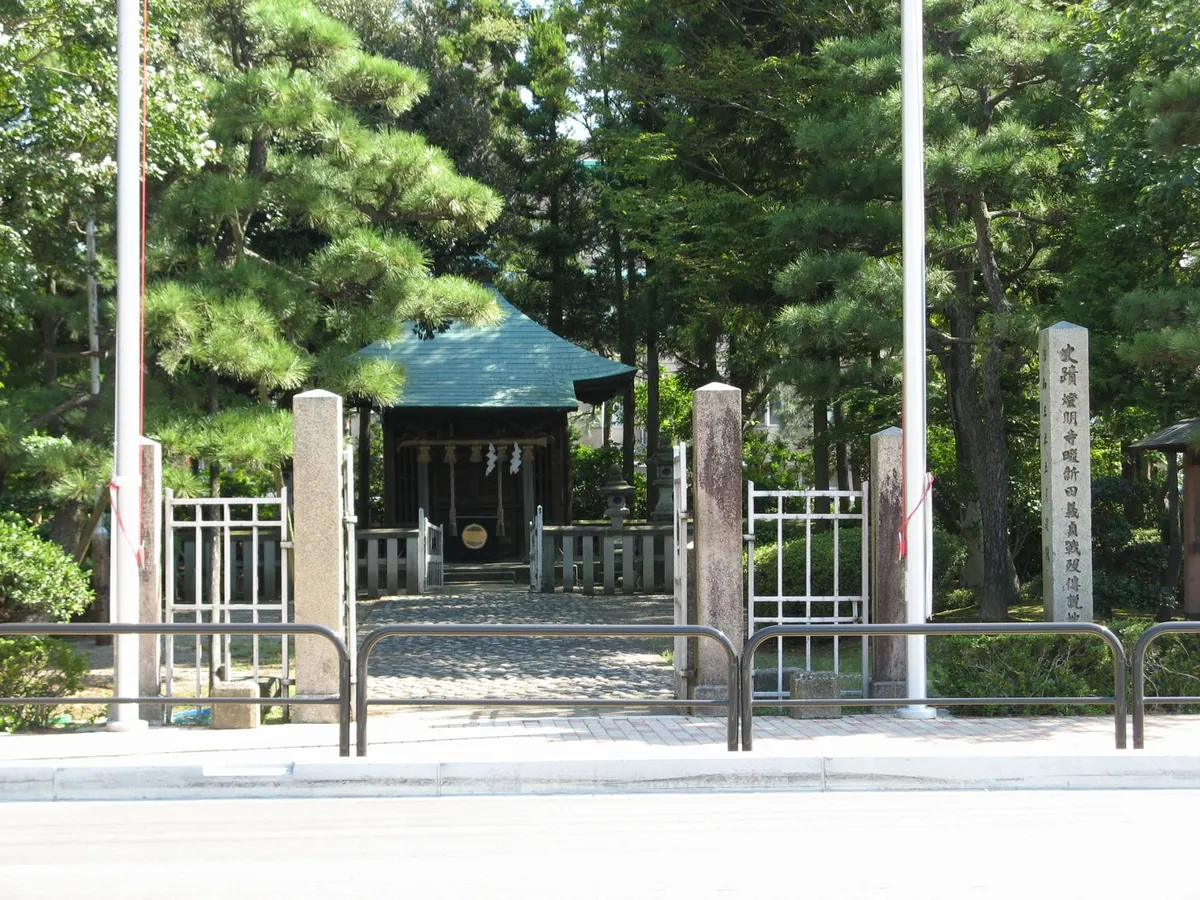
Tōmyōji Nawate is a historic battlefield where a samurai general died, marked by monuments and a shrine.
What it is
- An old battlefield, designated a National Historic Site.
- Associated with the death of samurai general Nitta Yoshisada.
- A shrine for Nitta Yoshisada was built in 1870.
What to see
- A stone monument erected in 1660.
- The area is known as Nittazuka.
- A shrine dedicated to Nitta Yoshisada.
13
Okozu Salt Works
FUKUI · HISTORIC SITE 岡津製塩遺跡
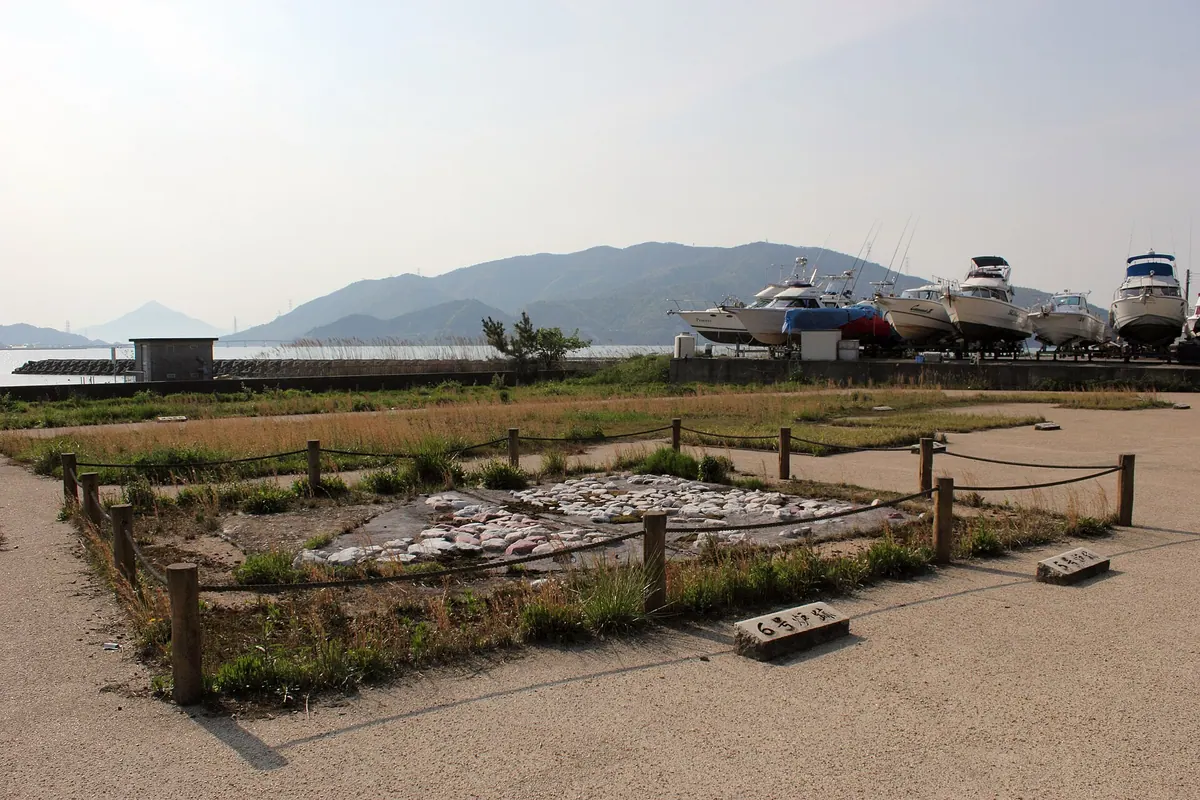
Explore ancient salt production at this historic site on Obama Bay.
What it is
- A salt production site on Obama Bay.
- Nationally designated historic site.
- Certified as a Japan Heritage site in 2015.
What to see
- Remains of nine salt production furnaces.
- Furnace remains date from the 7th to 8th centuries.