

10 Historic sites in Fukushima worth your time
Japan Gems
Fukushima Prefecture has six heritage sites, including Kamegamori-Chinjumori Kofun and Miyahata Site. These locations offer a look into the region's past.
Fukushima has 10 historic sites on Japan Gems. Below are the 10 we can tell you the most about — each one written up in English from Japanese sources, with what to see and how to get there. See all historic sites in Fukushima.
01
Kamegamori-Chinjumori Kofun
FUKUSHIMA · HISTORIC SITE 亀ヶ森・鎮守森古墳
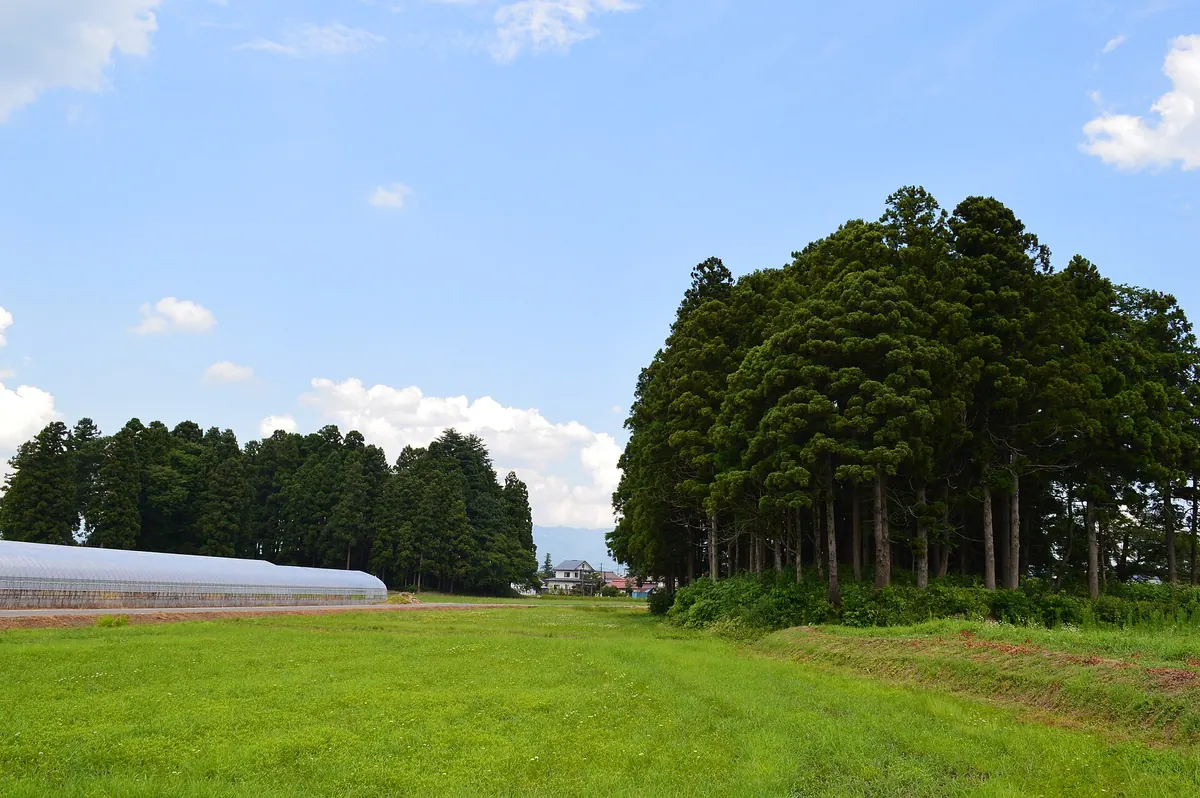
Explore two ancient, large kofun burial mounds, including Fukushima's largest, designated a National Historic Site.
What it is
- Two kofun (burial mounds) in Aizu-Bange Town, Fukushima Prefecture.
- Part of the Aotsu Kofun group.
- Designated a National Historic Site since 1976.
- Built around the late 4th century.
What to see
- Kamegamori Kofun, a keyhole-shaped burial mound.
- Chinjumori Kofun, a square-front, square-rear burial mound.
- Kamegamori Kofun is the largest in Fukushima Prefecture.
- Kamegamori Kofun is the second largest in the Tohoku region.
- Kamegamori Kofun has a total length of 129.4 meters.
- Chinjumori Kofun has a total length of 55.2 meters.
02
Miyahata Site
FUKUSHIMA · HISTORIC SITE 宮畑遺跡
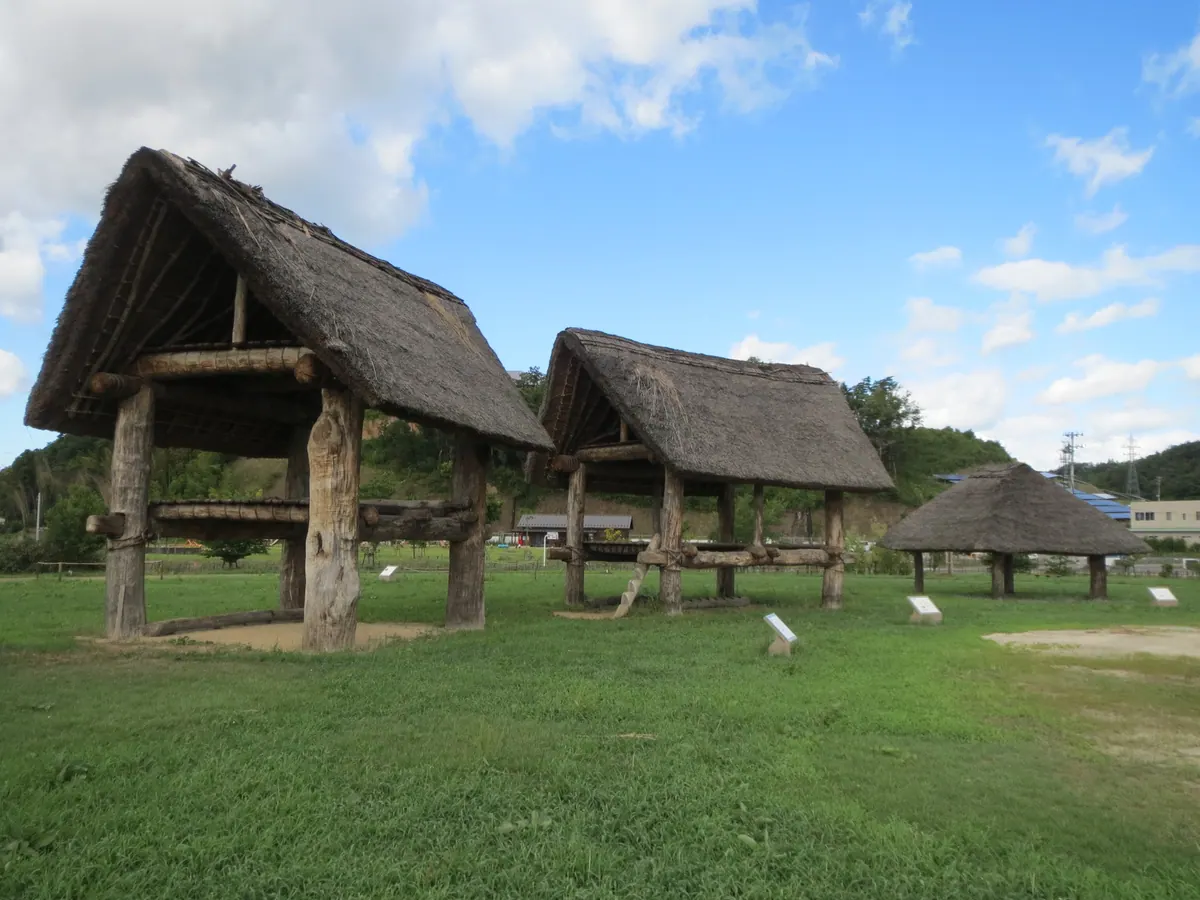
Explore Jomon-era village traces and unique ancient dwellings at this archaeological park.
What it is
- Jomon period archaeological site.
- Designated a National Historic Site in 2003.
- Developed as an urban historic park.
- Opened in 2015.
What to see
- Traces of three Jomon period villages.
- About 40 pit dwellings from the Middle Jomon period.
- Buildings with soil roofs from the Middle Jomon period.
- Stone-paved floor buildings from the Late Jomon period.
- Circularly arranged pillar-supported buildings from the Final Jomon period.
When to go
- Miyahata Jomon Festival is held annually in October.
03
Izumizaki Cave Tomb
FUKUSHIMA · HISTORIC SITE 泉崎横穴
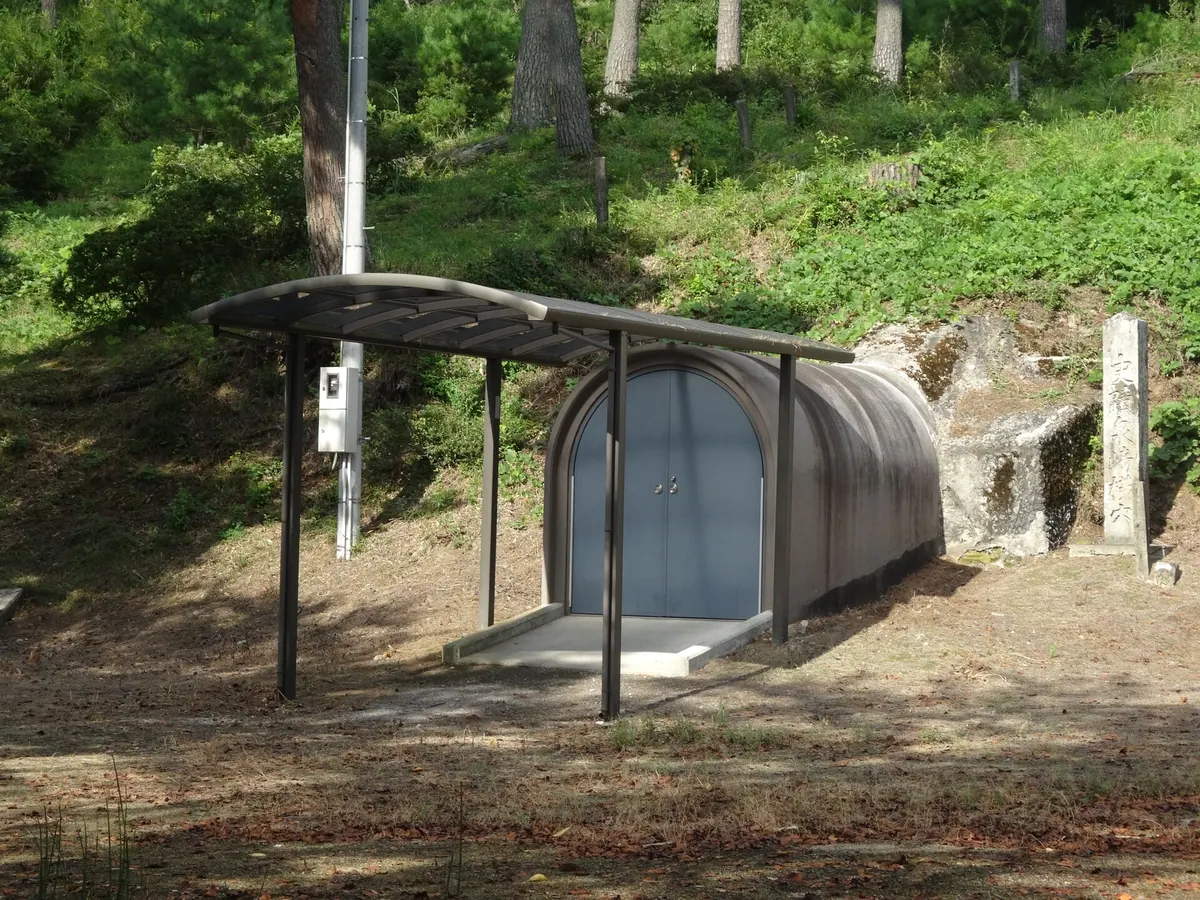
Ancient cave tomb with vibrant wall paintings and artifacts from the 7th century.
What it is
- A horizontal-style decorated kofun (ancient tomb).
- Discovered in 1933 during road expansion.
- Designated a National Historic Site in 1934.
- Constructed in the early 7th century.
What to see
- Stone chamber with a back wall, entrance, and passage.
- Back wall images of animals, horsemen, and figures.
- Left wall with spiral patterns and horsemen.
- Right wall depicting a mortar, horse, and bead patterns.
- Ceiling adorned with several spiral patterns.
- Excavated artifacts include swords, knives, and copper rings.
04
Ōyasuba Kofun
FUKUSHIMA · HISTORIC SITE 大安場古墳群
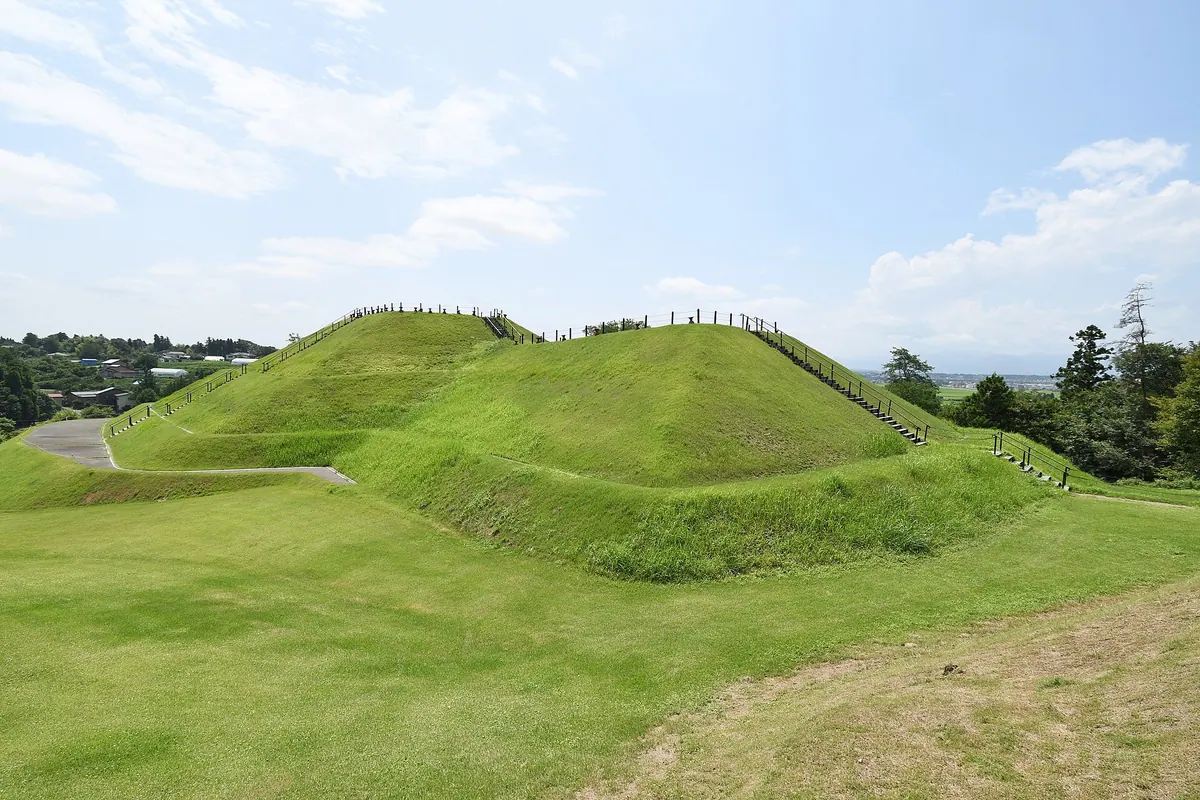
Explore ancient burial mounds, including Tohoku's largest keyhole tomb, at this historic park.
What it is
- A group of ancient burial mounds (kofun).
- Discovered in 1991, excavated 1996-1998.
- The 1st tumulus is a national historic site.
- Constructed in the late 4th century.
What to see
- One keyhole-shaped tomb and four circular tombs.
- The largest keyhole-shaped tomb in the Tohoku region.
- The 1st tumulus is estimated to be 83 meters long.
- A historic park developed around the kofun group.
- Excavated bracelet-shaped stone products.
- Excavated swords, spears, and iron axes.
- Official site
- www.bunka-manabi.sakura.ne.jp
05
Sakurai Kofun
FUKUSHIMA · HISTORIC SITE 桜井古墳
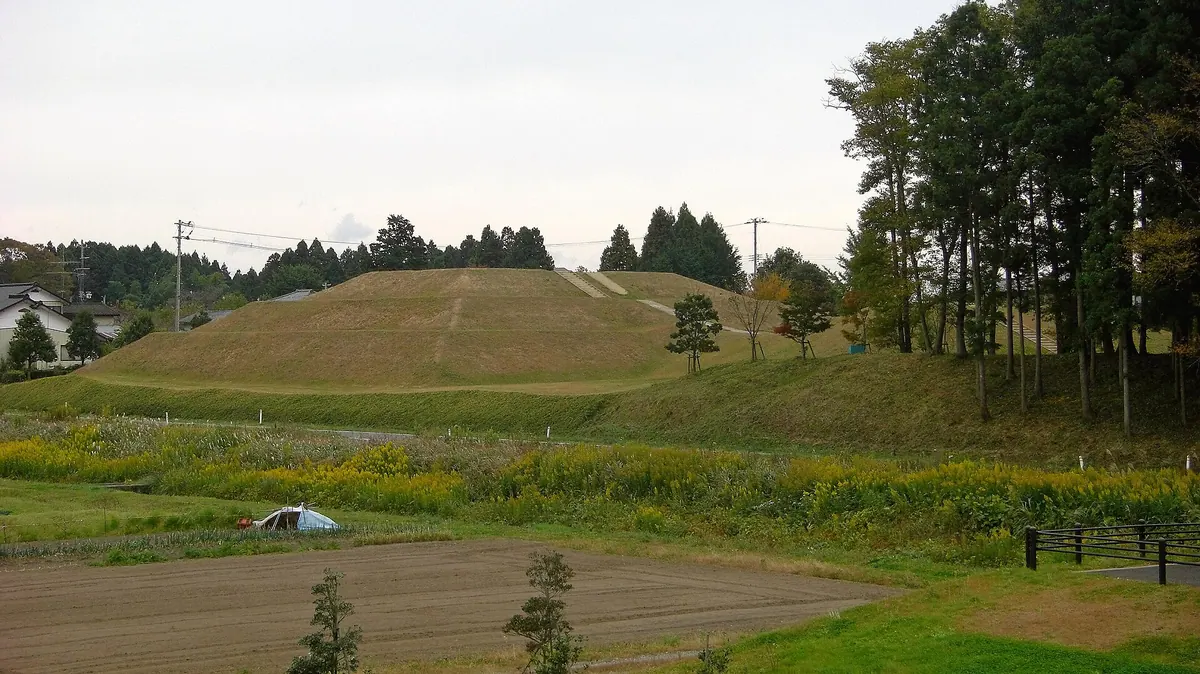
Explore a large, ancient keyhole-shaped tomb from Japan's early Kofun period.
What it is
- A keyhole-shaped tomb, also called Sakurai Kofun Group No. 1 Tomb.
- Built in the early Kofun period.
- Designated a National Historic Site.
What to see
- The tomb is 74.5 meters long and 6.8 meters high.
- It is the fourth largest keyhole-shaped tomb in Tohoku.
- Observe the surrounding moat.
- Two split-bamboo-shaped wooden coffins were found.
- Pottery with perforated bottoms was excavated.
Getting there
- Accessible by car from Haramachi Station.
06
Shirakawa Funada-Motonuma Sites
FUKUSHIMA · HISTORIC SITE 白河舟田・本沼遺跡群
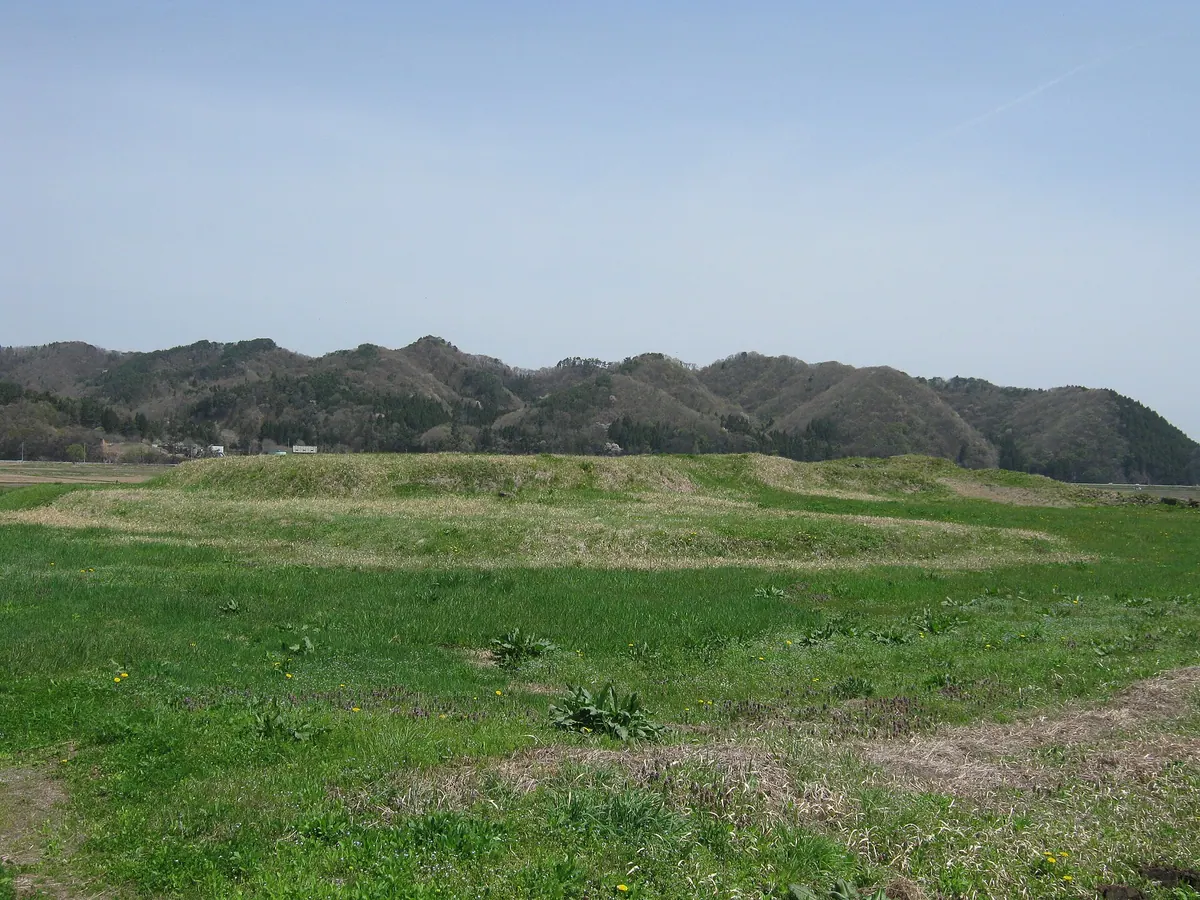
Explore ancient burial mounds and a residence, offering a glimpse into Shirakawa's historical heart.
What it is
- A National Historic Site designated in May 2005.
- Consists of three distinct archaeological sites.
- Represents the central region of ancient Shirakawa.
What to see
- Shimotsukazuka Kofun, a 71-meter keyhole-shaped tumulus.
- Horizontal stone chamber of andesite inside Shimotsukazuka Kofun.
- Yachikubo Kofun, a circular tumulus 17 meters in diameter.
- Funada Nakamichi Site, an aristocratic residence about 70 meters per side.
07
Ōtsukayama Kofun
FUKUSHIMA · HISTORIC SITE 会津大塚山古墳
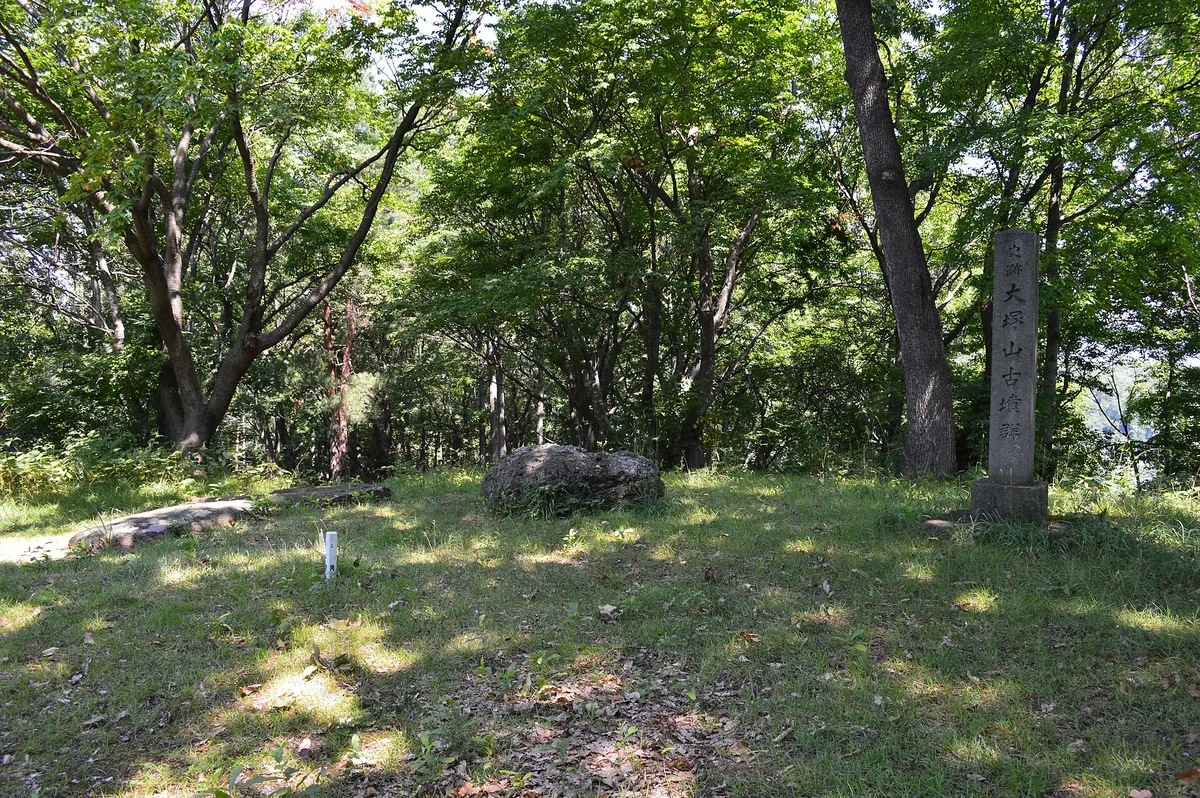
Explore a large 4th-century keyhole-shaped burial mound, a National Historic Site with important artifacts.
What it is
- A keyhole-shaped tumulus, built in the late 4th century.
- Part of the Ikki Kofun group in Aizuwakamatsu City.
- Designated a National Historic Site.
- Second largest kofun in Fukushima Prefecture.
What to see
- The mound is 114 meters long.
- Rear circular part has a 70-meter diameter.
- Rear circular part is 10 meters high.
- Front part has a width of 54 meters.
- Excavated artifacts are Important Cultural Properties.
08
Sukagawa Ichirizuka
FUKUSHIMA · HISTORIC SITE 須賀川一里塚
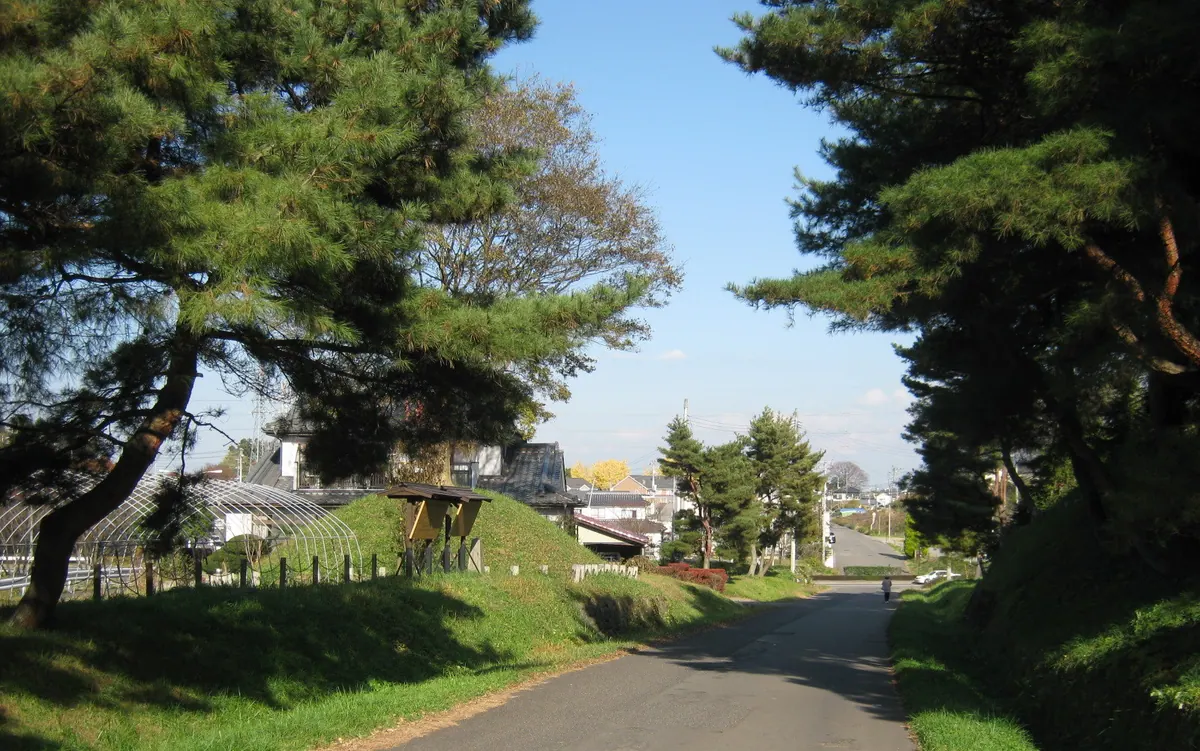
See the last remaining pair of Edo-period distance markers on the Oshu Kaido.
What it is
- The 59th ichirizuka from Edo on the Oshu Kaido.
- Ichirizuka are ancient distance markers.
- Designated as a National Historic Site.
- The only remaining pair on the Oshu Kaido.
What to see
- Well-preserved east mound, 5 meters in diameter.
- Well-preserved west mound, 6 meters in diameter.
Getting there
- 10-minute drive from JR Tohoku Main Line Sukagawa Station.
09
Miyanomae Kofun
FUKUSHIMA · HISTORIC SITE 宮ノ前古墳
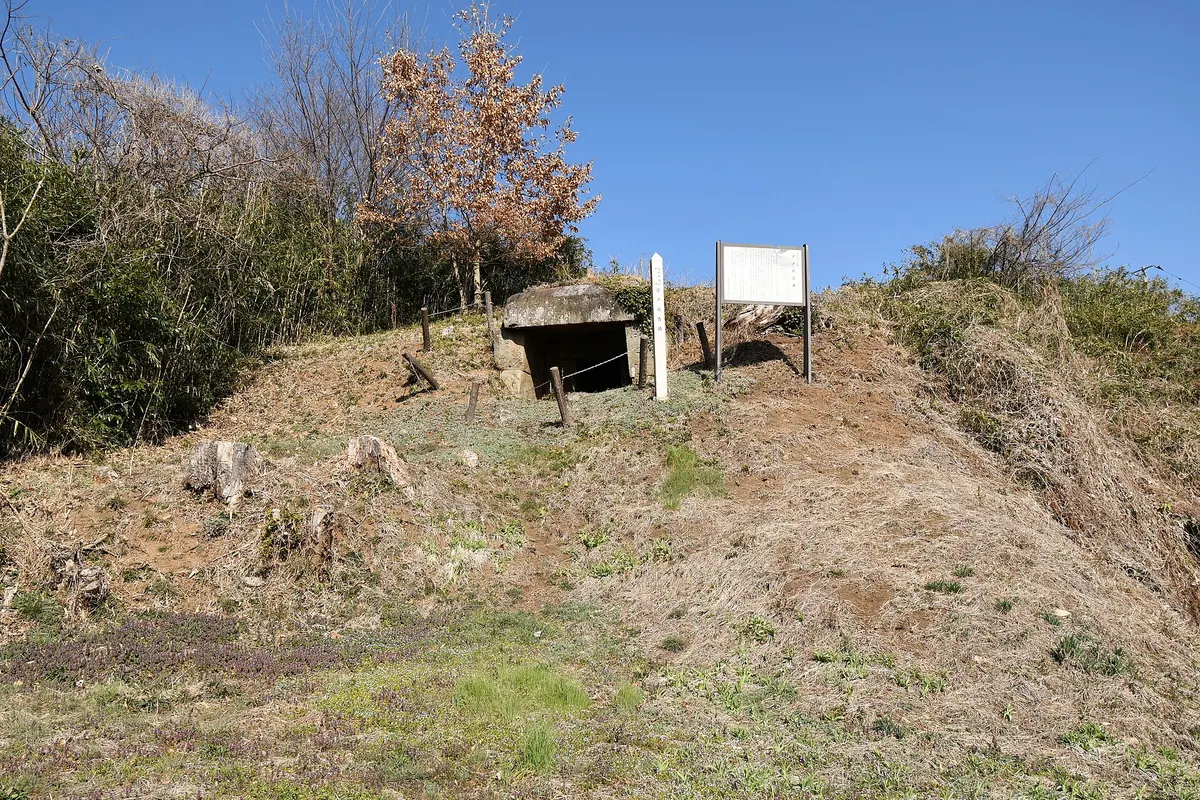
Explore a well-preserved 7th-century burial mound with a unique stone chamber.
What it is
- A kofun, an ancient burial mound.
- Constructed around the late 7th century.
- Designated a Fukushima Prefecture historic site in 1988.
What to see
- A horizontal stone burial chamber.
- Chamber is 3.9 meters long, 2.05 meters wide, 1.8 meters high.
- Back wall is a single large stone.
- Side walls are two-tiered rectangular stones.
- Floor made of combined slab-like cut stones.
10
Kabutozuka Kofun
FUKUSHIMA · HISTORIC SITE 甲塚古墳
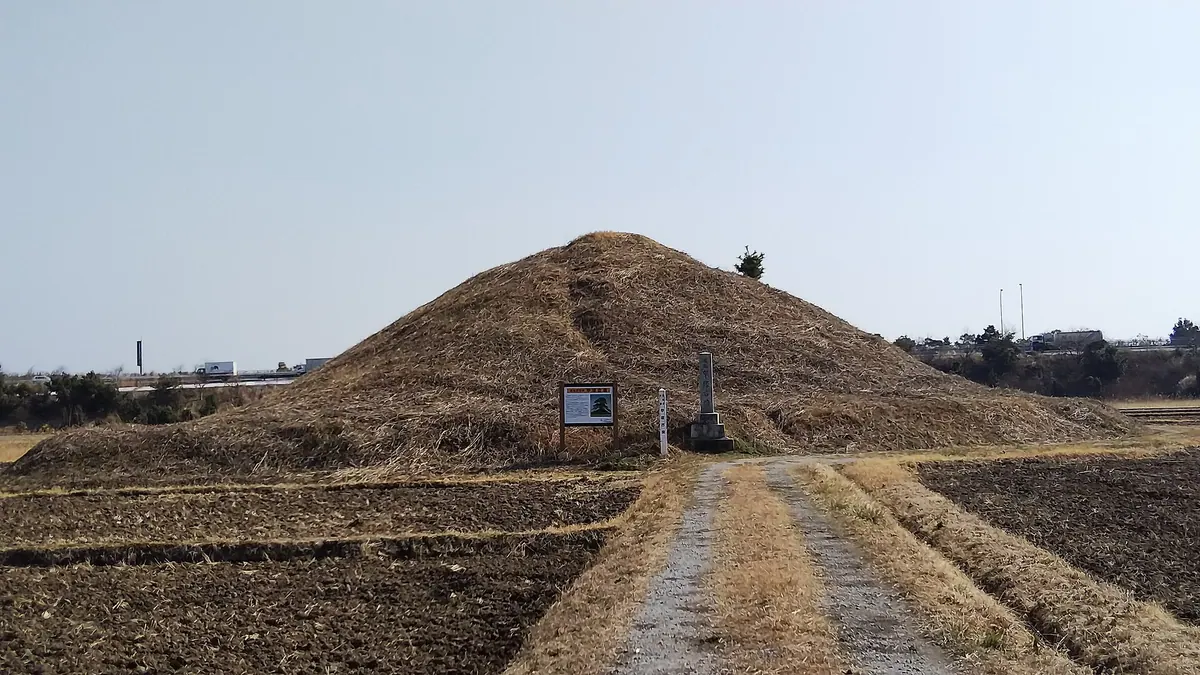
Explore this ancient, large burial mound, a National Historic Site with nearby historical ruins.
What it is
- A circular burial mound, Kabutozuka Kofun.
- Designated a National Historic Site in 1923.
- Estimated construction: late 6th to late 7th century.
What to see
- A kofun with a 37-meter diameter.
- A kofun with a height of 8.2 meters.
- Nearby ruins of a Nara period temple.
- Nearby Engishikinaisha Okunitama Shrine.