

20 Historic sites in Hyōgo worth your time
Japan Gems
Hyōgo prefecture has 17 heritage sites, including Maiko Battery Site and Nakayamasoen Kofun. These sites offer a look into the region's past.
Hyōgo has 22 historic sites on Japan Gems. Below are the 20 we can tell you the most about — each one written up in English from Japanese sources, with what to see and how to get there. See all historic sites in Hyōgo.
01
Tamaoka Kofun Cluster
HYōGO · HISTORIC SITE 玉丘古墳群
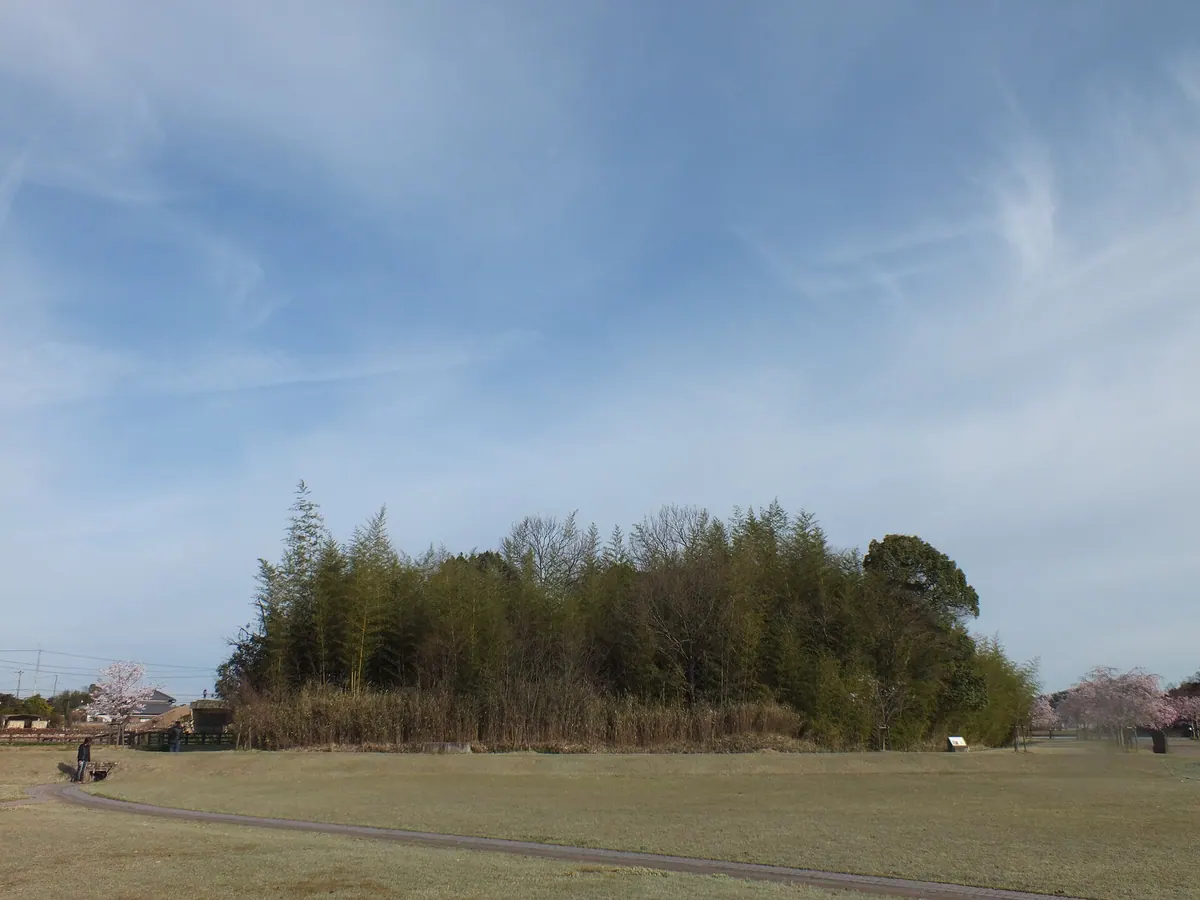
Explore ancient burial mounds, including Hyogo's sixth-largest, at this historic park.
What it is
- A cluster of kofun (tumuli) in Kasai City, Hyogo Prefecture.
- A nationally designated historic site.
- Consists of seven tumuli, including Tamaoka and Kuwansu-zuka Kofun.
- The surrounding area is Tamaoka Historic Site Park.
What to see
- Various shapes: keyhole, circular, and scallop-shaped tumuli.
- Tamaoka Kofun, a keyhole-shaped tumulus.
- Tamaoka Kofun is the sixth largest in Hyogo Prefecture.
- Kuwansu-zuka Kofun, a circular tumulus.
- Dantozan Kofun, another circular tumulus.
- First and second 陪塚 east and west of Tamaoka Kofun.
Getting there
- 30-minute walk from Hojocho Station.
- Hojocho Station is on the Hojo Railway Hojo Line.
02
Miyayama Kofun Group
HYōGO · HISTORIC SITE 宮山遺跡
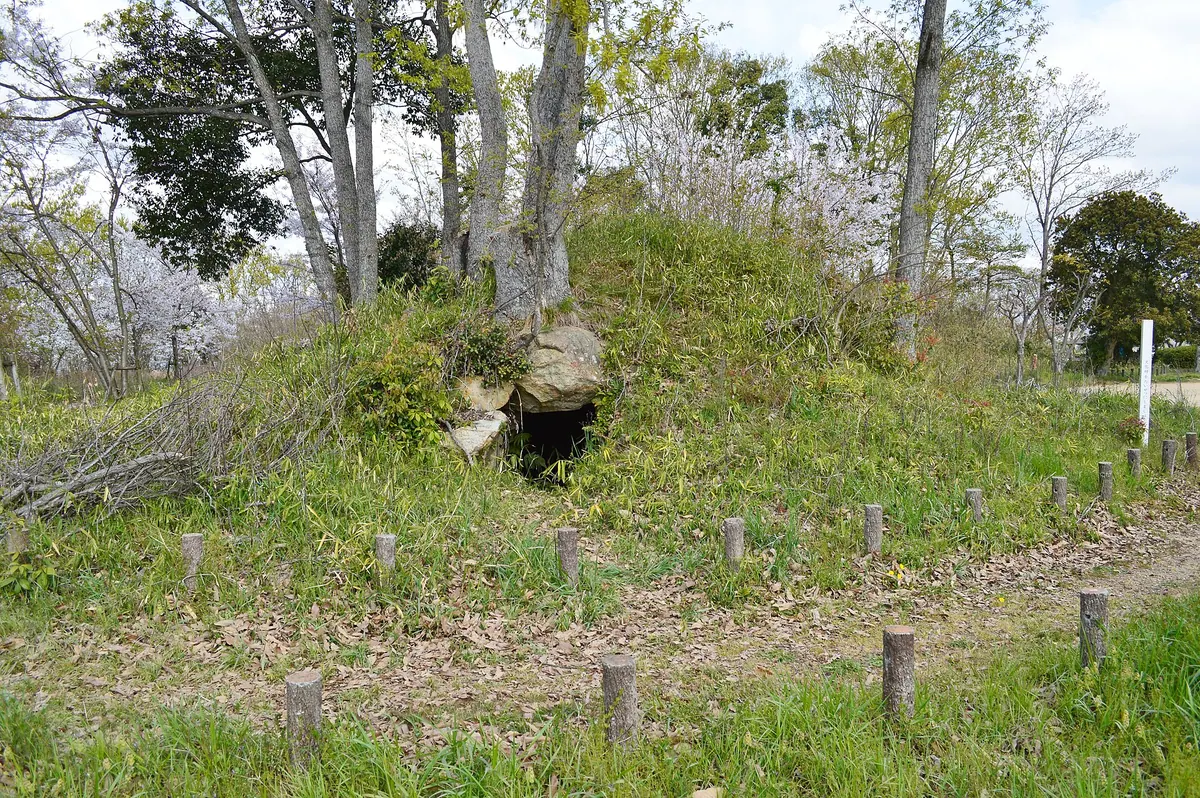
Explore ancient burial mounds and settlement ruins from Japan's early periods.
What it is
- A complex of ruins designated a city historic site.
- Contains settlement remains from Jomon to Heian periods.
- Designated a historic site on April 1, 1968.
What to see
- Miyayama Otsuka Kofun, a scallop-shaped tumulus.
- The Otsuka Kofun has a 40-meter diameter rear mound.
- Five circular tumuli are north of Otsuka Kofun.
- One circular tumulus is south of Otsuka Kofun.
- Jomon period settlement remains are on the east side.
Getting there
- 20-minute walk from JR Kakogawa Line Yakujin Station.
03
Ishi-no-Hōden
HYōGO · HISTORIC SITE 石の宝殿
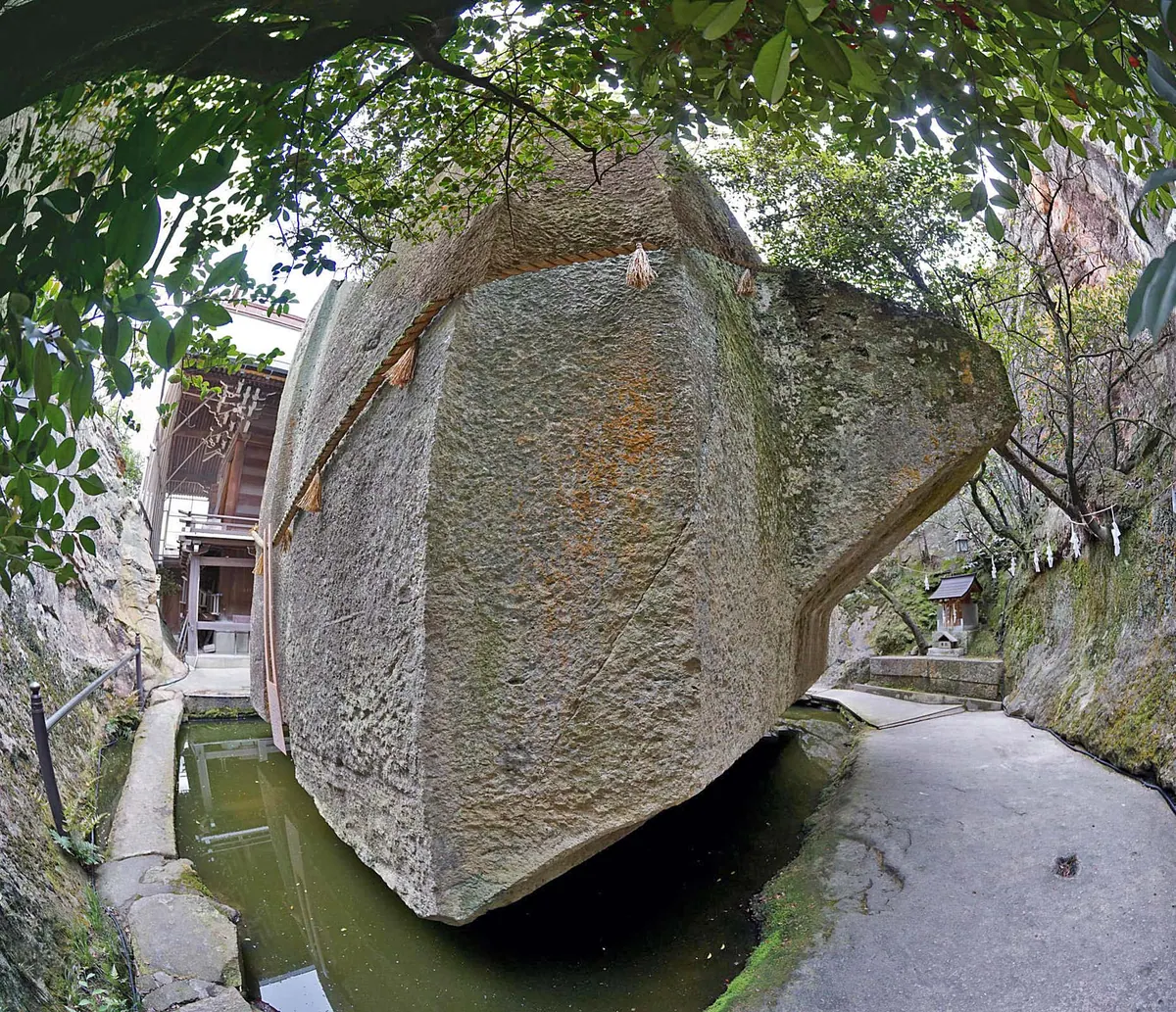
This megalithic monument, one of Japan's three wonders, appears to float and has a mysterious origin.
What it is
- Megalithic monument enshrined at Oushiko Jinja Shrine.
- Called Uki-ishi (Celestial Floating Stone) by local people.
- One of the three wonders of Japan.
- Designated a National Historic Site in 2017.
What to see
- Enormous stone, 5.7m high, 6.4m wide, 7.2m thick, weighing 453,000kg.
- Stone appears to float above a pool of water.
- Cavity in bedrock around the monument.
- Triangular prism protrusion on one side of the stone.
- Space to walk around the entire megalith for a small fee.
- Nearby Tatsuyama Tomb No. 1.
04
Tano Site
HYōGO · HISTORIC SITE 田能遺跡
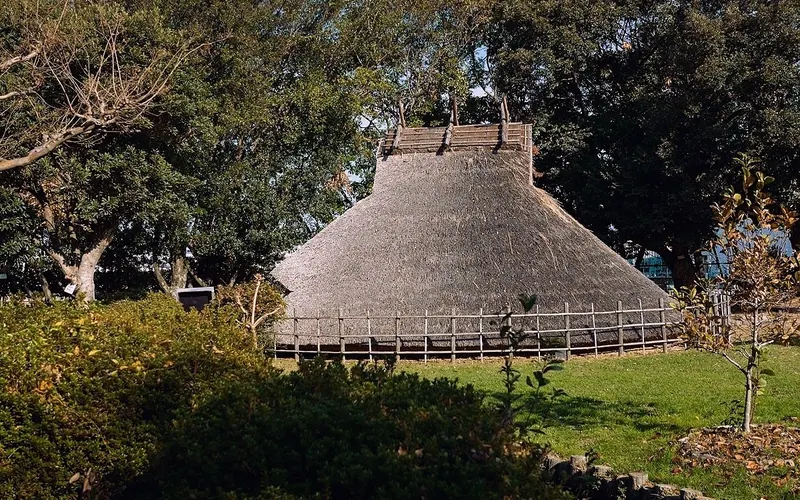
Explore Tano Site, a National Historic Site, to see Yayoi period ruins and artifacts.
What it is
- A Yayoi period ruin designated as a National Historic Site.
- Discovered in 1965 during construction work.
- Designated a National Historic Site on June 30, 1969.
What to see
- Many Yayoi pottery pieces were uncovered.
- Wooden coffins from the Yayoi period were discovered.
- Human remains found in wooden coffin burials.
- Excavated items include pottery, stone tools, and iron products.
- A bronze sword mold fragment is a cultural property.
- A white bronze bracelet is a cultural property.
05
Nishiyama Kita Kofun
HYōGO · HISTORIC SITE 西山北古墳
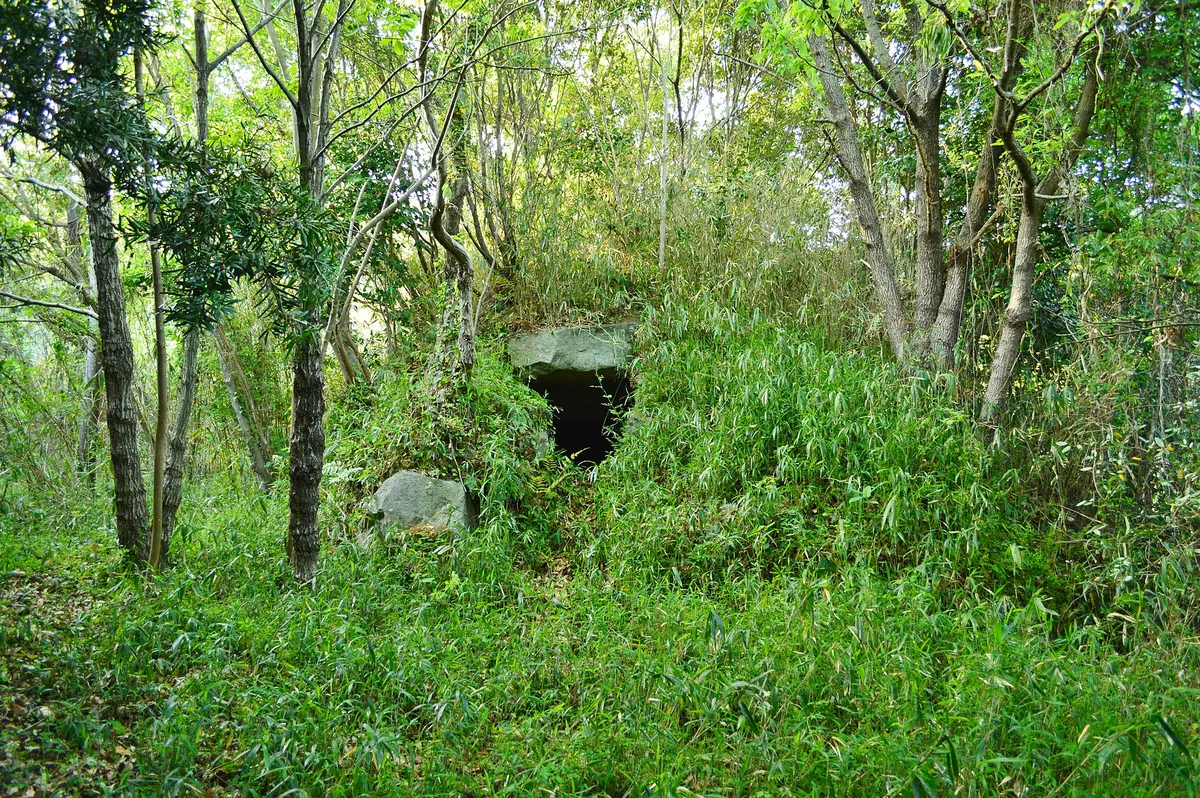
Explore Nishiyama Kita Kofun, Awaji Island's largest ancient stone burial chamber, a significant historical site.
What it is
- A kofun, an ancient burial mound.
- Presumed to be a circular tomb (Enpun).
- Designated a Minamiawaji City Historic Site.
- Constructed around the late 6th century.
What to see
- The largest existing stone chamber on Awaji Island.
- A burial chamber of the Ryosode-shiki Yokoana-shiki Sekishitsu type.
- The stone chamber opens to the south.
- Tomb diameter estimated at 15 or 20 meters.
- Stone chamber total length is 8.02 meters.
- Inner chamber maximum height is 2.68 meters.
06
Fujie Bessho Ruins
HYōGO · HISTORIC SITE 藤江別所遺跡
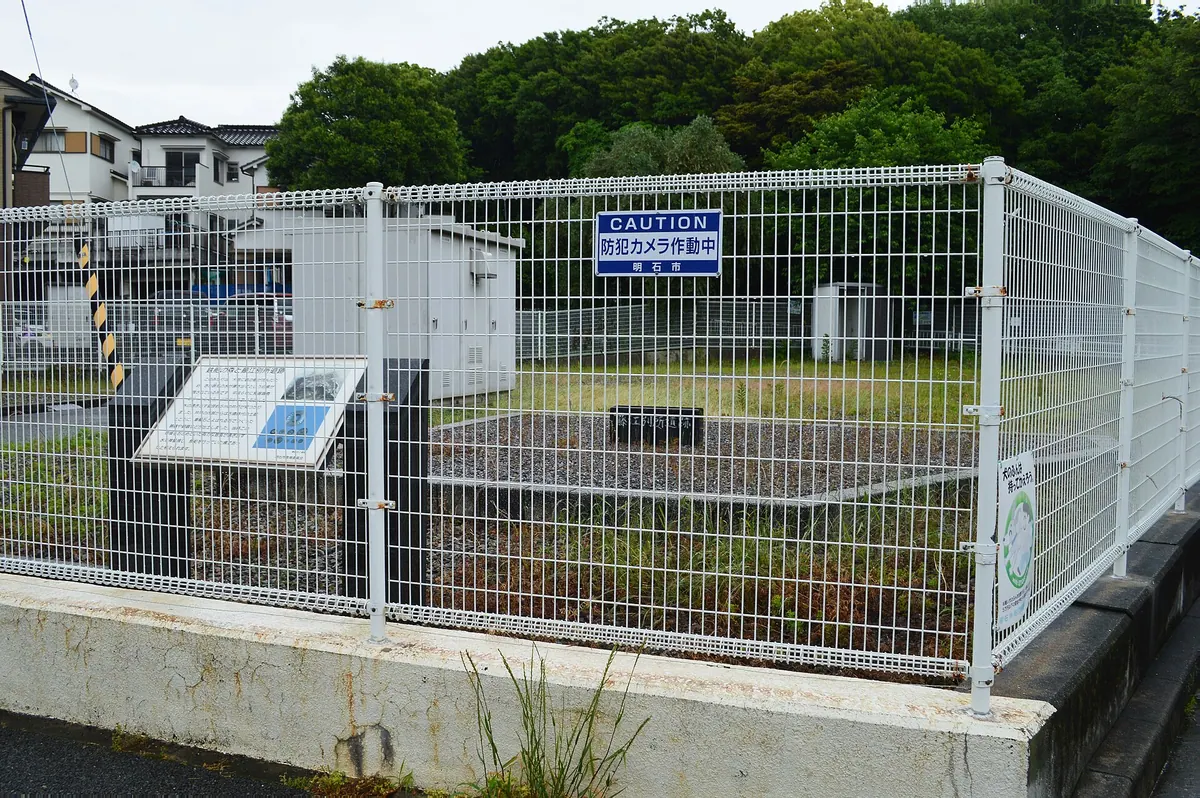
Explore an ancient ritual site with a unique well and artifacts spanning millennia.
What it is
- An archaeological site in Akashi City, Hyogo Prefecture.
- Excavated in 1993 by the Akashi City Board of Education.
- Features a well used for rituals from Yayoi to Edo periods.
What to see
- A circular, unlined well, 5 meters wide and 4 meters deep.
- Ritual artifacts from the late Yayoi to Kofun periods.
- Ritual artifacts from ancient to early modern times.
- Yayoi pottery unearthed from ditches.
- Excavated items are Hyogo Prefecture Tangible Cultural Property.
07
Gogazuka Kofun
HYōGO · HISTORIC SITE 御願塚古墳
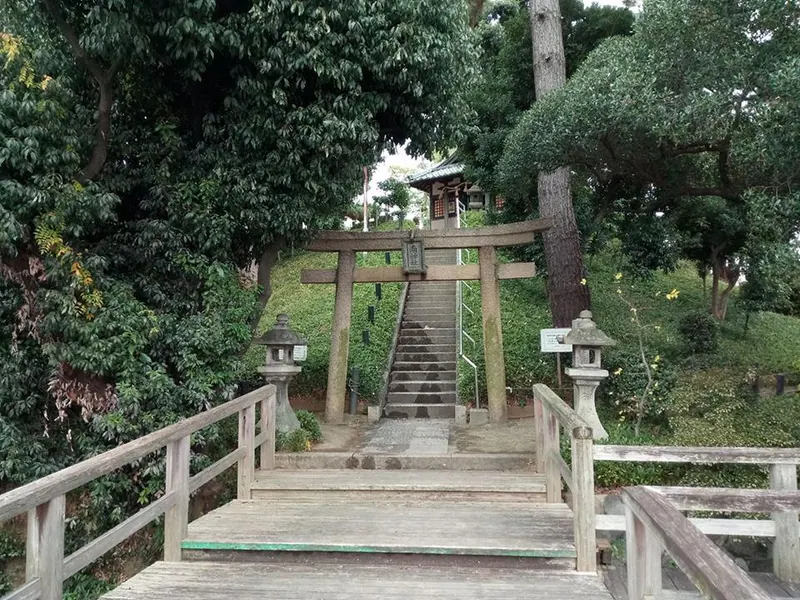
Ancient scallop-shaped burial mound with a shrine on top, a short walk from Inano Station.
What it is
- Ancient scallop-shaped burial mound, built in the late 5th century.
- Designated a Hyogo Prefectural Historic Site in 1966.
- Believed to be the tomb of a local powerful family.
- Minami Shrine was founded on top of the kofun in 1681.
What to see
- The large scallop-shaped kofun mound itself.
- Minami Shrine, built on the kofun's summit.
- Stonework found during 1875 excavations.
Getting there
- 5-minute walk northwest from Inano Station.
08
Gossakaito
HYōGO · HISTORIC SITE 五斗長垣内遺跡
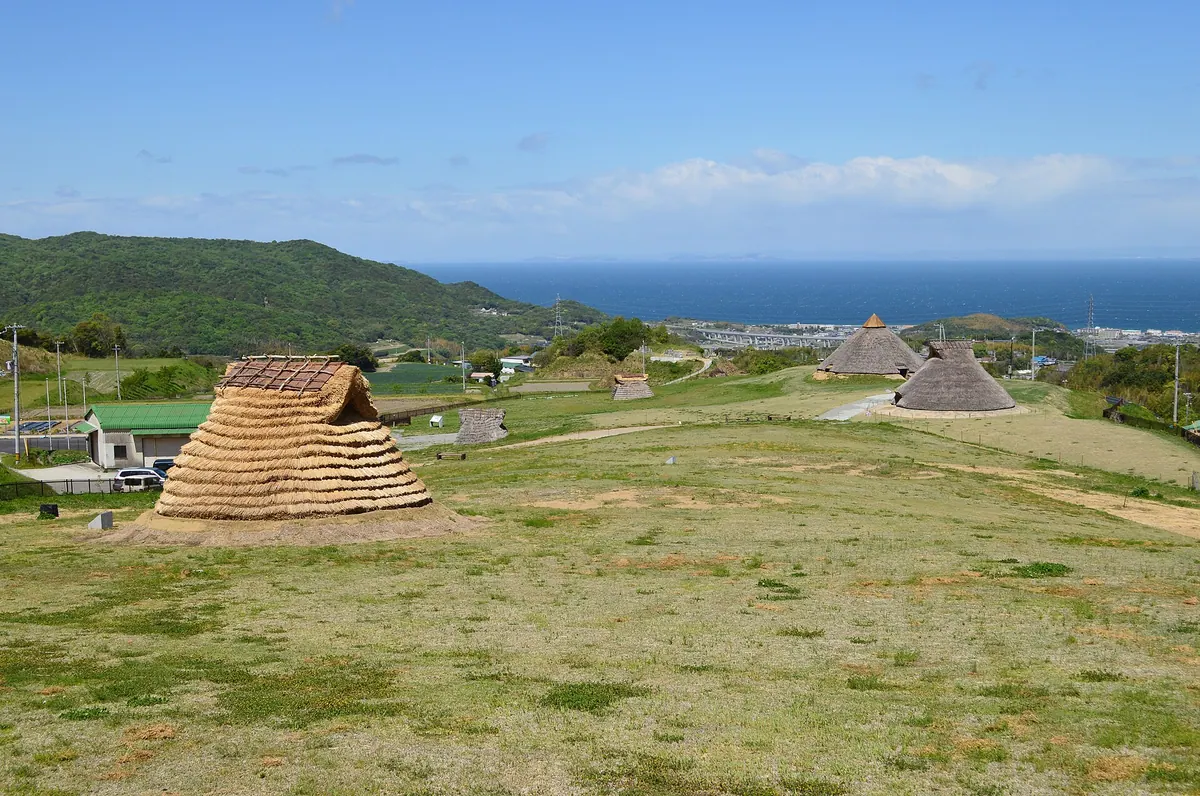
Gossakaito is a significant Yayoi-period ironware production site, offering a glimpse into ancient Japanese industry.
What it is
- A Yayoi period ruin in Awaji City, Hyogo Prefecture.
- Designated a National Historic Site.
- Largest ironware production settlement from the Yayoi period.
- Existed for about 150 years around the 1st century.
What to see
- Reconstructed pit dwellings used as blacksmith workshops.
- Remains of furnaces for iron processing in 12 dwellings.
- Excavated stone tools for iron processing.
- Site spans 500 meters east-west and 50 meters north-south.
09
Nakasuji Yamate Higashi No. 2 Burial Mound
HYōGO · HISTORIC SITE 中筋山手東2号墳
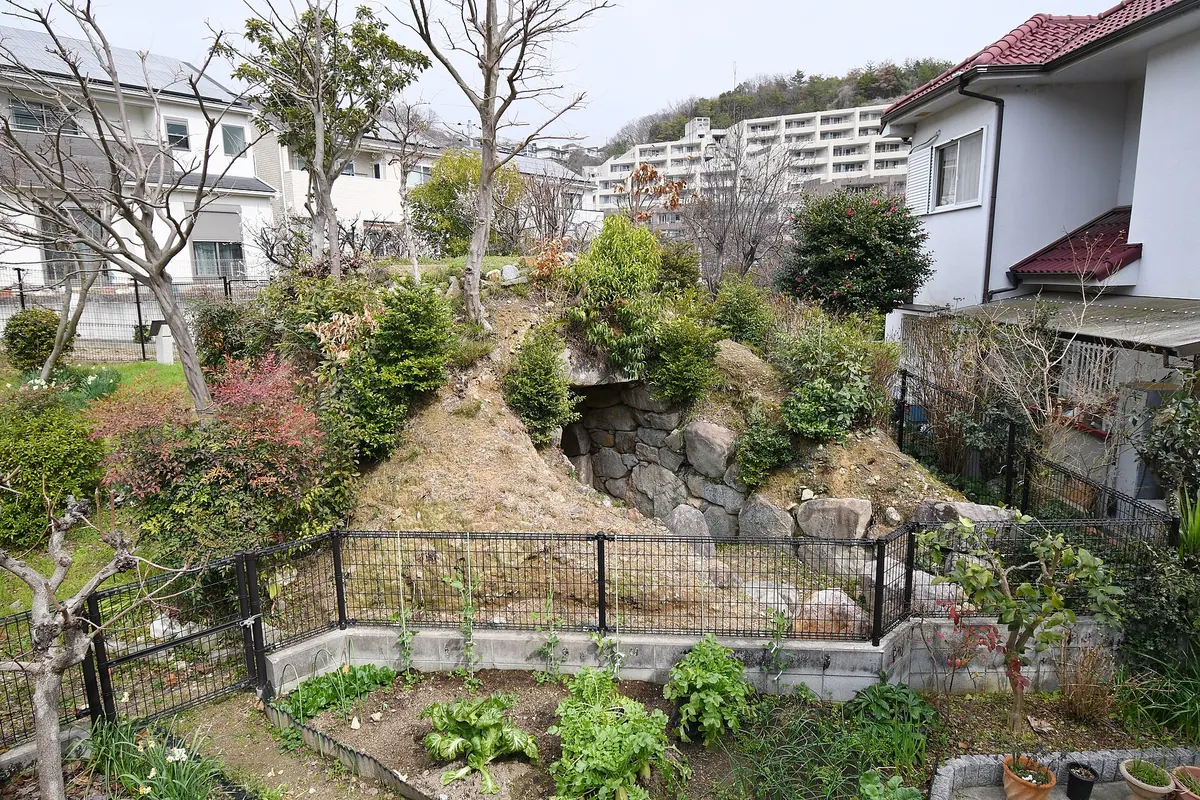
Explore ancient burial mounds, including one with a rare double-chamber structure and excavated artifacts.
What it is
- A cluster of ancient burial mounds.
- Originally consisted of four burial mounds.
- Estimated burial date is latter half of 6th century.
- One mound is a designated historic site.
What to see
- All remaining mounds are circular tumuli.
- Burial chambers are horizontal stone chambers.
- Mound 2 has a diameter of 11 meters.
- Mound 2 features a rare double-chamber structure.
- Excavated earrings, Sue ware, and Haji ware from Mound 2.
10
Nusazuka Burial Mound
HYōGO · HISTORIC SITE 幣塚古墳
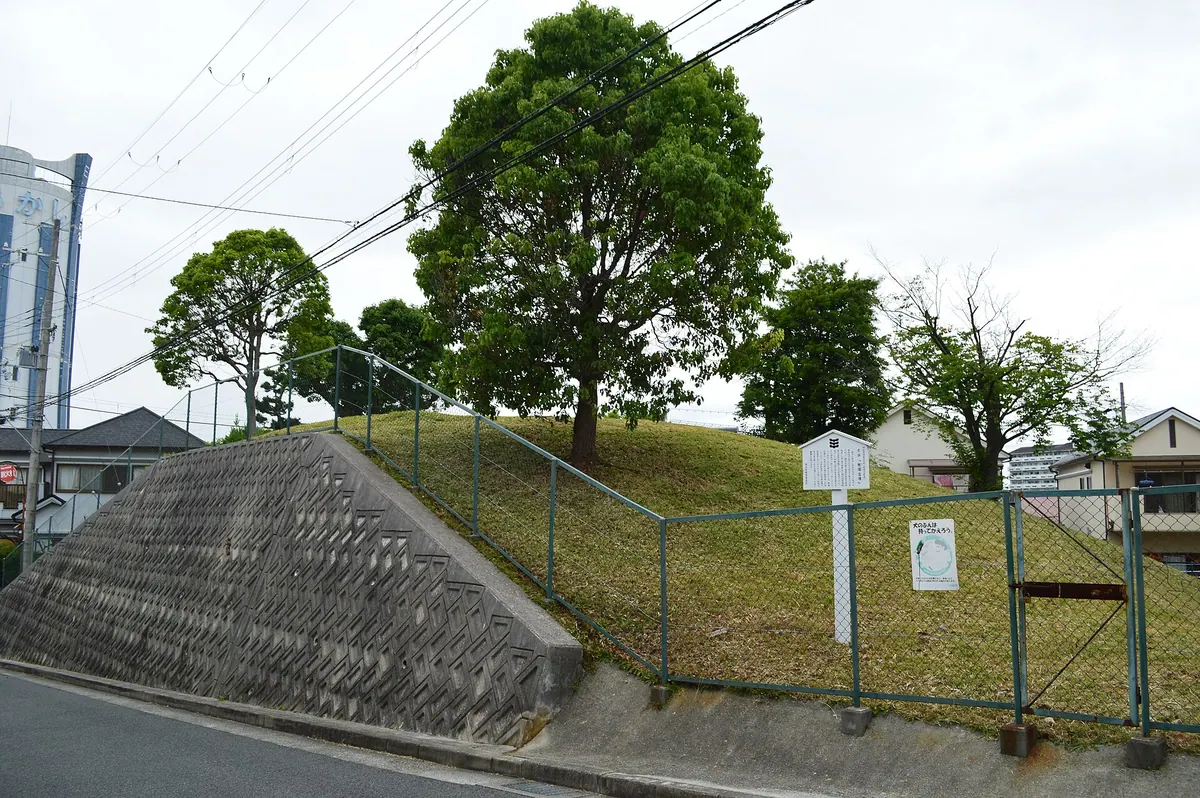
Explore Akashi's largest ancient circular burial mound, a significant historical site with unique construction.
What it is
- A tumulus in Akashi City, Hyogo Prefecture.
- Designated an Akashi City Historic Site.
- Dates to the late 4th to early 5th century.
- Largest circular tumulus in Akashi City.
What to see
- Circular mound, 34 meters in diameter.
- Mound stands 4 meters high.
- Fukiishi (revetment stones) on the mound surface.
- Haniwa (clay cylinders) were detected.
- Pit-style stone burial chamber.
- Chamber constructed with slab stones.
- Address
- 兵庫県明石市魚住町清水1275-1 Map
11
The Mound of Prince Abo
HYōGO · HISTORIC SITE 阿保親王塚古墳
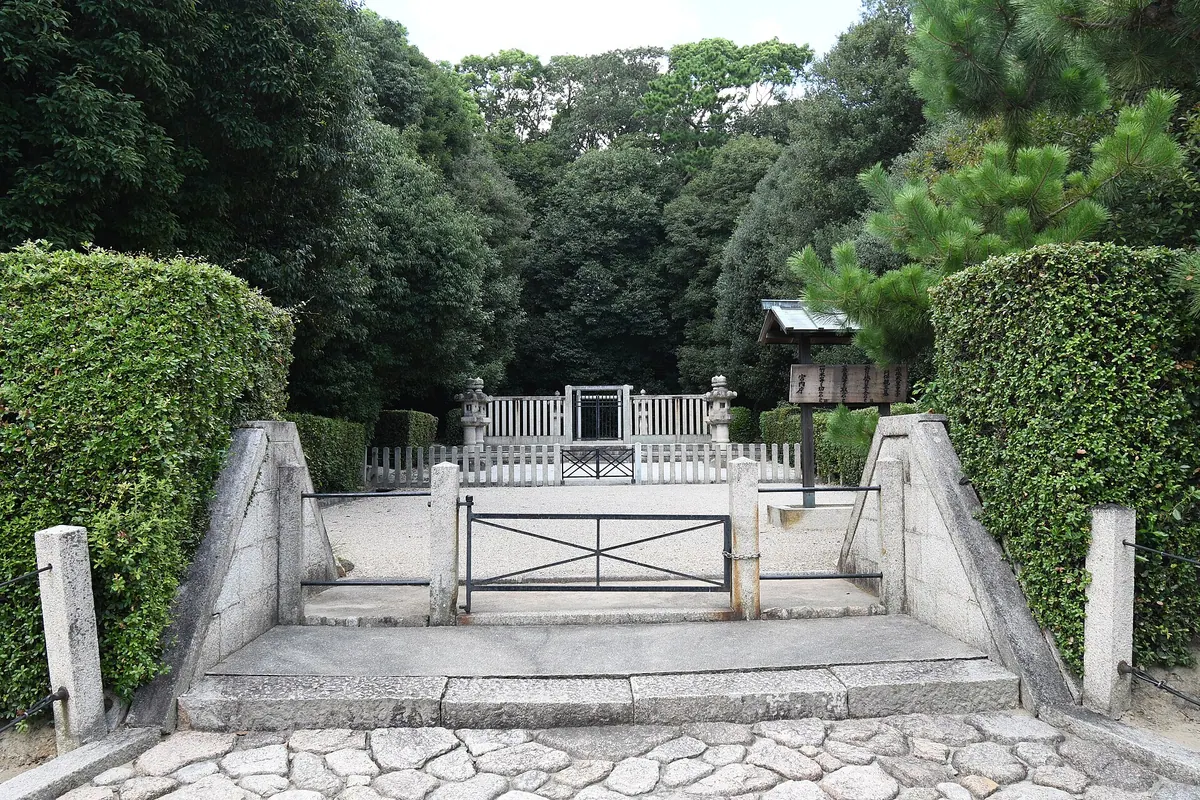
Explore a 4th-century burial mound, possibly Prince Abo's tomb, offering a glimpse into ancient history.
What it is
- A kofun, or ancient burial mound, in Ashiya City.
- Designated by the Imperial Household Agency as Prince Abo's tomb.
- Estimated to have been built in the 4th century.
- The actual interred person is not clear.
What to see
- A circular mound with a square moat.
- Possible original keyhole or square mound shape.
- Cylindrical Haniwa rows found on the surface.
- Four copper mirrors excavated during Edo period repairs.
- Address
- 兵庫県芦屋市翠ケ丘町11 Map
12
Nakasujiyamate-Higashi Kofun Group
HYōGO · HISTORIC SITE 中筋山手東古墳群
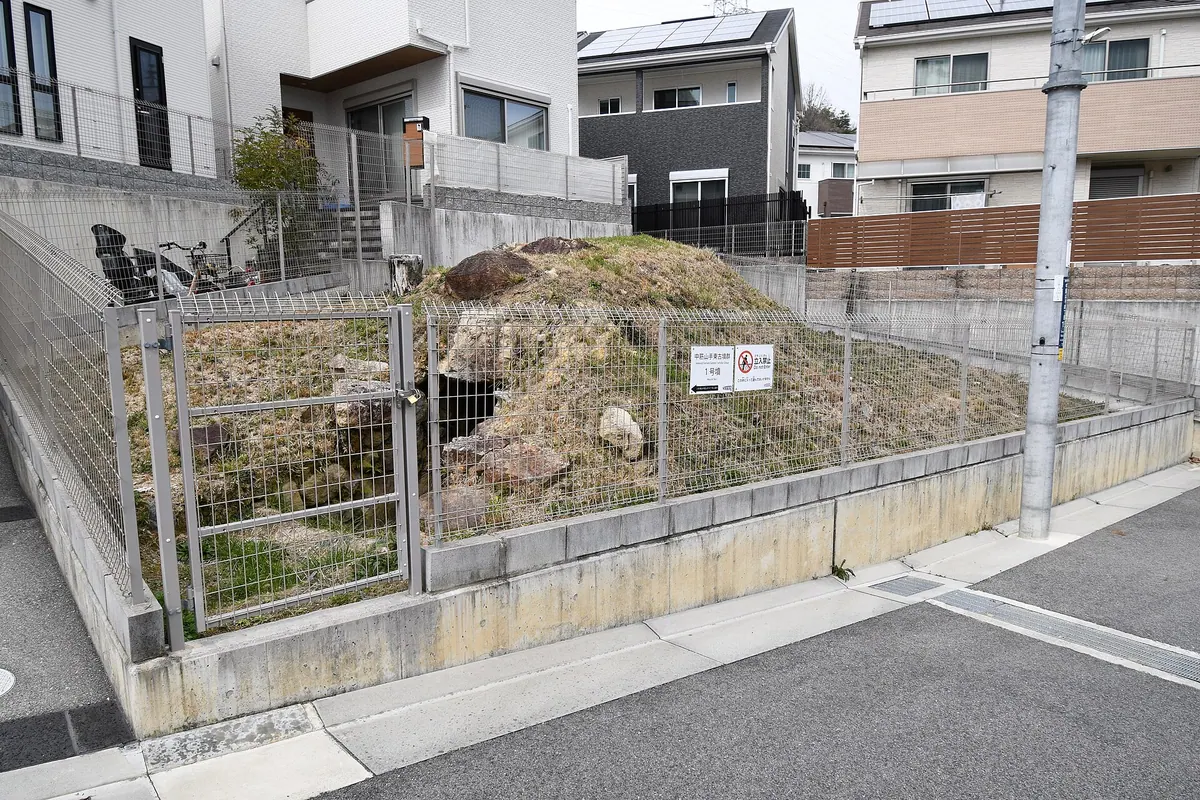
Explore ancient circular burial mounds from the 6th century, including one with a rare double-chamber.
What it is
- A group of clustered tumuli, or burial mounds.
- Constructed in the late 6th century.
- One tumulus is a Takarazuka City Historic Site.
- Originally consisted of four tumuli.
What to see
- Three existing circular mounds.
- Tumulus 1 is 12 meters in diameter.
- Tumulus 2 is 11 meters in diameter.
- Tumulus 2 has a rare double-chamber structure.
- Each existing tumulus has a double-sleeved horizontal stone chamber.
13
Hioka Goryo Kofun
HYōGO · HISTORIC SITE 日岡陵古墳
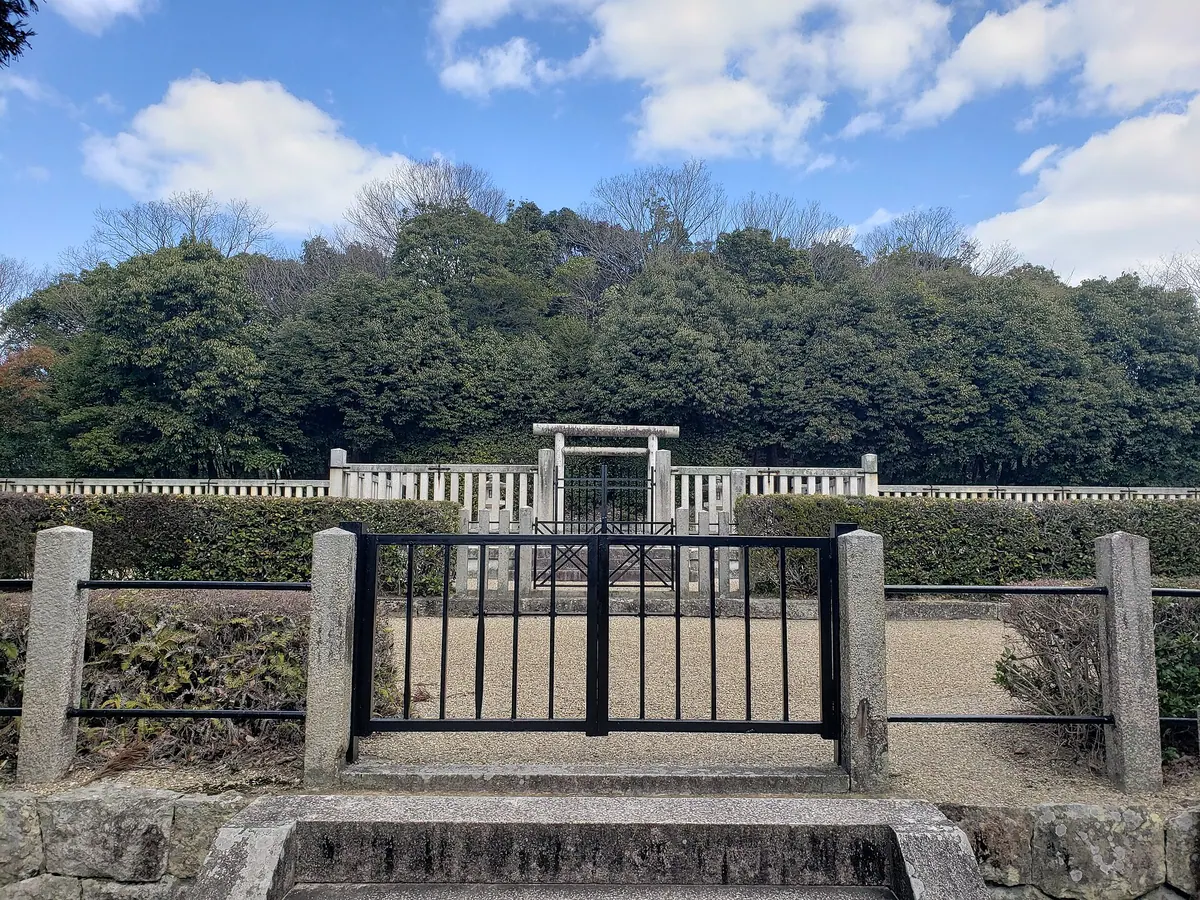
Ancient keyhole-shaped tomb, possibly of an empress, offering a glimpse into 4th-century Japan.
What it is
- A keyhole-shaped tumulus, or kofun.
- Designated as the tomb of Empress Harima no Inabi no Oiratsume.
- Part of the Hiokayama Kofun Group.
- Estimated to have been constructed in the 4th century.
What to see
- The mound built on top of Mount Hiokayama.
- Total length of approximately 80 meters.
- Rear circular part has a diameter of about 45 meters.
- Front square part has a width of about 33 meters.
14
Dōnaka Kofun Group
HYōGO · HISTORIC SITE 洞中古墳群
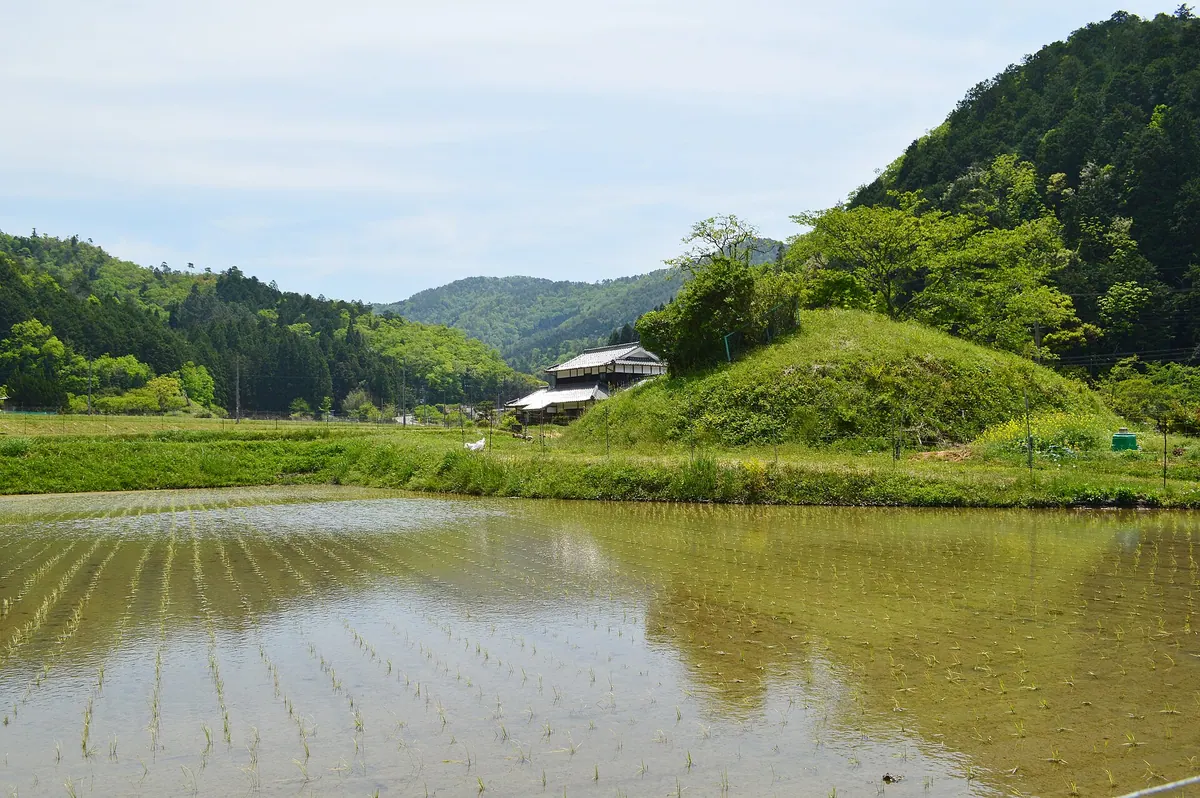
Explore ancient 6th-century burial mounds, including keyhole and circular kofun with stone chambers.
What it is
- A group of ancient burial mounds (kofun).
- Built around the 6th century.
- Two tumuli are designated historic sites.
What to see
- Three or four tumuli on a river plateau.
- Tumulus No. 2 is a 35-meter keyhole-shaped tumulus.
- Tumulus No. 2 has a 10.7-meter horizontal stone chamber.
- Tumulus No. 1 is a circular tumulus.
- Tumulus No. 1 has a 15-meter double-sleeved stone chamber.
15
Nakayamasoen Kofun
HYōGO · HISTORIC SITE 中山荘園古墳
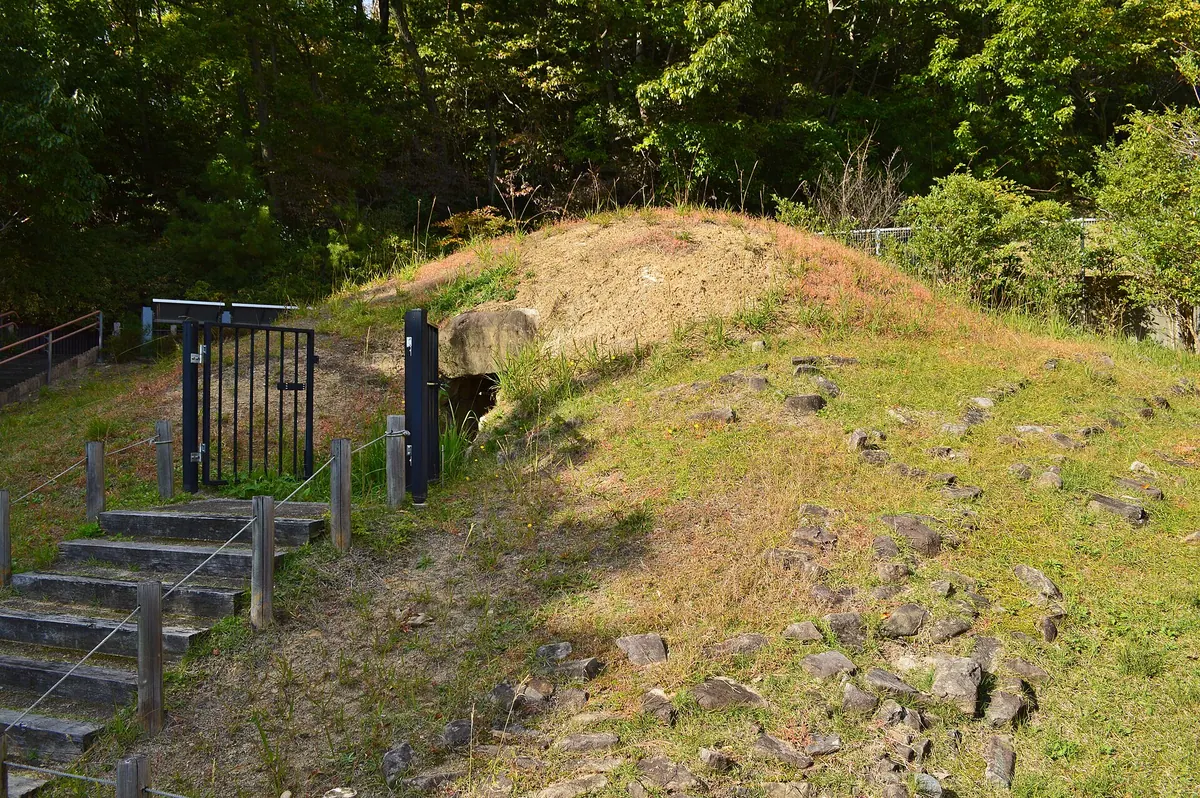
See a rare 7th-century octagonal tomb, a designated National Historic Site.
What it is
- A kofun, an ancient burial mound.
- Discovered in 1982.
- Dates from the mid-7th century.
- Designated a National Historic Site in 1999.
What to see
- An octagonal-shaped kofun.
- Measures about 13 meters in diagonal length.
- Approximately 2.6 meters high.
- An octagonal outer stone arrangement.
- A terrace-like facility on the south side.
- A small horizontal stone burial chamber.
16
Shiramizu Hisagozuka Kofun
HYōGO · HISTORIC SITE 白水瓢塚古墳
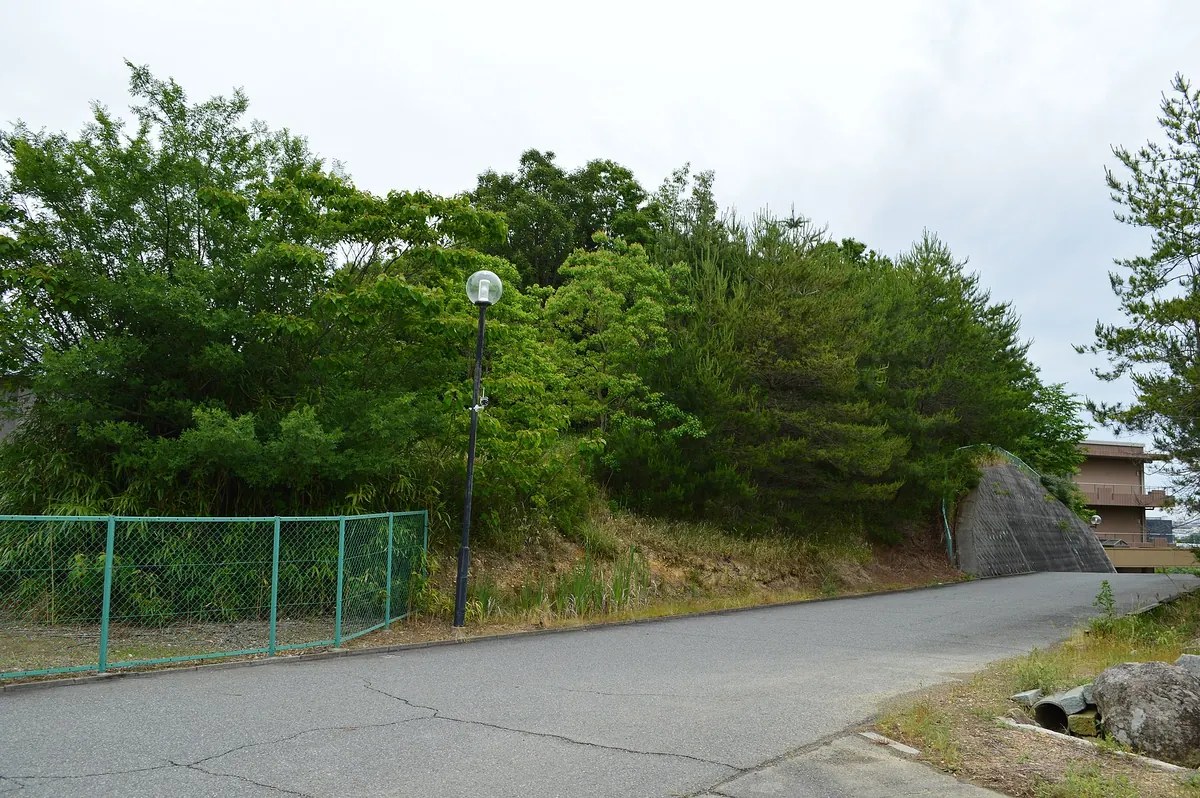
Explore an ancient keyhole-shaped burial mound, a significant historical site in Kobe.
What it is
- A Kofun (ancient burial mound) in Kobe City, Hyogo Prefecture.
- Estimated to be built around the early 4th century.
- The first keyhole-shaped Kofun in the Akashi region.
- Designated a Hyogo Prefecture historic site.
What to see
- A keyhole-shaped mound, 56 meters long.
- The mound has two stages.
- Two burial facilities are present.
- Built on the top of Yakushiyama mountain.
17
Shōfuku-ji Burial Mound
HYōGO · HISTORIC SITE 勝福寺古墳
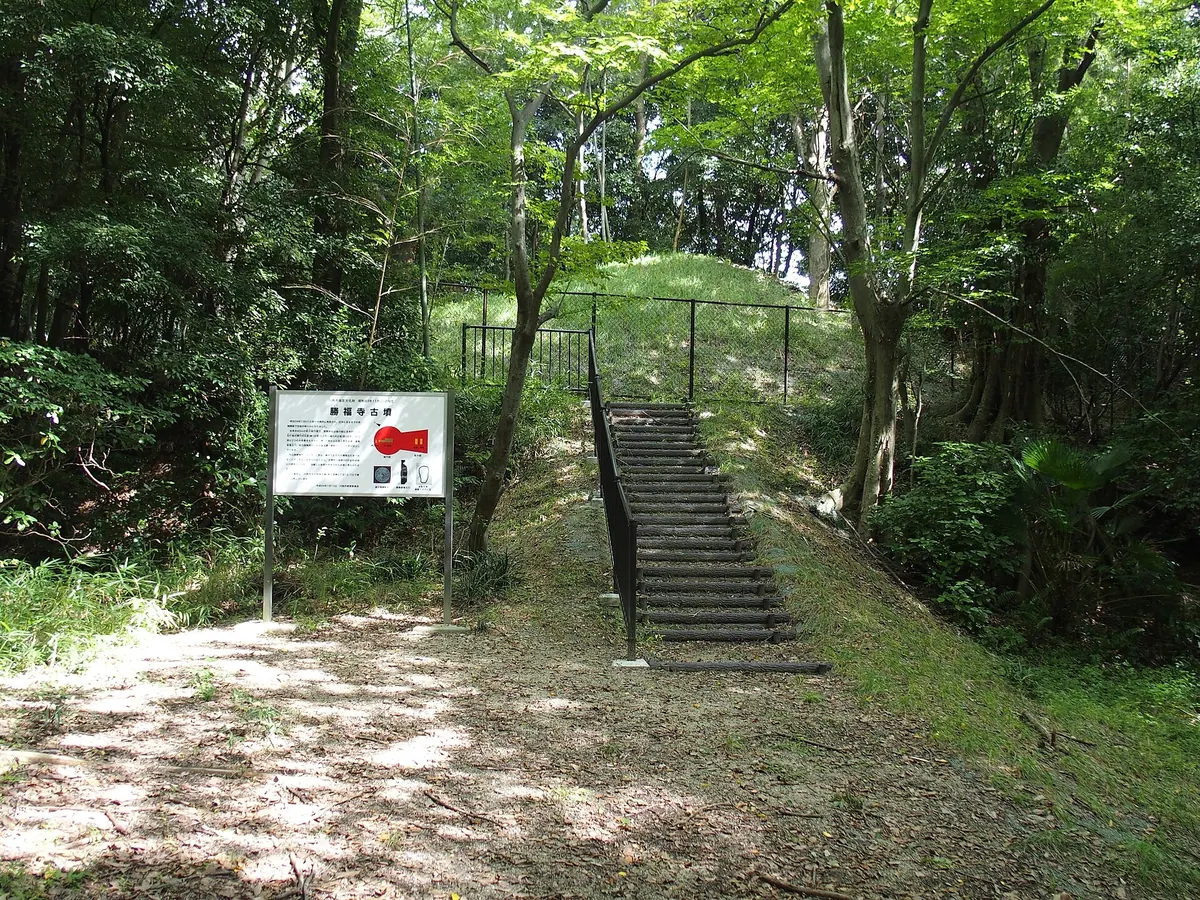
Explore a 6th-century keyhole-shaped tomb of a local chief, a designated historic site.
What it is
- A keyhole-shaped tumulus in Kawanishi City.
- Designated a Hyogo Prefecture historic site.
- Discovered in 1891, dating to the early 6th century.
- Considered the tomb of a local chief.
What to see
- The keyhole-shaped burial mound.
- Four burial facilities within the kofun.
- The first stone chamber, the central burial.
- Excavated artifacts are cultural properties.
- Address
- 兵庫県川西市火打2丁目393 Map
18
Gongenyama Kofun
HYōGO · HISTORIC SITE 権現山古墳
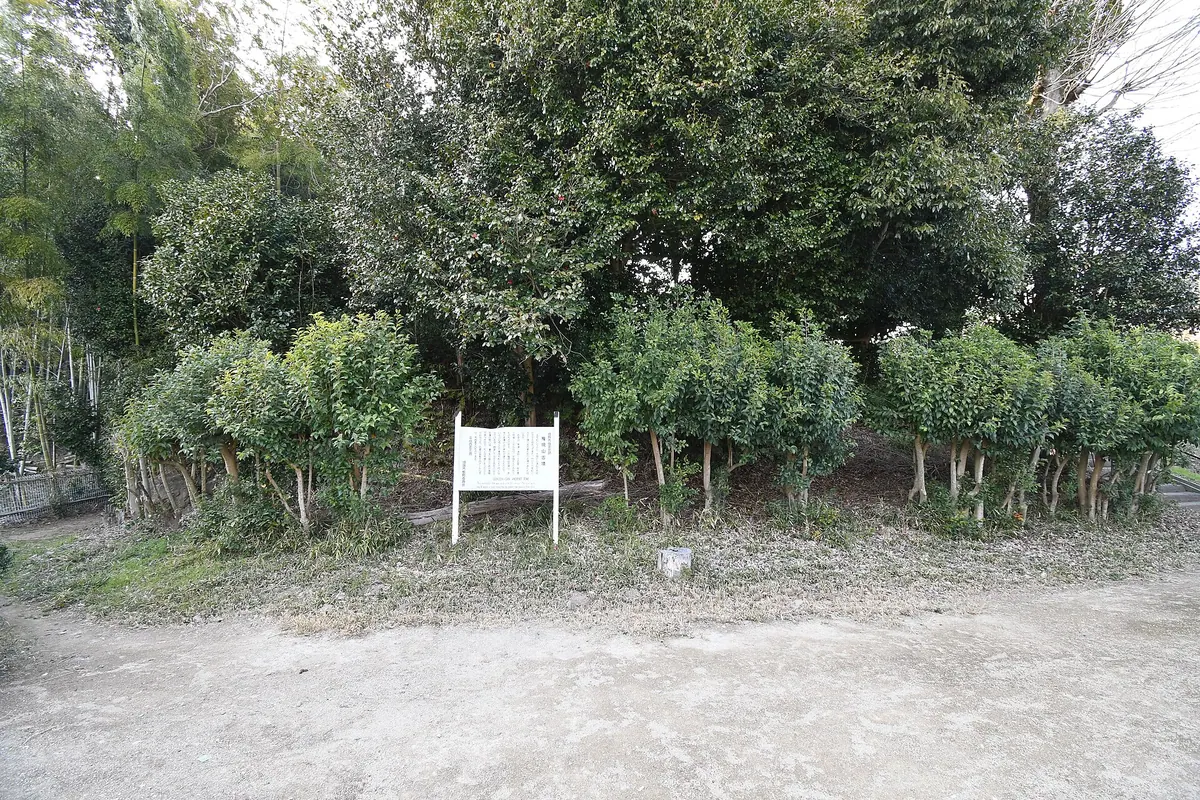
Explore a large 7th-century burial mound with an impressive stone chamber in Himeji.
What it is
- A kofun, an ancient burial mound.
- Designated as a Himeji City Historic Site.
- Constructed around the mid-7th century.
What to see
- A square-shaped mound, 30 by 24 meters.
- A surrounding ditch, 4-5 meters wide, on the west.
- A single-sleeved horizontal stone chamber.
- Large tuff stones form the 14-meter stone chamber.
- The stone chamber opens to the south.
19
Goshikizuka kofun
HYōGO · HISTORIC SITE 五色塚古墳
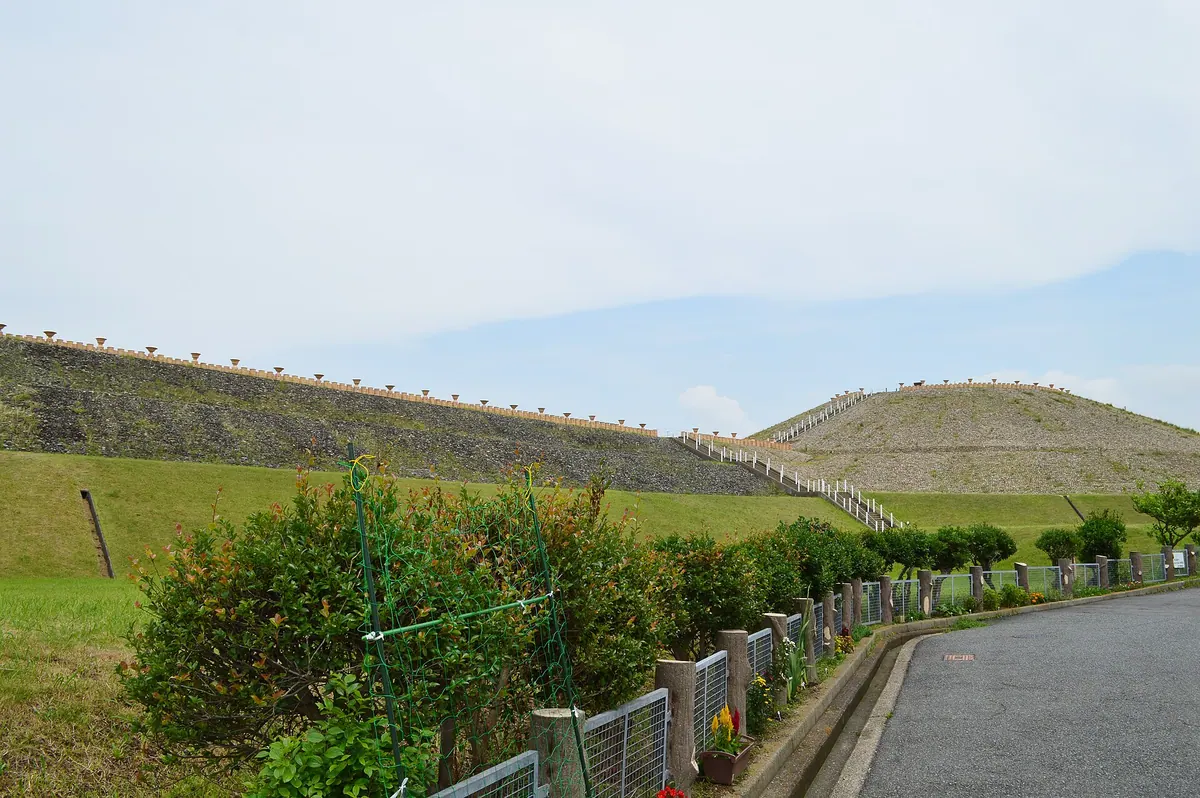
Largest keyhole-shaped burial mound in Hyogo, free to visit and a National Historic Site.
What it is
- A keyhole-shaped burial mound.
- Designated as a National Historic Site.
- Largest kofun in Hyogo Prefecture.
- Constructed between the late 4th and early 5th centuries.
What to see
- Mound is 194 meters long.
- Mound has three construction stages.
- Cylindrical haniwa rows on its surface.
- Fukiishi on its surface.
- Double moat surrounds the mound.
20
Egenoyama Site
HYōGO · HISTORIC SITE 会下山遺跡
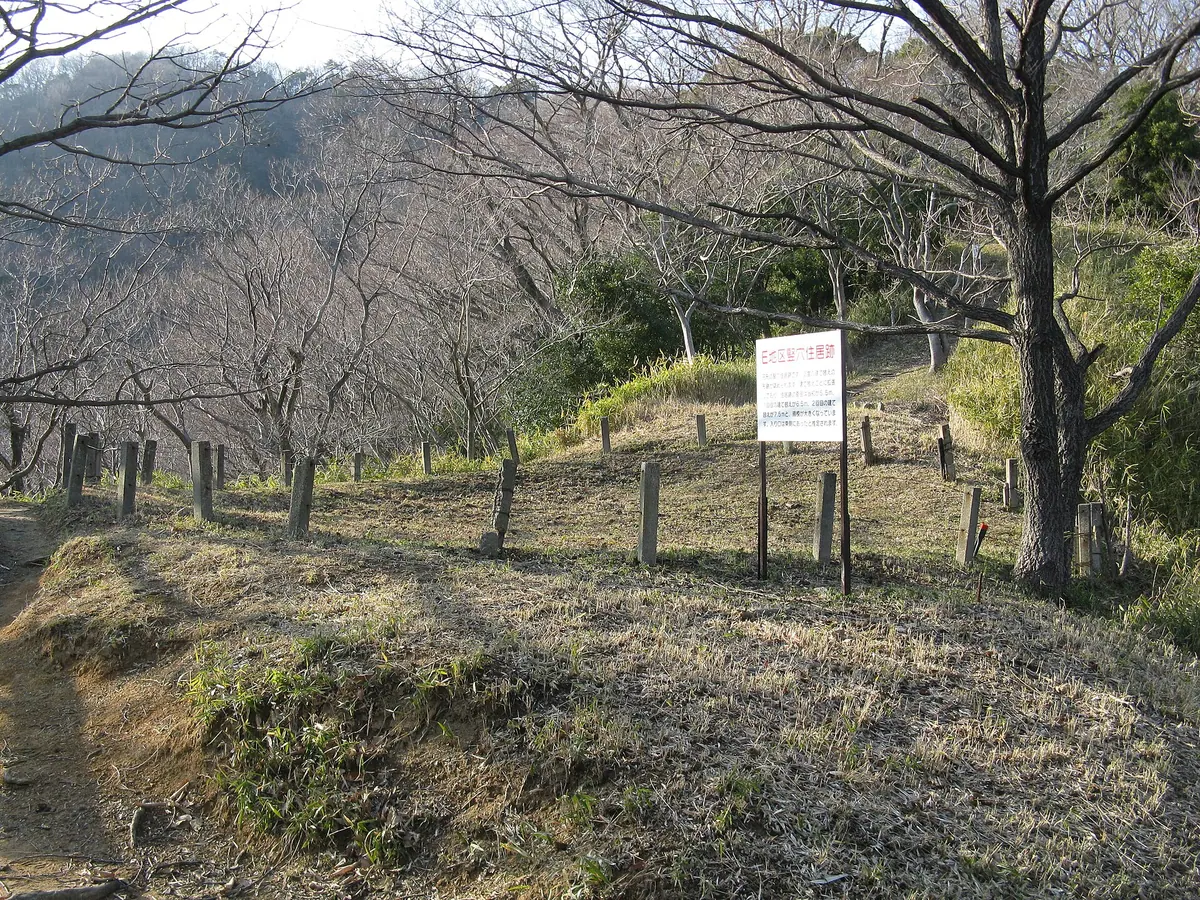
Explore a significant Yayoi period settlement ruin with diverse archaeological findings.
What it is
- A settlement ruin from the middle to late Yayoi period.
- Designated a prefectural historic site in 1960.
- Designated a national historic site on February 7, 2011.
What to see
- Excavated pit dwellings.
- Excavated ritual sites.
- Excavated raised-floor buildings.
- Excavated pit graves.
- Excavated burnt soil pits.
- Excavated fence remains.