

13 Historic sites in Ibaraki worth your time
Japan Gems
13 Historic sites in Ibaraki, with what to see and how to get there.
Ibaraki has 13 historic sites on Japan Gems. Below are the 13 we can tell you the most about — each one written up in English from Japanese sources, with what to see and how to get there. See all historic sites in Ibaraki.
01
Ōu-kofungun
IBARAKI · HISTORIC SITE 大生古墳群
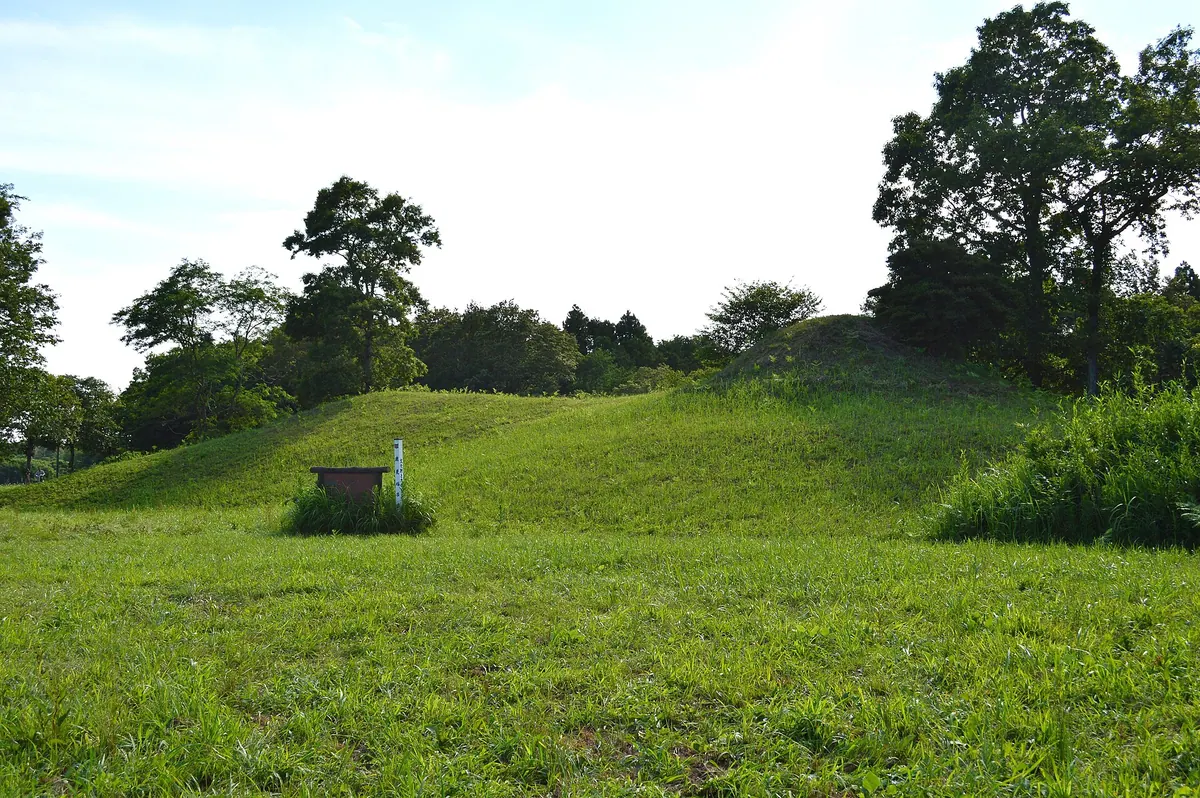
Explore over 110 ancient burial mounds, including the impressive Magomaizuka Kofun, dating to the 5th century.
What it is
- A group of over 110 ancient burial mounds (kofun).
- Designated as an Ibaraki Prefecture historic site.
- Construction dates to the mid-Kofun period (5th century).
- One of the largest tumuli groups in Ibaraki Prefecture.
What to see
- Over 110 tumuli on the Ōu-hara plateau.
- Four groups of tumuli centered on Ōu Shrine.
- Kashimitsuka Kofun, a designated historic site.
- Magomaizuka Kofun, the leading tumulus, 71.5 meters long.
- Haniwa and grave goods found at Magomaizuka Kofun.
02
Isohama Kofun Cluster
IBARAKI · HISTORIC SITE 磯浜古墳群
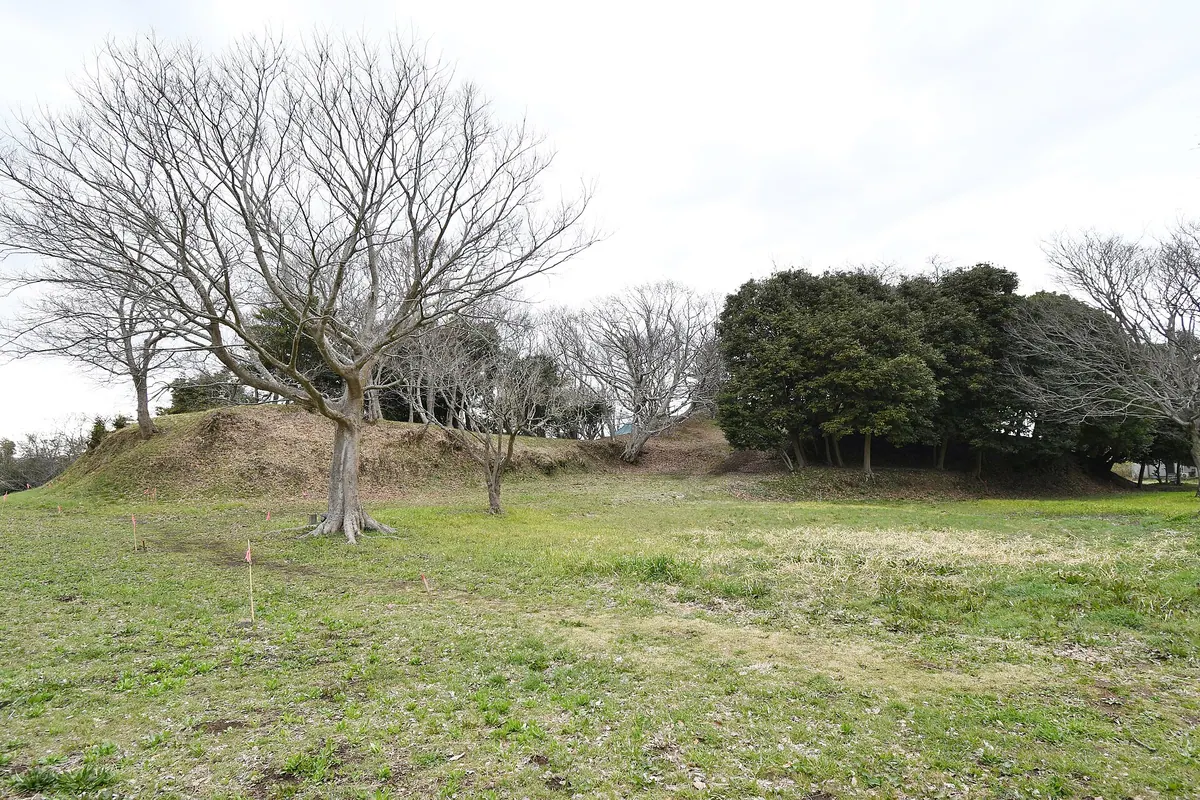
Explore ancient burial mounds, including one of Japan's largest circular tumuli.
What it is
- A cluster of ancient burial mounds (kofun).
- Construction started mid-3rd century, ended late 4th century.
- Three tumuli are designated national historic sites.
What to see
- Two keyhole-shaped, one square-front, one circular, two unknown tumuli.
- Kusagatsuka Kofun: a large 101.4-meter keyhole-shaped tumulus.
- Kusagatsuka Kofun yielded 4,100 burial artifacts.
- Kurumazuka Kofun: an 88-meter circular tumulus.
- Kurumazuka Kofun is one of Japan's largest circular tumuli.
03
Okadaira Shell Mound
IBARAKI · HISTORIC SITE 陸平貝塚
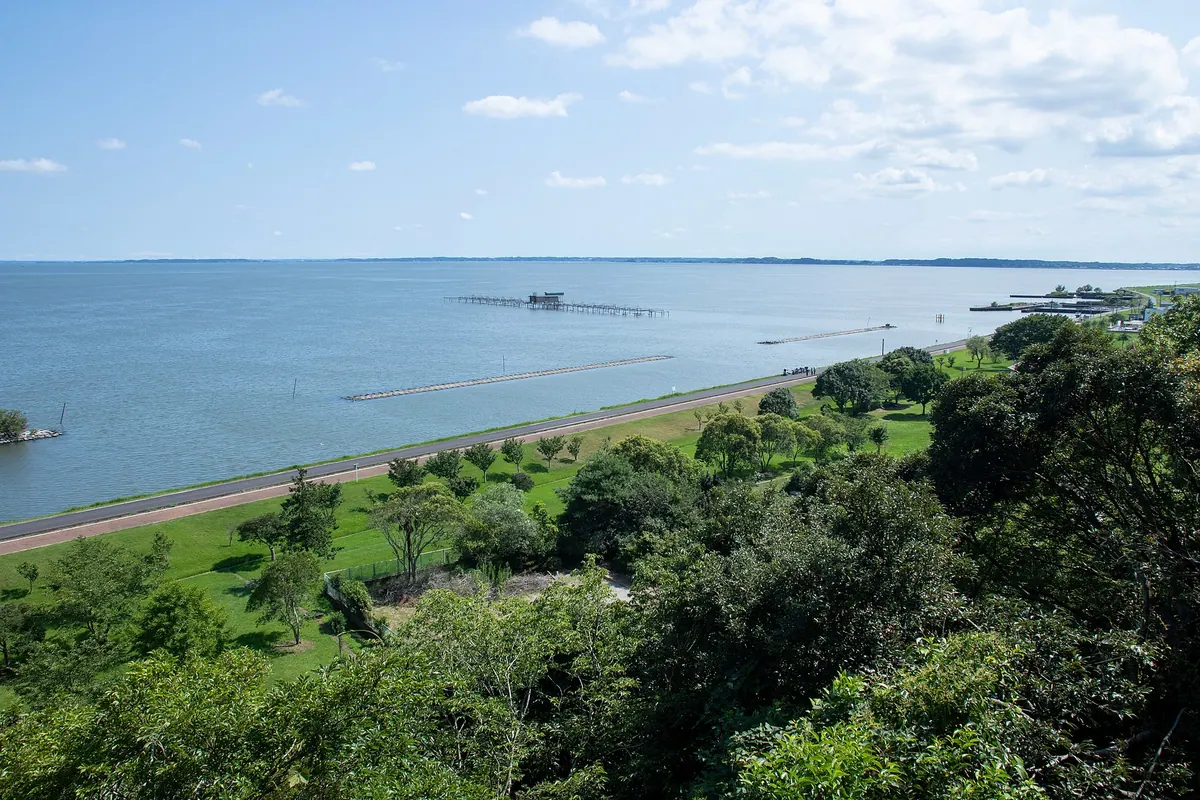
Explore a large Jomon-period shell mound with restored pit dwellings and ancient artifacts.
What it is
- A Jomon-period shell mound, designated a National Historic Site.
- One of Japan's first archaeological excavations occurred here in 1879.
- The surrounding area is maintained as Okadaira Shell Mound Park.
What to see
- Shell layers distributed in a ring shape.
- Eight shell mound groups scattered on a plateau slope.
- Restored pit dwellings in the park.
- Excavated Jomon artifacts: earthenware, clay figurines, stone tools.
- Excavated fish bones and animal bones.
04
Niihari Gunga ruins
IBARAKI · HISTORIC SITE 新治郡衙跡
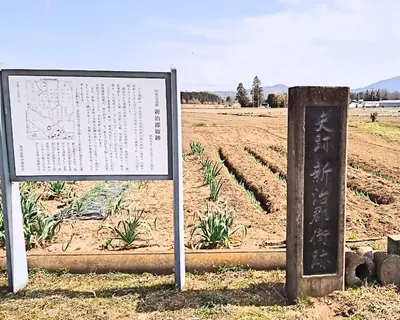
Explore Japan's first confirmed ancient county government office ruins, a significant historical site.
What it is
- Ancient county government office site.
- Presumed from Hitachi Province, Niihari County.
- Designated a national historic site in 1968.
- First confirmed county government office in Japan.
What to see
- 52 building traces within a 300m square area.
- Traces divided into four building groups.
- Western group presumed to be the main office.
- Northern and southern groups presumed to be warehouses.
- Eastern group buildings presumed to be storehouses.
05
Funatsukayama Kofun
IBARAKI · HISTORIC SITE 舟塚山古墳
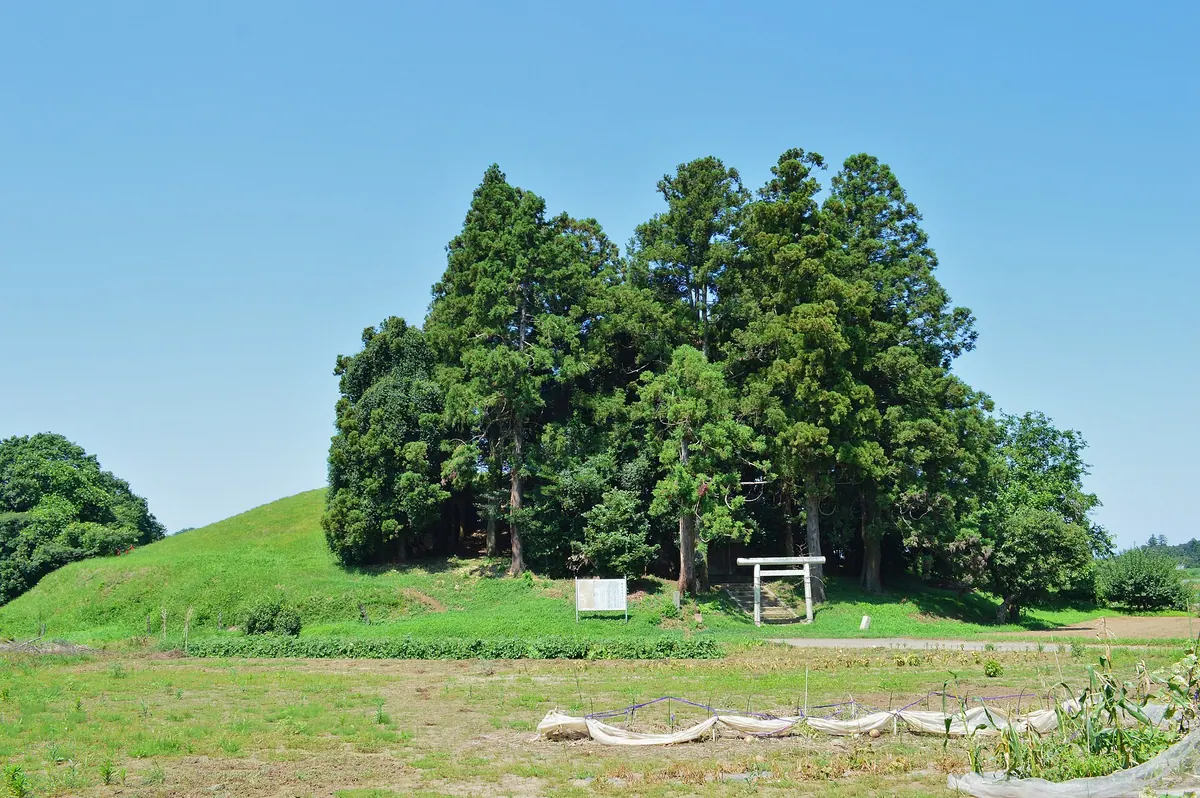
Explore Ibaraki's largest keyhole-shaped kofun, a significant ancient burial mound from the 5th century.
What it is
- A kofun, an ancient burial mound.
- Part of the Funatsukayama Kofun group.
- Designated a National Historic Site since 1921.
- Dates from the late 5th century.
What to see
- The largest kofun in Ibaraki Prefecture.
- Second largest kofun in the Kanto region.
- A kofun with a distinctive keyhole shape.
- Total length of about 260 meters, including the moat.
- Mound length measures 186 meters.
- Small kofun, possibly subsidiary mounds, nearby.
06
Hitachi Kokufu
IBARAKI · HISTORIC SITE 常陸国府
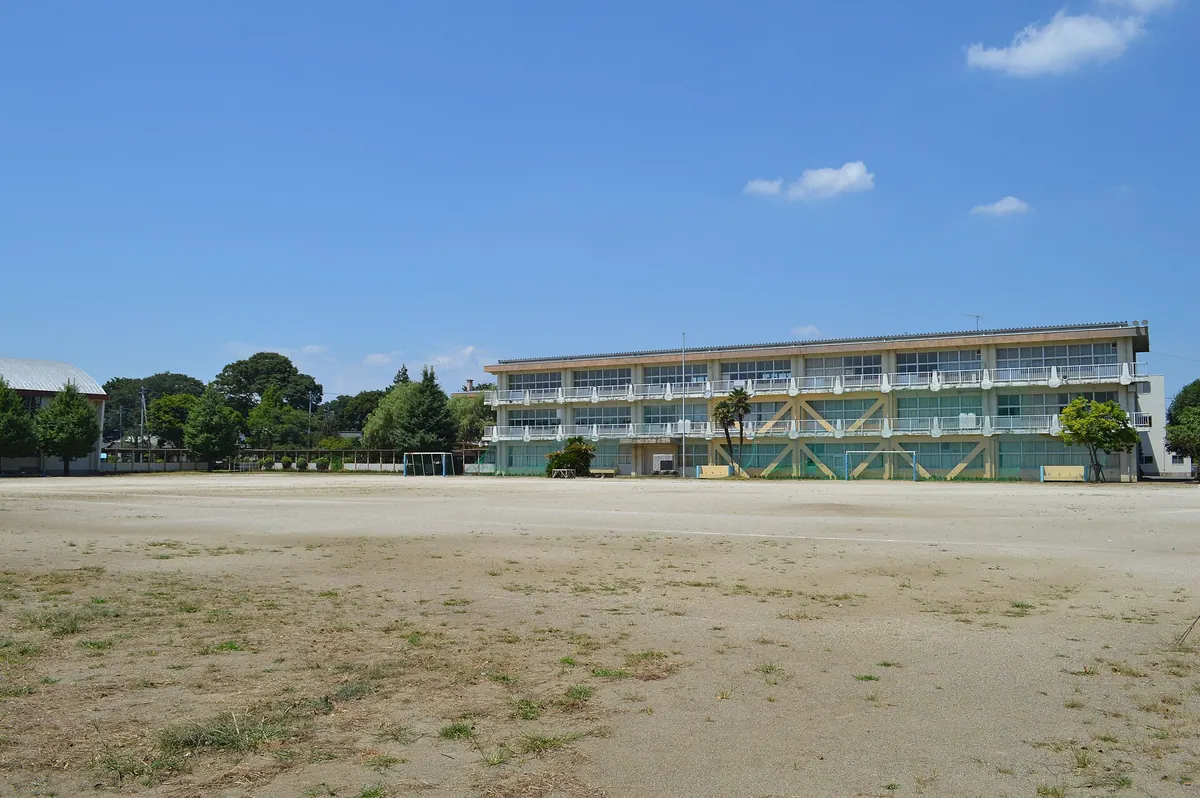
Explore ancient government ruins, a National Historic Site, revealing centuries of local administration.
What it is
- An ancient government office ruin.
- Center of local administration for Hitachi Province.
- Designated as a National Historic Site.
- Construction began around the time of Baekje King Wonpo.
What to see
- Remains of the Kokuga, located at the western end.
- Square Kokuga measuring two cho on each side.
- Earthen walls and moats of the Kokuga.
- Locations of gates to the east, west, north, and south.
07
Atagoyama Kofun (Mito)
IBARAKI · HISTORIC SITE 愛宕山古墳 (水戸市)
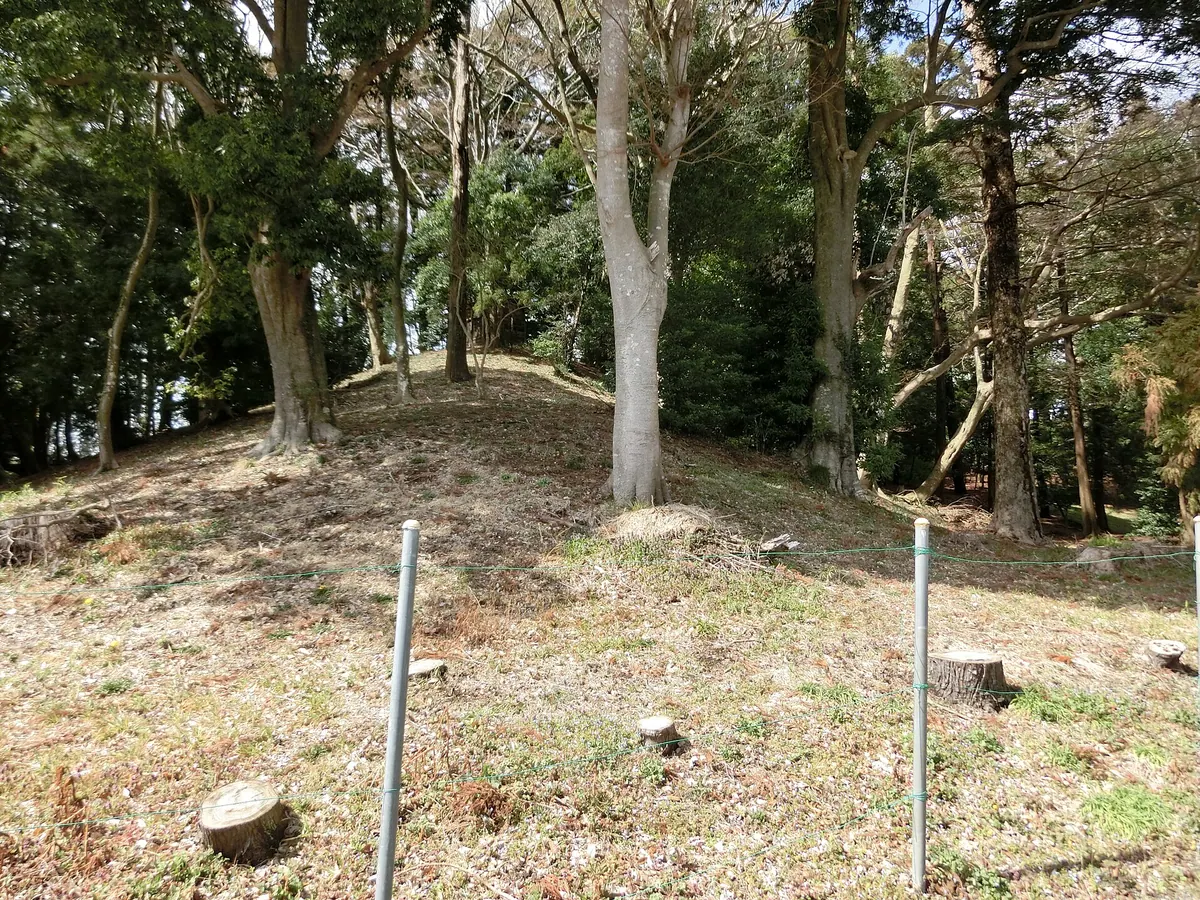
Explore a large 5th-century keyhole-shaped burial mound, a national historic site in Mito.
What it is
- A national historic site, designated in 1934.
- A large keyhole-shaped burial mound, built around the early 5th century.
- Third largest kofun in Ibaraki Prefecture.
What to see
- A 140-meter-long keyhole-shaped burial mound.
- Rear circular part is 79 meters in diameter.
- Front part is 61 meters long.
- Atago Shrine is on the rear circular part.
- Many other kofun are in the surrounding area.
08
Inoue Chōja Yakata Ruins
IBARAKI · HISTORIC SITE 井上長者館跡
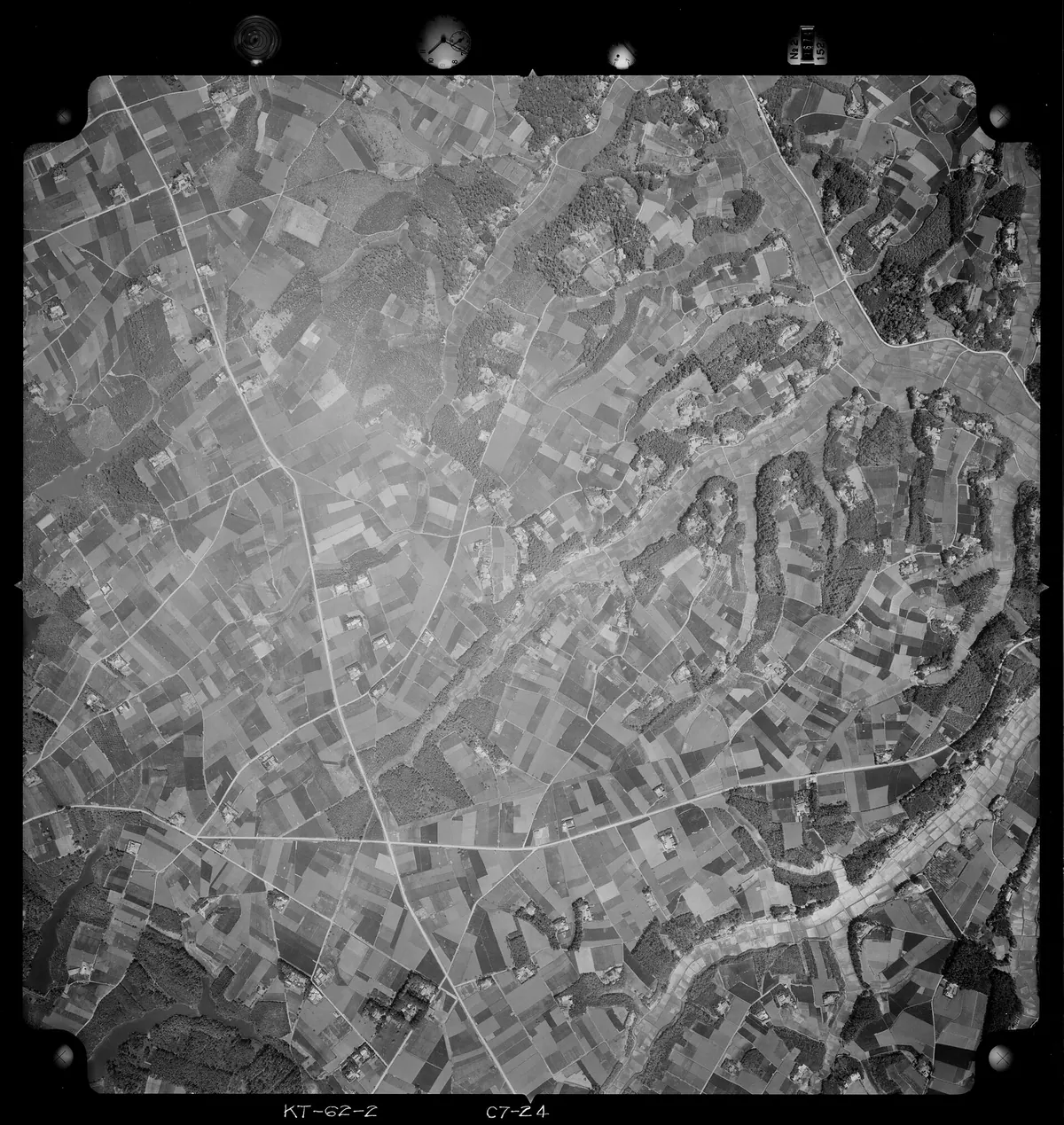
Explore ancient residence ruins on a plateau, revealed by aerial photos and excavations.
What it is
- This is the site of an ancient residence ruin.
- Its existence was first known from aerial photographs.
- Discovered in 1962, it dates to the Nara and Heian periods.
What to see
- The site is on a plateau 33 meters above sea level.
- See the double square outline, 100m by 100m.
- View the double dry moats, each about 4 meters wide.
- Ancient roof tiles and Sue ware were found here.
09
Torazuka Kofun
IBARAKI · HISTORIC SITE 虎塚古墳

See a rare 7th-century keyhole-shaped tomb with painted murals, a National Historic Site.
What it is
- A tumulus in Hitachinaka City, Ibaraki Prefecture.
- Part of the Torazuka Kofun Group.
- Designated a National Historic Site.
- Dates to the early 7th century.
What to see
- A keyhole-shaped kofun, front facing northwest.
- Total length, including moat, is 63.5 meters.
- A horizontal stone burial chamber with murals.
- Murals show geometric patterns and figurative designs.
10
Kohata Kitayama Haniwa Production Site
IBARAKI · HISTORIC SITE 小幡北山埴輪製作遺跡
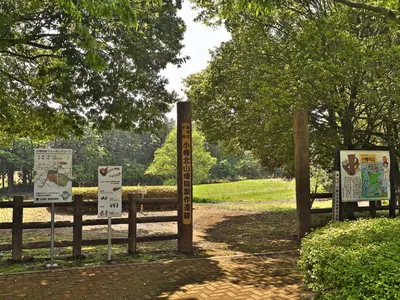
Explore Japan's largest ancient Haniwa production site, revealing Kofun-era craftsmanship.
What it is
- Largest Haniwa production site in Japan.
- Kofun period ruin, discovered in 1953.
- Designated a National Historic Site in 1992.
- Operated from the late 6th to 7th century.
What to see
- Site spans approximately 8 hectares.
- Remains of 59 Haniwa kilns.
- Remains of 8 workshop ruins.
- Remains of 2 clay mining pits.
- Semi-underground, step-less pit kilns.
11
Jūgorōana
IBARAKI · HISTORIC SITE 十五郎穴
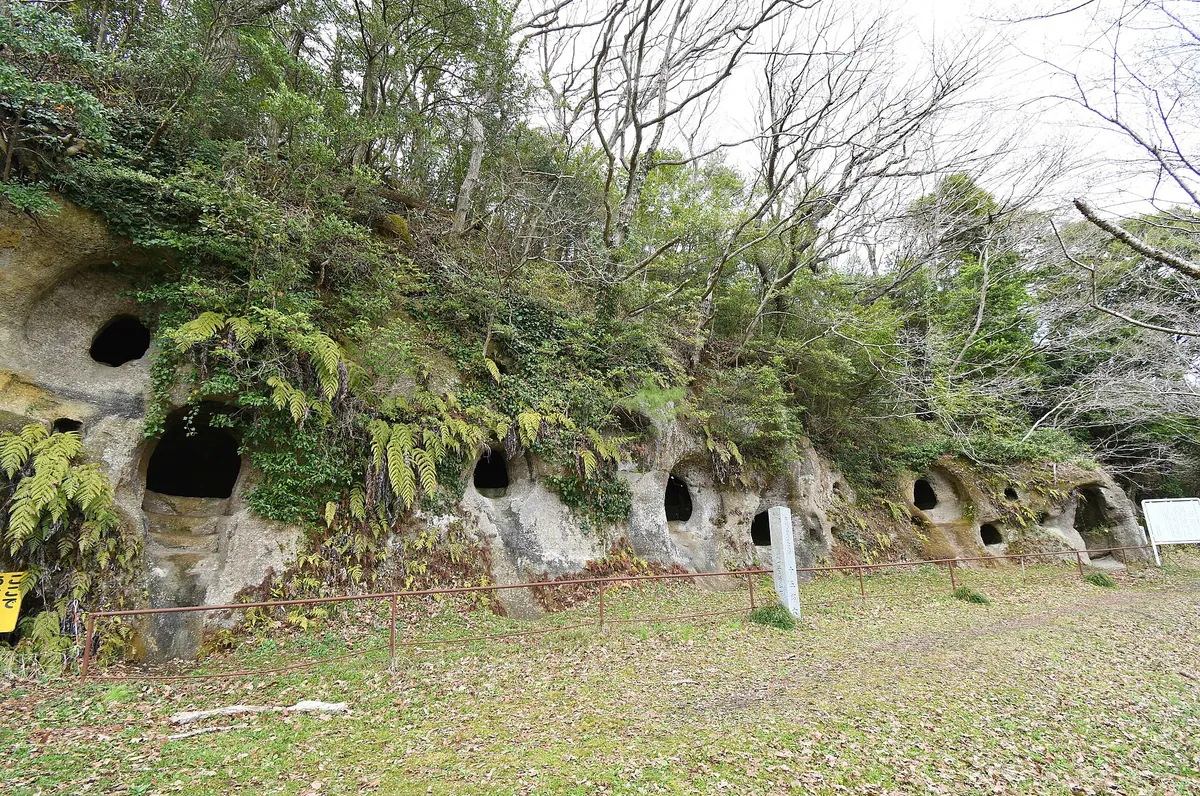
Jūgorōana is a National Historic Site with hundreds of ancient horizontal tombs.
What it is
- A group of horizontal tombs.
- Designated a National Historic Site.
- Built from the late Kofun period to the Nara period.
- Estimated to exceed 300 tombs.
What to see
- Three sub-groups of tombs.
- Excavated artifacts are cultural property.
- A sword with a square bronze fitting.
- Human bones, Sue ware, and magatama.
- A knife and warabite-tō sword.
12
Sajizuka Burial Mound
IBARAKI · HISTORIC SITE 佐自塚古墳
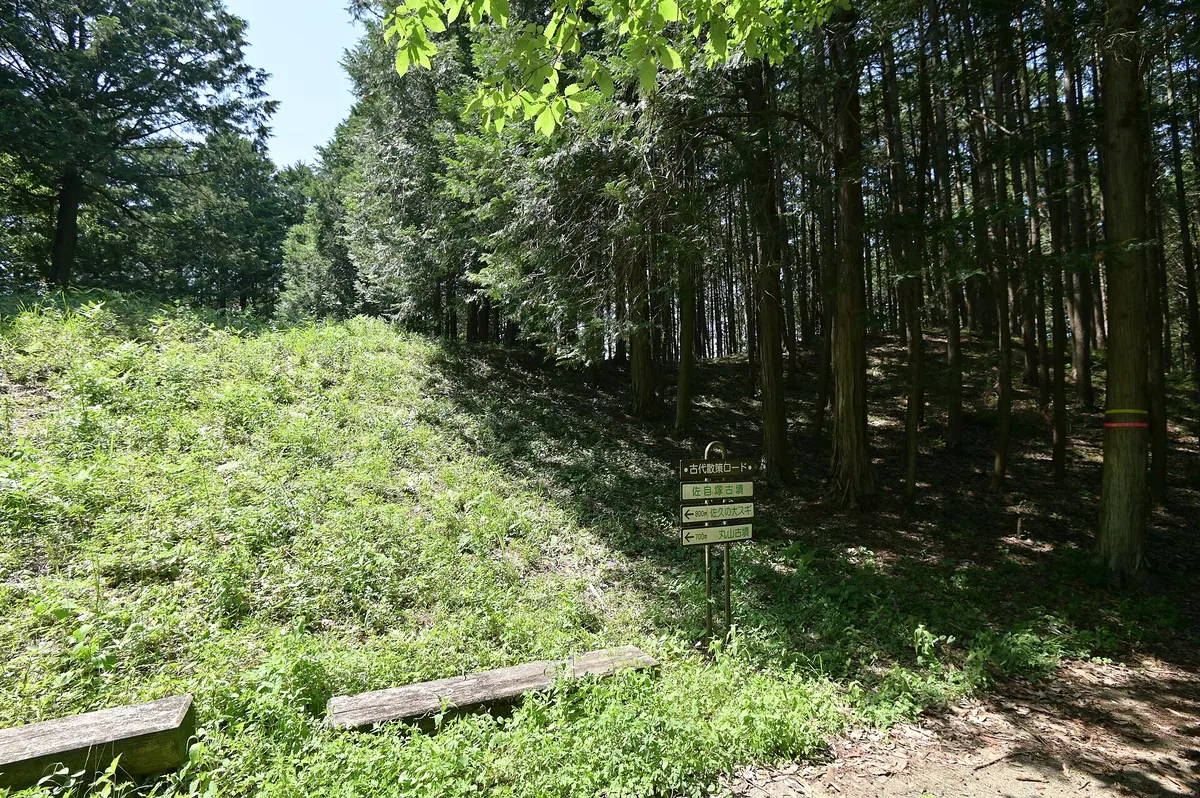
Sajizuka Kofun is a keyhole-shaped burial mound from the 4th century, offering a glimpse into ancient Japan.
What it is
- An ancient burial mound, designated a city historic site.
- Dates to the late 4th century.
- Excavation surveys were conducted in 1963.
What to see
- A keyhole-shaped mound, 58 meters in length.
- Rear circular part has a 35-meter diameter.
- Front rectangular part has a 27-meter width.
- Burial goods included magatama, kudatama, and knives.
13
Nowata Shell Mound
IBARAKI · HISTORIC SITE 野渡貝塚
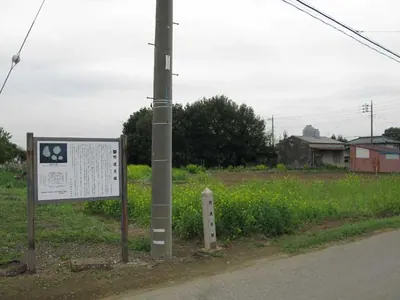
Explore a Jomon-period shell mound with ancient pottery and diverse shells.
What it is
- A Jomon period shell mound.
- Designated historic site in Nogi Town.
- Excavated by Takeo Terauchi in 1939.
What to see
- Seven distinct points of the shell mound.
- Shell layers 20-30 centimeters thick.
- Mainly Yamato shijimi freshwater shells.
- Oyster and ark shell marine shells.
- Early Kurohama style pottery.