

12 Historic sites in Ishikawa worth your time
Japan Gems
Ishikawa Prefecture is home to six heritage sites, including the Chikamori Site and the Mawaki Site. These locations offer a glimpse into ancient Japanese history and culture.
Ishikawa has 12 historic sites on Japan Gems. Below are the 12 we can tell you the most about — each one written up in English from Japanese sources, with what to see and how to get there. See all historic sites in Ishikawa.
01
Amenomiya Kofun Cluster
ISHIKAWA · HISTORIC SITE 雨の宮古墳群
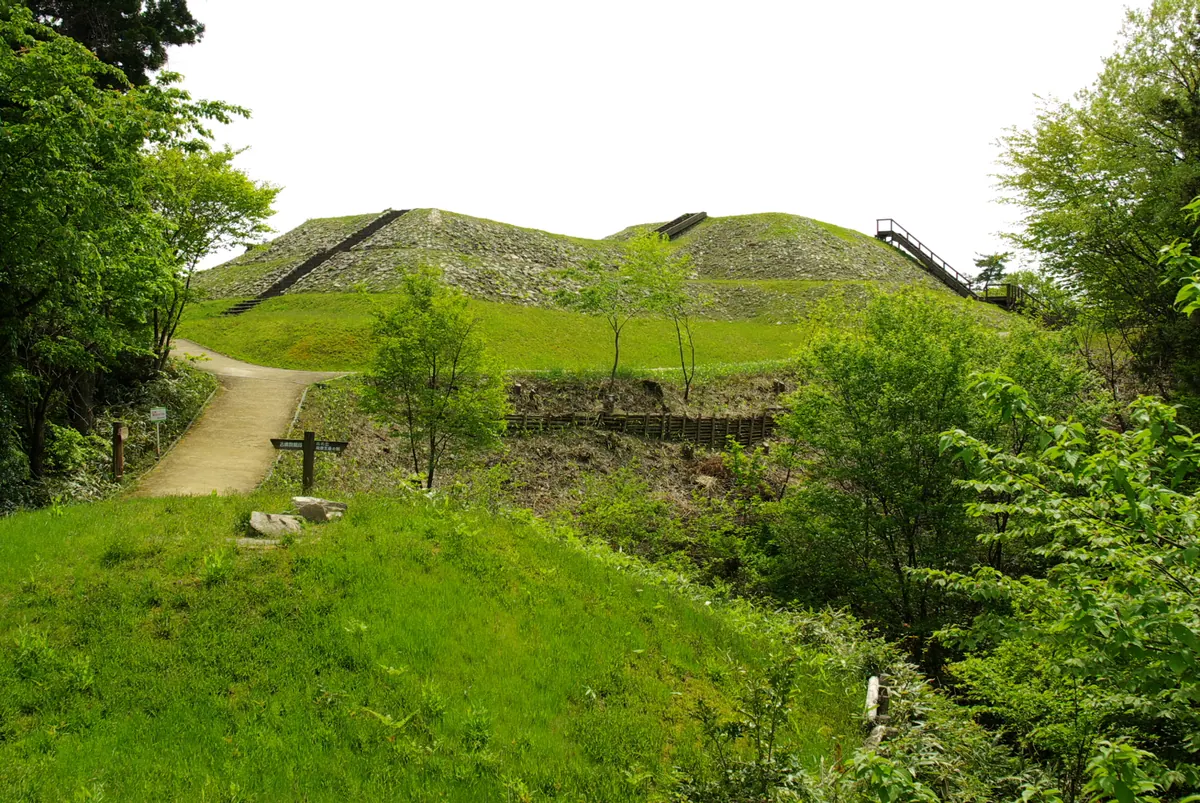
Explore ancient burial mounds with historical artifacts and scenic views of Nanao Bay.
What it is
- A cluster of ancient burial mounds, designated a National Historic Site.
- Contains approximately 40 tumuli in the Mt. Mayudake mountains.
- Kofun 1 was once believed to be the tomb of Amenohikagehime no Kami.
What to see
- Two keyhole-shaped tumuli, Kofun 1 and Kofun 2.
- Kofun 1's summit is at 187.95 meters elevation.
- Views of Nanao Bay and the Sea of Japan from Kofun 1 and 2.
- Kofun 1 once housed a shrine building in its anterior part.
- Kofun 1 once had a sumo ring in its posterior part.
- Kofun 1 contains a clay coffin with a wooden coffin.
02
Jike Site
ISHIKAWA · HISTORIC SITE 寺家遺跡
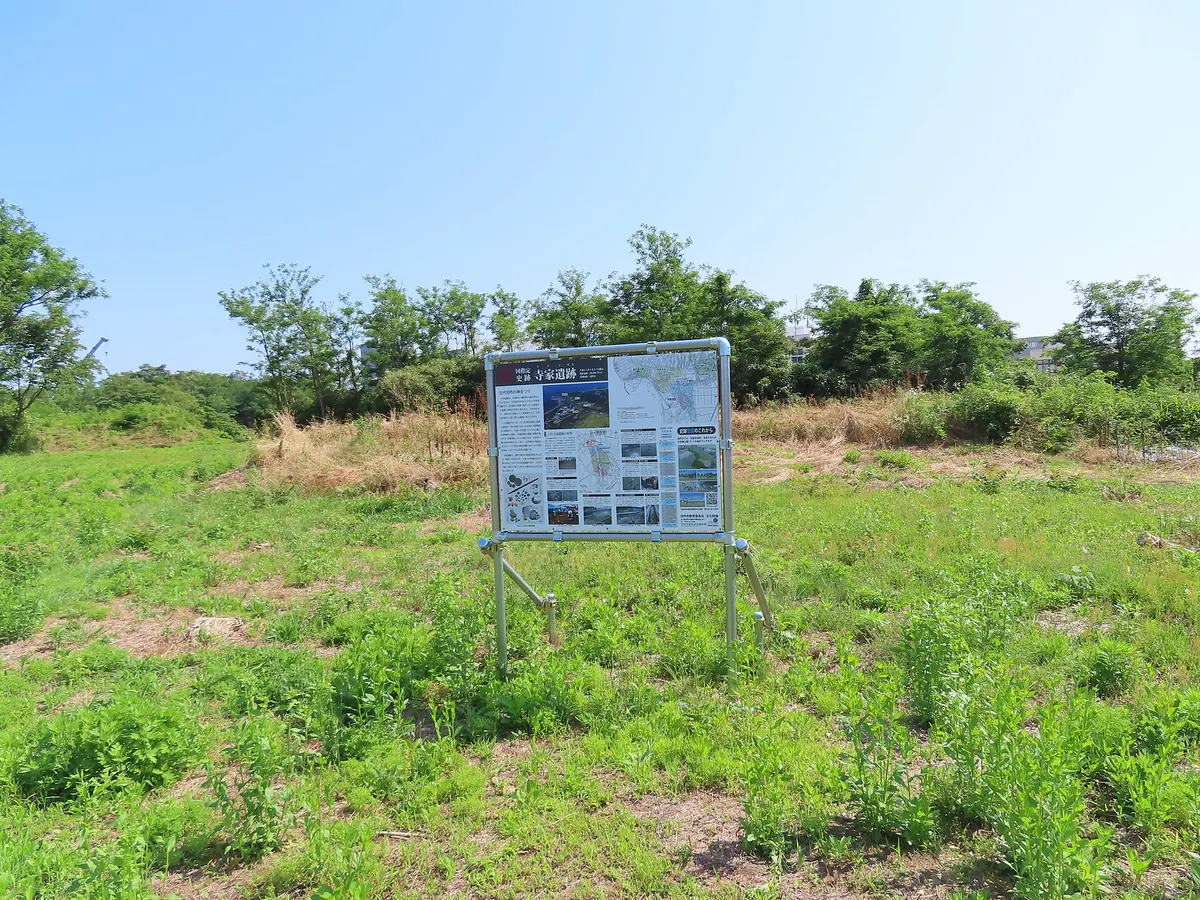
Jike Site is a National Historic Site revealing centuries of Japanese life on coastal sand dunes.
What it is
- A ritual and complex site on coastal sand dunes.
- Designated a National Historic Site on January 24, 2012.
- Complex site from the Jomon to Muromachi periods.
- Has a close relationship with Ketataisha Shrine.
What to see
- Remains of 37 pit dwellings and 44 pillar-supported buildings.
- Foundations of 22 medieval buildings with earthworks.
- Excavated salt production kilns and small forging kilns.
- Jomon and Yayoi pottery artifacts.
- Copper bells, mirrors, and currency artifacts.
03
Hōōzan Cave Tombs
ISHIKAWA · HISTORIC SITE 法皇山横穴古墳
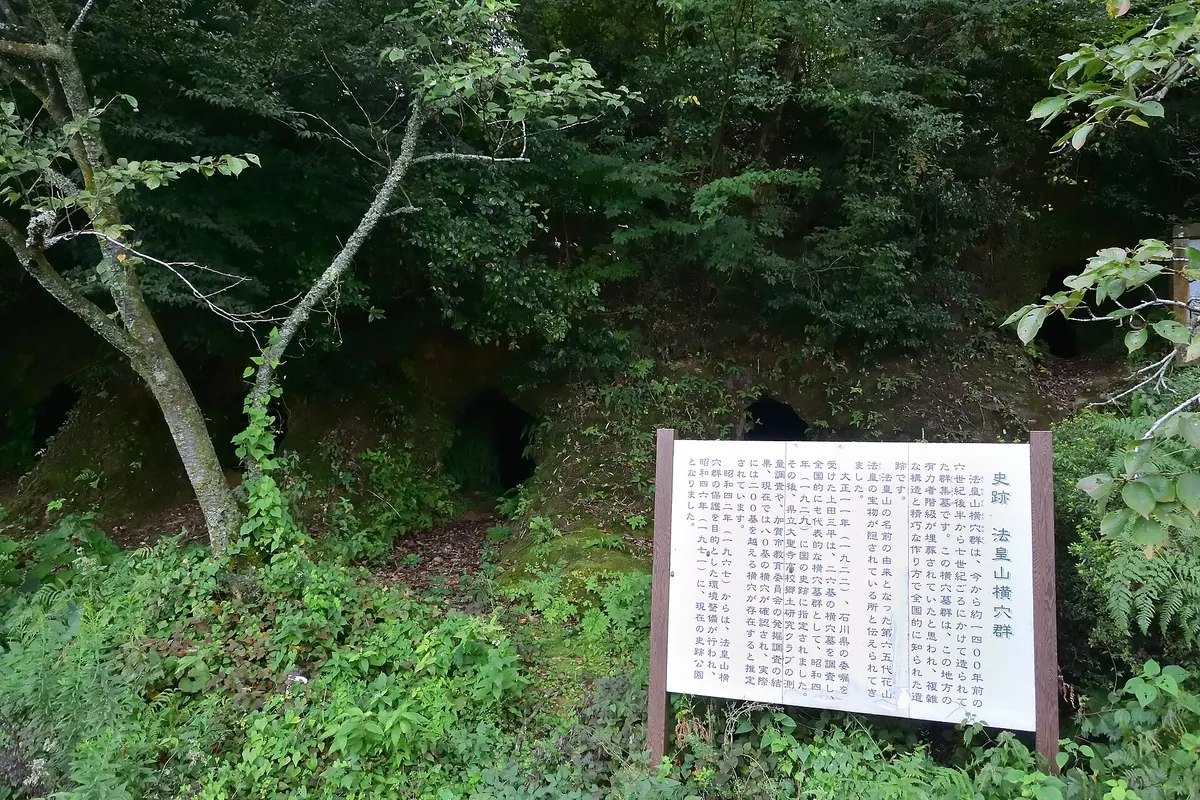
Hōōzan Cave Tombs: ancient burial sites, largest in Hokuriku, offering a glimpse into early Japanese history.
What it is
- Ancient burial grounds, a National Historic Site.
- Built into the tuffaceous ground of Hōōzan mountain.
- Constructed from the late 6th to late 7th century.
- Largest scale cave tomb complex in the Hokuriku region.
What to see
- A total of 77 confirmed cave tombs.
- Some tombs feature multiple burial chambers.
- Some tombs have 10-meter-long house-shaped ceilings.
- Excavated artifacts include Sue ware and Haji ware.
- Excavated artifacts include iron swords and arrowheads.
04
Kitsuneyama Kofun
ISHIKAWA · HISTORIC SITE 狐山古墳
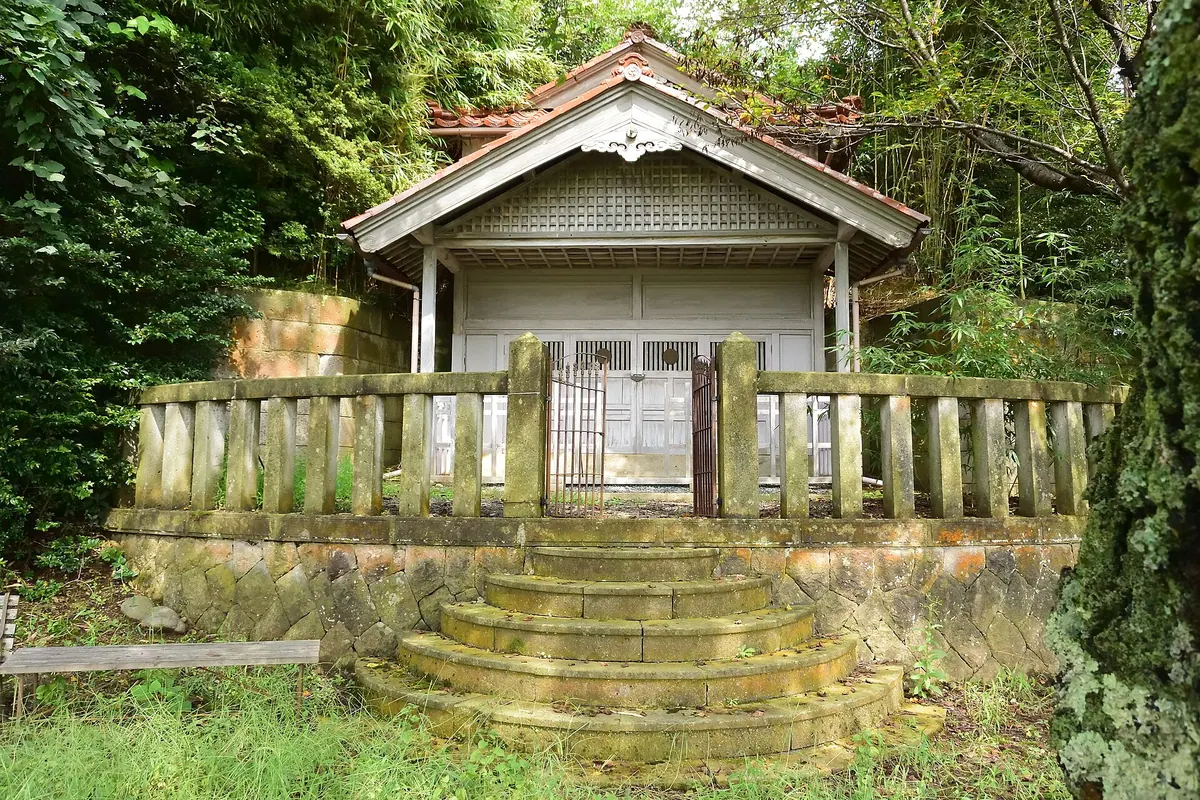
Kitsuneyama Kofun is a keyhole-shaped burial mound from the 5th century, a National Historic Site.
What it is
- A tumulus in Kaga City, Ishikawa Prefecture.
- Designated as a National Historic Site.
- Constructed in the late 5th century.
What to see
- A keyhole-shaped burial mound, 55.8 meters long.
- Front part is 26.5 meters wide and 5.1 meters high.
- Rear circular part is 26.5 meters in diameter and 6.5 meters high.
- Features fukiishi and haniwa.
- A surrounding moat is about 10 meters wide.
- More than 36 surrounding kofun were confirmed.
05
Mawaki Site
ISHIKAWA · HISTORIC SITE 真脇遺跡
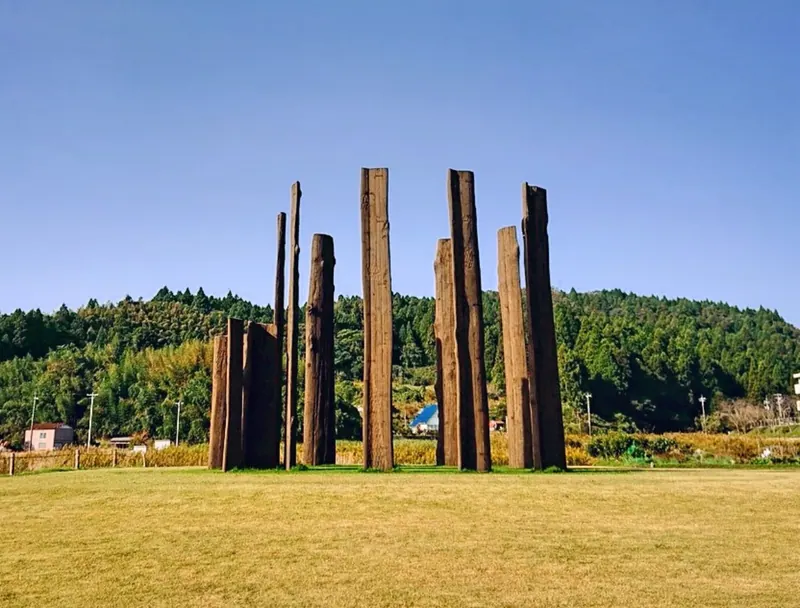
Explore a Jomon period settlement ruin with unique artifacts and evidence of ancient dolphin hunting.
What it is
- A Jomon period settlement ruin.
- Designated a National Historic Site.
- Discovered during 1982-1983 excavation surveys.
- Contains artifacts spanning 6000 to 2000 years ago.
What to see
- Over 300 excavated dolphin bones.
- A large carved pillar, 2.5 meters long.
- Japan's oldest mask from the late Jomon period.
- A circular arrangement of chestnut half-pillars.
- 219 excavated items are Important Cultural Properties.
- Official site
- www.mawakiiseki.jp
06
Susoezoana Kofun
ISHIKAWA · HISTORIC SITE 須曽蝦夷穴古墳
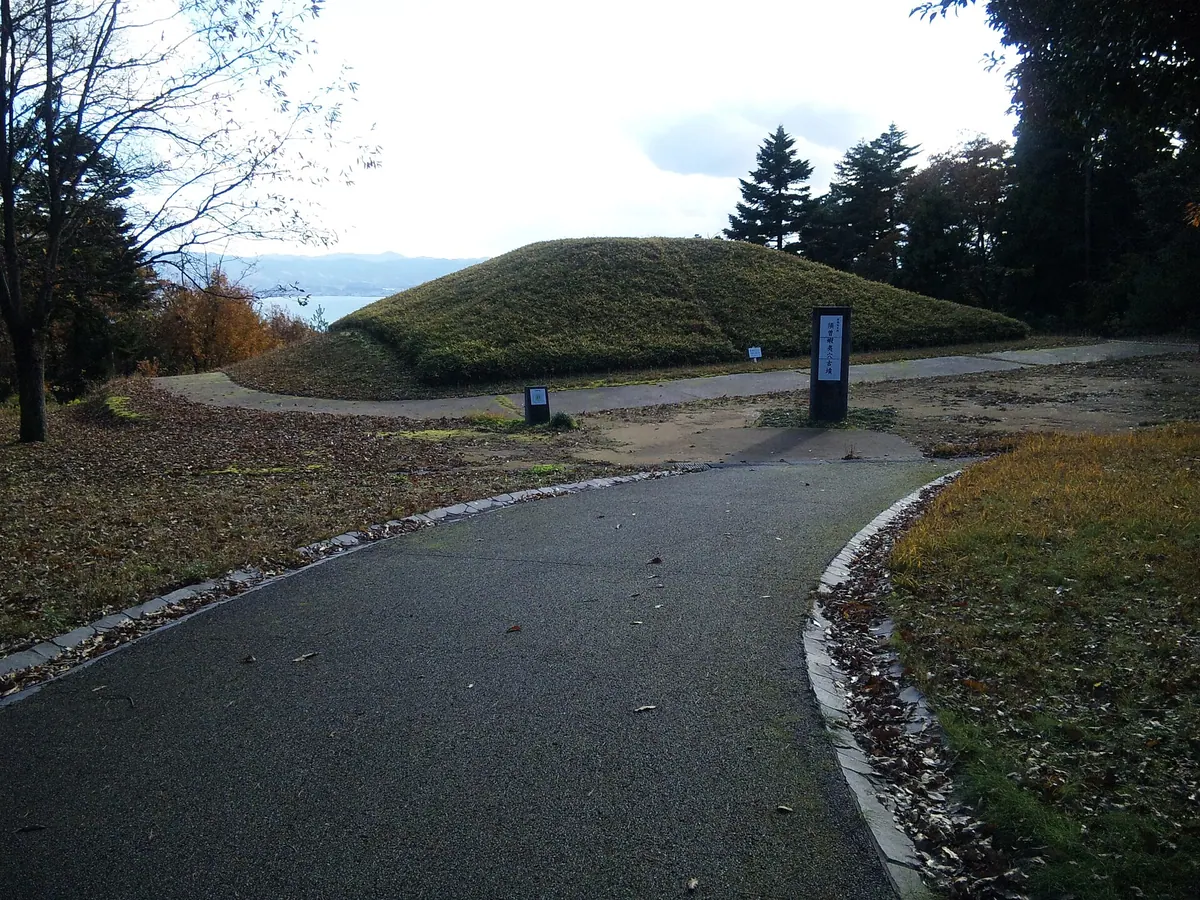
See a rare square-shaped kofun with two unique stone chambers overlooking Nanao Bay.
What it is
- A square-shaped kofun from the late Kofun period.
- Designated a National Historic Site in 1981.
What to see
- Two horizontal stone chambers, about 7 meters long.
- Dome-shaped ceiling inside the stone chambers.
- Eastern stone chamber is T-shaped.
- Western stone chamber is reverse L-shaped.
- Stone material is local andesite from Notojima island.
- Overlooks Nanao Bay from 80 meters elevation.
07
Yata Maruyama Kofun
ISHIKAWA · HISTORIC SITE 矢田丸山古墳
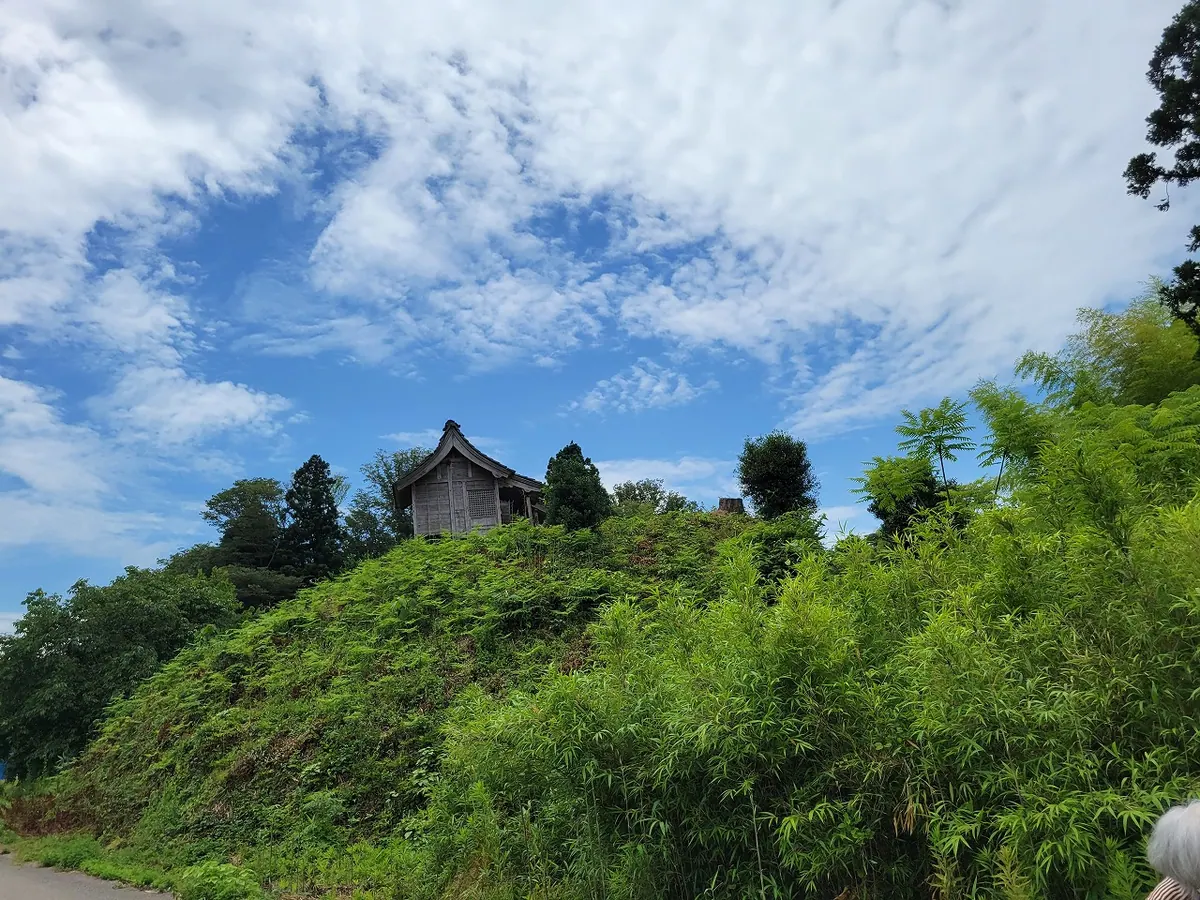
Explore a 5th-century circular burial mound with shrines and unique Haniwa fragments.
What it is
- A circular tumulus, or burial mound, from the late 5th century.
- It is 30 meters in diameter and 7 meters high.
- One of two tumuli in Nanao City with cylindrical Haniwa fragments.
What to see
- Two shrines stand on the flat top of the tumulus.
- One shrine enshrines Maruyama Fudoson.
- A Jizo-do hall is also built on the top.
- Cylindrical Haniwa fragments were found at the base.
08
Akitsuneyama Kofun Cluster
ISHIKAWA · HISTORIC SITE 秋常山古墳群
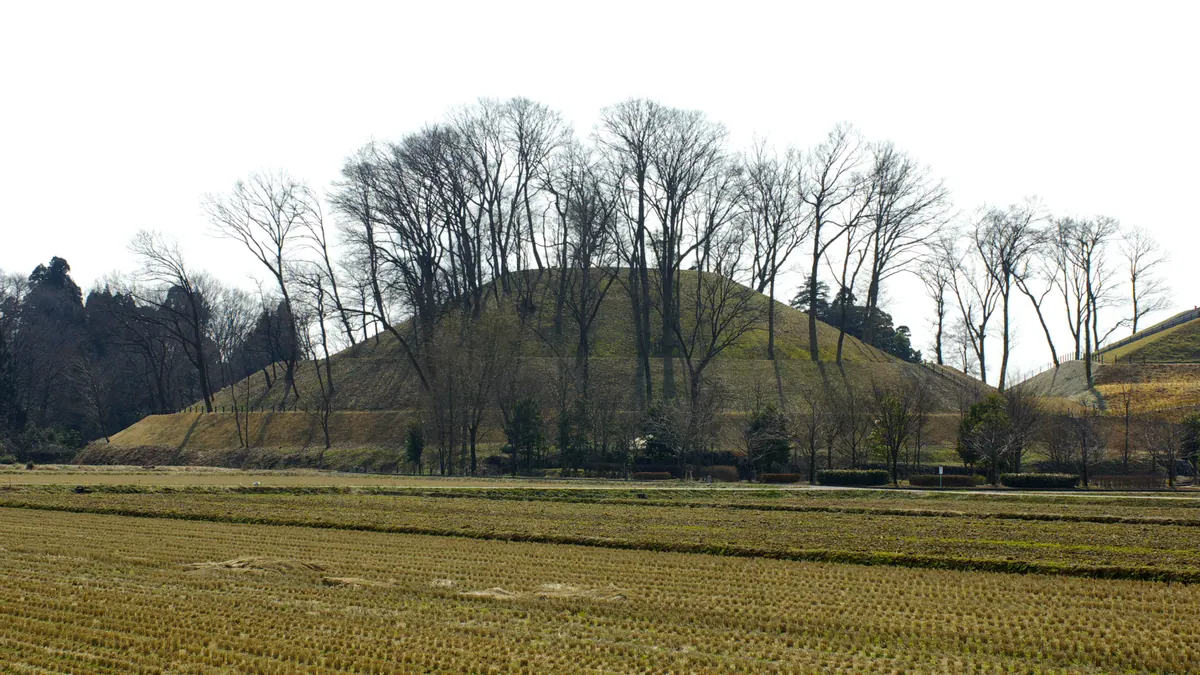
Explore ancient burial mounds, including the largest keyhole-shaped kofun in the Hokuriku region.
What it is
- A cluster of ancient burial mounds (kofun).
- Designated as a National Historic Site.
- Built between the late 4th and mid-5th centuries.
What to see
- Kofun No. 1, a 141-meter, three-tiered keyhole-shaped kofun.
- Kofun No. 2, a square-shaped kofun.
- A clay coffin with a wooden coffin inside Kofun No. 2.
- Fragments of haniwa from Kofun No. 2.
09
Tōdai-ji Ryō Yokoe-no-shō Shōka Site
ISHIKAWA · HISTORIC SITE 東大寺領横江荘荘家跡
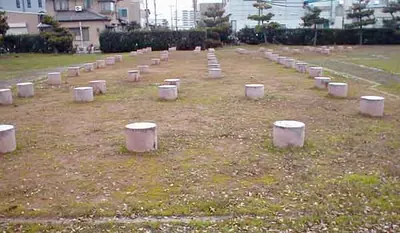
This Heian-period historic site reveals the layout of an ancient estate donated to Todai-ji Temple.
What it is
- A Heian period historic site.
- The site of Yokoe-no-sho, donated to Todai-ji Temple.
- Princess Sakahito donated Yokoe-no-sho in 818.
- Designated a national historic site on March 14, 1972.
What to see
- Excavated pillar-supported buildings, residences, and warehouses.
- Pottery and wooden artifacts from the early Heian period.
10
Chikamori Site
ISHIKAWA · HISTORIC SITE チカモリ遺跡
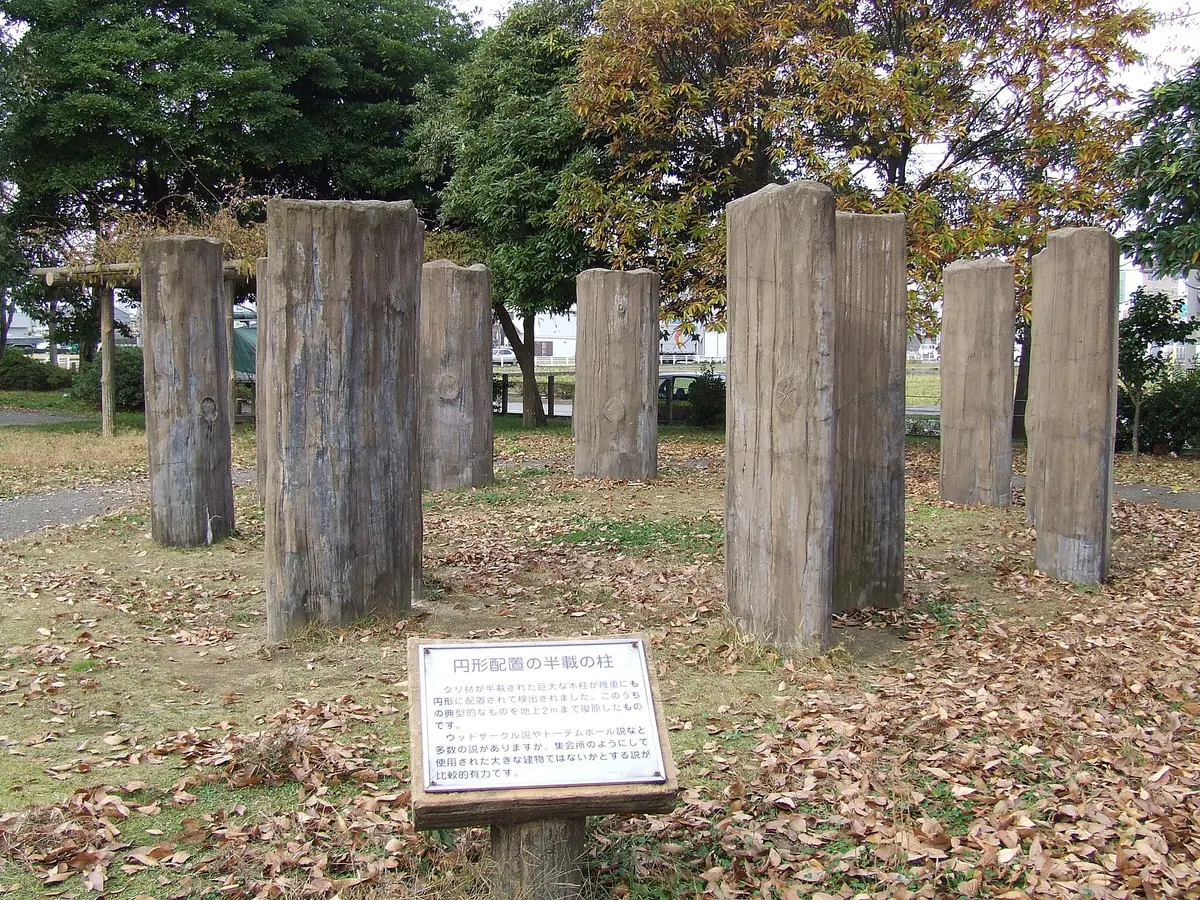
Explore a Jomon-period settlement with unique wooden pillar arrangements, preserved as a historic park.
What it is
- A Jomon period settlement site.
- Designated a National Historic Site in 1987.
- Maintained as a historic park.
What to see
- A circular wooden pillar arrangement, 7 meters in diameter.
- Pillars made of chestnut wood.
- 57 excavated wooden pillar bases.
- The Kanazawa City Buried Cultural Properties Repository is nearby.
11
Okyōzuka Site
ISHIKAWA · HISTORIC SITE 御経塚遺跡
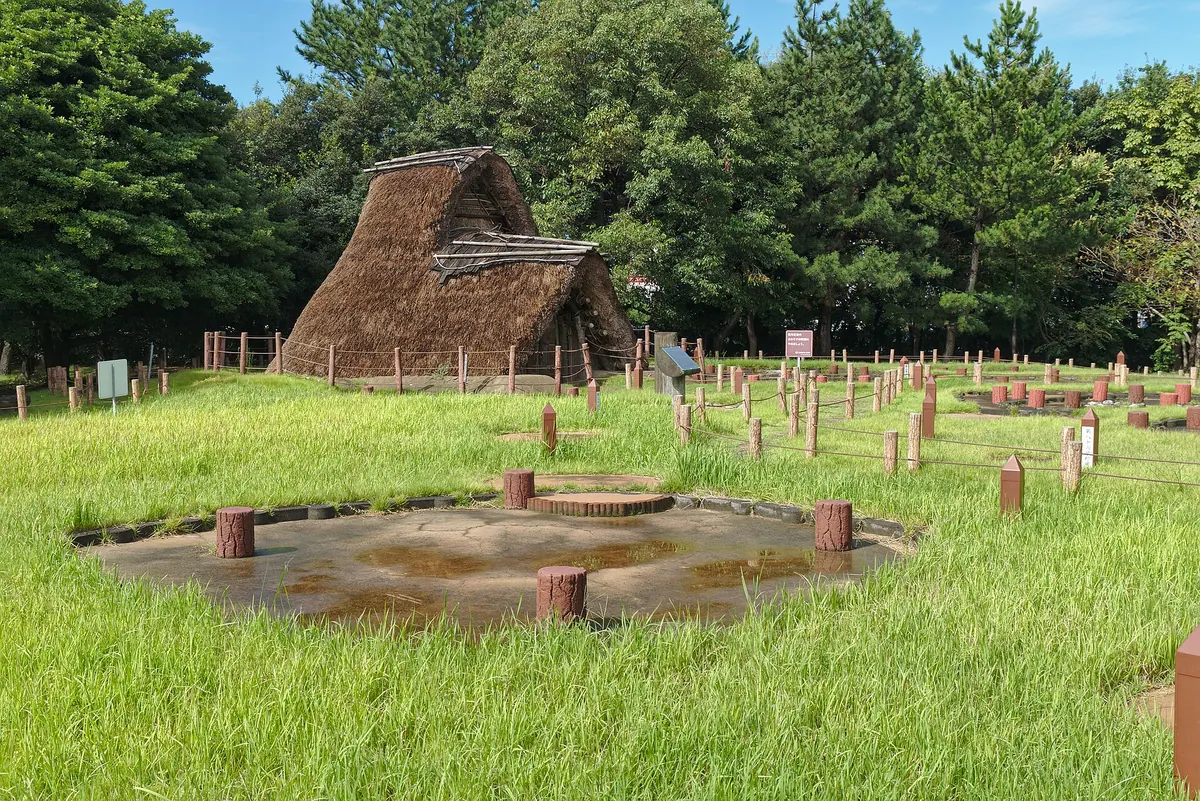
Explore a Jomon period archaeological site with reconstructed dwellings and ancient pottery.
What it is
- A Jomon period archaeological site.
- Discovered in 1954, excavations began in 1955.
- Designated a National Historic Site.
- Known for the Okyōzuka pottery style.
What to see
- Reconstructed pit dwellings.
- Unearthed stone tools and ritual stone implements.
- Artifacts designated Important Cultural Properties.
12
Kamiyamada Shell Mound
ISHIKAWA · HISTORIC SITE 上山田貝塚
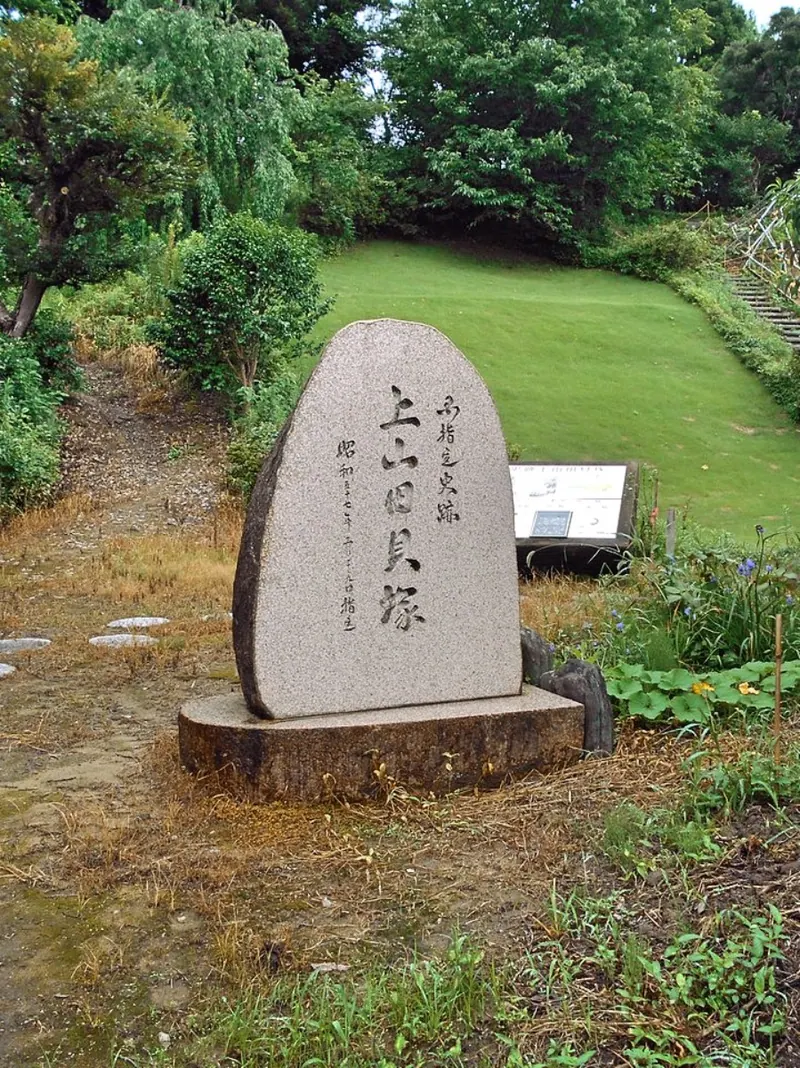
Explore a significant Middle Jomon period shell mound, a National Historic Site.
What it is
- A shell mound from the Middle Jomon period.
- Discovered in 1930 by Dr. Kubo Kiyoshi.
- Designated a National Historic Site in 1982.
What to see
- Located on Tachiyama hill, 20 meters high.
- Two distinct shell mounds: north and south.