

8 Historic sites in Iwate worth your time
Japan Gems
Goshono Site and Tsunozuka Kofun are among Iwate Prefecture's six heritage sites. These locations offer a look into the region's past.
Iwate has 8 historic sites on Japan Gems. Below are the 8 we can tell you the most about — each one written up in English from Japanese sources, with what to see and how to get there. See all historic sites in Iwate.
01
Kamaishi Stone Circle
IWATE · HISTORIC SITE 釜石環状列石
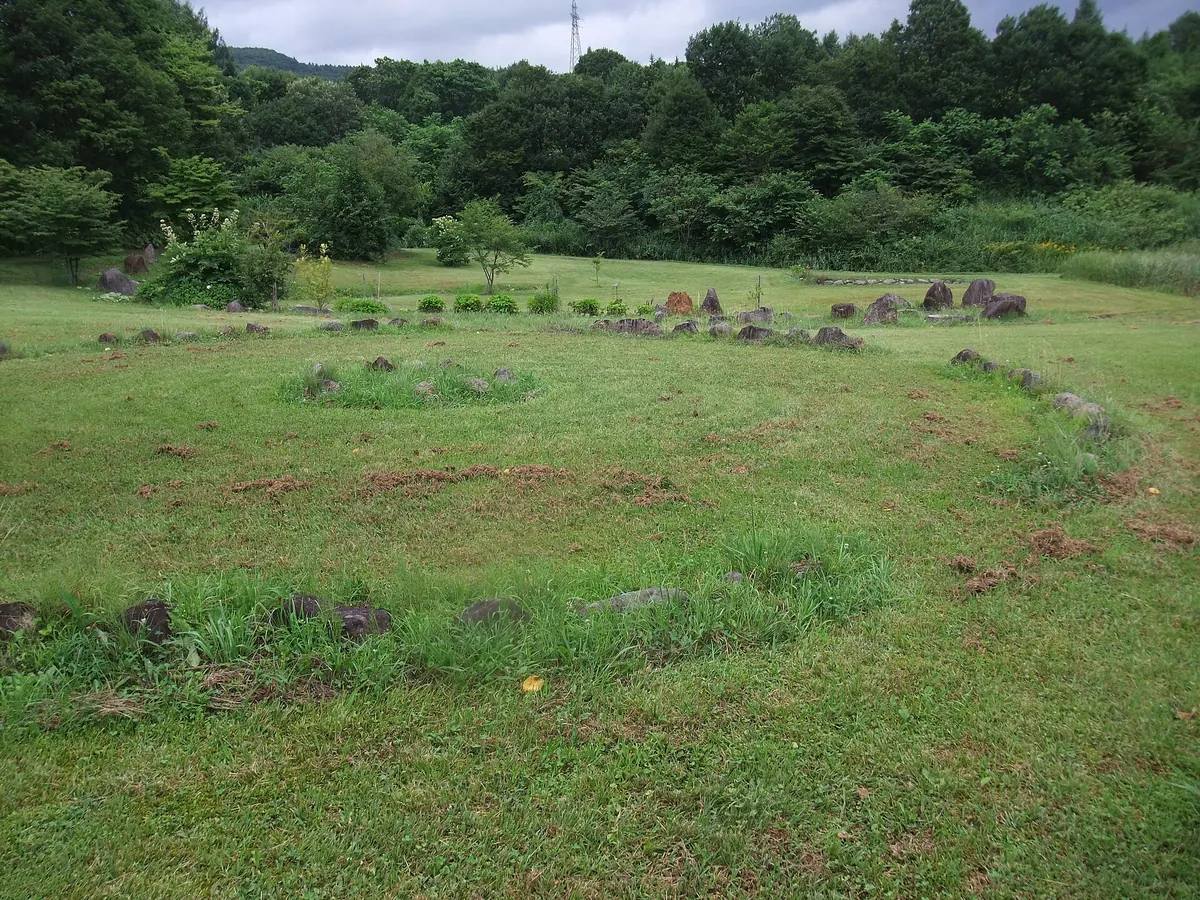
Ancient Jomon-period stone circles and artifacts offer a glimpse into prehistoric Japanese life.
What it is
- A collection of stone circles from the late Jomon period.
- Created by prehistoric people for unknown purposes.
- Discovered in April 1940 by Eizaburo Kudo.
What to see
- A central stone circle with a 12-meter diameter.
- A 1.5-meter stone enclosure for fire in the center.
- A 2-meter altar-like stone platform on the north side.
- At least seven large and small stone circles.
- Dwelling remains found around the stone circles.
- Pottery, clay figurines, and stone tools were discovered.
02
Tsunozuka Kofun
IWATE · HISTORIC SITE 角塚古墳
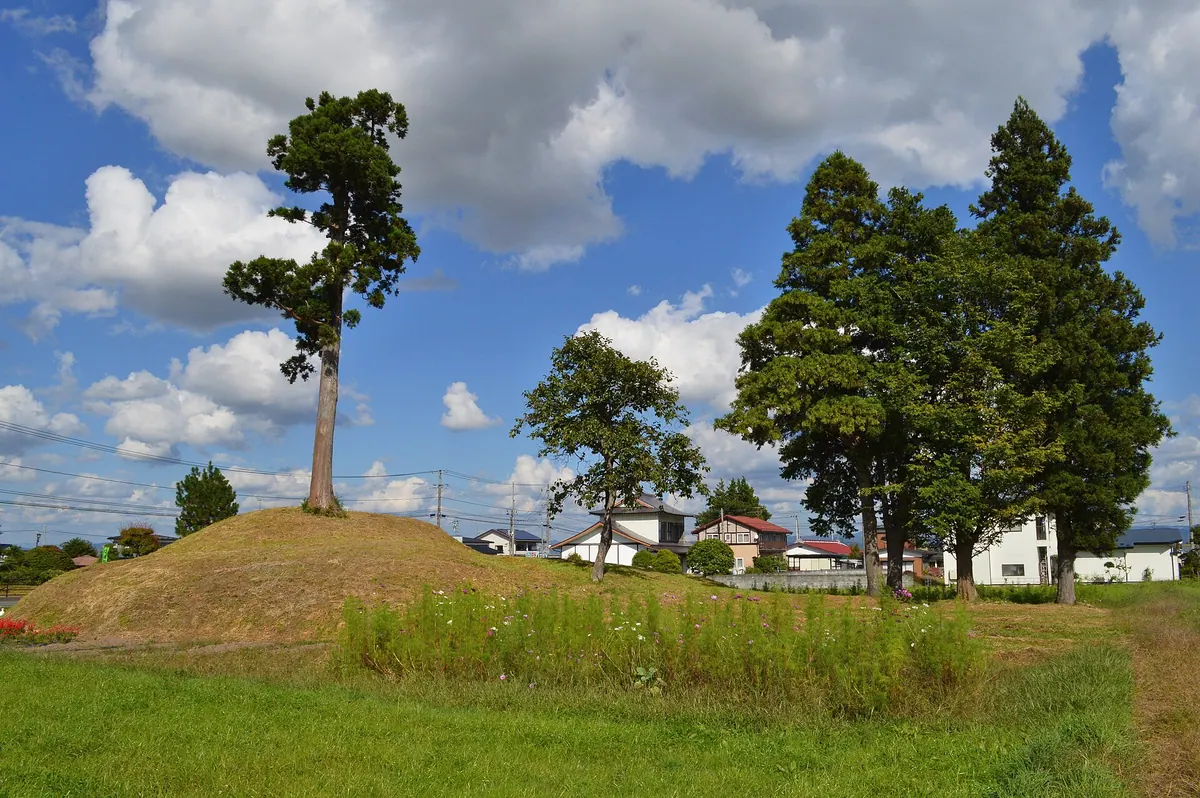
See Iwate's only keyhole-shaped tumulus, the northernmost in Japan, dating from the 5th-6th century.
What it is
- A tumulus in Oshu City, Iwate Prefecture.
- A keyhole-shaped burial mound.
- Designated as a National Historic Site.
- Built between the late 5th and early 6th centuries.
What to see
- The only keyhole-shaped tumulus in Iwate Prefecture.
- The northernmost keyhole-shaped tumulus in Japan.
- Mound is 43-45 meters long.
- Posterior circular part is 28 meters in diameter, 4 meters high.
- Haniwa fragments from the tumulus are displayed at Isawa Local History Museum.
03
Goshono Site
IWATE · HISTORIC SITE 御所野遺跡
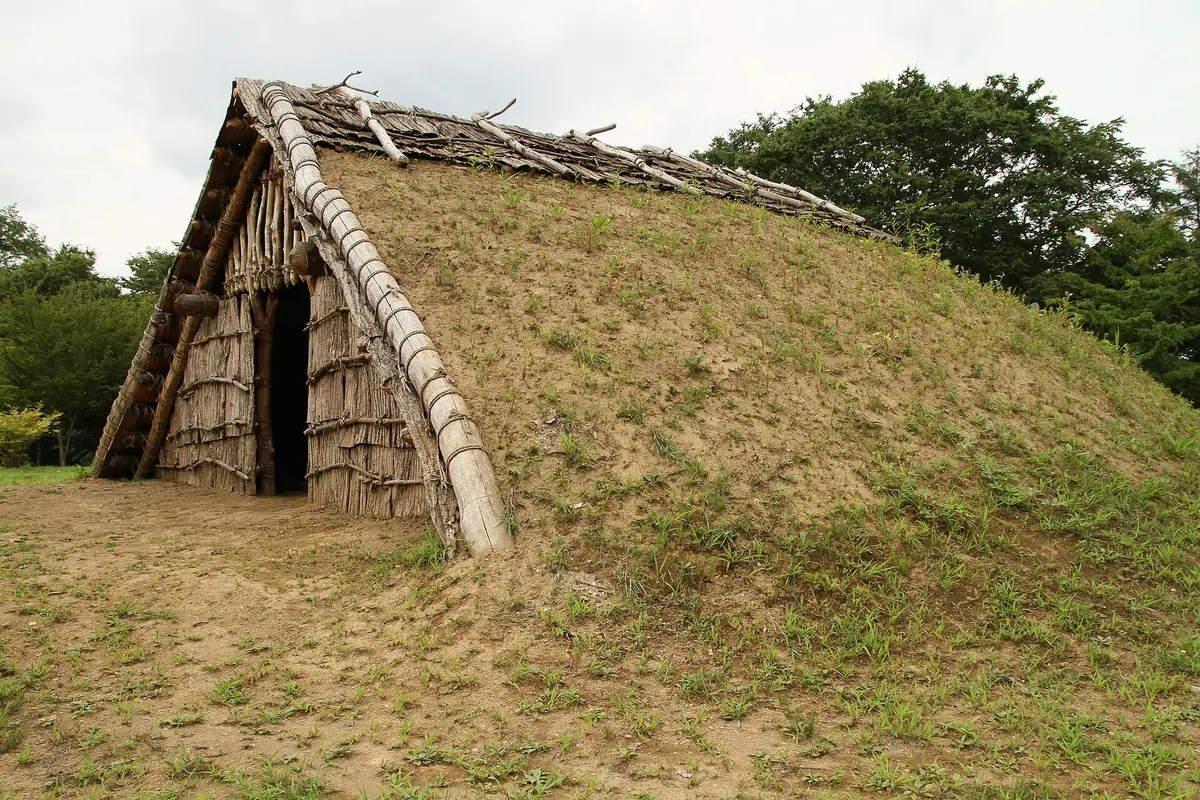
Explore a Jomon-era village with reconstructed dwellings and a museum, a World Heritage site.
What it is
- A Jomon period circular village site.
- Designated a National Historic Site in 1993.
- Registered as a World Cultural Heritage site in 2021.
- Part of the Jomon Prehistoric Sites in Northern Japan.
What to see
- Recreated pit dwellings and pillar-supported buildings.
- A museum is located within the park.
- Site is on a river terrace at 190-200 meters elevation.
- Evidence of Jomon period earth-roofed buildings.
- Official site
- goshono-iseki.com
04
Ezuriko Kofun Cluster
IWATE · HISTORIC SITE 江釣子古墳群
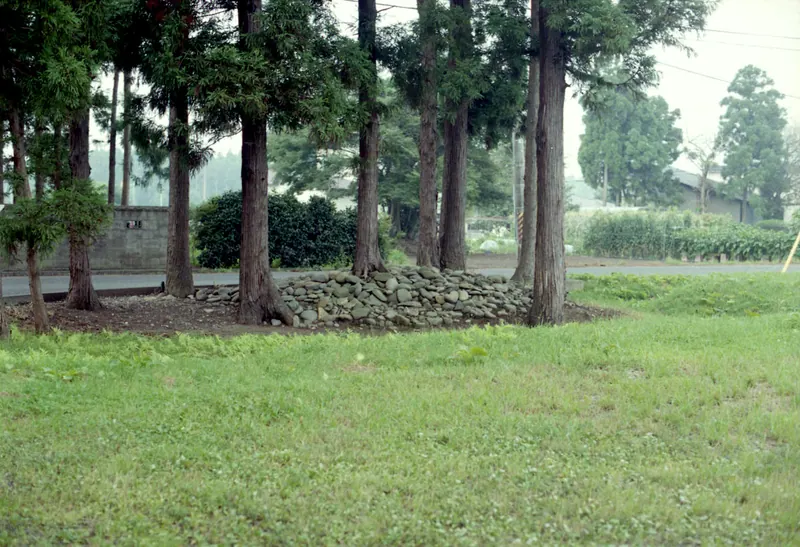
Explore ancient burial mounds from the Kofun period, a designated national historic site.
What it is
- A kofun cluster from the late Kofun period.
- Dates from the late 7th to early 8th century.
- Also known as Ezozuka.
- Designated a national historic site in 1979.
What to see
- Approximately 120 circular burial mounds.
- Mounds are about 10 meters in diameter and 1 meter high.
- Main burial chambers are pit-type stone chambers.
- Excavated artifacts include swords, arrowheads, and magatama beads.
05
Kabayama Site
IWATE · HISTORIC SITE 樺山遺跡
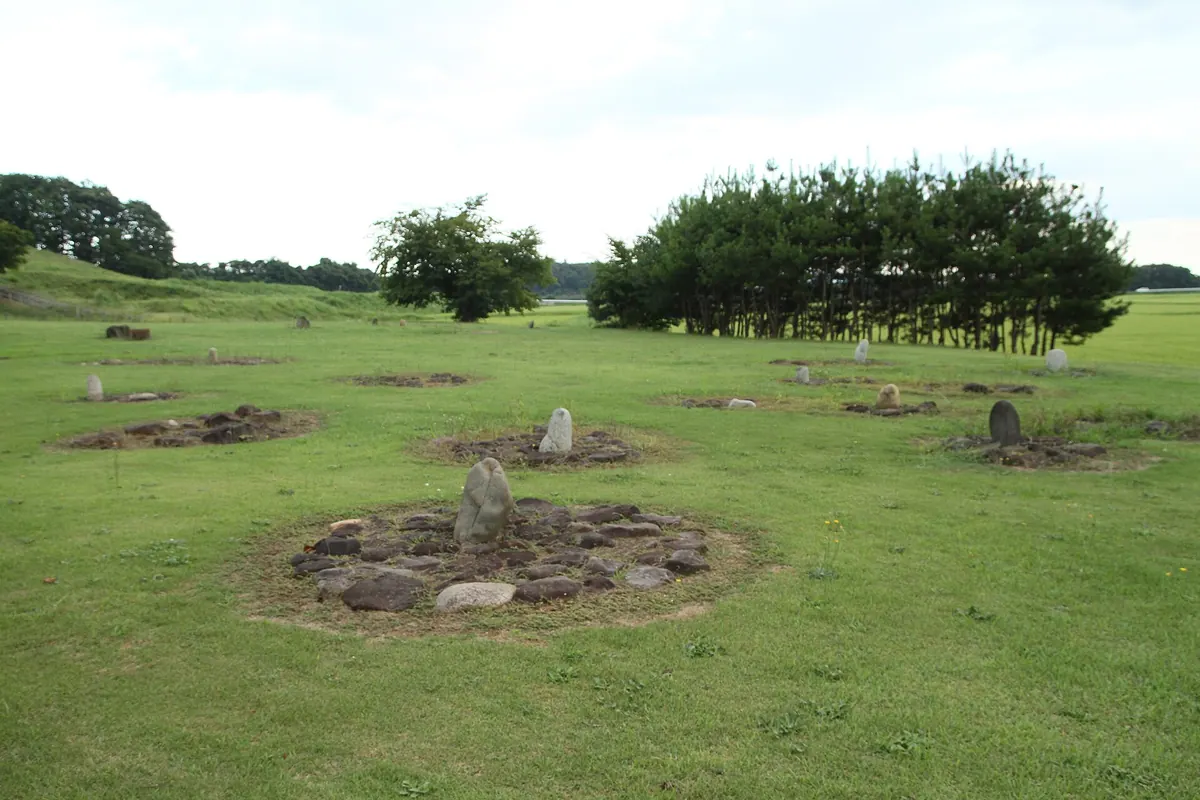
Explore a Jomon period archaeological site with stone circles and ancient settlements.
What it is
- A Jomon period archaeological site.
- Discovered in 1950, excavated until 1976.
- Designated a National Historic Site in 1977.
- Maintained as a historical park.
What to see
- Two levels, at 80 and 100 meters elevation.
- Over 32 stone circle structures on the lower level.
- Stone slabs within stone arrangements.
- Pit-dwelling settlements on the upper level.
- Jar burials have been found.
06
Yanagi no Gosho Site
IWATE · HISTORIC SITE 柳之御所遺跡
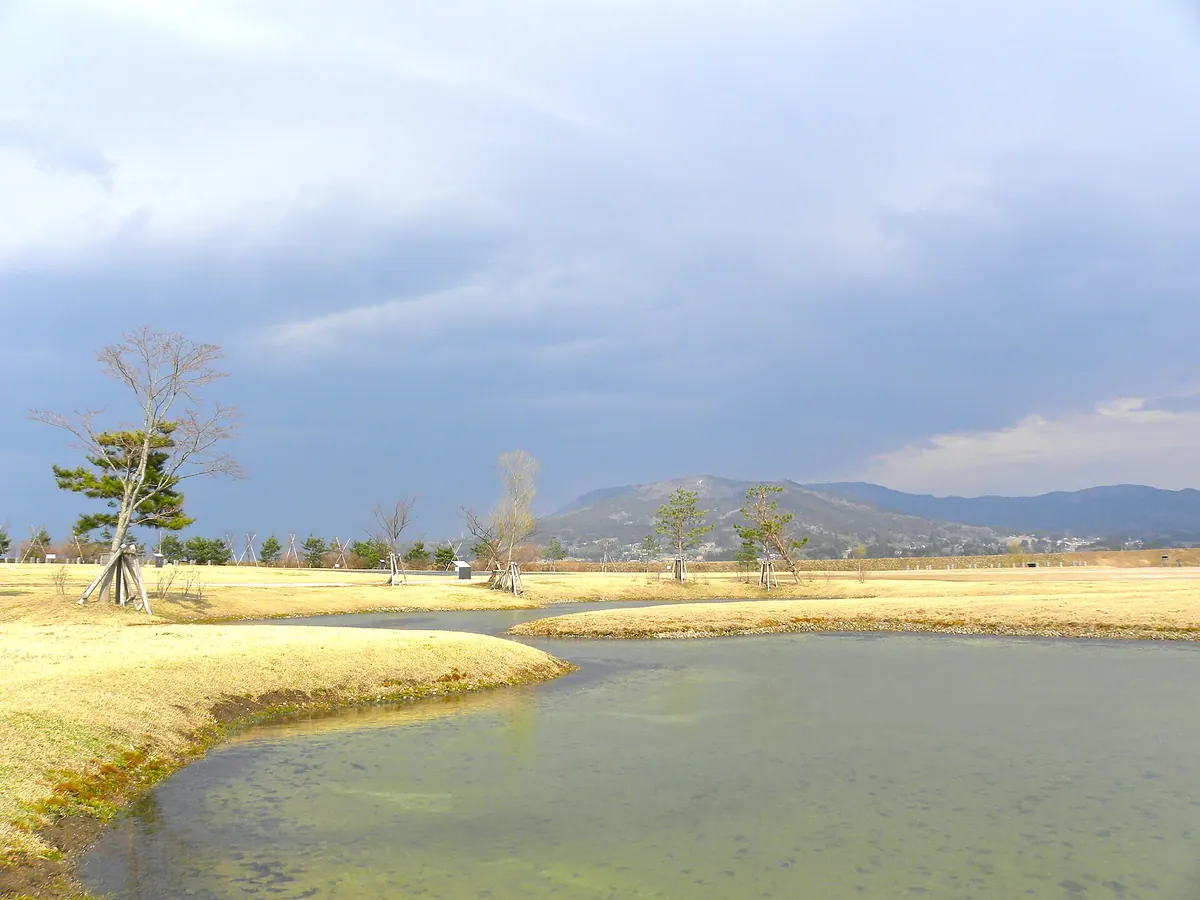
Explore the archaeological remains of the Oshu Fujiwara clan's government office.
What it is
- Archaeological site from the late Heian period.
- Presumed government office of the Oshu Fujiwara clan.
- Designated a National Historic Site in 1997.
- About 5 hectares developed as a historic park.
What to see
- Remains of many pillar-supported buildings.
- Traces of a moat and a pond.
- Excavated pottery, eboshi, and shogi pieces.
- Important cultural properties from the excavations.
07
Kyara no Gosho
IWATE · HISTORIC SITE 伽羅御所
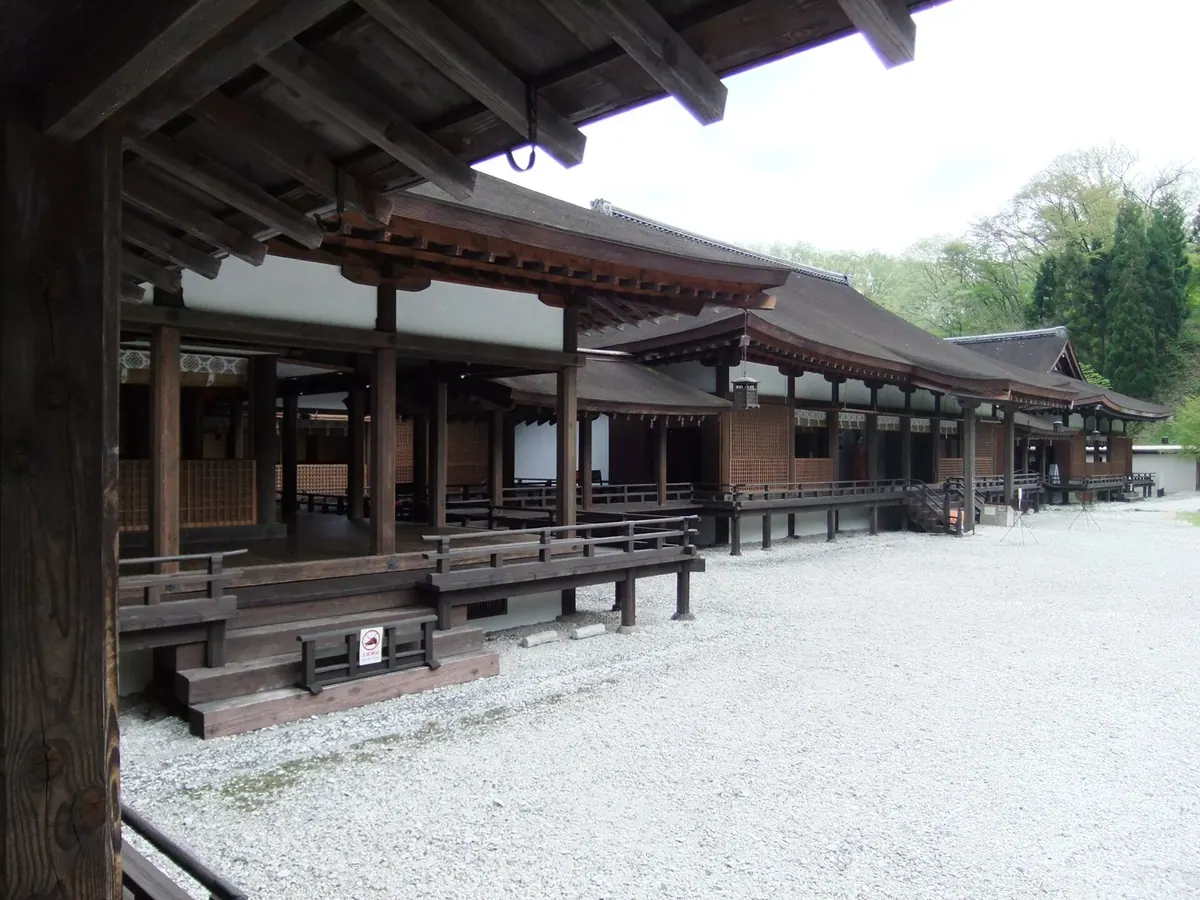
Explore the reconstructed residence of the Oshu Fujiwara clan, showcasing Heian period architecture.
What it is
- A former residence of the Oshu Fujiwara clan.
- Used by Fujiwara no Hidehira and Fujiwara no Yasuhira.
- Original site is now residential land and fields.
What to see
- Traces of inner moats and earthworks remain.
- A maki-e box with a mirror was found in a well.
- A wooden reconstruction exists at Esashi Fujiwara no Sato.
- Reconstruction shows Heian period Shinden-zukuri style.
08
Honederamura Shōen
IWATE · HISTORIC SITE 骨寺村荘園遺跡
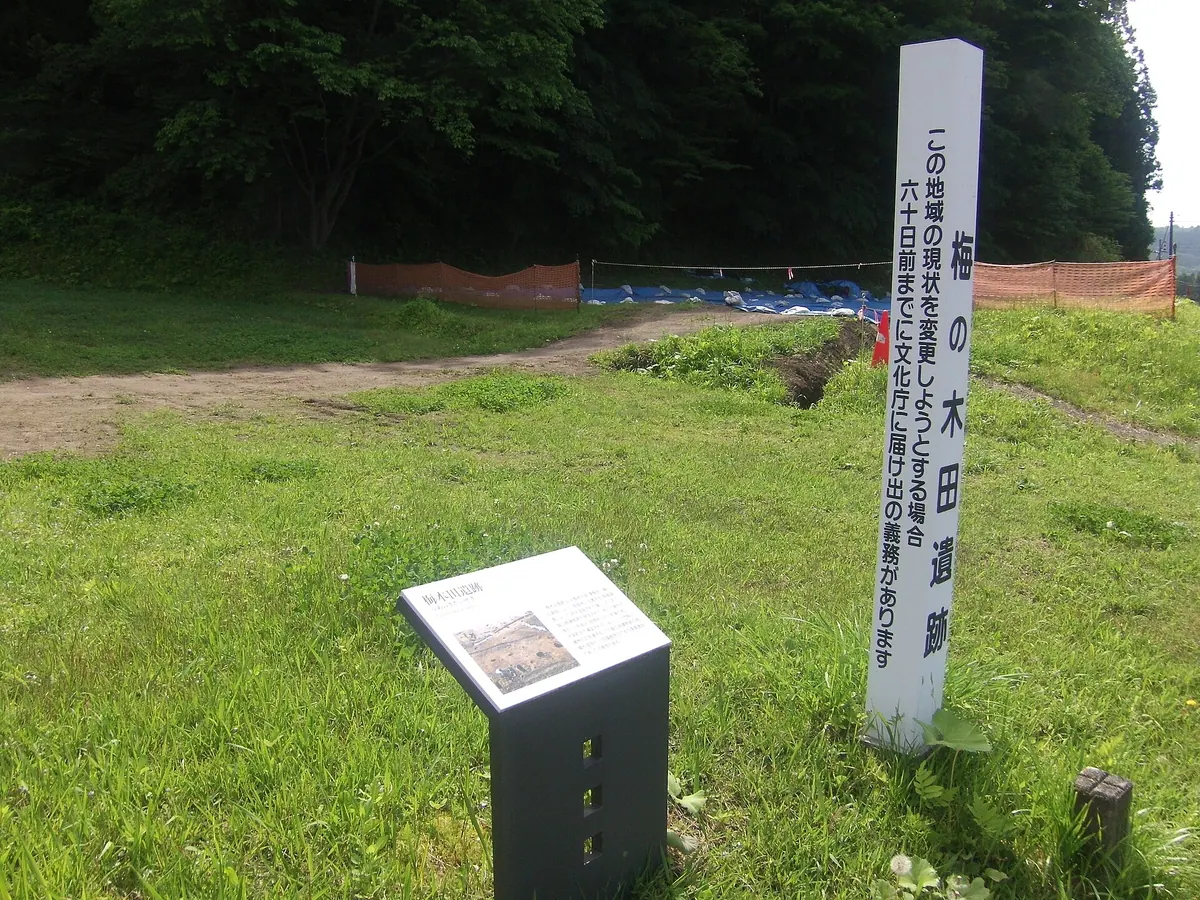
Explore a rare, preserved medieval village landscape, once a manor of Chuson-ji Temple.
What it is
- An archaeological site preserving a medieval village landscape.
- Designated a National Historic Site in 2005.
- A manor of Chuson-ji Temple.
- Registered as a World Heritage Site in 2011.
What to see
- A traditional village landscape from medieval illustrated maps.
- Temples, shrines, and caves.
- Official site
- www.honedera.jp