

9 Historic sites in Kagoshima worth your time
Japan Gems
Kagoshima Prefecture is home to many heritage sites. Tōjin Kofun Cluster and Gusuku Site are among nine places to visit for a trip into Japan's past.
Kagoshima has 9 historic sites on Japan Gems. Below are the 9 we can tell you the most about — each one written up in English from Japanese sources, with what to see and how to get there. See all historic sites in Kagoshima.
01
Tsukazaki Kofun Group
KAGOSHIMA · HISTORIC SITE 塚崎古墳群
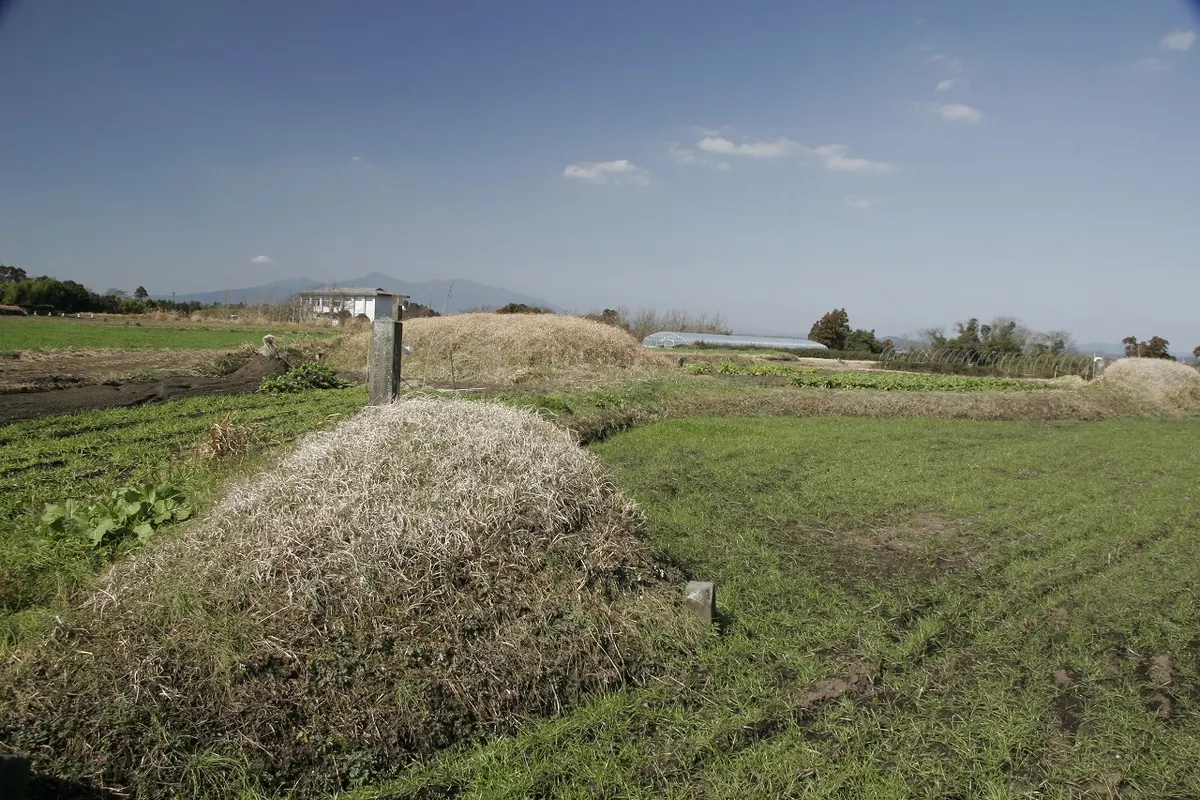
Ancient burial mounds, including Japan's southernmost keyhole tomb, offer a glimpse into early Japanese history.
What it is
- A group of ancient burial mounds, called kofun.
- Designated a national historic site in 1945.
- Built around the 4th to 5th centuries.
- Includes Japan's southernmost keyhole-shaped tomb.
What to see
- 59 kofun and 29 underground horizontal tombs.
- Five keyhole-shaped tombs.
- Kofun 51, Japan's southernmost keyhole-shaped tomb.
- A large camphor tree on Kofun 1, a national natural monument.
- Yayoi period dwelling remains in the area.
- Artifacts at the Kimotsuki Town History and Folklore Museum.
- Address
- 鹿児島県肝属郡肝付町野崎2027-3 Map
02
Hayatozuka Mound
KAGOSHIMA · HISTORIC SITE 隼人塚
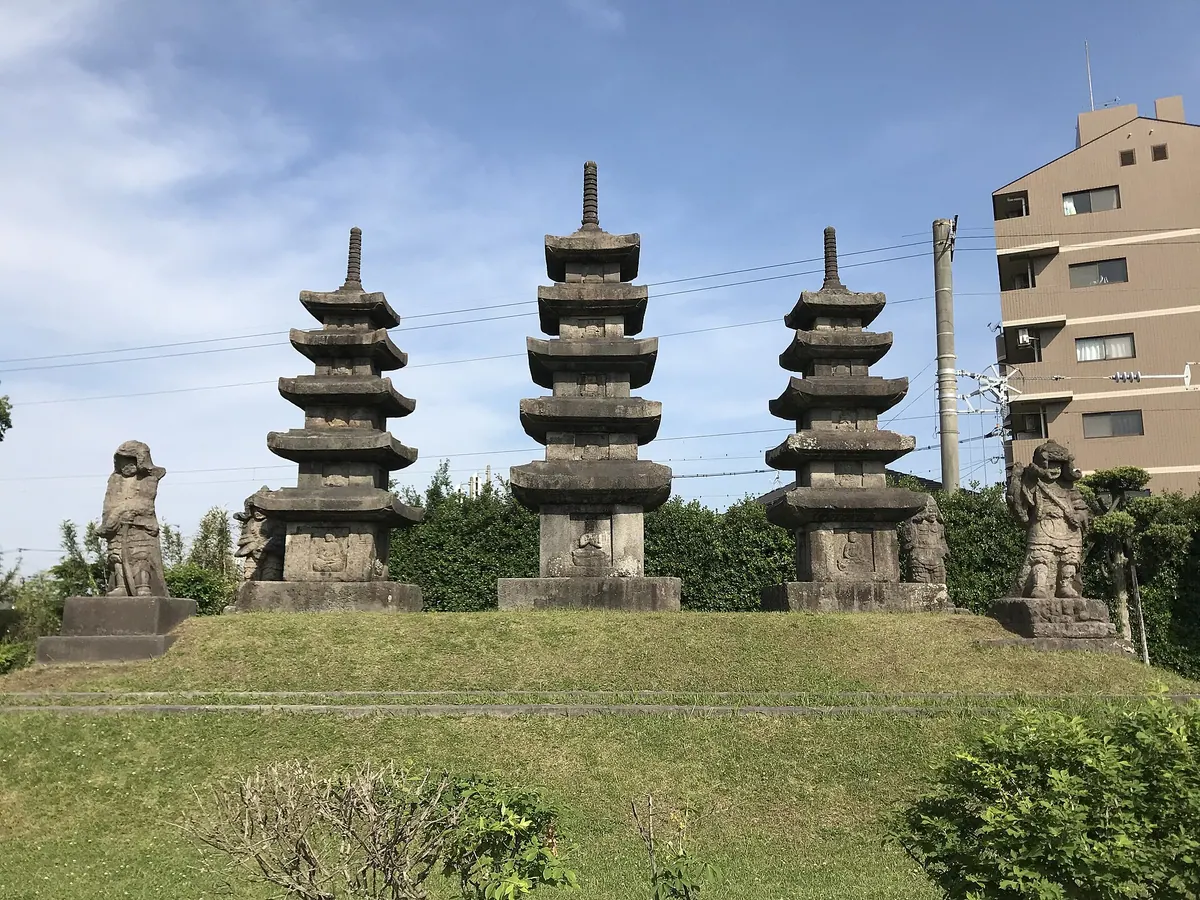
Hayatozuka is a National Historic Site featuring ancient stone pagodas and guardian statues.
What it is
- Buddhist-related ruin in Kirishima City, Kagoshima Prefecture.
- Designated a National Historic Site on March 3, 1921.
- Restoration work on the site completed in 2000.
What to see
- Three multi-tiered stone pagodas and four Shitenno stone statues.
- Central stone pagoda is 6.6 meters tall.
- Two side stone pagodas are approximately 5.5 to 5.6 meters tall.
- Buddhist images carved into the shaft stones of the pagodas.
- Warrior stone statues are images of the Four Heavenly Kings.
03
Yokose Kofun
KAGOSHIMA · HISTORIC SITE 横瀬古墳
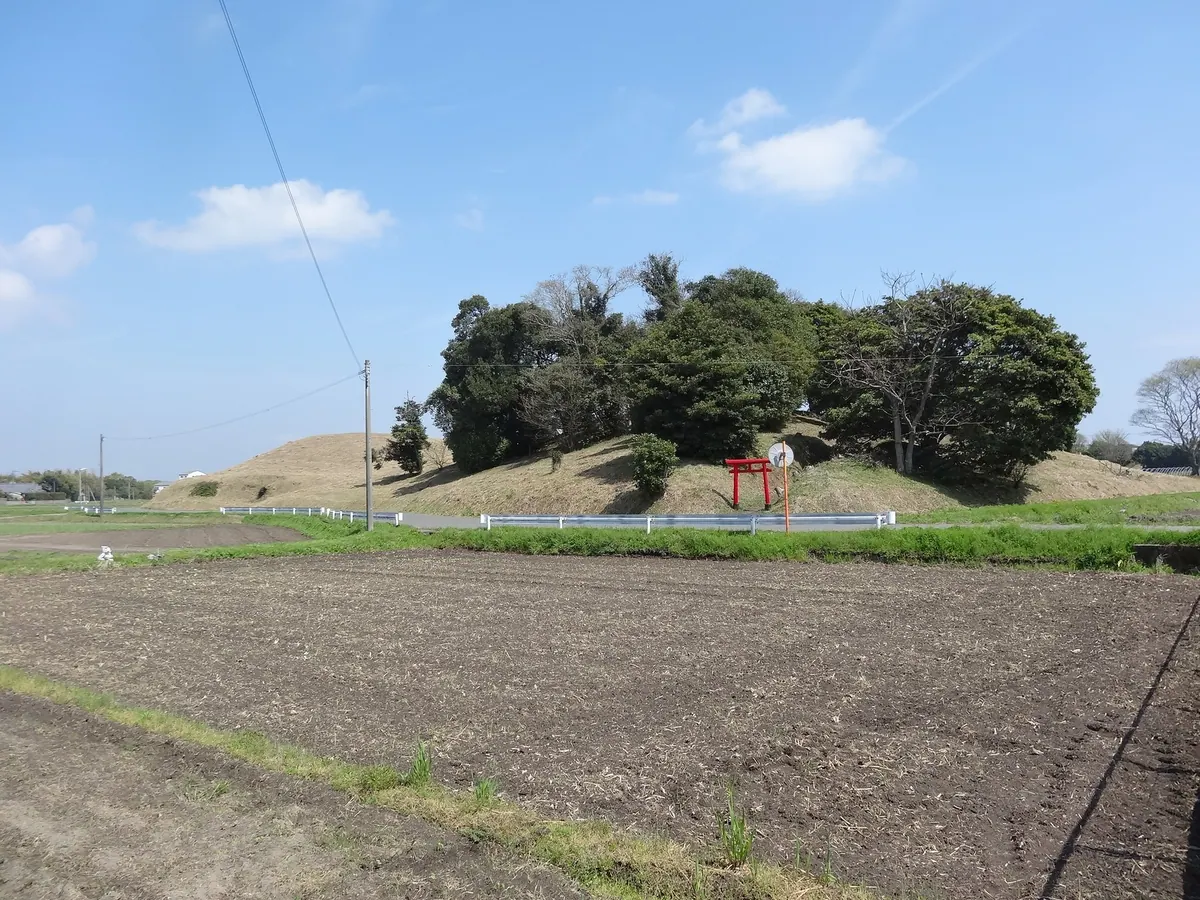
Yokose Kofun is a large, ancient keyhole-shaped burial mound, significant for its size and historical artifacts.
What it is
- A kofun, an ancient burial mound.
- Designated a National Historic Site.
- Dates to the mid-to-late 5th century.
- Second largest kofun in Kagoshima Prefecture.
What to see
- A keyhole-shaped mound, 137 meters long.
- Mound surrounded by a 12-23 meter wide moat.
- Total length with moat is 160 meters.
- Cylindrical and figurative Haniwa were found.
- A pit-style stone chamber is the burial facility.
- Sue ware was among excavated items.
04
Uenohara
KAGOSHIMA · HISTORIC SITE 上野原遺跡
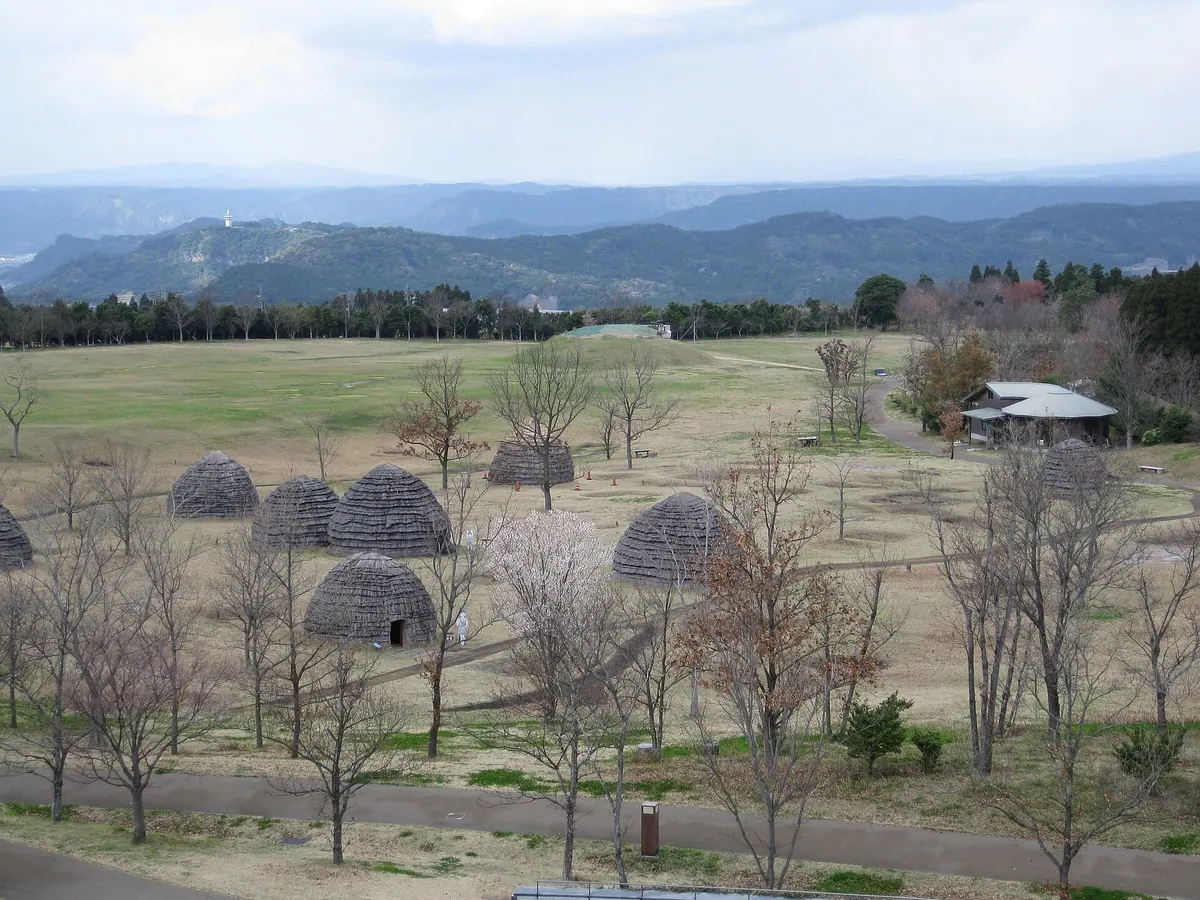
Explore Japan's oldest large-scale settled community remains, dating back over 10,000 years.
What it is
- An archaeological site spanning from the Early Jomon period.
- Designated a National Historic Site.
- Maintained as the Uenohara Jomon-no-Mori historical park.
- Discovered in 1986 during industrial park construction.
What to see
- Japan's oldest large-scale settled community remains.
- Exhibition facilities and a cultural property center.
- Earthenware designated a National Important Cultural Property.
- Fifty-two pit dwellings.
- Official site
- www.jomon-no-mori.jp
05
Tōjin Kofun Cluster
KAGOSHIMA · HISTORIC SITE 唐仁古墳群
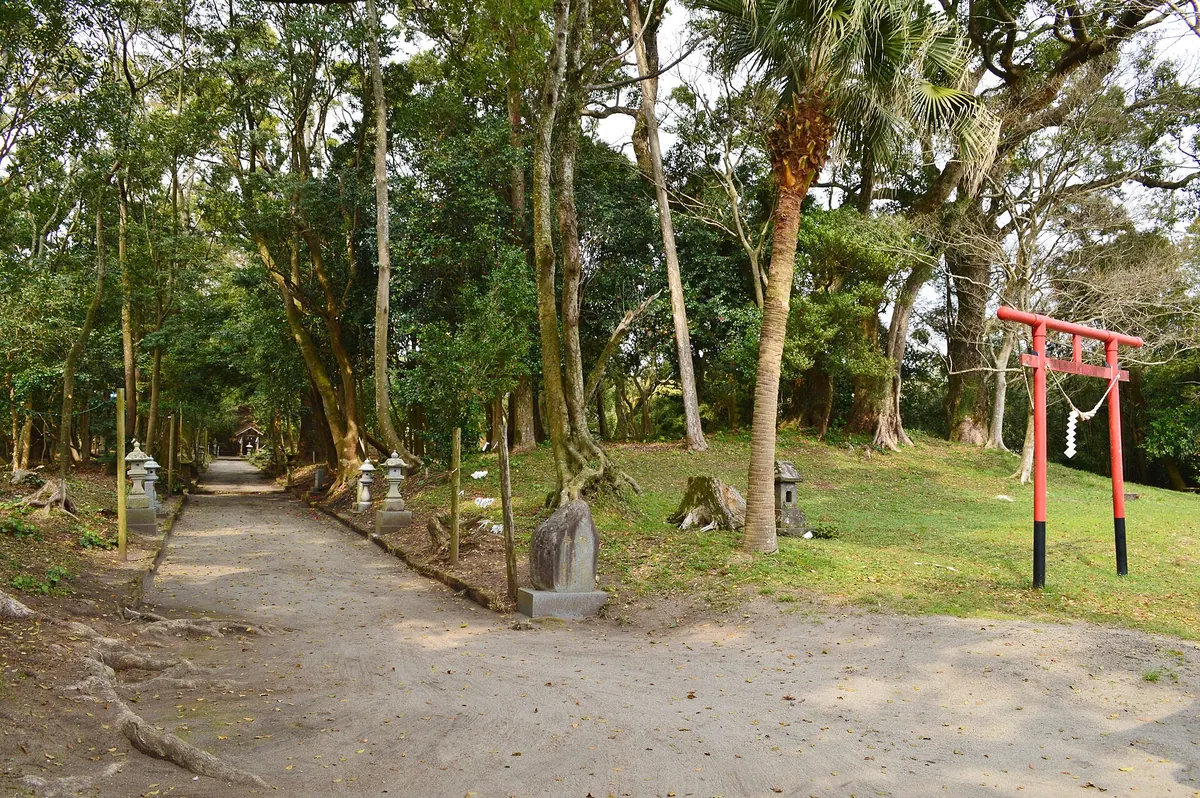
Explore ancient burial mounds from the Kofun period, including Kagoshima's largest cluster, a National Historic Site.
What it is
- A cluster of ancient burial mounds, called kofun.
- Designated a National Historic Site since 1934.
- The largest kofun group in Kagoshima Prefecture.
- Dates to Japan's middle Kofun period.
What to see
- 130 kofun, including three keyhole-shaped mounds.
- 119 round kofun are part of the cluster.
- Tōjin Ōtsuka Kofun (No. 1) is 140 meters long.
- The cluster is located on the Kimotsuki River's left bank.
06
Hirota Site
KAGOSHIMA · HISTORIC SITE 広田遺跡
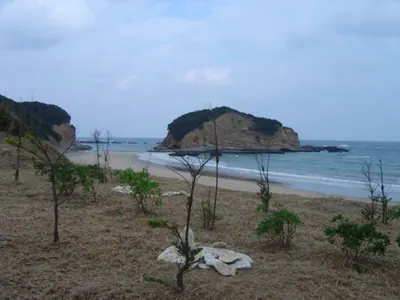
Explore an ancient cemetery and museum on a coastal dune, known for unique shell artifacts.
What it is
- A cemetery site from the late Yayoi period to the 7th century.
- Designated a National Historic Site in 2008.
- Maintained as a historical park.
What to see
- A coastal sand dune facing the Pacific Ocean.
- Hirota Site Museum, opened in 2015.
- Exhibits of 157 human bones from 90 burial structures.
- Over 44,000 excavated shell products.
- Unique shell products like 'kaifu' and 'ryuhaikei kaisei suishoku'.
07
Hashimuregawa Site
KAGOSHIMA · HISTORIC SITE 橋牟礼川遺跡

Explore an archaeological site spanning Jomon to Heian periods, revealing ancient village life.
What it is
- A complex archaeological site.
- Spans from the Jomon to Heian periods.
- Designated a National Historic Site in 1924.
- Clarified Jomon and Yayoi period chronology.
What to see
- Jomon pottery found below Yayoi pottery.
- Restored pit dwellings from an ancient village.
- Ibusuki City Archaeological Museum is adjacent.
When to go
- Visit anytime during museum operating hours.
08
Gusuku Site
KAGOSHIMA · HISTORIC SITE 城久遺跡
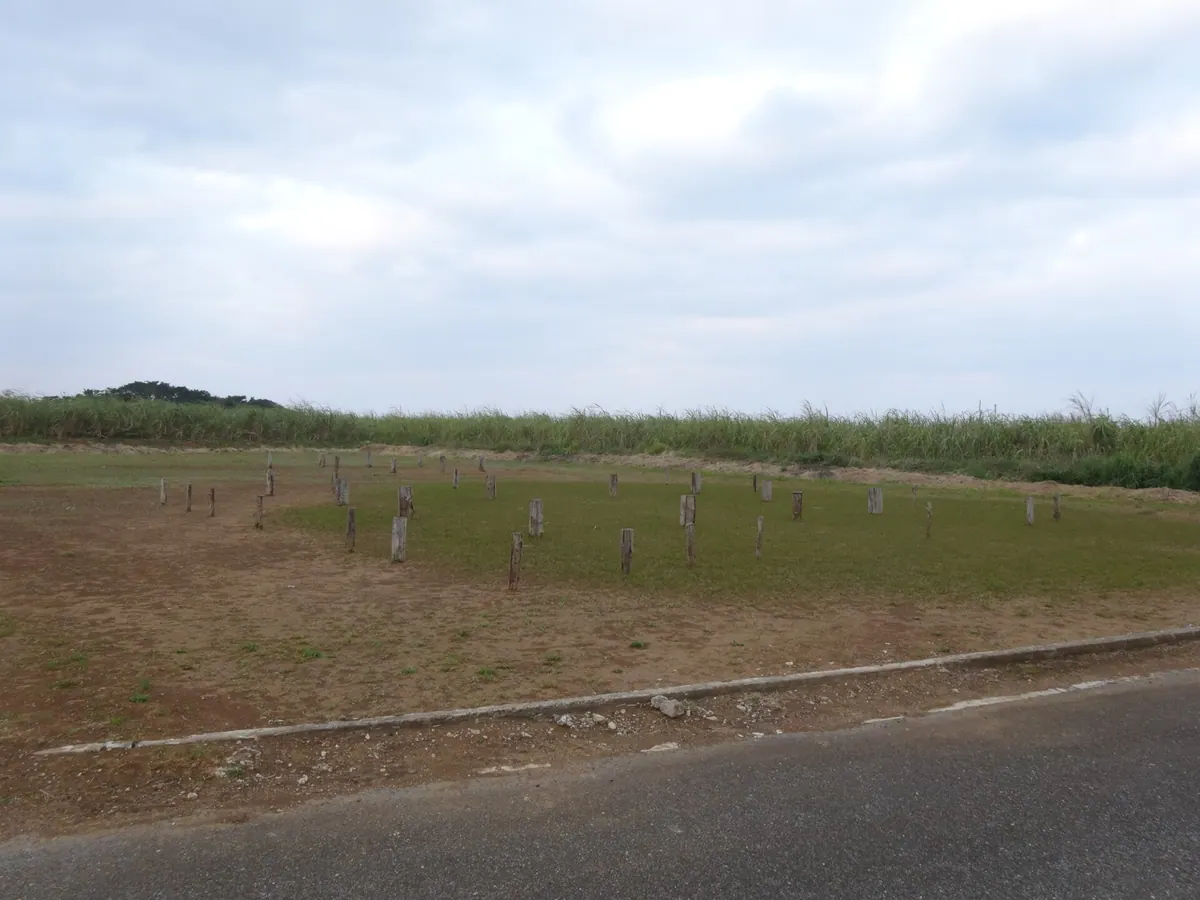
Explore an ancient settlement on Kikaijima, revealing centuries of island history and trade.
What it is
- A group of eight archaeological sites near Gusuku settlement.
- Designated a National Historic Site in 2017.
- Estimated age ranges from the 9th to 15th centuries.
- Investigations began in 2003.
What to see
- Hundreds of pillar-supported building remains.
- Pit graves and cremation graves.
- Chinese and Korean ceramics.
- Numerous 12th-century iron smelting furnace remains.
09
Yokomine Site
KAGOSHIMA · HISTORIC SITE 横峯遺跡
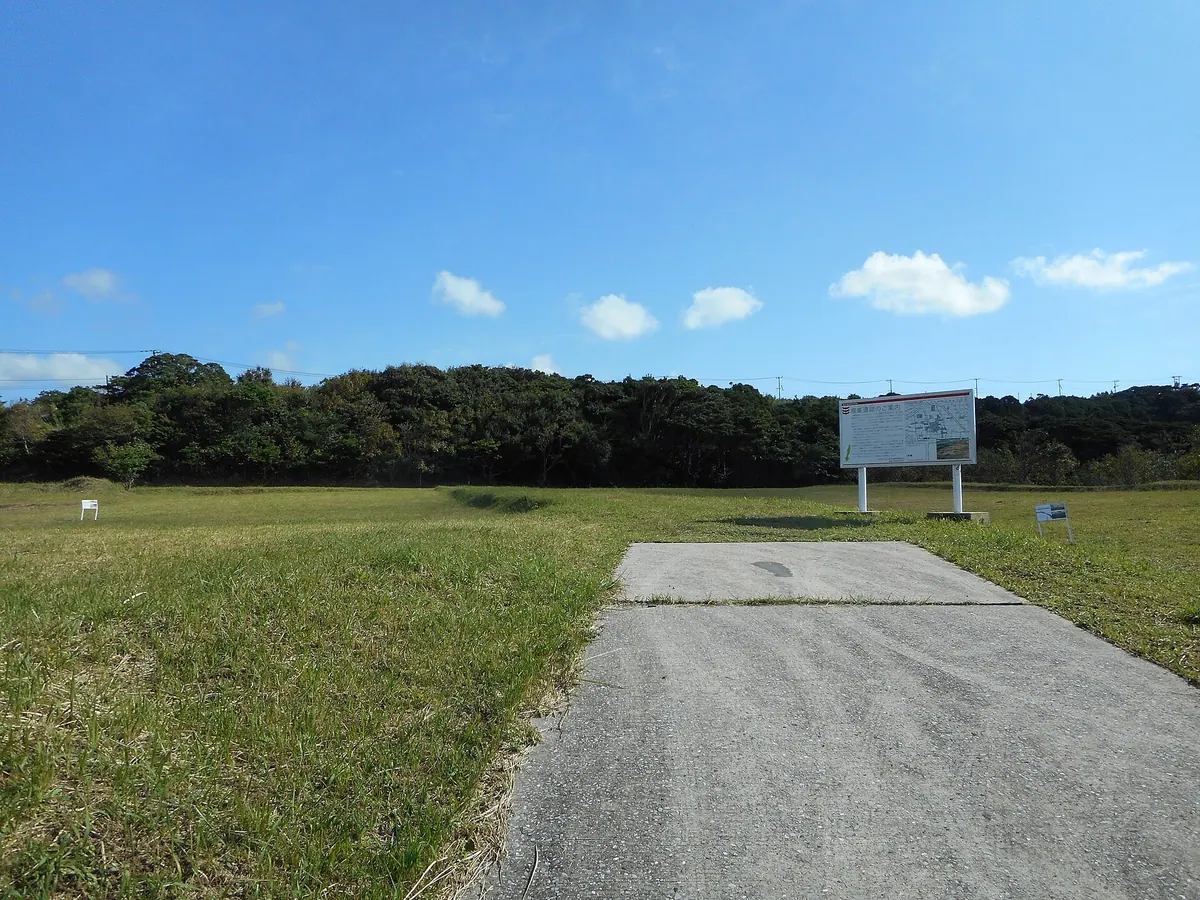
This site showcases one of western Japan's largest Jomon settlements, featuring ancient artifacts and replica shelters.
What it is
- Site of one of the largest Jomon settlements in western Japan.
- Dates back 3,500 to 4,000 years.
- Discovered in 1971 by a teenager farming.
- Exhibit of excavated implements established by volunteers.
What to see
- Permanent exhibit of excavated stone implements and pottery.
- Authentic replicas of Jomon shelters on the site.