

9 Historic sites in Kumamoto worth your time
Japan Gems
Kumamoto Prefecture's heritage sites include ancient burial mounds like Eta Funayama Kofun and coastal communities such as Sakitsu Village. These locations offer a glimpse into Japan's diverse historical landscape.
Kumamoto has 9 historic sites on Japan Gems. Below are the 9 we can tell you the most about — each one written up in English from Japanese sources, with what to see and how to get there. See all historic sites in Kumamoto.
01
Ōmura Cave Tombs
KUMAMOTO · HISTORIC SITE 大村横穴群
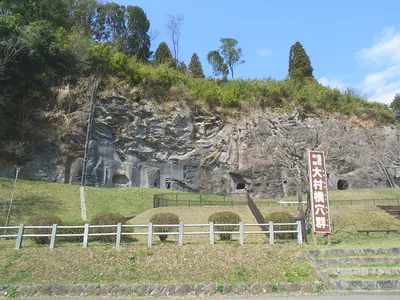
Ōmura Cave Tombs are 26 burial chambers carved into a cliff, showing early regional history.
What it is
- Twenty-six burial chambers carved into a cliff.
- Dates from the late sixth century.
- Provides insight into early history of Hitoyoshi Kuma region.
What to see
- Narrow openings leading to dome-shaped interior chambers.
- Caves extend horizontally across 800 meters of cliffside.
- Openings decorated with carvings in relief.
- Designs include geometric patterns, horses, and weapons.
- Signage illustrates weathered motifs.
Getting there
- Located behind Hitoyoshi Station.
02
Sakitsu Village
KUMAMOTO · HISTORIC SITE 﨑津集落
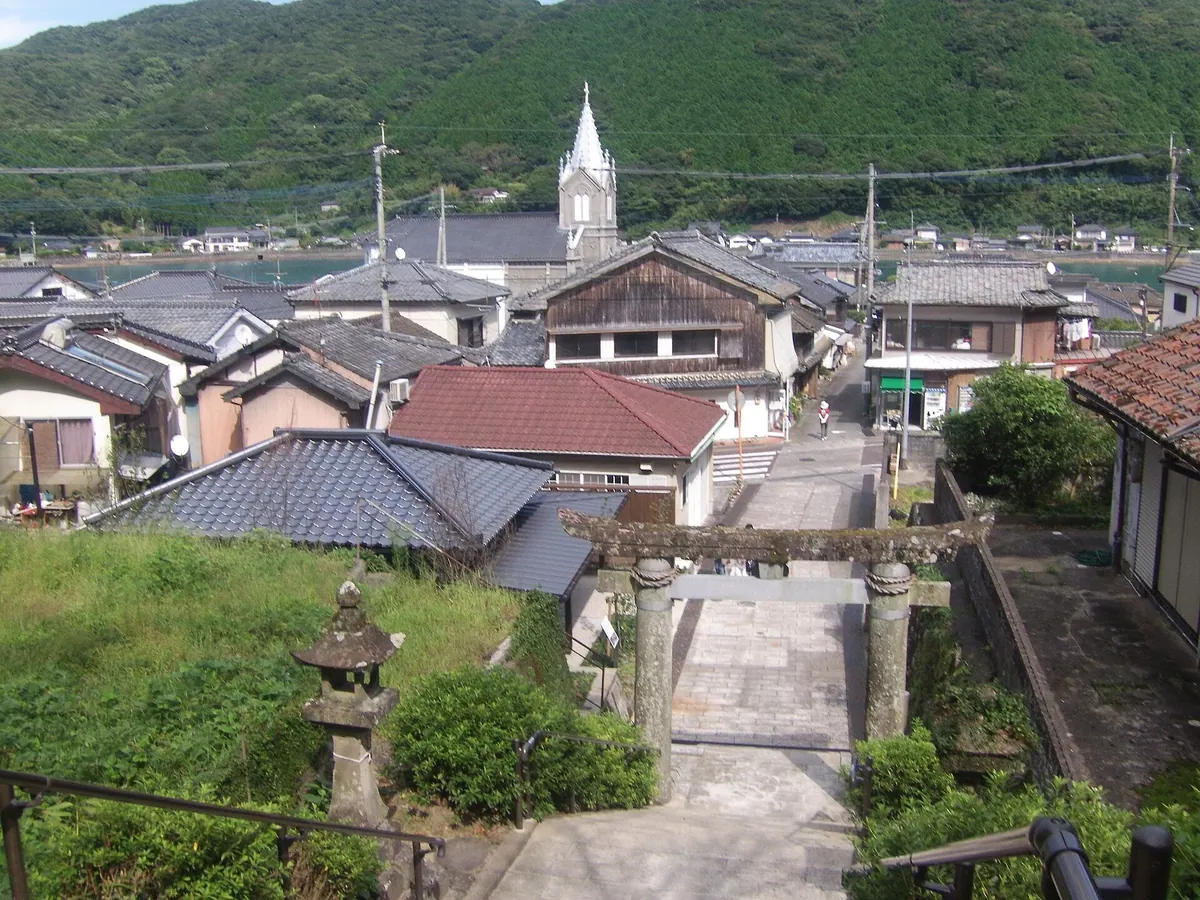
Sakitsu Village is a World Heritage Site, preserving the history of hidden Christians in Japan.
What it is
- A hidden Christian village designated as an Important Cultural Landscape.
- Registered as a World Heritage Site on June 30, 2018.
- Part of the 'Hidden Christian Sites in the Nagasaki Region and Amakusa'.
- Received the Good Design Award in 2022.
What to see
- Sakitsu Church, built in 1934 by Yoshisuke Tetsukawa.
- Church is Gothic style with a ribbed vault ceiling.
- Church interior features traditional tatami mats.
- Information center at Michi-no-eki Sakitsu.
- Official site
- www.city.amakusa.kumamoto.jp
03
Kamao Kofun
KUMAMOTO · HISTORIC SITE 釜尾古墳
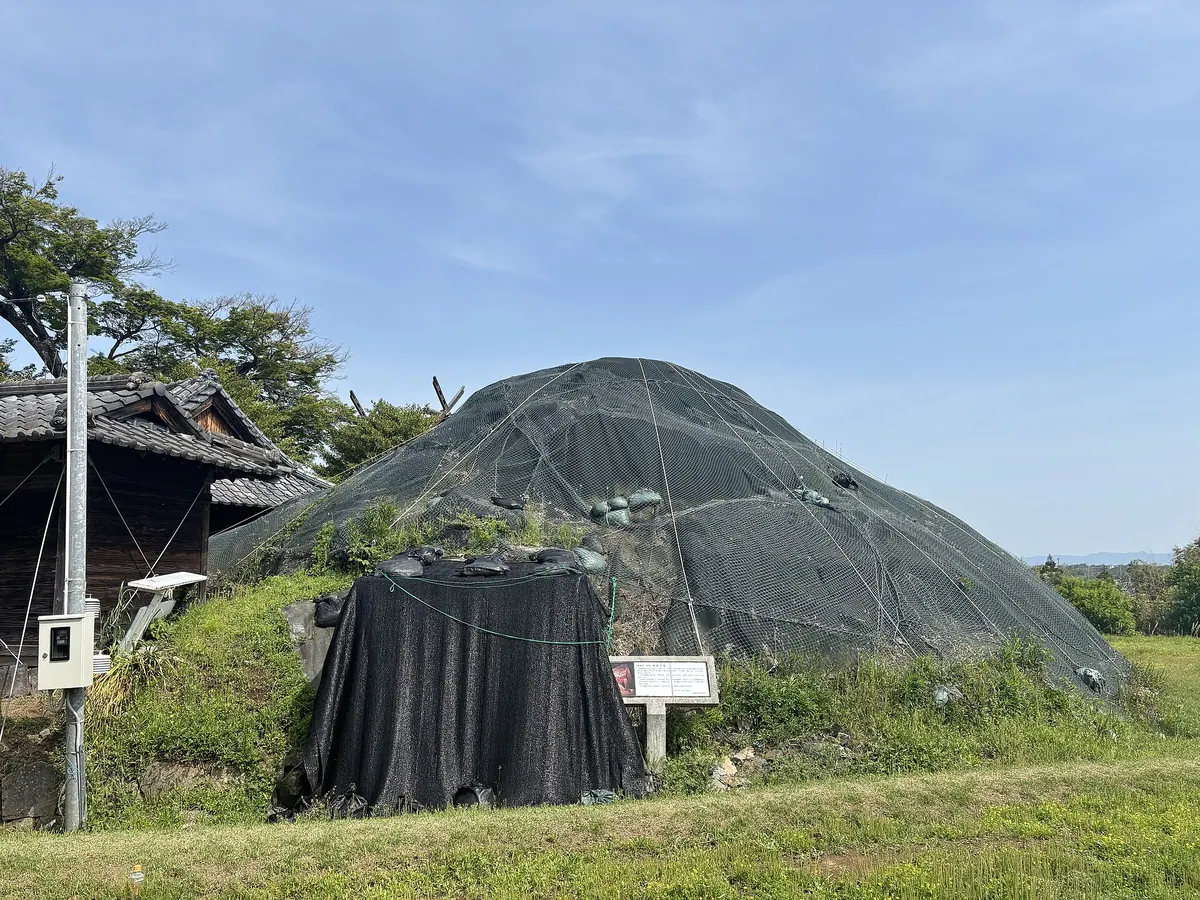
Explore Kamao Kofun, a 6th-century decorated burial mound with unique stone chamber art.
What it is
- A circular-shaped tumulus in Kumamoto City.
- Known for its decorated stone chamber ornamentation.
- Constructed around the late 6th century.
- Designated a national historic site in 1921.
What to see
- The original mound, 18 meters in diameter, 6 meters high.
- A surrounding ditch, 3-4 meters wide.
- Horizontal-hole stone chamber, double-chambered structure.
- Andesite stone chamber with decorative patterns.
- Double-legged ring patterns inside the chamber.
04
Eta Funayama Kofun
KUMAMOTO · HISTORIC SITE 江田船山古墳
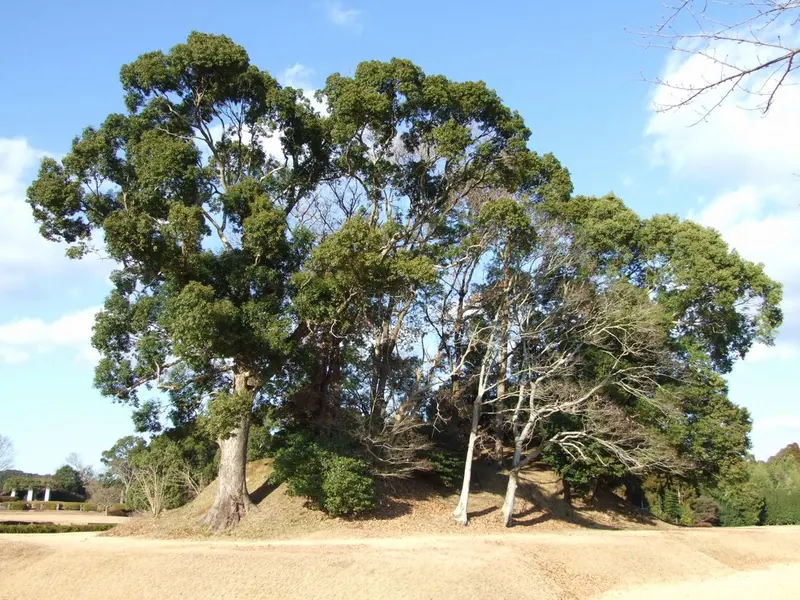
Explore an ancient burial mound, a National Historic Site with unique artifacts.
What it is
- An ancient burial mound, oldest and largest in its group.
- Designated a National Historic Site.
- Constructed from the late 5th to early 6th century.
What to see
- A 62-meter long burial mound.
- A shield-shaped moat surrounding the mound.
- Stone figures of warriors in armor.
- A sword with a 75-character silver-inlaid inscription (replica).
- Many excavated artifacts are National Treasures.
05
Tsukawara Kofun Cluster
KUMAMOTO · HISTORIC SITE 塚原古墳群
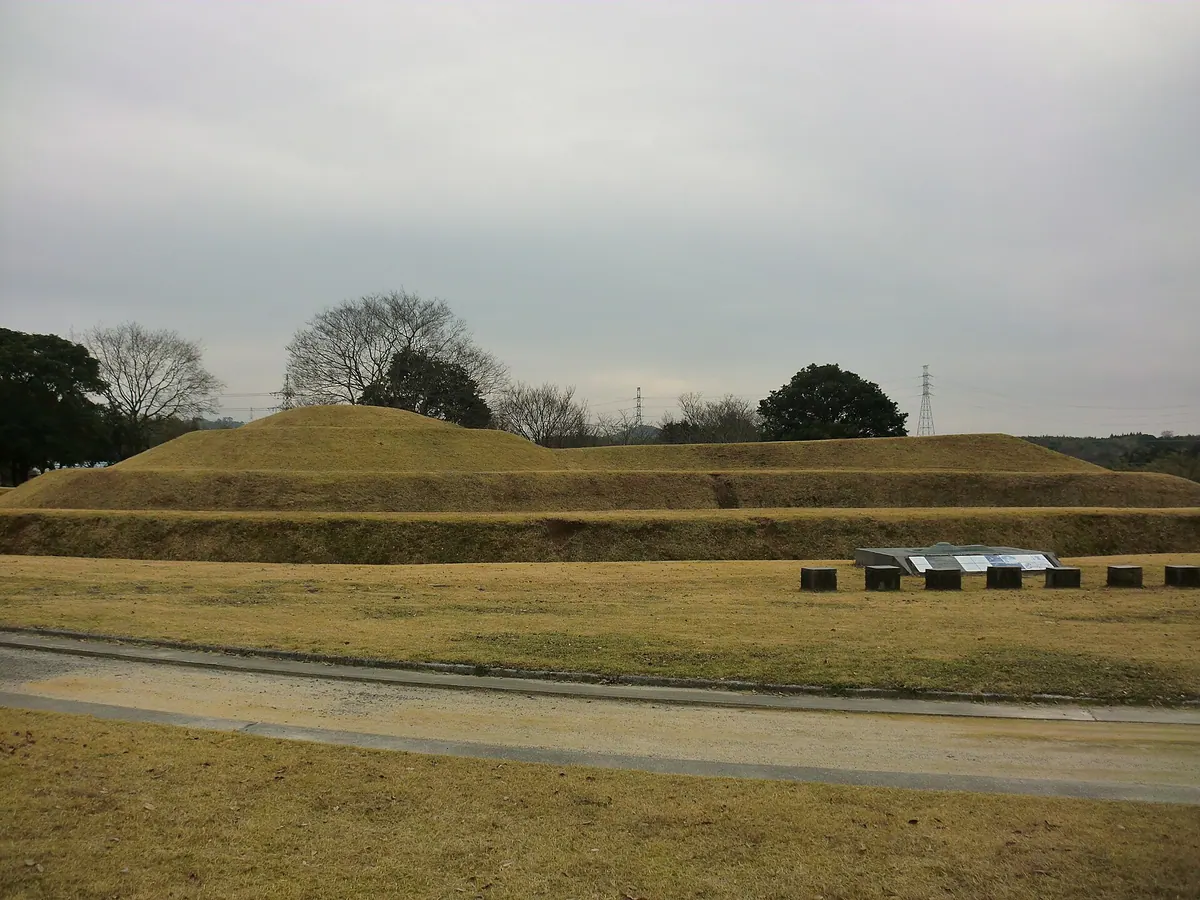
Explore one of Japan's largest ancient burial mound clusters, with a unique expressway passing underneath.
What it is
- One of Japan's largest kofun (burial mound) clusters.
- Created between the 4th and 6th centuries.
- Designated a National Historic Site in 1976.
- Discovered during Kyushu Expressway construction.
What to see
- 77 restored burial mounds in Tsukawara Kofun Park.
- Kyushu Expressway passing directly under the mounds.
- Kumamoto City Tsukawara Historical Folk Museum.
06
Chibusan Kofun
KUMAMOTO · HISTORIC SITE チブサン古墳
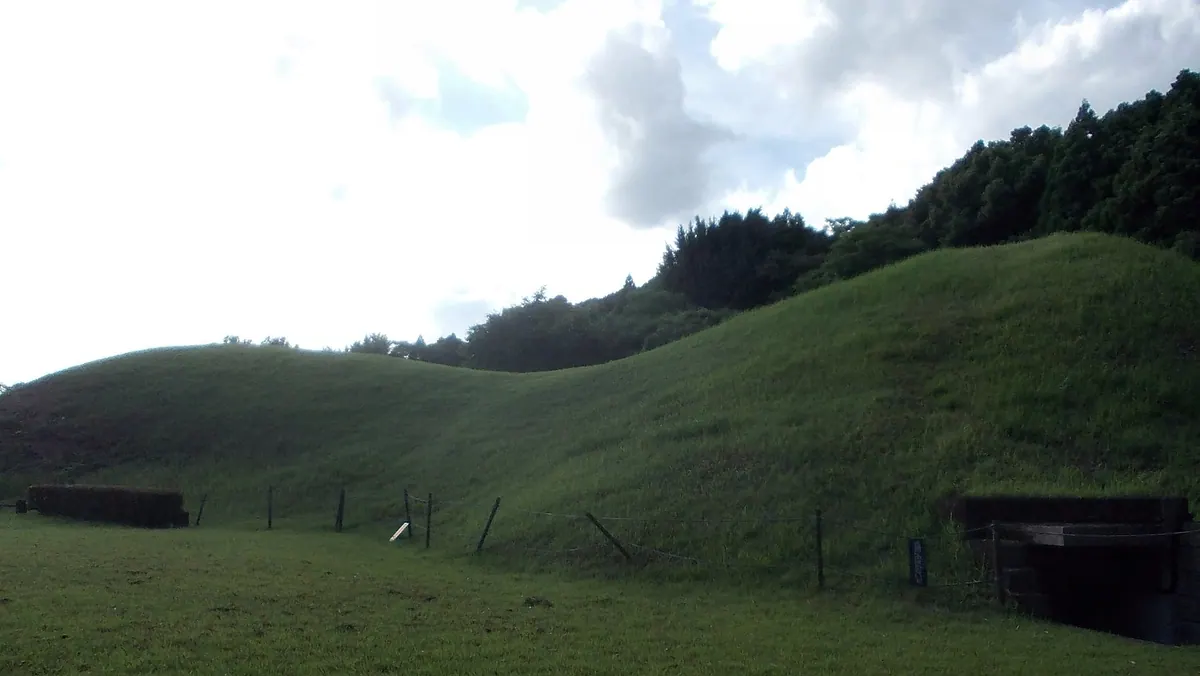
Chibusan Kofun is a 6th-century decorated tomb, a keyhole-shaped tumulus with unique wall paintings.
What it is
- A decorated tumulus, a National Historic Site.
- Built in the early 6th century.
- A keyhole-shaped tumulus.
- A key site of the Prefectural Fudoki-no-oka.
What to see
- Multiple horizontal stone chambers.
- Decorated inner walls and eaves of the stone chamber.
- Cylindrical and figural Haniwa were excavated.
- A Yakkodako-shaped stone figure stood at the border.
07
Adaka-Kurobashi Shell Mounds
KUMAMOTO · HISTORIC SITE 阿高黒橋貝塚
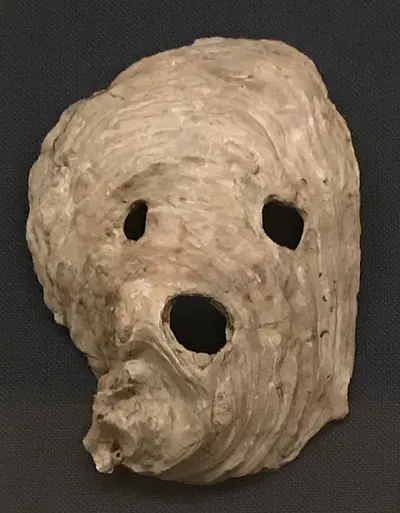
Explore one of western Japan's largest Jomon shell mounds, revealing ancient life and artifacts.
What it is
- A National Historic Site designated in 1980.
- Dates from the Middle to Late Jomon period.
- One of the largest Jomon shell mounds in western Japan.
- Discovered in 1916.
What to see
- Two main areas: Adaka and Kurobashi.
- Over 50 Jomon human skeletons were found.
- A human bone with two shell bracelets on the left arm.
- A mask made from a large oyster shell.
08
Tonkararin Tunnel Structure
KUMAMOTO · HISTORIC SITE トンカラリン
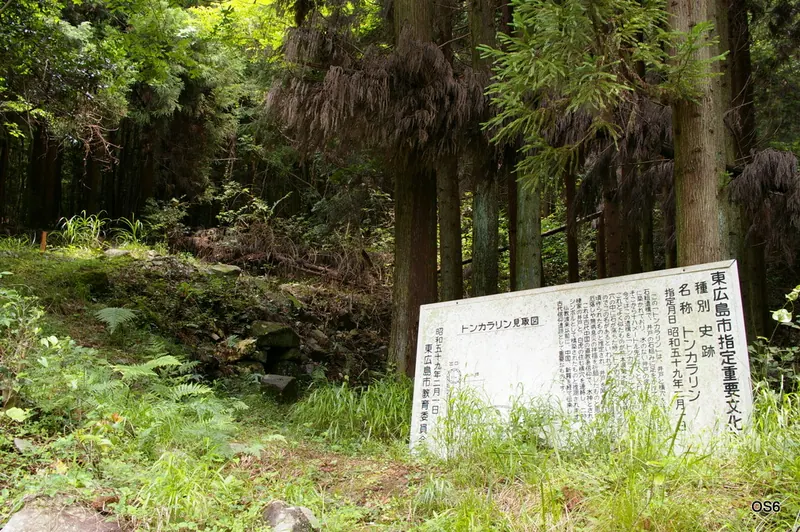
Explore Tonkararin Tunnel, a unique historical tunnel structure in Kumamoto Prefecture.
What it is
- A tunnel-type historical structure in Nagomi Town.
- Designated as a Kumamoto Prefectural Historic Site.
- Named for the sound of a stone falling into a hole.
- Existence became widely known around 1974.
What to see
- Total length of the structure is 464.6 meters.
- Five connected tunnels of different structures and sizes.
09
Eta Anakannon Kofun
KUMAMOTO · HISTORIC SITE 江田穴観音古墳
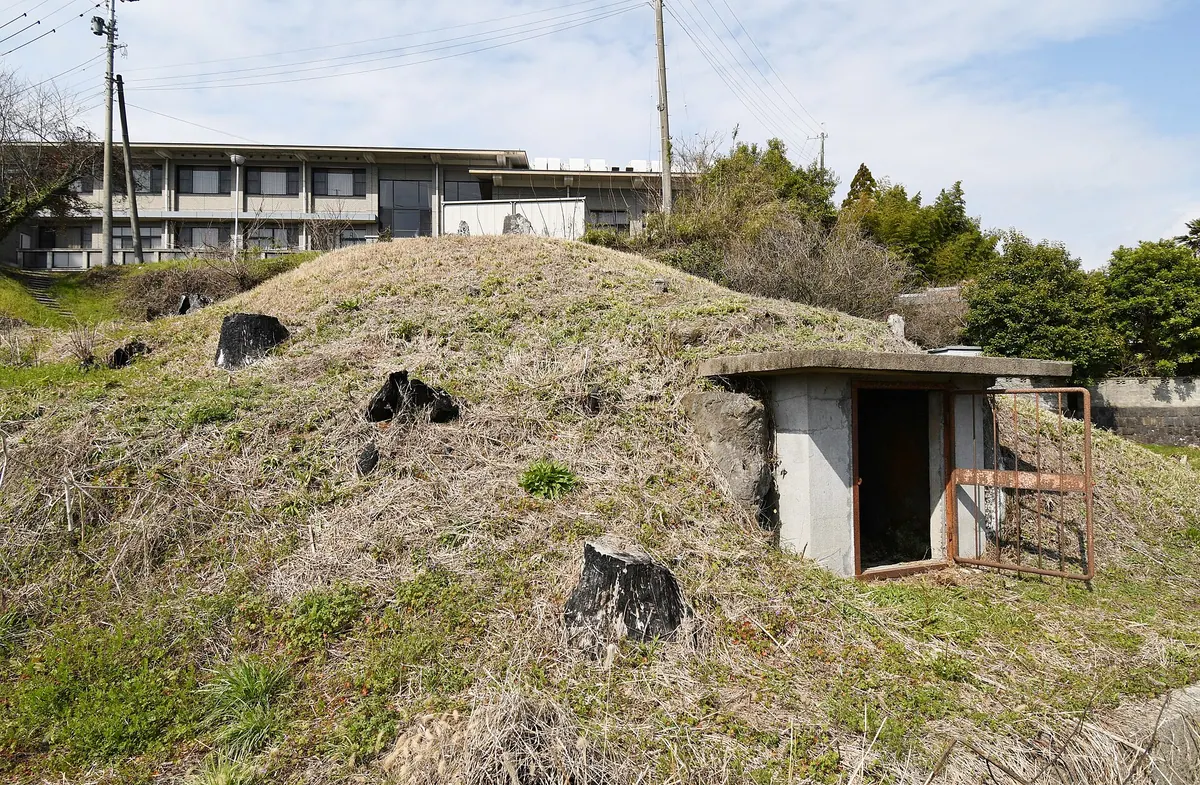
Explore a 6th-century burial mound with a unique stone chamber and ancient artifacts.
What it is
- A circular burial mound from the late Kofun period.
- Dates to the 6th or 7th century.
- Designated a National Historic Site since 1944.
What to see
- A horizontal stone chamber.
- The stone chamber has a multi-chamber structure.
- Chamber uses cut tuff from Aso.
- The stone chamber is 9 meters long.