

6 Islands in Kyoto worth your time
Japan Gems
6 Islands in Kyoto, with what to see and how to get there.
Kyoto has 6 islands on Japan Gems. Below are the 6 we can tell you the most about — each one written up in English from Japanese sources, with what to see and how to get there. See all islands in Kyoto.
01
Shōtenkyō
KYOTO · PLACE 小天橋
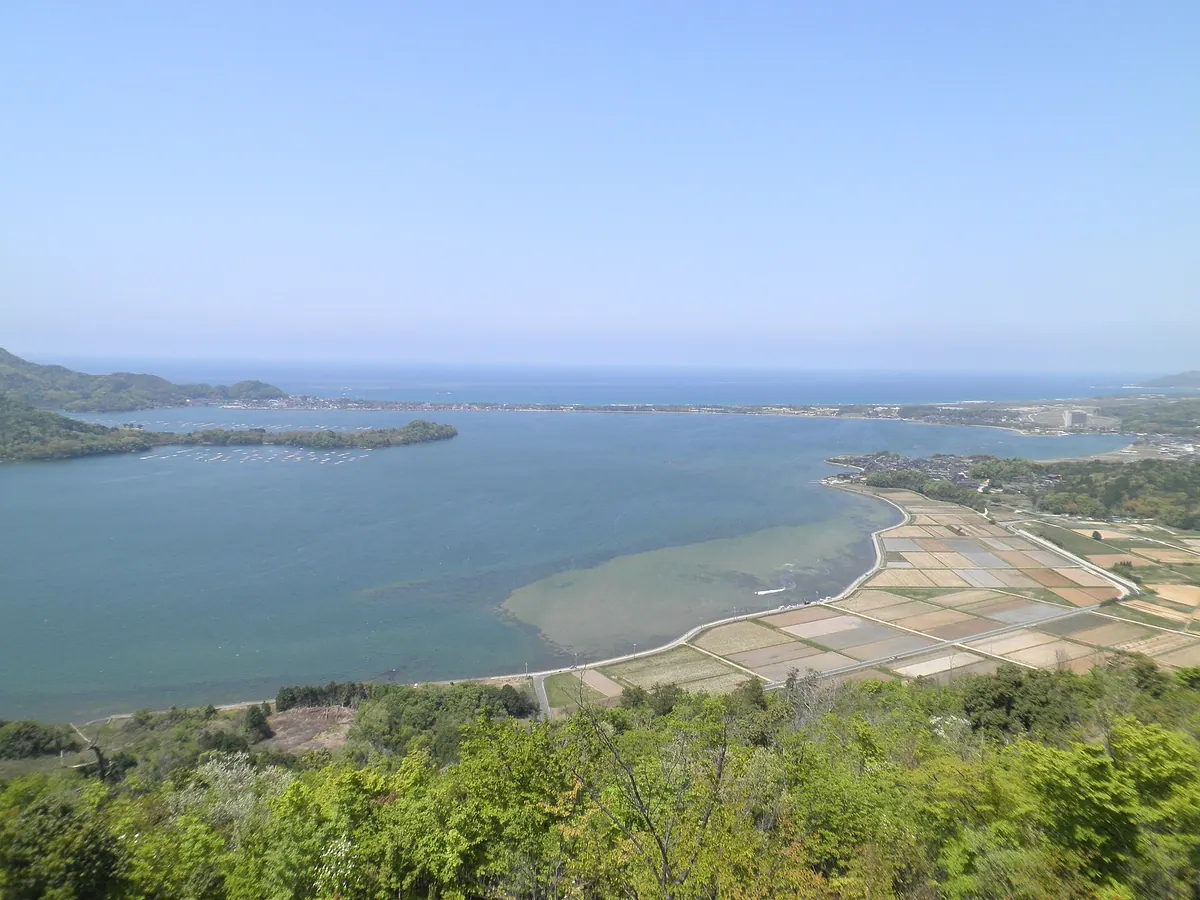
A scenic three-kilometer sandbar in Kyotango featuring white sands, ancient pine forests, and a relaxing hot spring resort.
What it is
- A three kilometer long sandbar separating the Sea of Japan from Kumihama Bay.
- Formed by rising sea levels following the end of the last ice age.
- Home to thousands of pine and silverberry trees planted by villagers since 1602.
- Recognized as one of Japan's Top 100 White Sand Green Pines locations.
What to see
- Rare coastal plants including the blue-flowered Veronica ornata growing along the shore.
- The Mitoguchi water channel which connects the inner bay to the open sea.
- The Minato Bridge which has spanned the local waters since 1981.
- Shotenko Onsen Kirara no Yu featuring sodium chloride and alkaline hot spring water.
When to go
- Summer months when the sandbar serves as a popular swimming beach.
Getting there
- Shotenko Station is located two and a half kilometers southeast of the sandbar.
- Official site
- www.syotenkyo.net
02
Aoshima
KYOTO · PLACE 青島

An uninhabited island in Ine Bay featuring a shrine, historical naval ruins, and a scenic walking trail accessible with local guides.
What it is
- An uninhabited island in Ine Bay consisting of two landmasses connected by a bridge.
- A location formerly used for fish farming and as an Imperial Japanese Navy torpedo base.
- A protected site where visitors must be accompanied by local guides to land.
- A destination for fishing enthusiasts known for sea bream and squid in surrounding waters.
What to see
- Ebisu Shrine located on the island grounds.
- A walking trail that circles the entire island.
- Remnants of the torpedo base built by the Imperial Japanese Navy.
- The highest point of the island reaching an elevation of 48.3 meters.
When to go
- During the Ine Matsuri festival held on the island.
- During the Obessan festival period.
03
Kanmurijima
KYOTO · PLACE 冠島

An uninhabited island and natural monument in Wakasa Bay serving as a sacred breeding ground for Streaked Shearwaters.
What it is
- An uninhabited island in Wakasa Bay also known as Oshima or Ryugujima
- A national natural monument designated in 1924 as a major Streaked Shearwater breeding ground
- The inner shrine of Kono Shrine and a sacred site for local residents
- A volcanic landmass composed primarily of andesite and volcanic rocks
What to see
- A remote prayer site for the island located at Kasamatsu Park
- The island's highest peak reaching 169.7 meters above the Sea of Japan
- Large populations of Streaked Shearwaters nesting across the 0.22 square kilometer area
When to go
- During the annual pilgrimage known as Ojima-mairi performed by local residents
04
Amanohashidate
KYOTO · PLACE 天橋立
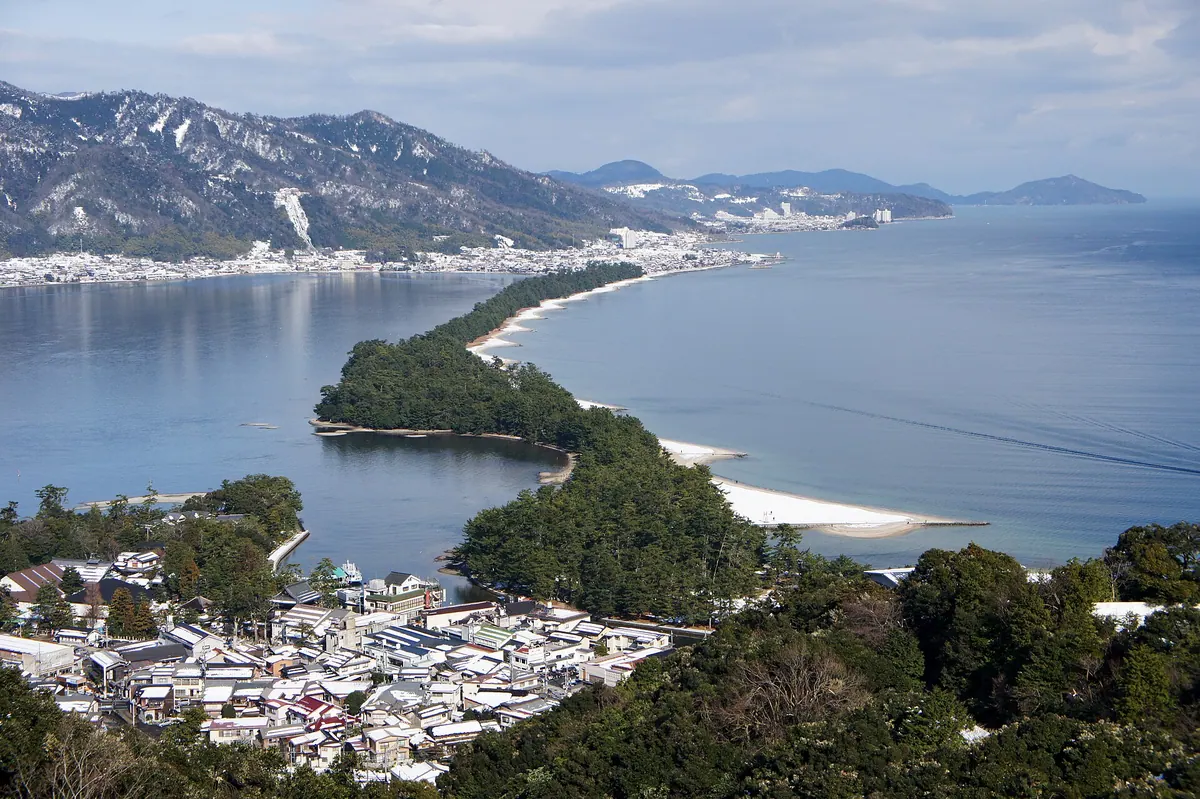
A 3.6-kilometer pine-covered sandbar in Kyoto, celebrated as one of Japan's three most scenic views for over a millennium.
What it is
- A 3.6-kilometer sandbar separating Miyazu Bay from the Aso Sea in northern Kyoto.
- One of Japan's three most scenic views and a designated Special Place of Scenic Beauty.
- A natural urban park formed approximately 2,200 years ago following an earthquake.
- Part of the Tango Chirimen Corridor Japan Heritage site.
What to see
- Between 5,000 and 8,000 pine trees growing across the length of the sandbar.
- The Kaisen-kyo Bridge which rotates 90 degrees to allow ships to pass through.
- The Isoshimizu well which provides fresh water despite its location surrounded by the sea.
- A scenic landscape ranging from 20 to 170 meters in width.
- Official site
- www.amanohashidate.jp
05
Keshima
KYOTO · PLACE 毛島
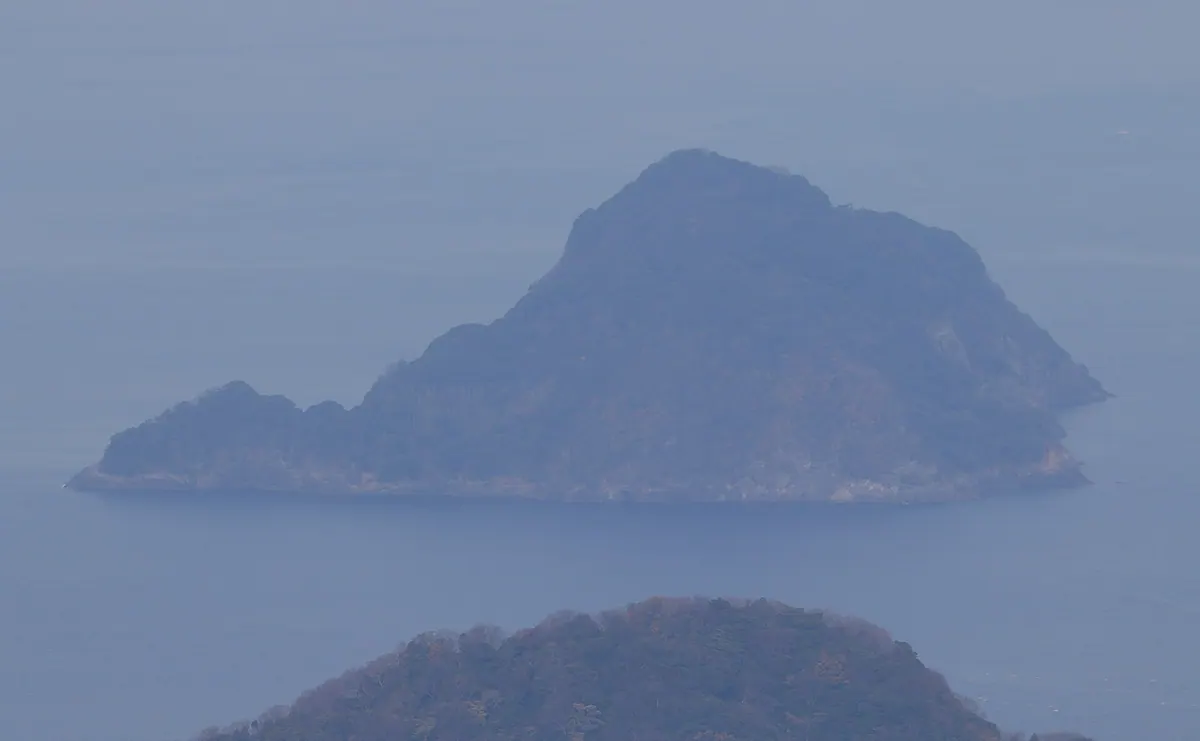
An uninhabited island in Wakasa Bay featuring a historic shrine and popular waters for recreational fishing and local maritime traditions.
What it is
- An uninhabited island in Wakasa Bay within Maizuru City.
- The largest remote island located in Kyoto Prefecture.
- A former site for upland farming and harvesting natural Japanese yams.
- The location of Iruka Daimyojin shrine on the southern side.
What to see
- The Iruka Daimyojin shrine situated on the southern coast.
- Large fixed fishing nets installed on the eastern side of the island.
- A landscape reaching a maximum elevation of 187 meters.
- Surrounding waters used frequently for recreational fishing activities.
When to go
- June is when representatives visit the island shrine.
06
Kutsujima, Kyoto
KYOTO · PLACE 沓島
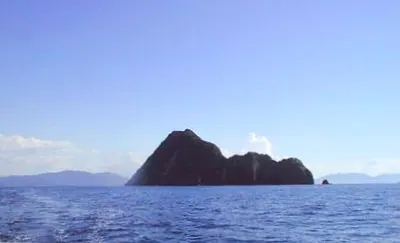
An uninhabited island sanctuary and sacred inner shrine of Kono Shrine, famous for seabird colonies and historic ink paintings.
What it is
- An uninhabited island in Maizuru City also known as Mejima or Kimonjima
- The designated inner shrine of the historic Kono Shrine
- A protected wildlife area and natural monument of Maizuru City
- Two andesite islands named Bojima and Tsuriganejima covering 9,700 square meters
What to see
- Large breeding colonies of black-tailed gulls across the island
- The Tsuriganeywa reef located at the northern end of the site
- A dedicated prayer station for the island located in Kasamatsu Park
- The landscape depicted in Sesshu's famous ink painting of Amanohashidate