

10 Historic sites in Miyagi worth your time
Japan Gems
Miyagi Prefecture offers nine heritage sites, including the Daigigakoi Shell Mound and the Tōmizuka Kofun. These sites provide a look into the region's ancient past.
Miyagi has 10 historic sites on Japan Gems. Below are the 10 we can tell you the most about — each one written up in English from Japanese sources, with what to see and how to get there. See all historic sites in Miyagi.
01
Kabutozuka Kofun (Sendai)
MIYAGI · HISTORIC SITE 兜塚古墳
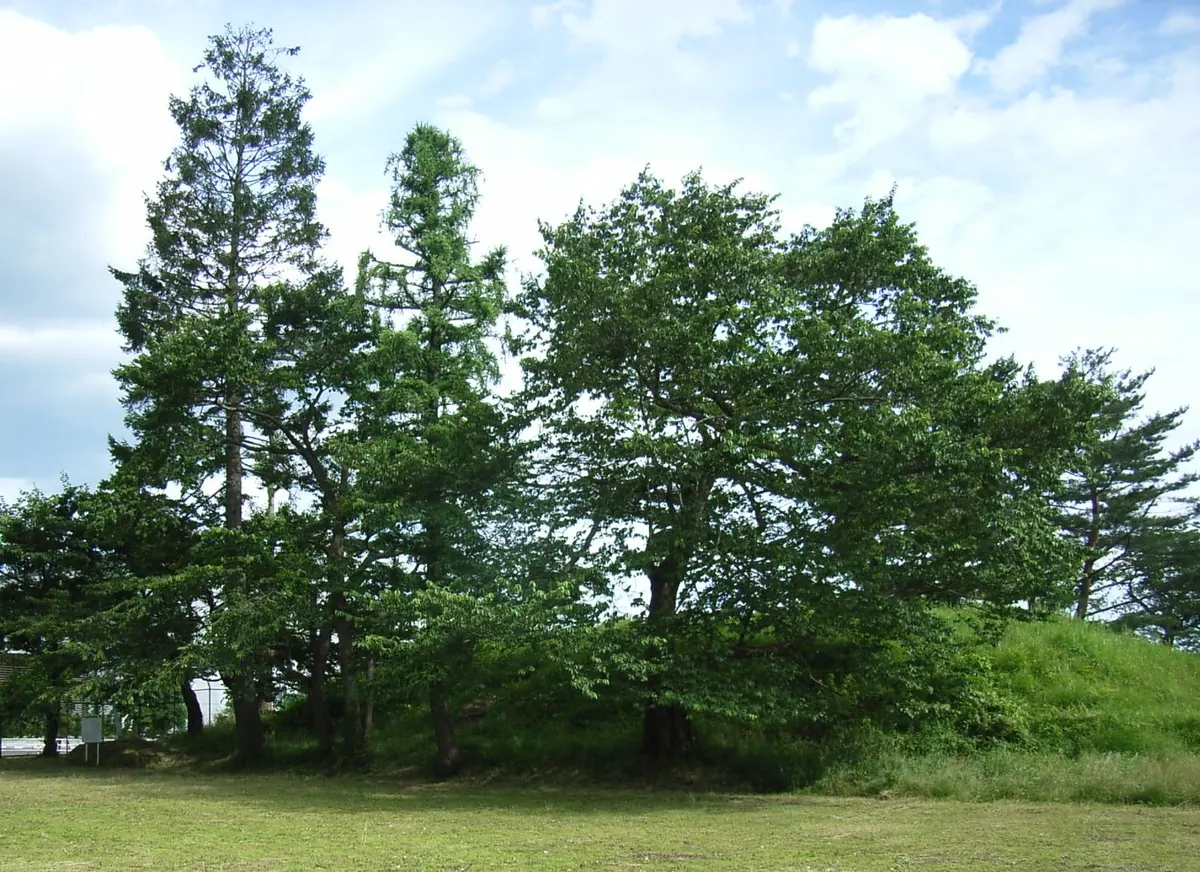
Explore a 5th-century scallop-shaped burial mound with unique haniwa, located on a high school campus.
What it is
- A scallop-shaped kofun, an ancient burial mound.
- Estimated construction in the latter half of the 5th century.
What to see
- The kofun is approximately 75 meters long.
- It features fukiishi and haniwa.
- The rear circular part has a diameter of 62.4 meters.
- The rear circular part is 6.8 meters high.
- A surrounding moat is 13 meters wide at the rear.
- Fragments of cylindrical and morning glory-shaped haniwa.
Getting there
- Located on the campus of Miyagi Sendai Minami High School.
02
Nuruyu Bansho Site
MIYAGI · HISTORIC SITE 仙台藩花山村寒湯番所跡
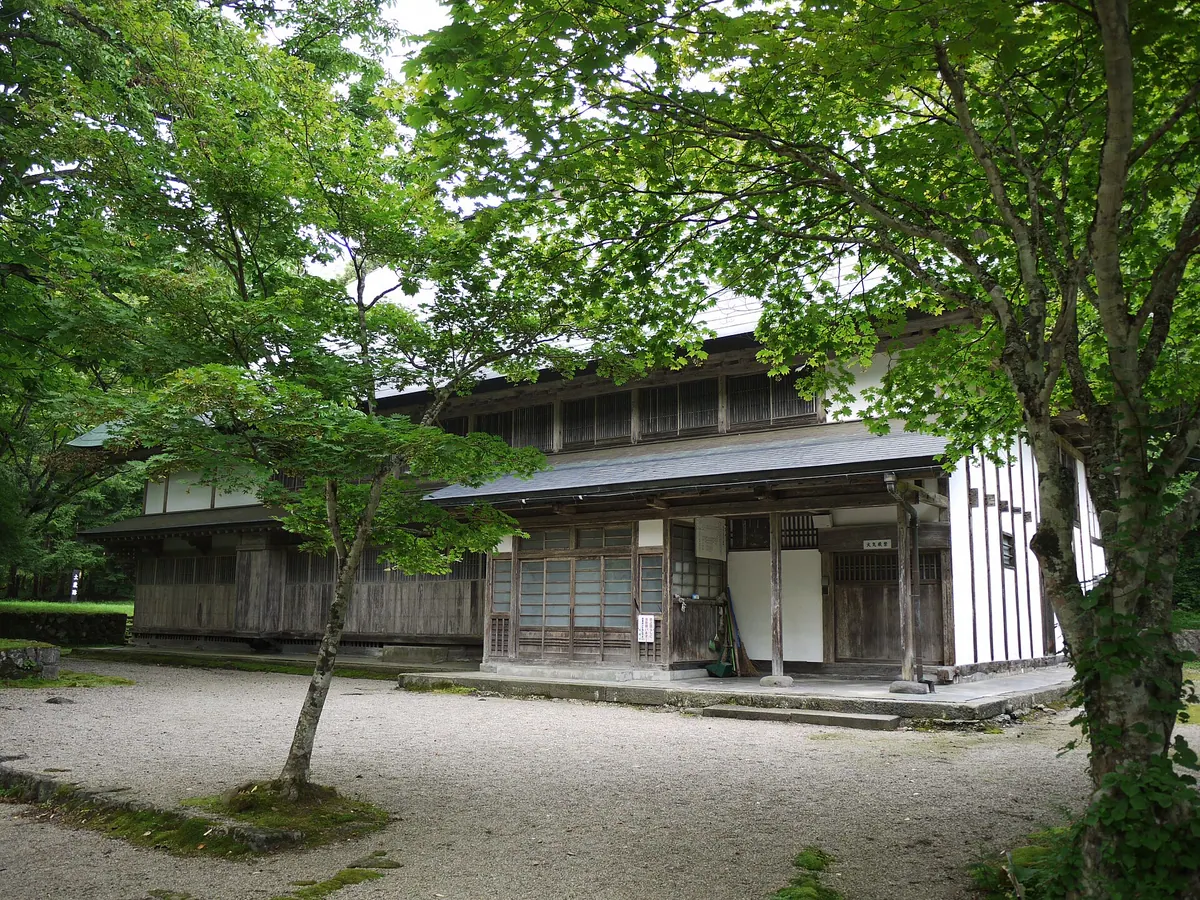
Explore a well-preserved Edo period barrier checkpoint, offering a glimpse into Japan's historical travel control.
What it is
- Former Sendai Domain barrier station site.
- Preserves an Edo period checkpoint form.
- Functioned as a checkpoint for over 200 years.
- Designated as a National Historic Site.
What to see
- Thatched gate and official residence.
- Zelkova wood gate built without nails.
When to go
- Open from April to November.
Getting there
- 55-minute drive from Tsukidate IC.
03
Raijinyama Kofun
MIYAGI · HISTORIC SITE 雷神山古墳
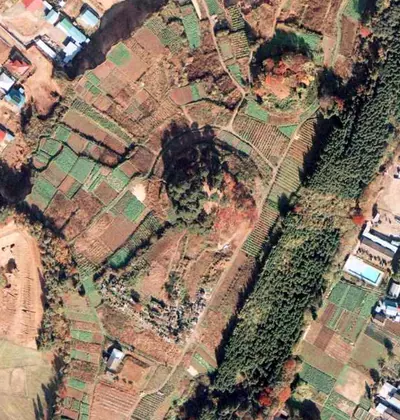
Explore Tohoku's largest keyhole-shaped kofun, a 4th-century tomb of a regional chief.
What it is
- A keyhole-shaped tumulus.
- Designated as a National Historic Site.
- The largest kofun in the Tohoku region.
- Built in the late 4th to early 5th century.
What to see
- A 168-meter long tumulus.
- Posterior circular part has a 96-meter diameter.
- Anterior square part has a 96-meter width.
- Tumulus has fukiishi (revetment stones).
- A surrounding moat and embankment.
- All haniwa are pot-shaped haniwa.
04
Satohama shell mound
MIYAGI · HISTORIC SITE 里浜貝塚
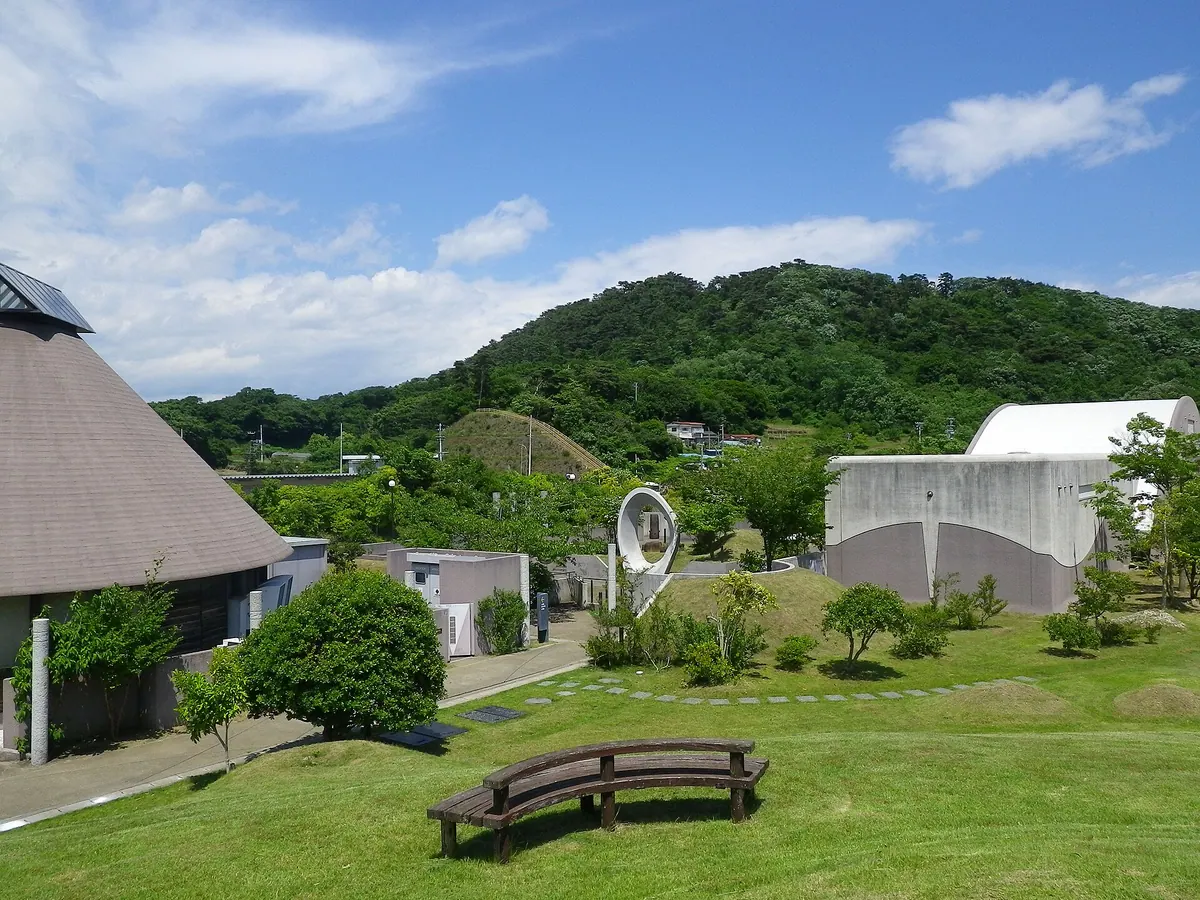
Explore one of Japan's largest Jomon shell mounds, revealing ancient life and culture.
What it is
- A complex of Jomon period settlements and shell mounds.
- Designated a National Historic Site in 1995.
- One of Japan's largest shell mounds.
- Located on Miyatojima island.
What to see
- Shell mounds scattered over 800 meters east-west.
- Shell layers up to 6 meters thick.
- Excavated pottery, stone tools, and bone tools.
- Remains of ancient animal life.
- Evidence of early salt production.
- Official site
- www.satohama-jomon.jp
05
Yamamae Site
MIYAGI · HISTORIC SITE 山前遺跡
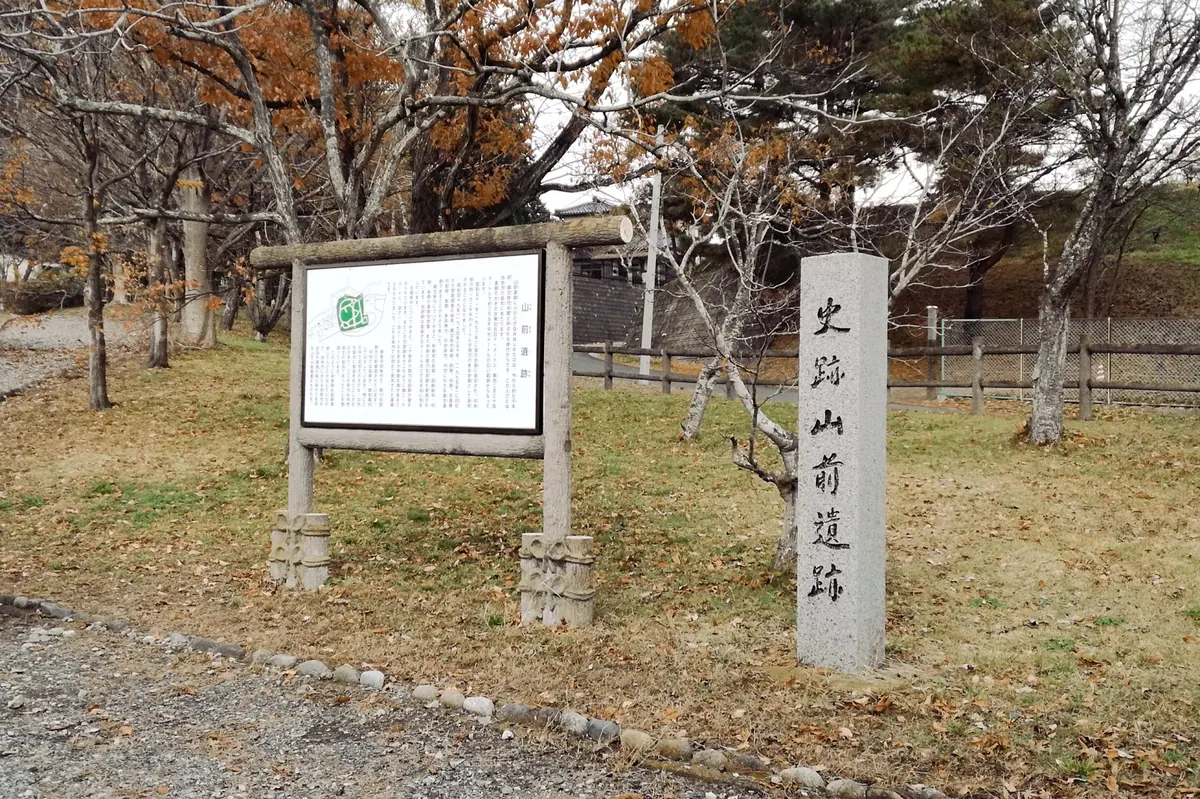
Explore Yamamae Site, an archaeological treasure showcasing Japan's ancient settlements from Jomon to Heian periods.
What it is
- A complex archaeological site in Misato Town, Miyagi Prefecture.
- Designated a National Historic Site on June 7, 1976.
- Contains Jomon period settlement remains.
- Includes Kofun to Heian period settlement remains.
What to see
- Jomon period shell midden on the west slope.
- Jomon pit dwellings with circular plans, about 5 meters.
- Large ditch, 4-6 meters wide, from the Kofun period.
06
Miyazawa Site
MIYAGI · HISTORIC SITE 宮沢遺跡
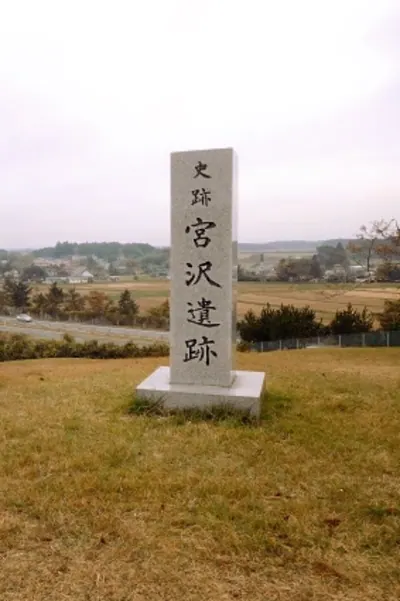
Miyazawa Site is a large ancient ruin of a Nara or Heian period government office.
What it is
- An ancient ruin, possibly a government office or castle.
- Dates from the Nara or Heian period.
- Designated a national historic site in 1976.
What to see
- Site spans 1400 meters east-west and 850 meters north-south.
- Surrounded by earthen walls, earthworks, and ditches.
- Remains of pillar buildings and pit dwellings.
- Excavated earthenware, Sue ware, iron tools, and whetstones.
07
Tōmizuka Kofun
MIYAGI · HISTORIC SITE 遠見塚古墳
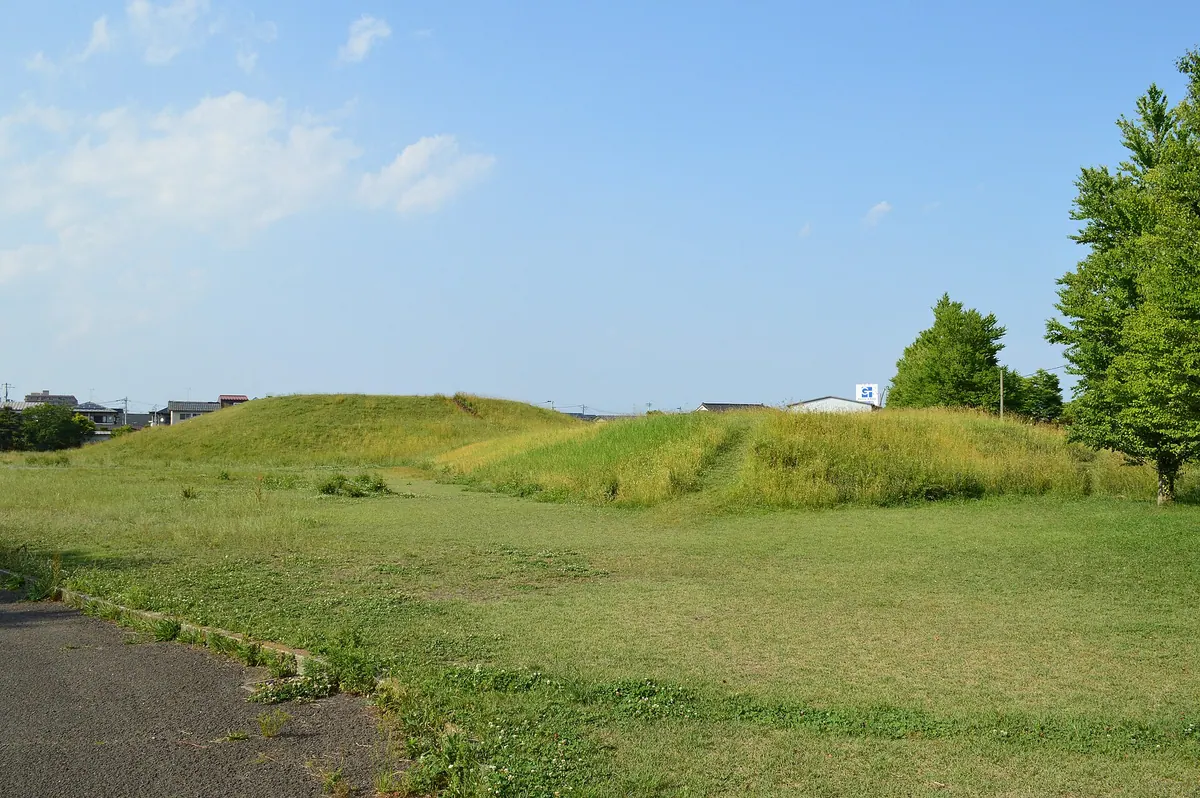
Explore a large, ancient keyhole-shaped burial mound, a significant National Historic Site.
What it is
- A keyhole-shaped kofun, an ancient burial mound.
- Designated as a National Historic Site.
- Built between the late 4th and early 5th century.
- Second largest kofun in Miyagi Prefecture.
What to see
- The tumulus is 110 meters long.
- The circular part has a 63-meter diameter.
- The rectangular part is 37 meters wide.
- See artifacts preserved at Tōmizuka Elementary School.
08
Sannō-Gakoi Site
MIYAGI · HISTORIC SITE 山王囲遺跡
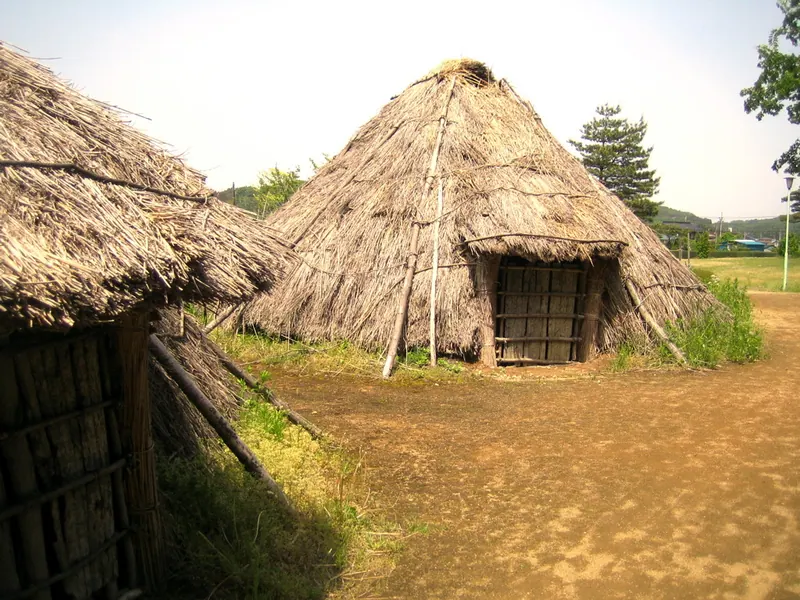
Explore an ancient archaeological site with Jomon and Yayoi artifacts, including rare woven fabric.
What it is
- A complex archaeological site.
- Designated a National Historic Site in 1971.
- Excavated in 1962 and 1965.
What to see
- Artifacts from the late Jomon and middle Yayoi periods.
- Over 4000 pottery items.
- Over 1000 stone tools.
- Over 1000 clay earrings and pendants.
- Woven fabric, the first found in Honshu.
- Restored pit dwellings and a museum.
09
Ebisuda Site
MIYAGI · HISTORIC SITE 恵比須田遺跡
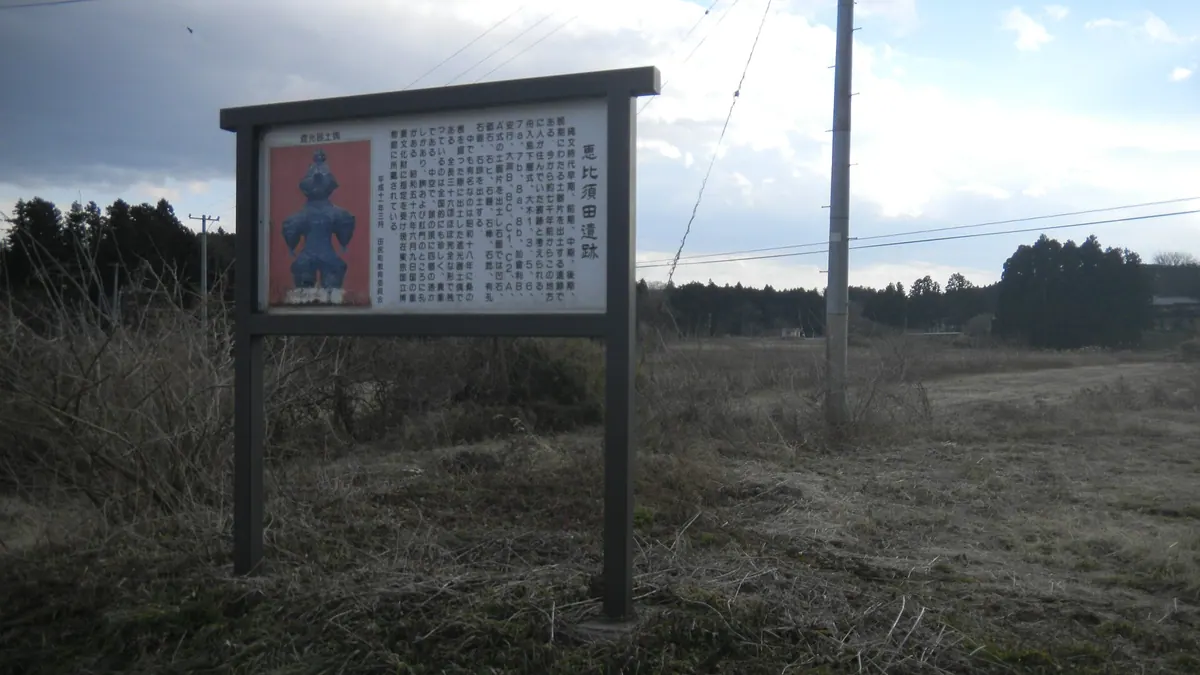
Explore an ancient Jomon archaeological site where a unique clay figurine was discovered.
What it is
- Jomon period archaeological site.
- People lived here approximately 7,000 years ago.
What to see
- Shakoki Dogu, a National Important Cultural Property.
- Pottery fragments from various Jomon periods.
- Whetstones and other excavated items.
Getting there
- 13 minutes by car from Tajiri Station.
10
Daigigakoi Shell Mound
MIYAGI · HISTORIC SITE 大木囲貝塚
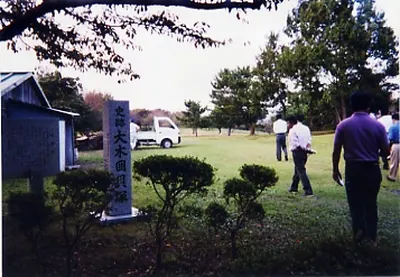
Explore a large Jomon period shell mound, a National Historic Site in Miyagi Prefecture.
What it is
- A large Jomon period shell mound site.
- A type site for the Jomon period in Southern Tohoku.
- Designated a National Historic Site on March 18, 1968.
What to see
- An elliptical shell mound, 270 by 280 meters.
- Located on a hill about 35 meters above sea level.
- Pit dwellings found within the shell layers.