

10 Historic sites in Niigata worth your time
Japan Gems
Niigata Prefecture has several heritage sites, including the Furutsu Hachimanyama Site and the Miyaguchi Kofun Group. These sites offer a glimpse into the region's ancient past.
Niigata has 10 historic sites on Japan Gems. Below are the 10 we can tell you the most about — each one written up in English from Japanese sources, with what to see and how to get there. See all historic sites in Niigata.
01
Okuyama shōjōkan
NIIGATA · HISTORIC SITE 奥山荘城館遺跡
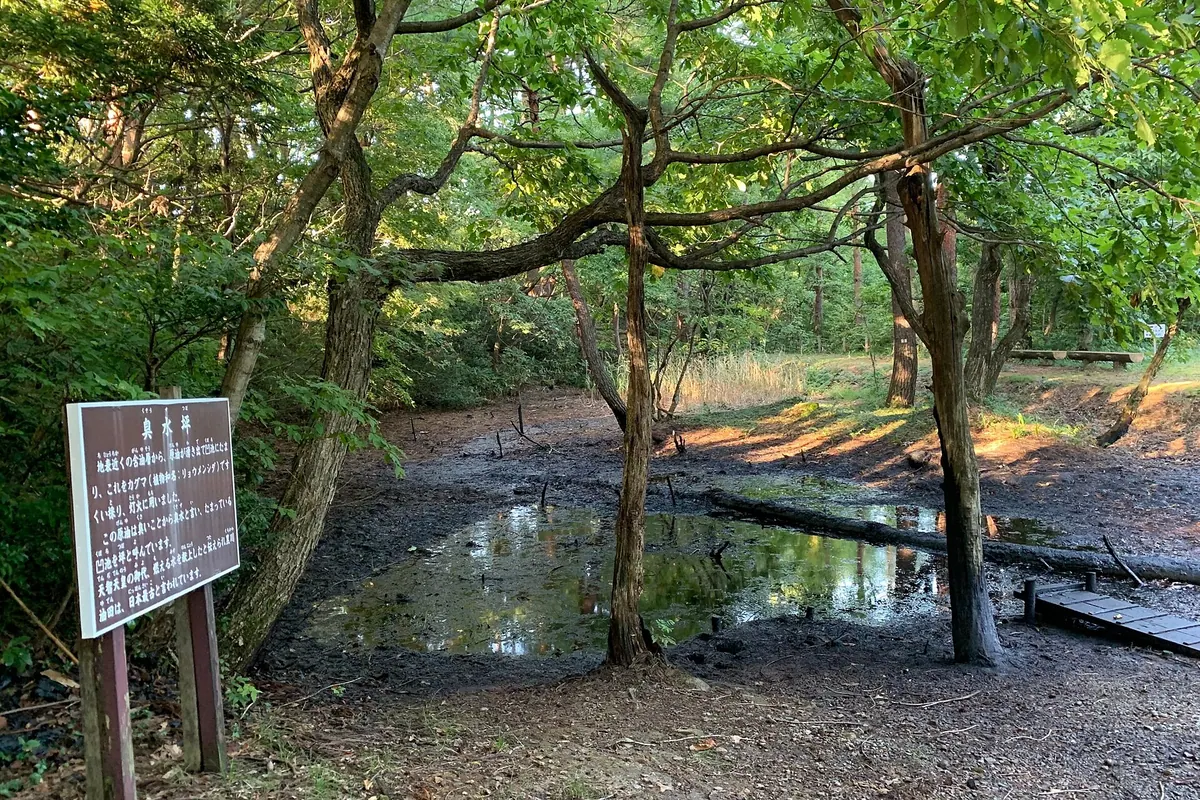
Explore medieval manor ruins and castle sites, designated as a National Historic Site.
What it is
- A medieval manor ruin, designated a National Historic Site.
- Designated on October 3, 1984, with additional designation in 2006.
- Thirteen sites are designated as historic sites.
- Okuyama-no-sho Historical Plaza opened in 2002.
What to see
- Egami-yakata, believed to be the Nakajo clan residence.
- Excavated residence ruins, revealing full extent.
- Unearthed Chinese ceramics and Suzu ware.
- Four bridge ruins and two gate ruins.
- Torisaka Castle Ruins and Kurokawa Castle Ruins.
- Kanamiyama Castle Ruins and Ganjumon-yama Castle Ruins.
02
Furutsu Hachimanyama Site
NIIGATA · HISTORIC SITE 古津八幡山遺跡
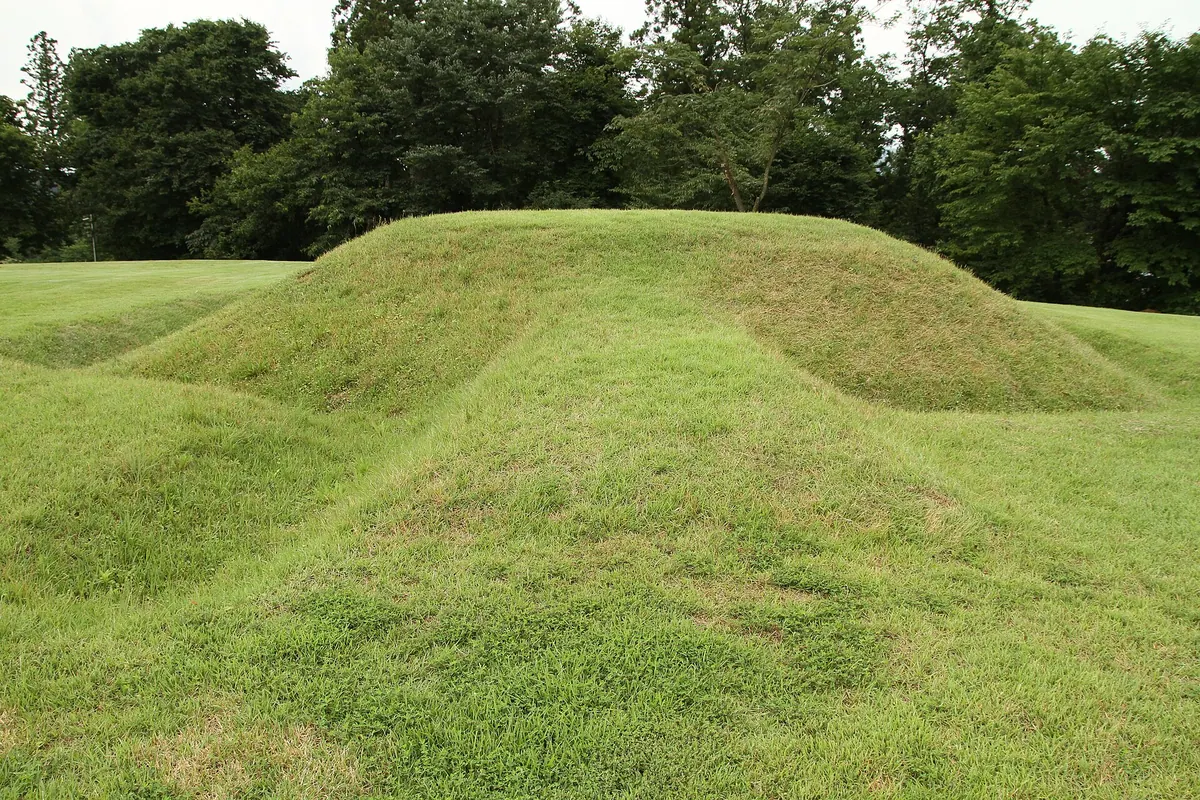
Explore an ancient highland settlement and burial mounds from Japan's Yayoi and Kofun periods.
What it is
- A national historic site designated in 2005.
- Dates from the late Yayoi to early Kofun periods.
- Northernmost Hokuriku-style highland moated settlement.
- Confirmed in 1987 during highway construction.
What to see
- Excavated remains of 8 moats and 45 pit dwellings.
- Three square-shaped moated tombs.
- Furutsu Hachimanyama Kofun, a circular burial mound.
- Largest Kofun of its kind in Niigata Prefecture.
- Artifacts include pottery, arrowheads, and grinding stones.
- Official site
- www.city.niigata.lg.jp
03
Okinohara Site
NIIGATA · HISTORIC SITE 沖ノ原遺跡
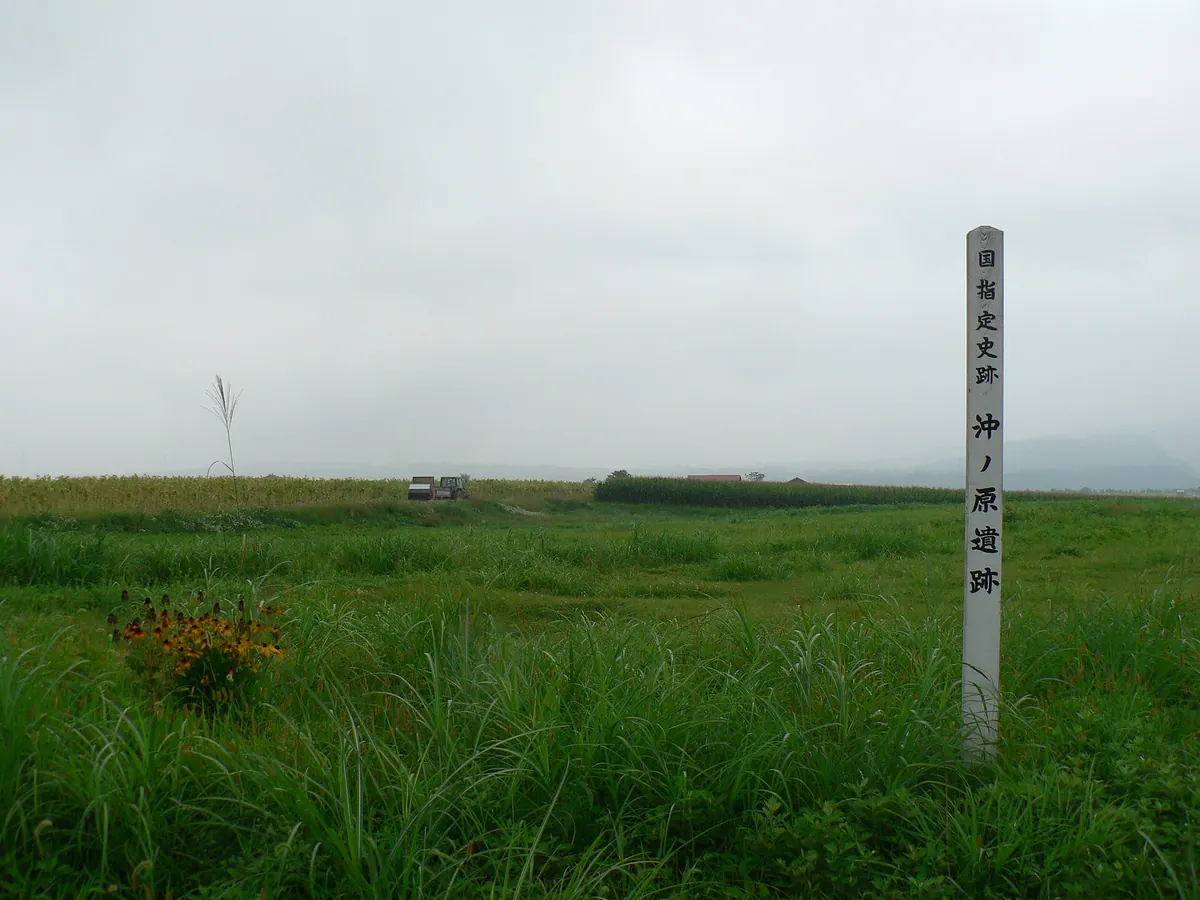
Explore a 4,000-year-old Jomon village site and its unique pottery.
What it is
- A Jomon period circular village site.
- Designated as a National Historic Site.
- Excavated in 1972-1973.
- Located in Tsunan Town, Niigata Prefecture.
What to see
- A circular village 120 meters in diameter.
- Remains of 49 pit dwellings.
- Foundations of 3 rectangular large buildings.
- Buildings constructed using chestnut wood.
- Deep bowl-shaped Okinohara-style pottery.
- Stone tools and arrowheads were excavated.
04
Sasayama Site
NIIGATA · HISTORIC SITE 笹山遺跡
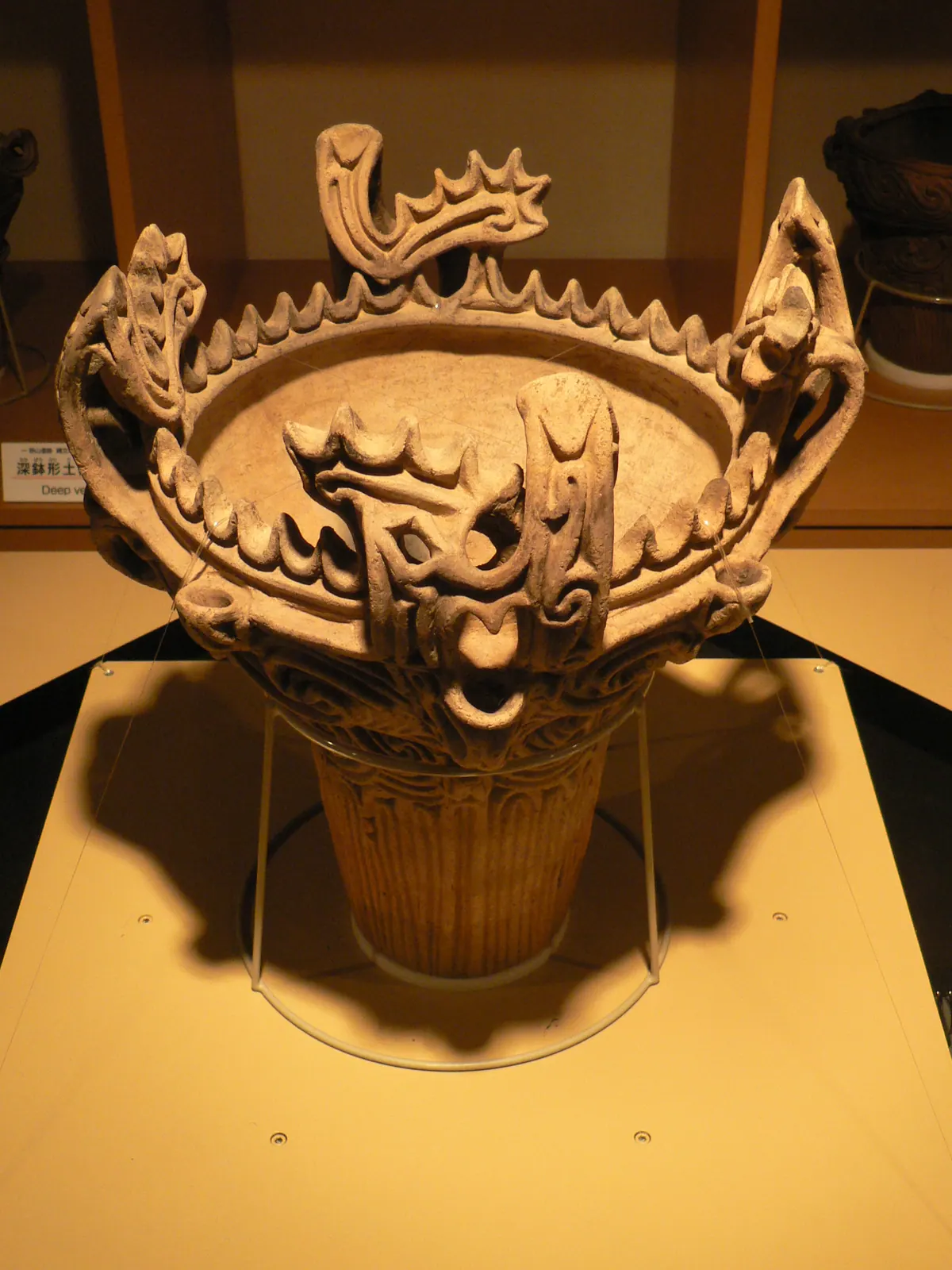
Explore Jomon and medieval history at this unique archaeological site, home to National Treasure pottery.
What it is
- A complex archaeological site with Jomon and medieval remains.
- Designated a Tokamachi City historic site.
- Known for excavated Jomon flame-type pottery.
- Excavated artifacts are designated National Treasures.
What to see
- Jomon pit dwellings, hearths, and burial jars.
- Medieval pillar buildings, blacksmith workshops, and wells.
- Two reconstructed pit dwellings.
- A municipal athletic field and baseball field.
05
Fujihashi Site
NIIGATA · HISTORIC SITE 藤橋遺跡
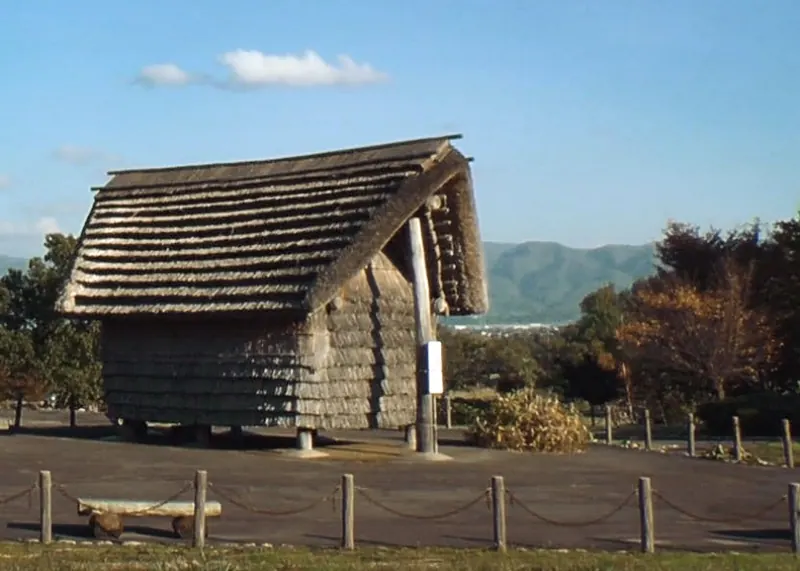
Explore a significant Jomon-era settlement with reconstructed dwellings and ancient artifacts.
What it is
- A Jomon period archaeological site.
- Designated a National Historic Site in 1978.
- A settlement from the late to final Jomon period.
- Fujihashi History Square park opened in 1992.
What to see
- Reconstructed historical buildings.
- An exhibition hall.
- Numerous remains including dwellings and pits.
- Vast quantities of artifacts.
- Pottery from various Jomon periods.
- Stone tools, including swords and crowns.
06
Miyaguchi Kofun Group
NIIGATA · HISTORIC SITE 宮口古墳群
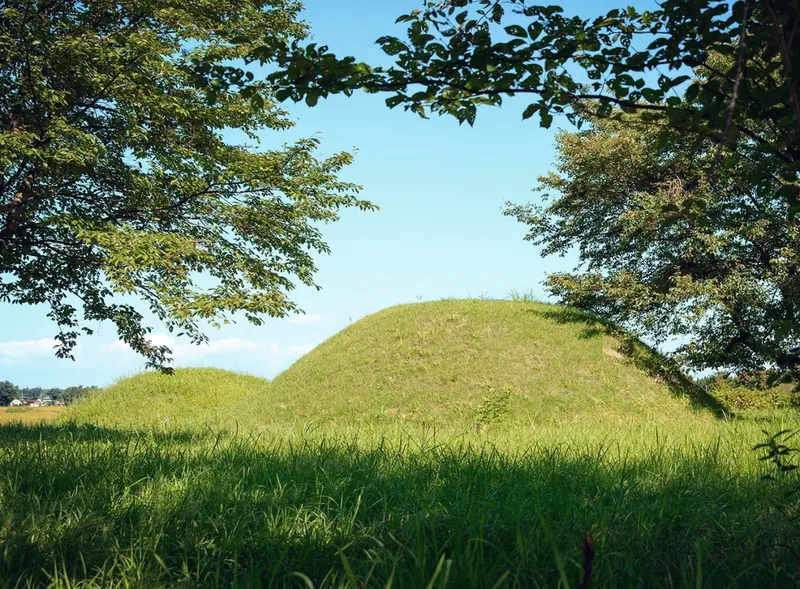
Explore ancient burial mounds from the 6th-7th centuries, a National Historic Site with unique artifacts.
What it is
- A designated National Historic Site.
- Group of ancient burial mounds, known as kofun.
- Construction began in the late 6th century.
- Peak construction period was the early 7th century.
What to see
- Small circular burial mounds.
- Excavated kofun feature horizontal stone chambers.
- Artifacts include swords, knives, and arrowheads.
- Horse tack and beads were also excavated.
07
Mizushina Kofun Group
NIIGATA · HISTORIC SITE 水科古墳群
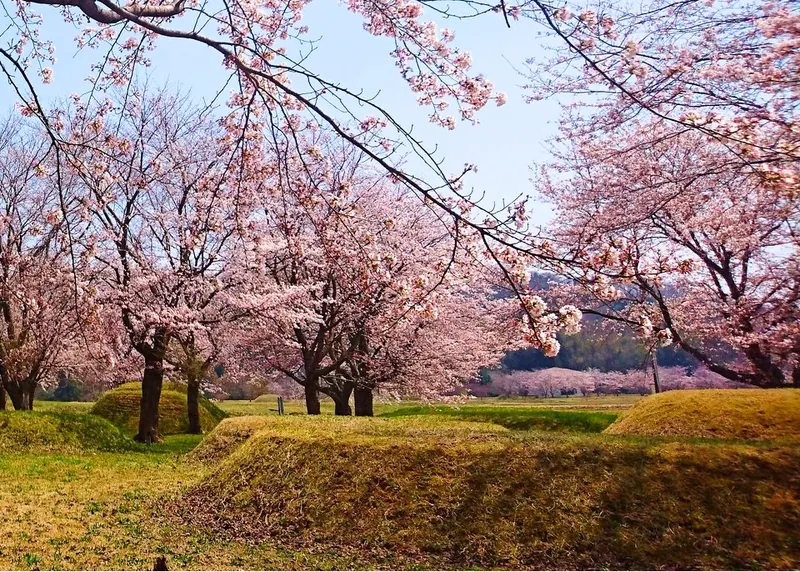
Explore ancient burial mounds and stone chambers at this National Historic Site.
What it is
- A designated National Historic Site in Joetsu City.
- A group of ancient burial mounds, called kofun.
- Became a historic park after investigations in 1975.
What to see
- 34 confirmed stone chambers.
- Most kofun are 7 to 10 meters in diameter.
- Observe the interior of the stone chambers.
- Longest stone chamber is 8.6 meters.
- Grave goods included swords, knives, and beads.
08
Umataka-Sanjūinaba Site
NIIGATA · HISTORIC SITE 馬高遺跡
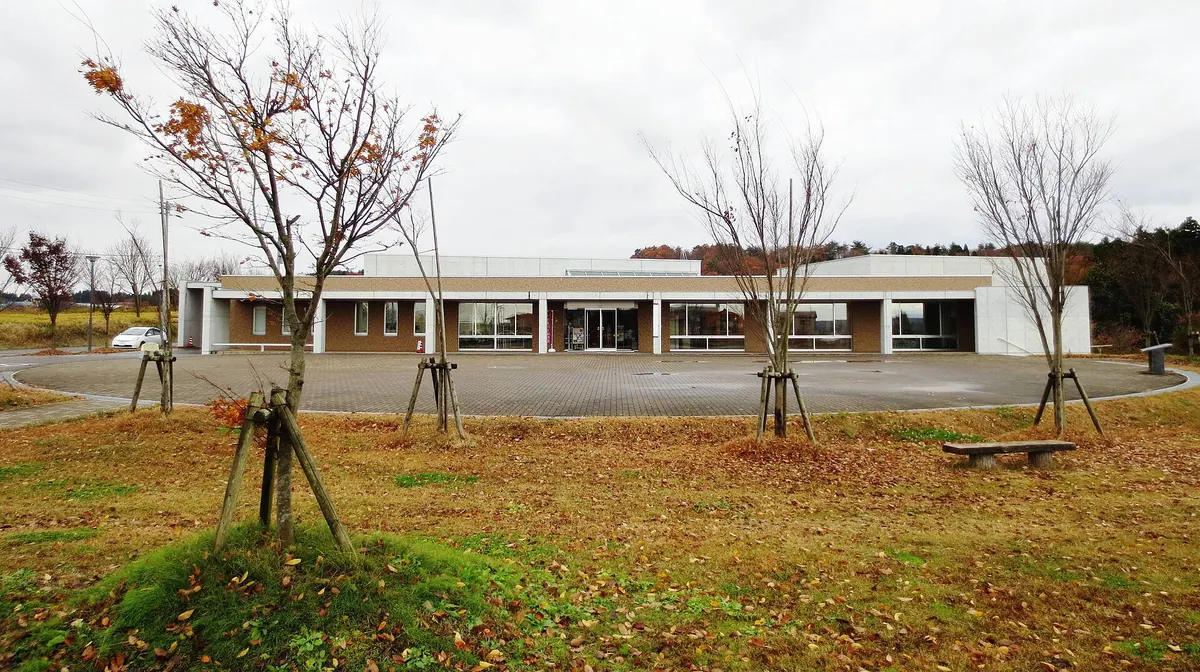
Explore a Jomon-period village site and its unique flame-type pottery, offering a glimpse into ancient Japanese life.
What it is
- A Jomon period archaeological site.
- Designated a National Historic Site in 1979.
- Known for its distinctive flame-type earthenware.
What to see
- Restored pit dwellings, open to the public since 2011.
- Excavated pottery displayed at Umataka Jomon Museum.
- The excavated clay figurine, "Miss Umataka."
- Flame-type deep bowl, an Important Cultural Property.
- Official site
- www.museum.city.nagaoka.niigata.jp
09
Hida Sites
NIIGATA · HISTORIC SITE 斐太遺跡群
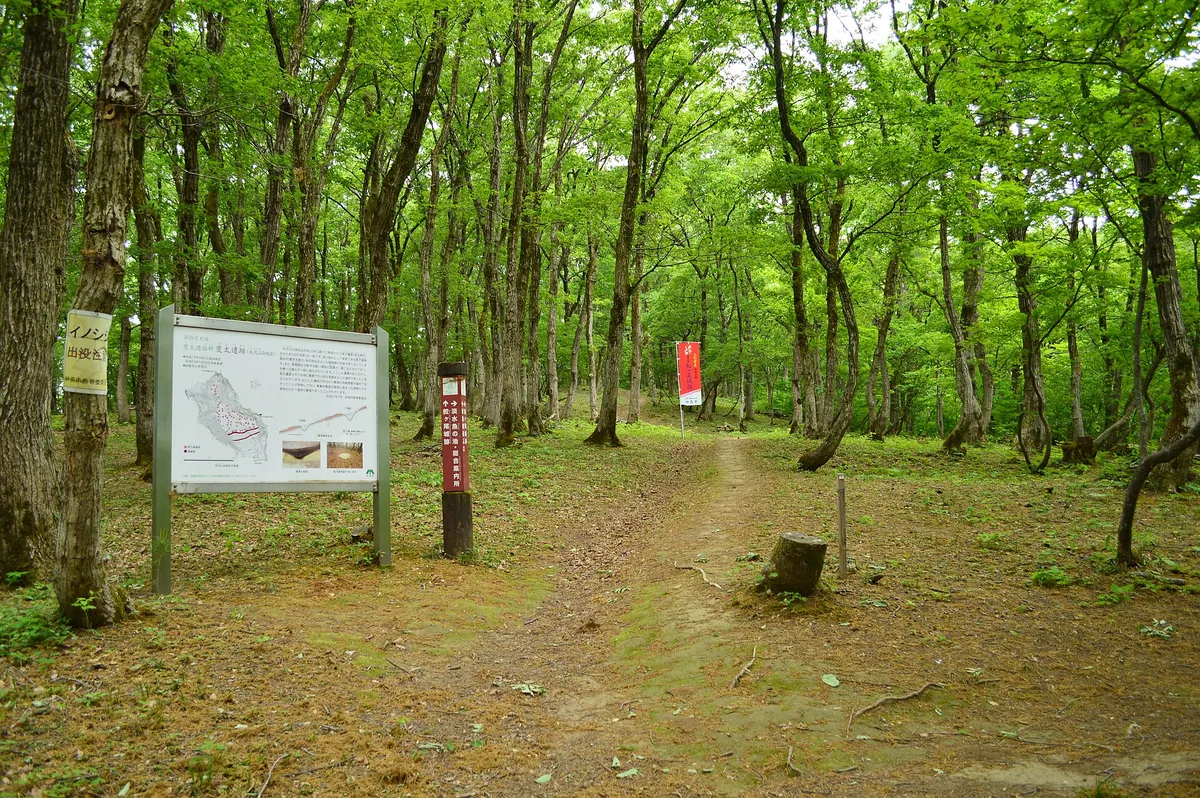
Explore Hida Sites, a large highland settlement with pit dwellings from Japan's early Kofun period.
What it is
- Early Kofun period settlement ruins.
- Niigata Prefecture's largest highland moated settlement.
- Designated a National Historic Site in 1977.
- Dates from late Yayoi to early Kofun periods.
What to see
- 71 pit dwellings on the left bank of the Yashiro River.
- Moats on the east and west sides of the dwellings.
- Ruins divided into three areas on low hills.
10
Muroya Cave
NIIGATA · HISTORIC SITE 室谷洞窟
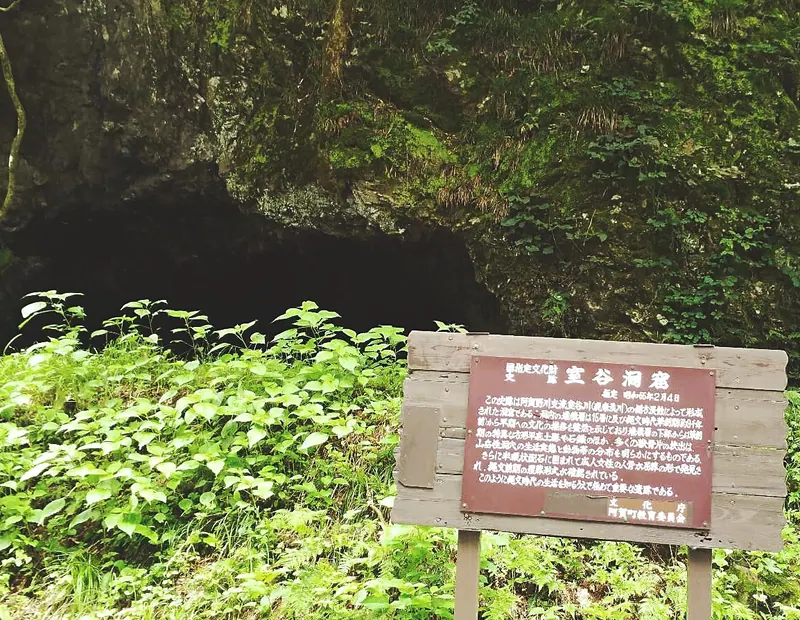
Explore a Jomon period cave site with important artifacts, offering a glimpse into ancient life.
What it is
- A Jomon period cave site.
- Designated a National Historic Site.
- Artifacts are National Important Cultural Properties.
What to see
- Cave opening 218 meters above sea level.
- Cave is 3 meters high, 7 meters wide, and 8 meters deep.
- Pottery from Incipient, Early, and Initial Jomon periods.
- Stone tools and bone artifacts from ancient times.