

17 Historic sites in Okayama worth your time
Japan Gems
Okayama Prefecture is home to a variety of heritage sites, including the ancient Ōbishima Site and the historic Bizen old kilns. These locations offer a glimpse into the region's long and diverse past.
Okayama has 17 historic sites on Japan Gems. Below are the 17 we can tell you the most about — each one written up in English from Japanese sources, with what to see and how to get there. See all historic sites in Okayama.
01
Mantomi Todaiji Gayo Site
OKAYAMA · HISTORIC SITE 万富東大寺瓦窯跡

Explore ancient kilns that produced tiles for Nara's Great Buddha temple.
What it is
- Remains of a kiln that produced tiles for Todai-ji Temple.
- Designated a national historic site in 1927.
- Kilns produced tiles for Todai-ji Temple's reconstruction.
What to see
- Thirteen kiln sites on the western slope of Oterayama.
- New tile kiln sites and building foundation stones.
- Kilns produced round eaves tiles and flat tiles.
- Some tiles were inscribed with 'Todai-ji Temple'.
Getting there
- 400m northeast of Mantomi Station.
- Located on the Oterayama hill.
02
Washūzan Site
OKAYAMA · HISTORIC SITE 鷲羽山遺跡

Washūzan Site is a Paleolithic archaeological site, significant for early stone tool discoveries in Western Japan.
What it is
- A Paleolithic period archaeological site.
- First Paleolithic site discovered in Western Japan.
- Serves as a standard for Paleolithic research.
- Excavation began in 1954.
What to see
- Stone tools found in weathered granite soil layers.
- Excavated tools include long flakes and spearheads.
- Tools made from Sanukite from Kagawa Prefecture.
Getting there
- Near Kojima Station on the JR Honshi Bisans Line.
- 10-minute drive from Seto-Chuo Expressway Kojima IC.
03
Chisoku Kofun
OKAYAMA · HISTORIC SITE 千足古墳

Chisoku Kofun is a unique scallop-shaped burial mound with ancient stone chambers.
What it is
- A scallop-shaped kofun, an ancient burial mound.
- Part of the Tsukuriyama Kofun group.
- Designated as a national historic site.
- A companion mound to the Tsukuriyama Kofun.
What to see
- A scallop-shaped tumulus with a short front part.
- Cylindrical and figural haniwa on the mound surface.
- Two horizontal stone chambers in the rear circular part.
- The first stone chamber, one of the oldest in Kibi region.
- The first stone chamber, with Higo-style characteristics.
04
Kuromiya Ōtsuka Tumuli
OKAYAMA · HISTORIC SITE 黒宮大塚墳墓群
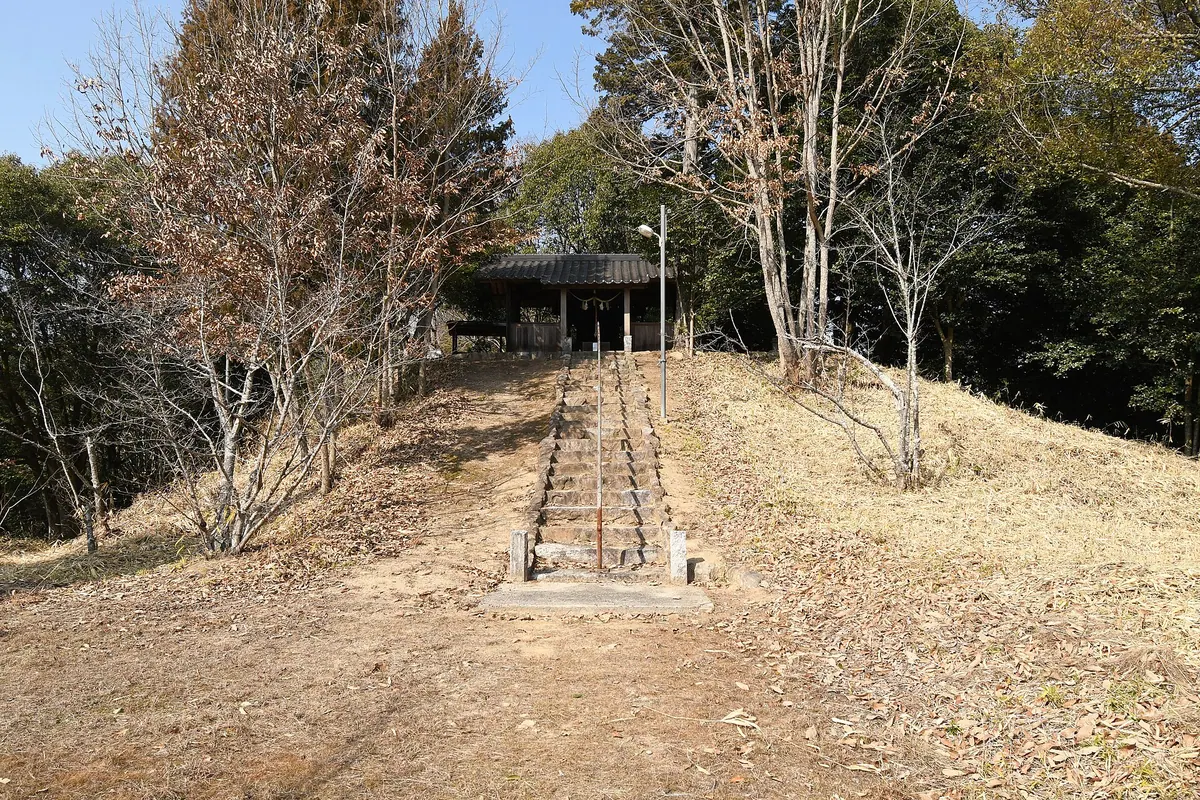
Explore ancient Yayoi burial mounds, offering a glimpse into Japan's early history.
What it is
- A group of Yayoi period burial mounds.
- Dates to the late 2nd century.
- Designated a Kurashiki City Historic Site in 2005.
- Designated an Okayama Prefecture Historic Site in 2023.
What to see
- Two burial mounds: Tumulus 1 and Tumulus 2.
- Tumulus 1 is oval-shaped with a stone chamber.
- Tumulus 2 is square-shaped with four pit burials.
- Stone chamber of Tumulus 1 is under a protective structure.
- Artifacts are stored at Kurashiki Archaeological Museum.
05
Bizen old kilns
OKAYAMA · HISTORIC SITE 備前陶器窯跡

Explore ancient Bizen ware kilns, a National Historic Site preserving centuries of pottery tradition.
What it is
- A National Historic Site in Bizen City, Okayama Prefecture.
- Designated for Bizen Pottery Kiln Sites.
- Dates from the late Muromachi to late Edo periods.
- Consists of three main locations.
What to see
- Ibe Minami-Ogama Site with three kilns.
- Largest kiln at Minami-Ogama is 54 meters long.
- Ibe Nishi-Ogama Site with three kiln remains.
- Ibe Kita-Ogama Site with four kiln remains.
- Kilns produced daily necessities and tea ceremony items.
06
Ōbishima Site
OKAYAMA · HISTORIC SITE 大飛島遺跡
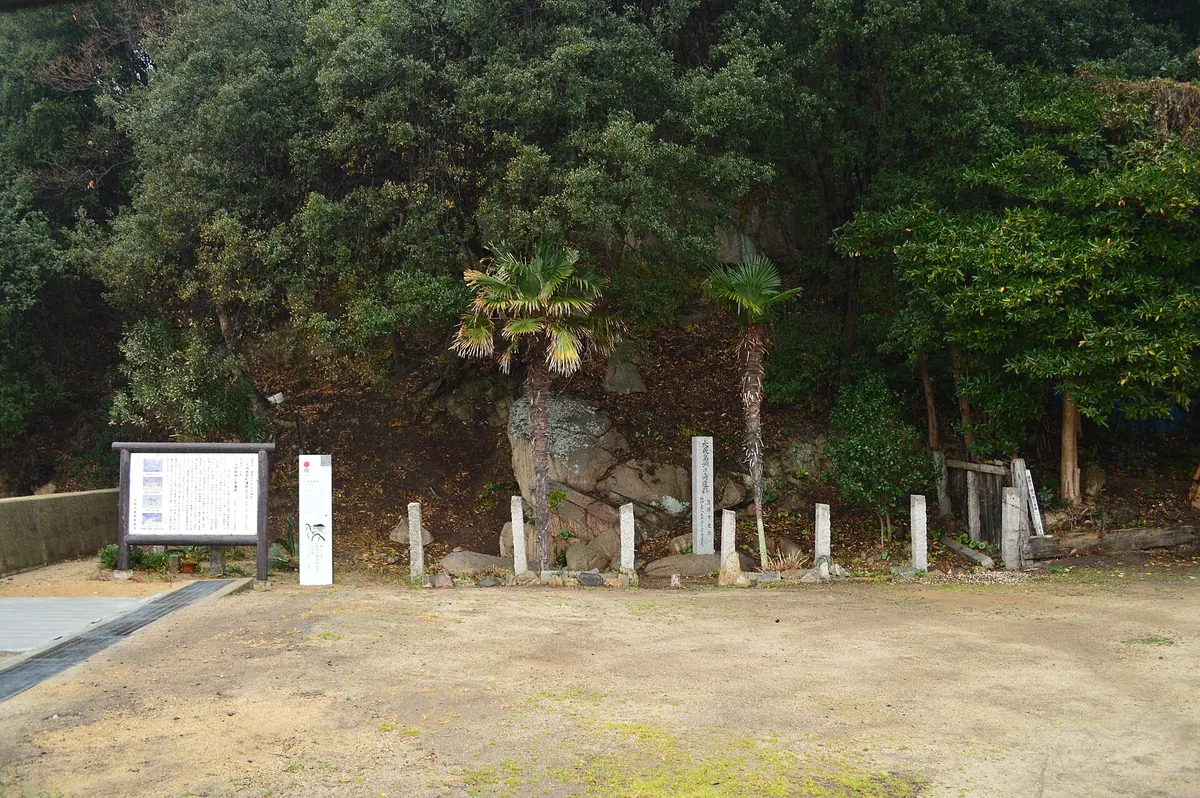
An ancient ritual site with artifacts from Nara and Heian periods, important for understanding early Japanese history.
What it is
- An ancient ritual site in Kasaoka City.
- Discovered in 1962, it is a designated historic site.
- Suggests multiple national rituals were performed here.
- Important for its connection to Kentoshi envoys.
What to see
- Excavated artifacts are National Important Cultural Properties.
- Artifacts include Nara Sansai, bronze mirrors, and coins.
- See artifacts at Okayama Prefectural Museum.
- See artifacts at Kasaoka City Local Museum.
07
Nakayama Chausuyama Kofun
OKAYAMA · HISTORIC SITE 中山茶臼山古墳

Ancient keyhole-shaped tomb, well-preserved, believed to be a prince's burial site.
What it is
- Ancient tumulus in Okayama, Japan.
- Designated as the tomb of Kibitsuhiko-no-mikoto.
- Dates to the early Kofun period.
- Managed by the Imperial Household Agency.
What to see
- Keyhole-shaped tumulus.
- Well-preserved mound on Kibi-no-Nakayama hill.
- Two-tiered structure.
- Fukiishi (revetment stones) on the mound surface.
- Mound length is 105 meters.
- Posterior circular part has a 68-meter diameter.
08
Kadota Shell Mound
OKAYAMA · HISTORIC SITE 門田貝塚
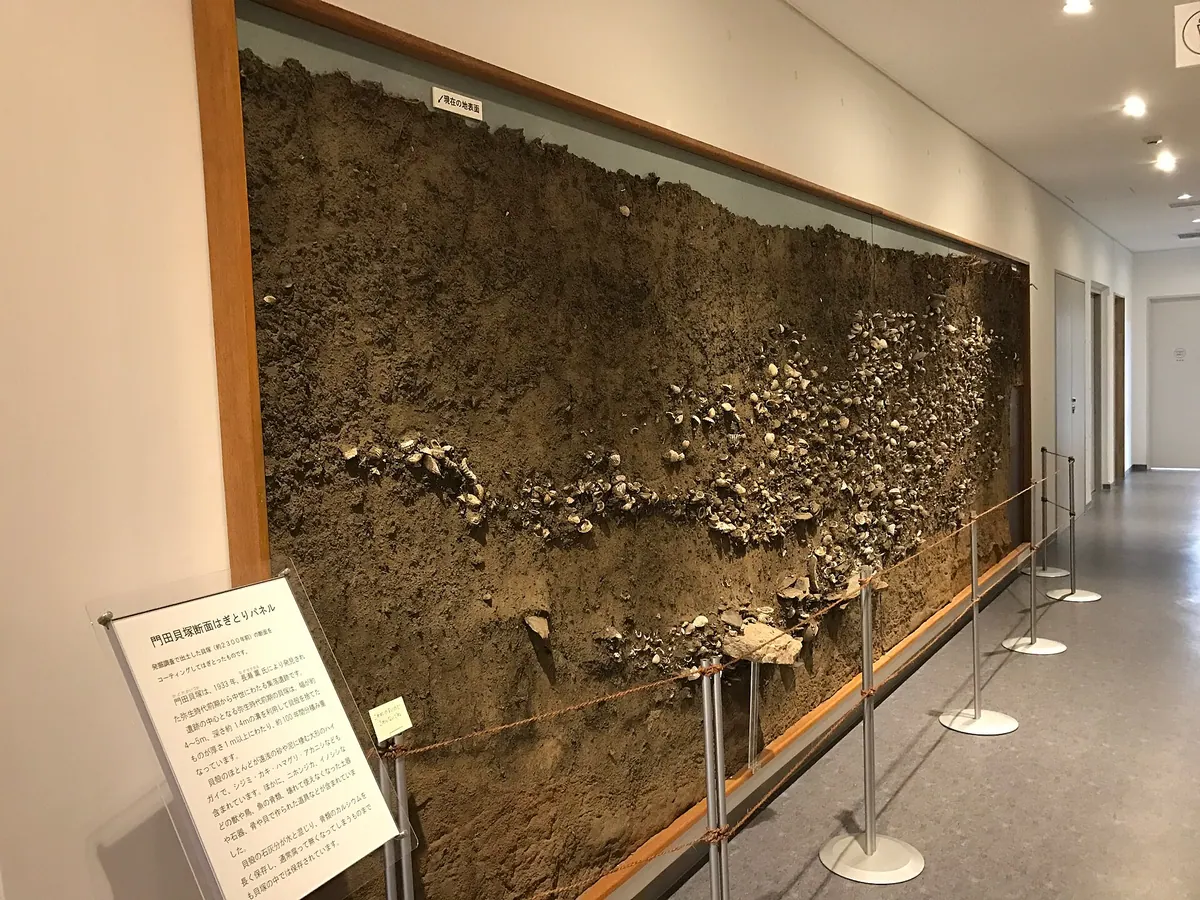
Explore an ancient shell mound and settlement, offering a glimpse into Yayoi and Kamakura period life.
What it is
- A large, complex archaeological site.
- Designated a National Historic Site in 1985.
- Dates from the Yayoi period to the Kamakura period.
- Confirmed by local historian Kaoru Nagase in 1933.
What to see
- Two restored pit dwellings from the Yayoi period.
- The shell mound itself, from the Yayoi period.
- Pottery called 'Kadota style' was excavated here.
- Chinese porcelain and Bizen ware were found.
09
Yatōjiyama Kofun
OKAYAMA · HISTORIC SITE 矢藤治山古墳
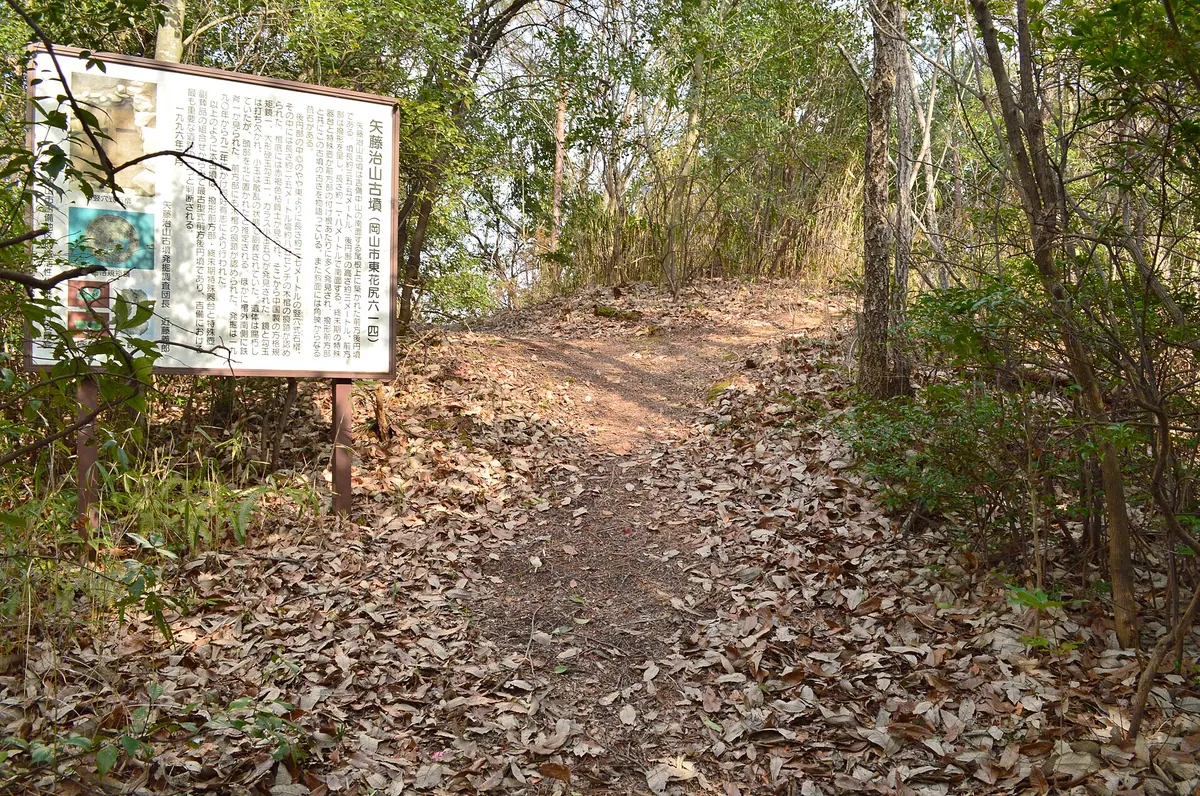
See a rare keyhole-shaped burial mound from Japan's ancient Kofun period.
What it is
- A keyhole-shaped burial mound, or kofun.
- Dates to the end of the Yayoi to early Kofun period.
- Excavated between 1990 and 1992.
What to see
- The 35.5-meter-long tumulus mound.
- Fukiishi stones and special pottery on the mound.
- Two burial facilities within the tumulus.
- A vertical stone chamber in the circular part.
- Grave goods: bronze mirror, magatama, glass beads, iron axe.
10
Midoriyama Kofun Cluster
OKAYAMA · HISTORIC SITE 緑山古墳群
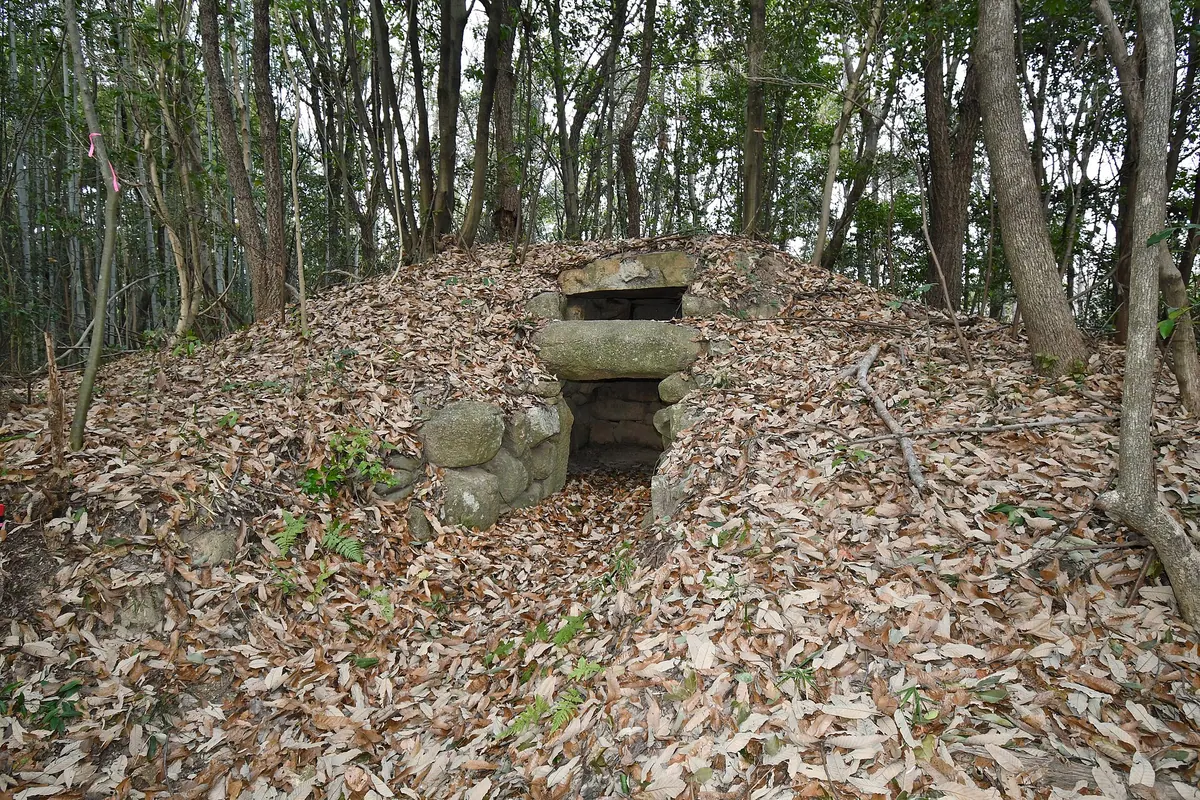
Explore ancient burial mounds, including the largest stone chamber, on a scenic ridge.
What it is
- A cluster of approximately 20 ancient burial mounds.
- Located on a low ridge in Soja City, Okayama Prefecture.
- Three tumuli are designated Prefectural Historic Sites.
- Built between the mid-6th and late 6th century.
What to see
- Tumuli 1, 4, 6, 7, and 8 on the hilltop.
- Tumulus 8 has the largest stone chamber in the cluster.
- Excavated iron products and Sue ware grave goods.
11
Tsukumo Shell Mound
OKAYAMA · HISTORIC SITE 津雲貝塚

Explore a Jomon-period shell mound, a National Historic Site with ancient human remains.
What it is
- A shell mound from the late Jomon period.
- Designated a National Historic Site.
- Excavation began in 1915.
- Over 170 Jomon human remains were excavated.
What to see
- Human remains show supine flexed burial.
- Human remains show tooth extraction.
- Jomon pottery from early to late periods.
- Stone arrowheads were excavated.
- Site of the oldest identified shark attack victim.
12
Yata Ōtsuka Kofun
OKAYAMA · HISTORIC SITE 箭田大塚古墳

Ancient burial mound with unique architecture and artifacts, offering a glimpse into Japan's past.
What it is
- A circular kofun (ancient burial mound).
- Built around the late 6th century.
- Designated as a National Historic Site.
- One of Okayama Prefecture's three great megalithic tombs.
What to see
- A three-tiered mound, 46 meters in diameter.
- Double-sleeved horizontal stone burial chamber.
- Stone chamber is 19.1 meters long.
- Single phoenix-head hilt is a cultural property.
13
Obosan Kofun
OKAYAMA · HISTORIC SITE 王墓山古墳

Explore a 6th-century burial mound with a stone coffin in a historical park.
What it is
- A tumulus in Kurashiki City, Okayama Prefecture.
- Part of the Obosan Kofun group.
- Designated historical site of Okayama Prefecture.
- Constructed around the late 6th century.
What to see
- The original circular or square mound shape.
- A horizontal stone burial chamber.
- A combination-style house-shaped stone coffin.
- The kofun area, now Obosan-no-oka Historical Park.
14
Kumayama ruins
OKAYAMA · HISTORIC SITE 熊山遺跡
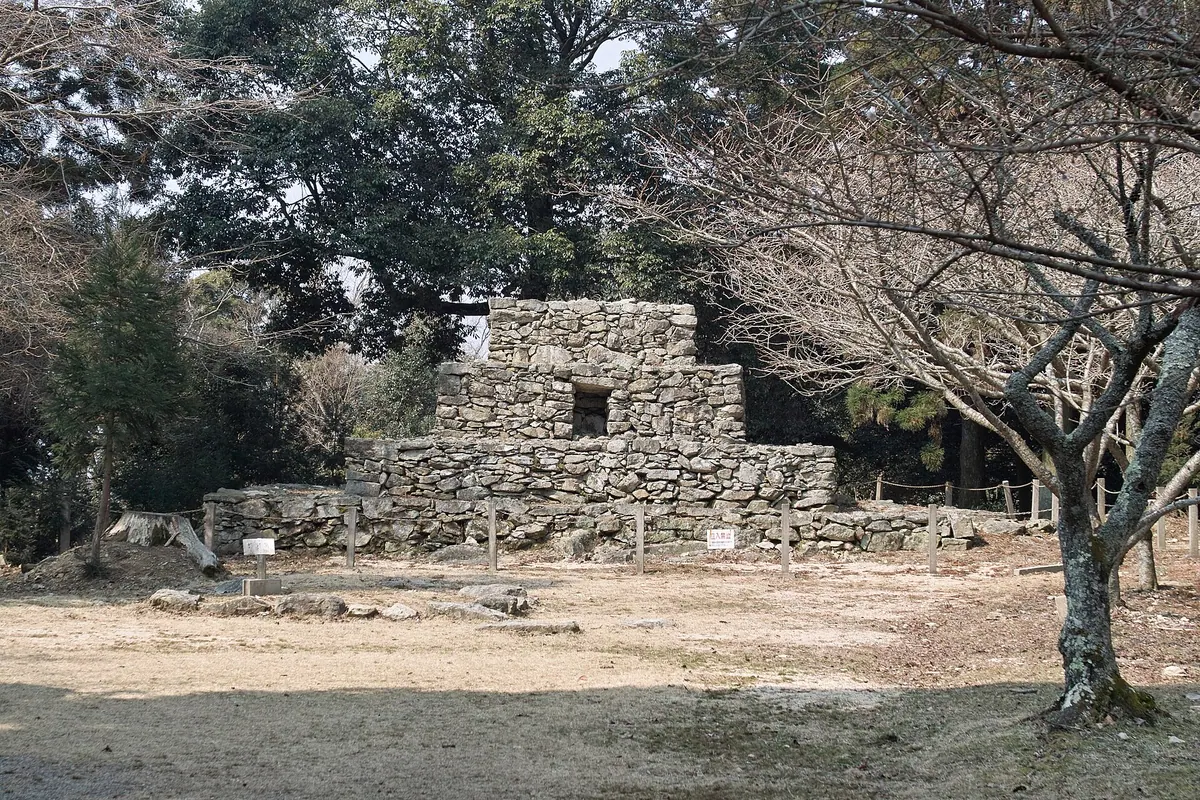
Explore Kumayama, a Nara-period Buddhist ruin built on an ancient worship site.
What it is
- Buddhist ruins in Okayama Prefecture.
- Built in the early Nara period.
- Designated a national historic site.
- Stands on an Iwakura, a primitive worship site.
What to see
- A base and three tiered platforms.
- Structure made of rhyolite, 3.5 meters high.
- Second tier has four square horizontal holes (gan).
- Vertical stone chamber in the center of the platform.
15
Kanakurayama Kofun
OKAYAMA · HISTORIC SITE 金蔵山古墳
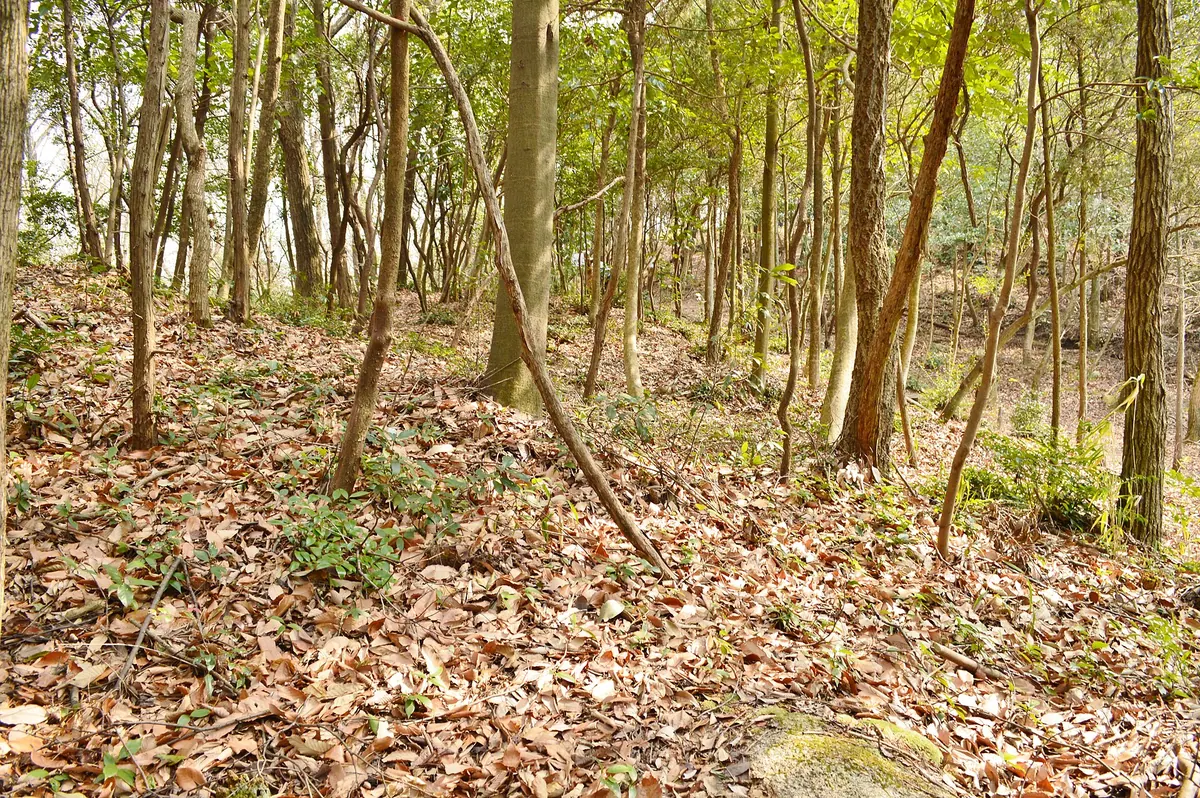
Explore a large, ancient keyhole-shaped burial mound from the 4th-5th century.
What it is
- A keyhole-shaped tumulus in Okayama Prefecture.
- Part of the Mitsuoyama Kofun group.
- Dates to the late 4th to early 5th century.
- Once the largest in Chugoku, Shikoku, and Kyushu regions.
What to see
- A 165-meter long tumulus mound.
- The fourth largest tumulus in Okayama Prefecture.
- Two vertical stone chambers.
- Site of grave goods discovery in 1953.
16
Shōda-haiji Temple Ruins
OKAYAMA · HISTORIC SITE 賞田廃寺跡

Explore ancient temple ruins, a National Historic Site, revealing Nara period Buddhist architecture.
What it is
- A Buddhist temple ruin in Okayama City.
- Designated as a National Historic Site.
- Flourished during the Nara period.
- Existed until the 13th century.
What to see
- Foundations of a main hall, pagoda, and west gate.
- Remains of a cloister.
- Pagoda foundation made of tuffaceous rock.
- Site of a tile kiln northeast of the temple.
17
Tsushima Site
OKAYAMA · HISTORIC SITE 津島遺跡

Explore an archaeological site spanning Japan's Jomon, Yayoi, and Kofun periods.
What it is
- A complex archaeological site in Okayama Prefecture.
- Designated a National Historic Site in 1971.
- Spans the Jomon, Yayoi, and Kofun periods.
What to see
- Reproductions of pit dwellings and raised-floor buildings.
- Excavated artifacts displayed in a museum.
- Evidence of early Yayoi period settlement and rice paddies.