

8 Historic sites in Saga worth your time
Japan Gems
Saga Prefecture preserves numerous heritage sites, including the ancient Yoshinogari Site and the Habu Site. These locations offer a look into Japan's past.
Saga has 8 historic sites on Japan Gems. Below are the 8 we can tell you the most about — each one written up in English from Japanese sources, with what to see and how to get there. See all historic sites in Saga.
01
Nabatake Site
SAGA · HISTORIC SITE 菜畑遺跡
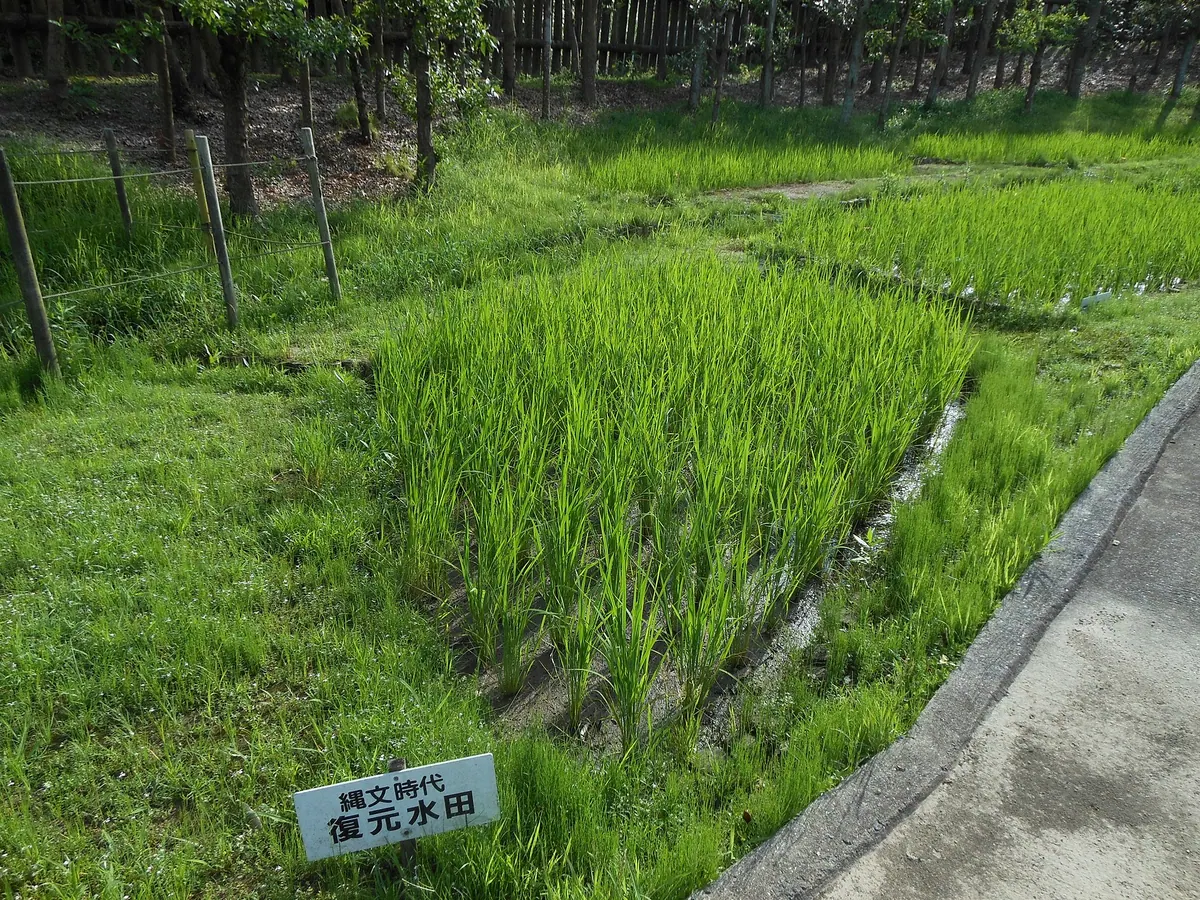
Explore Japan's oldest wet-rice cultivation site with reconstructed dwellings and a museum.
What it is
- A National Historic Site in Karatsu City, Saga Prefecture.
- Japan's oldest wet-rice cultivation site from the Jomon period.
- Discovered in 1979, designated a historic site in 1983.
What to see
- Reconstructed pit dwellings and ancient rice paddies.
- Excavated water channels, weirs, and wooden stakes.
- Malukan museum displays artifacts from the site.
- The site is on a gentle hillside facing a valley plain.
Getting there
- 2 kilometers west of JR Karatsu Station.
02
Kurisōzui Burial Mound
SAGA · HISTORIC SITE 久里双水古墳
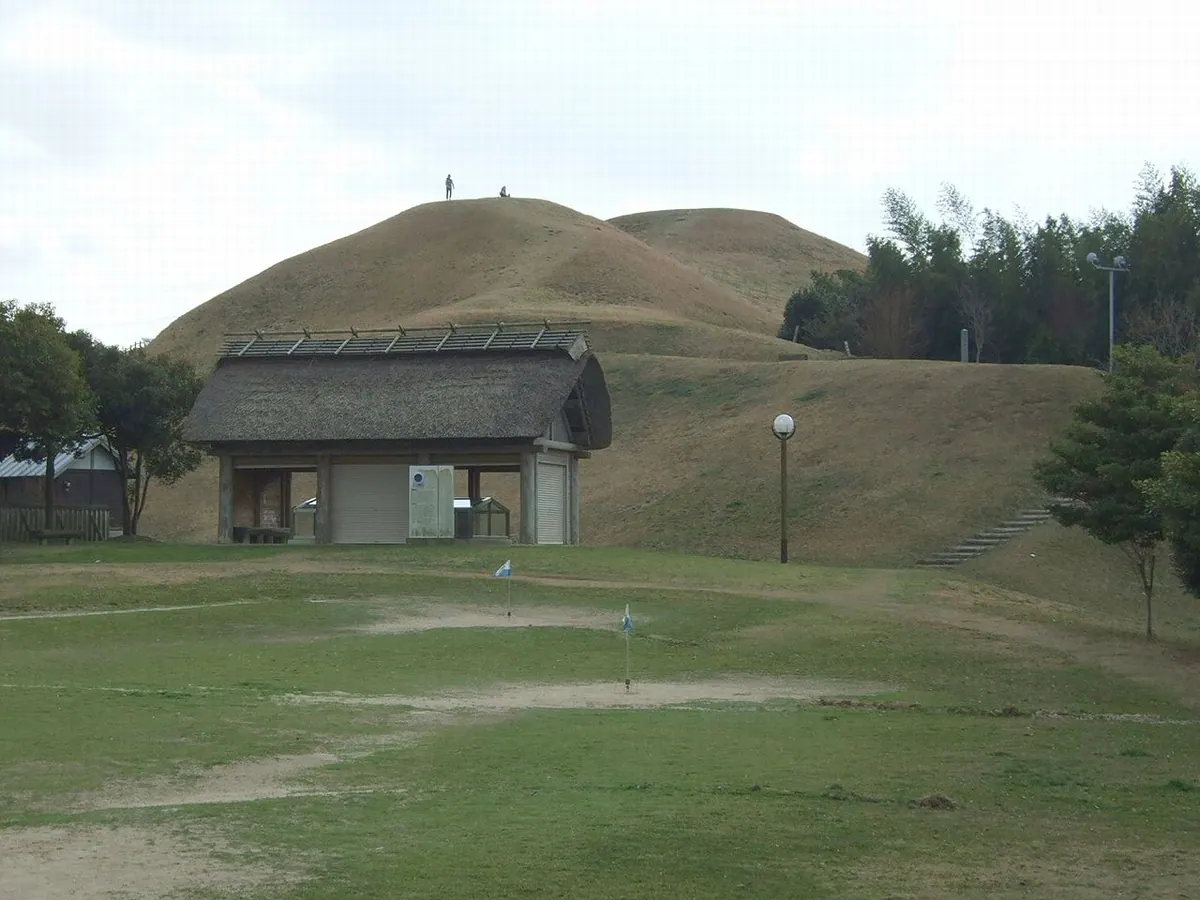
Explore a large, ancient keyhole-shaped tomb, a significant historical site in Saga Prefecture.
What it is
- A keyhole-shaped tumulus, Kurisozoi Kofun.
- Designated a Saga Prefecture historic site.
- Discovered in 1980.
- Built around the late 3rd to 4th century.
What to see
- The tumulus is 108.5 meters long.
- Rear circular part is 62.2 meters in diameter.
- Front square part is 42.8 meters wide.
- A vertical stone chamber covered with clay.
- Stone chamber sealed with three sandstone ceiling stones.
- Excavated items include a Banryukyo mirror, beads, and a knife.
03
Yoshinogari site
SAGA · HISTORIC SITE 吉野ヶ里遺跡
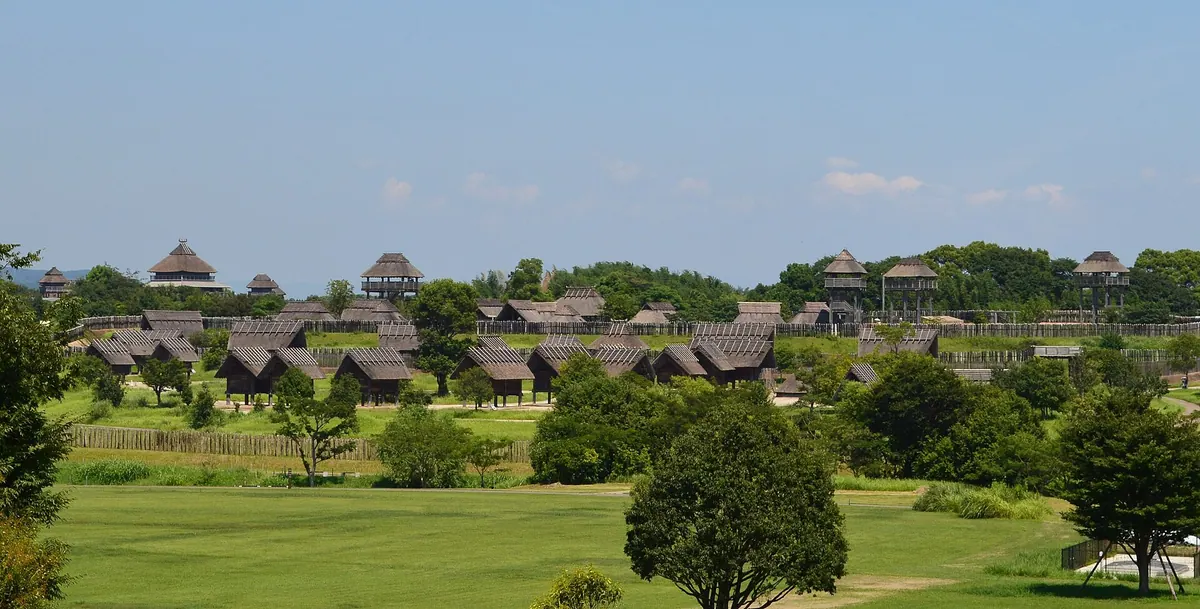
Explore a large Yayoi period moated settlement, a designated Special National Historic Site.
What it is
- A large Yayoi period moated settlement.
- Designated a Special National Historic Site.
- Excavation surveys began in 1986.
- Now part of Yoshinogari Historical Park.
What to see
- The settlement spans approximately 117 hectares.
- Double moats from the late Yayoi period.
- The outer moat was about 2.5 kilometers long.
- Multiple watchtowers within the moats.
- North and South burial mounds.
- Unearthed pottery and bronze ware artifacts.
- Official site
- www.yoshinogari.jp
04
Habu Site
SAGA · HISTORIC SITE 土生遺跡
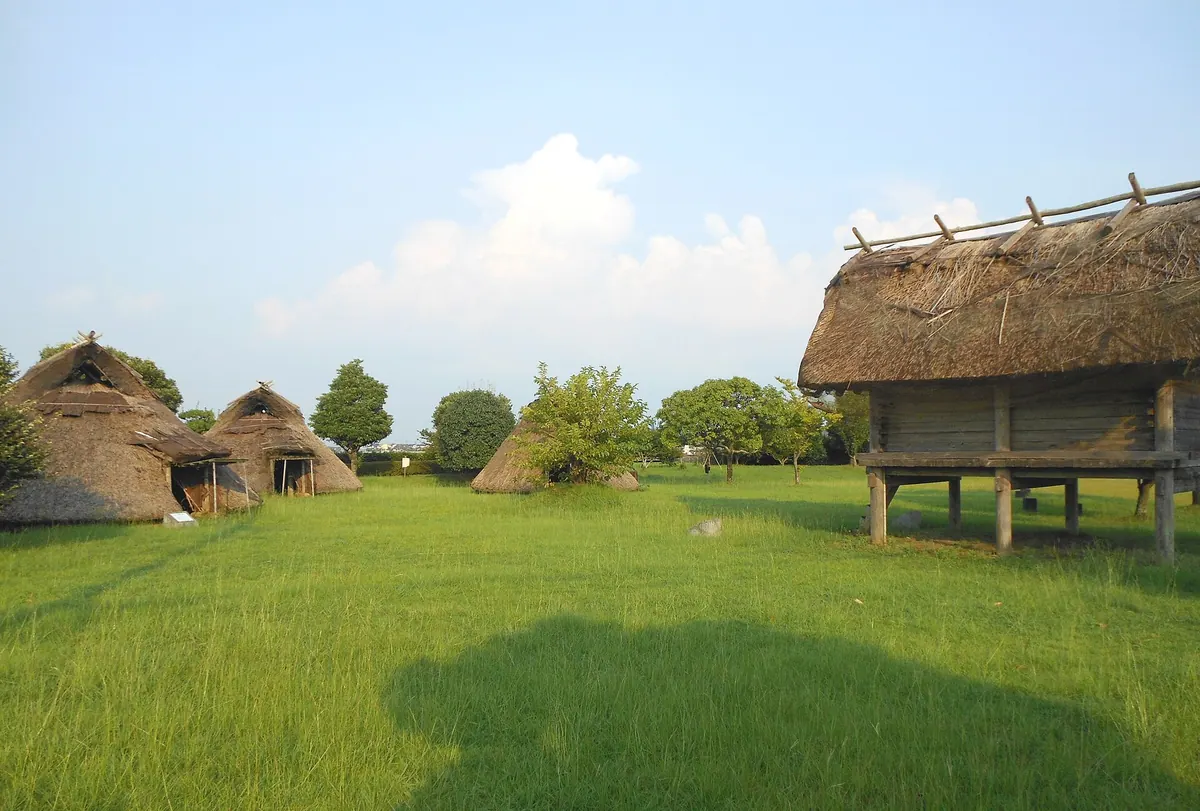
Explore Habu Site, a National Historic Site preserving a rare Yayoi period settlement.
What it is
- A settlement ruin from the middle Yayoi period.
- Designated a National Historic Site on June 2, 1973.
What to see
- Five dwelling remains have been detected.
- Excavated pottery from the middle Yayoi period.
- Wooden farming tools like hoes.
- Four carved containers and one black lacquered bowl.
- Carbonized rice, plum, peach, and melon seeds.
- Fifteen pillar materials found in dwelling remains.
05
Chōshizuka Kofun
SAGA · HISTORIC SITE 銚子塚古墳
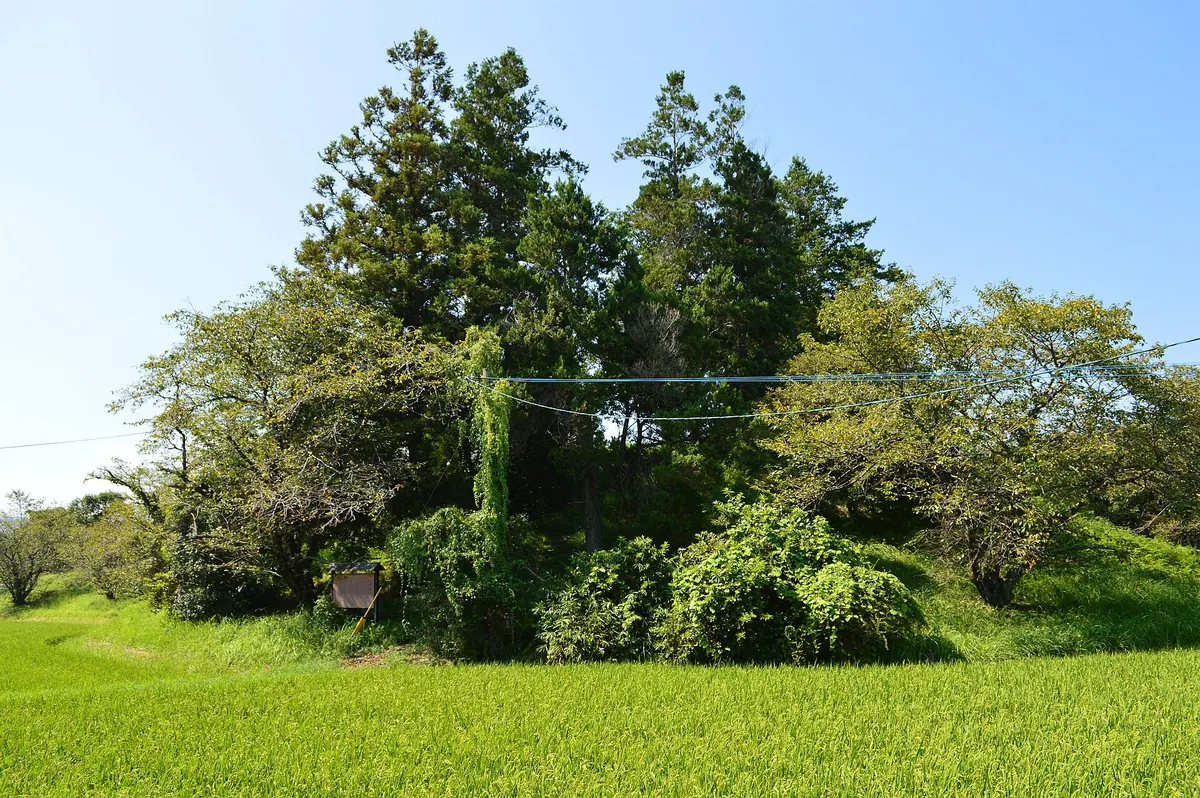
Explore Chōshizuka Kofun, a large 4th-century keyhole-shaped burial mound and National Historic Site.
What it is
- A keyhole-shaped burial mound (kofun).
- Designated a National Historic Site.
- Built around the late 4th century.
What to see
- A 98-meter-long keyhole-shaped tumulus.
- Posterior circular part: 58 meters diameter, 8 meters high.
- Anterior square part: 32 meters wide, 4.6 meters high.
- A moat 16-28 meters wide surrounds the tumulus.
- Built on a 15-meter-high natural elevation.
06
Hayamajiri Dolmen Cluster
SAGA · HISTORIC SITE 葉山尻支石墓群
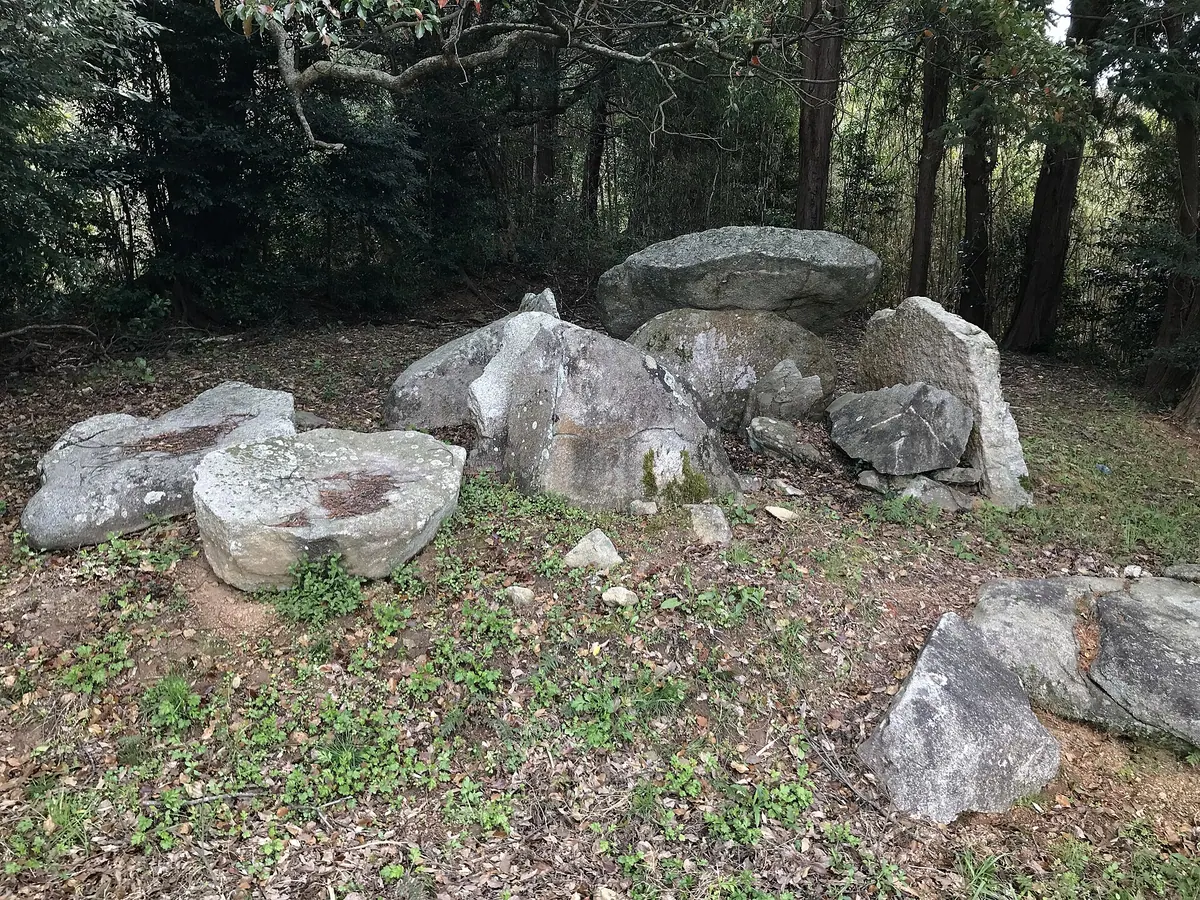
Explore ancient burial sites from the Yayoi period, offering a glimpse into early Japanese history.
What it is
- A Yayoi period dolmen cluster.
- Designated a national historic site in 1966.
- Became part of the Karatsu Matsuura Tumuli Group in 2014.
- Discovered during land reclamation in 1951.
What to see
- Five dolmens found during excavations.
- Granite capstones, 1.3 to 2.0 meters long.
- Twenty-six jar burials were detected.
- Seven tubular beads were excavated as grave goods.
07
Higashimyō Site
SAGA · HISTORIC SITE 東名遺跡
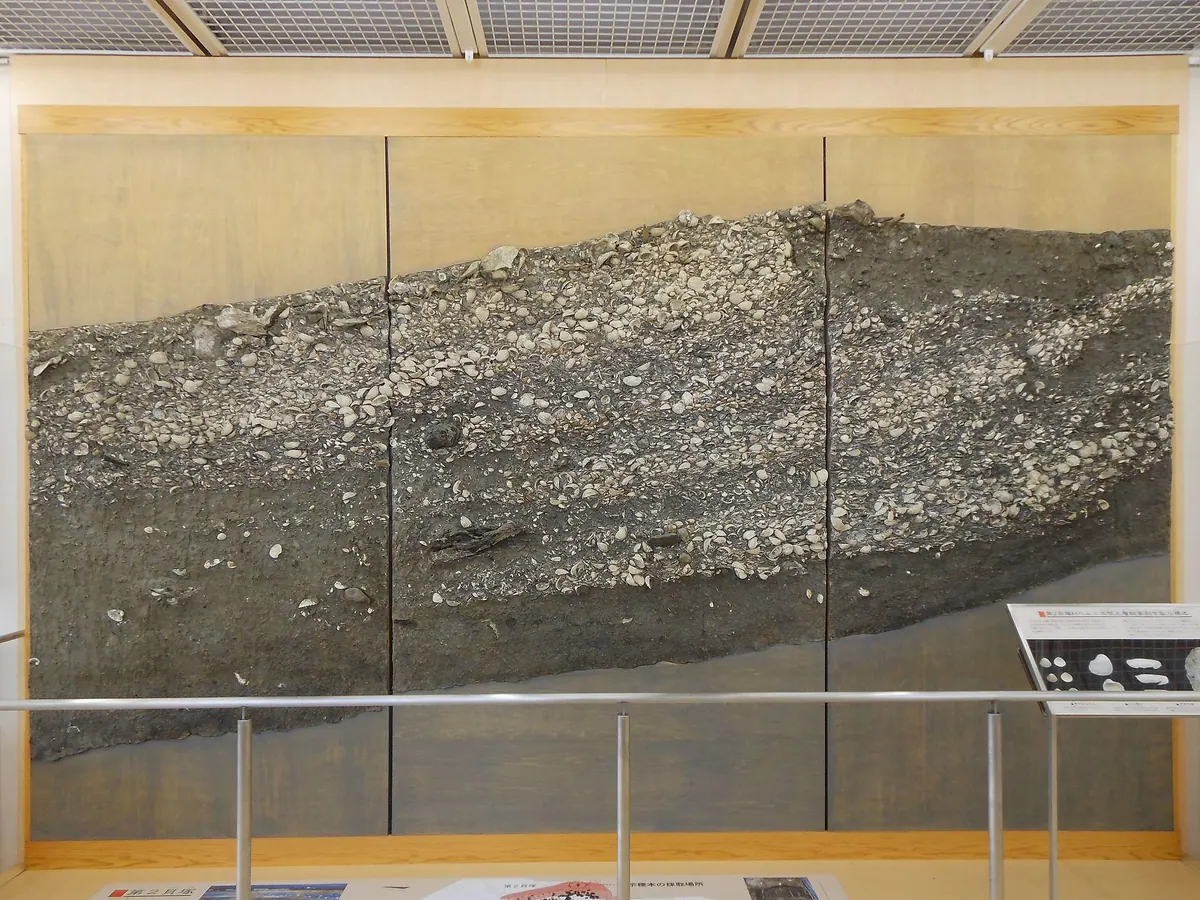
Explore Japan's best-preserved Jomon settlement and shell mound, offering a unique glimpse into ancient life.
What it is
- A Jomon period settlement and shell mound.
- Designated a National Historic Site in 2016.
- Discovered in 1990 during a cultural property survey.
What to see
- Japan's oldest woven baskets, combs, and wooden dishes.
- A low-wetland site with plant and animal remains.
- Evidence of 167 stone arrangements and a cemetery.
- Six shell mounds and 155 storage pits.
08
Tashiro-Ōta Kofun
SAGA · HISTORIC SITE 田代太田古墳
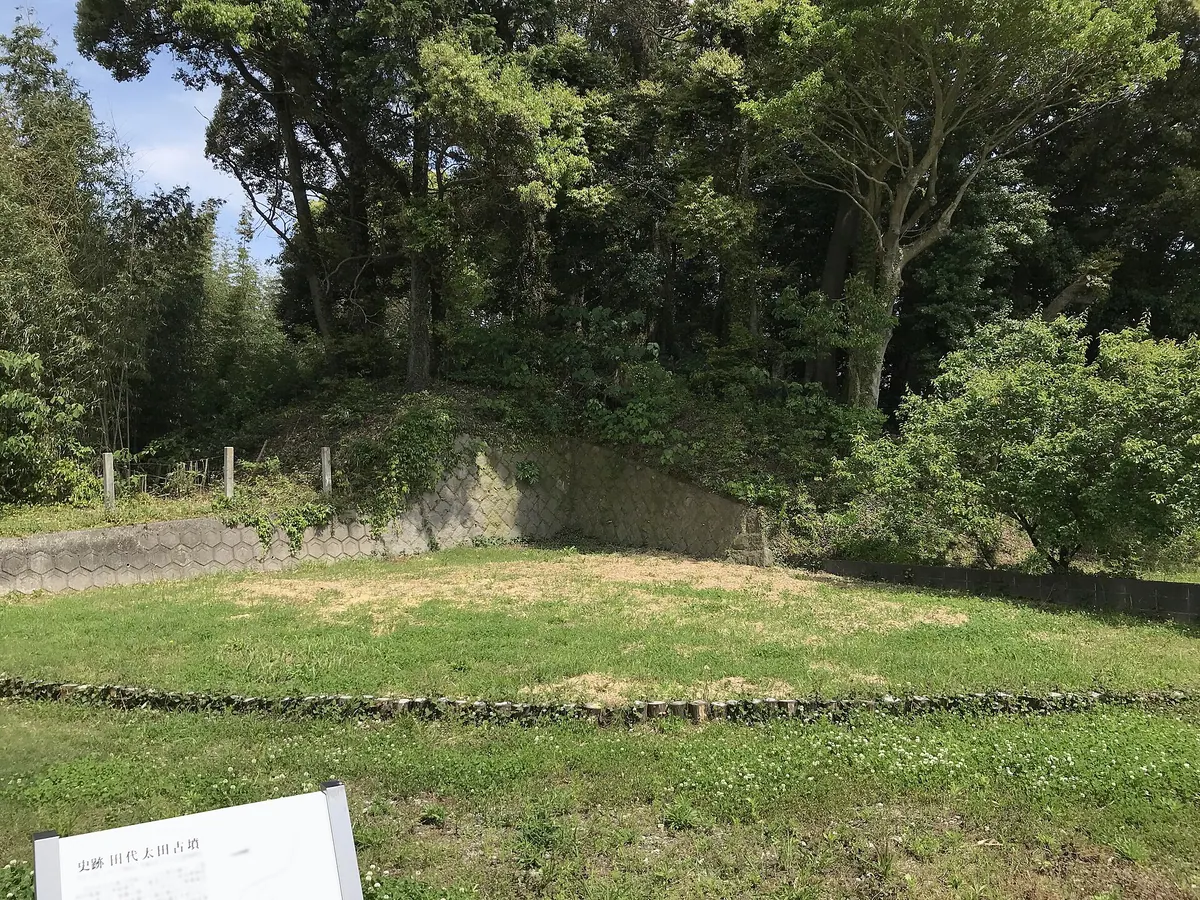
Tashiro-Ōta Kofun is a circular burial mound with rare colored murals, a significant National Historic Site.
What it is
- A circular burial mound, designated a National Historic Site in 1926.
- Known as a decorated tomb with colored murals.
What to see
- A two-tiered circular mound, 42m in diameter, 6m high.
- A horizontal stone chamber, 9m long, with three rooms.
- The rear chamber has three burial beds.
- The middle chamber has two burial beds.