
9 Islands in Saga worth your time
Japan Gems
9 Islands in Saga, with what to see and how to get there.
Saga has 9 islands on Japan Gems. Below are the 9 we can tell you the most about — each one written up in English from Japanese sources, with what to see and how to get there. See all islands in Saga.
01
Takezaki Island
SAGA · PLACE 竹崎島
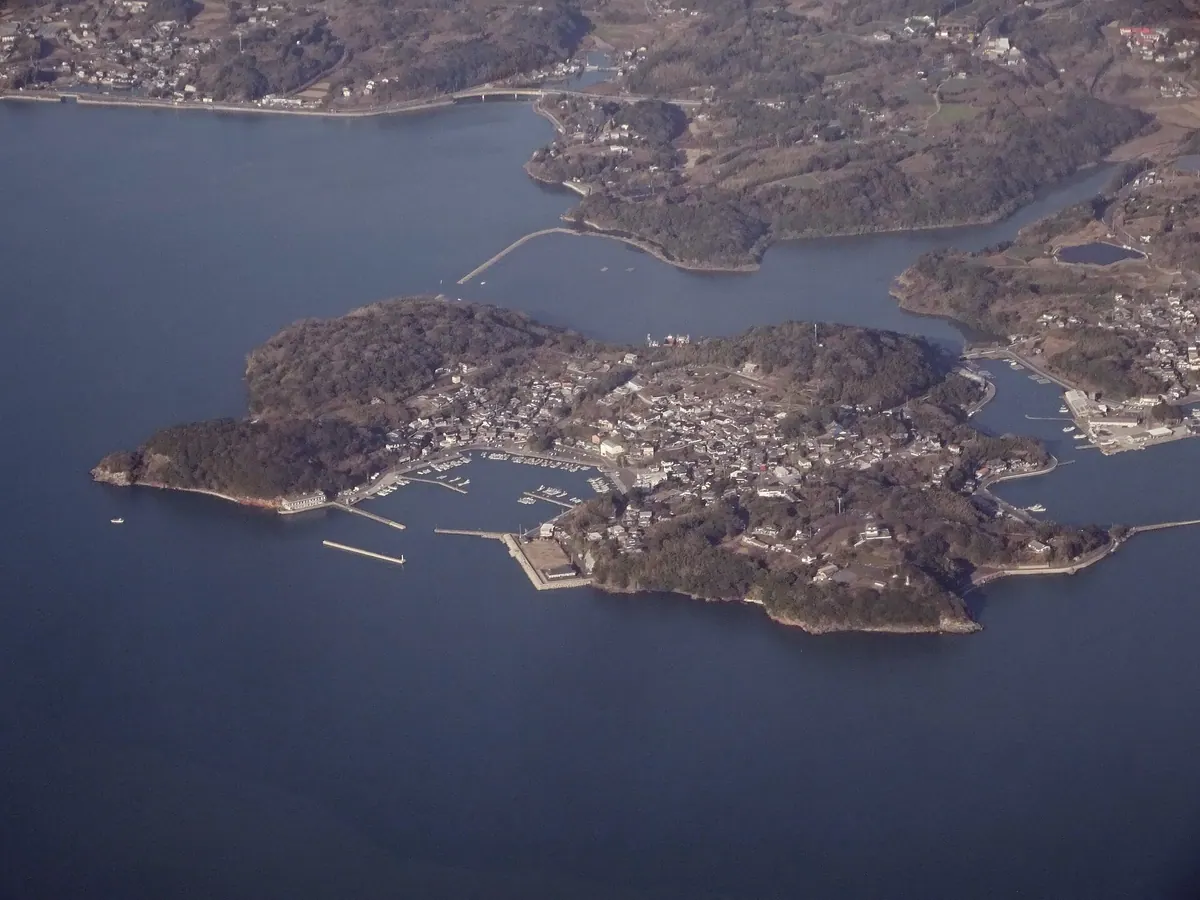
A volcanic island in Saga Prefecture famous for its castle-shaped observatory, ancient temple ruins, and local blue crab delicacies.
What it is
- A volcanic island with a four kilometer circumference connected to the mainland by a bridge.
- Site of Takezaki Kanzeon-ji Temple founded by the monk Gyoki in the year 709.
- A strategic maritime location during the Nanboku-cho period now known for hot springs.
- Home to the Onimatsuri festival which is a National Important Intangible Folk Cultural Property.
What to see
- An observatory shaped like a castle tower standing near the old ruins.
- A stone triple-story pagoda dating back to the Kamakura period.
- Takezaki Port which is uniquely located inside a volcanic crater.
- Local restaurants serving the famous brand of crab known as Takezaki-gani.
Getting there
- Buses run regularly between Kashima Bus Center and Takezaki Port.
- The island is accessible by car via Route 295 across the connecting bridge.
02
Kashiwa Island
SAGA · PLACE 神集島
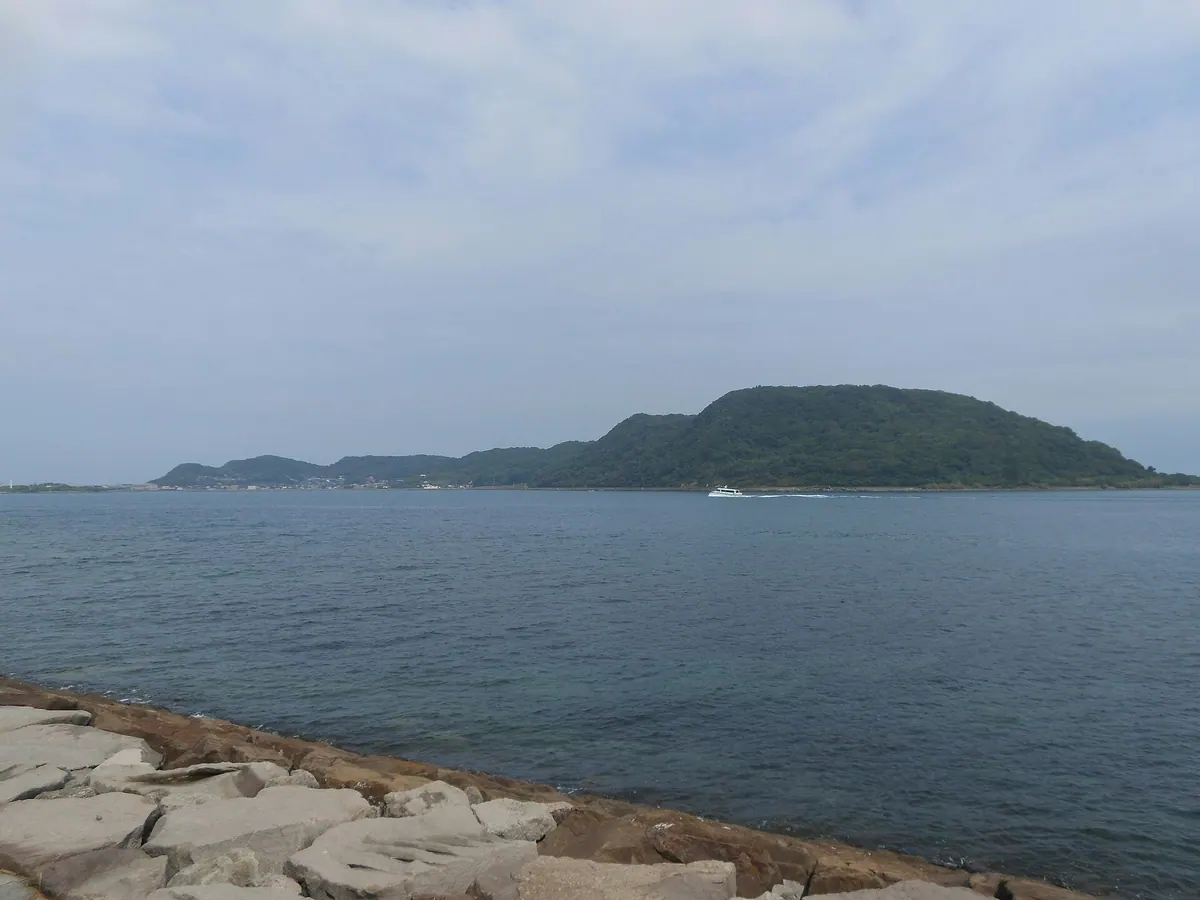
A small inhabited island in Genkai Quasi-National Park featuring ancient burial mounds, Manyoshu poem monuments, and a resident emu population.
What it is
- A small island covering 1.41 square kilometers within the Genkai Quasi-National Park.
- An inhabited community belonging to Karatsu City with a population of approximately 248 people.
- A historical site containing Onizuka burial mounds dating back to the Kofun period.
- A sanctuary for about 50 emus raised by local residents since 2021.
What to see
- Sumiyoshi Shrine which enshrines the three traditional Sumiyoshi deities.
- A Mongolian anchor stone designated as a cultural property of Karatsu City.
- A colony of crinum lilies recognized as a city-designated natural monument.
- Seven different Manyoshu poem monuments located at various points across the island.
Getting there
- Take a ferry from Minato Port for an eight minute journey to the island.
03
Torishima
SAGA · PLACE 鳥島
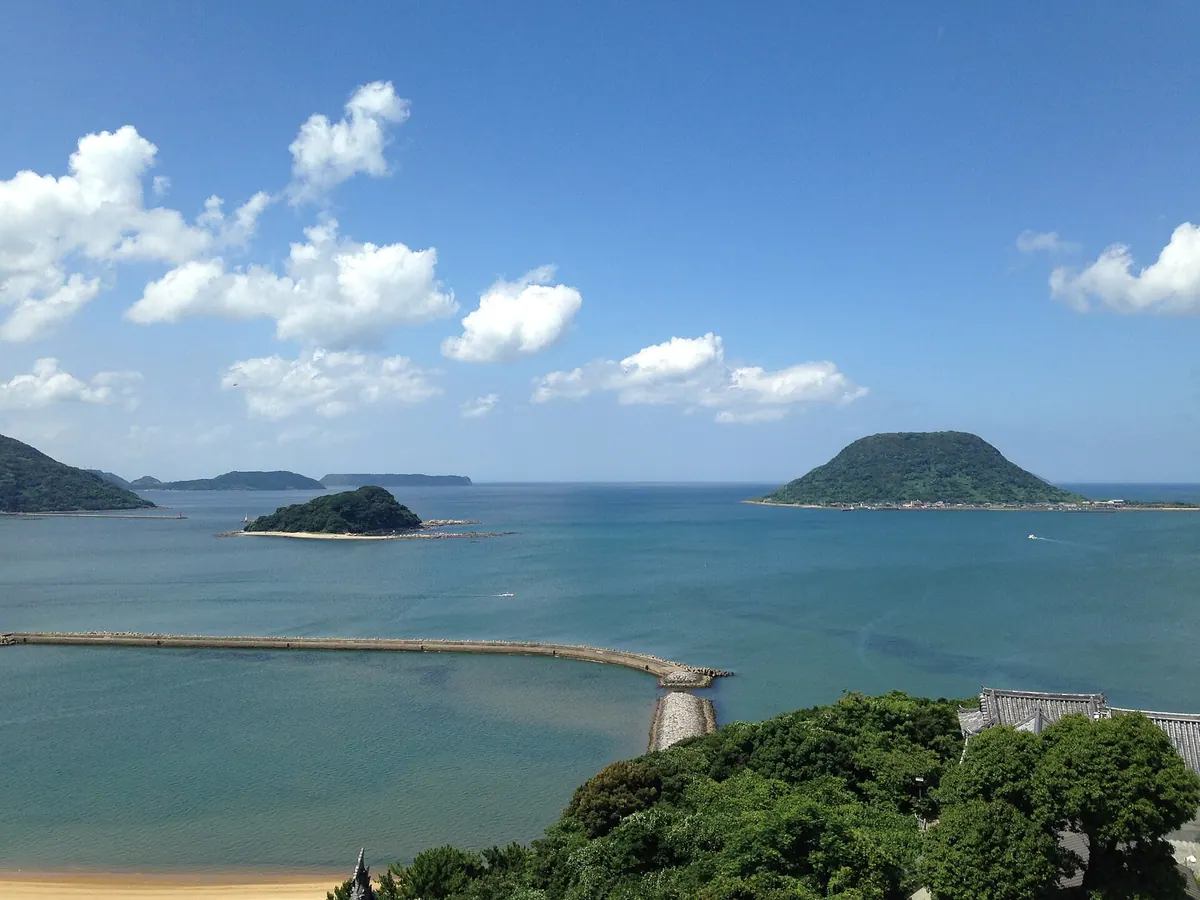
An uninhabited island park in Karatsu Bay featuring a shrine and summer water sports, accessible by a short ferry ride.
What it is
- An uninhabited island in Karatsu Bay designated as Torishima Nature Park.
- A natural breakwater for Karatsu Port located 700 meters offshore from Nishinohama.
- Home to Torishima Benzaiten, a deity divided from Enoshima Shrine in Kanagawa.
- The closest island to the Karatsu city center.
What to see
- Torishima Benzaiten shrine located on a sandbar on the southeast side.
- Natural park landscapes on an island that once hosted a restaurant until the 1960s.
- Views of Karatsu Bay from the island's shores.
When to go
- Summer months for long-distance swimming and raft races.
- Twice a year during the festival involving island cleaning.
Getting there
- Access is available via reservation-based ferry boats from the mainland.
04
Okinoshima
SAGA · PLACE 沖ノ島
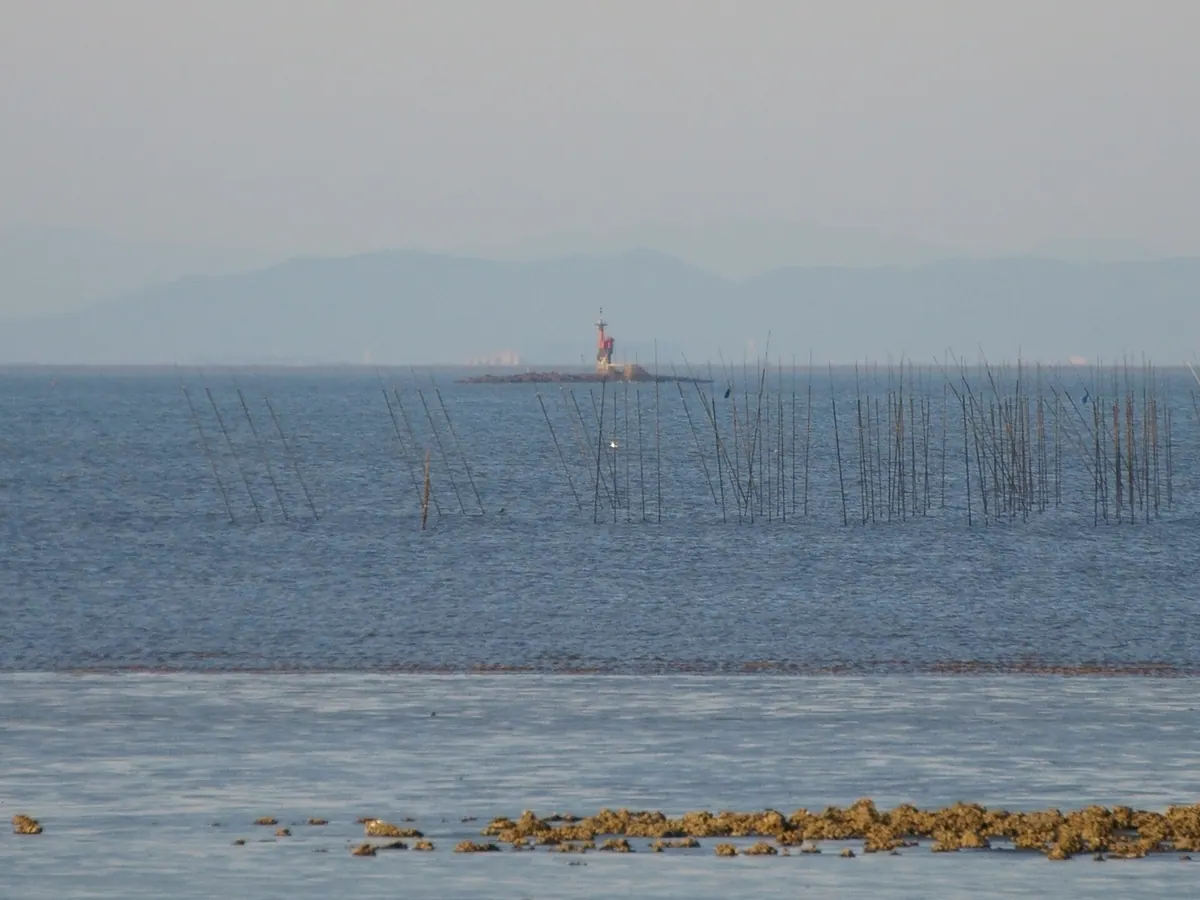
A sacred reef in the Ariake Sea featuring a lighthouse and statues that completely submerge during high tide.
What it is
- A sacred reef in the Ariake Sea consisting of two parts named Ojima and Mejima
- The only island located within the Saga Prefecture portion of the Ariake Sea
- A site dedicated to the deity Okigami Daimyojin and the spirit of a girl named Oshima
- A historic cultural asset designated by the Fisheries Agency in 2006
What to see
- The Okinokamise Lighthouse which has stood on Ojima since 1950
- A stone statue of a girl named Oshima located on the reef
- The entire island disappearing beneath the waves during high tide
- Religious sites associated with the nearby underwater torii of Ouo Shrine
When to go
- Annual rituals are held on the nineteenth day of June
- Low tide is necessary to see the land before it submerges
05
Kabe Island
SAGA · PLACE 加部島
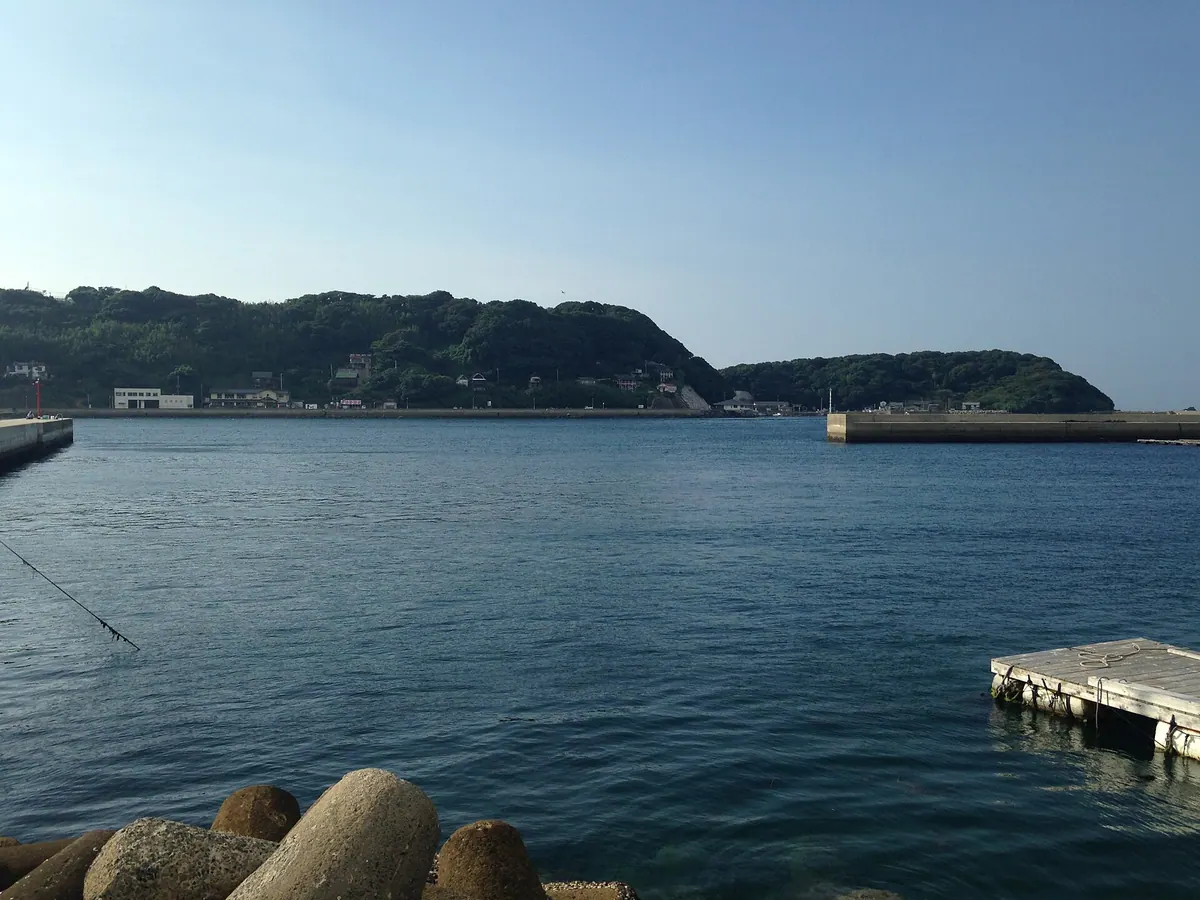
A scenic island in Genkai Quasi-National Park featuring Saga's oldest shrine, ancient burial mounds, and famous citrus jelly.
What it is
- A small island in the Genkai Sea connected to the mainland by a bridge.
- Part of the Genkai Quasi-National Park and recognized as a top Japanese village landscape.
- Home to Tashima Shrine, which is considered the oldest shrine in Saga Prefecture.
- A former major whaling site during the Edo period with a current agricultural focus.
What to see
- The Yobuko Ohashi bridge spanning the water to the mainland.
- The Hisagozuka Tumulus, a burial mound dating back to the early 6th century.
- Local farms cultivating rice, vegetables, and Yobuko Amanatsu citrus fruits.
- Coastal views of the Genkai Sea from the 2.68 square kilometer island.
Getting there
- Buses run directly to the island from the Yobuko bus terminal.
06
Ogawashima
SAGA · PLACE 小川島
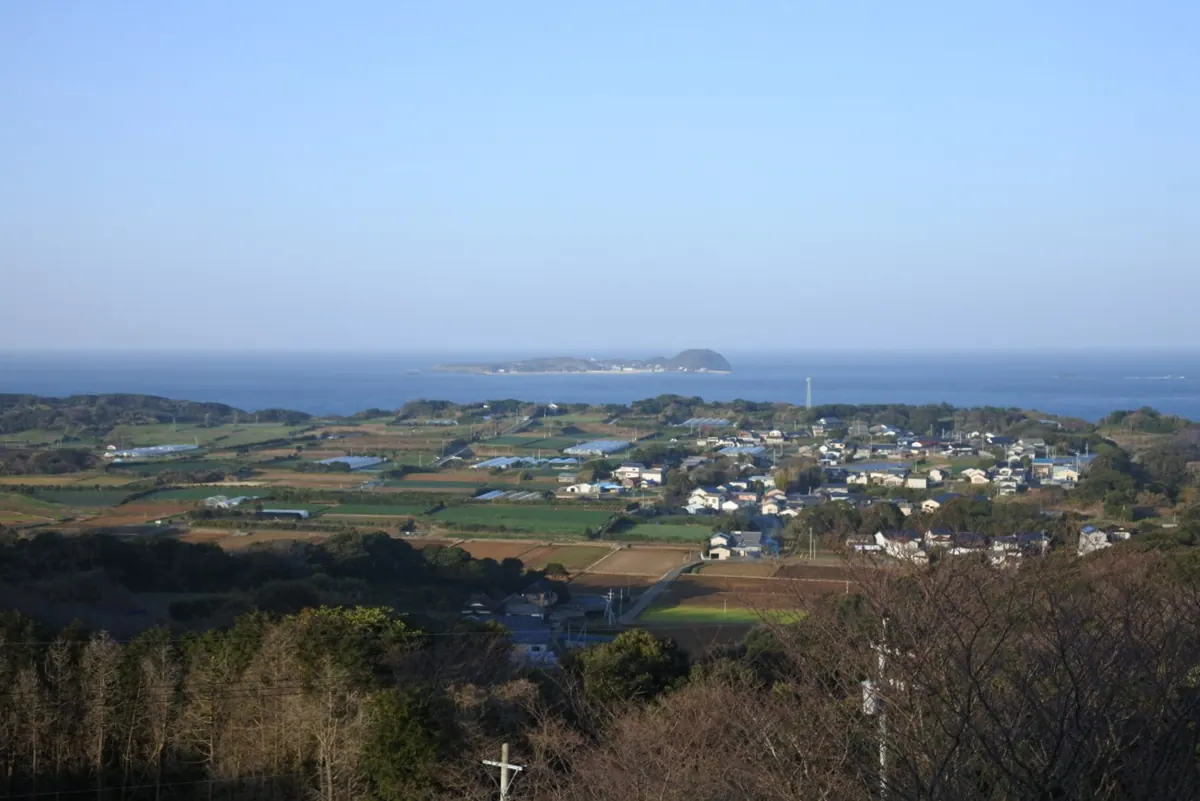
A small fishing island north of Karatsu known for its historic whaling heritage and preserved Taisho-era lookout station.
What it is
- A small inhabited island located north of Yobuko Town in Karatsu City.
- A traditional fishing community where whaling flourished from the 18th century to early Showa.
- Site of a whaling base established by the Nakao family in 1595.
What to see
- A whale memorial tower erected in 1863 to honor the animals.
- A preserved whale lookout station dating back to the Taisho era.
- The active Ogawashima Fishing Port located in the southern part of the island.
- Prefectural cultural properties including the historic memorial tower and lookout station.
Getting there
- Take the Soyokaze ferry from Yobuko Port for a 20-minute journey.
- The ferry operates five round trips daily during the peak season.
07
Kakara Island
SAGA · PLACE 加唐島
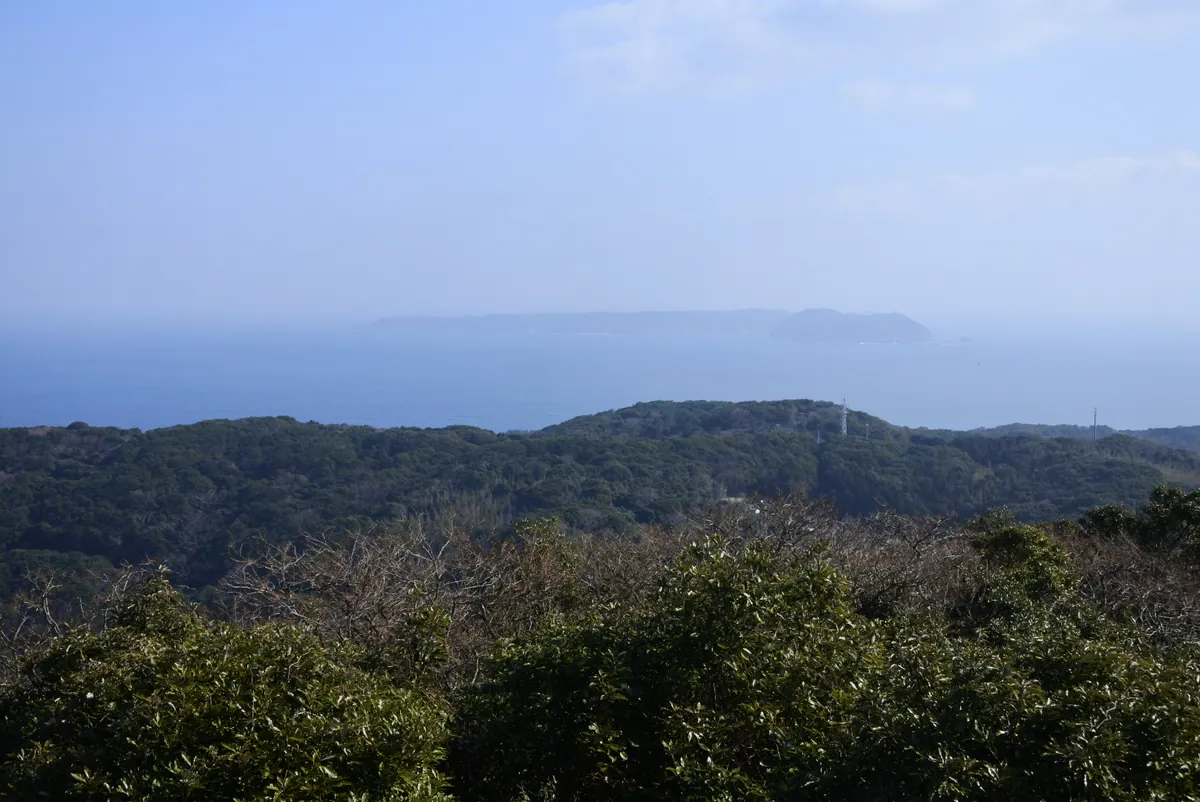
A volcanic island in the Genkai Sea known as the birthplace of King Muryeong and for its unique dog taboo.
What it is
- A volcanic island formed approximately 2.55 million years ago in the Genkai Sea.
- The northernmost point of Saga Prefecture and part of Genkai Quasi-National Park.
- The reported birthplace of King Muryeong of the Baekje Kingdom.
- A small fishing community where keeping dogs is traditionally considered a taboo.
What to see
- Native camellia trees used by residents to produce local camellia oil.
- Coastal views from the northernmost tip of Saga Prefecture.
- Active pole-and-line fishing operations around the island harbor.
Getting there
- Take a regular ferry from Yobuko Port to reach the island.
- The ferry journey across the sea takes approximately 20 minutes.
08
Takashima
SAGA · PLACE 高島
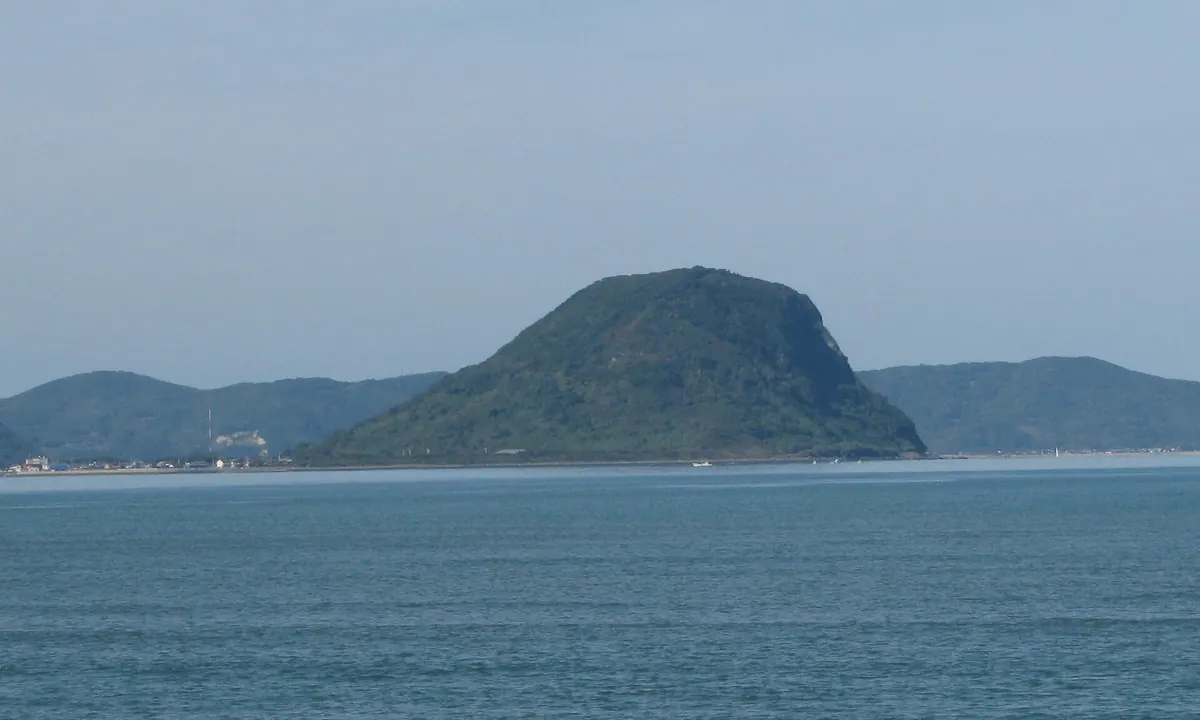
A small fishing island in Karatsu Bay home to the Hoto Shrine, accessible by a short ferry ride.
What it is
- A small island in Karatsu Bay covering approximately 0.62 square kilometers.
- A residential fishing community with a population of about 174 people.
- Home to the Hoto Shrine and a local elementary school.
- The site of an NBC Radio Saga relay station.
What to see
- The Hoto Shrine located within the island interior.
- Active fishing boats and infrastructure supporting the primary local industry.
- Coastal views of Karatsu Bay from the island perimeter.
Getting there
- Take a regular ferry from Hoto Pier for a ten-minute crossing.
- Explore the island on foot as there is no public transportation available.
09
Madara Island
SAGA · PLACE 馬渡島
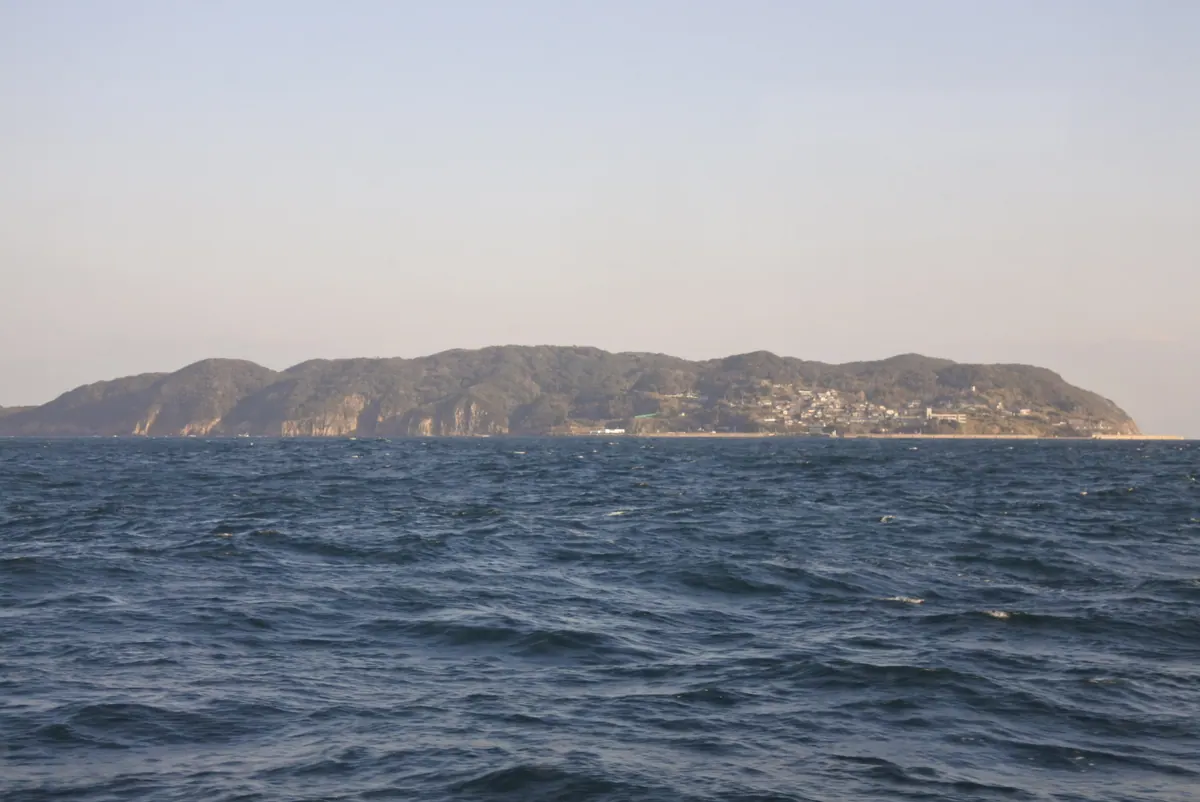
The largest island in Saga Prefecture, featuring a historic Catholic church and views from the highest peak in the Genkai Sea.
What it is
- The largest island in Saga Prefecture located within the Genkai Sea.
- A historic stop for Japanese missions traveling to China.
- The westernmost point of Saga Prefecture consisting of four main settlements.
- The birthplace of sumo wrestlers Matsuura-gata and Aranami Hideyoshi.
What to see
- A Catholic church relocated to the island from Hirado in 1928.
- Bansho-no-tsuji peak which stands at 237.9 meters high.
- Coastal views across the 4.24 square kilometer island landscape.
Getting there
- Regular ferry service operates from Yobuko and Nagoya ports.