

15 Historic sites in Shiga worth your time
Japan Gems
Shiga Prefecture offers a variety of heritage sites, including the ancient burial mounds of Kamezuka Kofun and Azuchi-Hyōtanyama Kofun. These locations provide insight into Japan's historical landscape.
Shiga has 15 historic sites on Japan Gems. Below are the 15 we can tell you the most about — each one written up in English from Japanese sources, with what to see and how to get there. See all historic sites in Shiga.
01
Ōmi Kokuchō
SHIGA · HISTORIC SITE 近江国庁跡
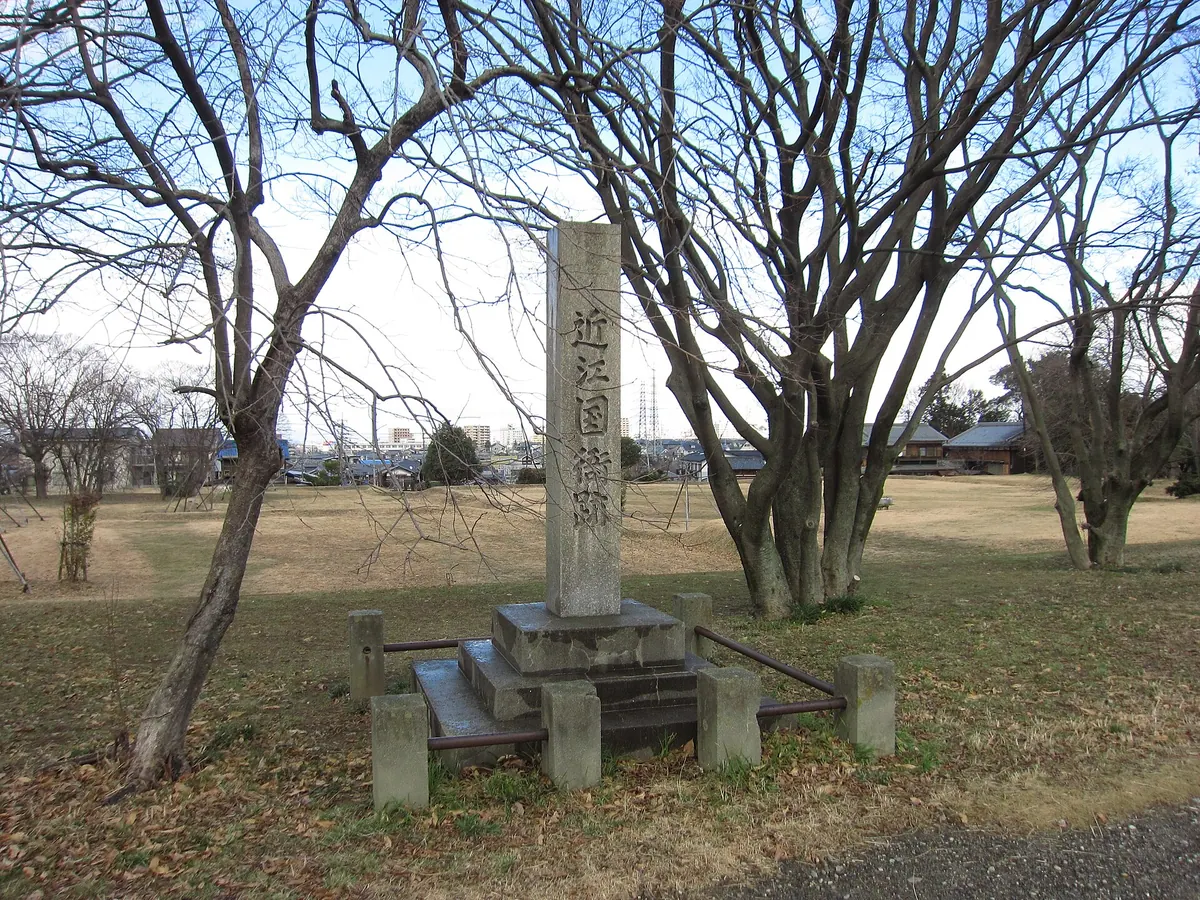
Explore Ōmi Kokuchō, a national historic site, to see ancient administrative ruins from the Nara period.
What it is
- A ruin of a local administrative institution.
- Designated as a national historic site.
- Central part confirmed in 1963 and 1965.
- Existed until around the end of the 10th century.
What to see
- Ruins of the Kokufu, estimated 8 to 9 cho square.
- Ruins of the Kokuchō, 2 cho east-west and 3 cho north-south.
- Inner enclosure (Seichō) surrounded by a Tsuiji wall.
- Seichō was 72.8 meters east-west and 109 meters north-south.
- Four tile-roofed structures arranged symmetrically.
- Ruins from mid-Nara and late-Nara to early-Heian periods.
02
Otsukayama Kofun
SHIGA · HISTORIC SITE 大塚山古墳
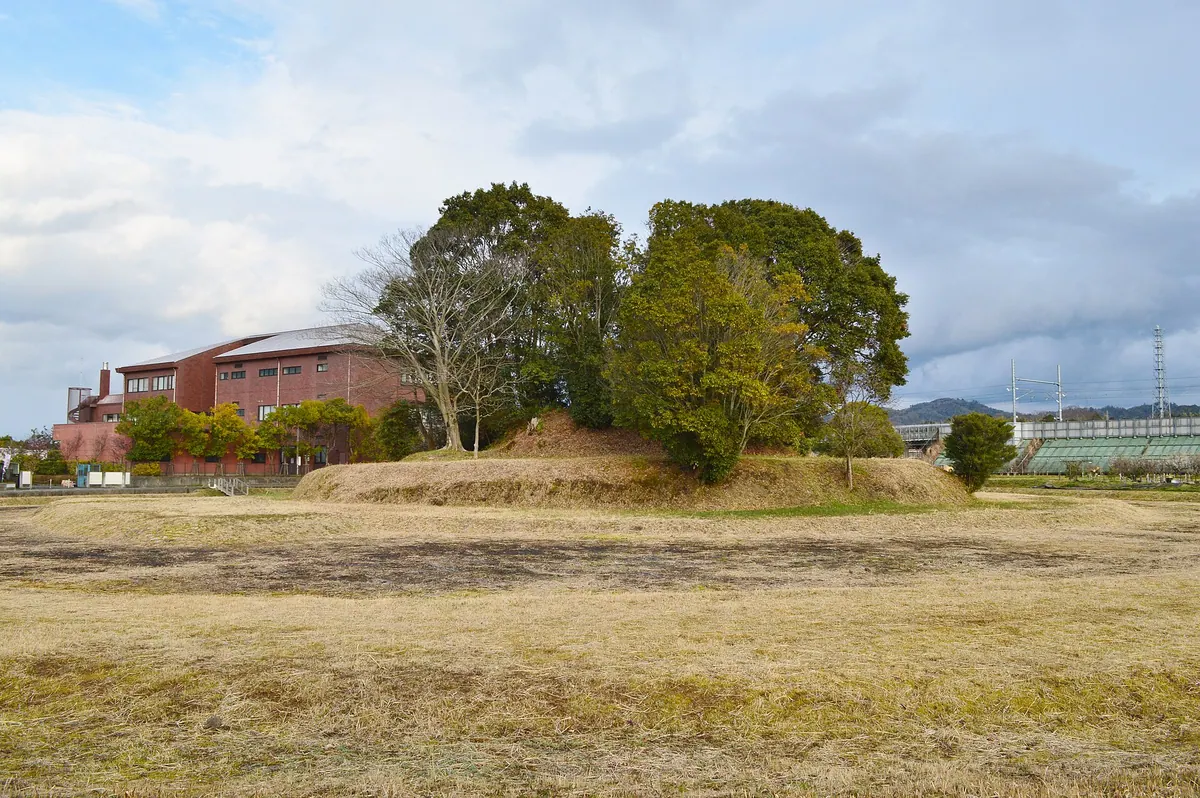
See a rare scallop-shell tumulus from the 5th century, a National Historic Site.
What it is
- A scallop-shell shaped tumulus in Yasu City, Shiga Prefecture.
- Part of the Oiwayama Kofun Group, a National Historic Site.
- Constructed in the early 5th century.
- Designated a National Historic Site in 1985.
What to see
- A scallop-shell shaped burial mound.
- Main mound is 57 meters in diameter, 7.3 meters high.
- Exterior covered with fukiishi (river stones).
- A moat 13-20 meters wide surrounds the tumulus.
- Total length with moat and outer bank is 105 meters.
- Excavated cylindrical and figural Haniwa (clay figures).
03
Chausuyama Kofun
SHIGA · HISTORIC SITE 茶臼山古墳 (大津市)
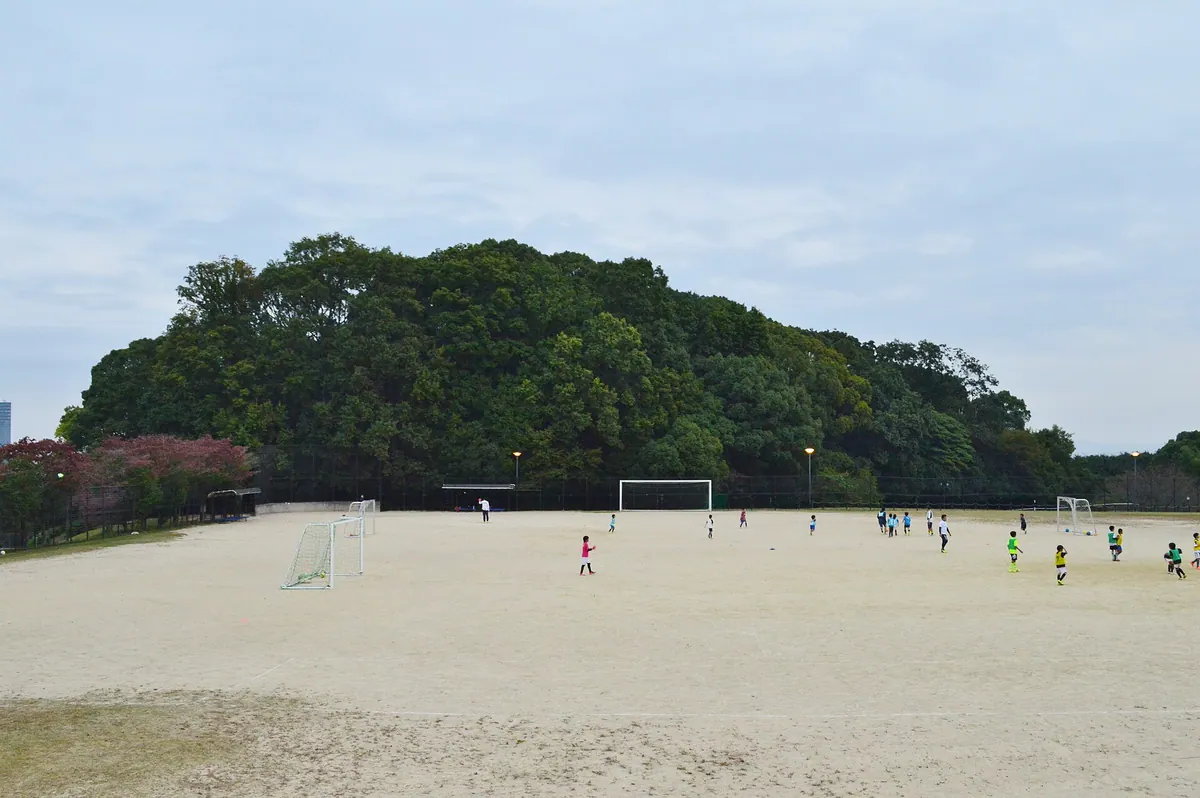
Explore a large, ancient keyhole-shaped burial mound, a significant National Historic Site.
What it is
- A keyhole-shaped tumulus, a type of ancient burial mound.
- Designated as a National Historic Site.
- Third largest kofun in Shiga Prefecture.
- Estimated construction from late 4th to early 5th century.
What to see
- The 124-meter long keyhole-shaped mound.
- Posterior circular part with a 70-meter diameter.
- Anterior rectangular part, 60 meters long.
- Fukiishi and cylindrical Haniwa rows on the mound.
- Akiba Shrine, located within the kofun area.
- Kocahusuyama Kofun, a nearby circular tumulus.
04
Shimotoyama Burial Mound
SHIGA · HISTORIC SITE 下戸山古墳
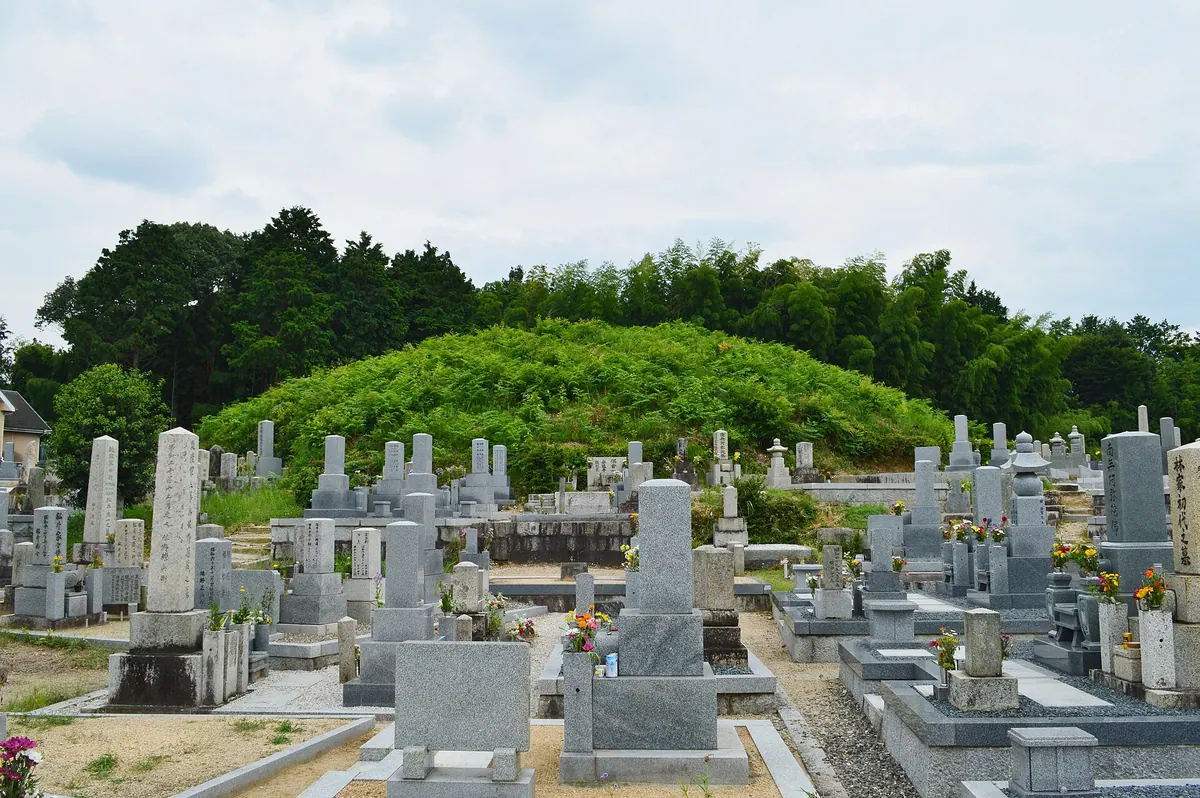
Explore a 4th-century burial mound, a local historic site, revealing ancient burial practices and regional history.
What it is
- A burial mound in Ritto City, Shiga Prefecture.
- Designated a historic site by Ritto City.
- Built in the late 4th to early 5th century.
- Considered a chief's tomb in the Yasu River left bank region.
What to see
- Circular mound, 50 meters in diameter.
- Mound stands 7.5 meters high.
- Fukiishi (stone revetment) on the mound surface.
- Haniwa (clay figures) found on the mound surface.
- Moat surrounds the south side of the mound.
- Hajiki pottery unearthed from inside the moat.
05
Ise Site
SHIGA · HISTORIC SITE 伊勢遺跡
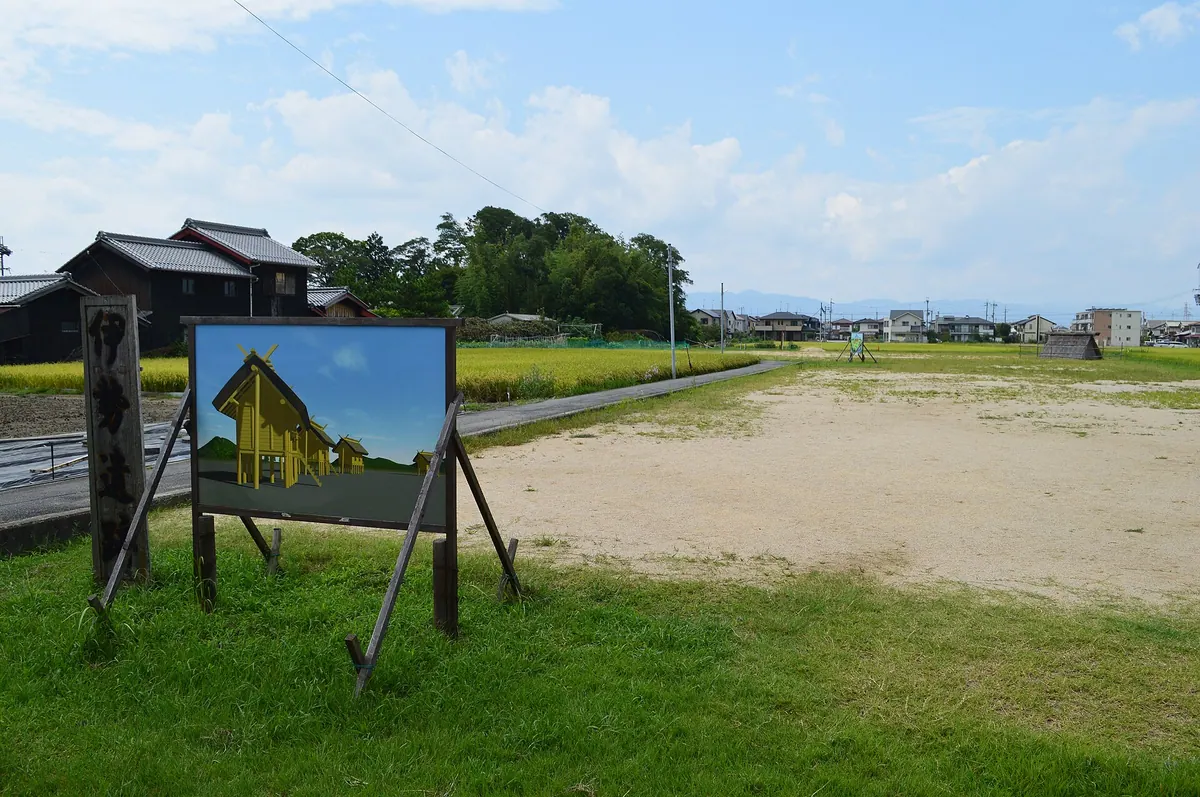
Ise Site is a National Historic Site showcasing ancient Japanese architecture from Jomon to Muromachi periods.
What it is
- Archaeological site in Shiga Prefecture, Japan.
- Designated as a National Historic Site.
- Spans from the Jomon period to the Muromachi period.
- Known for large buildings from the late Yayoi period.
What to see
- Thirteen identified large buildings.
- Double-fenced square area.
- Circularly arranged buildings with independent pillars.
- Large pit dwelling north of circular buildings.
When to go
- Ise Site Historic Park opened on November 12, 2023.
06
Inariyama Kofun
SHIGA · HISTORIC SITE 稲荷山古墳
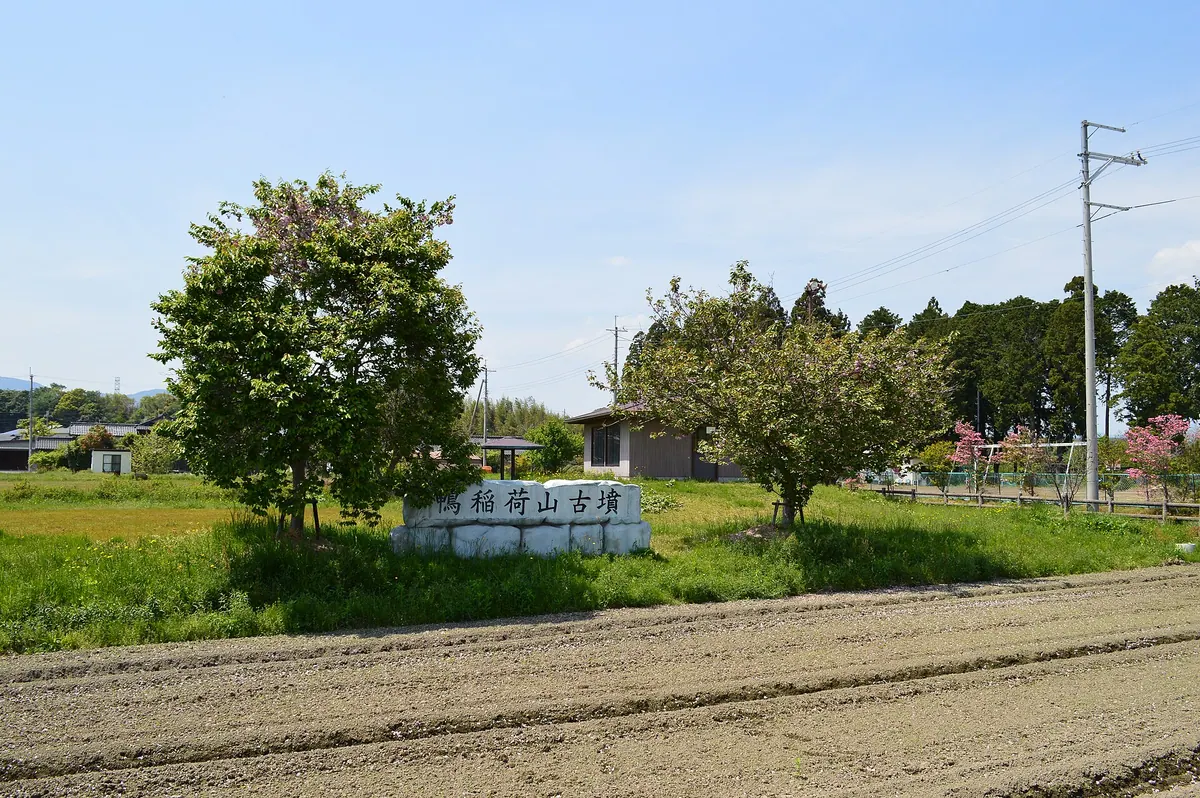
Explore a rare 6th-century keyhole-shaped tomb with a unique stone coffin and ancient burial goods.
What it is
- A keyhole-shaped tumulus, also known as Kamo Inariyama Kofun.
- Built in the first half of the 6th century.
- Designated a historic site in Shiga Prefecture.
- Discovered in 1902 during road improvement work.
What to see
- The only keyhole-shaped tumulus on the lakeside plain.
- A hollowed-out house-shaped stone coffin.
- Stone coffin made of tuff, preserved in a protective structure.
- Numerous lavish burial goods influenced by Gaya and Silla.
07
Kotobayama Burial Mound
SHIGA · HISTORIC SITE 古冨波山古墳
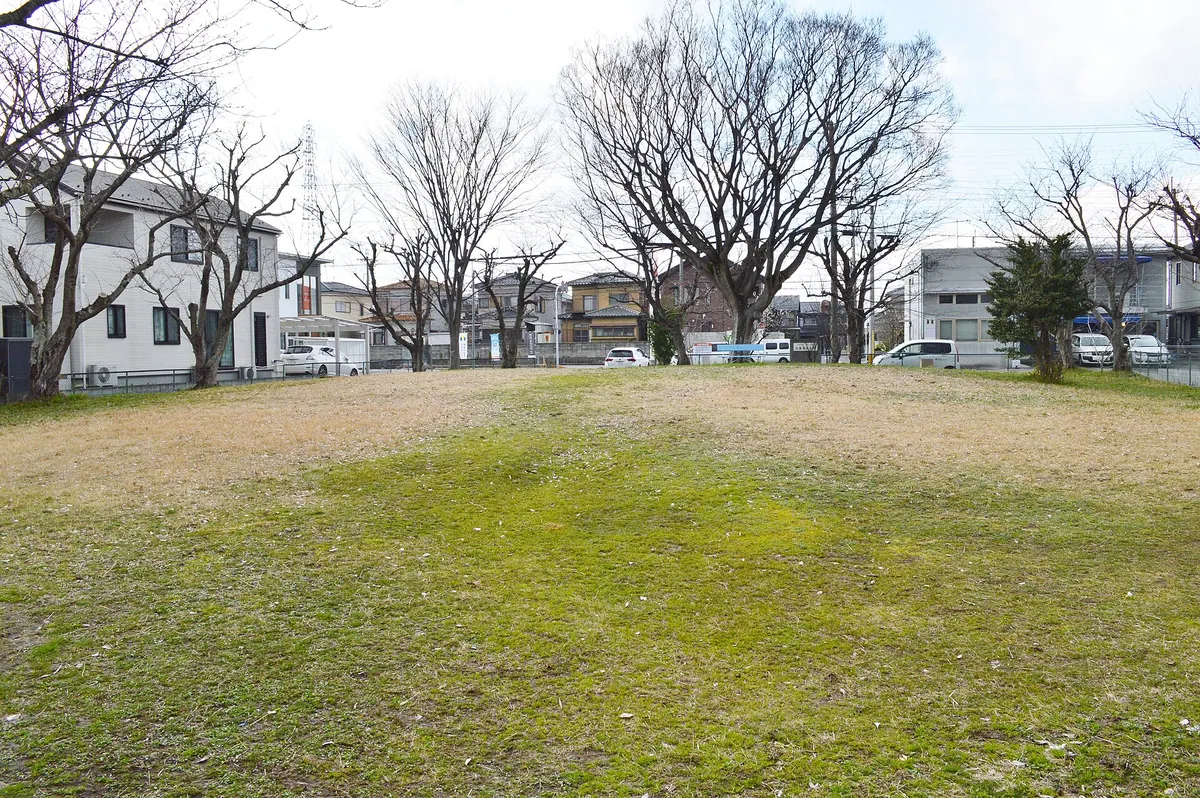
Explore an ancient burial mound, part of a National Historic Site, revealing Japan's early history.
What it is
- A circular tumulus in Yasu City, Shiga Prefecture.
- Part of the Oiwagama Kofun Group, a National Historic Site.
- Estimated to have been built in the late 3rd century.
- Designated a National Historic Site in 1985.
What to see
- A circular kofun 26-30 meters in diameter.
- Site of three bronze mirrors unearthed in 1896.
- One excavated mirror is a city tangible cultural property.
- Presumed to be a direct wooden coffin burial.
08
Shigaraki Palace Sites
SHIGA · HISTORIC SITE 紫香楽宮跡
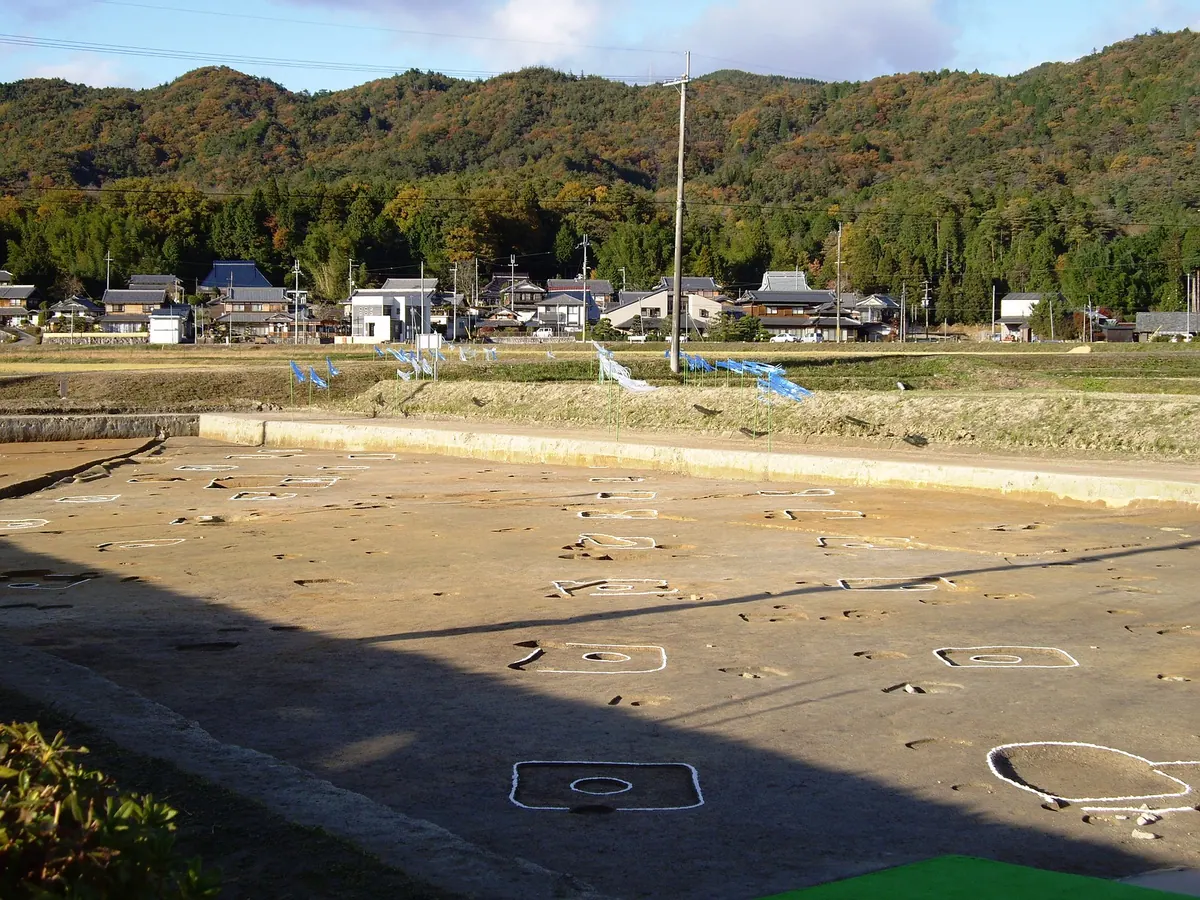
Explore ancient palace ruins built by Emperor Shomu, a designated National Historic Site.
What it is
- Ancient ruins in Koka City, Shiga Prefecture.
- Designated as a National Historic Site.
- Relates to Shigaraki Palace, built by Emperor Shomu.
What to see
- Five distinct areas of ruins.
- Miyamachi area contains palace ruins.
- Dairino area contains temple ruins.
- Shingu Shrine area contains road ruins.
- Kajiya-shiki area contains foundry ruins.
- Kita-kinose area contains large well ruins.
09
Kamezuka Kofun
SHIGA · HISTORIC SITE 亀塚古墳 (野洲市)
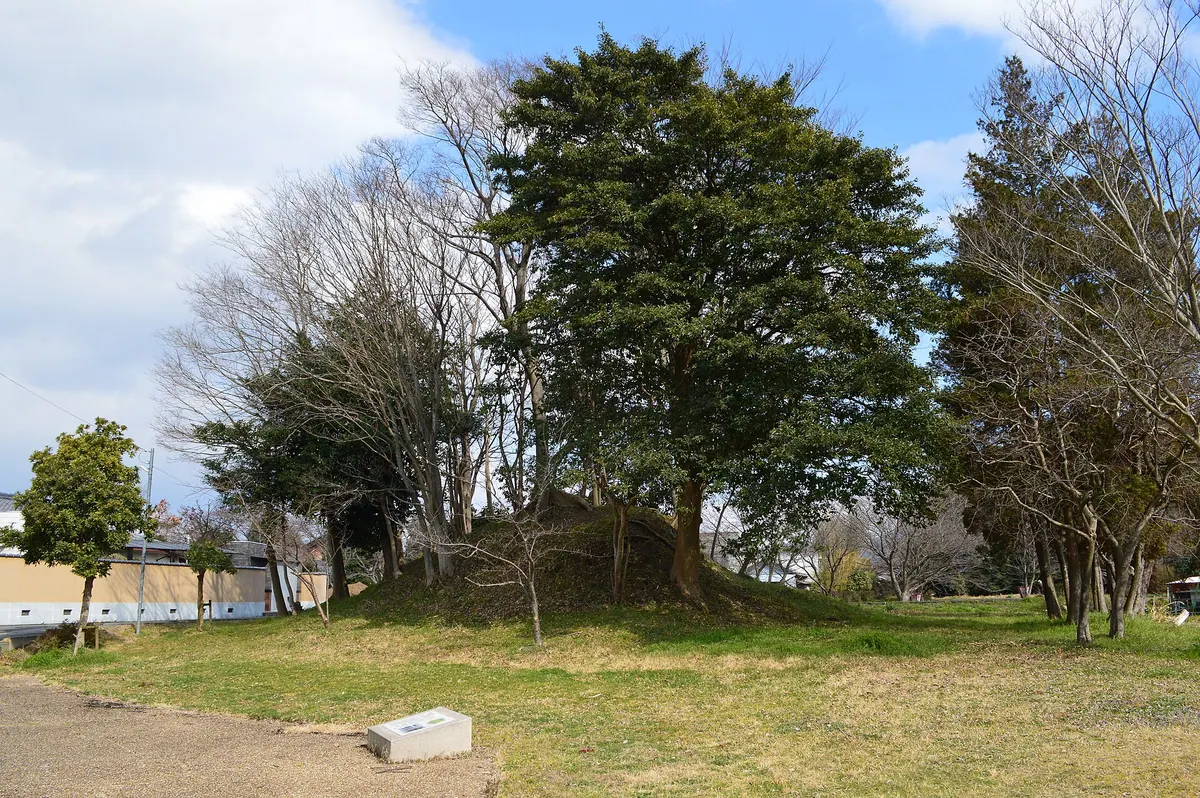
Explore a unique scallop-shaped burial mound, part of a National Historic Site with ancient artifacts.
What it is
- A scallop-shell shaped kofun, or ancient burial mound.
- Part of the Oiwayama Kofun Group.
- The kofun group is a National Historic Site.
What to see
- A kofun built on an alluvial fan and natural levee.
- The kofun has a moat.
- Cylindrical haniwa have been excavated.
- Morning glory-shaped haniwa have been excavated.
- Figurative haniwa have been excavated.
- Sue ware has been excavated.
10
Toba Kofun
SHIGA · HISTORIC SITE 冨波古墳
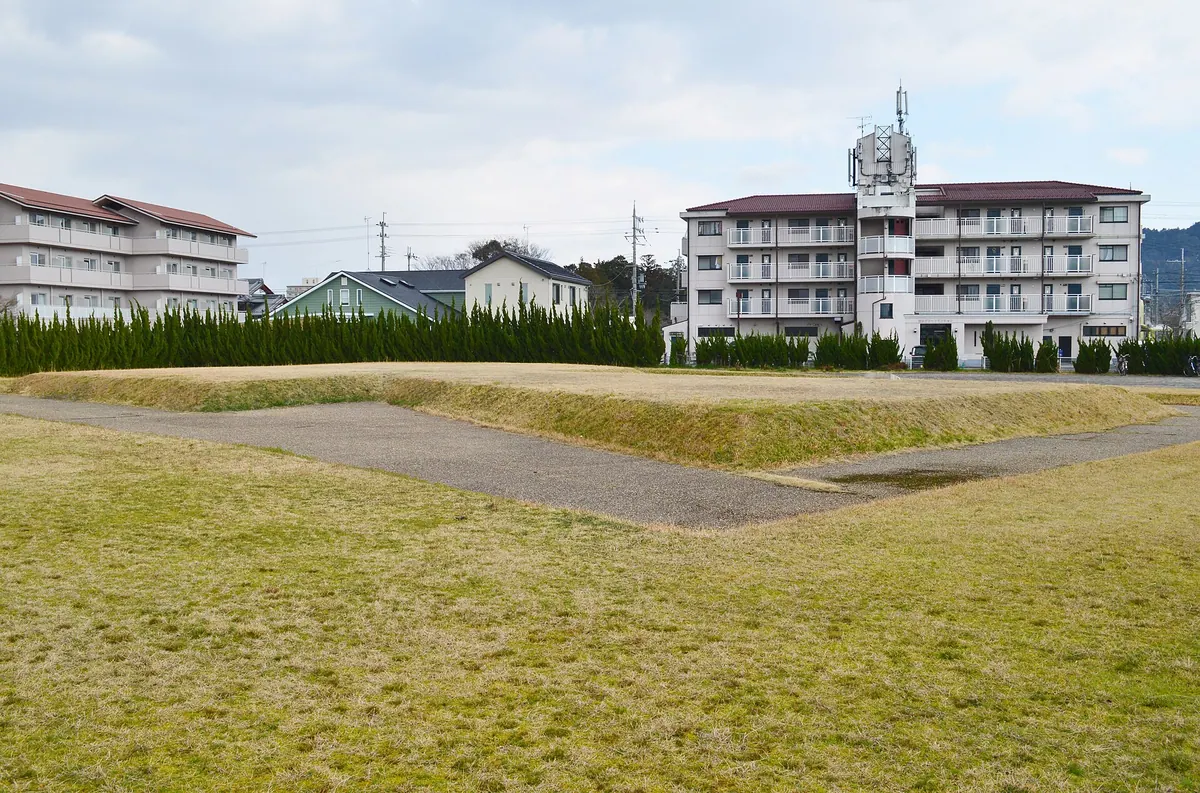
Explore Toba Kofun, a 3rd-century keyhole-shaped tomb, for a glimpse into ancient Japanese burial practices.
What it is
- A keyhole-shaped tomb, called a zenpo-kofun.
- Part of the Oiwayama Kofun Group.
- Discovered in 1982, built in the late 3rd century.
- Designated a national historic site in 1985.
What to see
- The keyhole-shaped mound, 42 meters long.
- The rear part is almost square, 23 meters long.
- A moat 4.5 to 7 meters wide surrounds it.
- Total length including the moat is 52 meters.
11
Miyamachi Site
SHIGA · HISTORIC SITE 宮町遺跡
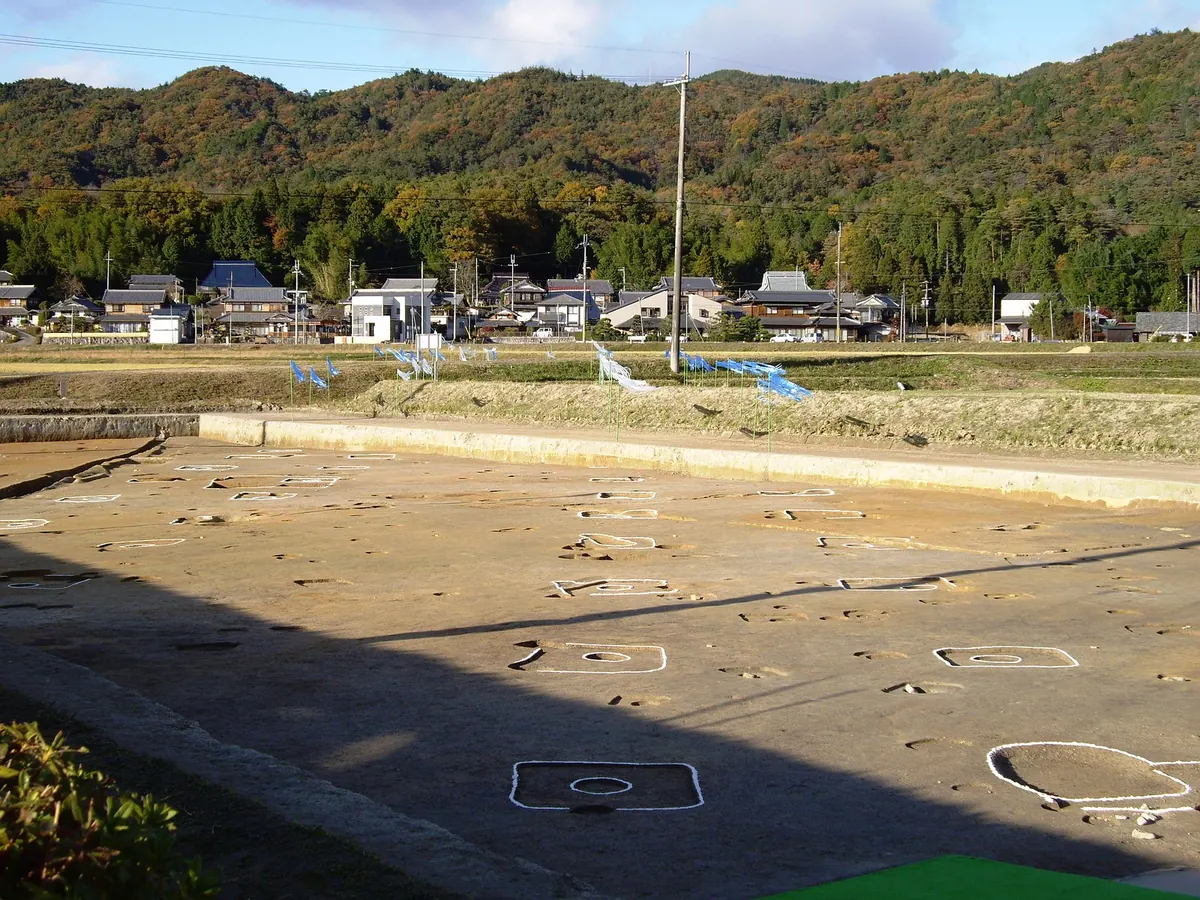
Explore the ruins of Emperor Shomu's Shigaraki-no-miya Palace, a significant National Historic Site.
What it is
- An ancient palace ruin, designated a National Historic Site.
- Believed to be the site of Shigaraki-no-miya Palace.
- Emperor Shomu established this palace.
- Excavations have been ongoing since 1984.
What to see
- Archaeological findings from ongoing excavations.
- Wood identified by tree ring dating from 742-743 AD.
- The remains of a large building found in 2000.
12
Ōjiyama Kofun
SHIGA · HISTORIC SITE 皇子山古墳群
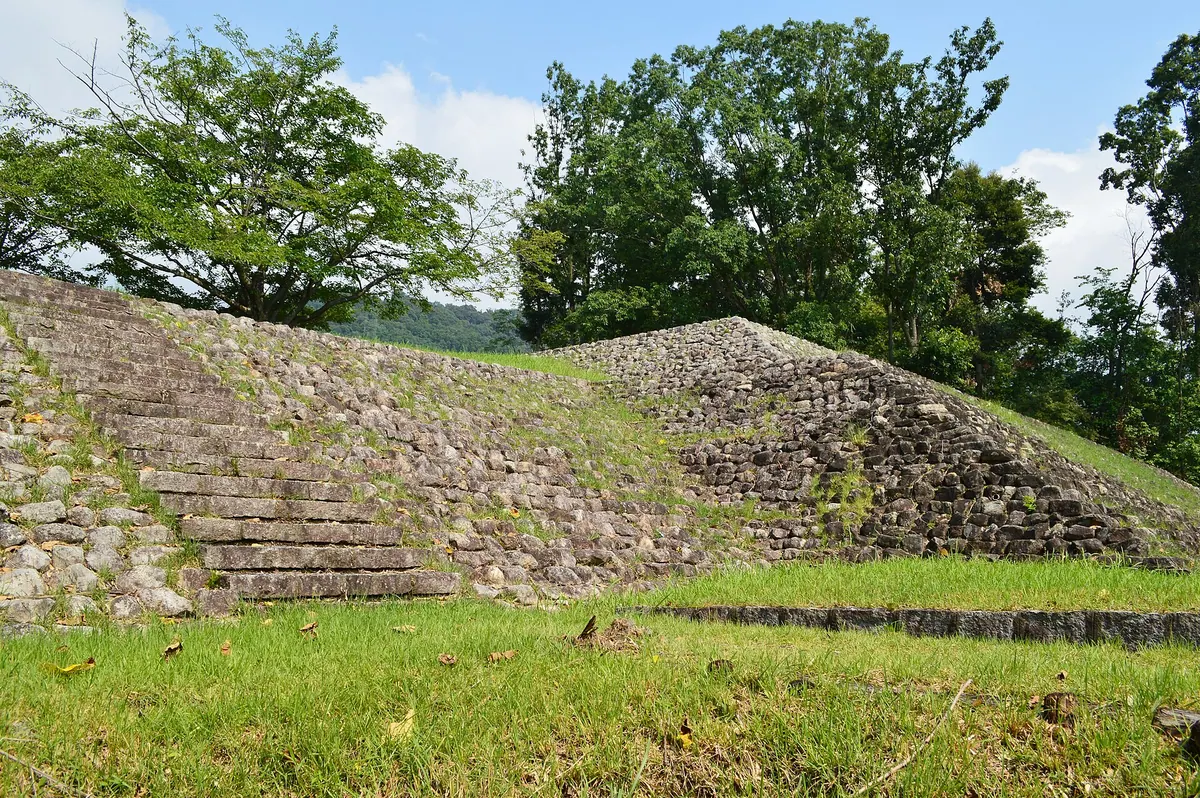
Explore ancient burial mounds in a park setting, offering a glimpse into Japan's Kofun period.
What it is
- A kofun group in Shiga Prefecture.
- Consists of one keyhole-shaped tomb and one round tomb.
- Designated a National Historic Site in 1974.
- Maintained and open as a park.
What to see
- Ōjiyama Kofun No. 1, a keyhole-shaped tomb.
- No. 1 tomb is about 60 meters long.
- Ōjiyama Kofun No. 2, a round tomb.
- No. 2 tomb has a diameter of about 20 meters.
13
Kōjin-yama Kofun
SHIGA · HISTORIC SITE 荒神山古墳
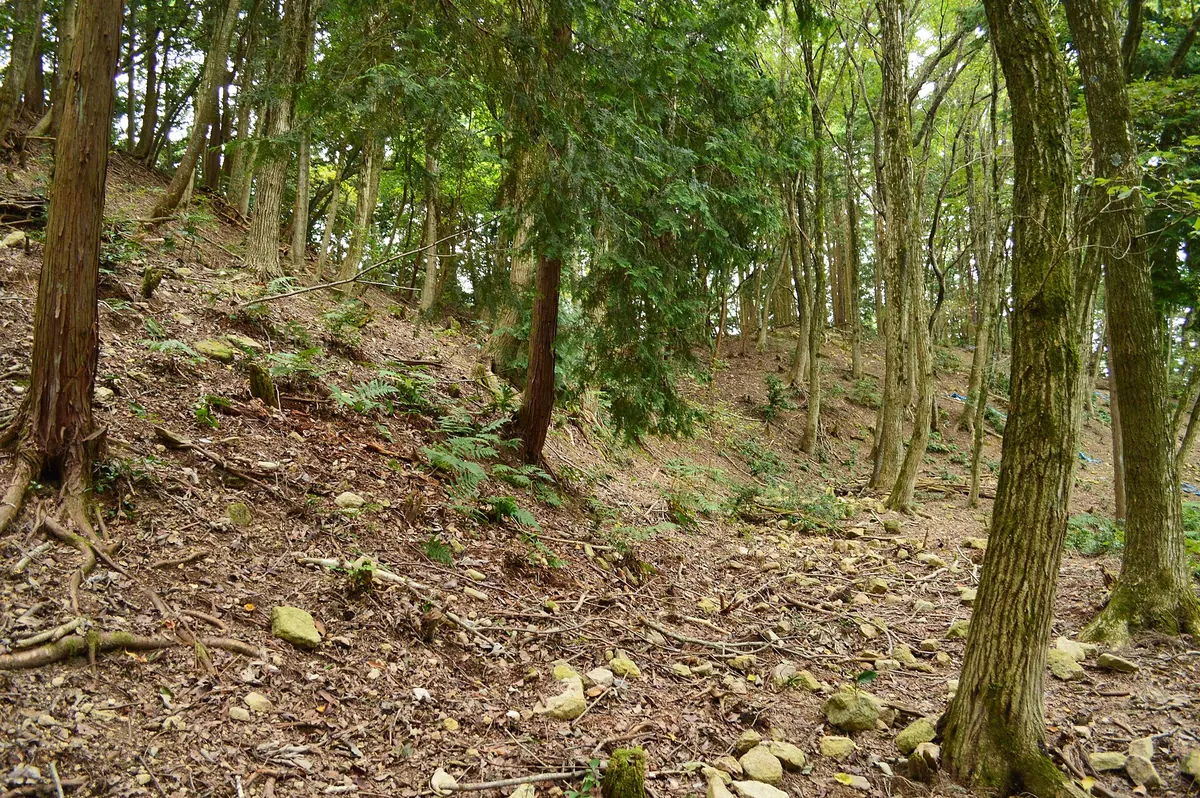
Explore Shiga's second largest keyhole-shaped kofun, a significant ancient burial mound.
What it is
- A keyhole-shaped tumulus, a type of ancient burial mound.
- Designated as a National Historic Site.
- Estimated construction around the late 4th century.
- Second largest kofun in Shiga Prefecture.
What to see
- A 124-meter long tumulus.
- The tumulus has a three-tiered construction.
- 188 excavated haniwa are stored at the Kaikoku Kinenkan.
14
Umoreginoya
SHIGA · HISTORIC SITE 埋木舎
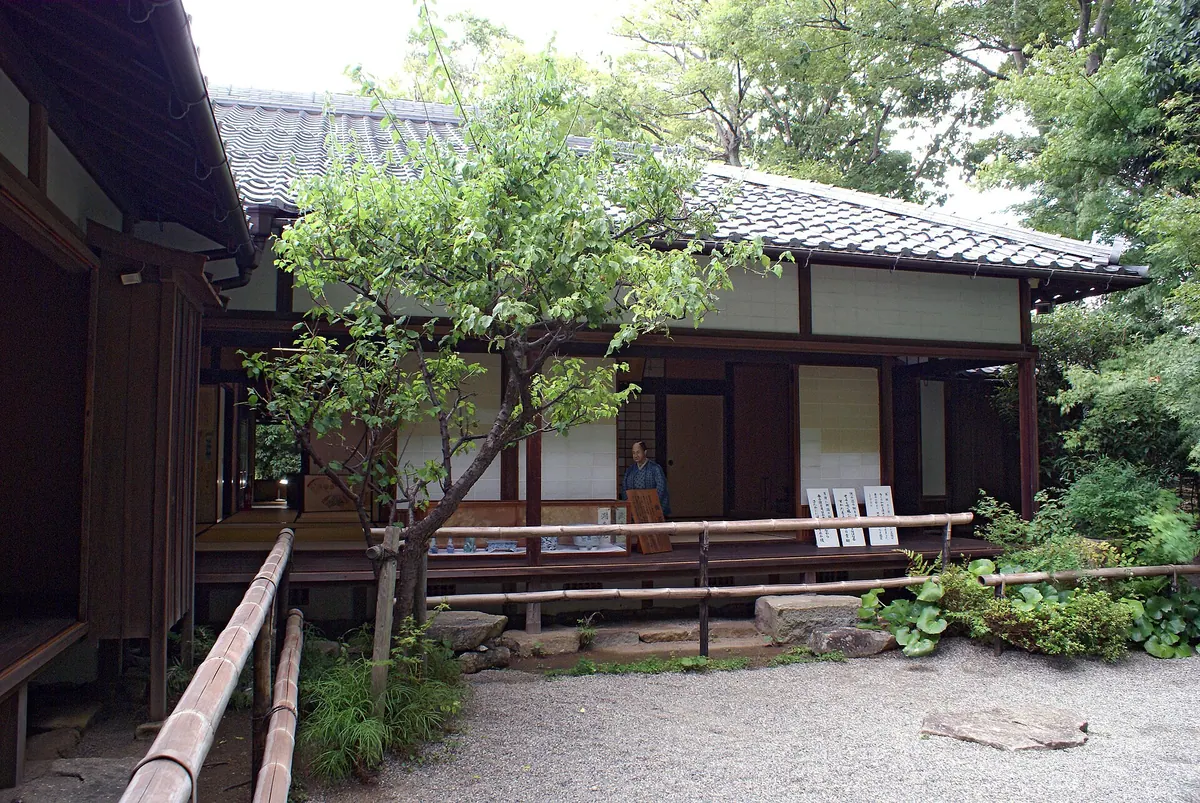
Explore Umoreginoya, a restored 18th-century samurai residence, for a glimpse into feudal Japan.
What it is
- Former residence of the Ii family.
- Constructed around 1759.
- Ii Naosuke lived here for 15 years.
- Part of the Hikone Castle Ruins.
What to see
- The fully restored 18th-century building.
- Excavated two-linked pot-shaped toilets.
Getting there
- 10-minute walk from Hikone Station.
15
Azuchi-Hyōtanyama Kofun
SHIGA · HISTORIC SITE 安土瓢箪山古墳
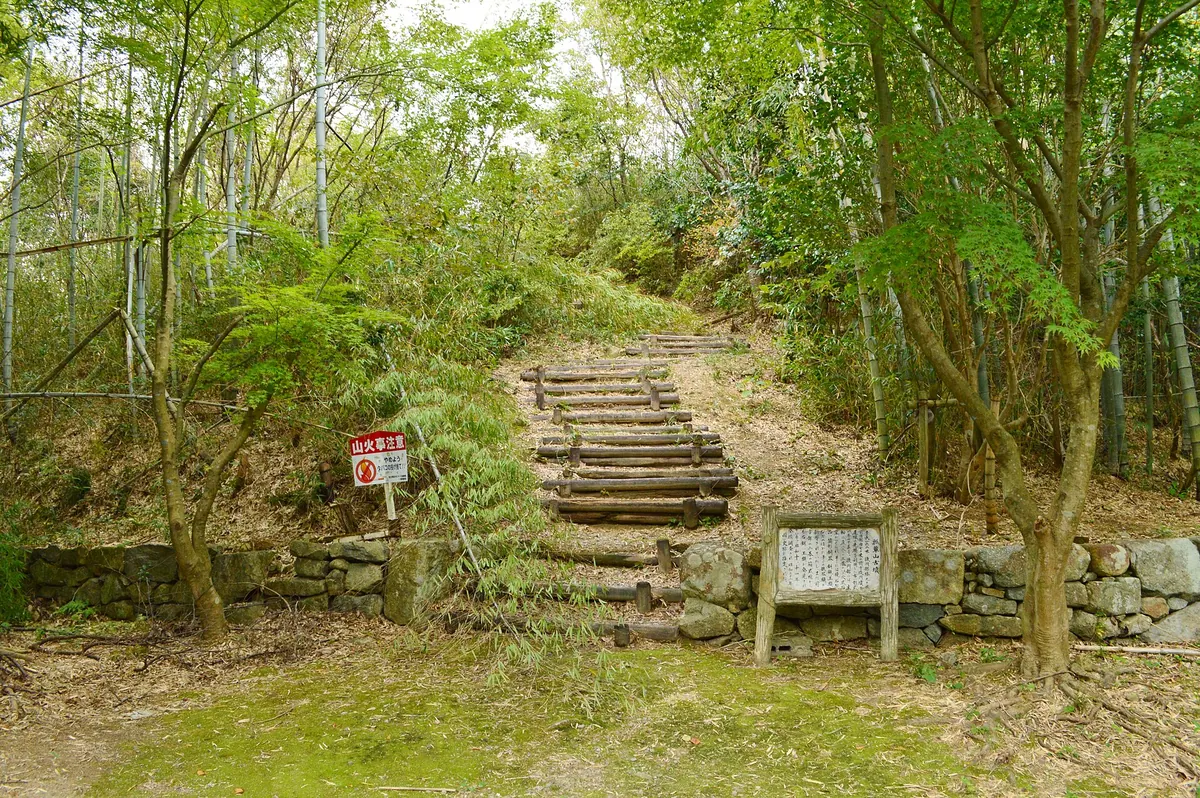
Explore Shiga's largest ancient burial mound, revealing 4th-century history and international ties.
What it is
- A 'zenpo-koen-fun' type of tumulus.
- Designated as a National Historic Site.
- Largest tumulus in Shiga Prefecture.
- Constructed around the mid-4th century.
What to see
- Mound with a total length of 134 meters.
- Three vertical stone chambers.
- Two box-shaped stone coffins.