

12 Islands in Shimane worth your time
Japan Gems
12 Islands in Shimane, with what to see and how to get there.
Shimane has 12 islands on Japan Gems. Below are the 12 we can tell you the most about — each one written up in English from Japanese sources, with what to see and how to get there. See all islands in Shimane.
01
Fumishima
SHIMANE · PLACE 経島
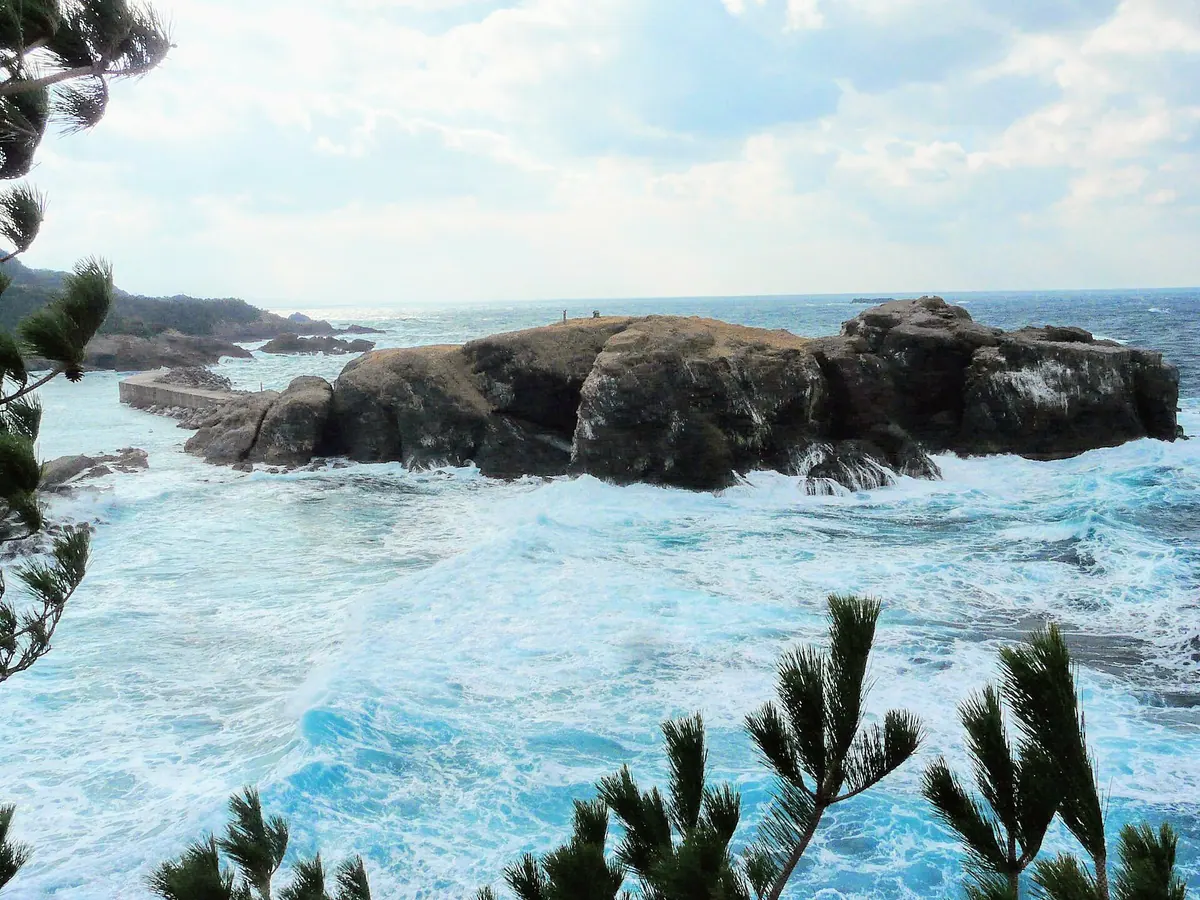
A sacred uninhabited island and national natural monument famous for columnar rock formations and thousands of breeding black-tailed gulls.
What it is
- An uninhabited island in the Sea of Japan designated as a national natural monument.
- A sacred territory of Hinomisaki Shrine where Amaterasu Omikami was originally enshrined.
- A breeding ground for black-tailed gulls consisting of quartz keratophyre with columnar joints.
- A protected site where landing is prohibited except for specific Shinto rituals.
What to see
- Approximately 5,000 black-tailed gulls that nest on the island annually.
- Distinctive columnar joints in the volcanic rock across the island surface.
- Submerged ruins including stone steps located in the surrounding waters.
- Views of the island from a platform on the Hinomisaki promenade.
When to go
- Late November when the black-tailed gulls first arrive for the season.
- March to see the gulls laying their eggs on the island.
- Any time before July when the bird colony departs the area.
02
Yomegashima
SHIMANE · PLACE 嫁ヶ島
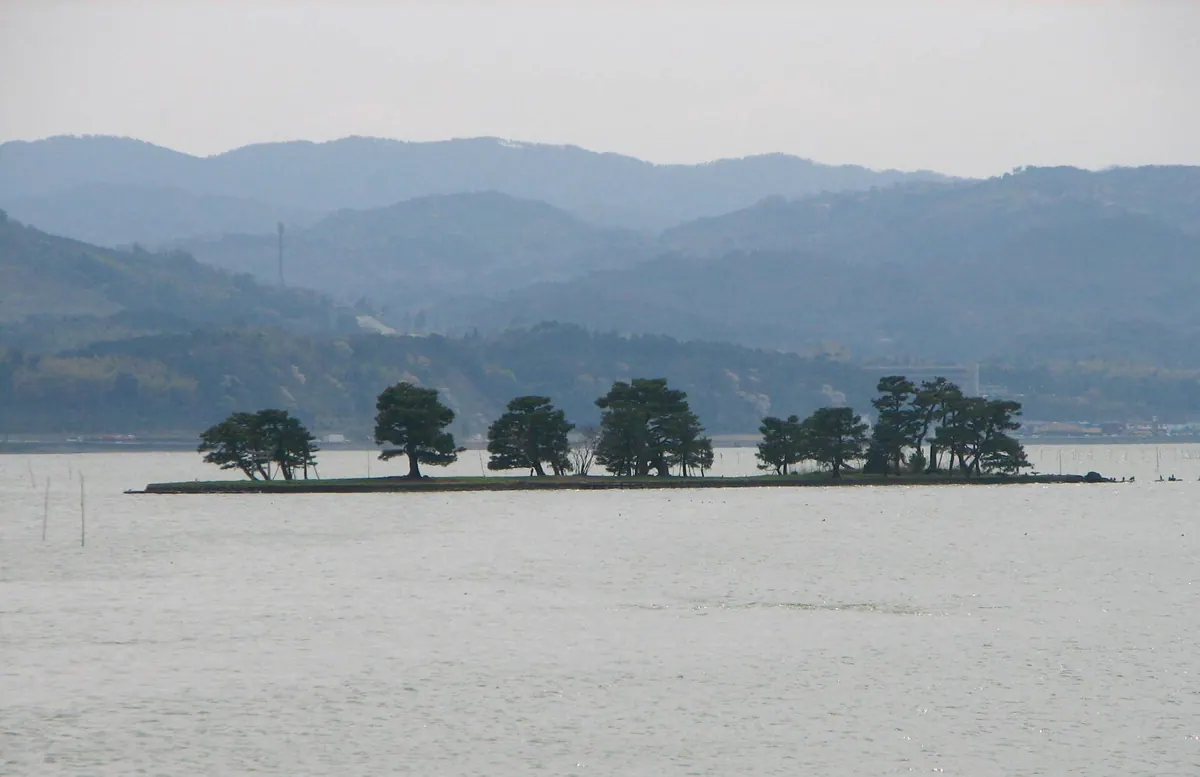
This uninhabited basalt island in Lake Shinji features a historic shrine and is famous for its sunset views.
What it is
- The only island in Lake Shinji, formed from basaltic lava twelve million years ago.
- An uninhabited island measuring one hundred and ten meters long and thirty meters wide.
- Home to a shrine dedicated to Benzaiten, established by Horio Tadaharu in 1611.
What to see
- A shrine dedicated to the deity Benzaiten standing on the island.
- Twenty pine trees planted across the island in 1935.
- Cylindrical Jodei stones used as wave-breaking blocks around the perimeter.
- Two Jizo statues located on the shore facing the island.
- Views recognized as one of Japan's Top 100 Sunsets.
When to go
- Visit during specific low-water events to walk directly to the island.
- Evening is the best time to view the sunset over the lake.
Getting there
- The site is a twenty-minute walk from Nogi Station.
03
Candle Island
SHIMANE · PLACE ローソク島
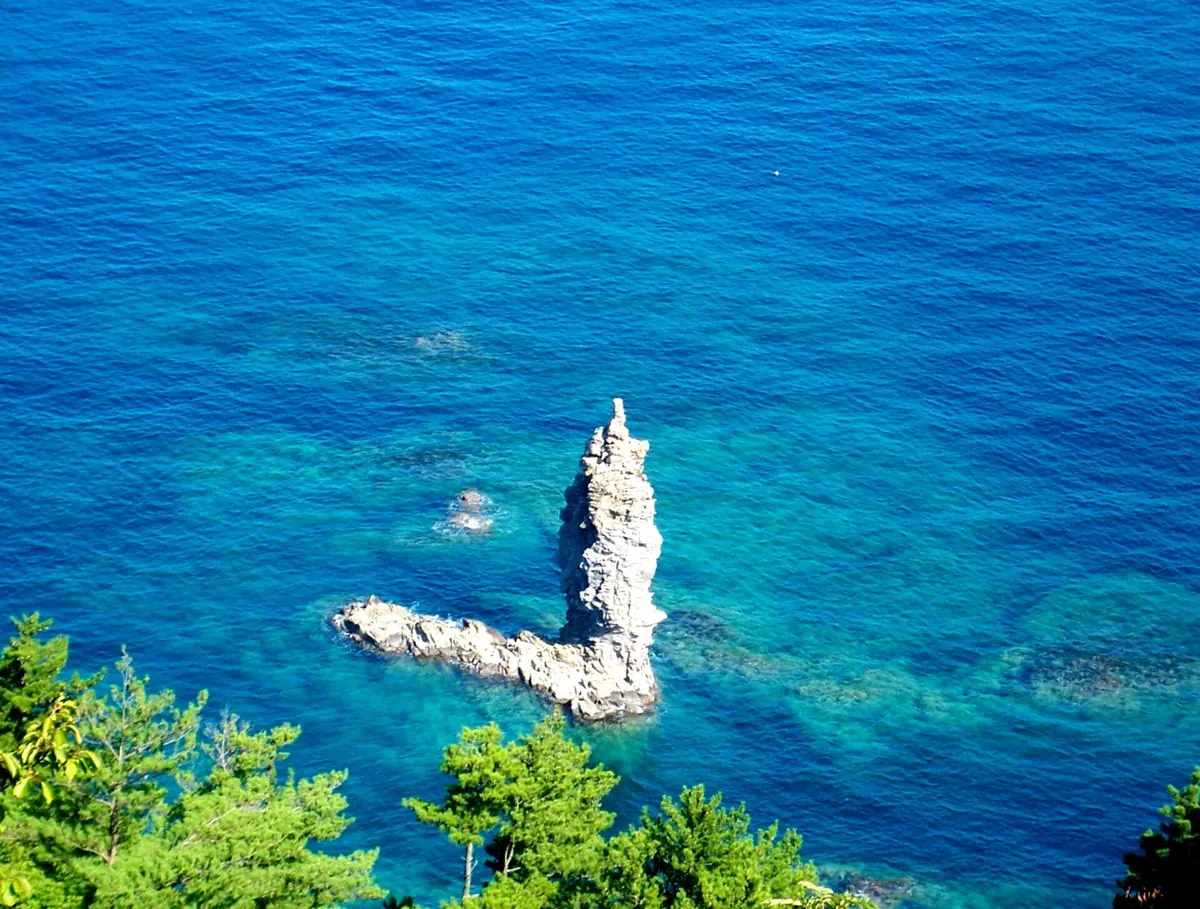
A 20-meter volcanic rock formation in Daisen-Oki National Park that resembles a lit candle when the sun sets behind its tip.
What it is
- An uninhabited island made of volcanic rock formed five million years ago.
- A natural monument standing approximately 20 meters high within Daisen-Oki National Park.
- A landmark that inspired the name of a local brand of salt.
What to see
- The sunset aligning with the rock tip to create the appearance of a burning flame.
- Distinctive geological formations across a land area of 0.0033 square kilometers.
When to go
- Sightseeing boats operate seasonally from April to October.
- Sunset is the essential time to witness the candle flame effect.
Getting there
- Paid sightseeing boats depart from Omosu Port and Fukuura Port.
- The boat journey takes approximately 20 minutes from the departure ports.
- A reservation is required to board the sightseeing boat service.
04
Category:Shimazu Island
SHIMANE · PLACE 島津島
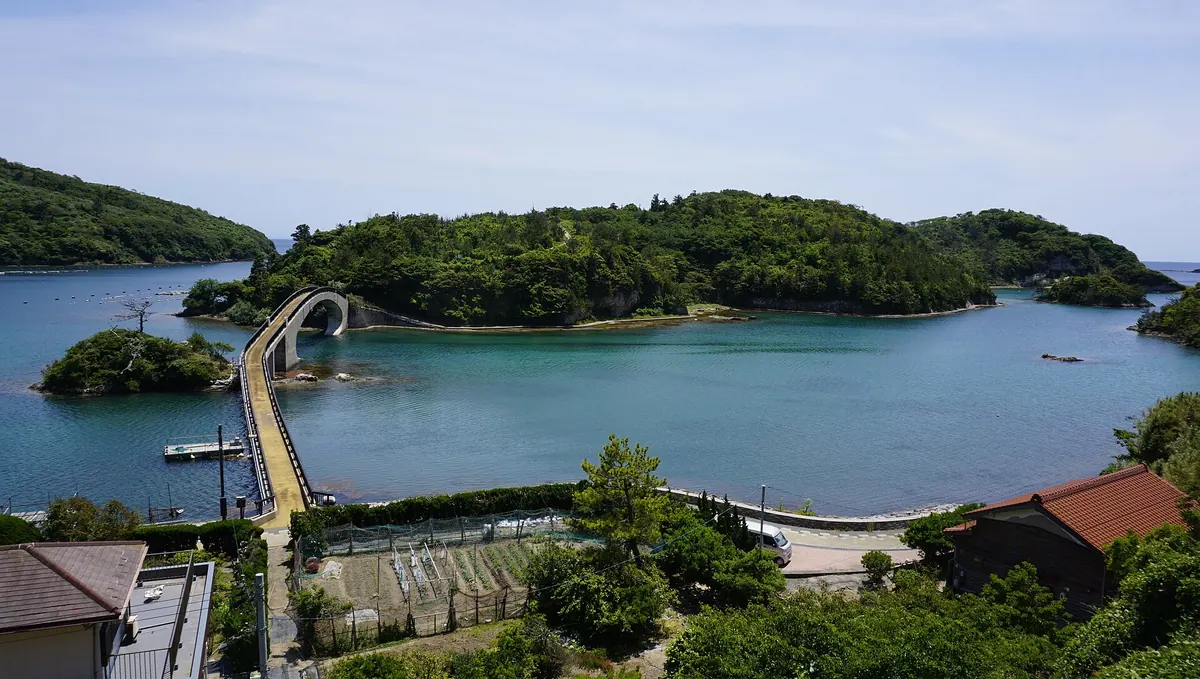
An uninhabited volcanic island connected by bridge, featuring ancient ruins, a shrine, white cliffs, and a scenic coastal walking trail.
What it is
- An uninhabited island in Chibu Village formed by volcanic activity millions of years ago.
- The site of Watatsu Shrine which enshrines the deities Isotakeru-no-mikoto and Chiburi-no-kami.
- A historical grazing ground for cattle and goats during the winter months.
- The location of ancient ruins where Yayoi period pottery has been discovered.
What to see
- The fifty-meter Omatsu-hashi bridge that connects the main island to this site.
- Distinctive white cliffs located along the northern coast of the island.
- A walking trail stretching over eighteen hundred meters to the tip of the island.
- The northernmost natural habitat of the Hamabou plant species.
- Watatsu Beach which is equipped with public showers, changing rooms, and toilets.
- Geological layers consisting of sedimentary rock, basalt, and trachyte.
05
Nishinoshima Island
SHIMANE · PLACE 西ノ島
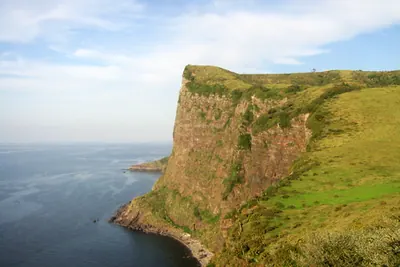
A scenic island in the Oki archipelago featuring dramatic coastal cliffs, historic shrines, and a unique man-made canal.
What it is
- A member of the Oki Islands in Shimane Prefecture covering fifty-five square kilometers.
- The primary setting for the Japanese film titled Bokuni Aitakatta.
- A rural community with a population of approximately three thousand four hundred people.
- An island known for having only one traffic light located near an elementary school.
What to see
- The Kuniga Coast which serves as a major tourist attraction on the island.
- Takuhi Shrine located within the island interior.
- The Funahiki Canal which was completed in nineteen fifteen.
- The Nishinoshima Bridge which has been open since April two thousand five.
- The Dozen Joint Government Building situated in the Urago district.
Getting there
- Ferries provide transportation between Shichirui Port and Beppu Port.
06
Dōgojima
SHIMANE · PLACE 島後
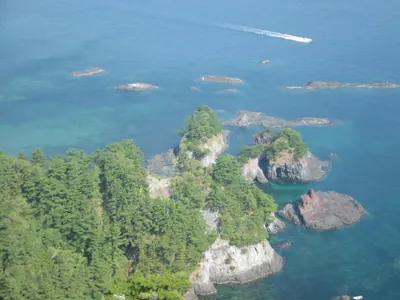
The largest of the Oki Islands, offering historic shrines and the temple where Emperor Go-Daigo stayed during his exile.
What it is
- The main island of the Oki Islands, covering over 241 square kilometers.
- Home to Okinoshima Town with a population of approximately 13,000 people.
- A historic location where Emperor Go-Daigo stayed at Oki Kokubunji Temple during exile.
- A coastal region featuring the important Saigo Port and a circumference of 211 kilometers.
What to see
- Oki Kokubunji Temple, the former residence of an exiled emperor.
- Tamawakasu-no-mikoto Shrine, one of the island's significant religious sites.
- Mizuwakasu Shrine, a notable spiritual landmark on the island.
- Saigo Port, a designated important port serving the Oki region.
Getting there
- Flights are available to Oki Airport from Osaka and Izumo.
- Oki Kisen operates ferry and high-speed boat services to the island.
07
Chiburijima
SHIMANE · PLACE 知夫里島
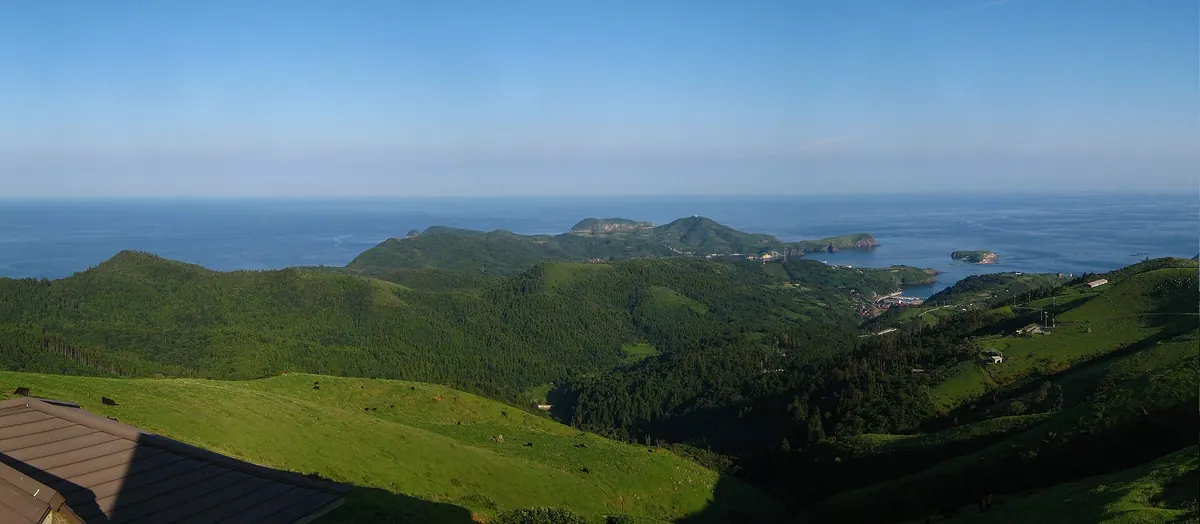
The southernmost Oki Island is a registered Global Geopark featuring dramatic red cliffs, a mountain peak, and unique local wildlife.
What it is
- The southernmost island of the Oki Islands and part of Chibu Village.
- A registered Global Geopark since 2013 covering thirteen square kilometers.
- Home to a population of approximately six hundred and twenty people.
- The only location within the Oki Islands where raccoons are found.
What to see
- Chibu Red Cliff, which is a nationally designated scenic spot.
- Mount Akahage, standing three hundred and twenty-five meters above sea level.
- Amasashihiko-no-mikoto Shrine, which enshrines the deity Okuninushi-no-mikoto.
- The endangered plant species known as Tauteyran.
- Kurii Port, which serves as the island's ferry connection point.
When to go
- Visit during April to see wild radishes blooming on Mount Akahage.
08
Nakanoshima
SHIMANE · PLACE 中ノ島
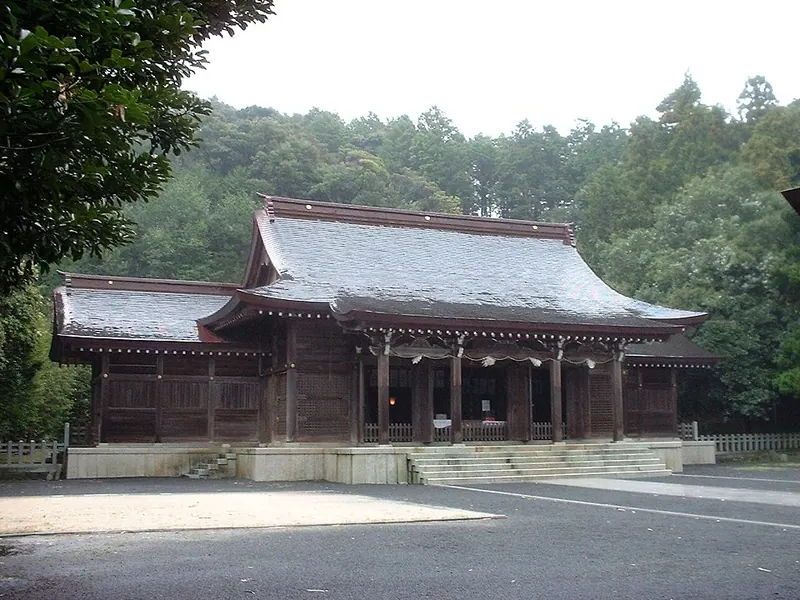
Nakanoshima is a scenic Oki Island featuring the cremation site of Emperor Go-Toba and the rugged Akiya Coast.
What it is
- A major island in the Oki archipelago also known as Amatou
- The main island of Ama Town covering thirty-two square kilometers
- A historic site containing the cremation grounds of Emperor Go-Toba
- A rural community with a population of approximately twenty-four hundred people
What to see
- Oki Shrine which serves as a major facility on the island
- The Akiya Coast known as a notable tourist spot for visitors
- The historic cremation site dedicated to Emperor Go-Toba
- A coastline spanning approximately eighty-nine kilometers in circumference
Getting there
- Ferries connect Shichirui Port to Hishiura Port in three hours
- Local buses are operated across the island by Oki Ama Kotsu
09
Daikon Island
SHIMANE · PLACE 大根島
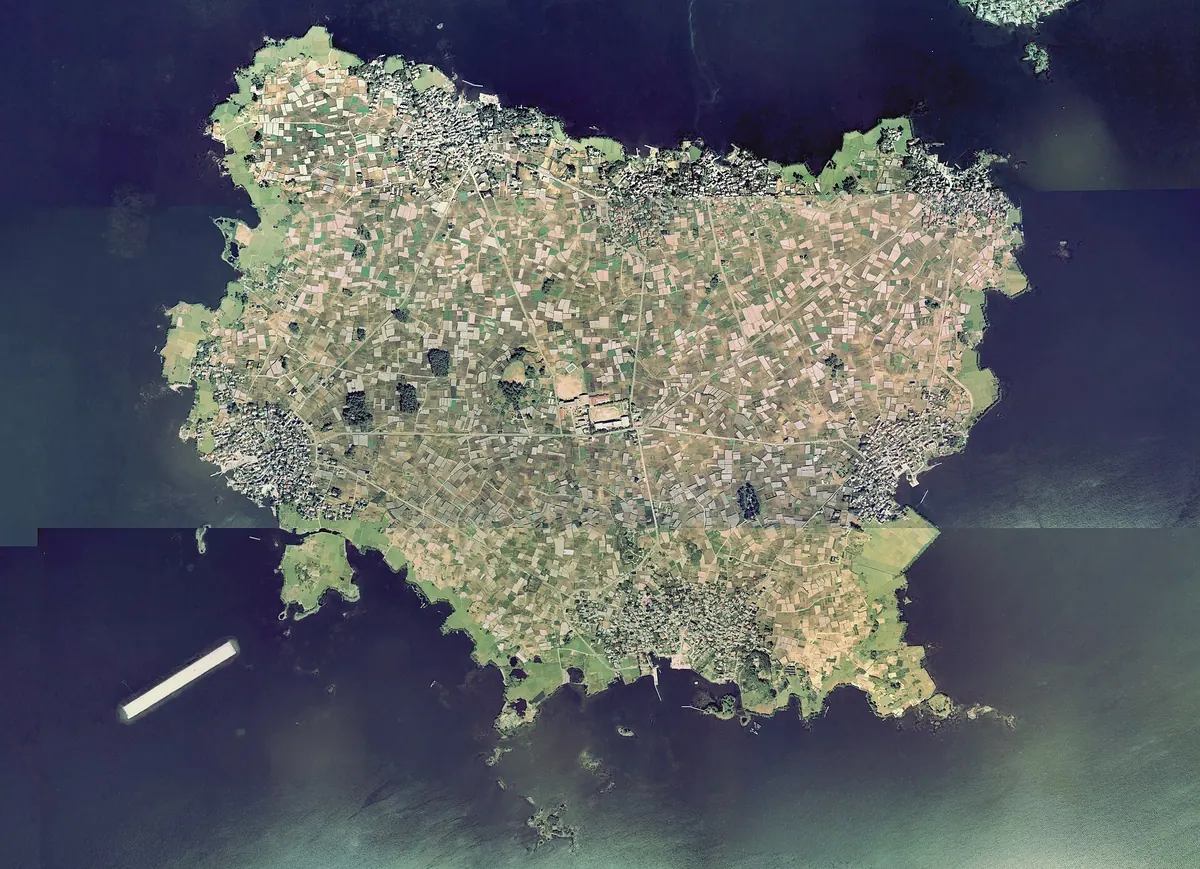
A volcanic island in Lake Nakaumi famous for its extensive peony cultivation, ginseng history, and unique lava tube caves.
What it is
- A volcanic island in Lake Nakaumi with a circumference of approximately twelve kilometers.
- The primary producer of over eighty percent of the peony seedlings in Japan.
- A historic center for ginseng cultivation dating back to the Edo period.
- A landmass formed approximately 190,000 years ago featuring rare underground freshwater lenses.
What to see
- Yushien, a notable Japanese garden located on the island.
- Yuki-do Cave, a nationally designated Special Natural Monument.
- Ryukei-do Cave, a nationally designated Natural Monument.
- Mount Otsuka, the highest point on the island at 42.2 meters.
- Vast fields of peonies and ginseng crops across the landscape.
10
Eastern Liancourt Rocks
SHIMANE · PLACE 女島
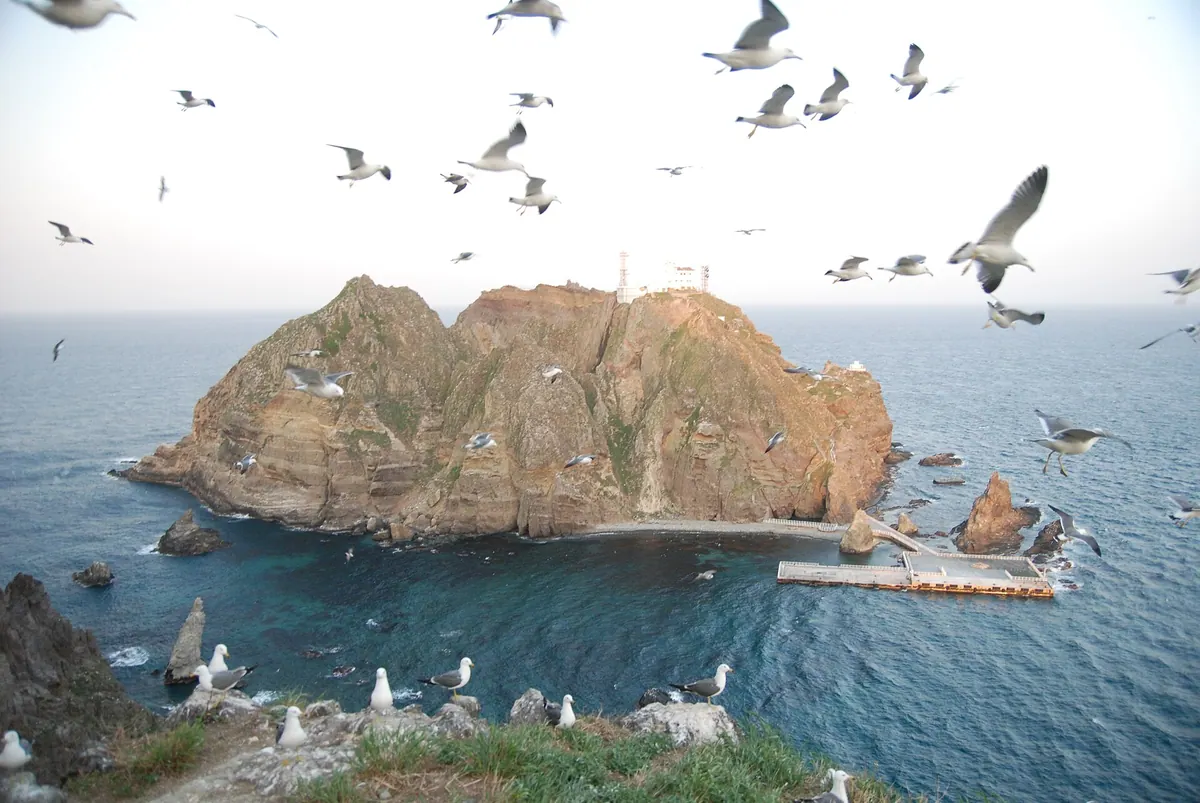
A disputed volcanic island featuring steep cliffs, a lighthouse, and military facilities under South Korean administrative control.
What it is
- A volcanic island also known as Mejima or Higashijima formed millions of years ago.
- Part of the disputed Liancourt Rocks located in Okinoshima Town, Shimane Prefecture.
- A small landmass of 0.07 square kilometers reaching 98 meters above sea level.
- Site of a long-term territorial dispute with armed police stationed there since 1954.
What to see
- Steep volcanic cliffs and two large natural caves along the coastline.
- A functional lighthouse and a heliport used for island operations.
- A radar station and various weather observation equipment.
- A docking pier located 151 meters away from the neighboring West Island.
11
Eshima
SHIMANE · PLACE 江島
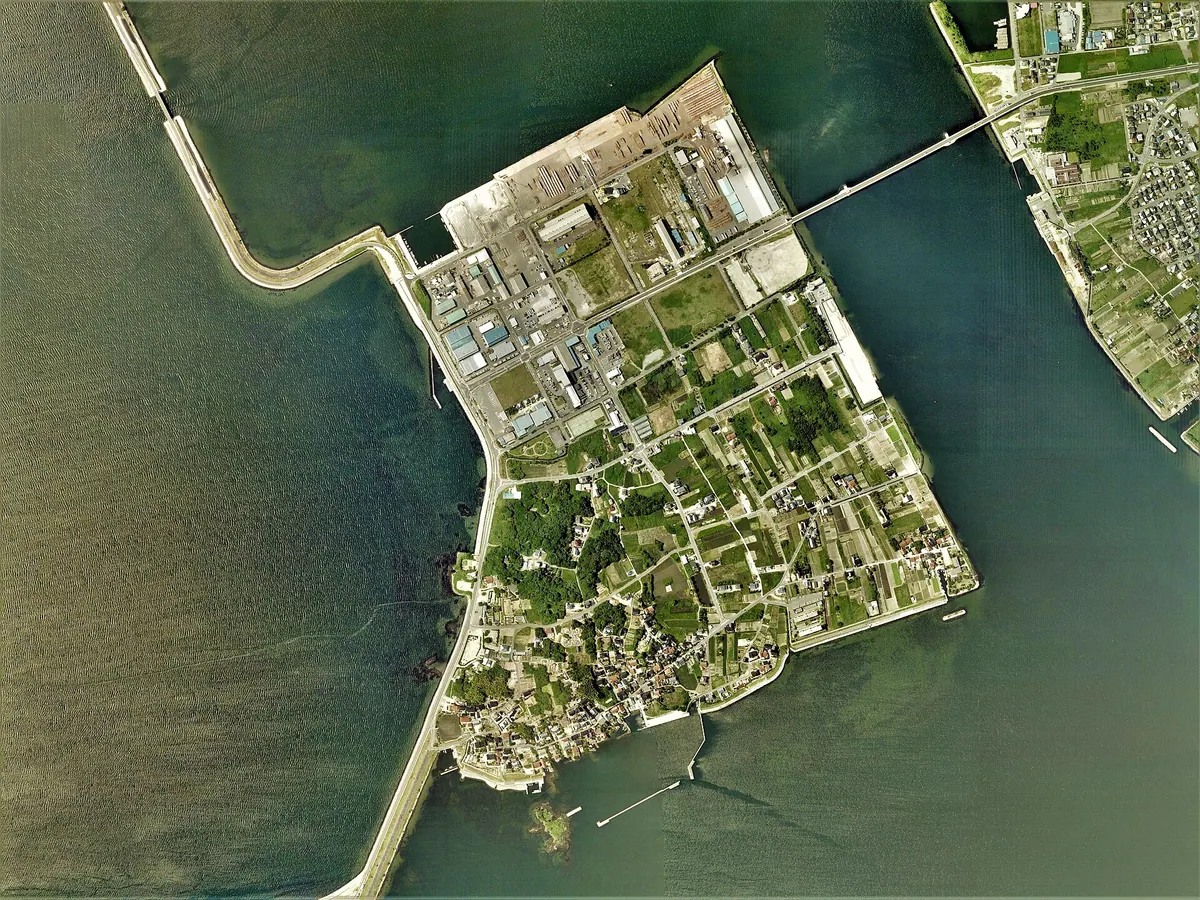
A volcanic island in Lake Nakaumi known for its basalt plateau and the famous steep-looking Eshima Ohashi Bridge.
What it is
- A small island measuring 1.16 square kilometers located in Lake Nakaumi.
- Part of Matsue City in Shimane Prefecture, situated northeast of Daikonshima.
- An ancient site recorded as Mukadejima in the Izumo no Kuni Fudoki.
- A volcanic landmass featuring a basalt plateau covered in volcanic ash soil.
What to see
- The Eshima Ohashi Bridge which has connected the island to Sakaiminato since 2004.
- A western plateau formed from basalt rock and volcanic soil layers.
- The surrounding waters of Lake Nakaumi visible from the island roads.
- An embankment road that provides a land connection to neighboring Daikonshima.
12
Takashima
SHIMANE · PLACE 高島
An uninhabited island in Shimane Prefecture known for its lighthouse, rock fishing, and as a habitat for the Streaked Shearwater.
What it is
- An uninhabited island in Masuda City also known as Shichidojima.
- A former residential community where all inhabitants moved to the mainland in 1975.
- A natural habitat for the Streaked Shearwater bird species.
- A location consisting of two mountains with almost no flat land or rivers.
What to see
- A lighthouse constructed on the island in 1966.
- Rugged coastal areas currently used as spots for rock fishing.
- Two mountain peaks that define the island's steep landscape.