

13 Historic sites in Tottori worth your time
Japan Gems
Tottori Prefecture offers 11 heritage sites, including the Inaba provincial office and Fukuichi Site. These locations provide a look into the region's past.
Tottori has 13 historic sites on Japan Gems. Below are the 13 we can tell you the most about — each one written up in English from Japanese sources, with what to see and how to get there. See all historic sites in Tottori.
01
Fukuichi Site
TOTTORI · HISTORIC SITE 福市遺跡
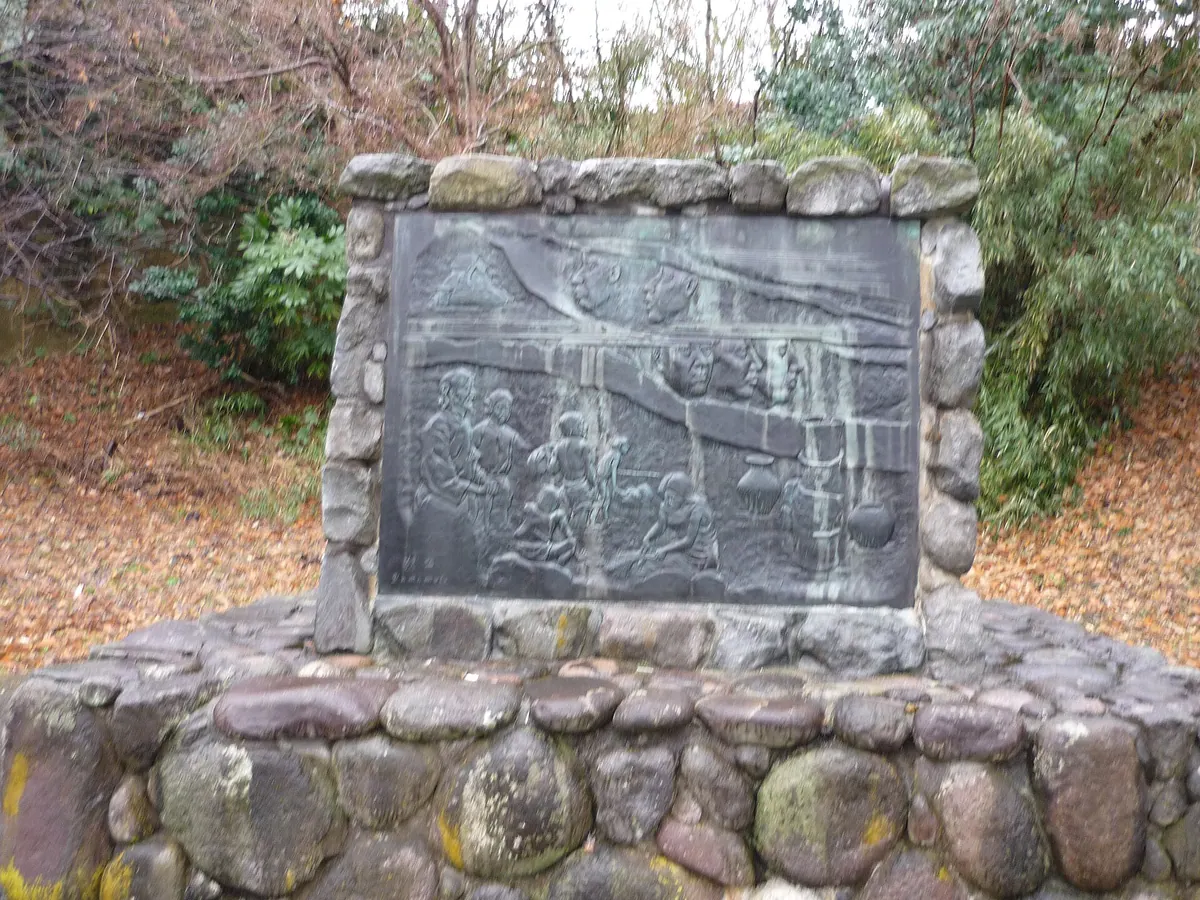
Explore an ancient settlement and burial ground from the Yayoi and Kofun periods.
What it is
- A settlement and complex ruin from ancient Japan.
- Dates from the late Yayoi to mid-Kofun period.
- Designated as a National Historic Site.
- Discovered during excavations in 1966-1968.
What to see
- 217 structures detected over a large area.
- Pit dwellings, pit graves, kofun, and horizontal tombs.
- About 35,000 unearthed artifacts.
- Pottery, stone tools, and unique items.
- Artifacts displayed at the Fukuichi Archaeological Museum.
- The adjacent Aoki Site.
02
Inaba provincial office
TOTTORI · HISTORIC SITE 因幡国庁跡
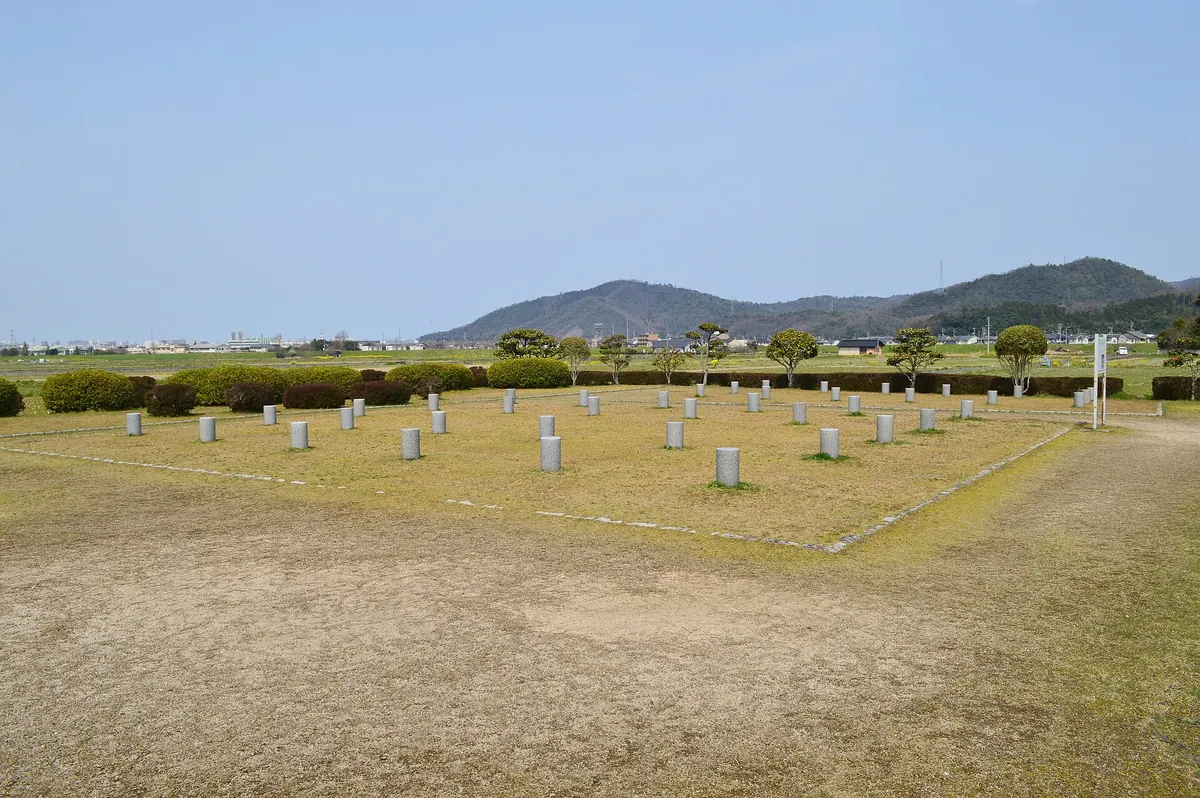
Explore the ruins of an ancient provincial office, a National Historic Site with excavated buildings and artifacts.
What it is
- Site of a provincial government office under the Ritsuryo system.
- Designated as a National Historic Site.
- Otomo Yakamochi served as the provincial governor here.
What to see
- Foundations of over 10 pillar-supported buildings.
- Two ancient wells.
- Artifacts including stone belts, inkstones, and wooden tablets.
- Central structures dating from the early Heian period.
Getting there
- About 10 kilometers east of Tottori City.
03
Aoyakamiji Site
TOTTORI · HISTORIC SITE 青谷上寺地遺跡
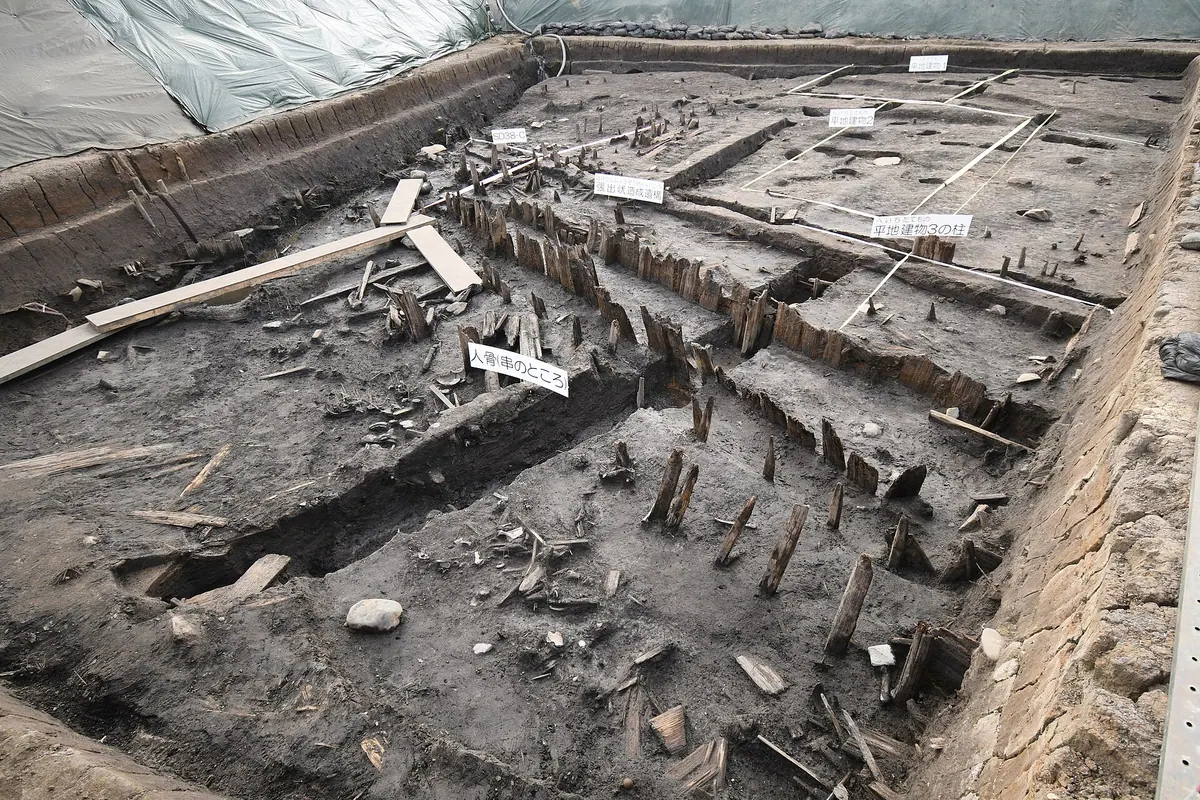
Explore an extensive archaeological site spanning millennia, revealing ancient Japanese life and significant discoveries.
What it is
- A complex archaeological site, known as the 'Yayoi Underground Museum'.
- Spans from the Jomon to Heian periods.
- Designated a National Historic Site in 2008.
- Known as a Yayoi period settlement site.
What to see
- Numerous pit dwellings and pits.
- Paddy fields in low-wetland areas.
- Shore protection facilities made of cedar planks.
- An eastern ditch where over 5,300 human bones were found.
- Discoveries include three Yayoi period brains.
04
Idekami Iwaya Kofun
TOTTORI · HISTORIC SITE 出上岩屋古墳
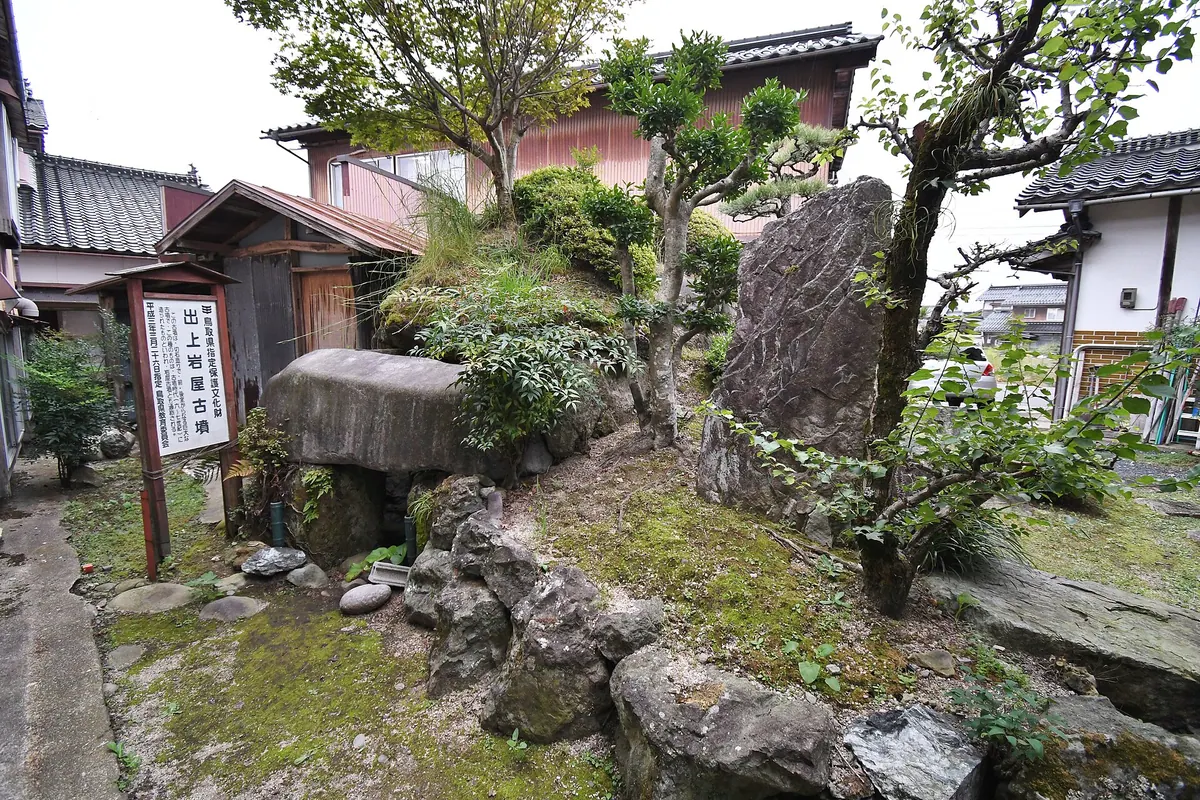
Explore a 6th-century burial mound with a unique multi-chambered stone interior.
What it is
- A kofun, an ancient burial mound.
- Built late 6th to early 7th century.
- Designated a Tottori Prefecture historic site in 1991.
What to see
- Multi-chambered horizontal stone burial chamber.
- Chamber opens to the southwest.
- Cut andesite stones form the chamber walls.
- Back wall of the main chamber is a single stone.
- Carved-out stone entrance gate.
- Main chamber is 3.6m long, 2m wide, 2.4m high.
05
Fukuba Kofun
TOTTORI · HISTORIC SITE 福庭古墳
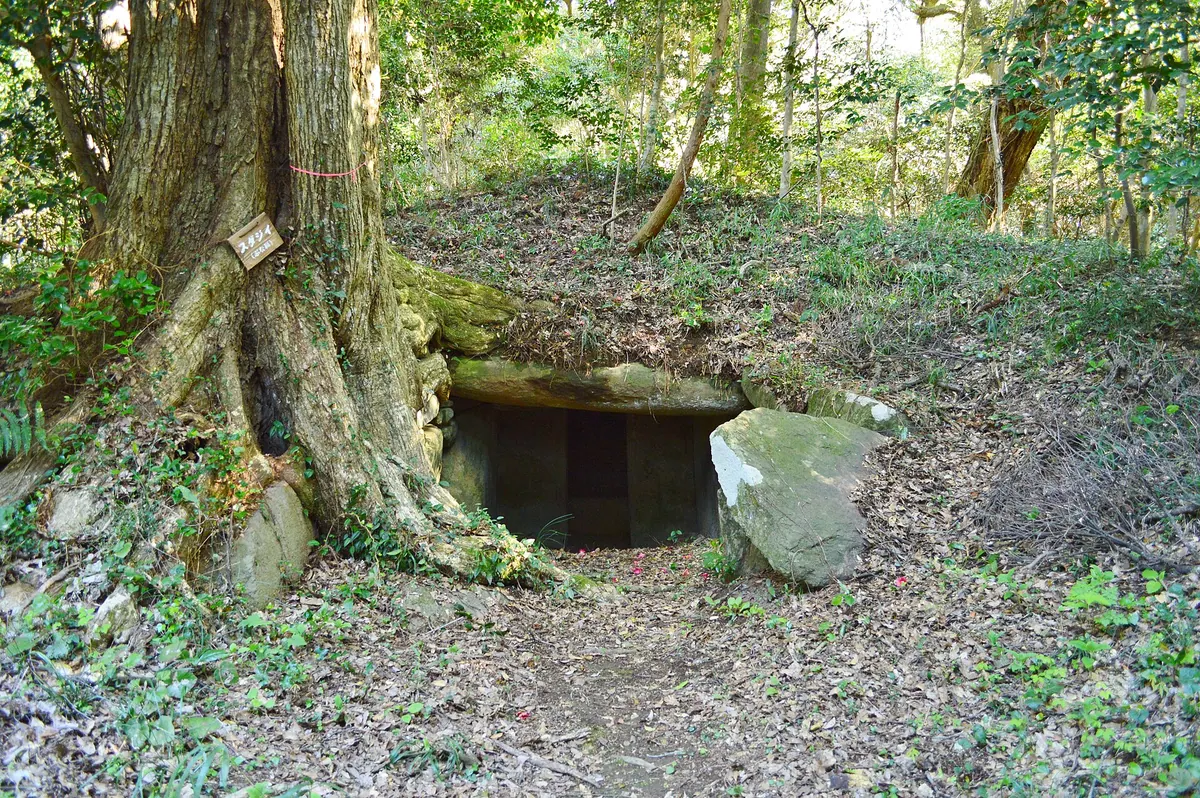
Explore a 7th-century burial mound with a unique stone passage tomb.
What it is
- An ancient burial mound, dating to the early 7th century.
- Part of the Hahaki Jinja Kofun Group.
- Designated a Tottori Prefecture Historic Site since 1956.
What to see
- A circular mound, 35 meters in diameter and 4 meters high.
- A cut-stone horizontal passage tomb.
- The stone chamber is 9.5 meters long.
- The main chamber is 2.9 meters long, 2.2 meters wide, 2.2 meters high.
- Address
- 倉吉市福庭 Map
- Official site
- db.pref.tottori.jp
06
Mukibanda Site
TOTTORI · HISTORIC SITE 妻木晩田遺跡
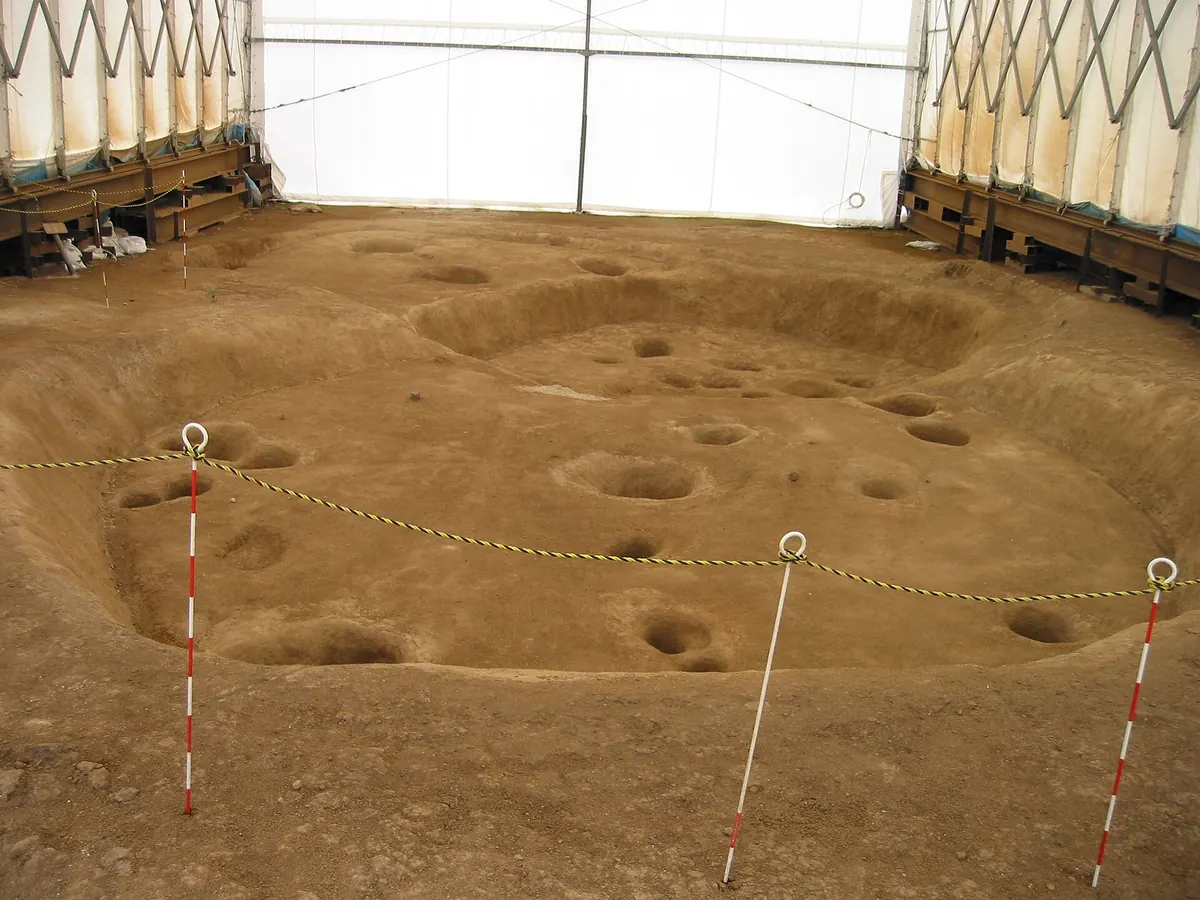
Explore a large Yayoi settlement on a hill, offering insights into ancient Japanese life.
What it is
- A large Yayoi period settlement.
- Designated a National Historic Site.
- Discovered during resort development plans.
- Operated from late Middle Yayoi to early Kofun period.
What to see
- 395 pit dwellings and 502 pillar-supported buildings.
- Twenty-four Yayoi burial mounds.
- Artifacts: pottery, stone tools, iron tools, broken mirrors.
- Views over Miho Bay from the hill.
07
Iwaya Kofun
TOTTORI · HISTORIC SITE 岩屋古墳
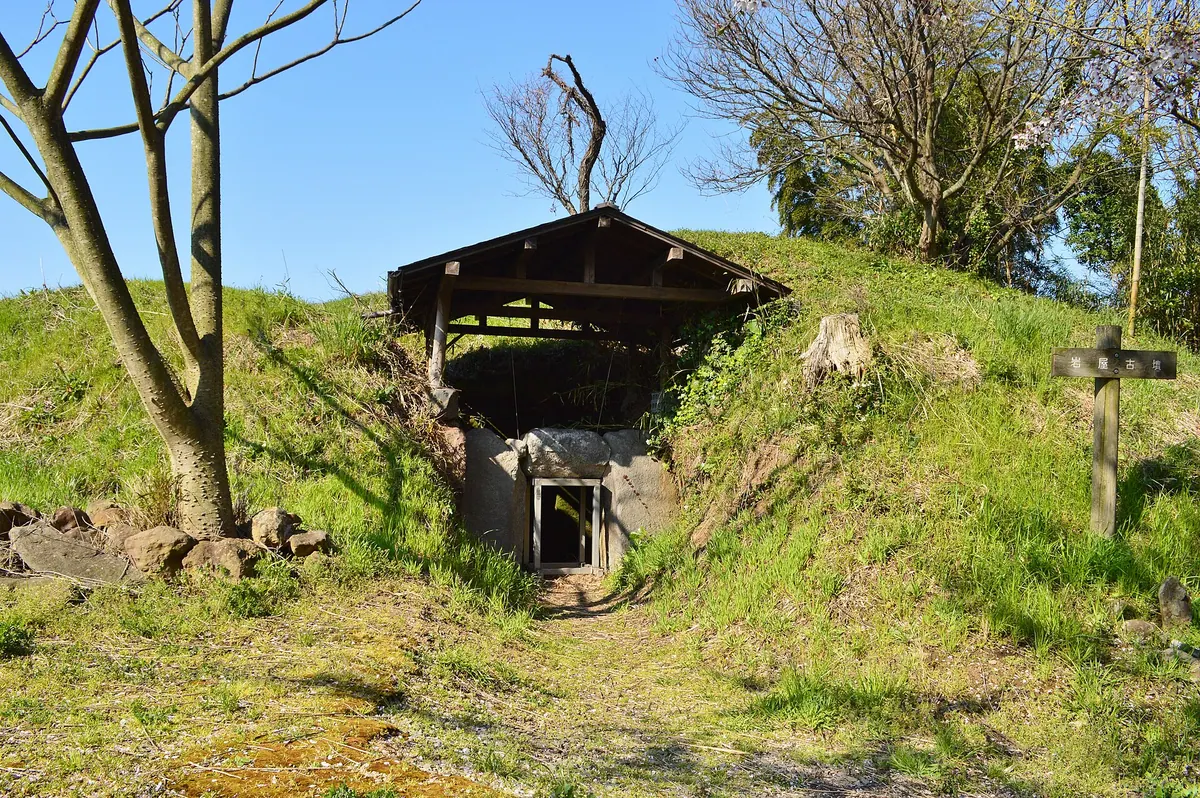
Explore a 6th-century keyhole-shaped burial mound, a National Historic Site with excavated artifacts.
What it is
- A keyhole-shaped burial mound, part of the Mukouyama Kofun Group.
- Designated as a National Historic Site.
- Built in the late 6th century.
What to see
- A 52-meter long keyhole-shaped burial mound.
- The rear circular part has a 30-meter diameter.
- The front rectangular part is 20 meters wide.
- Excavated artifacts are at Kami-Yodohakuho-no-oka Exhibition Hall.
08
Chōjaganaru Kofun
TOTTORI · HISTORIC SITE 長者ヶ平古墳
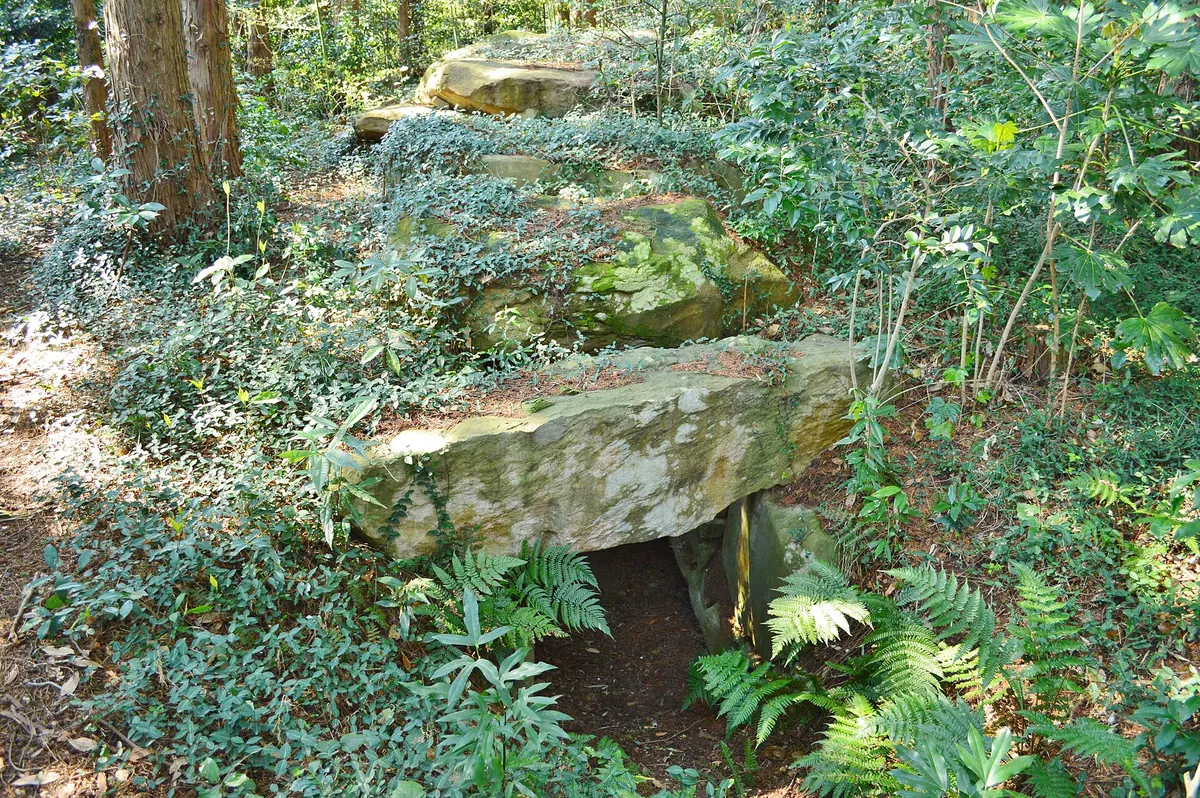
Explore a unique scallop-shaped burial mound from the 6th century, revealing ancient treasures.
What it is
- A scallop-shell shaped burial mound.
- Part of the Mukouyama Kofun Group.
- Built around the mid-6th century.
- Not a designated historic site.
What to see
- The scallop-shell shape of the kofun.
- A 10.3-meter long horizontal stone chamber.
- A small stone coffin discovered in 1901.
- Reported iron swords and spears.
- A gilt bronze crown found in the coffin.
- Official site
- www.city.yonago.lg.jp
09
Sanmyōji Kofun
TOTTORI · HISTORIC SITE 三明寺古墳
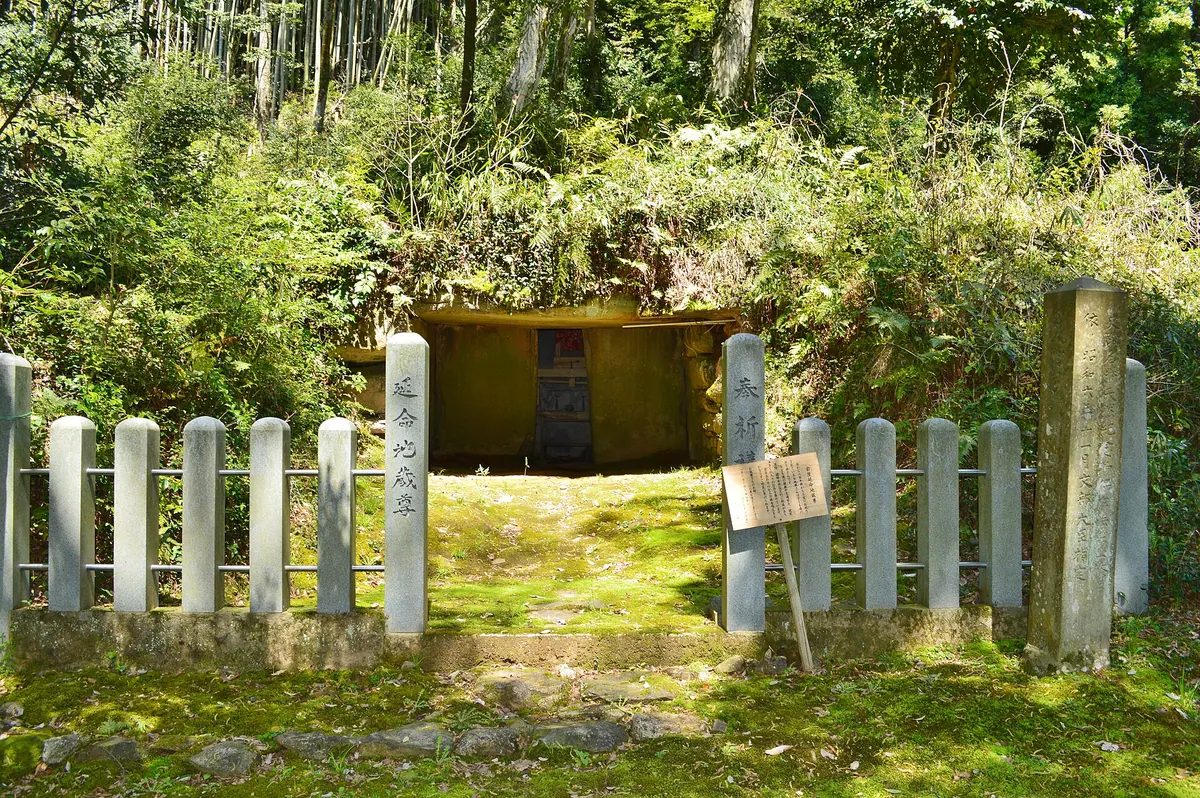
Explore this 7th-century circular burial mound, a National Historic Site revealing ancient regional connections.
What it is
- A kofun, or ancient burial mound, from the early 7th century.
- Part of the Mukōyama Kofun Group in Kurayoshi City.
- Designated a National Historic Site since 1931.
What to see
- A circular mound, 18 meters in diameter and 6 meters high.
- A cut-stone double-sleeved horizontal stone chamber.
- A stone enclosure inside the chamber, similar to Kyushu designs.
- Official site
- db.pref.tottori.jp
10
Sagiyama Kofun
TOTTORI · HISTORIC SITE 鷺山古墳
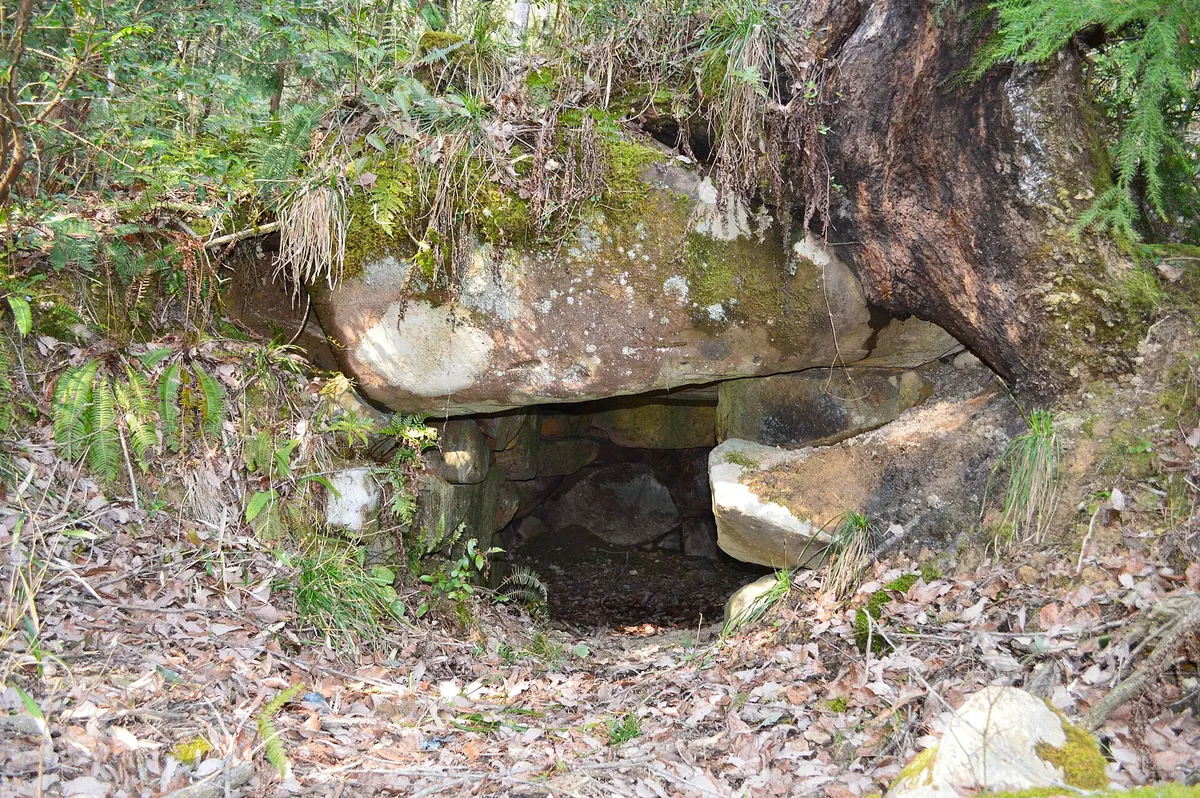
Sagiyama Kofun is a circular burial mound with rare ancient line drawings.
What it is
- A tumulus, a type of ancient burial mound.
- Designated a historic site by Tottori Prefecture.
- Discovered in 1966.
- Dates to the late 6th century.
What to see
- A circular mound, 10 meters in diameter.
- A horizontal stone burial chamber.
- Chamber entrance faces south.
- Many line drawings on the chamber walls.
- A large fish drawing, 1.2 meters long.
- Address
- 鳥取市国府町町屋 Map
11
Aoki Site
TOTTORI · HISTORIC SITE 青木遺跡 (米子市)
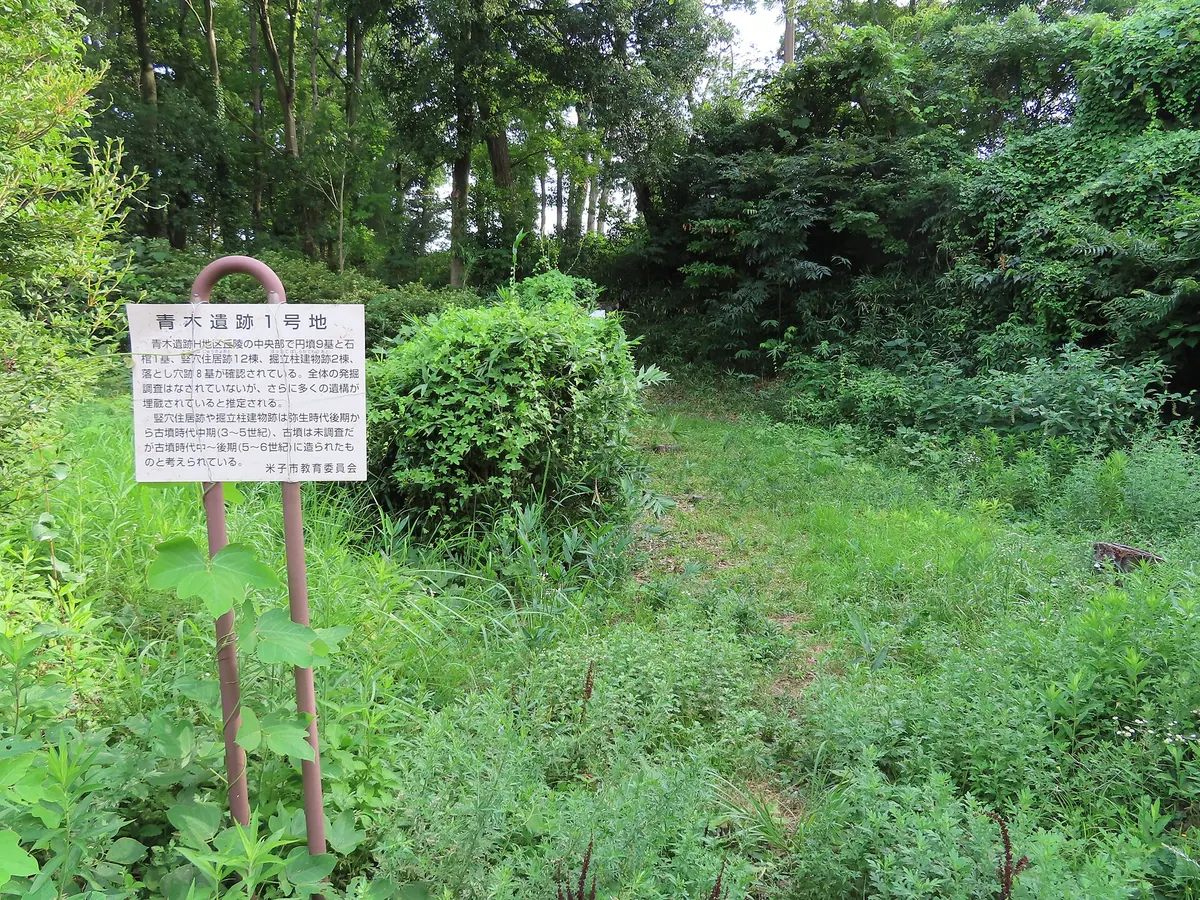
Explore an ancient archaeological site spanning the Yayoi to Nara periods.
What it is
- A complex archaeological site.
- Spans from the middle Yayoi period to the Nara period.
- Discovered during excavations from 1971 to 1977.
- Designated a National Historic Site.
What to see
- Over 1,000 detected remains.
- Pit dwellings and pillar-supported buildings.
- Storage pits and early Kofun tombs.
- Excavated pottery, stone tools, and ironware.
12
Kokubunji Kofun
TOTTORI · HISTORIC SITE 国分寺古墳
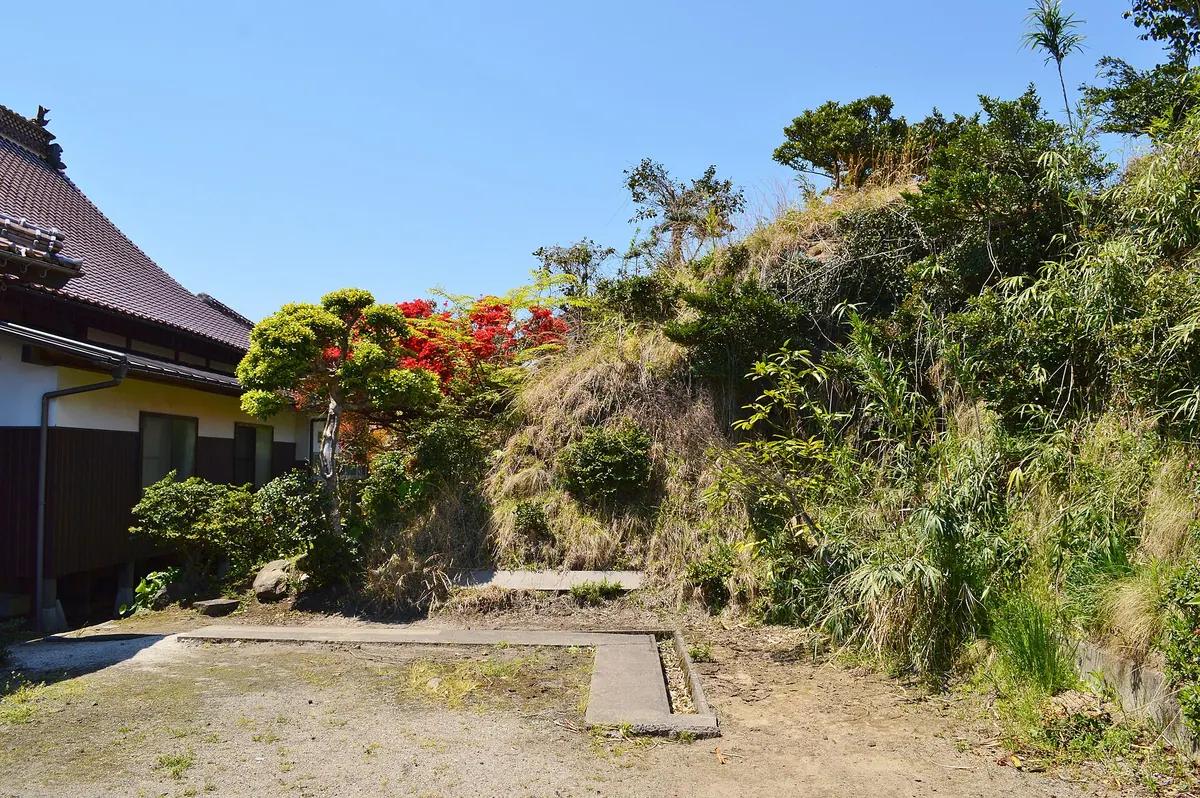
Explore an ancient burial mound, one of Japan's oldest, revealing early Kofun period history.
What it is
- An ancient burial mound, a kofun, from the early 4th century.
- Designated as a Kurayoshi City historic site.
- One of the oldest kofun in the eastern Hoki region.
What to see
- A 50-meter long burial mound, partially damaged.
- A clay coffin burial facility in the posterior part.
- Excavated artifacts: three bronze mirrors, many iron implements.
13
Yamagahana Kofun
TOTTORI · HISTORIC SITE 山ヶ鼻古墳
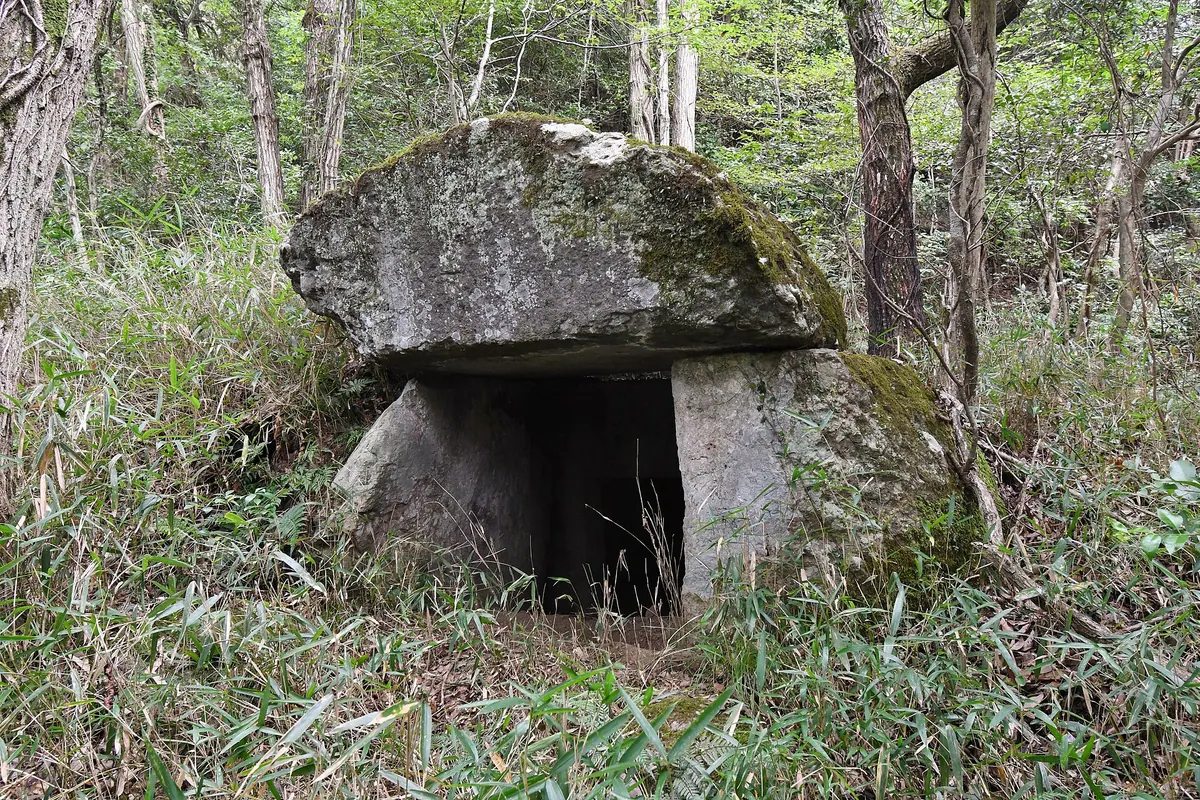
Yamagahana Kofun is a rare 7th-century square burial mound with a unique stone coffin.
What it is
- A kofun, or ancient burial mound.
- Part of the Furumi Kofun Group.
- Dates to the mid-7th century.
- Designated a Tottori Prefecture Historic Site in 1991.
What to see
- Presumed to be a square-shaped kofun.
- Located on a ridge end along the Nosaka River.
- A horizontal-entry stone coffin made of tuff.
- The stone coffin opens to the south.