

6 Historic sites in Wakayama worth your time
Japan Gems
Wakayama Prefecture offers a variety of heritage sites, including the Shimosato Kofun and Inbe Hachiman-yama Kofun. These locations provide a glimpse into ancient Japanese history and culture.
Wakayama has 6 historic sites on Japan Gems. Below are the 6 we can tell you the most about — each one written up in English from Japanese sources, with what to see and how to get there. See all historic sites in Wakayama.
01
Sonaezaki Sutra Mounds
WAKAYAMA · HISTORIC SITE 備崎経塚
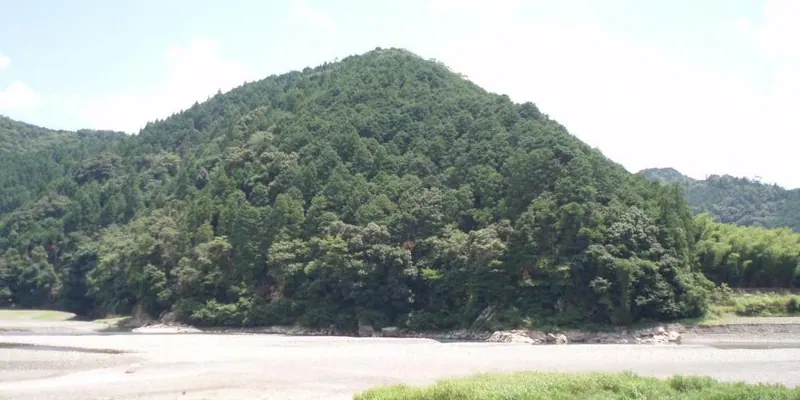
Ancient sutra mounds on a ridge, revealing centuries of mountain worship practices.
What it is
- A sutra mound site, part of a National Historic Site.
- Part of the Kii Mountain Range World Heritage Site.
- First reported in 1990, excavated in 2001-2002.
- Suggests repeated construction of sutra mounds.
What to see
- 39 sutra mounds found during excavations.
- Artifacts include bronze mirrors and sutra containers.
- Ceramic fragments from the 12th to 14th centuries.
- A bronze Yakushi Nyorai statue from the Heian period.
- Views overlooking the former Kumano Hongu Taisha shrine site.
02
Iwase Senzuka Kofun Group
WAKAYAMA · HISTORIC SITE 岩橋千塚古墳群
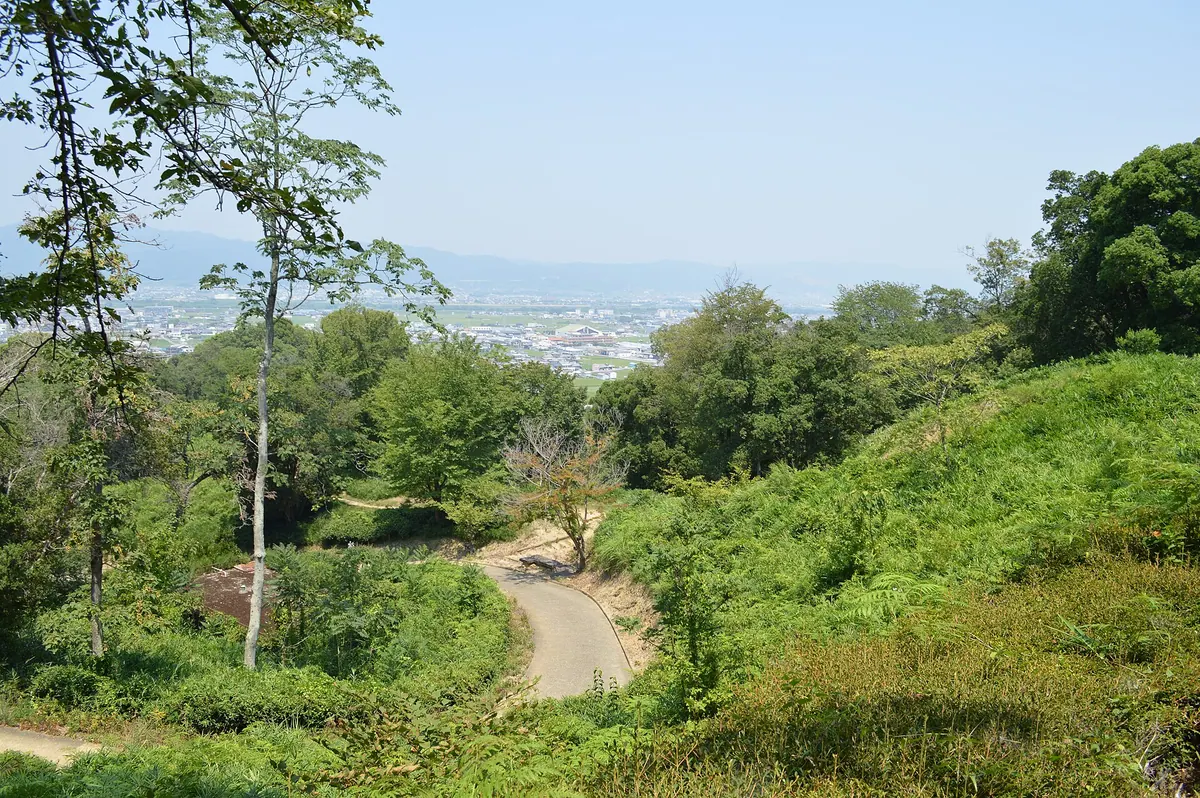
Explore a vast ancient burial ground with hundreds of diverse kofun tombs.
What it is
- A kofun group from the late Kofun period.
- Designated as a National Special Historic Site.
- Related to the Kii no Kuninomiyatsuko clan.
- Construction around the latter half of the 6th century.
What to see
- Approximately 600 kofun burial mounds.
- Keyhole-shaped, circular, and square kofun.
- Circular kofun are the most numerous.
- Early burial facilities with clay and stone coffins.
- Later burial facilities with stone chambers.
- Stone chambers made from local chlorite schist.
- Official site
- www.kiifudoki.wakayama-c.ed.jp
03
Narugami Shell Mound
WAKAYAMA · HISTORIC SITE 鳴神貝塚
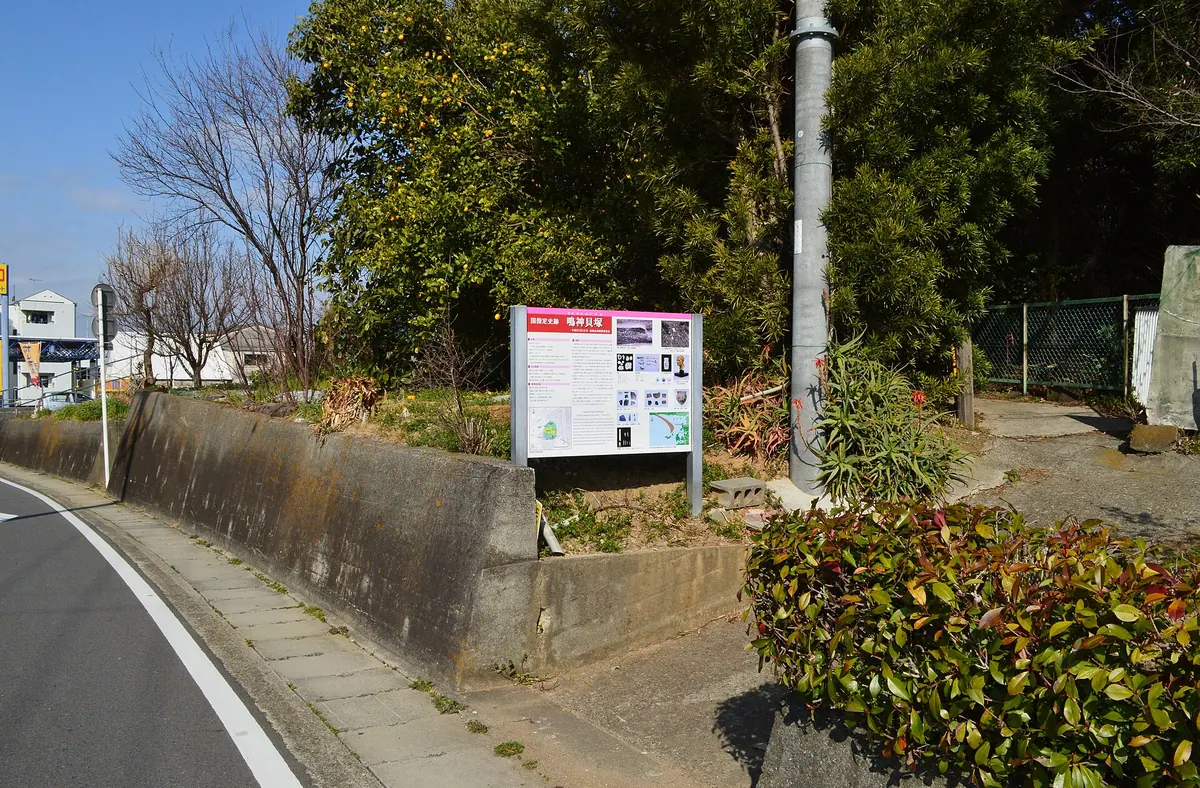
Explore Japan's first Kinki shell mound, offering a glimpse into Jomon-era life.
What it is
- A National Historic Site designated on July 31, 1931.
- Dates from the Early to Late Jomon period.
- Discovered in 1895 by Ryuzo Torii and Nobuo Naora.
- First shell mound found in the Kinki region.
What to see
- Excavated pottery, arrowheads, and stone tools.
- Shell layers with oysters, ark shells, clams, and turban shells.
- Fish bones of black sea bream and red sea bream.
Getting there
- About 1 kilometer northeast of Hinokuma Jingu Station.
04
Inbe Hachiman-yama Kofun
WAKAYAMA · HISTORIC SITE 井辺八幡山古墳
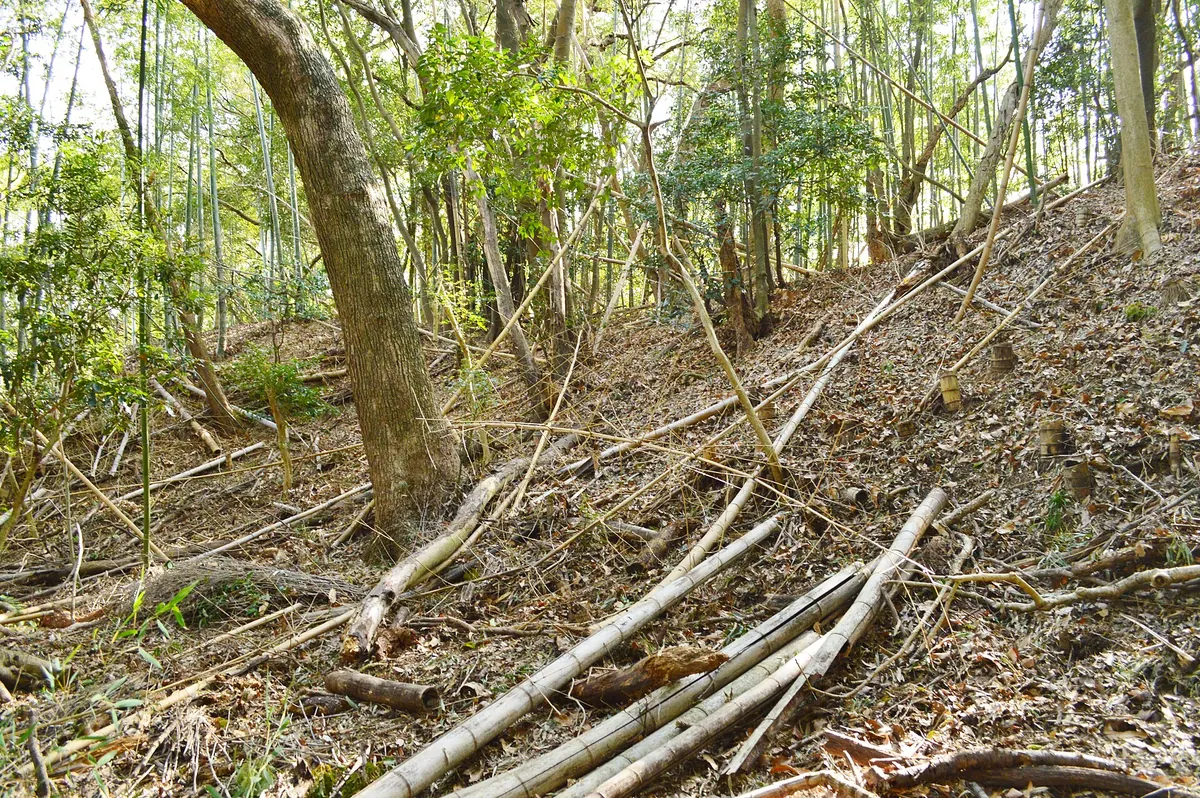
Explore a 6th-century keyhole-shaped burial mound with unique Haniwa figures.
What it is
- A keyhole-shaped burial mound in Wakayama Prefecture.
- Part of the Iwaise Senzuka Kofun Group.
- Dates to the mid-6th century.
- Excavation surveys were conducted in 1969.
What to see
- Mound built on a two-tiered platform.
- Mound is approximately 70 meters long.
- Cylindrical Haniwa are arranged in rows.
- Figurative Haniwa excavated from protrusions.
- Male standing Haniwa is a cultural property.
- Wakayama City Museum exhibits the male standing Haniwa.
05
Isoma Rock Shelter Site
WAKAYAMA · HISTORIC SITE 磯間岩陰遺跡

Explore an ancient Kofun-period rock shelter tomb with unique burial chambers and artifacts.
What it is
- A collective tomb within a rock shelter.
- A stone chamber tomb from the Kofun period.
- Designated a National Historic Site in 1979.
- Excavations began in March 1970.
What to see
- A sea cave beneath a hill cliff.
- Cave is 23 meters wide and 5 meters deep.
- Thirteen human skeletons were found.
- Eight stone burial chambers.
- First chamber contained male and infant remains.
- Grave goods included deer antler ornaments and iron swords.
06
Shimosato Kofun
WAKAYAMA · HISTORIC SITE 下里古墳
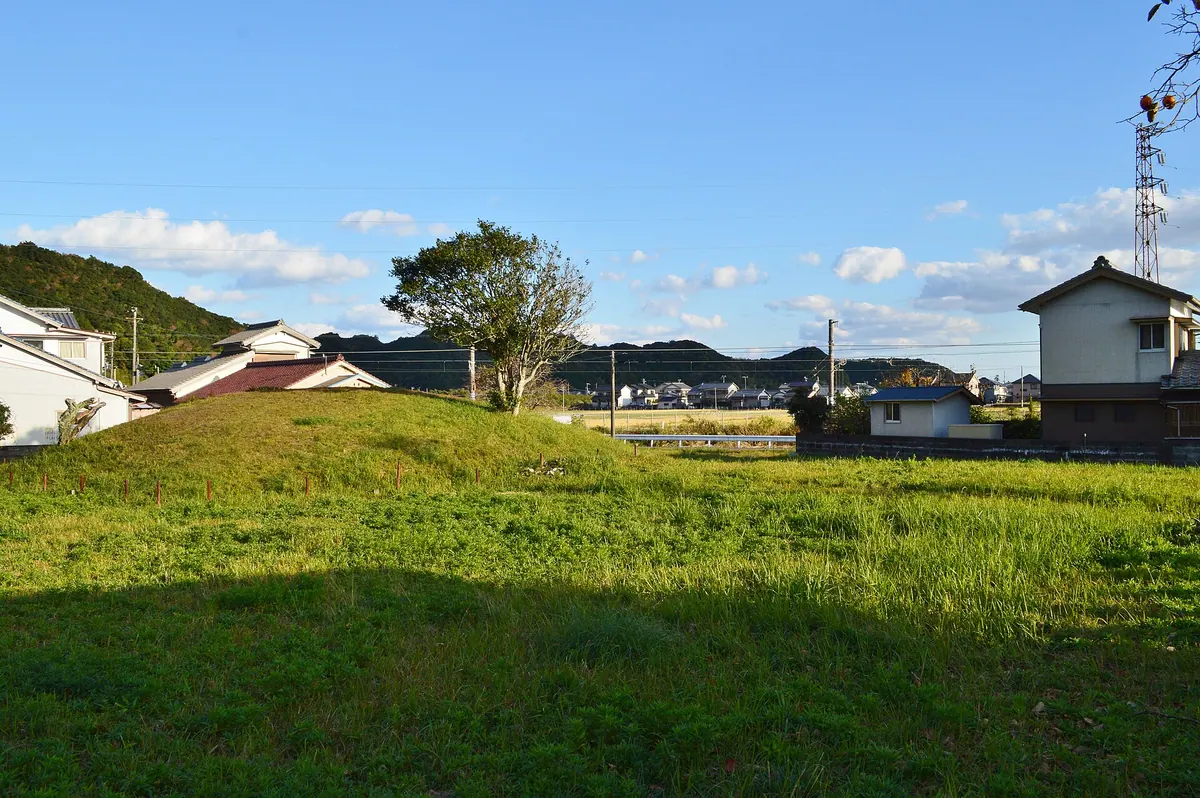
Explore Honshu's southernmost keyhole-shaped tumulus, a National Historic Site from the 4th-5th century.
What it is
- A keyhole-shaped tumulus, a burial mound.
- Designated a National Historic Site.
- Construction estimated from late 4th to early 5th century.
- Southernmost keyhole-shaped tumulus on Honshu island.
What to see
- The keyhole-shaped tumulus itself.
- River stones (fukiishi) on its surface.
- A moat about 5 meters wide surrounding it.
- A vertical pit stone chamber, 5.35 meters long.
- Excavated artifacts are Tangible Cultural Properties.