

20 Temples in Aomori worth your time
Japan Gems
Aomori Prefecture offers a variety of temples, from the historic Saishō-in Temple to the serene Kudo-ji Temple. These locations provide a glimpse into the region's spiritual heritage.
Aomori has 27 temples on Japan Gems. Below are the 20 we can tell you the most about — each one written up in English from Japanese sources, with what to see and how to get there. See all temples in Aomori.
01
Engaku-ji Temple
AOMORI · TEMPLE 円覺寺
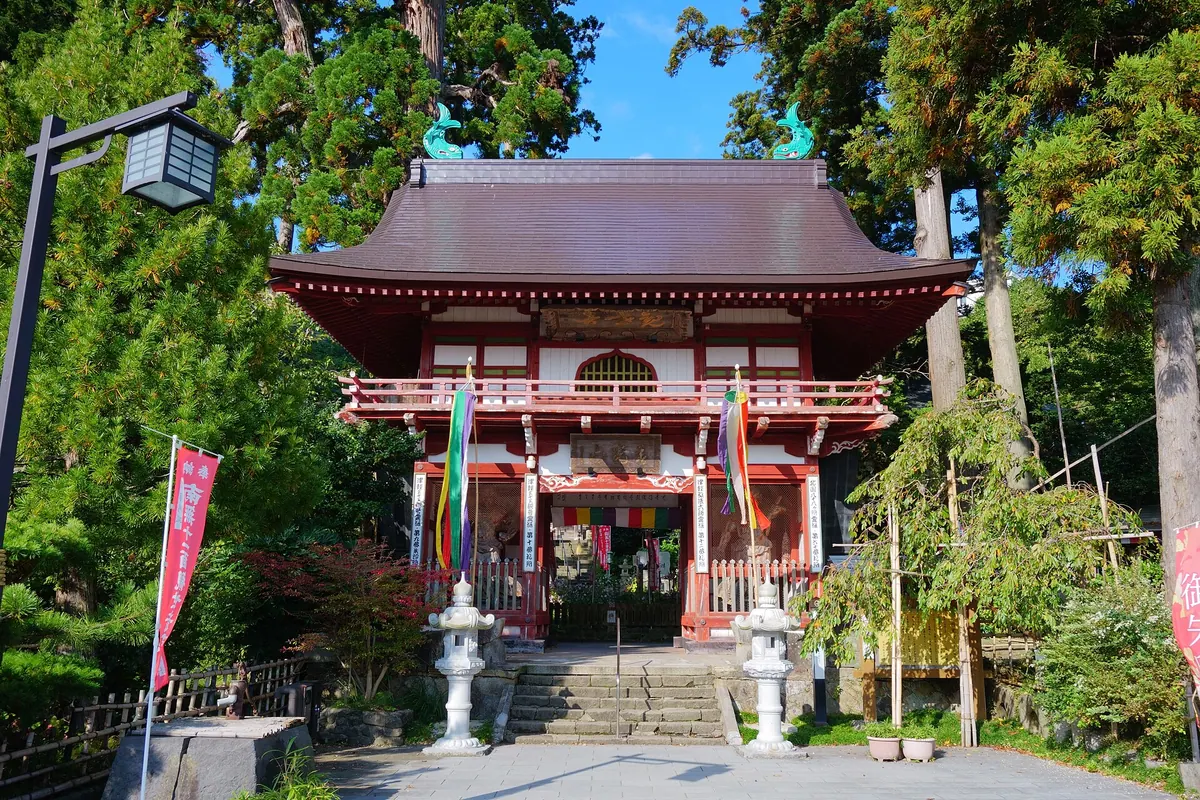
A historic Shingon sect temple in Fukaura featuring ancient maritime treasures and a National Important Cultural Property shrine.
What it is
- A Shingon Daigo sect temple founded in 807 by Sakanoue no Tamuramaro.
- The temple is dedicated to the Eleven-faced Kannon and served the Tsugaru clan.
- It houses maritime faith materials designated as important folk cultural properties.
- The current main hall and mountain gate were constructed in 1920.
What to see
- The Yakushido inner shrine is a designated National Important Cultural Property.
- A large cedar tree on the grounds once served as a landmark for sailors.
- The Yakushido hall which dates back to its construction in 1847.
- A collection of historical maritime faith materials and cultural artifacts.
Getting there
- The temple is a 20-minute walk from JR Fukaura Station.
- Official site
- www.engakuji.jp
02
Daien-ji Temple
AOMORI · TEMPLE 大円寺
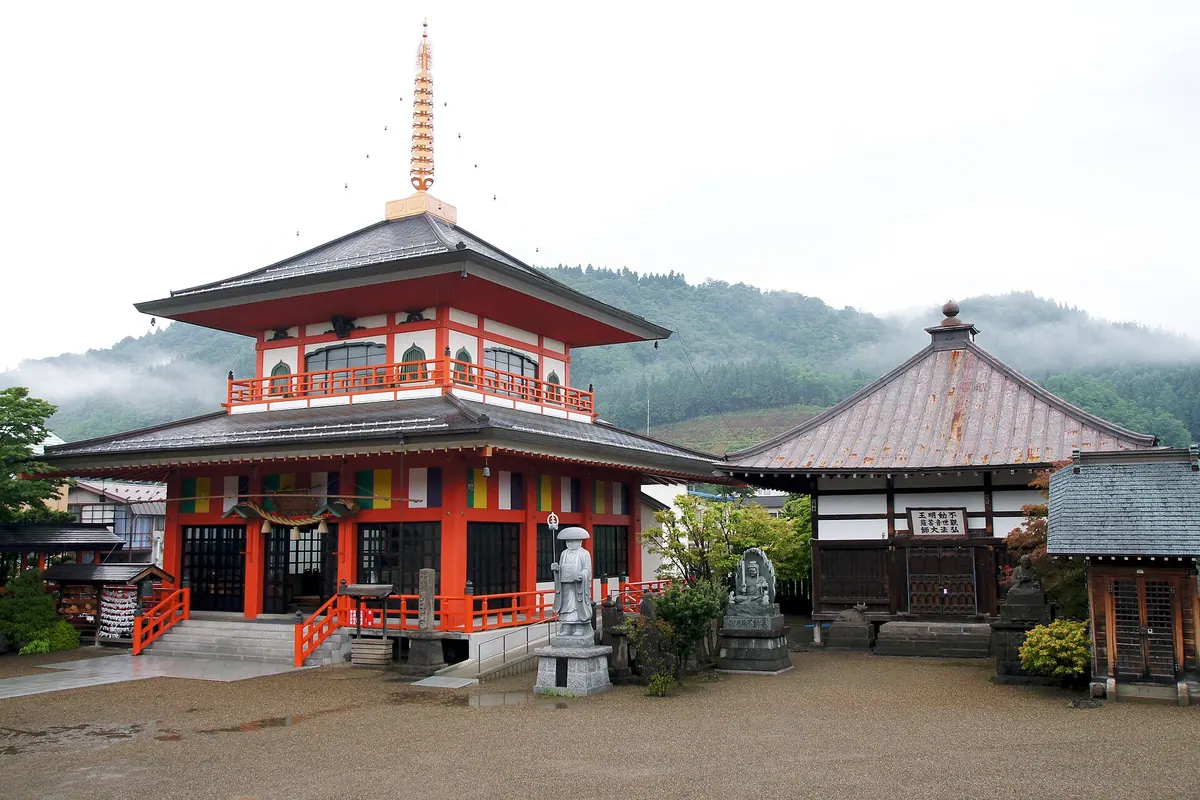
A historic Shingon sect temple in Owani housing a massive, National Important Cultural Property wooden Amida Nyorai statue.
What it is
- A Koyasan Shingon sect temple commonly known as Owani no Dainichi-sama.
- Founded in Hirosaki and moved to its current site in 1650 by Lord Tsugaru Nobuyoshi.
- The fourteenth site on the Tohoku 36 Fudo Pilgrimage route.
- Renamed from Kohaku-ji to Daien-ji in 1871 during the Meiji era.
What to see
- A wooden seated statue of Amida Nyorai dating back to the Kamakura period.
- The central deity statue stands 233 centimeters tall and is a National Important Cultural Property.
- Architecture and artifacts preserved through the protection of the Tsugaru clan during the Edo period.
Getting there
- The temple is a 10-minute walk from Owani-Onsen Station.
03
Kudo-ji Temple
AOMORI · TEMPLE 久渡寺
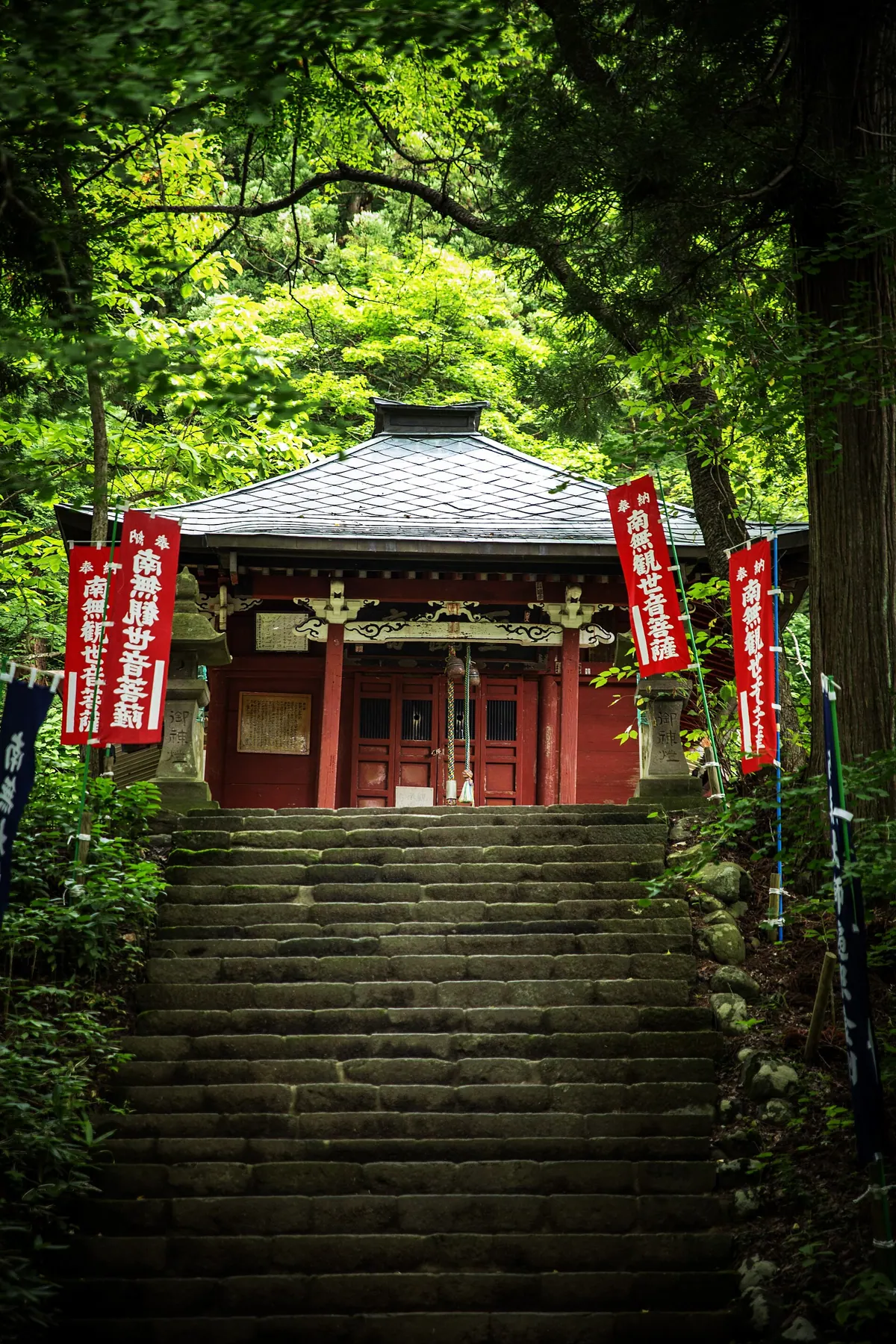
Kudo-ji Temple: a historic Shingon temple with unique art and a special annual ritual.
What it is
- A Shingon-shu Chizan-ha temple.
- First temple of the Tsugaru Sanjusan Kannon Reijo.
- One of the Tsugaru Shingon Gozan temples.
What to see
- Main image is a Shō Kannon statue.
- Statue attributed to Ennin (Jikaku Daishi).
- Ghost painting "Hangonko no Zu" by Maruyama Okyo.
- Temple grounds include Kumano-sha and Hakusan-do shrines.
When to go
- Oshira-ko ritual held annually on May 15th and 16th.
- Oshira-ko ritual is an intangible folk cultural property.
- Address
- 青森県弘前市坂元山元1 Map
04
Bodai-ji Temple
AOMORI · TEMPLE 菩提寺
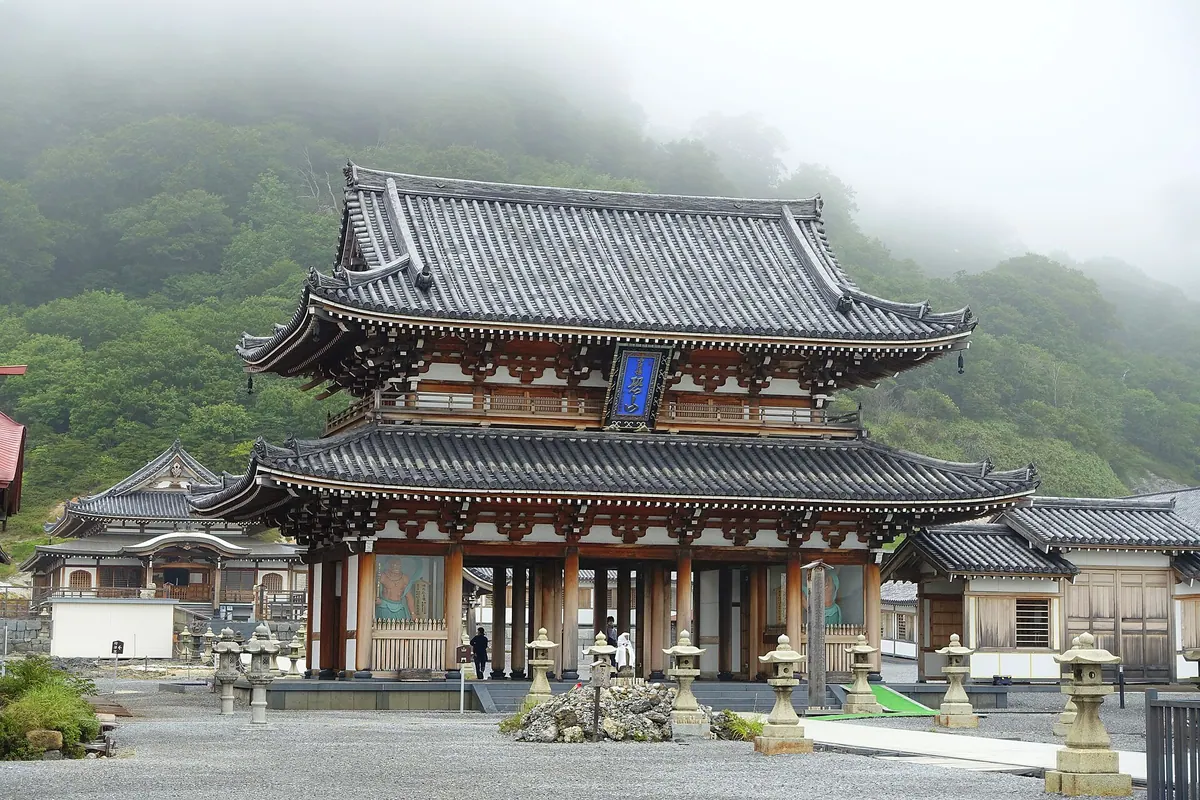
This Sōtō Zen temple, founded in 862, offers unique hot springs and spiritual traditions.
What it is
- A Sōtō Zen temple in Mutsu City, Aomori Prefecture.
- Also known as Osorezan Bodai-ji.
- Founded in 862 by the monk Ennin.
- Revived in 1522 by the monk Jukaku.
What to see
- Temple grounds with fumaroles and hot springs.
- Four hot springs used as public baths.
- Itako mediums perform kuchiyose during festivals.
When to go
- Open from May 1st to October 31st.
- Osorezan Grand Festival is held July 20th to 24th.
- Address
- 青森県むつ市田名部字宇曽利山3-2 Map
- Official site
- osorezan.or.jp
05
Kakushū-ji Temple
AOMORI · TEMPLE 革秀寺
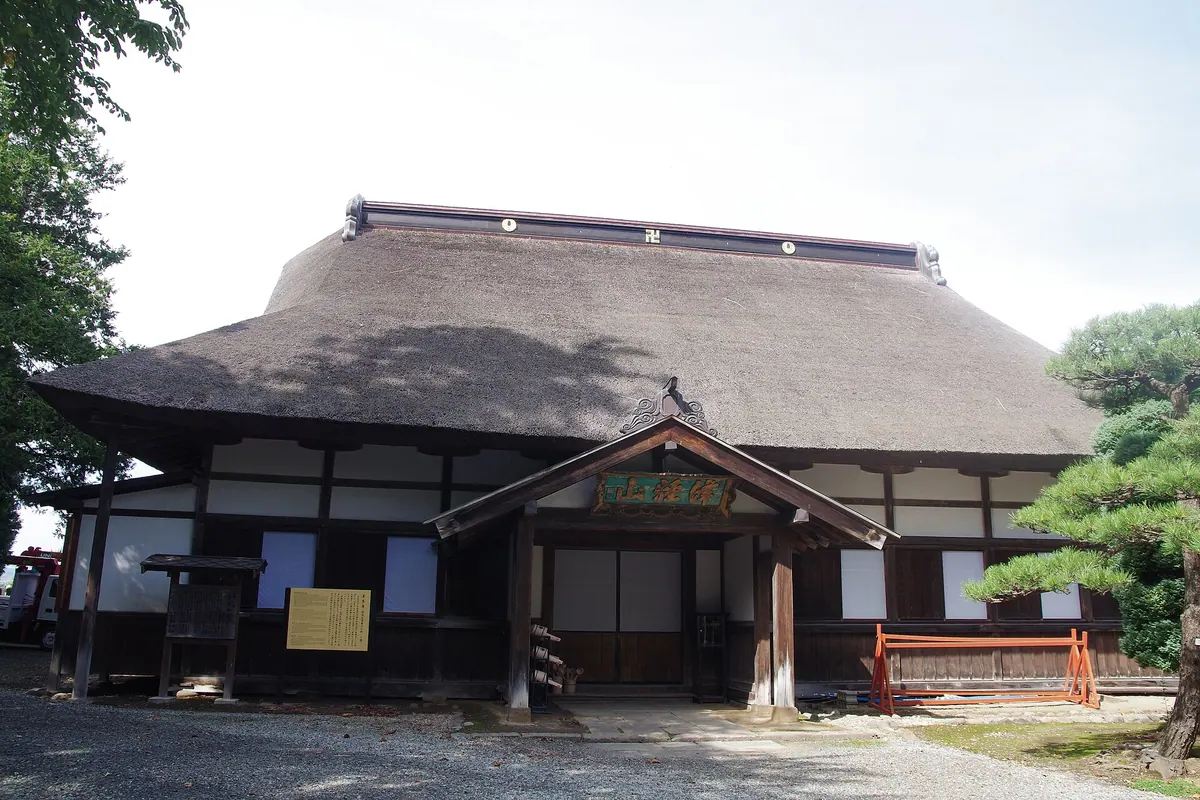
Sōtō Zen temple with important Edo-period architecture and a historic mausoleum.
What it is
- Sōtō Zen Buddhist temple, founded in the early 17th century.
- Main deity is Shakamuni Buddha.
- Designated as a Hirosaki City historic site.
What to see
- Main hall is an Important Cultural Property.
- Main hall has an irimoya-zukuri, thatched roof.
- Tsugaru Tamenobu mausoleum is an Important Cultural Property.
- Crape myrtle trees are a natural monument.
Getting there
- Take Kōnan Bus to Mukōkomae bus stop.
- Address
- 〒036-8373 青森県弘前市藤代1丁目4−1 Map
- Official site
- www.kakusyuji.or.jp
06
Seiryū-ji Temple
AOMORI · TEMPLE 青龍寺
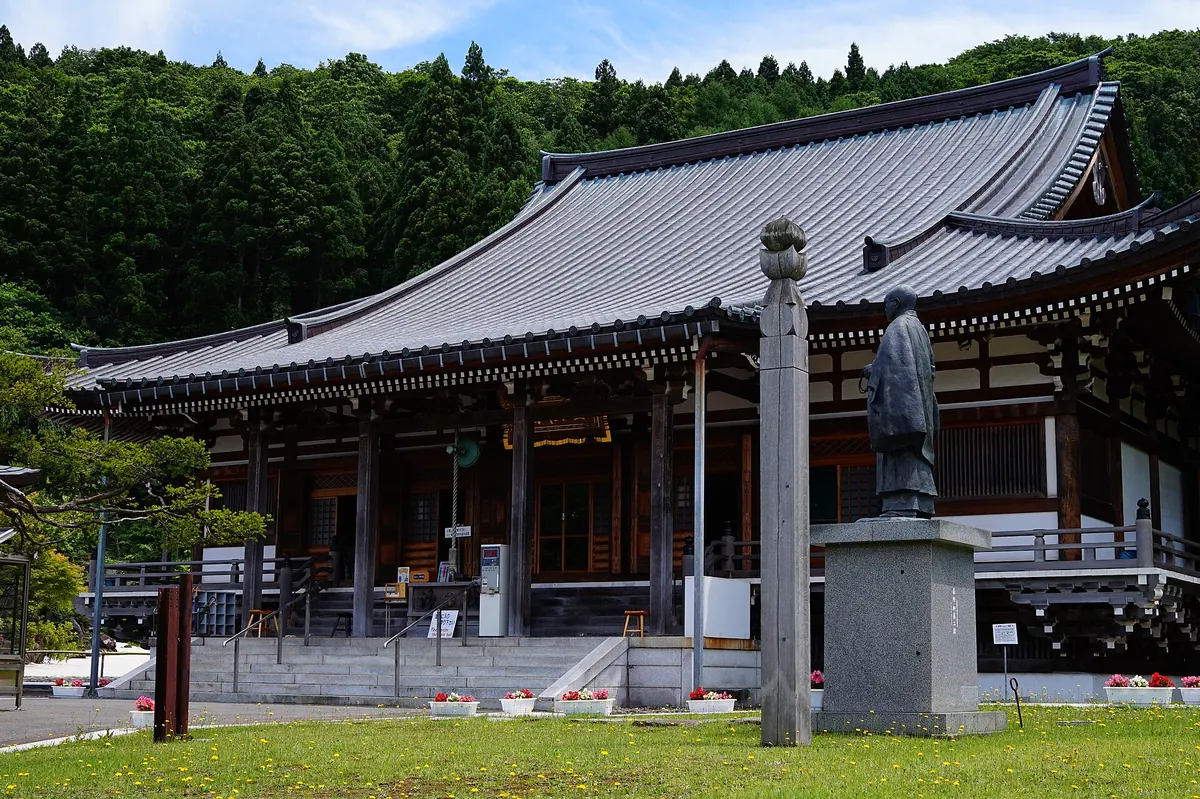
Seiryū-ji Temple in Aomori City features Japan's largest bronze seated Buddha and a tall cypress pagoda.
What it is
- Kōyasan branch temple in Aomori City.
- Founded as the 18th site of the Tohoku 36 Fudōson Pilgrimage.
What to see
- Japan's largest bronze seated Dainichi Nyorai statue, Showa Daibutsu.
- Showa Daibutsu is 21.35 meters tall and weighs 220 tons.
- A 39-meter-tall Aomori Hiba cypress five-story pagoda.
- The main hall, completed in October 1992.
When to go
- Open daily from 8:00 to 17:30.
- No closed days.
- Address
- 青森県青森市大字桑原字山崎45 Map
- Official site
- showa-daibutu.com
07
Hirosaki Ascension Church
AOMORI · TEMPLE 日本聖公会弘前昇天教会教会堂
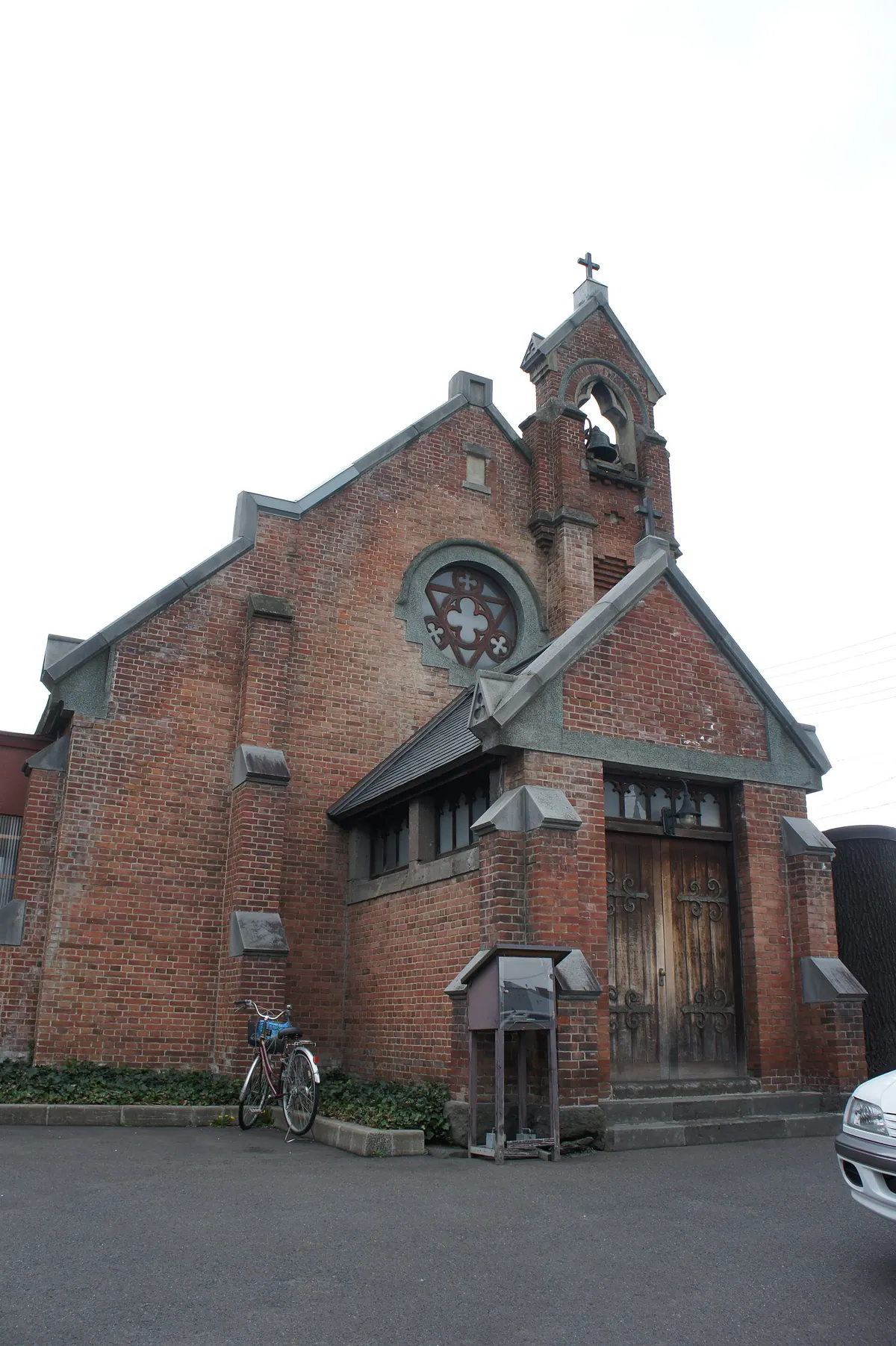
A 1920 Gothic brick church in Hirosaki, notable for its architecture and historic organ.
What it is
- A Christian church founded by missionaries in 1896.
- The current building was constructed in 1920.
- It was designated a Prefectural Important Cultural Property in 1993.
What to see
- A Gothic building with red brick walls and buttresses.
- A bell tower on the front right side of the building.
- An American-Schoninger reed organ from 1882-1883.
- Fusuma separating the chapel and narthex.
08
Hōkō-ji Temple
AOMORI · TEMPLE 法光寺
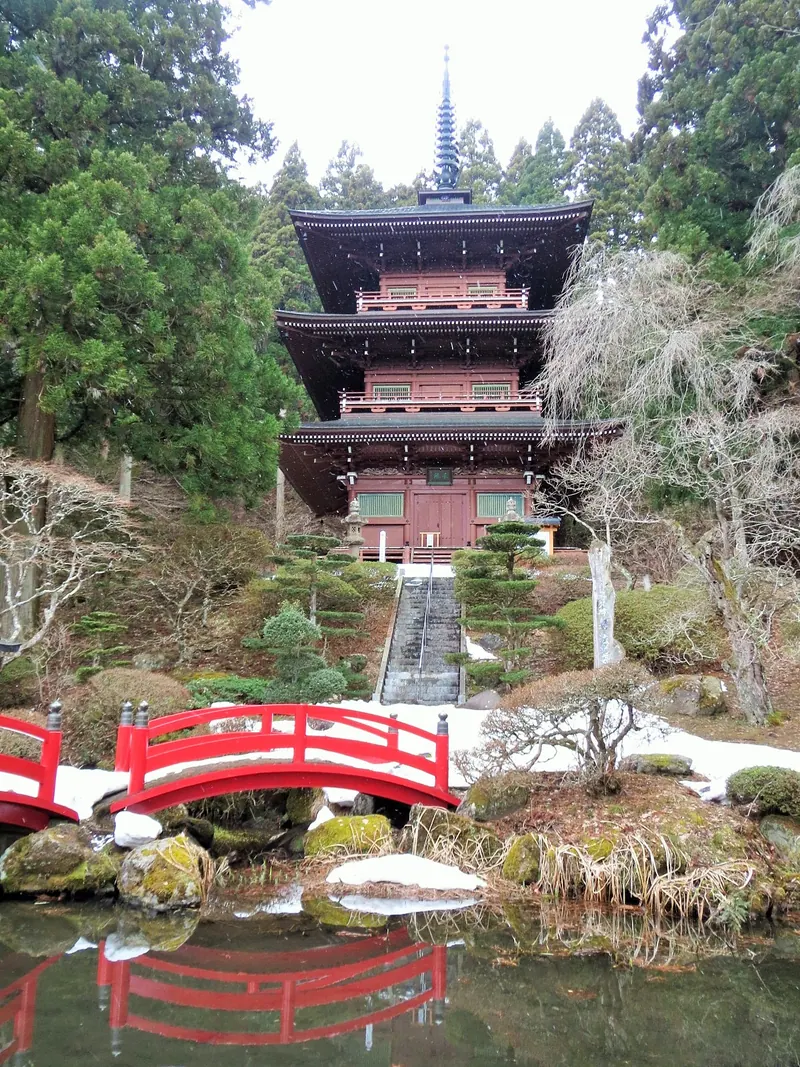
Hōkō-ji Temple is a Sōtō Zen temple with a pagoda and a pine tree avenue.
What it is
- A Sōtō Zen temple.
- Founded by Hōjō Tokiyori.
- Main deity is Shakamuni Buddha.
- Rebuilt after an 1878 fire.
What to see
- Jōyōtō Pagoda, 33 meters high.
- Pagoda enshrines Dōgen's remains.
- Pagoda is a registered cultural property.
- A 500-meter pine tree avenue.
- 23 pine trees are natural monuments.
When to go
- Open from mid-April to early November.
- Address
- 青森県三戸郡南部町大字法光寺字法光寺20 Map
09
Saishō-in Temple
AOMORI · TEMPLE 最勝院
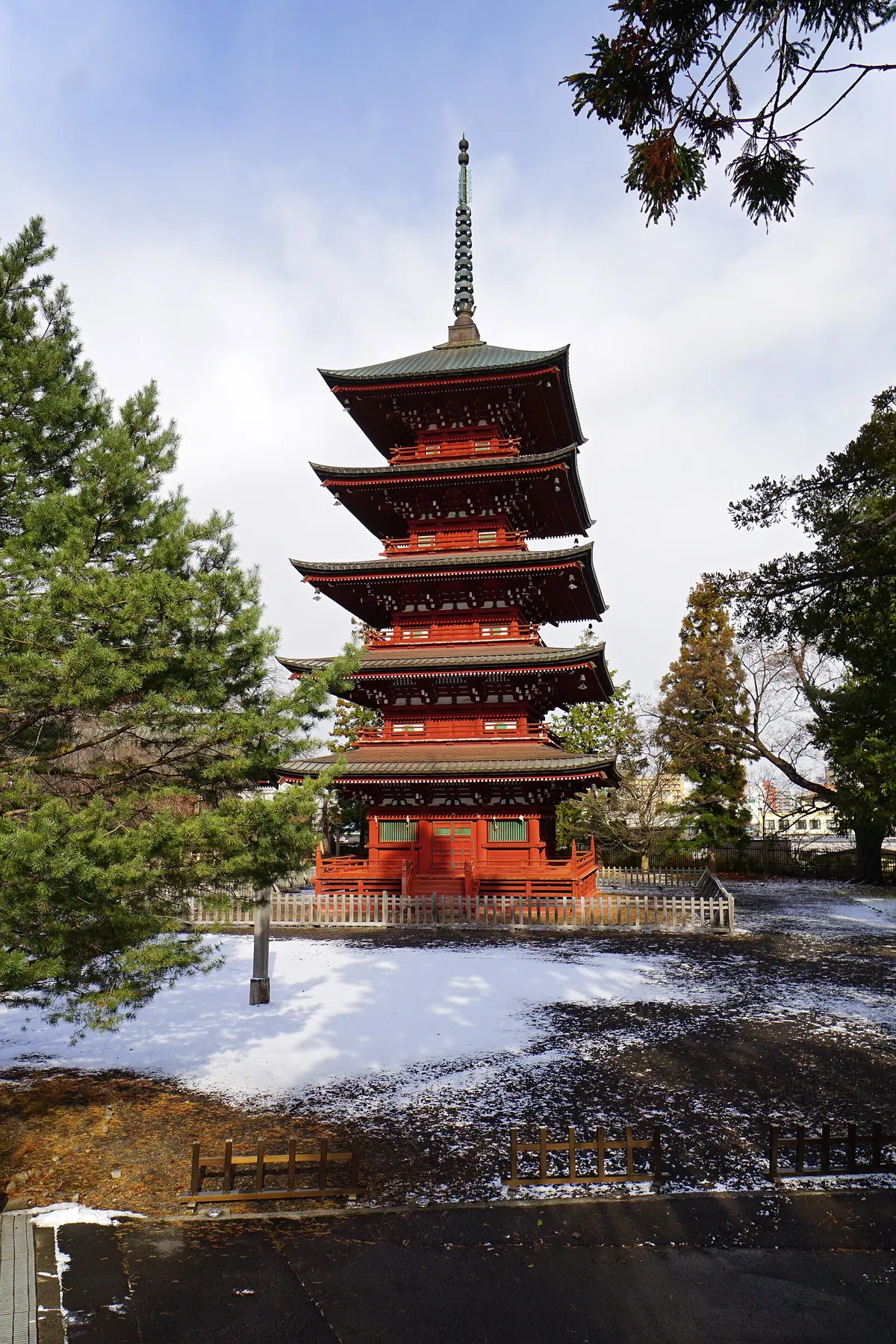
Saishō-in Temple, founded in 1532, is home to Japan's northernmost five-storied pagoda.
What it is
- A Shingon-shu Chizan-ha Buddhist temple.
- Founded in 1532 by Kōshin.
- Became the domain's permanent prayer place.
- Known as the "Temple of the Five-Storied Pagoda."
What to see
- A main hall and Niōmon gate.
- A five-storied pagoda, completed in 1667.
- The pagoda is an Important Cultural Property.
- The pagoda is Japan's northernmost.
- A hexagonal hall, rebuilt in 2006.
- Address
- 青森県弘前市大字銅屋町63 Map
10
Taigū-ji Temple
AOMORI · TEMPLE 袋宮寺
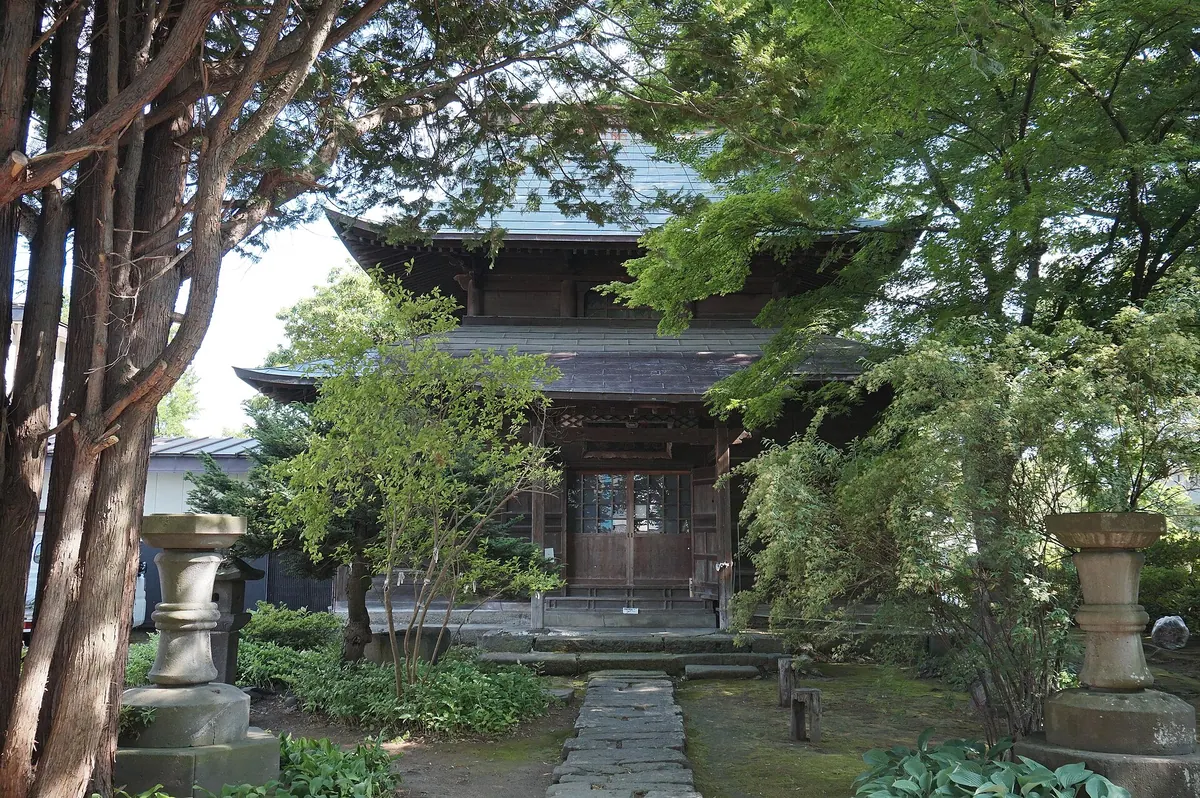
Taigū-ji Temple houses Aomori's largest Edo-period Buddha, a significant cultural property worth seeing.
What it is
- A Tendai sect temple.
- Founded in 1677 by Tsugaru Nobumasa.
- Originally named Muryōin Kannon-dō.
- Became independent and renamed in the Meiji era.
What to see
- The Main Hall, a prefectural cultural property.
- An Eleven-faced Kannon statue, 6 meters tall.
- The Kannon statue is also called "Setaka Kannon."
- Largest Edo-period Buddha statue in Aomori Prefecture.
- Address
- 青森県弘前市新寺町26 Map
- Official site
- www.taiguji.org
11
Hirosaki Church
AOMORI · TEMPLE 日本基督教団弘前教会教会堂
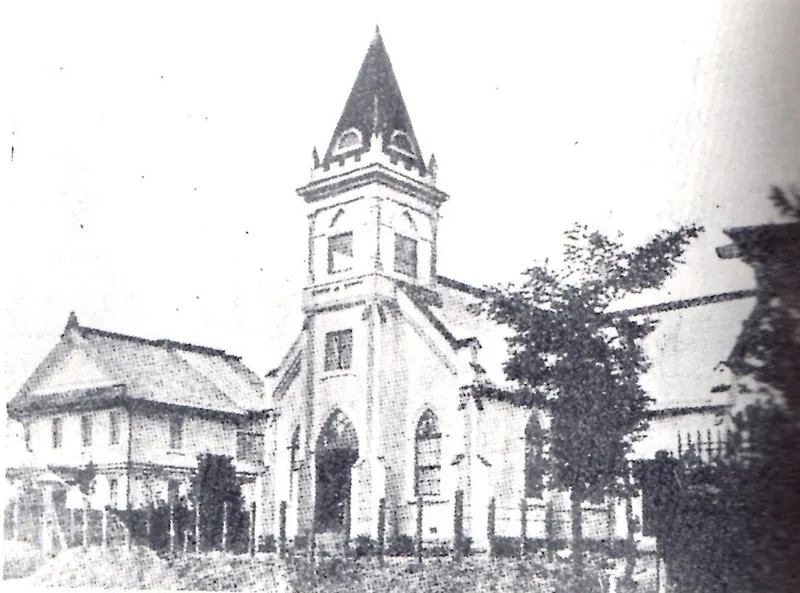
Hirosaki Church is a historic wooden Gothic church, the oldest in Tohoku, worth visiting for its unique architecture.
What it is
- Oldest church in the Tohoku region.
- Seventh oldest Protestant church in Japan.
- Established in 1875, current building constructed in 1906.
- Designated an Aomori Prefectural Important Cultural Property.
What to see
- Wooden single-story structure with a gable roof.
- French Gothic-style twin towers.
- Exterior walls with buttresses and pointed arch windows.
- Official site
- www.churchwebsite.org
12
Hōshō-in Temple
AOMORI · TEMPLE 鳳松院
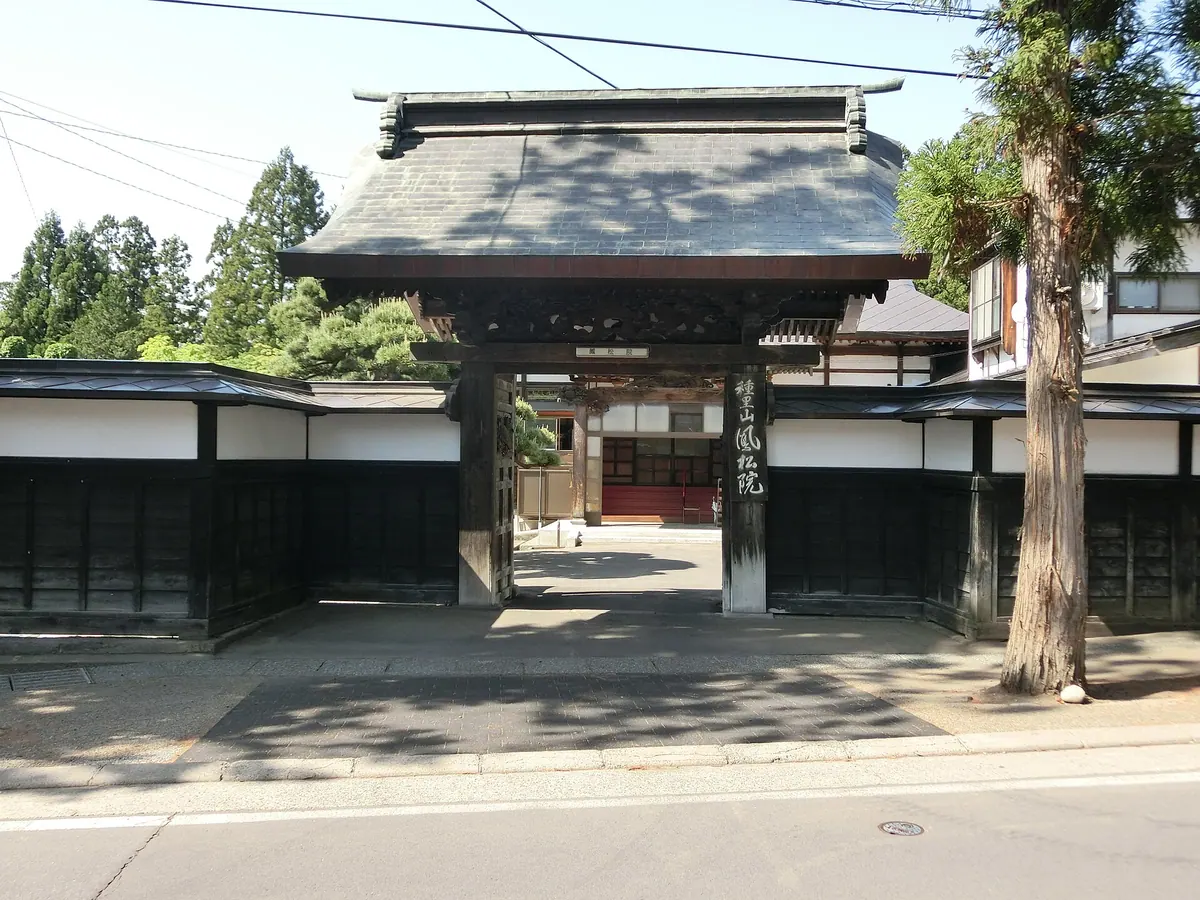
Hōshō-in Temple is a Sōtō Zen temple with unique oil paintings of Shaka's life.
What it is
- A Sōtō Zen Buddhist temple.
- Its principal image is Shaka Nyorai.
- One of 33 Sōtō Zen temples in Zenrin-gai.
- Moved to Hirosaki City during the Keichō era.
What to see
- Current temple buildings completed in 1938.
- Eight oil paintings are among the temple treasures.
- Paintings depict the life story of Shaka.
- Paintings were completed in 1976.
- Address
- 青森県弘前市西茂森1-15-1 Map
13
Daiji-ji Temple
AOMORI · TEMPLE 大慈寺
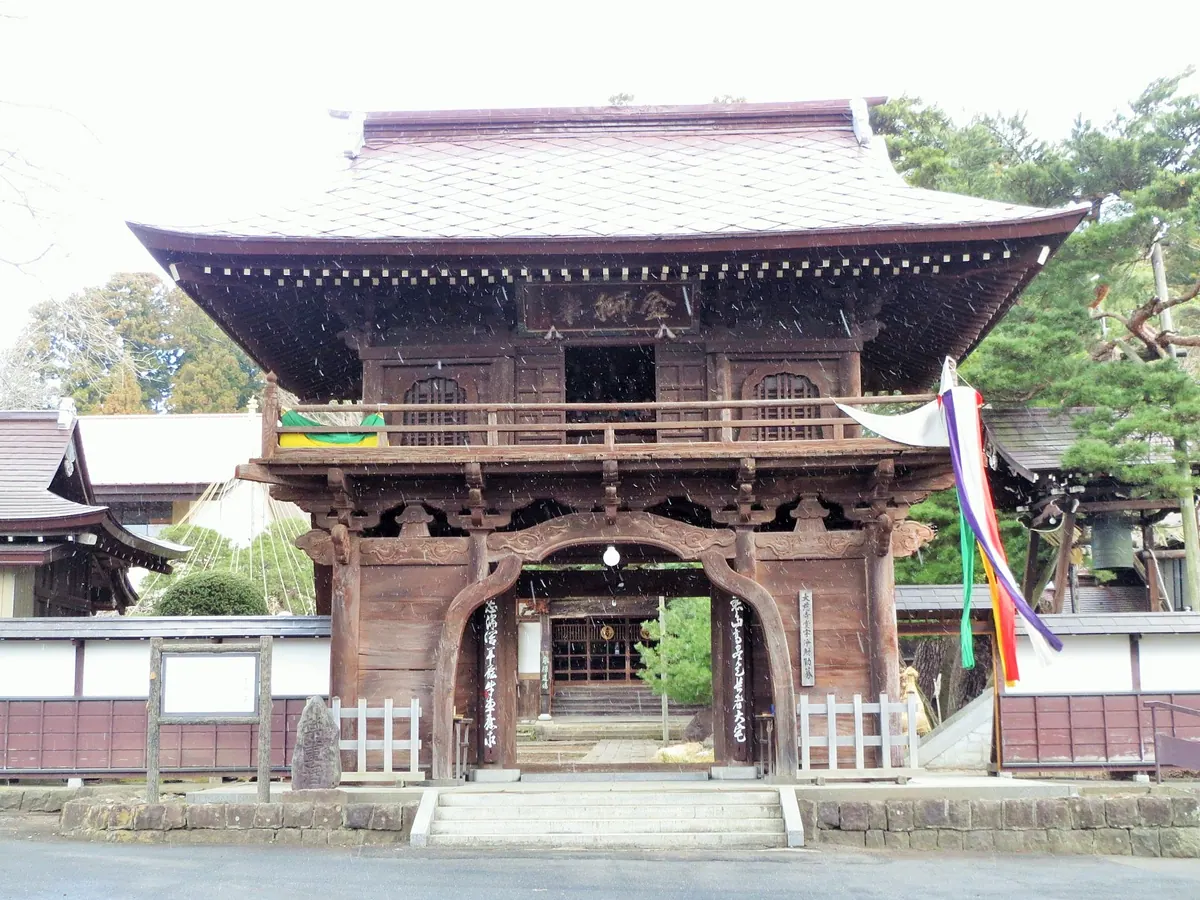
Daiji-ji is a historic Soto Zen temple with unique architecture and important cultural treasures.
What it is
- A Soto Zen temple founded in 1411.
- Dedicated to Sho Kannon Bosatsu.
- Part of two Kannon pilgrimage routes.
What to see
- Main hall, gate, and sutra repository are prefectural treasures.
- Temple gate built in 1831.
- Sixteen Arhat statues enshrined in the gate.
- Sutra repository built in 1858.
- Octagonal rotating shelf inside the sutra repository.
14
Chōshō-ji Temple
AOMORI · TEMPLE 長勝寺
A historic Sōtō Zen temple with important cultural properties, founded in 1528.
What it is
- A Sōtō Zen temple.
- Founded in 1528 by Ōura Morinobu.
- Main deity is Shaka Nyorai.
- Was a Sōtō Zen monastic office during Edo period.
What to see
- The main hall, an Important Cultural Property.
- Several Important Cultural Properties.
- Several prefectural important treasures.
- A Hirosaki City designated tangible cultural property.
- Address
- 青森県弘前市西茂森1-13-8 Map
15
Chōen-ji Temple
AOMORI · TEMPLE 長円寺
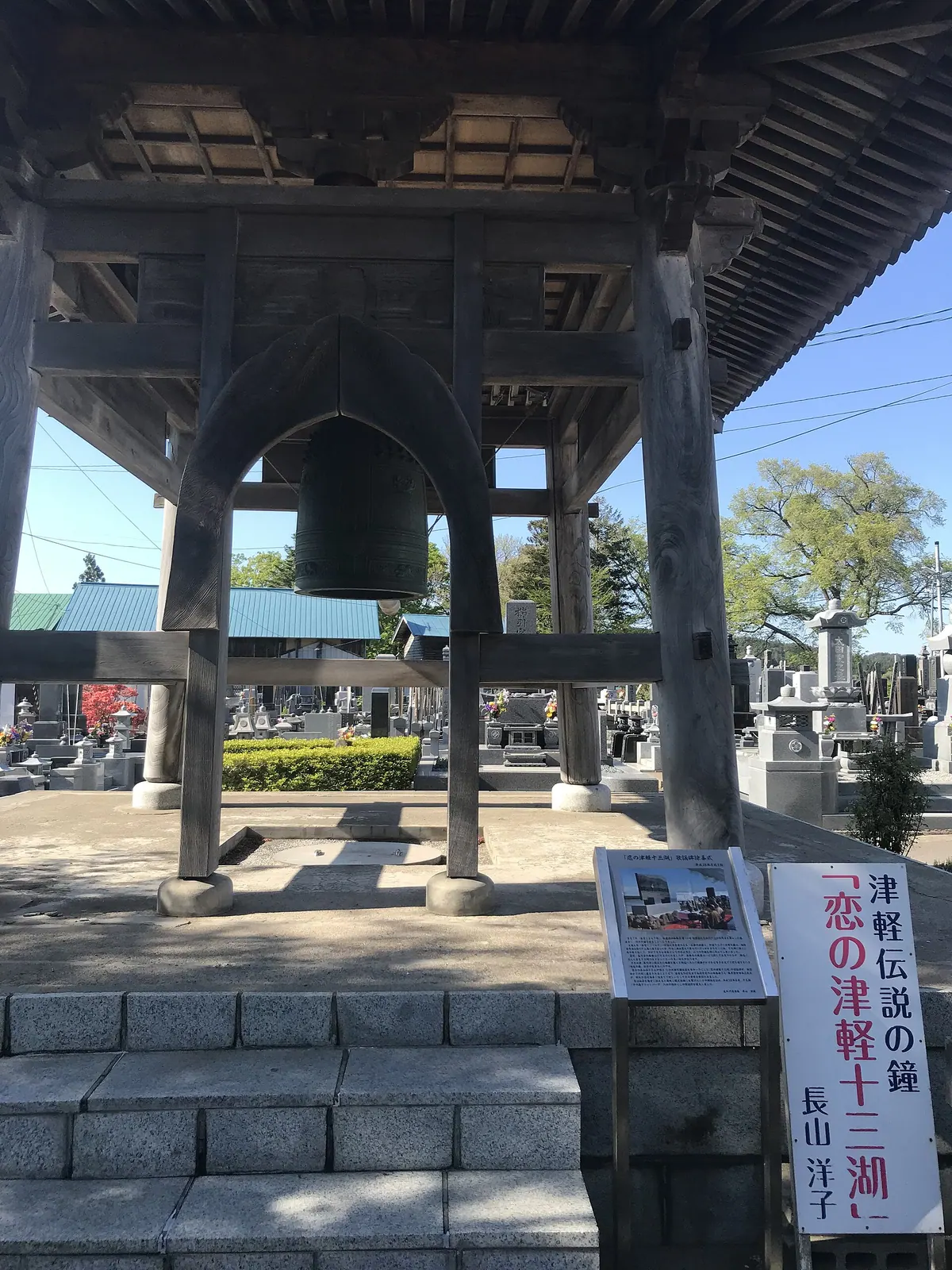
Chōen-ji Temple is a historic site in Goshogawara with a unique bronze bell.
What it is
- A temple founded in 1667.
- Founded by Shōgan Unshuku.
- Its sango (mountain name) is Daiisan.
What to see
- A bronze bell cast in 1716.
- The bell is an Aomori Prefecture Important Cultural Property.
- It is 127cm high and 77cm in diameter.
- The bell has carvings of flutes, drums, and celestial maidens.
- Carvings also include karashishi.
- Address
- 青森県五所川原市飯詰字福泉224-3 Map
16
Yōshin-ji Temple
AOMORI · TEMPLE 要心寺
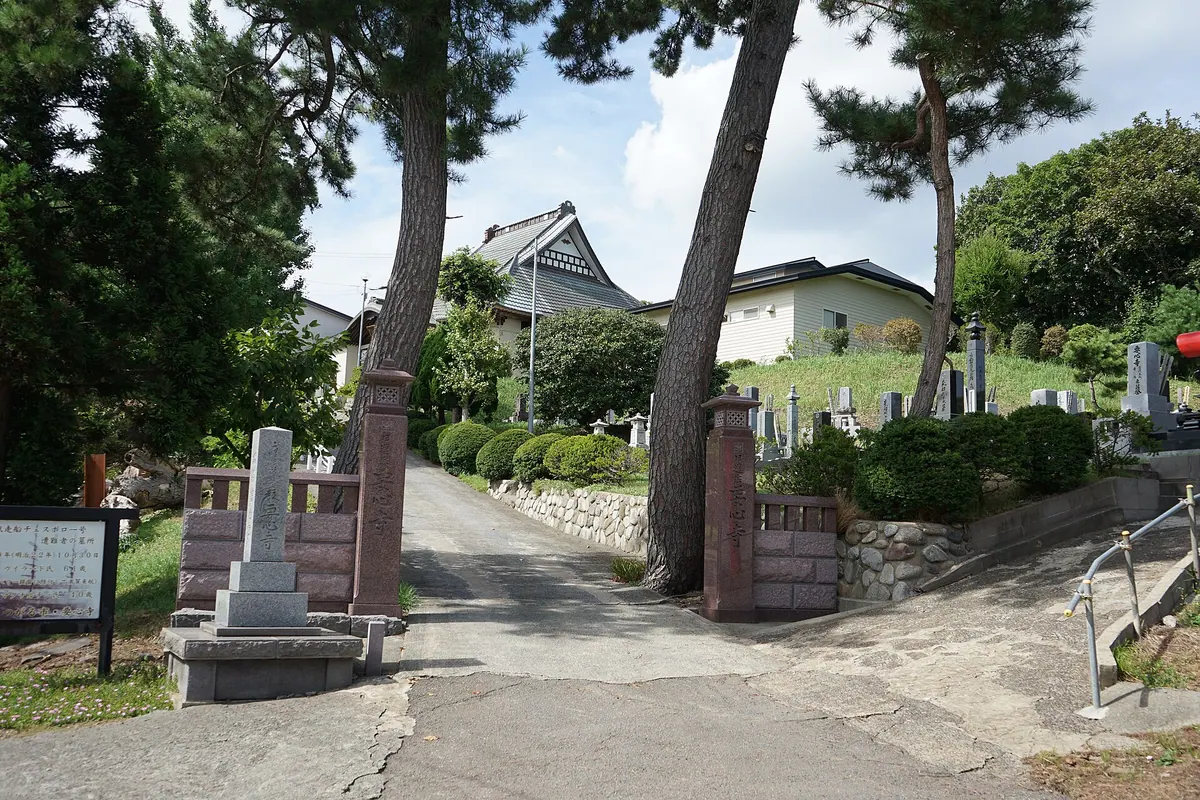
Yōshin-ji Temple is a historic Nichiren-shu temple with a unique grave and a notable statue.
What it is
- A Nichiren-shu temple.
- Founded in 1853 as Mihashisan Yōshin-an.
- Its sango (mountain name) is Mihashisan.
- Founded by Yōshin-in Nissho.
What to see
- A grave for victims of the Chessborough shipwreck.
- The Chessborough was an American sailing ship.
- A Kishimojin statue made by Hayashi Nyosui.
- The statue was created in 1859.
- Address
- 青森県つがる市木造筒木坂松本99-1 Map
17
Seisui-ji Temple
AOMORI · TEMPLE 清水寺
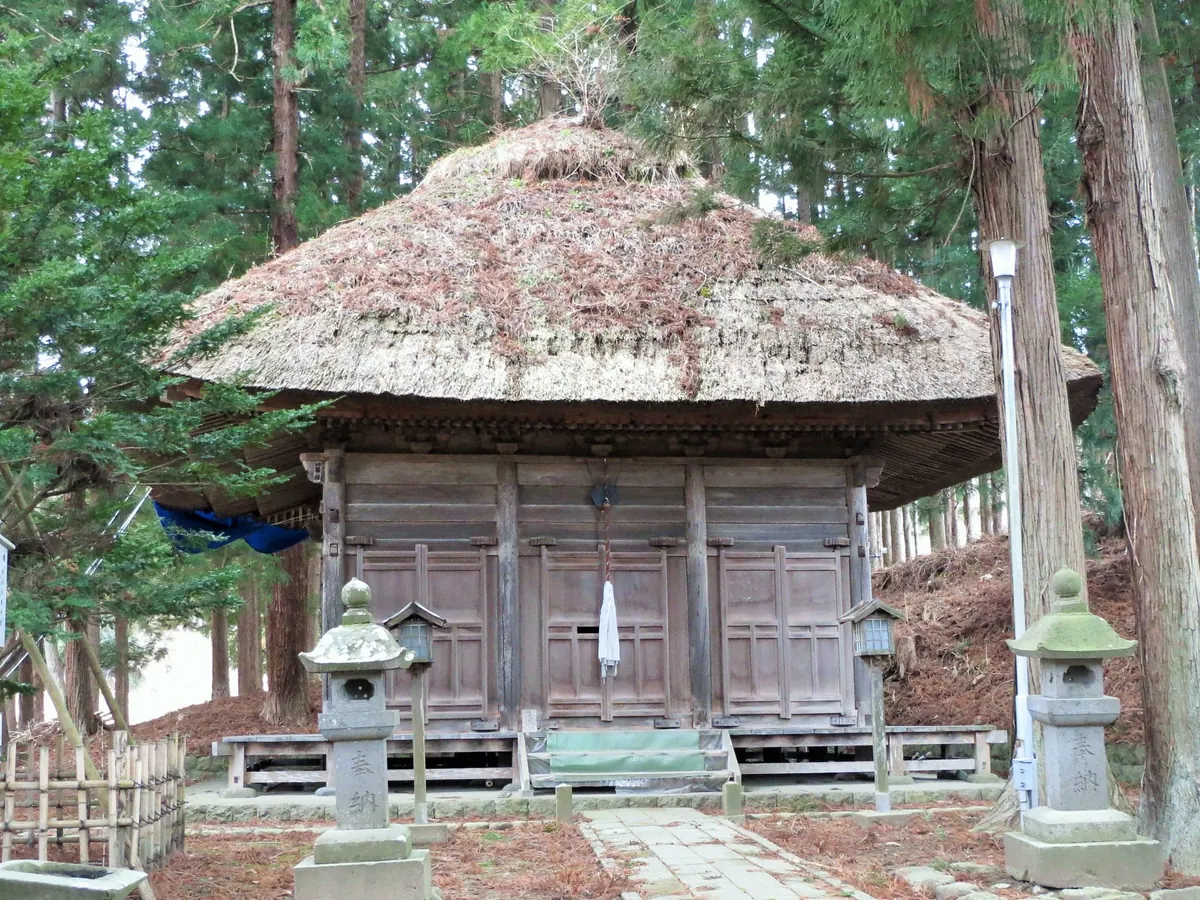
Seisui-ji Temple offers a glimpse into history with Aomori's oldest outdoor building.
What it is
- A temple of the Shinshu Otani sect.
- Founded by Ennin.
- Converted to Jodo Shinshu in 1869.
What to see
- Kannon-do is an Important Cultural Property.
- Kannon-do built in 1581.
- Kannon-do is Aomori Prefecture's oldest outdoor building.
Getting there
- 7-minute drive from JR Hon-Hachinohe Station.
- Address
- 青森県八戸市 是川字中居18-2 Map
18
Catholic Shiomachi Church
AOMORI · TEMPLE カトリック塩町教会
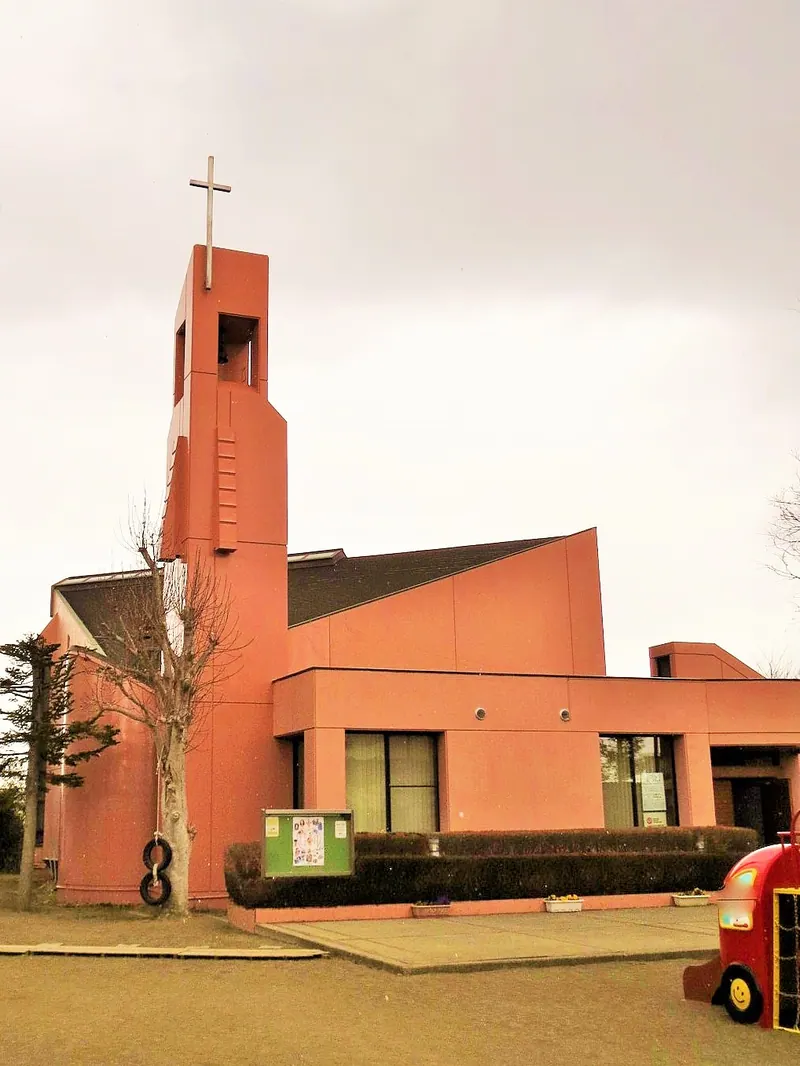
A unique pink Catholic church in Hachinohe, recognized for its distinctive modern architecture.
What it is
- A Catholic church in Hachinohe, Aomori Prefecture.
- Belongs to the Sendai Diocese.
- Existed before 1931.
- Current building completed in 1984.
What to see
- Almost entirely pink building.
- Tower with a cross and bell at the south end.
- Roof slopes towards the south and north ends.
- Award-winning modern architecture.
19
Fumon-in Temple
AOMORI · TEMPLE 普門院 (弘前市)
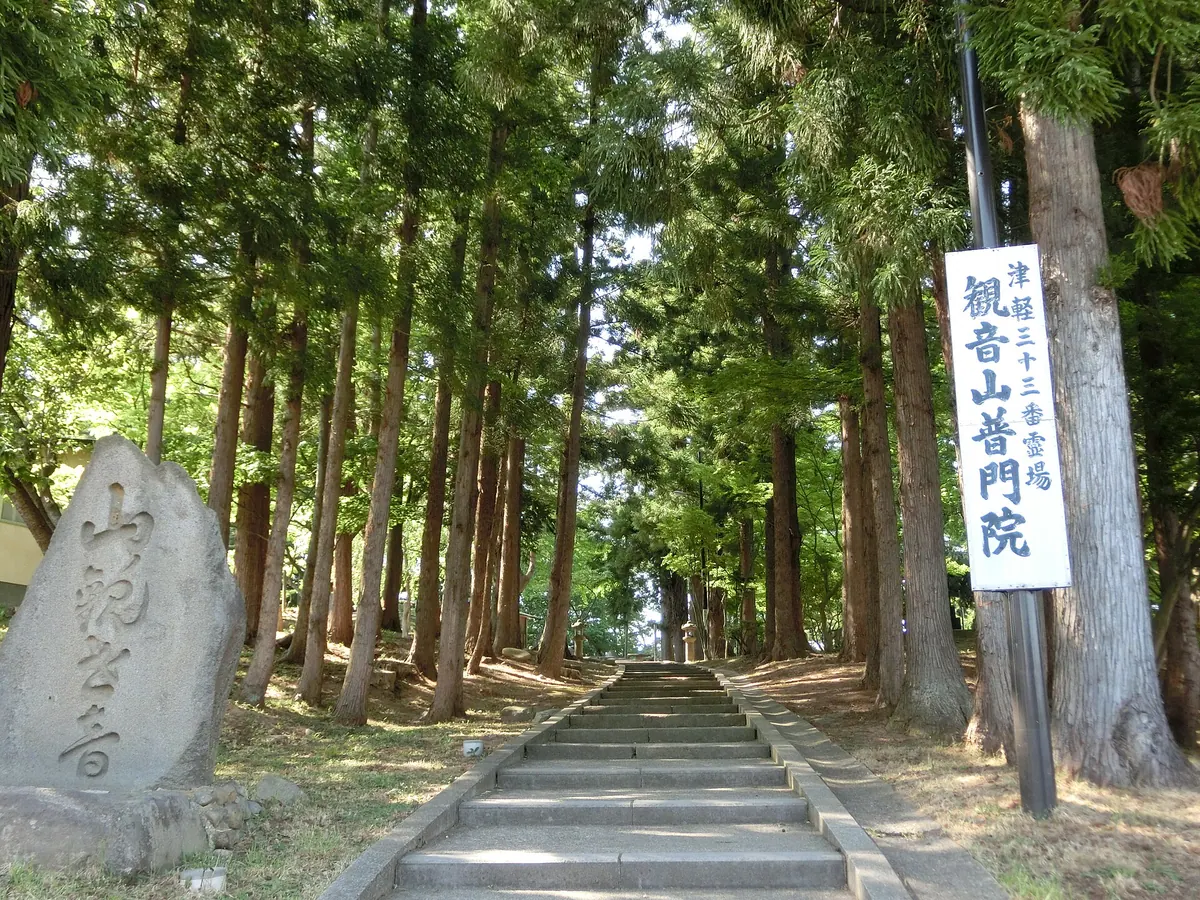
Fumon-in Temple is a Soto Zen temple, part of a pilgrimage, with a significant Kannon statue.
What it is
- A Soto Zen Buddhist temple.
- Its mountain name is Kannon-zan.
- The principal image is Shokannon Bosatsu.
- Rebuilt in 1678 by Tsugaru Nobumasa.
What to see
- The 33rd temple of the Tsugaru 33 Kannon Pilgrimage.
- One of 33 temples in Zenringai, Nishishigemori-machi.
- Enku-made Eleven-faced Kannon, discovered in 1980.
- Address
- 青森県弘前市西茂森2丁目17-4 Map
20
Renge-ji Temple
AOMORI · TEMPLE 蓮華寺
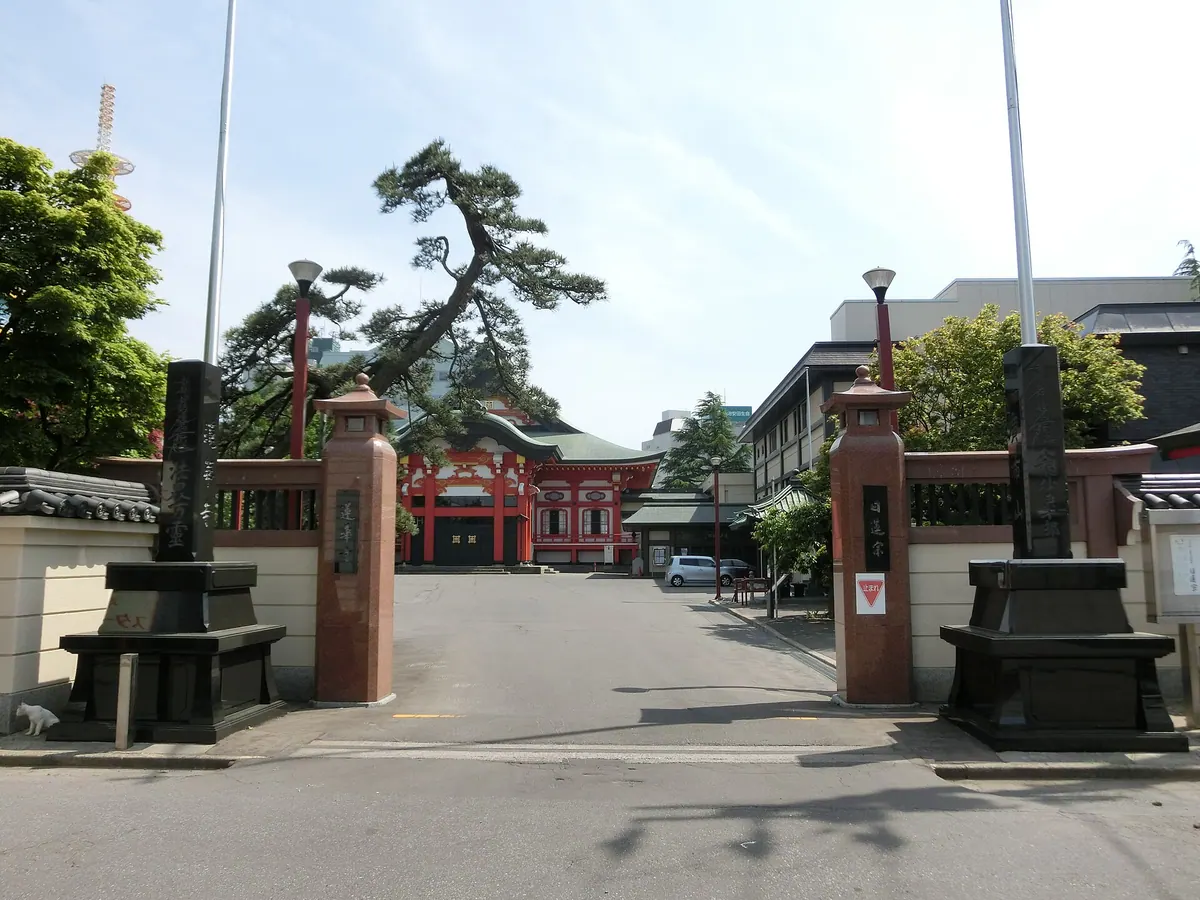
Renge-ji Temple is a historic Nichiren temple with a cultural property and a resilient main hall.
What it is
- A Nichiren sect temple.
- Originated from a hermitage founded in 1294.
- Rebuilt in 1650 by Nichiju of Myoken-ji Temple.
- Relocated to its current site in 1664.
What to see
- Hokkedo Chagama, a designated tangible cultural property.
- Current main hall, rebuilt in 1927.
- Main hall survived the 1945 Aomori Air Raid.
- Address
- 青森県青森市本町一丁目5-12 Map