

20 Temples in Ehime worth your time
Japan Gems
Ehime Prefecture has 102 temples, including Kōshaku-ji Temple and Chikurin-ji Temple. Many are part of the Shikoku Pilgrimage, offering a spiritual journey.
Ehime has 104 temples on Japan Gems. Below are the 20 we can tell you the most about — each one written up in English from Japanese sources, with what to see and how to get there. See all temples in Ehime.
01
Daifuk Ji Buddhist temple
EHIME · TEMPLE 大福寺
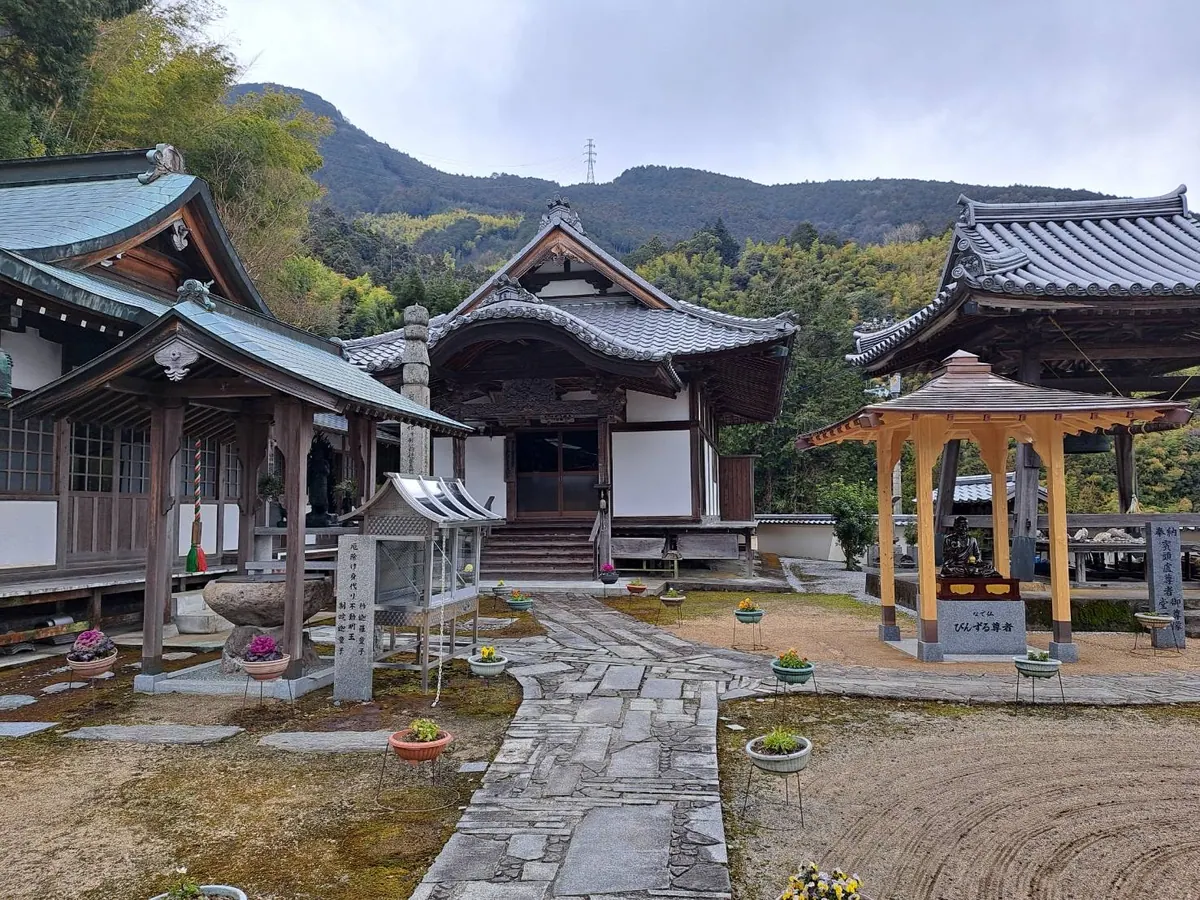
An ancient Shingon temple founded in 740, famous for its hidden Jizo deity and traditional fire-walking rituals.
What it is
- A Buddhist temple belonging to the Koyasan Shingon sect founded in 740.
- Commonly known as Mebiki Jizo, it enshrines the Enmei Jizo Sanzon deity.
- One of ten significant Shingon temples located in the Saijo region.
- The temple moved to its current location in 1605 after previous destruction.
What to see
- The Fudo Hall which serves as a center for Shugendo training.
- A Reihai Hall that enshrines the famous monk Kobo Daishi.
- The main hidden Buddha statue which is only displayed once every century.
When to go
- The February festival features a traditional fire-walking ritual performed by practitioners.
02
Shin-hase-dera Temple
EHIME · TEMPLE 新長谷寺
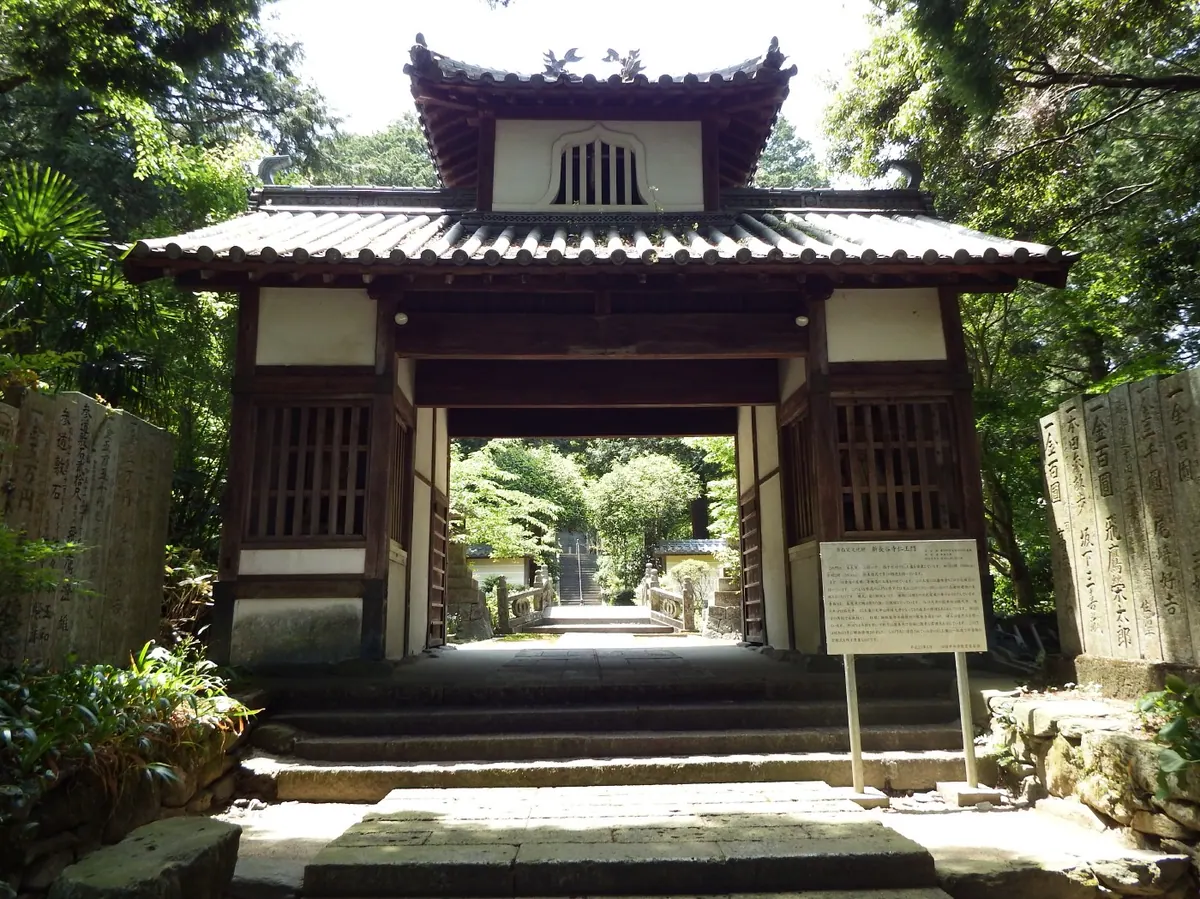
Shin-Hasedera is a historic temple in Shikokuchuo, part of a pilgrimage, known for its hidden Kannon.
What it is
- A Koyasan Shingon sect temple.
- Founded in 729, rebuilt in 1635.
- The 27th sacred site of the New Shikoku Mandala Pilgrimage.
- Dedicated to the Eleven-faced Kannon Bodhisattva.
What to see
- The main image is a hidden Buddha, unveiled every 33 years.
- The wooden Eleven-faced Kannon statue is 1.8 meters tall.
- The Kannon statue is a designated cultural property.
- The Nio-mon gate is a designated cultural property.
- The Nio-mon gate was built in the early Edo period.
Getting there
- About 20 minutes by taxi from Iyo-Mishima Station.
- Address
- 愛媛県四国中央市寒川町3214 Map
03
Hōju-in Temple
EHIME · TEMPLE 法寿院
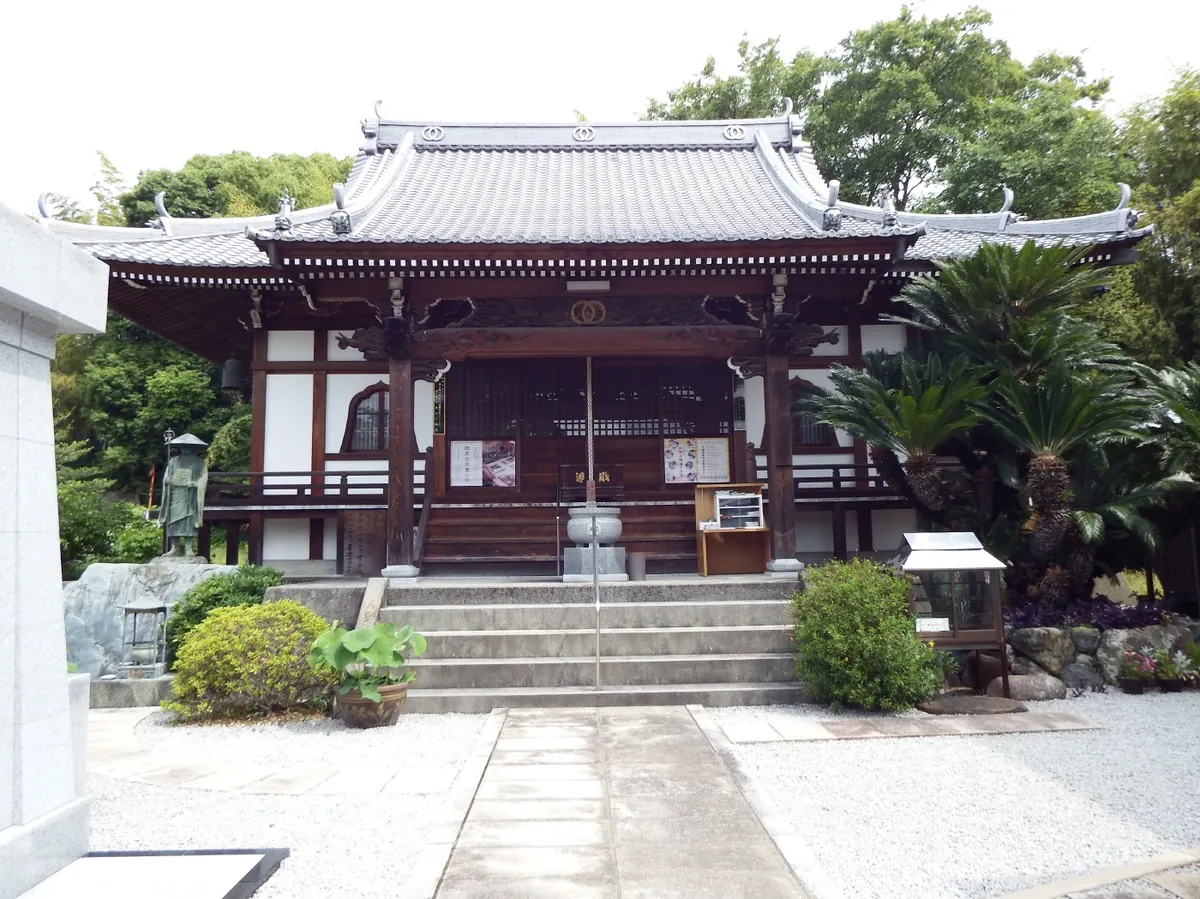
Hōju-in Temple is a pilgrimage site with unique Jizō statues for family well-being.
What it is
- A Shingon-shu Buzan-ha temple in Tōon, Ehime Prefecture.
- It is the 45th Fudasho of the New Shikoku Mandala Pilgrimage.
- Dedicated to Enmei Jizō Bosatsu, principal image survived a 1915 fire.
What to see
- Main hall houses a seated Enmei Jizō Bosatsu statue.
- Chichi Jizō-son-dō enshrines a stone statue.
- Stone statue is for safe childbirth, conception, and child-rearing.
- The Gōdai Myōō-zu, a treasure, survived the 1915 fire.
Getting there
- About a 5-minute taxi ride from Iyotetsu Yokogawara Line.
- Address
- 愛媛県東温市西岡1402番地1 Map
04
Maegami-ji Temple
EHIME · TEMPLE 前神寺
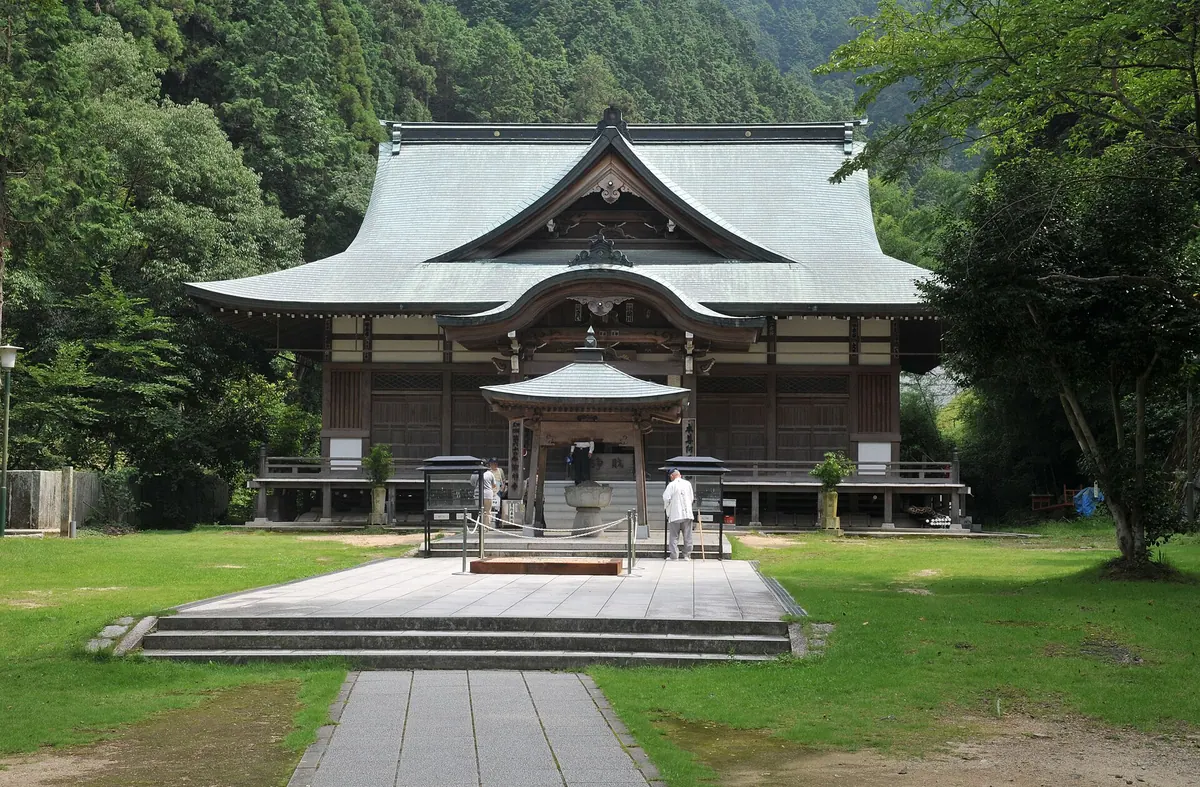
Maegami-ji Temple is a historic pilgrimage site with important cultural properties and mountain connections.
What it is
- Head temple of the Shingon Ishizuchi sect.
- 64th temple of the Shikoku 88 Pilgrimage.
- Founded by En no Gyoja.
- Designated an imperial prayer temple by Emperor Kanmu.
What to see
- Principal image is a hidden Buddha in the main hall.
- Bronze Amitabha Nyorai statue is a Prefectural Cultural Property.
- Ancient documents related to Ishizuchi Shugendo are a City Cultural Property.
When to go
- Fire ritual held three times a year.
Getting there
- 0.7 km from Ishizuchisan Station.
- Address
- 愛媛県西条市洲之内甲1426番地 Map
05
Jippo-ji Temple
EHIME · TEMPLE 実報寺
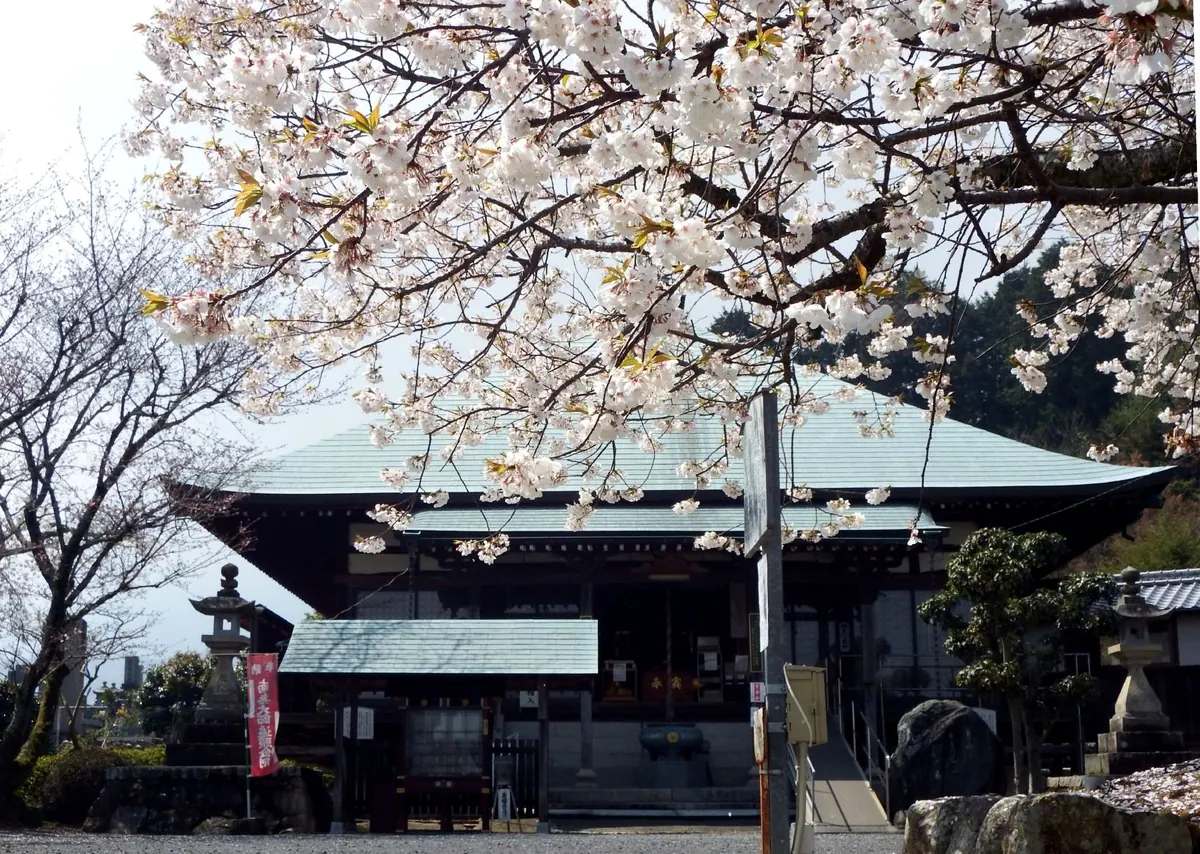
Ancient temple founded by an emperor, part of a pilgrimage, with a hidden Buddha and historic well.
What it is
- Founded in 640 by Emperor Jomei.
- Belongs to the Shingon-shu Omuro-ha sect.
- 35th Fudasho of the New Shikoku Mandala Pilgrimage.
- Moved to its current location in 1672.
What to see
- Main hall's principal image is a hidden Buddha.
- Bell tower stands on the temple grounds.
- Guest hall is called Iwakura-den.
- Gyōja's Well was dug by Kukai.
- Wooden seated Jizo Bosatsu statue is a cultural property.
- Old Edo Higan cherry tree is on the grounds.
Getting there
- About 2km from Iyo-Miyoshi Station.
- Address
- 愛媛県西条市実報寺甲758 Map
06
Shōmyō-ji Temple
EHIME · TEMPLE 称名寺
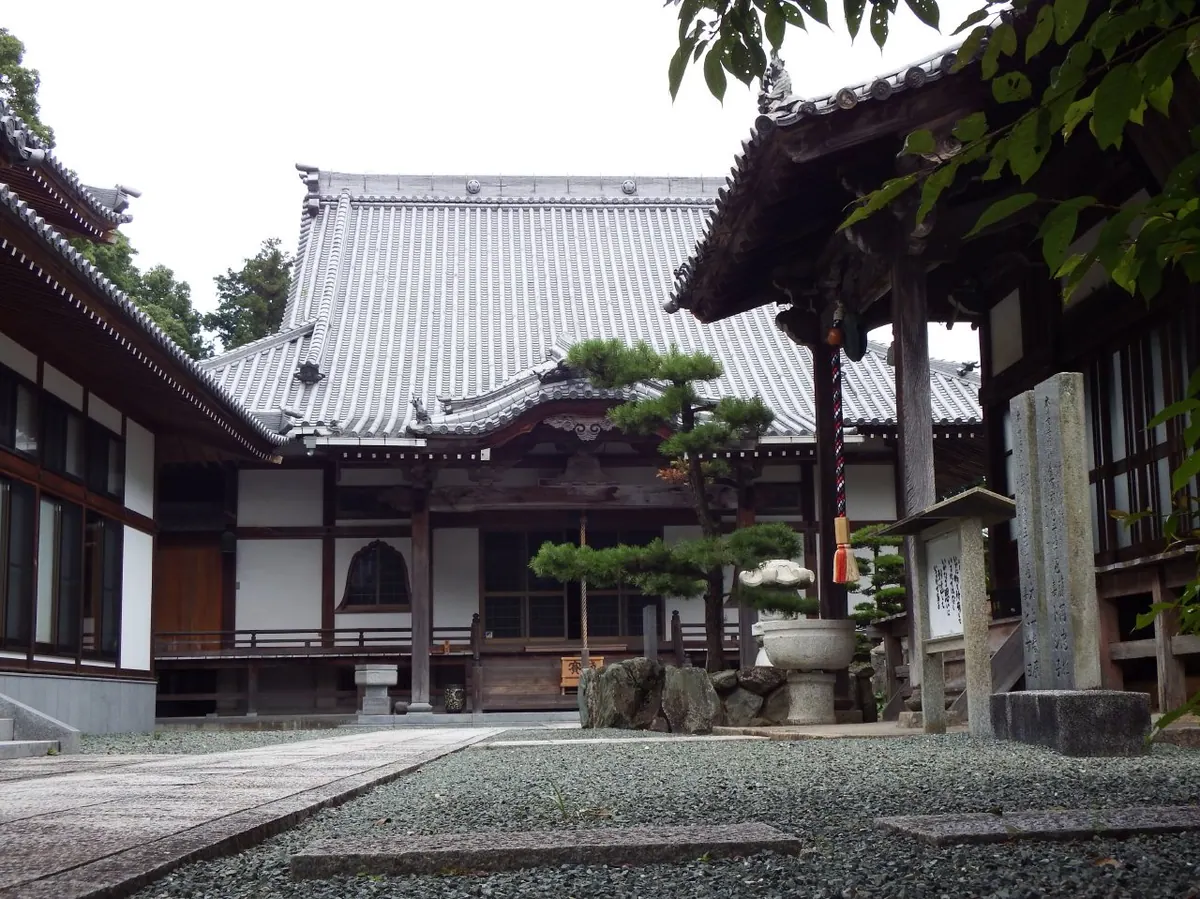
Shōmyō-ji Temple is a historic Buddhist temple, founded in 850, and a pilgrimage site.
What it is
- A temple of the Chisan sect of Shingon Buddhism.
- Founded in 850 by Priest Sōtei.
- The 48th sacred site of the New Shikoku Mandala Pilgrimage.
- Moved to its current location in the early Edo period.
What to see
- The principal image is Amitābha Tathāgata.
- The principal image was created by sculptor Kasuga Motomitsu.
- A tomb for Minamoto no Noriyori from the Jōei era.
- Documents are tangible cultural properties of Iyo City.
Getting there
- About a 10-minute taxi ride from Iyo City Station.
- Address
- 愛媛県伊予市上吾川1418 Map
07
Senyū-ji Temple
EHIME · TEMPLE 仙遊寺
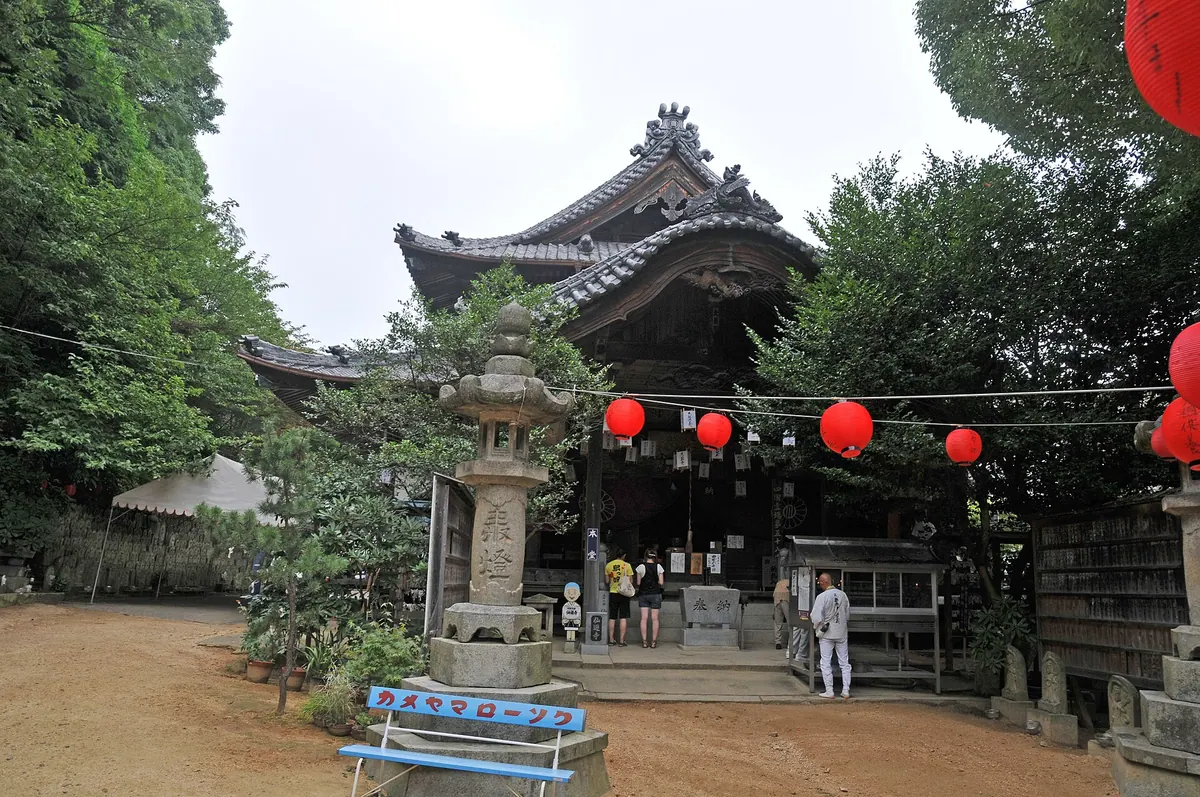
Senyū-ji Temple is a historic pilgrimage site with a hot spring and scenic views.
What it is
- Kōyasan Shingon sect temple.
- 58th temple of the Shikoku 88-temple pilgrimage.
- Founded by Ochi Morioki under imperial command.
- Restored by Kūkai during his Shikoku pilgrimage.
What to see
- Main deity is Senju Kannon Bosatsu.
- Main deity statue is 1.8 meters tall, from late Heian period.
- Five-storied pagoda is a cultural property.
- Natural hot spring and shukubo (temple lodging).
- Scenic views from Hachimanyama, Inuzuka Pond, Sareizan.
When to go
- Summer Festival is held on August 9th.
- Address
- 愛媛県今治市玉川町別所甲483 Map
08
Koryu-ji Temple
EHIME · TEMPLE 興隆寺
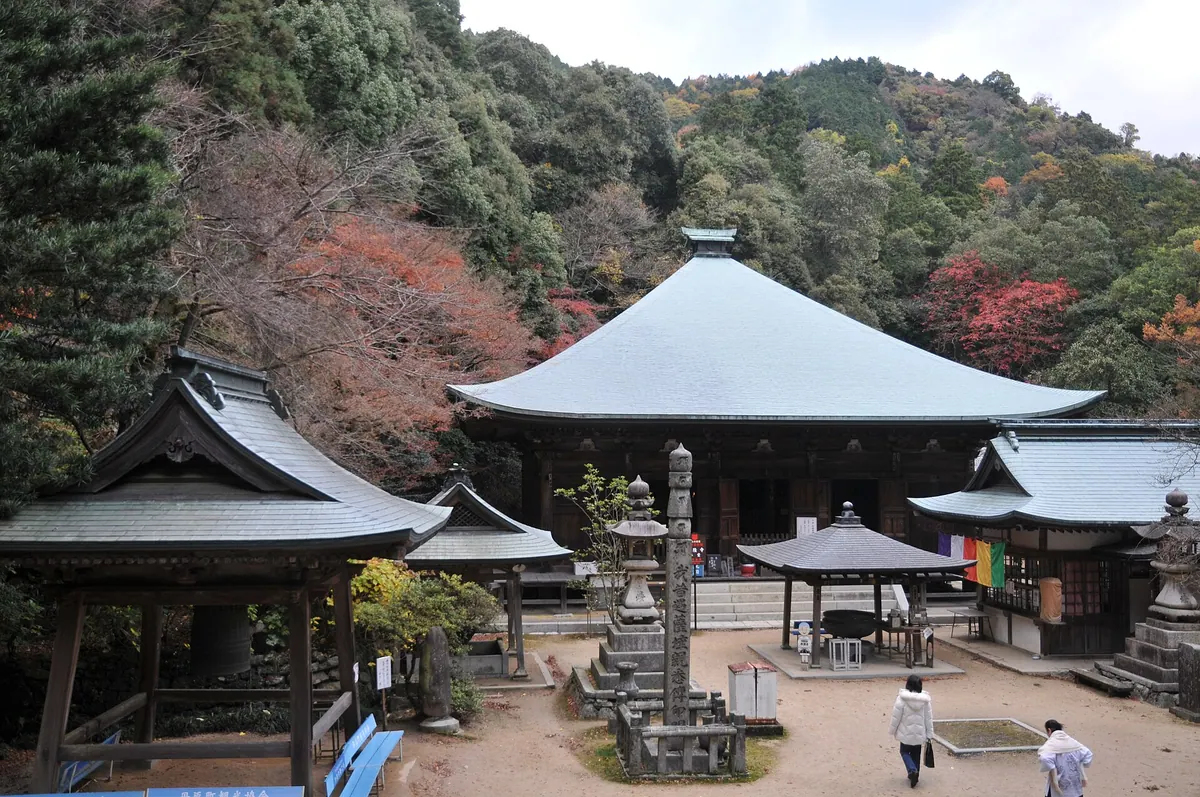
Koryu-ji Temple is a historic Shingon temple known for its autumn leaves and cultural properties.
What it is
- A Shingon sect Buddhist temple.
- Main deity is Senju Sen-gen Kanzeon Bosatsu.
- 10th sacred site of the Shikoku Betsukaku Nijū Reijō.
- 22nd sacred site of the Shikoku Sanjūroku Fudōson.
What to see
- Main hall built in 1375, a National Important Cultural Property.
- Hōkyōintō memorial tower for Minamoto no Yoritomo.
- Bronze bell from 1286, an Important Cultural Property.
- Triple pagoda from 1836, an Ehime Prefecture Cultural Property.
When to go
- Known for its beautiful autumn leaves.
- Address
- 愛媛県西条市丹原町古田1657 Map
09
Takanawa-ji Temple
EHIME · TEMPLE 高縄寺
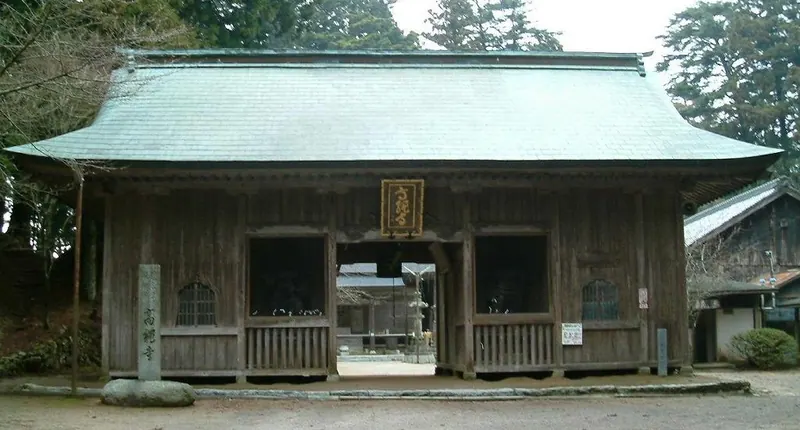
Takanawaji Temple, founded in the 7th century, offers a historic spiritual experience with unique Kannon statues.
What it is
- A Shingon-shu Daigo-ha Buddhist temple.
- Founded during Emperor Tenji's reign by Ochi Morioki.
- Principal image is the Eleven-faced Senju Kannon Bosatsu.
- Kobo Daishi renamed it Takano-san Takanawaji.
What to see
- A Nio-mon gate that also serves as a bell tower.
- Wooden standing statue of Senju Kannon carved in 706.
- This Kannon statue is an Ehime Prefecture cultural property.
When to go
- Principal image unveiled on August 9th.
- Principal image unveiled on the fourth Sunday of October.
- Address
- 愛媛県松山市立岩米之野459 高縄山山頂 Map
10
Eifuku-ji Temple
EHIME · TEMPLE 栄福寺
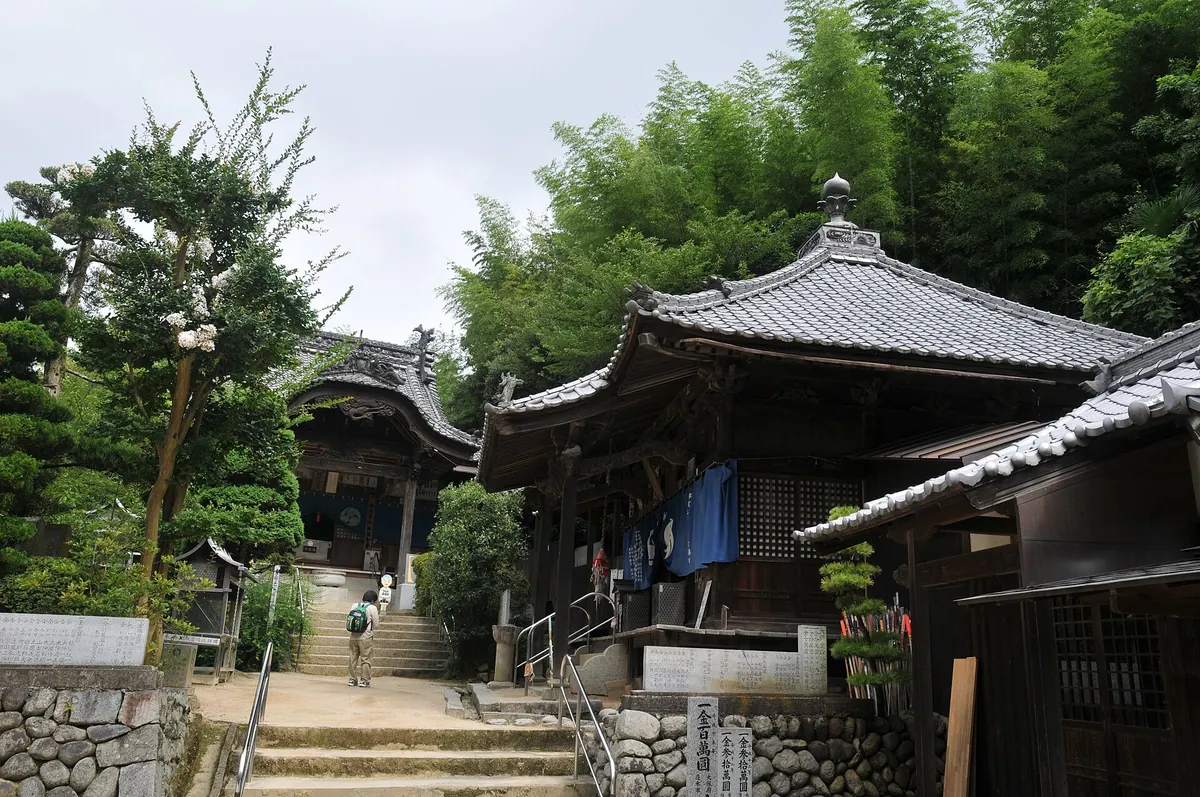
Eifuku-ji Temple: a historic pilgrimage site with unique features and important statues.
What it is
- Koyasan Shingon sect temple, founded by Kukai.
- Established during the Konin era (810-824 AD).
- The 57th temple of the Shikoku 88 Pilgrimage.
- Known for foot and back protection.
What to see
- Main hall enshrines a hidden Amitabha Nyorai statue.
- Daishido allows viewing of the Daishi statue.
- Yakushido allows viewing of the Yakushi Nyorai statue.
- Bell tower stands on the temple grounds.
- Haiku monument is next to the water ablution pavilion.
- Iwashimizu Hachimangu is the inner sanctuary.
- Address
- 愛媛県今治市玉川町八幡甲200 Map
11
Monju-in Temple
EHIME · TEMPLE 文殊院
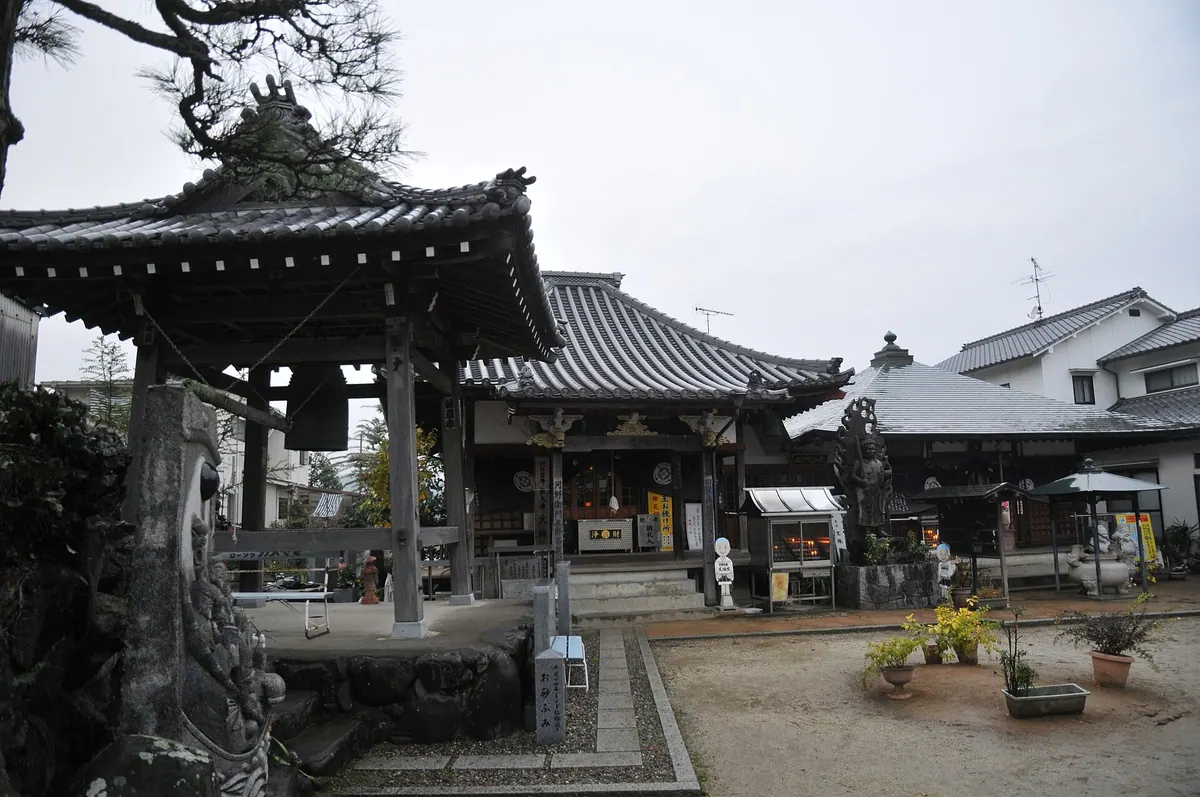
Monju-in Temple is a historic Buddhist site, birthplace of the Shikoku Pilgrimage, with unique ancient mounds.
What it is
- Buddhist temple of the Shingon sect.
- Dedicated to Jizo Bosatsu and Monju Bosatsu.
- Birthplace of the Shikoku Pilgrimage.
- Part of two Shikoku pilgrimage routes.
What to see
- Hidden Monju Bosatsu statue in the main hall.
- Bishamonten enshrined in the Bishamon-do hall.
- Eight ancient mounds called Yatsuzuka.
- Yatsukubo with eight depressions and spring water.
- Yatsuzuka Group Kofun are historic monuments.
When to go
- Bishamon-do hall opens on New Year's Day.
- Address
- 愛媛県松山市恵原町308 Map
12
Shusseki-ji Temple
EHIME · TEMPLE 出石寺
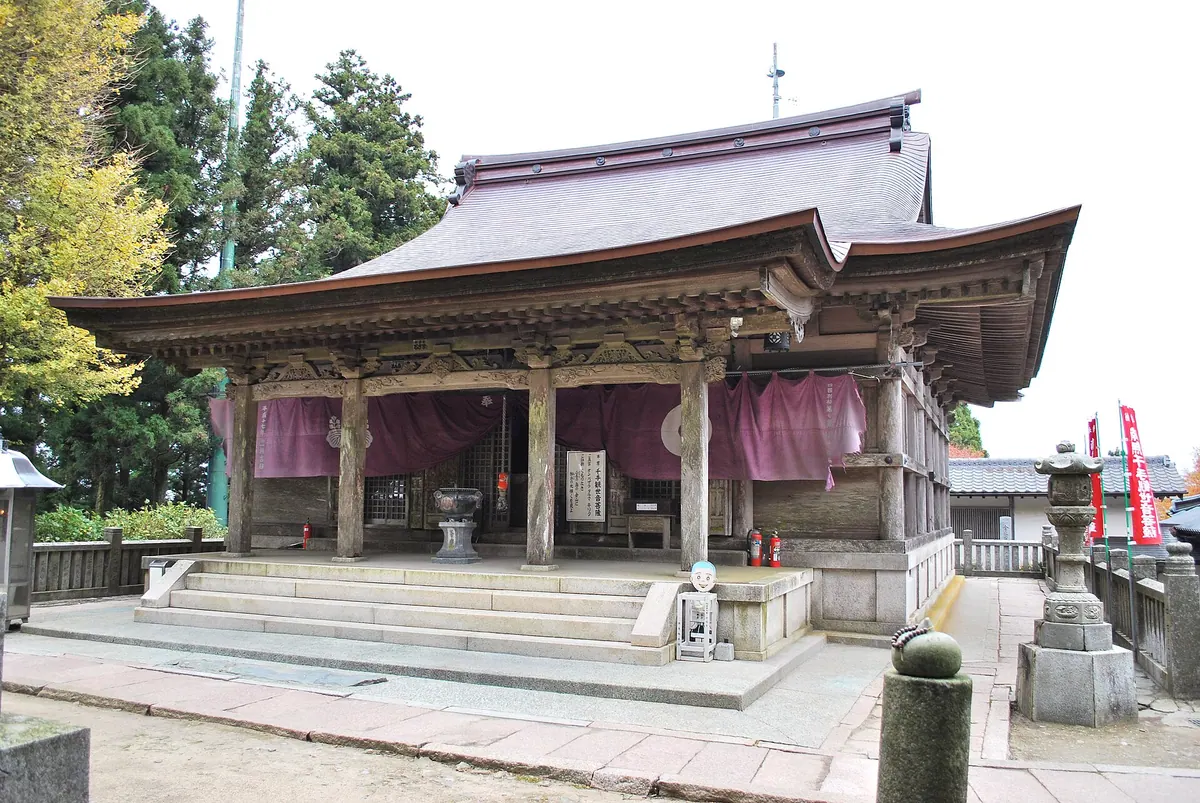
Shusseki-ji Temple is a mountain temple with cultural properties and scenic views.
What it is
- A Shingon Omuro school temple.
- Main deity is Senju Sen-gen Kanzeon Bosatsu.
- 43rd Fudasho of the Shikoku 88 Pilgrimage.
- 7th Fudasho of the Shikoku Bekkaku 20 Pilgrimage.
What to see
- Main hall on the highest point of Mount Izushi.
- Nationally designated Important Cultural Property: a bronze bell.
- Prefectural tangible cultural property: wooden seated Shaka Nyorai statue.
- Prefectural designated scenic spot: Kinzan Shusseki-ji.
- City-designated natural monument: a Katsura tree.
- Address
- 愛媛県大洲市豊茂乙1 Map
13
Taihō-ji Temple
EHIME · TEMPLE 大宝寺
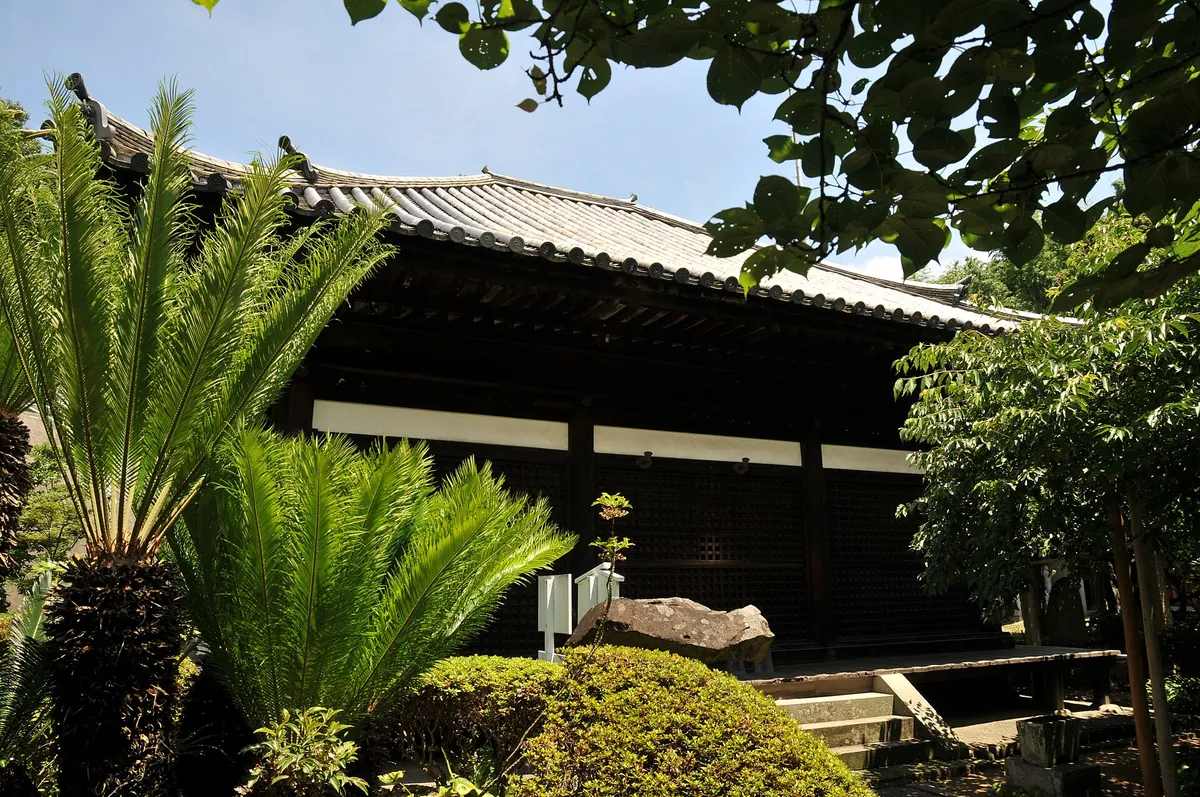
Taihō-ji Temple is a historic site with Japan's oldest wooden building, offering a glimpse into ancient architecture.
What it is
- Founded in 701 by Ochi Iyomori Tamoki.
- Named after the year of its founding.
- Belongs to the Shingon-shu Buzan-ha sect.
- Served as a prayer temple for Matsuyama domain lords.
What to see
- Main hall is Ehime Prefecture's oldest wooden building.
- Main hall is a designated National Treasure.
- Main hall interior is in late Heian period Amidado style.
- Main image is a seated Amitabha Nyorai statue.
- Several nationally designated Important Cultural Properties are housed here.
- Address
- 〒790-0062 愛媛県松山市南江戸五丁目10番1号 Map
14
Ishite-ji Temple
EHIME · TEMPLE 石手寺
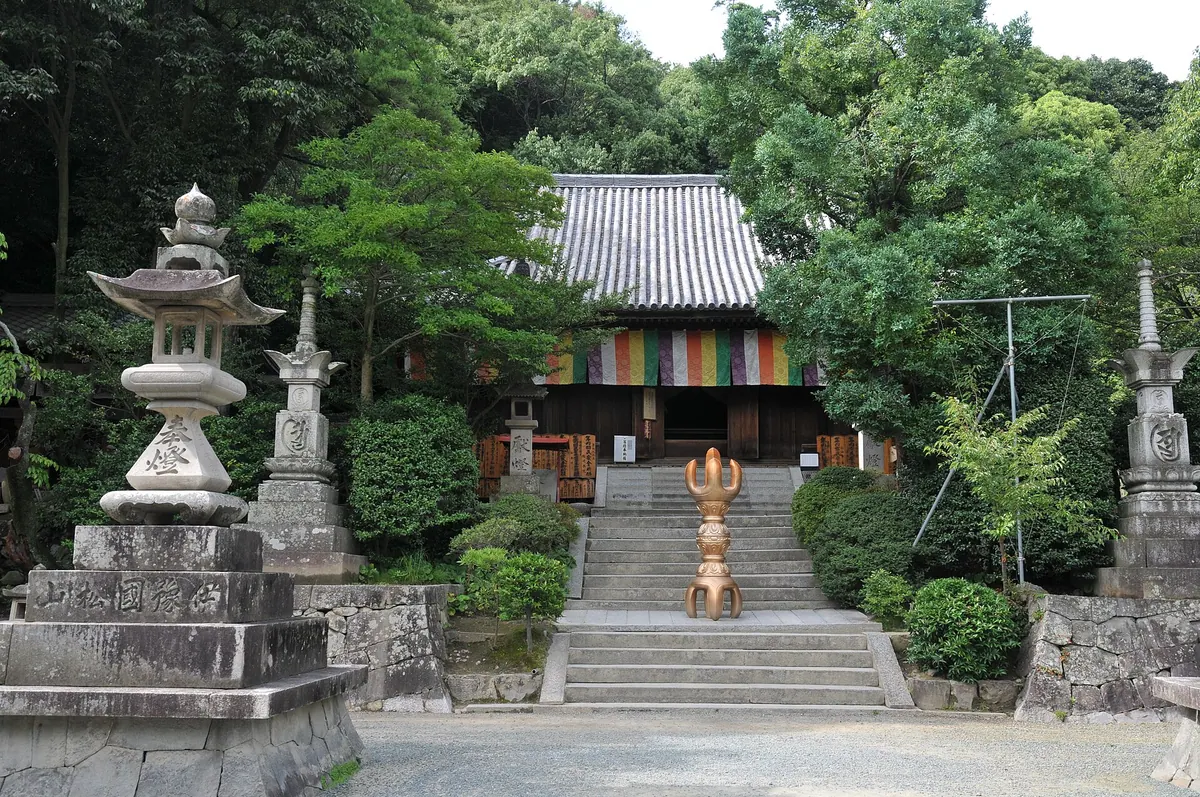
Ishite-ji Temple is a historic Shingon temple and pilgrimage site with impressive architecture.
What it is
- A Shingon-shu Buzan-ha temple.
- Main image is Yakushi Nyorai.
- 51st temple of the Shikoku 88-temple pilgrimage.
- Associated with the legend of Emon Saburo.
What to see
- Nio-mon gate is a National Treasure.
- Main Hall is an Important Cultural Property.
- Three-storied Pagoda is an Important Cultural Property.
- Kariteimo Ten-do hall is an Important Cultural Property.
- Bell Tower is an Important Cultural Property.
- Two kofun burial mounds are on the grounds.
15
Sankaku-ji Temple
EHIME · TEMPLE 三角寺
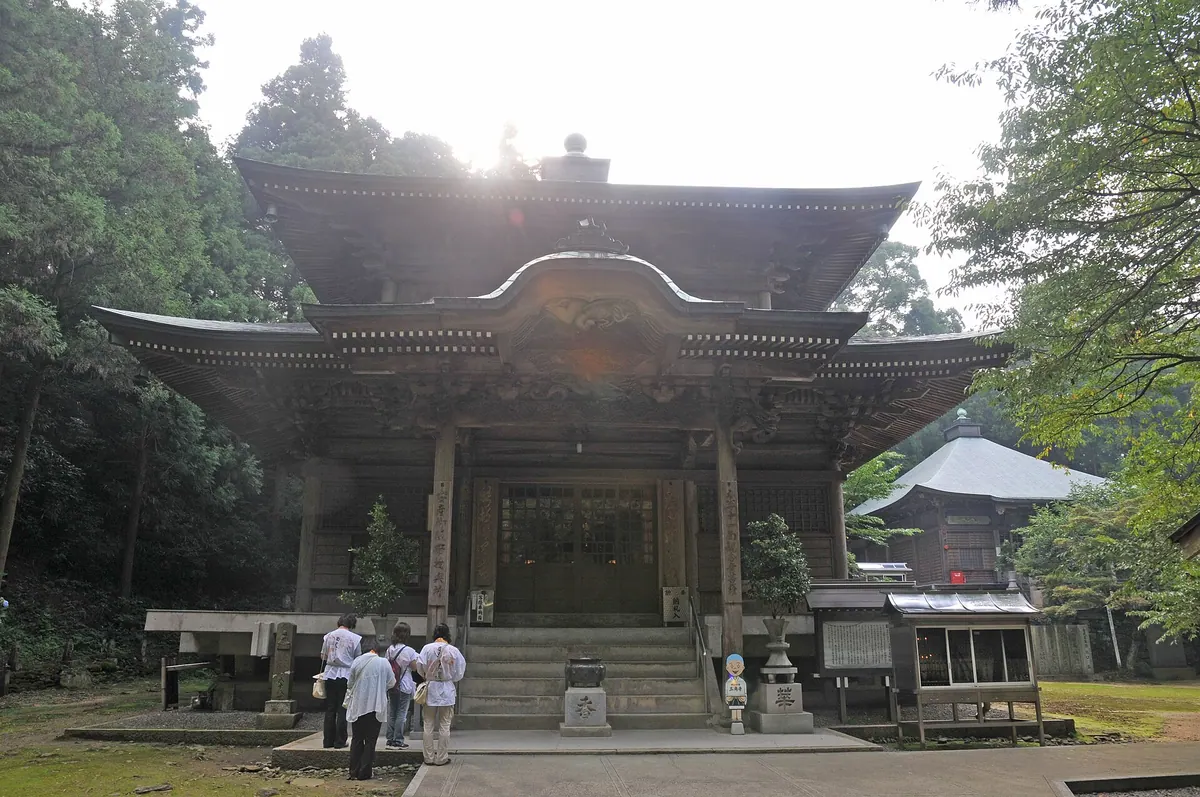
Sankaku-ji Temple is a historic pilgrimage site with unique statues and a beautiful cherry tree.
What it is
- The 65th temple of the Shikoku 88-temple pilgrimage.
- Founded by Gyoki during the Tenpyo era (730-749).
- Dedicated to the Eleven-faced Kannon.
- Named for a triangular pond on its grounds.
What to see
- The main hall, rebuilt in 1849.
- A 7-meter tall bronze Jizo Bosatsu statue.
- A 300-year-old mountain cherry tree.
- The wooden Eleven-faced Kannon statue, a cultural property.
When to go
- The main deity is unveiled every 60 years.
- Address
- 愛媛県四国中央市金田町三角寺75 Map
16
Butsumoku-ji Temple
EHIME · TEMPLE 佛木寺
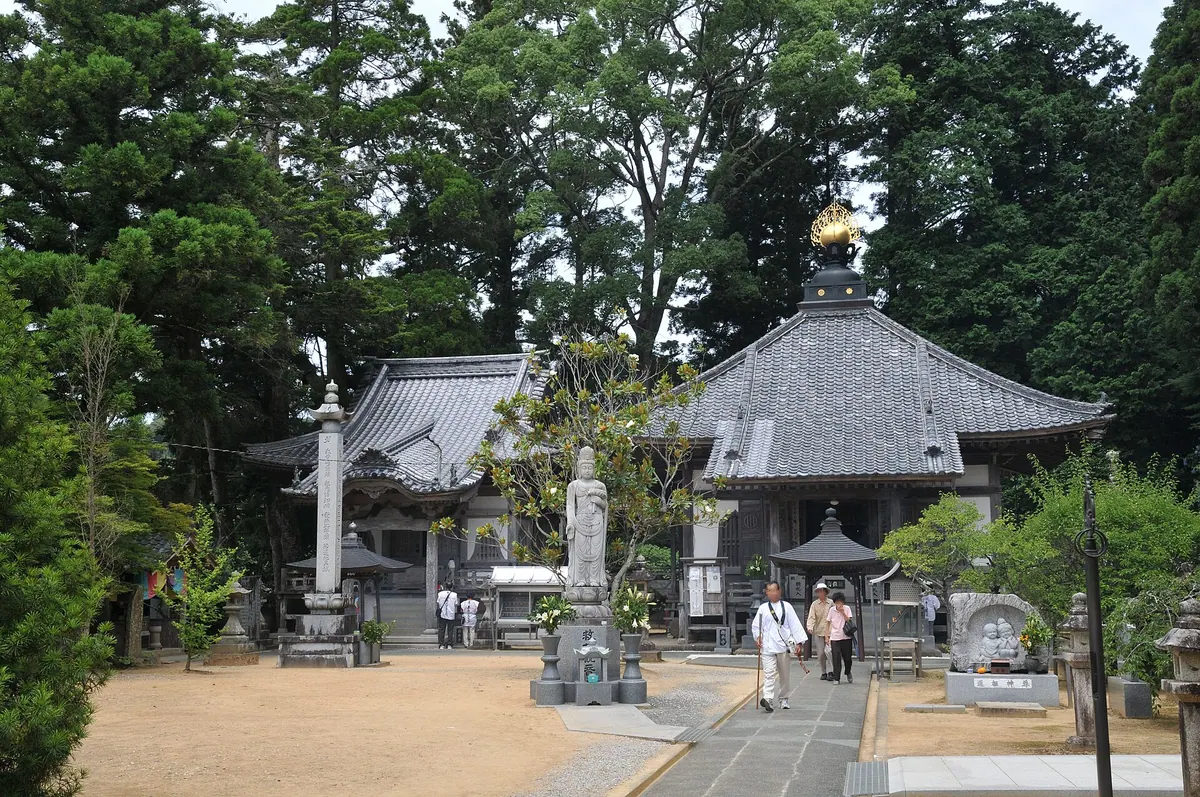
Butsumoku-ji Temple is a historic pilgrimage site with ancient statues and a unique bell tower.
What it is
- It is a Shingon-shu Omuro-ha temple.
- Kukai founded the temple in 807.
- It is the 42nd Fudasho of the Shikoku 88 Pilgrimage.
- Its principal image is Dainichi Nyorai.
What to see
- The main hall was built in 1728.
- The temple has a bell tower with a thatched roof.
- A wooden seated Dainichi Nyorai statue from 1275.
- A wooden seated Kobo Daishi statue from 1315.
When to go
- The main image is lit up on January 1st, 2nd, and 3rd.
- Address
- 愛媛県宇和島市三間町則1683 Map
17
Kōgan-ji Temple
EHIME · TEMPLE 興願寺
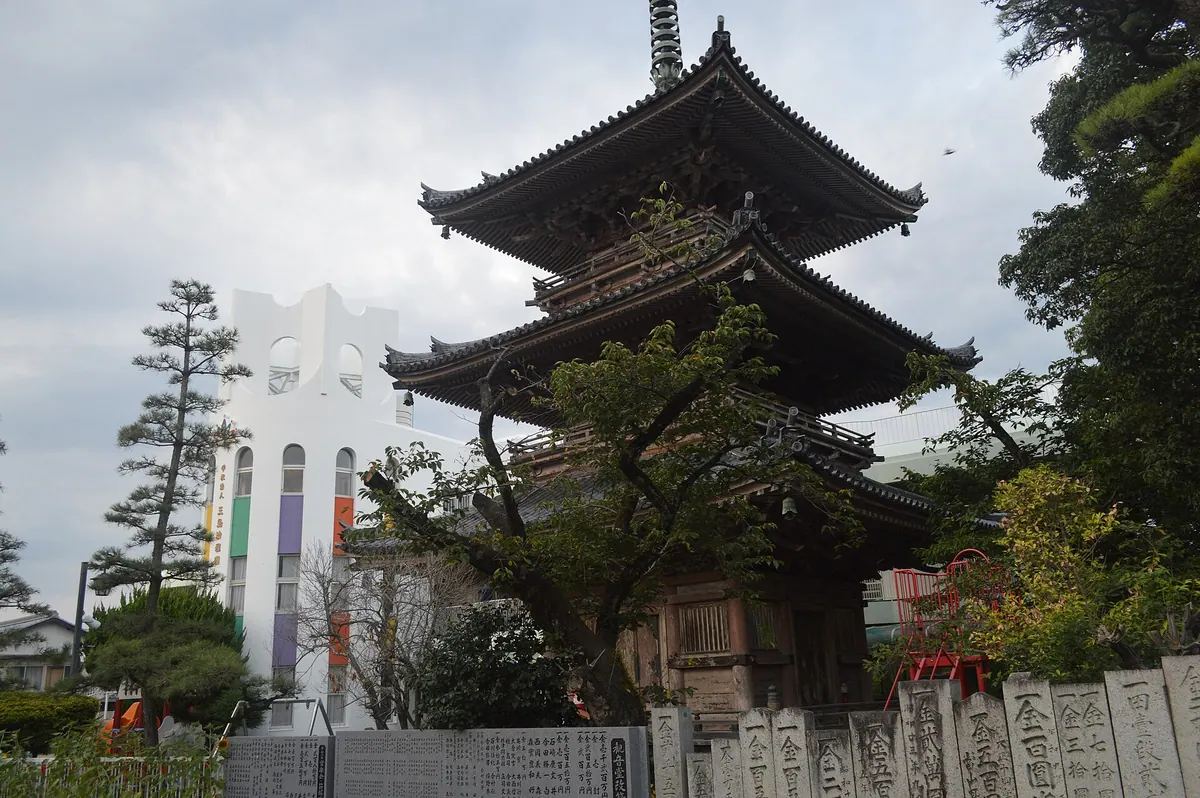
Visit Kōgan-ji Temple to see a rare medieval-style pagoda, a designated cultural property.
What it is
- A Shingon-shu Daikaku-ji school temple.
- Founded in 1652 by Koya-san Kaijun.
What to see
- The Kōgan-ji three-story pagoda.
- Pagoda is an Ehime Prefecture designated cultural property.
- Pagoda retains older forms from the medieval period.
- First story has fan-shaped rafters.
- Second story and above have parallel rafters.
Getting there
- 12-minute walk from Iyo-Mishima Station.
- Iyo-Mishima Station is on the JR Yosan Line.
- Address
- 愛媛県四国中央市三島宮川3-19-16 Map
18
Sendan-ji Temple
EHIME · TEMPLE 栴檀寺
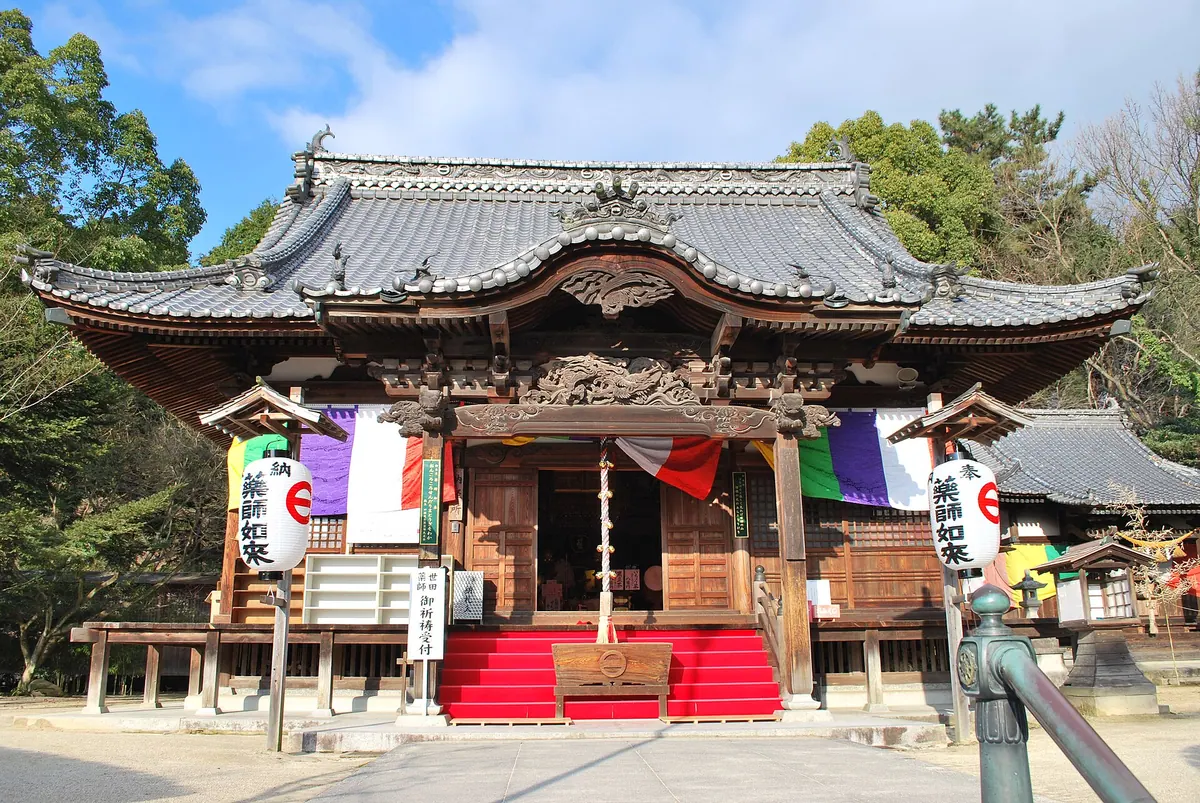
Sendan-ji Temple, or Seta Yakushi, is a historic temple with a unique main deity.
What it is
- A Koyasan Shingon sect temple.
- Commonly known as Seta Yakushi.
- Founded in 724, according to legend.
- The 36th Fudasho of the New Shikoku Mandala Pilgrimage.
What to see
- A standing statue of Yakushi Nyorai, the main deity.
- The Kondo, built in 2021.
- Yakushi Sanzon and Juni Shinsho statues inside the Kondo.
- Setayama, part of the Setonaikai National Park.
When to go
- Attend the 'Kyuri Kaji' event on Doyo no Ushi no Hi.
- Address
- 愛媛県西条市楠乙454 Map
19
Daihō-ji Temple
EHIME · TEMPLE 大寶寺
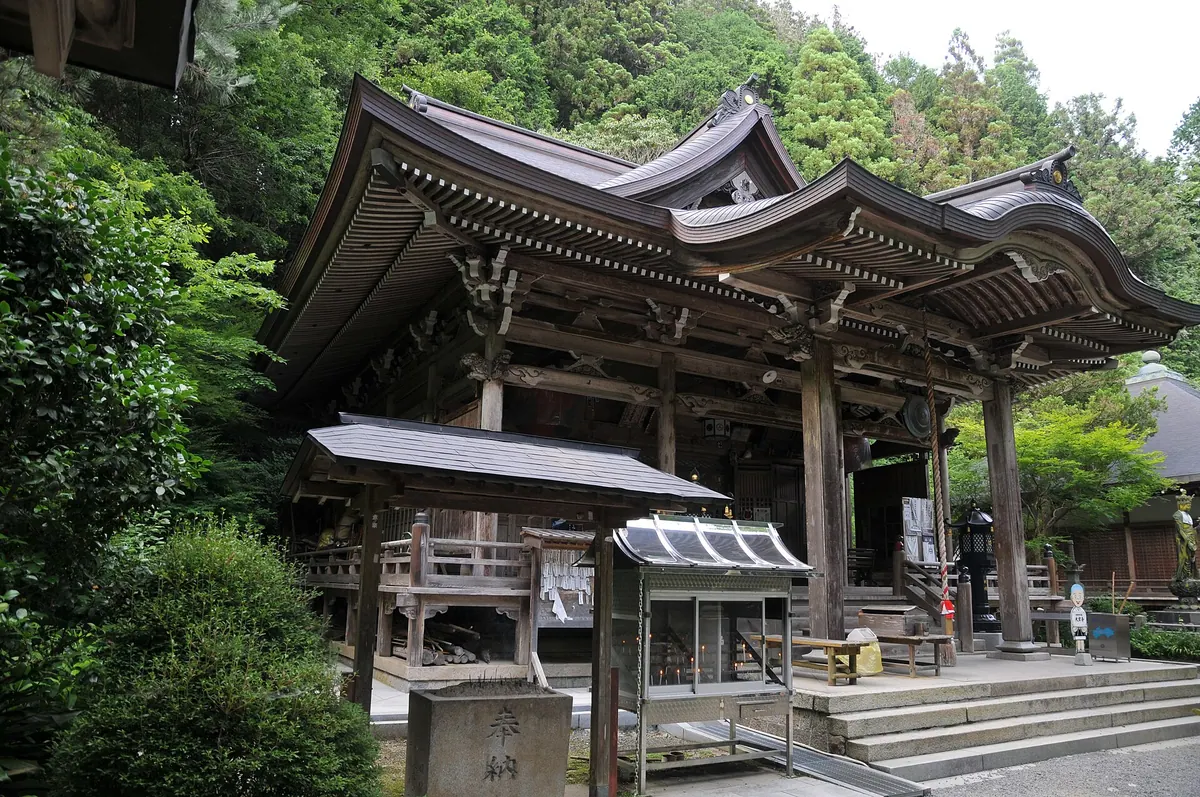
Daihō-ji Temple is a historic pilgrimage site with significant cultural properties.
What it is
- It is a Shingon-shu Buzan-ha temple.
- It is the 44th temple on the Shikoku 88-temple pilgrimage.
- Established by imperial order of Emperor Monmu.
- Kūkai (Kobo Daishi) visited in 822.
What to see
- Main image is a Juichimen Kannon Bosatsu.
- Main hall rebuilt in 1925.
- Daishido rebuilt in 1984.
- Two bell towers, east and west.
- Kongō Rikishi statues are town cultural properties.
- Iyo Henro-michi Daihō-ji-michi is a national historic site.
- Address
- 愛媛県上浮穴郡久万高原町菅生2番耕地1173番地2 Map
20
Kōun-ji Temple
EHIME · TEMPLE 向雲寺
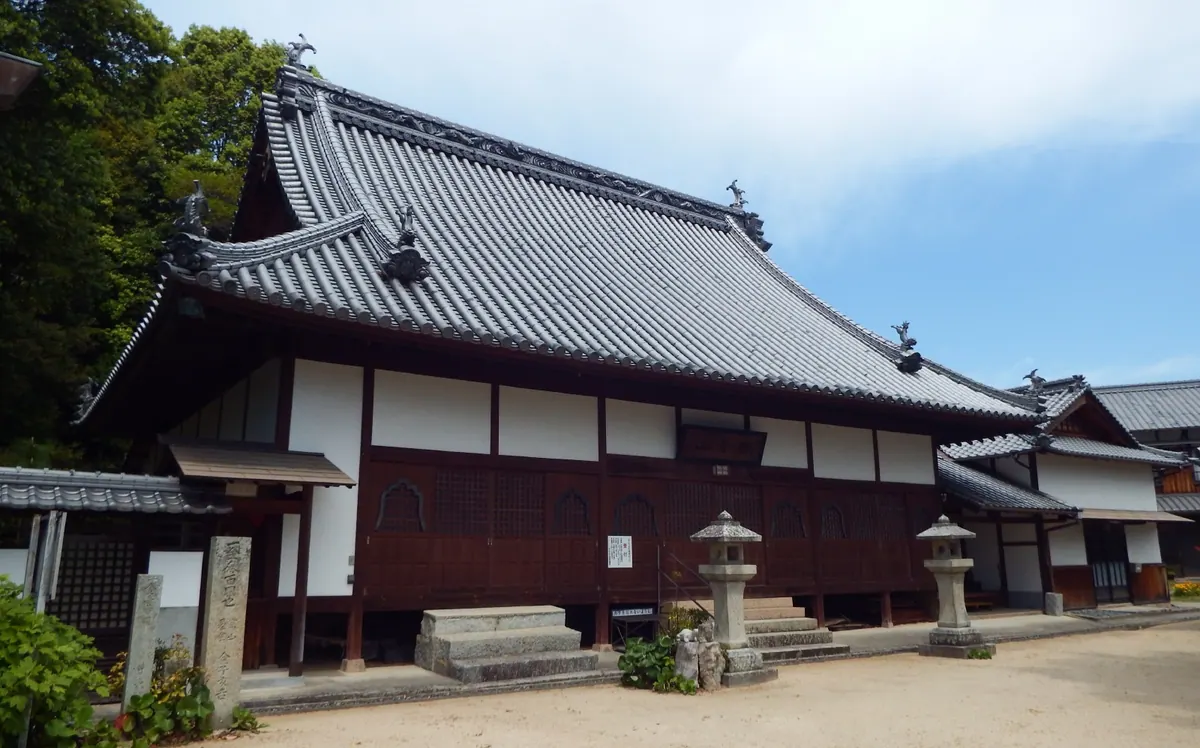
Koun-ji is a Soto Zen temple with unique statues and historical artifacts worth exploring.
What it is
- Soto Zen Buddhist temple.
- Main deity is Senju Kannon Bosatsu.
- 5th Fuku-roku-ju of Setouchi Shichifukujin Reijo.
What to see
- Temple gate has Fudo Myoo and Bishamonten statues.
- Main hall is present.
- Yokodono Daimyojin Honjido houses a Daitsu Chisho Nyorai seated statue.
- Fukurokuju stone statue and twelve zodiac Jizo stone statues.
- Kansho Jizo is an Ehime Prefecture designated historic site.
- Kansho Jizo enshrines Shimomi Kichijuro.
- Address
- 愛媛県今治市上浦町瀬戸1754 Map