

20 Temples in Fukushima worth your time
Japan Gems
Fukushima Prefecture has 58 temples, including Jōkō-ji Temple and Kamiunai Yakushi-dō Temple. They offer a range of experiences for visitors interested in Japanese religious sites.
Fukushima has 59 temples on Japan Gems. Below are the 20 we can tell you the most about — each one written up in English from Japanese sources, with what to see and how to get there. See all temples in Fukushima.
01
Shōfuku-ji Temple
FUKUSHIMA · TEMPLE 勝福寺

Shōfuku-ji Temple is a historic Buddhist temple housing important cultural properties.
What it is
- A Buddhist temple of the Shingon-shu Buzan-ha sect.
- Its mountain name is Matsushimayama.
- The 6th temple of the Aizu Thirty-three Kannon Pilgrimage.
- Dedicated to the Eleven-faced Kannon.
What to see
- Kannon-do hall, completed in 1558, is an Important Cultural Property.
- Eleven-faced Kannon Bodhisattva statue is the principal image.
- Wooden Fudo Myoo statue is a Prefectural Important Cultural Property.
- Wooden Bishamonten statue is a Prefectural Important Cultural Property.
- Bronze bell is a Prefectural Important Cultural Property.
Getting there
- Take an Aizu Bus from Kitakata Station.
- Address
- 福島県喜多方市関柴町三津井字堂ノ上630 Map
02
Eisho-ji Temple
FUKUSHIMA · TEMPLE 永昌寺

A Soto Zen temple in Fukushima featuring a historic gate from a local magistrate office and unique Buddhist sculptures.
What it is
- A Soto Zen temple founded in 1546 by Sennou Hoin.
- The temple is dedicated to a wooden statue of Shakyamuni Buddha.
- The site formerly served as the location for the Asakawa School in 1873.
- The current main hall was reconstructed in 1924 following a fire.
What to see
- A temple gate relocated from the Asakawa Jinya magistrate office in 1870.
- A wooden Fudo Myoo statue carved by the artist Komatsu Torakichi.
- A stone tablet dating back to 1329 designated as a cultural property.
- A monument dedicated to the pathologist Tomizo Yoshida on the grounds.
- A temple bell that was recast in 1952.
03
Hakusan-ji Temple
FUKUSHIMA · TEMPLE 白山寺 (須賀川市)
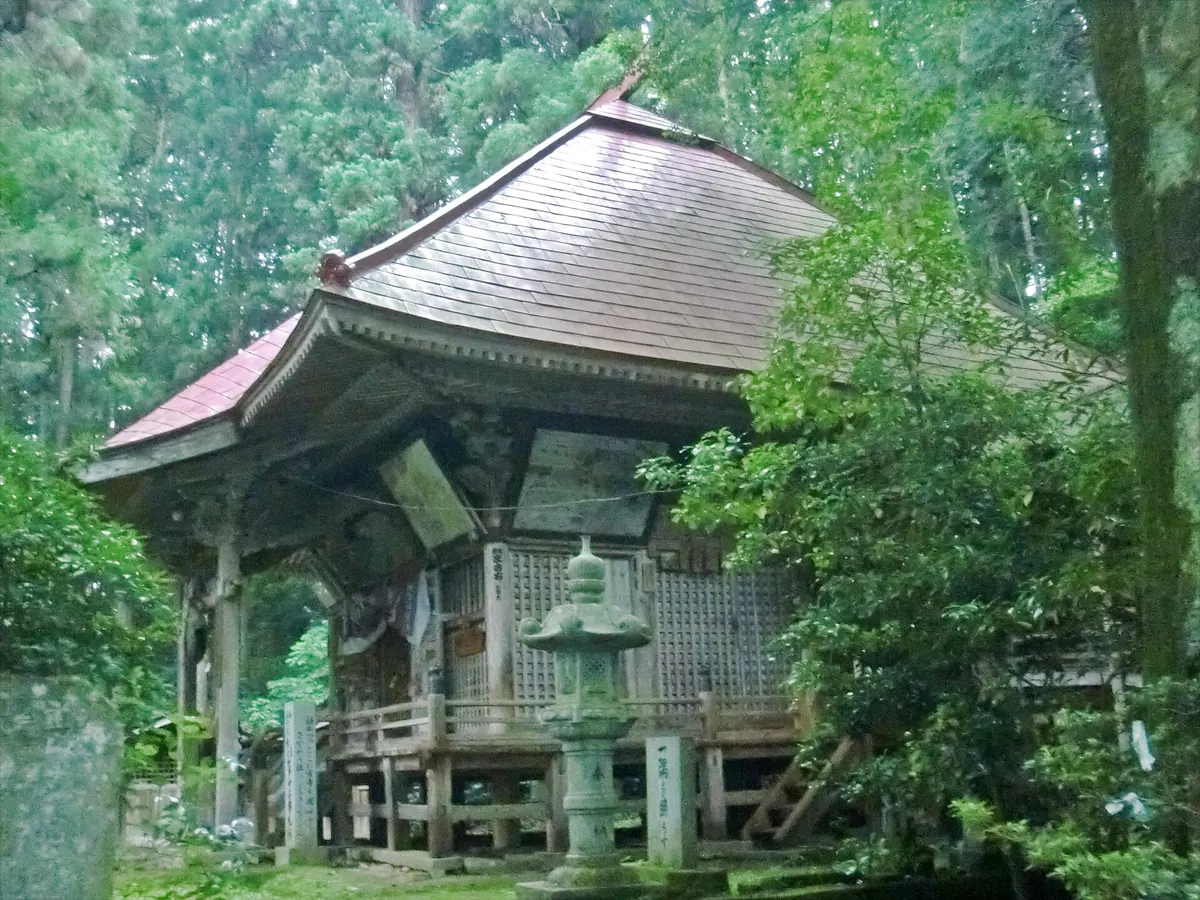
Hakusanji Temple: ancient Tendai temple, founded 723, known for hydrangeas and historic pine avenue.
What it is
- Tendai sect temple, also called Kojisan Hakusanji or Tofukuji.
- Founded by Gyoki in 723.
- Kannon-do hall was a prayer place for the Nikaido clan.
What to see
- Pine avenue is a Fukushima Prefecture designated natural monument.
- Pine trees are 200 to 300 years old.
- About 6,000 hydrangea plants of 30 varieties.
- Kojisan Jihouraku is a designated intangible folk cultural property.
When to go
- Known for its hydrangeas.
- Kojisan Hydrangea Festival is held annually in July.
Getting there
- 25-minute drive from Sukagawa Interchange.
- Address
- 福島県須賀川市大字上小山田字古寺58 Map
04
Kōshō-ji Temple
FUKUSHIMA · TEMPLE 光照寺

Kōshō-ji Temple: a historic Tendai temple with a unique 18th-century hall.
What it is
- A temple of the Tendai Buddhist sect.
- Known for its Nenbutsudō hall.
- Nenbutsudō hall construction began in 1741.
- Nenbutsudō hall was completed in 1772.
What to see
- The Nenbutsudō hall, a designated cultural property.
- The Nenbutsudō hall has a hip roof and front entrance.
- Thirty dragon carvings adorn the Nenbutsudō hall.
- Twelve zodiac hanging scrolls are displayed.
When to go
- Nirvana Day is held in February.
- Hanamatsuri is held in April.
Getting there
- 25-minute walk from Yatagawa Station.
- Address
- 福島県郡山市田村町細田字宿65 Map
05
Takeyakannon Temple
FUKUSHIMA · TEMPLE 観音寺
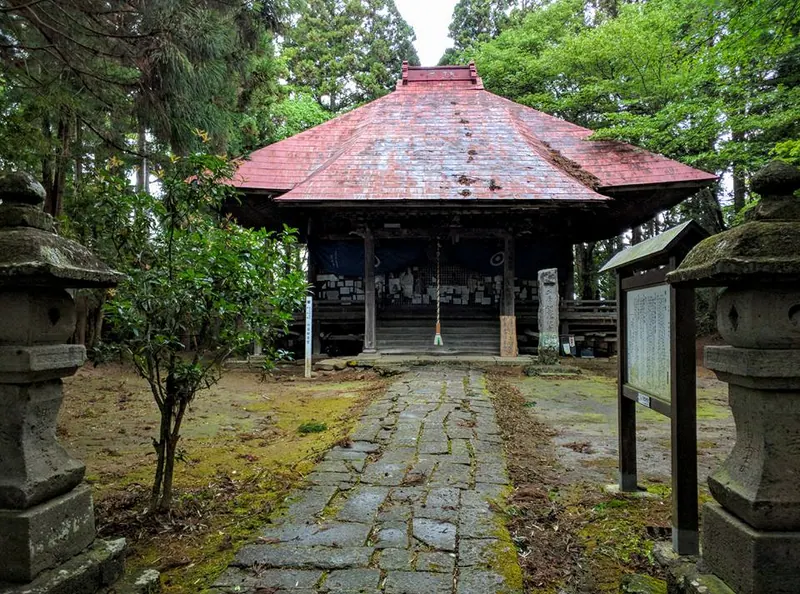
Takeyakannon Temple is a historic Soto Zen temple with important statues, worth visiting for its cultural heritage.
What it is
- Soto Zen temple in Kitakata City, Fukushima Prefecture.
- Known as Takeyakannon, 8th of Aizu 33 Kannon pilgrimage sites.
- Founded as Myohosan Myorenji Temple in 1573.
- Moved to current location and renamed Daiunzan Kannonji in 1651.
What to see
- Main deity is a seated statue of Shaka Nyorai.
- Wooden seated Nyoirin Kannon statue is a cultural property.
- Nyoirin Kannon statue is 87.5 cm tall, made of cypress wood.
- Wooden seated Shaka Nyorai statue is 36.4 cm tall.
- Fudo Myoo standing statue was erected in 1901.
- Current main hall was rebuilt in 1960.
- Address
- 福島県喜多方市塩川町中屋沢 Map
06
Shōjō-ji Temple
FUKUSHIMA · TEMPLE 勝常寺
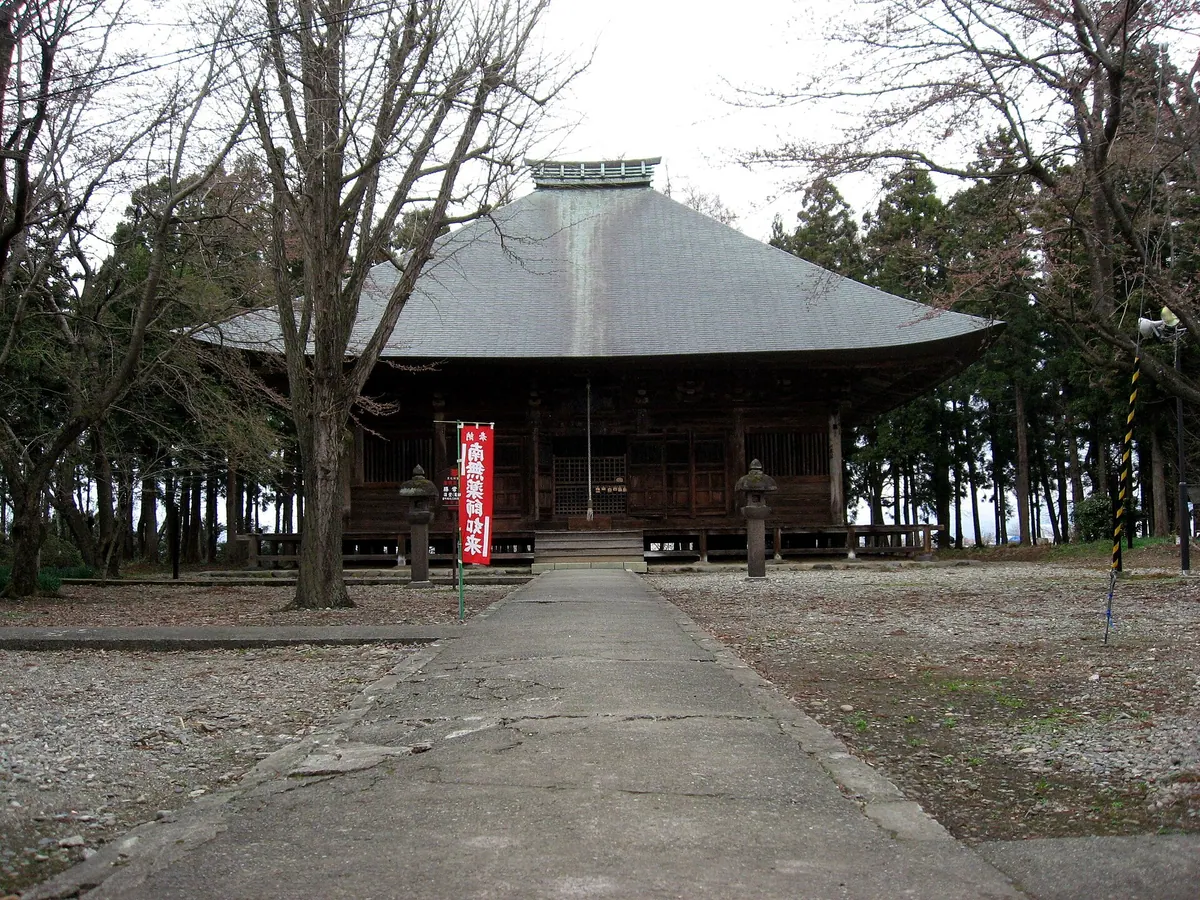
Shōjō-ji Temple is a historic Shingon temple housing ancient Buddhist statues and a National Treasure.
What it is
- A Shingon-shu Buzan-ha temple, also called Aizu Chuo Yakushido.
- Founded by Tokuitsu during the Konin era (810-824).
- Main image is Yakushi Nyorai.
What to see
- The current Yakushido hall, rebuilt in the early Muromachi period.
- Yakushido hall is an Important Cultural Property.
- Over 30 Buddhist statues are housed here.
- Twelve Buddhist statues date back to the early 9th century.
- Wooden statue of Yakushi Nyorai and two attendants is a National Treasure.
When to go
- Nenbutsu Odori festival is held annually on April 28.
- Address
- 福島県河沼郡湯川村勝常代舞1764 Map
07
Nyohō-ji Temple
FUKUSHIMA · TEMPLE 如宝寺
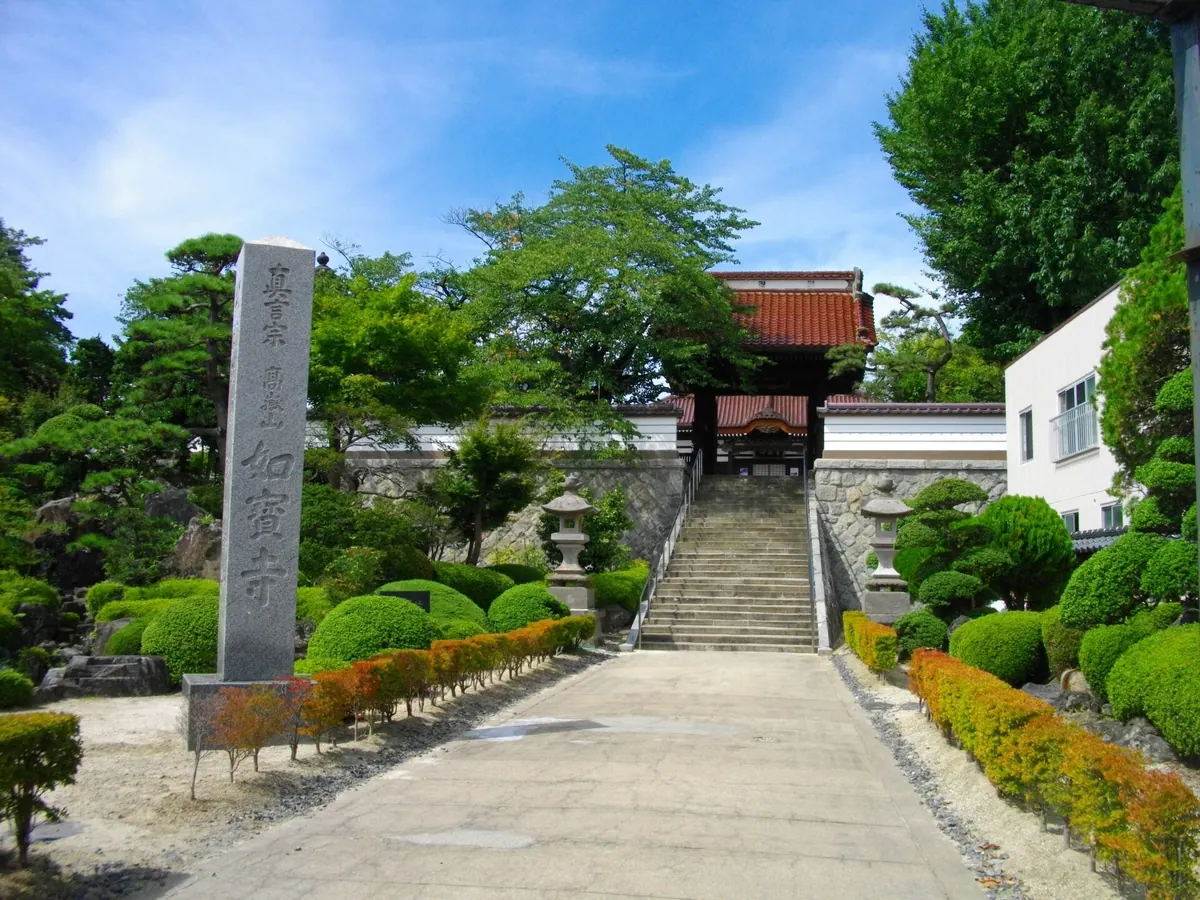
Nyohō-ji Temple: ancient Buddhist site with unique cultural properties, worth visiting for history buffs.
What it is
- A Shingon-shu Buzan-ha temple.
- Mountain name is Takao-zan.
- Began in 807 with a Kannon-do hall.
What to see
- Many old stone monuments.
- Two stone stupas are national Important Cultural Properties.
- A grave is a Prefectural Historic Site.
- A bronze bell called 'Ibonashi Kane'.
- A stone stupa is a City Important Tangible Cultural Property.
- A Kirishitan tombstone is a City Important Tangible Cultural Property.
When to go
- Festival from January 6th to 7th.
- Setsubun-e bean scattering event on February 3rd.
- Address
- 福島県郡山市堂前町4-24 Map
08
Enzō-ji Temple
FUKUSHIMA · TEMPLE 円蔵寺
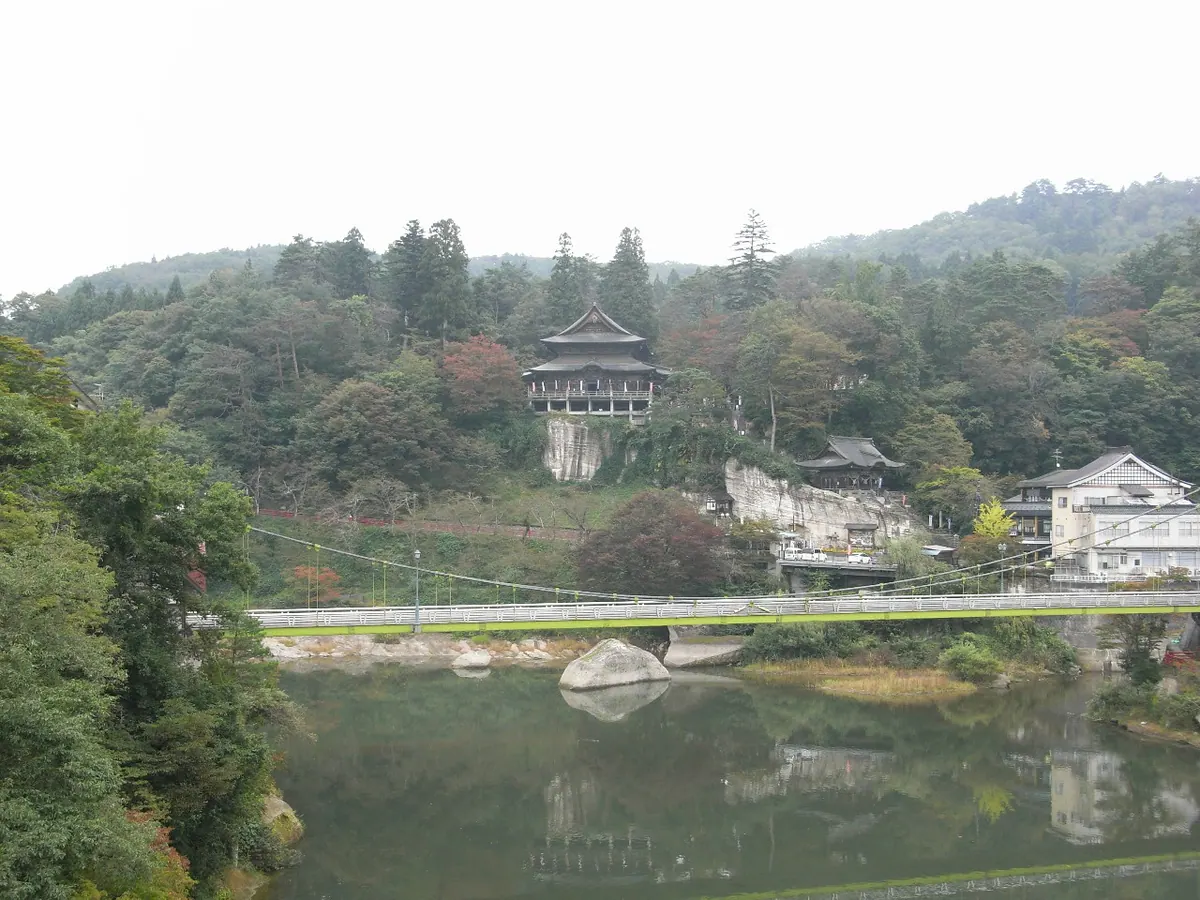
Enzoji Temple is a historic Rinzai Buddhist temple, home to one of Japan's Three Kokuzo.
What it is
- A Rinzai sect Myoshinji school temple.
- Its mountain name is Reiganzan.
- The principal image is Kokuzo Bosatsu.
- Counted as one of Japan's Three Kokuzo.
What to see
- The Kokuzodo, known as Yanaizu Kokuzo.
- The Okunoin Bentendo, built in the Muromachi period.
- Okunoin Bentendo is an Important Cultural Property.
When to go
- Nanokado Hadakamairi is held annually on January 7.
Getting there
- 10-minute walk from Aizu-Yanaizu Station.
- Aizu-Yanaizu Station is on the JR Tadami Line.
- Address
- 福島県河沼郡柳津町柳津字寺家町甲176 Map
09
Kenshō-ji Temple
FUKUSHIMA · TEMPLE 賢沼寺

Kenshoji Temple, founded in 807, is a historic temple with a unique marsh and cultural properties.
What it is
- A Shingon-shu Chizan-ha temple in Iwaki City.
- Founded in 807 by Tokuitsu.
- Also known as Numanouchi Benzaiten or Kensho Benzaiten.
- Protected by the Iwakitaira domain during the Edo period.
What to see
- A hall dedicated to Benzaiten.
- Main hall and temple gate renovated in the Edo period.
- Temple gate has carvings by Hidari Jingoro.
- Temple gate is a city-designated important cultural property.
- Kensho-numa is an oval-shaped marsh, 200m long.
- Marsh is a nationally designated natural monument for eel habitat.
- Address
- 福島県いわき市平沼之内字代ノ下104 Map
10
Kōan-ji Temple
FUKUSHIMA · TEMPLE 弘安寺

Kōan-ji Temple is a historic Zen temple with important cultural properties, worth visiting for its ancient statues.
What it is
- A Sōtō Zen Buddhist temple.
- Established in 1279.
- A prayer place for successive Aizu lords.
- One of the Aizu Korori San Kannon temples.
What to see
- The Kannon-dō hall, also called Nakada Kannon.
- An Eleven-faced Kannon Bodhisattva, cast in 1274.
- Main image and two attendant figures are Important Cultural Properties.
- The old Kannon-dō Zushi is an Important Cultural Property.
Getting there
- Near Negishi Station on the Tadami Line.
- Parking is available for 20 vehicles.
- Address
- 福島県大沼郡会津美里町米田字堂ノ後甲147 Map
11
Jōsen-ji Temple
FUKUSHIMA · TEMPLE 浄泉寺
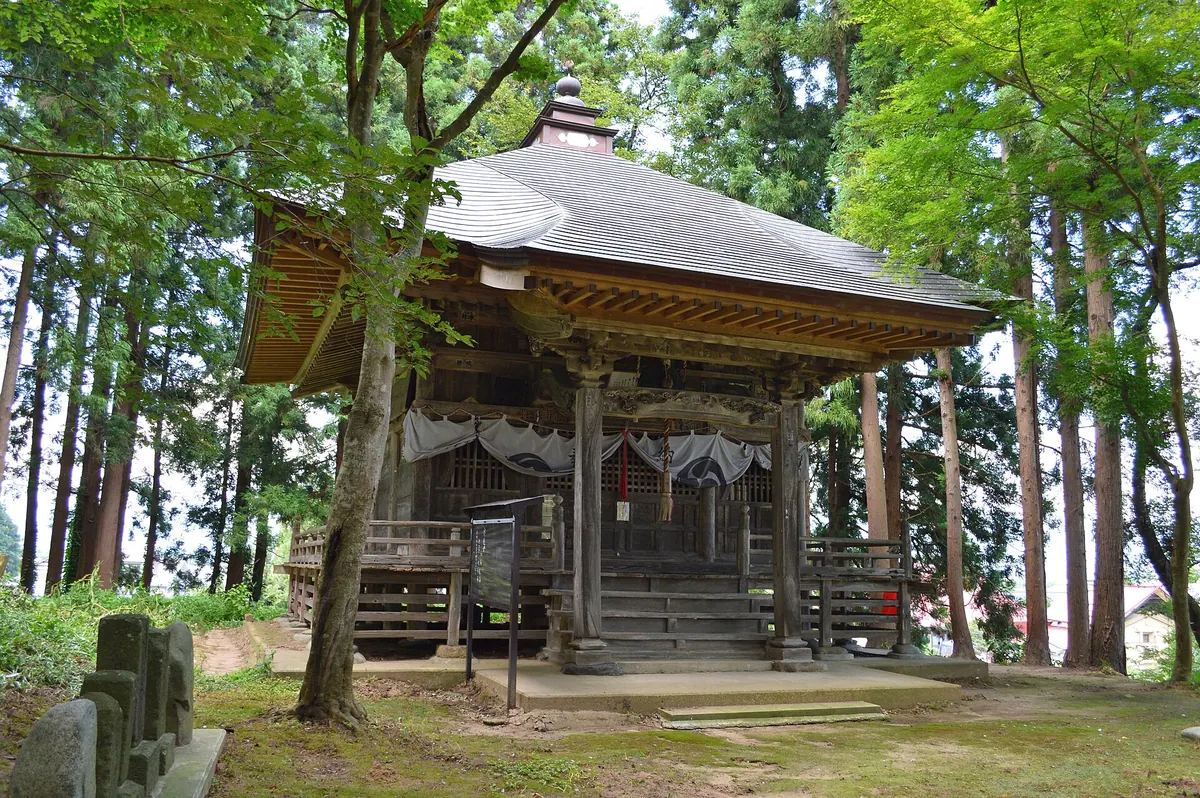
Jōsen-ji Temple is a historic Sōtō Zen temple with important Buddhist statues.
What it is
- A Sōtō Zen Buddhist temple.
- Its mountain name is Seikōzan.
- Principal image is Amitābha Tathāgata.
- Converted to Sōtō sect in Muromachi period.
What to see
- Wooden seated statue of Yakushi Nyorai (National Important Cultural Property).
- Several bodhisattva statues (Fukushima Prefecture Important Cultural Properties).
- Five wooden standing statues of the Twelve Heavenly Generals (town cultural properties).
- Wooden standing statue of Amitābha Tathāgata (town Important Cultural Property).
- Address
- 福島県河沼郡会津坂下町大字青津71 Map
12
Daikō-ji Temple
FUKUSHIMA · TEMPLE 大光寺

Visit this Soto Zen temple to see historic halls and experience a local festival.
What it is
- A Sōtō Zen temple in Kitakata City, Fukushima Prefecture.
- Its mountain name is Fukushuzan.
- Re-established in 1610 by Koshoteru Zenji Reigan-taku Daiojo.
- A branch temple of Jigen-ji Temple in Atsushio.
What to see
- Kannon-do Hall, also known as Tota Kannon.
- Yakushi-do Hall.
- Kannon-do is the 9th of the Aizu 33 Kannon pilgrimage sites.
- Main hall, renovated in 1805.
- Kuri (monks' living quarters), renovated in 1805.
When to go
- Festival on July 9th (old calendar).
- Address
- 福島県喜多方市塩川町大字遠田字谷地中3227 Map
13
Amida-ji Temple
FUKUSHIMA · TEMPLE 阿弥陀寺

Amida-ji is a historic Shingon Buddhist temple with a notable bronze bell.
What it is
- A Shingon-shu muroji-ha Buddhist temple.
- Its formal name is Muryozan Komyo-in Amida-ji.
- Re-established in 1574 by the Imaizumi family.
What to see
- A bronze bell made in 1717.
- The bell was designated a significant art object.
- The bell is a Koriyama City Important Cultural Property.
When to go
- February for the Bishamonten Taisai festival.
Getting there
- 3-minute walk from the Tomiyama bus stop.
- 20-minute walk from JR Koriyama Station.
- Address
- 郡山市富久山町久保田字久保田52 Map
- Official site
- www.koriyama-amidaji.jp
14
Nakano Fudōson Temple
FUKUSHIMA · TEMPLE 中野不動尊
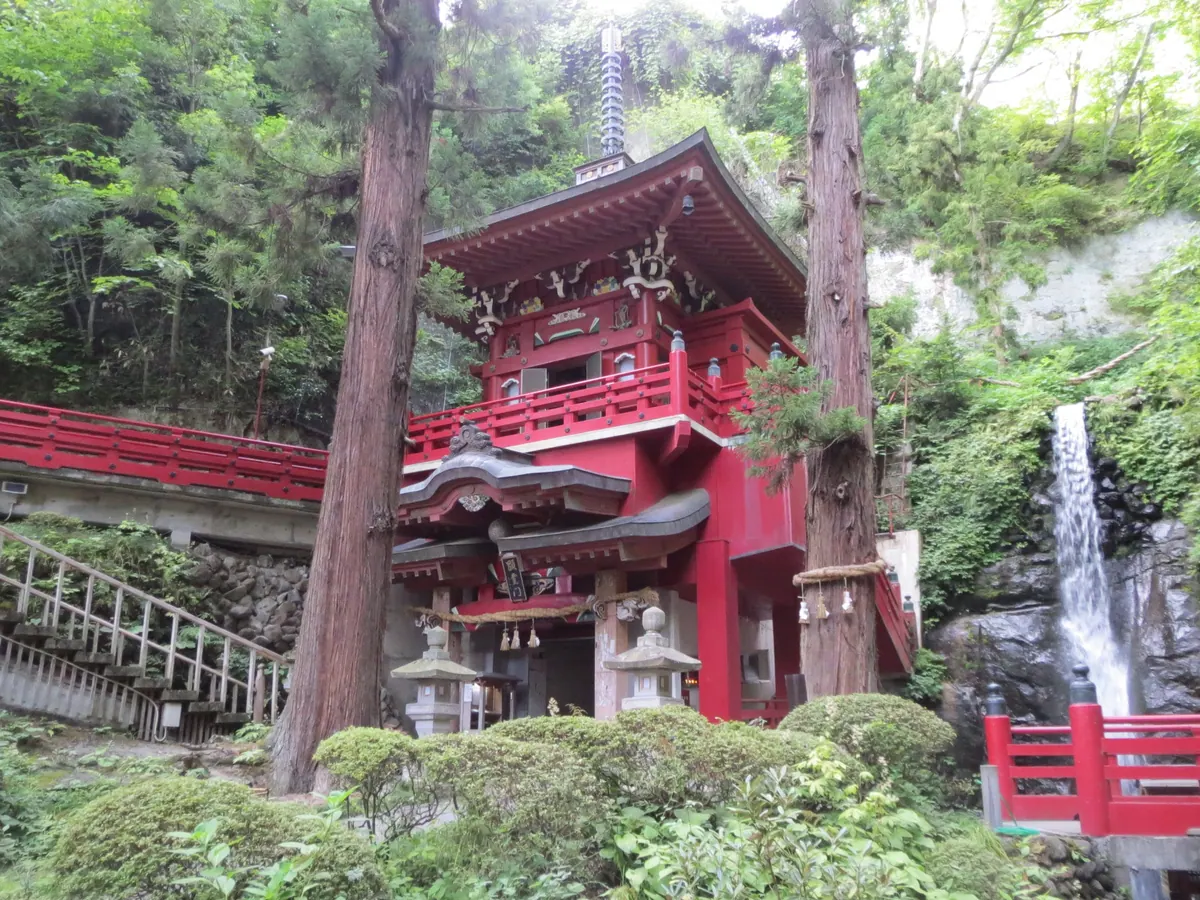
Nakano Fudoson is a Soto Zen temple, one of Japan's Three Great Fudoson, worth visiting for its unique caves.
What it is
- A Soto Zen temple, formally Nakano-san Taishoji.
- A direct branch temple of Eiheiji in Fukui Prefecture.
- One of Japan's Three Great Fudoson.
- Birthplace of Rokusan-yoke prayers in Japan.
What to see
- The main hall, Taishoji, built in 1903.
- Three Fudo Myoo deities are enshrined.
- Seven unique caves are on the grounds.
- A main hall and a prayer hall.
When to go
- Most visited temple in Fukushima Prefecture.
- Most New Year's visitors among Fukushima City temples.
- Address
- 福島県福島市飯坂町中野字堰坂28 Map
- Official site
- nakanofudouson.jp
15
Hōyō-ji Temple
FUKUSHIMA · TEMPLE 法用寺
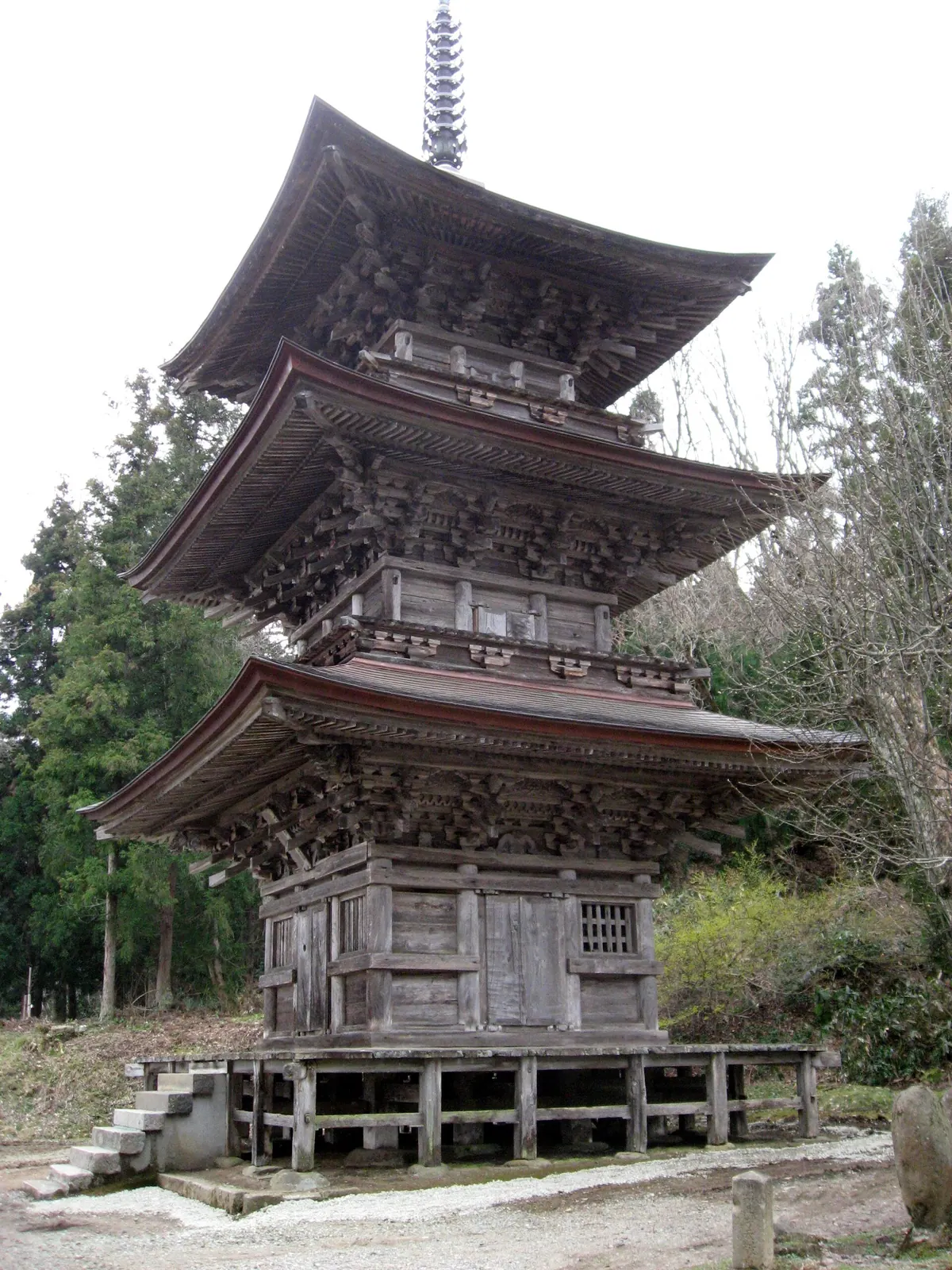
Hōyō-ji Temple is a historic Tendai temple with ancient statues and a notable pagoda.
What it is
- Tendai sect temple, mountain name Raiden-zan.
- Founded in 720 by Tokudō.
- Rebuilt by Tokuitsu, prayer temple for Emperor Saga.
- Principal image is the Eleven-faced Kannon.
What to see
- Main hall's zushi and Buddhist altar, built in 1314.
- Two wooden Kongōrikishi statues from the Heian period.
- Three-storied pagoda, Fukushima Important Cultural Property.
- Two wooden Eleven-faced Kannon statues, Japan Heritage components.
- Tora-no-o-zakura cherry tree, one of Aizu's Five Cherry Trees.
- Address
- 福島県大沼郡会津美里町雀林字三番山下3554 Map
16
Nyohō-ji Temple
FUKUSHIMA · TEMPLE 如法寺
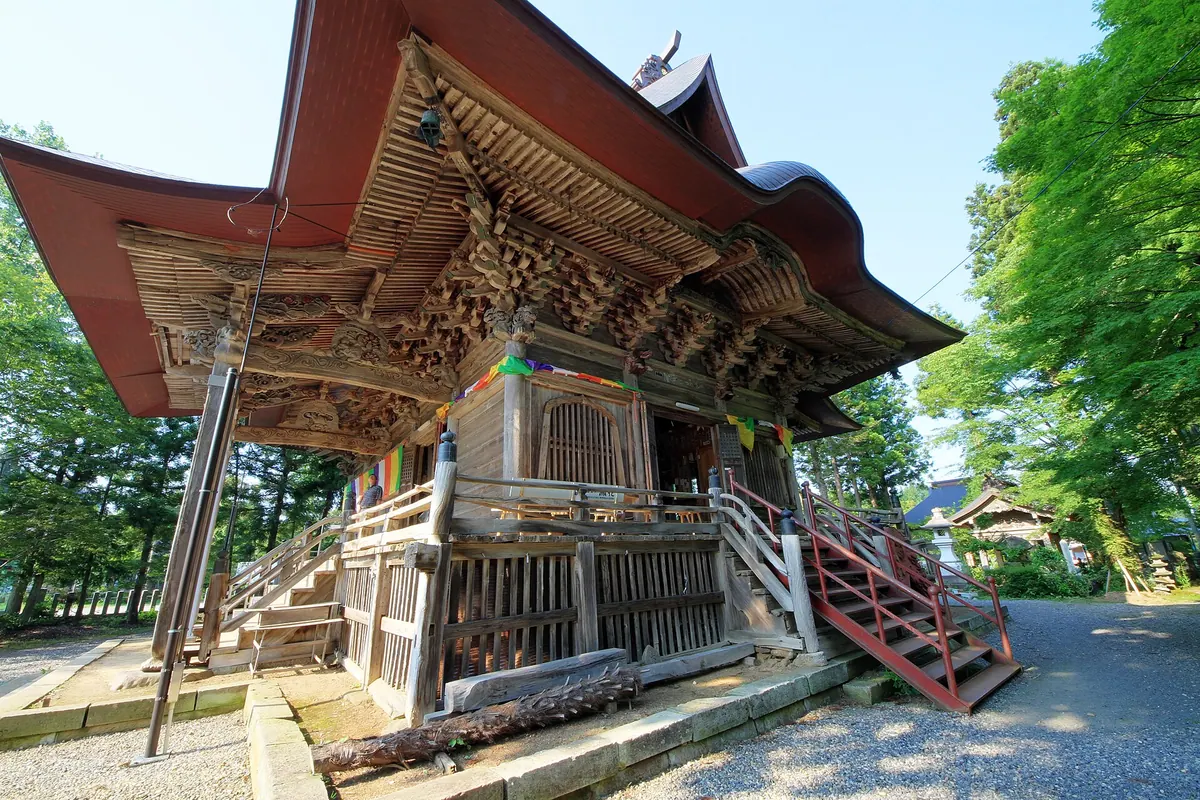
Nyohōji is an ancient temple with important cultural properties and a unique Kōyamaki tree.
What it is
- Shingon-shu muroji-ha temple, founded in 807 by Tokuitsu.
- Dedicated to Shō Kannon Bosatsu, known as Tori-oi Kannon.
- One of the Aizu Korori San Kannon temples.
What to see
- Kannon-dō and Niōmon are important cultural properties.
- Wooden standing statue of Shō Kannon is a cultural property.
- Wooden standing statue of Fudō Myōō is a cultural property.
- Kōyamaki tree is a designated natural monument.
Getting there
- About 2.5 km south of Nozawa Station.
- Address
- 福島県耶麻郡西会津町野沢字如法寺乙3533 Map
17
Jōrin-ji Temple
FUKUSHIMA · TEMPLE 常林寺
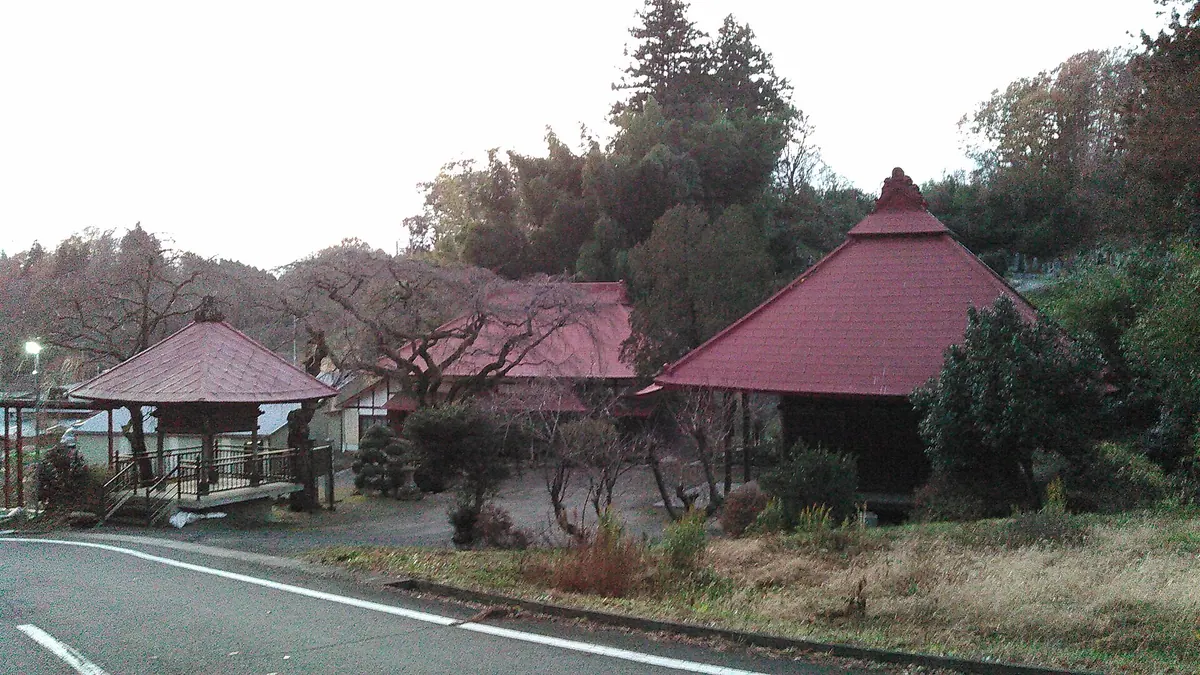
Jorin-ji is a Soto Zen temple housing important cultural properties and a beautiful cherry tree.
What it is
- A Soto Zen Buddhist temple.
- Founded in Komaita, Koriyama City, Fukushima Prefecture.
What to see
- Suigetsu Kannon statue, 92.5 cm tall.
- Wooden Kannon Bosatsu Hanka statue, Important Cultural Property.
- Seven old ema, Important Tangible Folk Cultural Property.
- Beautiful 100-year-old weeping cherry tree.
- Main hall and a bell tower.
Getting there
- 20-minute drive from Ban-etsu Expressway Koriyama-Higashi IC.
- 10-minute drive from Miharu Takizakura.
- Address
- 福島県郡山市中田町駒板字表71 Map
18
Hachiyō-ji Temple
FUKUSHIMA · TEMPLE 八葉寺
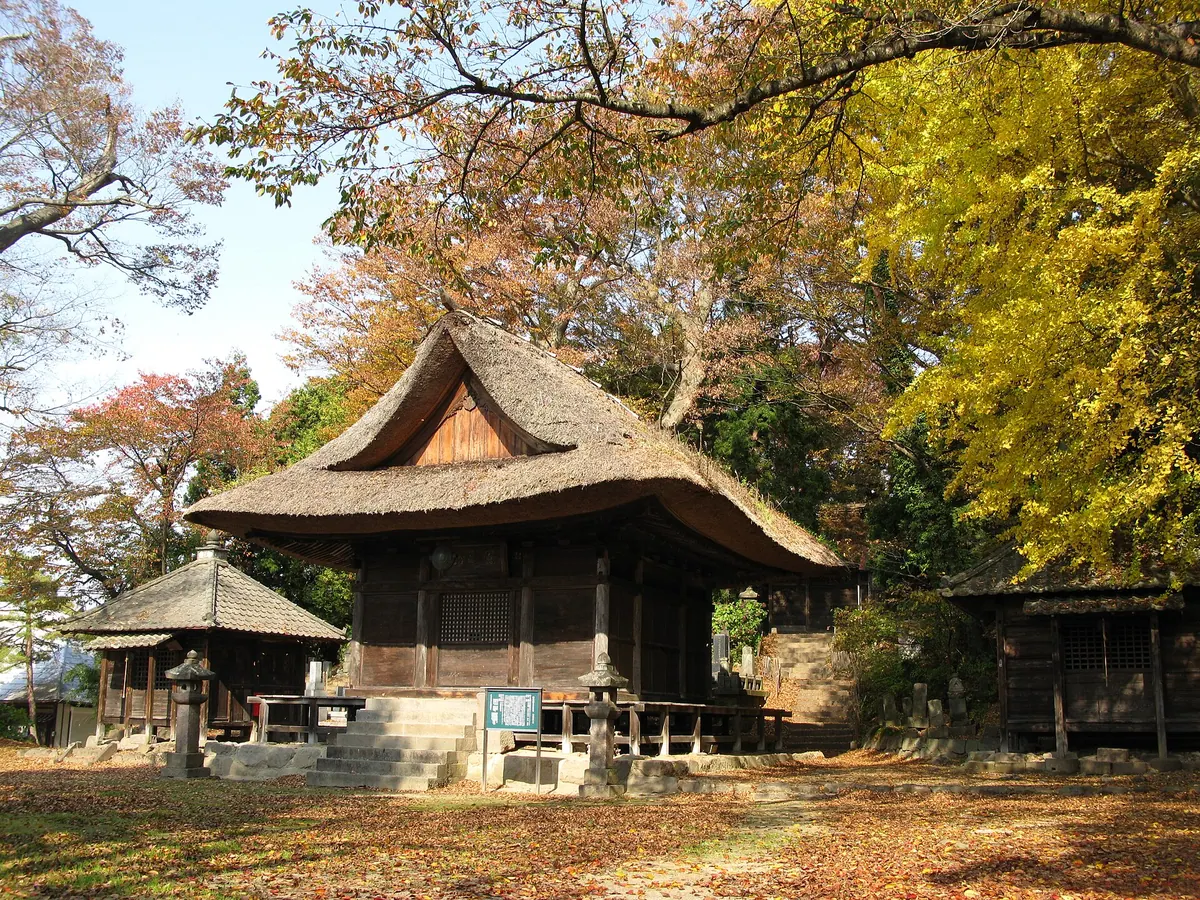
Hachiyō-ji Temple: a historic Shingon temple with important cultural properties.
What it is
- A Shingon sect temple in Aizuwakamatsu City.
- Also known as Aizu Sōbodaijo and Aizu Kōyasan.
- Origin dates back to 964 with a hall's establishment.
What to see
- The Amida-do, rebuilt between 1592 and 1596.
- Juo-do, Kuya-do, and Oku-no-in structures.
- Niomon gate, Kuya Shimizu spring, and a bell tower.
- Amida-do is a nationally designated Important Cultural Property.
- 14,824 small stupas and ossuaries are Important Folk Cultural Properties.
- The Kan'o Monument from 1353.
- Address
- 福島県会津若松市河東町広野字冬木沢208番地 Map
19
Kannon-ji Temple
FUKUSHIMA · TEMPLE 観音寺
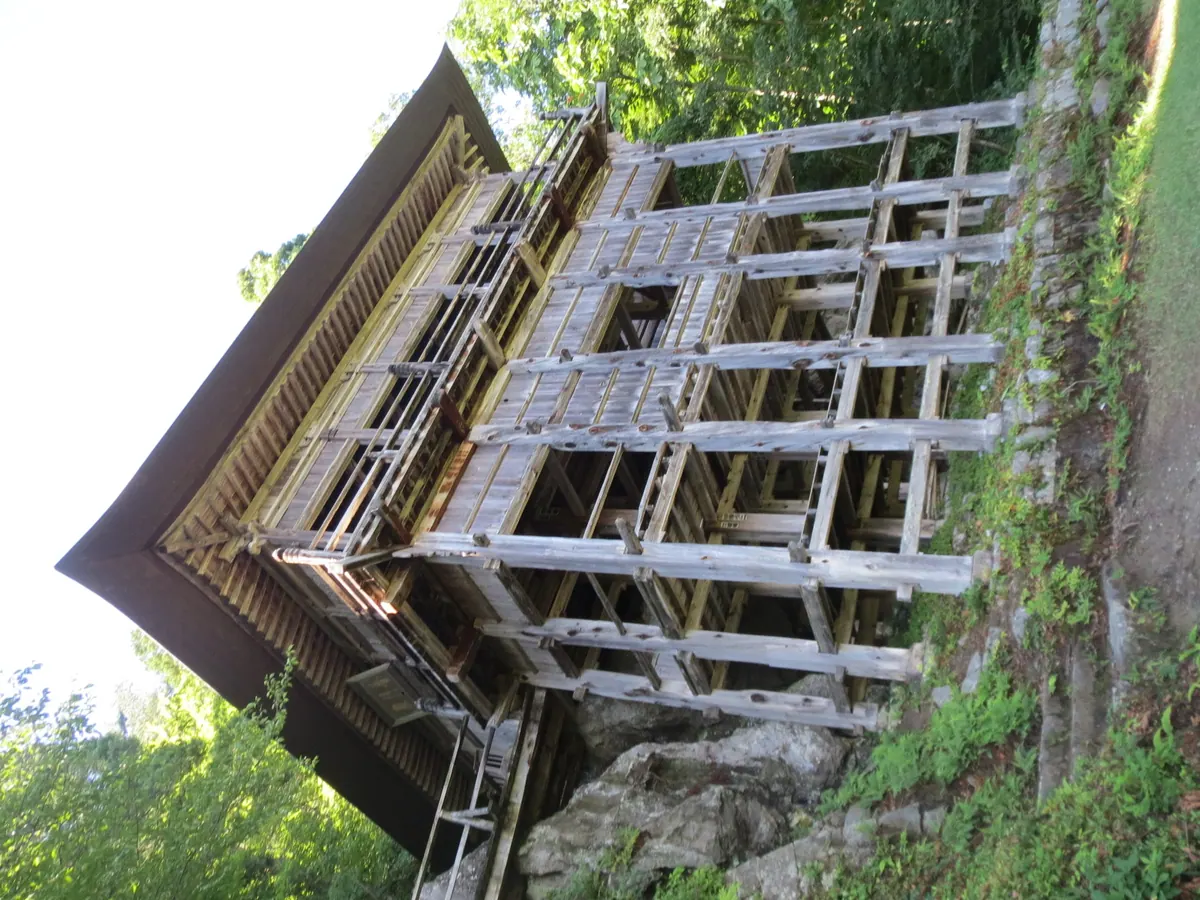
Kannon-ji Temple, founded in 830, offers a unique cliffside hall and a headless Kannon legend.
What it is
- Rinzai sect Myoshin-ji school temple.
- Established in 830 by Tokuichi.
- 21st sacred site of Aizu Thirty-three Kannon.
- Certified as a Japan Heritage cultural property in 2016.
What to see
- Kannon-do hall enshrines Shokannon.
- Kannon-do hall is a kakezukuri structure on a rock face.
- Wooden three-story pavilion, 9m square, 14.5m high.
- Hear the story of a headless Kannon stone statue.
Getting there
- Requires walking 20 minutes on a mountain path.
- Address
- 福島県大沼郡会津美里町大石字東左下り1173 Map
20
Eryuu-ji Temple
FUKUSHIMA · TEMPLE 恵隆寺
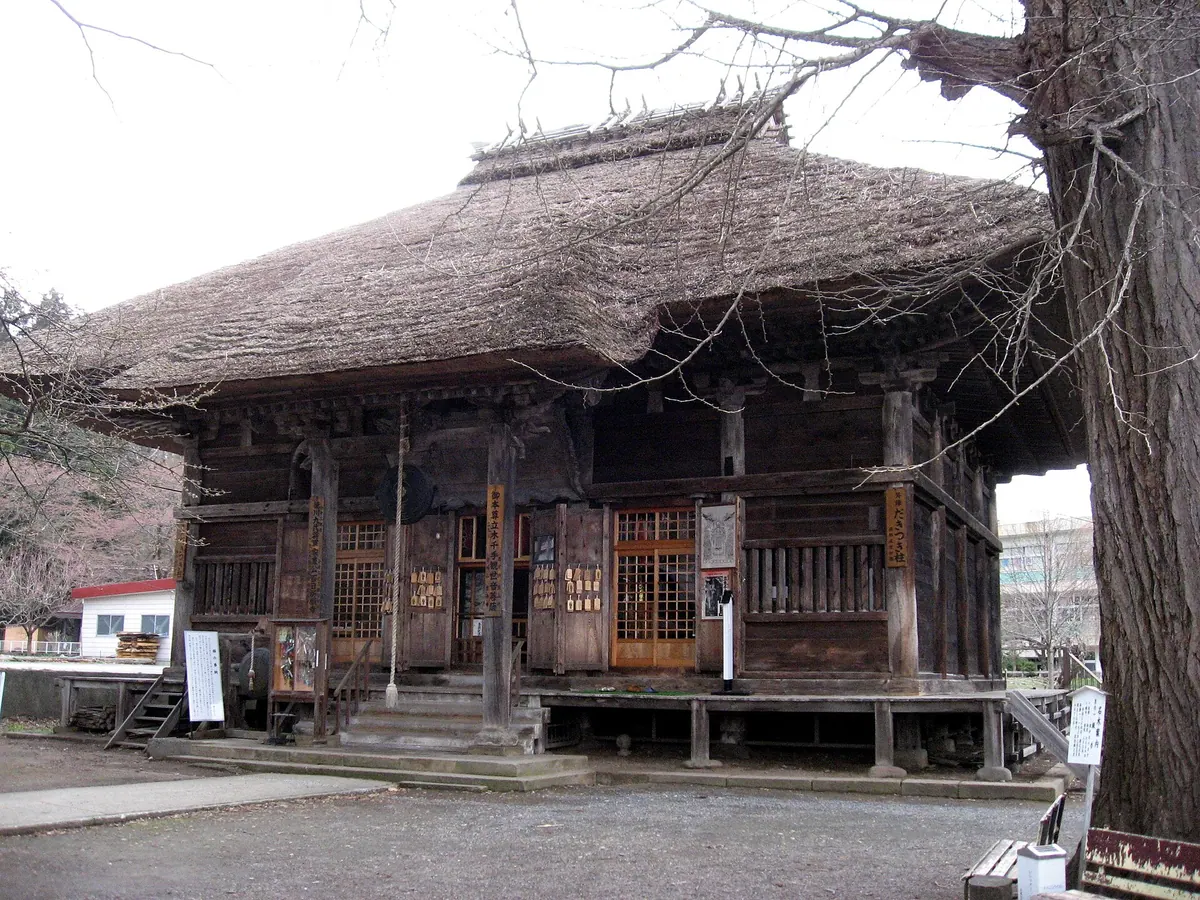
Eryuu-ji Temple is a historic temple housing one of Japan's largest Kannon statues.
What it is
- A Shingon-shu Buzan-ha Buddhist temple.
- Its mountain name is Kintozan.
- Dedicated to Eleven-faced Thousand-armed Kannon Bodhisattva.
- Also known as Tachiki Kannon.
What to see
- The Kannon-do hall, rebuilt in 1617.
- Kannon-do hall has a hip-and-gable thatched roof.
- A 7.4m tall wooden Eleven-faced Thousand-armed Kannon statue.
- The Kannon statue is one of Japan's largest single-wood statues.
- Former Igarashi Family Residence, a National Important Cultural Property.
- Address
- 福島県河沼郡会津坂下町大字塔寺字松原2944 Map
- Official site
- tachikikannon.jp