

20 Historic sites in Gifu worth your time
Japan Gems
Gifu Prefecture has 14 heritage sites, from Kōtōgeguchi Kofun to Enku's Burial Mound. These sites offer a glimpse into the region's past.
Gifu has 22 historic sites on Japan Gems. Below are the 20 we can tell you the most about — each one written up in English from Japanese sources, with what to see and how to get there. See all historic sites in Gifu.
01
Hiruiōzuka Kofun
GIFU · HISTORIC SITE 昼飯大塚古墳
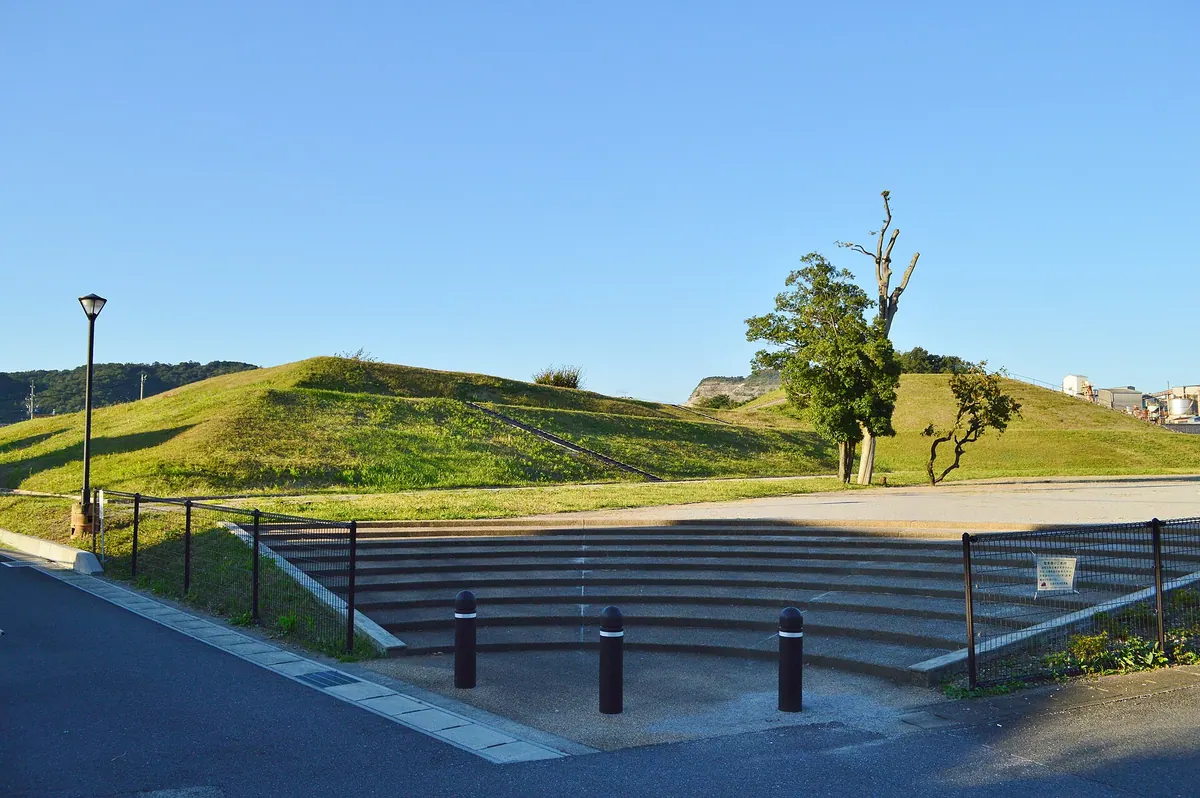
Explore Gifu's largest keyhole-shaped kofun, a 4th-century burial mound with historical significance.
What it is
- A keyhole-shaped tumulus, part of the Fuwa Kofun group.
- Designated as a National Historic Site.
- Largest kofun in Gifu Prefecture.
- Constructed around the late 4th century.
What to see
- The mound is approximately 150 meters long.
- Total length, including the moat, is about 180 meters.
- Three burial facilities in the posterior circular part.
- Excavated cylindrical and figurative Haniwa.
- Artifacts from early excavations are in the Tokyo National Museum.
- Now open as Hiruiōzuka Kofun Historical Park.
02
Mino Kokufu
GIFU · HISTORIC SITE 美濃国府
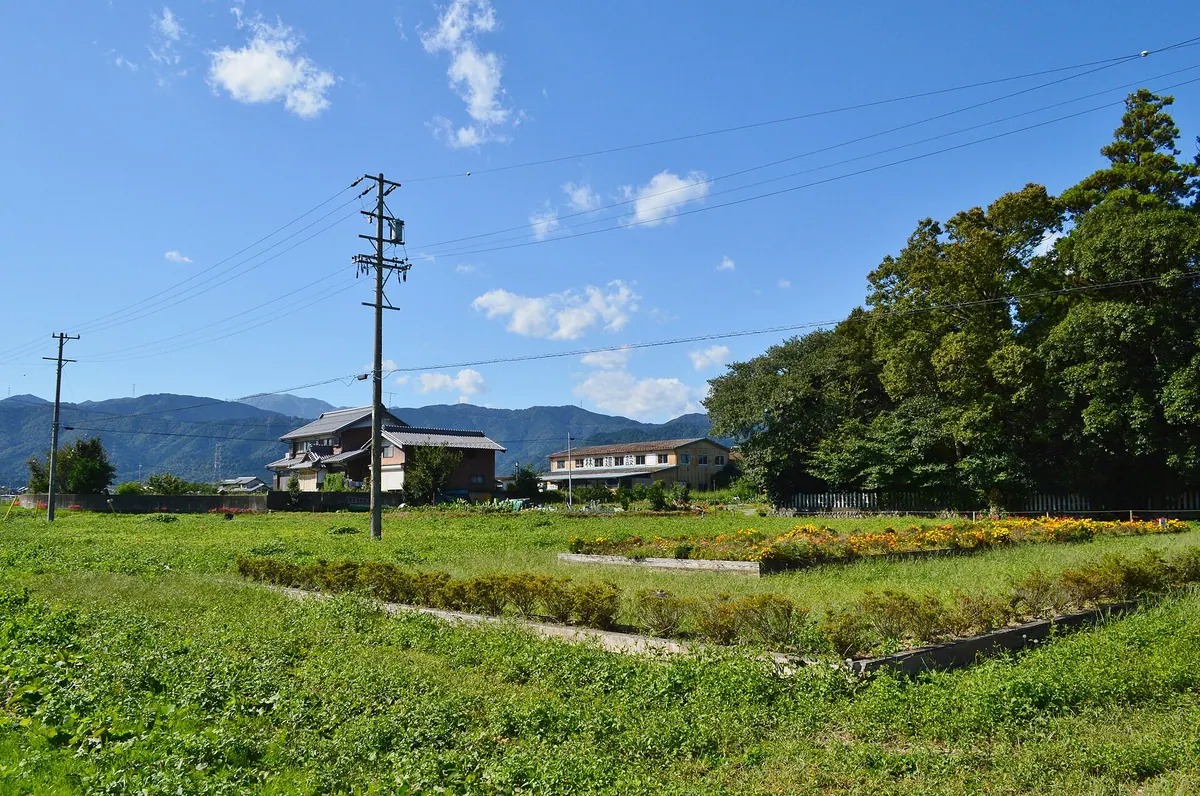
Explore the ruins of an 8th-century provincial capital, a significant National Historic Site.
What it is
- Ancient provincial capital site in Gifu Prefecture.
- Designated a National Historic Site in 2006.
- Center of Mino Province under the Ritsuryo system.
- Government office founded in the early 8th century.
What to see
- Rectangular government office area, 67.2m by 73.5m.
- Remains of the main hall, west side hall, and east side hall.
- Buildings initially pillar-supported, later rebuilt with foundation stones.
- Identified Suzaku-road and an eastern government office area.
03
Tarui Ichirizuka
GIFU · HISTORIC SITE 垂井一里塚
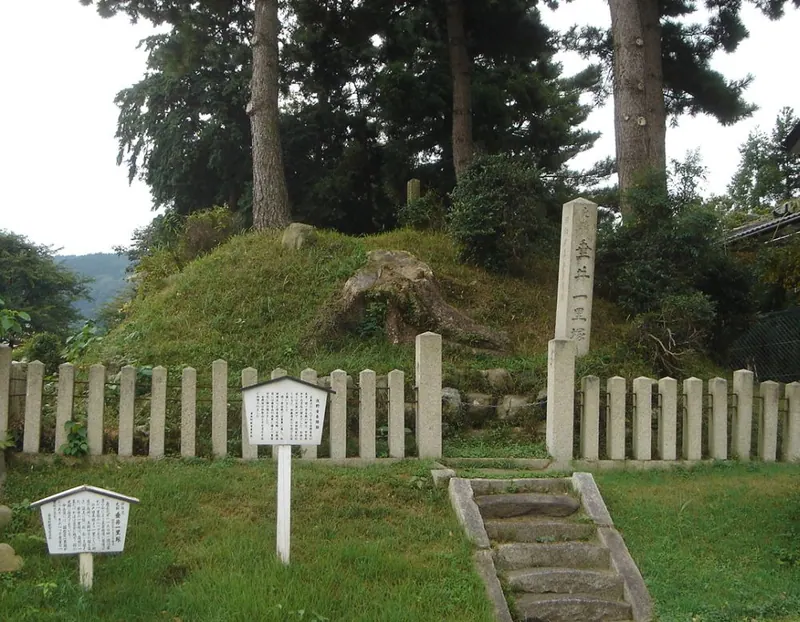
See a 400-year-old road marker, a national historic site, with ties to samurai history.
What it is
- A historic road marker, created in 1604.
- Built by order of Tokugawa Ieyasu.
- One of two Nakasendo ichirizuka designated as national historic sites.
- Designated a national historic site on October 3, 1930.
What to see
- The southern mound of the original marker.
- Site of Asano Yoshinaga's camp during the Battle of Sekigahara.
Getting there
- 30 minutes walk from JR Tokaido Line Tarui Station.
- 7 minutes from Sekigahara IC on Meishin Expressway.
04
Kotozuka Kofun
GIFU · HISTORIC SITE 琴塚古墳
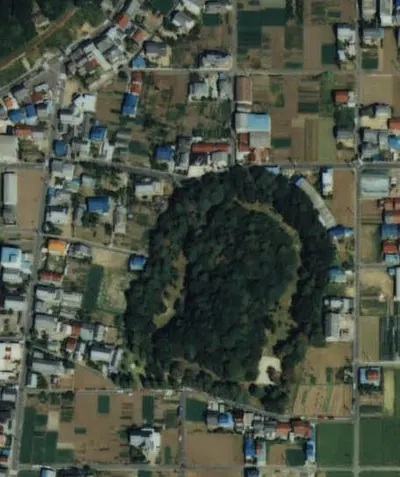
Explore a large 5th-century keyhole-shaped burial mound, a significant national historic site.
What it is
- A keyhole-shaped burial mound, Kotozuka Kofun.
- Dates to around the 5th century.
- Designated a national historic site on August 9, 1934.
- Third largest kofun in Gifu Prefecture.
What to see
- A burial mound with three construction stages.
- Features fukiishi and cylindrical haniwa.
- A double moat, with the inner moat original.
- Total length of approximately 115 meters.
- Posterior circular part has a 69-meter diameter.
- Anterior square part has a 74.2-meter width.
05
Kōtōgeguchi Kofun
GIFU · HISTORIC SITE こう峠口古墳
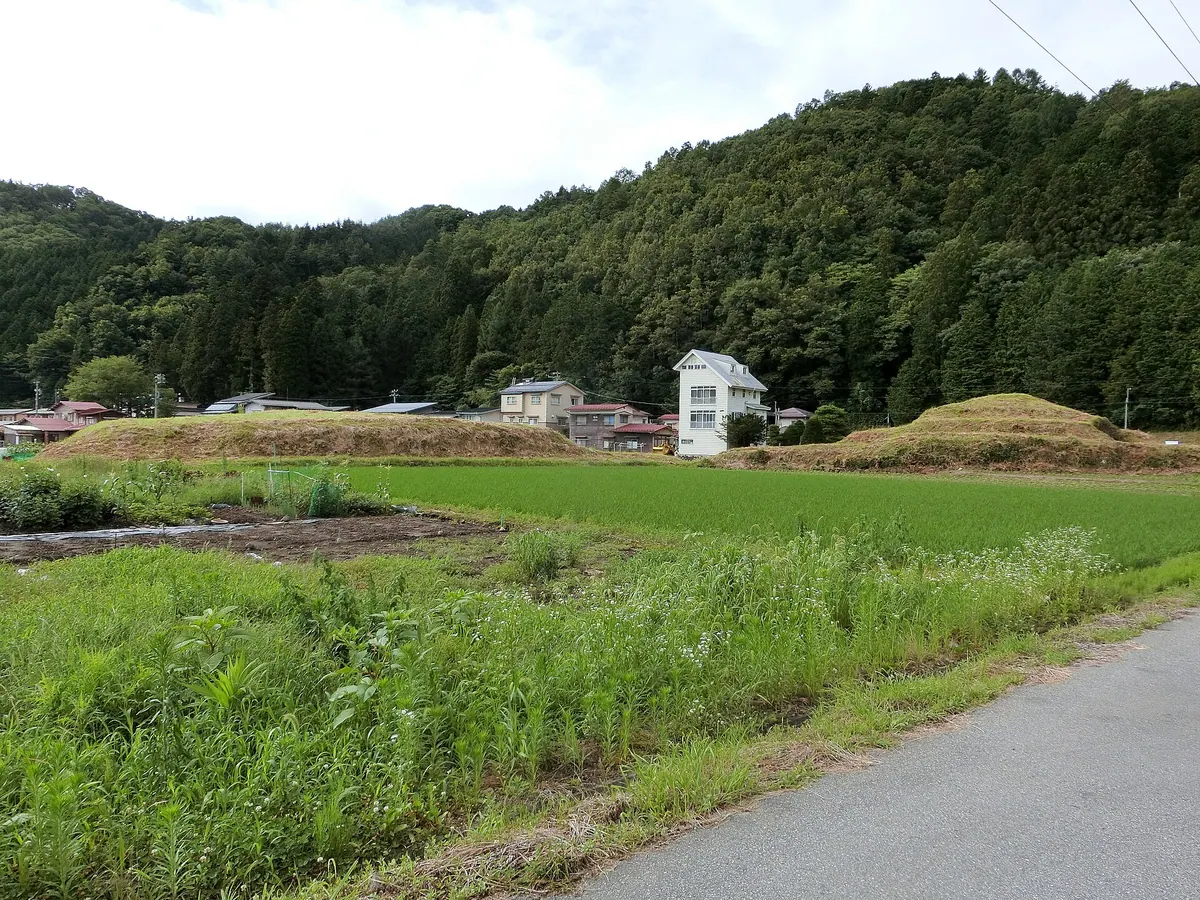
Explore the largest keyhole-shaped burial mound in Hida, featuring a massive stone chamber.
What it is
- A keyhole-shaped tumulus, or kofun.
- Estimated construction in the late 6th century.
- Designated a Gifu Prefecture historic site in 1956.
- Largest kofun in the Hida region.
What to see
- Total length of the mound is 72.7 meters.
- One of the largest stone chambers in Gifu Prefecture.
- Internal stone chamber is 14.8 meters long.
- Burial chamber is 3.1 meters high.
Getting there
- Walk from Hida-Kokufu Station.
- Walk from Sakurano bus stop.
06
Jirōbee-zuka No. 1 Kofun
GIFU · HISTORIC SITE 次郎兵衛塚一号墳
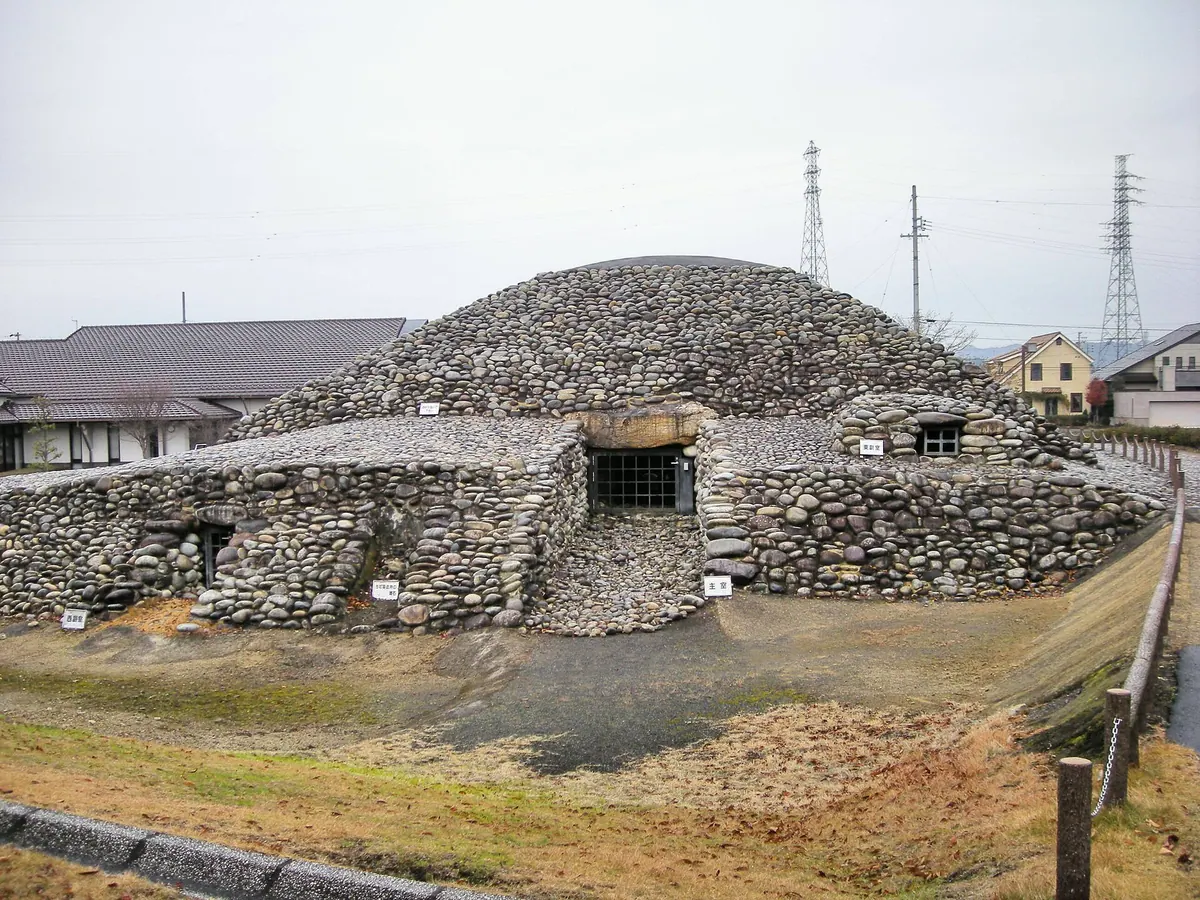
Jirobee-zuka No. 1 Kofun is a late 7th-century tomb mound with unique stone chambers.
What it is
- Square-shaped tomb mound from the late Kofun period.
- Built in the late 7th century.
- Designated a Gifu Prefecture Historic Site in June 1995.
What to see
- Mound covered with river stones.
- Three horizontal stone chambers.
- Main chamber has a complex two-room structure.
- Well-preserved 8-meter-wide moat.
- Lower base is 29.5 meters on each side.
- Upper base is 18 meters, 6.5 meters high.
Getting there
- 10-minute drive from Kani Station.
07
Oibora-Asakura Sue Ware Kiln Site
GIFU · HISTORIC SITE 老洞・朝倉須恵器窯跡
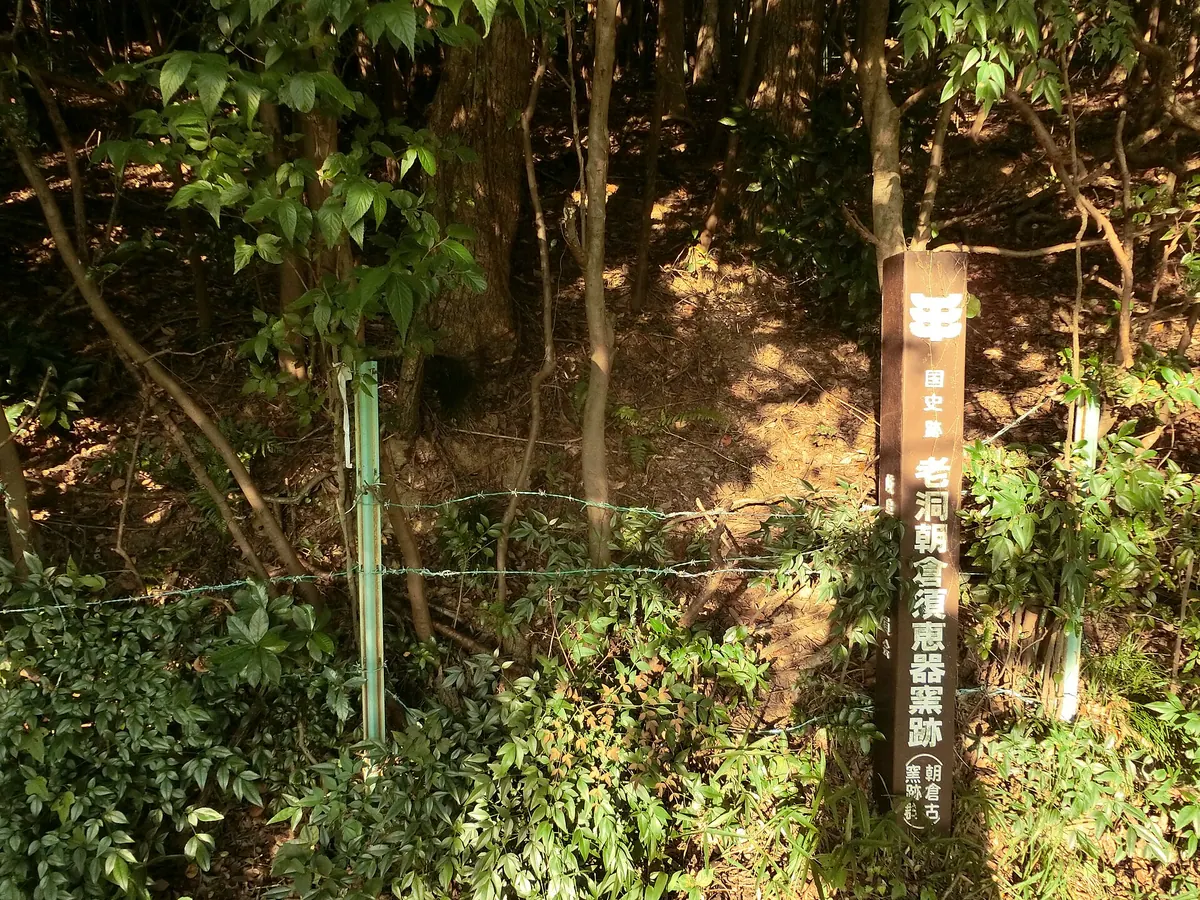
Explore ancient kiln sites where Sue ware pottery was made for Japan's capitals.
What it is
- A group of ancient Sue ware kiln sites.
- Designated as a National Historic Site.
- Operated from the late 7th to early 8th century.
- A branch of the larger Mino Sue Kiln Sites group.
What to see
- Oibora and Asakura old kiln groups.
- Oibora No. 1 kiln, 9.3m deep and 1.3m wide.
- Excavated items at Gifu City Museum of History.
- Some excavated items are Important Cultural Properties.
- Sue ware with "Mino-koku" or "Mino" inscribed.
08
Motoyashiki Pottery Kiln Site
GIFU · HISTORIC SITE 元屋敷陶器窯跡
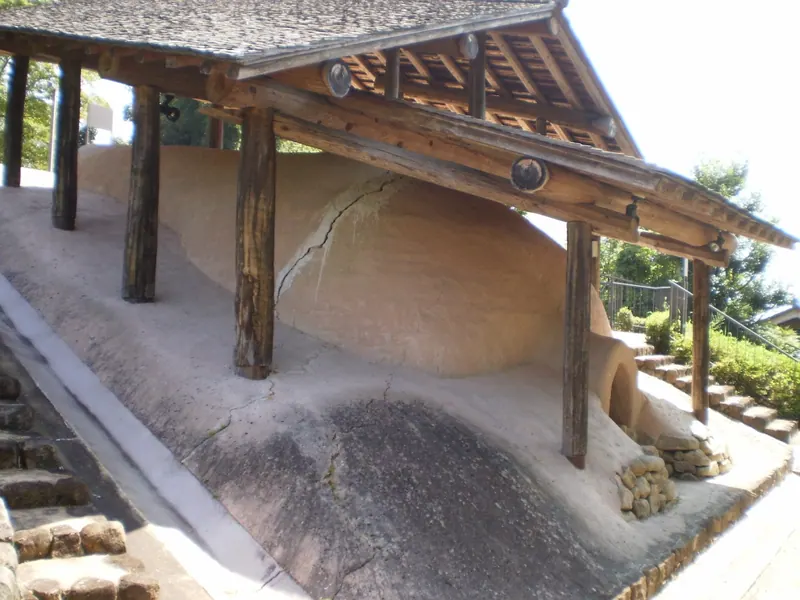
Explore Japan's oldest multi-chamber climbing kiln and learn about early Edo period pottery.
What it is
- An early Edo period pottery kiln site.
- Designated as a National Historic Site.
- Valuable for studying early Mino ware production.
What to see
- Gifu Prefecture's oldest renboshiki noborigama.
- One renboshiki noborigama and three large kilns.
- The noborigama is 24 meters deep and 2.2 meters wide.
- It has 14 firing chambers and one combustion chamber.
- Excavated artifacts designated Important Cultural Properties.
09
Dōnosora Site
GIFU · HISTORIC SITE 堂之上遺跡
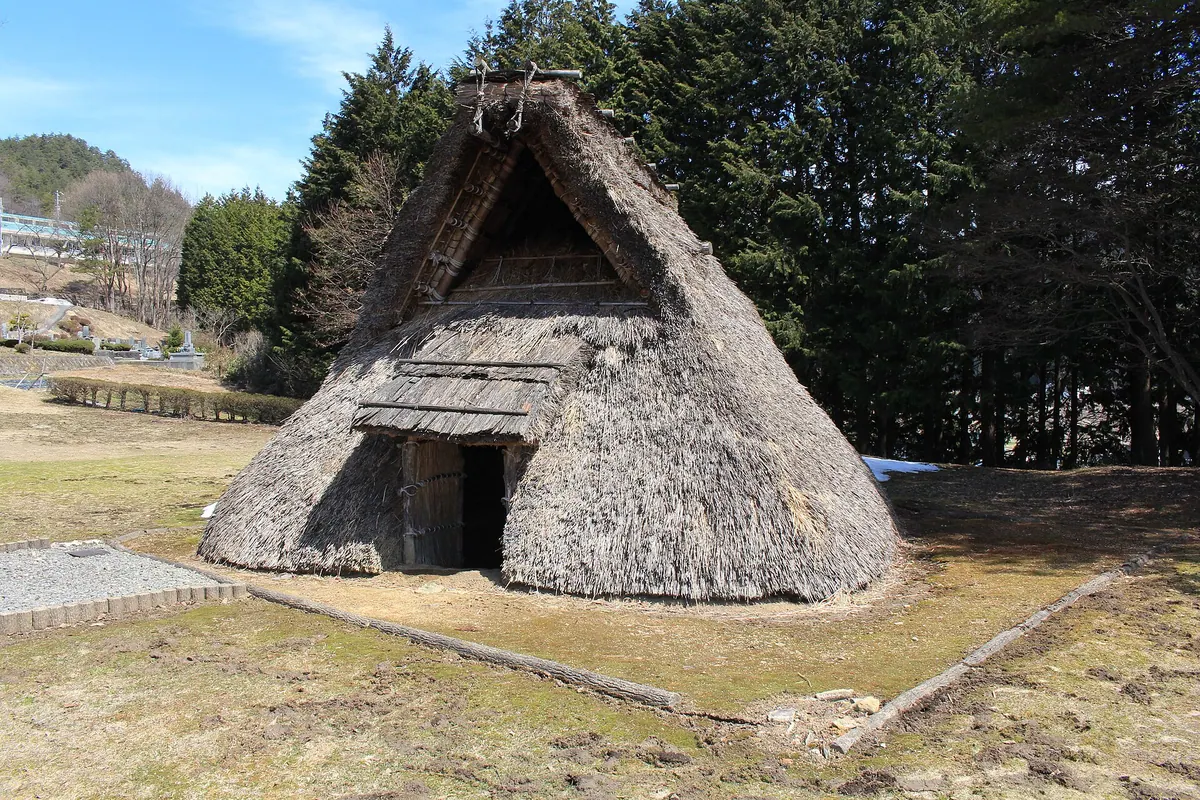
Explore a well-preserved Jomon period settlement ruin, offering a glimpse into ancient Japanese life.
What it is
- A Jomon period settlement ruin.
- Designated as a National Historic Site.
- Remains discovered in 1972, excavated until 1979.
- Features remains from early to late middle Jomon period.
What to see
- Pit graves in the center of the plateau.
- Pit dwellings arranged in a U-shape at the edge.
- Total of 43 dwelling remains found.
- Site on a tongue-shaped plateau.
- Confluence of the Hida River and Hachishaku River.
10
No Kofun Cluster
GIFU · HISTORIC SITE 野古墳群
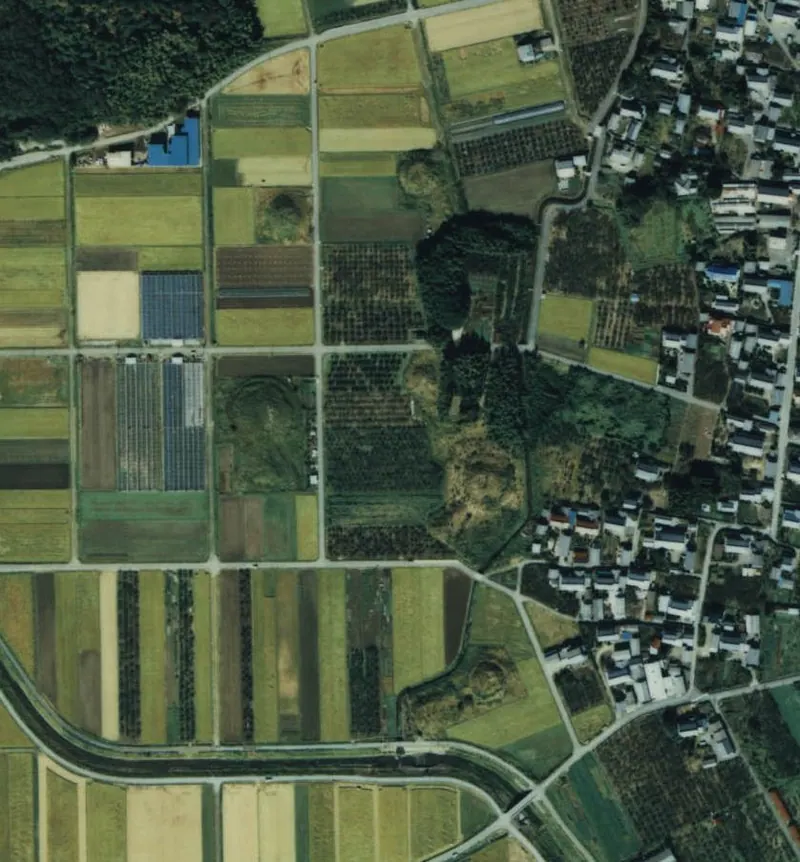
No Kofun Cluster is an ancient burial ground with 5th-6th century tumuli and artifacts.
What it is
- A cluster of ancient burial mounds (tumuli).
- Dates from the 5th to 6th centuries.
- Designated a national historic site in 1957.
What to see
- Nine tumuli, numbered 1 to 9, still exist.
- Medium and small tumuli concentrated in one square kilometer.
- Surrounded by rice paddies and persimmon fields.
- Excavated artifacts: haniwa, swords, bronze mirrors.
- Excavated artifacts: horse fittings, arrowheads.
11
Kumano Kofun
GIFU · HISTORIC SITE 熊野古墳
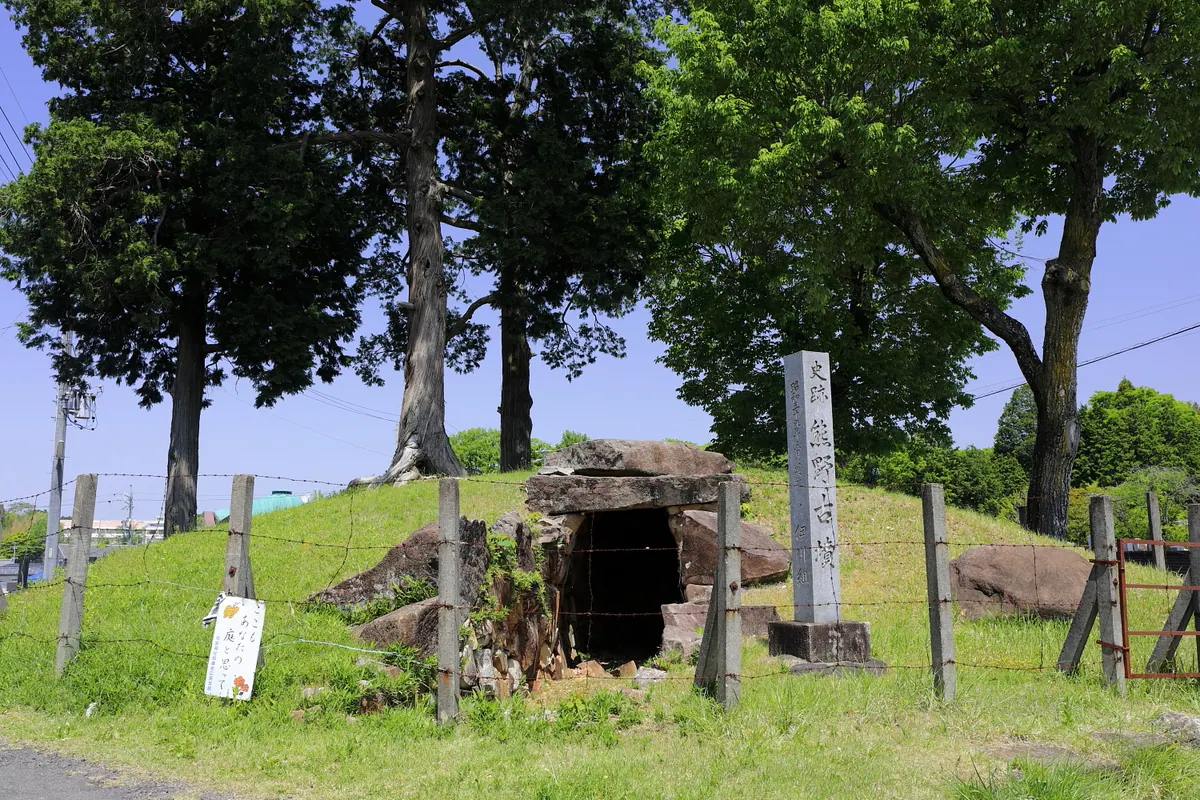
Explore a 7th-century burial mound, the Kumano Kofun, to see an ancient stone chamber and learn about local history.
What it is
- A kofun, an ancient burial mound.
- Designated a Gifu Prefecture Historic Site.
- Estimated to have been built around the early 7th century.
- Considered the last chief's tomb in the Kani City area.
What to see
- A tumulus, either circular or square.
- A single-sleeved horizontal stone chamber.
- The stone chamber opens to the southwest.
- The stone chamber measures over 13.3 meters long.
12
Fukoujiduka Kofun
GIFU · HISTORIC SITE 不孝寺塚古墳
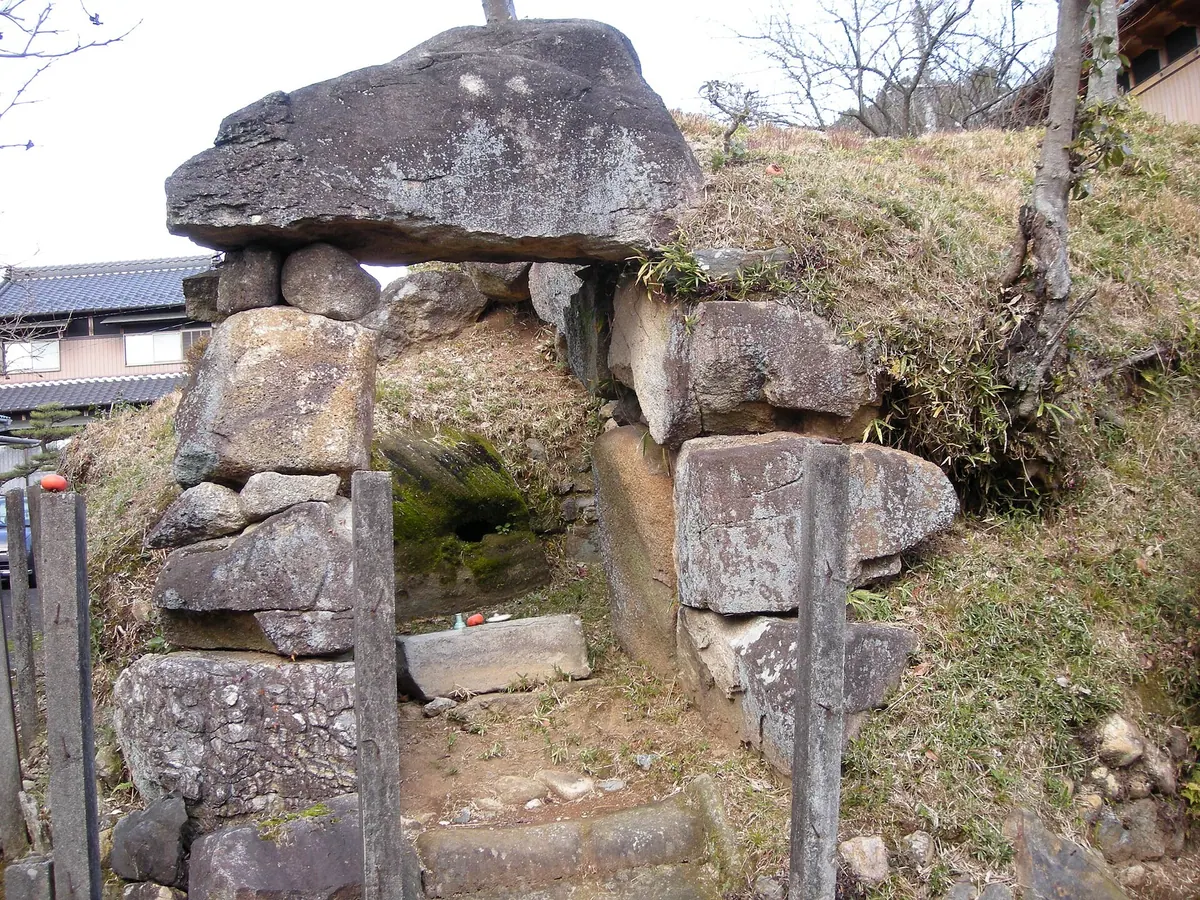
Explore a 6th-century circular burial mound with a unique stone chamber and ancient artifacts.
What it is
- A circular burial mound, designated historic site.
- Built around the 6th century.
- Contains a horizontal stone chamber.
What to see
- The burial mound, 16 meters in diameter.
- The stone chamber with a passage and main chamber.
- A house-shaped stone coffin, 2.3 meters long.
- Artifacts found include human bones and gold rings.
- A dish and straight sword were found at the entrance.
13
Robata Ruins
GIFU · HISTORIC SITE 炉畑遺跡
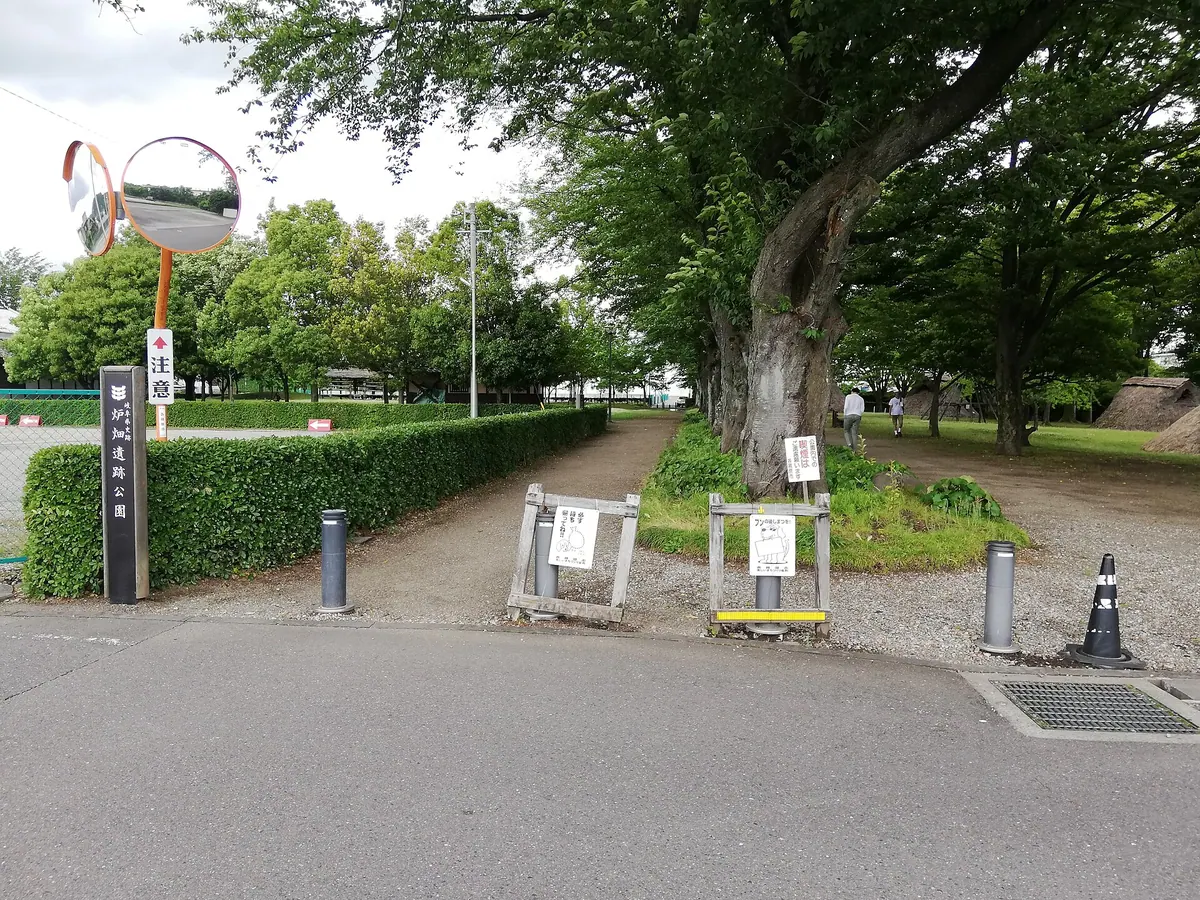
Explore a recreated Jomon settlement with pit dwellings and ancient artifacts, offering a glimpse into prehistoric Japan.
What it is
- A Jomon period settlement site, discovered in 1966.
- Designated a Gifu Prefecture historic site.
- Redeveloped as Robata Ruins Park in 2006.
What to see
- Recreated Jomon period pit dwellings.
- Trees Jomon people used for food.
- Excavated Jomon pottery and stone tools.
- Ancient coffins found at the site.
When to go
- Open daily from 8:30 AM to 5:00 PM.
14
Mirokuji kanga ruins
GIFU · HISTORIC SITE 弥勒寺官衙遺跡
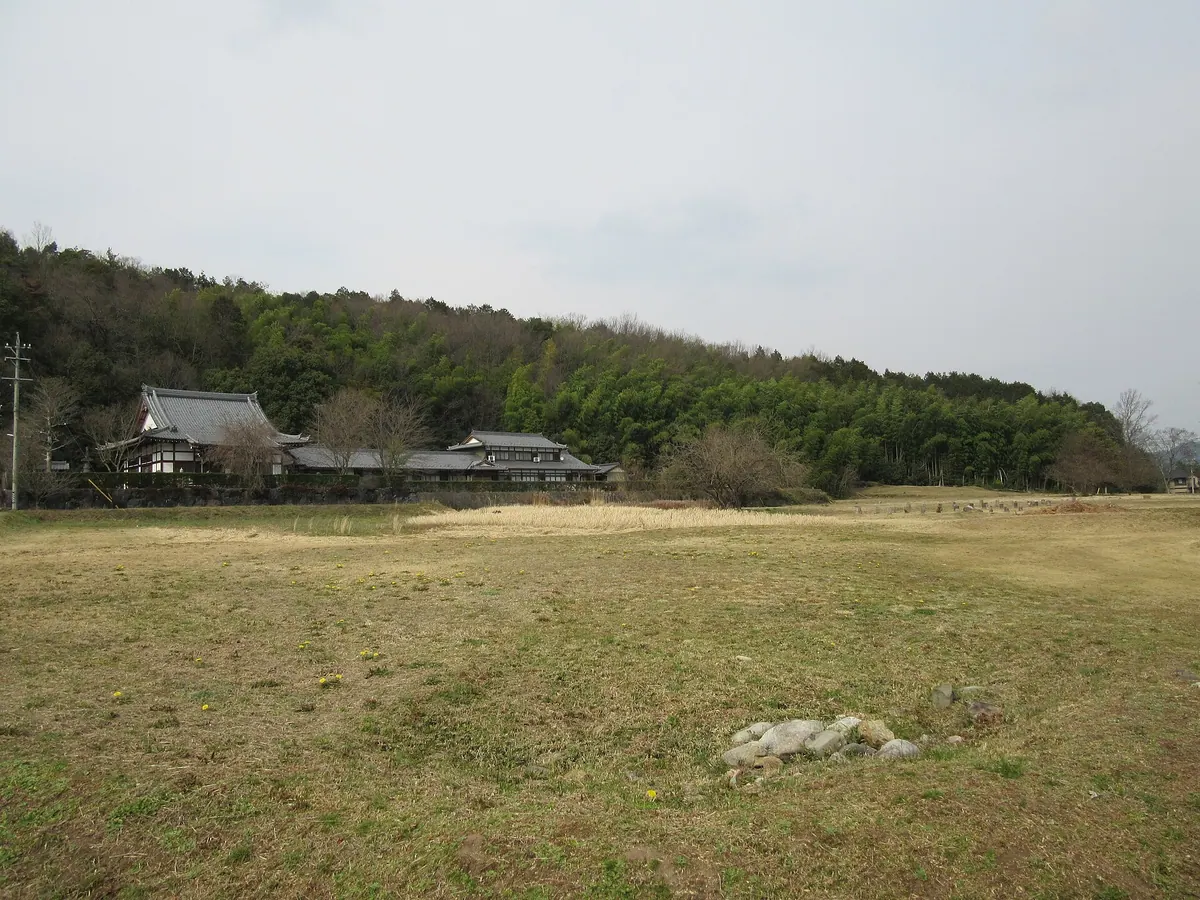
Explore ancient government office ruins from the Nara and Heian periods.
What it is
- Ancient government office ruins.
- Part of a national historic site group.
- Excavation began in 1994.
- Designated a national historic site in 2007.
What to see
- Structures of a county office.
- Shosoin area, 130m by 40m, with eight storehouses.
- Guncho-in area, 50m by 60m, with a main hall.
- Guncho-in area also has two side halls.
- Artifacts displayed at Seki City Enku-kan.
15
Mirokuji Nishi Ruins
GIFU · HISTORIC SITE 弥勒寺西遺跡
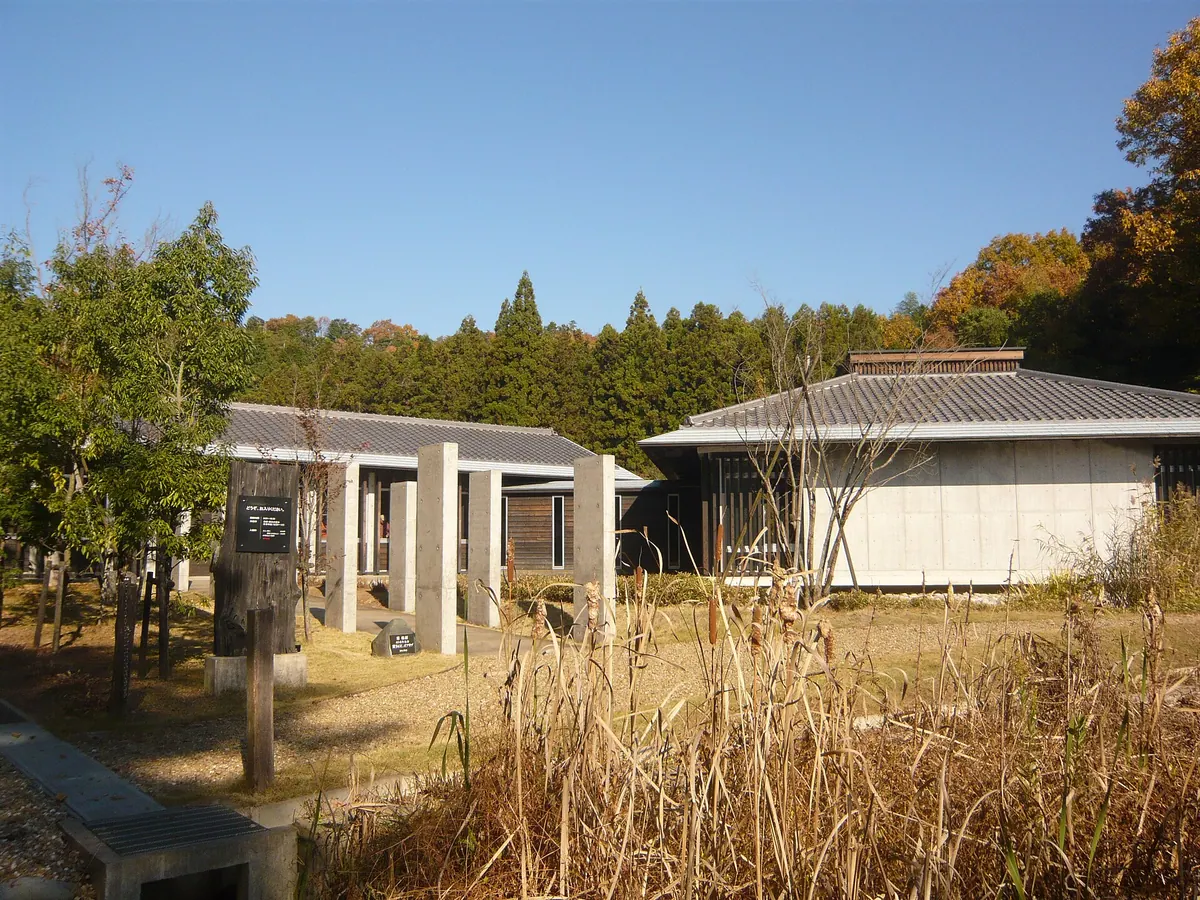
An ancient ritual site with excavated artifacts, offering a glimpse into Nara period life.
What it is
- An ancient ritual site.
- Part of the Mirokuji Kanga Site Group.
- Rituals were performed from the late Nara period.
- Excavated in 2002 and 2006-2007.
What to see
- Next to the Mirokuji temple ruins.
- Foundations of possible government offices or monk residences.
- Numerous ink-inscribed earthenware were excavated.
- Excavated artifacts are displayed at Seki City Enku-kan.
16
Nagatsuka Kofun
GIFU · HISTORIC SITE 長塚古墳
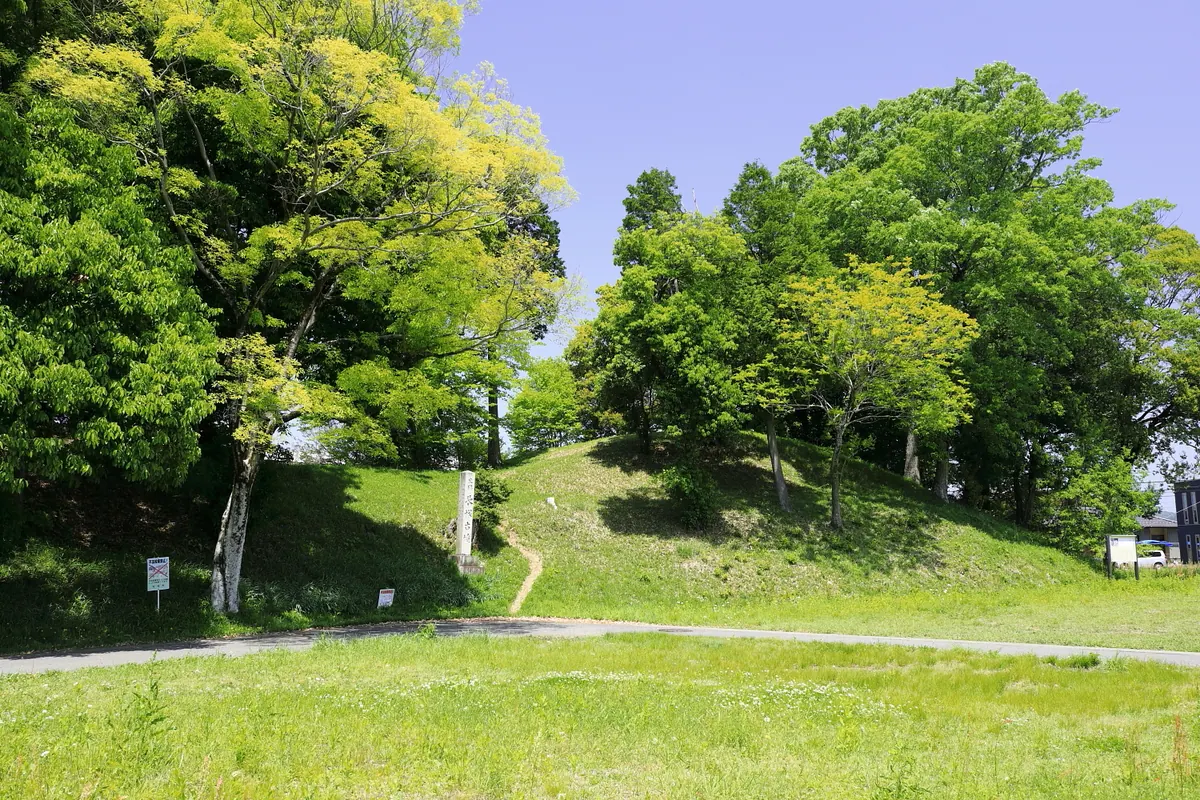
Explore Nagatsuka Kofun, a large 4th-century keyhole-shaped burial mound and National Historic Site.
What it is
- A keyhole-shaped tumulus, part of the Maenami Kofun group.
- Designated a National Historic Site since 1956.
- Built in the late 4th century.
- One of the "Maenami no Mitsuzuka" kofun.
What to see
- The largest kofun in Kani City, 72 meters long.
- Two burial facilities: a clay coffin and a wooden coffin.
- Artifacts include a bronze mirror, stone bracelets, and beads.
17
Bōnotsuka Kofun
GIFU · HISTORIC SITE 坊の塚古墳
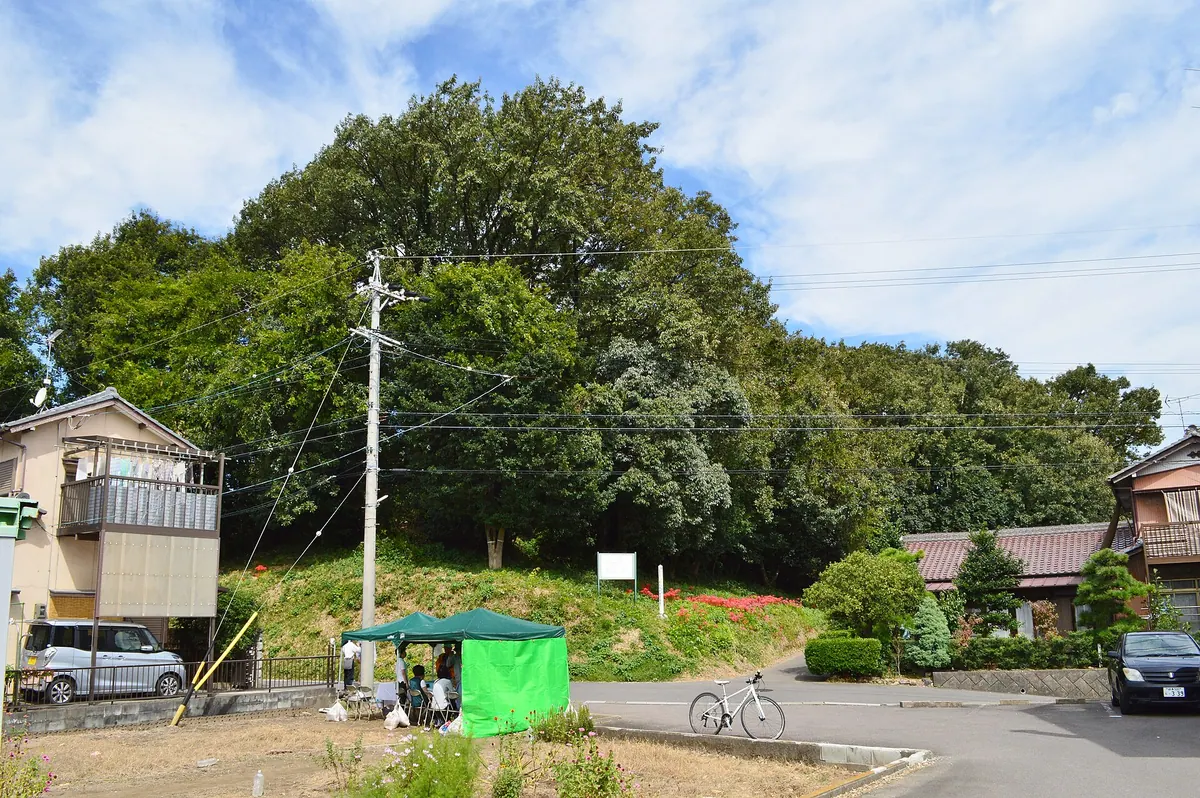
Explore a 4th-century keyhole-shaped burial mound, a National Historic Site, revealing ancient Japanese history.
What it is
- A keyhole-shaped burial mound, or kofun.
- Designated a National Historic Site.
- Built around the late 4th century.
- Second largest kofun in Gifu Prefecture.
What to see
- The tumulus is 120 meters long.
- Mound has a three-tiered construction.
- Cylindrical Haniwa rows on the top tier.
- A vertical stone coffin burial facility.
- Unearthed stone products and pottery.
18
Akahogi Tile Kiln Site
GIFU · HISTORIC SITE 赤保木瓦窯跡
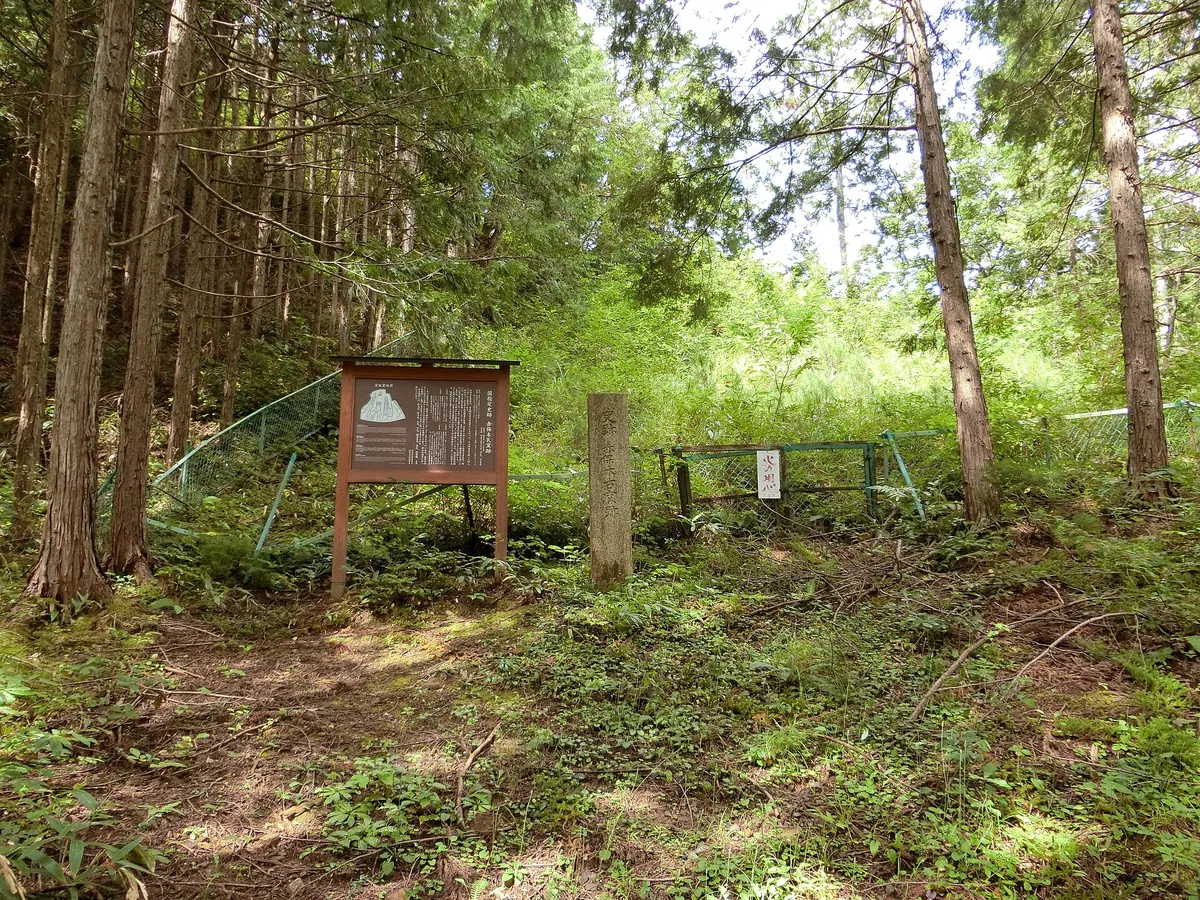
Explore ancient kilns that produced tiles for a historic temple in Takayama.
What it is
- A Nara period tile kiln site.
- Produced tiles for Hida Kokubunji Temple.
- Designated a National Historic Site in 1976.
What to see
- Four tile kilns.
- Two Sueki ware kiln sites.
- Semi-underground climbing kilns with stepped interiors.
- Kilns are about 9 meters deep and 1 meter wide.
- Kilns have 16 or 6 steps.
- Excavated roof tiles, iron sickles, and bowls.
19
Enku's Burial Mound
GIFU · HISTORIC SITE 円空入定塚
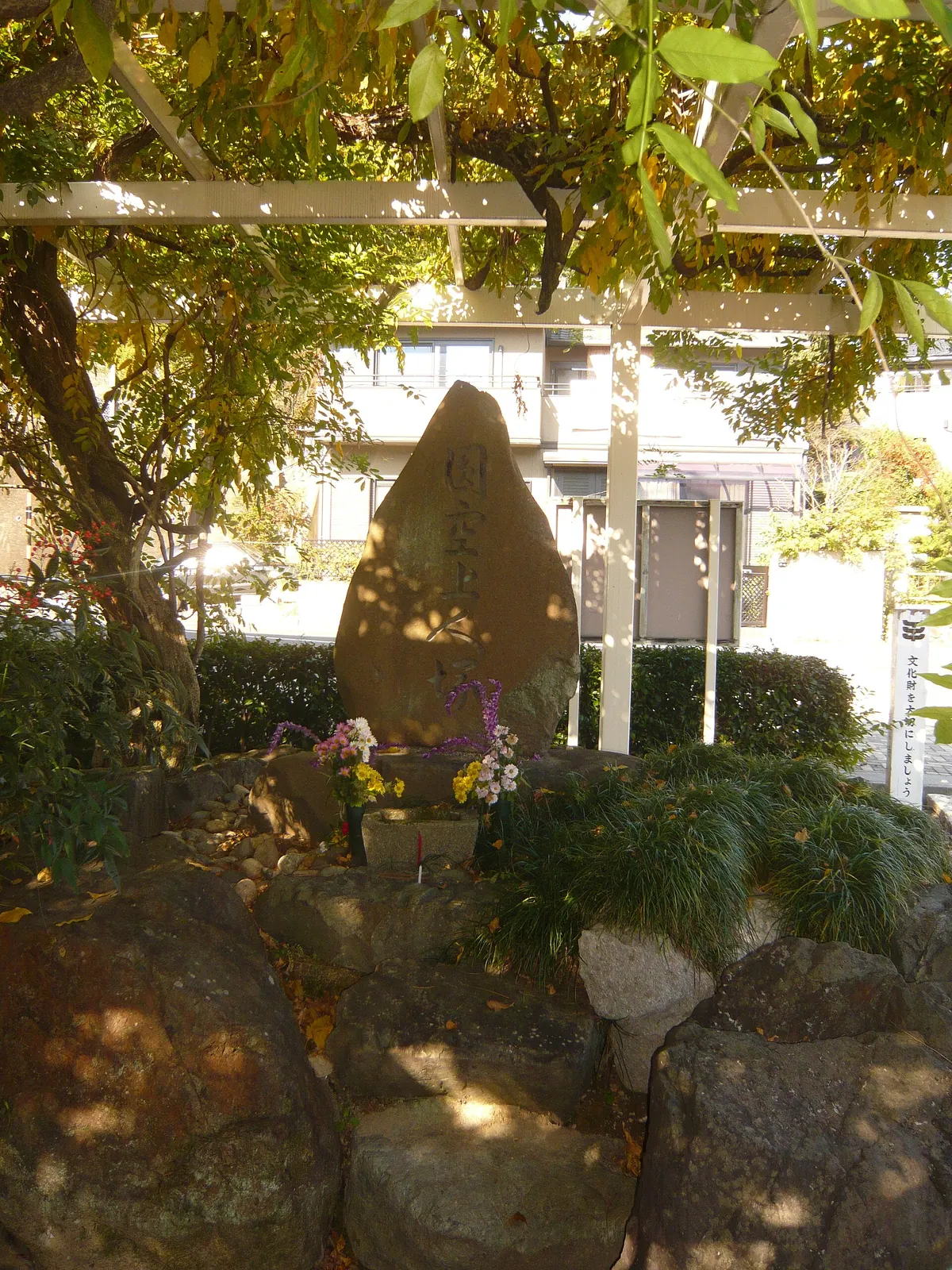
Visit this historic mound to learn about Enku, a prolific Edo period monk.
What it is
- A burial mound for Enku, an Edo period itinerant monk.
- Enku is said to have entered nirvana here.
- Designated a Gifu Prefecture historic site in 1973.
What to see
- The mound under a wisteria trellis.
When to go
- See wisteria flowers bloom seasonally.
Getting there
- About 15 minutes from Seki Interchange.
20
Tengudani iseki
GIFU · HISTORIC SITE 天狗谷遺跡
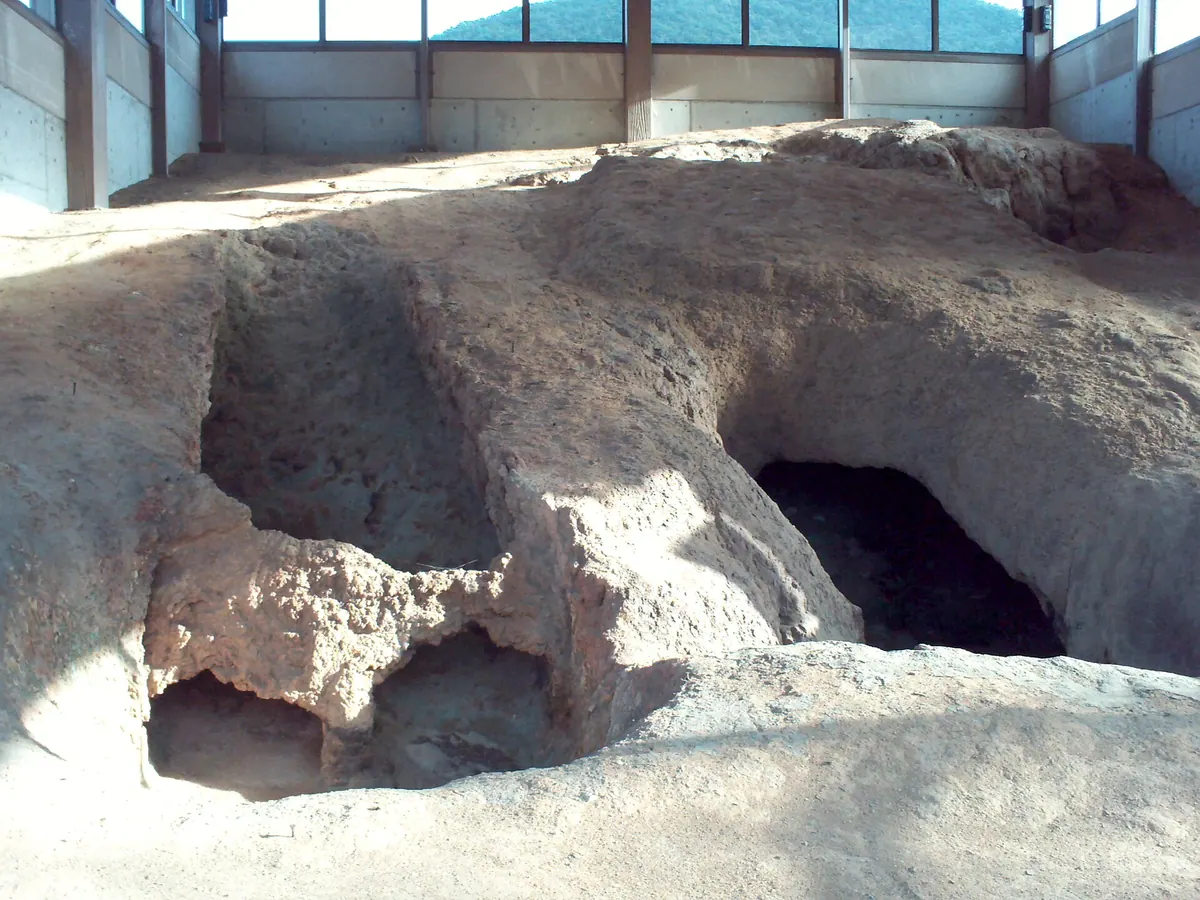
Explore ancient kilns and burial mounds at a significant pottery production site.
What it is
- An ancient Sueki kiln site, part of Mino Sue Old Kiln Sites.
- Designated a city historic site in May 1991.
- A pottery production area from late Kofun to Kamakura periods.
What to see
- One well-preserved kofun burial mound.
- Two kofun from the end of the Kofun period.
- Seven Sueki kiln sites from the Nara period.
- One ash-glazed pottery kiln site.