
19 Historic sites in Hiroshima worth your time
Japan Gems
Hiroshima Prefecture's heritage sites include ancient burial mounds like Matsumoto Kofun and Osako Kofun. Visitors can explore a range of historical locations, from prehistoric to modern eras.
Hiroshima has 19 historic sites on Japan Gems. Below are the 19 we can tell you the most about — each one written up in English from Japanese sources, with what to see and how to get there. See all historic sites in Hiroshima.
01
Ruins of the Chūgoku Regional Military Headquarters Air Defense Room
HIROSHIMA · HISTORIC SITE 中国軍管区司令部跡
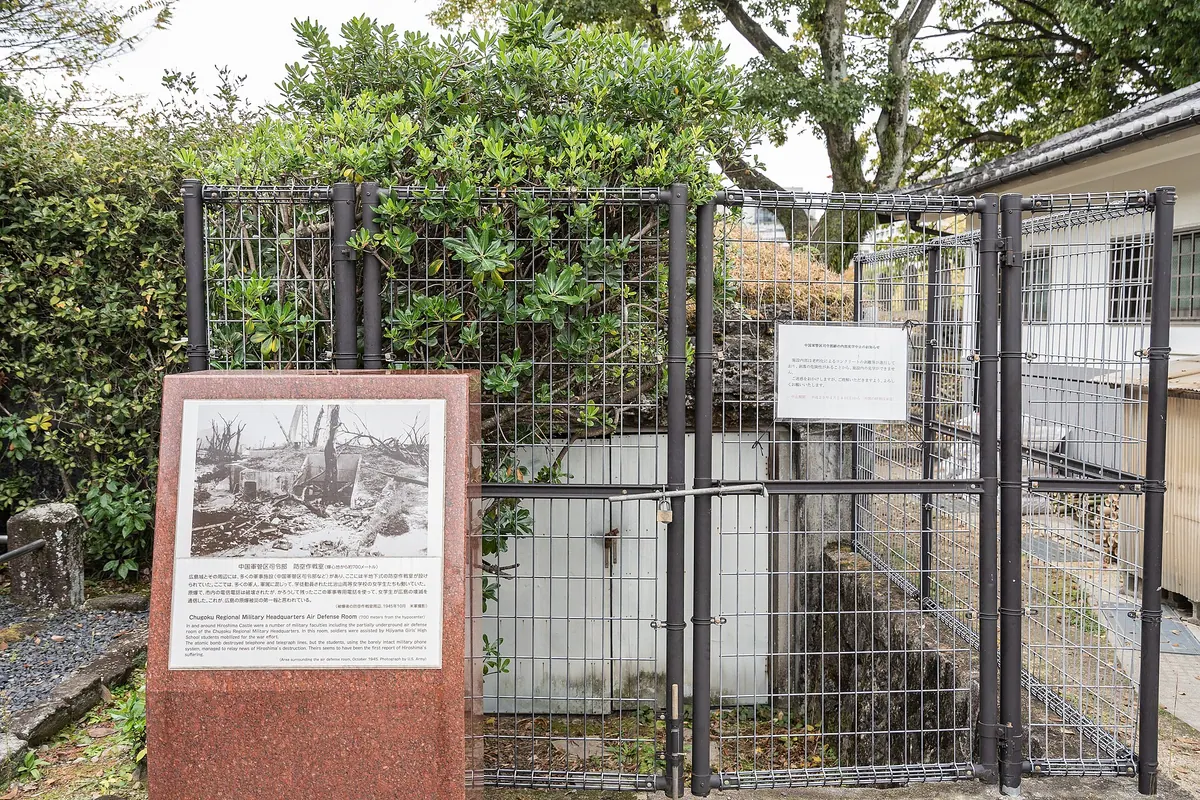
Explore this unique atomic-bombed ruin, the only surviving army air defense room in Japan.
What it is
- Ruin of the Imperial Japanese Army Chugoku Regional Military Headquarters air defense operations room.
- Only existing former army air defense operations room in Japan.
- One of the existing atomic-bombed buildings.
- Constructed from late 1944 to early 1945.
What to see
- Semi-underground reinforced concrete single-story building.
- Located within Hiroshima Castle National Historic Site Park.
- Adjacent to the Hiroshima Gokoku Shrine grounds.
- Approximately 790m from the atomic bomb hypocenter.
- Internal viewing prohibited since 2017 due to safety concerns.
Read more about Ruins of the Chūgoku Regional Military Headquarters Air Defense Room
02
Yadani Kofun
HIROSHIMA · HISTORIC SITE 矢谷墳丘墓
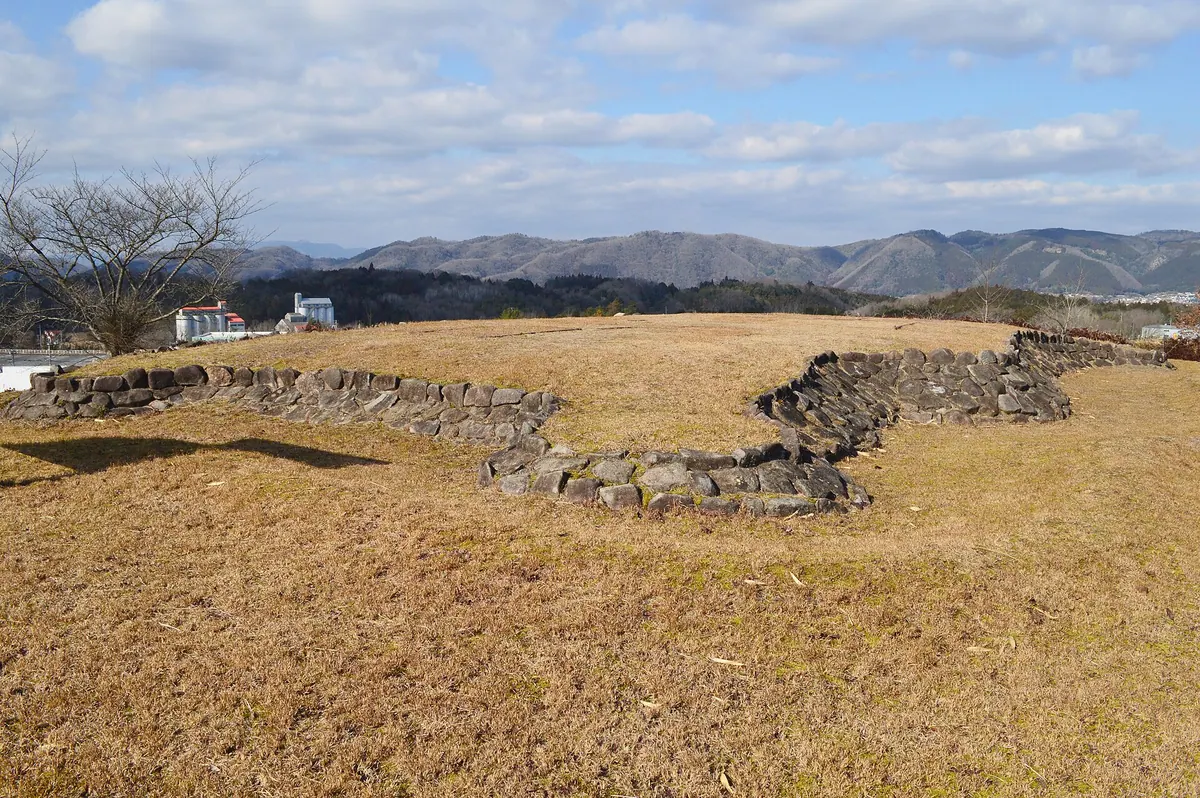
Explore a rare Yayoi burial mound, a National Historic Site with unique artifacts and Roman glass beads.
What it is
- A Yayoi period burial mound, Yadani Kofun.
- Designated a National Historic Site.
- Discovered during construction in 1977-1979.
What to see
- A square mound with four protruding corners.
- Mound measures 18.5 meters long, 1.2 meters high.
- Eleven burial facilities, including pit and stone coffins.
- Excavated jade magatama and glass beads.
- Special pottery vessels from the surrounding ditch.
- Glass beads from the ancient Roman Empire.
When to go
- Construction period: late Yayoi to early Kofun period.
03
underground facilities in the former Kure Naval Base
HIROSHIMA · HISTORIC SITE 呉鎮守府地下施設群
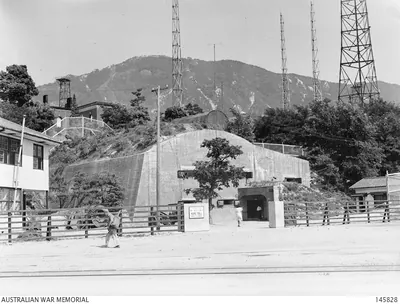
Explore a WWII underground naval facility, a testament to wartime engineering and history.
What it is
- Underground facility in Kure City, Hiroshima Prefecture.
- Built for air defense of mainland Japan.
- Constructed within the former Imperial Japanese Navy Kure Naval Base.
- Completed in April 1945.
What to see
- Semi-underground reinforced concrete structure.
- Measures 24.3m north-south, 22.7m east-west, 7.5m maximum height.
- Roof and outer walls are 1.5m thick.
- Designed to withstand a direct hit from a 250kg bomb.
- Designated a Civil Engineering Heritage Site in 2019.
- Added to the Japan Heritage list in 2018.
Read more about underground facilities in the former Kure Naval Base
04
Hiroshima Peace Memorial
HIROSHIMA · HISTORIC SITE 原爆ドーム
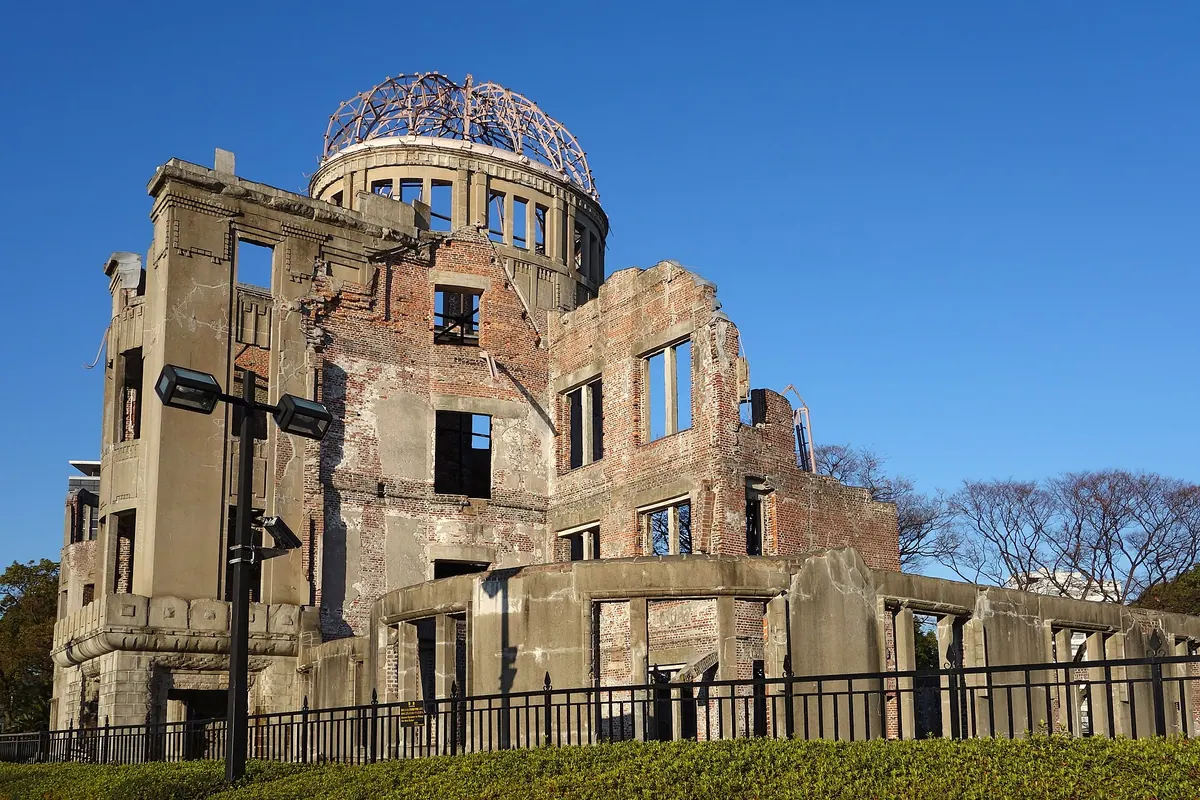
This memorial is a surviving structure from the 1945 atomic bombing, worth visiting to process the tragedy.
What it is
- Atomic Bomb Dome, also known as Hiroshima Peace Memorial.
- One of few structures near hypocenter that survived 1945 bombing.
- Originally Hiroshima Prefectural Industrial Promotion Hall, opened 1915.
- Designated a UNESCO World Heritage Site in 1996.
What to see
- Twisted steel of the building’s dome.
- Visibly blast-stained concrete walls.
- Lush grass surrounding the structure.
- Reflections in the Motoyasu River.
Getting there
- Located in the northeastern corner of Peace Memorial Park.
05
Oichi Kofun
HIROSHIMA · HISTORIC SITE 尾市1号墳
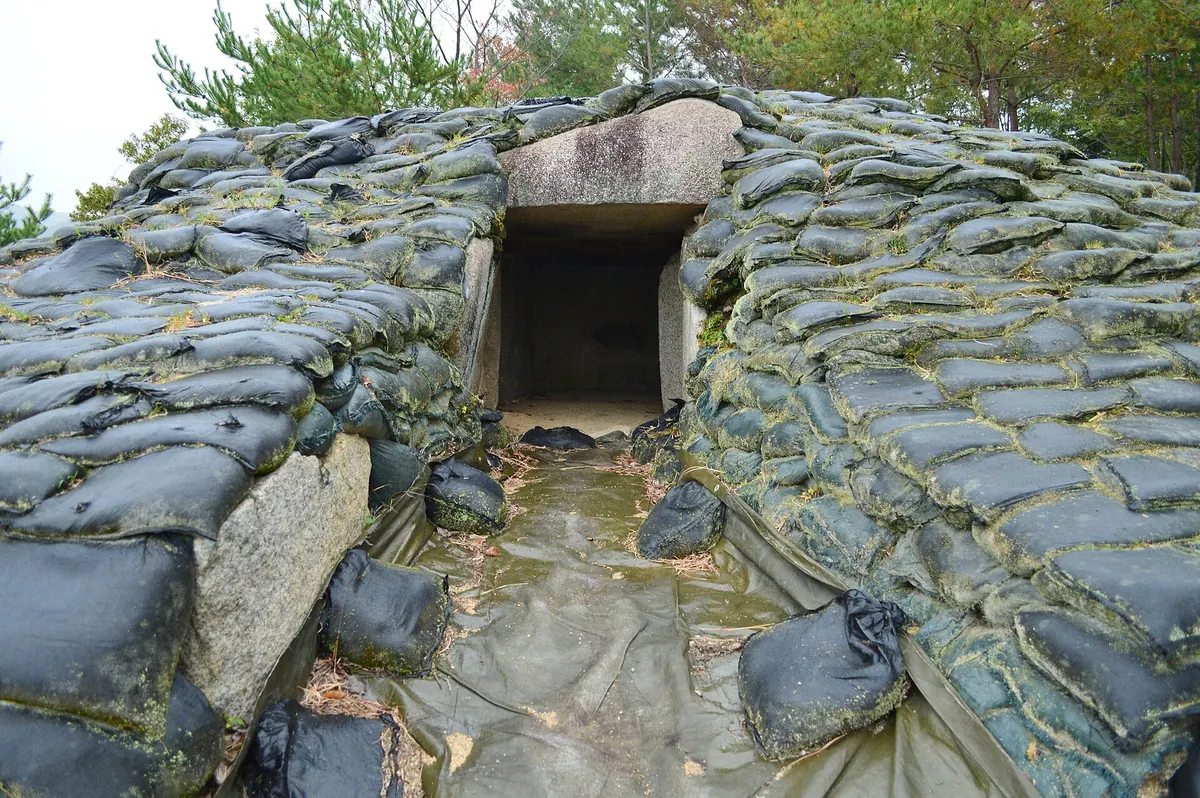
Explore a rare octagonal burial mound from the 7th century with a unique cross-shaped stone chamber.
What it is
- An octagonal burial mound, a kofun.
- Constructed around the late 7th century.
- Built on a ridge end in the Ashiura Valley.
What to see
- The octagonal shape of the mound, 10.5 meters in diameter.
- A horizontal-entry stone chamber.
- The unique cross-shaped plan of the three-chamber stone room.
- Granite cut stones forming the chamber.
- Plaster coating the interior of the stone chamber.
- A model of the kofun at Fukuyama City Shin'ichi History and Folklore Museum.
06
Jōrakuji-Nanatsuzuka Kofun Cluster
HIROSHIMA · HISTORIC SITE 浄楽寺・七ツ塚古墳群
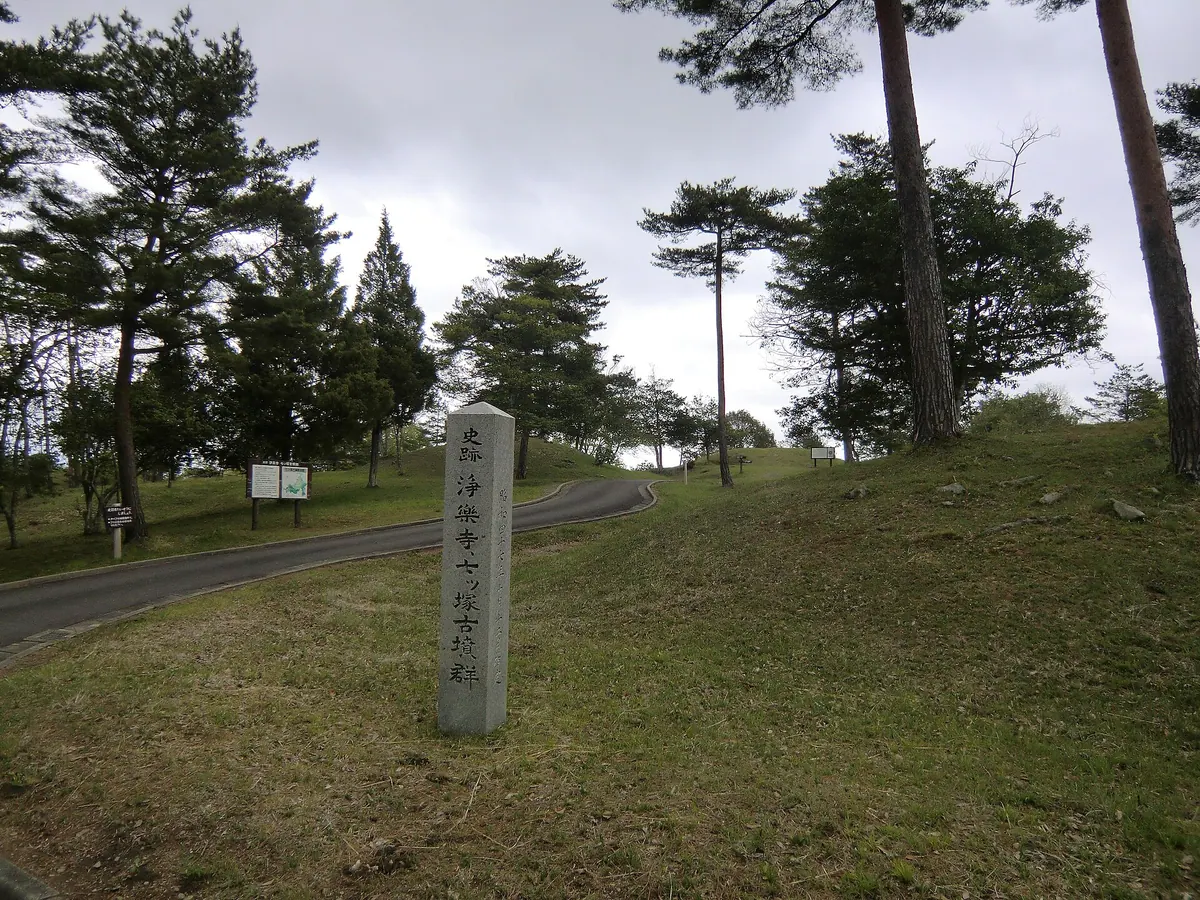
Explore ancient burial mounds from the Kofun period, including rare shapes, within a scenic park.
What it is
- A cluster of ancient burial mounds (kofun).
- Dates from the middle to late Kofun period.
- Designated as a National Historic Site.
What to see
- Jōrakuji Kofun Cluster has 116 tumuli.
- One scallop-shaped tumulus is in Jōrakuji Cluster.
- Nanatsuzuka Kofun Cluster has 60 tumuli.
- One keyhole-shaped tumulus is in Nanatsuzuka Cluster.
- The surrounding area is a prefectural park.
- Old Shinno Family Residence is a National Important Cultural Property.
07
Former Faculty of Science Building No. 1 at Hiroshima University
HIROSHIMA · HISTORIC SITE 広島大学旧理学部1号館
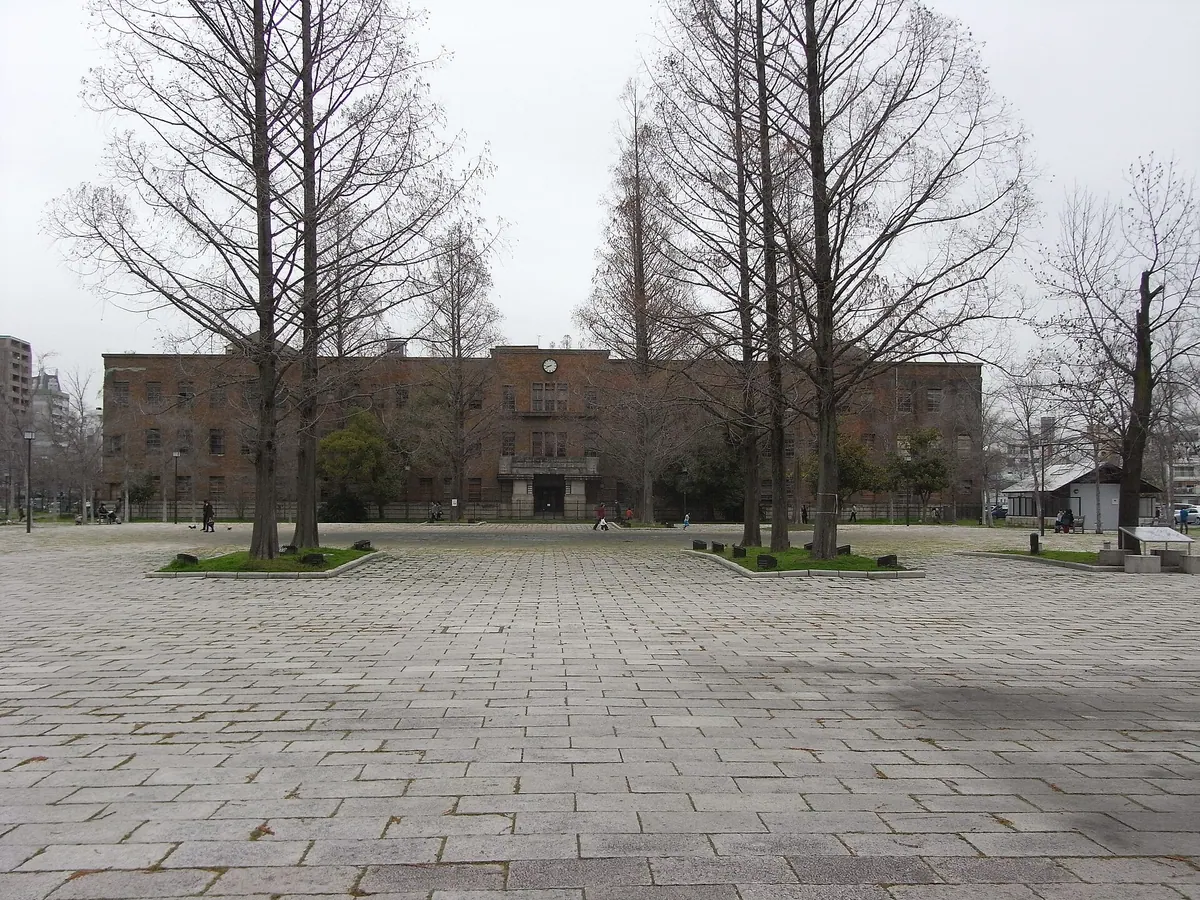
Atomic-bombed Hiroshima University building, a rare survivor, stands as a historical testament.
What it is
- Former Hiroshima University building, exposed to the atomic bomb.
- Completed in 1931 for the University of Literature and Science.
- One of few existing buildings from the former university.
- Currently located in Higashi-Senda Park.
What to see
- Three-story reinforced concrete structure.
- Building that survived the atomic bombing in 1945.
- Designed by the Ministry of Education's Architecture Division.
- Currently off-limits due to deterioration.
Read more about Former Faculty of Science Building No. 1 at Hiroshima University
08
Kitazuka Kofun
HIROSHIMA · HISTORIC SITE 北塚古墳
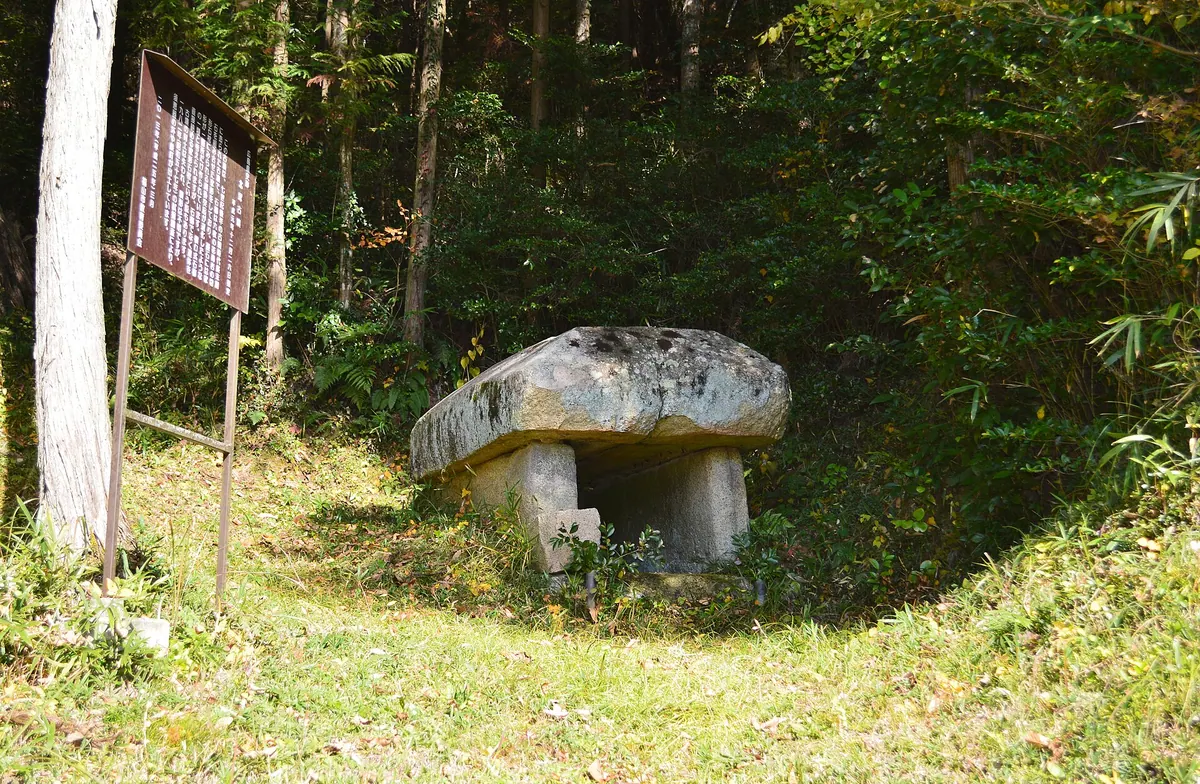
Kitazuka Kofun is a late 7th-century burial mound with a unique stone coffin, offering a glimpse into ancient Japan.
What it is
- A kofun, or ancient burial mound, from the late 7th century.
- Designated a historic site of Hiroshima Prefecture in 1988.
What to see
- The kofun was built on a hill overlooking Hattori Oike.
- A granite stone coffin remains at the site.
- The coffin measures 2.34 meters long and 1.41 meters wide.
- The lid stone has rounded edges and rope-hook-like decorations.
- Excavated items include iron nails and Sue ware fragments.
09
Former Imperial Bank Hiroshima Branch
HIROSHIMA · HISTORIC SITE 旧帝国銀行広島支店
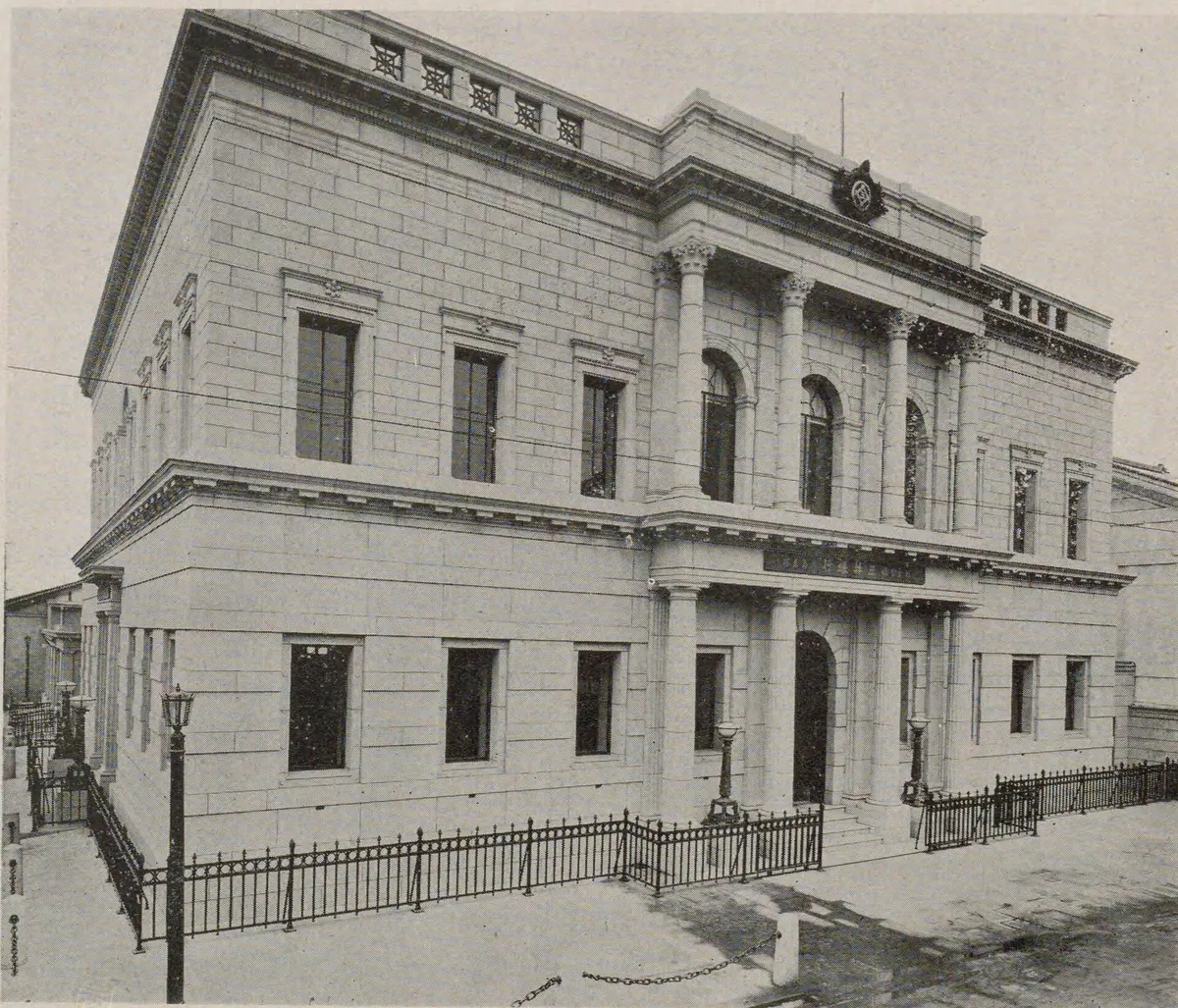
A rare atomic bomb survivor, this historic bank building showcases resilient architecture and history.
What it is
- Built in 1925 as Mitsui Bank Hiroshima Branch.
- Became Imperial Bank Hiroshima Branch after a merger.
- Survived the 1945 atomic bombing of Hiroshima.
- Registered as an A-bombed building by the city.
What to see
- Western Renaissance style design by Uheiji Nagano's office.
- Exterior walls made of Manari stone from Okayama.
- Interior features Italian marble.
- Reinforced concrete structure from the Taisho era.
10
Osako Kofun
HIROSHIMA · HISTORIC SITE 大迫古墳
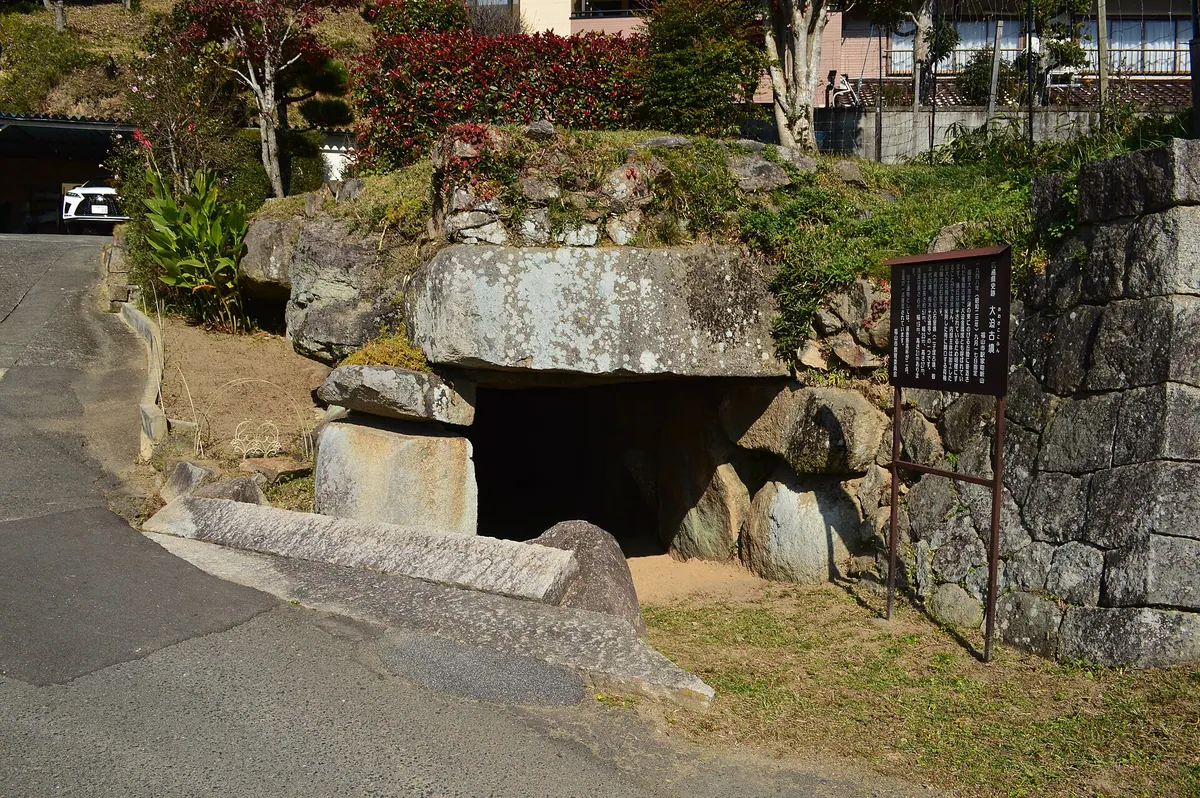
Explore a large, ancient burial mound with a megalithic stone chamber and rare grave goods.
What it is
- A designated historic site in Hiroshima Prefecture.
- An ancient burial mound, or kofun.
- Constructed in the late 6th or early 7th century.
- Designated a historic site in 1948.
What to see
- A double-sleeved horizontal stone chamber.
- The stone chamber opens to the south.
- The chamber is 11.7 meters long.
- Megalithic granite stones form the chamber.
- Grave goods include a gold ring and two Sue ware bowls.
11
San'yō Buntokuden
HIROSHIMA · HISTORIC SITE 山陽文徳殿
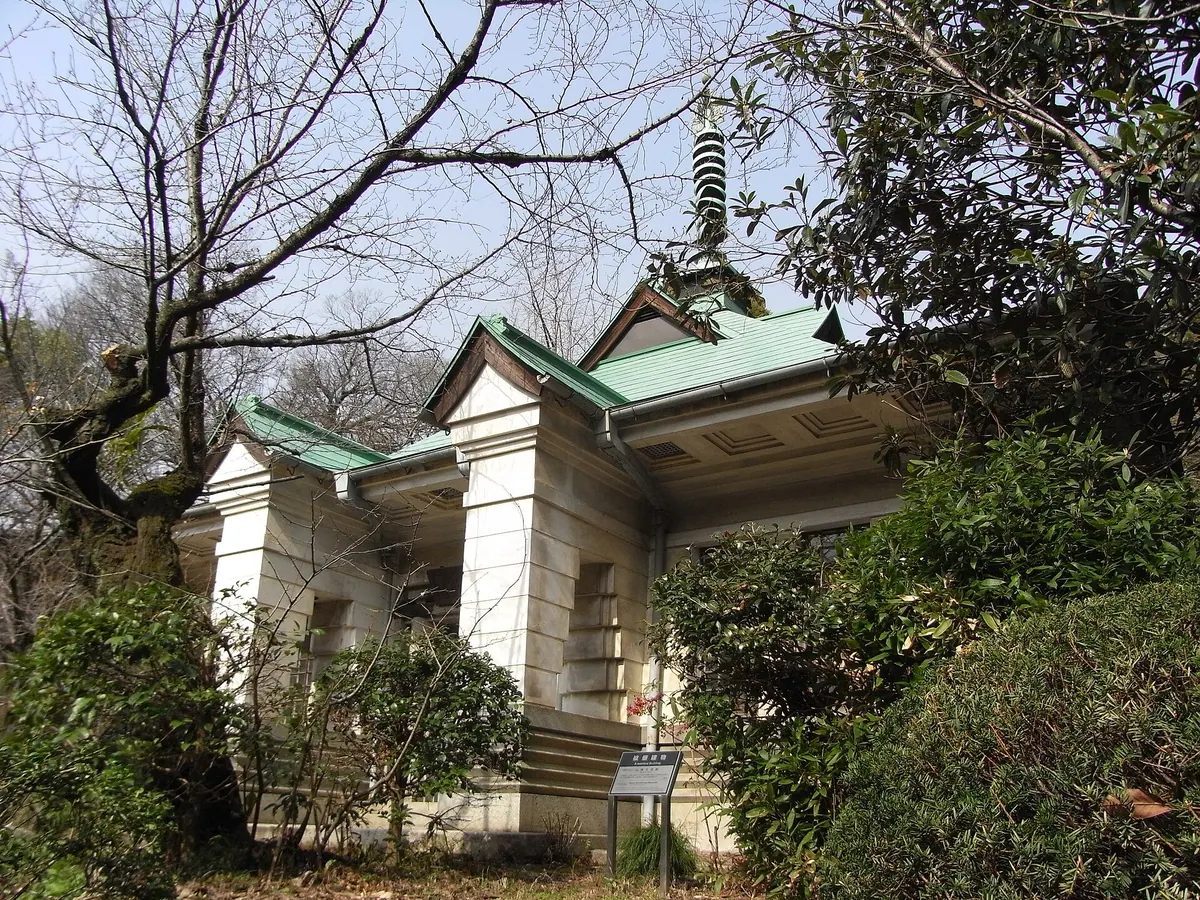
This building survived the atomic bomb blast and shows a blend of Western and Japanese architecture.
What it is
- Memorial to Confucian philosopher Rai Sanyo.
- Built in 1931 for his centennial.
- Survived the atomic bomb blast.
What to see
- Building with Western and Japanese architecture.
- Kurin Tower warped by bomb heat.
- Two cherry trees scorched in the bombing.
- Japanese tiled roof on reinforced concrete walls.
Getting there
- Next to Tamonin Temple.
- At the foot of Hijiyama Hill.
12
Kusado Sengen
HIROSHIMA · HISTORIC SITE 草戸千軒町
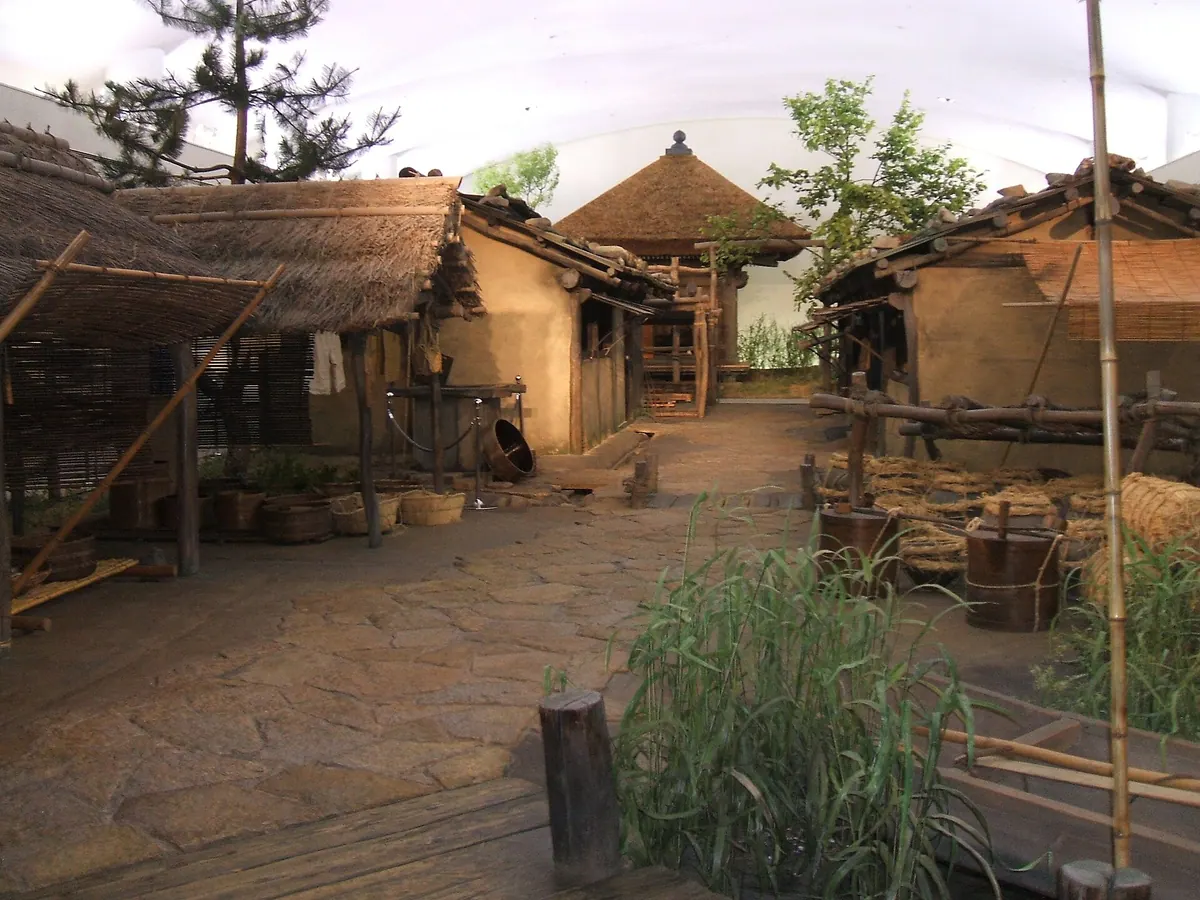
Explore the ruins of a medieval port city that traded with Korea and China.
What it is
- A medieval port city in Hiroshima Prefecture.
- Existed for 300 years, Kamakura to Muromachi periods.
- Prospered as a logistics hub at the Ashida River mouth.
- Confirmed by river works around 1930, excavated from 1961.
What to see
- Excavated artifacts at Hiroshima Prefectural History Museum.
- Artifacts are national important cultural properties.
- Many medieval wooden tablets were excavated.
13
Daibo Kofun (Fukuyama)
HIROSHIMA · HISTORIC SITE 大坊古墳
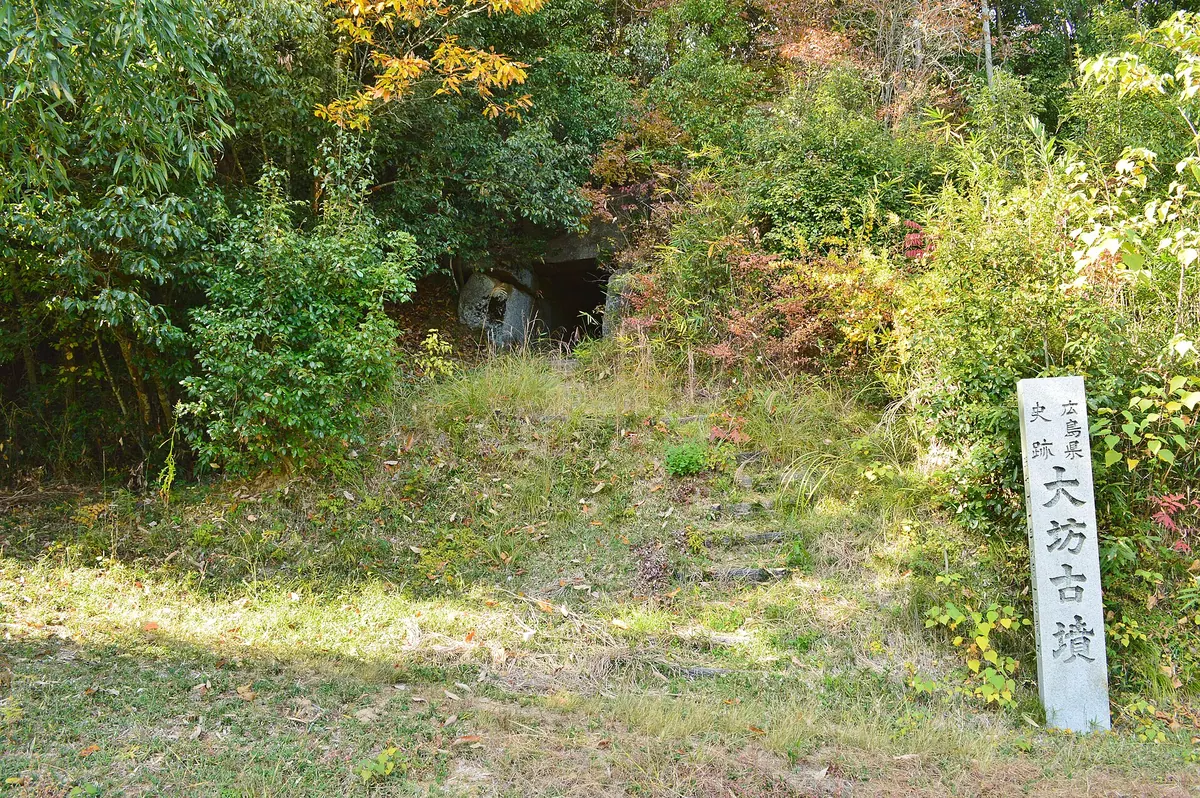
Explore an early 7th-century burial mound, a Hiroshima Prefecture historical site.
What it is
- An ancient burial mound, known as a kofun.
- Dates to the early 7th century.
- Designated a prefectural historic site in 1983.
What to see
- A circular or square burial mound.
- Mound measures 14 meters in diameter, 5 meters high.
- Double-sleeved horizontal stone burial chamber.
- Stone chamber opens to the southeast.
- Chamber is 11.3 meters long.
- Granite megaliths form the stone chamber.
14
Osayama Shiratsuka Kofun
HIROSHIMA · HISTORIC SITE 大佐山白塚古墳
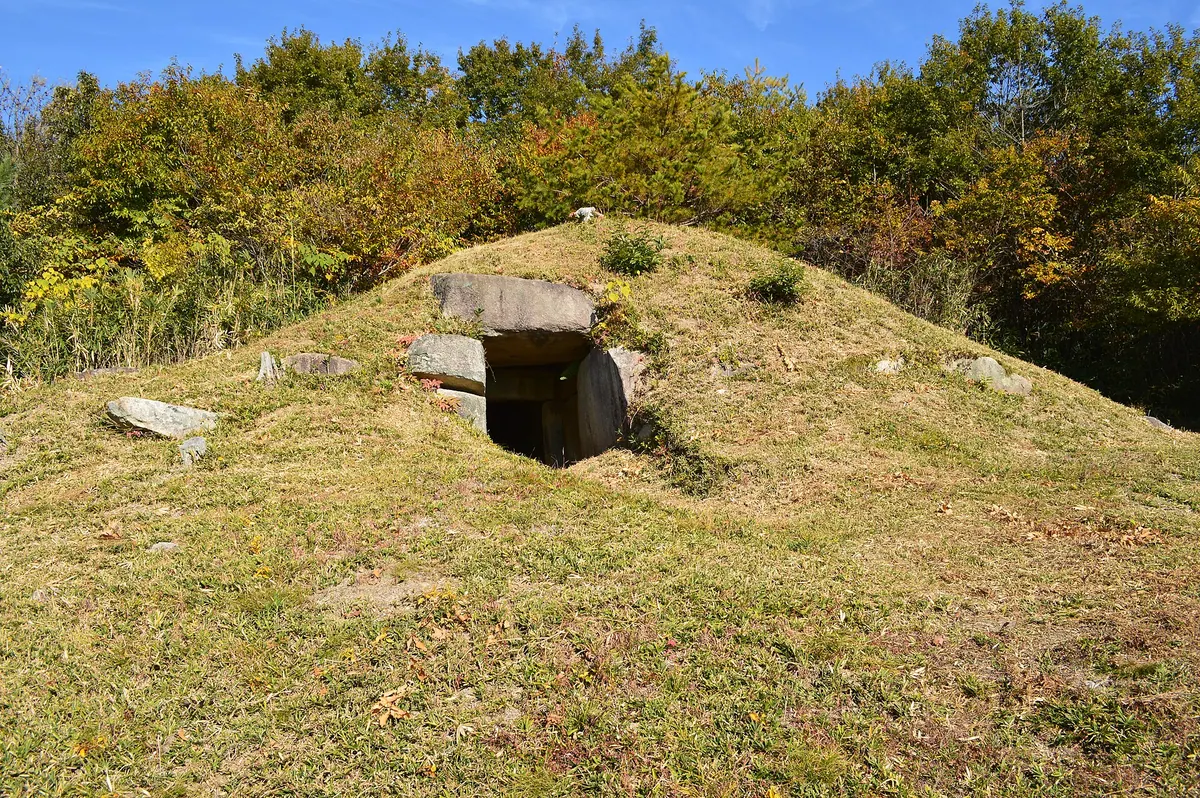
Explore a large 7th-century burial mound with a unique stone chamber, a designated historic site.
What it is
- A large 7th-century burial mound, part of the Osayama Kofun Group.
- Designated a Hiroshima Prefecture historic site in 1948.
- It is the largest kofun in its group.
What to see
- A square or circular kofun, 12 meters on each side.
- A double-sleeved horizontal stone chamber.
- The stone chamber opens to the south.
- The stone chamber is made of cut granite.
15
Matsumoto Kofun
HIROSHIMA · HISTORIC SITE 松本古墳
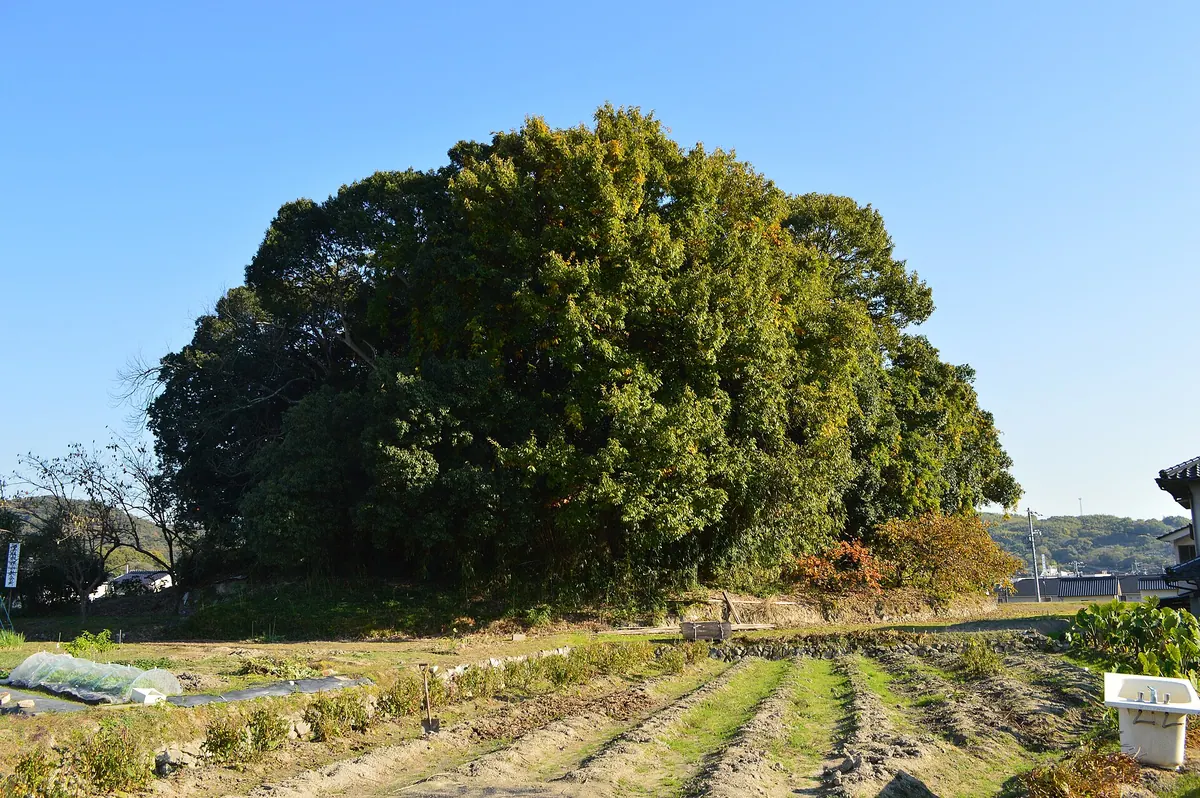
Explore a 5th-century burial mound, a designated historic site with unique ancient artifacts.
What it is
- A round burial mound, or tumulus.
- Designated historic site of Hiroshima Prefecture.
- Built around the early 5th century.
- Oldest mid-period kofun in the Matsunaga Bay area.
What to see
- A burial mound with a 65-meter diameter.
- Mound surface has fukiishi (pavement stones).
- Mound surface has haniwa (clay figures).
- A moat surrounds the burial mound.
16
Bingo Kokufu
HIROSHIMA · HISTORIC SITE 備後国府
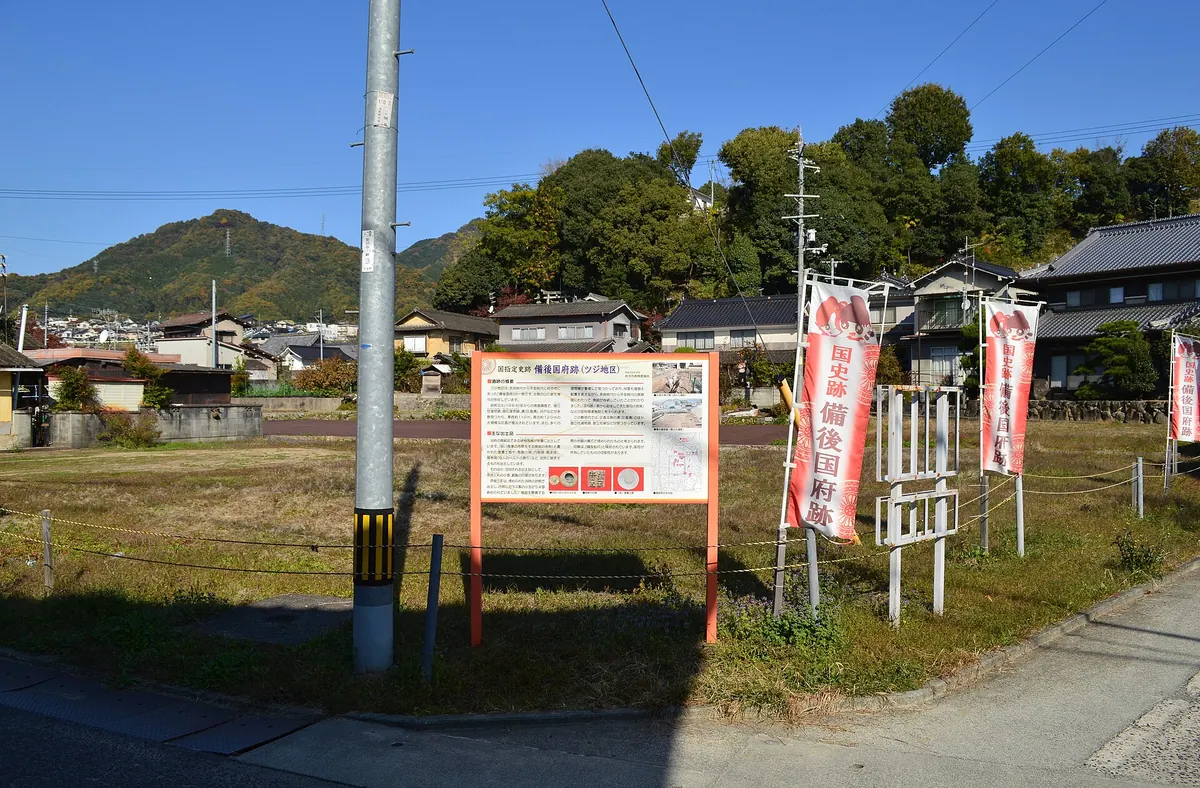
Explore the reburied remains of an ancient provincial government office and its excavated artifacts.
What it is
- Site of Bingo Kokufu, a local government office.
- Designated as a National Historic Site.
- Excavations began in 1967, ongoing since 1982.
What to see
- Reburied remains of buildings with partition ditches.
- Reburied large pillar buildings and a garden.
- Reburied 6-meter-wide ancient Sanyo Road.
- Excavated inkstones, ritual pottery, and copper seals.
17
Furudera Kofun Cluster
HIROSHIMA · HISTORIC SITE 旧寺古墳群
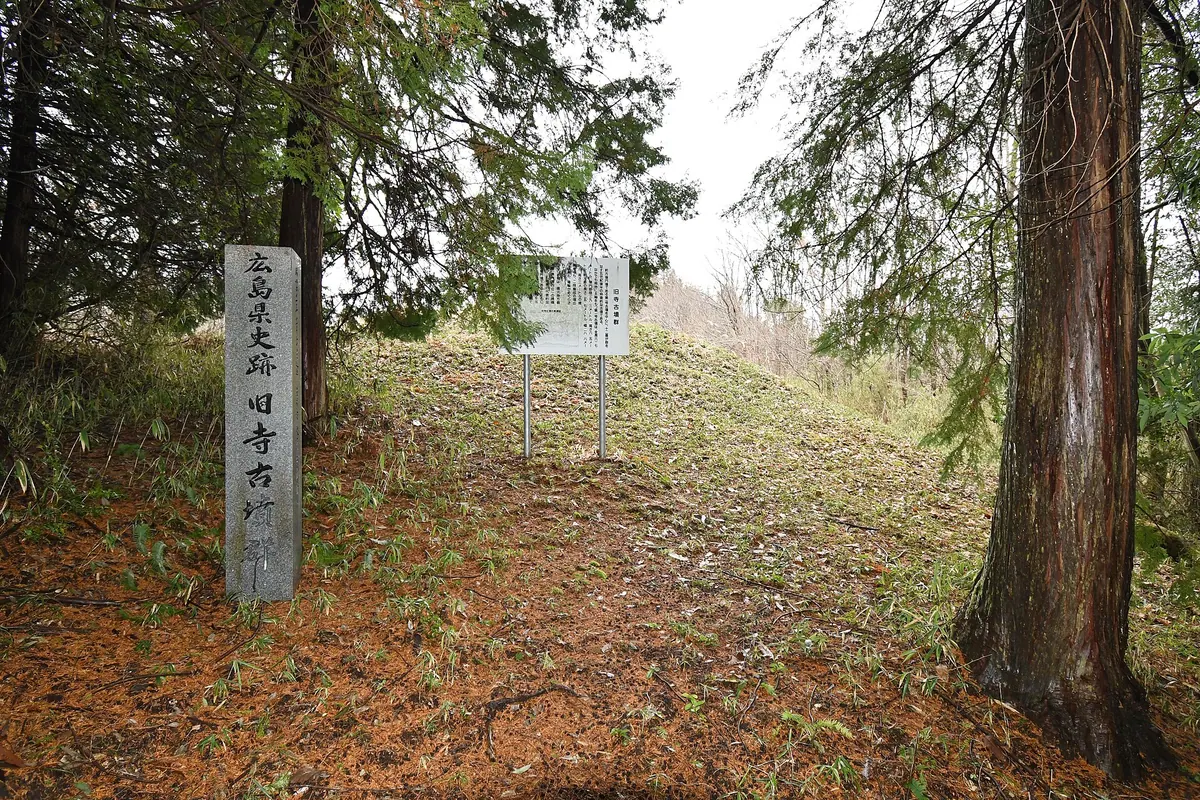
Explore ancient burial mounds from the 5th century, including the largest in Shobara Basin.
What it is
- A cluster of ancient burial mounds.
- Designated a Hiroshima Prefecture historic site.
- Dates to the mid-to-late 5th century.
What to see
- One keyhole-shaped tomb, 61.7 meters long.
- Eleven round tombs, 5.5 to 16.2 meters in diameter.
- The largest and oldest tomb in Shobara Basin.
- Cylindrical and figurative Haniwa excavated from the main tomb.
18
Yamanokami Kofun
HIROSHIMA · HISTORIC SITE 山の神古墳
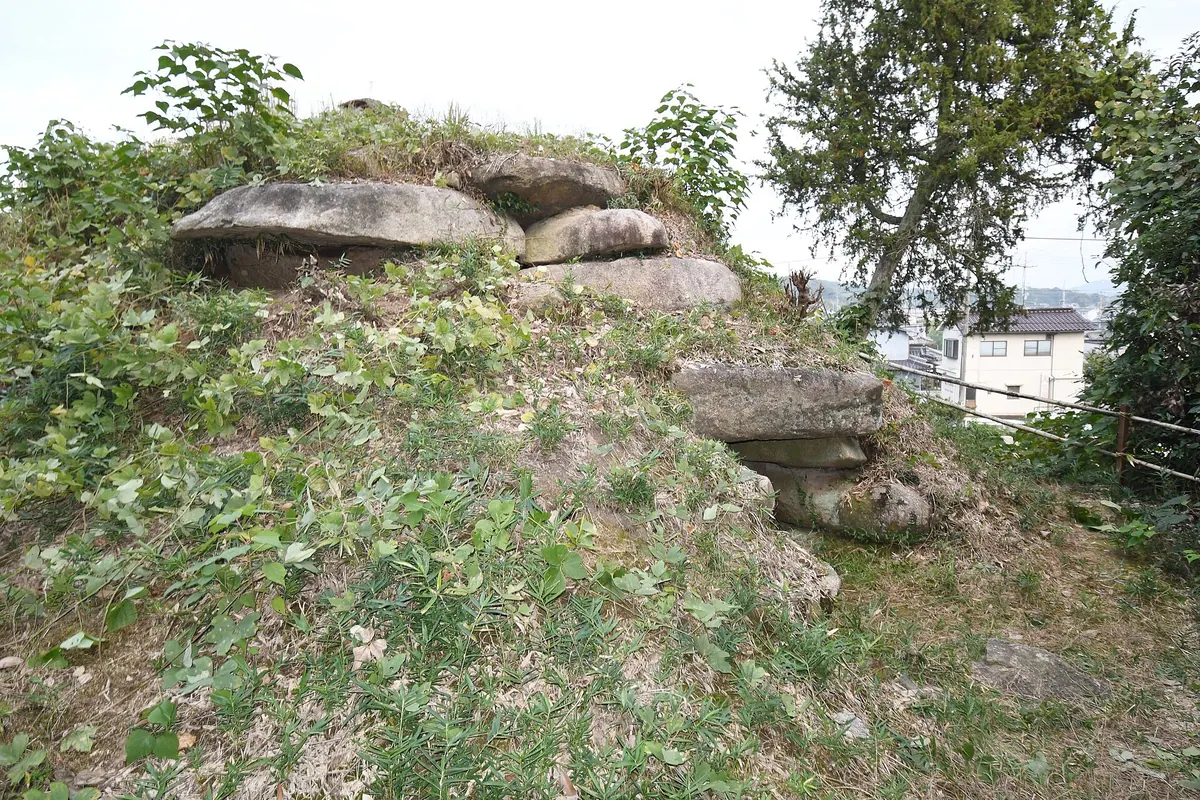
Explore a 6th-century burial mound in Hiroshima, revealing ancient artifacts and a unique stone chamber.
What it is
- A historic burial mound from the mid-6th century.
- Designated as a Hiroshima Prefecture historic site.
What to see
- A circular mound, 12 meters in diameter, 4 meters high.
- A single-sleeved horizontal stone chamber, 6.35 meters long.
- The stone chamber opens to the south.
- Excavated gilt bronze beads, Sue ware, and Haji ware.
19
Hijiyama Shell Mound
HIROSHIMA · HISTORIC SITE 比治山貝塚
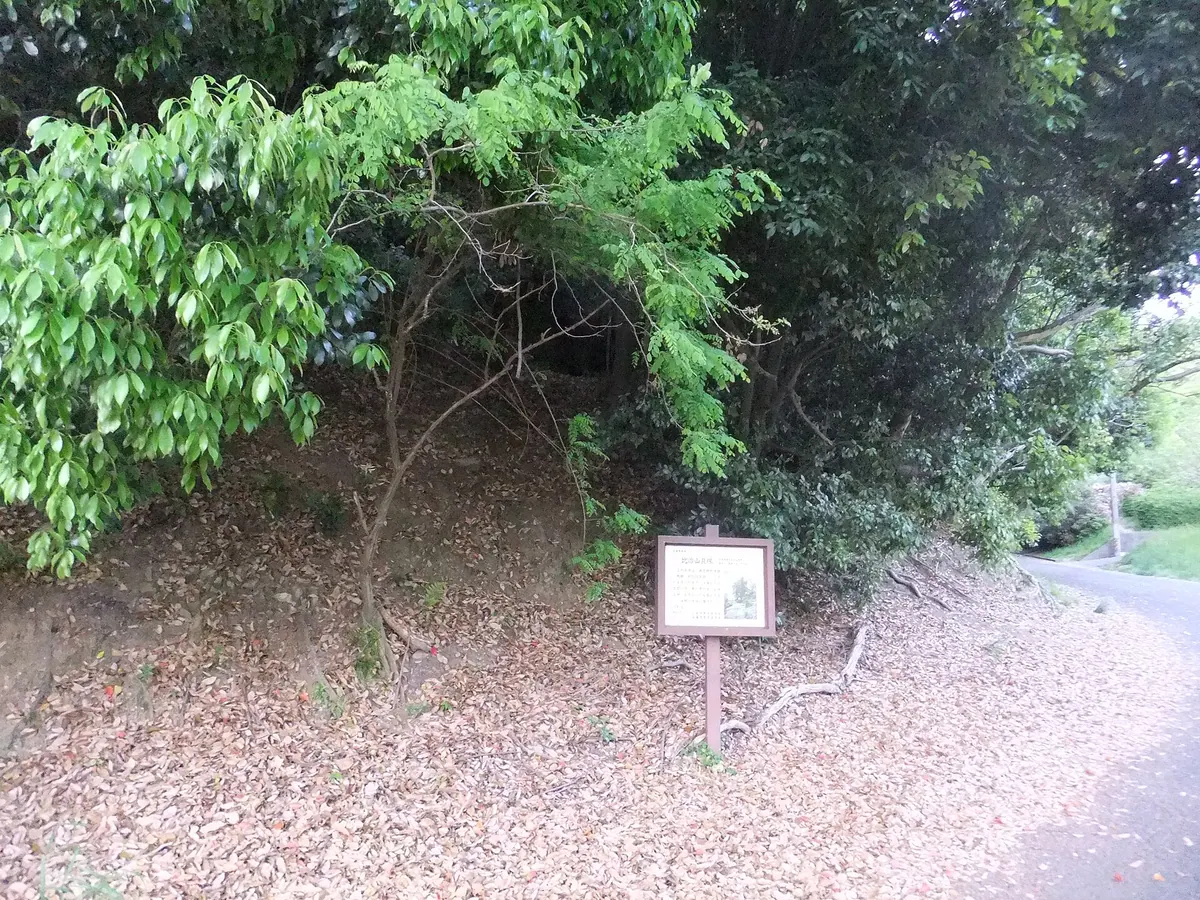
A reburied Jomon-era shell mound, offering a glimpse into ancient Hiroshima's history.
What it is
- A shell mound from the late to final Jomon period.
- Designated a prefectural historic site in March 1950.
- Confirmed during the Taisho era, first excavated in 1932.
What to see
- An information board installed in 1984.
- The reburied shell mound itself.