

20 Shrines in Hiroshima worth your time
Japan Gems
Hiroshima Prefecture is home to 43 shrines, including Kannabi Shrine in Fuchu city and Tsuruhane Shrine. Visitors can find a diverse range of spiritual sites across the region.
Hiroshima has 43 shrines on Japan Gems. Below are the 20 we can tell you the most about — each one written up in English from Japanese sources, with what to see and how to get there. See all shrines in Hiroshima.
01
Ōtaki Shrine
HIROSHIMA · SHRINE 大滝神社
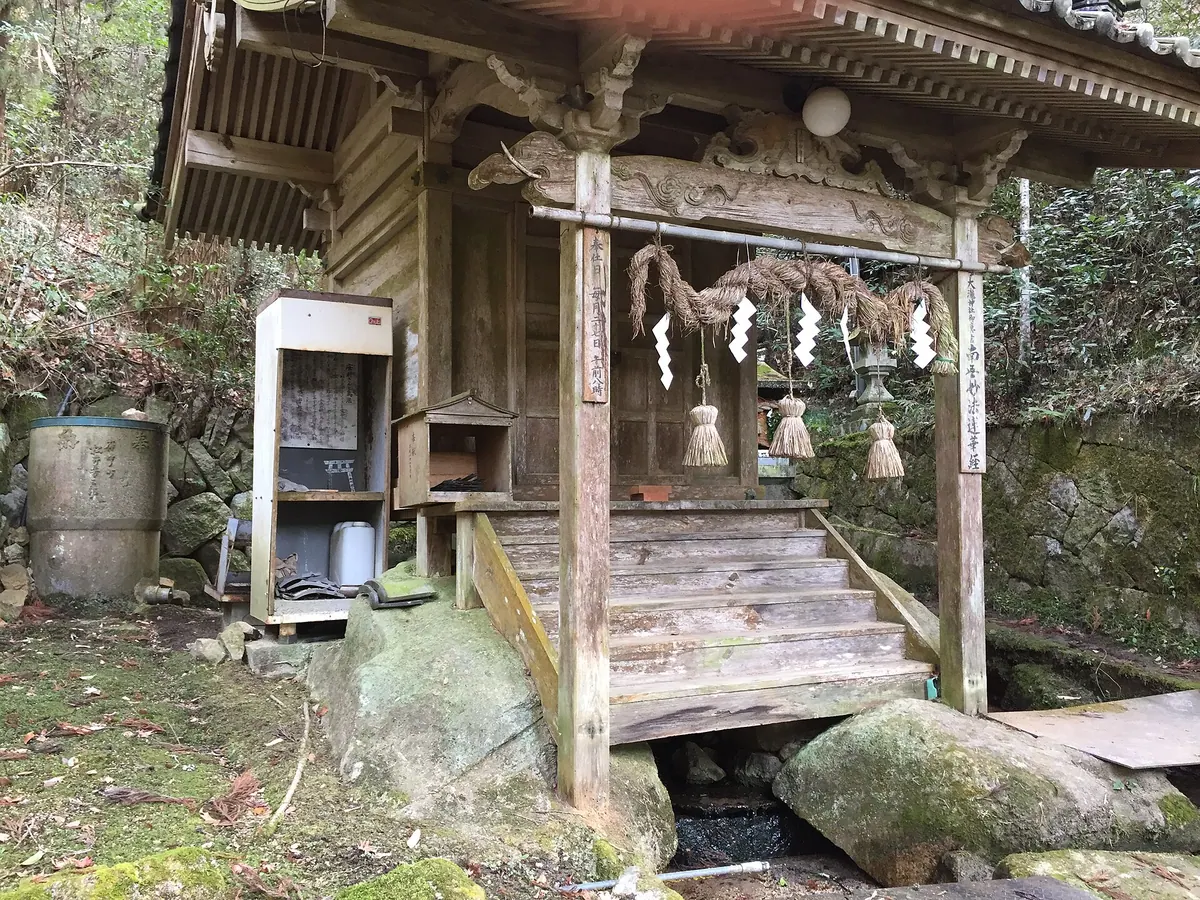
Ōtaki Shrine is a unique water shrine in Hiroshima, known for its radioactive spring and dragon god.
What it is
- A shrine in Shin'ichi-chō, Fukuyama City, Hiroshima Prefecture.
- Dedicated to Sukunahikona-no-mikoto.
- Also enshrines Takaokami-no-kami, a dragon god of water.
- Known as a famous water spot.
What to see
- A small waterfall at the back of the grounds.
- An inner shrine located beside the waterfall.
- The main shrine built over a water channel.
- A stone embankment prevents water overflow.
- A stone sub-shrine for the mountain god by the torii.
- A paid water drawing area for famous spring water.
What to know
- The water is known as a radioactive spring.
- Selected as representative spring water of Hiroshima Prefecture.
- Address
- 広島県福山市新市町上安井3047-2 Map
02
Sumiyoshi Shrine
HIROSHIMA · SHRINE 住吉神社
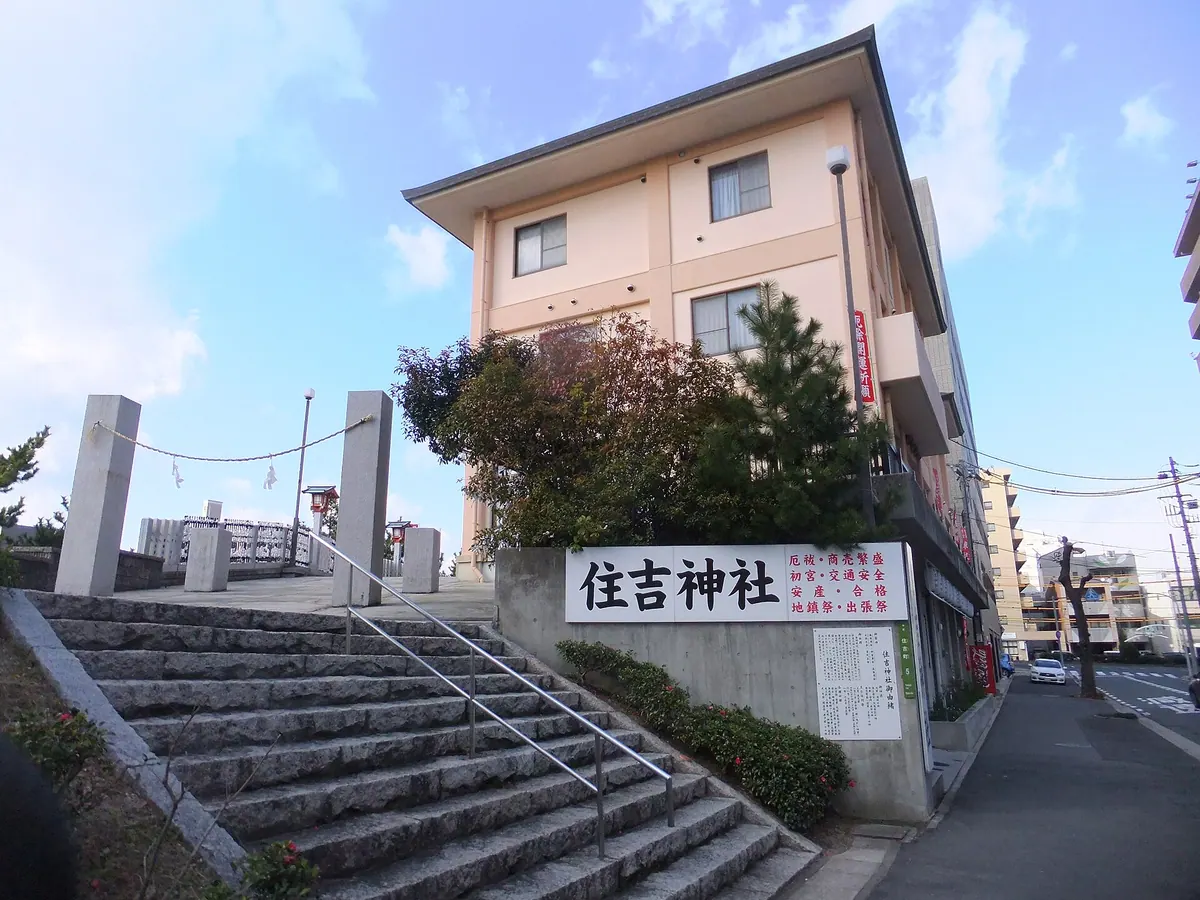
This shrine, built in 1830, protects sailors and features a unique architectural style.
What it is
- Guardian shrine for the Chisago Breakwater, built in 1830.
- Dedicated to three deities, Sumiyoshi Sanjin, associated with sailing and the sea.
- Funded by wealthy Osaka merchant Kōnoike Zen’emon.
What to see
- Main sanctuary (honden) is a half-scale replica of Sumiyoshi Taisha Shrine in Osaka.
- Honden built in unique sumiyoshi-zukuri style with flat roof and stone fence.
- Fence inscribed with names of merchant donors from around Japan.
- Inscriptions include names of high-ranking courtesans.
- Honden designated an Important Cultural Property of Hiroshima Prefecture.
- Address
- 広島県広島市中区住吉町5-10 Map
03
Dasai Shrine
HIROSHIMA · SHRINE 太歳神社
Ancient shrine in Miyoshi City, known for its unique architecture and seasonal festivals.
What it is
- Founded in 808.
- Enshrines Konohanasakuyahime no Mikoto as its main deity.
- Also enshrines Amatsuhikohikoho Ninigi no Mikoto and Oyamatsumi no Kami.
- Rebuilt in 1658 after destruction.
What to see
- Main hall has a kirizuma-zukuri style roof.
- Worship hall has a kirizuma-zukuri style roof.
- Sumiyoshi Shrine is an affiliated shrine.
When to go
- Chinowa-kuguri Festival is held annually on June 30.
- Togyo Festival is held on the third Sunday of October.
Getting there
- 40-minute walk from JR Geibi Line Miyoshi Station.
- Address
- 広島県三次市三次町1112-2 Map
04
Kōchi Shrine (Saeki-ku)
HIROSHIMA · SHRINE 河内神社

Kōchi Shrine: a historic site enshrining Hachiman Sanjin, formed from eight merged shrines.
What it is
- Shrine in Saeki-ku, Hiroshima City.
- Formed in 1907 by merging eight shrines.
- Enshrines Hachiman Sanjin deities.
- Some merged shrines date to the En'gi era (901-923).
What to see
- Scenic location backed by a chinjū no mori (sacred forest).
- Current main hall relocated from former Hiyoshi Shrine.
- Ridge tag from 1722 Hachiman-gu rebuilding remains.
When to go
- Annual autumn festival in October.
Getting there
- Hiroden Bus from Itsukaichi Station North Exit.
- By car from National Route 2.
- Address
- 広島県広島市佐伯区五日市町上河内359-1 Map
- Official site
- kochijinja.org
05
Take Shrine
HIROSHIMA · SHRINE 多家神社

Visit this shrine to see a rare architectural style and a historic treasure house.
What it is
- Successor to a Shikinaisha (Myojin Taisha) shrine.
- Successor to Aki Province Soja shrine.
- Founded in 1873.
- Dedicated to Emperor Jimmu and Akitsuhiko-no-mikoto.
What to see
- Honden in Sanmaisha Nagare-zukuri style.
- Haiden in Irimoya-zukuri style with Chidorihafu.
- Treasure house from the early Edo period.
- Treasure house is the only remaining structure from Hiroshima Castle.
- Kifune Shrine and Tenjinsha are subsidiary shrines.
Getting there
- Accessible from Tenjingawa Station.
- Accessible from Yaga Station.
- Address
- 広島県安芸郡府中町宮の町3丁目 Map
- Official site
- www.takejinja.net
06
Nunakuma Shrine
HIROSHIMA · SHRINE 沼名前神社

Nunakuma Shrine is a historic shrine in Fukuyama with unique cultural properties.
What it is
- Also known as Tomo Giongu.
- Main deity is Owatatsumi-no-mikoto.
- Formed by merging Watasu Shrine and Tomo Giongu.
What to see
- Stone lantern donated in 1651.
- Twenty granite power stones.
- Noh stage from the Momoyama period.
- Noh stage is a National Important Cultural Property.
- Second torii gate built in 1625.
- Torii gate is a Prefectural Important Cultural Property.
When to go
- O-yumi Shinji is a municipal intangible folk cultural property.
- Otebi Shinji is a municipal intangible folk cultural property.
- Address
- 広島県福山市鞆町後地1225 Map
- Official site
- tomo-gionsan.com
07
Kibitsu Shrine
HIROSHIMA · SHRINE 吉備津神社
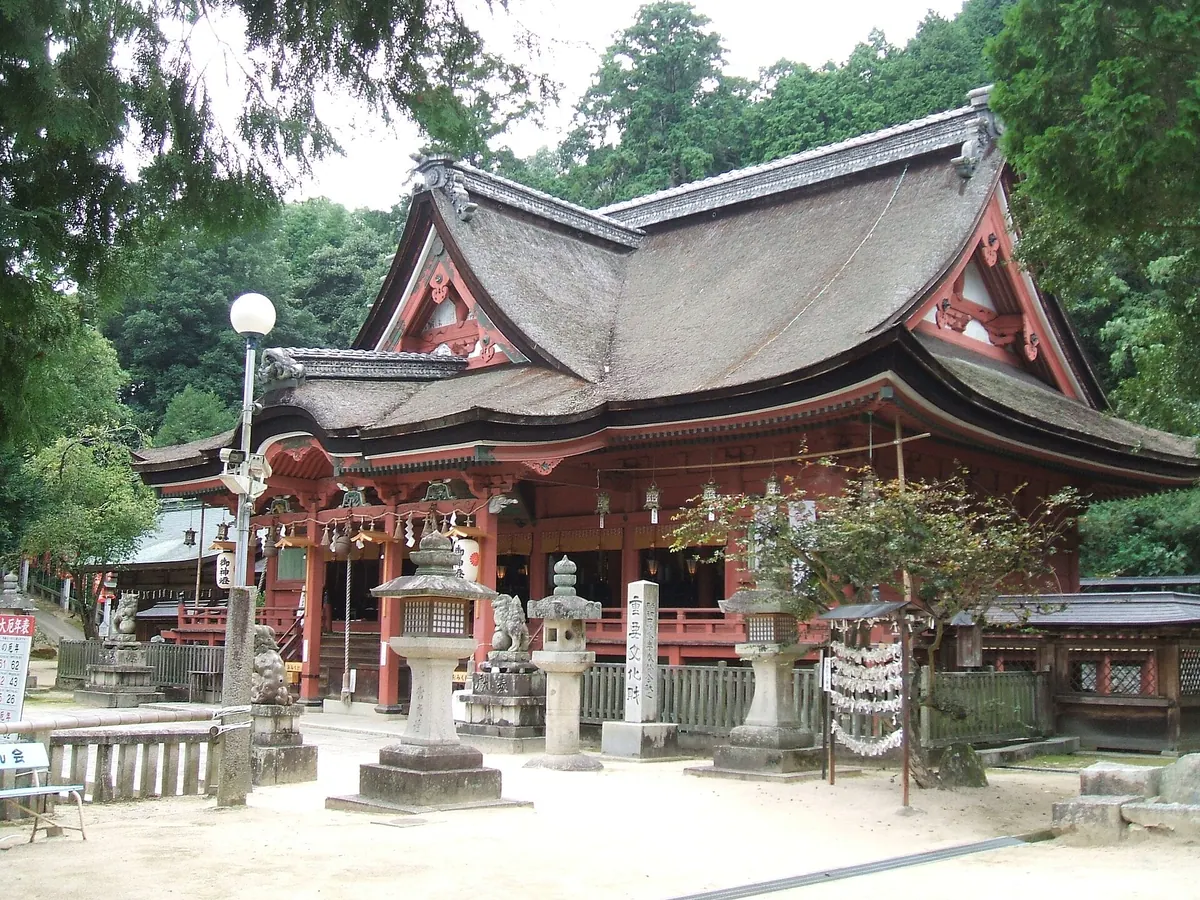
Kibitsu Shrine is a historic shrine with important cultural properties, dedicated to Okibitsuhiko-no-mikoto.
What it is
- Ichinomiya of Bingo Province.
- Dedicated to Okibitsuhiko-no-mikoto.
- Main hall built in 1648.
What to see
- Main hall is a National Important Cultural Property.
- Several Important Cultural Properties, including komainu and tachi.
- Kaguraden is a Prefectural Important Cultural Property.
- Haiden is a City Important Cultural Property.
- Lower Zuishinmon is a City Important Cultural Property.
- Large torii gate is a City Important Cultural Property.
Getting there
- Accessible from Shin-ichi Station.
- Address
- 広島県福山市新市町宮内400 Map
- Official site
- bingokibitujinja.com
08
Wakamiya Hachiman Shrine
HIROSHIMA · SHRINE 若宮八幡神社
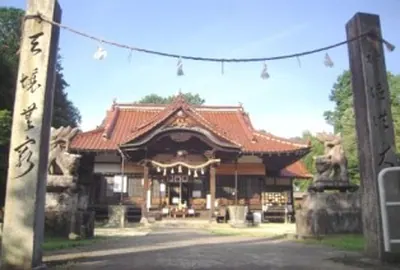
Wakamiya Hachiman Shrine: a historic shrine known for cherry blossoms and a lively autumn festival.
What it is
- Shrine dedicated to Hachiman-kami, a deity of war.
- Founded between 1156 and 1159.
- Commonly called "Wakamiya-san."
- Formerly known as Kagami-yama Hachiman Shrine.
What to see
- The current main hall, rebuilt in 1811.
- Cherry blossoms on the shrine grounds.
- Adjacent Wakamiya Park.
When to go
- October for the portable shrine procession festival.
- Spring for cherry blossoms.
Getting there
- 20-minute walk from JR Geibi Line Miyoshi Station.
- Address
- 広島県三次市十日市南四丁目7-55 Map
09
Susanoo Shrine
HIROSHIMA · SHRINE 素盞嗚神社
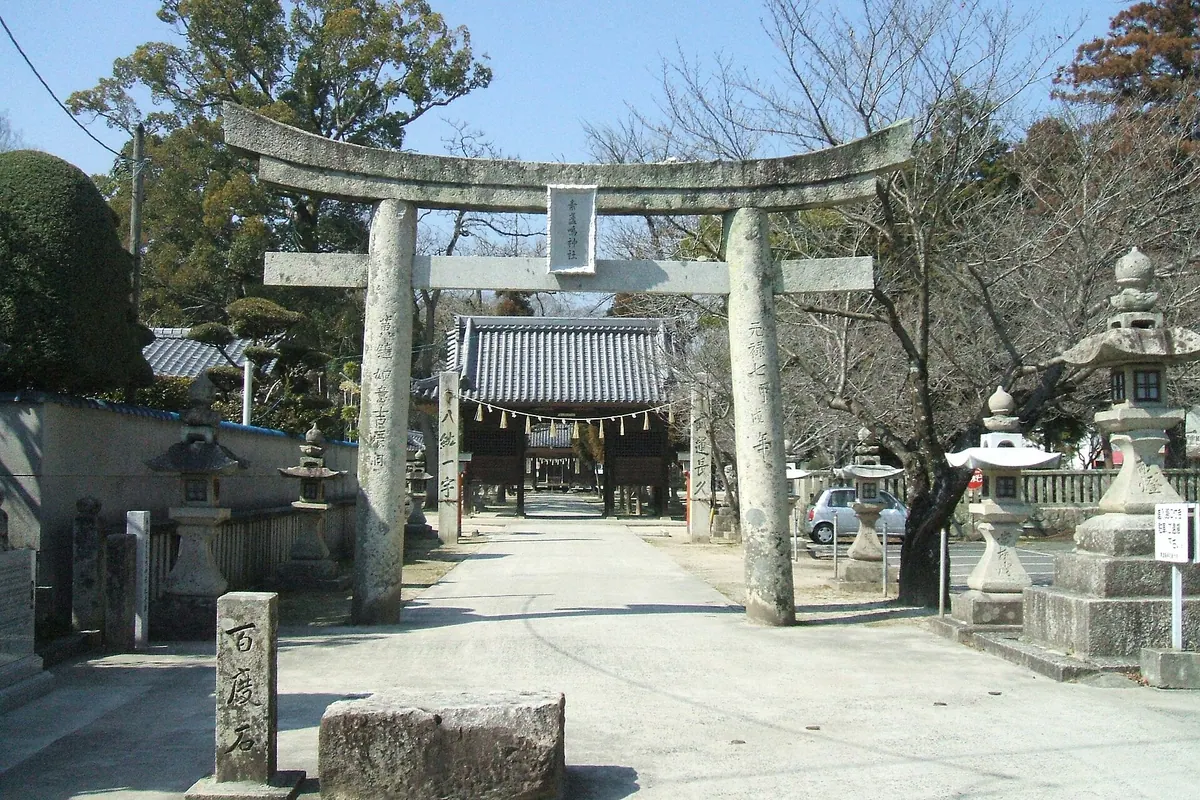
Ancient Susanoo Shrine in Fukuyama, Hiroshima, offers historical architecture and a lively summer festival.
What it is
- Shikinaisha shrine founded around the 7th century.
- Dedicated to the deity Susanoo-no-Mikoto.
- Claims to be the Ichinomiya of Bingo Province.
- Associated with Gion faith and Gion Festival.
What to see
- Main hall with Irimoya-zukuri style and cypress bark roofing.
- Two castle gates relocated from Sagata Castle.
- One castle gate is among the oldest of its kind.
- Shrine grounds believed to be Kotan Shorai's residence site.
When to go
- Gion Festival is held in July.
- Address
- 広島県福山市新市町大字戸手1-1 Map
10
Kusatsu Hachiman Shrine
HIROSHIMA · SHRINE 草津八幡神社
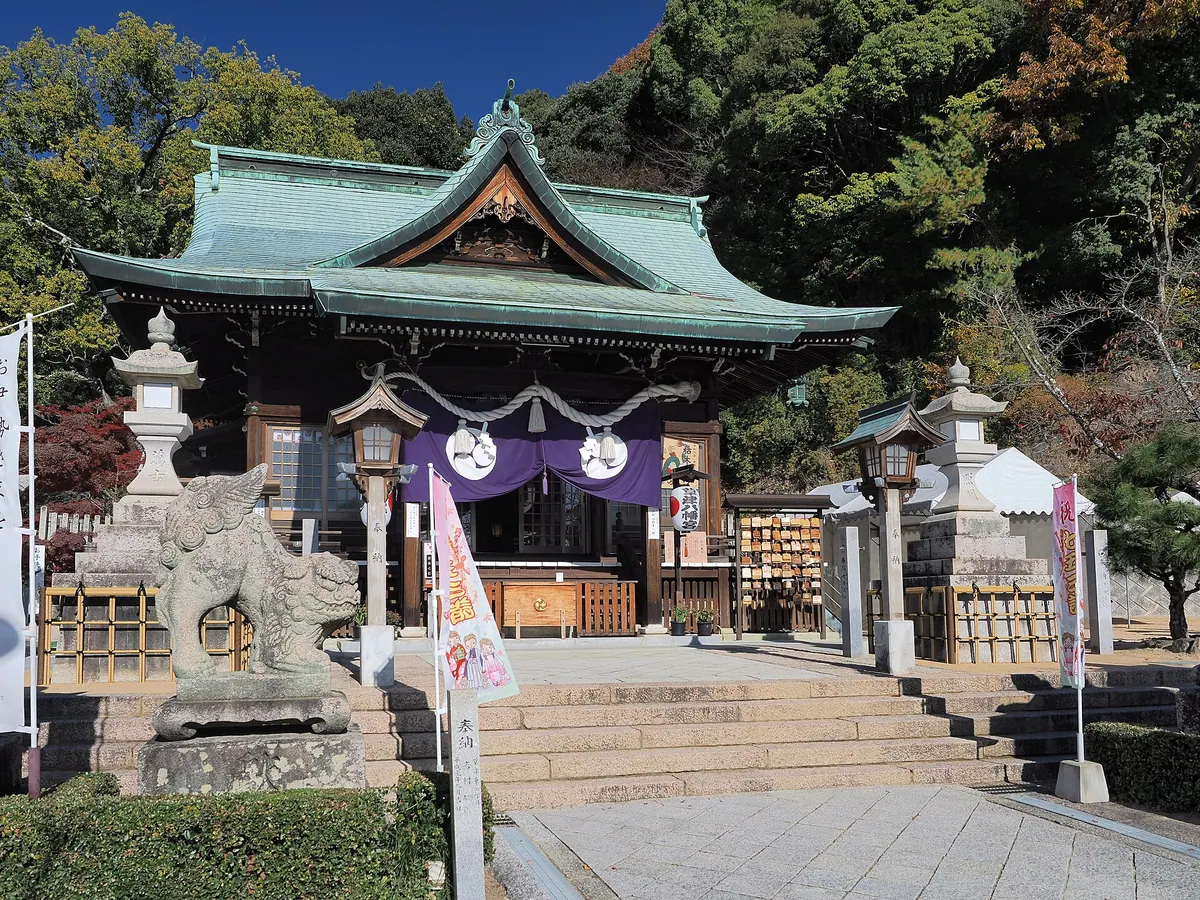
Ancient shrine dedicated to sea deities, rebuilt after the atomic bomb, with multiple subsidiary shrines.
What it is
- Originated in the era of Empress Suiko.
- Takirihime-no-mikoto enshrined as guardian of sea routes.
- Hachiman-jin enshrined before the Kamakura period.
- Current building constructed in 1931.
What to see
- Main enshrined deities: Hondawake-no-mikoto, Okinagatarashihime-no-mikoto.
- Several subsidiary shrines on the grounds.
- Ebisu Shrine is an auxiliary shrine.
- Sagimori Shrine is an auxiliary shrine.
- Inari Shrine is an auxiliary shrine.
- Ryugu Shrine is an auxiliary shrine.
- Address
- 広島市西区田方1丁目11-18 Map
11
Itsukushima Shrine
HIROSHIMA · SHRINE 厳島神社
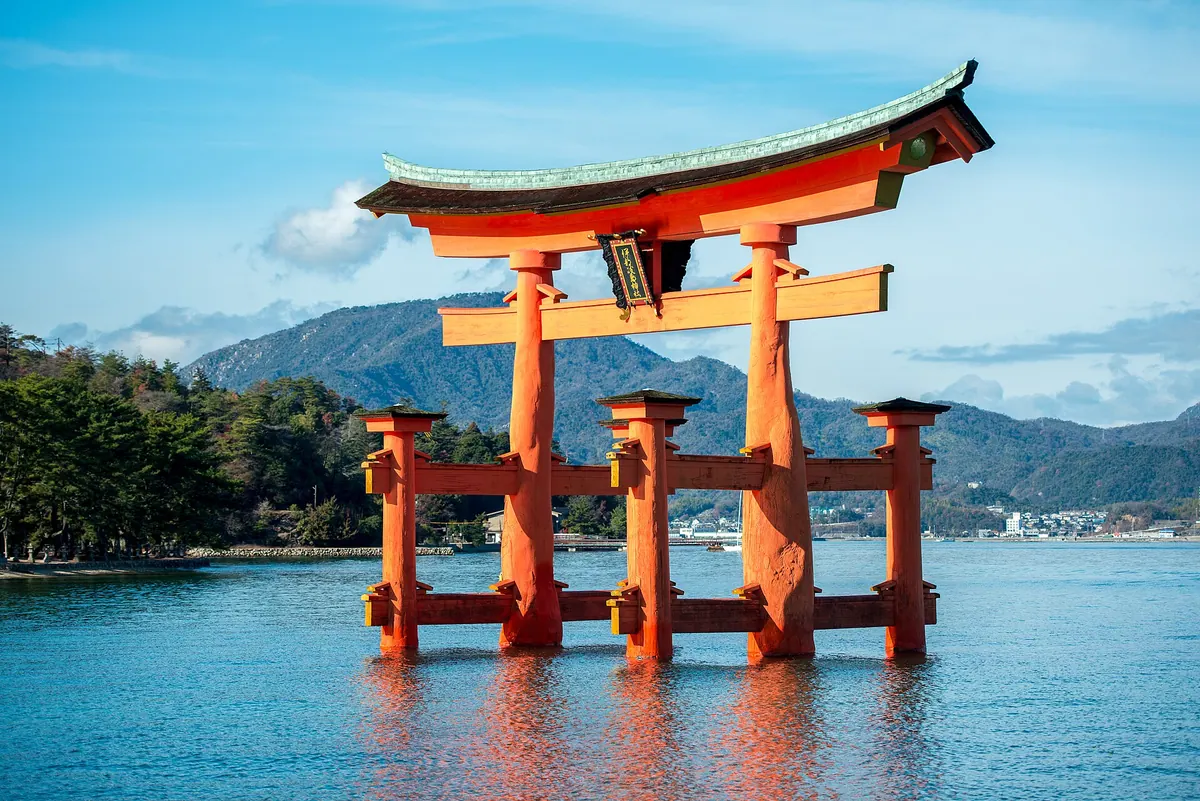
Itsukushima Shrine, with its iconic water gate, offers unique tidal views worth seeing in person.
What it is
- Shinto shrine complex.
- Designated a World Heritage Site in 1996.
- Originally constructed in 593 CE.
- Itsukushima means 'island of worship'.
What to see
- Iconic red torii gate standing in the water.
- Main (inner) shrine with 37 buildings.
- Outer shrine with 19 buildings.
- Mt. Misen as a backdrop.
- Arched bridge.
- Three ponds appear in sands at low tide.
When to go
- High tide: complex seems to float on water.
- Low tide: walk up to the torii gate.
- Address
- 広島県廿日市市宮島町1-1 Map
- Official site
- www.itsukushimajinja.jp
12
Misode Tenmangū
HIROSHIMA · SHRINE 御袖天満宮
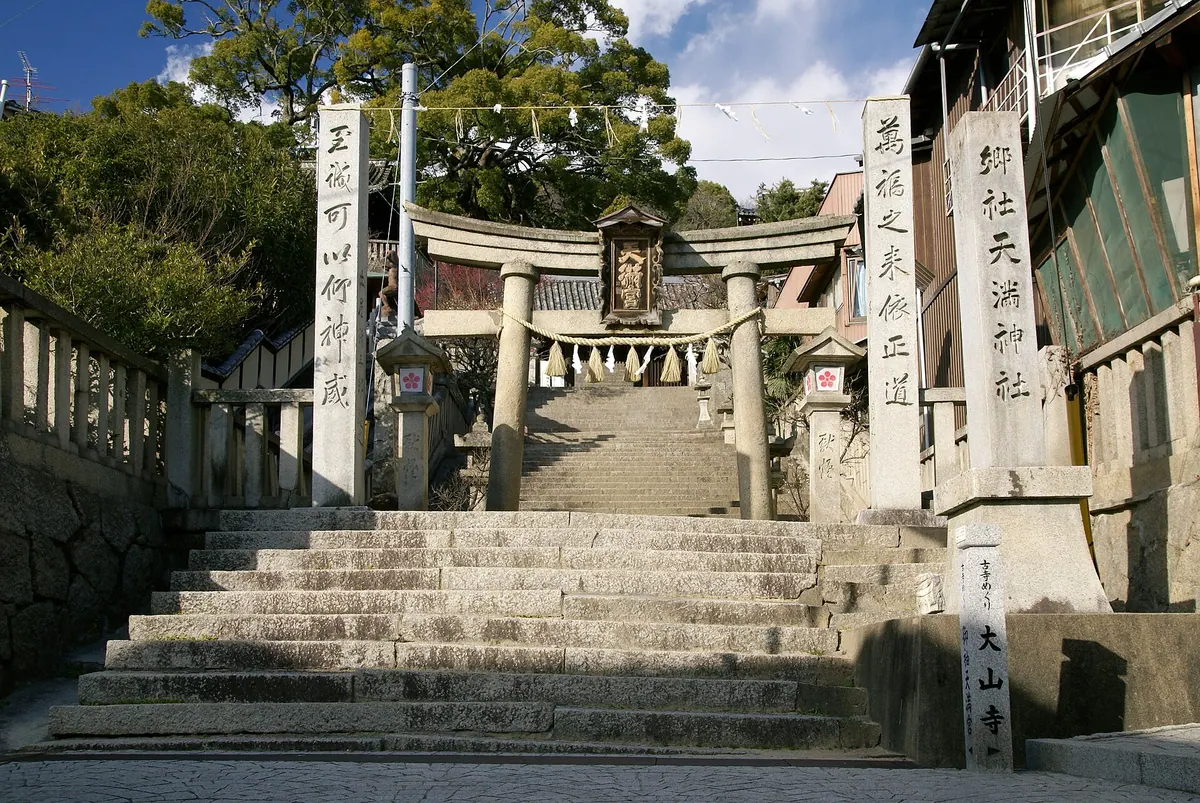
Misode Tenmangu is a historic Shinto shrine dedicated to learning, a scenic 20-minute walk from Onomichi Station.
What it is
- Shinto shrine in Onomichi City, Hiroshima Prefecture.
- Enshrines Sugawara no Michizane, god of scholarship.
- Founded between 1069 and 1074.
- Formerly served as a village shrine.
What to see
- Main hall rebuilt in 1983, irimoya-zukuri style.
- Worship hall has an irimoya-zukuri style roof.
- Stone staircase with 55 steps.
- Stone bench at the base of the steps.
- Rubbing cow statue on the grounds.
Getting there
- 20-minute walk from Onomichi Station.
- Official site
- misodetenmangu.or.jp
13
Hiroshima Tōshō-gū
HIROSHIMA · SHRINE 広島東照宮
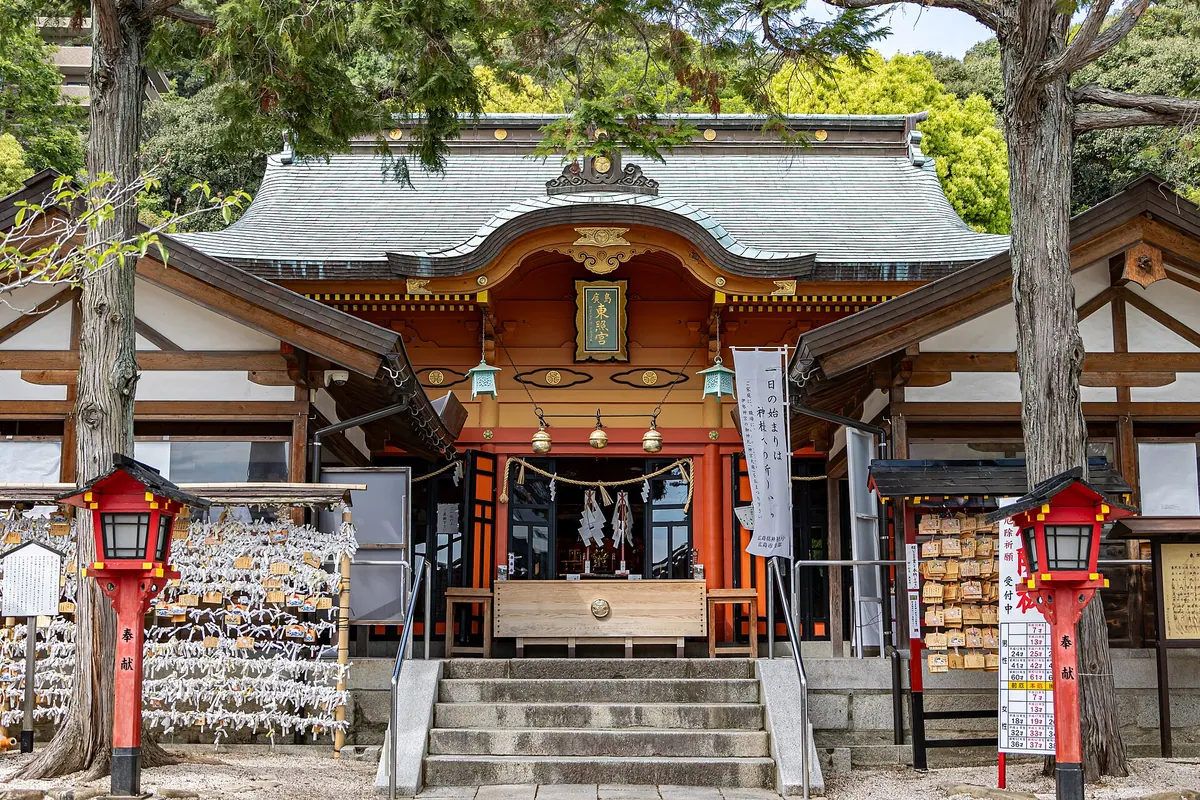
A 17th-century shrine dedicated to Tokugawa Ieyasu, notable for surviving the atomic bombing.
What it is
- Founded in 1648.
- Dedicated to Tōshō Daigongen (Tokugawa Ieyasu).
- Also called Onaga Tōshō-gū.
- One of the existing A-bombed buildings.
What to see
- Karamon and Yokurō, built in 1646.
- Chōzuya, built in 1648.
- Okugusho and Wakimon, built in 1648.
- Honjidō, built in 1648.
- Stone torii, donated in 1648.
- Structures designated as Hiroshima City cultural properties.
Getting there
- 12-minute walk from JR Hiroshima Station.
- Official site
- www.hiroshima-toshogu.or.jp
14
Hayatani Shrine
HIROSHIMA · SHRINE 速谷神社
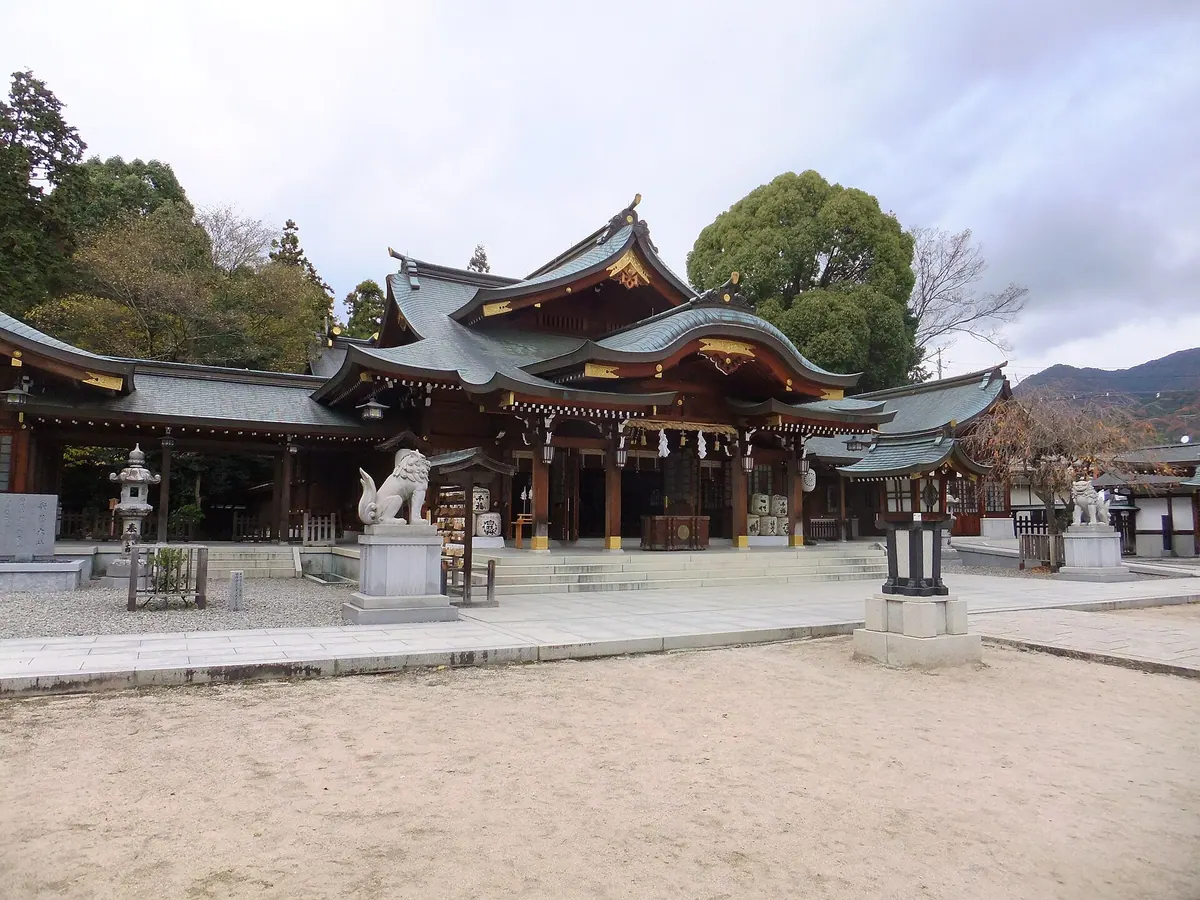
Hayatani Shrine is an ancient, historically significant shrine in Hiroshima, known for its unique heritage.
What it is
- An ancient Shinto shrine with over 1,800 years of history.
- Enshrines Akihayatamano-mikoto, ancestral deity of Aki Province.
- One of the three great shrines of Aki Province.
- Oldest recorded shrine in Hiroshima Prefecture.
What to see
- A Myojin-taisha and Aki Province Ninomiya.
- A Beppyo Jinja of the Association of Shinto Shrines.
When to go
- Known for traffic safety prayers.
- Received offerings from the Emperor in 2024.
- Address
- 広島県廿日市市上平良308-1 Map
- Official site
- hayatanijinja.jp
15
Suga Shrine
HIROSHIMA · SHRINE 清神社
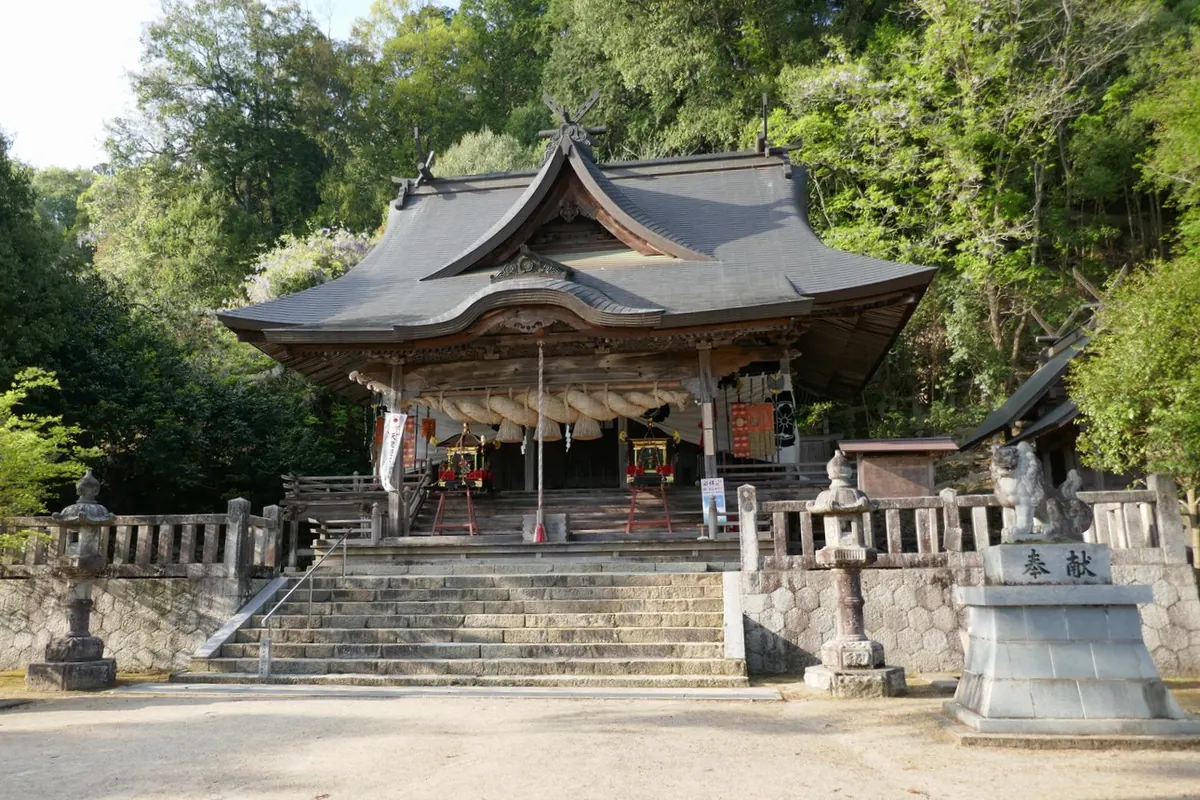
Suga Shrine: ancient guardian deity of the Mori clan, displaying historical artifacts.
What it is
- A shrine dedicated to Susanoo-no-Mikoto.
- Its name comes from Susanoo-no-Mikoto's words.
- Renamed in 1872 due to Shinto-Buddhism separation.
- Served as guardian deity for Yoshida-sho and the Mori clan.
What to see
- A tree stump from a 1200-year-old cedar.
- Sixteen ridge tags, one dating from 1325.
- The current main hall, built in 1694.
- Sugiwaka-sha, built for Mori Motonari's stepmother.
- A votive tablet by Shogoin Monzeki Dozo from 1563.
- Address
- 広島県安芸高田市吉田町吉田477 Map
16
Nuta Shrine
HIROSHIMA · SHRINE 沼田神社 (三原市)
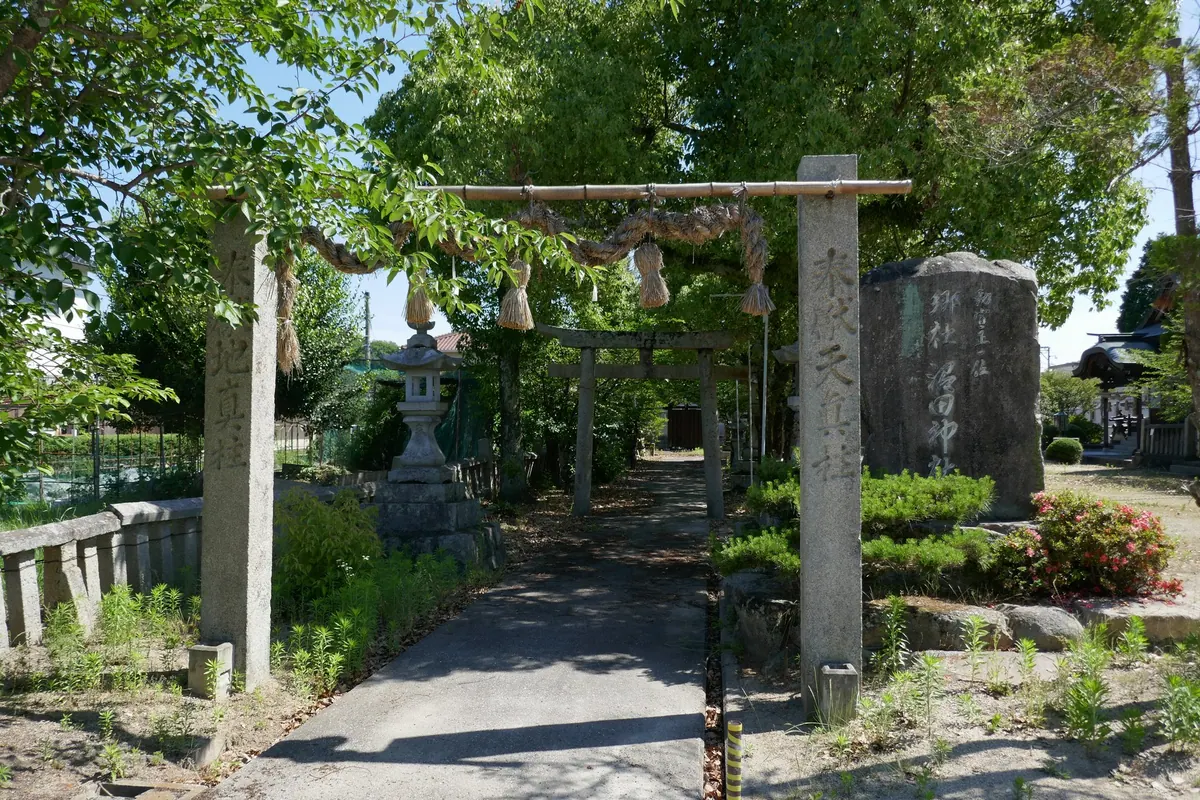
Nuta Shrine is a historic village shrine in Mihara City, worth visiting for its unique architecture and summer festival.
What it is
- A historic village shrine in Mihara City.
- Formerly named Gion Gozu Tenno-sha.
- Enshrines Susanoo-no-Mikoto and Kushinadahime-no-Mikoto.
- Designated a village shrine in the early Meiji period.
What to see
- Main hall is an irimoya-zukuri hirairi style building.
- Worship hall is an irimoya-zukuri tsumairi style building.
- Uki-shima Shrine is on the grounds.
When to go
- Gion Festival is held from July 4th to 11th.
- Address
- 広島県三原市沼田東町本市字祇園面 Map
17
Nigitsu Shrine
HIROSHIMA · SHRINE 饒津神社
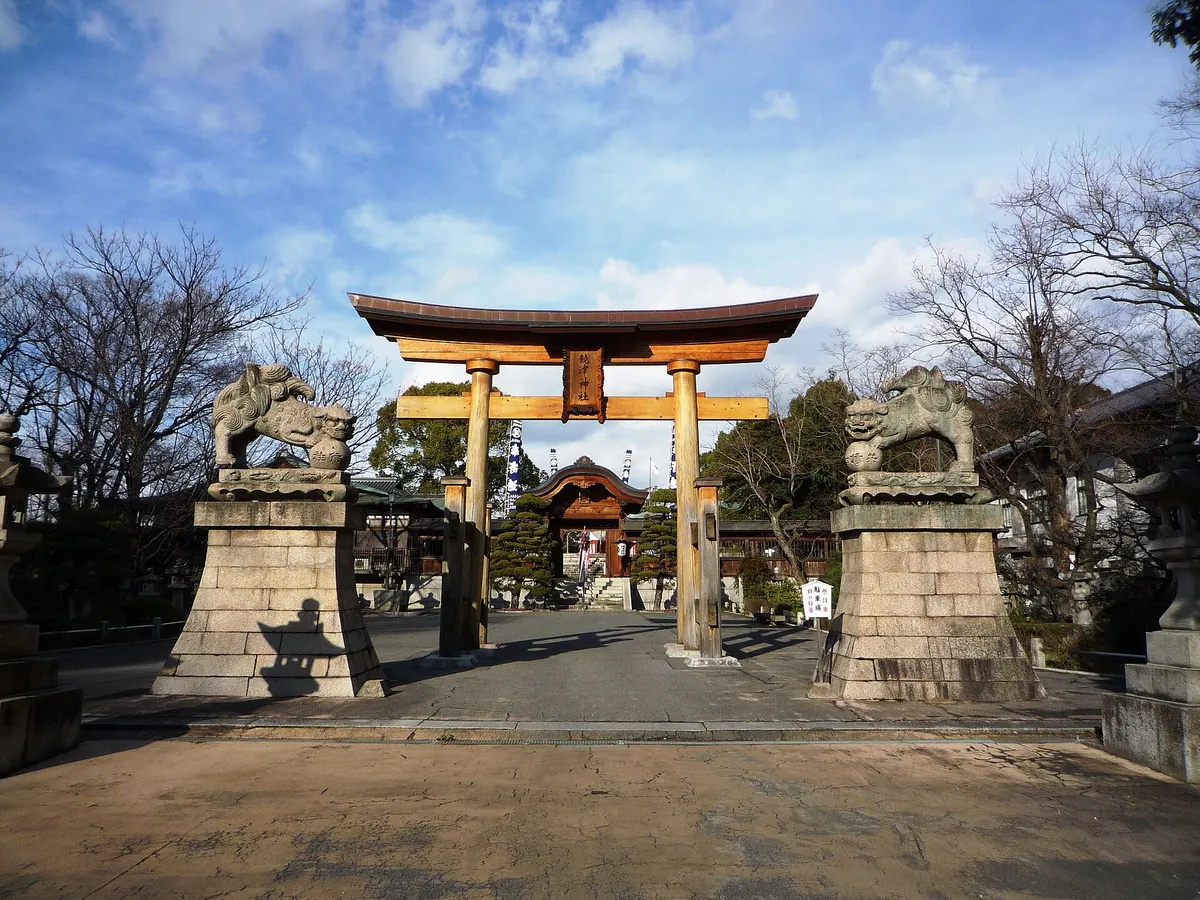
Nigitsu Shrine honors the Asano clan, rebuilt after the atomic bomb, a short walk from Hiroshima Station.
What it is
- Shrine dedicated to the Asano clan, former lords of Hiroshima.
- Originated in 1706 as a memorial hall for Asano Nagamasa.
- Renamed Nigitsu Shrine in 1873.
- Formerly a Prefectural Shrine.
What to see
- Main shrine building, rebuilt after the war.
- Worship hall, restored in 1984.
- Karamon gate, rebuilt in 2000.
- Subsidiary Inari Shrine.
Getting there
- 15-minute walk from Hiroshima Station Shinkansen Exit.
- Address
- 広島県広島市東区二葉の里2-6-34 Map
- Official site
- www.nigitsu.jp
18
Fukuyama Hachimangū
HIROSHIMA · SHRINE 福山八幡宮

Fukuyama Hachimangu is a historic twin shrine, guardian of Fukuyama, offering unique architecture and local history.
What it is
- A Hachimangu shrine in Fukuyama City, Hiroshima Prefecture.
- Consists of two shrines built side-by-side in the same style.
- Established in 1683 by Mizuno Katsutane.
- Considered the guardian deity of Bingo Fukuyama.
What to see
- Two shrines built side-by-side, identical in style and scale.
- Sotsubin Shrine on the grounds, dedicated to Mizuno Katsunari.
When to go
- Holds a 25-year Shikinen festival.
- Official site
- www.fukuyamahachimangu.or.jp
19
Ushitora Shrine
HIROSHIMA · SHRINE 艮神社

Ushitora Shrine, Onomichi's oldest, offers ancient camphor trees and a glimpse into early Japanese worship.
What it is
- Established in 806, the oldest shrine in former Onomichi City.
- Records confirm its existence as early as 1475.
- Enshrines Izanagi-no-Mikoto, Amaterasu-Omikami, Susanoo-no-Mikoto, and Kibitsuhiko-no-Mikoto.
What to see
- Four ancient camphor trees stand on the grounds.
- The camphor trees are designated a natural monument.
- Trees are estimated to be 900 years old.
- The largest camphor tree has a 7-meter trunk diameter.
- Address
- 広島県尾道市長江1丁目3-5 Map
20
Jigozen Shrine
HIROSHIMA · SHRINE 地御前神社
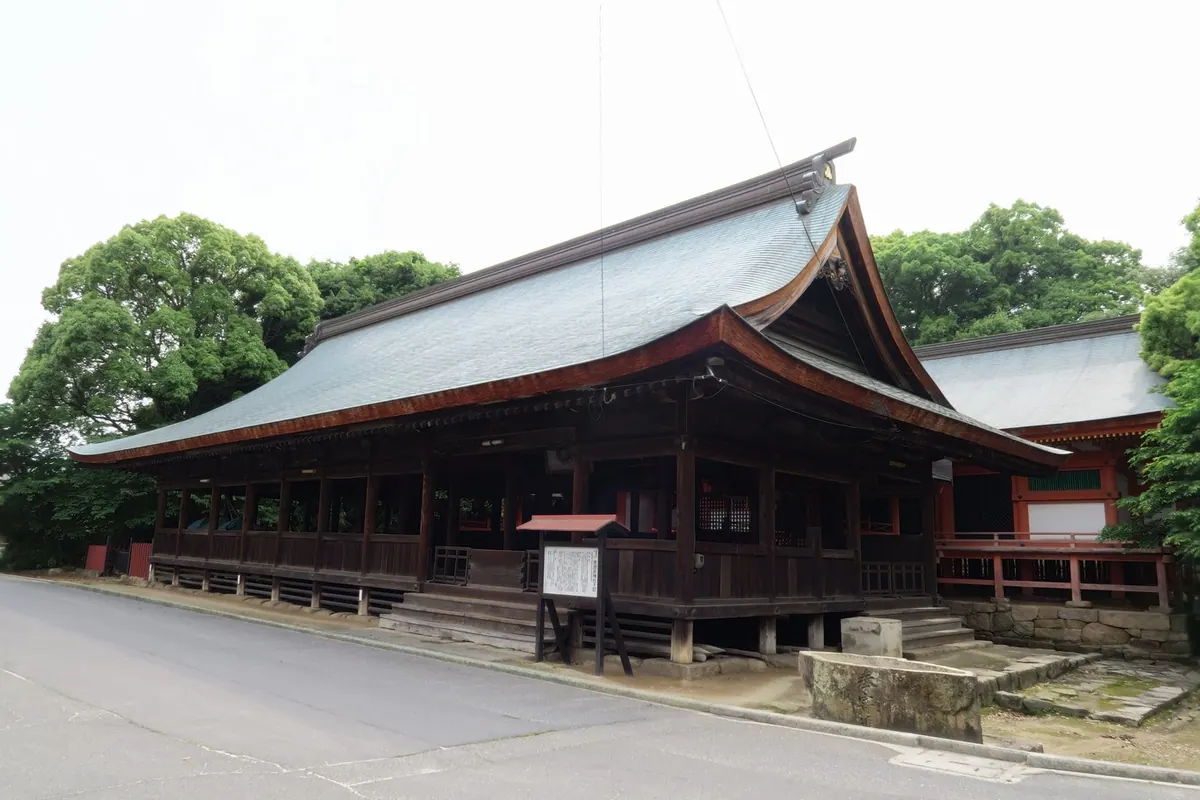
Jigozen Shrine, an ancient outer shrine of Itsukushima, offers historical buildings and unique festivals.
What it is
- An outer shrine of Itsukushima Shrine.
- Founded concurrently with Itsukushima Shrine.
- Records from 1168 mention 19 shrine buildings.
What to see
- Main shrine rebuilt in 1760.
- Guest Shrine main hall rebuilt in 1760.
- Worship hall rebuilt in 1914.
- Torii gate built in 1898.
When to go
- Goryo-e Festival includes yabusame and bugaku.
- Kangen Festival welcomes a boat from Itsukushima Shrine.
- Address
- 広島県廿日市市地御前5丁目17 Map
- Official site
- www.itsukushimajinja.jp