

20 Shrines in Ishikawa worth your time
Japan Gems
Uhashi Shrine and Keta Shrine are among Ishikawa Prefecture's 41 shrines. Visitors can find a variety of spiritual sites across the region.
Ishikawa has 41 shrines on Japan Gems. Below are the 20 we can tell you the most about — each one written up in English from Japanese sources, with what to see and how to get there. See all shrines in Ishikawa.
01
Shirayama Hime Shrine
ISHIKAWA · SHRINE 白山比咩神社
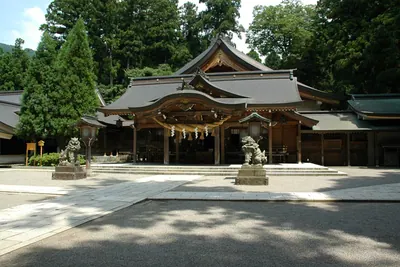
Shirayama Hime Shrine, established over 2,100 years ago, is a head shrine for Hakusan faith worshippers.
What it is
- Head shrine for thousands of Hakusan and Shirayama shrines nationwide.
- Grand shrine protecting the Hokuriku region.
- Established over 2,100 years ago, important base for mountain worshippers.
- Dedicated to Izanagi no Mikoto, Izanami no Mikoto, and Kukuri Hime no Kami.
What to see
- 250-meter Omotesando Path lined with cryptomeria, zelkova, and maple trees.
- Biwa Waterfall, illuminated at night.
- Ancient Sacred Cryptomeria Tree, 800 years old, 12m circumference.
- Three Sacred Cryptomeria Trees grown from Emperor Hirohito's seeds.
- Misogi-sha shrine and Misogi-ba pool for purification ceremonies.
- Shrine Museum with ancient historical materials and Maeda clan records.
When to go
- Biwa Waterfall is illuminated at night.
- Address
- 石川県白山市三宮町ニ105-1 Map
- Official site
- www.shirayama.or.jp
02
Kanazawa Shrine
ISHIKAWA · SHRINE 金沢神社
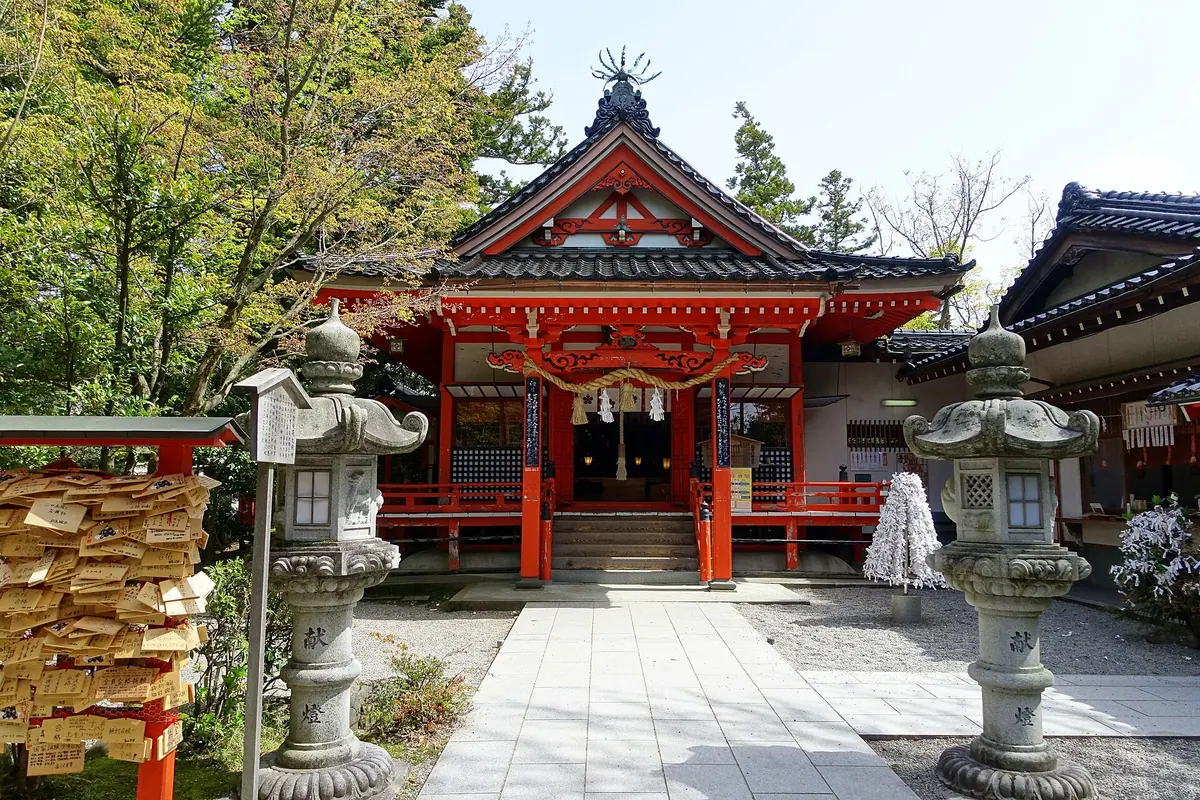
Kanazawa Shrine is a historic guardian shrine next to Kenrokuen Garden, dedicated to Sugawara Michizane.
What it is
- Founded in 1794 by Maeda Harunaga.
- Dedicated to Sugawara Michizane, a scholar and politician.
- Served as a guardian shrine for the domain school Meirindo.
- Renamed Kanazawa Shrine in 1876.
What to see
- Main hall and worship hall are national cultural properties.
- Shrine enshrines Shirahajaryujin and other deities.
- Sacred body of Shirahajaryujin is a pair of male and female.
- See the gate called Zuishinmon.
- Kinjoreitaku is the origin of the city name Kanazawa.
- Find the Ibatori-ishi, a wart-removing stone.
Getting there
- Located adjacent to Kenrokuen Garden.
- Address
- 石川県金沢市兼六町1-3 Map
- Official site
- kanazawa-jj.or.jp
03
Hakui Shrine
ISHIKAWA · SHRINE 羽咋神社
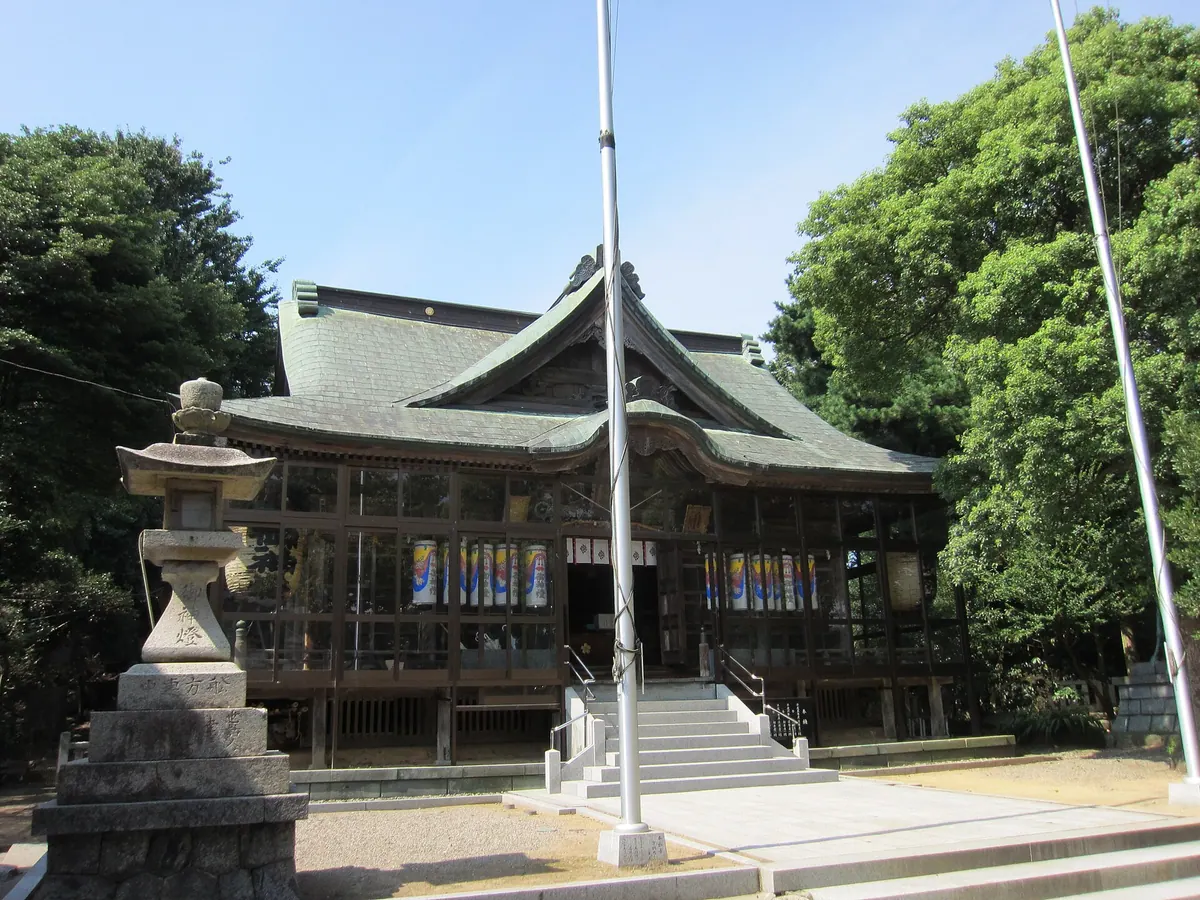
Hakui Shrine: ancient shrine dedicated to an imperial prince, with a sumo festival and old zelkova tree.
What it is
- Ancient shrine listed in the Engishiki Jinmyocho.
- Dedicated to Iwatsukuwakeno-mikoto, tenth prince of Emperor Suinin.
- Original location was 200m southeast, at Hachiman Shrine.
What to see
- Three-bay nagare-zukuri style main hall.
- Worship hall built in 1832.
- Mount Otsuka, a keyhole-shaped tumulus.
- Mount Otsuka is the tomb of Iwatsukuwakeno-mikoto.
- A 600-year-old zelkova tree.
When to go
- Karato-yama Shinji Sumo is an intangible folk cultural property.
Getting there
- 5-minute walk from Hakui Station.
- Address
- 石川県羽咋市川原町エ164 Map
04
Keta Shrine
ISHIKAWA · SHRINE 気多大社
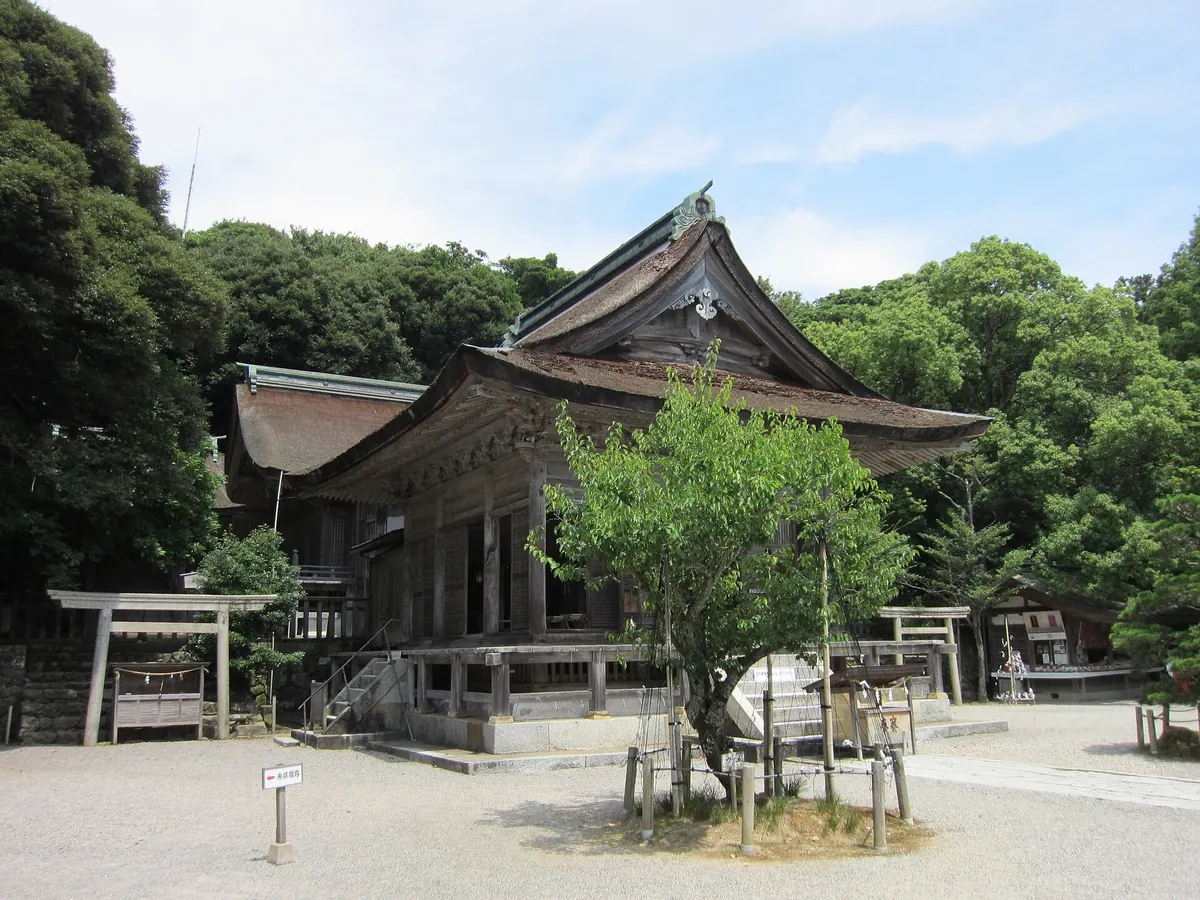
Keta Shrine is an ancient shrine with important cultural properties and a unique cormorant festival.
What it is
- Ancient Shinto shrine in Hakui City, Ishikawa Prefecture.
- Dedicated to the deity Okuninushi no Mikoto.
- Formerly a Kokuhei Taisha, now an independent shrine.
- Ichinomiya of Noto Province.
What to see
- Five shrine buildings are Important Cultural Properties.
- Main hall was built in 1787.
- Worship hall was built in 1653 or 1654.
- Main gate was built in 1584.
- Shrine forest is a National Natural Monument.
When to go
- U-matsuri (cormorant festival) is on December 16th.
- U-matsuri is an Important Intangible Folk Cultural Property.
05
Uhashi Shrine
ISHIKAWA · SHRINE 菟橋神社
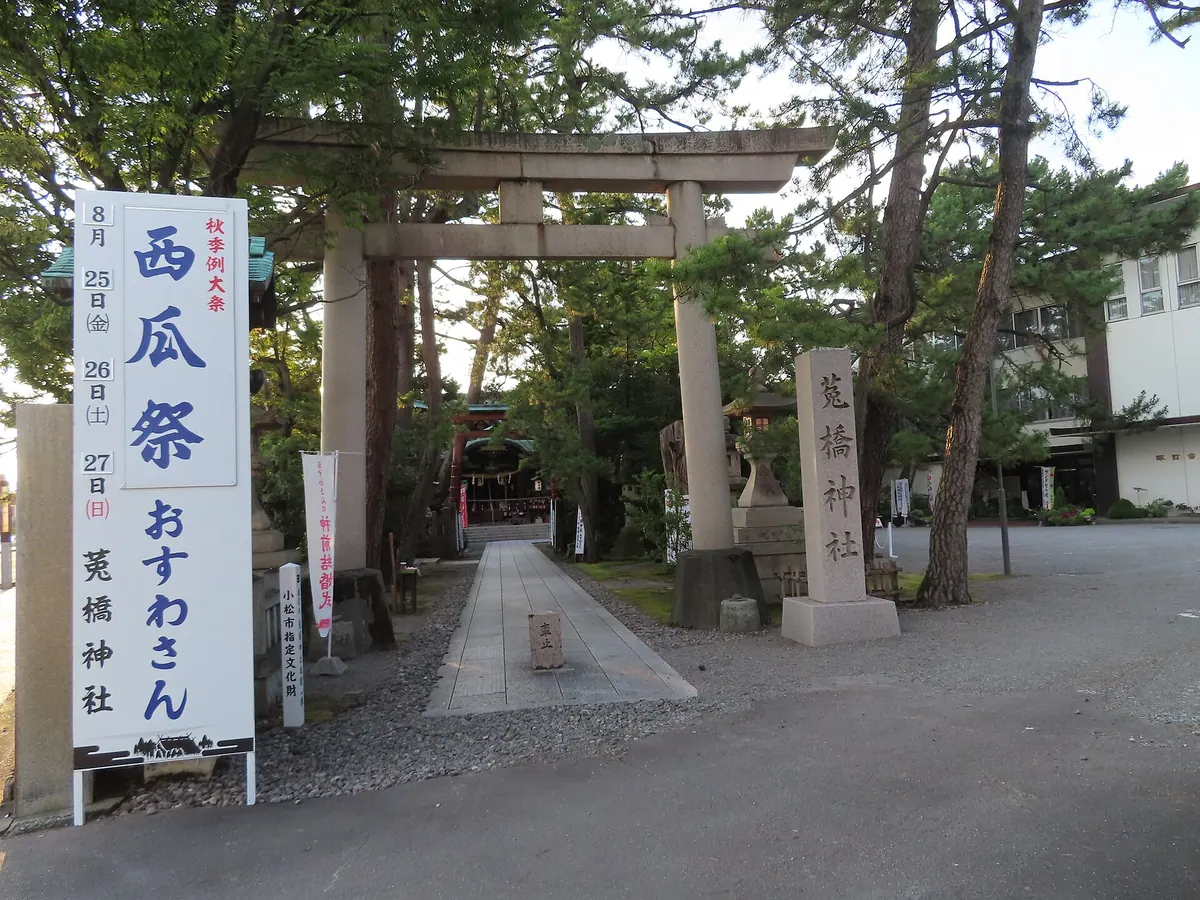
Uhashi Shrine is a historic guardian shrine with ancient trees and a lively spring festival.
What it is
- General guardian shrine of Kaga Province.
- Founded in 704 AD or earlier.
- Enshrines Uhashi Okami, Takeminakata no Mikoto, and Yasakatome no Mikoto.
- Moved to its current location in 1651.
What to see
- Main hall and portable shrine are cultural properties.
- Haiku monument by Matsuo Basho.
- Ushiwakamatsu tree is a several-hundred-year-old pine.
- Shoryu no Matsu is a 28-meter-tall pine tree.
When to go
- Spring festival features elaborate floats and children's kabuki.
- Address
- 石川県小松市浜田町233 Map
06
Kasuga Shrine
ISHIKAWA · SHRINE 春日神社
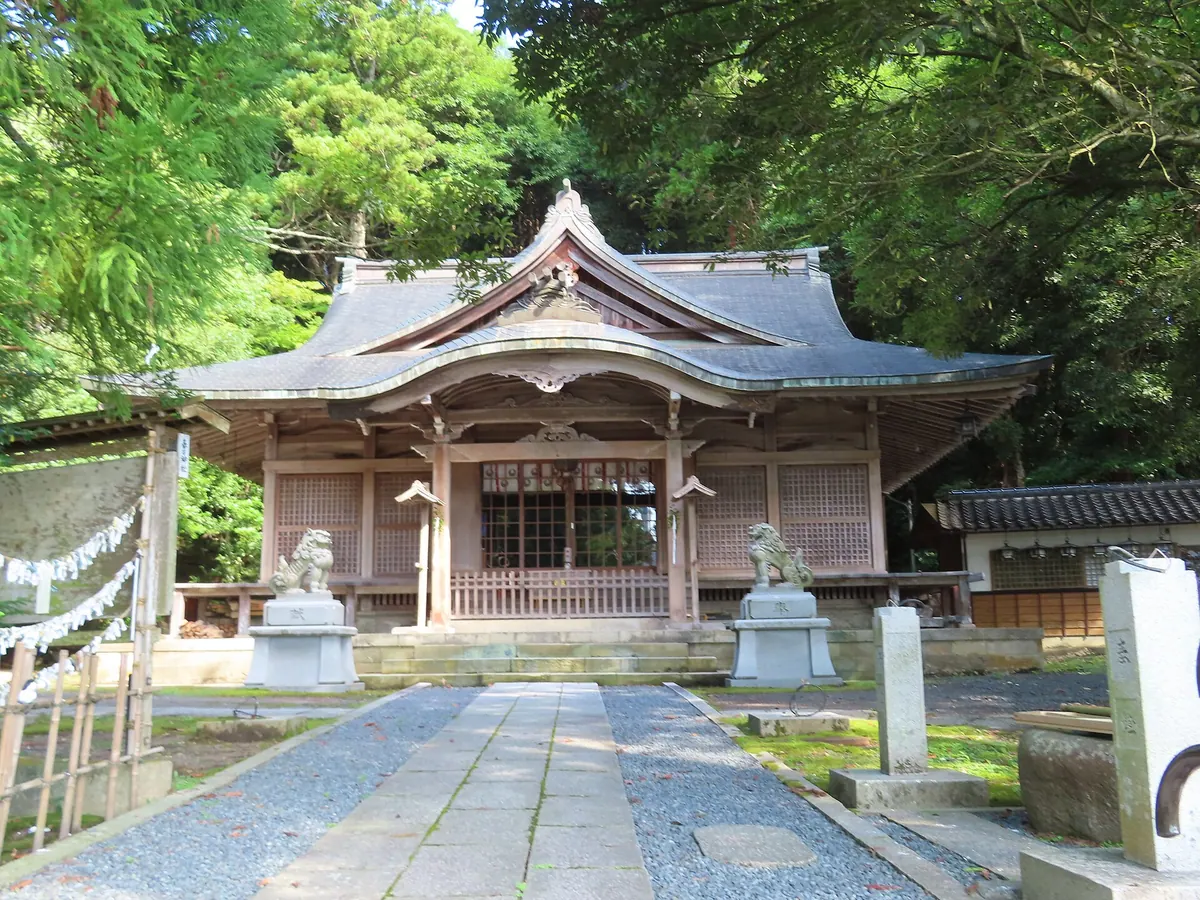
Kasuga Shrine is an ancient shrine founded by the Kujo family, known for its unique festival.
What it is
- Shrine established in 1261 by the Kujo family.
- Originally named Wakayama-sha.
- Enshrines a divided spirit from Nara Kasuga Taisha Shrine.
- Dedicated to four deities including Amenokoyane-no-mikoto.
What to see
- Monument with a poem by Otomo Yakamochi.
- A torii gate was rebuilt on July 6, 2023.
- The rebuilt torii gate collapsed on January 1, 2024.
When to go
- Iida-machi Toroyama Festival is on July 20th and 21st.
- Festival began in the early Edo period.
07
Takamimusuhi Shrine
ISHIKAWA · SHRINE 高皇産霊神社
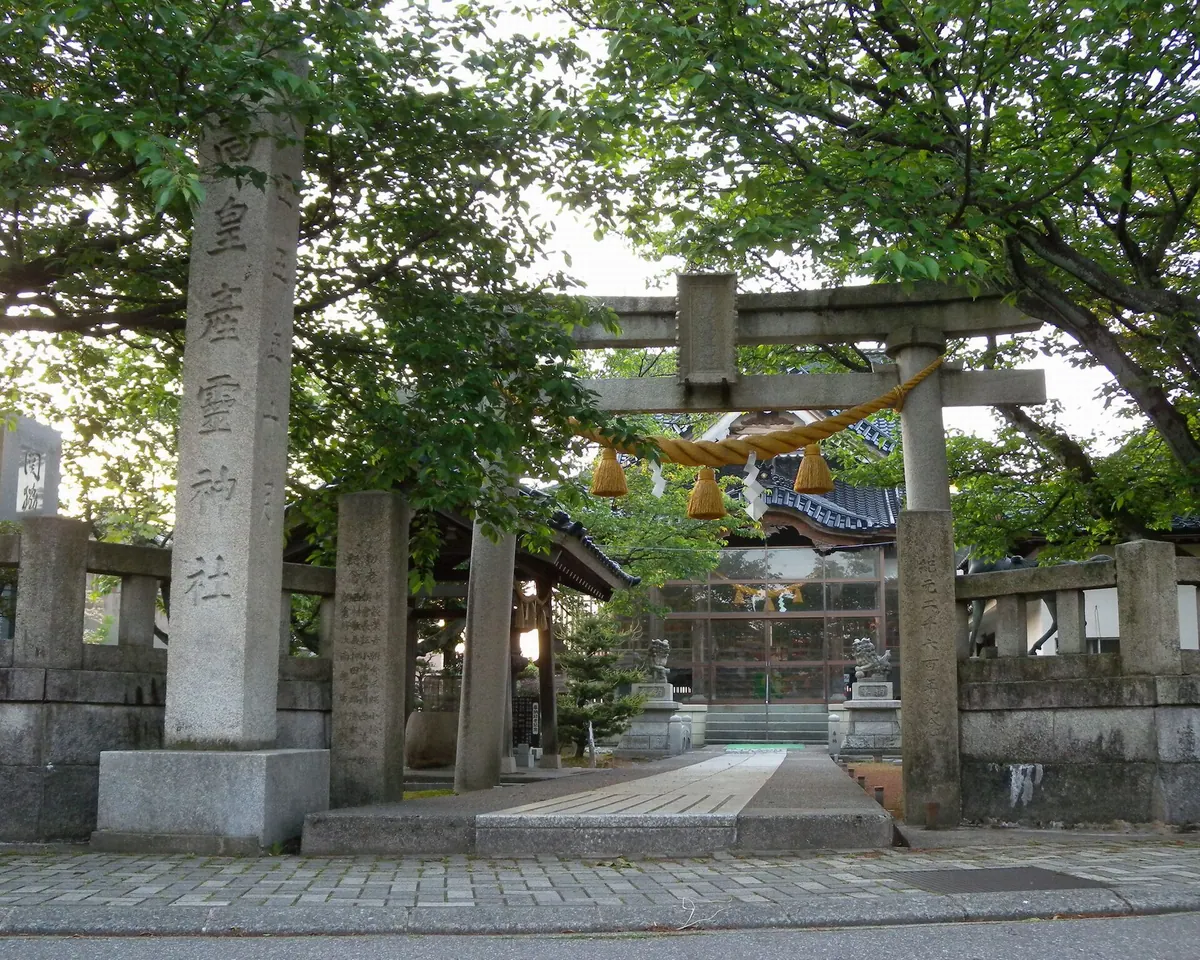
Takamimusuhi Shrine is a historic village shrine with unique architecture and carvings.
What it is
- Former village shrine in Nonoichi City, Ishikawa Prefecture.
- Established in 1909, replacing an older shrine.
- Dedicated to Takamimusuhi-no-Mikoto and other deities.
- Land donated by the Oshino Goto family.
What to see
- Main hall built in 1911 on a former residence site.
- Main hall features kirizuma-zukuri style with a tiled roof.
- Worship hall is irimoya-zukuri style with a tiled roof.
- Worship hall is 5 ken wide and 5 ken deep.
- Carvings by Kamo Chokokukan from Inami Town.
- Address
- 石川県野々市市押野1丁目2番地 Map
08
Kinken-gū
ISHIKAWA · SHRINE 金剱宮
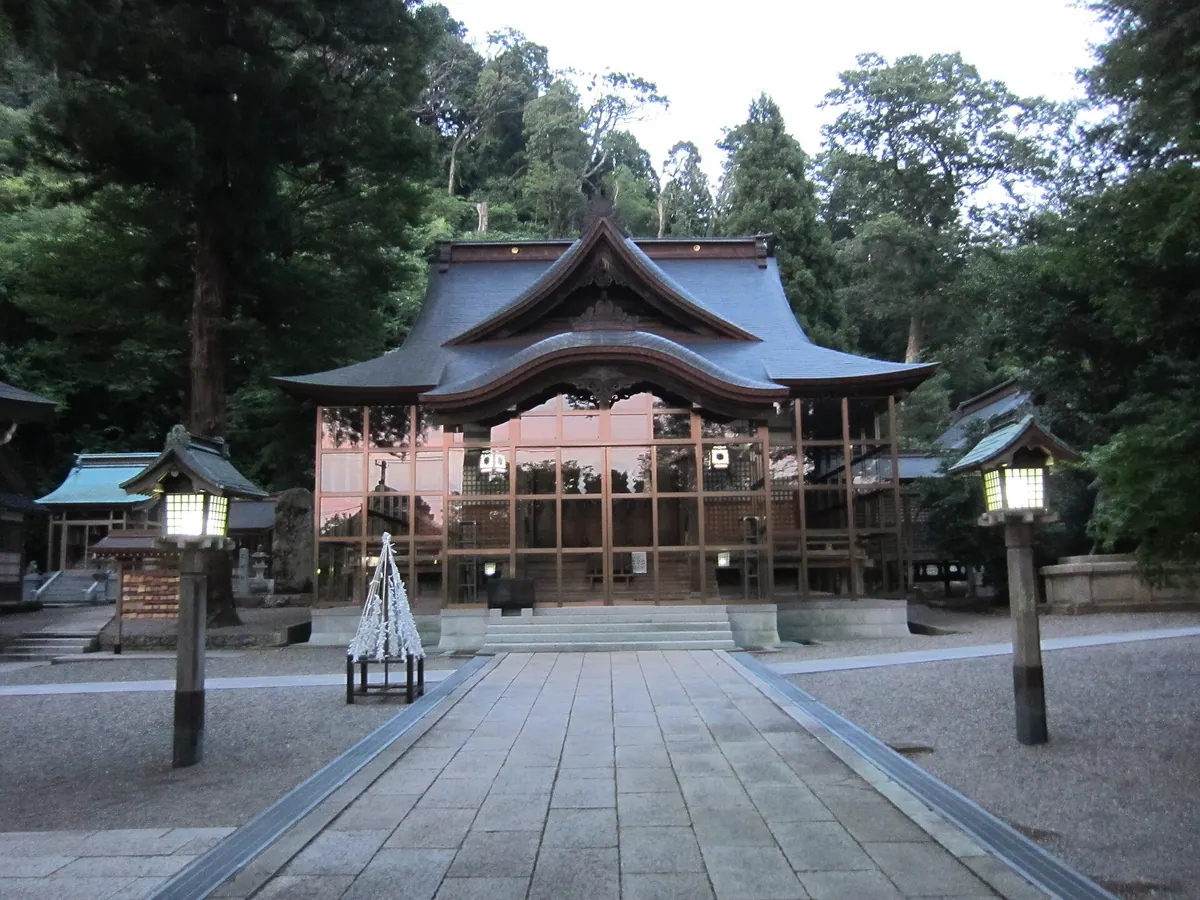
Kinken-gū is an ancient Shinto shrine, part of the Hakusan Seven, with a sacred spring.
What it is
- A Shinto shrine in Hakusan City, Ishikawa Prefecture.
- Dedicated to the deity Ninigi-no-Mikoto.
- Founded in the 3rd year of Emperor Sujin's reign.
- One of the Hakusan Seven Shrines.
What to see
- The main hall, built in 1909.
- The worship hall, completed in 1890.
- The sacred spring called Ama-no-Manai.
When to go
- Attend the autumn festival, Horai Matsuri.
Getting there
- A 10-minute walk from Tsurugi Station.
- Address
- 石川県白山市鶴来日詰町巳118-5 Map
09
Isurugihiko Shrine
ISHIKAWA · SHRINE 伊須流岐比古神社
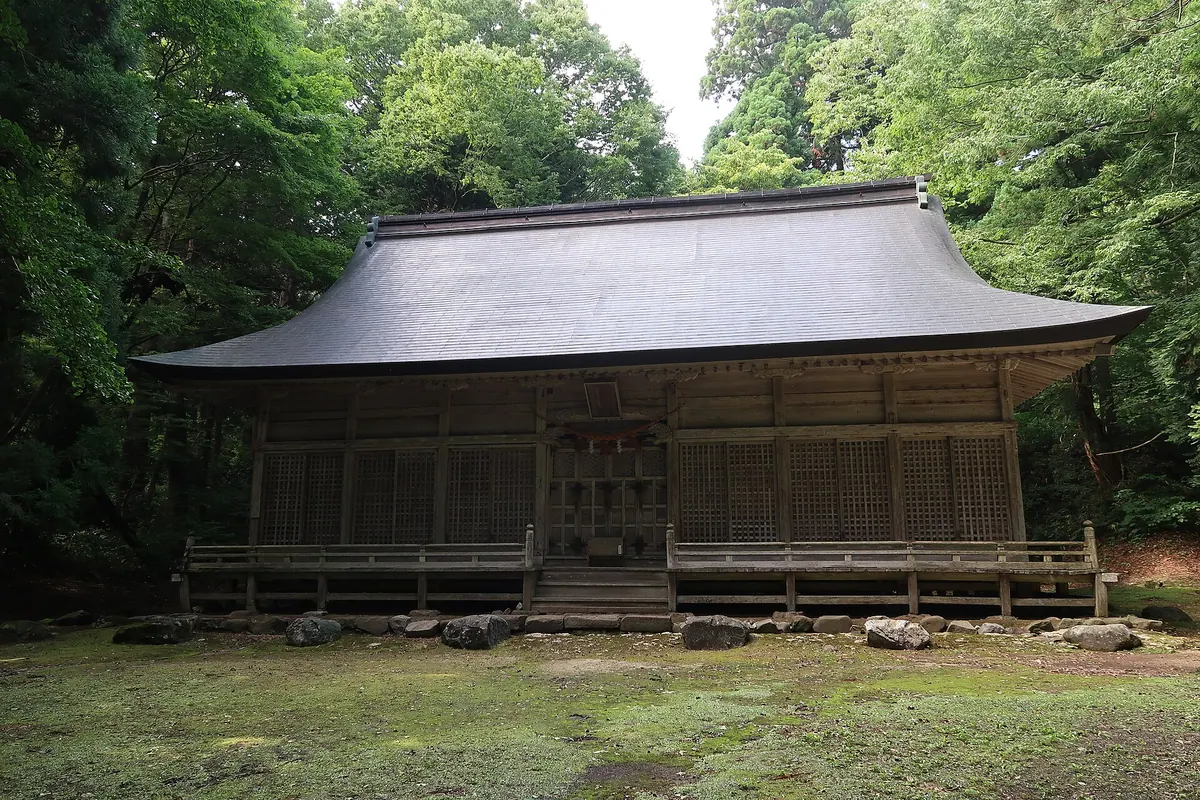
Ancient mountain shrine with historic halls, a cultural property in Nakanoto.
What it is
- Ancient shrine on Mount Isurugi in Nakanoto.
- Dedicated to Isurugihiko-no-kami and Shirayama-Hime-no-kami.
- Known as the Ninomiya of Noto Province.
- Listed in the Engishiki Jinmyocho as a Shikinaisha.
What to see
- Main hall built in 1653 by Maeda Toshitsune.
- Main hall is a cultural property of Ishikawa Prefecture.
- Worship hall built in 1701.
- Worship hall is a cultural property of Ishikawa Prefecture.
- Site is being developed as a historical park.
- Address
- 石川県鹿島郡中能登町石動山子部1番地1 Map
10
Jūzō Shrine
ISHIKAWA · SHRINE 重蔵神社
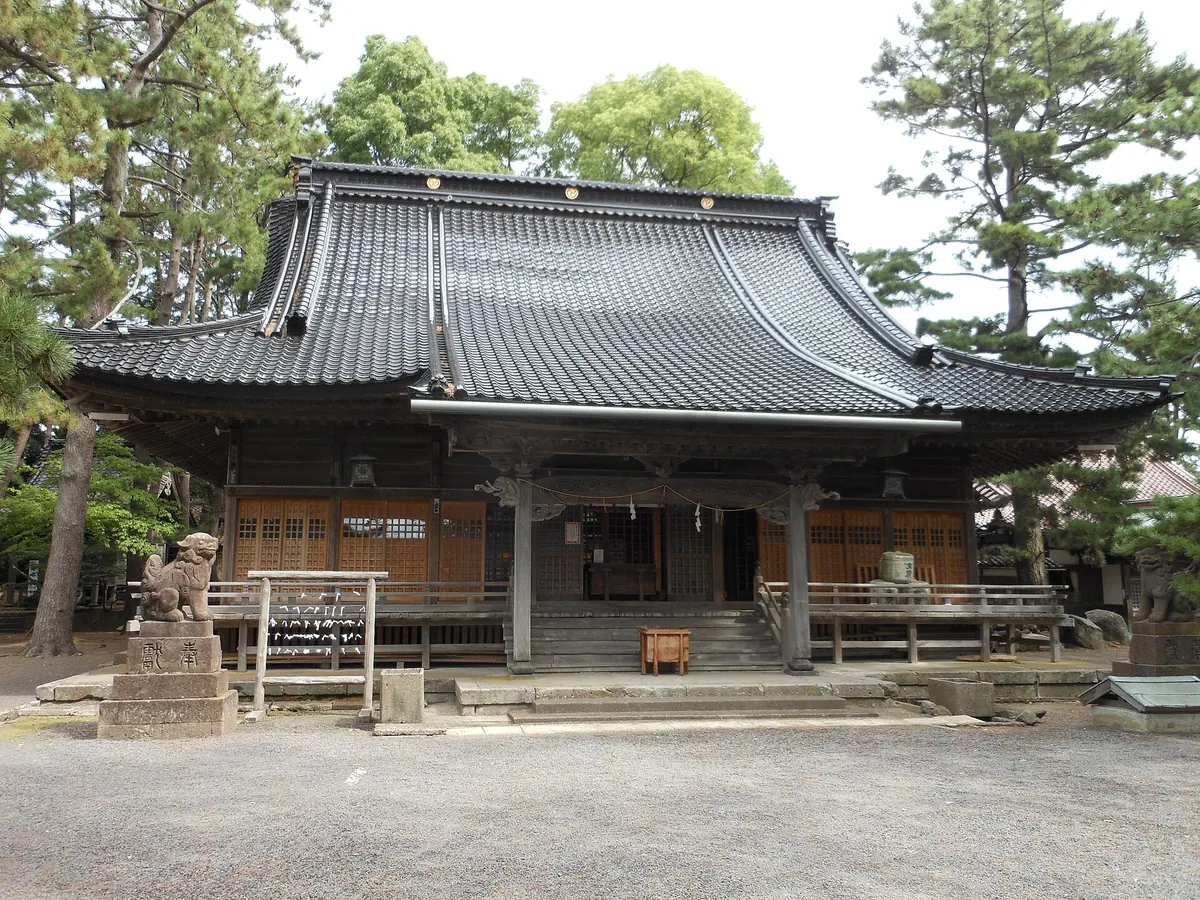
Jūzō Shrine is an ancient shrine housing a National Treasure mask, offering a glimpse into Japan's spiritual heritage.
What it is
- Ancient shrine in Wajima City, Ishikawa Prefecture.
- Dedicated to Amenofuyukinu-no-mikoto and Ōkuninushi-no-mikoto.
- Founded during the reign of Emperor Sujin.
- Became a prefectural shrine in 1918.
What to see
- Wooden Bodhisattva mask, an Important Cultural Property.
- The mask was designated a National Treasure in 1900.
When to go
- Kisaragi Festival's Otōgyōji is a Prefectural Intangible Folk Cultural Property.
- Address
- 石川県輪島市河井町4-68 Map
- Official site
- juzo.or.jp
11
Keta-hongū
ISHIKAWA · SHRINE 気多本宮
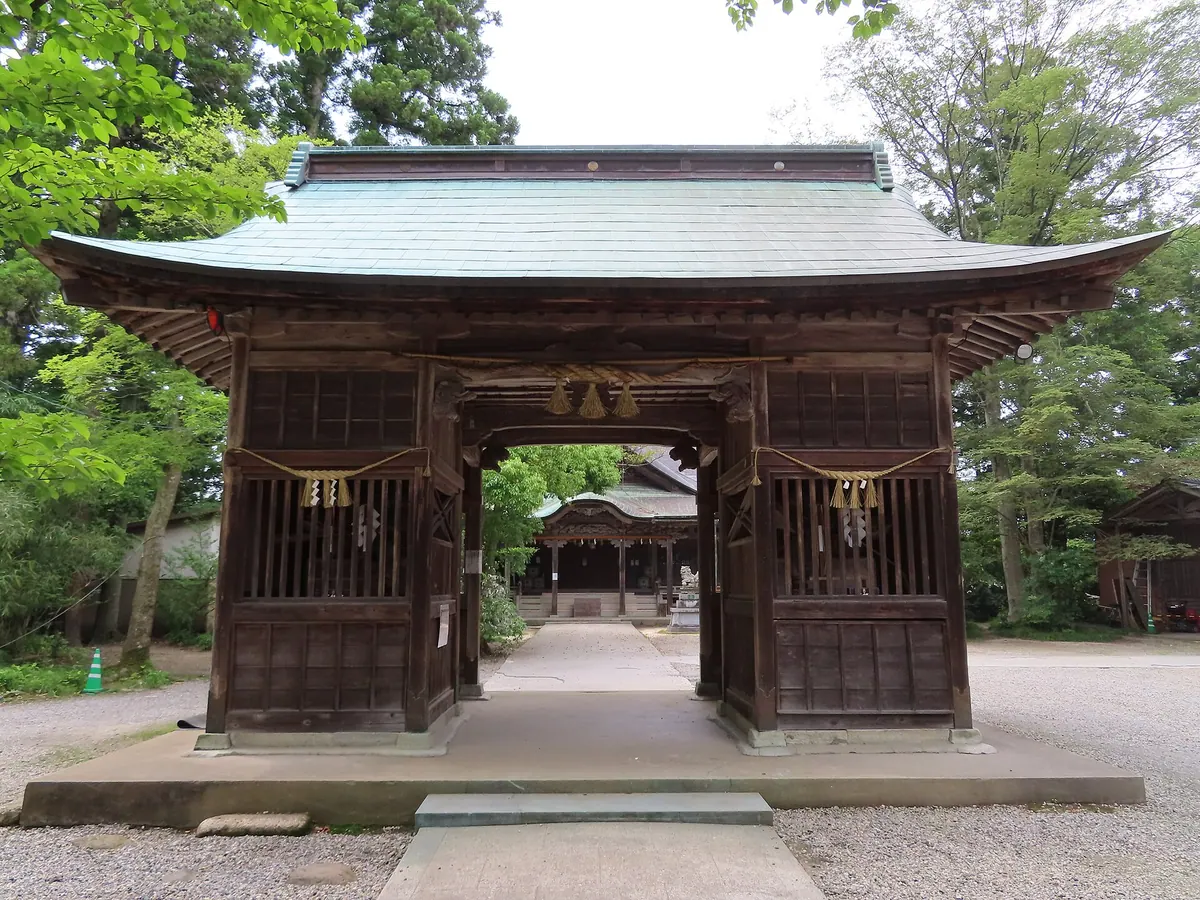
Ancient shrine in Noto, dedicated to Okuninushi-no-mikoto, known for unique festivals.
What it is
- A shrine in Nanao City, Ishikawa Prefecture.
- Formally named Notoikukunitamahiko-jinja.
- Chief guardian shrine of Noto Province.
- Founded during the reign of Emperor Kogen.
What to see
- The Hongu-kaku building is nearby.
When to go
- Kunimuke Festival is on March 21.
- U-matsuri is on December 13.
Getting there
- 5-minute drive from Nanao Station.
- Nanao Station is on the JR West Nanao Line.
- Address
- 石川県七尾市所口町ハ部70の1番地 Map
12
Ōtokonushi Shrine
ISHIKAWA · SHRINE 大地主神社
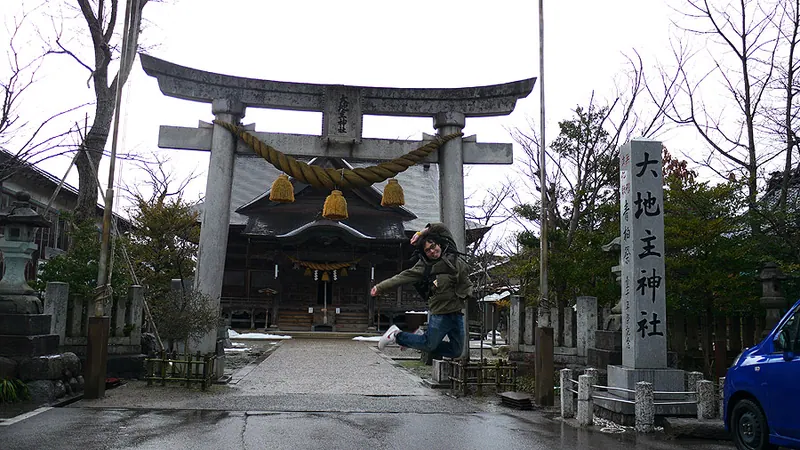
Nanao City's largest shrine, founded in 718, hosts major festivals and enshrines ancient deities.
What it is
- Largest shrine in Nanao City.
- Founded in 718.
- Dedicated to Ōyamakui-no-kami, Susanoo-no-mikoto, Ikohotomi-no-mikoto.
- Base for festivals in central Nanao City.
What to see
- Includes Konpira Shrine, Dōchi Shrine, and Sugawara Shrine.
When to go
- Seihaku Festival: May 3rd to 5th.
- Gion Festival: second Saturday of July.
Getting there
- 5-minute drive from Nanao Station.
- Official site
- sannoushrinenoto.wixsite.com
13
Komatsu Tenmangu
ISHIKAWA · SHRINE 小松天満宮
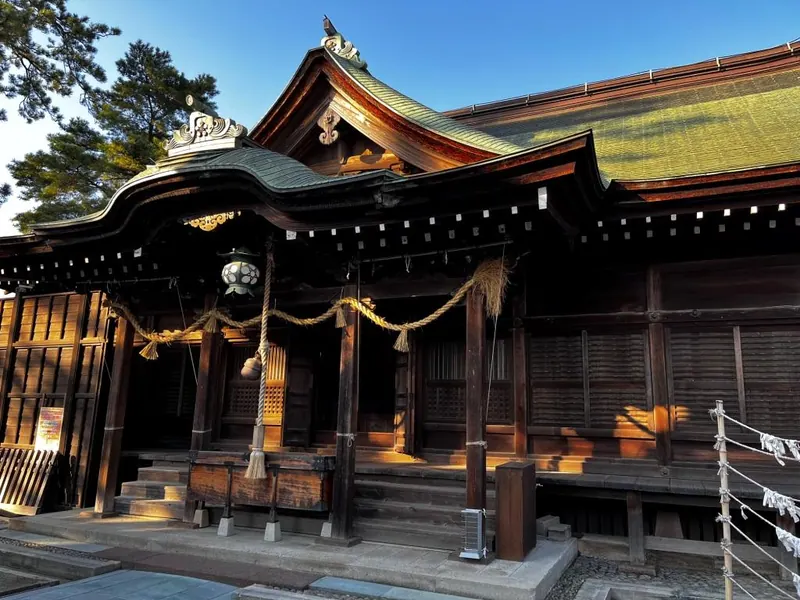
Komatsu Tenmangu is a historic Shinto shrine with important cultural properties.
What it is
- A Shinto shrine founded in 1657.
- Dedicated to Sugawara no Michizane.
- Served as a guardian deity for the Kaga Domain.
- Also known as Bairinin.
What to see
- Main hall is a nationally important cultural property.
- Stone room is a nationally important cultural property.
- Heiden and haiden are nationally important cultural properties.
- Shinmon is a nationally important cultural property.
- Haiku monument by Matsuo Basho.
- Address
- 石川県小松市天神町1 Map
14
Anamizu-ōmiya
ISHIKAWA · SHRINE 穴水大宮
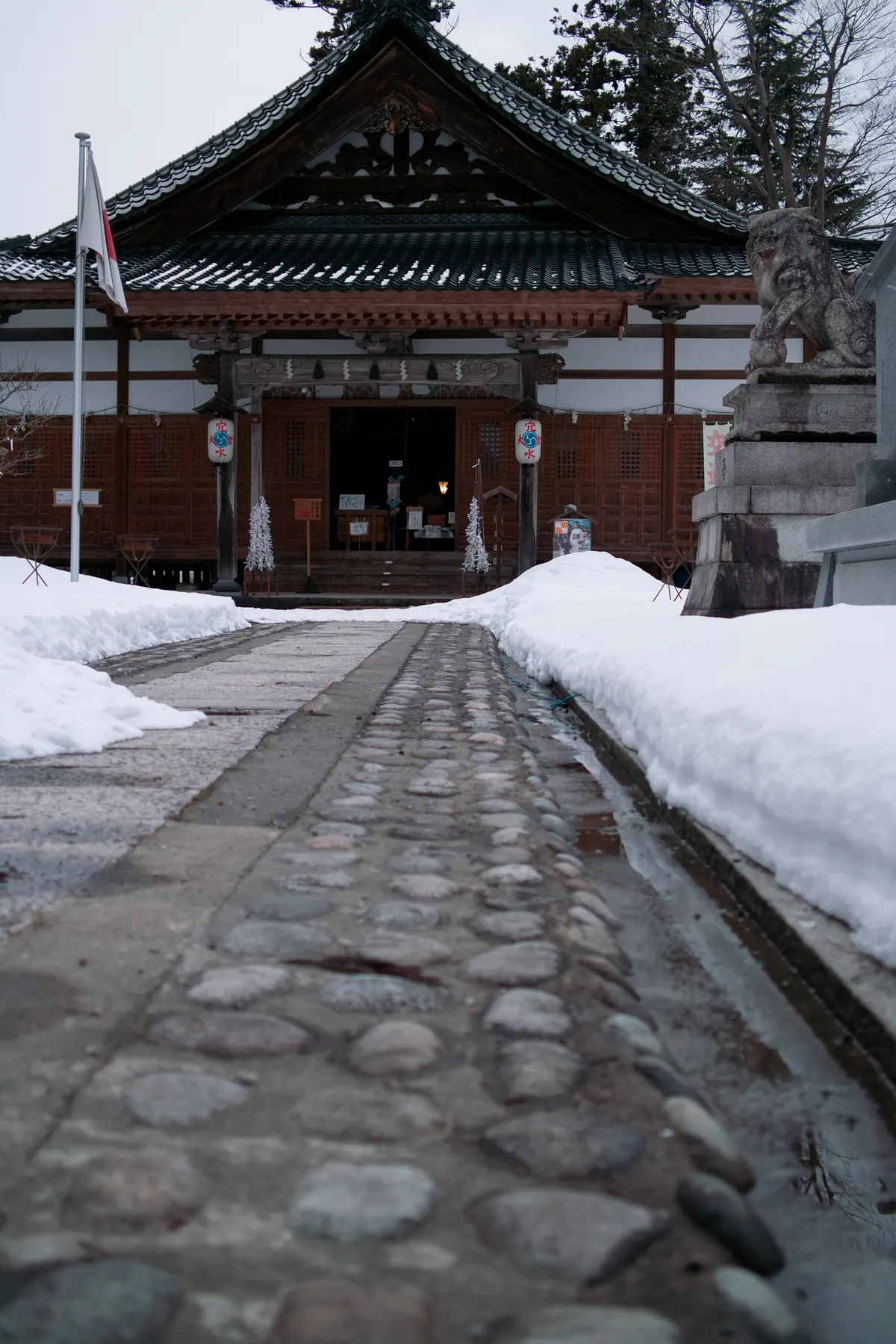
Ancient shrine with unique treasures and a sacred spring, worth visiting for history and natural beauty.
What it is
- A shrine in Anamizu Town, Ishikawa Prefecture.
- Known as Hetsu-hime Shrine, an Engishiki-naisha.
- Enshrines Munakata Sanjojin deities.
- Designated as the Sōsha of the county in the Edo period.
What to see
- Main hall with a stone coffin containing ancient treasures.
- Spring called Manai flowing from Sakuradani cave.
- Donated gold lanterns from the Edo period.
- Oldest ema (votive horse tablet) in Hokuriku.
- Address
- 石川県鳳珠郡穴水町大町ホ-1 Map
15
Enuma Shrine
ISHIKAWA · SHRINE 江沼神社
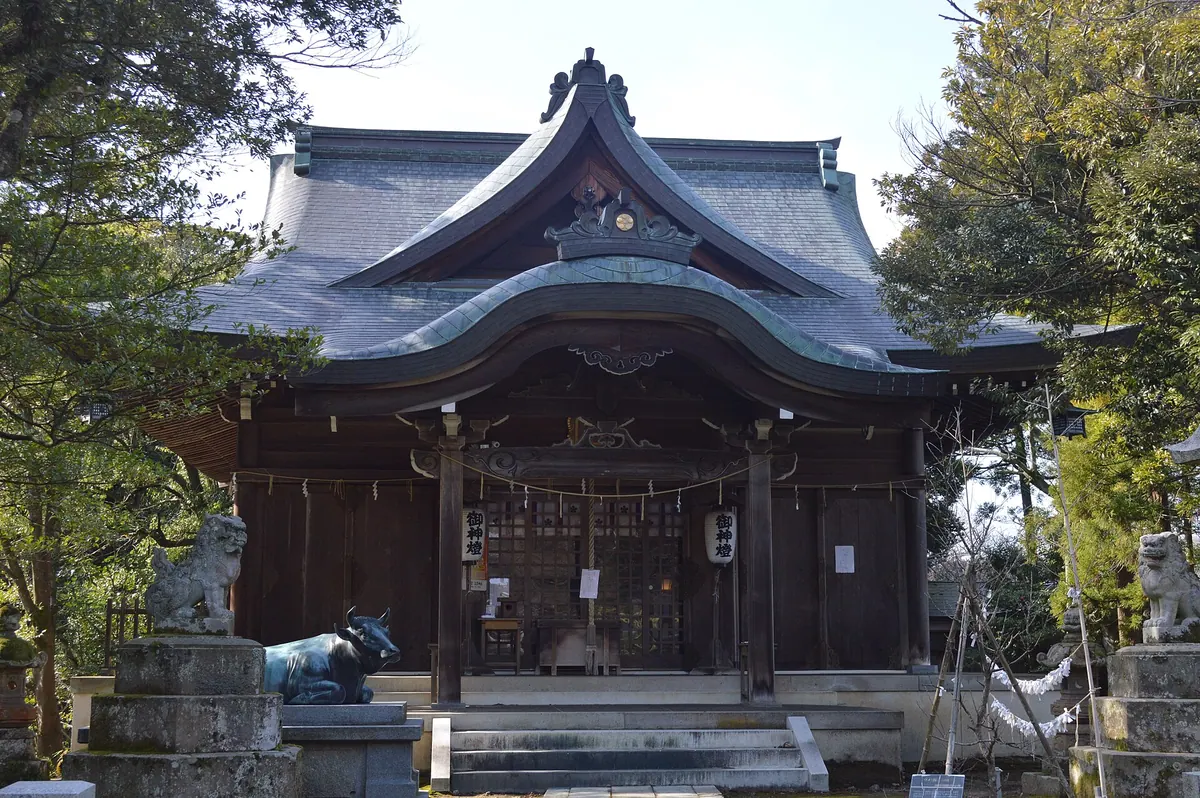
Enuma Shrine: a historic site in Kaga City with beautiful gardens and important cultural properties.
What it is
- Founded in 1704 by Maeda Toshiharu.
- Dedicated to Maeda Toshiharu and Sugawara no Michizane.
- Formerly held the rank of Prefectural Shrine.
What to see
- Choryutei, built in 1709, is an Important Cultural Property.
- Baikaan was completed in the Edo period.
- Chikukeikan was the residence of the 14th lord.
- The garden is a Kaga City Place of Scenic Beauty.
- Fukada Kyuya Literary Monument was erected in 1974.
- Address
- 石川県加賀市大聖寺八間道55 Map
16
Oyama Shrine
ISHIKAWA · SHRINE 尾山神社
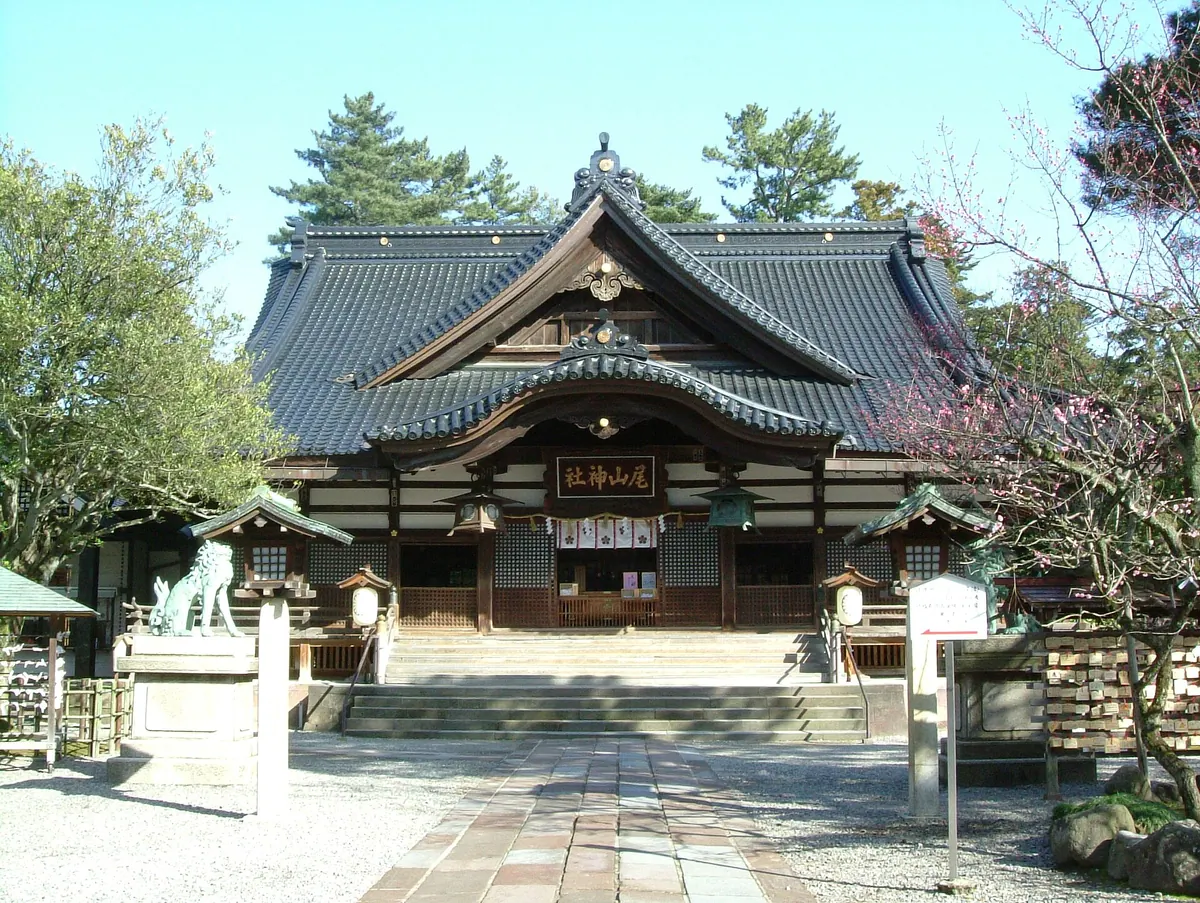
This shrine, dedicated to Maeda Toshiie, features a unique gate blending Japanese, Chinese, and Western styles.
What it is
- Shinto shrine dedicated to Maeda Toshiie.
- Also dedicated to his wife, Maeda Matsu.
- Founded in 1873.
What to see
- Three-storied shinmon gate, completed in 1875.
- Shinmon gate blends Japanese, Chinese, and Western architectural styles.
- Shinmon gate has stained glass.
- Eastern gate from Azuchi-Momoyama period.
- Eastern gate has wooden carvings of dragons.
- Eastern gate was part of Kanazawa Castle.
- Address
- 石川県金沢市尾山町11-1 Map
- Official site
- www.oyama-jinja.or.jp
17
Ishiura Shrine
ISHIKAWA · SHRINE 石浦神社
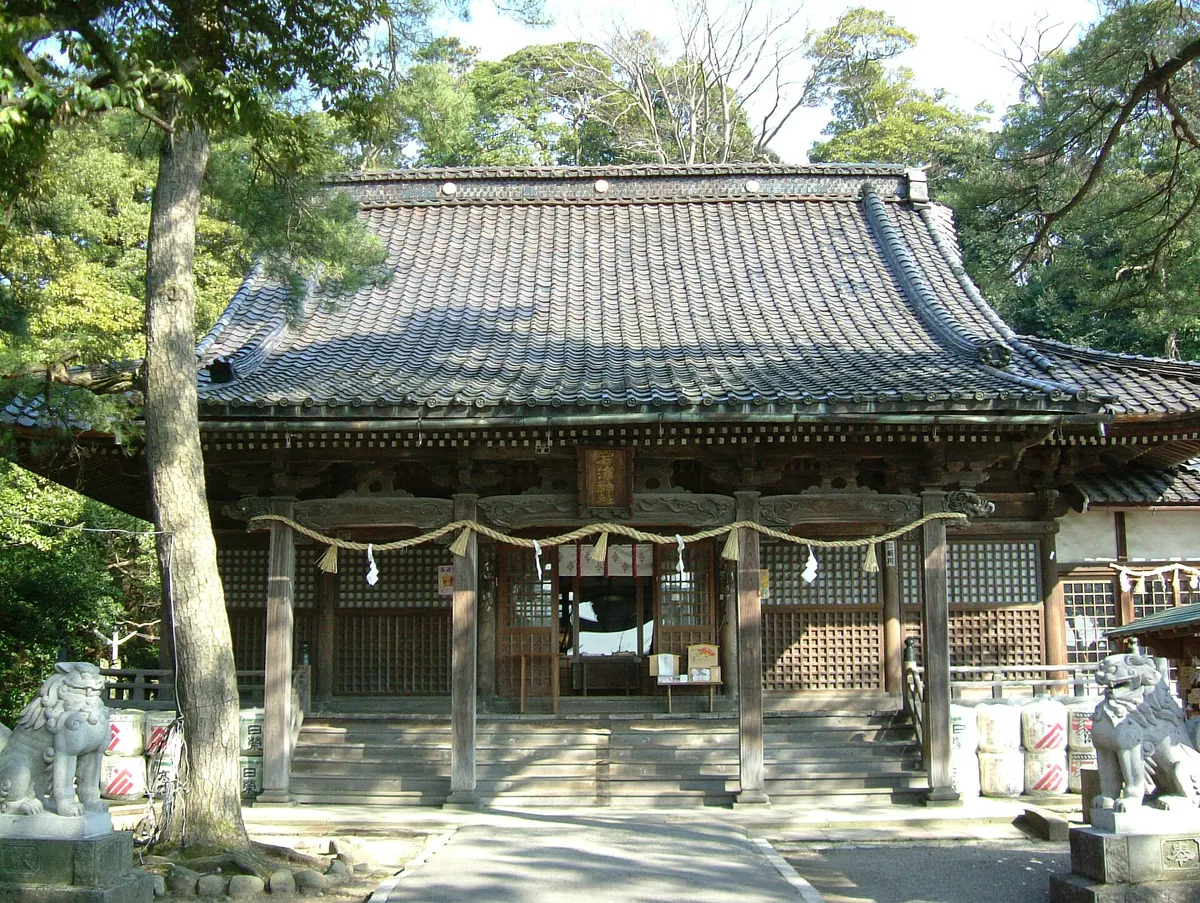
Kanazawa's oldest shrine, rebuilt in 1602, with 101 torii gates and two stone monuments.
What it is
- Kanazawa City's oldest shrine.
- Formerly called Miwa Shrine.
- Rebuilt in 1602.
- Renamed Ishiura Shrine in 1868.
What to see
- 101 torii gates built in 2019.
- Stone monument for Ishiura Shrine.
- Stone monument for Miwa Shrine.
When to go
- Annual festival on October 2nd.
Getting there
- Accessible by Hokutetsu Bus.
- Accessible by Kanazawa Flat Bus.
- Address
- 石川県金沢市本多町三丁目1番30号 Map
- Official site
- www.ishiura.jp
18
Hajikami Shrine
ISHIKAWA · SHRINE 波自加弥神社
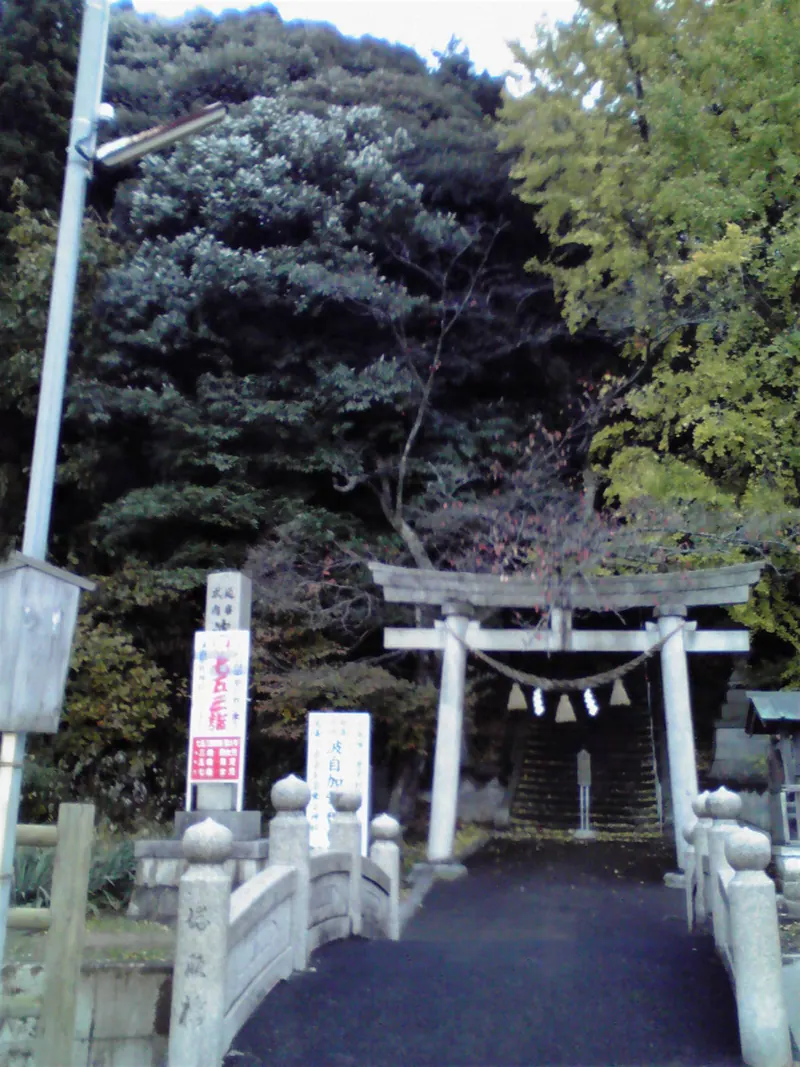
Hajikami Shrine, founded in 718 AD, is a historic site dedicated to two deities.
What it is
- Founded in 718 AD.
- Dedicated to Hajikami-no-kami and Shōhachiman-no-kami.
- Designated a Kokuhei Shōsha under the Engishiki.
- Relocated to its current site after a fire.
What to see
- A waterway flows near the main approach.
- Grounds are covered in a dense forest.
- Main shrine building is on a small hill.
When to go
- Ginger Festival is held annually on June 15th.
- Address
- 石川県金沢市二日市町カ186番地 Map
19
Nakamura Shrine
ISHIKAWA · SHRINE 中村神社
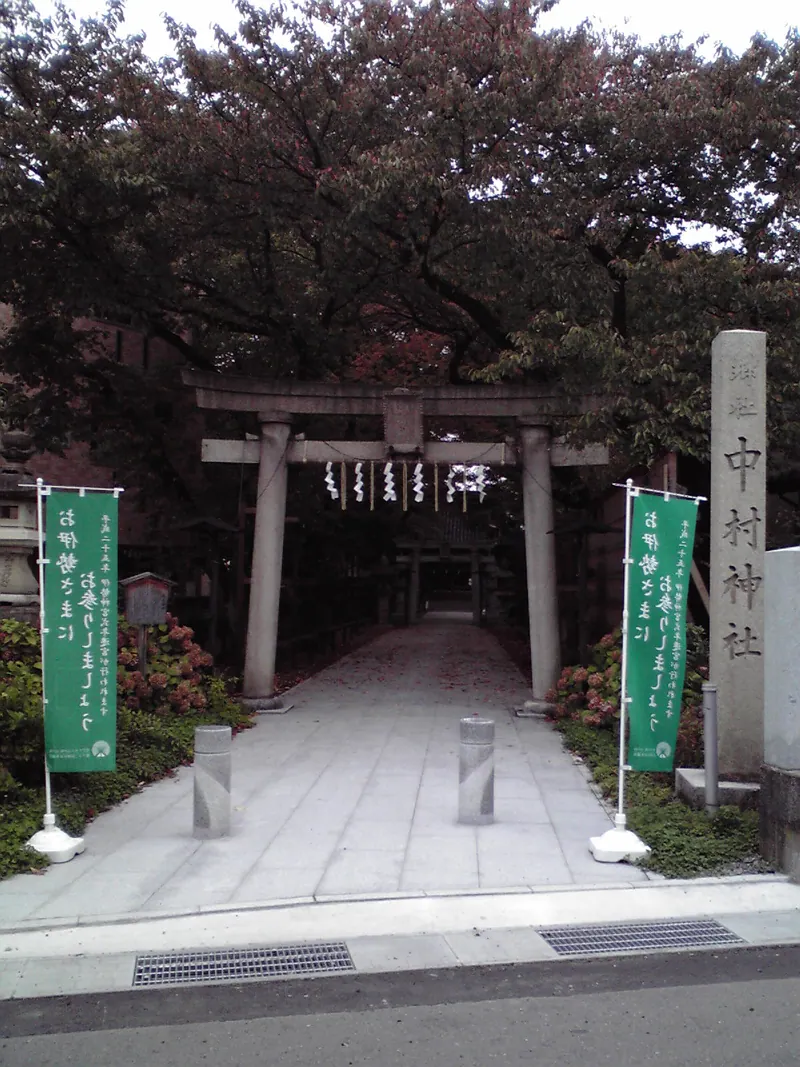
Nakamura Shrine is a historic shrine with a unique zelkova wood worship hall, worth visiting for its cultural significance.
What it is
- A shrine dedicated to four deities.
- Celebrated its 1100th anniversary in 2009.
- Designated a local shrine in 1880.
What to see
- Worship hall originally from Kanazawa Castle's Ninomaru.
- Worship hall is a Momoyama-style building.
- Worship hall made entirely of zelkova wood.
- Worship hall registered as a National Tangible Cultural Property.
- Worship hall was originally a Noh stage.
- Address
- 石川県金沢市中村町16 Map
20
Shiratori Shrine
ISHIKAWA · SHRINE 白鳥神社
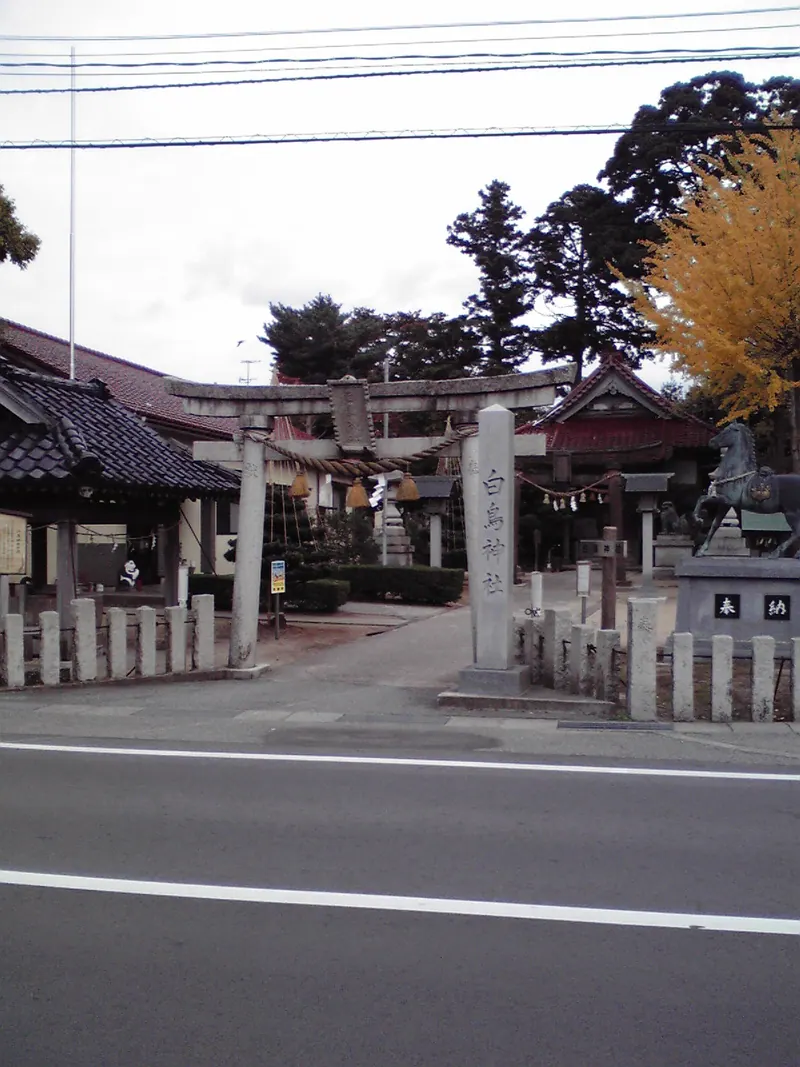
Shiratori Shrine honors Yamato Takeru, known for rain prayers and a historic votive horse picture.
What it is
- Shrine dedicated to Yamato Takeru no Mikoto.
- Founded around the time of Emperor Chuai.
- Believed a white bird was Yamato Takeru's soul.
- Known for efficacy in praying for rain.
What to see
- Tenman Daijizai Tenjin is a subsidiary shrine.
- Votive horse picture from 1853 is a cultural property.
Getting there
- 10-minute walk from Tsubata Station.
- Address
- 石川県河北郡津幡町加賀爪ヌ1 Map