

20 Shrines in Iwate worth your time
Japan Gems
Onikoshi Sōzen Shrine and Mikumano Shrine are among the 43 shrines in Iwate Prefecture. These shrines offer a glimpse into the spiritual traditions of the region.
Iwate has 43 shrines on Japan Gems. Below are the 20 we can tell you the most about — each one written up in English from Japanese sources, with what to see and how to get there. See all shrines in Iwate.
01
Nippon Steel Corporation North Nippon Works San Shrine
IWATE · SHRINE 釜石製鐡所山神社
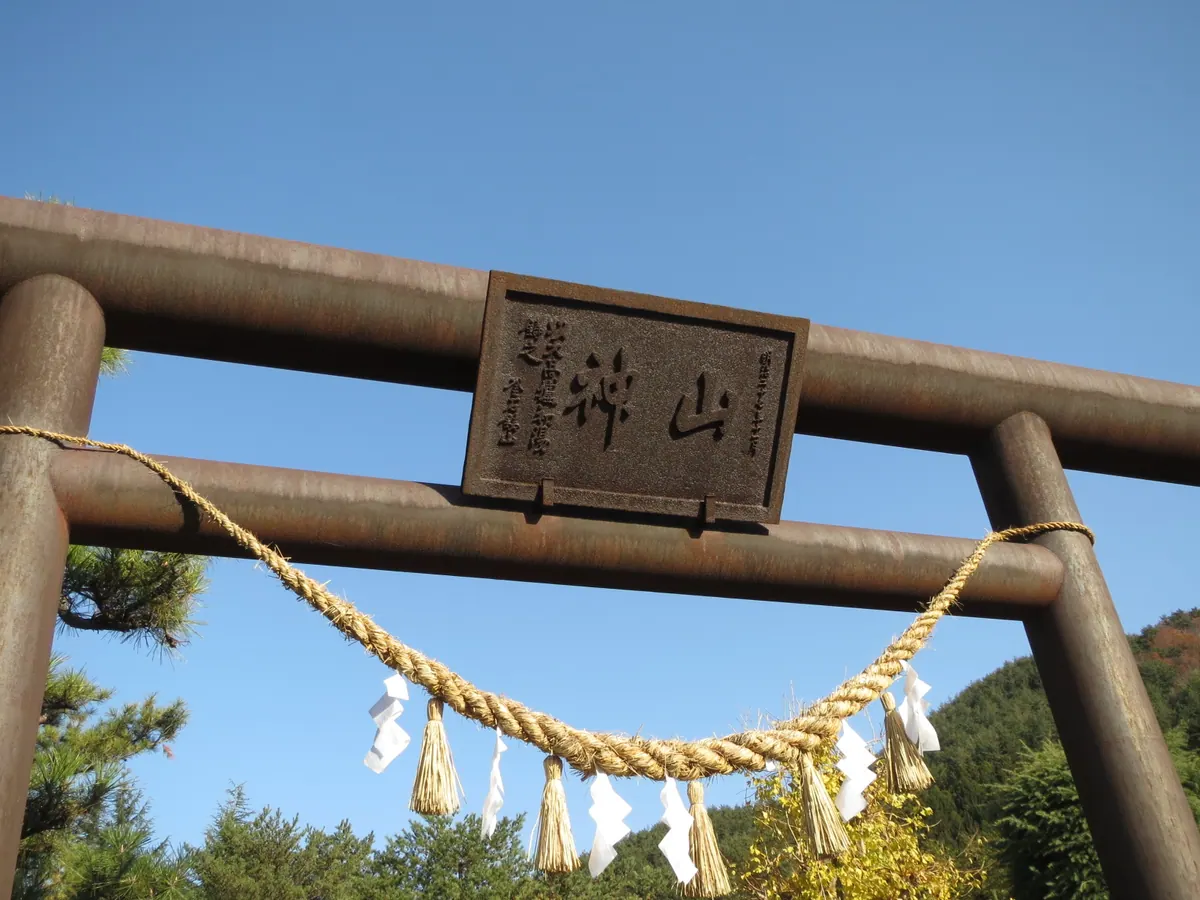
A guardian shrine of a steelworks, preserving unique iron artifacts from Japan's industrial past.
What it is
- Guardian shrine of Nippon Steel Kamaishi Works.
- Originated from a relocation of Hachiman Shrine.
- Moved to Ogawa-cho in July 1963.
- Shrine building donated by the Tanaka family.
What to see
- Iron votive tablet from 1894 is a city cultural property.
- Tablet cast from Japan's first coke pig iron.
- Kamaishi Mining Sanjinja Stone Monument is a cultural property.
- Monument has an inscription from November 1857.
When to go
- Annual festival held jointly with Ozaki Shrine.
- Festival includes a 'Hikifune Matsuri' on the middle day.
- Address
- 岩手県釜石市桜木町1-5-1 Map
Read more about Nippon Steel Corporation North Nippon Works San Shrine
02
Osaki Shrine
IWATE · SHRINE 尾崎神社
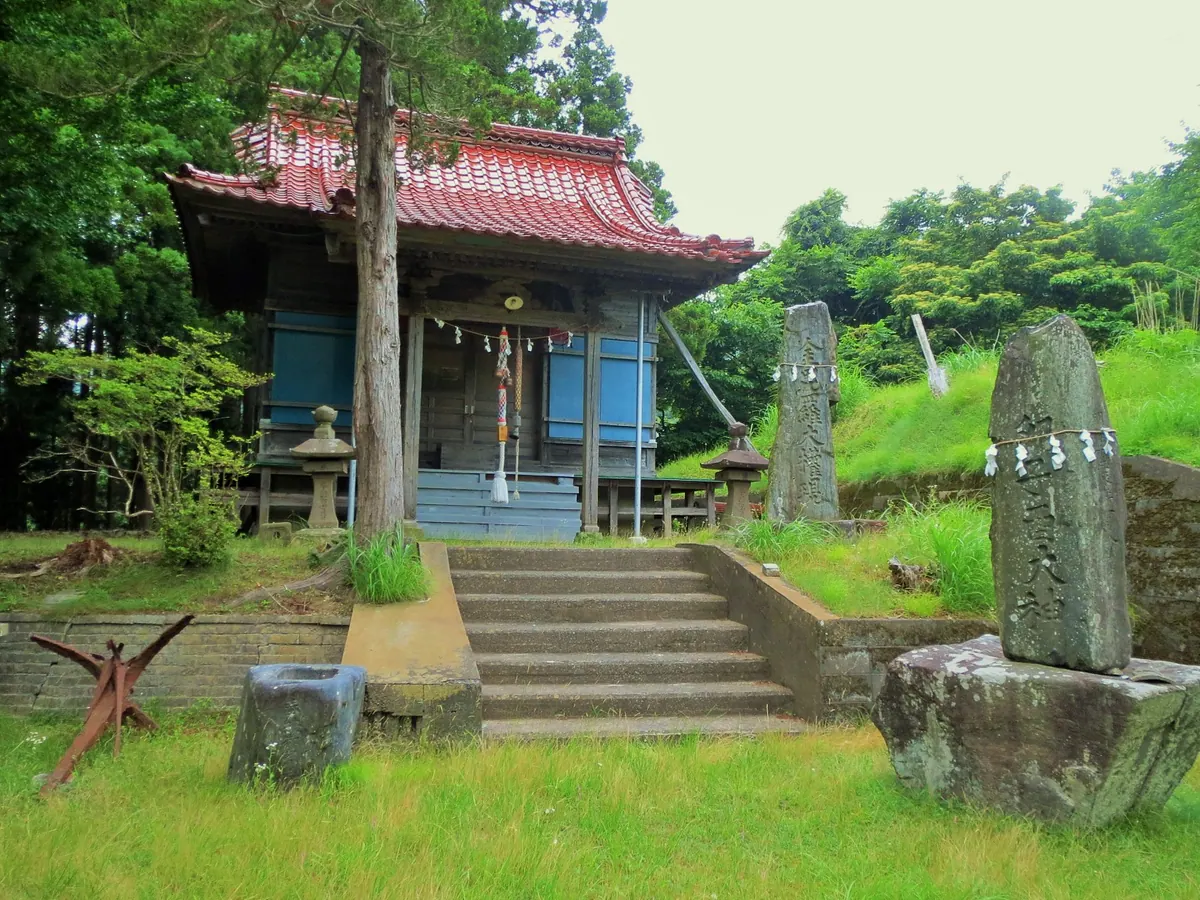
Osaki Shrine is a historic site in Iwate Prefecture, known for its deities and cultural properties.
What it is
- A shrine in Kamaishi City, Iwate Prefecture.
- Dedicated to deities Yamato Takeru and Heii Yorimoto.
- Received the title of Daimyojin in 1719.
- Received the court rank of Shoichii in 1799.
What to see
- Four shrines: Hongu, Okumiya, Okunoin, and Satomiya.
- Shoichii Osaki Daimyojin Hengaku, a cultural property.
- Cast iron sacred sword, a cultural property.
- Cast iron Hengaku, a cultural property.
When to go
- Kamaishi Festival, with Kamaishi Seitetsu-sho Yamagami Shrine.
- The festival includes the Hikifune Festival.
- Address
- 岩手県釜石市平田7-130 Map
03
Kuromori Shrine
IWATE · SHRINE 黒森神社
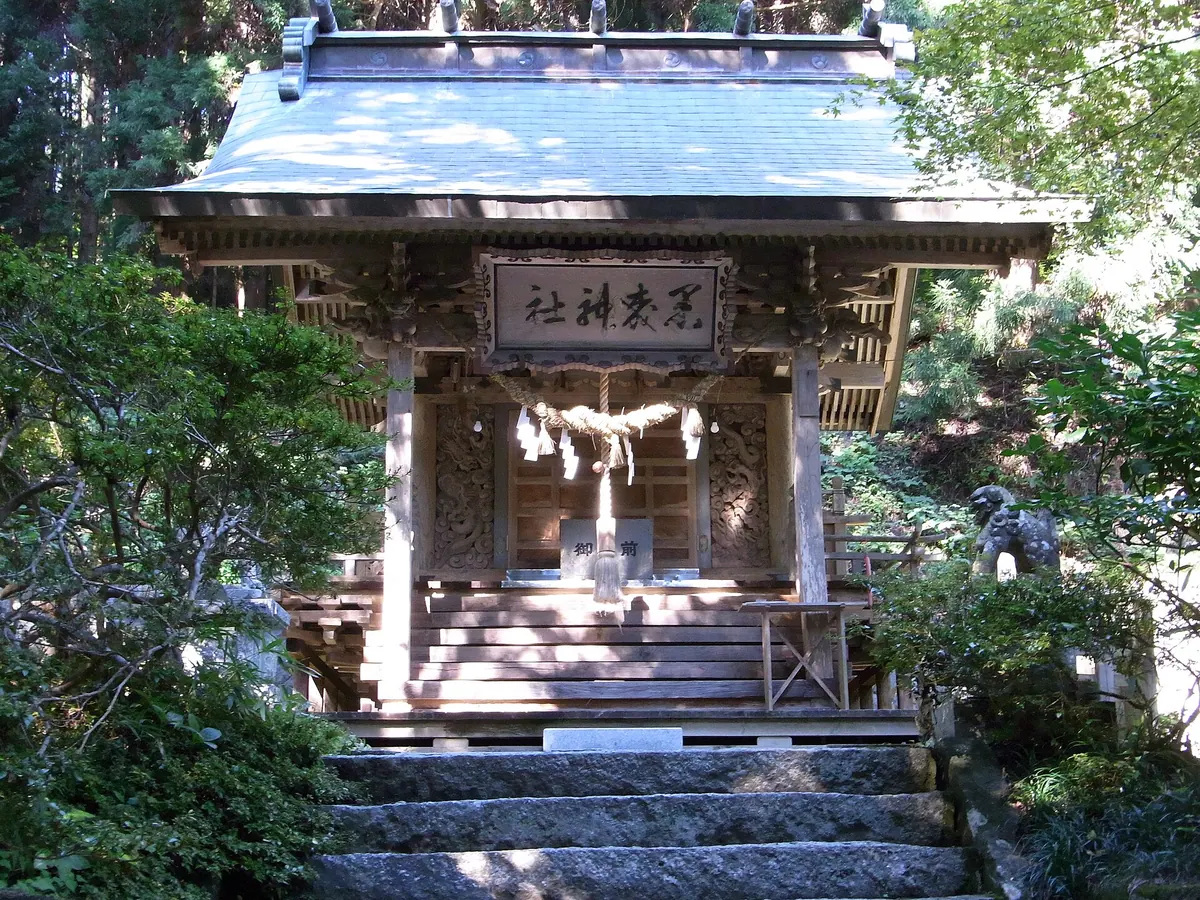
Kuromori Shrine preserves ancient lion masks and performs traditional Kagura dance.
What it is
- A shrine on Mount Kuromori, 310.5 meters above sea level.
- Formerly called Kuromori Gongen-sha before the Meiji era.
- It enshrined Senju Kannon.
What to see
- Many lion heads, called Gongen-sama, are preserved.
- Lion heads are designated cultural properties of Iwate Prefecture.
- Iron bowls from 1334 remain.
- Ridge tags from the Muromachi period exist.
- Esoteric Buddhist ritual implements from the Nara period were excavated.
When to go
- Kuromori Kagura, an Important Intangible Folk Cultural Property, is performed.
- Address
- 岩手県宮古市大字山口第4地割132 Map
04
Mitake Shrine
IWATE · SHRINE 三嶽神社
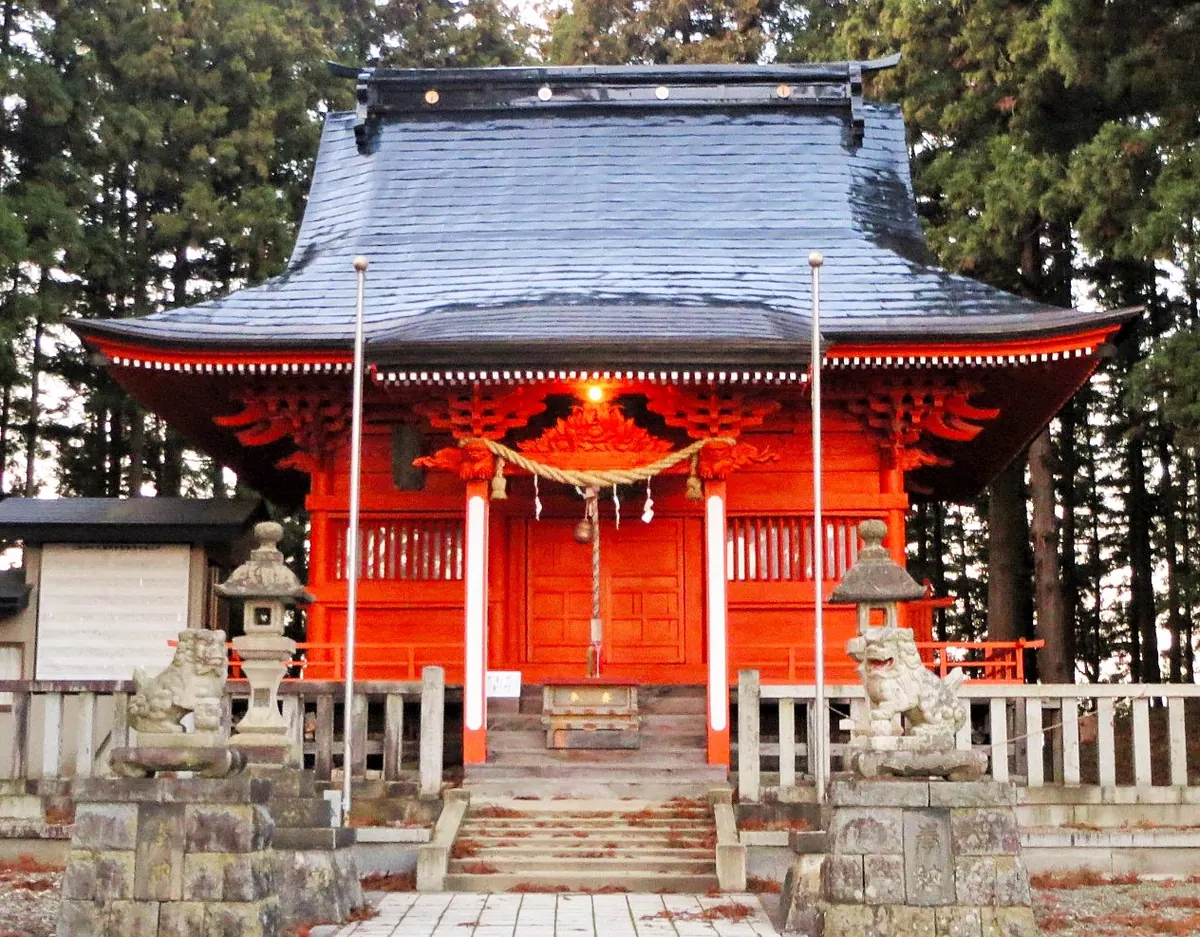
Mitake Shrine is a historic site with a beautiful worship hall, worth visiting for its cultural significance.
What it is
- A shrine in Hanamaki City, Iwate Prefecture.
- Established during the Tensho era (1573-1592).
- Dedicated to Onamuchi-no-mikoto, Konohanasakuya-hime, and Sukunahikona-no-mikoto.
- Designated a village shrine in 1871.
What to see
- The worship hall, a designated cultural property.
- The worship hall, built in 1786.
- A wooden, single-story worship hall.
- The worship hall features a hip-and-gable roof.
- The worship hall uses zelkova wood.
Getting there
- A 30-minute walk from Nitsunai Station.
- Address
- 岩手県花巻市西宮野目12-92 Map
05
Oomiya Shrine (morioka)
IWATE · SHRINE 大宮神社 (盛岡市)

Oomiya Shrine: ancient guardian shrine with unique cultural properties, worth visiting for history and traditions.
What it is
- Ancient shrine in Morioka City, Iwate Prefecture.
- Founded during the Enryaku era (782-806).
- Originates from the outer shrine of Ise Jingu.
- Served as a guardian shrine for Shiwa Castle.
What to see
- A designated tangible cultural property: a waniguchi.
- Oomiya Kagura, an intangible folk cultural property.
When to go
- Known for Oomiya Kagura and Taga Kagura performances.
Getting there
- Take an Iwate Ken Kotsu bus.
- Get off at the Oomiya Jinja-mae bus stop.
- Address
- 岩手県盛岡市本宮字大宮51 Map
06
Morioka Hachimangū
IWATE · SHRINE 盛岡八幡宮
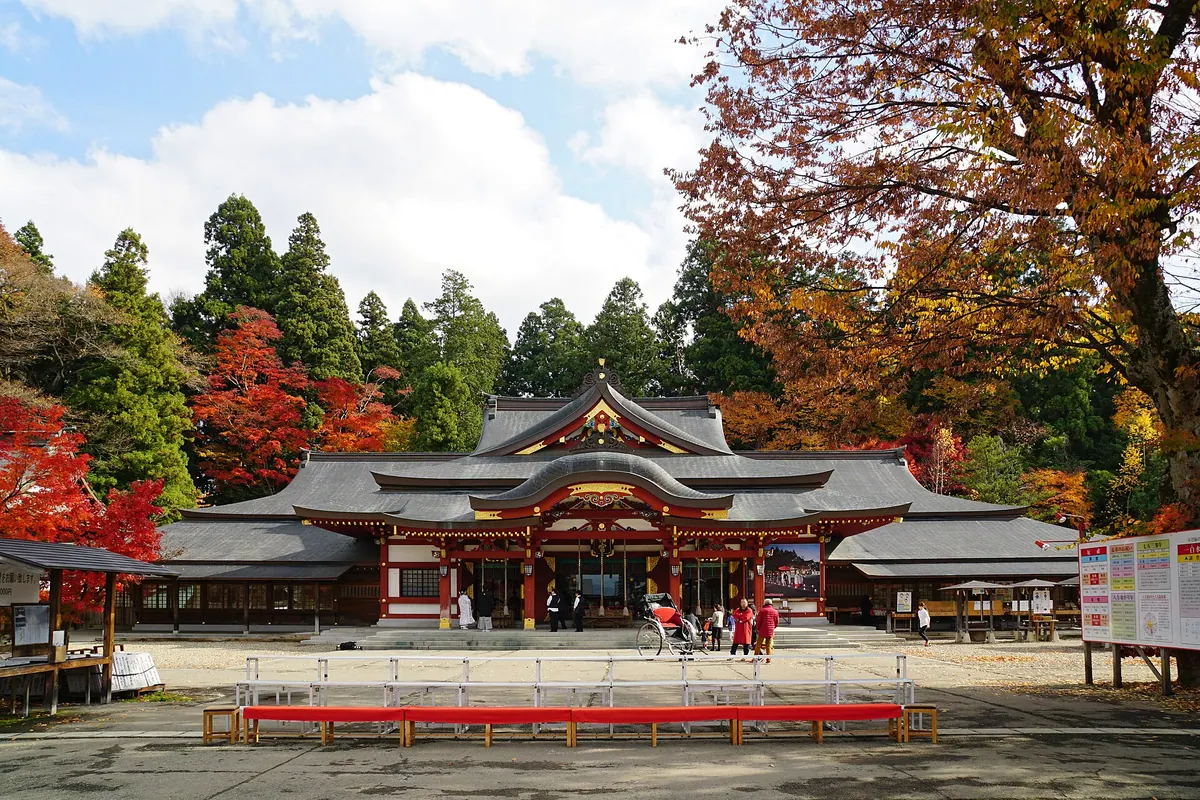
Morioka Hachimangu is a historic Shinto shrine known for its festivals and sub-shrines.
What it is
- A Shinto shrine in Morioka City, Iwate Prefecture.
- Founded in 1062 by Minamoto no Yoshiie.
- Nambu Shigenobu enshrined Kushihiki Hachiman in 1680.
What to see
- The front torii gate, rebuilt in 2002.
- The old torii gate, built in 1763.
- Kasamori Inari Shrine on the grounds.
- Shinmei Shrine on the grounds.
- Iwate Gokoku Shrine on the grounds.
When to go
- Known for the Chagu Chagu Umakko festival.
- Known for the Morioka Sansa Festival.
- Known for the Yabusame Shinji festival.
- Address
- 岩手県盛岡市八幡町13-1 Map
- Official site
- www.morioka8man.jp
07
Tannaisan Shrine
IWATE · SHRINE 丹内山神社

Tannaisan Shrine, a historic site in Iwate, offers a glimpse into local religious heritage.
What it is
- Shrine dedicated to Tanichihiko-no-kami and Amenominakanushi-no-kami.
- Formerly Daishoji Temple, renamed during the Meiji Restoration.
- Rebuilt by Sakanoue Tamuramaro.
- A hall for Fudo Myoo was built during the Jowa era.
What to see
- Main hall is an Iwate Prefectural Tangible Cultural Property.
- Main hall was built in 1810.
- Wooden Eleven-faced Kannon Standing Statue is a cultural property.
- Sutra mound is an Iwate Prefectural Monument.
- Miyaburi Kagura is a Hanamaki City Folk Cultural Property.
- Address
- 岩手県花巻市東和町谷内2-303 Map
08
Ōtsuchi Inari Shrine
IWATE · SHRINE 大槌稲荷神社

Historic shrine in Iwate, home to cultural properties and a lively festival.
What it is
- Founded in the early Edo period.
- Enshrines Ukanomitama and Takeminakata deities.
- Designated a gōsha in 1943.
What to see
- Stone lanterns are tangible cultural properties.
- Water basin is a tangible cultural property.
- Oshira-sama is a tangible folk cultural property.
When to go
- Ōtsuchi Festival is held jointly with Kozuchi Shrine.
Getting there
- 7-minute drive from Ōtsuchi Interchange.
- 20-minute walk from Sanriku Railway Ōtsuchi Station.
- Address
- 岩手県上閉伊郡大槌町安渡2丁目8-1 Map
09
Kozuchi Shrine
IWATE · SHRINE 小鎚神社
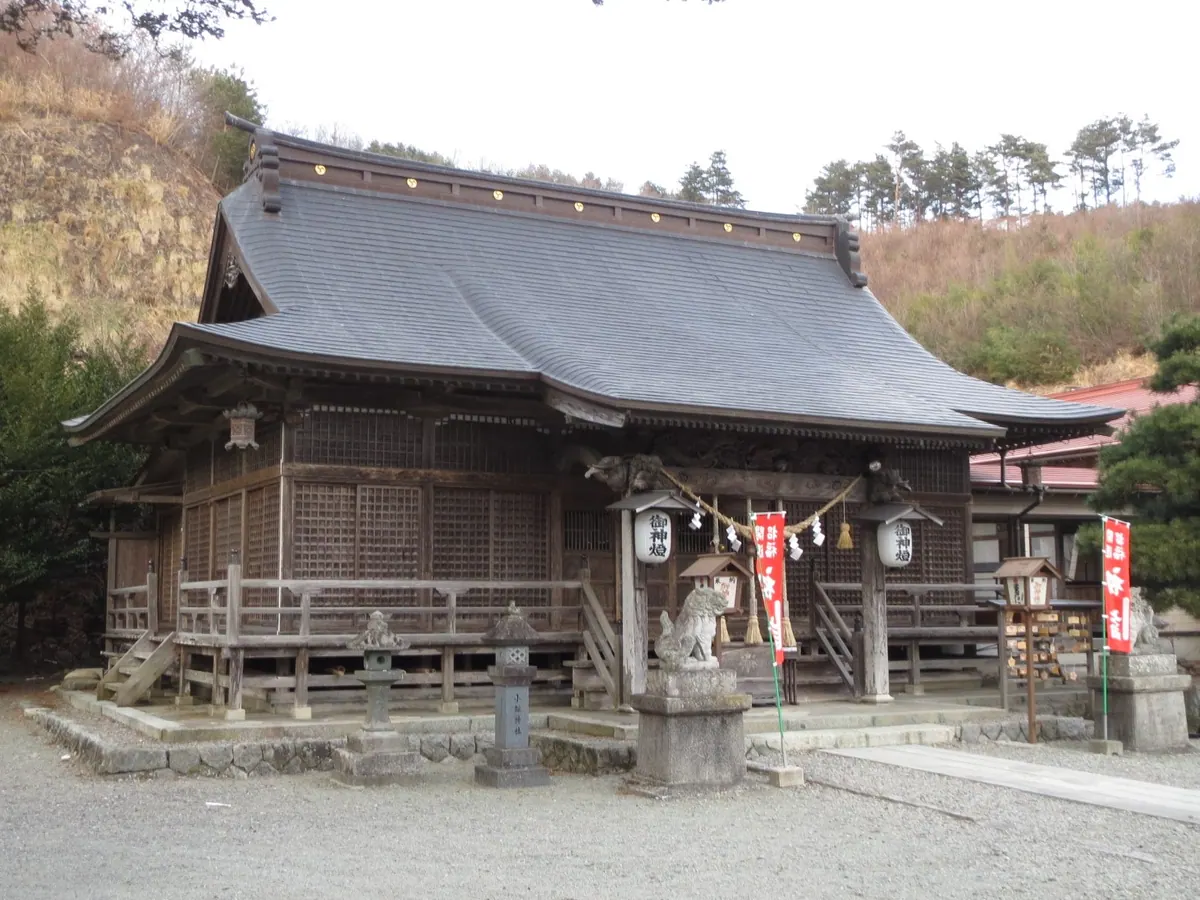
Kozuchi Shrine is a historic shrine with important cultural properties, easily accessible by train.
What it is
- Shrine founded in 829.
- Dedicated to Yamato Takeru.
- Designated a Chinju by Minamoto no Yoriyoshi.
- Became a Gosha in 1946.
What to see
- Stone lantern from 1748 is a cultural property.
- Fir tree on the grounds is a natural monument.
- Gilt bronze Gozu Tenno statue is designated.
When to go
- Mikoshi crosses the Kozuchi River during festivals.
Getting there
- 5-minute walk from Sanriku Railway Rias Line Otsuchi Station.
- Address
- 岩手県上閉伊郡大槌町上町2-16 Map
- Official site
- kozuchi-shrine.jimdofree.com
10
Wakutsu Hachiman Shrine
IWATE · SHRINE 涌津八幡神社
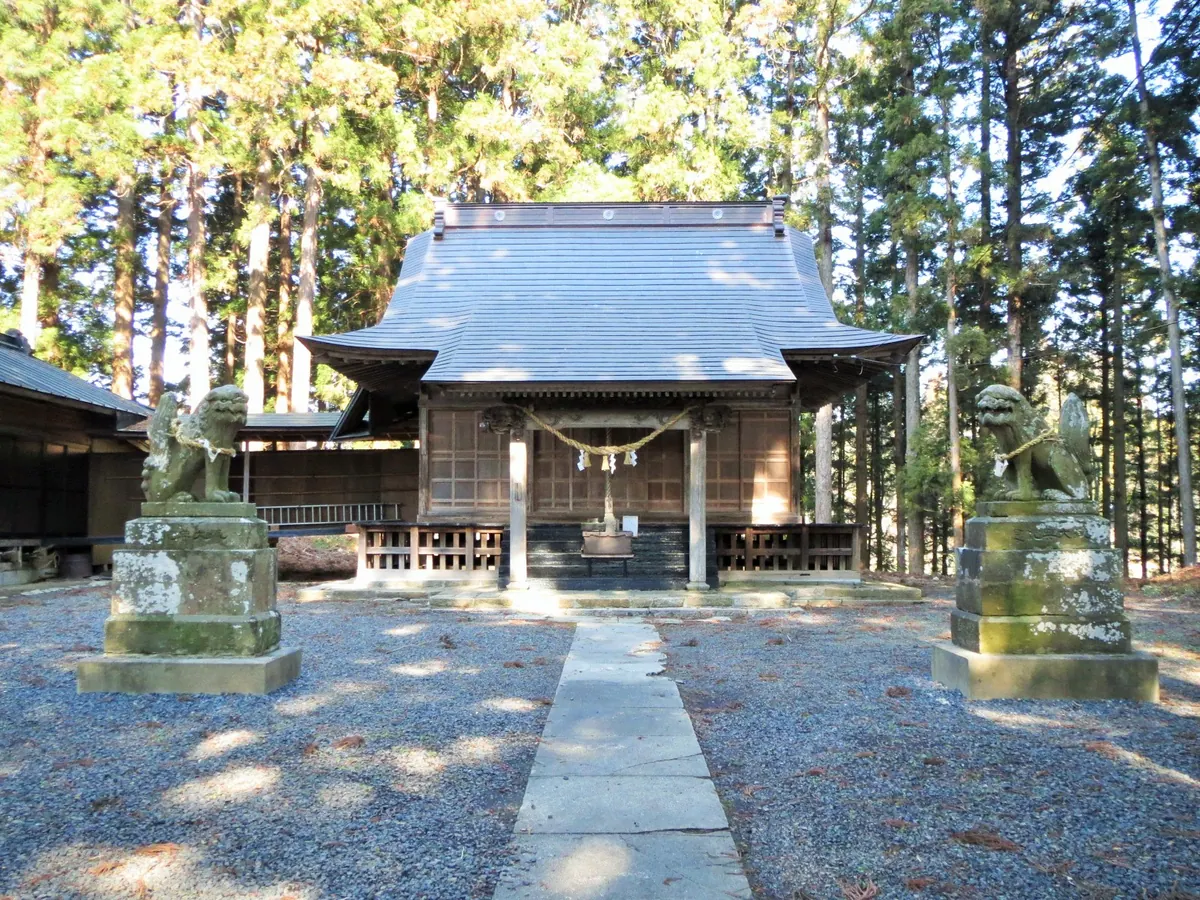
Wakutsu Hachiman Shrine, founded in 1493, houses a rare 13th-century iron gorintō base.
What it is
- A shrine founded in 1493.
- Dedicated to Hondawake no Mikoto.
- Iwabuchi Minbu enshrined the spirit of Shō Hachiman.
What to see
- An iron gorintō base, an Important Cultural Property.
- The gorintō base is 106.0cm long and 78.2cm high.
- Two komainu are depicted on the base's front.
- Inscriptions are visible on both sides of the base.
- The gorintō was completed in 1268.
Getting there
- 20 minutes by car from Wakayanagi Kanari Interchange.
- Address
- 岩手県一関市花泉町涌津字舘69番地 Map
11
Mikumano Shrine
IWATE · SHRINE 三熊野神社
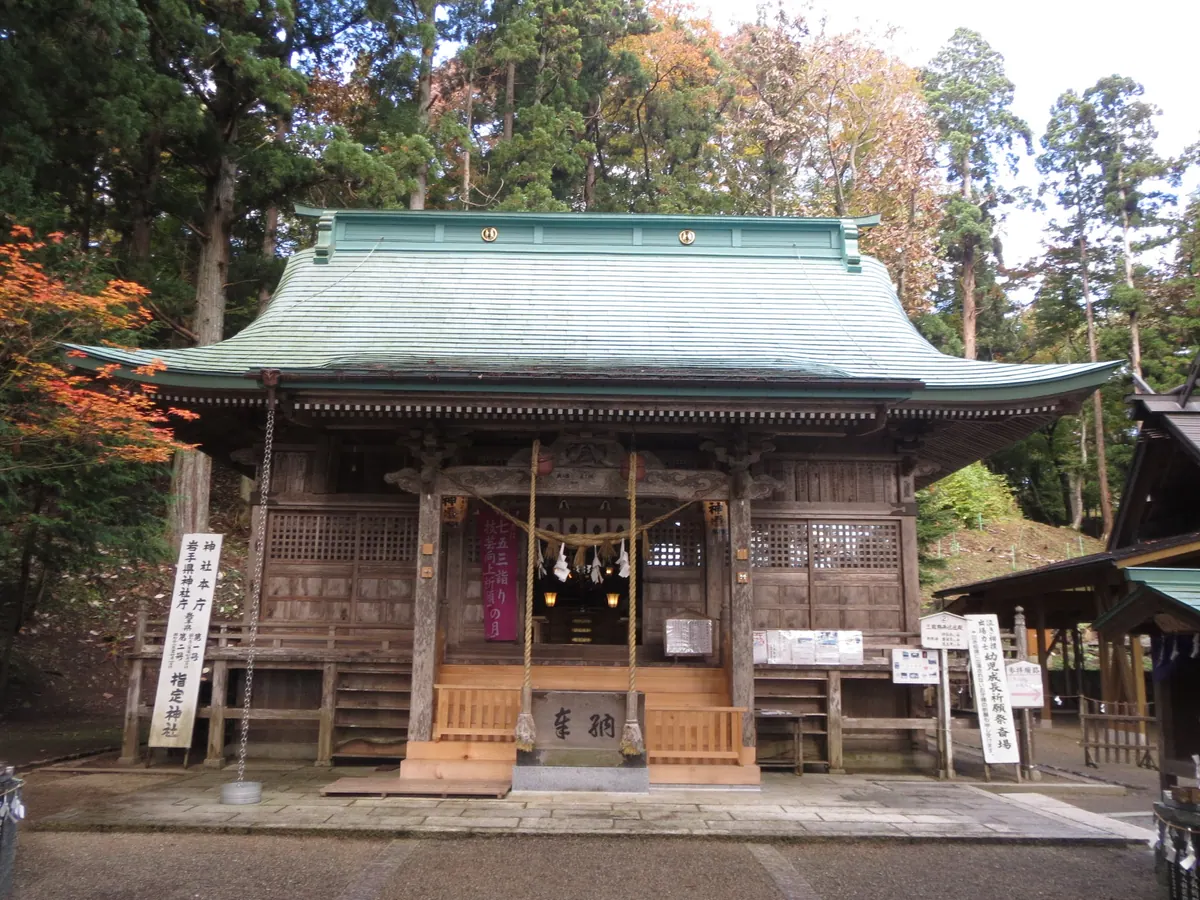
Mikumano Shrine is a historic shrine founded in 802, known for its unique crying sumo ritual.
What it is
- Formal name is Kumano Shrine.
- Founded in 802 by Sakanoue Tamuramaro.
- Enshrines Izanami-no-mikoto and two other deities.
- Minamoto no Yoshiie prayed for victory here in 1062.
What to see
- Main hall shows architectural style of the Muromachi period.
- Main hall is an Iwate Prefecture tangible cultural property.
When to go
- Jyuniban Sumo-shiki is a sumo ritual for infants.
- The sumo ritual is a Hanamaki City intangible cultural property.
- Address
- 岩手県花巻市東和町北成島5区1 Map
12
Kumano Shrine
IWATE · SHRINE 熊野神社

Kumano Shrine offers unique cultural properties and a rare camellia tree.
What it is
- Shrine established around the Bun'ei era of the Kamakura period.
- Legend describes priests fleeing with treasures by boat.
What to see
- Hanging Buddhas: 19 copper and iron pieces.
- Hanging Buddhas are designated tangible cultural properties.
- Sanmen Tsubaki: 8m circumference, 10m height.
- Sanmen Tsubaki is a designated natural monument.
- One Sanmen Tsubaki tree remains after 2009 collapse.
- Shrine has city-designated cultural properties like lion heads.
- Address
- 岩手県大船渡市末崎町字中森17 Map
13
Yokoyama Hachimangū
IWATE · SHRINE 横山八幡宮

Ancient shrine in Miyako City, founded in 680 AD, with a unique sea procession festival.
What it is
- A Hachimangu shrine in Miyako City, Iwate Prefecture.
- Founded in 680 AD, it was formerly a village shrine.
- One of the Hachimangu shrines of the former Morioka Domain.
- Protected by the Sentoku clan.
What to see
- Shrine grounds include Kompira Shrine and Inari Shrine.
- Site where Sarumaru Dayu composed a waka poem.
- Location of Sarumaru Dayu's former residence, Sarumaru Yashiki.
When to go
- Attend the sea procession festival.
- Address
- 岩手県宮古市宮町二丁目5番1号 Map
- Official site
- y-hachimangu.com
14
Nanbu Shrine, Tono
IWATE · SHRINE 南部神社 (遠野市)
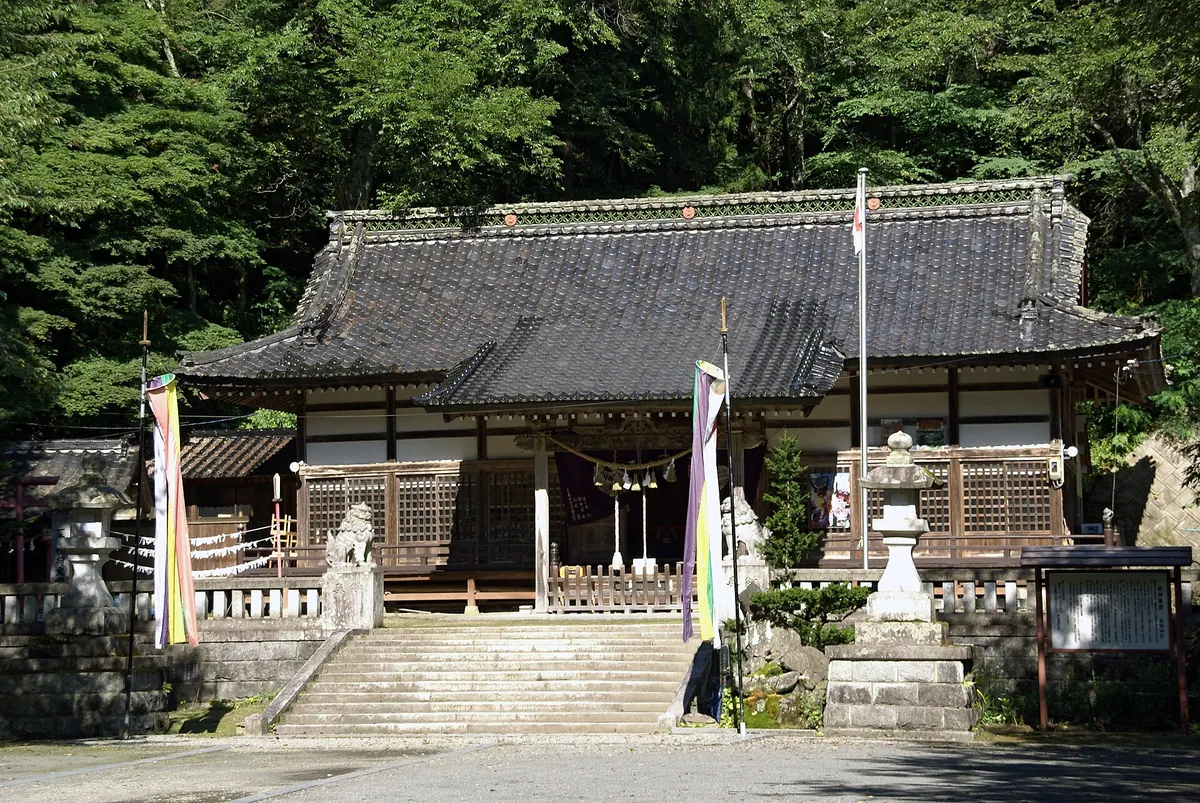
Visit Nanbu Shrine, founded in 1882, to honor the Tono Nanbu family and experience unique festivals.
What it is
- A shrine in Tono City, Iwate Prefecture.
- Founded in 1882 as Nabekura Shrine.
- Renamed Nanbu Shrine in 1944.
- Dedicated to the Tono Nanbu family, generations one to eight.
When to go
- Annual festival with portable shrine procession on May 3.
- Annual festival's main ceremony is on May 4.
- Sumitsuke Don to Festival is on the second Sunday of January.
Getting there
- 10-minute walk from Kamaishi Line Tono Station.
- Address
- 岩手県遠野市東舘町3-6 Map
15
Ontakesan Ontake-shinmeisha
IWATE · SHRINE 御嶽山御嶽神明社
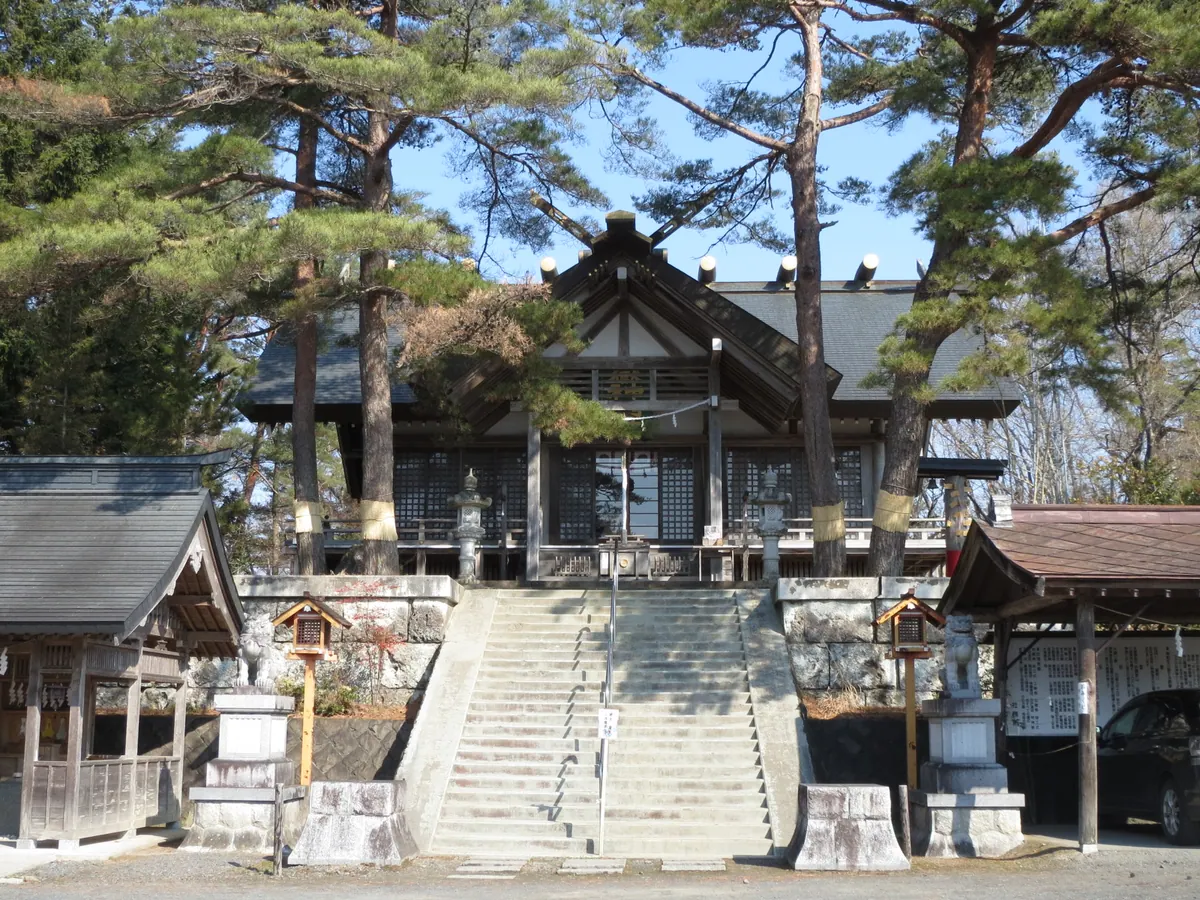
Ontakesan Ontake-shinmeisha is a historic shrine dedicated to Amaterasu Omikami, offering a glimpse into local faith.
What it is
- A shrine founded in 766.
- Dedicated to Amaterasu Omikami since 1772.
- Served as a general prayer place for the Ryugo area.
- Re-established in 1906 by Yuzo Sato.
What to see
- The current shrine building, rebuilt in 1978.
- Several auxiliary shrines on the grounds.
When to go
- Various festivals are held throughout the year.
Getting there
- 10-minute taxi ride from JR Hanamizumi Station.
- Address
- 岩手県一関市花泉町老松字水沢屋敷161番地2 Map
16
Unosumi Shrine
IWATE · SHRINE 鵜住神社
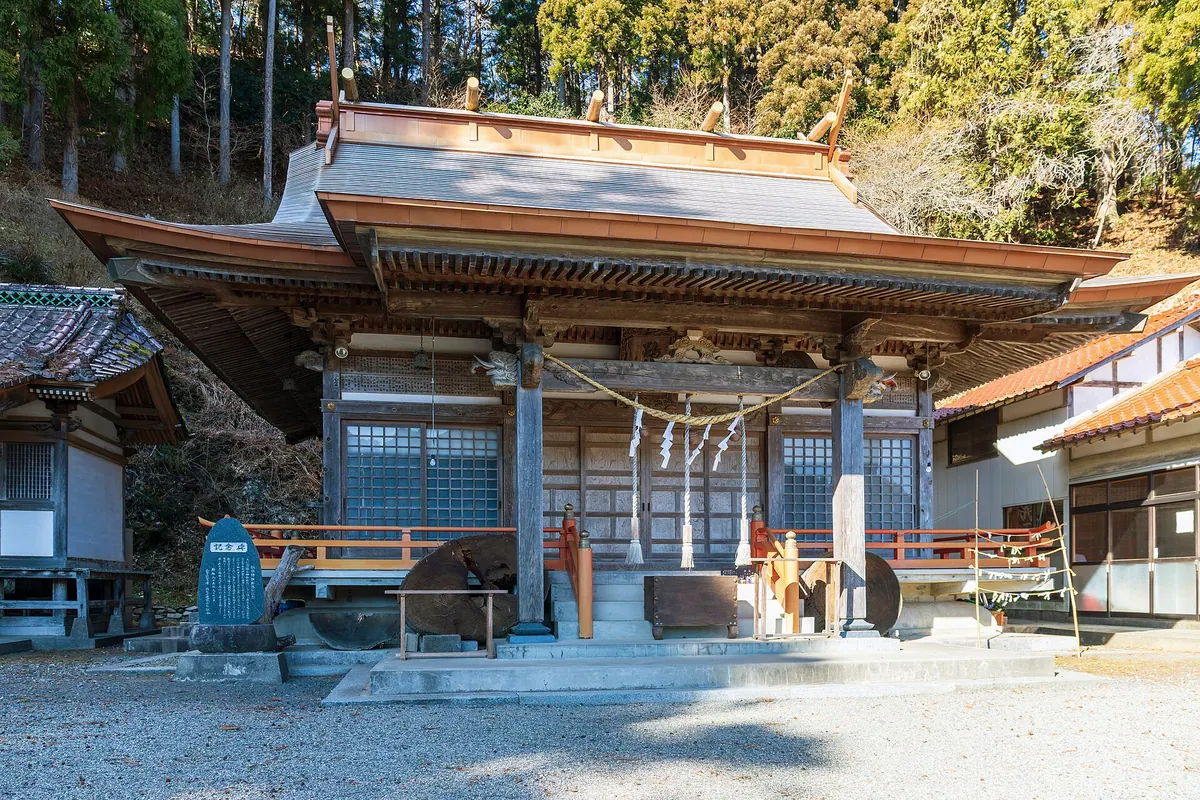
Unosumi Shrine is a historic coastal shrine with a revered Kannon statue, worth visiting for its cultural heritage.
What it is
- Shrine established in 1690.
- Dedicated to Hondawake-no-mikoto and Oyamatsumi-no-mikoto.
- Home to the Unosumai Tora Mai folk dance.
What to see
- First torii gate is about 5 meters tall.
- Wooden Eleven-faced Kannon statue from 1510.
- Kannon-do hall, undamaged by tsunami.
Getting there
- Nearest station is Unosumai on Sanriku Railway Rias Line.
- 5-minute drive from Kamaishi-kita Interchange.
- Address
- 岩手県釜石市鵜住居町第13地割28番地 Map
17
Hitaka Shrine
IWATE · SHRINE 日高神社
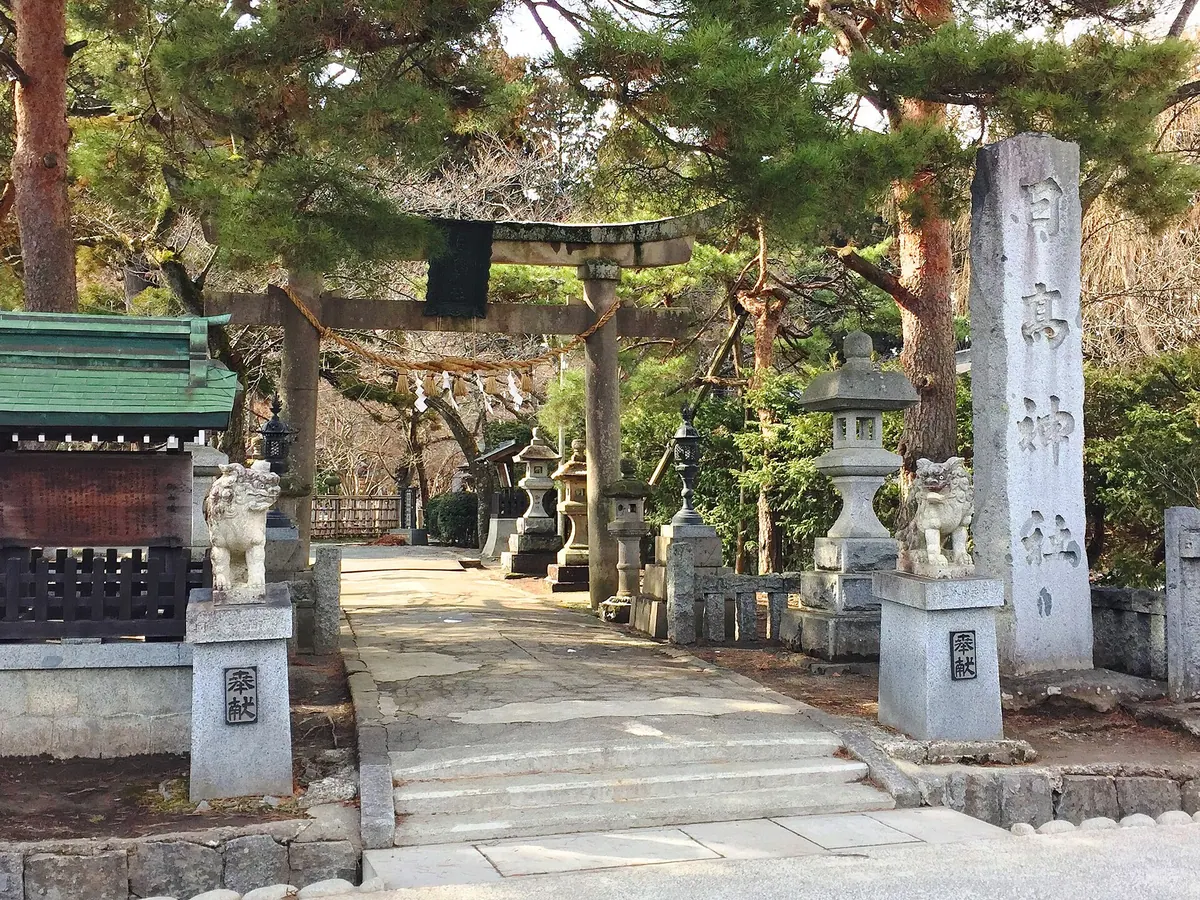
Hitaka Shrine, founded in 810 AD, offers important cultural properties and a lively festival.
What it is
- Shrine founded by imperial order in 810 AD.
- Eight deities are enshrined here.
What to see
- Main shrine building is an Important Cultural Property.
- Zuisan Shrine is a sub-shrine.
- Two Ubasugi cedar trees are city natural monuments.
- Six stone lanterns are city tangible cultural properties.
- Rusuke family graves are city historic sites.
When to go
- Known for the Hitaka Hibuse Festival.
- Address
- 岩手県奥州市水沢字日高小路13 Map
18
Ichinoseki Hachiman Shrine
IWATE · SHRINE 一関八幡神社
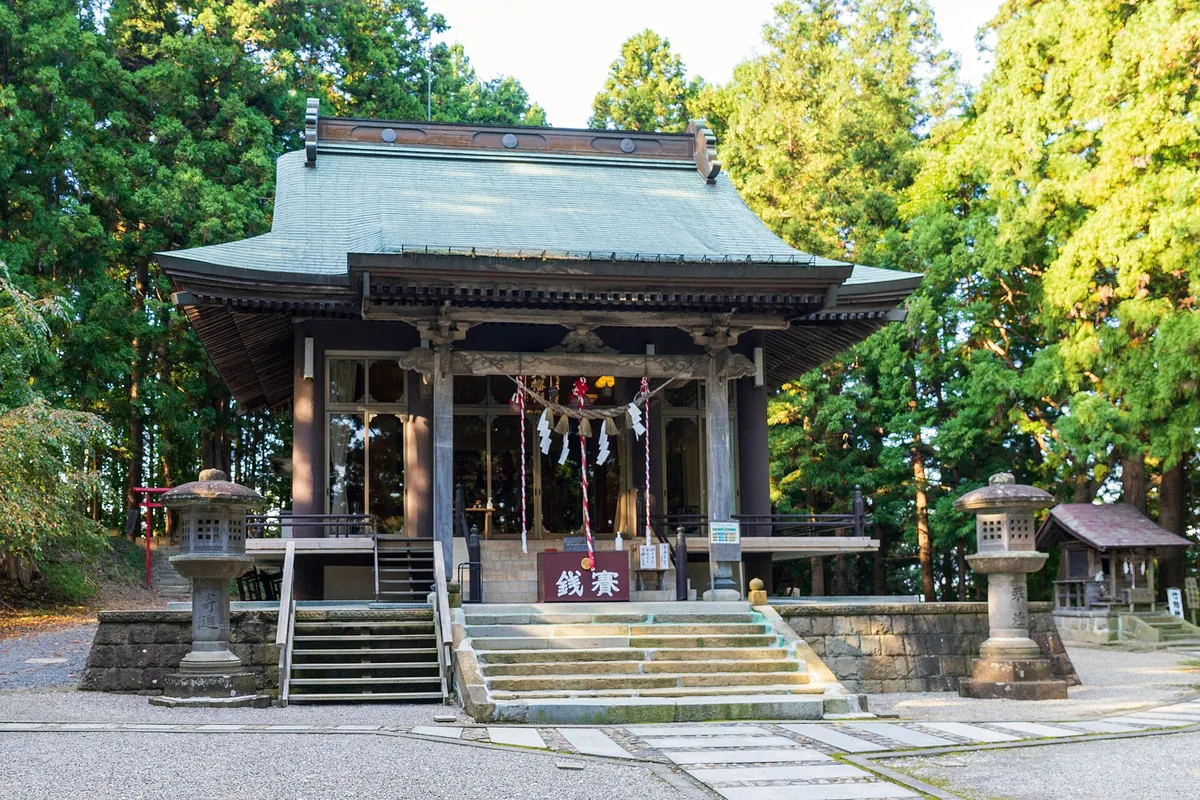
Ichinoseki Hachiman Shrine is a guardian deity, rebuilt after fire, enshrining historical figures.
What it is
- Total guardian deity of Ichinoseki City.
- Also known as Ichinoseki Hachiman Shrine Aidono Tamura Shrine.
- Established by Sakanoue Tamuramaro between 782 and 806.
- Relocated to its current site in 1662.
What to see
- Current shrine building rebuilt in 1973.
- Enshrines Hachiman Okami, Sakanoue Tamuramaro, and Tamura Terusada.
- Sub-shrines include Takekoma Shrine and Tenmangu.
- Address
- 岩手県一関市釣山19 Map
19
Shiratori Shrine
IWATE · SHRINE 白鳥神社
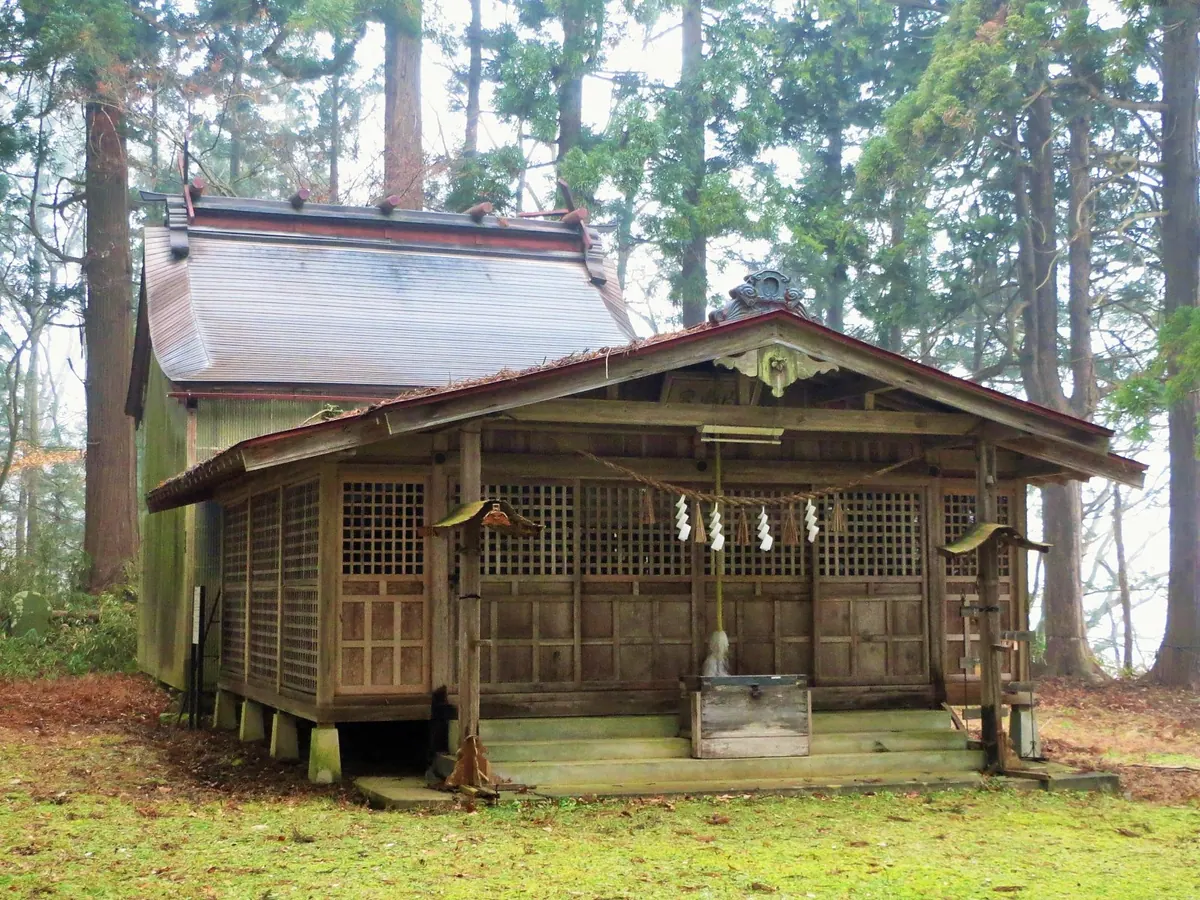
Shiratori Shrine, founded in 1212, offers a glimpse into local history and traditional architecture.
What it is
- Founded in 1212 by Tada Tadaaki, ancestor of the Waga clan.
- Dedicated to the deity Yamato Takeru.
- Revered as a guardian deity for generations.
- Built within Futago Castle grounds.
What to see
- The current main hall, rebuilt in 1843.
- Main hall and munafuda are tangible cultural properties.
Getting there
- 15-minute drive from Kitakami Ezuriko IC.
- Address
- 岩手県北上市二子町坊舘67-1 Map
20
Suwa Shrine
IWATE · SHRINE 諏訪神社

Kitakami's guardian shrine, founded in 807, offers a glimpse into local history and sacred architecture.
What it is
- Central shrine in Kitakami City, also called Kitakami Suwa Shrine.
- Founded in 807 by order of Emperor Kanmu.
- Guardian shrine of Kitakami City and Waga County.
- Five deities enshrined together over time.
What to see
- Main hall, offering hall, and worship hall.
- Sacred tree, a Sawara cypress.
Getting there
- 9-minute walk from JR Kitakami Station.
- Address
- 岩手県北上市諏訪町1-3-9 Map