

20 Shrines in Kōchi worth your time
Japan Gems
Kōchi Prefecture is home to 34 shrines, including Ichiki Shrine and Fuba-hachimangu. Visitors can find a variety of spiritual sites across the region.
Kōchi has 34 shrines on Japan Gems. Below are the 20 we can tell you the most about — each one written up in English from Japanese sources, with what to see and how to get there. See all shrines in Kōchi.
01
Hirono Shrine
KōCHI · SHRINE 廣埜神社
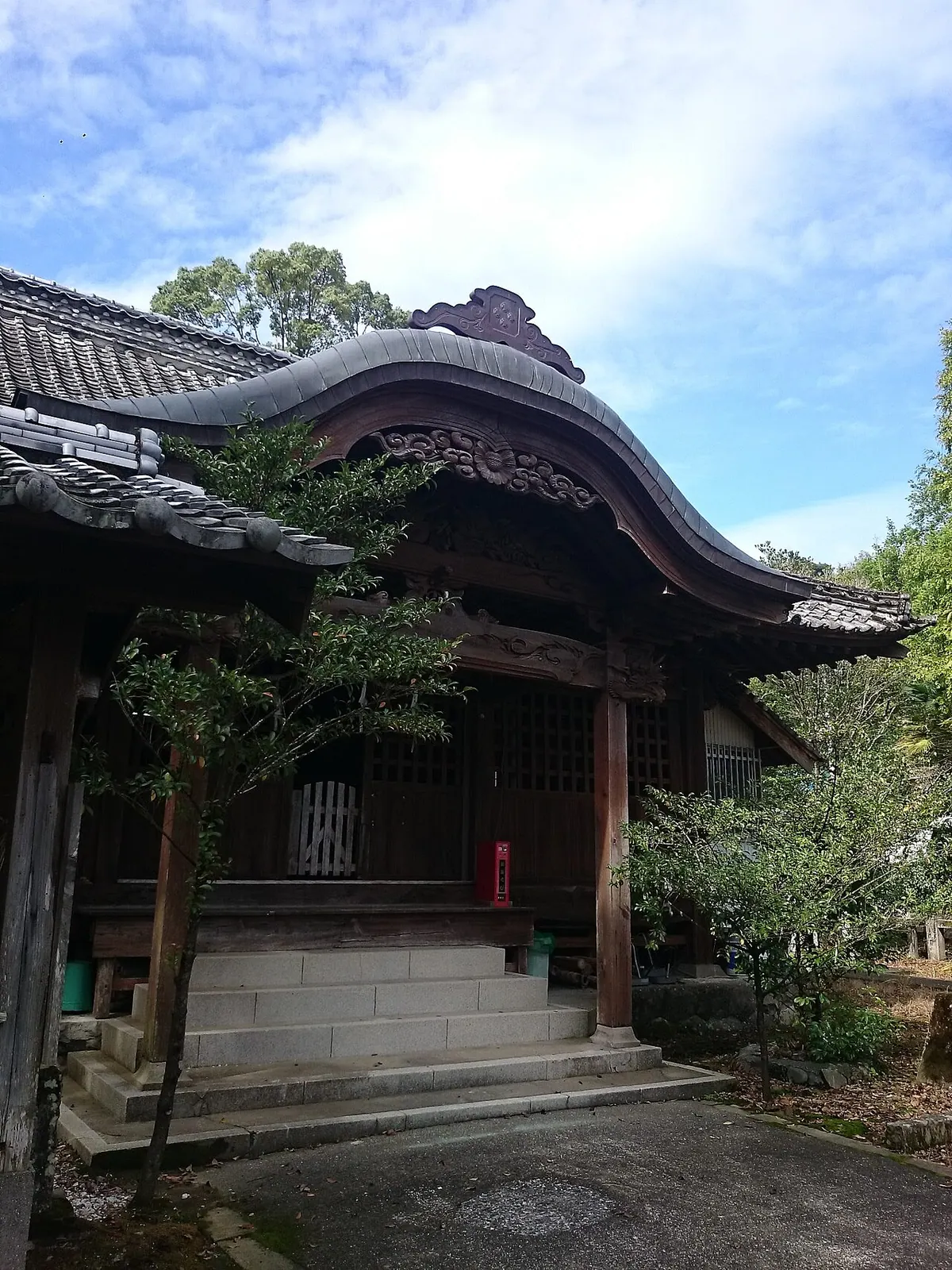
Hirono Shrine is a historic site in Kochi Prefecture, known for its unique festivals and multiple enshrined deities.
What it is
- A shrine in Nakatosa-cho, Takaoka-gun, Kochi Prefecture.
- Main deity is Okinagatarashihime-no-Mikoto.
- Also enshrines Inari Okami and Takenouchi-no-Sukune-no-Mikoto.
- History before 1707 is unknown due to a tsunami.
What to see
- Hirata Shrine, founded in 1809, within the grounds.
- Shirao Shrine and Nakayama Shrine are also on the grounds.
When to go
- Spring and autumn festivals feature a procession called Onabare.
- Local fishermen perform Tachineri to guard the procession.
- Tachineri and Hanatori Odori are town intangible folk cultural properties.
Getting there
- 10-minute drive from Tosa-Kure Station.
- Address
- 高知県高岡郡中土佐町上ノ加江2804番 Map
02
Mikurodo
KōCHI · SHRINE 御厨人窟
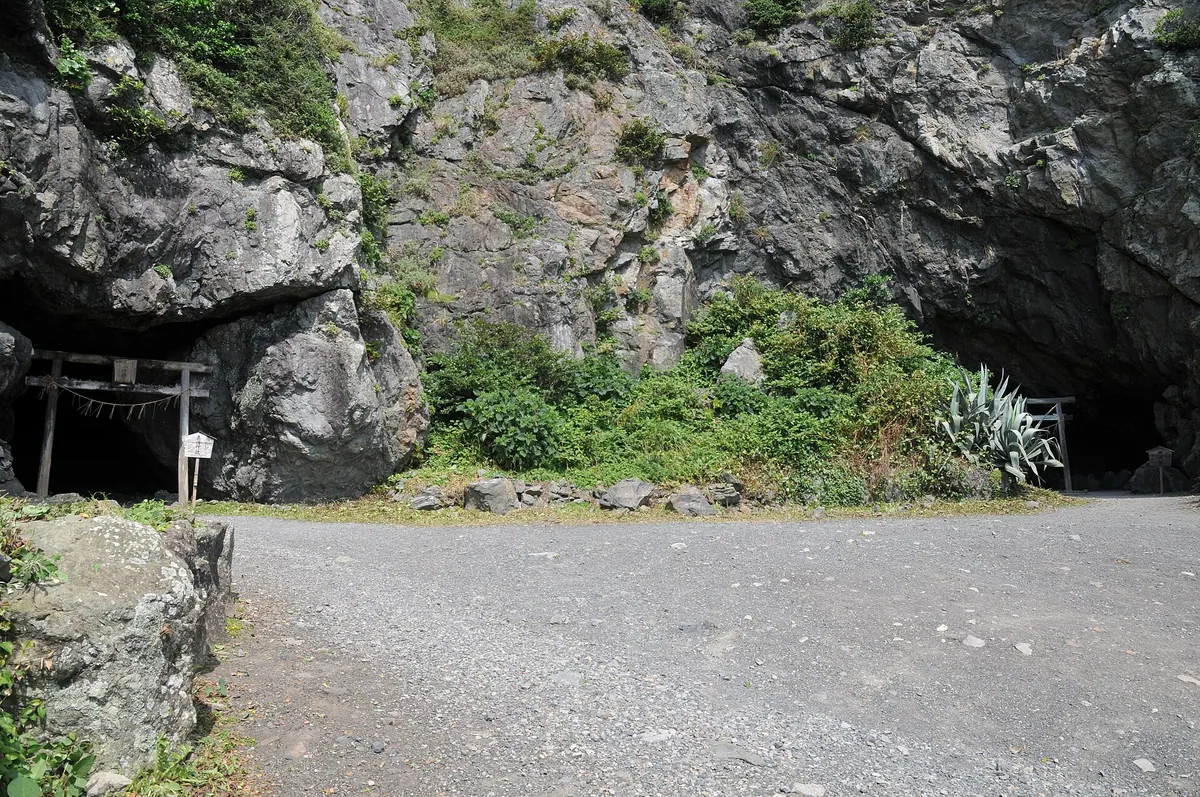
Explore Mikurodo sea cave, a historic site where Kobo Daishi trained, offering unique views and sounds.
What it is
- A sea cave in Muroto City, Kochi Prefecture.
- Associated with the legend of Kobo Daishi.
- One of two sea caves, sometimes called Mikurado.
- An extra temple of the Shikoku 88 Pilgrimage.
What to see
- The sea cave itself, an uplifted geological feature.
- Goshosha Shrine, dedicated to Okuninushi-no-Mikoto.
- Views of the sky and sea, inspiring Kobo Daishi's name.
- Shinmeikutsu, a nearby sea cave with Shinmeigu Shrine.
- Saikoji Temple, part of the Shikoku 88 Pilgrimage.
- Hear the sound of waves, one of Japan's 100 Soundscapes.
Getting there
- Located near Cape Muroto.
- Accessible from Route 55.
- Address
- 高知県室戸市室戸岬町 Map
03
Asakura Shrine
KōCHI · SHRINE 朝倉神社 (高知市)
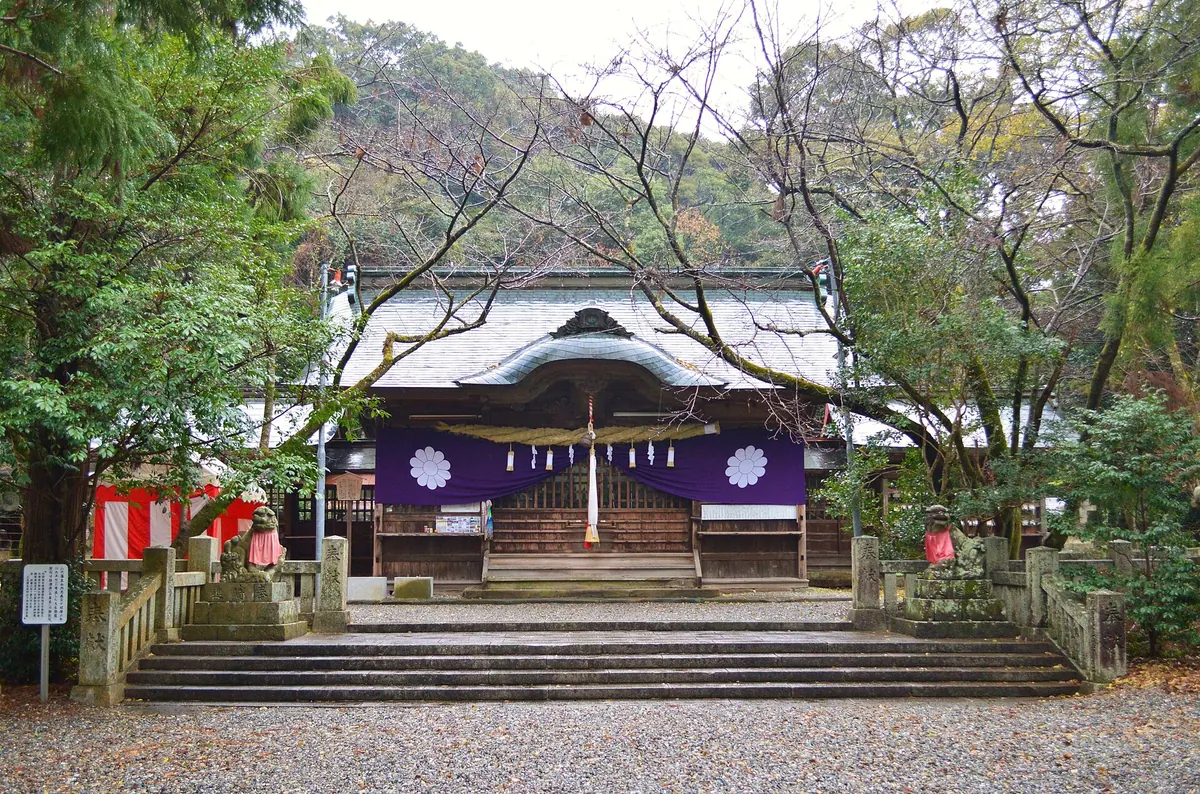
Asakura Shrine: a historic shrine in Kochi with important cultural properties and unique treasures.
What it is
- A Shikinaisha shrine, indicating its ancient status.
- Known as Tosa Province Ninomiya, a high-ranking shrine.
- Dedicated to Amatsuhahegami and Empress Saimei.
What to see
- Main hall, rebuilt in 1657, is a National Important Cultural Property.
- Heiden and Haiden, rebuilt in 1796.
- Akagiyama mountain is a Kochi Prefecture Historic Site.
- Arita ware komainu statues.
- Two Kakebotoke statues.
When to go
- Autumn festival is a Kochi City Intangible Folk Cultural Property.
Getting there
- Asakura Station is 400 meters west.
- Address
- 高知県高知市朝倉丙2100 Map
- Official site
- asakurajinja.yamanoha.com
04
Onda-hachimangu
KōCHI · SHRINE 御田八幡宮
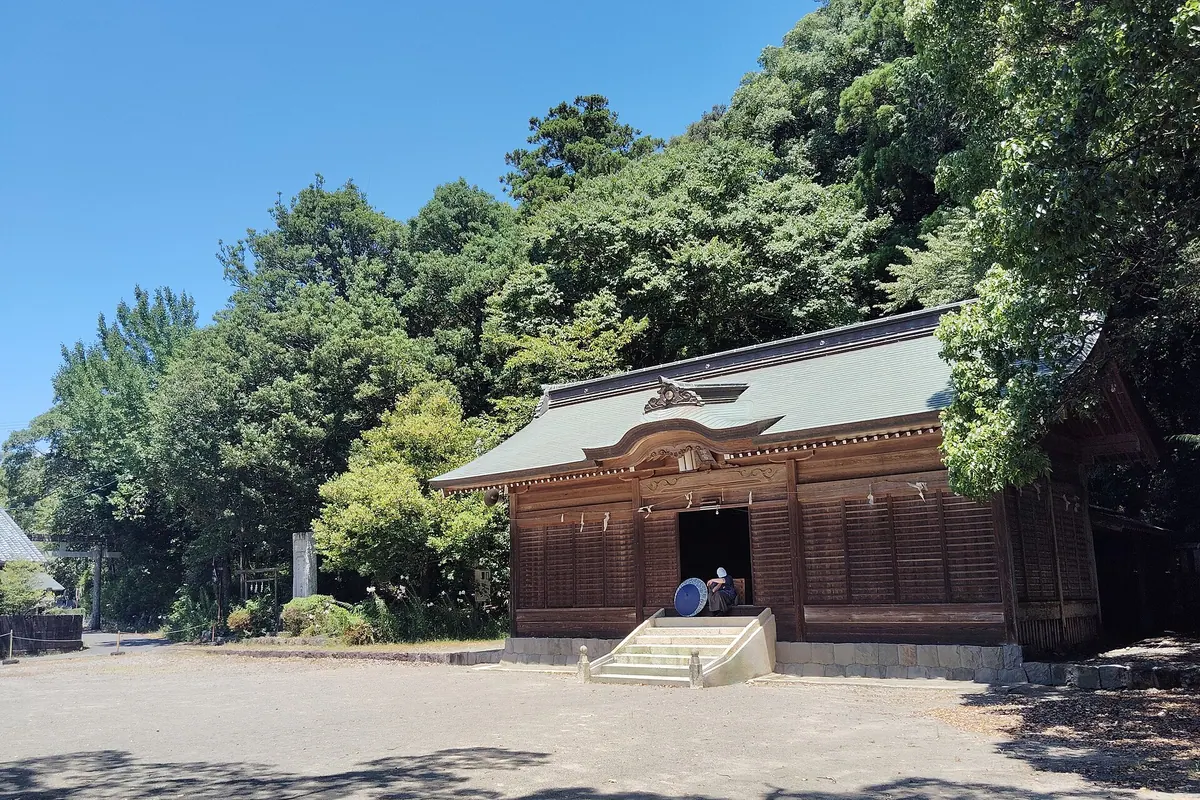
This shrine, founded in 1584, is home to a unique festival and a natural monument.
What it is
- A shrine also known as Kira-kawa Hachimangu.
- Dedicated to Emperor Ojin, Empress Jingu, and Hime-gami.
- Built in 1584 and 1585 by the Tachibana clan.
- General guardian deity of the Kira-kawa region.
What to see
- A torii built in 1496.
- The shrine building from 1584-1585.
- Kira-kawa Bowran habitat, a natural monument.
When to go
- Kira-kawa no Onta-matsuri on May 3rd in odd-numbered years.
- Festival is a National Important Intangible Folk Cultural Property.
- Known as a festival for conception, one of Japan's three strange festivals.
- Address
- 高知県室戸市吉良川町甲2413 Map
05
Ichiki Shrine
KōCHI · SHRINE 一木神社
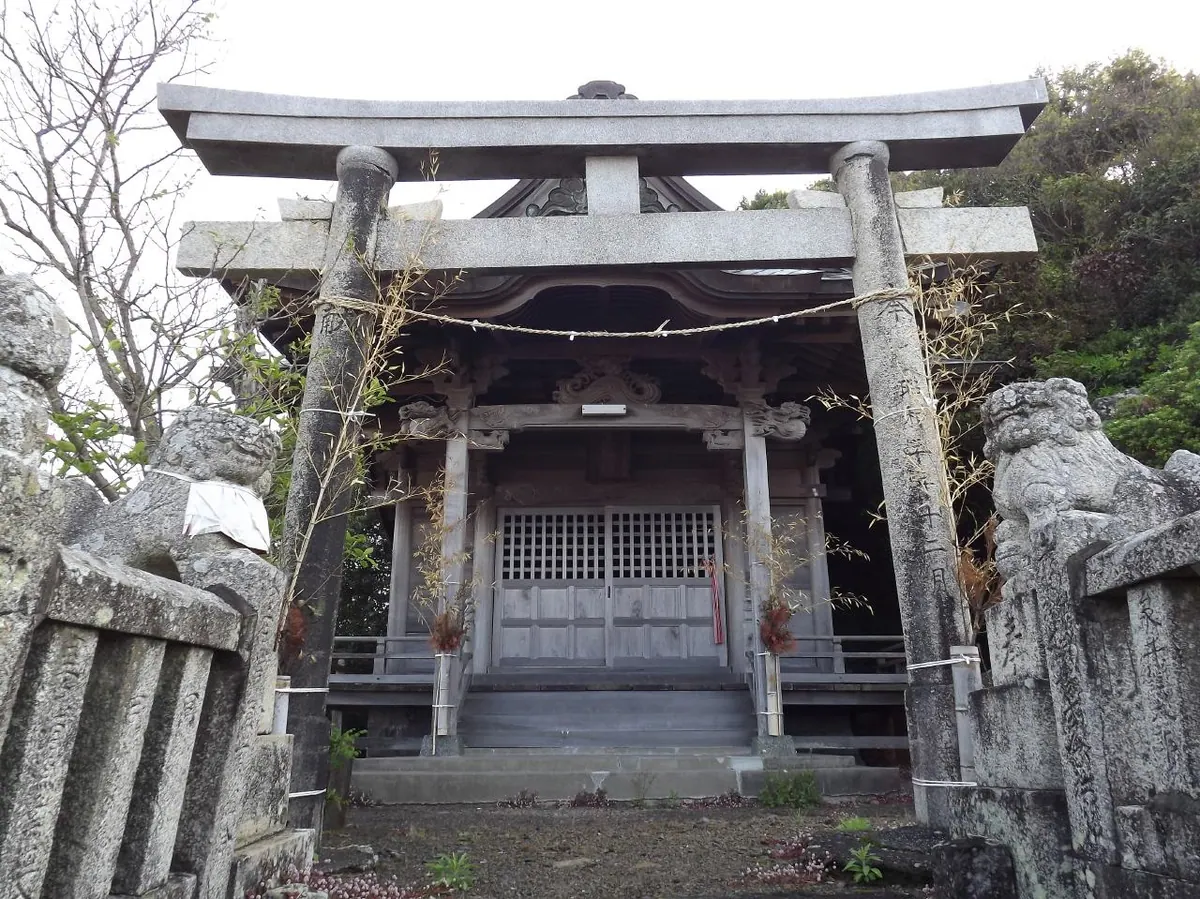
Ichiki Shrine honors a public works magistrate, offering port views and a unique festival.
What it is
- Shrine dedicated to Ichiki Masatoshi.
- Masatoshi was a public works magistrate for Tosa Domain.
- He oversaw the renovation of Murotsu Port.
- Townspeople enshrined him as a god in 1679.
What to see
- Shrine on a mountainside.
- Overlooks Murotsu Port.
- Located above Tsutero-ji Temple.
When to go
- Grand festival held annually in mid-May.
- Festival includes a memorial service for fishermen.
Getting there
- 40-minute bus ride from Nahari Station.
- 10-minute walk from the Muroto bus stop.
- Address
- 高知県室戸市室津 Map
06
Tosa Shrine
KōCHI · SHRINE 土佐神社
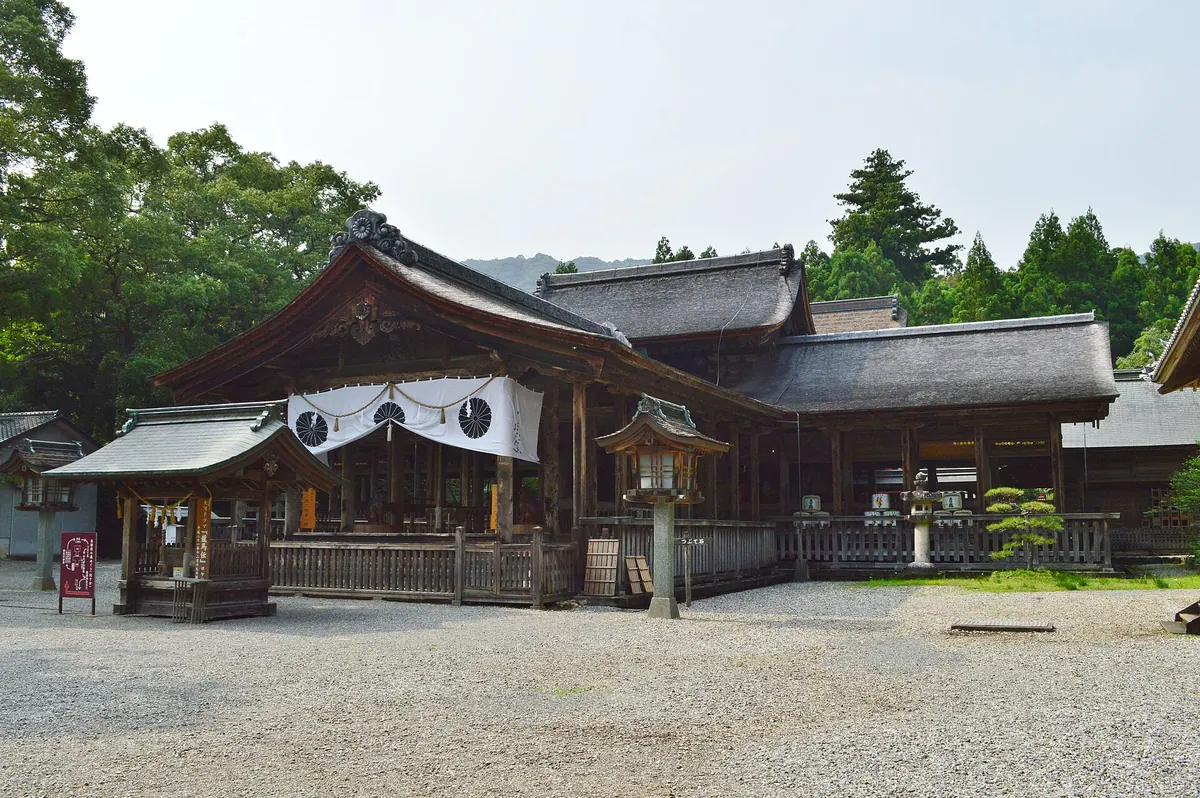
Tosa Shrine is an ancient shrine with important cultural properties and a historic festival.
What it is
- Ancient Shinto shrine, Ichinomiya of Tosa Province.
- Dedicated to Ajisukitakahikone-no-kami and Hitokotonushi-no-kami.
- Known as Tosa Shrine since the Meiji era.
What to see
- Main shrine buildings built by Chosokabe Motochika.
- Romon (gate) and Korou (drum tower) built by Yamauchi Tadayoshi.
- Main buildings, Romon, and Korou are National Important Cultural Properties.
- Sacred treasures include a waniguchi, noh masks, and bronze mirrors.
When to go
- Shinane Festival, one of Tosa's three major festivals.
- Address
- 高知県高知市一宮しなね二丁目16-1 Map
- Official site
- tosajinja.com
07
Kure-hachimangu
KōCHI · SHRINE 久礼八幡宮
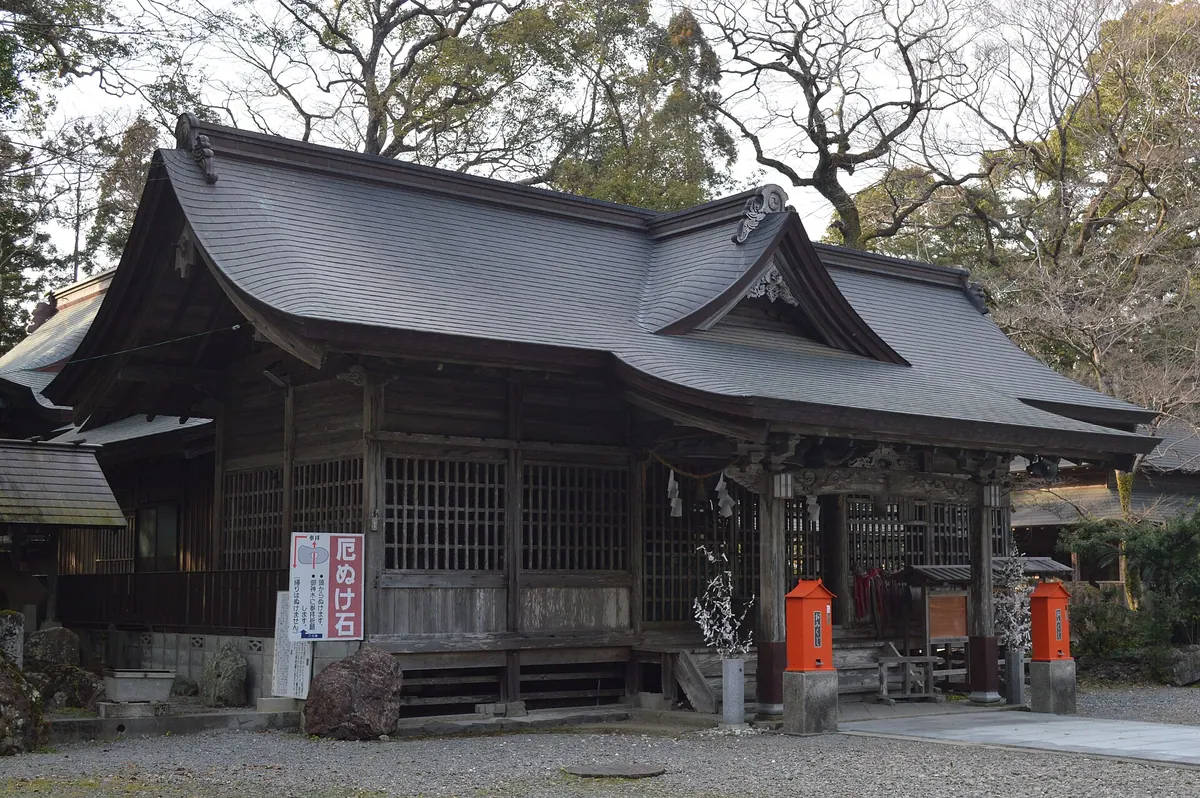
Visit this historic Hachimangu shrine to see Edo-period architecture and cultural properties.
What it is
- A Hachimangu shrine in Nakatosa Town.
- Formerly a prefectural shrine.
- Guardian deity for Anwa, Kure, and Kaminokae.
- Revered by fishermen as a guardian of the sea.
What to see
- Shrine building rebuilt in 1825.
- Late Edo period architectural style.
- Bronze spear, a Kochi Prefecture cultural property.
- Bell, a Nakatosa Town cultural property.
When to go
- Grand festival on August 14th and 15th.
- Omikokusai is a national intangible folk cultural property.
- Address
- 高知県高岡郡中土佐町久礼 Map
08
Omura Shrine
KōCHI · SHRINE 小村神社
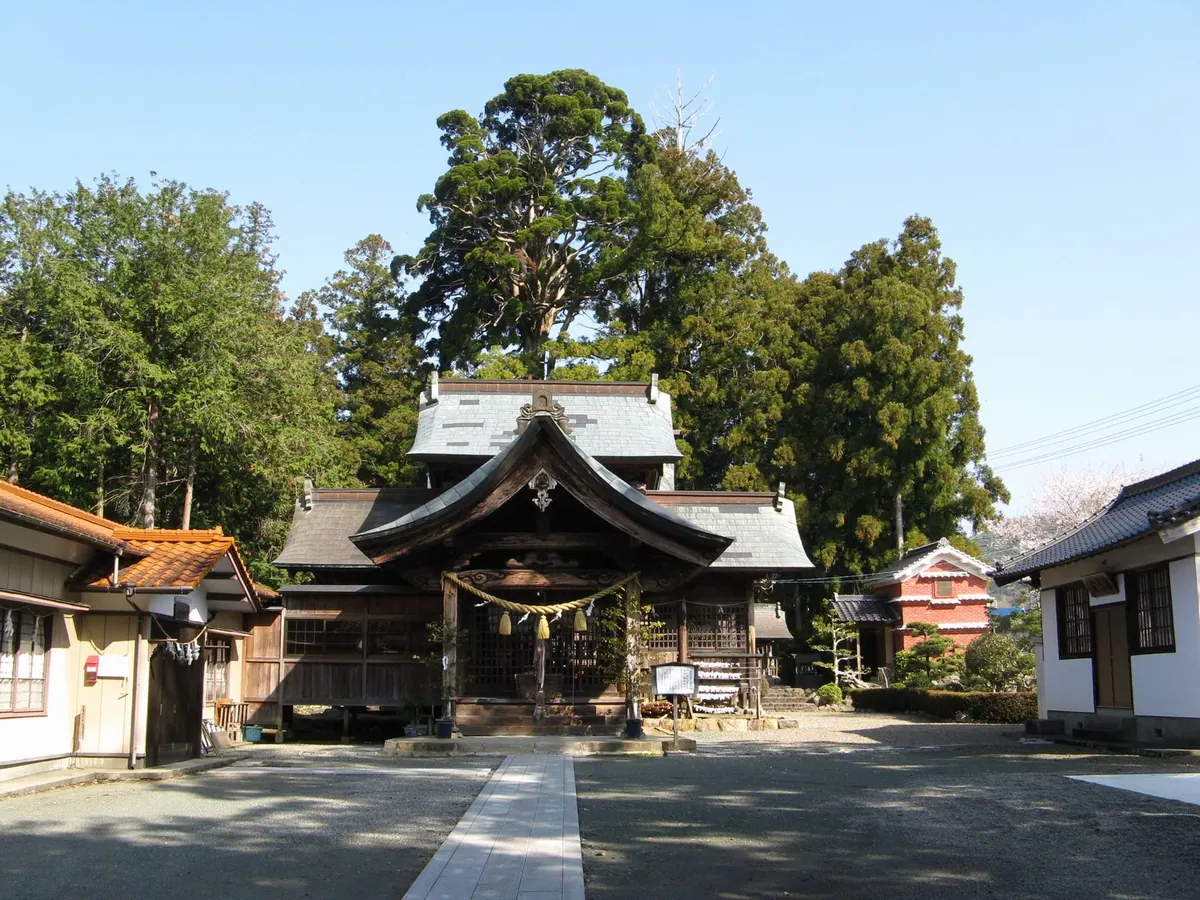
Omura Shrine is a historic shrine in Kochi, home to important cultural properties and a sacred tree.
What it is
- A Kokushi Kenzaisha shrine.
- The Ninomiya of Tosa Province.
- Dedicated to Kuninotokotachi-no-Mikoto.
- Founded in Hidaka Village, Kochi Prefecture.
What to see
- The current main shrine building, built in 1705.
- A large Japanese cedar tree called 'Tomyo-sugi'.
- A National Treasure gilt bronze ring-headed sword.
- Two Important Cultural Property wooden Bodhisattva masks.
Getting there
- Accessible from Omura Jinja-mae Station.
- On the JR Dosan Line.
- Address
- 高知県高岡郡日高村下分1794 Map
09
Takachiniimasu Shrine
KōCHI · SHRINE 高知坐神社
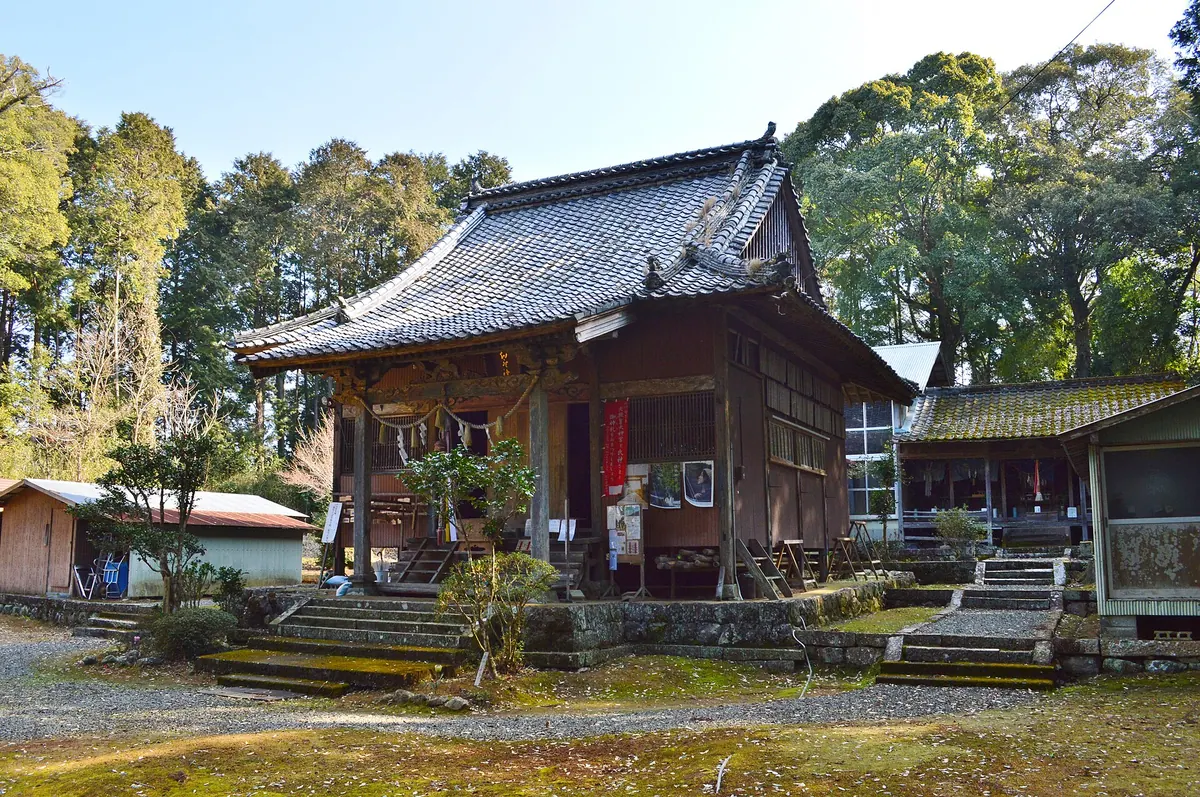
Ancient shrine with cultural treasures and a giant tree, offering a glimpse into Japan's past.
What it is
- Shrine dedicated to Kotoshironushi-no-kami and other deities.
- Listed in the Engishiki Jinmyocho compiled in 927 AD.
- Revered by the Yamauchi clan during the Edo period.
What to see
- Main hall rebuilt in 1768.
- Main hall is a Protected Tangible Cultural Property.
- Ichii-gashi tree is a Designated Natural Monument.
- Tree is 29.0 meters tall and 400 years old.
- Two half-body lion statues from the Kamakura period.
- Excavated Heian period earthenware and stoneware.
- Address
- 高知県宿毛市平田町戸内 Map
10
Wakamiya Hachiman‑gū
KōCHI · SHRINE 若宮八幡宮
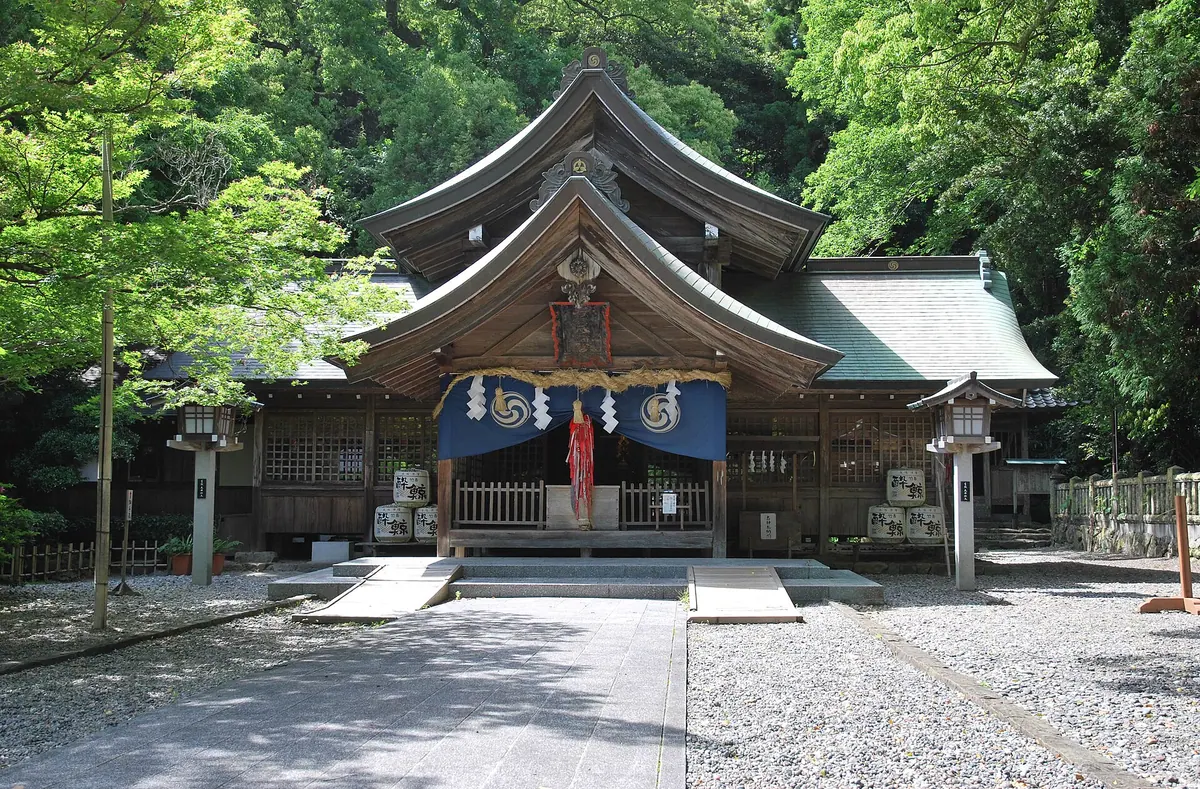
Historic Shinto shrine founded in 1185, known for its festivals and a warrior's statue.
What it is
- A Shinto shrine in Kochi City, Kochi Prefecture.
- Founded in 1185 by Minamoto no Yoritomo.
- Enshrines Hachiman Okami and Munakata Sanjoshin.
- Designated a prefectural shrine in 1930.
What to see
- Shrine crest is 'Mari Tomoe'.
- Bronze statue of Chosokabe Motochika in the outer garden.
- Several subordinate shrines on the grounds.
When to go
- Kanda Festival: three days from first Saturday of April.
- Omikoshi Festival: held on November 6th.
- Address
- 高知県高知市長浜6600番地 Map
11
Otonashi Shrine
KōCHI · SHRINE 鳴無神社
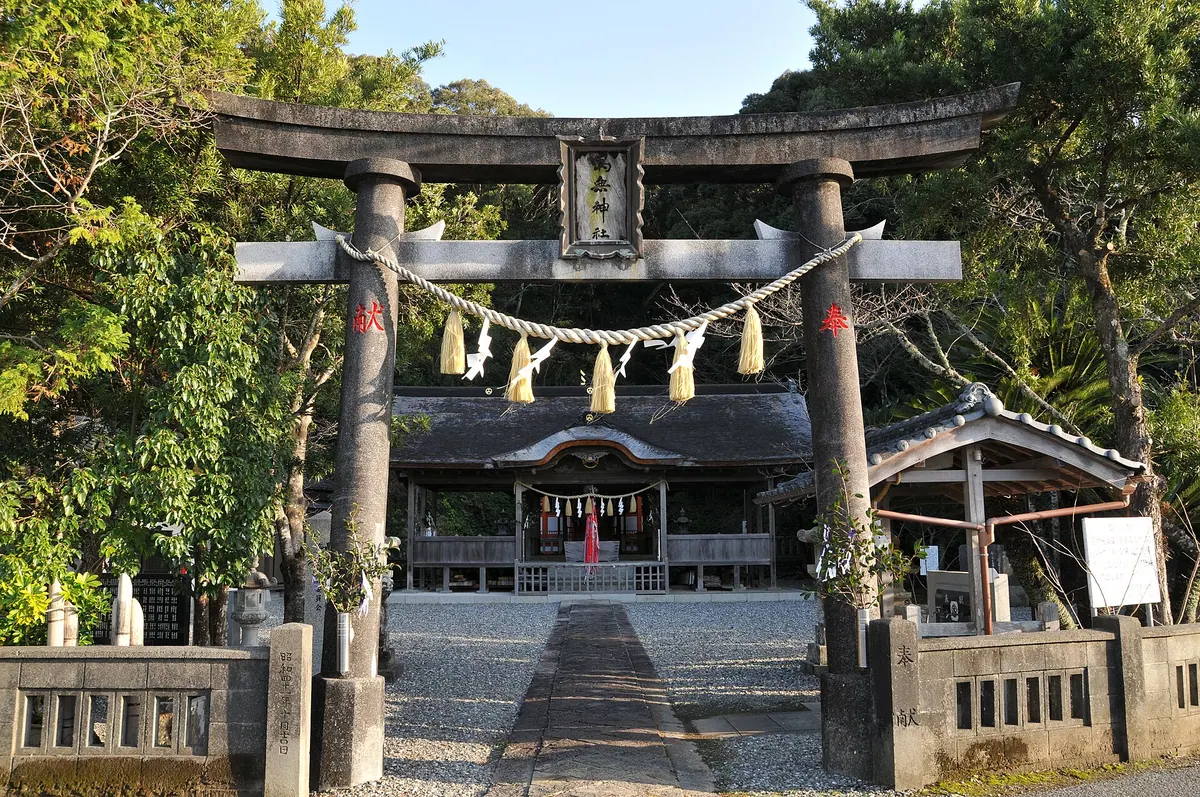
Otonashi Shrine, founded in 1251, offers important cultural properties and a scenic bay approach.
What it is
- Shrine dedicated to Hitokotonushi-no-mikoto.
- Founded in 1251.
- Also known as "Miyajima of Tosa."
- Located in Susaki City, Kochi Prefecture.
What to see
- Main hall, heiden, and haiden are Important Cultural Properties.
- Current main hall built in 1663.
- Approach extends towards the sea.
- Located at the innermost part of Uranouchi Bay.
When to go
- Shinane Festival: August 24 to August 25.
- Autumn Festival features the Ko-odori dance.
- Address
- 高知県須崎市浦ノ内東分字鳴無3579 Map
12
Ichijo Shrine
KōCHI · SHRINE 一條神社
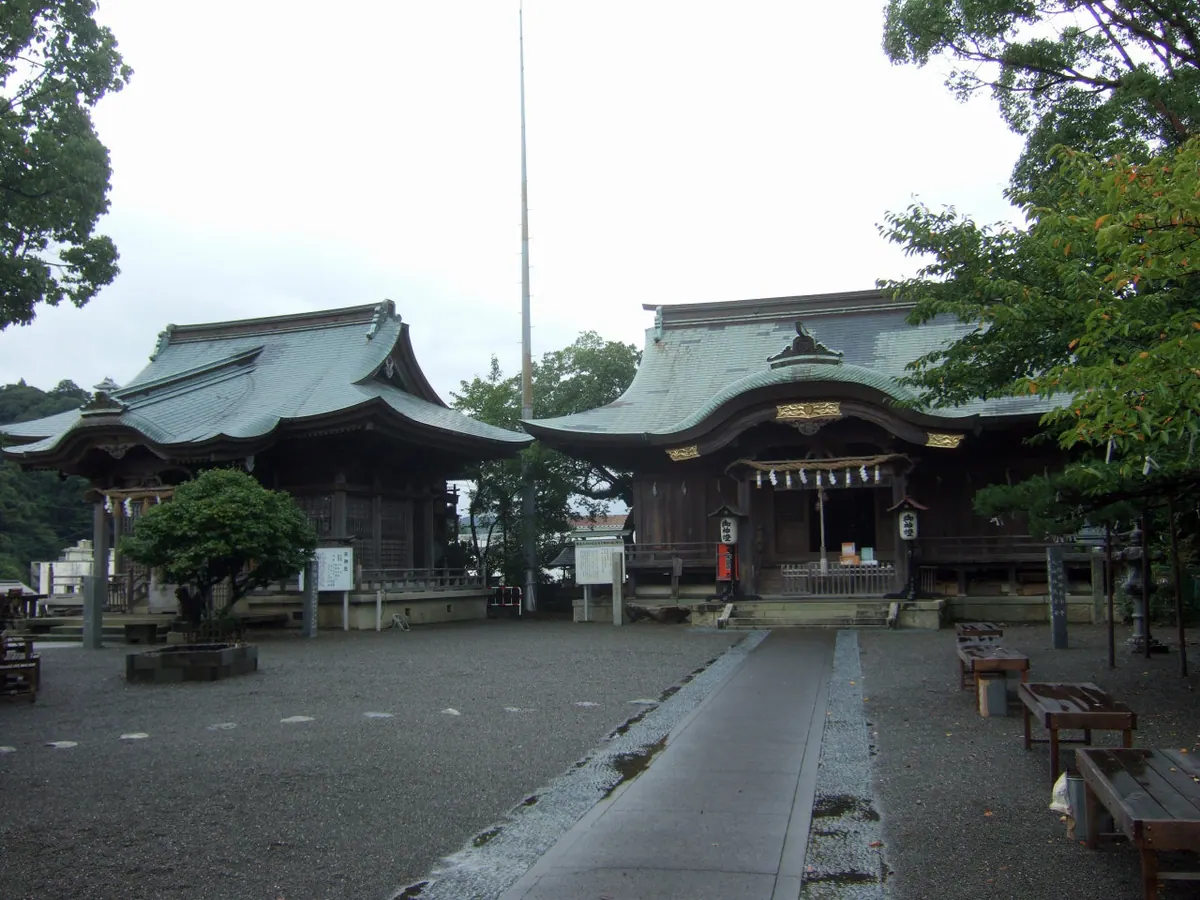
Ichijo Shrine honors the Tosa Ichijo clan, offering historical insights and a unique sumo tournament.
What it is
- Shrine dedicated to the Tosa Ichijo clan ancestors.
- Origin dates to 1607, re-established in 1862.
- Current building constructed in 1944.
What to see
- Shrine building on Mount Komori.
- Emblem is 'Sagari Fuji'.
- Nakamura Gosho ruins are on the grounds.
When to go
- Ichijo Taisai festival: three days from November 22nd.
- Festival is one of Tosa's three great festivals.
- All Japan Jorogumo Sumo Tournament is held here.
- Address
- 高知県四万十市中村本町1-3 Map
13
Shioe Tenmangū
KōCHI · SHRINE 潮江天満宮
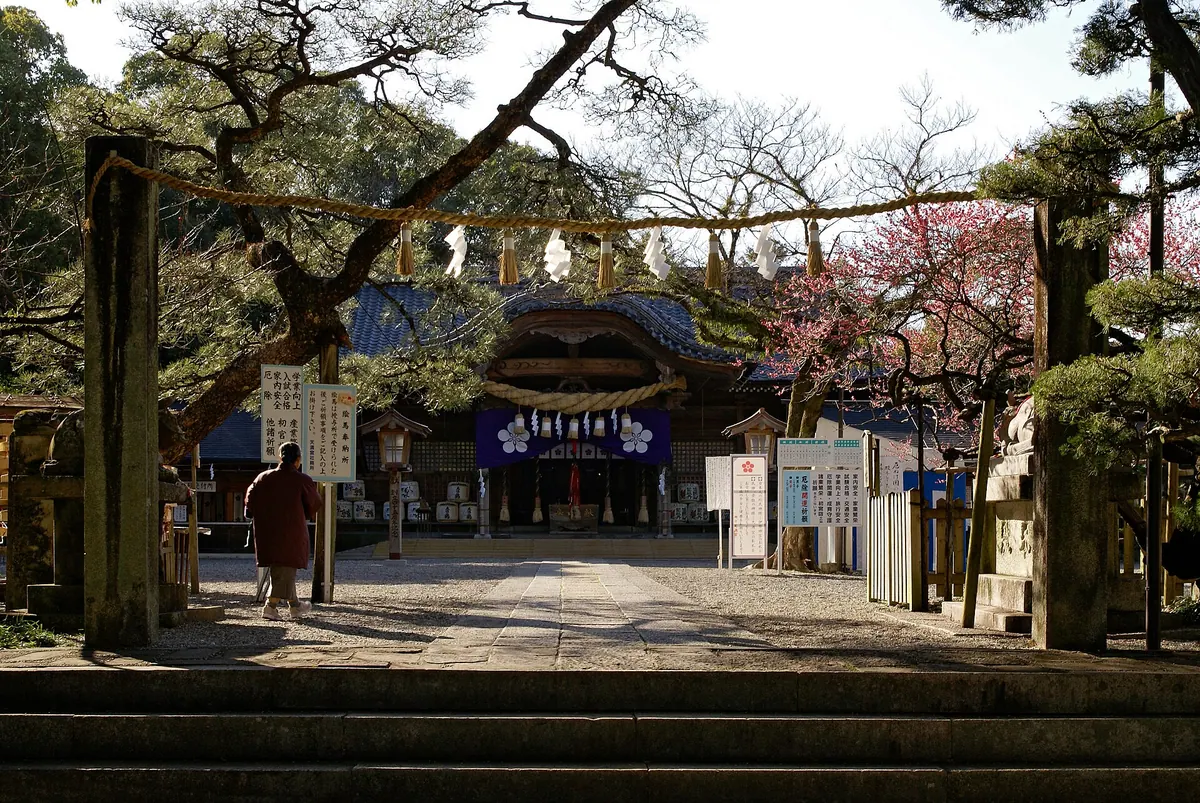
Visit this historic Shinto shrine in Kochi City dedicated to Sugawara Michizane, featuring a beautiful gate and ancient tree.
What it is
- A Shinto shrine in Kochi City, Kochi Prefecture.
- Dedicated to the deity Sugawara Michizane.
- Founded to enshrine Michizane's relics.
- Sugawara Takami, Michizane's eldest son, is also enshrined.
What to see
- The Romon gate, built in 1853.
- The Romon gate is a designated cultural property.
- A camphor tree over 300 years old.
- The camphor tree is a designated natural monument.
- The current main hall, rebuilt after World War II.
- Official site
- www.ushioe-tenmangu.jp
14
Kounomine Shrine
KōCHI · SHRINE 神峯神社
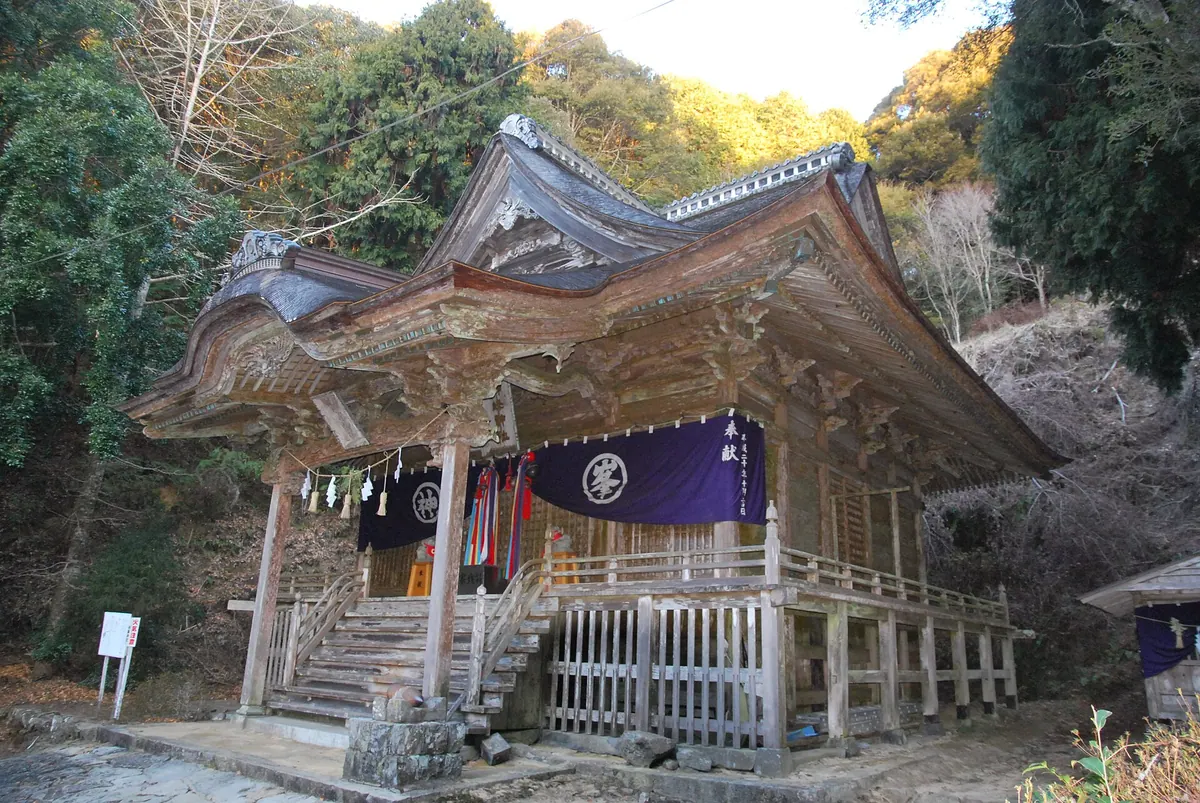
Kounomine Shrine is a historic mountain sanctuary with a notable main hall and ancient tree.
What it is
- A Shinto shrine near the summit of Mt. Kounomine.
- Dedicated to the deity Oyamatsumi no Mikoto.
- Originally part of a Shinto-Buddhist complex.
- Now the inner sanctuary of Kounomine-ji Temple.
What to see
- The main hall, built in 1718.
- Main hall is a Prefectural Protected Cultural Property.
- A camphor tree, a Prefectural Natural Monument.
When to go
- Autumn festival is held annually on October 28th.
- Address
- 高知県安芸郡安田町唐浜 Map
15
Korizu Shrine
KōCHI · SHRINE 郡頭神社
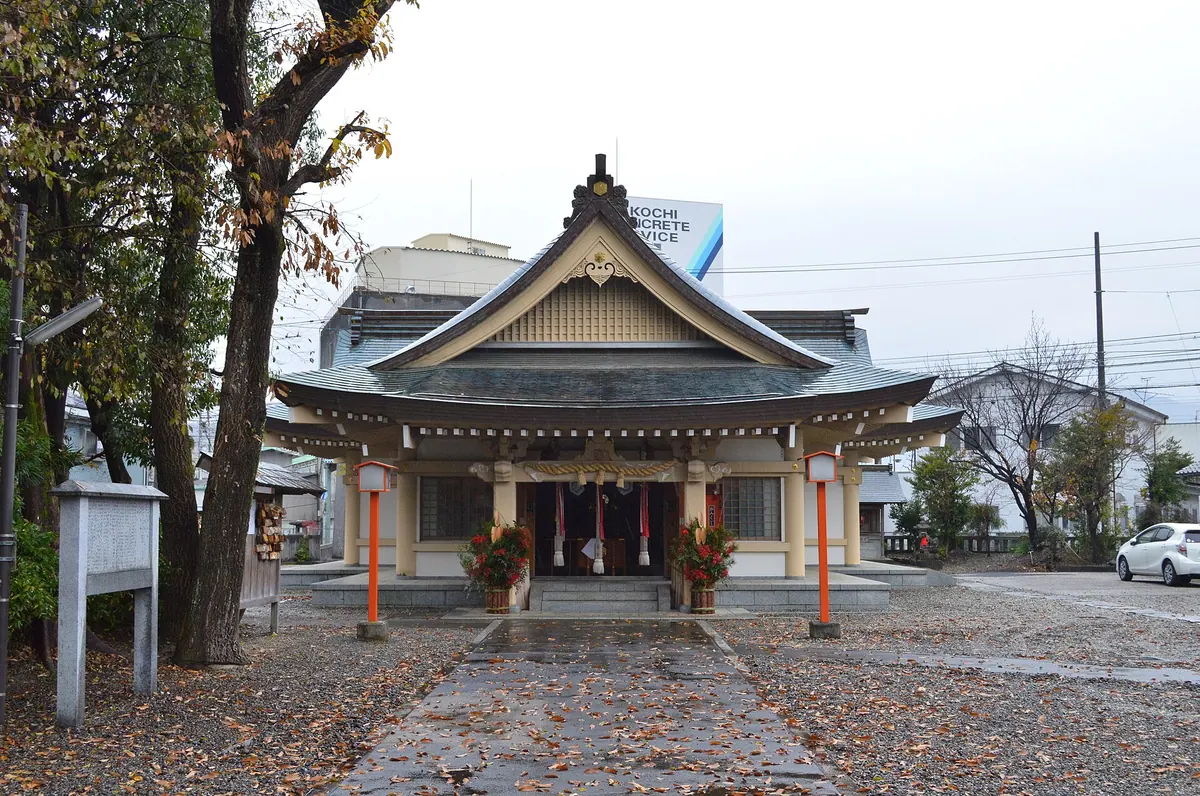
Korizu Shrine is an ancient Shikinaisha shrine dedicated to Okuninushi-no-kami, rebuilt after a fire.
What it is
- An ancient Shikinaisha shrine in Kochi City.
- Dedicated to the deity Okuninushi-no-kami.
- Identified in the historical Engishiki Jinmyocho.
- Also known as Kamobe Shrine after the Middle Ages.
What to see
- The current shrine building, rebuilt after 1981.
- A subsidiary shrine for Kojinsha.
- A subsidiary shrine for Hachimangu.
When to go
- New Year's Day Festival.
- Autumn Grand Festival.
- Address
- 高知県高知市鴨部上町5番8号 Map
16
Asamine Shrine
KōCHI · SHRINE 朝峯神社
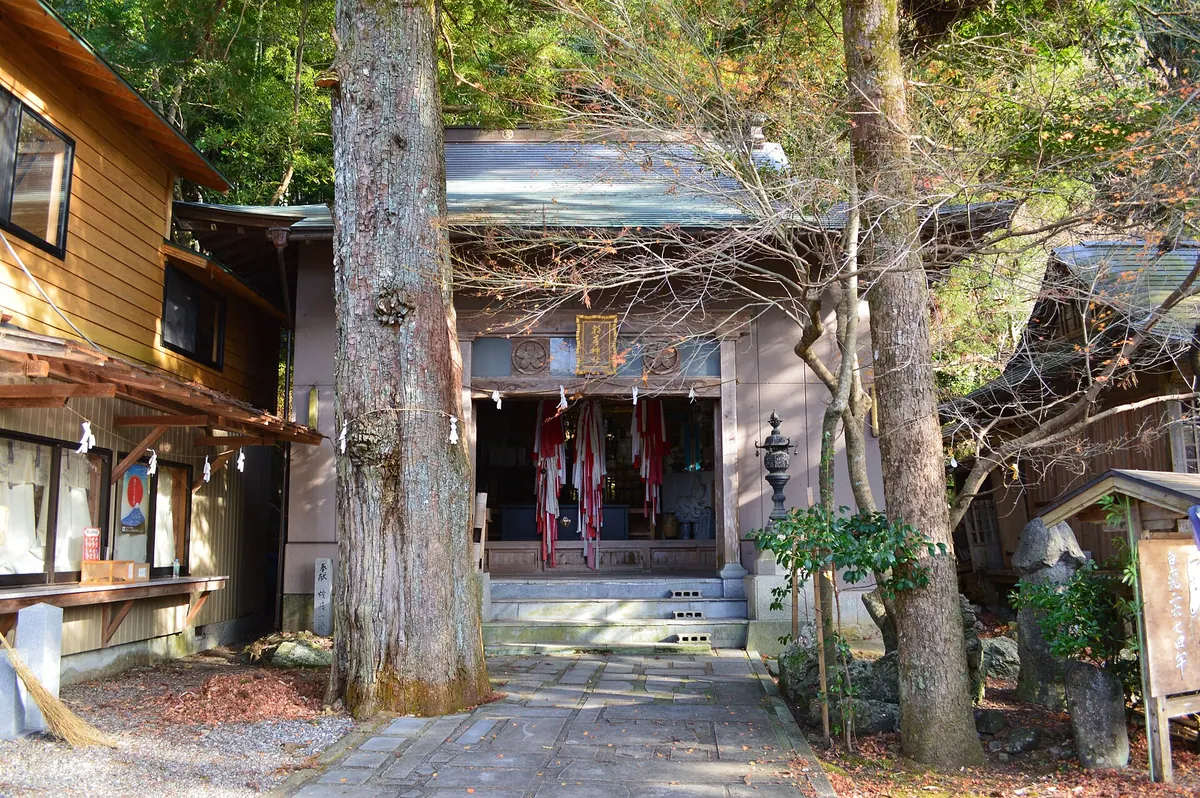
Asamine Shrine is a historic Shikinaisha shrine in Kochi City, dedicated to Konohanasakuyahime-no-Mikoto.
What it is
- A Shikinaisha shrine in Kochi City.
- Dedicated to Konohanasakuyahime-no-Mikoto.
- Other deities: Ninigi-no-Mikoto and Oyamatsumi-no-Mikoto.
- Its deity rank was promoted in 866.
What to see
- The sacred object is a mirror.
- Located at the western foot of Kera-yama.
- Kera-yama is worshipped as a sacred mountain.
When to go
- Autumn festival is an intangible folk cultural property.
- Address
- 高知県高知市介良乙1927 Map
17
Tsukiyama Shrine
KōCHI · SHRINE 月山神社
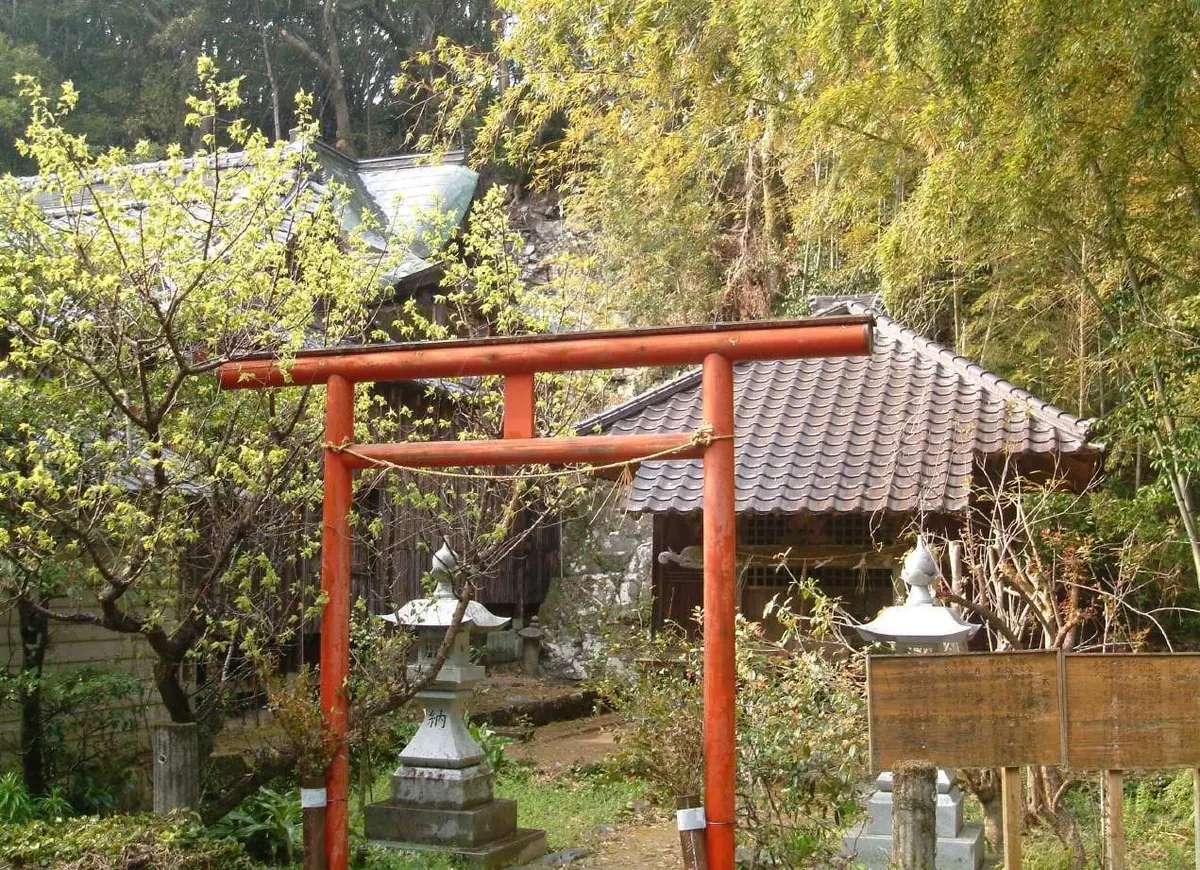
A secluded shrine in Kochi Prefecture, rooted in ancient legends and Shinto-Buddhist history.
What it is
- A shrine dedicated to Tsukuyomi no Mikoto and Ukanomitama no Mikoto.
- Founded after En no Gyoja discovered a crescent moon stone.
- Originally a temple where Kukai performed esoteric rituals.
- Renamed Tsukiyama Shrine after the separation of Shinto and Buddhism.
What to see
- The main hall, built in 1889.
- The main hall is an Otsuki Town historic site.
- Daishido Hall, built in 1858.
- Address
- 高知県幡多郡大月町月ヶ丘1443 Map
18
Ono Shrine (Nankoku)
KōCHI · SHRINE 小野神社
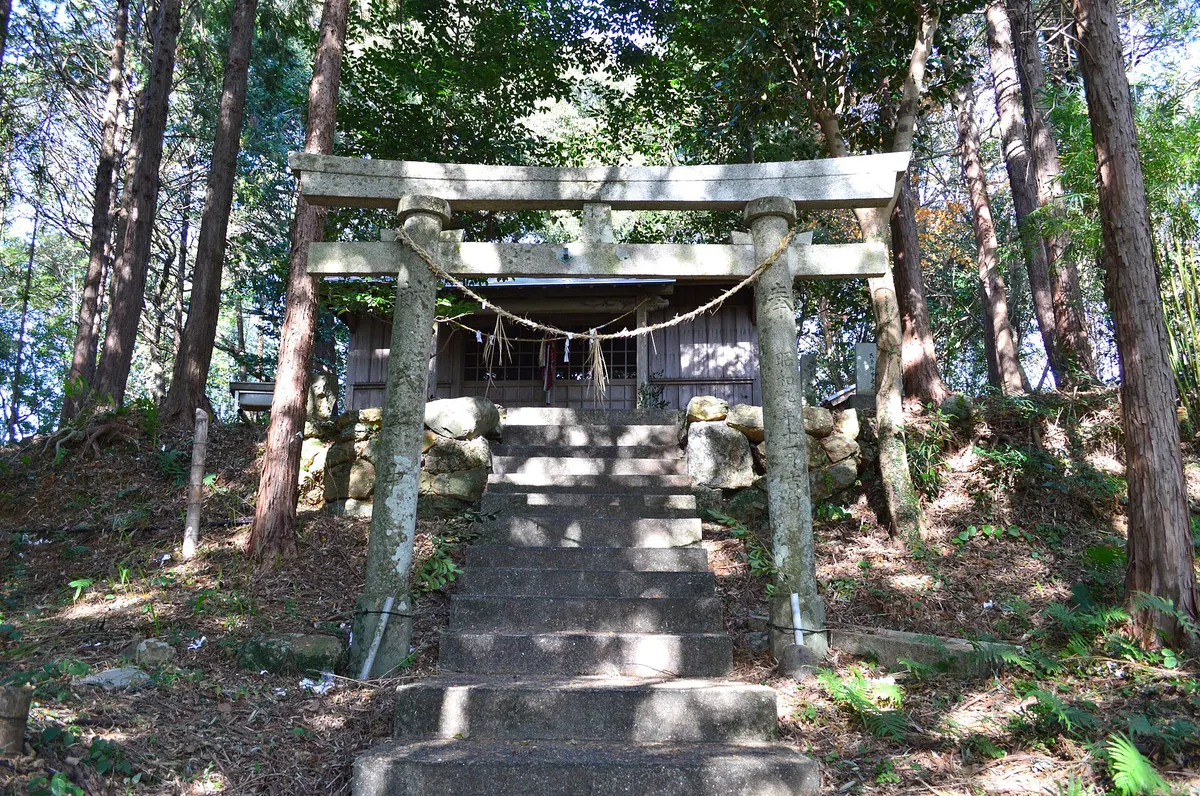
Ono Shrine is an ancient site dedicated to the Ono clan's ancestral deity.
What it is
- Ancient shrine in Nankoku City, Kōchi Prefecture.
- Dedicated to Amenotarihikokunioshihito no Mikoto.
- Deity is the ancestral god of the Ono clan.
- Listed in the Engishiki Jinmyōchō ancient records.
What to see
- Wakamiya Shrine, a subsidiary shrine.
- Saba-i Shrine, another subsidiary shrine.
- Former residence of Hirai Zennojō Masazane.
- Konasu Kofun, an ancient burial mound.
- Address
- 高知県南国市岡豊町小蓮1189 Map
19
Fuba-hachimangu
KōCHI · SHRINE 不破八幡宮
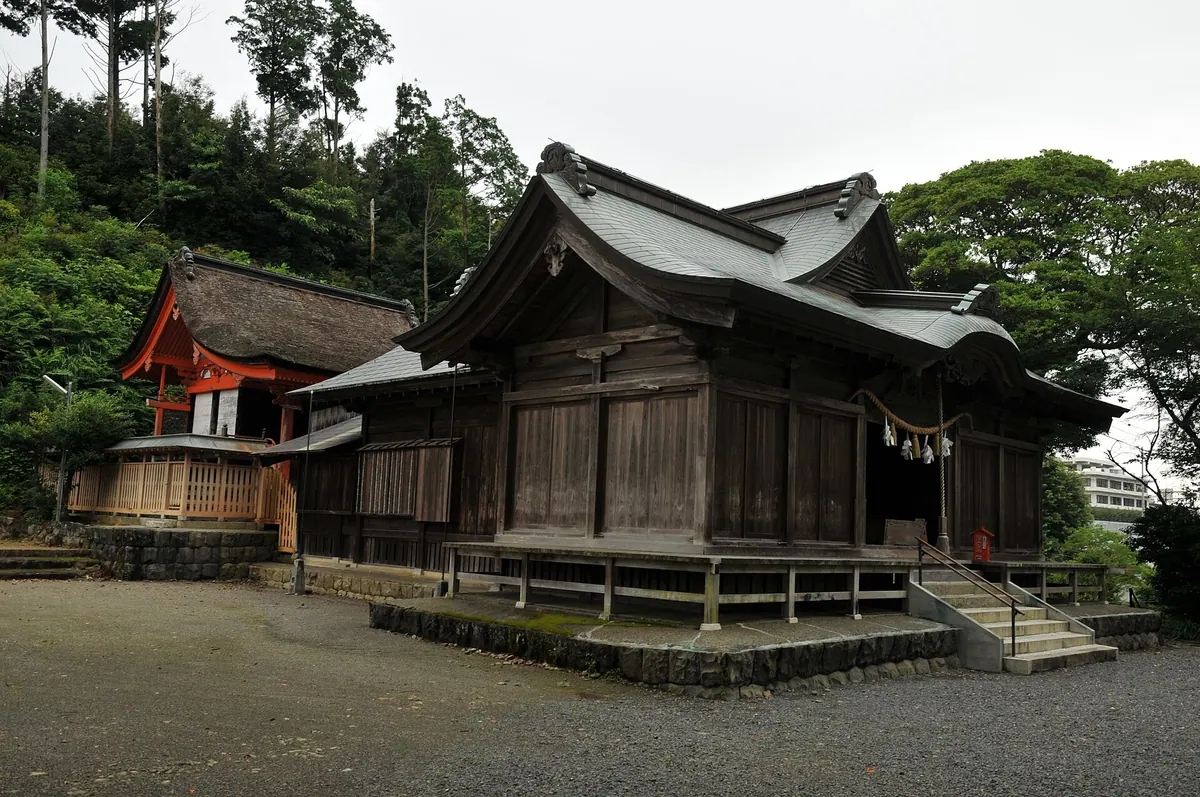
Fuba-hachimangu is a historic shrine overlooking Shimanto River, revered by powerful clans.
What it is
- A shrine in Shimanto City, Kochi Prefecture.
- Established between 1469 and 1487 by Ichijo Norifusa.
- Dedicated to Hondawake-no-mikoto, Tamayori-hime-no-mikoto, and Okinagatarashi-hime-no-mikoto.
- Revered as the guardian deity of the Tosa Ichijo clan.
What to see
- The main hall, built in 1559, is an Important Cultural Property.
- Views overlooking the Shimanto River from the hill.
- Address
- 高知県四万十市不破1392 Map
20
Shingū Shrine
KōCHI · SHRINE 新宮神社
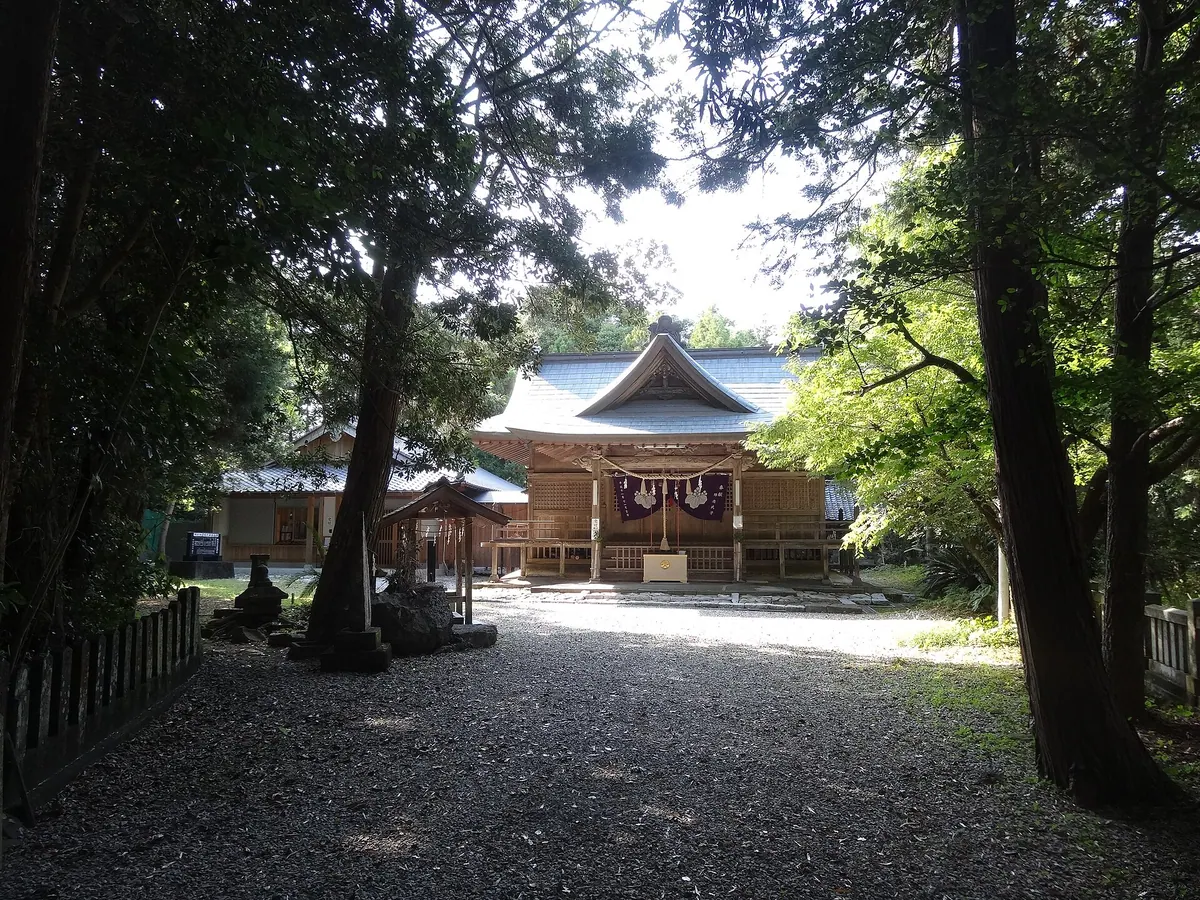
Shingu Shrine is a historic guardian shrine in Nankoku City, enshrining important deities.
What it is
- Guardian shrine of the Toichi district.
- Enshrines Amaterasu Omikami in the main hall.
- Izanagi-no-kami and Takehayasusano-o-no-kami are in auxiliary shrines.
- Current building completed in 1864.
What to see
- Main hall enshrining Amaterasu Omikami.
- Auxiliary shrines for Izanagi-no-kami and Takehayasusano-o-no-kami.
- Subordinate shrines: Toyouke, Ikegami, Tenmangu, Koyasu.
- Address
- 高知県南国市十市5937 Map