

10 Historic sites in Miyazaki worth your time
Japan Gems
Miyazaki Prefecture is home to numerous heritage sites, including the Mochida Kofun Cluster and Hyūga Kokufu. These locations offer a glimpse into Japan's ancient past.
Miyazaki has 10 historic sites on Japan Gems. Below are the 10 we can tell you the most about — each one written up in English from Japanese sources, with what to see and how to get there. See all historic sites in Miyazaki.
01
Saitobaru Kofun Cluster
MIYAZAKI · HISTORIC SITE 西都原古墳群
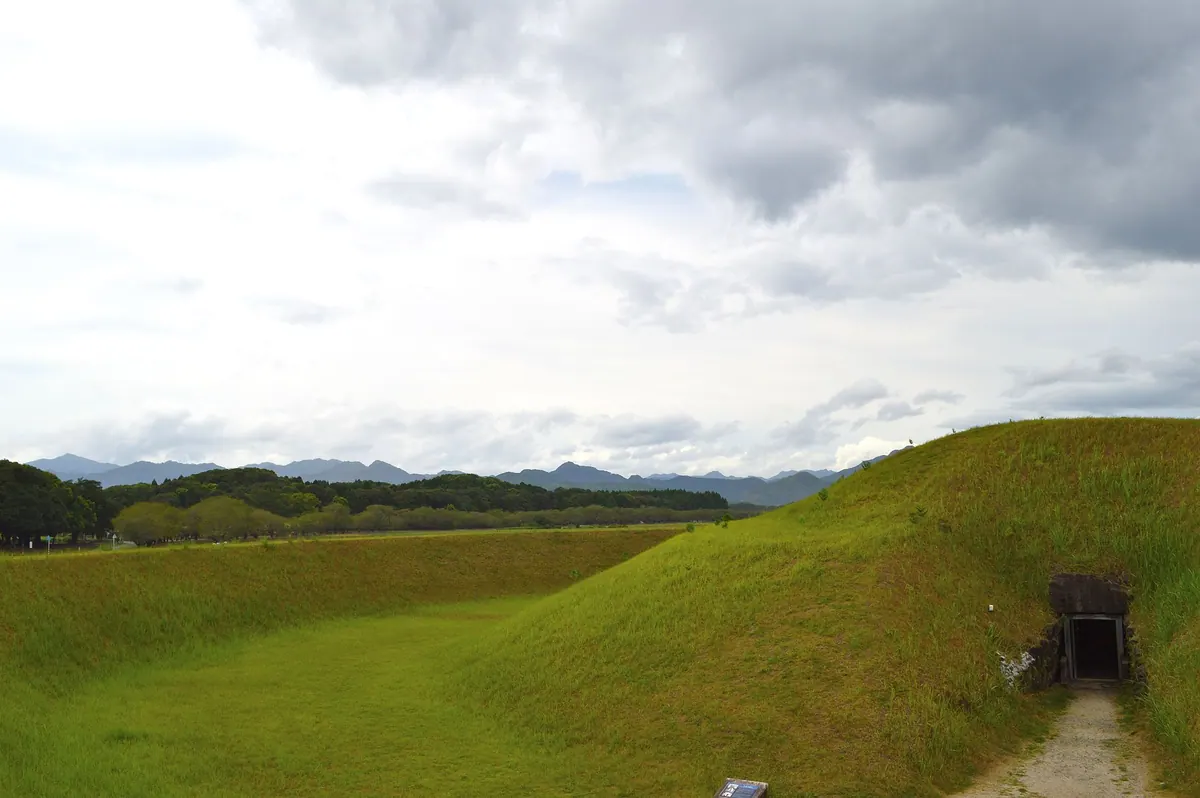
Explore Japan's largest kofun cluster, a vast ancient burial ground with unique tomb shapes.
What it is
- One of Japan's largest kofun (burial mound) clusters.
- Construction occurred from the early 4th to early 7th centuries.
- Designated a Special National Historic Site.
- First academic survey was conducted from 1912 to 1917.
What to see
- 319 kofun, including 31 keyhole-shaped kofun.
- 10 horizontal tombs and 12 underground horizontal tombs.
- Osahozuka, Japan's largest scallop-shell shaped kofun.
- Mesahozuka, Kyushu's largest keyhole-shaped kofun.
- Miyazaki Prefectural Saitobaru Archaeological Museum displays artifacts.
- Official site
- mppf.or.jp
02
Ikime Kofun Cluster
MIYAZAKI · HISTORIC SITE 生目古墳群
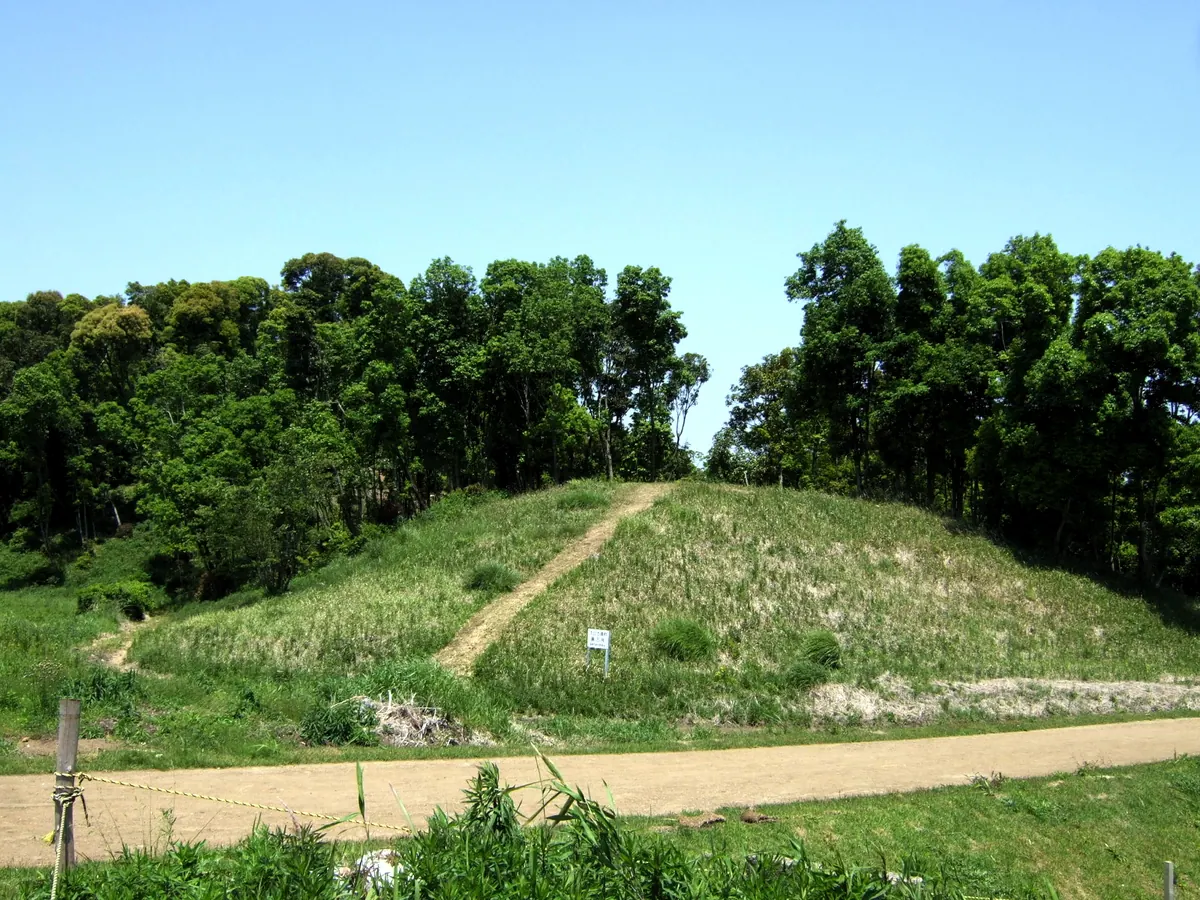
Explore ancient burial mounds at Kyushu's largest Kofun cluster, a National Historic Site.
What it is
- A cluster of ancient burial mounds (kofun).
- Dates from the early to middle Kofun period.
- Construction began in the late 3rd or early 4th century.
- Designated as a National Historic Site.
What to see
- The largest Kofun cluster in Kyushu for its period.
- 51 kofun, 36 underground pit graves, 49 pit graves.
- The 3rd kofun is the largest in the cluster.
- The 5th kofun has fukiishi and cylindrical haniwa.
- Ikime Kofun Cluster Historic Site Park.
03
Mochida Kofun Cluster
MIYAZAKI · HISTORIC SITE 持田古墳群
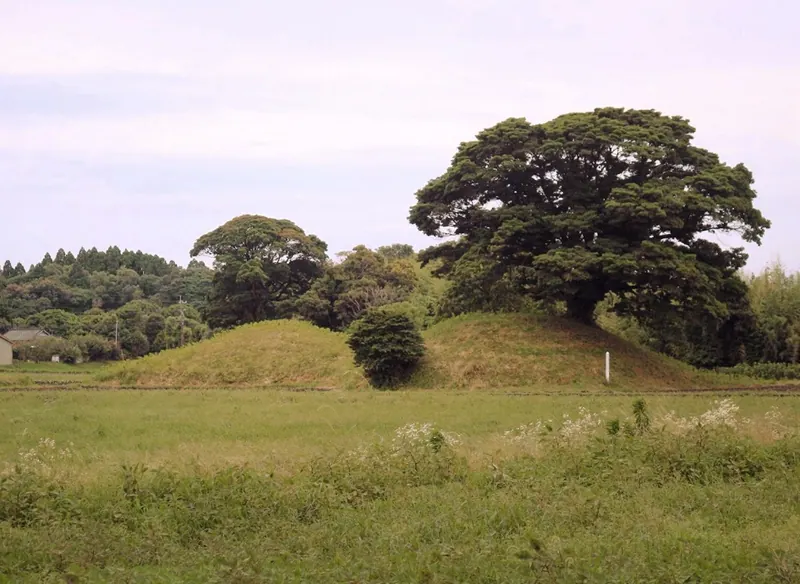
Explore ancient burial mounds, including keyhole-shaped tombs, and see important artifacts from early Japan.
What it is
- A cluster of ancient burial mounds from the 5th to 6th centuries.
- Designated a National Historic Site in 1961.
- Contains 10 keyhole-shaped and 75 round burial mounds.
What to see
- View the distinctive keyhole-shaped burial mounds.
- See excavated artifacts, some are Important Cultural Properties.
- Two bronze mirrors from Mochida No. 25 Kofun are designated.
- Horse fittings from Mochida No. 56 Kofun are Important Art Objects.
04
Nyūtabaru Kofun Cluster
MIYAZAKI · HISTORIC SITE 新田原古墳群
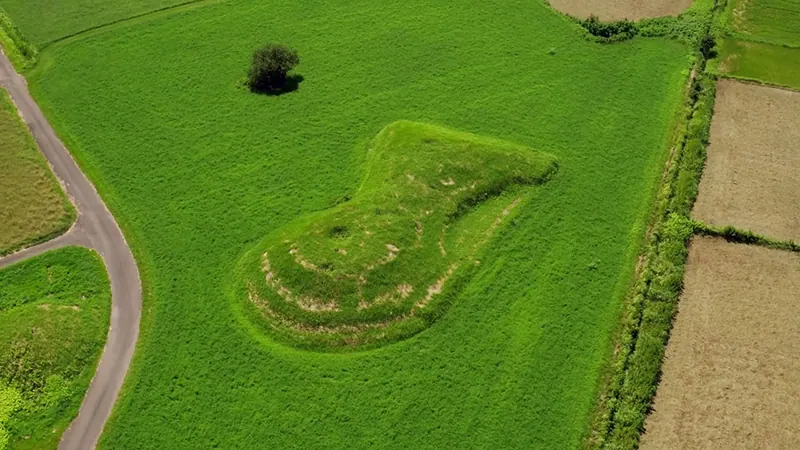
Explore 207 ancient burial mounds, including unique keyhole-shaped tombs, on the Nyutabaru Plateau.
What it is
- A general term for four kofun (burial mound) groups.
- Designated a National Historic Site on November 13, 1944.
- Managed by Shintomi Town.
- Excavations conducted by the Shintomi Town Board of Education.
What to see
- 207 tumuli on the Nyutabaru Plateau.
- Tsukahara, Ishifune, Yamanoho, and Gionbara Kofun Groups.
- Gionbara Kofun Group has 154 tumuli.
- Hyakusokuzuka Kofun is a keyhole-shaped tumulus.
05
Mesahozuka Kofun
MIYAZAKI · HISTORIC SITE 女狭穂塚古墳
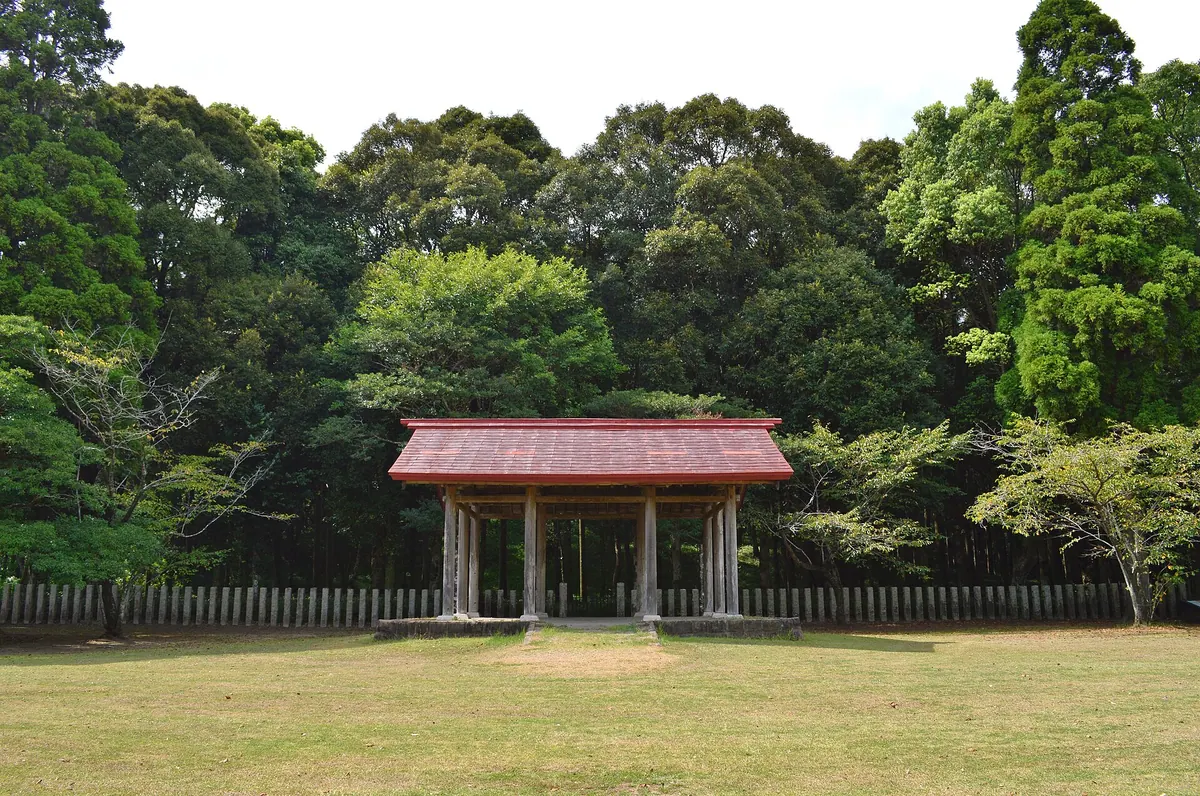
Explore a large 5th-century imperial tomb, part of a significant ancient burial mound complex.
What it is
- A keyhole-shaped tumulus, or burial mound.
- Part of the Saitobaru Kofun Group in Miyazaki Prefecture.
- Designated as an imperial tomb reference site.
- Construction estimated around the early 5th century.
What to see
- A three-tiered mound, 176 meters long.
- A double moat surrounding the tumulus.
- Adjacent to the Osahozuka Kofun.
- One of the largest tumuli in the Kyushu region.
06
Koyanetsuka Burial Mound
MIYAZAKI · HISTORIC SITE 児屋根塚古墳
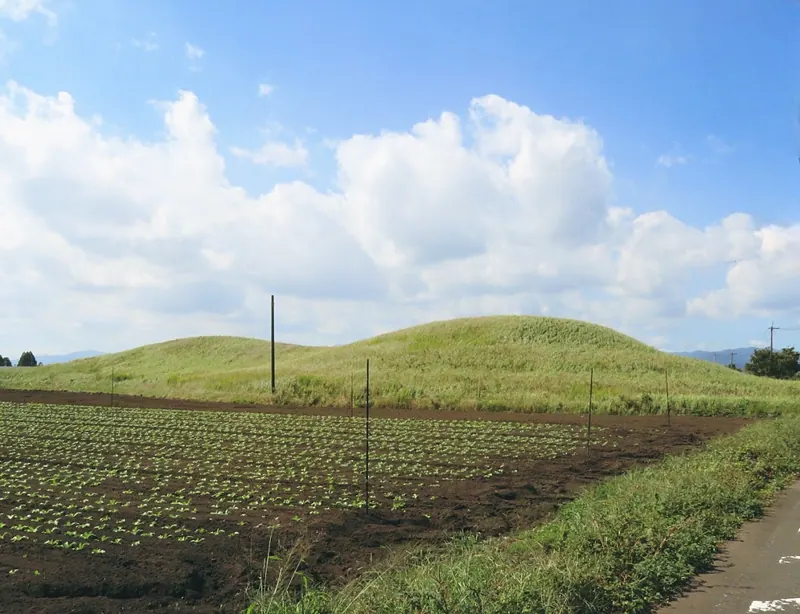
Explore a 5th-century keyhole-shaped burial mound, a national historic site with ancient treasures.
What it is
- A keyhole-shaped tumulus, 110 meters long.
- Dates to the early to mid-5th century.
- Designated a national historic site in 1973.
- Part of the Chausubaru Kofun Group.
What to see
- The 64-meter diameter, 7.5-meter high circular rear.
- The 63-meter wide, 7.1-meter high square front.
- A shield-shaped moat surrounds the mound.
- Excavated bronze mirror, iron swords, and beads.
07
Chausubaru Kofun Cluster
MIYAZAKI · HISTORIC SITE 茶臼原古墳群
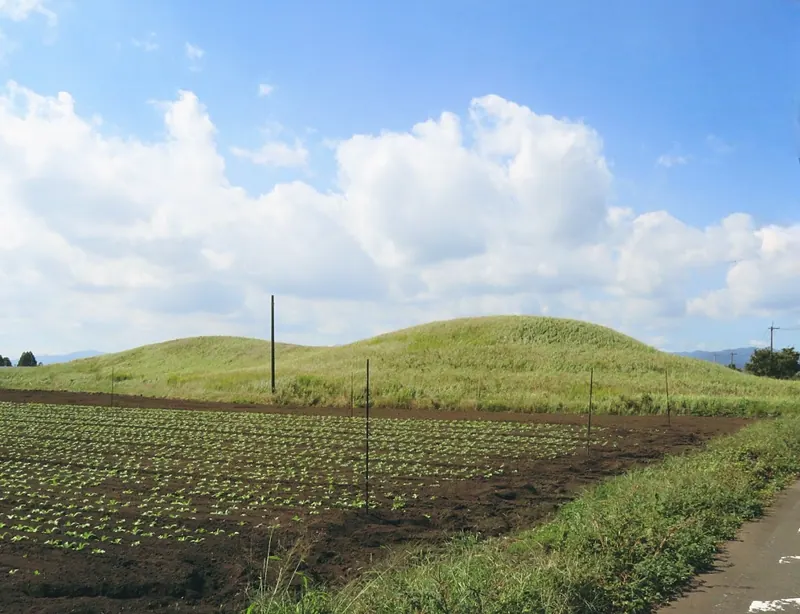
Explore ancient burial mounds on a plateau, a significant National Historic Site.
What it is
- A cluster of 55 ancient burial mounds.
- Designated a National Historic Site in 1973.
What to see
- Three keyhole-shaped kofun.
- Fifty-two round kofun.
- Koyane-zuka Kofun, the most excavated mound.
Getting there
- 10 minutes by car from Saito IC.
- 20 minutes by taxi from Takanabe Station.
08
Jōshinzuka Kofun
MIYAZAKI · HISTORIC SITE 常心塚古墳
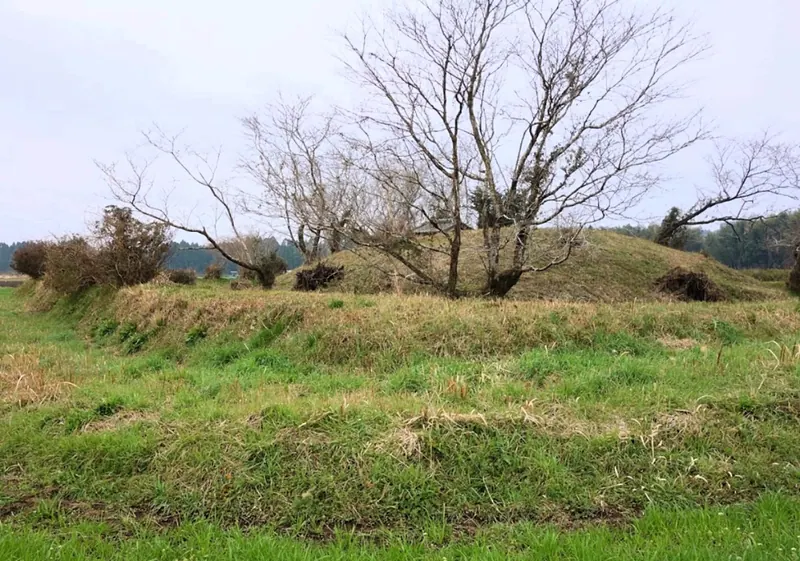
Explore a large, square, 7th-century burial mound designated a National Historic Site.
What it is
- A kofun, an ancient burial mound.
- Designated a National Historic Site.
- Built in the early 7th century.
- A large, independently built square tomb.
What to see
- A square-shaped kofun.
- Measures 25 meters north-south.
- Measures 23.8 meters east-west.
- Presumed horizontal stone burial chamber.
09
Hasugaike Kofun Cluster
MIYAZAKI · HISTORIC SITE 蓮ヶ池古墳群
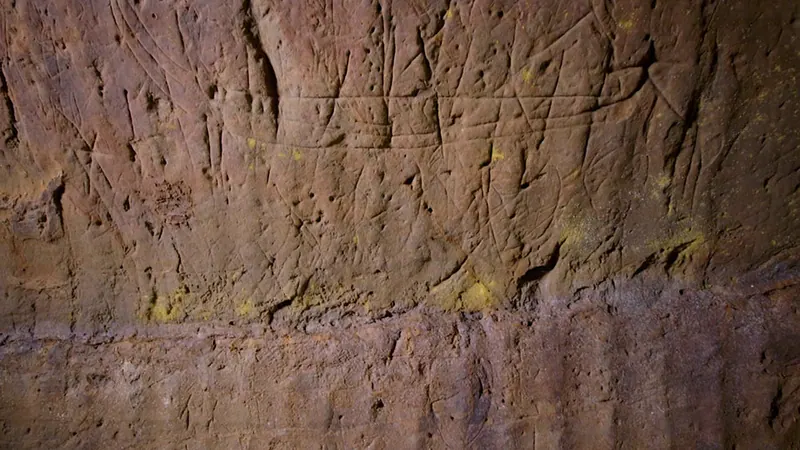
Explore ancient tomb caves and a history museum at this national historic site.
What it is
- A national historic site designated in 1971.
- Now known as Hasugaike Historic Park.
What to see
- Eighty-one horizontal tomb caves.
- Miyazaki History and Culture Museum.
Getting there
- 20-minute walk from JR Hasugaike Station.
- 10-minute walk from Shinmezume bus stop.
10
Hyūga Kokufu
MIYAZAKI · HISTORIC SITE 日向国府
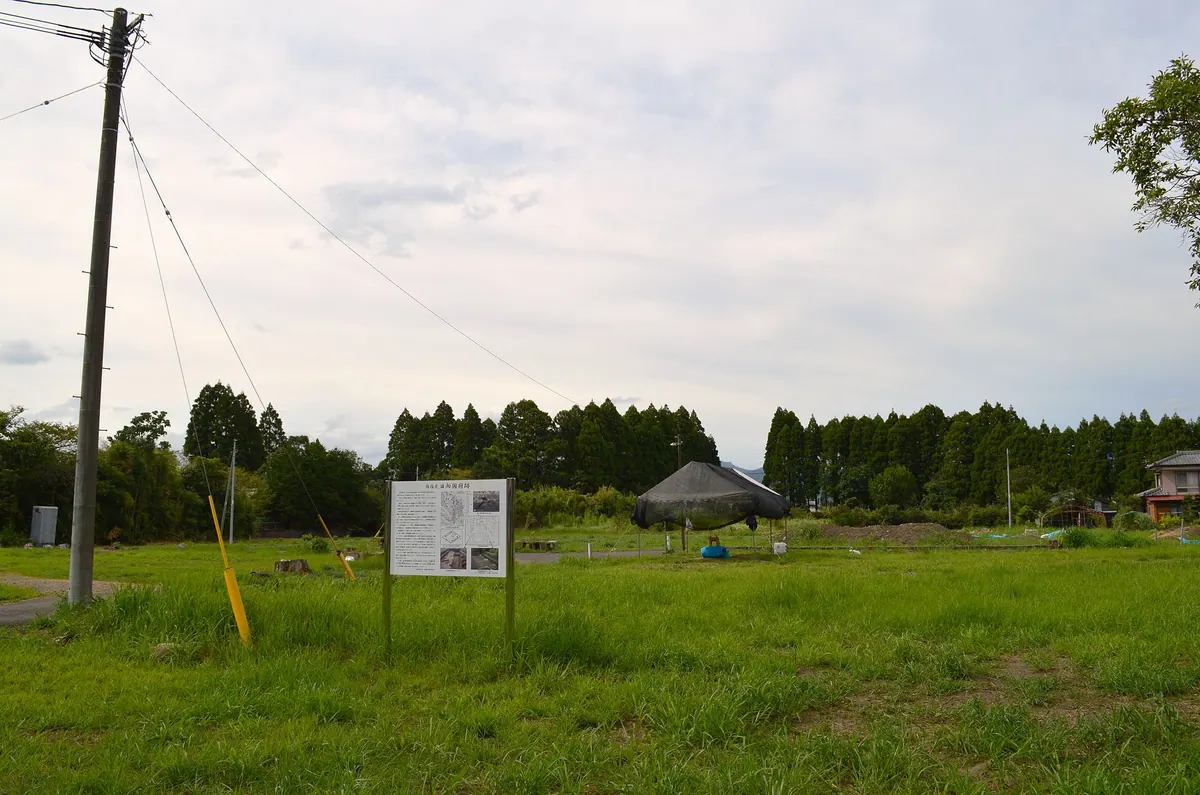
Explore the historical administrative center of Hyūga Province, a key site in ancient Kyushu.
What it is
- Former administrative center of Hyūga Province.
- Established after the Jinshin War.
- Located in Koyu County.
What to see
- Hyūga Kokubunji temple in Saimi, Miyazaki Prefecture.