

20 Shrines in Nagano worth your time
Japan Gems
Nagano Prefecture has 96 shrines, including Sarashina Shrine and Ichimura Shrine. They offer a mix of historical and local spiritual sites to visit.
Nagano has 103 shrines on Japan Gems. Below are the 20 we can tell you the most about — each one written up in English from Japanese sources, with what to see and how to get there. See all shrines in Nagano.
01
Takaichi Shrine (Ueda, Nagano)
NAGANO · SHRINE 高市神社
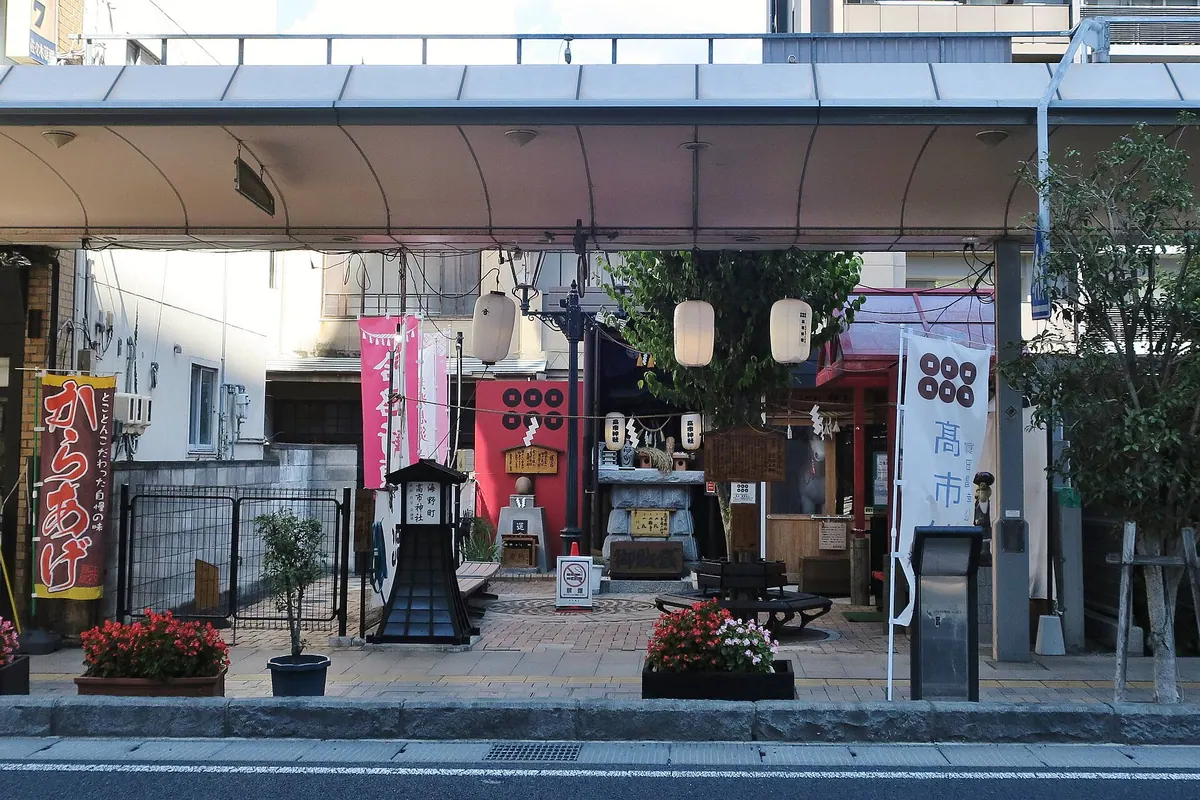
A historic merchant district shrine founded by Masayuki Sanada, featuring unique sacred stones and traditional monthly festivals.
What it is
- A guardian shrine for the Unno-machi merchant district founded by Masayuki Sanada.
- Dedicated to the deities Okuninushi and Kotoshironushi during the construction of Ueda Castle.
- The current main building dates back to the late 1890s.
What to see
- A sacred round stone from Shiratori Shrine serves as the main object of worship.
- The Un-no-ishi stone brought from Kudoyama Town in Wakayama Prefecture.
- The late nineteenth-century architecture of the main shrine building.
When to go
- Ennichi festivals are held on the twentieth day of every month.
- The Ebisu-ko festival takes place annually on November 20.
- The Hatsuebisu festival is held every year on January 20.
Getting there
- The shrine is located within walking distance of Ueda Station.
02
Uzume Shrine
NAGANO · SHRINE 鈿女神社
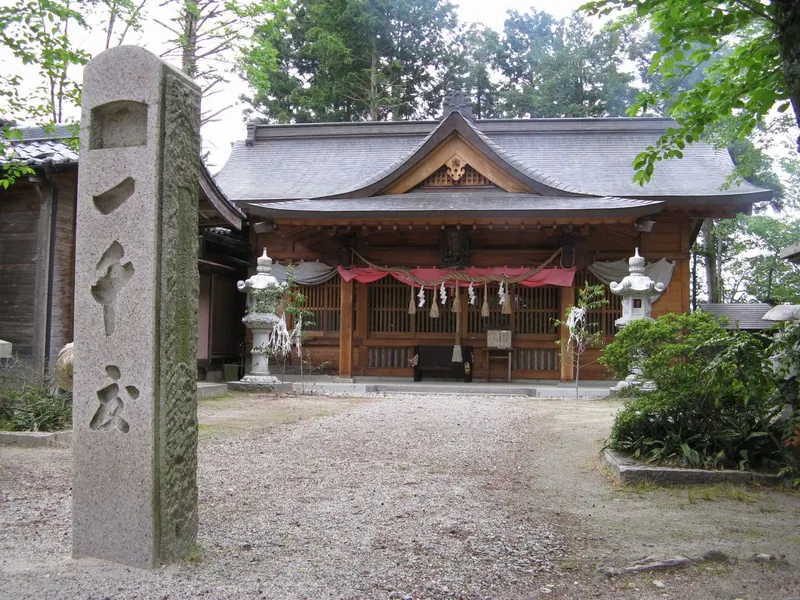
A Meiji-era shrine in Nagano featuring a historic main hall and a unique stone bridge built without cement.
What it is
- A shrine established during the Meiji era dedicated to the deity Ame-no-Uzume-no-Mikoto.
- The site serves as the source for branch shrines in Okaya and Shimosuwa.
- A separate subordinate shrine on the grounds enshrines the deity Sarutahiko-no-Mikoto.
- The main hall and stone bridge are designated as village tangible cultural properties.
What to see
- The main hall which was constructed in 1931.
- Shinsei Bridge built of stacked stones without the use of cement.
- The surrounding grounds located near the Takase River.
When to go
- Coming of Age Day for the New Year prayer festival.
- The second Sunday of April to witness the annual spring festival.
Getting there
- Walk 400 meters west from Kita-Hosono Station to reach the shrine.
03
Suzakura Shrine
NAGANO · SHRINE 素桜神社
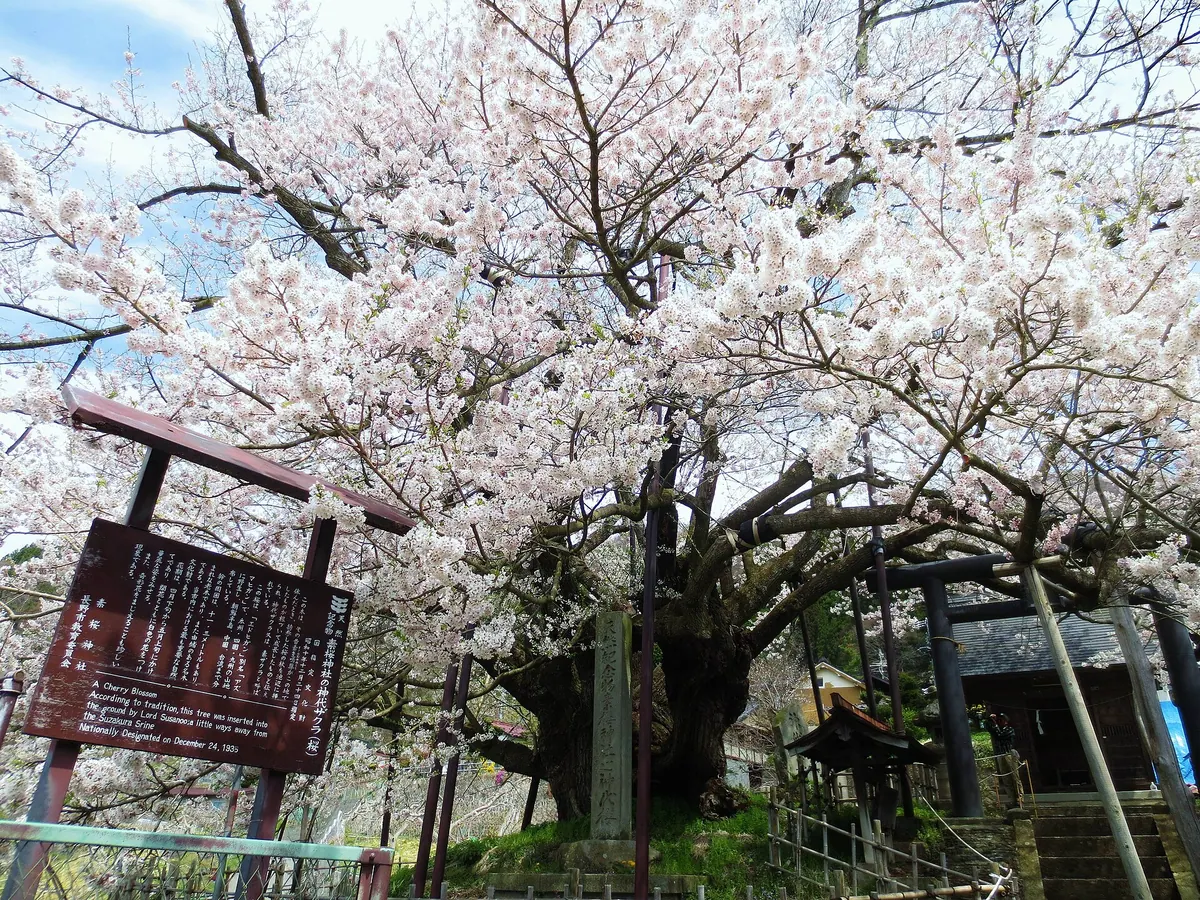
A hillside shrine in Nagano home to a 1,200-year-old cherry tree designated as a national natural monument.
What it is
- A shrine located on a slope in the Imoi district of Nagano City.
- Home to a giant Edohigan cherry tree estimated to be 1,200 years old.
- The site features a tree designated as a national natural monument since 1935.
- Legend says the deity Susanoo planted the tree from a wooden staff.
What to see
- A massive cherry tree with a root circumference of approximately 9 meters.
- The ancient tree which was the subject of a 1996 painting by Chinami Nakajima.
- Evidence of rejuvenation treatment performed by an arborist in 1992.
Getting there
- The shrine is a 30-minute walk from the Aragasu bus stop.
- There is no parking lot available for private cars at the site.
04
Fujishima Shrine (Suwa Region)
NAGANO · SHRINE 藤島神社 (諏訪地方)
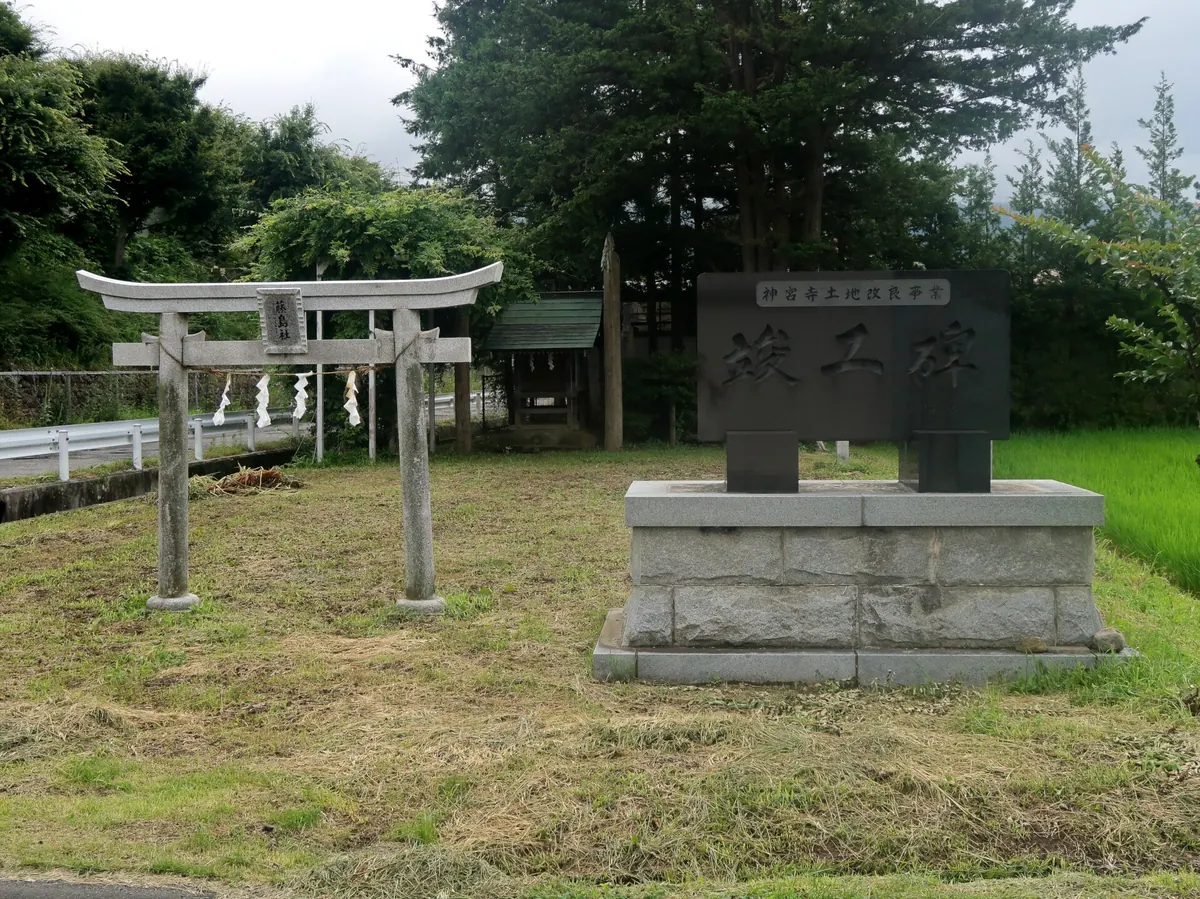
Fujishima Shrine: two ancient shrines in Nagano, linked to Suwa's founding legend.
What it is
- Two shrines in Nagano Prefecture.
- Both relate to the legend of Takeminakata's entry into Suwa.
- Fujishima-sha (Suwa City) is a sessha of Suwa Grand Shrine Kamisha.
- Fujishima Shrine (Okaya City) is the site of a kofun.
What to see
- Kohanahanasakuya-hime-no-mikoto enshrined at Fujishima-sha (Suwa City).
- Fujishima Myojin enshrined at Fujishima Shrine (Okaya City).
- Kofun from the 6th to early 7th century at Okaya City shrine.
When to go
- Mitaue-sai festival in early June at Fujishima-sha (Suwa City).
- Annual festival on the second Sunday of March at Okaya City shrine.
Getting there
- Fujishima-sha (Suwa City) is 500m north of Kamisha Honmiya.
- Address
- 長野県諏訪市中洲(旧中洲村)神宮寺 Map
05
Hatogamine-hachimangū
NAGANO · SHRINE 鳩ヶ嶺八幡宮
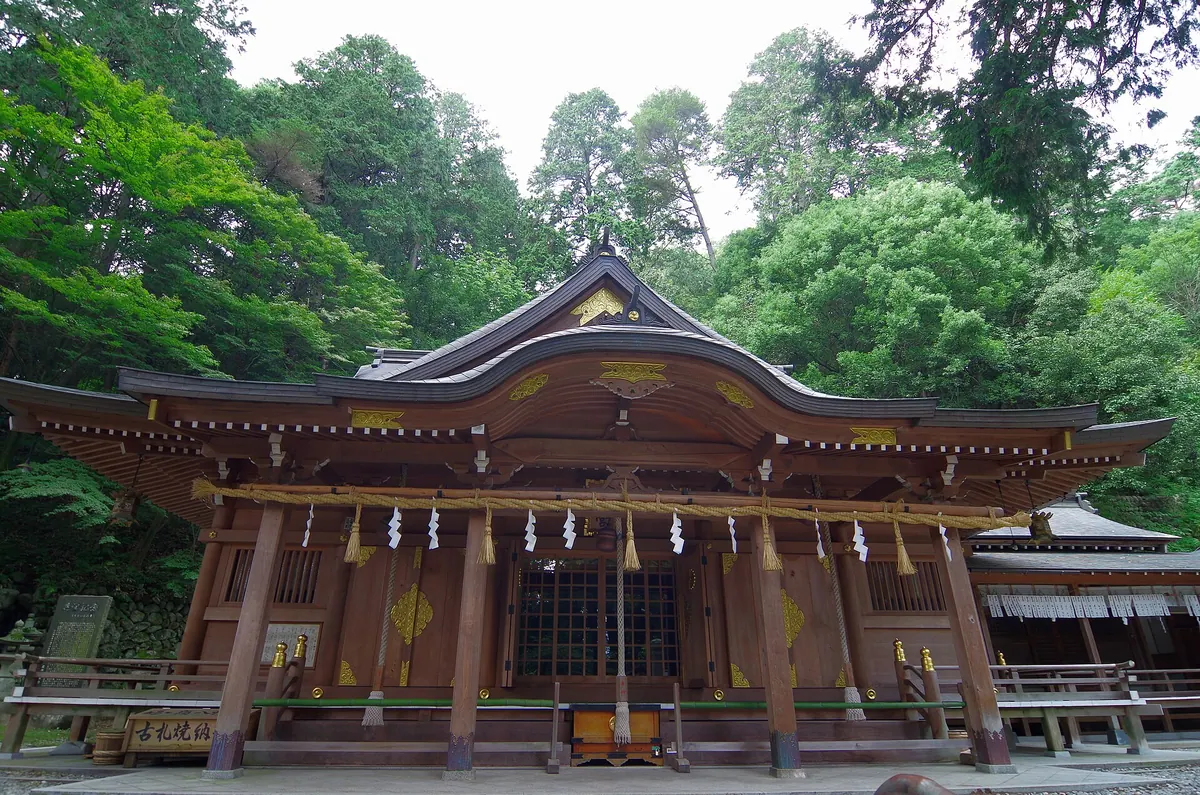
A historic shrine founded in 1277 featuring a 17th-century main hall and a nationally protected wooden deity statue.
What it is
- Established in 1277 by the Ema clan in Iida City.
- Spirit was originally invited from the Iwashimizu Hachimangu shrine.
- Enshrines the deities Homutawake-no-mikoto, Takeuchi-no-sukune, and Okinagatarashihime-no-mikoto.
- Formerly classified as a prefectural shrine and originally named Shimada Hachimangu.
What to see
- The main hall rebuilt in 1696 is an Iida City Tangible Cultural Property.
- A worship hall dating back to its reconstruction in 1662.
- Wooden statue of Homutawake-no-mikoto designated as a National Important Cultural Property.
When to go
- The annual shrine festival is held every year on October 5th.
06
Omi Shrine
NAGANO · SHRINE 麻績神社
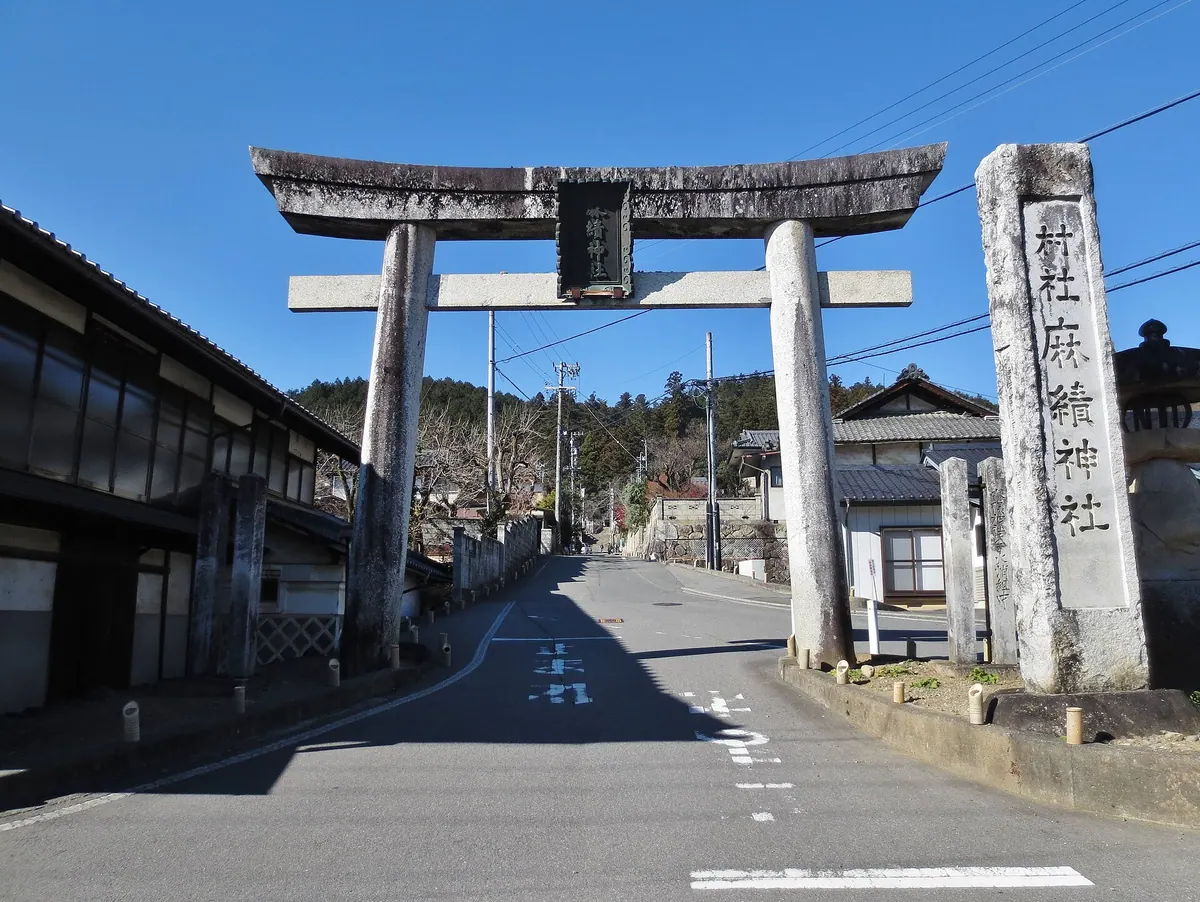
Omi Shrine is an ancient shrine with a historic school building and a famous cherry tree.
What it is
- A shrine dedicated to Takeminakata-no-kami and Hondawake-no-mikoto.
- Founded before the Tensho era (1573-1593).
- Its name means rich land for making hemp.
What to see
- The first torii gate, built between 1887 and 1888.
- Oldest school building in Nagano Prefecture, the Zakoji Omi School.
- The Omi-no-Sato Butai-zakura, a weeping higan cherry tree.
- The cherry tree is an Iida City cultural property.
- The shrine area is maintained as Motoyoshiko-ji Park.
When to go
- Annual festival has New Year, Spring, Autumn, and Labor Thanksgiving celebrations.
Getting there
- About 700m west of Motoyoshiko-ji Station.
- Address
- 長野県飯田市座光寺市場2516 Map
07
Zōzan Shrine
NAGANO · SHRINE 象山神社
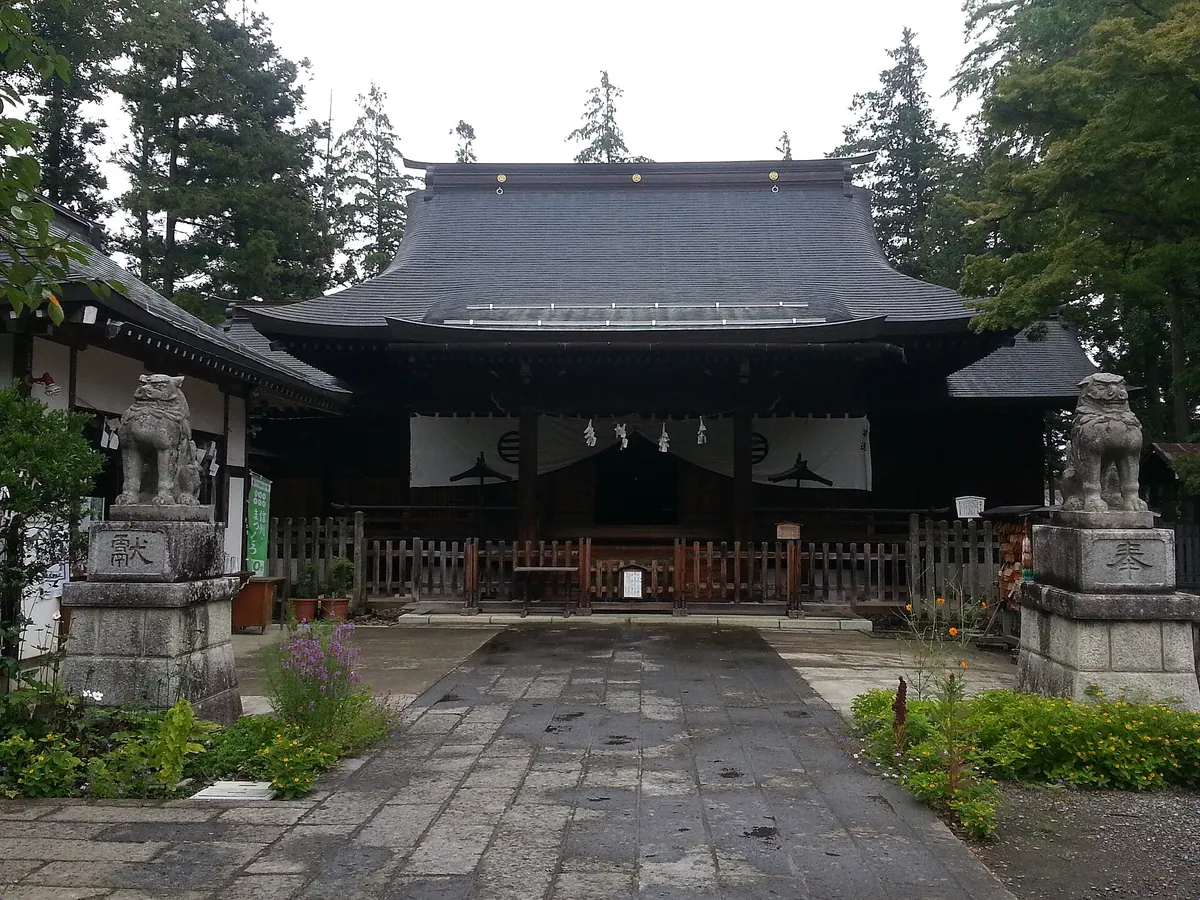
A historic shrine in Nagano dedicated to thinker Sakuma Zozan, featuring relocated Kyoto structures and a registered garden pond.
What it is
- A shrine established in 1938 to enshrine the influential thinker Sakuma Zozan.
- Built on the former residence site of Sakuma Zozan in Matsushiro Town.
- The construction planning was led by Hideo Yokota.
- The site of the original house is a prefectural historic site.
What to see
- The main hall is a Registered Tangible Cultural Property of Japan.
- A nationally Registered Monument garden pond located on the grounds.
- The En-utei tea house and Kogitei building relocated from Kyoto.
- A bronze statue of Sakuma Zozan erected in 2010.
Getting there
- The shrine is accessible by bus from Nagano Station.
- Official site
- zouzan.net
08
Susukigisui Shrine (Matsumoto City)
NAGANO · SHRINE 須々岐水神社
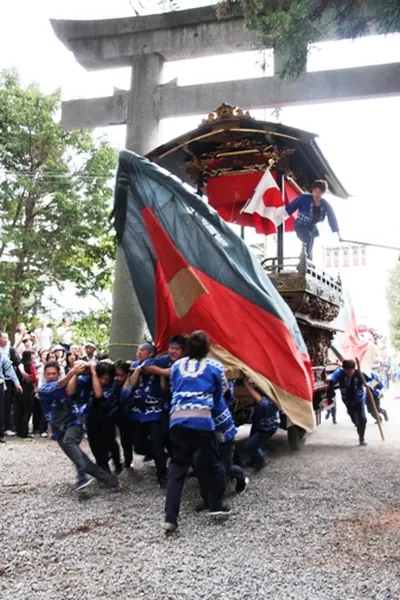
Susukigisui Shrine: ancient shrine with unique festivals and historic artifacts, worth a quick visit.
What it is
- Ancient shrine in Matsumoto City, Nagano Prefecture.
- Founded by a Korean immigrant given the surname 'Susuki' in 799.
- Promoted in rank in 867.
- Shotoku Taishi is enshrined in Sakuranomiya.
What to see
- Wooden komainu from 1458.
- Many ridge tags from 1680 onwards.
- Nine floats designated as Nagano Prefectural Treasures.
When to go
- Ofune Festival is held annually on May 5th.
- Onbashira Festival is held every 7 years.
- Onbashira Festival is a Matsumoto City Intangible Folk Cultural Property.
Getting there
- 20-minute taxi ride from JR Matsumoto Station.
- No parking available.
- Address
- 長野県松本市大字里山辺2737[1][2] Map
09
Gōdo-hachimangū
NAGANO · SHRINE 郊戸八幡宮
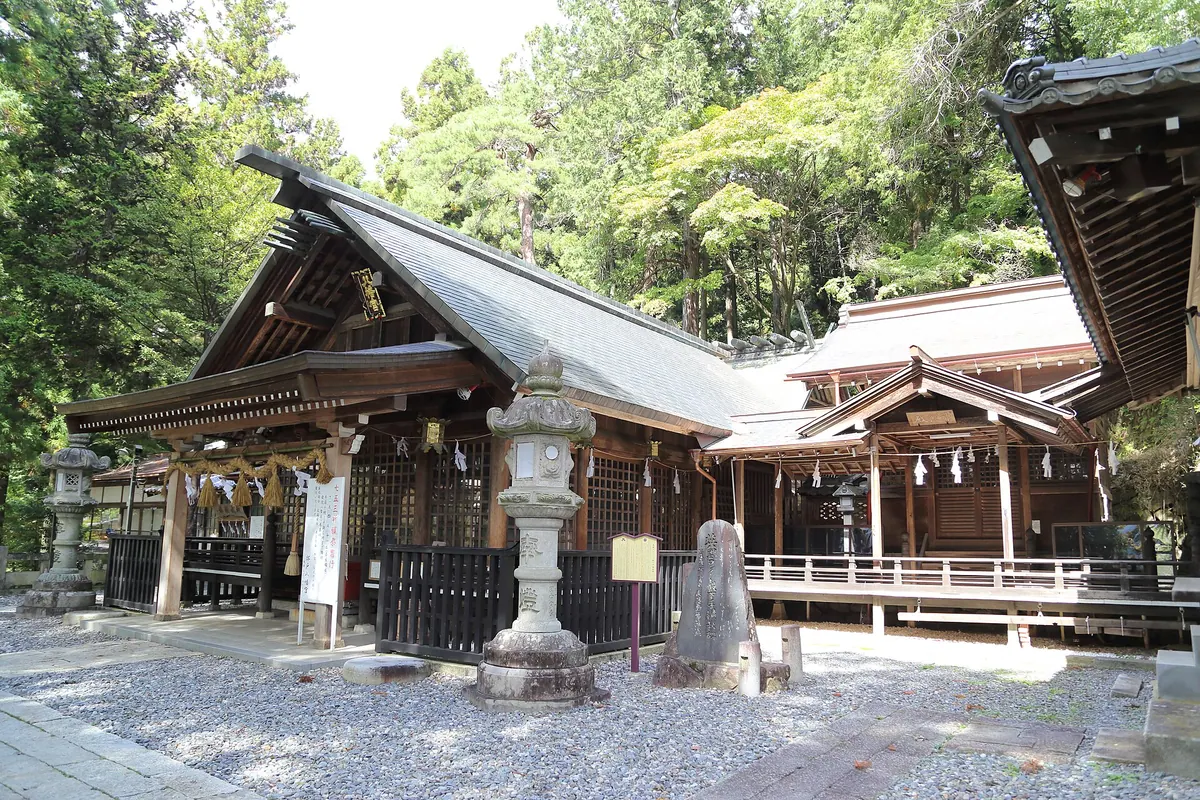
A historic Shinto shrine in Iida City dedicated to Emperor Ojin, featuring Meiji-era votive tablets and annual fireworks festivals.
What it is
- A Shinto shrine established in either 860 or 1188 in Iida City.
- The site enshrines Emperor Ojin and Empress Jingu.
- Designated as a prefectural shrine by the Meiji government in 1944.
- Resting place for the Mito Tengu-to group during their 1864 journey.
What to see
- The ema hall housing votive tablets dating back to the Meiji era.
- Reconstructed shrine buildings following a fire in 1573.
When to go
- Spring festival held annually on April 14 and 15.
- Fireworks festival held on the second Saturday of September.
- Autumn main festival occurring on the second Sunday of September.
10
Ikushima Tarushima Shrine
NAGANO · SHRINE 生島足島神社
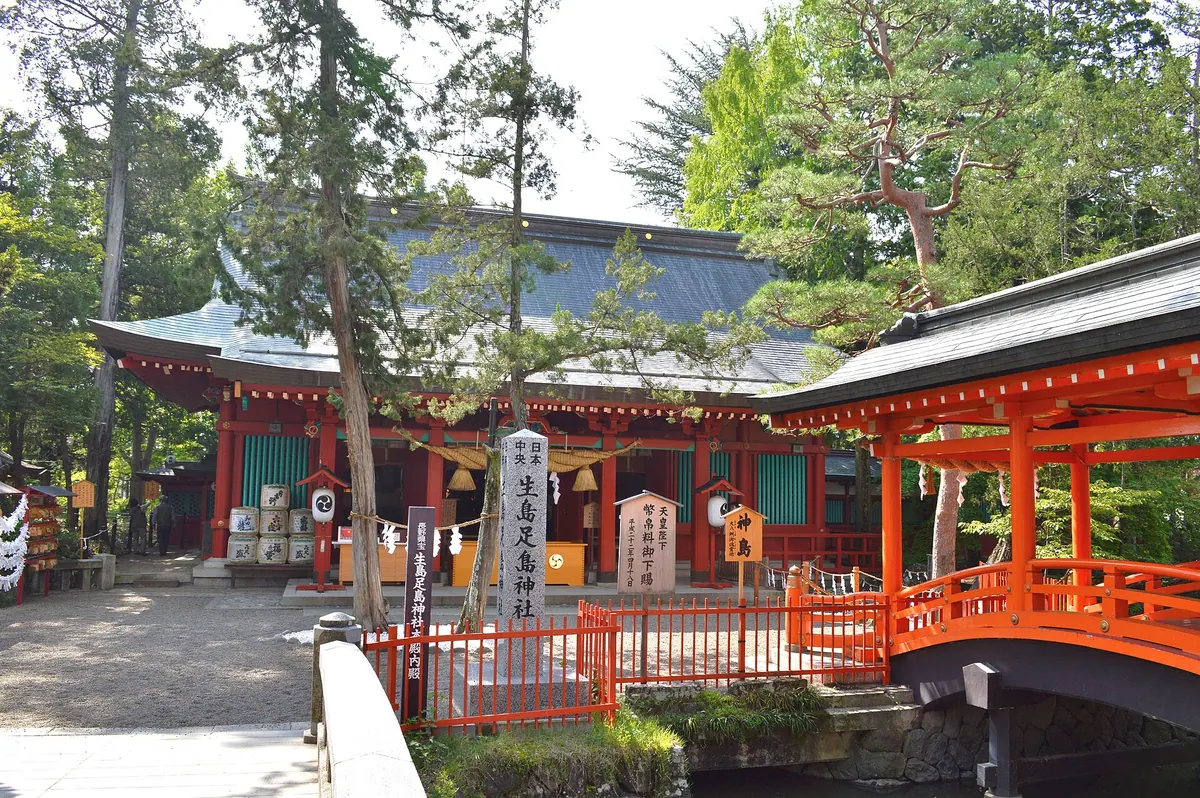
Ancient shrine in Nagano with unique architecture and important cultural properties.
What it is
- Dedicated to Ikushima-no-Okami and Tarushima-no-Okami.
- Designated a Myojin-taisha shrine.
- Formerly a National Shrine, 2nd class.
- Currently a Beppyo Jinja of the Association of Shinto Shrines.
What to see
- Main shrine building in Gongen-zukuri style.
- Main shrine's inner sanctuary is a Prefectural Treasure.
- Kabuki stage is a Prefectural Treasure.
- Subsidiary Suwa Shrine's main hall and gate are Prefectural Treasures.
- Ikushima Tarushima Jinja Monjo is a National Important Cultural Property.
Getting there
- 5-minute walk from Shimonogo Station.
- On the Ueda Electric Railway Bessho Line.
- Address
- 長野県上田市下之郷中池西701 Map
- Official site
- www.ikushimatarushima.com
11
Kosuge Shrine, Iiyama
NAGANO · SHRINE 小菅神社 (飯山市)
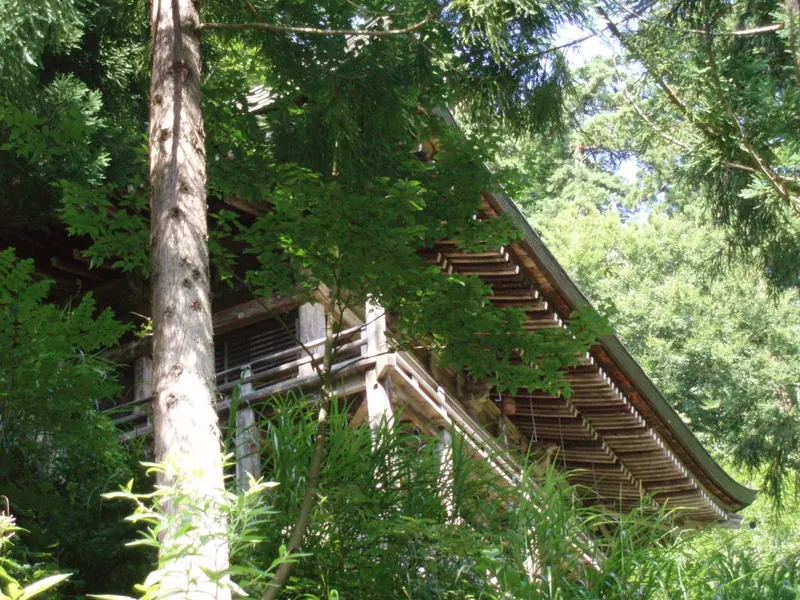
Kosuge Shrine is a historic Shugendo site with ancient cedars and an important main hall.
What it is
- One of three major Shugendo sacred sites in Shinshu.
- Originated from Kosugeyama Ganryuji, a Shugendo temple.
- Established during the Meiji era.
- Enshrines eight deities.
What to see
- Main hall of the inner shrine is an Important Cultural Property.
- Main hall built between 1532 and 1554.
- Main hall located at an altitude of 820m.
- Kosuge Shrine cedar avenue built during the Edo period.
- Cedar trees are around 300 years old.
When to go
- Hashiramatsu Saito Shinto ritual is a major event.
- Ritual is a National Important Intangible Folk Cultural Property.
- Address
- 〒389-2322 長野県飯山市大字瑞穂6043番地 Map
- Official site
- kosugejinja.jp
12
Ikedahachiman Shrine
NAGANO · SHRINE 池田八幡神社
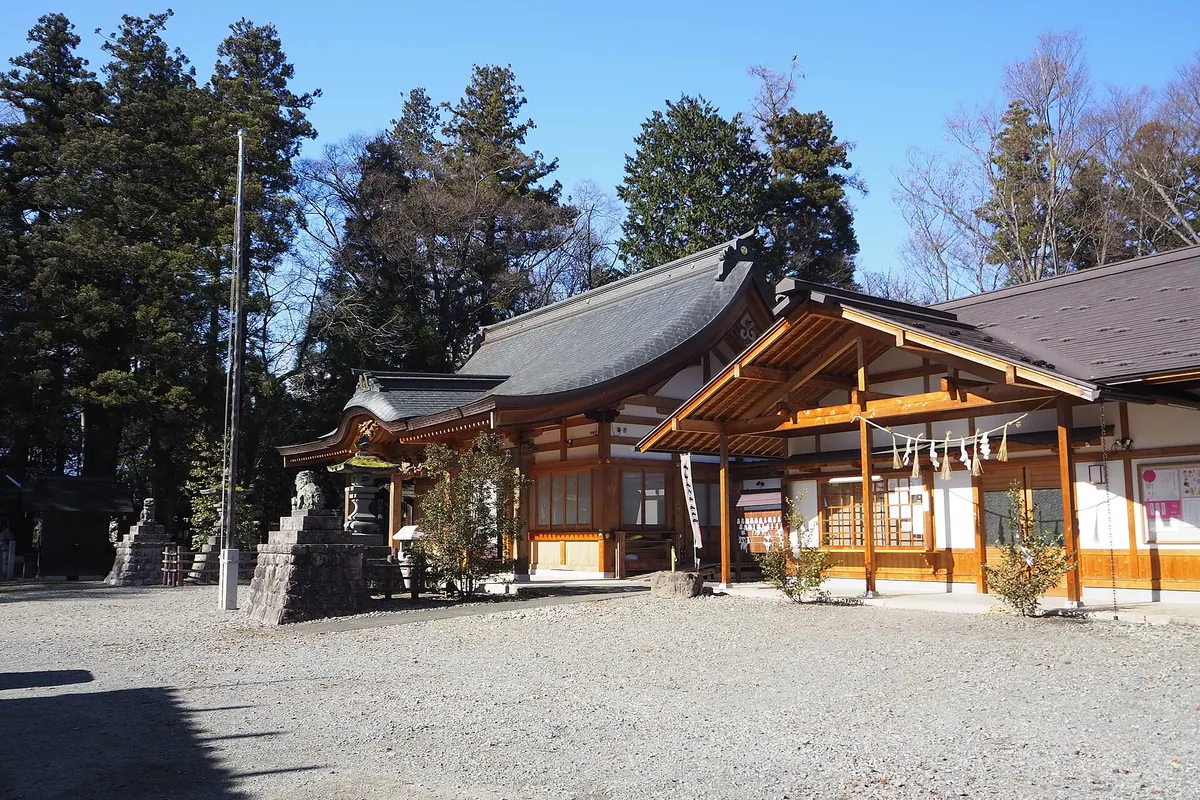
Ikedahachiman Shrine is a historic site in Nagano, known for its unique annual festival.
What it is
- A Shinto shrine in Ikeda-machi, Nagano Prefecture.
- Founded as Hachiman-sha before 1946.
- Enshrines Hondawake-no-mikoto, Haniyasuhime-no-mikoto, and Kuzuryu-jin.
What to see
- Main hall and Juni-sha hall.
- Stone monument for Sugiyama Soun.
- Sumo ring for dedicatory sumo.
- Eight warehouses for festival floats.
- Five designated cultural properties of Ikeda Town.
When to go
- Annual festival on September 23rd and 24th.
- Festival includes float pulling and dedicatory sumo.
Getting there
- 5-minute drive from Kita-Hosono Station.
- Address
- 長野県北安曇郡池田町池田3204 Map
13
Yubuku Shrine
NAGANO · SHRINE 湯福神社
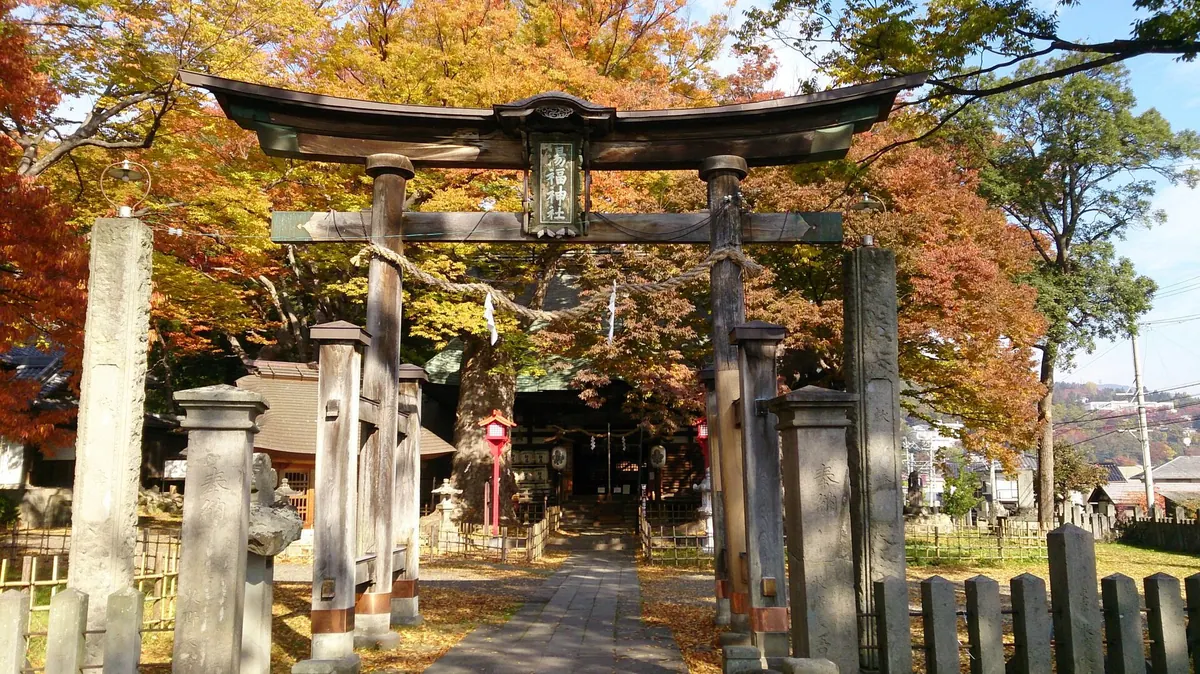
Yubuku Shrine is an ancient guardian shrine of Zenkoji Temple, known for its historic trees and Onbashira Festival.
What it is
- One of Zenkoji Temple's three guardian shrines.
- One of Zenkoji Temple's seven shrines.
- Dedicated to the deity Takeminakata-no-kami.
- Contains a mausoleum for Zenkoji founder Gankō Honda.
What to see
- Onbashira pillars stand within the grounds.
- Three zelkova trees are designated natural monuments.
- Zelkova trees are estimated to be 700 to 900 years old.
- Present main hall and worship hall completed in 1862.
- Large stone in mausoleum is believed to be Gankō Honda's grave.
When to go
- Onbashira Festival is held every Tiger and Monkey year.
- Address
- 長野県長野市箱清水三丁目1番2号 Map
14
Kurumayama Shrine
NAGANO · SHRINE 車山神社
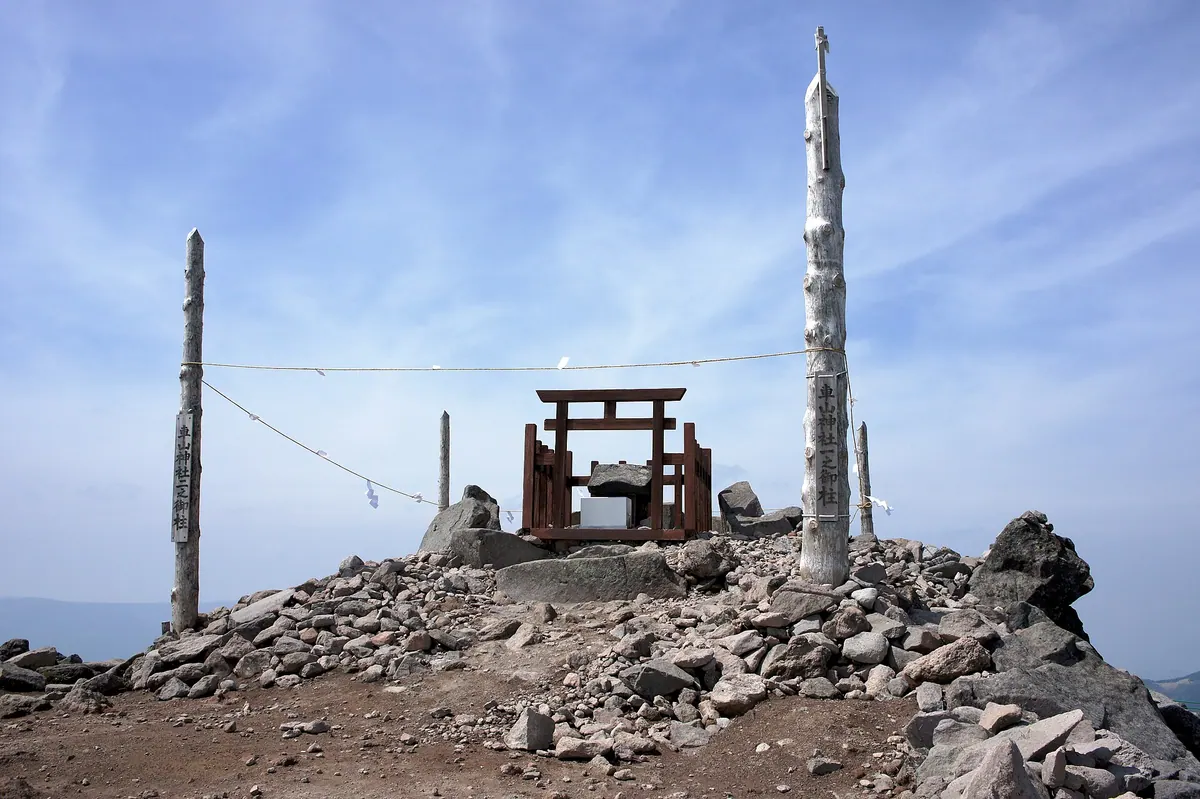
A mountaintop shrine in Nagano, offering unique festivals and panoramic views.
What it is
- A shrine at the summit of Mount Kurumayama.
- Dedicated to Oyamatsumi-no-kami, Takeminakata-no-kami, and Yasakatome-no-kami.
- Originated as a ski shrine in the early Showa period.
What to see
- The stone shrine building.
- Views from the 1,925-meter summit.
- Ema (votive tablets) available since winter 2019.
When to go
- Spring for the mountain opening festival.
- Winter for the safety prayer festival.
- Year of Suwa Grand Shrine's Onbashira for the Kurumayama Onbashira Festival.
- For the Kurumayama Fire Festival, based on a Tengu legend.
- Address
- 長野県茅野市北山3413(車山山頂)[1] Map
- Official site
- kurumayamajinja.jp
15
Wakamiya Hachiman Shrine
NAGANO · SHRINE 若宮八幡神社
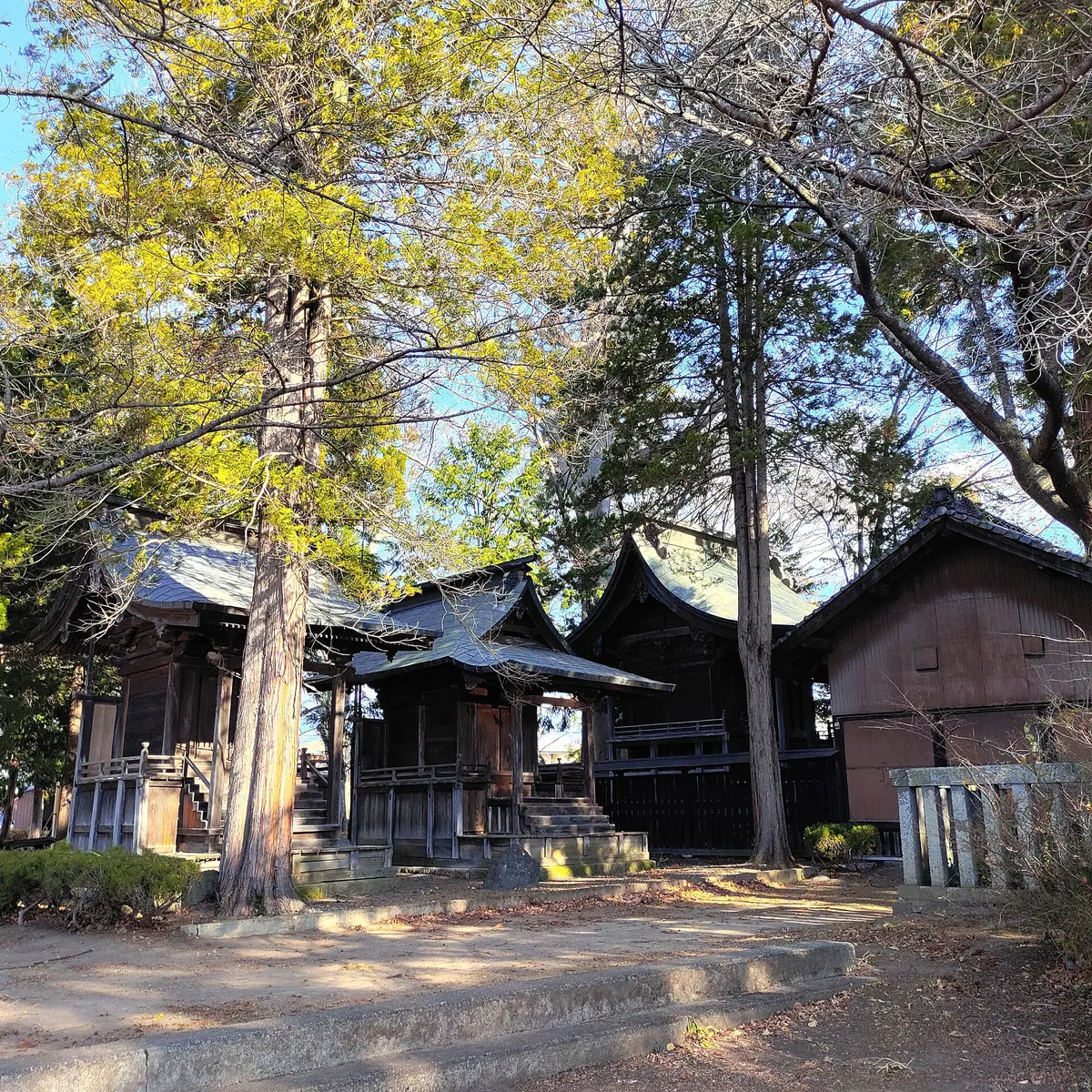
Wakamiya Hachiman Shrine: a historic shrine with unique architecture and cultural properties, worth visiting for its festivals.
What it is
- Also called Wakamiya Shrine.
- Founded in 1202 by Ōi Tomomitsu.
- Enshrines Ōsazaki no Mikoto and Hachiman-ōkami.
- Served as a honjin and waki-honjin.
What to see
- Current main hall built in 1691.
- Main hall is a three-bay nagare-zukuri style.
- Subsidiary shrine dedicated to Gion Gozu Tennō.
- Portable shrine is a designated cultural property.
- Relocated stone lantern from the Nakasendō.
- Wakamiya Park is north of the shrine buildings.
When to go
- Iwammurada Gion Festival in mid-July.
- Autumn regular festival on August 22.
- Address
- 長野県佐久市大字岩村田1907[1] Map
16
Mayama Toyotomi Shrine
NAGANO · SHRINE 間山豊富神社
Ancient shrine in Nagano, dedicated to three deities, with a history dating back to the Yayoi period.
What it is
- Shrine in Nakano City, Nagano Prefecture.
- Dedicated to Amaterasu Sumi Okami and two other deities.
- Worship of gods here began in the Yayoi period.
- Shrine name licensed by the Kyoto Shirakawa family in 1810.
What to see
- Heiden (inner shrine) built in 1706.
- Haiden (front shrine) built in 1721.
- Main shrine and Kagura-den rebuilt in 1793.
- Noritoden and Haiden renovated in 1893.
When to go
- Kinen-sai festival on May 11.
- Yoimiya festival on the second Sunday of October.
- Hon-sai festival on the second Monday of October.
- Address
- 長野県中野市大字間山字宮上262 Map
17
Isagoda Shrine
NAGANO · SHRINE 沙田神社
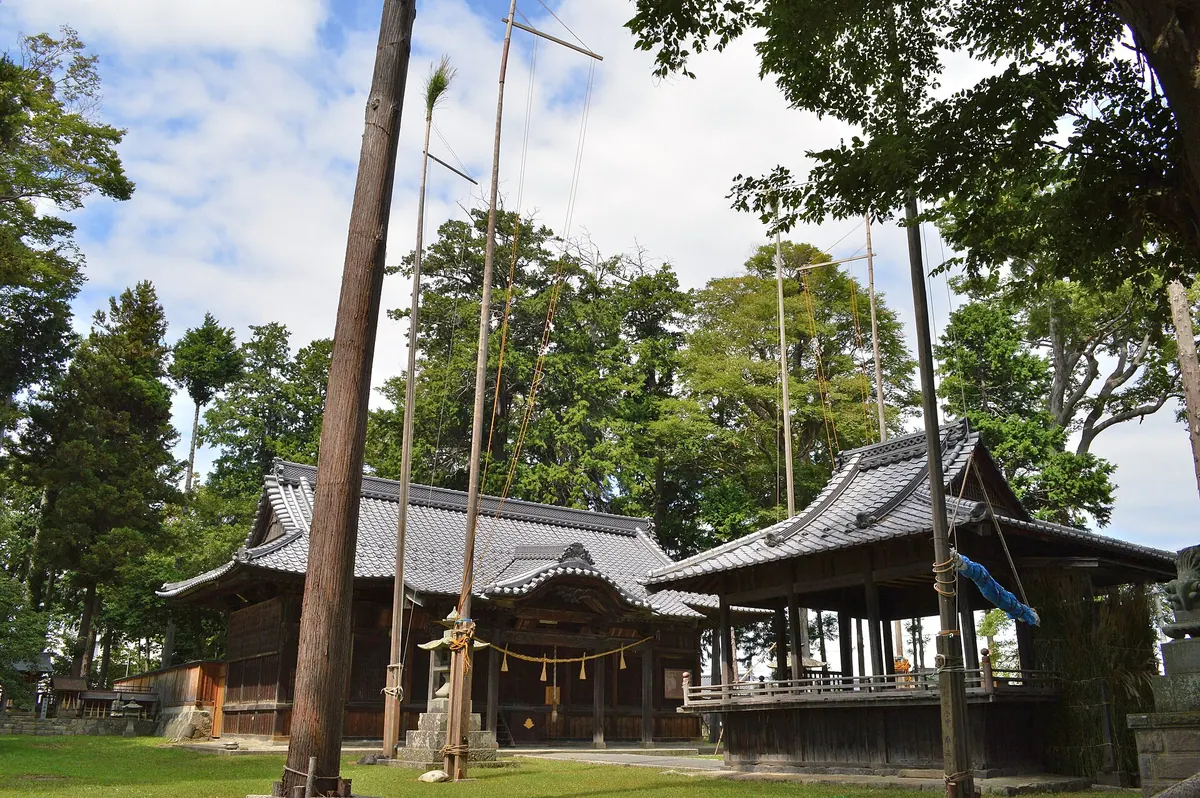
Isagoda Shrine, a historic Shikinaisha shrine, offers a glimpse into ancient Japanese religious practices.
What it is
- A Shikinaisha shrine founded in 649.
- Dedicated to Hikohode-mi no Mikoto and other deities.
- Its crest is "Sankai-bishi."
- Designated a Prefectural Shrine in 1901.
What to see
- The main hall, constructed in 1808.
- The shrine's Okusha in Hata Sagisawa.
- Rituals similar to Suwa Shrine's Onbashira.
When to go
- Onbashira Festival occurs every six years.
- Festival years are the Hare and Rooster.
- Festival is an Intangible Folk Cultural Property.
Getting there
- 8-minute walk from Oba Station.
- Address
- 長野県松本市島立三ノ宮3316 Map
18
Shinkai Sansha Shrine
NAGANO · SHRINE 新海三社神社
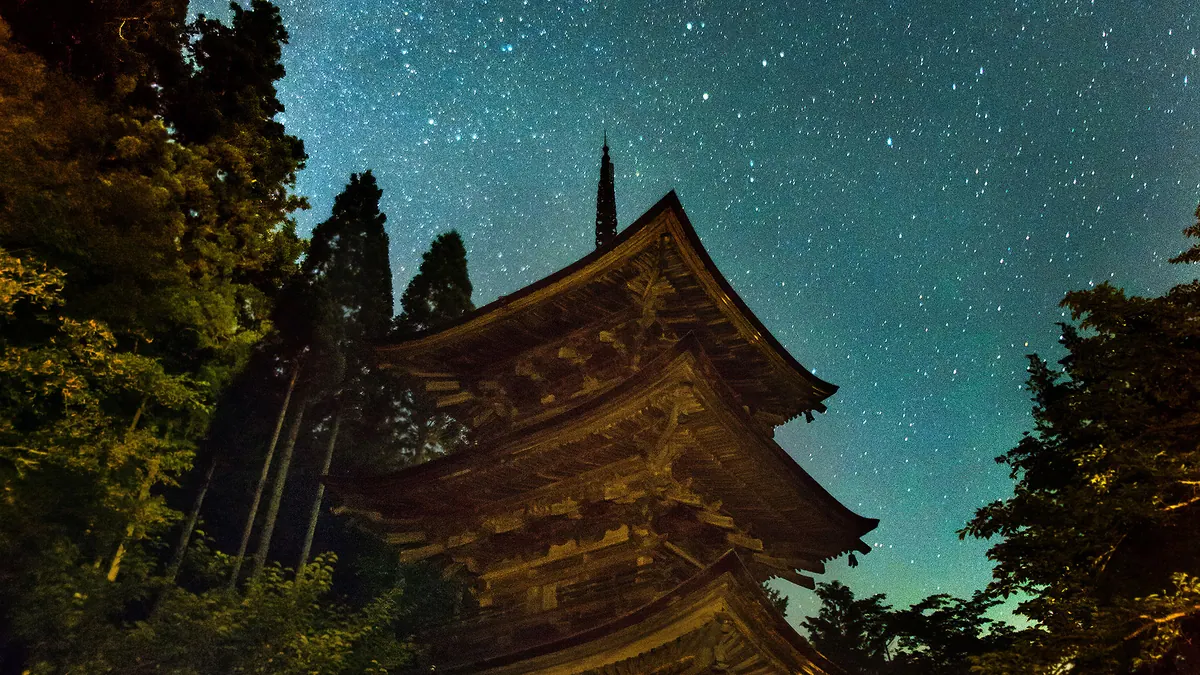
Visit this historic shrine to see ancient buildings and a sacred tree.
What it is
- A former prefectural shrine and Saku district's main shrine.
- Dedicated to Okihagi-no-mikoto, Saku's pioneering deity.
- Okihagi-no-mikoto is grandchild of Okuninushi-no-Okami of Izumo.
What to see
- The three-story pagoda, built in 1515, is an Important Cultural Property.
- The East Main Shrine, built 1467-1572, is an Important Cultural Property.
- Medieval documents include a prayer by Takeda Shingen.
- Shrine grounds include Kinugasa Shrine and Fukuda Inari Shrine.
- A sacred cedar tree stands 20m in front of the East Main Shrine.
- Address
- 長野県佐久市田口宮代2394 Map
19
Hanazura Inari Shrine
NAGANO · SHRINE 鼻顔稲荷神社
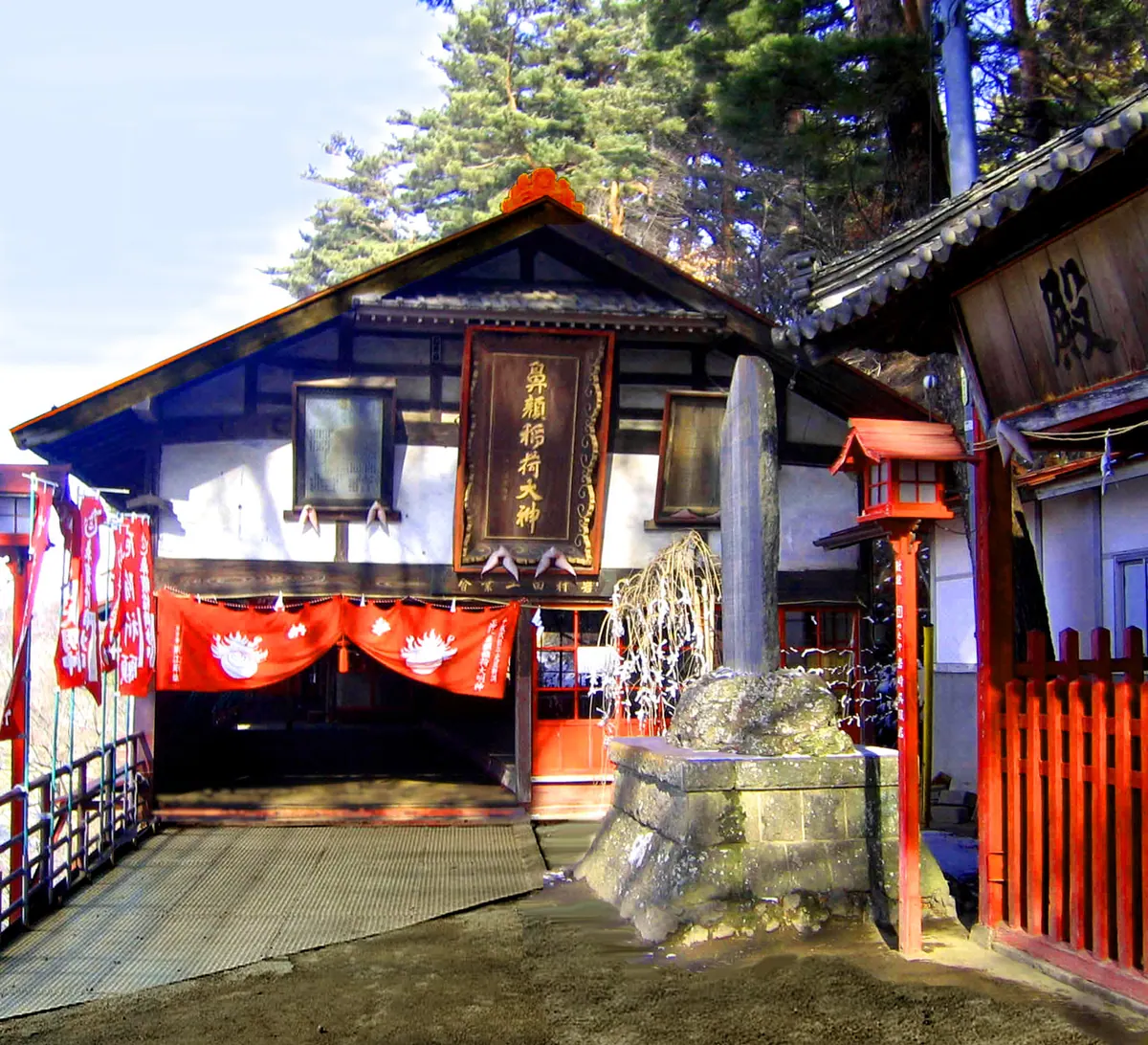
Hanazura Inari Shrine is a historic cliff-hanging shrine, one of Japan's five great Inari shrines.
What it is
- One of Japan's five great Inari shrines.
- Enshrines Ukanomitama, Sarutahiko, and Omiyanome.
- Founded during the Eiroku era (1558-1570).
- Houses a divided spirit from Fushimi Inari Taisha.
What to see
- Shrine building in kakezukuri (cliff-hanging) style.
- Red pillars support the building over Yukawa River.
- A zelkova and red pine tree, 'Aioi no Ki'.
Getting there
- 15-minute walk from Iwamurada Station (JR Koumi Line).
- 5 km from Joshinetsu Expressway Saku Interchange.
- Parking available for 5 cars.
- Address
- 長野県佐久市大字岩村田字鼻顔4261[1] Map
20
Mizukami Funayama Shrine
NAGANO · SHRINE 水上布奈山神社
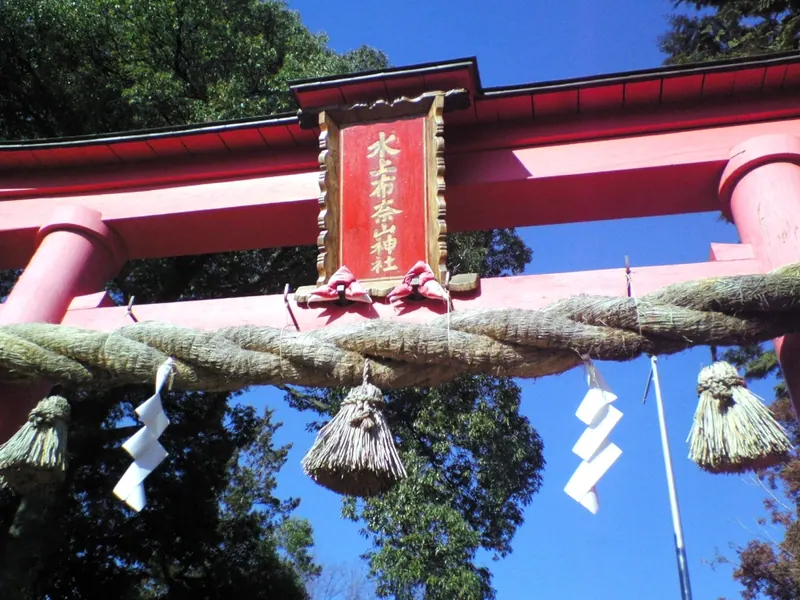
Mizukami Funayama Shrine features a historic main hall with intricate carvings and a unique lantern.
What it is
- A shrine founded by inviting a deity from Suwa Taisha.
- Renamed Mizukami Funayama Shrine in 1835.
What to see
- The main hall is a National Important Cultural Property.
- Main hall built in 1789, has numerous carvings.
- Carvings by Shimiya Chozaemon are on the main hall.
- 'Iimori-onna no Kentourou' is a city cultural property.
- Lantern dedicated by 52 iimori-onna and innkeepers.
- Names of 52 iimori-onna are carved on the lantern's base.
When to go
- Onbashira Festival is held every seven years.
- Address
- 長野県千曲市大字戸倉上中町1990 Map