

20 Shrines in Ōita worth your time
Japan Gems
Ōita Prefecture is home to 27 shrines, including Mishima Shrine and Hachiman Asami Shrine. These sites offer a glimpse into local spiritual traditions.
Ōita has 29 shrines on Japan Gems. Below are the 20 we can tell you the most about — each one written up in English from Japanese sources, with what to see and how to get there. See all shrines in Ōita.
01
Usa Jingū
ŌITA · SHRINE 宇佐神宮
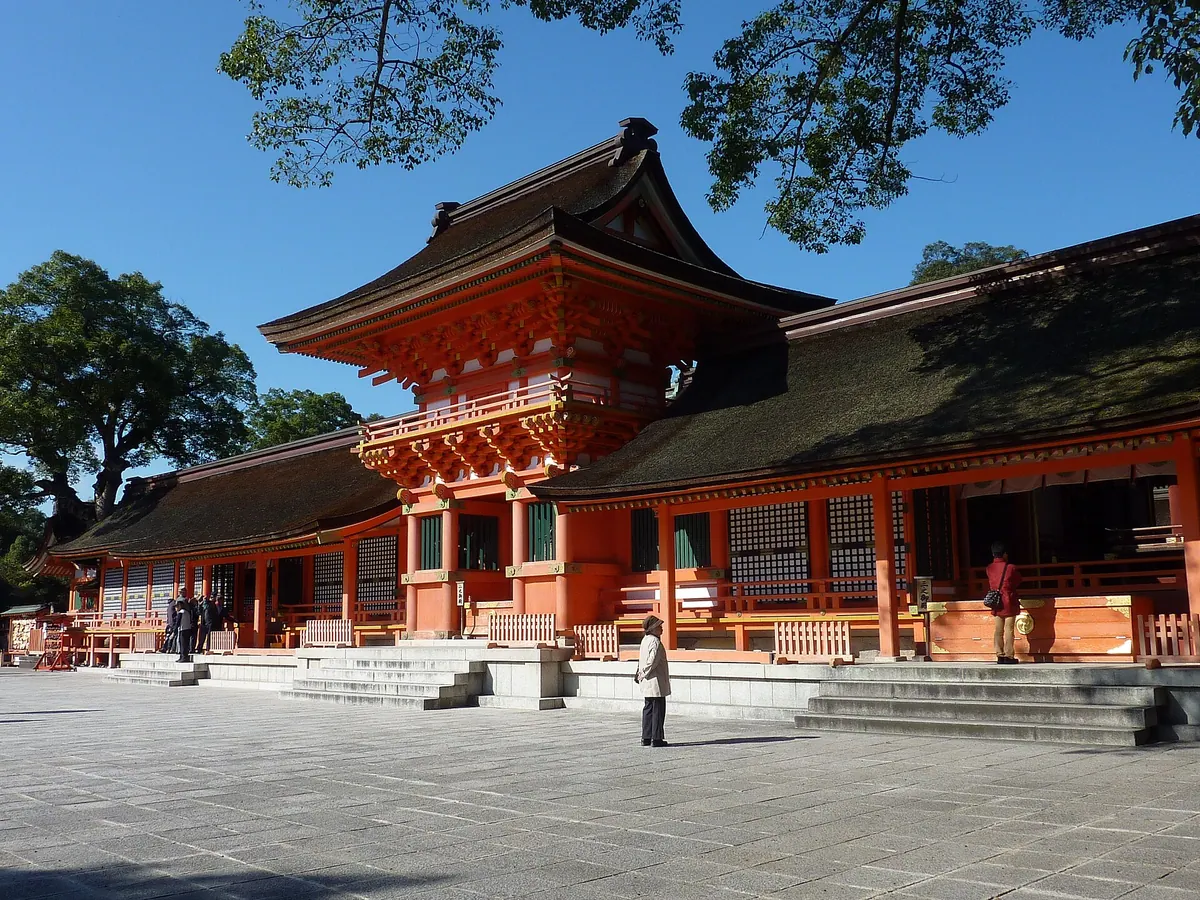
The head of 44,000 Hachiman shrines featuring National Treasure architecture and a unique four-handclap worship ritual.
What it is
- The head shrine of approximately 44,000 Hachiman shrines across Japan.
- Founded in 725, it is one of the three major Hachiman shrines.
- Dedicated to Hachiman Okami, Hime Okami, and Empress Jingu.
- The grounds are designated as a national historic site.
What to see
- Three main hall buildings designated as national treasures.
- The Upper Shrine and Lower Shrine complexes on the grounds.
- Unique worship rituals involving four handclaps instead of the usual two.
- A site where an imperial messenger is dispatched every ten years.
When to go
- The Upper Shrine opens daily at 5:30 AM or 6:00 AM.
Getting there
- The shrine is accessible by bus from JR Usa Station.
- Official site
- www.usajinguu.com
02
Inumaru-tenmangū
ŌITA · SHRINE 犬丸天満宮
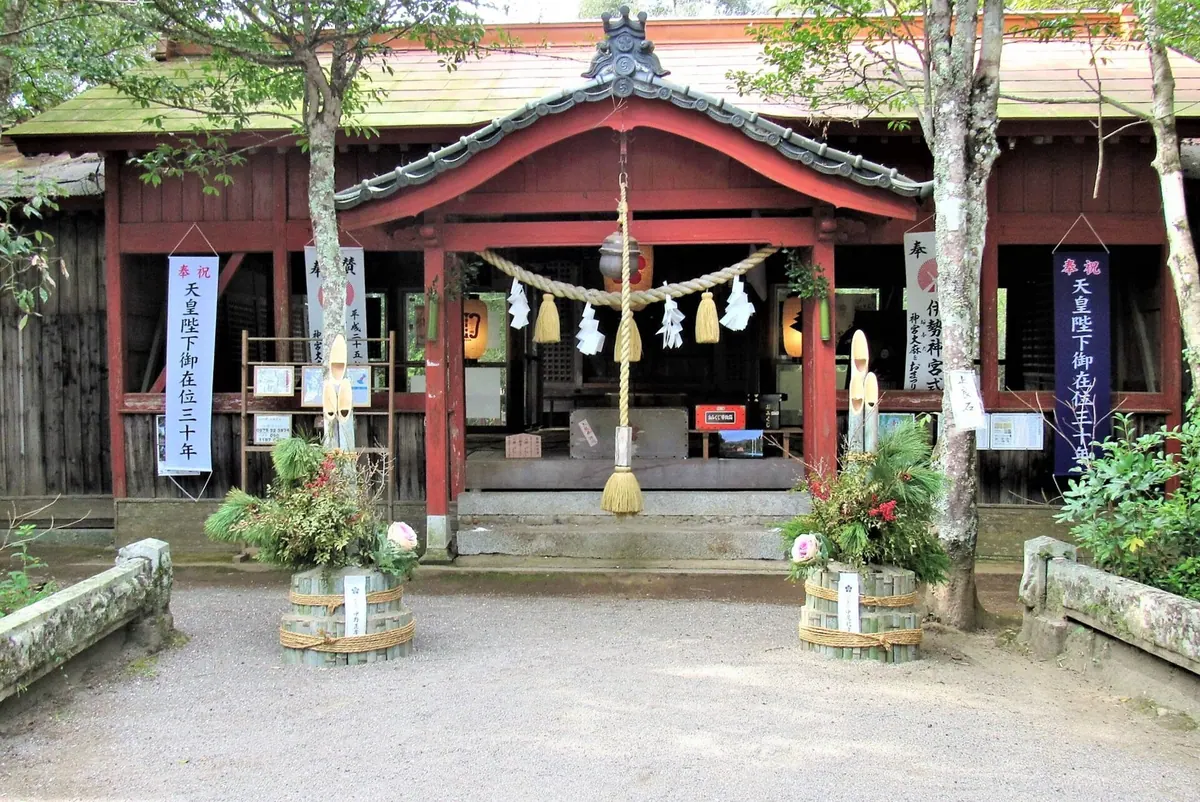
Historic shrine dedicated to Sugawara no Michizane, with a plum garden and unique festivals.
What it is
- Shinto shrine in Inumaru, Nakatsu City, Oita Prefecture.
- Dedicated to Sugawara no Michizane, who landed here in 901.
- Founded in 956 by Sugawara no Fumitoki.
What to see
- The 'Gokyaku Tenjin' statue, donated in 1680, is 30cm tall.
- The 'Torai-ishi' stone marks where Michizane sat.
- Worship hall was rebuilt in 2022.
- Inumaru Baien plum garden has over 100 plum trees.
When to go
- Plum garden is busy from mid-February to early March.
- The 'Goshinkosai' festival is held in late October annually.
- The 'Gokaijo Taisai' festival occurs every 24 years.
- Address
- 大分県中津市犬丸1530 Map
03
Suehiro Shrine
ŌITA · SHRINE 末廣神社
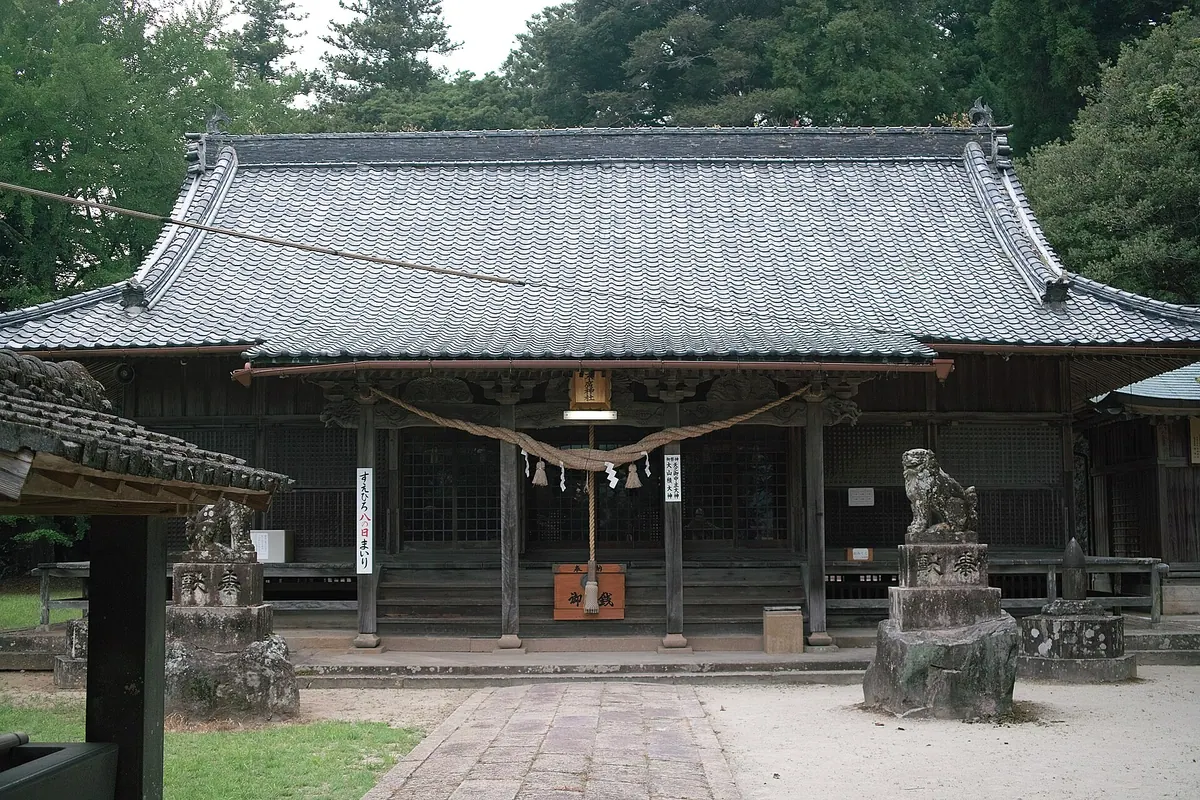
A historic shrine in Oita featuring a unique fortress-like castle structure and a culturally designated main hall from 1828.
What it is
- A shrine founded in 1601 by Kurushima Michichika within Mishima Park.
- Dedicated to the deity Oyamatsumi no Kami and renamed in 1873.
- The site originally served as the administrative office for the Mori Domain.
- A complex that merged with Myokengu and features several smaller branch shrines.
What to see
- A unique fortress-like castle structure located within the shrine grounds.
- The main hall completed in 1828, which is a designated prefectural cultural property.
- Architectural renovations commissioned by the eighth lord Kurushima Michihiro in 1837.
04
Shirahige Tawara Shrine
ŌITA · SHRINE 白鬚田原神社
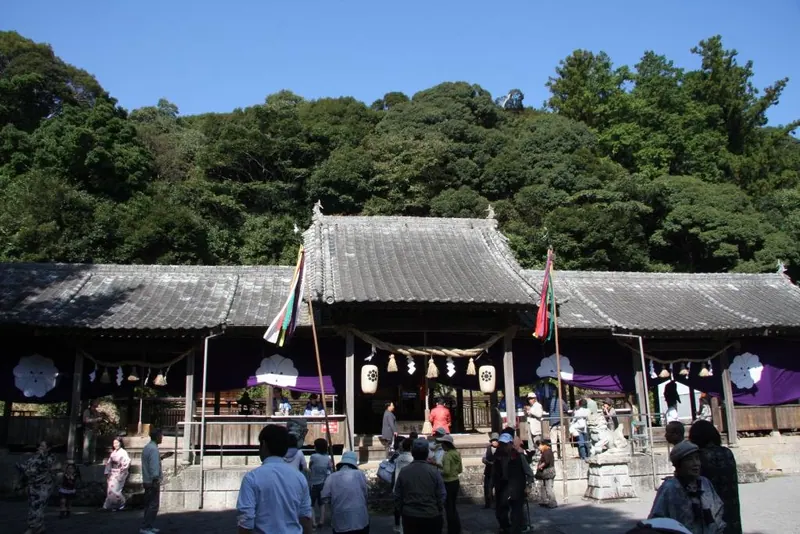
Visit this ancient shrine in Kyushu for its unique Doburoku Festival and sacred sake tradition.
What it is
- A historic village shrine in Kitsuki City, Oita Prefecture.
- Dedicated to the deity Amatsuhitakahikohoni Ninigi no Mikoto.
- Known for its 1300-year-old Doburoku Festival tradition.
- The only Kyushu shrine permitted to brew doburoku sake.
When to go
- October 17th and 18th for the Doburoku Festival.
- Doburoku sake is served on both festival days.
- A portable shrine procession takes place on October 18th.
- Festival events are a national intangible folk cultural asset.
Getting there
- A 20-minute drive from Kitsuki IC on Oita Airport Road.
- Address
- 大分県杵築市大田沓掛1693 Map
05
Mameda Yasaka Shrine
ŌITA · SHRINE 八阪神社
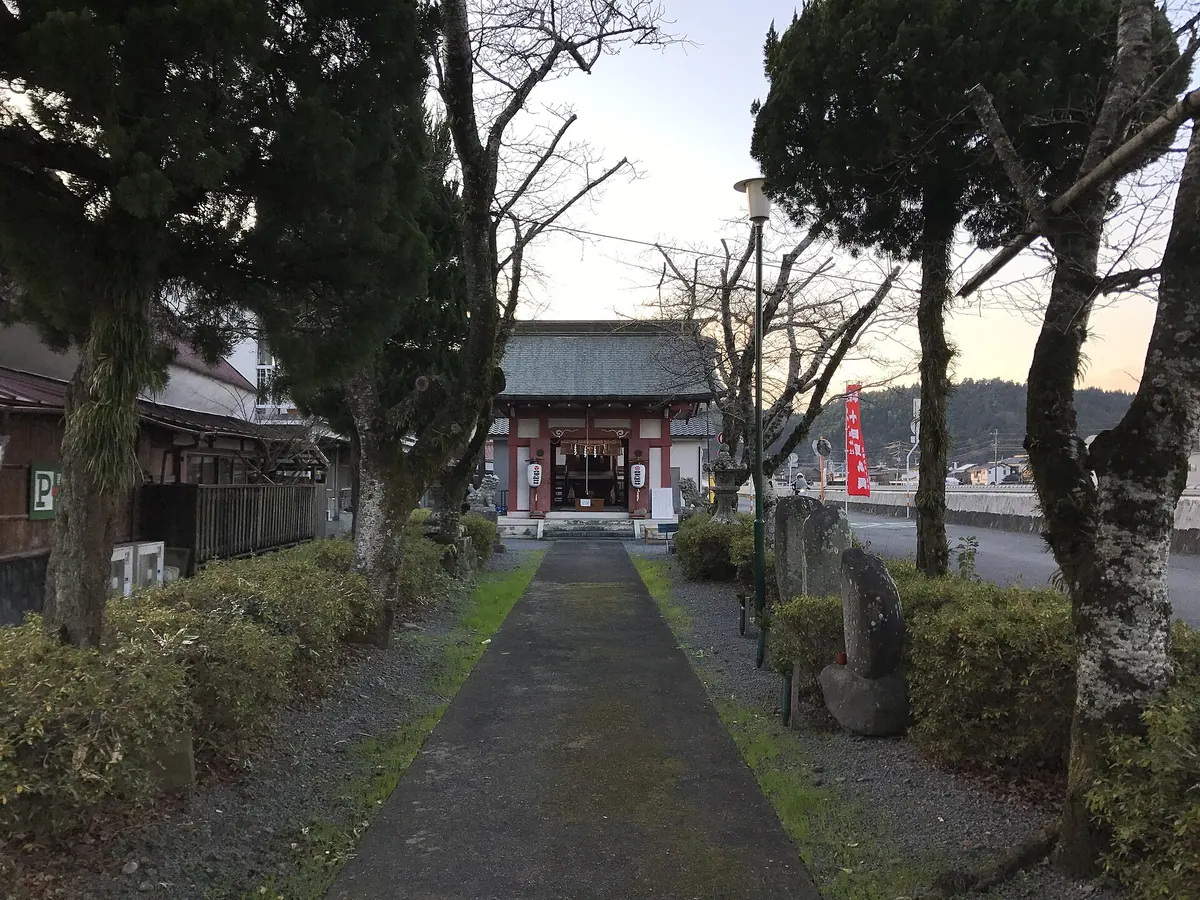
Mameda Yasaka Shrine is a historic site in Hita City, known for its significant Gion Festival.
What it is
- A shrine in Hita City, Oita Prefecture.
- Dedicated to the deity Susanoo-no-Mikoto.
- One of three shrines for the Hita Gion Festival.
- Relocated to its current site during the Hoei era.
What to see
- A 1864 drawing shows a Gion Shrine attached to Yamamoto-in.
- The current float procession circles between the shrine and Nakajyo Otabisho.
- The float event is a National Important Intangible Folk Cultural Property.
- The float event is a UNESCO Intangible Cultural Heritage.
When to go
- The annual festival is held on July 14th and 15th.
- Address
- 大分県日田市豆田町201 Map
06
Kasuga Shrine
ŌITA · SHRINE 春日神社
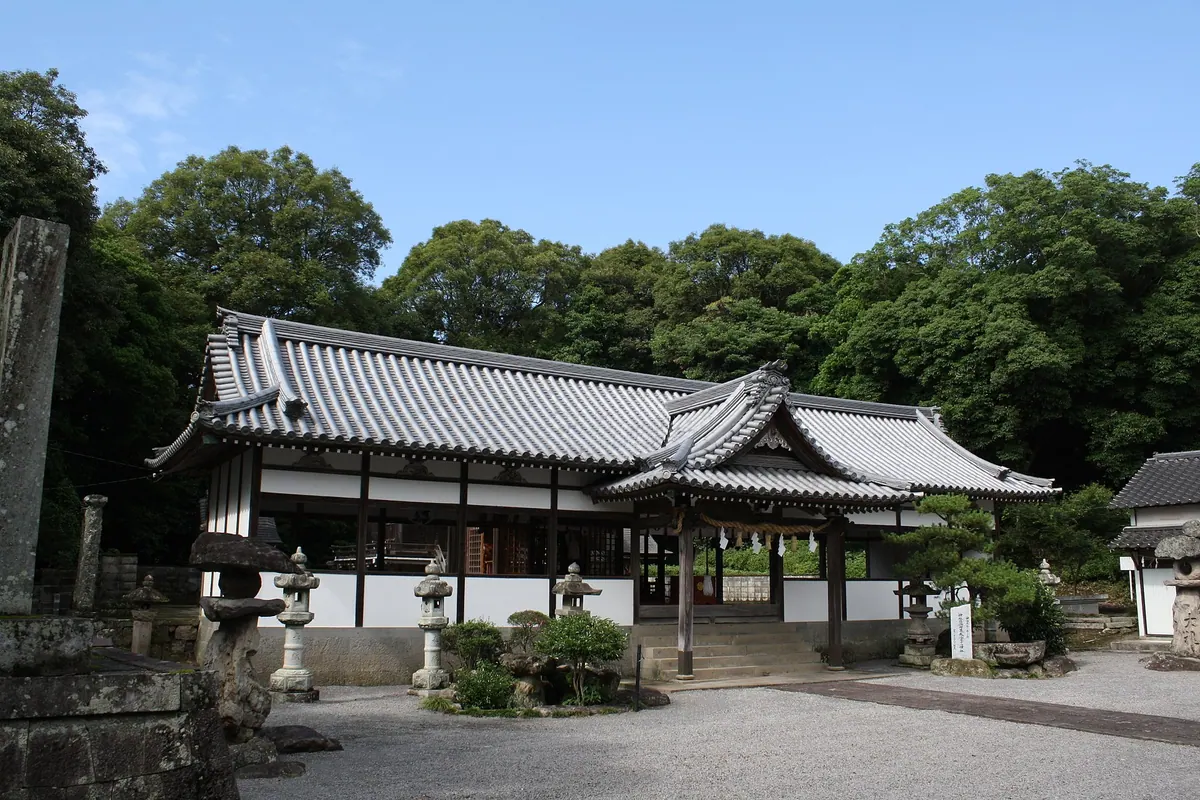
Ancient shrine dedicated to four deities, with historic buildings and unique rituals.
What it is
- Founded in 809 AD.
- Enshrines four deities: Takemikazuchi-no-mikoto, Futsunushi-no-mikoto, Amenokoyane-no-mikoto, and Hime-okami.
- Gained faith from the Otomo clan.
- Became a Gosha (village shrine) in 1873.
What to see
- Thirteen buildings are national tangible cultural properties.
- Main hall dates to the late Edo period.
- Bell tower was built in 1830.
- Possesses the 'Oshio-kumi Shinji Emaki' from 1825.
- 'Kasuga Jinja Shiokumi Emaki' is a city cultural property.
When to go
- Shiokumi Shinji ritual was recreated in 2009.
- Address
- 大分県豊後高田市草地三笠山 Map
07
Yusuhara Hachimangū
ŌITA · SHRINE 柞原八幡宮
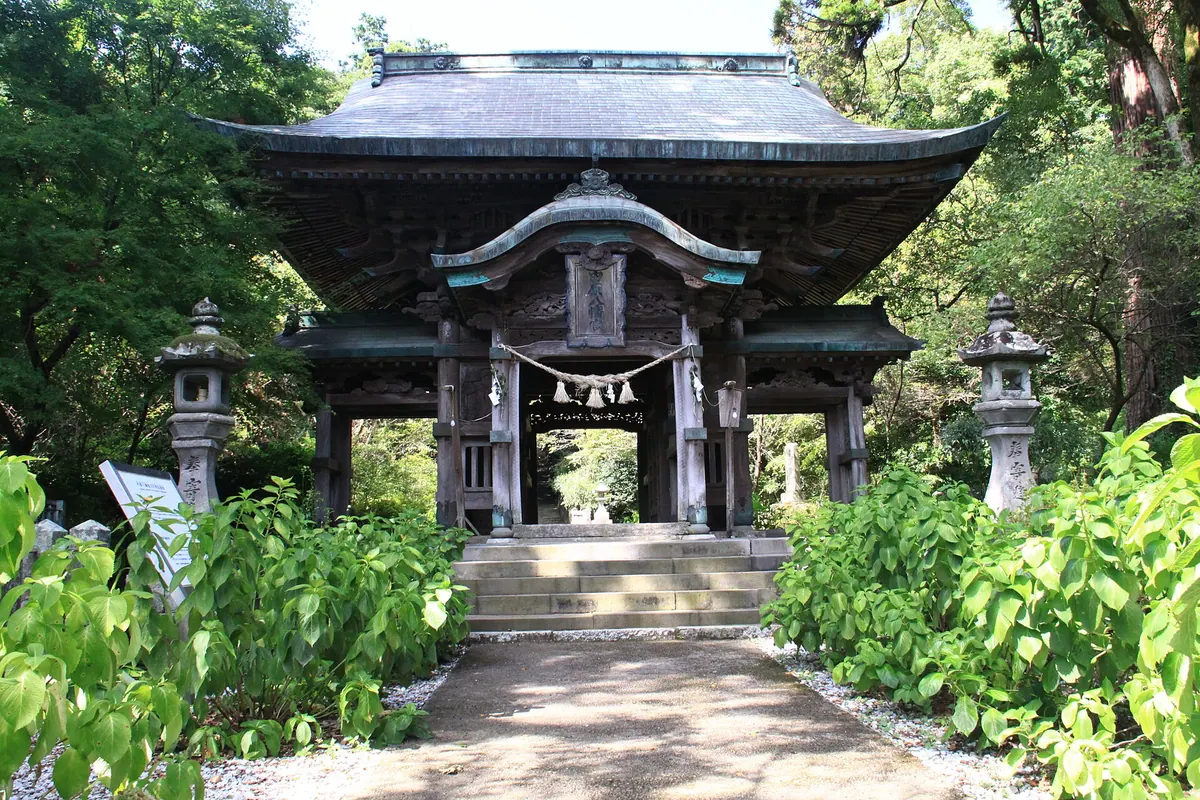
Ancient shrine in Oita with unique architecture, historic treasures, and a 3000-year-old camphor tree.
What it is
- A Shinto shrine in Oita City.
- Founded in 836 by Emperor Ninmyo's order.
- Dedicated to Emperor Chuai, Emperor Ojin, and Empress Jingu.
- Branch shrine of Usa Hachiman.
What to see
- Ten buildings are National Important Cultural Properties.
- Main hall built in Hachiman-zukuri style.
- South Gate, constructed in 1870.
- A camphor tree, a National Natural Monument.
- The camphor tree is over 3000 years old.
- Many artifacts are Important Cultural Properties.
When to go
- Shrine buildings rebuilt every 33 years since 998.
- Official site
- oita-yusuhara.com
08
Oita Gokoku Shrine
ŌITA · SHRINE 大分縣護國神社
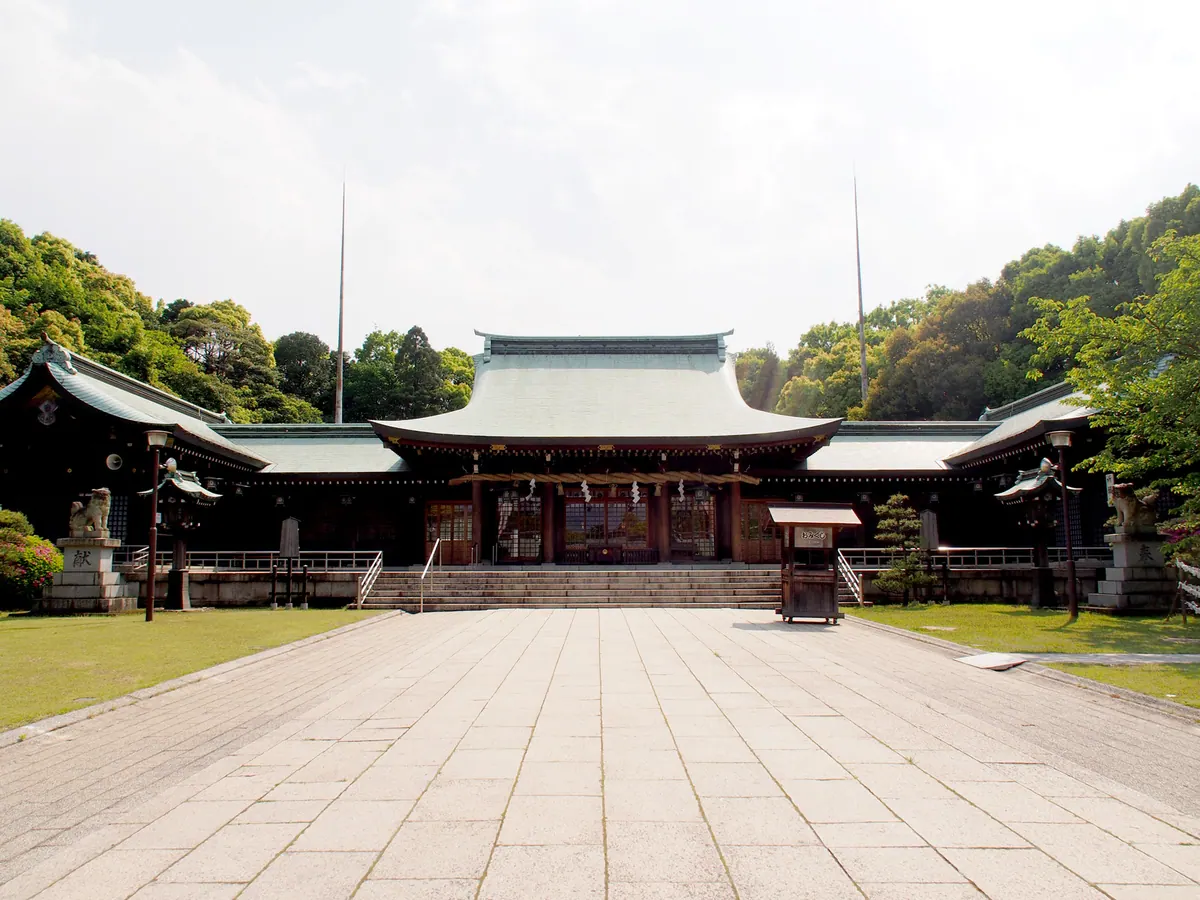
A Gokoku Shrine honoring Oita's war dead, known for its plum and cherry blossoms.
What it is
- Founded October 18, 1875.
- Enshrines about 44,000 war dead from Oita Prefecture.
- Also enshrines police officers and self-defense officials.
- Designated a Gokoku Shrine by the Minister of Home Affairs.
What to see
- Memorial tower for Oita Prefecture war dead.
- Largest ema in Kyushu, measuring 3m by 5m.
- About 200 plum trees on the grounds.
- About 500 cherry trees on the grounds.
When to go
- Known as a famous place for plum blossoms.
- Known as a famous place for cherry blossoms.
- Address
- 大分県大分市大字牧1371[1] Map
09
Ohara-hachimangu
ŌITA · SHRINE 大原八幡宮
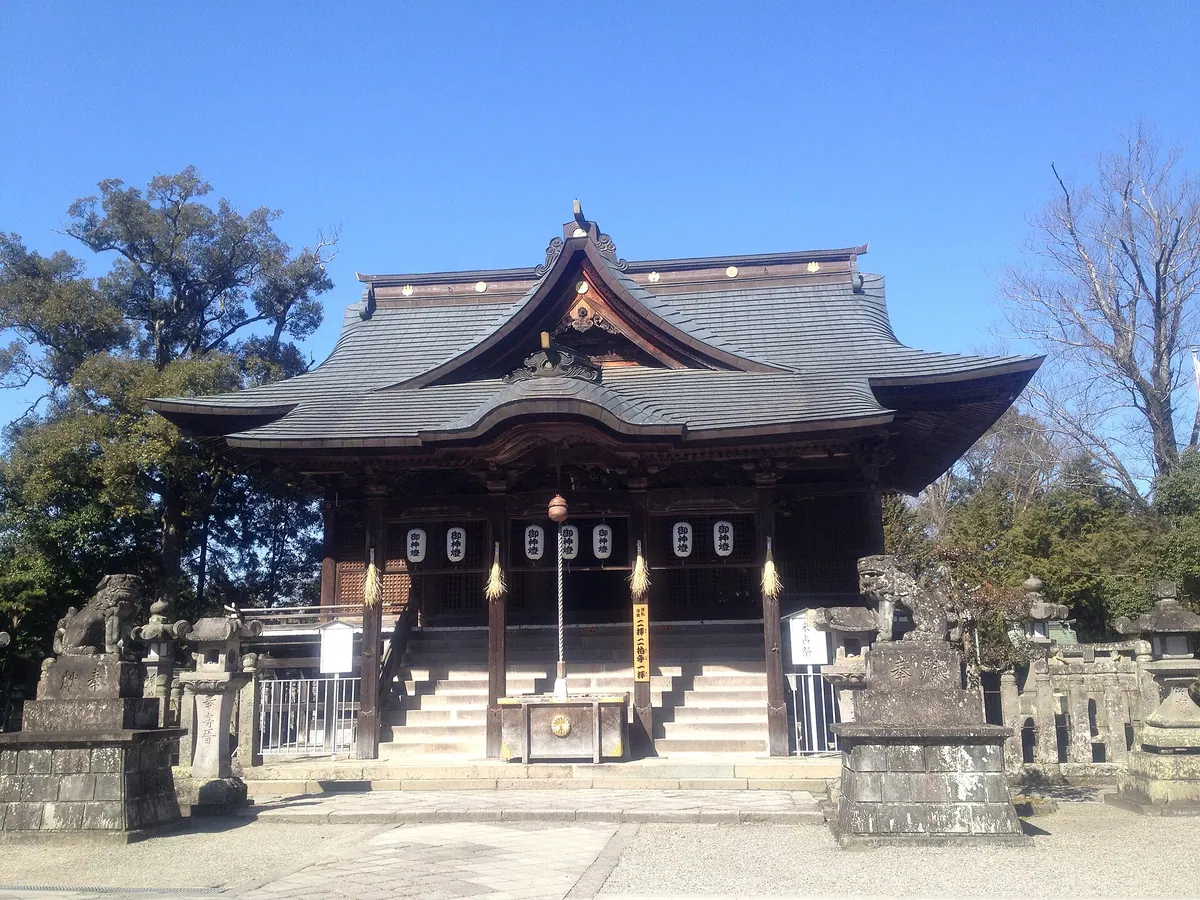
Ohara-hachimangu is a historic Hachiman shrine with unique architecture and a significant cultural ritual.
What it is
- Largest Hachiman shrine in Hita City.
- Enshrines Hondawake-no-mikoto, Otarashihime-no-mikoto, and Hime-okami.
- Predecessor shrine established in 704.
- Moved to its current location in 1624.
What to see
- Main hall uses Hachiman-zukuri architectural style.
- Main hall, offering hall, and worship hall built in 1794.
- Tower gate is the oldest building, built in 1687.
- Tower gate, worship hall, offering hall, main hall are cultural properties.
- Rice divination ritual is an intangible folk cultural asset.
- Address
- 大分県日田市田島2丁目184 Map
10
Ōgimori Inari Shrine
ŌITA · SHRINE 扇森稲荷神社
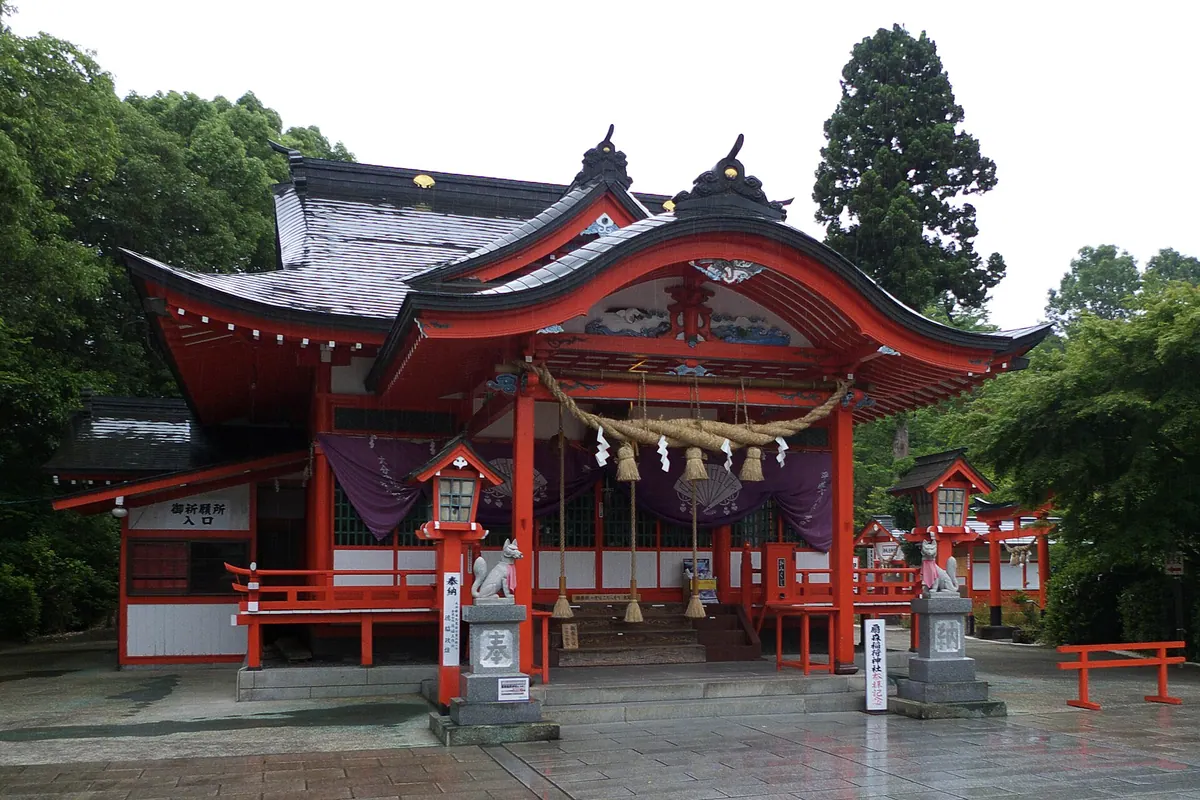
This large Inari shrine in Kyushu offers bright red torii gates and fox statues, with city views.
What it is
- Largest Shinto shrine in Taketa.
- One of the most prominent Inari shrines in Kyushu.
- Dedicated to Inari deity, associated with rice cultivation.
- Established as a sanctuary in 1616.
What to see
- Succession of bright red torii gates.
- Fox statues of many sizes throughout the grounds.
- Sweeping views over Taketa from the stone staircase.
When to go
- First few days of the new year are particularly busy.
- Other times of the year offer a more peaceful experience.
- Address
- 大分県竹田市大字拝田原字桜瀬811 Map
11
Nakatsu Daijingu
ŌITA · SHRINE 中津大神宮
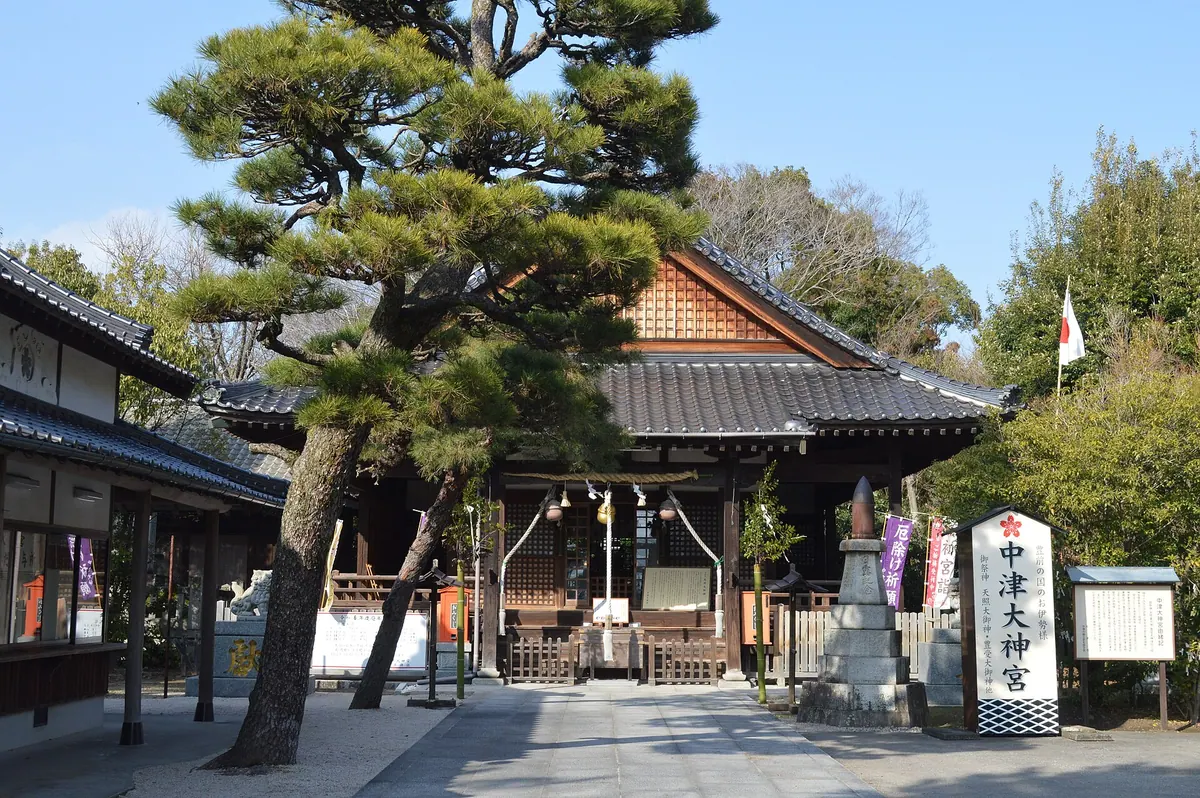
Nakatsu Daijingu is a historic shrine in Oita Prefecture, notable for its enshrined deities and summer festival.
What it is
- A shrine in Nakatsu City, Oita Prefecture.
- Enshrines Amaterasu Omikami and Toyouke Omikami.
- Founded in 1881 as Jingu Buzen Kyokai.
- Renamed Nakatsu Daijingu in 1946.
What to see
- Nakatsu Jinja enshrines Susanoo-no-Mikoto and Emperor Ojin.
- Shrine grounds contain the monument of the Nakatsu-tai.
- Kii Jinja enshrines Shiroi Shigefusa.
- Senjo Jinja enshrines 45 retainers of Shiroi Shigefusa.
When to go
- Nakatsu Gion is held annually in late July.
- Address
- 大分県中津市二ノ丁1273-1 Map
12
Maruyama Shrine (Oita)
ŌITA · SHRINE 丸山神社
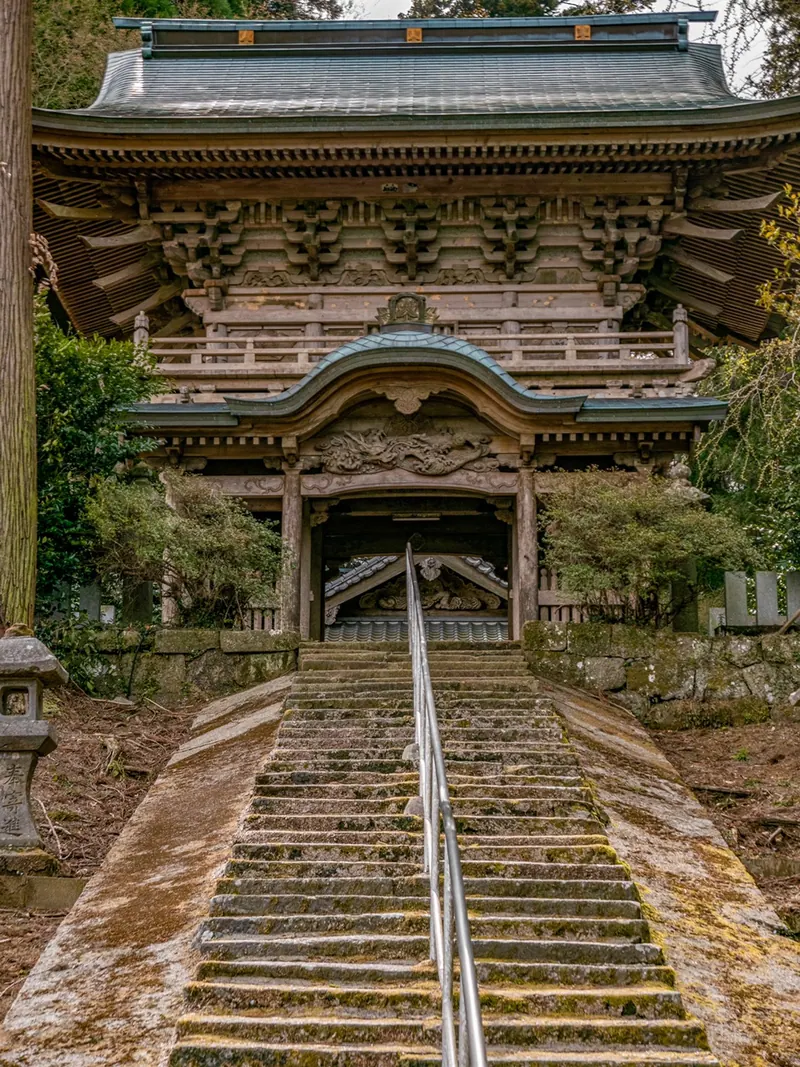
Maruyama Shrine, founded in 1610, offers a glimpse into local history and traditional Japanese architecture.
What it is
- Shrine founded in 1610 by Kato Kiyomasa.
- Dedicated to Emperors Ojin, Keiko, Chuai, and Empress Jingu.
- Sugawara no Michizane and other deities enshrined later.
- Known as Maruyama Hachiman during the Edo period.
What to see
- Two-story gate built in 1720.
- Gate is an Oita City tangible cultural property.
- Old Higo (Bungo) Road passes in front.
- 660-meter section of old road is a historic site.
When to go
- Main festival is held on April 20th.
- Address
- 大分県大分市今市2568 Map
13
Sasamuta Shrine
ŌITA · SHRINE 西寒多神社
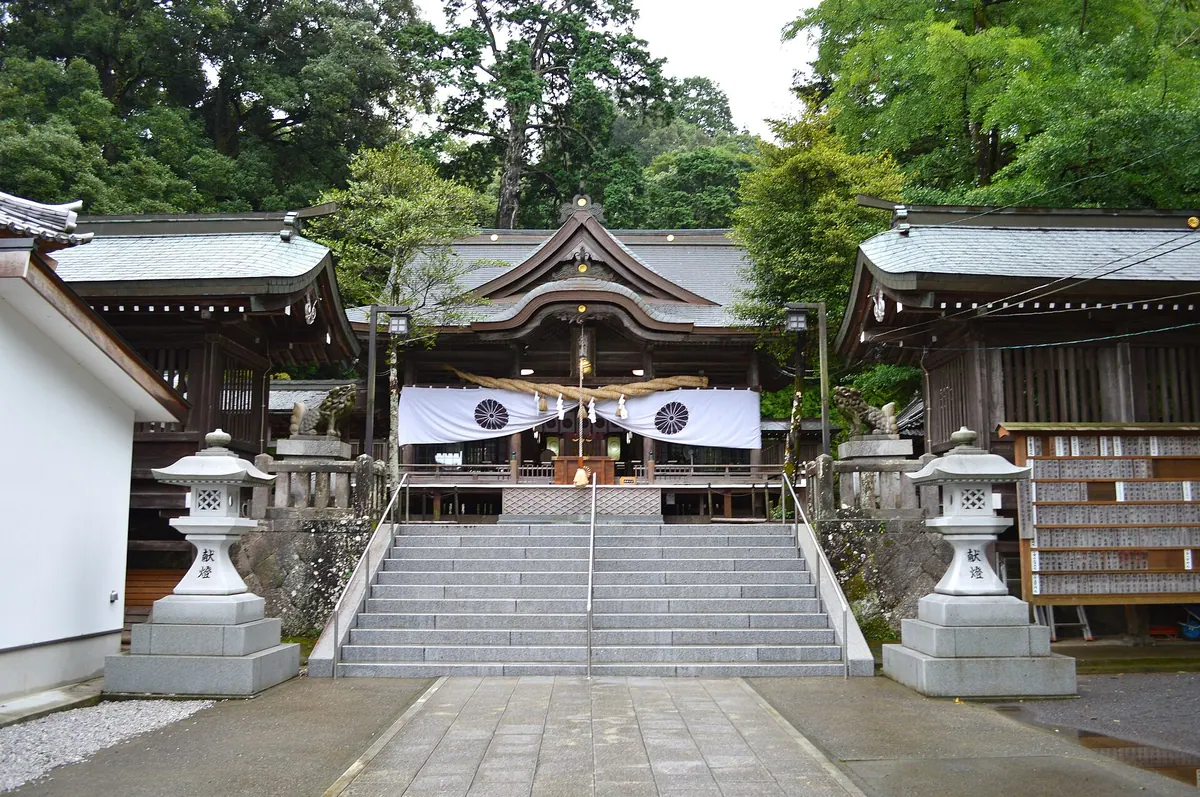
Sasamuta Shrine is an ancient grand shrine in Oita City with important cultural properties.
What it is
- A grand Shinto shrine (Shikinaisha) in Oita City.
- It is the Ichinomiya (chief shrine) of Bungo Province.
- Dedicated to the deity Sasamuta Okami.
- Its history is recorded in the Nihon Sandai Jitsuroku.
What to see
- The Mannenbashi, a stone arch bridge at the entrance.
- The Shinko storehouse, built in 1886.
- The Shinko is a cultural property of Oita City.
- The Mannenbashi is a cultural property of Oita Prefecture.
- The Hongu Jinja, an inner shrine (Okumiya).
- Address
- 大分県大分市寒田 Map
- Official site
- sasamuta.com
14
Hayasuihime Shrine
ŌITA · SHRINE 早吸日女神社
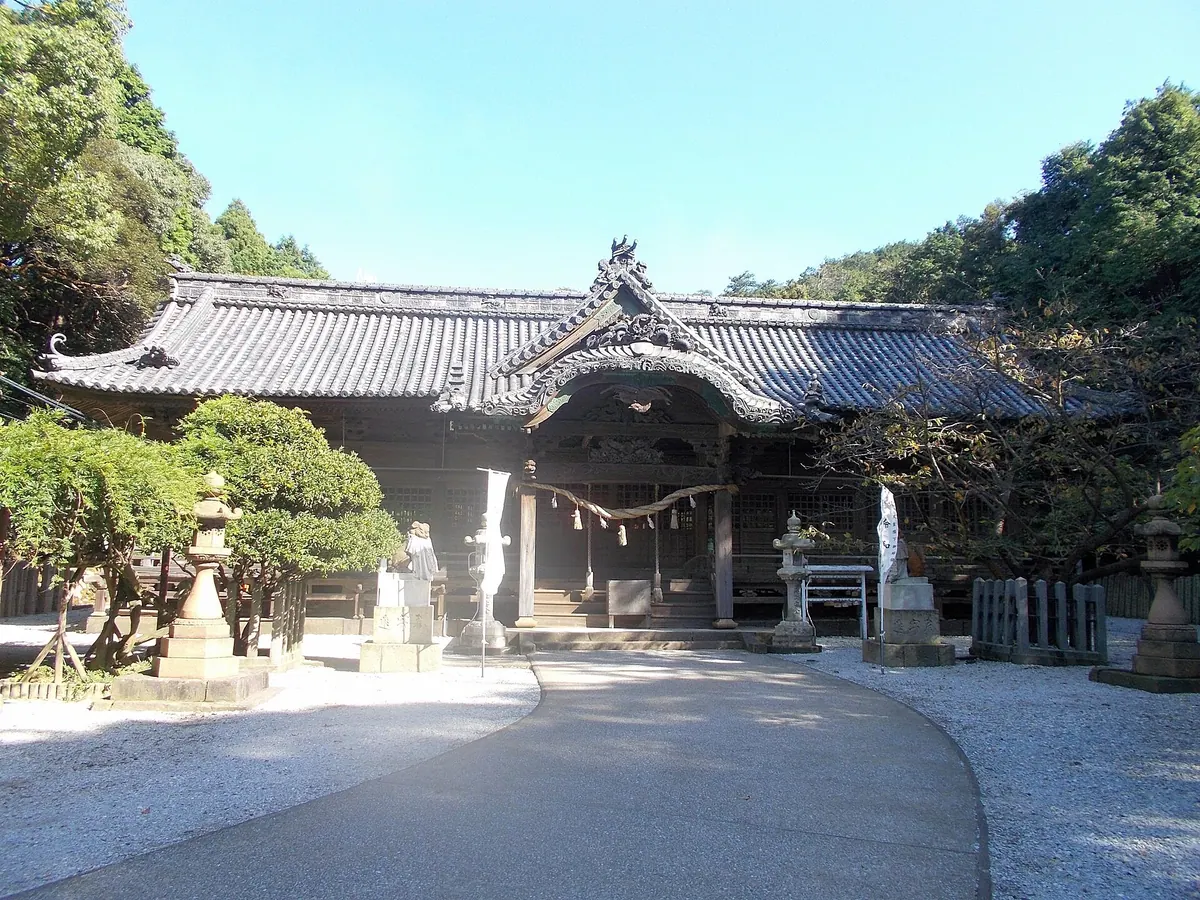
Hayasuihime Shrine: an ancient shrine with unique architecture and cultural properties.
What it is
- A Shikinaisha shrine, formerly a Prefectural Shrine.
- Also known as Seki no Gongen-sama.
- Enshrines Yasomagatsuhinokami and Onahobinokami.
- Relocated to its current site in 701.
What to see
- Main hall, main gate, and shrine house are cultural properties.
- These structures were designated in March 2004.
- Worship hall roof has unique tiles.
When to go
- Fuji Festival is held in early May.
- A grand festival takes place in July.
- Address
- 大分県大分市佐賀関3336-2 Map
15
Hirose Shrine (Taketa)
ŌITA · SHRINE 広瀬神社 (竹田市)
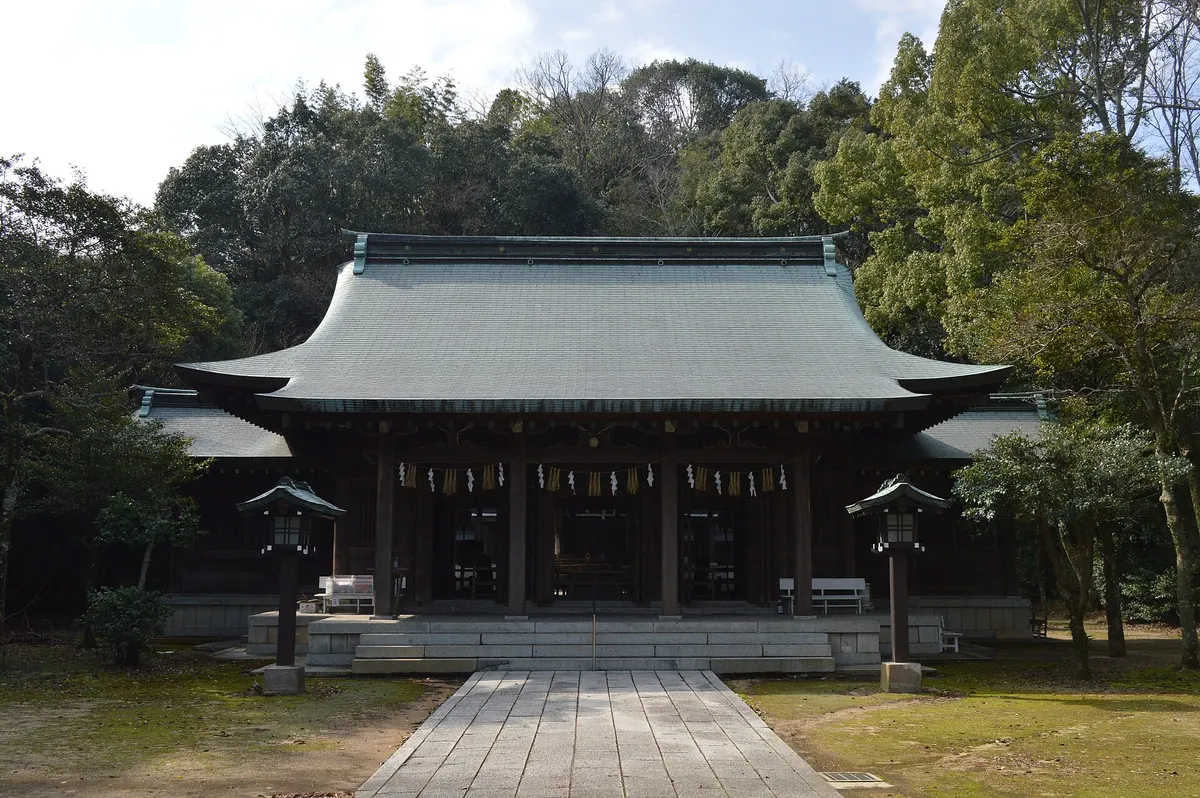
Hirose Shrine honors a naval hero and war dead, with a museum dedicated to his life.
What it is
- Established in 1935 as a prefectural shrine.
- Dedicated to Lieutenant Commander Takeo Hirose.
- Enshrines over 1400 war dead from Naori District.
What to see
- Bust of Takeo Hirose stands before the torii.
- Takeo Hirose Memorial Museum is on the grounds.
- Museum displays artifacts of Takeo Hirose.
- A cutter from the battleship Asahi is in the museum.
- Monument to General Korechika Anami is present.
- Inscription on monument written by Nobusuke Kishi.
- Address
- 大分県竹田市大字竹田2020 Map
16
Honoo-Honome Shrine
ŌITA · SHRINE 火男火売神社
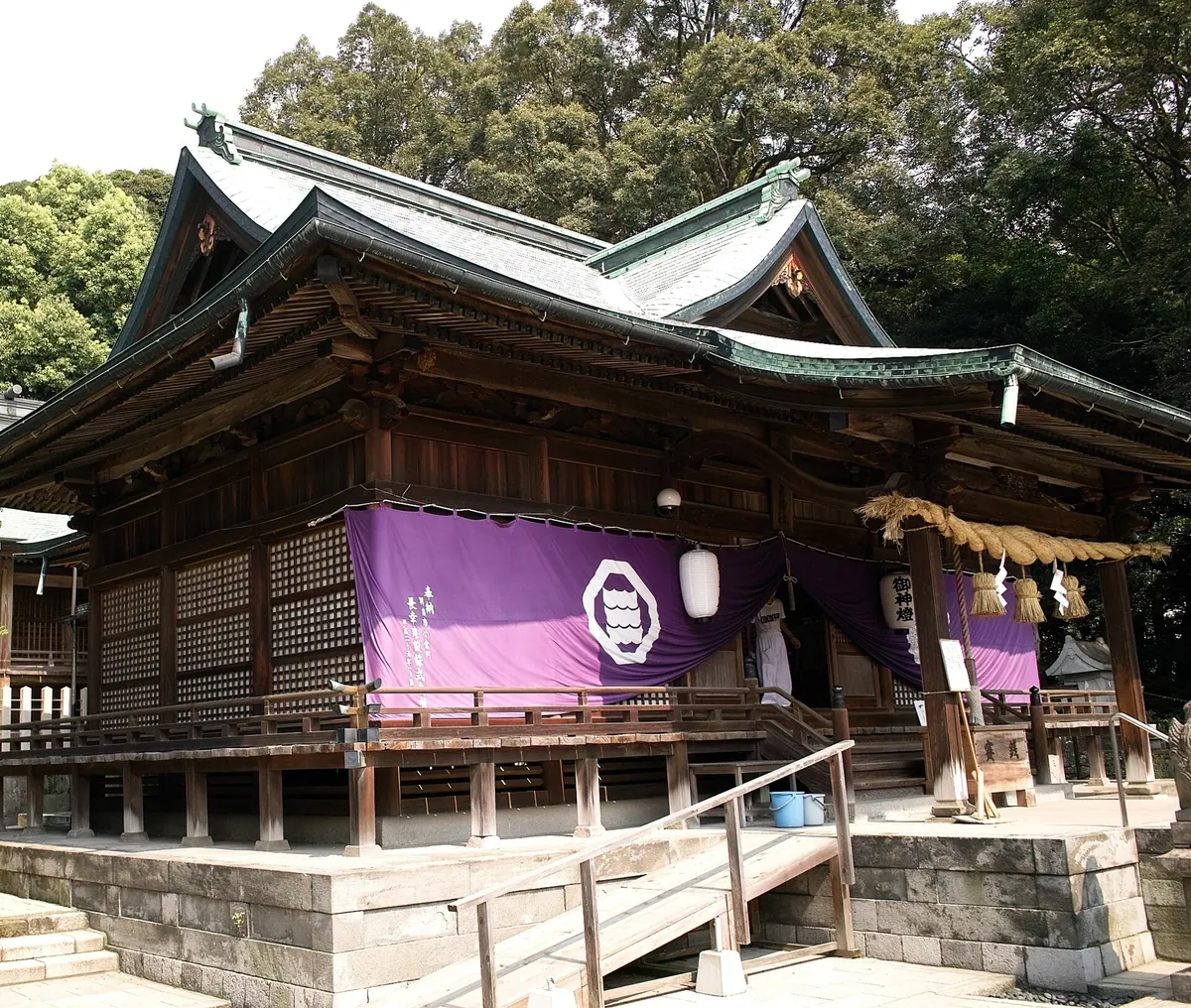
Honoo-Honome Shrine, founded in 771, is a historic site with cultural properties and natural monuments.
What it is
- A Shikinaisha shrine founded in 771.
- It consists of three parts: upper, middle, and lower.
- Listed in the ancient Engishiki Jinmyocho.
What to see
- The upper shrine on Mt. Tsurumi's summit.
- The middle shrine on Mt. Tsurumi's mountainside.
- The lower shrine at Mt. Tsurumi's foot.
- Designated tangible cultural properties.
- Designated natural monuments.
When to go
- Prayers offered during a Mt. Tsurumi eruption in 867.
- Address
- 上宮:大分県別府市東山 中宮:大分県別府市東山一区 下宮:大分県別府市火売8-1 Map
- Official site
- honomejinja.jp
17
Komo Shrine
ŌITA · SHRINE 薦神社
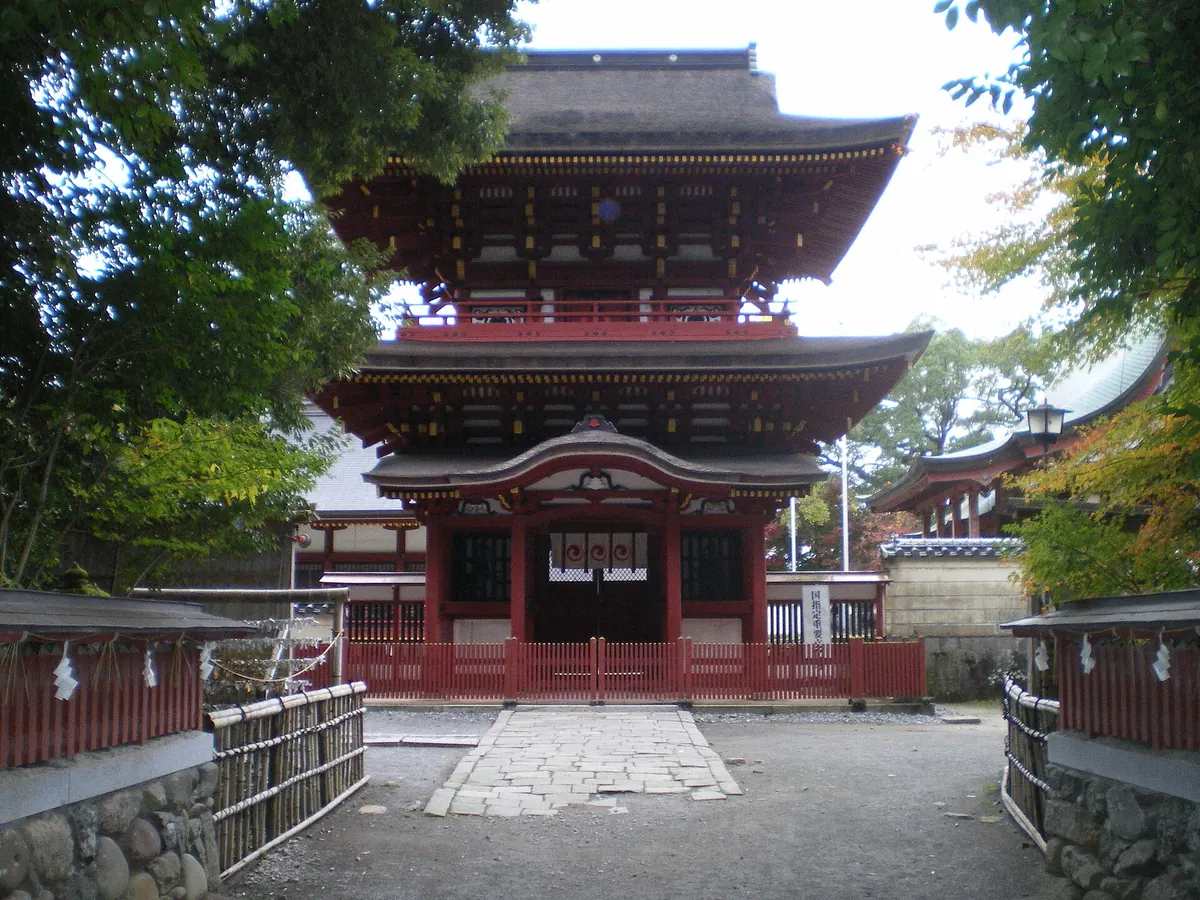
Komo Shrine, founded in the 9th century, is an ancestral shrine of Usa Jingu with important cultural properties.
What it is
- An ancestral shrine of Usa Jingu.
- Founded between 834 and 848.
- Also called Osada Hachimangu.
- Enshrines Emperor Ojin, Hime Okami, and Empress Jingu.
What to see
- Misumi Pond is the inner shrine.
- The main sanctuary is the outer shrine.
- Main gate built in 1622 by Hosokawa Tadaoki.
- Main gate is a National Important Cultural Property.
- Shrine buildings constructed in the late Edo period.
- Aquatic plant community of Misumi Pond.
- Address
- 大分県中津市大字大貞209 Map
18
Hiji Wakamiya Hachiman Shrine
ŌITA · SHRINE 日出若宮八幡神社
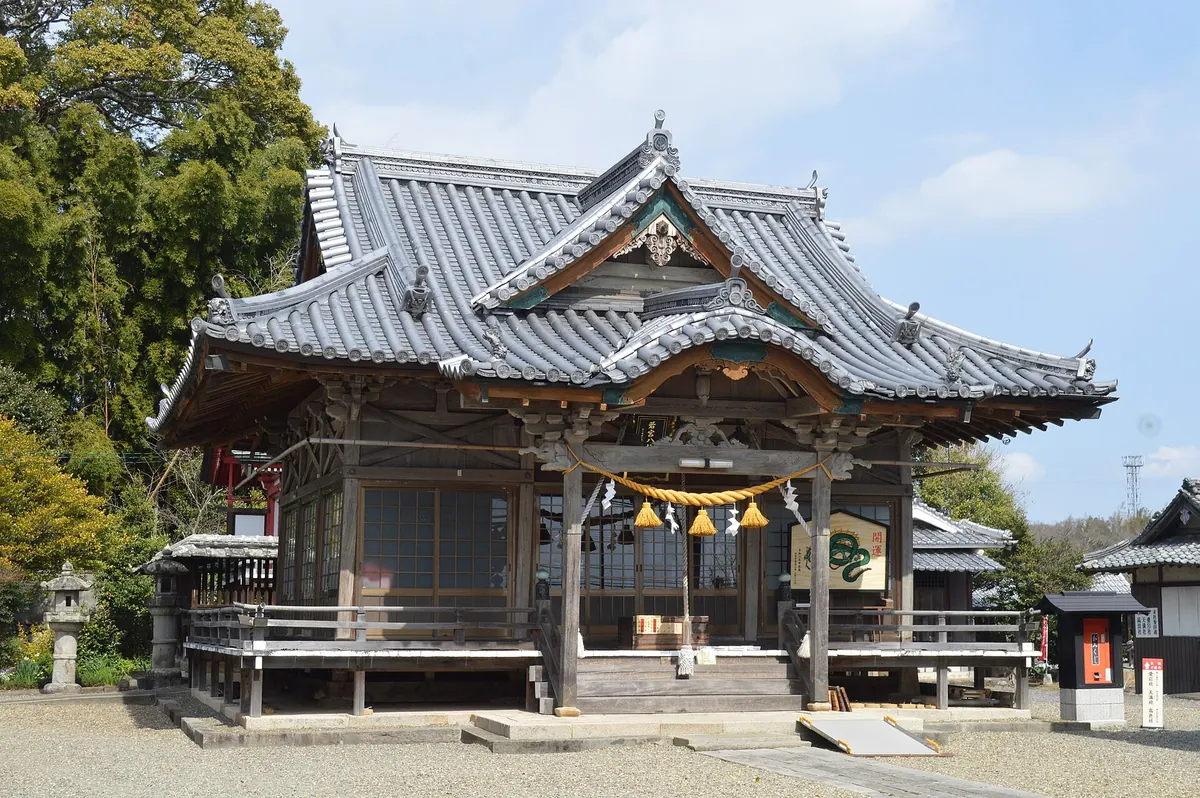
Ancient shrine in Oita with historic gates and lanterns, rebuilt by local lords.
What it is
- Shrine established in 959.
- Enshrines eight deities.
- Rebuilt in 1602 by Kinoshita Nobutoshi.
- Designated a prefectural shrine in 1932.
What to see
- Main hall built in 1669.
- Tower gate completed in 1703.
- Tower gate is a Hiji Town cultural property.
- Four stone torii gates are cultural properties.
- Eight stone lanterns are cultural properties.
When to go
- Annual festival on October 14th and 15th.
- Address
- 大分県速見郡日出町2831-1 Map
19
Tetsudō Shrine
ŌITA · SHRINE 鉄道神社
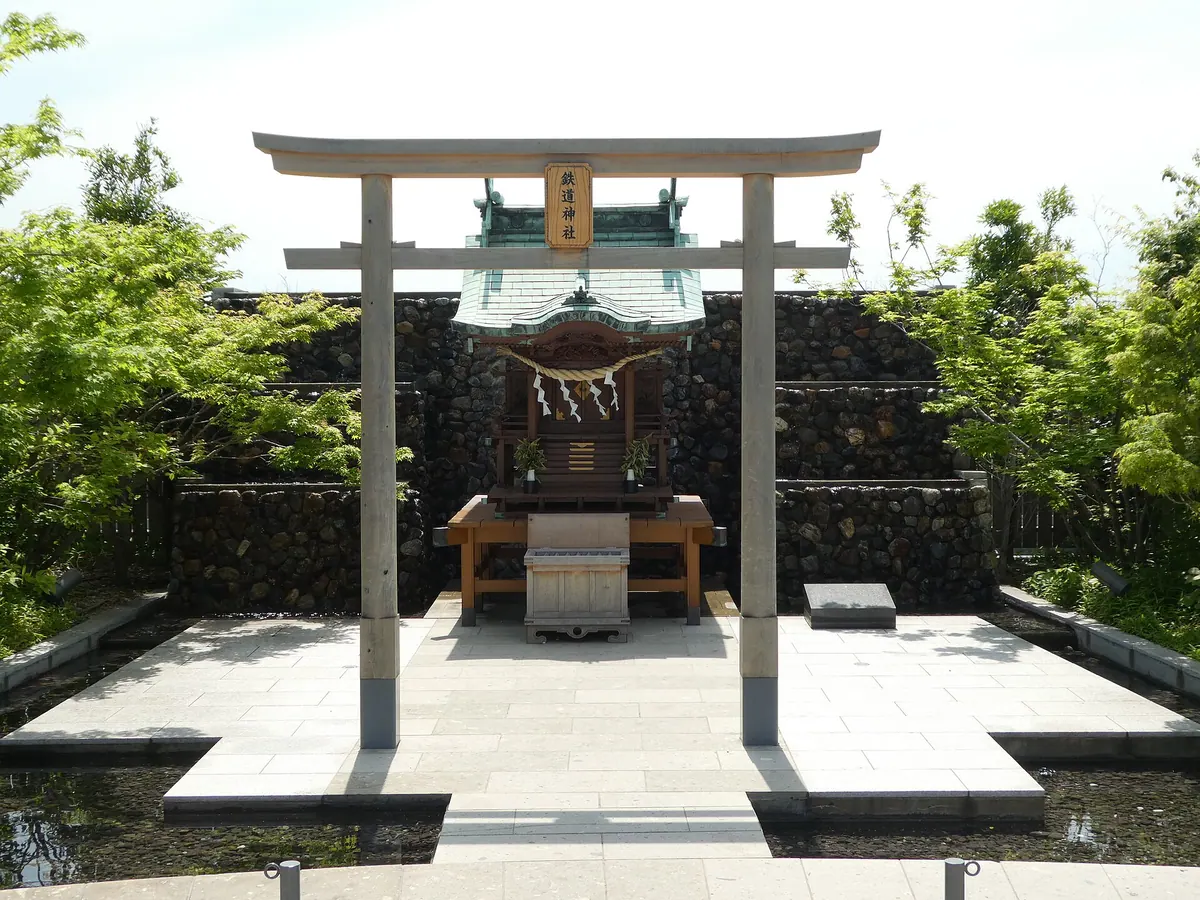
Tetsudō Shrine, a unique rooftop shrine in Oita City, offers a peaceful escape and city views.
What it is
- A shrine established in 1965.
- It enshrines a spirit from Tasohara Hachiman Shrine.
- Built using camphor trees from Oita Station.
What to see
- The shrine building on a rooftop garden.
- Views of Oita City from the roof.
When to go
- Main shrine relocation festival was held April 10, 2015.
Getting there
- Located on the roof of the JR Oita City building.
- Address
- 大分県大分市要町 Map
20
Unaguhime Shrine
ŌITA · SHRINE 宇奈岐日女神社
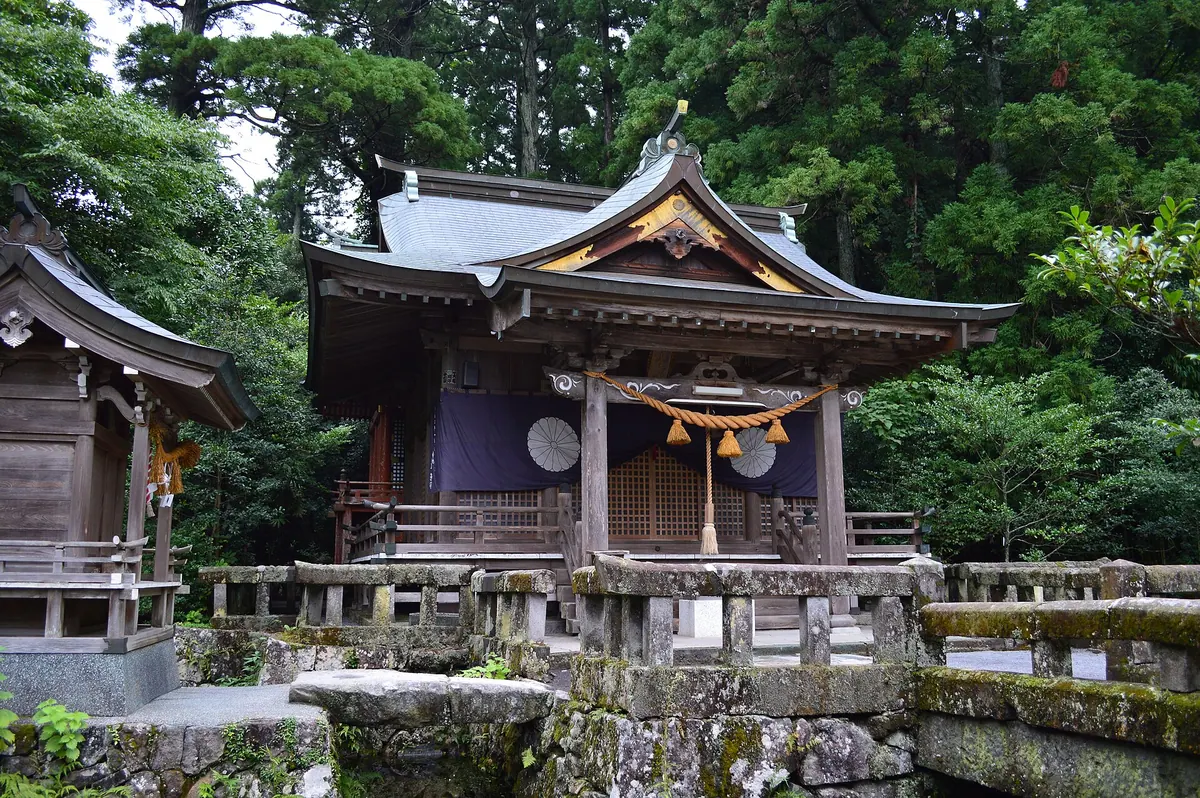
Unaguhime Shrine is a historic shrine with a giant cedar, easily accessible from Yufuin Station.
What it is
- A Shikinaisha shrine, formerly a prefectural shrine.
- Also known as Rokushogu, enshrining six deities.
What to see
- Vermilion-lacquered nagare-zukuri style main hall.
- Large torii gate in the center of Yufuin.
- Okisusha's giant cedar, a national natural monument.
- The cedar is over 1,000 years old and 38 meters tall.
Getting there
- 15-minute walk from Yufuin Station.
- Address
- 大分県由布市湯布院町川上2220 Map